
• Home
  • About Us
  • Toolkit
  • Getting Finances Done
    • Hiring Advisors
    • Debt Management
    • Spending Plan
  • Insurance
    • Life Insurance
    • Health Insurance
    • Disability Insurance
    • Homeowners/Renters Insurance
  • Contact Us
  • Risk Tolerance Quiz
  • Our Editorial Commitment

The Free Financial Advisor

You are here: Home / Archives for financial help

California’s Processing Lag: Why EBT Deposits Are Delayed in Certain Counties

May 1, 2026 by Brandon Marcus Leave a Comment

California’s Processing Lag: Why EBT Deposits Are Delayed in Certain Counties
Image Source: Shutterstock.com

Certain counties in California face ongoing bottlenecks that slow down EBT deposits, and the issue rarely comes down to just one problem. Local agencies handle benefit distribution, and each county operates with different staffing levels, technology systems, and administrative workflows. A county with outdated software or staffing shortages often falls behind during high-demand periods, especially at the start of the month. Seasonal spikes, such as back-to-school months or holiday periods, tend to amplify these delays even more. All of these moving parts create uneven processing speeds across the state, leaving some households waiting longer than others.

Counties with larger populations often experience the biggest delays, but smaller counties aren’t immune either. When caseworkers juggle hundreds of files at once, even minor verification issues can stall payments for days. A missed document or system flag can push a case to the back of the queue without much warning. Residents in these areas sometimes notice patterns, like consistent delays during renewal cycles or after policy updates.

Technology Gaps and Outdated Systems Play a Major Role in Delays

California runs one of the largest public benefits systems in the country, but not every county uses the same level of technology. Some regions rely on older systems that struggle to process large batches of data efficiently. When systems lag, deposits don’t go out on schedule, even if approvals already exist. Workers often must manually correct errors or reprocess files, which eats up valuable time and slows everything down further. That manual intervention adds another layer of delay that many recipients never see but definitely feel.

Modern systems can automate many steps, but implementation takes time and funding that not every county prioritizes equally. Counties that upgraded their systems tend to process benefits faster and with fewer errors. Meanwhile, others still rely on patchwork fixes that create more work in the long run. Technical glitches, system outages, or even routine maintenance can temporarily freeze payment processing altogether. For families depending on those funds, even a short delay can disrupt grocery plans and monthly budgeting.

Staffing Shortages Are Quietly Impacting Benefit Distribution

Staffing shortages don’t make headlines, but they play a huge role in delayed EBT deposits. Many county social service offices operate with fewer workers than they need, especially after years of budget constraints and high turnover. When fewer employees handle more cases, processing times stretch longer than intended. Workers must prioritize urgent cases, which sometimes pushes routine deposits further down the line. That juggling act creates inconsistencies in when benefits actually arrive.

Training new employees also takes time, and inexperienced staff often need extra oversight before handling complex cases independently. During that learning curve, processing slows even more. Some counties attempt to bring in temporary workers, but those short-term fixes rarely solve long-term inefficiencies. Residents may not see these behind-the-scenes challenges, but they directly impact how quickly benefits show up on EBT cards. The result feels unpredictable, even when the system follows internal logic.

Policy Changes and Verification Requirements Can Trigger Unexpected Delays

State and federal policy updates often introduce new verification steps, and those steps can slow everything down. When rules change, counties must adjust their processes quickly, which doesn’t always happen smoothly. A new documentation requirement or eligibility check can add days—or even weeks—to processing timelines. Recipients might suddenly need to submit additional paperwork without much notice. That extra step can hold up deposits until everything clears.

Even small discrepancies can cause a file to pause for review. A mismatch in reported income or household size might require manual verification before approval continues. These checks protect the integrity of the system, but they also create friction for recipients who rely on timely payments. People who respond quickly to requests usually resolve issues faster, but delays still happen when offices face heavy workloads. Staying proactive helps, but it doesn’t eliminate every obstacle.

What Affected Residents Can Do

Residents dealing with delayed EBT deposits don’t have to sit back and wait without options. Checking account status regularly through online portals or customer service lines can help catch issues early. Many counties offer alerts or updates that notify recipients about missing documents or pending actions. Responding quickly to those alerts can prevent minor issues from turning into major delays. Keeping personal information updated also reduces the chance of verification problems.

Planning ahead plays a big role in managing these delays. Households that build a small buffer—when possible—often handle timing gaps with less stress. Local food banks and community programs can also provide short-term support during unexpected delays. Reaching out to county offices directly sometimes speeds up resolution, especially if a case gets stuck in review. Taking these steps won’t fix systemic issues, but they can make the waiting period more manageable.
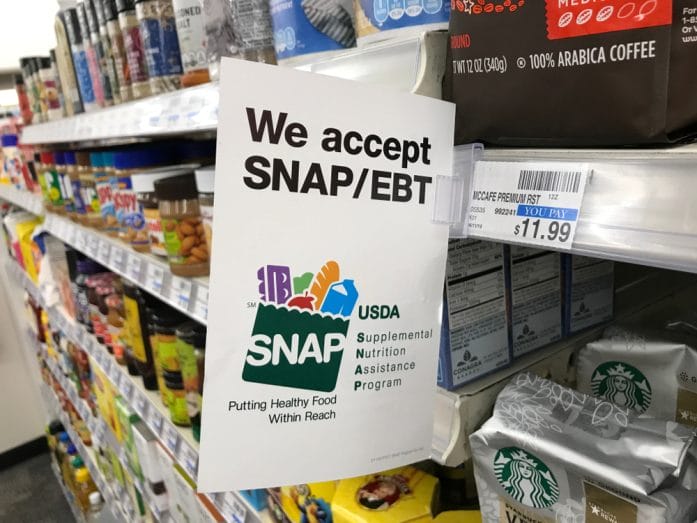
California’s Processing Lag: Why EBT Deposits Are Delayed in Certain Counties
Image Source: Shutterstock.com

Why Fixing These Delays Matters More Than Ever

EBT delays don’t just inconvenience recipients—they disrupt entire household routines and financial stability. When benefits arrive late, grocery budgets shrink, and families must make tough choices about meals. Reliable access to food assistance plays a crucial role in maintaining health and reducing financial strain. Counties that improve processing times help strengthen community well-being in a very real way. Faster systems mean fewer gaps between need and support.

Statewide improvements require investment in technology, staffing, and streamlined policies. Some counties have already shown that upgrades can reduce delays significantly. Expanding those improvements across all regions would create a more consistent experience for recipients. Until then, disparities will continue based on where someone lives. Addressing these gaps remains essential for ensuring fair and timely access to benefits across California.

When the System Slows Down, Preparation Becomes Power

Delays in EBT deposits highlight how fragile essential systems can become under pressure, but preparation gives households a stronger footing. Staying informed about local processing timelines helps set realistic expectations each month. Building awareness around common delay triggers allows recipients to act quickly when issues arise. Even small steps, like double-checking renewal dates or keeping documents handy, can prevent unnecessary setbacks. That sense of control makes a stressful situation feel more manageable.

What has been your experience with EBT deposit timing—smooth sailing or frustrating delays? Give us your thoughts and experiences in the comments below.

You May Also Like…

Why Banks Are Quietly Reducing Cash Withdrawal Limits in California, New York, Texas, Florida, and Illinois

California Heirs Are Facing Higher Property Taxes Under Prop 19 Transfer Rules

Colorado TABOR Refunds Are Reduced When Residents Owe State Debts

How a Change in Marital Status Can Trigger Benefits Reversals

April Food Alert: How to Use SNAP’s Medical Expense Deduction if Your Benefits Suddenly Dropped

Brandon Marcus
Brandon Marcus

Brandon Marcus is a writer who has been sharing the written word since a very young age. His interests include sports, history, pop culture, and so much more. When he isn’t writing, he spends his time jogging, drinking coffee, or attempting to read a long book he may never complete.
Filed Under: Lifestyle Tagged With: benefit payments, California counties, California EBT, EBT processing issues, EBT timeline, financial help, food stamps delay, government benefits, low income support, SNAP benefits, social services

The 72-Hour SNAP Hold: Why Millions Of Applications Are Stuck in “Pending Review”

April 29, 2026 by Brandon Marcus Leave a Comment

The 72-Hour SNAP Hold: Why Millions Of Applications Are Stuck in “Pending Review”
Image Source: Shutterstock.com

A growing number of SNAP applicants hit the same frustrating wall: a status that reads “pending review” and refuses to budge for days. That 72-hour window often stretches longer, leaving households stuck in limbo while grocery bills pile up and kitchen cabinets grow emptier. State agencies promise quick processing, yet real-world timelines often tell a very different story. Many applicants check their status multiple times a day, hoping for movement that never comes. That delay doesn’t just inconvenience people—it disrupts meal planning, budgeting, and basic peace of mind.

Behind that delay sits a mix of policy rules, staffing shortages, and outdated systems that struggle to keep pace with demand. SNAP offices must verify income, identity, residency, and household size before approval, and each step requires manual review in many states.

Why Applications Get Flagged for Extra Review

SNAP systems don’t treat every application equally, and certain triggers send files straight into extended review. Income inconsistencies, recent job changes, or self-employment claims often require deeper verification. Households with fluctuating earnings—like gig workers or seasonal employees—face longer scrutiny because agencies must confirm accurate monthly averages. Even something as simple as mismatched names across documents can slow things down. These flags protect against fraud, but they also create delays for legitimate applicants.

Technology adds another layer to the issue, and not always in a helpful way. Automated systems scan applications and flag anything that doesn’t match existing databases, including tax records or previous benefit history. When systems detect a mismatch, they often halt progress until a human caseworker reviews the file.

That handoff doesn’t happen instantly, especially in understaffed offices. Each flagged application joins a growing pile that caseworkers must sort through manually. The result: longer wait times and mounting frustration for applicants who did everything right.

Staffing Shortages and System Overload

State SNAP offices across the country continue to deal with staffing shortages that slow processing times significantly. Caseworkers often juggle hundreds of applications at once, which makes quick turnaround nearly impossible. Training new staff takes time, and high turnover rates make the problem worse. Experienced workers leave, new hires step in, and the cycle repeats while applications keep pouring in. That imbalance between workload and staffing creates unavoidable delays.

Outdated technology compounds the problem in ways that applicants rarely see. Many SNAP systems still rely on decades-old infrastructure that struggles with modern demand. Slow databases, system crashes, and limited automation force workers to rely on manual processes. When thousands of applications hit the system at once, bottlenecks form quickly. Even minor technical glitches can stall entire batches of applications. That combination of human and technical limitations turns a simple review into a multi-day—or even multi-week—process.

Common Mistakes That Add Days to the Wait

Applicants often unknowingly extend their own wait time with small but critical mistakes. Missing documents top the list, especially pay stubs, identification, or proof of residence. Even blurry uploads or incomplete forms can trigger delays. SNAP offices require clear, accurate information, and anything less forces a pause in processing. That pause pushes the application back in line, adding days to the timeline.

Timing also plays a huge role in how fast an application moves. Submitting documents late in the day or right before weekends can delay review until the next business cycle. Applicants who fail to respond quickly to requests for additional information risk even longer delays. Some states only allow a limited window for follow-up, and missing that window can restart the entire process. Careful attention to detail and quick responses can make a noticeable difference. Small actions often determine whether an application moves forward or stalls again.

What Applicants Can Do to Speed Things Up

Applicants don’t have to sit back and wait helplessly during the review period. Proactive steps can often reduce delays and push applications forward faster. Submitting all required documents at once—clearly and completely—gives caseworkers everything they need from the start. Double-checking entries for accuracy helps avoid unnecessary flags. Calling the SNAP office to confirm receipt of documents can also prevent silent errors.

Following up strategically can make a real impact when done correctly. Applicants who check in after the initial 72-hour window often catch issues early. Many states offer online portals where users can track updates or upload missing documents مباشرة. Staying organized and keeping copies of everything submitted helps resolve disputes quickly. Persistence matters, but timing and clarity matter even more. A well-prepared application stands a much better chance of moving through the system without delays.

The 72-Hour SNAP Hold: Why Millions Of Applications Are Stuck in “Pending Review”
Image Source: Shutterstock.com

The Bigger Picture Behind SNAP Delays

The SNAP backlog reflects broader challenges within public assistance systems nationwide. Economic shifts, rising food costs, and increased demand continue to stretch resources thin. Government agencies face pressure to process applications quickly while maintaining strict verification standards. That balancing act often leads to slower processing times. Applicants feel the impact immediately, especially those who rely on benefits for daily meals.

Policy changes also influence how quickly applications move through the system. New eligibility rules or reporting requirements can add complexity to the process. States must implement these changes while continuing to handle existing workloads. That transition period often creates temporary slowdowns. While reforms aim to improve efficiency long-term, short-term delays remain a reality. Understanding that broader context helps explain why the “pending review” status persists for so many applicants.

When “Pending” Means More Than Just Waiting

That simple status message carries more weight than it appears at first glance. For many households, it represents uncertainty about food security and financial stability. Every extra day in review can mean tough choices at the grocery store or skipped meals. The emotional toll builds quickly, especially for families with children or fixed incomes. That stress makes the delay feel even longer than it actually is.

Awareness of the process can ease some of that frustration. Knowing what triggers delays and how to avoid them gives applicants a sense of control. Preparation, attention to detail, and timely follow-up all play a role in speeding things up. While the system doesn’t move as fast as many would like, informed applicants can navigate it more effectively. That knowledge turns a confusing wait into a manageable process.

What To Know About SNAP’s 72-Hour Hold

The 72-hour SNAP hold rarely sticks to a neat three-day timeline, and several factors drive that reality. Staffing shortages, system limitations, and strict verification rules all contribute to delays that stretch beyond expectations. Applicants who prepare thoroughly and respond quickly can often shorten their wait, even within a slow system. Clear documentation and proactive follow-up remain the strongest tools for moving an application forward. While the process may never feel fast, strategic action can make it feel far less frustrating.

What has your experience been with SNAP application delays: quick approval or endless waiting? Give us your story and experiences in the comments below.

You May Also Like…

The SAVE System Backlog: How Immigration-Status Delays Are Knocking Eligible Families Off SNAP

Hidden SNAP Rule Hitting Millions Of Adults — And Why States Are Sending New Work Notice

April Food Alert: How to Use SNAP’s Medical Expense Deduction if Your Benefits Suddenly Dropped

These Are The Average Salaries of Those In Their 30s, 40s and 50s—How Do You Compare?

Staffing Cuts Are Slowing Benefit Processing — And Delays Are Growing

Brandon Marcus
Brandon Marcus

Brandon Marcus is a writer who has been sharing the written word since a very young age. His interests include sports, history, pop culture, and so much more. When he isn’t writing, he spends his time jogging, drinking coffee, or attempting to read a long book he may never complete.

Filed Under: Lifestyle Tagged With: benefits approval process, EBT processing time, financial help, food assistance delays, food stamps delay, government assistance, low income support, pending review SNAP, public benefits, SNAP application tips, SNAP backlog, SNAP benefits

Unclaimed Benefits: Are You Missing Out On Government Money

April 6, 2026 by Brandon Marcus Leave a Comment

Unclaimed Benefits: Are You Missing Out On Government Money
Image Source: Shutterstock.com

Somewhere out there, money sits with your name on it. Not metaphorically. Not as a feel-good slogan. Actual, real funds that governments set aside for everyday people who qualify but never step forward to claim them. Every year, billions of dollars go untouched, quietly waiting while paperwork confusion, outdated assumptions, or simple lack of awareness keep people from cashing in. That gap between eligibility and action creates one of the strangest financial realities around: people struggle financially while help literally waits for them.

That idea sparks curiosity for a reason. Government programs rarely feel exciting, and nobody wakes up thrilled about forms or eligibility requirements, yet those same programs often hold the exact relief people search for. Tax credits, healthcare subsidies, housing support, and direct payments can ease pressure in ways that budgeting alone cannot fix.

The Hidden Treasure Chest No One Talks About

Government agencies across the country manage a wide range of financial support programs, and many of them go underused every single year. The Earned Income Tax Credit, for example, consistently ranks as one of the most overlooked benefits despite offering thousands of dollars to qualifying households. Many people assume they earn too much, or they think filing taxes will not benefit them, which leads them to skip it entirely. That assumption costs real money, and it happens more often than expected. Eligibility rules change over time, and income thresholds shift, so a past rejection does not guarantee a current one.

Unclaimed property programs add another surprising layer to this hidden treasure chest. State governments hold billions in forgotten funds from things like old bank accounts, uncashed checks, insurance payouts, and utility deposits. These funds remain accessible, and anyone can search for their name through official state websites. The process takes minutes, yet millions of people never try it. That disconnect highlights a bigger issue: many assume “if it existed, someone would have told me,” which simply does not hold true when it comes to financial benefits.

Unclaimed Benefits: Are You Missing Out On Government Money
Image Source: Pexels.com

Healthcare subsidies also fall into this category, especially through marketplace plans tied to income levels. People often overestimate the cost of insurance and skip exploring options altogether, missing out on reduced premiums or even free coverage. Programs like Medicaid expand eligibility in many regions, yet outdated assumptions still prevent people from applying. A quick eligibility check can reveal options that dramatically reduce monthly expenses, and those savings stack up fast over a year.

Why So Many People Walk Away From Free Money

A strange mix of psychology and bureaucracy keeps people from claiming what they deserve. Confusion plays a huge role, especially when forms use technical language that feels intimidating. People see long applications and assume the process will take hours, when in reality many programs now offer streamlined online systems. That initial hesitation becomes a barrier that stops action before it even begins. Once someone decides something feels complicated, they rarely revisit it.

Misinformation also spreads quickly, especially through word of mouth. Someone hears that a neighbor got denied for a benefit and assumes the same outcome will apply to them. That leap ignores differences in income, household size, and eligibility updates. Government programs evolve frequently, and relying on outdated information leads to missed opportunities. A quick check with official sources often reveals a completely different reality than what people expect.

Pride and perception quietly influence decisions as well. Some view benefits as something meant only for extreme situations, even though many programs target working individuals and families. Tax credits reward employment, not the absence of it, yet stigma still lingers. That mindset keeps people from exploring options that exist specifically to support them. Breaking that mental barrier can unlock access to resources that improve financial stability without compromising independence.

The Most Overlooked Programs Worth Checking Today

Several programs consistently fly under the radar, even though they offer meaningful financial relief. The Earned Income Tax Credit leads the list, but the Child Tax Credit also delivers substantial benefits for families. These credits can reduce tax bills or even generate refunds, which makes them powerful tools for boosting income. Many families underestimate their eligibility or assume they need high-level tax knowledge to claim them, which simply does not reflect reality.

Supplemental Nutrition Assistance Program benefits often surprise people with their flexibility and reach. Income limits adjust based on household size and expenses, and many working households qualify without realizing it. Grocery costs continue to climb, so even modest assistance can ease monthly pressure. Applying online takes less time than most expect, and approval can open the door to consistent savings.

Housing assistance programs, including vouchers and rental support, also remain underutilized in many areas. Waiting lists can create the impression that nothing remains available, yet local programs and grants often operate alongside federal options. Checking with local housing authorities or community organizations can uncover opportunities that never appear in national headlines. Energy assistance programs deserve attention as well, especially during extreme weather seasons when utility bills spike. These programs help cover heating and cooling costs, offering relief exactly when expenses hit hardest.

How To Actually Claim What Belongs To You

Taking action requires a simple shift: replace assumptions with verification. Start with official government websites, which provide up-to-date eligibility guidelines and application portals. Many states offer centralized benefit checkers that allow users to input basic information and receive a list of programs they may qualify for. That single step can reveal opportunities that never crossed the radar before. Setting aside thirty minutes for this process can lead to hundreds or even thousands of dollars in support.

Tax preparation services also play a key role in uncovering benefits. Free assistance programs, often run by community organizations, help individuals file taxes while identifying credits they might miss on their own. These services target people with moderate or low incomes, and they often operate during tax season with certified volunteers. Taking advantage of these resources removes guesswork and ensures nothing gets left behind.

Staying organized makes a noticeable difference as well. Keeping documents like pay stubs, rent receipts, and utility bills ready speeds up applications and reduces frustration. Many programs require similar information, so gathering it once creates a smoother process across multiple applications. Setting reminders to recheck eligibility each year also helps, since life changes such as income shifts or family size adjustments can open new doors. Consistency turns a one-time effort into an ongoing advantage.

Stop Letting Money Slip Through Your Fingers

Money should not sit untouched while financial pressure builds elsewhere, yet that exact scenario plays out every day. Government programs exist to provide support, and many people qualify without realizing it. A quick search, a short application, or a simple eligibility check can unlock resources that make a real difference. Ignoring these opportunities leaves money on the table, and that choice rarely makes sense once the facts come into focus.

What programs have you checked recently, and what surprises have you found along the way? Drop your thoughts, strategies, or even frustrations in the comments and keep the conversation going.

You May Also Like…

April Food Alert: How to Use SNAP’s Medical Expense Deduction if Your Benefits Suddenly Dropped

6 Ways Criminals Are Using AI to Impersonate Banks and Government Agencies

6 Government Benefit Checks That Could Be Delayed Under New Fraud Reviews

What are ETFs and How do They Benefit the Average Investor?

Charity Strategy: 9 Giving Moves That Bring Tax Benefits Many People Ignore

Brandon Marcus
Brandon Marcus

Brandon Marcus is a writer who has been sharing the written word since a very young age. His interests include sports, history, pop culture, and so much more. When he isn’t writing, he spends his time jogging, drinking coffee, or attempting to read a long book he may never complete.

Filed Under: Lifestyle Tagged With: assistance programs, benefits eligibility, financial help, Financial Tips, government benefits, Personal Finance, public assistance, saving money, Social Security, stimulus programs, tax credits, unclaimed money

New Yorkers: Use This 2026 Tax Credit Before the Filing Window Slams Shut

March 16, 2026 by Brandon Marcus Leave a Comment

Final Call for New Yorkers: Use This 2026 Tax Credit Before the Filing Window Slams Shut
Image Source: Shutterstock.com

A tax credit worth thousands of dollars still sits on the table for many people across New York, and the clock refuses to slow down. Tax season always creates a rush of paperwork, numbers, and last-minute scrambling. Yet buried inside that annual ritual sits one of the most valuable financial boosts available to working households. The credit exists to reward work, support families, and deliver real money back into pockets that could use some breathing room. Every year, thousands of eligible households miss it simply because confusion, deadlines, or outdated assumptions push the opportunity out of sight.

Anyone who qualifies for the credit must claim it within a three-year window, and the speed of that window closing can sneak up on you. That reality makes this moment important for anyone who earned income in the last year and wants to keep more of it.

The Credit That Quietly Boosts Paychecks

The tax credit attracting attention comes from a powerful combination of federal and state support. The federal government created the well-known Earned Income Tax Credit to support low- and moderate-income workers. New York expanded the benefit with its own version administered by the New York State Department of Taxation and Finance. Together, these credits can create a significant refund for eligible households.

The credit works differently from a deduction. A deduction reduces taxable income, while a credit directly cuts the amount of tax owed. That difference matters because a refundable credit can actually produce a refund even when tax liability falls to zero. Many households discover that the credit returns hundreds or even thousands of dollars once tax forms reach completion. The exact amount depends on income, filing status, and the number of qualifying children. Workers without children can still qualify, although families with dependents usually receive larger amounts.

Eligibility hinges on earned income from employment or self-employment. Income limits change slightly each year based on federal adjustments. For example, the federal credit for tax year 2025, filed in 2026, can reach several thousand dollars for families with multiple children. New York’s credit typically equals a percentage of the federal benefit, which means the state refund rises automatically when the federal credit increases. That structure turns the credit into one of the most meaningful anti-poverty tools in the tax system.

Why So Many People Leave This Money Behind

Despite the value of the credit, many eligible households never claim it. Confusion around eligibility often pushes people away before they even attempt to file for it. Some assume their income falls too high or too low, while others believe the credit only applies to families with children. That assumption blocks a surprising number of workers from exploring the opportunity further.

Another major obstacle comes from simple awareness. Tax credits rarely receive the flashy advertising that accompanies financial products like loans or credit cards. Government agencies promote the credit each year, yet many households still miss the announcements. The Internal Revenue Service regularly reports that millions of eligible workers across the country fail to claim the credit annually. That statistic highlights a strange reality inside the tax system: large sums of legitimate refunds go unclaimed simply because people do not realize they qualify.

Filing habits also play a role. Some workers skip filing entirely when their income falls below the threshold that requires a return. That decision makes sense on the surface, yet it can erase eligibility for refundable credits. Filing a return creates the only path to claiming the money. Without that step, the credit remains locked away inside the tax code.

Final Call for New Yorkers: Use This 2026 Tax Credit Before the Filing Window Slams Shut
Image Source: Shutterstock.com

The Deadline That Matters More Than It Seems

Tax credits live inside a strict calendar. Once the filing window closes, claiming the credit for that year becomes far more complicated. The standard tax filing deadline usually lands in mid-April unless a holiday shifts the date slightly, although it is important to remember that the credit can be claimed retroactively for three years.

Putting it off because you feel like you have plenty of time can be a huge mistake. Anyone hoping for a fast refund should aim for the standard deadline instead of gambling on later corrections. Early filing can even speed things up further, especially when electronic filing and direct deposit enter the mix. The sooner the return reaches the system, the sooner the refund can start moving.

New York residents also benefit from several free filing programs that remove cost barriers. Many community organizations partner with government agencies to offer free tax preparation services during the season. Those programs help households navigate eligibility rules, complete forms correctly, and claim every credit available. A quick search through resources listed by the state tax department can reveal nearby locations that provide help.

Smart Moves That Maximize the Credit

Anyone hoping to capture the full benefit should start by gathering the right paperwork. Wage statements, income records from gig work, and Social Security numbers for qualifying children all play essential roles in determining eligibility. Organized documents make the filing process faster and reduce the risk of mistakes that could delay a refund.

Digital filing tools can also simplify the process dramatically. Many online platforms walk through the credit step by step and flag eligibility automatically based on entered income. Those prompts help ensure that a valuable credit does not slip through the cracks during filing. Anyone with a straightforward return can often complete the entire process in under an hour with the right software.

Planning ahead can also increase future credits. Workers who track income levels carefully throughout the year may find ways to stay within eligibility ranges while still maximizing earnings. Families should also ensure that children meet qualifying criteria, including age and residency requirements. A few minutes of attention to those details can translate into significant financial relief when tax season arrives again.

The Clock Is Ticking on This Opportunity

Tax credits rarely create headlines, yet they quietly deliver real financial support to millions of working households every year. The combination of the federal Earned Income Tax Credit and New York’s matching benefit stands among the most valuable examples. That money can cover rent, groceries, childcare, or savings goals that might otherwise remain out of reach.

The catch comes down to timing. The credit only appears after a tax return claims it, and the filing window does not stay open forever. The clock is ticking,, and you have three years to comply.

Could this credit deliver an unexpected boost to you this year, or has it already helped in the past? Let’s chat about it in the comments below.

You May Also Like…

Massachusetts Salaries Average Just Over $67,700— But How Heavy Is the Tax Load?

5 Reasons To Talk To Your Kids About Taxes

Income Threshold: 4 Hidden Taxes That Hit Once You Cross Certain Limits

9 Georgia Counties Where Property Taxes Are Set to Rise the Fastest

Texas vs. Florida: Which No-Income-Tax State Actually Leaves You With More Money?

Brandon Marcus
Brandon Marcus

Brandon Marcus is a writer who has been sharing the written word since a very young age. His interests include sports, history, pop culture, and so much more. When he isn’t writing, he spends his time jogging, drinking coffee, or attempting to read a long book he may never complete.

Filed Under: tax tips Tagged With: 2026 taxes, Earned Income Tax Credit, financial help, IRS, New York State taxes, New York taxes, Personal Finance, tax credits, tax filing tips, tax refunds, tax savings, working families

10 Reasons You’re More Likely to Get Money From a GoFundMe Than A Family Member

May 16, 2025 by Travis Campbell Leave a Comment

Giving money
Image Source: pexels.com

When you’re in a financial pinch, it’s natural to think of turning to family first. After all, who knows you better? But in today’s world, more and more people are finding that launching a GoFundMe campaign is actually a more effective way to get the help they need. Whether it’s for medical bills, emergency expenses, or chasing a dream, crowdfunding platforms have changed how we ask for and receive support. If you’ve ever wondered why strangers on the internet might be more generous than your own relatives, you’re not alone. Let’s dive into the top 10 reasons you’re more likely to get money from a GoFundMe than a family member, and what that means for your financial future.

1. Wider Audience, Bigger Pool

One of the biggest advantages of GoFundMe is sheer reach. When you ask a family member for help, you’re limited to your immediate circle. But with a GoFundMe campaign, your story can be shared with hundreds or millions of people. The more eyes on your campaign, the higher your chances of getting donations. Over 100 million people have donated to campaigns worldwide. That’s a much bigger pool than your family reunion.

2. No Awkward Conversations

Let’s face it: asking family for money can be uncomfortable. There’s the fear of judgment, the possibility of being turned down, and the awkwardness that can linger long after. With GoFundMe, you can share your story without the face-to-face pressure. People can choose to give—or not—without any hard feelings or family drama.

3. Emotional Storytelling Works

GoFundMe campaigns thrive on compelling stories. When you craft a heartfelt narrative, complete with photos and updates, you tap into the empathy of strangers. People love to help when they feel emotionally connected to a cause. On the other hand, family members may already know your story and be less moved by it, or may have their own opinions about your situation.

4. No Strings Attached

Family loans often come with expectations—whether it’s paying the money back, doing favors, or dealing with guilt trips. GoFundMe donations are typically given with no expectation of repayment. Donors give because they want to help, not because they expect something in return. This makes the process less stressful and more straightforward.

5. Social Proof Inspires Giving

When people see others donating to your GoFundMe, they’re more likely to chip in themselves. This phenomenon, known as social proof, is a powerful motivator. Family members may hesitate to help if they think others aren’t pitching in, but the momentum of a successful campaign often inspires strangers. Psychology Today explains how social proof can drive generosity in online giving.

6. Anonymity for Donors

Some people want to help but prefer to stay anonymous. GoFundMe allows donors to give without revealing their identity, which can encourage more people to contribute. Family members, on the other hand, can’t really give anonymously, and that can make things awkward, especially if some relatives give more than others.

7. No Family Baggage

Family relationships are complicated. Old grudges, sibling rivalries, or differing opinions about money can get in the way of support. With GoFundMe, you’re reaching out to people with no personal history with you. They’re simply responding to your need, not to years of family dynamics.

8. People Love to Be Part of Something Bigger

Donating to a GoFundMe campaign gives people a sense of purpose and community. They feel like they’re part of a movement, helping someone achieve a goal or overcome a challenge. Family members may see your request as just another obligation, but strangers often see it as an opportunity to make a difference.

9. Easier to Share and Go Viral

Social media makes it easy to share your GoFundMe campaign far and wide. A compelling story can quickly go viral, attracting donations from people you’ve never met. On the other hand, family requests are usually private and don’t benefit from the power of online sharing.

10. Changing Attitudes About Asking for Help

There’s less stigma around asking for help online than there used to be. Crowdfunding has become a normal, even celebrated, way to get support. Family members may still hold old-fashioned views about self-reliance or pride, but the GoFundMe community is built on the idea that it’s okay to ask for help when you need it. According to CBS News, more Americans are turning to crowdfunding for everything from medical bills to education.

Rethinking How We Ask for Help

The rise of GoFundMe and other crowdfunding platforms has fundamentally changed the way we seek financial support. While family will always be important, the reality is that a GoFundMe campaign can connect you with a much larger, more empathetic audience—one that’s often more willing and able to help. If you’re facing a financial challenge, don’t be afraid to tell your story to the world. You might be surprised by how many people are ready to lend a hand.

Have you ever turned to GoFundMe or family for financial help? Share your story or thoughts in the comments below!

Read More

How to Fund a Startup When You Don’t Have Any of Your Own Money

A Guide to Securing an Emergency Loan for Rent

Travis Campbell
Travis Campbell

Travis Campbell is a digital marketer/developer with over 10 years of experience and a writer for over 6 years. He holds a degree in E-commerce and likes to share life advice he’s learned over the years. Travis loves spending time on the golf course or at the gym when he’s not working.

Filed Under: charitable giving Tagged With: crowdfunding, family finances, financial help, Go Fund Me, money advice, online fundraising, Personal Finance

10 Resources For Financial Help If You’re Taking Care Of A Disabled Family Member

May 15, 2025 by Travis Campbell Leave a Comment

Close up of a young woman in a wheelchair while walking in a park on a sunny day. Recovery and healthcare concepts.
Image Source: 123rf.com

Caring for a disabled family member is an act of love, but it can also bring significant financial challenges. From medical bills to adaptive equipment and lost income, the costs can quickly add up, leaving families feeling overwhelmed. The good news? There are a variety of resources available to help ease the financial burden. Whether you’re new to caregiving or have been supporting a loved one for years, knowing where to turn for financial help can make a world of difference. In this article, we’ll walk you through ten essential resources for financial help if you’re taking care of a disabled family member. Let’s explore how you can access support, maximize benefits, and find peace of mind.

1. Social Security Disability Insurance (SSDI)

If your family member has a work history and a qualifying disability, Social Security Disability Insurance (SSDI) can provide monthly income support. SSDI is a federal program designed to help those who are unable to work due to a severe disability. The application process can be lengthy, but the benefits are substantial, including potential access to Medicare after two years of eligibility.

2. Supplemental Security Income (SSI)

Supplemental Security Income (SSI) offers monthly payments for those with limited income and resources to help cover basic needs like food, clothing, and shelter. Unlike SSDI, SSI is based on financial need rather than work history. Children and adults with disabilities may qualify, and in many states, SSI recipients are automatically eligible for Medicaid. Learn more about SSI and how to apply on the SSA’s SSI page.

3. Medicaid

Medicaid is a state and federally funded program that provides health coverage for people with low income, including many individuals with disabilities. Medicaid can cover doctor visits, hospital stays, long-term care, and even some home health services. Each state has its own rules, so it’s important to check your state’s Medicaid website for specific eligibility and application information. Medicaid is often a lifeline for families, helping offset the high medical care and support services costs.

4. State Disability Assistance Programs

Many states offer their own disability assistance programs, which can provide cash benefits, medical coverage, or both. These programs often supplement federal benefits and may have different eligibility criteria. For example, some states have programs specifically for children with disabilities or for those who don’t qualify for federal aid. To find out what’s available in your area, contact your state’s Department of Health and Human Services or visit their website.

5. Family and Medical Leave Act (FMLA)

If you’re working and need to take time off to care for a disabled family member, the Family and Medical Leave Act (FMLA) may protect your job. FMLA allows eligible employees to take up to 12 weeks of unpaid, job-protected leave per year for family caregiving. While it doesn’t provide direct financial help, it ensures you won’t lose your job while attending to your loved one’s needs.

6. Tax Credits and Deductions

The IRS offers several tax breaks for families caring for a disabled member. You may be able to claim the Child and Dependent Care Credit, the Credit for the Elderly or Disabled, or deduct certain medical expenses. These tax benefits can help offset the costs of care, so be sure to keep detailed records of your expenses throughout the year. Consult a tax professional or visit the IRS website to see which credits and deductions you might qualify for.

7. Nonprofit and Charitable Organizations

Many nonprofit organizations offer financial help, grants, or direct services to families caring for someone with a disability. Groups like Easterseals, United Cerebral Palsy, and the National Organization for Rare Disorders provide everything from emergency financial assistance to respite care and equipment grants. Local charities and religious organizations may also have programs to help with utility bills, transportation, or home modifications.

8. Special Needs Trusts

A special needs trust is a legal tool that allows you to set aside money for your disabled family member without affecting their eligibility for government benefits like SSI or Medicaid. These trusts can pay for things that public benefits don’t cover, such as education, recreation, or personal care items. Setting up a special needs trust can be complex, so it’s wise to consult with an attorney who specializes in disability law.

9. State Vocational Rehabilitation Services

If your disabled family member is interested in working or gaining new skills, state vocational rehabilitation (VR) agencies can help. VR services offer job training, career counseling, and sometimes financial assistance for education or adaptive equipment. These programs are designed to help people with disabilities achieve greater independence and financial stability.

10. Local Area Agencies on Aging and Disability Resource Centers

Area Agencies on Aging (AAA) and Disability Resource Centers (DRC) are community-based organizations that connect families with local resources, including financial help, respite care, and support groups. These agencies often know about state and local programs that aren’t widely advertised.

Empowering Your Caregiving Journey

Taking care of a disabled family member is a journey filled with both challenges and rewards. By tapping into these ten resources for financial help, you can reduce stress, protect your family’s finances, and focus more on what matters most—caring for your loved one. Remember, you’re not alone, and a network of support is waiting to help you navigate the financial side of caregiving.

What resources have helped you the most while caring for a disabled family member? Share your experiences in the comments below!

Read More

How Disability Attorneys Can Help You Get Compensated

5 Ways to Prepare Your Finances for Divorce Proceedings

Travis Campbell
Travis Campbell

Travis Campbell is a digital marketer/developer with over 10 years of experience and a writer for over 6 years. He holds a degree in E-commerce and likes to share life advice he’s learned over the years. Travis loves spending time on the golf course or at the gym when he’s not working.

Filed Under: Personal Finance Tagged With: caregiving, Disability, family support, financial help, government benefits, Medicaid, special needs, SSDI, SSI, tax credits

FOLLOW US

Search this site:

Recent Posts

  • Can My Savings Account Affect My Financial Aid? by Tamila McDonald
  • 12 Ways Gen X’s Views Clash with Millennials… by Tamila McDonald
  • What Advantages and Disadvantages Are There To… by Jacob Sensiba
  • 10 Tactics for Building an Emergency Fund from Scratch by Vanessa Bermudez
  • Call 911: Go To the Emergency Room Immediately If… by Stephen Kanaval
  • 7 Weird Things You Can Sell Online by Tamila McDonald
  • 10 Scary Facts About DriveTime by Tamila McDonald

Copyright © 2026 · News Pro Theme on Genesis Framework