
• Home
  • About Us
  • Getting Finances Done
    • Hiring Advisors
    • Debt Management
    • Spending Plan
  • Insurance
    • Life Insurance
    • Health Insurance
    • Disability Insurance
    • Homeowners/Renters Insurance
  • Contact Us
  • Our Editorial Commitment

The Free Financial Advisor

You are here: Home / Archives for Brandon Marcus

How to Enroll in Medicare Without Getting Hit With the IRMAA “Stealth Tax”

April 4, 2026 by Brandon Marcus Leave a Comment

How to Enroll in Medicare Without Getting Hit With the IRMAA “Stealth Tax”
Image Source: Shutterstock.com

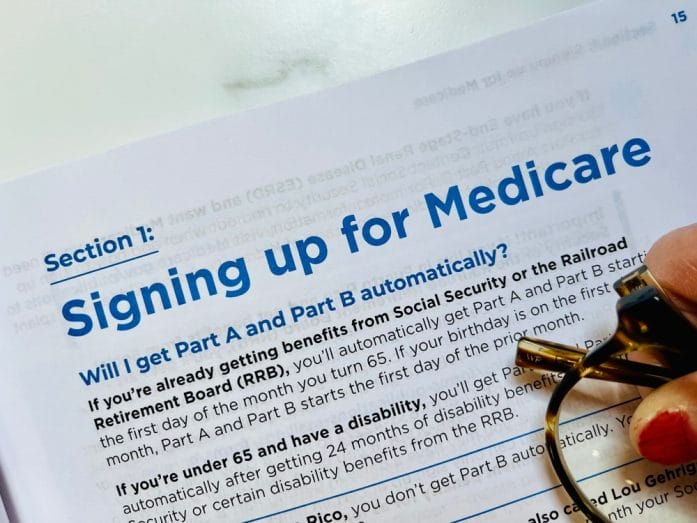
A single decision can quietly reshape retirement finances for years. Medicare enrollment looks simple on the surface, yet one overlooked detail can trigger higher premiums that feel completely out of left field. IRMAA, officially called the Income-Related Monthly Adjustment Amount, doesn’t announce itself with flashing lights or bold warnings, but it absolutely shows up on the bill. Anyone approaching Medicare age needs to understand how this surcharge works before making a move that locks in higher costs.

Timing and income choices carry real weight here, and they deserve attention before paperwork ever gets filed. Medicare doesn’t just look at current income; it reaches back in time and judges based on earnings from two years earlier. That little twist creates a ripple effect that catches many people off guard. A well-planned enrollment strategy can avoid unnecessary costs, while a rushed or uninformed approach can lead to years of paying more than necessary.

The IRMAA Trap: Why Income From the Past Still Matters Today

Medicare calculates IRMAA using modified adjusted gross income from tax returns filed two years earlier, and that single detail drives almost every surprise people face. A high-income year caused by selling a home, cashing out investments, or taking a large distribution from a retirement account can push income above IRMAA thresholds. Once income crosses those limits, Medicare increases premiums for Part B and Part D, and those increases can feel substantial rather than minor. Many expect healthcare costs to stabilize in retirement, but IRMAA flips that expectation and ties costs directly to income decisions made well before enrollment.

That backward-looking system demands planning ahead, not reacting in the moment. Someone planning to retire at 65 needs to look closely at income at age 63, because that number determines Medicare costs at enrollment. Without that awareness, a one-time financial move can inflate premiums for an entire year. The thresholds also adjust annually, but they remain firm enough to catch anyone who drifts just slightly over the line. Strategic planning, including spreading out withdrawals or delaying certain income events, can keep income below those thresholds and prevent the surcharge from kicking in.

Ignoring IRMAA simply hands over control to timing and chance, and that rarely works in anyone’s favor. Careful income management before enrollment creates flexibility and protects long-term retirement budgets. A proactive approach turns IRMAA from a frustrating surprise into something manageable and predictable.

Enrollment Timing Isn’t Just a Date—It’s a Strategy

Medicare enrollment begins with a seven-month window surrounding the 65th birthday, but that timeline doesn’t exist in a vacuum. Every choice made during that period interacts with income history, Social Security decisions, and retirement account strategies. Jumping in without a plan might check the box for enrollment, but it can also lock in higher premiums if income from two years earlier sits above IRMAA thresholds.

Delaying enrollment sometimes makes sense, especially for those still working with employer-sponsored coverage. That delay can shift the timing of Medicare activation to a year when income falls lower, which can help avoid IRMAA. However, that strategy requires careful coordination to avoid late enrollment penalties, which create their own long-term costs. The key lies in aligning enrollment timing with income patterns, not just birthdays.

Some retirees benefit from intentionally lowering income in the years leading up to Medicare eligibility. That approach can include reducing taxable withdrawals, spreading out asset sales, or using tax-efficient income sources. The goal focuses on shaping the income snapshot Medicare will use later. A well-timed enrollment paired with thoughtful income planning can dramatically reduce the chances of triggering IRMAA. Treating enrollment as a strategic decision rather than a routine milestone makes all the difference. That mindset shifts the focus from simply signing up to actively shaping future healthcare costs.
How to Enroll in Medicare Without Getting Hit With the IRMAA “Stealth Tax”
Image Source: Shutterstock.com

Smart Income Moves That Keep IRMAA at Bay

Income planning doesn’t stop once retirement begins; it becomes even more important. Certain income sources carry more weight when calculating IRMAA, including traditional IRA withdrawals, capital gains, and Social Security benefits. Managing these sources with intention can help keep income below critical thresholds and avoid higher premiums.

Roth IRA withdrawals offer a powerful advantage because they don’t count toward modified adjusted gross income. Using Roth funds strategically during high-income years can prevent crossing into IRMAA territory. Converting traditional IRA funds into Roth accounts before reaching Medicare age can also reduce future taxable income, although that move requires careful timing to avoid triggering IRMAA during the conversion year.

Capital gains deserve special attention as well. Selling investments in one large transaction can spike income, while spreading those sales over multiple years can keep income levels more stable. Retirees often overlook how these decisions affect Medicare premiums, focusing only on taxes, but both factors work together. A balanced approach that considers both tax efficiency and IRMAA thresholds creates better outcomes overall.

Life Changes Can Save the Day—If You Act Quickly

Not every IRMAA surcharge needs to stick. Medicare allows appeals when certain life-changing events reduce income, and that option provides a valuable safety net. Events such as retirement, divorce, or the loss of a spouse can significantly lower income compared to the tax return Medicare uses for calculations.

Filing an appeal through Social Security can adjust premiums to reflect current income rather than outdated numbers. That process requires documentation and persistence, but it can result in meaningful savings. Waiting too long to act can delay relief, so timing matters just as much here as it does during enrollment.

Understanding which events qualify makes a big difference. A simple market downturn or investment loss won’t qualify, but a clear change in income due to major life events often will. Knowing that distinction prevents wasted effort and focuses attention on situations where an appeal has a strong chance of success.

Medicare Rewards Planning, Not Guesswork

Medicare doesn’t punish high income, but it does reward those who plan ahead with precision and awareness. IRMAA might feel like an unexpected tax, yet it follows clear rules that anyone can navigate with the right approach. Looking two years back, aligning enrollment timing with income patterns, and managing withdrawals strategically all work together to keep premiums under control.

What strategies seem most useful for keeping Medicare costs in check, and what plans are already in place to avoid IRMAA surprises? Share thoughts, ideas, or experiences in the comments.

You May Also Like…

The Hidden Medicare Rule Turning 3-Day Hospital Stays Into $10,000–$15,000 Surprise Bills

If You Get a ‘Replacement’ Medicare Card in the Mail, Do NOT Call the Number Printed on It

5 Warning Signs Someone Is Using Your Social Security Number

8 Mistakes That Can Trigger a Social Security Overpayment Notice

More Retirees Are Seeing Higher Medicare Costs—And It’s Tied to Income From Years Ago

Brandon Marcus
Brandon Marcus

Brandon Marcus is a writer who has been sharing the written word since a very young age. His interests include sports, history, pop culture, and so much more. When he isn’t writing, he spends his time jogging, drinking coffee, or attempting to read a long book he may never complete.

Filed Under: Retirement Tagged With: benefits, healthcare costs, income strategies, IRMAA, Medicare, Medicare enrollment, Planning, retirement planning, Retirement Tips, seniors, Social Security, taxes

Why Every Newly Married Woman Should Update Her Social Security Record Right Away

April 4, 2026 by Brandon Marcus Leave a Comment

Why Every Newly Married Woman Should Update Her Social Security Record Right Away
Image Source: Shutterstock.com

The wedding may be over, the dress carefully packed away, and the thank-you notes finally sent—but one tiny administrative task still carries massive importance. Updating a Social Security record after marriage does not exactly scream excitement, yet it quietly holds the power to protect future benefits, avoid frustrating delays, and keep financial life running smoothly. Skipping it or pushing it off might not seem like a big deal today, but that delay can snowball into real problems later.

A name change often feels symbolic, personal, and deeply tied to identity, but it also needs to match official records everywhere that matters. Social Security sits at the center of that web, connecting to taxes, employment, retirement benefits, and even health coverage. When that record stays outdated, confusion creeps in fast.

The Name Game: Why This One Update Impacts Everything

A Social Security record does more than hold a name—it acts as the foundation for identity across multiple systems. Employers rely on it to report wages accurately, and the IRS depends on it to match tax returns without hiccups. When a newly married woman changes her name but leaves Social Security untouched, those systems stop lining up. That mismatch often leads to rejected tax filings or delays in processing refunds, which can feel like an unnecessary headache after an already busy year.

That ripple effect does not stop at taxes. Banks, credit agencies, and even state-issued IDs often pull verification data from Social Security records. A name mismatch can slow down everything from opening a joint account to updating a driver’s license. Even small inconsistencies can trigger identity verification flags, and those flags rarely resolve quickly. Fixing the root issue early keeps those dominoes from falling in the first place.

Beyond the paperwork, this update also protects long-term financial benefits. Social Security retirement benefits, disability benefits, and survivor benefits all rely on accurate lifetime earnings records. If a name change does not get recorded properly, those earnings might not link correctly to the right person. That scenario creates unnecessary complications when it comes time to claim benefits, especially decades down the line. Taking a few minutes now prevents a future filled with frustrating phone calls and paperwork.

Timing Matters More Than You Think

Speed plays a bigger role in this process than most expect. Updating a Social Security record quickly after marriage helps everything else fall into place without delays. Waiting too long can create a backlog of mismatched documents, especially if tax season arrives before the update gets processed. Filing taxes with a new name while Social Security still holds the old one almost guarantees a rejection from the IRS.

The process itself does not take long, but it does require the right documentation. A certified marriage certificate serves as the key piece of proof, along with identification like a driver’s license or passport. Filling out the application for a new Social Security card starts the process, and submitting it either online (in some cases) or in person finishes the job. Once approved, the updated card arrives with the new name while keeping the same Social Security number.

Planning the timing wisely makes life easier across the board. Updating Social Security before changing a name with an employer, bank, or tax authority creates a clean, consistent record everywhere. That order prevents confusion and keeps everything aligned from the start. A little bit of coordination here saves a surprising amount of time and stress later.

Avoiding the Most Common Mistakes That Cause Big Headaches

Many people assume that updating a name with one institution automatically updates it everywhere else. That assumption causes one of the most common mistakes. Social Security does not receive automatic updates from a marriage license or from other agencies. Taking direct action remains essential, and skipping that step creates a gap that only grows wider over time.

Another frequent issue comes from inconsistent name usage. Some newly married women use a new last name socially but keep their legal name unchanged in official records. That mix-and-match approach might feel harmless at first, but it quickly creates confusion when dealing with financial institutions or government agencies. Keeping everything consistent across all documents eliminates that friction and keeps processes moving smoothly.

Documentation errors also trip people up more often than expected. Submitting unofficial copies or missing required identification can delay the update process. Even small mistakes in filling out forms can lead to rejections or requests for additional information. Double-checking everything before submitting avoids those unnecessary delays and keeps the process moving forward without interruptions.

Why Every Newly Married Woman Should Update Her Social Security Record Right Away
Image Source: Shutterstock.com

The Long-Term Payoff: Future You Will Be Grateful

Updating a Social Security record may feel like a small administrative task, but it pays off in a big way over time. Accurate records ensure that earnings get tracked correctly throughout a career, which directly impacts future benefits. Retirement planning depends heavily on those records, and any gaps or mismatches can reduce the amount received later in life. Fixing everything early protects those benefits from the start.

Health insurance and disability benefits also rely on accurate Social Security information. Employers use that data to enroll employees in benefit programs, and any discrepancies can delay coverage or create confusion. That situation becomes especially important during major life changes, when reliable access to benefits matters most. Keeping records updated ensures smooth enrollment and uninterrupted coverage.

Even estate planning benefits from this simple update. Survivor benefits depend on accurate identification, and mismatched records can complicate claims during already difficult times. Taking care of this step now removes uncertainty later and provides peace of mind. It sets a solid foundation for financial stability and ensures that everything works exactly as it should when it matters most.

Get It Done, Move On, and Celebrate the Win

Marriage brings plenty of exciting changes, and this small but powerful task deserves a spot near the top of the checklist. Updating a Social Security record right away keeps everything aligned, protects future benefits, and prevents frustrating delays across multiple areas of life. It takes a little time, but it delivers long-lasting peace of mind and keeps financial life running smoothly without unnecessary obstacles.

Taking action now means one less thing to worry about later, and that kind of clarity feels incredibly satisfying. Everything from taxes to retirement planning flows more easily when records stay accurate and consistent. That sense of control and organization sets the tone for a strong financial future.

What strategies or tips have worked when handling post-marriage paperwork, and what challenges popped up along the way? Drop those thoughts and experiences in the comments—there is always something new to learn from each other.

You May Also Like…

Keeping Finances Separate in Marriage — What Works and What Doesn’t

6 Uncomfortable Discussions That Save Marriages and Net Worth

The New Crisis No One Is Talking About: Financial Trauma in Older Women

This Netflix Series Is Redefining Romance for 50+ Women—and It’s Changing Expectations

5 Warning Signs Someone Is Using Your Social Security Number

Brandon Marcus
Brandon Marcus

Brandon Marcus is a writer who has been sharing the written word since a very young age. His interests include sports, history, pop culture, and so much more. When he isn’t writing, he spends his time jogging, drinking coffee, or attempting to read a long book he may never complete.

Filed Under: Marriage & Money Tagged With: benefits, government records, identity updates, legal documents, life admin, marriage checklist, marriage tips, name change, newly married, Personal Finance, Planning, Social Security

Online Tax Accounts Are Being Locked After New Security Checks and Filers Are Getting Stuck

April 4, 2026 by Brandon Marcus Leave a Comment

Online Tax Accounts Are Being Locked After New Security Checks and Filers Are Getting Stuck
Image Source: Pexels.com

An online tax account is supposed to be like a fast lane, not a locked door with no key in sight. Yet thousands of filers have hit that exact wall this season, watching their access vanish right when they need it most. The moment feels especially frustrating because it often strikes mid-process, after forms get filled out and documents get uploaded. Suddenly, a system designed for convenience demands more proof, more patience, and more time that many people simply do not have. That tension has turned a routine task into a surprisingly stressful experience.

This situation did not appear out of nowhere, and it does not come from a place of bad intent. Tax authorities and financial platforms have ramped up security checks to fight identity theft and fraud, which continue to rise year after year. Still, that increased protection has created a new kind of bottleneck that slows people down and, in some cases, locks them out completely. When access disappears, refunds get delayed, deadlines feel tighter, and confusion spreads fast.

When Security Gets Serious—and Slams the Door Shut

Stronger security sounds like a win on paper, and in many ways, it absolutely delivers. Agencies have introduced stricter identity verification systems to protect sensitive financial data and prevent fraudulent filings. These systems often include multi-factor authentication, ID uploads, facial recognition checks, and cross-referencing personal data across databases. While those layers build a stronger defense, they also increase the chances of something going wrong during the process. Even a small mismatch in information or a technical hiccup can trigger a lockout.

Filers often run into trouble when systems cannot instantly verify their identity. That situation can happen if a phone number does not match official records, if a credit history check fails, or if a document upload does not meet specific requirements. Once the system flags an issue, it may freeze access until further verification takes place. That pause does not always come with clear instructions, which leaves people stuck in a loop of trying to log back in without understanding what went wrong. The result feels less like security and more like a digital dead end.

Timing makes everything worse because these lockouts often hit during peak filing periods. Systems handle heavy traffic, support lines get overwhelmed, and response times stretch longer than expected. Filers who plan to submit quickly suddenly find themselves waiting days or even weeks to regain access. That delay can push filings closer to deadlines, adding pressure and anxiety to an already tense process. Even those who start early can get caught off guard when verification steps take longer than anticipated.

Why Identity Checks Are Getting Tougher Than Ever

Identity theft has not slowed down, and tax-related fraud remains a major concern for authorities. Criminals use stolen personal information to file fake returns and claim refunds, sometimes before the real taxpayer even starts the process. That ongoing threat has forced agencies to tighten their systems and close any loopholes that fraudsters might exploit. As a result, identity verification now plays a central role in the filing experience, not just a quick step on the way to submission.

Modern verification systems rely on more than just a name and Social Security number. They pull data from financial records, credit bureaus, and government databases to confirm that a person truly matches their identity. Some systems require a live selfie or video check to ensure that a real person stands behind the account. While these tools improve accuracy, they also introduce new points of failure, especially for people with limited credit history or outdated records. When the system cannot confirm a match, it errs on the side of caution and blocks access.

Technology also plays a role in these complications. Not every device handles verification tools smoothly, and outdated browsers or slow internet connections can interrupt the process. A failed upload or a frozen screen can force users to restart, sometimes triggering additional security flags. Even lighting conditions during a facial recognition scan can affect the outcome. These technical quirks may seem minor, but they can make the difference between smooth access and a frustrating lockout.

Getting Locked Out? Here’s How to Fight Your Way Back In

A locked account does not mean the end of the road, but it does require a strategic approach. The first step involves staying calm and avoiding repeated login attempts, which can sometimes make the situation worse. Systems may interpret multiple failed attempts as suspicious activity and extend the lockout period. Taking a step back and reviewing the instructions carefully can save time and prevent further complications. Many platforms provide guidance on what triggered the issue, even if it takes a bit of digging to find it.

Next, gather all necessary documents before attempting to verify identity again. A government-issued ID, recent financial records, and access to a reliable phone number often play key roles in the process. Ensuring that all information matches official records exactly can reduce the chances of another failure. Small discrepancies, like using a nickname instead of a legal name, can create unnecessary problems. Accuracy matters more than speed in this situation.

Reaching out for support can also help, although patience becomes essential. Phone lines and online chat services often experience heavy demand during tax season, so wait times can stretch longer than expected. Trying different contact methods, such as secure messaging or scheduling a callback, can sometimes speed things up. In some cases, in-person verification may offer a faster resolution, especially when digital methods continue to fail. Exploring every available option increases the chances of regaining access sooner rather than later.

Online Tax Accounts Are Being Locked After New Security Checks and Filers Are Getting Stuck
Image Source: Unsplash.com

Smart Moves to Avoid the Lockout Trap Next Time

Preparation can make a huge difference when it comes to avoiding account lockouts. Starting the filing process early gives more time to handle unexpected verification steps without the pressure of looming deadlines. Waiting until the last minute increases the risk of running into issues with limited time to fix them. Early action provides breathing room and reduces stress significantly.

Keeping personal information up to date also plays a critical role. Ensuring that addresses, phone numbers, and financial records match across different platforms can prevent verification mismatches. Regularly checking credit reports and correcting any errors can improve the chances of passing identity checks smoothly. These small maintenance steps may not feel urgent, but they can save a lot of frustration later.

Using a stable internet connection and a compatible device can also improve the experience. Updating browsers, clearing cache, and following the technical guidelines provided by tax platforms can reduce the likelihood of glitches. Choosing a well-lit environment for identity scans and carefully following instructions during uploads can help systems process information more accurately. These simple actions may seem basic, but they can significantly increase success rates during verification.

Security vs. Simplicity—Can Both Win?

Stronger security measures bring undeniable benefits, but they also create new challenges that cannot be ignored. Filers want protection from fraud, yet they also expect smooth, reliable access to their accounts. Finding the balance between these two priorities remains an ongoing challenge for tax authorities and technology providers. As systems evolve, they must address both security risks and user experience to avoid leaving people stuck in the middle.

What strategies have worked for you when dealing with account issues, and what changes would make this process smoother? Share those thoughts, ideas, or experiences in the comments and keep the conversation going.

You May Also Like…

Property Taxes Are Catching Homeowners Off Guard — Especially After Buying or Renovating

Retirement Accounts Are Triggering Unexpected Taxes — What Some Investors Overlook

New Yorkers: Use This 2026 Tax Credit Before the Filing Window Slams Shut

I Moved to a Tax-Free State And Here Are 10 Costs No One Warned Me About

How Utilities Affect Colorado’s Low Property Tax Rate

Brandon Marcus
Brandon Marcus

Brandon Marcus is a writer who has been sharing the written word since a very young age. His interests include sports, history, pop culture, and so much more. When he isn’t writing, he spends his time jogging, drinking coffee, or attempting to read a long book he may never complete.

Filed Under: tax tips Tagged With: cybersecurity, digital identity, filing tips, Financial Tips, fraud prevention, identity verification, IRS security, online tax accounts, refunds delay, tax filing issues, tax season, taxes

5 Online Actions That Are Logged By Default and Most People Never Notice

April 4, 2026 by Brandon Marcus Leave a Comment

5 Online Actions That Are Logged By Default and Most People Never Notice
Image Source: Unsplash.com

A single tap, swipe, or voice command can leave a digital footprint that lasts far longer than expected. The internet does not just react to actions—it remembers them, organizes them, and often builds detailed profiles from them. That reality feels invisible because nothing dramatic happens in the moment, yet those tiny interactions stack up into something surprisingly revealing over time. The average person moves through apps and websites quickly, focusing on convenience, speed, and entertainment, without pausing to consider what gets recorded behind the scenes.

Data logging does not always mean something shady or malicious, but it absolutely shapes what shows up next—ads, recommendations, search results, even pricing in some cases. Companies rely on this data to refine services, improve experiences, and target content more effectively. Still, that convenience comes with a tradeoff, and it deserves a closer look.

1. Every Click Leaves a Trail You Didn’t Know Existed

Clicks feel harmless because they happen constantly, often without a second thought. Tapping a product, opening a headline, or selecting a suggested video all count as signals that platforms eagerly collect. Websites and apps track these clicks to understand preferences, interests, and even emotional reactions based on what holds attention the longest. That data feeds algorithms that shape future recommendations, which explains why one random click can suddenly flood a feed with similar content. This system thrives on patterns, and each click strengthens those patterns whether it reflects genuine interest or just curiosity.

Tracking clicks does not stop at obvious actions either, because platforms often monitor hover time, scrolling behavior, and interaction speed. That level of detail helps companies determine not just what gets clicked, but how engaging something feels in real time. This approach creates a feedback loop that constantly refines what appears next. A single click on a niche topic can snowball into a highly personalized stream that feels oddly specific. That precision feels convenient, but it also limits exposure to new or diverse content over time.

Taking control starts with awareness, and small adjustments can make a big difference. Clearing browsing history regularly, using private browsing modes, or adjusting personalization settings can reduce how much influence past clicks carry. Clicking more intentionally also helps, especially when curiosity leads toward topics that do not reflect real interests. Platforms will still track activity, but mindful habits can shift what gets logged and how it gets used.

2. Your Search History Knows More Than You Think

Search bars feel like neutral tools, but they act more like diaries that record questions, curiosities, and concerns. Every search query gets logged by default on most platforms, especially when accounts stay signed in. That information helps improve search results, but it also builds a detailed picture of interests, habits, and even future plans. Over time, search history becomes a timeline that reveals patterns far beyond what any single query suggests.

Search engines often connect this data across devices, which means a search on a phone can influence results on a laptop later. That seamless experience feels convenient, yet it also expands the scope of what gets tracked. Personalized results rely heavily on past searches, which can create a filter bubble that reinforces existing viewpoints. This effect shapes what information appears first, often without any obvious indication that personalization plays a role.

Managing search history requires more than a one-time cleanup. Many platforms offer settings that allow auto-deletion after a set period, which helps limit long-term data buildup. Turning off personalized search features can also reduce how much past activity influences future results. Taking a few minutes to review account settings can reveal options that many people never realize exist, and those options offer more control than expected.

5 Online Actions That Are Logged By Default and Most People Never Notice
Image Source: Unsplash.com

3. Location Tracking Doesn’t Turn Off When You Think It Does

Location services feel straightforward, especially when apps ask for permission upfront. Many assume that turning off location access in one app solves the issue, but tracking often continues in less obvious ways. Devices can log location data through Wi-Fi networks, Bluetooth signals, and even IP addresses, creating a broader picture of movement patterns. That data helps with navigation, local recommendations, and weather updates, but it also builds a record of where time gets spent.

Some apps collect location data in the background even when they do not actively run on the screen. This feature supports functions like traffic updates or location-based reminders, yet it also increases how often data gets recorded. Over time, location history can reveal routines such as daily commutes, favorite hangouts, and travel habits. That level of detail holds value for services, but it also raises important questions about privacy and control.

Adjusting location settings can reduce unnecessary tracking without sacrificing useful features. Switching apps to “while using” access instead of “always” access limits background data collection. Reviewing which apps truly need location data can also cut down on excess logging. Regularly checking location history within account settings offers a clear view of what gets stored, which helps guide smarter choices moving forward.

4. Voice Assistants Remember More Than Commands

Voice assistants respond quickly and make everyday tasks easier, from setting reminders to answering quick questions. Each interaction, however, often gets recorded and stored to improve accuracy and performance. These recordings can include not just commands, but also snippets of background conversation if the device activates unintentionally. That possibility surprises many people because the process feels invisible and effortless.

Companies use voice data to train systems, refine speech recognition, and personalize responses. This approach improves functionality, but it also means that voice interactions contribute to a growing data profile. Some platforms allow users to review and delete voice recordings, yet many never explore those settings. Over time, those stored interactions can add up, creating a detailed log of spoken requests and habits.

Taking control of voice data starts with exploring privacy settings within the device or app. Disabling voice recording storage or enabling automatic deletion can limit how long data stays on file. Muting microphones when not in use adds another layer of control, especially in shared spaces. Voice assistants offer convenience, but a few simple adjustments can keep that convenience from turning into constant background tracking.

5. App Activity Tracking Goes Far Beyond What You Open

Apps track more than just usage time or frequency. Many collect data about how long screens stay open, which features get used most, and how interactions unfold within the app. This information helps developers improve design and functionality, but it also contributes to detailed user profiles. Even apps that seem simple, like games or note-taking tools, often gather more data than expected.

Cross-app tracking adds another layer, as some platforms share data across multiple apps or services. This connection allows for more targeted advertising and personalized experiences, but it also expands the scope of what gets logged. A single action in one app can influence what appears in another, creating a network of interconnected data points. That system operates quietly, without obvious signs, which makes it easy to overlook.

Reviewing app permissions and privacy settings can reveal how much data each app collects. Limiting permissions to only what feels necessary can reduce excessive tracking. Turning off ad personalization within device settings can also minimize how data gets shared across apps. Staying aware of app behavior helps maintain a better balance between convenience and privacy.

Awareness Changes Everything

Digital life runs on convenience, and that convenience depends on data flowing constantly behind the scenes. These five everyday actions—clicks, searches, location sharing, voice commands, and app activity—form the backbone of how platforms understand behavior. None of this happens by accident, and most of it gets enabled by default. That reality does not mean panic or complete disconnection, but it does call for a more intentional approach to everyday online habits.

Small changes can shift the balance in a meaningful way. Checking settings once a month, clearing histories, and adjusting permissions can reduce unnecessary data collection without sacrificing the benefits of modern technology. Awareness creates options, and those options put control back where it belongs. The internet will always track something, but it does not need to track everything.

Which of these surprised you the most, and what changes feel worth trying first? Drop thoughts, strategies, or even personal discoveries in the comments and keep the conversation going.

You May Also Like…

6 Online Habits That Quietly Expose Your Financial Information

Why IRS Payment Plans Still Default After Missed Online Notices

Why Free Online Checking Continues to Beat Traditional Banks

8 Personal Finance Debates That Are Dividing the Internet

14 Online Debates That Show How Social Media Divided the Nation

Brandon Marcus
Brandon Marcus

Brandon Marcus is a writer who has been sharing the written word since a very young age. His interests include sports, history, pop culture, and so much more. When he isn’t writing, he spends his time jogging, drinking coffee, or attempting to read a long book he may never complete.

Filed Under: Online Safety Tagged With: apps tracking, browsing habits, Cybersecurity Tips, data collection, data tracking, digital footprint, digital-life, internet habits, online privacy, Online Safety, privacy settings, tech awareness

Last Call for 2025 IRAs: Why Your April 15 Contribution Is Worth More

April 4, 2026 by Brandon Marcus Leave a Comment

Last Call for 2025 IRAs: Why Your April 15 Contribution Is Worth More
Image Source: Shutterstock.com

A deadline can feel like pressure, but this one delivers opportunity. April 15 does not just close the books on taxes; it opens a final door to supercharge retirement savings for the previous year. That single date holds surprising power, especially for anyone who wants to squeeze every advantage out of their money before time officially runs out. A last-minute IRA contribution may not sound glamorous, but it carries weight that stretches far beyond a simple deposit.

Momentum builds fast when money gets time to grow, and that remains the real star of the show here. Every dollar that enters an IRA before the cutoff locks in another year of potential compounding, tax advantages, and future flexibility. That combination turns a routine financial task into something far more exciting. April 15 stands as a rare financial loophole in plain sight, offering a second chance to act like a disciplined saver—even if the year did not go as planned.

The April 15 Secret Window That Changes Everything

The calendar plays favorites when it comes to IRAs, and April 15 holds a special spot that many overlook. The IRS allows contributions for the previous tax year right up until the tax filing deadline, which means 2025 IRA contributions stay open until April 15, 2026. That extension creates a powerful planning window, especially for anyone who did not max out contributions during the year itself. Instead of losing that opportunity forever, this rule gives one last shot to claim it.

This timing advantage matters because it lets people make smarter decisions with full knowledge of their finances. By April, income totals sit finalized, expenses feel clearer, and tax situations come into focus. That clarity helps determine whether a traditional IRA deduction makes sense or whether a Roth IRA contribution fits better. The ability to act with complete information turns this deadline into a strategic moment rather than a rushed obligation. Anyone who waits until now does not fall behind; they gain insight that early contributors never had.

Flexibility also plays a big role in why this window matters so much. Life rarely unfolds in neat monthly savings plans, and unexpected expenses can push retirement contributions down the priority list. April 15 allows a reset, offering a chance to catch up without penalty or regret. That flexibility keeps long-term plans intact, even when short-term realities disrupt them. A single deposit before the deadline can restore momentum and keep retirement goals on track.

Why That Last-Minute Contribution Packs a Bigger Punch

Money loves time, and even a few extra months can make a noticeable difference when compounding enters the equation. A contribution made before April 15 counts for the previous year, which means it gains an additional year of tax-advantaged growth compared to waiting until the next cycle. That extra runway matters more than it first appears, especially over decades. Small timing decisions today can translate into thousands of dollars later.

Tax benefits also amplify the value of that contribution. A traditional IRA may reduce taxable income for the previous year, potentially lowering the tax bill or increasing a refund. That immediate payoff adds a layer of satisfaction that goes beyond long-term savings. On the other side, a Roth IRA locks in tax-free growth, which becomes incredibly valuable when withdrawals begin in retirement. Choosing between these options depends on income, tax bracket, and future expectations, but both paths reward action before the deadline.

There is also a psychological boost that comes with making this move. Taking action before April 15 transforms a looming deadline into a proactive win. That shift builds confidence and reinforces good financial habits, which often carry forward into future decisions. Instead of viewing retirement savings as something distant and abstract, this moment makes it tangible and immediate. A single step today can spark a chain reaction of smarter financial choices.

Traditional vs. Roth: Picking Your Power Move

Choosing between a traditional IRA and a Roth IRA feels like a classic fork in the road, but each option brings its own advantages. A traditional IRA offers potential tax deductions now, which can lower taxable income and provide immediate relief. That approach works well for those who expect to fall into a lower tax bracket during retirement. Paying less tax today can free up cash for other priorities while still building a solid retirement foundation.

A Roth IRA flips that equation and focuses on the future. Contributions come from after-tax income, but qualified withdrawals in retirement remain tax-free. That structure appeals to anyone who expects higher taxes down the road or simply values the certainty of tax-free income later. Roth IRAs also skip required minimum distributions, which adds flexibility and control over retirement withdrawals. That freedom can make a significant difference in long-term planning.

Income limits and contribution caps shape the decision as well, so it pays to double-check eligibility before making a move. For 2025, contribution limits typically sit at $6,500, or $7,500 for those aged 50 and older, though updates can adjust those figures slightly. Splitting contributions between both types of IRAs can also create a balanced strategy that captures benefits on both sides. The key lies in making a deliberate choice rather than skipping the opportunity altogether.

Last Call for 2025 IRAs: Why Your April 15 Contribution Is Worth More
Image Source: Shutterstock.com

Smart Moves to Max Out the Moment

Maximizing the April 15 deadline does not require a complicated strategy, but it does reward thoughtful action. Start by reviewing income and tax filings to determine how much room remains for contributions. Even partial contributions can deliver meaningful benefits, so there is no need to hit the maximum to make a difference. Consistency matters more than perfection when building long-term wealth.

Automating future contributions can turn this last-minute push into a sustainable habit. Setting up monthly transfers into an IRA ensures that next year’s deadline does not feel rushed or stressful. That approach spreads the effort across the year and keeps savings on track without constant attention. It also reduces the temptation to skip contributions when other expenses pop up.

Diversifying investments within the IRA adds another layer of smart planning. A mix of stocks, bonds, and index funds can help balance risk and growth over time. Choosing low-cost funds can also preserve more of the investment returns, which compounds into larger gains over the years. Taking a few extra minutes to review investment choices can significantly improve long-term outcomes.

The Cost of Sitting This One Out

Skipping the April 15 contribution might not feel like a big deal in the moment, but the long-term impact tells a different story. Every missed year of contributions represents lost growth, lost tax advantages, and lost momentum. Those gaps can add up quickly, especially when compounded over decades. What seems like a small delay today can turn into a much larger shortfall later.

There is also an opportunity cost that goes beyond numbers. Missing this deadline means giving up a chance to actively shape financial future rather than passively accepting whatever happens. Taking control, even with a modest contribution, builds a sense of ownership and direction. That mindset often leads to better decisions across all areas of personal finance.

Procrastination often disguises itself as harmless delay, but it quietly erodes progress. Acting before April 15 breaks that cycle and replaces it with forward movement. Even a single contribution can shift the trajectory in a meaningful way. Waiting until next year only pushes the same decision further down the road, along with all the potential benefits that come with it.

One Deadline, One Decision

April 15 does not just close a chapter; it offers a final chance to rewrite part of the story. A well-timed IRA contribution can deliver tax benefits, long-term growth, and a renewed sense of control over financial goals. That combination makes this deadline far more exciting than it first appears. Taking action now creates momentum that carries forward into future decisions and opportunities.

What approach makes the most sense for you right now, and how will that decision play out in the years ahead? Share your thoughts, strategies, or last-minute moves in the comments.

You May Also Like…

How to Inherit an IRA Without Handing Half of It to the Government

9 Mistakes to Avoid When Rolling a 401(k) Into an IRA

10 Crucial Differences Between Roth and Traditional IRA Accounts

Property Taxes Are Catching Homeowners Off Guard — Especially After Buying or Renovating

Can You Trust AI With Your Taxes and Investments? 8 Risks No One Explains

Brandon Marcus
Brandon Marcus

Brandon Marcus is a writer who has been sharing the written word since a very young age. His interests include sports, history, pop culture, and so much more. When he isn’t writing, he spends his time jogging, drinking coffee, or attempting to read a long book he may never complete.

Filed Under: investment types Tagged With: April 15 deadline, Financial Growth, investing basics, IRA, Personal Finance, retirement planning, retirement savings, Roth IRA, savings strategy, tax season, tax tips, Traditional IRA

Don’t File Yet: The Biggest Tax Mistakes You Might Make In 2026

April 3, 2026 by Brandon Marcus Leave a Comment

Don't File Yet: The Biggest Tax Mistakes You Might Make In 2026
Image Source: Shutterstock.com

Taxes. They sneak up every year like an uninvited relative at the holiday table, and just when you think you’ve got a handle on it, a tiny misstep can cost hundreds or even thousands of dollars. 2026 promises to bring fresh changes to deductions, credits, and reporting requirements, and ignoring them can turn a straightforward filing into a full-blown nightmare. From misreporting income to missing out on deductions, there are plenty of ways to trip up, and the IRS doesn’t exactly send a reminder with a smiley face.

Even if you’re usually confident with numbers, this year is tricky. New rules around digital assets, retirement contributions, and gig work income are confusing a lot of people. Making the wrong claim, filing late, or simply forgetting a crucial piece of paperwork can trigger audits, delays, or penalties. But don’t panic. With the right approach and a little attention to detail, it’s possible to file smartly, legally, and even maximize refunds.

1. Forgetting About Digital Assets

Cryptocurrency has gone mainstream, and so has its impact on taxes. Many taxpayers assume that trading or holding digital currencies is somehow “off the radar,” but the IRS has made it clear that all transactions must be reported. Even small trades, like swapping Bitcoin for Ethereum, count as taxable events. Forgetting to report gains or losses can quickly escalate into fines and penalties. The rules cover sales, exchanges, and even using crypto for purchases. It’s crucial to track cost basis and transaction history carefully, because guesswork won’t fly if the IRS comes knocking.

Additionally, airdrops, staking rewards, and even certain NFTs have tax implications. Many people treat these as collectibles or gifts, but in reality, they often count as income the year they are received. Failing to include them can increase audit risk or reduce your ability to claim deductions later. Using crypto tax software or consulting a tax professional familiar with digital assets can save headaches. Recording every transaction and understanding the tax category—whether capital gains, ordinary income, or business income—is essential for keeping your filing clean and your wallet safe.

2. Miscalculating Retirement Contributions

Contributing to retirement accounts sounds simple: put money into a 401(k) or IRA and get tax benefits. But the limits for 2026 have shifted slightly, and exceeding them can cost serious penalties. For example, the IRS allows a $7,000 contribution for those 50 and older into a traditional or Roth IRA, but going over this cap leads to an excise tax. Overlooking catch-up contributions, employer matches, or combined limits can result in unintended tax hits.

Another common trap involves withdrawing funds too early or misreporting distributions. Early withdrawals from IRAs or 401(k)s usually trigger a 10% penalty on top of the owed income tax. Taxpayers also forget to report rollovers correctly; a direct rollover is fine, but an indirect rollover has a strict 60-day window. Mistakes here can turn what seems like a smart move into a costly misstep. Checking annual IRS notices, maintaining detailed contribution records, and verifying your plan’s limits are easy ways to avoid these pitfalls while maximizing tax benefits.

3. Ignoring Gig Economy Income

Freelancers, side hustlers, and gig workers have exploded in numbers, but tax compliance hasn’t gotten any simpler. Many fail to report all income, thinking small side gigs don’t count. That’s a trap. Every payment, even occasional tips or one-off jobs, counts as taxable income in 2026. Failing to report it can trigger penalties, interest, and audit attention.

Beyond just reporting income, gig workers need to track business expenses carefully. Misclassifying personal expenses as business deductions, or skipping eligible deductions altogether, can be costly. Deductible items include home office expenses, software subscriptions, mileage, and equipment. Staying organized with receipts, digital records, and monthly reconciliations helps prevent mistakes. Quarterly estimated tax payments are also crucial. Waiting until April could lead to a nasty surprise if your side income is significant. Planning ahead keeps your finances predictable and avoids unnecessary stress.

4. Overlooking Education-Related Deductions and Credits

Education credits and deductions get confusing fast. The American Opportunity Credit, Lifetime Learning Credit, and student loan interest deductions each have eligibility rules and income limits that change annually. Misunderstanding them can mean leaving money on the table or accidentally claiming a credit you can’t legally take. For instance, using the Lifetime Learning Credit for a student who already benefited from the American Opportunity Credit for the same year is a mistake many taxpayers make.

Taxpayers often forget about employer-provided educational assistance too. Some tuition reimbursements and training programs are non-taxable if correctly documented. Gathering official forms like 1098-Ts, keeping receipts for qualified expenses, and understanding phase-out thresholds can dramatically reduce errors. The IRS pays close attention to education-related claims, and small mistakes can trigger follow-up notices or audits. Staying organized and double-checking eligibility ensures that every education credit or deduction is claimed correctly, making tax filing less stressful and more rewarding.

Don't File Yet: The Biggest Tax Mistakes You Might Make In 2026
Image Source: Shutterstock.com

5. Neglecting Health Savings Accounts

Health Savings Accounts (HSAs) remain a powerful, underused tool. Contributions are tax-deductible, growth is tax-free, and qualified withdrawals aren’t taxed. Despite this, many filers either over-contribute or fail to report distributions properly. For 2026, HSA contribution limits are $4,150 for individual coverage and $8,300 for family coverage, with an extra $1,000 catch-up for those over 55. Overshooting these limits leads to excise taxes.

Misreporting medical expenses or failing to distinguish between qualified and non-qualified withdrawals can cause extra headaches. Tracking medical costs and HSA spending carefully helps prevent audits and reduces tax liabilities. Using an HSA calculator or consulting your plan provider ensures contributions stay within legal limits while maximizing benefits. Incorporating HSAs into your financial strategy isn’t just smart—it can provide significant savings while covering healthcare costs efficiently.

6. Filing Errors That Can Trigger Audits

Some mistakes are classic, but still deadly. Math errors, missing signatures, incorrect Social Security numbers, or mismatched employer information trigger automatic IRS notices. Even simple oversights like entering a W-2 figure incorrectly or failing to attach a required schedule can slow your refund or invite scrutiny. 2026 tax forms have slight changes, and assuming you can reuse last year’s filing template often backfires.

Software helps, but double-checking numbers manually is still a wise step. Confirm that all forms are attached, cross-verify totals, and keep backup copies of all submissions. Avoiding rushed filings and allowing extra time for review reduces stress. Filing carefully is not just about avoiding penalties—it’s about peace of mind, ensuring that your return is correct and defensible if the IRS asks questions.

Make 2026 Your Smartest Filing Year

Taxes don’t have to feel like a trapdoor into confusion, fines, and frustration. Paying attention to digital assets, retirement limits, gig income, education deductions, and HSAs makes a world of difference. Careful record-keeping, timely submissions, and staying aware of new IRS rules keep your filing clean and efficient. Avoiding the biggest mistakes isn’t just about following rules—it’s about turning tax season into an opportunity to save money and plan smartly for the year ahead.

What strategies have worked for you in staying on top of taxes? Have you discovered any clever ways to maximize deductions or simplify filing in 2026? Share your insights, stories, or tips in the comments. There’s always something new to learn, and your experience might just help someone else turn tax season from a headache into a victory.

You May Also Like…

Property Taxes Are Catching Homeowners Off Guard — Especially After Buying or Renovating

Refunds Are Being Delayed Over New IRS Identity Flags — Why More Returns Are Getting Pulled

7 Common Deductions That Are Getting More Scrutiny From the IRS

9 Georgia Counties Where Property Taxes Are Set to Rise the Fastest

5 Reasons To Talk To Your Kids About Taxes

Brandon Marcus
Brandon Marcus

Brandon Marcus is a writer who has been sharing the written word since a very young age. His interests include sports, history, pop culture, and so much more. When he isn’t writing, he spends his time jogging, drinking coffee, or attempting to read a long book he may never complete.

Filed Under: tax tips Tagged With: Financial Tips, IRS tips, money management, Personal Finance, tax credits, Tax Deductions, tax filing, tax mistakes, tax planning, tax season, taxes 2026

Pharmacies Are Moving Prescriptions to App-Only Refills — What Seniors Need to Know

April 3, 2026 by Brandon Marcus Leave a Comment

Pharmacies Are Moving Prescriptions to App-Only Refills — What Seniors Need to Know
Image Source: Shutterstock.com

It’s happening faster than many people expected: the pharmacy counter is going digital, and not everyone feels ready for the switch. Major pharmacy chains now steer customers toward mobile apps for refilling prescriptions, tracking medications, and even managing insurance details. That shift promises convenience and speed, but it also raises a real question—what happens to people who prefer a phone call, a face-to-face chat, or a simple paper reminder? This change doesn’t just tweak how prescriptions get filled; it reshapes the entire experience of managing health. For seniors who built routines around personal service, this shift can feel less like progress and more like a barrier.

The truth sits somewhere in the middle. Pharmacy apps can simplify life in powerful ways, yet they also create confusion, frustration, and sometimes risk when people feel locked out of the system. The good news is that nobody needs to feel stuck or left behind.

Why Pharmacies Are Pushing Apps So Hard

Pharmacies have not made this move on a whim, and the reasons behind the push matter more than they might seem at first glance. Digital systems allow pharmacies to process refills faster, reduce human error, and manage inventory more efficiently, which helps keep medications in stock when they are needed most. Apps also let customers refill prescriptions at any hour without waiting on hold or standing in line, which sounds like a clear win in a busy world. On top of that, automated reminders can prevent missed doses or forgotten refills, a feature that healthcare providers strongly support because consistency saves lives. Insurance integration within apps adds another layer of convenience, allowing users to check coverage or copay amounts instantly without extra paperwork. Pharmacies also reduce staffing pressure by shifting routine tasks into digital channels, which has become especially important as healthcare systems deal with worker shortages.

Despite these benefits, the push toward app-only refills creates a noticeable gap for seniors who rely on traditional methods. Not everyone owns a smartphone, feels comfortable downloading apps, or wants to navigate passwords and notifications just to refill a prescription. Some people prefer speaking to a pharmacist directly, especially when they have questions about side effects or dosage changes. Others worry about privacy and do not trust storing personal health data on a device. Pharmacies sometimes scale back phone support or in-person services as they invest more in digital tools, which can leave people feeling pushed aside. That sense of being rushed into technology without enough guidance creates frustration and even anxiety around something as critical as medication.

The Hidden Risks: When Convenience Starts to Complicate Care

Switching to app-based refills introduces a set of risks that do not always show up in marketing materials or cheerful advertisements. Missed notifications can lead to missed refills, especially if someone does not check their phone regularly or accidentally silences alerts. Confusing interfaces can cause people to order the wrong medication or select the wrong dosage, which creates serious health concerns. Some seniors struggle with small text, complex menus, or multi-step verification processes that require juggling passwords or codes. Even a simple glitch or forgotten login can delay access to essential medication, which turns a minor inconvenience into a potential health issue.

Another concern revolves around communication. When people rely on apps, they often lose those spontaneous conversations with pharmacists that catch potential problems early. A quick question at the counter might reveal a drug interaction, a side effect, or a dosage concern that an app cannot flag clearly enough. Without that human connection, some individuals feel less confident about their medication routines. Family members who help manage medications also face challenges if they do not have access to the same app or login information. These small gaps can add up quickly, especially for people managing multiple prescriptions or chronic conditions.

How to Stay in Control Without Going Fully Digital

No one needs to accept an all-or-nothing approach when it comes to prescription refills, and that fact opens the door to practical, empowering solutions. Many pharmacies still offer phone refills, even if they promote their apps heavily, so asking directly about alternatives can uncover options that are not advertised upfront. Setting up automatic refills provides another simple workaround, as it reduces the need to interact with apps altogether while keeping medications on schedule. Some pharmacies also allow caregivers or family members to manage accounts, which can bridge the gap for those who prefer help with technology. Using a basic calendar or pill organizer alongside pharmacy services adds another layer of protection against missed doses.

Local independent pharmacies often maintain a stronger focus on personal service, which makes them a valuable option for people who want human interaction. Transferring prescriptions to a pharmacy that offers better support can make a noticeable difference in day-to-day comfort. Community programs, senior centers, and even libraries frequently offer basic tech training that helps people feel more confident using apps at their own pace. Pharmacists themselves can walk customers through app features step by step, so asking for a demonstration during a visit can turn confusion into clarity. Taking small, manageable steps builds confidence without overwhelming anyone.

What to Ask Your Pharmacy Before You Feel Stuck

Walking into a pharmacy with the right questions changes everything, and it puts control back where it belongs. Asking whether phone refills remain available helps clarify options immediately and prevents unnecessary stress. It also helps to ask about automatic refill programs, delivery services, and reminder calls, which many pharmacies still provide even if they do not highlight them. Questions about privacy and data security can ease concerns about using apps, especially when pharmacists explain how information stays protected. Clarifying how to reach a pharmacist directly ensures that important conversations do not disappear in the digital shuffle.

Understanding how to link multiple prescriptions under one profile can simplify medication management for those who decide to use apps. Asking about caregiver access opens the door for family members to assist when needed. Pharmacies can also explain how to receive alerts in ways that feel comfortable, whether through text messages, phone calls, or app notifications. These conversations take only a few minutes, yet they can eliminate confusion and build confidence quickly. Taking the time to ask questions turns a frustrating system into something that actually works.

Pharmacies Are Moving Prescriptions to App-Only Refills — What Seniors Need to Know
Image Source: Shutterstock.com

Staying Independent in a Digital Pharmacy World

This shift toward app-based prescription refills will not slow down anytime soon, but it does not need to take away independence or peace of mind. Pharmacies may lean heavily into digital tools, yet patients still hold the power to choose how they interact with those systems. Knowing the available options, asking the right questions, and exploring simple alternatives can keep medication routines safe and stress-free. Technology should serve people, not the other way around, and that mindset makes all the difference. With a few adjustments, even the most traditional routine can adapt without losing its reliability.

What strategies have worked when dealing with digital changes at pharmacies, and what challenges still feel frustrating or unclear? Share thoughts, tips, or personal experiences in the comments.

You May Also Like…

The Hidden Medicare Rule Turning 3-Day Hospital Stays Into $10,000–$15,000 Surprise Bills

More Retirees Are “Aging in Place” — But Many Homes Aren’t Built for It

What Your Pharmacy Isn’t Telling You About Your Pills

6 Government Benefit Checks That Could Be Delayed Under New Fraud Reviews

7 Expenses That Are Rising Faster Than Most People Expected

Brandon Marcus
Brandon Marcus

Brandon Marcus is a writer who has been sharing the written word since a very young age. His interests include sports, history, pop culture, and so much more. When he isn’t writing, he spends his time jogging, drinking coffee, or attempting to read a long book he may never complete.

Filed Under: Lifestyle Tagged With: aging, digital health, healthcare access, healthcare tips, medication management, medication refills, mobile apps, patient safety, pharmacies, prescriptions, seniors, technology

IRS Refund Delays Surge: Incorrect Bank Info Is Triggering Weeks-Long Payment Holds

April 3, 2026 by Brandon Marcus Leave a Comment

IRS Refund Delays Surge: Incorrect Bank Info Is Triggering Weeks-Long Payment Holds
Image Source: Shutterstock.com

The refund clock has started ticking—and for a growing number of taxpayers, it has suddenly slowed to a crawl. What should feel like a quick financial win has turned into a waiting game, with weeks stretching out far beyond the usual timeline. A simple string of numbers, entered just slightly wrong, has become the unlikely villain in thousands of delayed refunds. That tiny mistake now carries outsized consequences, quietly stalling payments that many households count on.

Frustration has started bubbling up across tax season conversations, and not without reason. Refund trackers show delays, bank accounts sit unchanged, and the expected timelines no longer line up with reality. While headlines often point to system backlogs or staffing issues, a much more personal—and preventable—problem has stepped into the spotlight. Incorrect bank information has triggered a wave of refund holds, and the ripple effect has turned what should be routine into something far more complicated.

When One Wrong Digit Derails Everything

Typing out bank details might feel like the easiest part of filing taxes, but that small step now carries serious weight. A single incorrect digit in an account or routing number can send a refund into limbo almost instantly. The IRS relies heavily on automated systems to process direct deposits, which means accuracy matters more than ever. Once those systems flag a mismatch, the refund process doesn’t just pause—it often reroutes into a manual review queue. That shift alone can stretch timelines from days into weeks, and sometimes even longer depending on volume.

Many taxpayers assume that a wrong number simply results in a failed deposit and a quick correction, but the reality looks far messier. If the incorrect account belongs to someone else and the deposit goes through, recovering that money becomes complicated and time-consuming. If the account doesn’t exist, the IRS must step in to reverse the transaction and issue a paper check instead. Both scenarios add layers of delay, and neither one moves quickly. That’s why even a tiny input error can snowball into a major inconvenience.

The surge in delays this season ties closely to the growing popularity of direct deposit. More people than ever choose this method for its speed, but that convenience depends entirely on precision. As electronic filing continues to dominate, fewer built-in safeguards exist to catch manual entry errors before submission. Tax software helps, but it doesn’t always catch mismatched or mistyped numbers. That leaves the responsibility squarely on the filer, turning a quick task into one that demands careful attention.

The IRS Isn’t Moving Slow—It’s Being Forced to Stop

It’s tempting to blame the IRS for dragging its feet, but the system often reacts exactly as designed. When incorrect banking information appears, automated processes halt to prevent fraud or misdirected funds. That pause protects both the taxpayer and the financial system, even though it creates delays that feel frustratingly avoidable. Once flagged, the refund typically enters a verification stage that requires human review, and that step takes time due to sheer volume.

Processing bottlenecks have increased because these errors don’t occur in isolation. Thousands of returns with incorrect details create a backlog that compounds daily, pushing newer cases further down the line. The IRS must verify identities, confirm account issues, and determine the safest way to reissue funds. That level of scrutiny helps prevent fraud, but it slows everything down significantly. Even a well-staffed system struggles to keep pace when error rates spike during peak filing weeks.

The shift toward digital-first tax filing has also changed expectations. Faster systems have conditioned people to expect near-instant results, so any delay feels unusually severe. However, once a return leaves the automated pipeline, it no longer benefits from that speed. It joins a slower, more deliberate process designed to double-check every detail. That transition explains why some refunds arrive in days while others take weeks with little visible progress.

Small Fixes That Save Big Headaches

Avoiding these delays doesn’t require expert-level tax knowledge—it requires attention to detail and a few smart habits. Double-checking bank information before submitting a return remains the simplest and most effective step. That includes verifying both the routing number and the account number directly from a reliable source, such as a bank statement or official app. Relying on memory or reusing old information without confirmation often leads to preventable mistakes.

Using tax preparation software with built-in validation tools can also reduce risk. Many platforms now prompt users to review critical fields multiple times before submission, which helps catch obvious errors. Still, no software replaces a careful manual check, especially when entering long strings of numbers. Taking an extra minute during filing can prevent weeks of waiting later. That tradeoff feels small in the moment but pays off significantly when refunds arrive on time.

For those who already submitted returns and suspect an error, acting quickly makes a difference. Monitoring refund status through official IRS tools provides early clues about potential issues. If a delay appears, contacting the IRS or a tax professional sooner rather than later can help clarify next steps. While fixes may still take time, early action prevents additional complications and keeps the situation from dragging on unnecessarily.

IRS Refund Delays Surge: Incorrect Bank Info Is Triggering Weeks-Long Payment Holds
Image Source: Shutterstock.com

Paper Checks, Reversals, and the Long Road Back

Once a direct deposit fails or misfires, the recovery process rarely moves quickly. The IRS may attempt to retrieve funds from the receiving bank, but that step depends on cooperation and timing. If the bank rejects the transaction, the IRS usually issues a paper check instead, which introduces additional mailing delays. That shift alone can add several weeks to the overall timeline, especially during peak processing periods.

Paper checks also carry their own set of challenges. Address accuracy becomes critical, and any mismatch can lead to further complications or returned mail. In some cases, taxpayers must update their information or request reissuance, which extends the wait even longer. While the system eventually resolves most cases, patience becomes unavoidable once the process shifts away from direct deposit.

The emotional impact of these delays often gets overlooked, but it matters. Many households plan around expected refunds, using them for bills, savings, or major purchases. When that money gets stuck in processing limbo, financial plans can unravel quickly. That’s why prevention carries so much weight this year, as avoiding the issue entirely remains far easier than fixing it after the fact.

Accuracy Beats Speed Every Time

Speed feels great when everything goes right, but accuracy wins every single time when it comes to tax refunds. A few extra seconds spent reviewing bank details can mean the difference between a smooth deposit and a frustrating delay. The IRS hasn’t suddenly slowed down—it has responded to a surge of preventable errors that force refunds off the fast track. That distinction matters because it puts control back where it belongs: in the hands of the filer.

Taking a careful, methodical approach to tax filing may not feel exciting, but it delivers real results. Verifying details, using reliable tools, and resisting the urge to rush through the process all help protect that refund timeline. Those habits don’t just apply this season—they build a smarter approach for every filing year ahead. With refund delays making headlines, attention to detail has never carried more value.

What strategies have helped keep your tax filing smooth and stress-free, and what lessons have come from past mistakes? Drop those insights and experiences in the comments.

You May Also Like…

Property Taxes Are Catching Homeowners Off Guard — Especially After Buying or Renovating

The IRS Is Sending More “Math Error” Notices — Why You Could Owe Without Realizing It

Refunds Are Being Delayed Over New IRS Identity Flags — Why More Returns Are Getting Pulled

Still Haven’t Received Your Refund? Why Some Filers Are Waiting Longer Than Ever

Why Do Families Rely Too Much on Tax Refunds

Brandon Marcus
Brandon Marcus

Brandon Marcus is a writer who has been sharing the written word since a very young age. His interests include sports, history, pop culture, and so much more. When he isn’t writing, he spends his time jogging, drinking coffee, or attempting to read a long book he may never complete.

Filed Under: tax tips Tagged With: banking info mistakes, direct deposit errors, IRS news, IRS processing, IRS refunds, Planning, refund holds, refund status, tax filing advice, tax refund delays, tax refunds 2026, tax season tips

Pennies Are Disappearing — Here’s What You Should Do With Yours

April 3, 2026 by Brandon Marcus Leave a Comment

Pennies Are Disappearing — Here’s What You Should Do With Yours
Image Source: Unsplash.com

Pennies no longer sit quietly at the bottom of pockets and jars—they’ve become the center of a surprisingly big conversation. Governments and financial experts have debated their usefulness for years, and now the shift away from this tiny coin feels more real than ever. Production costs have climbed higher than the coin’s actual value, which turns every new penny into a money-losing decision. That reality forces a bigger question: why keep something that costs more to make than it’s worth? This moment signals a change in how everyday money works, and it brings a mix of curiosity, nostalgia, and practical concern.

The proposed disappearance of pennies wouldn’t just affect loose change; it would reshape daily habits, spending patterns, and even how prices appear on store shelves. This shift feels small at first glance, yet it carries ripple effects that reach into wallets, registers, and even long-term savings strategies. A coin that once symbolized thrift and patience now faces a quiet phase-out, and that transition opens the door to smarter decisions about what to do with every last one.

Why Pennies Are Falling Out of Favor

The story behind the penny’s decline starts with simple math, and the numbers don’t look pretty. Producing a single penny costs more than one cent, which means each coin creates a loss right out of the gate. Rising metal prices and manufacturing expenses have pushed that gap wider over time, turning the penny into a financial burden rather than a useful tool. Governments and mints have acknowledged this issue for years, and the pressure to rethink the coin keeps growing stronger. That pressure doesn’t come from one source—it builds from economists, businesses, and even everyday consumers who see the inefficiency.

Cashiers and retailers also feel the drag of pennies during transactions, where counting out exact change slows everything down. That delay may seem minor, yet it adds up across millions of purchases each day. Digital payments have stepped in as a faster, cleaner alternative, which reduces the need for physical coins altogether. Many countries have already eliminated their smallest denominations without major disruption, which adds fuel to the argument that pennies no longer serve a meaningful purpose. This shift doesn’t erase their history, but it highlights how quickly financial systems evolve when convenience and cost take center stage.

Cultural attachment still plays a role, though, and that keeps the conversation alive. Pennies carry sentimental value, from childhood piggy banks to lucky coin traditions. That emotional connection slows the push for change, even when the economics feel clear. Still, practicality continues to win ground, and the steady move toward a penny-free future seems less like a possibility and more like an inevitability.

The Hidden Value Sitting in Your Coin Jar

That dusty jar of pennies might look like spare change, but it holds more potential than it gets credit for. While most pennies remain worth exactly one cent, certain older coins can carry higher value depending on their year, condition, and rarity. Coins minted before 1982 contain more copper, which gives them a metal value that sometimes exceeds their face value. Collectors pay attention to those details, and that creates an opportunity to turn overlooked coins into something more meaningful. A quick sort through a pile of pennies could uncover a small but satisfying surprise.

Condition matters just as much as age, and even minor differences can impact a coin’s appeal to collectors. Clean, well-preserved pennies tend to attract more interest than worn-down ones, although cleaning coins improperly can actually reduce their value. That nuance makes it worth taking a careful, informed approach before trying to cash in. Online marketplaces and coin shops provide easy ways to check current demand, which helps turn curiosity into action. Even if most coins don’t fetch a premium, the process of sorting and learning adds a layer of engagement that transforms a simple task into something far more interesting.

Beyond collecting, pennies still hold practical value when handled strategically. Banks and coin-counting machines accept them, often converting them into usable cash or deposits. Some machines charge fees, but many banks offer free options for account holders, which makes it worth checking local policies. That pile of coins doesn’t need to stay stuck in a jar—it can become groceries, savings, or even a small treat without much effort.

Pennies Are Disappearing — Here’s What You Should Do With Yours
Image Source: Pexels.com

Smart Ways to Put Your Pennies to Work

Letting pennies gather dust wastes an easy opportunity to build better money habits. Rolling coins into paper wrappers and depositing them at a bank creates a simple, satisfying way to convert clutter into usable funds. This process might feel old-school, but it delivers a clear result: tangible money ready to spend or save. For anyone who prefers speed, coin-counting kiosks offer a quicker route, even if they skim a small fee for convenience. Either option beats letting coins pile up without purpose.

Creative uses can also bring new life to pennies beyond basic deposits. Some people use them for small savings challenges, setting aside a certain number each day or week to build momentum over time. Others turn pennies into craft projects, from decorative art to DIY home accents, which gives the coins a second life in a completely different form. These approaches don’t just clear out clutter—they add a sense of progress and creativity that makes the process more rewarding. Every coin becomes part of a bigger plan instead of a forgotten leftover.

Charitable giving offers another meaningful path, especially for coins that feel too small to matter on their own. Donation boxes and fundraising drives often welcome loose change, and those small contributions add up quickly when combined. This approach transforms something overlooked into something impactful, which adds a sense of purpose to every penny. That shift in mindset turns spare change into an easy way to contribute without stretching a budget.

The Price Tag Shake-Up You Might Notice

The disappearance of pennies doesn’t just affect coins—it changes how prices behave in everyday situations. Cash transactions may round totals to the nearest five cents, which simplifies exchanges but introduces small adjustments at checkout. A total ending in one or two cents might round down, while totals ending in three or four cents could round up. These changes sound minor, yet they create a noticeable shift in how people think about pricing and spending. Over time, those small differences can influence buying habits in subtle ways.

Digital payments sidestep this issue entirely, which reinforces the growing preference for cards and mobile transactions. This trend already dominates in many places, and the removal of pennies only accelerates that movement. Retailers benefit from faster transactions, while customers enjoy a smoother checkout experience without digging for exact change. That convenience continues to reshape expectations around money, pushing physical currency further into the background.

Despite these changes, transparency remains key, and businesses must clearly communicate rounding practices to maintain trust. Most systems apply rounding fairly across transactions, which keeps the impact balanced over time. The shift may take some getting used to, but it doesn’t create major financial disadvantages for most people. Instead, it streamlines a process that once relied on the smallest unit of currency, making everyday transactions feel just a bit more efficient.

A Tiny Coin, A Big Decision

Pennies may look small, but the decisions surrounding them carry surprising weight. This moment invites a closer look at how everyday habits shape financial outcomes, even at the smallest scale. Ignoring a jar of coins feels harmless, yet taking action turns that same jar into something useful, whether it becomes cash, savings, or a thoughtful donation. The shift away from pennies doesn’t erase their value—it simply redefines how that value gets used.

What strategy makes the most sense for those coins, and how could that choice shape everyday money habits moving forward? Share thoughts, ideas, or even unexpected penny stories in the comments.

You May Also Like…

Banks Are Moving Toward All-Digital Payments — What That Means for Your Money

9 Rare Coins Sitting in Your Change Worth a Small Fortune

The “Loud Budgeting” Trend and Transparent Money Conversations

Holiday Frugal: 5 Gift Hacks That Save Money Without Looking Cheap

Utility Companies Are Ending Paper Billing — How It Will Change Your Monthly Payments

Brandon Marcus
Brandon Marcus

Brandon Marcus is a writer who has been sharing the written word since a very young age. His interests include sports, history, pop culture, and so much more. When he isn’t writing, he spends his time jogging, drinking coffee, or attempting to read a long book he may never complete.

Filed Under: money management Tagged With: Budgeting Tips, cash management, coin collecting, coin values, currency changes, everyday money tips, financial habits, Inflation, pennies, Personal Finance, saving money, US coins

Relationship Inequality: 10 Real Reasons She Can’t Pay 50% of The Bills

April 3, 2026 by Brandon Marcus Leave a Comment

Relationship Inequality: 10 Real Reasons She Can't Pay 50% of The Bills
Image Source: Pexels.com

Money conversations in relationships can feel like navigating a minefield blindfolded. One minute, everything seems fine, and the next, a simple question about splitting the rent sparks tension, awkward silence, or worse, a full-blown argument. The idea of a 50/50 split sounds fair in theory, but in reality, it can clash with income differences, career paths, and the messy, unpredictable ways life actually works. Expecting perfect equality in bills isn’t just unrealistic—it’s often downright unfair.

Understanding why she might not pay exactly half the bills requires stepping back and looking at the bigger picture. It isn’t about blame or laziness—it’s about economics, choices, and life circumstances. This article dives into ten real, evidence-based reasons she can’t—or won’t—split costs evenly, while offering practical ideas for balancing finances without killing romance or sanity. If couples want money to be a tool instead of a weapon, they have to get strategic, honest, and maybe a little creative.

1. Income Imbalance Isn’t Just a Buzzword

The most obvious factor is income, but it’s more nuanced than “he earns more, she pays less.” According to the U.S. Bureau of Labor Statistics, women, on average, earn roughly 82 cents for every dollar a man makes. That gap widens for women of color, single mothers, and women in industries traditionally dominated by men. Expecting a woman to pay the same share of bills as a higher-earning partner ignores these structural disparities.

Even when both partners work full time, salaries often don’t match up. If one partner earns 70% more than the other, a straight 50/50 split actually creates financial strain for the lower-earning partner. In practical terms, this can mean choosing between paying rent and groceries or saving for emergencies. Couples who want fairness might consider proportional contributions—splitting bills based on income rather than fixed percentages—so everyone’s budget breathes a little.

2. Student Loans and Debt Can Steal Disposable Income

It’s easy to forget that monthly bills aren’t the only money drain. Student loan debt alone can swallow hundreds or even thousands of dollars per month. That debt can make the idea of splitting rent 50/50 seem impossible.

Other forms of debt—credit cards, medical bills, personal loans—can compound the problem. Even if she earns a decent salary, a significant chunk may be earmarked for debt repayment. Couples facing this situation benefit from transparency: share the full financial picture, including debts, and negotiate a fair contribution that doesn’t put either partner in the red. Debt repayment plans can be integrated into household budgeting without resentment building in the background.

3. Unpaid Labor at Home Counts for Something

Money isn’t the only form of work in a household. Research consistently shows that women often shoulder the majority of unpaid domestic labor, from cleaning and cooking to childcare and scheduling. According to a Pew Research Center study, even dual-income households divide chores unevenly, leaving women spending more hours on unpaid work weekly.

If she’s managing the home in ways that save time and money, that contribution has real value. Paying half the bills isn’t the only way to demonstrate fairness. Couples might consider swapping labor for cash contributions, or at least acknowledging the invisible work that balances the household. It can feel radical to think of chores as currency, but it works if everyone agrees and keeps things fair.

4. Career Paths Affect Cash Flow

Not all jobs pay equally, even with the same hours worked. Industries like tech, finance, and engineering tend to pay more than teaching, social work, or creative professions. If her career path is in a lower-paying field, expecting her to split bills 50/50 ignores economic reality.

Freelance and gig work can complicate this further. Irregular income makes it hard to commit to a consistent share of rent or utilities. Budgeting tools, apps, or agreements to adjust contributions month to month can smooth these bumps. Open discussions about income expectations and lifestyle choices prevent tension and resentment from sneaking in unnoticed.

5. Geographic Cost of Living Differences

Even if both partners earn similar salaries, location matters. Urban areas often carry higher rents, utilities, and commuting costs. If she moved from a more expensive city or neighborhood, the reality of a 50/50 split might be financially crushing.

Cost-of-living adjustments can make splitting bills more realistic. Couples can calculate contributions as percentages of income instead of flat numbers or use a tiered approach where bigger earners cover a larger share of specific expenses. It’s less glamorous than a straight split, but it preserves fairness while keeping the lights on and the fridge stocked.

6. Emergency Savings Take Priority

Financial experts stress the importance of emergency savings, ideally covering three to six months of expenses. If she’s building this safety net, she may temporarily contribute less to joint bills. It’s not avoidance; it’s financial foresight.

Couples can accommodate this by creating separate and joint funds. By setting aside money for emergencies, she maintains financial stability without jeopardizing shared responsibilities. Open conversations about priorities reduce judgment and make both partners feel supported, not pressured.

Relationship Inequality: 10 Real Reasons She Can't Pay 50% of The Bills
Image Source: Pexels.com

7. Career Breaks or Family Planning

Taking time off for maternity leave, caregiving, or other family responsibilities directly impacts income. Women disproportionately shoulder these interruptions. Even short breaks from work can disrupt cash flow and the ability to contribute evenly to household bills.

Planning ahead with a clear budget that accounts for these pauses can prevent friction. Some couples find success by front-loading savings before expected breaks or adjusting contributions dynamically. Life is unpredictable, and flexibility keeps the partnership strong even when the paycheck fluctuates.

8. Financial Trauma or Anxiety Can Affect Participation

Money stress affects mental health. Past financial struggles, bankruptcy, or growing up in a household where money was a constant source of anxiety can make her hesitant to commit to large bills. This isn’t laziness—it’s a learned survival mechanism.

Couples can support one another by building trust, creating a plan, and breaking bills into manageable chunks. Open dialogue about money habits, fears, and triggers strengthens relationships, while judgment only escalates tension. Financial counseling or joint planning sessions can turn anxiety into empowerment.

9. Lifestyle Differences Influence Contributions

Personal choices matter too. She might prioritize travel, hobbies, or fitness differently than her partner. These priorities often shape discretionary income, meaning she might be able to contribute less toward bills without compromising her overall financial health.

The solution isn’t imposing strict rules; it’s negotiating together. Couples can choose which expenses are shared, which are split proportionally, and which remain personal. Respecting lifestyle choices while ensuring core responsibilities are met prevents resentment from creeping in unnoticed.

10. Negotiated Fairness Beats Equal Splits Every Time

Ultimately, equality isn’t about identical numbers—it’s about fairness. Every relationship has unique financial dynamics. Some couples thrive on proportional contributions, some trade chores for cash, and some set flexible monthly budgets. The key is communication, honesty, and ongoing evaluation.

Rather than obsessing over a perfect 50/50 split, couples should focus on equitable agreements that respect income, responsibilities, and priorities. When both partners feel valued, supported, and heard, money becomes a tool, not a battlefield. Planning, negotiation, and mutual respect keep partnerships strong long-term.

Balancing the Scales Without Losing Your Mind

Money isn’t just numbers; it’s power, choice, and emotional weight. Expecting her to pay exactly half of every bill ignores real-world factors like income, debt, unpaid labor, career paths, and life circumstances. Couples who want harmony need to define fairness on their terms—whether that means proportional splits, chore-based compensation, or flexible monthly agreements. Acknowledging complexity instead of demanding equality makes money less stressful and relationships healthier.

How do you and your partner handle financial fairness? Are there strategies, creative splits, or budgeting hacks that make it work without tension? Share your ideas, experiences, or clever solutions in the comments section below.

You May Also Like…

Breaking Free at 50: 12 Relationship Rules That Are Officially Outdated

The “Love Bombing” Tactic Scammers Use to Gain Financial Control in a New Relationship

8 Toxic Money Habits That Are Silently Poisoning Your Relationship

10 Things Therapists Know About Your Relationship With Money

9 Ways People Test You in Relationships Without Saying a Word

Brandon Marcus
Brandon Marcus

Brandon Marcus is a writer who has been sharing the written word since a very young age. His interests include sports, history, pop culture, and so much more. When he isn’t writing, he spends his time jogging, drinking coffee, or attempting to read a long book he may never complete.

Filed Under: relationships Tagged With: bills, budgeting, Communication, couple goals, dating, equality, finances, financial stress, gender roles, modern love, Money, partnership, relationships

  • « Previous Page
  • 1
  • …
  • 36
  • 37
  • 38
  • 39
  • 40
  • …
  • 99
  • Next Page »

Follow Us

Search this site:

Recent Posts

  • Can My Savings Account Affect My Financial Aid? by Tamila McDonald
  • 12 Ways Gen X’s Views Clash with Millennials… by Tamila McDonald
  • What Advantages and Disadvantages Are There To… by Jacob Sensiba
  • 10 Tactics for Building an Emergency Fund from Scratch by Vanessa Bermudez
  • Call 911: Go To the Emergency Room Immediately If… by Stephen Kanaval
  • 7 Weird Things You Can Sell Online by Tamila McDonald
  • 10 Scary Facts About DriveTime by Tamila McDonald

Copyright © 2026 · News Pro Theme on Genesis Framework