• Home
  • About Us
  • Toolkit
  • Getting Finances Done
    • Hiring Advisors
    • Debt Management
    • Spending Plan
  • Insurance
    • Life Insurance
    • Health Insurance
    • Disability Insurance
    • Homeowners/Renters Insurance
  • Contact Us
  • Privacy Policy
  • Risk Tolerance Quiz

The Free Financial Advisor

You are here: Home / Archives for Brandon Marcus

The Home Insurance Review Clause That’s Triggering Surprise Policy Cancellations in 2026

January 26, 2026 by Brandon Marcus Leave a Comment

There Is A Home Insurance Review Clause That’s Triggering Surprise Policy Cancellations in 2026

Image source: shutterstock.com

The letter arrives on a random Tuesday, sandwiched between grocery ads and a utility bill. It looks boring. It is not. Inside is a calm, corporate notice explaining that your home insurance policy will be canceled in thirty days due to a “review finding.” No fire or claim. No missed payment. Just a clause you probably skimmed past years ago, now flexing its full power.

Across the country in 2026, homeowners are discovering that insurance isn’t only about disasters anymore. It’s about ongoing scrutiny, and the surprise factor is what’s rattling people the most.

The Clause Most Homeowners Never Notice

The clause at the center of these cancellations usually goes by names like “Underwriting Review,” “Condition Reassessment,” or “Mid-Term Eligibility Review.” It has existed in various forms for years, quietly sitting in policy language without much attention.

What’s changed in 2026 is how aggressively insurers are using it and how broadly they interpret it. This clause allows an insurance company to reevaluate a home’s risk profile during the policy period, not just at renewal time.

Rising rebuilding costs, more frequent severe weather, and tighter profit margins have made insurers far less patient with homes that drift outside their guidelines. The review clause gives them flexibility, and flexibility for insurers often translates to uncertainty for homeowners. The shock comes from timing, because most people assume cancellations only happen after claims or missed payments.

Why Insurers Are Pulling The Trigger More Often

The insurance industry is under serious pressure, and that pressure is shaping behavior. Construction costs have climbed steadily, making even small claims far more expensive than they were five years ago. Climate-driven risks like hail, wind, and wildfire are no longer confined to a few hotspots, which means more homes fall into higher-risk categories overnight. Insurers are responding by tightening underwriting rules mid-policy instead of waiting for renewal cycles.

Another factor is data. Insurers now rely heavily on aerial imagery, satellite data, and third-party property reports that update automatically. A roof that looked fine when your policy started might be flagged months later due to age estimates, discoloration, or nearby storm activity.

The Home Features Raising Red Flags In 2026

Certain property characteristics are showing up again and again in review-related cancellations. Roof age is the biggest one by far, especially asphalt shingles over a certain number of years. Even a well-maintained older roof can trigger action if it exceeds an insurer’s updated age threshold. Exterior maintenance issues, like peeling paint, damaged siding, or visible debris, are also common triggers, particularly when detected by automated imaging.

Secondary structures such as detached garages, sheds, or fences can also cause trouble if they appear poorly maintained or weren’t disclosed originally. In some cases, homeowners are surprised to learn that a backyard feature added years ago is now considered a liability.

How This Clause Is Catching Responsible Owners Off Guard

The most frustrating part for many homeowners is that these cancellations feel deeply unfair. Payments are current. No claims have been filed. The house feels the same as it did last year. The problem is that insurance risk is now judged by shifting standards, not just personal behavior. A home that was acceptable in 2024 may be unacceptable in 2026 under new internal guidelines.

Communication doesn’t always help. Review notices often use vague language, citing “condition concerns” without detailed explanations. Homeowners are left scrambling to interpret what went wrong and whether it can be fixed in time. Some insurers allow corrections or documentation, while others move straight to cancellation.

What Homeowners Can Do To Stay Ahead Of Reviews

Staying insured in 2026 requires a more proactive mindset. Regular exterior maintenance matters more than ever, even for cosmetic issues that once seemed harmless. Keeping records of roof replacements, repairs, and upgrades can make a real difference during a review. Photos, receipts, and inspection reports give you leverage if an insurer questions your home’s condition.

It’s also wise to actually read renewal notices and policy updates, especially any mention of underwriting changes. If your insurer announces stricter guidelines, that’s a signal to assess your home before a review forces the issue.

There Is A Home Insurance Review Clause That’s Triggering Surprise Policy Cancellations in 2026

Image source: shutterstock.com

Why This Trend Isn’t Going Away Anytime Soon

Everything about the insurance landscape suggests that review-based cancellations are here to stay. Insurers see them as necessary tools for managing unpredictable risk, and regulators generally allow them as long as notice requirements are met. Technology will only make reviews faster and more frequent, not less. Homes are being evaluated constantly, whether owners realize it or not.

This doesn’t mean homeowners are powerless, but it does mean expectations need to adjust. Insurance is no longer a “set it and forget it” product. It’s an ongoing relationship that requires attention, upkeep, and occasional negotiation.

When The Fine Print Finally Speaks Up

The home insurance review clause isn’t evil, but it is unapologetically disruptive. In 2026, it’s forcing homeowners to confront how much their coverage depends on evolving definitions of risk rather than personal responsibility. The surprise comes from not knowing the rules changed until the consequences arrive. Awareness, preparation, and a little vigilance can soften the blow, even if they can’t eliminate it entirely.

If you’ve experienced a sudden cancellation or navigated a stressful review, your perspective could help others make sense of this shifting landscape. Let’s hear it in the comments below.

You May Also Like…

Top 3 Water Damage Claims Home Insurance Actually Covers

The One Household Appliance That Will Spike Your Insurance Premiums if Discovered During Inspection

Family Homes Done Right: Kid-Friendly Interior Design on a Budget

7 Homeowner Insurance Exclusions That Void Entire Policies

The Rental Car Insurance Mistake That Can Cost You a Fortune

Brandon Marcus
Brandon Marcus

Brandon Marcus is a writer who has been sharing the written word since a very young age. His interests include sports, history, pop culture, and so much more. When he isn’t writing, he spends his time jogging, drinking coffee, or attempting to read a long book he may never complete.


Filed Under: Insurance Tagged With: 2026 laws, buying a home, buying a house, Home insurance, homeowners, homeownership, Insurance, Insurance policy, insurance review, insurers, owning a home, owning a house

The Quiet Credit Score Rule Change That’s Raising Borrowing Costs for Older Americans

January 26, 2026 by Brandon Marcus Leave a Comment

The Quiet Credit Score Rule Change That’s Raising Borrowing Costs for Older Americans

Image source: shutterstock.com

The bill arrives and nothing looks unusual—until the interest rate does. It’s higher than expected, higher than last time, and higher than what a lifetime of on-time payments seems to deserve.

For many older Americans, this moment has become oddly common. No missed payments. No maxed-out cards. Just a creeping sense that the rules changed while no one was watching. They did, and the ripple effects are landing squarely on borrowers who thought experience counted for something.

What Actually Changed Behind The Scenes

This isn’t about a single new law or a dramatic announcement blasted across financial headlines. The shift comes from the slow adoption of newer credit scoring models and updated mortgage pricing frameworks that weigh behavior differently than before. Lenders are increasingly leaning on models that emphasize recent activity, patterns over time, and active credit usage rather than long histories alone.

At the same time, mortgage pricing has been adjusted through updated risk grids that tie interest rates and fees more tightly to credit score bands and other factors. These adjustments were designed to better reflect risk, but they don’t always play nicely with the financial profiles of retirees or near-retirees. Someone with a pristine but quiet credit file can now be priced as if they’re less predictable.

Why Older Borrowers Feel It More Than Anyone Else

Older Americans are more likely to have paid off their mortgages, closed long-unused credit cards, or stopped borrowing altogether. From a life perspective, that’s a win. From a modern credit-scoring perspective, it can look like dormancy. Newer models tend to reward consistent, recent activity because it offers fresh data. A credit file that hasn’t changed much in years may be considered thinner, even if it’s flawless.

There’s also the issue of credit mix. Retirees often streamline their accounts, leaving fewer open tradelines. That can subtly lower scores under models that like variety and motion. Add in the fact that fixed incomes can limit the appetite for new credit, and you have a group doing everything “right” for real life while drifting out of alignment with algorithmic expectations.

The Mortgage Pricing Piece Nobody Talks About At Dinner

Credit scores don’t just decide approval anymore; they increasingly shape the exact price of a loan. Updated loan-level price adjustments, especially in the mortgage world, slice credit scores into narrower bands. Moving from one band to another—even by a few points—can mean a higher rate or added upfront costs. For older borrowers hovering near a cutoff, the margin for error has shrunk.

This matters because the newer scoring emphasis on recent behavior can introduce small score dips that feel arbitrary. Paying off a loan, for example, can temporarily lower a score by reducing active credit. Closing an old card to simplify finances can do the same. These moves make sense for someone planning retirement, but they can push a score just enough to trigger less favorable pricing.

It’s Not Age Discrimination, But It Feels Personal

To be clear, lenders aren’t allowed to price loans based on age, and this shift isn’t an intentional swipe at older Americans. It’s an unintended consequence of modernization. Credit models are built to predict future risk, and their designers focus on patterns that statistically correlate with repayment. Recent data tends to be more predictive than distant history, so the models tilt that way.

The emotional sting comes from the mismatch between lived responsibility and digital scoring. Many older borrowers did exactly what financial advice recommended for decades: pay things off, avoid debt, keep life simple. Now they’re told—quietly, indirectly—that a little more activity would make them look safer.

The Quiet Credit Score Rule Change That’s Raising Borrowing Costs for Older Americans

Image source: shutterstock.com

How Older Americans Can Adapt Without Playing Games

No one should take on debt just to please a scoring model, but small, thoughtful adjustments can help. Keeping one or two long-standing credit cards open and lightly used can maintain activity without risk. A small recurring charge paid in full each month often does the trick. Monitoring credit reports for accuracy matters more than ever, especially as older accounts fall off over time.

It also helps to shop around. Different lenders adopt new models at different speeds, and pricing can vary widely. Asking which credit score version a lender uses isn’t rude; it’s informed. Finally, timing matters. Applying for credit before closing accounts or paying off a major loan can preserve a stronger score snapshot. These steps don’t change the system, but they can soften its edges.

A System Catching Up, And Leaving Some Behind

This quiet credit score shift wasn’t designed to punish experience, but it does reveal how financial systems can drift away from real lives. Older Americans aren’t suddenly riskier borrowers; the measuring tape just changed. Understanding that difference is empowering, even if it’s frustrating.

If you’ve noticed higher borrowing costs, surprising rate quotes, or confusing credit score changes later in life, your perspective matters. Drop your thoughts or personal experiences in the comments below—this conversation is just getting started.

You May Also Like…

Why Major Banks Are Quietly Lowering Credit Limits for Customers With & Holiday Debt

Debt Alert: 6 Ways Holiday Spending Could Trigger a January Credit Score Crisis

6 Warning Signs That Your Credit Card Is A Problem

7 Ways Credit Card Debt Builds Faster Than Expected

10 Uncommon Tactics for Boosting Your Credit Score Rapidly

Brandon Marcus
Brandon Marcus

Brandon Marcus is a writer who has been sharing the written word since a very young age. His interests include sports, history, pop culture, and so much more. When he isn’t writing, he spends his time jogging, drinking coffee, or attempting to read a long book he may never complete.

Filed Under: credit score Tagged With: Americans, borrowing money, building credit, credit, credit repair, credit report, credit score, Money, money issues, repairing credit

Why So Many Retirees Are Being Forced to Spend Savings Faster Than Planned This Year

January 26, 2026 by Brandon Marcus Leave a Comment

Why So Many Retirees Are Being Forced to Spend Savings Faster Than Planned This Year

Image source: shutterstock.com

Retirement was supposed to be the victory lap, not an obstacle course. Yet across the country, plenty of retirees are staring at their bank statements with raised eyebrows and a nervous laugh, wondering how the numbers moved so fast. Expenses that once felt predictable are now full of surprises, and even well-prepared plans are getting stress-tested in real time.

This isn’t about poor budgeting or bad luck alone. A mix of economic shifts, policy changes, and everyday realities has turned retirement spending into a much more dynamic experience. If it feels like the rules of the game changed mid-play, you’re not imagining it.

Rising Everyday Costs Are Eating Into Fixed Incomes

Groceries, utilities, insurance premiums, and basic services have all climbed in price, and retirees feel that pressure more sharply than most. When income is largely fixed, even modest increases can ripple through a monthly budget in uncomfortable ways. Many retirees are finding that their “safe” withdrawal rate now covers less than it did just a couple of years ago.

Small indulgences, like dining out or visiting family, suddenly carry bigger price tags. Over time, those higher costs quietly accelerate how quickly savings are tapped. The result is not reckless spending, but simple math refusing to cooperate.

Healthcare Expenses Keep Delivering Unwelcome Surprises

Healthcare has always been a wild card in retirement planning, but lately it’s playing a much louder hand. Premiums, deductibles, and out-of-pocket costs can jump with little warning, especially for specialized care or new prescriptions. Even retirees who feel healthy looks both ways before opening medical bills these days. Long-term care planning often falls short of reality, leaving people to cover gaps with personal savings.

One unexpected diagnosis or procedure can undo years of careful projections. For many retirees, healthcare isn’t just a line item; it’s the main reason savings are shrinking faster than planned.

Market Volatility Is Forcing Tough Timing Decisions

Market swings matter far more when you’re withdrawing money instead of adding to it. Selling investments during downturns can lock in losses, yet waiting isn’t always an option when bills come due. This sequence-of-returns risk isn’t theoretical anymore; retirees are experiencing prove-it-now moments.

To avoid selling at the worst times, some retirees pull more cash than expected during better months, speeding up withdrawals overall. Others shift into more conservative investments that generate less growth, increasing reliance on savings. Either way, the market’s mood has a direct impact on how fast retirement funds disappear.

Why So Many Retirees Are Being Forced to Spend Savings Faster Than Planned This Year

Image source: shutterstock.com

Social Security And Pension Gaps Are Wider Than Expected

Many retirees assumed Social Security and pensions would cover a larger share of their expenses, but reality often lands differently. Benefit increases may lag behind actual living costs, especially in high-expense areas. Some pensions lack cost-of-living adjustments, meaning purchasing power slowly erodes year after year. Delayed claiming strategies don’t help those who need income immediately. When expected income sources fall short, savings become the backup plan by default. Over time, that backup starts working overtime.

Supporting Family Members Has Become More Common

Retirement doesn’t always mean financial independence from family responsibilities. Adult children facing housing costs, childcare expenses, or job transitions sometimes lean on retired parents for support. Grandparents step in to help with education costs or emergency expenses more often than they anticipated.

These acts of generosity are deeply human and often non-negotiable emotionally. Yet they also accelerate spending in ways no spreadsheet can fully predict. For many retirees, family comes first, even when it complicates financial plans.

Longer Lives Mean Longer Financial Runways

Living longer is a gift, but it also stretches retirement savings thinner. Plans built decades ago often underestimated just how many years those funds would need to last. A retirement that spans 25 or 30 years faces far more economic cycles than originally expected. Inflation compounds quietly over time, amplifying its impact the longer retirement lasts. Many retirees are now recalculating on the fly, realizing that early spending decisions matter more than ever. Longevity turns pacing into the real challenge.

Retirement Plans Are Being Rewritten In Real Time

Retirees aren’t failing at planning; they’re adapting to a world that keeps shifting under their feet. Spending savings faster than expected is often a rational response to higher costs, health needs, and family priorities. These changes don’t mean retirement dreams are over, just that they may look different than imagined years ago. Flexibility, awareness, and honest conversations are becoming as important as spreadsheets and projections.

If you or someone you love is navigating these challenges, you’re far from alone. Feel free to add your thoughts or tell your own retirement story in the comments section below.

You May Also Like…

8 Budget Areas That Expand After Retirement

The Sunshine State Squeeze: Why Florida Retirees are Seeing Smaller Social Security Checks This Week

10 Costs That Make Retirement Budgets Feel Unstable

Savings Repair: 4 Moves to Catch Up if You’re Within 10 Years of Retirement

Why Does Retirement Feel More Expensive Than People Planned For

Brandon Marcus
Brandon Marcus

Brandon Marcus is a writer who has been sharing the written word since a very young age. His interests include sports, history, pop culture, and so much more. When he isn’t writing, he spends his time jogging, drinking coffee, or attempting to read a long book he may never complete.

Filed Under: Retirement Tagged With: everyday costs, everyday items, healthcare, healthcare costs, healthcare expenses, retire, retiree, retirees, Retirement, retirement account, retirement planning, retirement savings

The IRS Reporting Threshold Change That Just Created a Tax Risk for Millions in 2026

January 26, 2026 by Brandon Marcus Leave a Comment

The IRS Reporting Threshold Change That Just Created a Tax Risk for Millions in 2026

Image source: shutterstock.com

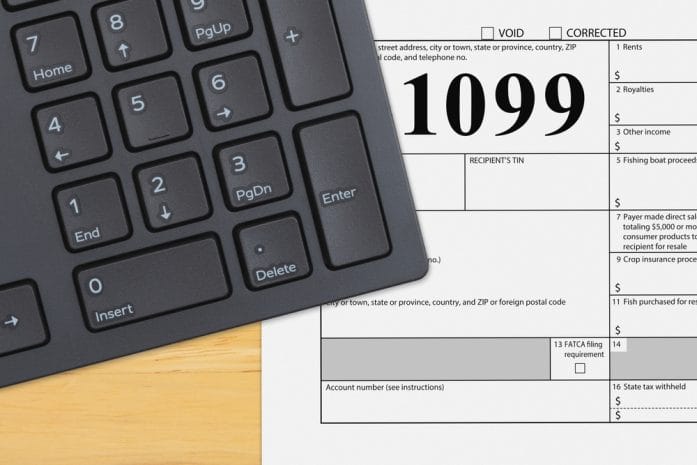
If you’ve ever sold a vintage jacket on an app, picked up extra cash doing freelance work, or split dinner with friends via Venmo, you might have heard rumblings about a tax reporting change that could have snared millions of everyday Americans into unexpected IRS reporting paperwork in 2026.

The chatter about a strict new $600 rule had everyone from Etsy flippers to neighborhood babysitters biting their nails — but then Congress stepped in with a twist that changed the story entirely. And just like a tax-season plot twist, the IRS reporting threshold that once seemed so imminent has now shifted — in a big way.

The $600 Rule That Almost Was

For years, the IRS had been working toward lowering the reporting threshold for Form 1099-K, the tax document that payment processors like PayPal and Venmo send to both you and the IRS to report income received through their platforms. Under the American Rescue Plan Act of 2021, that threshold was slated to plummet to just $600, with no minimum transaction count attached — meaning that even a handful of casual transactions could have triggered a 1099-K form in 2026.

Tax professionals and everyday sellers alike were alarmed. Selling a couch, doing some freelance work, or even collecting contributions for a group gift suddenly looked like it could generate IRS paperwork. Millions of people stood on the brink of receiving tax forms for what they considered ordinary financial behavior — and that’s a recipe for confusion.

Enter The One Big Beautiful Bill Act

Then came a curveball: the One Big Beautiful Bill Act of 2025 — a massive tax and spending law signed July 4, 2025. Among its many provisions, it rewrote how 1099 reporting thresholds work. Instead of embracing the $600 threshold, Congress essentially hit rewind.

Under the new law, the 1099-K reporting threshold no longer drops to $600. Instead, it reverts to the old school standard that was in place before all this turmoil: you’ll receive a Form 1099-K only if you have more than $20,000 in gross payments and more than 200 transactions on a single payment platform in a calendar year.

That’s the rule that originally existed before the American Rescue Plan Act stirred the pot — and this reinstatement is retroactive for reporting years going back to 2022.

Why This Is Huge (But Not In The Way You Think)

Let’s be candid: for most folks, that old-school requirement of $20,000 and 200 transactions was already pretty high. Casual sellers, hobbyists, and part-time gigsters were rarely hitting both of those marks on a single platform in a year. So repeating that threshold makes a huge difference for day-to-day people.

Suddenly, that tiny Etsy shop selling handmade postcards — or that spinach quiche you flipped after thrift-shopping — probably won’t generate a 1099-K heading to your mailbox. But this doesn’t mean the IRS thinks the money isn’t taxable. It just means you won’t automatically get a tax form from PayPal or another processor for smaller totals.

It’s worth repeating: even if you don’t get a 1099-K, all income is still taxable. That’s tax law 101 — the presence (or absence) of a form doesn’t dictate your obligation to report income on your return.

The IRS Reporting Threshold Change That Just Created a Tax Risk for Millions in 2026

Image source: shutterstock.com

The New 1099 Thresholds For Businesses And Freelancers

But wait — the tax fun doesn’t stop with Form 1099-K. The same law made other changes to reporting forms that matter to small businesses and freelancers. Specifically, the reporting threshold for Form 1099-MISC and Form 1099-NEC — used to report payments to contractors, landlords, and miscellaneous income — has been increased. Starting in 2026, businesses generally won’t need to issue these forms unless the total payments reach at least $2,000 in a year, and this threshold will be adjusted for inflation in future years.

This is a big deal for small outfits and side hustlers. Under the old $600 rule, a small business that paid a freelancer $800 could have had to send out a 1099-NEC. Now? Not until payments hit that higher $2,000 mark. That’s less paperwork, fewer forms flying around, and fewer opportunities for innocent mistakes to turn into IRS penalties.


What Do You Think?

This change in tax reporting thresholds for 2026 is one of those rare moments when tax law manages to ease confusion rather than amplify it. Between reinstating the $20,000/$200 1099-K standard and raising the bar on other 1099 forms, the law reshapes how everyday earners interact with IRS reporting. We’ve covered the facts, the history, and the implications — now we want to hear from you.

Tell us what this change means to you, how it might affect your side hustle or business, or even the tax tales you’ve lived through — drop your thoughts or experiences in the comments below!

You May Also Like…

IRS Warning: That Venmo Payment for Your Garage Sale Just Triggered a Surprise Tax Bill

What Your First Budget Of The Year Should Include

8 Tax Moves That Save You When You Can’t Pay the IRS on Time

5 Reasons To Talk To Your Kids About Taxes

6 Advanced Techniques to Lower Your Capital Gains Taxes Legally

Brandon Marcus
Brandon Marcus

Brandon Marcus is a writer who has been sharing the written word since a very young age. His interests include sports, history, pop culture, and so much more. When he isn’t writing, he spends his time jogging, drinking coffee, or attempting to read a long book he may never complete.

Filed Under: tax tips Tagged With: 2026, 2026 laws, 2026 taxes, family finances, family money, finance, finances, general finance, Internal Revenue Service, IRS, IRS reporting, Money, money issues, tax planning, tax risk, tax risks, tax tips, taxes

The Retirement Budget Trap: Why Expenses Spike Between Ages 62 and 70

January 26, 2026 by Brandon Marcus Leave a Comment

The Retirement Budget Trap: Why Expenses Spike Between Ages 62 and 70

Image source: shutterstock.com

Retirement is supposed to be the victory lap. The alarm clock is silenced, the calendar opens up, and the long-awaited freedom finally arrives. Then something strange happens: the budget starts puffing up its chest and asking for more money. Not a little more—often a lot more. Between ages 62 and 70, many retirees are caught off guard by a surge in expenses that feels completely backward from everything they were promised.

This is the retirement budget trap, and it has nothing to do with bad math or poor discipline. It’s about timing, behavior, and a life stage that is far more active—and expensive—than most people expect.

The Early Retirement Lifestyle Surge

The early retirement years are not quiet years. They are loud, curious, and packed with plans that were postponed for decades. Travel tends to explode during this window, especially while health and energy are still high. Flights, longer stays, cruises, national park road trips, and visits to friends all stack up quickly. Even retirees who swear they will “travel cheaply” often find that convenience starts winning arguments over frugality.

Daily spending also creeps higher because retirees are home more. More meals at home mean higher grocery bills, and more meals out become part of the new social rhythm. Hobbies that once lived on weekends now get full-time attention, and hobbies almost always come with price tags. Add in entertainment, events, classes, and spontaneous outings, and the lifestyle line item begins to swell.

Healthcare Costs Before And After Medicare

Healthcare is one of the biggest reasons expenses spike between 62 and 70, and the timing could not be trickier. Before age 65, retirees must bridge the insurance gap on their own. Private insurance, COBRA coverage, or marketplace plans can be shockingly expensive, especially without employer subsidies. Premiums rise, deductibles are high, and out-of-pocket costs can feel relentless.

Turning 65 brings Medicare, but it doesn’t bring free healthcare. Medicare premiums, supplemental plans, prescription coverage, dental, vision, and hearing expenses all add up. Higher-income retirees may also face income-related premium surcharges, which arrive quietly and linger for years.

Helping Adult Children And Aging Parents

The sandwich generation doesn’t magically disappear at retirement—it often intensifies. Many retirees in their 60s find themselves supporting adult children who are dealing with housing costs, student loans, or career instability. Financial help may start as a one-time gesture and turn into a recurring line item. It’s given generously and rarely tracked carefully.

At the same time, aging parents may need assistance. Travel for caregiving, home modifications, medical support, or professional care services can quickly strain a retirement budget. These expenses are emotionally driven and deeply personal, which makes them harder to limit.

Big Projects, Big Moves, And Hidden Costs

The early retirement years are prime time for major life adjustments. Downsizing sounds simple, but moving is expensive. Realtor fees, repairs, staging, moving services, and temporary housing can eat into savings faster than expected. Renovations are another common culprit, whether it’s finally remodeling the kitchen or making a home more age-friendly.

New cars, second homes, or recreational vehicles often enter the picture during this phase. These purchases feel justified as “now or never” decisions, and they often are. What gets overlooked are the ongoing costs: insurance, maintenance, taxes, storage, and upgrades.

The Tax And Income Timing Surprise

Between 62 and 70, income sources are often in flux, and taxes become less predictable. Some retirees claim Social Security early, others delay, and many combine part-time work with withdrawals from retirement accounts. These overlapping income streams can push retirees into higher tax brackets than expected. Taxes on Social Security benefits catch many people off guard, especially when combined with investment income.

Required minimum distributions don’t begin until later, but strategic withdrawals often happen earlier, sometimes triggering larger tax bills. Medicare premium surcharges are also based on income from prior years, creating a delayed financial echo. The result is a period where income decisions made with good intentions quietly inflate expenses through taxes and healthcare premiums.

The Retirement Budget Trap: Why Expenses Spike Between Ages 62 and 70

Image source: shutterstock.com

Why The Spike Often Fades After 70

The expense surge between 62 and 70 doesn’t usually last forever. Travel often slows naturally, major projects taper off, and lifestyle spending becomes more predictable. Healthcare costs may stabilize, especially once insurance choices are set. Social circles shrink slightly, routines settle in, and spending becomes less impulsive.

This is why the trap is so dangerous. Retirees may assume these higher expenses are permanent and panic unnecessarily, or they may underestimate them entirely and strain their savings early. Understanding that this phase is often temporary helps retirees plan with realism instead of fear. The key is recognizing that retirement has seasons, and the early years are the most expensive ones.

Seeing The Trap Before It Springs

The retirement budget trap isn’t caused by recklessness or poor planning—it’s driven by a vibrant, transitional stage of life that deserves honesty and foresight. Expenses rise because life is full, generous, and active during these years. Recognizing this pattern helps future retirees prepare without dampening the joy that makes retirement worth waiting for.

If you’ve lived through this phase or are preparing for it now, your experiences can help others navigate it with clearer expectations and fewer surprises. Drop your thoughts or personal stories in the comments below and keep the conversation going.

You May Also Like…

8 Budget Areas That Expand After Retirement

The Sunshine State Squeeze: Why Florida Retirees are Seeing Smaller Social Security Checks This Week

The “Retirement Town” Myth: Why These 5 Dream Locations Are Currently Seeing a Mass Exodus

10 Costs That Make Retirement Budgets Feel Unstable

Savings Leap: 9 Mid-Life Moves That Boost Long-Term Retirement Odds

Brandon Marcus
Brandon Marcus

Brandon Marcus is a writer who has been sharing the written word since a very young age. His interests include sports, history, pop culture, and so much more. When he isn’t writing, he spends his time jogging, drinking coffee, or attempting to read a long book he may never complete.

Filed Under: Retirement Tagged With: adult children, early retirement, expenses, Family, family issues, healthcare, healthcare costs, Income, Life, Lifestyle, Lifestyle creep, Medicare, retire, retiree, retirees, Retirement, retirement account, retirement budget, retirement income, retirement savings, senior citizens, seniors, taxes

8 Personal Finance Beliefs That No Longer Apply

January 25, 2026 by Brandon Marcus Leave a Comment

8 Personal Finance Beliefs That No Longer Apply

Image source: shutterstock.com

Money advice has a habit of hanging around long after it stops being useful. Some tips were brilliant in a different economy, with different technology, and wildly different expectations about work, debt, and retirement. Yet they keep getting passed down at dinner tables and in comment sections like sacred truths.

The result is a lot of people doing “the right thing” and still feeling behind, stressed, or confused. It’s time to clear the air, bust a few myths, and talk about what no longer deserves a spot in your financial playbook.

1. You Must Stay Loyal To One Employer For Financial Security

This belief came from an era when pensions were common and job-hopping raised eyebrows. Today, long-term loyalty often results in slower wage growth compared to changing roles strategically. Many workers now see their biggest salary increases when they switch companies rather than waiting for annual raises.

Benefits like retirement accounts and health insurance are no longer exclusive to one-employer careers. In fact, skills-based hiring and remote work have expanded opportunities across industries. Financial security now comes from adaptability, not staying put out of fear.

2. Buying A Home Is Always Better Than Renting

Homeownership has been marketed as the ultimate financial milestone for decades. While owning can build equity, it also comes with maintenance costs, property taxes, insurance, and reduced flexibility. Renting can be the smarter financial move depending on location, job stability, and housing market conditions. In high-cost areas, renting and investing the difference may outperform buying for many years.

Mobility has real economic value in a changing job market. The smarter question now is not “Should I buy?” but “Does buying make sense for my life right now?”

3. Carrying Any Debt Means You’re Bad With Money

This belief turns a nuanced topic into a moral judgment. Not all debt is created equal, and some forms can support long-term financial growth. Student loans, business loans, and mortgages can increase earning potential or asset ownership.

The real issue is whether debt is manageable, affordable, and aligned with your goals. Avoiding all debt at any cost can sometimes slow progress or limit opportunity. Smart money management focuses on strategy, not shame.

4. Credit Cards Should Be Avoided Completely

Credit cards earned their bad reputation through high interest rates and misuse. However, used responsibly, they offer fraud protection, rewards, and a way to build credit history. Paying balances in full each month avoids interest entirely while still capturing benefits.

Many essential financial activities, from renting a car to booking travel, are easier with a credit card. A strong credit profile can lower borrowing costs across your lifetime. The problem isn’t credit cards themselves—it’s carrying balances without a plan.

5. Budgeting Means Saying No To Everything You Enjoy

Old-school budgeting often felt like a financial punishment. Modern budgeting is more about awareness than restriction. Knowing where your money goes allows you to spend intentionally on what actually matters to you.

A good budget includes room for enjoyment, hobbies, and rest. Deprivation-based plans tend to fail because they ignore human behavior. Sustainable finances are built on balance, not constant self-denial.

6. You Need A Lot Of Money To Start Investing

This belief kept many people out of the market for years. Today, investing is more accessible than ever, with low-cost funds and platforms that allow small, regular contributions.

Compound growth rewards time more than large starting amounts. Waiting until you feel “ready” often means missing valuable years of growth. Even modest investments can build momentum and confidence. The most important step is starting, not starting big.

8 Personal Finance Beliefs That No Longer Apply

Image source: shutterstock.com

7. Talking About Money Is Rude Or Taboo

Silence around money has cost people real opportunities to learn. When finances aren’t discussed openly, misinformation fills the gap. Talking about salaries, debt, and financial mistakes can lead to better decisions and fairer outcomes. Transparency helps normalize learning curves and reduces shame.

Many people discover they are not alone once conversations begin. Financial literacy improves faster in the open than in isolation.

8. Retirement Is A Single Age With A Single Plan

Retirement used to look like a hard stop at a specific age. Now it’s often a gradual transition that varies widely by person. Some people aim for part-time work, passion projects, or flexible schedules rather than complete withdrawal. Life expectancy, healthcare costs, and personal goals all influence what retirement looks like. Planning now involves building options, not just hitting a number. Financial freedom has become more personalized—and more realistic—than ever before.

Updating The Rules Of Money

Outdated financial beliefs don’t just waste time; they can quietly limit your choices. Letting go of rules that no longer apply creates space for smarter, more flexible decisions. Personal finance works best when it reflects real life, not outdated expectations. If one of these beliefs shaped your past money choices, you’re in good company.

Feel free to add your experiences or lessons learned in the comments section below—your perspective might be exactly what someone else needs to read today.

You May Also Like…

10 Personal Finance Lessons People Learn the Hard Way

8 Budget Fixes That Instantly Turn Finances Around

7 Personal Money Questions Advisors Can’t Believe Are Real

4 Bold Predictions About The Future of Personal Finance Technology

10 Things You Should Never Ignore in Your Personal Finances

Brandon Marcus
Brandon Marcus

Brandon Marcus is a writer who has been sharing the written word since a very young age. His interests include sports, history, pop culture, and so much more. When he isn’t writing, he spends his time jogging, drinking coffee, or attempting to read a long book he may never complete.

Filed Under: Finance Tagged With: buying a home, buying a house, credit cards, credit score, Debt, eliminating debt, finance, finances, financial anxiety, Financial Security, general finance, home ownership, investing, Investment, Money, money beliefs, money habits, money issues, paying off debt, Personal Finance, spending

Why Does Financial Confidence Feel Fragile?

January 25, 2026 by Brandon Marcus Leave a Comment

Why Does Financial Confidence Feel Fragile?

Image source: shutterstock.com

The moment you feel financially on top of the world can vanish faster than a paycheck on rent day. One minute, you’re proud of your budgeting skills and long-term plans; the next, a surprise expense or alarming headline sends your confidence tumbling. That emotional whiplash around money isn’t a personal flaw or a sign you’re “bad with finances.” It’s a deeply human response to a system that mixes math, emotion, uncertainty, and identity into one messy package.

Financial confidence feels empowering, but it also feels oddly delicate, like a houseplant that needs just the right light, water, and reassurance to stay alive. To understand why it wobbles so easily, we need to look beyond bank balances and into how people actually experience money.

Money Is Emotional, Not Just Mathematical

Money is often presented as a numbers game, but human brains do not treat it that way. Every financial decision carries emotional weight because money is tied to safety, freedom, and self-worth. Even people with solid savings can feel anxious if they grew up with financial instability or witnessed money-related stress at home. Research in behavioral economics shows that people experience losses more intensely than gains, which means a single setback can overshadow many past successes.

This emotional imbalance makes confidence fragile, because it’s constantly negotiating between logic and feeling. When fear or shame enters the picture, spreadsheets rarely stand a chance. Financial confidence suffers not from a lack of intelligence, but from an overload of emotion layered onto every dollar decision.

Uncertainty Is Baked Into Modern Life

Financial confidence thrives on predictability, and modern life offers very little of it. Jobs change, industries evolve, and economic conditions can shift with unsettling speed. Even careful planners cannot fully control interest rates, inflation, or unexpected health costs. This uncertainty creates a background hum of anxiety that never fully switches off.

When the future feels unclear, confidence becomes conditional rather than stable. People start thinking, “I feel okay now, but what if something goes wrong?” That lingering question erodes confidence, even when things are objectively fine. The fragility isn’t irrational; it’s a response to living in a system where stability often feels temporary.

Why Does Financial Confidence Feel Fragile?

Image source: shutterstock.com

Comparison Is A Confidence Thief

Financial confidence rarely exists in isolation, especially in a world saturated with curated success stories. Social media, casual conversations, and even well-meaning advice can turn money into a competitive sport. People tend to compare their behind-the-scenes reality to someone else’s highlight reel. That comparison can make perfectly reasonable financial situations feel inadequate.

Studies consistently show that relative income affects happiness more than absolute income, which explains why confidence fluctuates depending on who we’re comparing ourselves to. When someone else appears to be doing better, confidence shrinks, regardless of personal progress. The constant measuring stick makes confidence dependent on external validation rather than internal stability.

Financial Language Is Often Confusing And Intimidating

Confidence struggles when the subject matter feels inaccessible, and finance is notorious for jargon. Terms like diversification, amortization, and liquidity can sound intimidating, even when the concepts themselves are manageable. When people don’t fully understand the language, they may doubt their ability to make good decisions. This doubt doesn’t reflect actual competence; it reflects a communication gap.

Financial systems often reward those who already feel confident enough to ask questions or seek guidance. For everyone else, confusion quietly chips away at confidence over time. Feeling unsure about the rules of the game makes it hard to trust your own moves.

Past Experiences Leave Long Shadows

Financial confidence carries a memory, and that memory can be stubborn. A past mistake, like falling into debt or making a poor investment, can linger emotionally long after the situation is resolved. The brain treats these experiences as warnings, replaying them to prevent future harm. While this protective instinct can be useful, it can also become overactive.

People may hesitate to take reasonable risks or doubt positive progress because they remember how quickly things once went wrong. Trauma around money doesn’t require dramatic events; even subtle, repeated stress can shape long-term confidence. Healing financial confidence often means addressing the past, not just improving current numbers.

Control Feels Limited, Even When It Isn’t

Confidence grows when people feel in control, yet money often feels like it operates by its own rules. Bills arrive whether we’re ready or not, markets fluctuate without warning, and emergencies ignore planning calendars. Even when individuals make smart choices, outcomes can still disappoint. This disconnect between effort and result weakens confidence over time. Humans are wired to associate control with competence, so when control feels limited, self-trust takes a hit.

Financial confidence becomes fragile because it’s tethered to outcomes that aren’t fully controllable. Recognizing this gap is essential to understanding why confidence rises and falls so unpredictably.

Learning To Steady The Feeling

Financial confidence feels fragile because it lives at the intersection of emotion, uncertainty, memory, and social pressure. It isn’t a permanent state you unlock once and keep forever; it’s a feeling that requires care and context. Understanding why it wobbles can reduce self-blame and open the door to healthier money relationships. Confidence doesn’t mean never feeling anxious or unsure; it means trusting yourself to respond when those feelings show up.

If you’ve noticed your own confidence rise and fall over time, your experience is far from unusual. The conversation around money gets richer when real stories enter the room, so feel free to add your perspective or experiences in the comments below.

You May Also Like…

Behavior Backfire: 5 Overconfidence Traps That Hurt Even Smart Investors

How to Wisely Invest in Lawn Maintenance and Upkeep

How Can Overconfidence in the Market Cost Millions

Tax Foresight: 6 Planning Moves That Could Save You Money Soon

Why Does Money Anxiety Increase With Age Instead of Decrease

Brandon Marcus
Brandon Marcus

Brandon Marcus is a writer who has been sharing the written word since a very young age. His interests include sports, history, pop culture, and so much more. When he isn’t writing, he spends his time jogging, drinking coffee, or attempting to read a long book he may never complete.

Filed Under: Lifestyle Tagged With: anxiety, Emotional Spending, financial anxiety, financial confidence, financial language, financial stress, financial uncertainty, Life, Lifestyle, Money, money habits, money mindset, overspending, Smart Spending, spending, stress

Why Do So Many People Feel Financially Stuck

January 25, 2026 by Brandon Marcus Leave a Comment

Why Do So Many People Feel Financially Stuck

Image source: shutterstock.com

Money stress has a special talent for showing up uninvited. One minute life feels manageable, and the next minute the bank balance looks like it’s playing a cruel joke. Bills stack up, goals feel far away, and even doing “everything right” somehow doesn’t seem to move the needle.

This feeling of being financially stuck isn’t rare or shameful—it’s widespread, deeply human, and rooted in forces much bigger than individual choices. To understand why it’s so common, we need to zoom out, slow down, and look at what’s really going on beneath the surface.

1. Rising Costs And Shrinking Breathing Room

For many households, the biggest culprit is simple math that no longer works. The cost of housing, groceries, healthcare, transportation, and childcare has climbed steadily over the past decades, often outpacing wage growth. Even people with steady jobs can feel like their paycheck evaporates the moment it lands. This creates a constant sense of pressure, where there’s little room to save, invest, or recover from surprises.

When every dollar already has a job, there’s no cushion for setbacks or opportunities. Over time, that tightness doesn’t just strain budgets—it drains motivation and confidence. Feeling financially stuck often starts with the exhausting reality of running faster just to stay in the same place.

2. Debt That Lingers Longer Than Expected

Debt is another heavy anchor, especially when it’s taken on early and follows people for years. Student loans, credit cards, medical bills, and auto loans can quietly shape financial lives long after the original purchase or emergency is forgotten. Interest turns small balances into stubborn obstacles that refuse to shrink. Many people make payments faithfully and still feel like they’re not making progress, which can be deeply discouraging.

Debt also limits choices, from where someone can live to which jobs they can take. The emotional weight matters too, as ongoing debt can fuel stress, guilt, and a sense of failure. That combination makes it harder to plan long-term or feel optimistic about money.

3. Income That Feels Unstable Or Inadequate

Even when expenses are controlled, income can be unpredictable or insufficient. Gig work, contract jobs, tipped positions, and variable schedules make it hard to count on a consistent monthly amount. Without reliable income, planning becomes a guessing game instead of a strategy. Raises and promotions also tend to come slowly, while costs rarely wait. For many workers, productivity has increased without a matching increase in pay, creating a gap between effort and reward.

This disconnect can make people feel powerless, as if no amount of hard work changes the outcome. Financial progress depends on income growth, and when that growth stalls, so does the sense of momentum.

4. Financial Education Gaps And Confusing Systems

Most people were never formally taught how money works beyond the basics. Budgeting, investing, taxes, credit, and insurance are often learned through trial and error. Financial systems are complex, filled with jargon, and sometimes designed in ways that benefit institutions more than individuals. This lack of clarity can lead to hesitation or avoidance, especially when mistakes feel costly.

Without clear guidance, people may miss opportunities or fall into habits that quietly hold them back. Over time, confusion turns into self-blame, even though the system itself is hard to navigate. Feeling stuck often has less to do with intelligence and more to do with missing information and support.

5. Social Pressure And Invisible Comparisons

Modern life comes with a nonstop highlight reel of other people’s spending and success. Social media, advertising, and cultural expectations can quietly redefine what feels “normal.” Vacations, new cars, home upgrades, and constant experiences start to look like basic milestones instead of luxuries.

Trying to keep up, even subconsciously, can push people into spending choices that strain their finances. At the same time, many struggles stay hidden, creating the illusion that everyone else has it figured out. That gap between perception and reality fuels frustration and embarrassment. Feeling financially stuck often worsens when people think they’re alone in it, even though they’re very much not.

6. Emotional Fatigue And Decision Overload

Money decisions are rarely just logical; they’re emotional. Constantly worrying about finances drains mental energy and focus. When every choice feels high-stakes, from grocery shopping to opening an email from a lender, exhaustion sets in. This fatigue can lead to avoidance, procrastination, or short-term fixes that don’t solve long-term problems.

Stress also makes it harder to learn new skills or think creatively about solutions. Over time, the emotional toll of money pressure can become as limiting as the financial reality itself. Feeling stuck is often the result of burnout, not laziness or lack of effort.

Why Do So Many People Feel Financially Stuck

Image source: shutterstock.com

Naming The Stuck Feeling Is The First Step

Feeling financially stuck isn’t a personal failure; it’s a signal. It reflects rising costs, lingering debt, uneven income, complex systems, and the emotional weight of navigating all of it at once. When people understand that these pressures are shared and structural, shame loosens its grip. Awareness creates space for better conversations, smarter choices, and more realistic expectations. Progress rarely comes from one dramatic move, but from small shifts paired with patience.

If this topic resonates with you, the comments section below is open for your experiences, insights, and reflections. Honest conversations are how financial stress starts losing its power.

You May Also Like…

8 Unsettling Financial Patterns That Keep Families Stuck for Generations

9 Financial Habits That Look Responsible but Feel Stressful

8 Grocery Shopping Habits That Make You Spend More Without Realizing It

6 Bad Money Habits Families Show During The Holidays

9 Budgeting Fears That Keep You Stuck

Brandon Marcus
Brandon Marcus

Brandon Marcus is a writer who has been sharing the written word since a very young age. His interests include sports, history, pop culture, and so much more. When he isn’t writing, he spends his time jogging, drinking coffee, or attempting to read a long book he may never complete.

Filed Under: Lifestyle Tagged With: Cost of living, Debt, debt payoff, eliminating debt, finance, finances, financial education, financially stuck, general finance, Income, income stream, Life, Lifestyle, Money, money habits, money issues, money problems, rising costs

9 Expenses That Feel Manageable Until One Changes

January 25, 2026 by Brandon Marcus Leave a Comment

These Are 9 Expenses That Feel Manageable Until One Changes

Image source: shutterstock.com

You’re cruising along, bills paid, coffee in hand, feeling like you’ve finally cracked the code of adulthood. The numbers line up, the math works, and nothing feels out of control. Then one small shift happens—a rate bumps up, a habit evolves, or life throws in a new variable—and suddenly that “totally fine” expense demands a second look.

These aren’t dramatic financial disasters; they’re the subtle changes that turn comfort into tension. Let’s talk about the everyday costs that behave nicely until one thing changes and reminds you who’s really in charge.

1. Rent Or Mortgage Payments

Housing costs often feel stable because they’re predictable month to month. You sign a lease or lock in a mortgage and build your budget around that number. The problem appears when a lease renewal brings a higher rate or property taxes push a mortgage payment upward. Even a modest increase can ripple through the rest of your finances because housing already takes a large slice of income.

Add in rising insurance premiums or unexpected maintenance, and that once-manageable payment suddenly demands sacrifices elsewhere. Housing doesn’t need to double to cause stress; it just needs to inch upward at the wrong time.

2. Car Ownership Costs

A car payment alone can seem perfectly reasonable, especially when the vehicle feels reliable. Then gas prices rise, insurance renews at a higher rate, or repairs start appearing more often. Maintenance costs tend to cluster, which makes a dependable car feel suspiciously expensive all at once.

A longer commute or a job change can quietly increase fuel and wear costs. Registration fees and taxes add another layer that’s easy to forget until they’re due. Cars are manageable until usage or upkeep changes, and then they demand attention fast.

3. Childcare Expenses

Childcare is often budgeted carefully because it’s expected and essential. It works until a schedule change requires more hours or a provider raises rates. As children grow, their needs change, sometimes requiring different care arrangements that cost more.

Summer programs, after-school care, and holiday coverage add layers that weren’t always there. Even small increases add up quickly because childcare is already a major expense. Families often find that one shift in routine can reshape the entire monthly budget.

4. Health Insurance And Medical Costs

Monthly premiums can feel manageable when they’re predictable and benefits are familiar. Trouble starts when a job change alters coverage or deductibles reset for the year. A single unexpected medical issue can turn a quiet line item into a dominant expense. Prescription changes or specialist visits add costs that weren’t part of the original plan. Even routine care can become expensive when coverage rules change. Healthcare costs rarely explode all at once; they grow louder with each adjustment.

5. Utilities And Energy Bills

Utilities often fade into the background because they’re relatively steady. Seasonal shifts, however, can dramatically change heating or cooling costs. Energy rate increases can arrive quietly and stay for good. A larger household, remote work, or aging appliances can push usage higher without much notice.

Weather extremes make those changes impossible to ignore. Utilities are manageable until consumption or pricing changes, and then they demand respect.

6. Groceries And Household Supplies

Food budgets feel flexible because shopping habits feel familiar. Prices rise gradually, making it hard to pinpoint when things got more expensive. Dietary changes, growing families, or hosting more often can nudge spending upward.

Convenience items and prepared foods quietly cost more over time. Even switching stores or brands can impact totals. Groceries rarely shock you in one trip; they wear you down over dozens of receipts.

These Are 9 Expenses That Feel Manageable Until One Changes

Image source: shutterstock.com

7. Subscriptions And Memberships

Subscriptions are famous for feeling harmless. A few dollars here and there don’t seem worth worrying about. Then prices increase, free trials end, or services add tiers you didn’t plan on.

The number of subscriptions can grow while their value stays the same. Annual renewals can hit all at once, creating a sudden cash crunch. Subscriptions are manageable until they multiply or change terms without asking.

8. Student Loan Payments

Student loans often come with structured repayment plans that feel predictable. That sense of control shifts when interest accrues faster or repayment pauses end. Income changes can make once-comfortable payments feel heavy. Consolidation or refinancing can alter timelines and totals in unexpected ways.

Even small interest rate differences matter over long periods. Student loans behave until one variable changes, and then they remind you they’re in it for the long haul.

9. Pet Care And Veterinary Costs

Pets usually fit neatly into a budget with food and routine care. The challenge appears when health issues arise or pets age. Veterinary costs can escalate quickly and aren’t always optional. Specialized food, medications, and emergency visits add layers of expense. Even grooming and boarding costs can increase with changing needs. Pet expenses feel manageable until one unexpected visit rewrites the budget.

When Small Changes Make A Big Difference

Most budgets don’t collapse because of reckless spending. They wobble when familiar expenses quietly change their rules. Recognizing which costs are sensitive to change helps you prepare before stress sets in. Awareness creates flexibility, and flexibility keeps finances feeling human.

If any of these expenses have caught you off guard, your experience could resonate with others reading along. Drop your thoughts or stories in the comments section below and keep the conversation going.

You May Also Like…

Why Do Fixed Expenses Feel Anything But Fixed

The Texas Mortgage Shock: Why Your Monthly Payment Just Jumped $400 Without Warning

Why Does Spending Turn A Dream Vacation Into A Nightmare?

Debt Alert: 6 Ways Holiday Spending Could Trigger a January Credit Score Crisis

Why Do Unexpected Expenses Always Seem to Hit at the Worst Time

Brandon Marcus
Brandon Marcus

Brandon Marcus is a writer who has been sharing the written word since a very young age. His interests include sports, history, pop culture, and so much more. When he isn’t writing, he spends his time jogging, drinking coffee, or attempting to read a long book he may never complete.

Filed Under: Smart Spending Tagged With: buying a card, car ownership, childcare, childcare costs, energy bills, expenses, fixed expenses, groceries, grocery prices, Money, money habits, mortgage, mortgage payments, overspending, Paying Rent, Rent, Smart Spending, spending, utilities, utility bills

5 Money Habits That Keep You Stuck In Place

January 25, 2026 by Brandon Marcus Leave a Comment

These Are 5 Money Habits That Keep You Stuck In Place

Image source: shutterstock.com

Money—it’s supposed to make life easier, right? Yet somehow, it often feels like we’re running on a treadmill, moving our feet frantically but never getting anywhere. You might be paying your bills on time, saving a little, and thinking you’re doing everything “right,” but subtle habits can quietly anchor you to the same financial spot year after year.

These aren’t catastrophic mistakes that ruin your life overnight—they’re the small, persistent behaviors that quietly drain your momentum.

1. Ignoring The Power Of Budgeting

Budgeting has a bad reputation, as if it’s all about restriction and misery, but that couldn’t be further from the truth. Ignoring a budget is like trying to navigate a city without a map—you’ll eventually get somewhere, but it might be the wrong somewhere, and it will cost you extra time, stress, and money. People often assume that tracking spending is tedious, but the act of actually knowing where your money goes is empowering.

Even a simple system that categorizes bills, essentials, and discretionary spending can reveal patterns that you never noticed before. Skipping this step can lead to recurring “mystery” expenses that drain your bank account silently. Budgeting isn’t a punishment; it’s a way to take control and give yourself room to grow financially without feeling trapped.

2. Living Paycheck To Paycheck

It’s easy to fall into the paycheck-to-paycheck trap, especially when life seems to demand more than your income provides. Relying entirely on the timing of your next paycheck creates constant stress and makes it nearly impossible to invest in bigger financial goals. People often prioritize immediate gratification, thinking, “I’ll start saving next month,” while the months slip by unnoticed.

Without a safety net, even a small unexpected expense—a car repair, a medical bill, or a sudden trip—can set you back weeks or months. Building an emergency fund, even if it’s modest at first, can break this cycle and create a sense of security. Once the anxiety of “what if?” fades, you can start thinking about opportunities instead of obstacles.

3. Avoiding Investments Out Of Fear

There’s a common myth that investing is only for the wealthy or that it’s too risky to bother with at all. Avoiding investments altogether keeps your money stagnant, working for no one but the institutions holding it. Inflation silently erodes cash over time, so hoarding money under your mattress or in a low-interest account is basically giving it away. People often wait for “the perfect time” to invest, but markets reward consistent action over timing perfection. Even small, steady investments in retirement accounts or index funds can grow exponentially thanks to compound interest. The key is learning enough to act confidently, rather than letting fear dictate your financial future.

4. Overspending On Things That Don’t Matter

It’s easy to justify little purchases—those daily lattes, online impulse buys, or trendy gadgets—because they feel small individually. But small, frequent expenses add up quickly and can silently sabotage your long-term goals. When money goes out the door for things that don’t provide real value, you’re trading your future for fleeting satisfaction.

Overspending often feeds emotional urges, stress relief, or social comparison rather than real needs, keeping you trapped in a cycle of temporary happiness followed by financial frustration. Tracking where your money disappears each month can reveal habits you didn’t even realize existed. Redirecting just a fraction of these expenses into meaningful investments or savings can snowball into serious financial progress.

These Are 5 Money Habits That Keep You Stuck In Place

Image source: shutterstock.com

5. Neglecting Financial Education

Money literacy isn’t innate; it’s a skill you develop, and neglecting it can stunt your financial growth more than any single purchase or debt. People often assume they “know enough” or that learning about personal finance is boring or complicated. This mindset keeps you dependent on others’ advice or reactive decision-making, rather than proactive strategy. Understanding interest rates, debt management, investing options, and even basic tax implications can transform how you handle money. Education doesn’t need to be overwhelming—a few reliable resources or even a weekly deep dive into one topic can make a huge difference. The more you know, the more confident you become, and the more opportunities you can seize instead of letting life’s financial currents carry you along.

Take Charge And Grow

Breaking free from these habits isn’t about dramatic, overnight change—it’s about consistent awareness and small, intentional steps. Start by picking one habit that resonates most with your situation and commit to making a tiny adjustment. Over time, these changes compound and open doors you didn’t even know were there. Your financial life doesn’t have to feel like a loop you can’t escape.

If any of these habits hit close to home, or if you’ve already tackled one successfully, drop your thoughts and experiences in the comments below. Let’s get a conversation going about what works, what doesn’t, and how to move forward with confidence.

You May Also Like…

9 Financial Habits That Look Responsible but Feel Stressful

8 Grocery Shopping Habits That Make You Spend More Without Realizing It

8 Financial Habits That Quietly Drain Your Checking Account

6 Bad Money Habits Families Show During The Holidays

Behavior Habit: 5 Daily Money Moves That Build Long-Term Wealth

Brandon Marcus
Brandon Marcus

Brandon Marcus is a writer who has been sharing the written word since a very young age. His interests include sports, history, pop culture, and so much more. When he isn’t writing, he spends his time jogging, drinking coffee, or attempting to read a long book he may never complete.

Filed Under: Finance Tagged With: bad money habits, daily habits, finance, finances, general finance, investments, living paycheck to paycheck, Money, money habits, money issues, overspending, paycheck to paycheck, Smart Spending, spending, stuck in place

  • « Previous Page
  • 1
  • …
  • 33
  • 34
  • 35
  • 36
  • 37
  • …
  • 62
  • Next Page »

FOLLOW US

Search this site:

Recent Posts

  • Can My Savings Account Affect My Financial Aid? by Tamila McDonald
  • 12 Ways Gen X’s Views Clash with Millennials… by Tamila McDonald
  • What Advantages and Disadvantages Are There To… by Jacob Sensiba
  • Call 911: Go To the Emergency Room Immediately If… by Stephen Kanaval
  • 10 Tactics for Building an Emergency Fund from Scratch by Vanessa Bermudez
  • 7 Weird Things You Can Sell Online by Tamila McDonald
  • 10 Scary Facts About DriveTime by Tamila McDonald

Copyright © 2026 · News Pro Theme on Genesis Framework