• Home
  • About Us
  • Toolkit
  • Getting Finances Done
    • Hiring Advisors
    • Debt Management
    • Spending Plan
  • Insurance
    • Life Insurance
    • Health Insurance
    • Disability Insurance
    • Homeowners/Renters Insurance
  • Contact Us
  • Privacy Policy
  • Risk Tolerance Quiz

The Free Financial Advisor

You are here: Home / Archives for tax refund

5 Hidden Triggers That Can Turn Your Tax Refund Into an IRS Audit

April 14, 2026 by Brandon Marcus Leave a Comment

5 Hidden Triggers That Can Turn Your Tax Refund Into an IRS Audit

Image Source: Shutterstock.com

A big tax refund feels like a success, right? That number pops up on the screen and suddenly plans start forming—pay off debt, book a trip, maybe splurge just a little. But here’s the twist that doesn’t get enough attention: that same refund can quietly wave a red flag if certain details in a return don’t line up the way the IRS expects. The system doesn’t run on vibes or good intentions. It runs on patterns, comparisons, and numbers that need to match up cleanly.

A return that stands out doesn’t always mean someone did something wrong, but it absolutely means the IRS might take a closer look. That closer look can slow everything down, turn a refund into a waiting game, and in some cases, open the door to a full audit. That’s not exactly the kind of surprise anyone wants attached to their finances. So before celebrating that refund too hard, it helps to understand what might trigger extra attention in the first place—and how to stay far away from it.

1. The Income That Doesn’t Add Up Always Gets Noticed

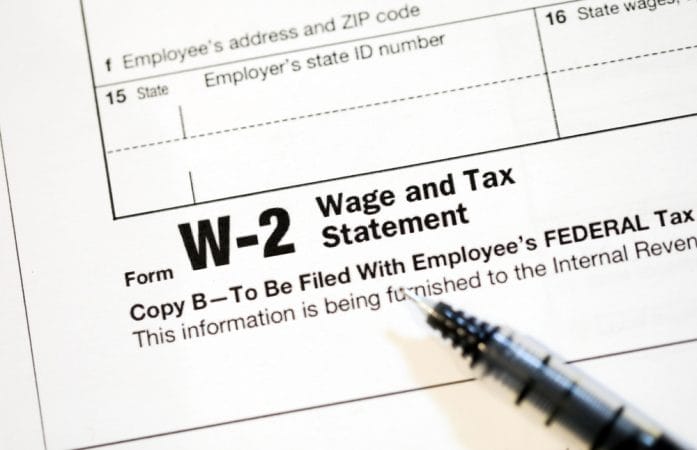
Numbers tell a story, and the IRS reads that story line by line. When reported income doesn’t match what employers, clients, or financial institutions report, the system catches it quickly. Every W-2 and 1099 form gets filed with the IRS, so leaving out even a small freelance payment creates a mismatch that stands out immediately. That mismatch doesn’t just delay a refund—it can trigger a notice or even an audit request.

Gig work, side hustles, and online income streams have exploded in recent years, and many people underestimate how closely the IRS tracks those earnings. Payment platforms now report transactions more consistently, and even small amounts can show up in official records. Ignoring that income or assuming it flies under the radar creates a risk that simply isn’t worth it. Accuracy matters more than anything here, and every dollar needs to show up in the right place.

Keeping clean records makes a huge difference when dealing with multiple income streams. Tracking payments, saving documents, and double-checking totals before filing keeps everything aligned. Filing software helps, but it still relies on accurate input. A quick review before submitting a return can prevent a small oversight from turning into a major headache.

2. Deductions That Feel Too Good to Be True Usually Are

Big deductions can shrink taxable income fast, but they also grab attention when they look out of proportion. Claiming unusually high deductions compared to income raises eyebrows because the IRS compares returns across similar income levels. If a return shows expenses that don’t match typical patterns, it gets flagged for review. That doesn’t mean the deduction is invalid, but it does mean someone might want proof.

Home office deductions, business expenses, and charitable contributions often fall into this category. Claiming a home office requires a space used exclusively for business, not a kitchen table that doubles as a workspace. Business expenses need to connect directly to income generation, and vague or inflated claims won’t hold up under scrutiny. Charitable donations require proper documentation, especially for larger amounts.

Documentation acts as the safety net here. Receipts, logs, and clear records back up every claim and show that deductions follow the rules. Taking the time to organize those records before filing keeps everything solid if questions come up later. It also makes the filing process smoother and far less stressful.

3. Filing as Self-Employed Comes With Extra Attention

Self-employment offers flexibility, but it also comes with increased scrutiny from the IRS. Independent contractors and freelancers report income differently, and that opens more room for discrepancies. The IRS knows this and tends to examine these returns more closely. Large refunds paired with self-employment income can stand out even more because of how taxes get calculated.

Quarterly estimated tax payments often trip people up in this category. Skipping those payments or underpaying throughout the year can create inconsistencies when filing a return. Those inconsistencies might not trigger an audit on their own, but they add to the overall risk profile of the return. Combined with other factors, they can push a return into “take a closer look” territory.

Accurate bookkeeping keeps self-employment taxes under control. Tracking income, setting aside money for taxes, and making regular estimated payments create a smoother filing experience. Using accounting tools or working with a tax professional can help keep everything aligned and reduce the chances of drawing unwanted attention.

4. Claiming Credits Without Clear Qualification Raises Flags

Tax credits can boost a refund significantly, but they come with strict qualification rules. Claiming credits like the Earned Income Tax Credit or Child Tax Credit without meeting the requirements can trigger an audit quickly. The IRS pays close attention to these credits because they often involve complex eligibility criteria and have a history of misuse.

Dependents play a big role in this area, and incorrect claims can cause problems fast. Listing a dependent who doesn’t meet residency or support requirements creates inconsistencies that the IRS can spot. If two people claim the same dependent, that conflict almost guarantees a review. These situations don’t just delay refunds—they can lead to penalties if the claim doesn’t hold up.

Understanding the rules before claiming any credit makes a huge difference. Checking eligibility, reviewing guidelines, and making sure all information lines up prevents unnecessary issues. Taking a few extra minutes to confirm details can save weeks—or even months—of back-and-forth with the IRS.

5. Round Numbers and Guesswork Send the Wrong Message

Perfectly rounded numbers might look clean on paper, but they often signal estimation instead of accuracy. The IRS expects real figures based on actual records, not guesses that land neatly on even numbers. When a return shows multiple rounded entries, it can suggest that the filer didn’t rely on proper documentation. That perception alone can increase the chances of an audit.

Expenses, income, and deductions should reflect precise amounts whenever possible. Rounding occasionally doesn’t cause a problem, but consistent rounding across multiple categories raises suspicion. It creates a pattern that doesn’t match how real financial data typically looks. The IRS systems pick up on those patterns quickly.

Using detailed records eliminates the need for guesswork entirely. Bank statements, receipts, and accounting software provide exact figures that keep everything accurate. Taking the time to input those numbers correctly shows that the return relies on real data, not estimates. That attention to detail goes a long way in avoiding unnecessary scrutiny.

5 Hidden Triggers That Can Turn Your Tax Refund Into an IRS Audit

Image Source: Shutterstock.com

The Goal Isn’t the Refund—It’s Staying Off the Radar

A tax refund feels great in the moment, but peace of mind lasts a lot longer. Filing a return that passes through the system without a second glance delivers a different kind of reward—one that doesn’t come with stress, delays, or surprise letters in the mail. Every detail matters, from income reporting to deductions and credits, and small mistakes can snowball into bigger issues fast.

What steps feel worth tightening up to make sure everything stays clean and stress-free? Drop thoughts, strategies, or even lessons learned in the comments.

You May Also Like…​

Texas Has No Income Tax — But Property Taxes Can Get Close To 2% in Some Areas

Property Taxes Are Catching Homeowners Off Guard — Especially After Buying or Renovating

The IRS Doesn’t Warn You Twice — Tax Deadlines That Could Cost You Thousands

8 IRS Red Flags That Are Most Likely to Trigger a Full-Blown Audit

6 Government Benefit Checks That Could Be Delayed Under New Fraud Reviews

Brandon Marcus
Brandon Marcus

Brandon Marcus is a writer who has been sharing the written word since a very young age. His interests include sports, history, pop culture, and so much more. When he isn’t writing, he spends his time jogging, drinking coffee, or attempting to read a long book he may never complete.

Filed Under: tax tips Tagged With: audit triggers, deductions, freelance taxes, income reporting, IRS, money advice, Personal Finance, Planning, tax refund, tax season, tax tips, taxes

6 Hidden Triggers That Freeze Your Tax Refund – and How To Get it Released

April 6, 2026 by Brandon Marcus Leave a Comment

6 Hidden Triggers That Freeze Your Tax Refund - and How To Get it Released

Image Source: Shutterstock.com

Nothing tests patience quite like a tax refund that simply refuses to show up. One minute, everything looks filed and finished, and the next minute, the refund tracker stalls out like a car stuck in mud. That silence from the system starts to feel suspicious fast, especially when plans already formed around that incoming money. Rent, travel, savings goals, or even a small splurge suddenly hang in limbo, all because something triggered a stop behind the scenes.

That delay rarely happens without a reason, though, and it almost always ties back to specific flags that demand attention. The system doesn’t just “forget” refunds—it pauses them when something doesn’t line up, raises questions, or needs verification.

1. The Identity Check That Stops Everything Cold

Identity verification sits at the top of the list for a reason, and it can bring everything to a complete halt. When the system detects anything unusual—like a new address, different filing patterns, or suspicious activity—it locks the refund until identity confirmation happens. This step protects against fraud, but it also slows down legitimate filings that simply look different from previous years. A small change can trigger a big pause, especially if the system sees a mismatch in personal details.

That pause usually comes with a notice asking for verification through an online portal or by mail. Ignoring that notice guarantees a longer delay, while quick action can get things moving again. The fastest solution involves using the official identity verification tools and responding immediately when the request appears. Keeping documents like prior tax returns, Social Security details, and financial records within reach makes the process smoother. Double-checking personal information before filing reduces the chance of triggering this issue in the first place. Staying consistent with names, addresses, and filing status helps the system recognize the return as legitimate without hesitation.

The smartest move involves checking refund status regularly and watching for any verification requests. Acting quickly transforms a frustrating delay into a manageable step, while waiting too long stretches that timeline unnecessarily.

2. Math Errors That Raise Red Flags Instantly

Numbers matter more than ever when it comes to tax returns, and even small mistakes can trigger a freeze. A simple miscalculation—whether it involves income totals, credits, or deductions—forces the system to stop and review the return. Automated systems catch many of these issues quickly, but they still require correction before any refund gets released. That pause can feel especially frustrating when the error seems minor.

Tax software usually reduces this risk, but manual entries still create room for mistakes. Entering numbers incorrectly, skipping steps, or misunderstanding credit eligibility can all cause discrepancies. The system doesn’t just adjust the refund quietly—it often flags the return for further review. That review can add weeks or even months to the process, depending on the complexity of the issue.

A careful review before submission can prevent this problem entirely. Going line by line and confirming totals ensures accuracy from the start. Using reliable tax software or consulting a professional can also catch errors before they trigger a delay. If a mistake slips through, filing an amended return quickly can help resolve the issue faster. Accuracy upfront always beats corrections later, especially when time matters.

3. Missing or Mismatched Income Reports

Income reporting creates one of the most common causes of refund delays, and it often surprises people. Employers, banks, and other institutions send income forms directly to tax authorities, and those numbers must match exactly with what appears on the return. If even one form goes missing or includes incorrect figures, the system flags the return immediately.

This mismatch can happen for several reasons. A forgotten freelance job, a late-arriving form, or even a typo in reported income can throw everything off. The system doesn’t assume an innocent mistake—it assumes something needs verification. That triggers a review process that stops the refund until everything lines up perfectly.

The best strategy involves gathering every income document before filing, even the small ones that feel easy to overlook. Double-checking figures against official forms ensures consistency across the board. If a mismatch already caused a delay, correcting the return and providing documentation can speed things up. Staying organized during tax season reduces stress and keeps the refund process moving smoothly. Every number matters, and accuracy keeps the system satisfied.

4. Credits That Trigger Extra Scrutiny

Certain tax credits come with extra attention, especially those tied to larger refunds. Credits like the Earned Income Tax Credit or Child Tax Credit often require additional review because they involve specific eligibility rules. The system checks these claims carefully to prevent fraud, which means longer processing times for anyone claiming them.

That extra scrutiny doesn’t mean something went wrong—it simply means the system needs to confirm eligibility. Still, incomplete or incorrect information can stretch that review even further. Missing documentation, incorrect income levels, or inconsistencies in dependent information can all cause delays.

Filing accurately with complete details helps avoid unnecessary complications. Keeping records that support credit claims makes it easier to respond if verification becomes necessary. Submitting returns early can also help, since peak tax season often slows down processing times for these credits. Patience plays a role here, but preparation makes a huge difference. Claiming valuable credits should feel rewarding, not stressful, and the right approach keeps things on track.

5. Bank Account Issues That Block the Deposit

A refund can get approved and still fail to arrive if banking details don’t check out. Incorrect account numbers, closed accounts, or mismatched names can stop the deposit in its tracks. When that happens, the system reroutes the refund, often converting it into a paper check, which takes significantly longer to arrive.

This issue catches many people off guard because everything else on the return may look perfect. A single digit error in a routing number can derail the entire process. Even using an account that no longer exists can create delays that stretch for weeks.

Careful entry of banking information prevents this problem before it starts. Double-checking numbers and confirming account status ensures a smooth deposit process. Choosing direct deposit into a stable, active account speeds things up significantly. If an issue already occurred, monitoring mail delivery and updating information promptly can help recover the situation faster. Small details matter, especially when money moves electronically.

6. Filing Too Early—or Too Late—Creates Unexpected Trouble

Timing plays a bigger role than most people expect, and filing at the wrong moment can create delays. Submitting a return too early, before all documents arrive, increases the risk of missing or incorrect information. On the other hand, filing very late can place the return into a backlog, especially during peak processing periods.

Early filers often rush to beat the crowd, but incomplete data can trigger reviews that slow everything down. Late filers face a different challenge, as high volumes can overwhelm processing systems and extend timelines. Both scenarios lead to the same frustrating outcome: a frozen refund.

Finding the right timing requires a bit of patience and preparation. Waiting until all forms arrive ensures accuracy, while filing before the final rush can help avoid processing delays. Planning ahead makes a noticeable difference in how quickly refunds arrive. Smart timing keeps the process smooth and predictable instead of chaotic and uncertain.

6 Hidden Triggers That Freeze Your Tax Refund - and How To Get it Released

Image Source: Shutterstock.com

Unlock the Refund and Take Back Control

A frozen tax refund doesn’t happen by accident, and it doesn’t have to stay frozen forever. Each delay connects to a specific trigger, and every trigger comes with a clear solution once it gets identified. Whether it involves verifying identity, correcting errors, or confirming income details, action always beats waiting. The system responds to accuracy, consistency, and quick follow-up, and those factors put control back where it belongs.

So here’s the real question—what’s the one step that could make next tax season smoother and faster? Drop your thoughts, strategies, or even refund horror stories in the comments and get the conversation going.

You May Also Like…

Property Taxes Are Catching Homeowners Off Guard — Especially After Buying or Renovating

Direct Deposit Refunds Are Being Returned by Banks When Names Don’t Match the Account

IRS Refund Delays Surge: Incorrect Bank Info Is Triggering Weeks-Long Payment Holds

Refunds Are Being Delayed Over New IRS Identity Flags — Why More Returns Are Getting Pulled

Why Do Families Rely Too Much on Tax Refunds

Brandon Marcus
Brandon Marcus

Brandon Marcus is a writer who has been sharing the written word since a very young age. His interests include sports, history, pop culture, and so much more. When he isn’t writing, he spends his time jogging, drinking coffee, or attempting to read a long book he may never complete.

Filed Under: tax tips Tagged With: filing taxes, Financial Tips, IRS delays, IRS review, money advice, refund hold, refund status, tax errors, tax filing mistakes, tax refund, tax season, tax tips

The IRS Is Sending More “Math Error” Notices — Why You Could Owe Without Realizing It

March 26, 2026 by Brandon Marcus Leave a Comment

The IRS Is Sending More “Math Error” Notices — Why You Could Owe Without Realizing It

Image Source: Shutterstock.com

A letter from the IRS doesn’t need flashing red lights to feel urgent, and lately, more of those letters arrive stamped with a deceptively simple phrase: “math error.” That label sounds harmless, almost like a quick fix, but it often carries a financial sting that catches people off guard. The number of these notices has climbed in recent years, and they don’t just target complicated returns or high earners. They hit everyday tax filers who thought they checked every box correctly and walked away confident.

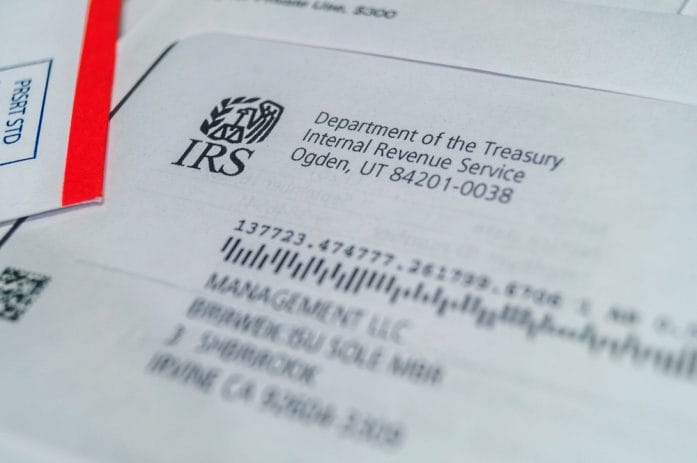
These notices don’t wait for a full audit, and that’s exactly what makes them so disruptive. The IRS uses automated systems to flag discrepancies, adjust returns, and send out corrections before anyone has time to react. One small mismatch can turn into a reduced refund or even a balance due, and the clock starts ticking the moment that notice lands.

When “Math Error” Doesn’t Mean What You Think It Means

The phrase “math error” sounds like someone added numbers wrong, but the IRS uses it far more broadly than that. The agency applies this label to a wide range of issues, including missing information, mismatched Social Security numbers, and incorrect claims for credits like the Earned Income Tax Credit or Child Tax Credit. That means a notice could arrive even when every calculation on the return adds up perfectly. The system flags inconsistencies between what someone reported and what the IRS has on file, often pulling data from employers, financial institutions, and prior filings.

This automated approach speeds things up, but it also removes the human layer that might otherwise catch context. For example, a slight typo in a dependent’s Social Security number can trigger a rejection of a credit, which then leads to a reduced refund or a sudden balance due. The IRS doesn’t ask for clarification before making the change, and it sends the notice after the adjustment already happens. That creates a jarring moment where expectations collide with reality, especially when someone counted on a refund for bills or savings.

The rules behind these notices come from the IRS’s authority to correct certain “obvious” errors without launching a full audit. That sounds efficient, but it leaves little room for nuance. Many people don’t realize that they have only a limited window, usually 60 days, to respond if they disagree with the change. Ignoring the notice can lock in the adjustment and open the door to penalties and interest. Taking it seriously right away gives the best chance to fix the issue before it snowballs.

Why These Notices Are Showing Up More Often

The rise in math error notices doesn’t come out of nowhere, and a few key factors drive the trend. The IRS has leaned more heavily on automation, especially as it processes large volumes of returns quickly. Technology allows the agency to cross-check data at scale, which increases the chances of catching discrepancies, even minor ones. At the same time, tax laws have shifted in recent years, especially around credits and stimulus-related provisions, and those changes have added layers of complexity to otherwise simple returns.

More complexity creates more room for error, and not all of those errors come from carelessness. Some stem from confusion about eligibility rules, especially for credits tied to income thresholds, filing status, or dependent qualifications. A slight misunderstanding can lead to a claim that doesn’t match IRS records, and the system flags it immediately. The IRS then adjusts the return without waiting for clarification, which leads to a notice that feels sudden and unexpected.

Another factor comes from timing. Employers and financial institutions submit forms like W-2s and 1099s directly to the IRS, and any mismatch between those records and what appears on a return triggers a red flag. Even something as simple as entering the wrong income figure by a small amount can set off the system. The combination of real-time data matching and automated corrections means fewer discrepancies slip through unnoticed, but it also means more notices land in mailboxes.

Smaller Refunds or Surprise Bills

A math error notice doesn’t just point out a problem; it changes the outcome of a tax return. The IRS can reduce a refund, delay it, or convert it into a balance due, depending on the situation. That shift can disrupt plans in a big way, especially when someone expects a certain amount and suddenly sees a different number. The notice explains the adjustment, but it doesn’t always feel clear at first glance, which adds to the confusion.

When the IRS reduces or eliminates a credit, the financial impact can feel immediate. Credits like the Earned Income Tax Credit or Child Tax Credit can significantly boost a refund, so losing them changes the bottom line quickly. If the adjustment creates a balance due, interest and penalties can start accruing if the amount isn’t paid on time. That turns a simple correction into a growing obligation that demands attention.

The emotional impact matters too, even if it doesn’t show up on a balance sheet. A notice from the IRS can create stress and uncertainty, especially when it arrives without warning. The key lies in shifting from reaction to action, because these notices often come with clear next steps. Reading the notice carefully, comparing it to the original return, and gathering any supporting documents can bring clarity and control back into the situation.

The IRS Is Sending More “Math Error” Notices — Why You Could Owe Without Realizing It

Image Source: Shutterstock.com

What To Do If That Letter Shows Up

Opening the notice and setting it aside might feel tempting, but that approach can make things worse. The IRS includes a specific explanation of what changed and why, and understanding that explanation should come first. Comparing the notice to the original return helps identify whether the IRS made a valid correction or missed something important. That step alone can reveal simple issues like a typo or a missing form.

If the correction looks accurate, paying the balance or accepting the reduced refund resolves the issue quickly. If something doesn’t add up, responding within the allowed timeframe becomes critical. The IRS usually provides instructions for disputing the change, and that process often involves sending documentation that supports the original filing. Acting within the deadline preserves the right to challenge the adjustment and prevents it from becoming final.

Getting help can make a big difference, especially when the notice involves credits or eligibility rules. A tax professional can review the situation, spot errors, and guide the response. Keeping organized records, including W-2s, 1099s, and receipts, strengthens any case and speeds up the resolution. Taking these steps turns a stressful moment into a manageable task, and it prevents the issue from escalating.

Don’t Let a “Math Error” Catch You Off Guard

A math error notice might sound minor, but it carries real financial weight and demands quick attention. The IRS uses that label to cover a wide range of issues, and the rise in these notices reflects a system that moves faster and checks more data than ever before. Taking the time to understand how these notices work can prevent confusion and protect against unexpected bills or reduced refunds. Staying organized, double-checking details, and responding quickly to any notice can turn a frustrating situation into a manageable one.

What steps feel most helpful when it comes to avoiding surprises at tax time, and what strategies have worked best for keeping everything accurate and stress-free? Share all of your thoughts, tips, or experiences in the comments and keep the conversation going.

You May Also Like…

Refunds Are Being Delayed Over New IRS Identity Flags — Why More Returns Are Getting Pulled

7 Common Deductions That Are Getting More Scrutiny From the IRS

IRS Changes for Seniors: What’s Actually New on the 1040‑SR for 2026

6 Advanced Techniques to Lower Your Capital Gains Taxes Legally

9 Financial Dangers of Ignoring Property Taxes

Brandon Marcus
Brandon Marcus

Brandon Marcus is a writer who has been sharing the written word since a very young age. His interests include sports, history, pop culture, and so much more. When he isn’t writing, he spends his time jogging, drinking coffee, or attempting to read a long book he may never complete.

Filed Under: tax tips Tagged With: audit risk, credits, IRS, IRS letters, math error notice, Personal Finance, tax debt, tax filing mistakes, tax refund, tax season, tax tips, taxes

Stop Celebrating Your Tax Refund: You Just Gave the Government a Interest-Free Loan

March 12, 2026 by Brandon Marcus Leave a Comment

Stop Celebrating Your Tax Refund: You Just Gave the Government a Interest-Free Loan

Image Source: Pixabay.com

The moment a tax refund hits a bank account, celebration usually follows. Social media lights up with screenshots of deposits, people start planning shopping sprees, and the refund begins to feel like a surprise windfall that arrived just in time. Yet that exciting moment hides a simple truth that rarely receives attention.

A tax refund often means too much money left each paycheck throughout the entire year. The government collected that extra cash month after month and held onto it without paying a single cent of interest. Instead of earning returns, that money sat idle in a massive national holding tank. The refund might feel like a reward, but it actually represents money that already belonged in personal budgets all along.

The Refund Illusion: Why It Feels Like Free Money

Tax refunds trigger excitement because they arrive in one large lump sum, and large numbers create a powerful psychological effect. A $2,000 refund looks impressive when it lands all at once, even though that amount may equal less than $40 per week over the year. Payroll withholding systems quietly spread tax payments across every paycheck, so most people rarely notice the slow drip of extra deductions leaving their income. When tax season rolls around, the refund suddenly appears and creates the illusion of a financial bonus.

This perception encourages celebration even though the money never represented new income. The refund simply returns cash that never needed to leave the paycheck in the first place. Imagine handing someone a few dollars every week for twelve months and receiving the same amount back the following spring. That transaction would never feel exciting in real life, yet the tax system creates that exact scenario on a national scale. A refund does not mean someone “won” tax season; it means the math leaned too far toward overpaying.

The Government Didn’t Borrow Your Money — You Volunteered It

The tax system relies heavily on withholding, which requires employers to remove estimated taxes from each paycheck before the money ever reaches the bank account. This system prevents large tax bills in April and keeps revenue flowing to federal programs throughout the year. However, withholding formulas often lean toward caution, which leads many households to pay slightly more than necessary.

When withholding exceeds the actual tax obligation, the extra funds accumulate until tax filing season. The government returns the surplus through a refund, but the system never adds interest for the months it held the money. Financial institutions would never get away with borrowing customer funds for a year without compensation, yet the tax structure allows this process automatically.

The reality surprises many people once the concept becomes clear. A tax refund represents an interest-free loan delivered in tiny weekly installments. While the system works efficiently for tax collection, it does not necessarily serve personal wealth building.

The Opportunity Cost Nobody Talks About

Money sitting in government accounts throughout the year cannot work toward financial goals. Even modest amounts could grow through savings accounts, investments, or debt reduction if they remained in personal control. A weekly $40 that disappears into excess withholding might seem small, but small amounts compound quickly when used intentionally.

Consider a scenario where that same $40 enters a high-yield savings account each week. Over a year, the balance would reach the same $2,000 refund amount while also generating interest. If that money flowed into retirement investments instead, compound growth could expand its value dramatically over decades. Financial planners often emphasize consistency rather than large contributions, and excess tax withholding quietly disrupts that principle.

Even paying down credit card balances could produce meaningful financial benefits. Interest rates on credit cards often exceed twenty percent, which means eliminating debt early saves substantial money over time. A tax refund may feel satisfying, but using that cash gradually during the year could create far more financial momentum.

The Smart Way to Adjust Withholding

Anyone who wants more control over personal finances can review tax withholding settings. Employers typically rely on information from a W-4 form, which determines how much tax the payroll system removes from each paycheck. Updating that form can align withholding more closely with the actual tax obligation. A careful approach works best when making adjustments. Reducing withholding too aggressively could create an unexpected tax bill later, so gradual changes allow safer experimentation. Many tax professionals recommend aiming for a very small refund or breaking even at tax time. That outcome means paychecks carried the correct amount of tax throughout the year.

Online withholding calculators from the Internal Revenue Service can also help estimate appropriate settings. These tools consider income, deductions, and credits to produce a more precise withholding target. A quick review once or twice a year keeps everything aligned, especially after major life changes such as marriage, job shifts, or the arrival of children.

Why Some People Still Prefer a Refund

Despite the financial logic behind lower withholding, some individuals intentionally aim for refunds. A lump-sum payment can serve as a forced savings strategy for households that struggle with budgeting discipline. Instead of spending the extra cash throughout the year, the tax system quietly stores it until spring.

Psychology plays a powerful role in money management. A refund may motivate someone to pay off debt, cover large bills, or finally start a savings account. In those situations, the refund functions more like a behavioral tool than a financial strategy.

Still, awareness matters. Anyone who chooses to maintain higher withholding should do so deliberately rather than accidentally. Understanding the mechanics behind refunds allows better decision-making and prevents confusion about where the money actually came from.

Stop Celebrating Your Tax Refund: You Just Gave the Government a Interest-Free Loan

Image Source: Pexels.com

Turning the Refund Mindset Into a Real Power Move

A growing number of financially savvy households treat withholding adjustments as a strategic move rather than a tax season afterthought. Instead of celebrating a large refund, they celebrate balanced withholding and stronger monthly cash flow. That extra money inside each paycheck can fund investments, build emergency savings, or accelerate debt repayment.

Budgeting apps and automated transfers make this approach easier than ever. Redirecting the equivalent of a weekly “refund payment” into savings or investments mimics the discipline of forced withholding while keeping control firmly in personal hands. Over time, that habit creates steady financial progress rather than a single springtime payout.

Small adjustments can transform everyday finances. A slightly larger paycheck each month may not look dramatic at first glance, yet it creates breathing room for smarter decisions throughout the year. That shift turns tax planning from a passive process into an active strategy.

Keeping More of Your Money All Year

The tax refund tradition will probably continue forever because the emotional rush of a big deposit feels incredibly satisfying. However, true financial power rarely hides inside flashy moments. It grows through steady control over cash flow, thoughtful planning, and small improvements that compound over time.

A smaller refund—or none at all—often signals stronger financial awareness. That outcome means paychecks carried the right tax amount, and personal funds stayed available for saving, investing, or debt reduction throughout the entire year. Instead of celebrating a springtime check, smart money habits celebrate consistency.

What do you think about tax refunds now that the system behind them becomes clearer? Do you still enjoy receiving a big refund, or would you rather keep that money in every paycheck during the year? Share your thoughts, ideas, or strategies in the comments.

You May Also Like…

10 Remote Work Tax Deductions Many Miss Each April

The IRS Doesn’t Care If You Forgot — Missing Tax Dates Could Cost You Thousands

Income Threshold: 4 Hidden Taxes That Hit Once You Cross Certain Limits

9 Financial Dangers of Ignoring Property Taxes

8 Times Retailers Don’t Owe You A Refund

Brandon Marcus
Brandon Marcus

Brandon Marcus is a writer who has been sharing the written word since a very young age. His interests include sports, history, pop culture, and so much more. When he isn’t writing, he spends his time jogging, drinking coffee, or attempting to read a long book he may never complete.

Filed Under: tax tips Tagged With: Budgeting Tips, financial literacy, IRS refunds, money habits, Personal Finance, Planning, saving strategies, smart money moves, tax refund, tax season, tax withholding, taxes explained

Why an Enormous Tax Refund Is Actually a Bad Sign for Your Finances

October 12, 2025 by Travis Campbell Leave a Comment

tax

Image source: pexels.com

Every spring, millions of Americans eagerly await their tax refunds. For some, receiving a big check from the IRS feels like a financial windfall. It’s common to hear people brag about getting thousands back at tax time, treating it as a reward for a year of hard work. But is this really something to celebrate? When you dig deeper, you’ll see that an enormous tax refund is actually a bad sign for your finances. Understanding why can help you take control of your money and use your income more effectively throughout the year.

If you’re aiming for smart money management, your goal shouldn’t be a huge refund. Instead, you should strive for a balanced approach—one that lets you keep more of your paycheck when you earn it. Let’s look at the real reasons why a large tax refund can be a warning sign that something is off in your financial planning.

1. You’re Giving the Government an Interest-Free Loan

The main reason an enormous tax refund is a bad sign for your finances is simple: you’re letting the government hold onto your money all year, interest-free. When too much is withheld from your paycheck, you’re essentially loaning your hard-earned cash to the IRS, and they don’t pay you any interest in return. That money could be working for you instead.

Imagine if you put that extra cash into a high-yield savings account or used it to pay down credit card debt. You’d earn interest or save on interest payments, making your money grow. Instead, with a big refund, you miss out on those opportunities for months at a time.

2. Missed Opportunities for Saving and Investing

Withholding too much from your paycheck means you have less money available throughout the year. This can make it harder to build an emergency fund, invest for retirement, or reach other financial goals. If you’re waiting for your tax refund to make a big purchase or catch up on bills, you’re not maximizing your financial potential.

By adjusting your tax withholding, you can put more money into your own accounts every month. This regular habit can help you take advantage of compound interest and grow your savings over time. As compound interest shows, even small monthly contributions can add up to significant amounts, especially if you start early.

3. It Signals a Lack of Tax Planning

Receiving an enormous tax refund often points to a lack of proactive tax planning. If you’re not reviewing your tax situation each year, you might miss out on deductions, credits, or other strategies that could keep more money in your pocket now. Good tax planning means understanding how much you owe—and how much you should have withheld—based on your income and life changes.

Life events like getting married, having a child, or starting a side hustle can all impact your tax situation. If you haven’t updated your withholding in years, your refund might be a sign that you’re not paying enough attention. Taking a few minutes to review your W-4 form can make a big difference and help you avoid surprises at tax time.

4. You Could Face Cash Flow Problems

If you’re consistently getting a large tax refund, you might be short-changing yourself throughout the year. More money withheld means smaller paychecks, which can make it difficult to manage monthly expenses, pay off debt, or save for short-term goals. This can lead to relying on credit cards or loans to make ends meet, which creates new financial problems.

Cash flow is key to financial stability. When you get your money as you earn it, you have more flexibility to handle unexpected expenses or take advantage of opportunities. A big tax refund means you’ve been living with less, only to get a lump sum later—money that could have made your life easier all year long.

5. It Can Encourage Unwise Spending

Getting a large tax refund can feel like a bonus, but this mindset can lead to poor financial decisions. Many people see their refund as “found money” and end up splurging on things they don’t really need. This can undermine your progress toward savings goals or debt repayment.

When you receive your money in smaller, regular amounts, you’re more likely to budget wisely and make thoughtful choices. A big, unexpected windfall, on the other hand, can tempt you to spend impulsively. If you want to make the most of your income, it’s better to plan for steady, predictable paychecks.

How to Adjust Your Withholding and Take Control

The good news is that you can fix this problem. If you’ve realized that an enormous tax refund is a bad sign for your finances, it’s time to take action. Start by reviewing your most recent tax return and your current W-4 form. The IRS offers a helpful tax withholding estimator that can guide you through the process. Make adjustments so that you get closer to breaking even at tax time—owing a small amount or receiving a modest refund is ideal.

By taking control of your withholding, you’ll have more money available throughout the year. You can use it to pay down debt, boost your emergency fund, or invest for your future. Remember, your goal shouldn’t be a huge refund; it should be using your money wisely all year long. If you’re proactive, you can avoid giving the government an interest-free loan and start building real financial security.

Have you ever adjusted your tax withholding after getting a large refund? How did it change your approach to your finances? Share your experience in the comments below!

What to Read Next…

  • Are You Reading the Right Fine Print on Your Tax Refund?
  • What Tax Preparers Aren’t Warning Pre-Retirees About in 2025
  • 6 Tax Moves That Backfire After You Sell a Property
  • 5 Ways Missing One Tax Form Can Cost Your Heirs Thousands
  • 7 Tax Breaks That Sound Generous but Cost You Later
Travis Campbell
Travis Campbell

Travis Campbell is a digital marketer/developer with over 10 years of experience and a writer for over 6 years. He holds a degree in E-commerce and likes to share life advice he’s learned over the years. Travis loves spending time on the golf course or at the gym when he’s not working.

Filed Under: tax tips Tagged With: Cash flow, Financial Tips, Personal Finance, tax planning, tax refund, withholding

Are You Reading the Right Fine Print on Your Tax Refund?

August 13, 2025 by Travis Campbell Leave a Comment

tax

Image source: pexels.com

Tax season can feel like a relief when you see that refund number pop up. But before you start planning how to spend it, there’s something you need to know. The fine print on your tax refund isn’t just legal jargon—it can affect how much money you actually get, how fast you get it, and what happens if there’s a mistake. Many people skip over the details, thinking it’s all standard stuff. But missing the right fine print can cost you time, money, or even trigger an audit. If you want to keep more of your refund and avoid headaches, it’s time to pay attention to what’s really in the details.

1. The Real Timeline for Your Tax Refund

You might expect your tax refund to arrive in a week or two. Sometimes it does. But the fine print often says it can take longer, especially if you file late, claim certain credits, or make a mistake. The IRS says most refunds arrive within 21 days, but that’s not a guarantee. If you file a paper return, it can take much longer. And if your return gets flagged for review, you could wait months. Always check the actual timeline in the fine print so you know what to expect. Don’t make big plans with your refund money until it’s in your account.

2. Fees That Eat Into Your Refund

Some tax preparers and online services offer to take their fee out of your refund. It sounds easy, but the fine print can hide extra charges. You might pay a “refund transfer” fee or other processing costs. These fees can add up fast and shrink your refund. If you use a prepaid debit card, there may be more fees for withdrawals or balance checks. Read every line about fees before you agree. If you’re not sure what you’re paying, ask for a breakdown. Keeping more of your refund starts with knowing where your money is going.

3. Refund Advances Aren’t Free Money

Some companies offer a “refund advance”—a loan based on your expected refund. It’s tempting if you need cash fast. But the fine print matters here. Some advances come with high interest rates or hidden fees. Even if the advance is “no fee,” you may be required to use their tax prep service, which could cost more than you’d pay elsewhere. If your refund is delayed or smaller than expected, you could owe money back. Always read the terms before you sign up for a refund advance. Make sure you understand what happens if things don’t go as planned.

4. Direct Deposit Details Can Make or Break Your Refund

Direct deposit is the fastest way to get your tax refund. But the fine print on your tax form asks for your bank account and routing numbers. If you enter the wrong numbers, your refund could go to someone else or get delayed for weeks. The IRS won’t fix this quickly. Double-check your account details before you file. Some banks also have rules about accepting tax refunds, especially if the name on the refund doesn’t match the account. Read your bank’s policy and the IRS instructions to avoid problems.

5. Offsets: When Your Refund Gets Taken

You might be counting on your full refund, but the fine print says the government can take it to pay certain debts. This is called an “offset.” If you owe back taxes, child support, or federal student loans, your refund can be reduced or taken entirely. The IRS will send you a notice, but it may come after your refund is already gone. If you’re worried about offsets, check your status before you file. The Bureau of the Fiscal Service has information on how offsets work and what you can do if your refund is taken.

6. Amended Returns and Corrections

Mistakes happen. If you realize you made an error after filing, you may need to file an amended return. The fine print explains how this works. Amended returns take longer to process—sometimes up to 16 weeks or more. If you’re owed more money, you’ll have to wait. If you owe, you may face penalties or interest. Always read the instructions for amending a return. Don’t ignore mistakes, but don’t rush to file an amendment without checking the rules. The IRS website has clear steps for fixing errors.

7. State Refunds Have Their Own Rules

Federal and state tax refunds aren’t the same. Each state has its own process, timeline, and fine print. Some states take longer to issue refunds. Others may offset your refund for unpaid state debts. The rules for direct deposit, fees, and corrections can be different from the IRS. Always read the fine print on your state tax return. If you move or change banks, update your information with both the IRS and your state tax agency.

8. Identity Verification and Delays

The IRS and some states use identity verification to prevent fraud. If your return is flagged, you may get a letter asking for more information. The fine print explains what you need to do and how long it might take. If you don’t respond quickly, your refund will be delayed. Sometimes, you’ll need to verify your identity online or by phone. Keep an eye on your mail and email after you file. Respond to any requests right away to keep your refund on track.

9. What Happens If Your Refund Is Lost or Stolen

It’s rare, but refunds can get lost or stolen. The fine print tells you how to report a missing refund and what steps to take. If you used direct deposit, your bank may be able to help. If you got a paper check, you’ll need to contact the IRS and possibly file a claim. This process can take weeks or months. Always keep copies of your tax return and any correspondence. If you move, update your address with the IRS to avoid lost checks.

10. Watch Out for Tax Scams

Scammers target people waiting for tax refunds. The fine print often warns you not to share personal information with anyone who contacts you about your refund. The IRS will never call, email, or text you to ask for your Social Security number or bank details. If you get a suspicious message, don’t respond. Report it to the IRS. Protect your refund by keeping your information private and using secure methods to file your taxes.

The Fine Print Is Your Refund’s Safety Net

Reading the right fine print on your tax refund isn’t just about following rules. It’s about protecting your money, avoiding delays, and making sure you get what you’re owed. Every year, people lose out because they skip the details. Take a few extra minutes to read the fine print. It can save you time, stress, and money.

Have you ever missed something important in the fine print on your tax refund? Share your story or tips in the comments.

Read More

8 Documents That Can Help Heirs Avoid Court Battles

How Heirs Can Lose Property When Titles Aren’t Reviewed Carefully

Travis Campbell
Travis Campbell

Travis Campbell is a digital marketer/developer with over 10 years of experience and a writer for over 6 years. He holds a degree in E-commerce and likes to share life advice he’s learned over the years. Travis loves spending time on the golf course or at the gym when he’s not working.

Filed Under: tax tips Tagged With: IRS, Personal Finance, refund delays, tax filing, tax refund, tax return, tax scams, tax season, tax tips

12 Tax Deductions You’re Probably Missing (And Leaving Money on the Table)

June 18, 2025 by Travis Campbell Leave a Comment

tax tips

Image Source: pexels.com

Tax season can feel overwhelming, but it’s also a golden opportunity to keep more of your hard-earned money. Every year, millions of Americans miss out on valuable tax deductions simply because they don’t know they exist or assume they don’t qualify. These overlooked tax deductions can add up to hundreds or even thousands of dollars left on the table. It pays to dig a little deeper if you’re looking to maximize your refund or reduce your tax bill. Understanding which tax deductions apply to your situation can make a real difference in your financial health. Let’s break down 12 tax deductions you might be missing—and how to claim them.

1. State Sales Tax Deduction

If you live in a state without income tax, or if your sales tax payments exceed your state income tax, you can deduct state and local sales taxes instead. This deduction is especially valuable for big-ticket purchases like cars or home renovations. The IRS even provides a calculator to help you estimate your deduction. Don’t forget to keep your receipts for major purchases to maximize this tax deduction.

2. Student Loan Interest

Even if you’re not the one making payments, you may be able to deduct up to $2,500 in student loan interest each year. Parents who co-signed loans and are making payments can also qualify. This tax deduction is available even if you don’t itemize, making it one of the most accessible ways to reduce your taxable income.

3. Out-of-Pocket Charitable Contributions

Most people remember to deduct large charitable donations, but small out-of-pocket expenses for charity work often go unclaimed. Did you buy supplies for a school fundraiser or drive your car for a nonprofit? You can deduct mileage and unreimbursed expenses. Just be sure to keep detailed records and receipts for every contribution.

4. Medical Miles

You can deduct 21 cents per mile (for 2024) driven for medical purposes, such as trips to the doctor, pharmacy, or hospital. This tax deduction is often overlooked, but it can add up quickly if you or your family have frequent medical appointments. Track your mileage throughout the year to make claiming this deduction easy.

5. Job Search Expenses

Certain job search expenses may be deductible if you’re looking for a new job in your current field. This includes resume printing, interview travel, and even employment agency fees. While the Tax Cuts and Jobs Act suspended some miscellaneous deductions, it’s worth checking if you qualify, especially if you’re self-employed.

6. Educator Expenses

Teachers and eligible educators can deduct up to $300 for classroom supplies they purchase out of pocket. This tax deduction is available even if you don’t itemize. If both spouses are educators and file jointly, the deduction doubles. Save your receipts for everything from books to art supplies.

7. Home Office Deduction

You may qualify for the home office deduction if you’re self-employed or run a side hustle from home. The space must be used regularly and exclusively for business. You can choose between the simplified method (a flat rate per square foot) or actual expenses. This deduction can cover a portion of your rent, utilities, and even internet costs.

8. Retirement Savings Contributions Credit

Also known as the Saver’s Credit, this tax deduction rewards low- and moderate-income taxpayers for contributing to retirement accounts like IRAs or 401(k)s. Depending on your income, you could get a credit worth up to $1,000 or $2,000 for married couples. This directly reduces your tax bill, not just your taxable income.

9. Self-Employed Health Insurance Premiums

If you’re self-employed, you can deduct 100% of your health insurance premiums for yourself, your spouse, and dependents. This tax deduction applies even if you don’t itemize and can significantly lower your taxable income. Don’t forget to include dental and long-term care premiums if you qualify.

10. Mortgage Points

You may have paid points to lower your mortgage interest rate if you bought a home or refinanced. These points are deductible, either all at once or over the life of the loan, depending on your situation. Many homeowners overlook this tax deduction, so review your closing documents carefully.

11. State Income Tax Paid Last Year

Did you owe state income tax when you filed last year’s return? You can deduct that payment on this year’s federal return. This is a commonly missed tax deduction, especially for those who make estimated payments or pay late.

12. Energy-Efficient Home Improvements

Upgrading your home with energy-efficient windows, doors, or appliances can qualify you for valuable tax credits and deductions. The IRS offers credits for certain improvements, which can directly reduce your tax bill.

Make Every Tax Deduction Count

Missing out on tax deductions means giving away money you could keep or invest. By staying informed and organized, you can take advantage of every tax deduction you’re entitled to. Review your expenses, keep good records, and don’t hesitate to consult a tax professional if you’re unsure. Every dollar you save on taxes is a dollar you can use to build your financial future.

Have you ever found a tax deduction you didn’t know about? Share your story or tips in the comments below!

Read More

Tax Season is Here

Stop Reading About Last Year’s Top Ten Mutual Funds

Travis Campbell
Travis Campbell

Travis Campbell is a digital marketer/developer with over 10 years of experience and a writer for over 6 years. He holds a degree in E-commerce and likes to share life advice he’s learned over the years. Travis loves spending time on the golf course or at the gym when he’s not working.

Filed Under: tax tips Tagged With: IRS, money-saving, Personal Finance, Planning, Tax Deductions, tax refund, tax season, tax tips

10 Tax Deductions You Forgot Were Legal

June 2, 2025 by Travis Campbell Leave a Comment

tax plan

Image Source: pexels.com

Tax season can feel like a maze, and it’s easy to miss out on valuable deductions that could put more money back in your pocket. Many people focus on the obvious write-offs, like mortgage interest or charitable donations, but there are plenty of lesser-known tax deductions that are perfectly legal and surprisingly easy to claim. If you’re looking to maximize your refund and keep more of your hard-earned cash, it pays to know what’s available. The IRS tax code is full of opportunities for those who know where to look. Let’s explore ten tax deductions you might have forgotten were legal, and see how you can take advantage of them this year.

1. Out-of-Pocket Classroom Expenses

You can deduct up to $300 of unreimbursed classroom expenses each year if you’re a teacher, counselor, or classroom aide. This includes supplies, books, and even some professional development courses. Many educators spend their own money to create a better learning environment, and this tax deduction is a small way to recognize that effort. Make sure to keep your receipts and document your purchases, as the IRS may ask for proof.

2. State Sales Tax

Did you know you can choose to deduct either your state income tax or your state sales tax? This is especially helpful if you live in a state with no income tax or if you made big purchases, like a car or major appliances. The IRS even provides a handy calculator to help you estimate your deduction. This legal tax deduction can add up quickly, especially for those who made significant purchases throughout the year.

3. Medical Miles

Most people know they can deduct medical expenses that exceed 7.5% of their adjusted gross income, but did you know you can also deduct the miles driven for medical care? For 2024, you can deduct 21 cents per mile for trips to the doctor, pharmacy, or hospital. Keep a log of your trips and mileage, and don’t forget to include parking fees and tolls. This often-overlooked tax deduction can make a real difference if you or your family have frequent medical appointments.

4. Student Loan Interest Paid by Someone Else

If someone like a parent pays your student loan interest, you can still claim the deduction as long as you’re not claimed as a dependent. The IRS treats the payment as if it were given to you, and then you paid the lender. You can deduct up to $2,500 in student loan interest, which can help lower your taxable income. This is a great example of a legal tax deduction that many recent graduates overlook.

5. Jury Duty Pay Given to Your Employer

If your employer pays your full salary while you serve on jury duty, but requires you to turn over your jury duty pay, you still have to report the jury duty pay as income. However, you can deduct the same amount on your tax return, effectively canceling it out. This legal tax deduction ensures you’re not taxed twice for fulfilling your civic duty.

6. Home Office for Side Hustles

The home office deduction isn’t just for full-time freelancers or remote workers. If you have a side hustle or small business, you may qualify for this deduction—even if it’s just a part-time gig. The space must be used regularly and exclusively for business, but it doesn’t have to be a separate room. You can deduct a portion of your rent, utilities, and even internet costs. This legal tax deduction can be a game-changer for anyone earning extra income from home.

7. Tax Preparation Fees (Certain Situations)

While tax preparation fees are no longer deductible for most individuals, they are still deductible for self-employed taxpayers, freelancers, and small business owners. If you fall into one of these categories, you can deduct the cost of tax software, e-filing fees, and even the cost of hiring a professional. This deduction can help offset the cost of getting your taxes done right.

8. Charitable Mileage

If you volunteer for a qualified charity, you can deduct 14 cents per mile driven in service of that organization. This includes driving to and from volunteer events, delivering goods, or transporting people on behalf of the charity. Keep a detailed log of your trips, and remember that parking and tolls are also deductible. This legal tax deduction rewards those who give their time as well as their money.

9. Job Search Expenses (If You’re Self-Employed)

If you’re self-employed and looking for new clients or gigs, you can deduct job search expenses like travel, resume services, and even some networking event fees. While this deduction is no longer available for most employees, it remains a valuable legal tax deduction for freelancers and independent contractors. Keep detailed records of your expenses to make the most of this opportunity.

10. Retirement Savings Contributions Credit

The Saver’s Credit is a little-known tax break for low- and moderate-income taxpayers who contribute to a retirement account. You could get a credit of up to $1,000 ($2,000 for married couples) just for saving for your future. This legal tax deduction is in addition to the regular deduction for IRA contributions, making it a double win for retirement savers.

Make the Most of Every Legal Tax Deduction

Maximizing your tax refund isn’t about bending the rules—it’s about knowing them. These legal tax deductions are often overlooked, but they’re available to anyone who takes the time to understand the tax code. By keeping good records and staying informed, you can make sure you’re not leaving money on the table. Review this list the next time you file and see which legal tax deductions apply to you. Your wallet will thank you!

What’s the most surprising legal tax deduction you’ve ever claimed? Share your story in the comments below!

Read More

Taxes for Entrepreneurs: How to File Business Taxes for the First Time

How to Pay Taxes on 1099 Income

Travis Campbell
Travis Campbell

Travis Campbell is a digital marketer/developer with over 10 years of experience and a writer for over 6 years. He holds a degree in E-commerce and likes to share life advice he’s learned over the years. Travis loves spending time on the golf course or at the gym when he’s not working.

Filed Under: tax tips Tagged With: IRS, legal tax deductions, Money Saving tips, Personal Finance, Tax Deductions, tax refund, tax season, tax tips

FOLLOW US

Search this site:

Recent Posts

  • Can My Savings Account Affect My Financial Aid? by Tamila McDonald
  • 12 Ways Gen X’s Views Clash with Millennials… by Tamila McDonald
  • What Advantages and Disadvantages Are There To… by Jacob Sensiba
  • 10 Tactics for Building an Emergency Fund from Scratch by Vanessa Bermudez
  • Call 911: Go To the Emergency Room Immediately If… by Stephen Kanaval
  • 7 Weird Things You Can Sell Online by Tamila McDonald
  • 10 Scary Facts About DriveTime by Tamila McDonald

Copyright © 2026 · News Pro Theme on Genesis Framework