
• Home
  • About Us
  • Toolkit
  • Getting Finances Done
    • Hiring Advisors
    • Debt Management
    • Spending Plan
  • Insurance
    • Life Insurance
    • Health Insurance
    • Disability Insurance
    • Homeowners/Renters Insurance
  • Contact Us
  • Risk Tolerance Quiz
  • Our Editorial Commitment

The Free Financial Advisor

You are here: Home / Archives for elder law

Medicaid Estate Recovery Allows States to Recoup Long-Term Care Costs From Estates

April 20, 2026 by Brandon Marcus Leave a Comment

Medicaid Estate Recovery Allows States to Recoup Long-Term Care Costs From Estates
Image Source: Shutterstock.com

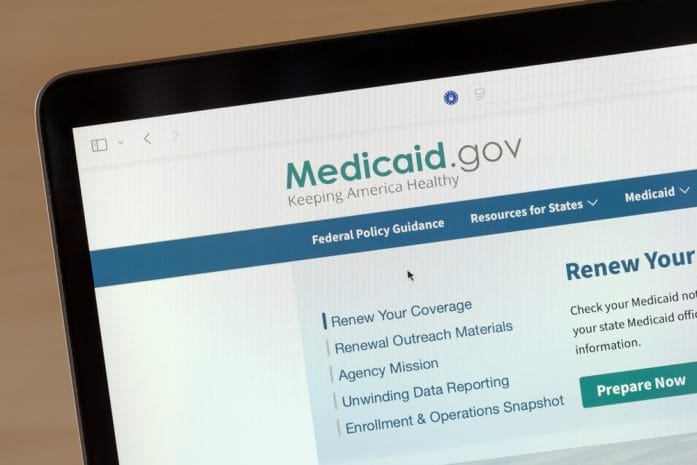
Medicaid often feels like a financial lifeline when long-term care costs spiral out of control, but that support comes with a string many families never see coming. After a recipient passes away, states can step in and recover what they spent—sometimes from assets families expected to inherit.

That policy, known as Medicaid estate recovery, surprises heirs, complicates estate planning, and sparks serious debates about fairness. If you plan for aging, caregiving, or wealth transfer, you need to understand how this process works before it catches you off guard.

What Medicaid Estate Recovery Actually Means

Medicaid estate recovery allows states to seek repayment for certain benefits paid on behalf of recipients, mainly for long-term care services. States focus on costs tied to nursing homes, home-based care, and related medical support after age 55. When the recipient dies, the state files a claim against their estate, which often includes a home, savings, or other assets.

Federal law requires states to pursue recovery, but each state sets its own rules for how aggressively it collects. Families often discover this process during probate, which turns what they thought was a straightforward inheritance into a complicated financial situation.

Which Assets Are at Risk During Recovery

The most common asset targeted in Medicaid estate recovery involves the family home, especially when it sits solely in the recipient’s name. States can also pursue bank accounts, investment funds, and other property included in the probate estate.

Assets held in joint ownership or placed in certain trusts may avoid recovery, but rules vary widely by state. For example, a properly structured irrevocable trust can shield a home, but timing matters because Medicaid applies a five-year lookback period. People who fail to plan early often leave their estates exposed, which can force heirs to sell property to satisfy the state’s claim.

Who Gets Protected From Estate Recovery Claims

Not every estate faces immediate recovery, and several protections exist for surviving family members. If a spouse remains alive, the state delays recovery until after that spouse passes away. Minor children, disabled children, or blind children can also trigger exemptions that block recovery efforts. Some states offer hardship waivers when recovery would leave heirs without basic housing or financial stability.

These protections help, but they don’t eliminate the risk entirely, especially once those qualifying conditions no longer apply. Families need to understand these safeguards early so they can plan around them instead of relying on them at the last minute.

Why Medicaid Estate Recovery Catches Families Off Guard

Many families assume Medicaid works like traditional health insurance, but it operates more like a needs-based loan for long-term care. Caseworkers don’t always emphasize estate recovery during enrollment, which leaves beneficiaries unaware of future consequences. Adult children often expect to inherit a home, only to learn later that Medicaid holds a legal claim against it. Emotions run high when families must sell a longtime home to repay care costs, especially after years of caregiving stress. Clear communication and early financial planning can prevent these painful surprises and give families more control over outcomes.

Smart Strategies to Protect Your Estate

Early planning creates the best defense against Medicaid estate recovery and gives families more flexibility. Many people work with elder law attorneys to establish irrevocable trusts that remove assets from their estate before applying for Medicaid. Others transfer property to family members, but they must carefully navigate the five-year lookback rule to avoid penalties.

Long-term care insurance offers another route, helping individuals cover costs without relying entirely on Medicaid. Even simple steps, like adding a transfer-on-death deed for a home in certain states, can keep assets out of probate and beyond recovery reach.
Medicaid Estate Recovery Allows States to Recoup Long-Term Care Costs From Estates
Image Source: Shutterstock.com

Plan Early or Pay Later

Medicaid estate recovery doesn’t hide in fine print—it stands as a core part of how the program balances its costs, and it can reshape what families pass down. You can’t eliminate every risk, but you can reduce the impact with smart, proactive decisions made years in advance. Families who start planning early often preserve more of their assets and avoid stressful legal battles later. Waiting until care becomes urgent usually limits your options and increases financial exposure. Medicaid estate recovery rewards preparation, and it punishes delay, so timing makes all the difference.

How do you feel about states recovering Medicaid costs from estates—fair policy or financial overreach? Share your thoughts in the comments below.

You May Also Like…

How the “Community Spouse” Can Protect Family Assets When Medicaid Enters the Picture

From Medicare to Medicaid: Why Billing Glitches Are Causing Unexpected Medical Bills Nationwide

Social Security COLA Gains Are Being Offset by Rising Medicare Costs

Why Free Preventive Care Isn’t Always Free, Even With Medicare

Medicare Mishaps: Costly Enrollment Errors Most People Don’t See Coming

Brandon Marcus
Brandon Marcus

Brandon Marcus is a writer who has been sharing the written word since a very young age. His interests include sports, history, pop culture, and so much more. When he isn’t writing, he spends his time jogging, drinking coffee, or attempting to read a long book he may never complete.


Filed Under: Estate Planning Tagged With: elder law, Estate planning, inheritance protection, long-term care costs, Medicaid estate recovery, Medicaid rules, Planning

How the “Community Spouse” Can Protect Family Assets When Medicaid Enters the Picture

April 5, 2026 by Brandon Marcus Leave a Comment

How the “Community Spouse” Can Protect Family Assets When Medicaid Enters the Picture
Image Source: Shutterstock.com

Watching a lifetime of savings drain away because a spouse needs long‑term care is one of the most frightening financial moments a family can face. Medicaid can step in to cover nursing home costs, but it comes with strict rules that can feel unforgiving if you don’t know how they work. The good news is that the system includes protections designed to prevent the healthy spouse from being left penniless. That’s where the “community spouse” comes in—a legal safeguard that keeps one spouse financially stable while the other receives care.

This isn’t a loophole or a trick. It’s a built‑in protection meant to keep families from collapsing under the weight of long‑term care costs. The community spouse rules allow the at‑home spouse to keep certain assets and income so life can continue without financial devastation. For couples staring down the possibility of nursing home care, understanding these rules can turn panic into a plan. By the end of this guide, the system will feel far less mysterious—and far more manageable.

Meet the Hero: The Community Spouse

The community spouse is simply the partner who remains at home when the other enters a nursing home and applies for Medicaid. Medicaid has strict financial limits for the spouse receiving care, but it does not require the community spouse to spend down everything. Instead, federal law requires states to protect the at‑home spouse from impoverishment.

This protection covers both assets and income. The community spouse is allowed to keep a certain amount of the couple’s countable assets, known as the Community Spouse Resource Allowance (CSRA). The family home is generally exempt as long as the community spouse lives there, regardless of its value. One vehicle, household goods, and personal belongings are also exempt. Retirement accounts may or may not be counted depending on the state, which is why professional guidance matters.

Income protections also apply. The community spouse may receive a portion of the institutionalized spouse’s income through the Monthly Maintenance Needs Allowance (MMNA), ensuring they have enough to cover basic living expenses. These protections exist so the spouse at home can maintain stability instead of being pushed into financial crisis.

The Numbers Game: How Much Can Actually Be Protected?

This is where the rules get technical, but the payoff is worth it. Every year, the federal government sets a minimum and maximum CSRA, and states choose a number within that range. The CSRA applies to countable assets—things like bank accounts, investments, and non‑exempt property. The community spouse can keep assets up to the state’s limit, while the spouse applying for Medicaid must meet the program’s much lower asset threshold. The home remains exempt as long as the community spouse lives there, and Medicaid does not force its sale. Estate recovery may apply after both spouses have passed, but that is a separate process.

Understanding these numbers early allows couples to make smart decisions before applying. Medicaid also enforces a five‑year look‑back period on asset transfers, which prevents last‑minute gifting or shifting of assets. Planning ahead—sometimes years ahead—can preserve far more wealth than scrambling at the last minute.

Playing by the Rules

Medicaid planning is not guesswork. It’s a structured process with clear rules, and families who follow them can protect significant assets. One common strategy is spending down excess assets in Medicaid‑approved ways, such as paying off debt, making necessary home repairs, or purchasing exempt items. These moves reduce countable assets without triggering penalties.

Another tool is the Medicaid‑compliant annuity, which can convert excess assets into an income stream for the community spouse. This strategy must be executed carefully to meet federal and state requirements, but when done correctly, it can preserve substantial resources.

Irrevocable trusts also play a role, but only when created well before the five‑year look‑back period. These trusts can protect assets for future generations while still allowing Medicaid eligibility later. Because rules vary widely by state, working with an elder law attorney is essential. A single misstep—like transferring assets too late or misunderstanding what counts—can delay eligibility and create costly penalties.

How the “Community Spouse” Can Protect Family Assets When Medicaid Enters the Picture
Image Source: Shutterstock.com

Common Misconceptions and Mistakes

Many families assume Medicaid will take half of everything or that the community spouse can keep everything. Neither is true. The CSRA sets a clear limit, and it applies to countable assets only. Another common misconception is that the home must be sold. In reality, the home is exempt while the community spouse lives there, though estate recovery may apply later.

Some people try to transfer assets to children or relatives to “get them out of the way.” Medicaid’s five‑year look‑back makes this risky. Transfers made within that window can trigger penalties that delay eligibility for months or even years. Others overlook income rules, assuming only assets matter. In truth, income from Social Security, pensions, and other sources affects how much support the community spouse receives through the MMNA. The biggest mistake is waiting until a crisis hits. Medicaid planning works best when done early, before care is needed. Even so, crisis planning is still possible with the right guidance.

Smart Moves for the Future

The community spouse rules are more than a technicality—they’re a lifeline for couples facing the overwhelming cost of long‑term care. With thoughtful planning, families can protect their home, preserve savings, and ensure both spouses remain financially secure. Ignoring these protections can lead to unnecessary stress, forced decisions, and avoidable financial loss.

Preparation is not optional when long‑term care enters the picture. Understanding the rules, acting early, and working with professionals can save tens of thousands of dollars and safeguard a family’s future. Couples who plan wisely often find that Medicaid becomes a manageable system rather than a financial threat.

What strategies have helped your family navigate long‑term care or Medicaid planning? Share your experiences or insights—we’d love to hear what’s worked for you.

You May Also Like…

From Medicare to Medicaid: Why Billing Glitches Are Causing Unexpected Medical Bills Nationwide

9 Reasons You Can’t Qualify For Medicaid

The Hidden Clause That Could Let Your State Reclaim Medicaid Funds

Seniors Receiving ‘Utility Shutoff’ Calls With Exact Account Numbers — Here’s How Criminals Are Stealing Them

IRS Changes for Seniors: What’s Actually New on the 1040‑SR for 2026

Brandon Marcus
Brandon Marcus

Brandon Marcus is a writer who has been sharing the written word since a very young age. His interests include sports, history, pop culture, and so much more. When he isn’t writing, he spends his time jogging, drinking coffee, or attempting to read a long book he may never complete.

Filed Under: Health & Wellness Tagged With: asset protection, community spouse, elder law, healthcare planning, legal tips, Long-term care, Medicaid planning, nursing home, Planning, retirement planning, senior care

Adult Kids Beware: Some States Can Sue You for Your Parents’ Medical Bills

April 5, 2026 by Brandon Marcus Leave a Comment

Adult Kids Beware: Some States Can Sue You for Your Parents' Medical Bills
Image Source: Pexels.com

Do you think that growing up means leaving your parents’ problems behind? Think again. In several U.S. states, adult children can face the harsh reality of paying for a parent’s medical bills. This isn’t some distant hypothetical; it’s a real legal obligation that can hit your wallet hard if you aren’t careful. Imagine juggling your own mortgage, bills, and student loans, only to discover the state can demand payment for your parents’ hospital stay. It sounds like a nightmare scenario, but the truth is, it’s a possibility in about 30 states across the country.

This isn’t about morality—it’s about law. Filial responsibility laws, which have existed in the U.S. for centuries, allow states to go after adult children if parents cannot pay their medical expenses. These laws vary dramatically from state to state; some quietly exist without much enforcement, while others actively pursue collections.

Filial Responsibility Laws: A Blast from the Past That Still Hits Today

Filial responsibility laws date back to colonial America, a time when communities assumed families would care for their elders. Back then, government safety nets barely existed, and families were expected to shoulder financial burdens, including healthcare costs. Surprisingly, these laws haven’t vanished. In the modern U.S., about 30 states retain some version of these laws, giving hospitals, nursing homes, or even state governments the right to sue adult children for unpaid medical expenses.

These laws are especially active when Medicaid pays for a parent’s care. States can step in to recover costs from children if the estate isn’t enough. Some states, like California and New York, rarely enforce these laws, treating them more as a last-resort measure. Meanwhile, states like Connecticut, Rhode Island, and Pennsylvania have more aggressive enforcement, sometimes pursuing adult children directly. The variation is striking, and it makes a big difference whether you live in one of the strict states or one that’s more lenient. Understanding these laws can prevent a financial shock that might otherwise feel unavoidable.

Where the Danger Lurks: States That Take It Seriously

Connecticut and Rhode Island have made headlines for enforcing filial responsibility laws more aggressively than most states. In these states, adult children may face legal claims if parents default on long-term care or hospital bills. Pennsylvania has occasionally pursued these claims, particularly for Medicaid costs. These are not just stories in the news—they are real cases where adult children have ended up on the hook for tens of thousands of dollars.

The rules aren’t uniform. Some states only pursue payment if the child is capable of paying. Others look at the relationship, financial standing, and prior support provided to the parent. For example, if an adult child lives comfortably and their parent has unpaid nursing home bills, a hospital or state could potentially pursue legal action. While lawsuits remain rare, the possibility alone can influence decisions about inheritance, healthcare planning, and family conversations. In short, knowing your state’s stance could save you from an ugly legal and financial surprise.

How to Protect Yourself Without Feeling Guilty

The thought of a law demanding payment for a parent’s medical bills can feel daunting, but preparation and proactive planning can dramatically reduce risk. Start with understanding your parents’ financial situation and their health coverage. Check if they qualify for Medicaid, supplemental insurance, or any long-term care coverage. If your parents’ assets are limited, a conversation about estate planning can prevent a future claim. Setting up trusts or designating payments carefully can also shield adult children from liability.

Keeping detailed records and engaging professionals can make a huge difference. A financial planner or elder law attorney can map out strategies to minimize exposure. You don’t need to act alone. Hospitals often have social workers and patient advocates who can guide families through complex billing issues. Beyond legal structures, open family communication about finances and expectations helps prevent misunderstandings and resentment. Remember, preparation isn’t about shirking responsibility—it’s about making smart choices to protect everyone’s financial health.

Balancing Duty and Independence

It’s easy to think of these laws as punitive, but they exist in a framework where family responsibility matters. Many families handle medical bills voluntarily, offering support as a moral obligation rather than a legal one. The law steps in mostly when other options run out. Recognizing this helps put the potential threat in perspective. Adult children shouldn’t panic but should recognize that taking proactive measures is both wise and practical.

Balancing duty with personal financial security is key. Setting limits, having honest conversations, and documenting care and support received can shield adult children from unnecessary liability. Making a habit of reviewing your parents’ financial and healthcare situation yearly can prevent surprises. It’s also smart to keep an eye on legislative changes, since states occasionally update their approach to filial responsibility laws. Knowledge and preparation create peace of mind.

Adult Kids Beware: Some States Can Sue You for Your Parents' Medical Bills
Image Source: Shutterstock.com

Thinking Ahead: The Smart Move for Adult Children

At the end of the day, the law is one part of a larger conversation about family, care, and financial responsibility. Adult children benefit from being informed, prepared, and proactive. By understanding filial responsibility laws, reviewing parental finances, and taking steps to mitigate risk, adult children can navigate the potential minefield with confidence and composure. Planning doesn’t just protect money—it protects relationships, reduces stress, and ensures peace of mind.

Do you have strategies, experiences, or ideas for navigating these legal challenges that others could benefit from? Share your insights in the comments and help create a conversation.

You May Also Like…

Should You Lend Money to Family? The Agreement That Protects Everyone

Your Attorney Isn’t the Only One Who Needs Your Will Details: 5 Conversations That Prevent Family Disputes

Family Homes Done Right: Kid-Friendly Interior Design on a Budget

Legacy Debt: 5 Family Conversations That Help Prevent Wealth From Becoming a Burden

7 Things That Must Be in Your Will to Prevent Vicious Family Fights

Brandon Marcus
Brandon Marcus

Brandon Marcus is a writer who has been sharing the written word since a very young age. His interests include sports, history, pop culture, and so much more. When he isn’t writing, he spends his time jogging, drinking coffee, or attempting to read a long book he may never complete.

Filed Under: Health & Wellness Tagged With: adult children, aging parents, elder care, elder law, filial responsibility, healthcare debt, Inheritance, legal responsibility, Medicaid, medical bills, Personal Finance, Planning, state law

The Hidden Clause That Could Let Your State Reclaim Medicaid Funds

August 16, 2025 by Catherine Reed Leave a Comment

The Hidden Clause That Could Let Your State Reclaim Medicaid Funds
Image source: 123rf.com

For many families, Medicaid is a lifeline that helps cover the staggering costs of long-term care, medical treatments, and essential services. But few realize that accepting Medicaid benefits may come with strings attached — strings that could affect the inheritance you hope to leave behind. In many states, there’s a little-known provision that allows the government to recover costs from a recipient’s estate after they pass away. This hidden clause that could let your state reclaim Medicaid funds can catch families off guard, leading to financial stress during an already emotional time. Understanding how this works now can help you protect your loved ones and plan smarter for the future.

1. What the Clause Actually Means

The hidden clause that could let your state reclaim Medicaid funds is tied to a process called estate recovery. Under federal law, states are required to seek reimbursement for certain Medicaid benefits paid on behalf of individuals aged 55 or older. This often includes long-term care services like nursing home stays or in-home care. The state can claim money from assets left behind, such as a home, bank accounts, or other property. Knowing this in advance allows you to explore legal options that may protect your estate.

2. Which Benefits Trigger Recovery

Not every Medicaid service leads to estate recovery, but many do. Long-term care expenses are the most common, but some states also seek repayment for hospital stays, prescription drugs, or other medical services. The hidden clause that could let your state reclaim Medicaid funds typically applies when those services add up to significant costs. States have some flexibility in how they implement recovery, which means the rules can vary depending on where you live. It’s important to research your state’s policy so you know exactly what might be at stake.

3. How Estate Recovery Works in Practice

After a Medicaid recipient passes away, the state can file a claim against the estate to recover funds spent on their care. This can delay the probate process and may require selling assets to settle the debt. The hidden clause that could let your state reclaim Medicaid funds can be especially problematic for families whose primary asset is the family home. Without proper planning, heirs may be forced to sell it to satisfy the claim. Working with an elder law attorney can help you create strategies to protect important assets.

4. Exemptions and Protections That May Apply

While the rules can be strict, there are certain exemptions. For example, recovery is typically delayed if a surviving spouse is still living in the home. Some states also protect the inheritance of minor or disabled children. In some cases, you may be able to prove undue hardship to prevent asset recovery. Understanding the fine print in the hidden clause that could let your state reclaim Medicaid funds can help you take advantage of these protections before it’s too late.

5. Steps to Reduce the Risk

Planning ahead is the best defense against losing your estate to Medicaid recovery. Options may include creating an irrevocable trust, transferring property before applying for Medicaid, or purchasing long-term care insurance. These steps can help ensure that the hidden clause that could let your state reclaim Medicaid funds does not significantly impact your family’s inheritance. However, timing matters — certain transfers made too close to applying for Medicaid can trigger penalties. This makes it crucial to start planning well before care is needed.

6. Why Professional Advice Is Essential

The Medicaid recovery process is complex, and state-specific rules can change over time. Relying solely on general information can lead to costly mistakes. An elder law attorney or financial planner with Medicaid experience can guide you through the best strategies for your situation. They can also help you navigate the hidden clause that could let your state reclaim Medicaid funds in ways that minimize its impact. Investing in expert advice now can save your family significant stress and expense later.

Planning Today to Protect Tomorrow

The hidden clause that could let your state reclaim Medicaid funds is a reality that many families only discover when it’s too late. By learning about it now and taking proactive steps, you can better safeguard your assets and ensure your loved ones are cared for without unnecessary financial burden. Whether through trusts, insurance, or careful timing, there are ways to lessen the risk of losing everything to estate recovery. Awareness is your first line of defense, and planning ahead can make all the difference in preserving your family’s future.

Have you taken steps to protect your estate from Medicaid recovery? Share your thoughts and strategies in the comments to help other families prepare.

Read More:

Why Some Seniors Are Being Dropped From Their Medicare Plans Silently

6 Retirement Plans That Kick You Off Federal Aid Without Notice

Catherine Reed
Catherine Reed

Catherine is a tech-savvy writer who has focused on the personal finance space for more than eight years. She has a Bachelor’s in Information Technology and enjoys showcasing how tech can simplify everyday personal finance tasks like budgeting, spending tracking, and planning for the future. Additionally, she’s explored the ins and outs of the world of side hustles and loves to share what she’s learned along the way. When she’s not working, you can find her relaxing at home in the Pacific Northwest with her two cats or enjoying a cup of coffee at her neighborhood cafe.

Filed Under: Insurance Tagged With: elder law, Estate planning, hidden clause that could let your state reclaim Medicaid funds, inheritance protection, long-term care costs, Medicaid recovery

What Happens When Power of Attorney Is Signed Too Late?

August 8, 2025 by Travis Campbell Leave a Comment

power of attorney
Image source: unsplash.com

When someone you care about starts to lose the ability to make decisions, it’s natural to worry about what comes next. You might consider their finances and health, and how you can assist them if they need help. That’s where a power of attorney comes in. It’s a legal document that lets someone else step in and make choices when needed. But what if you wait too long? What happens when power of attorney is signed too late? This isn’t just a legal issue—it’s a real-life problem that can affect families, money, and peace of mind. Here’s what you need to know, and why acting early matters.

1. The Person May Lose Legal Capacity

If someone waits too long to sign a power of attorney, they might lose the legal capacity to do so. Legal capacity means the person understands what they’re signing and what it means. If dementia, a stroke, or another illness takes away that understanding, it’s too late. No lawyer or notary can let them sign a power of attorney if they don’t know what’s happening. This is a hard line. Once capacity is gone, the option to sign is gone too. Families often realize this only after it’s too late, and by then, the choices are much more limited.

2. Court Intervention Becomes Necessary

When there’s no valid power of attorney and the person can’t make decisions, the family usually has to go to court. This process is called guardianship or conservatorship, depending on the state. It’s not quick or easy. You’ll need to file paperwork, attend hearings, and sometimes fight with other family members about who should be in charge. The court will decide who manages the person’s money and health care. This can take months and cost thousands of dollars in legal fees. It’s stressful, public, and often leads to family conflict.

3. Financial Accounts May Be Frozen

Banks and other financial institutions need legal proof before letting someone else access an account. Without a power of attorney, they won’t just hand over control. If the account owner can’t act and there’s no legal paperwork, the accounts may be frozen. Bills go unpaid. Investments can’t be managed. Even simple things like paying for groceries or medical care become a problem. This can lead to late fees, missed payments, and even foreclosure or loss of services. The longer it takes to sort out, the bigger the mess.

4. Health Care Decisions Get Complicated

Without a power of attorney for health care, doctors may not know who to listen to. Hospitals often look for a legal document before letting someone else make medical choices. If there isn’t one, the medical team might turn to the courts or follow state laws about next of kin. This can delay treatment or lead to decisions that don’t match the person’s wishes. In emergencies, every minute counts. Not having the right paperwork can mean the difference between getting the care someone wants and being stuck in limbo.

5. Family Disputes Can Erupt

When there’s no clear legal authority, families often argue. One sibling might think Mom would want one thing, while another disagrees. Without a power of attorney, there’s no easy way to break the tie. These fights can get ugly and last for years. Sometimes, they end up in court, costing everyone time, money, and relationships. Even close families can fall apart under this kind of stress. A power of attorney signed early can prevent these battles by making one person the clear decision-maker.

6. The Person’s Wishes May Not Be Followed

If someone can’t sign a power of attorney and there’s no plan in place, their wishes might not be honored. The court or state laws will decide what happens, not the person or their family. This can mean money is spent in ways they wouldn’t want, or medical care is given that goes against their beliefs. It’s a loss of control at the worst possible time. Planning ahead with a power of attorney is the best way to make sure someone’s voice is heard, even if they can’t speak for themselves.

7. The Process Gets More Expensive

Going to court for guardianship or conservatorship costs a lot more than preparing a power of attorney. There are filing fees, attorney fees, and sometimes ongoing costs for court oversight. The person’s money may be used to pay these bills, which means less is left for their care or for their family. In some cases, the court may require regular reports or audits, adding to the expense. A power of attorney is a simple, low-cost way to avoid these extra costs.

8. Stress and Uncertainty Increase for Everyone

When power of attorney is signed too late, everyone feels the impact. The person who needs help may not get it quickly. Family members are left scrambling, unsure what to do next. The legal process is slow and confusing. Bills pile up. Medical care is delayed. The stress can be overwhelming, especially when emotions are already running high. Acting early with a power of attorney gives everyone peace of mind and a clear path forward.

9. Some Assets May Be Lost

Without someone to manage finances, assets can slip through the cracks. Property taxes might go unpaid, leading to liens or even foreclosure. Insurance policies could lapse. Investments might lose value because no one is watching them. These losses can be permanent. A power of attorney lets someone step in and protect what matters most.

10. It’s Harder to Fix Mistakes

If mistakes happen—like missed payments or bad investments—it’s much harder to fix them without a power of attorney. The court process is slow, and by the time someone is appointed, the damage may be done. Quick action is often needed to prevent bigger problems. With a power of attorney, someone can step in right away and keep things on track.

Planning Ahead Protects Everyone

Signing a power of attorney before it’s needed is one of the simplest ways to protect yourself and your family. It keeps things private, saves money, and makes sure your wishes are followed. Don’t wait until it’s too late.

Have you or someone you know faced challenges because a power of attorney was signed too late? Share your story in the comments.

Read More

The Power of Attorney Move That Can Spark a Family Lawsuit

8 Reasons Every Small Business Needs An Attorney On Speed Dial

Travis Campbell
Travis Campbell

Travis Campbell is a digital marketer/developer with over 10 years of experience and a writer for over 6 years. He holds a degree in E-commerce and likes to share life advice he’s learned over the years. Travis loves spending time on the golf course or at the gym when he’s not working.

Filed Under: Law Tagged With: elder law, Estate planning, family finance, guardianship, legal capacity, Planning, power of attorney

The Power of Attorney Move That Can Spark a Family Lawsuit

August 3, 2025 by Travis Campbell Leave a Comment

law
Image source: unsplash.com

A power of attorney (POA) is a powerful legal tool. It lets someone act for you if you can’t make decisions yourself. But this simple document can cause big problems. Families have gone to court over how a POA was used. If you’re thinking about setting up a power of attorney, or if you’re named in one, you need to know what can go wrong. Here’s why the wrong move with a POA can spark a family lawsuit—and what you can do to avoid it.

1. Naming One Child as Power of Attorney

Choosing one child as your power of attorney might seem easy. But it can create tension. Siblings may feel left out or suspicious. They might think the chosen child will act in their own interest, not yours. This can lead to arguments, broken relationships, and even lawsuits. If you have more than one child, talk openly about your choice. Explain your reasons. Consider naming co-agents, but only if they can work together. Otherwise, you risk turning a family disagreement into a legal battle.

2. Not Defining the Scope of Power

A power of attorney can be broad or limited. If you don’t spell out what your agent can and can’t do, you leave room for trouble. For example, can your agent sell your house? Can they give gifts to themselves or others? If the document is vague, family members may argue about what’s allowed. This confusion can end up in court. Be clear in your POA. List what your agent can do. Limit their power if you want. The more specific you are, the less likely your family will fight over your wishes.

3. Failing to Communicate With Family

Keeping your power of attorney a secret is risky. If your family doesn’t know who your agent is, or what they can do, they may be shocked when decisions are made. This surprise can lead to mistrust. People may think your agent is hiding something or acting against your wishes. To avoid this, talk to your family. Let them know who your agent is and why you chose them. Share the details of your POA. Open communication can prevent misunderstandings and lawsuits.

4. Allowing Self-Dealing

Self-dealing happens when your agent uses your money or property for their own benefit. This is a common reason families end up in court. For example, your agent might transfer your assets to themselves or pay their own bills with your money. Even if you trust your agent, other family members may not. They might accuse your agent of stealing or abusing their power. To prevent this, include clear rules in your POA. Ban self-dealing unless you want to allow it. Require your agent to keep records and share them with others. This protects you and your family.

5. Not Requiring Regular Accounting

If your agent doesn’t have to report what they’re doing, it’s easy for things to go wrong. Family members may worry about missing money or bad decisions. This lack of transparency can lead to lawsuits. You can avoid this by requiring your agent to provide regular accountings. They should keep receipts, bank statements, and a list of transactions. Share these with other family members or a trusted third party. This simple step can stop problems before they start.

6. Ignoring State Laws

Every state has its own rules for powers of attorney. If your POA doesn’t follow the law, it might not be valid. Or, it might give your agent more power than you intended. Family members can challenge a POA in court if they think it’s not legal. Make sure your document meets your state’s requirements. Use a lawyer who knows the rules in your area. You can check your state’s laws here. Don’t risk a lawsuit because of a technical mistake.

7. Not Updating the Power of Attorney

Life changes. Your relationships, health, and finances can shift over time. If your POA is old, it might not reflect your current wishes. Maybe you’ve had a falling out with your agent. Or maybe your needs have changed. An outdated POA can cause confusion and conflict. Family members may argue about what you really wanted. Review your POA every few years. Update it if anything changes. This keeps your wishes clear and reduces the risk of a lawsuit.

8. Overlooking the Importance of Choosing the Right Agent

The person you name as your agent should be trustworthy, organized, and able to handle stress. If you pick someone who isn’t up to the job, problems can follow. Your agent might make mistakes, act out of self-interest, or fail to communicate. This can spark suspicion and legal action from other family members. Take your time when choosing an agent. Talk to them about your expectations. Make sure they understand the responsibility. For more on choosing the right agent, see this resource.

9. Failing to Anticipate Family Dynamics

Every family has its own history and issues. If there’s already tension, a power of attorney can make things worse. Old grudges, jealousy, or money worries can turn a simple decision into a lawsuit. Think about your family’s dynamics before you set up a POA. If you sense trouble, consider using a neutral third party as your agent. Or, set up checks and balances in your document. Planning ahead can save your family from a painful court battle.

10. Not Seeking Professional Help

Trying to write your own power of attorney can be risky. Mistakes or unclear language can lead to lawsuits. A lawyer can help you create a POA that fits your needs and protects your family. They can spot issues you might miss and make sure your document is legal. The cost of professional help is small compared to the cost of a family lawsuit.

Protecting Your Family From a Power of Attorney Lawsuit

A power of attorney is a useful tool, but it can also be a source of conflict. The wrong move can spark a family lawsuit that drains money and damages relationships. By choosing the right agent, setting clear rules, and keeping your family informed, you can protect your wishes and your loved ones. Take the time to get your POA right. Your family will thank you.

Have you seen a power of attorney cause problems in your family? Share your story or thoughts in the comments.

Read More

What It Means When You See Shoes Hanging from Power Lines

Paying on the First Date? These 9 Reasons Prove It’s a Power Move

Travis Campbell
Travis Campbell

Travis Campbell is a digital marketer/developer with over 10 years of experience and a writer for over 6 years. He holds a degree in E-commerce and likes to share life advice he’s learned over the years. Travis loves spending time on the golf course or at the gym when he’s not working.

Filed Under: Law Tagged With: elder law, Estate planning, family conflict, family lawsuit, legal advice, Planning, power of attorney

7 Times Generosity Has Legal Consequences for Seniors

July 25, 2025 by Travis Campbell Leave a Comment

seniors
Image Source: unsplash.com

Generosity is a good thing. Most people want to help family, friends, or even strangers when they can. But for seniors, giving away money or assets can sometimes lead to legal trouble. The rules around gifts, taxes, and benefits are strict. One wrong move can cause problems that last for years. If you’re a senior or care for one, it’s important to know when a kind gesture could backfire. Here are seven times when generosity has legal consequences for seniors.

1. Gifting Large Sums and Medicaid Eligibility

Giving away money to help a loved one might seem harmless. But if a senior needs Medicaid to pay for long-term care, gifts can cause big problems. Medicaid has a five-year “look-back” period. If you give away assets during this time, you could be disqualified from benefits or face a penalty period. This means you might have to pay for care out of pocket until the penalty ends. Even small gifts can add up and trigger a review. Before making any large gifts, talk to a professional who understands Medicaid rules.

2. Co-Signing Loans for Family or Friends

It’s common for seniors to co-sign loans for children or grandchildren. Maybe it’s a car loan or a student loan. But co-signing is a legal agreement. If the primary borrower stops making payments, the lender can pursue the co-signer. This can harm your credit, deplete your savings, or even result in lawsuits. Seniors on a fixed income are especially at risk. If you’re considering co-signing, ensure you understand the associated risks. Sometimes, saying no is the best way to protect yourself.

3. Adding Family Members to Bank Accounts

Some seniors add a child or relative to their bank account for convenience. It seems simple, but it can have legal consequences. The added person becomes a joint owner. They can withdraw money at any time, even without your permission. If they have debts or get divorced, your money could be at risk. Also, after your death, the joint owner usually gets all the money, which can cause family disputes. If you want someone to help with bills, consider a power of attorney instead.

4. Transferring Property Without Legal Advice

Transferring a house or other property to a family member is a generous act. But it can trigger tax problems, Medicaid penalties, or even lawsuits from other heirs. For example, if you give your home to a child and later need Medicaid, the value of the home could count against you. There are also gift tax rules to consider. And if you have more than one child, others might feel cheated. Always get legal advice before transferring property. Mistakes are hard to fix later.

5. Naming Beneficiaries Without Updating Your Will

Many seniors name beneficiaries on life insurance, retirement accounts, or bank accounts. But if you change your will and forget to update these designations, your wishes might not be followed. The beneficiary form usually overrides the will. This can lead to legal battles among family members. For example, an ex-spouse could inherit a retirement account if you forget to update the paperwork. Review your beneficiary forms regularly, especially after major life changes.

6. Giving Gifts That Affect Taxes

The IRS has strict rules about gifts. If you give more than $18,000 (as of 2024) to one person in a year, you may need to file a gift tax return. While most people won’t owe tax, failing to report gifts can cause problems for you and the recipient. Large gifts can also affect your estate taxes later. It’s easy to make a mistake if you don’t know the rules.

7. Making Loans Without Written Agreements

Sometimes, seniors lend money to family or friends. If you don’t put the terms in writing, it can lead to misunderstandings or legal disputes. The IRS may also treat the loan as a gift if there’s no interest or repayment plan. This can trigger tax issues. If the borrower doesn’t pay you back, you might have no legal recourse. Always use a written agreement, even with family. It protects both sides and avoids confusion.

Protecting Your Generosity: Smart Steps for Seniors

Generosity is a strength, but it comes with responsibilities. Seniors need to be careful when giving money, property, or help to others. The legal consequences can be serious and long-lasting. Before making big decisions, get advice from a lawyer or financial advisor who understands the rules for seniors. Keep records of gifts, loans, and changes to your accounts. Review your plans every year. By taking these steps, you can help others without putting yourself at risk.

Have you or someone you know faced legal trouble after a generous act? Share your story or advice in the comments.

Read More

Seniors Are Being Denied Credit Over This One Forgotten Factor

10 Upgrades Seniors Are Making To Their Homes In Lieu Of Retirement Facilities

Travis Campbell
Travis Campbell

Travis Campbell is a digital marketer/developer with over 10 years of experience and a writer for over 6 years. He holds a degree in E-commerce and likes to share life advice he’s learned over the years. Travis loves spending time on the golf course or at the gym when he’s not working.

Filed Under: Law Tagged With: elder law, Estate planning, gift tax, legal issues, Medicaid, Planning, senior finances

7 Reasons Your Parents Want You To Put Their Homes and Cars In Your Name

June 5, 2025 by Travis Campbell Leave a Comment

parents car
Image Source: pexels.com

When your parents ask you to put their homes and cars in your name, it can feel like a big responsibility—and maybe even a little suspicious. Is it just about convenience, or is there something more going on? This topic matters because transferring assets like homes and cars can have major financial, legal, and emotional consequences for everyone involved. Whether you’re worried about taxes, inheritance, or just want to help your parents out, understanding the real reasons behind this request is crucial. Let’s break down the most common motivations so you can make informed decisions and avoid costly mistakes.

1. Avoiding Probate Hassles

Probate is the legal process that happens after someone passes away, and it can be slow, expensive, and stressful. By putting their homes and cars in your name, your parents might be trying to help you sidestep this process entirely. When assets are already in your name, they typically don’t have to go through probate, which means you can access them faster and with less red tape. This can be especially important if you need to sell a car or maintain a home quickly after a parent’s passing.

2. Qualifying for Medicaid

Long-term care is expensive, and Medicaid is one of the few programs that can help cover those costs. However, Medicaid has strict asset limits. By transferring their homes and cars into your name, your parents may be trying to reduce their countable assets to qualify for benefits. This strategy, known as “Medicaid spend-down,” can be effective, but it’s not without risks. There are look-back periods and potential penalties if the transfer isn’t handled correctly. It’s always wise to consult with an elder law attorney before making any moves related to Medicaid planning.

3. Protecting Assets from Creditors

If your parents are worried about lawsuits, medical bills, or other debts, putting their homes and cars in your name might seem like a way to shield those assets from creditors. While this can sometimes offer protection, it’s not a foolproof strategy. Creditors may still be able to challenge the transfer, especially if it was done to avoid paying debts. Plus, you could end up on the hook for your parents’ liabilities if you’re not careful. Asset protection is a complex area, so make sure you understand the risks before agreeing to take ownership.

4. Simplifying Estate Planning

Estate planning can get complicated, especially if your parents have multiple children or blended families. By putting their homes and cars in your name, your parents might be trying to make things simpler for everyone. This can help avoid family disputes and ensure that assets go exactly where your parents want them to. However, this approach can also create resentment among siblings or other heirs who feel left out. Open communication and clear documentation are key to preventing misunderstandings down the road.

5. Reducing Tax Burdens

Taxes are a big concern when transferring assets. Your parents might believe that putting their homes and cars in your name will help reduce estate or inheritance taxes. In some cases, this can be true, but there are also potential pitfalls. For example, you could lose out on the “step-up in basis” for capital gains tax if you receive the property as a gift rather than an inheritance. This means you might owe more taxes if you sell the home later.

6. Planning for Incapacity

If your parents become unable to manage their affairs due to illness or disability, having their homes and cars in your name can make it easier for you to step in and help. This can be especially important for paying bills, maintaining property, or selling assets if needed. However, there are other ways to achieve the same goal, such as setting up a durable power of attorney. It’s important to weigh the pros and cons of each approach and choose the one that best fits your family’s needs.

7. Avoiding DMV and Title Headaches

Transferring car titles after someone passes away can be a bureaucratic nightmare. By putting their cars in your name now, your parents might be trying to save you from dealing with the DMV later. The same goes for homes—changing ownership after death can involve a lot of paperwork and legal hoops. While this can be a practical move, make sure you understand the implications for insurance, taxes, and liability before agreeing to take on ownership.

Navigating Family Asset Transfers with Confidence

Putting your parents’ homes and cars in your name is a big decision with lasting consequences. While the reasons behind this move can range from avoiding probate to simplifying estate planning, it’s essential to understand the legal and financial implications. Always consult with professionals, keep communication open with your family, and make sure you’re comfortable with the responsibilities involved. By staying informed, you can help your parents achieve their goals while protecting your own interests.

What’s your experience with family asset transfers? Share your stories or questions in the comments below!

Read More

Home Improvements That Can Save Money on Homeowners Insurance

7 Smart Tips for Saving Money When Buying Car Insurance

Travis Campbell
Travis Campbell

Travis Campbell is a digital marketer/developer with over 10 years of experience and a writer for over 6 years. He holds a degree in E-commerce and likes to share life advice he’s learned over the years. Travis loves spending time on the golf course or at the gym when he’s not working.

Filed Under: Parenting & Family Tagged With: asset transfer, car ownership, elder law, Estate planning, family finance, home ownership, Inheritance

The Silent Theft: How to Spot a Relative Stealing from Your Elderly Parents

March 19, 2025 by Latrice Perez 1 Comment

Financial Elder Abuse
Image Source: 123rf.com

Elder financial abuse is one of the most underreported crimes in the country, and what makes it even more devastating is that it is often committed by someone within the family. Many elderly parents trust their children, grandchildren, or other relatives to manage their finances, only to discover—sometimes too late—that their savings have been drained. Because these thefts often happen gradually and behind closed doors, they can go unnoticed for years.

Spotting the warning signs early can help prevent financial devastation and ensure that your elderly parents are protected. Here are the key red flags that indicate a family member may be stealing from them.

Unexplained Withdrawals or Missing Funds

One of the biggest warning signs of financial exploitation is unusual activity in an elderly person’s bank account. Large cash withdrawals, checks made out to unknown individuals, or recurring payments to unfamiliar businesses can be red flags. If a previously stable bank balance starts to dwindle with no clear explanation, it is worth investigating.

Elderly individuals often rely on family members to handle their banking, which makes it easier for an unscrupulous relative to take advantage. Reviewing financial statements regularly and setting up alerts for large transactions can help detect suspicious activity early.

Bills Going Unpaid Despite Available Funds

If your elderly parents have always been responsible with their finances but suddenly have overdue bills or utilities being shut off, it may indicate that someone is diverting their money. A relative with access to their accounts may be using their funds for personal expenses instead of paying essential bills.

Check for unopened mail, particularly from creditors, and monitor for any drastic changes in their financial stability. If they are struggling despite having sufficient income or savings, financial abuse may be occurring.

Missing Valuables or Personal Items

If jewelry, antiques, or other valuables start disappearing from your parents’ home, this could be a sign of theft. Some relatives may justify taking these items by telling themselves they are just “borrowing” or “getting their inheritance early.”

Regularly checking for missing items and having a home inventory can help prevent this kind of exploitation. If things are consistently disappearing, consider installing security measures such as cameras or a safe to protect valuable possessions.

Sudden Changes in Legal Documents

A major red flag is an unexpected change to wills, power of attorney, or other financial documents. If a single family member pressures an elderly parent into making them the sole beneficiary or granting them full financial control, it could be a sign of manipulation.

It is critical that elderly individuals have independent legal representation when making major financial decisions. Any abrupt changes should be reviewed carefully to ensure they were made willingly and without coercion.

Isolation from Other Family Members

Financial abusers often try to isolate their elderly relatives from the rest of the family to avoid being caught. If a particular relative suddenly becomes the “gatekeeper,” preventing other family members from seeing or speaking with an elderly parent, it may be an attempt to control information and finances.

Encouraging regular family communication and ensuring multiple relatives are involved in care can help prevent financial exploitation. If you notice that a relative is making it difficult to contact your elderly parents, investigate further.

Signs of Fear or Anxiety Around a Particular Relative

Close up picture of senior disabled woman with loving granddaughter in the garden
Image Source: 123rf.com

If an elderly parent becomes visibly nervous, hesitant, or distressed when a specific family member is mentioned, it could indicate they are being manipulated or threatened. Many seniors are too embarrassed or afraid to speak up when they suspect a relative is taking advantage of them.

Gently ask questions and provide reassurance that they can be honest without fear of repercussions. Having open and private conversations can help uncover hidden concerns.

A Relative Suddenly Living Beyond Their Means

If a family member with no significant financial change suddenly starts making extravagant purchases, it might be worth questioning where the money is coming from. Expensive vacations, new cars, or luxury items without a clear source of income could be indicators of financial abuse.

It is not uncommon for a financially struggling relative to rationalize taking small amounts at first, believing they will pay it back. Over time, this behavior can escalate into outright theft. Keeping an eye on financial inconsistencies can help detect and prevent abuse.

Unwillingness to Share Financial Information

If a relative who is helping with an elderly parent’s finances refuses to discuss money matters or provide account statements, it could be a sign they are hiding something. A trustworthy family member should be open and transparent about financial management.

If someone becomes defensive or dismissive when asked about financial details, it is essential to step in and review the situation. Insisting on oversight and accountability is one of the best ways to prevent financial exploitation.

Sudden Dependence on the Elderly Parent

If a family member who was previously independent suddenly relies on an elderly parent for financial support, it may be a cause for concern. While it is not uncommon for family members to need occasional help, repeated requests for money—especially in large amounts—can indicate exploitation.

Financial dependence often starts with small loans and escalates into more serious financial drain. Ensuring that elderly parents are not being financially pressured or guilt-tripped into supporting a relative can prevent long-term damage.

How to Protect Your Elderly Parents from Financial Abuse

Preventing financial abuse starts with vigilance and proactive steps to protect assets. Here are some key strategies:

  • Encourage elderly parents to maintain control over their own finances for as long as possible.
  • Set up direct deposit and automatic bill payments to reduce the need for third-party financial management.
  • Arrange for independent financial oversight, such as a trusted financial advisor or attorney.
  • Keep important financial documents secure and review any legal changes carefully.
  • Educate elderly parents about common scams and financial exploitation tactics.

If you suspect that a family member is stealing from an elderly parent, it is crucial to act quickly. Contacting an elder law attorney, reporting concerns to local authorities, or involving adult protective services can help prevent further damage.

A Devastating Betrayal

Financial abuse within families is a devastating betrayal that can leave elderly parents in financial ruin. Because it is often committed by someone they trust, many seniors feel helpless to stop it. By recognizing the warning signs and taking preventive action, family members can protect their loved ones from silent theft.

Have you ever witnessed or suspected financial abuse within your family? What steps would you take to prevent it? Share your thoughts in the comments below.

Read More:

13 Things Young People Won’t Stop Doing That Elderly People Don’t Understand

Baby Boomers Aren’t the Enemy: 10 Myths We Need to Stop Spreading

Latrice Perez

Latrice is a dedicated professional with a rich background in social work, complemented by an Associate Degree in the field. Her journey has been uniquely shaped by the rewarding experience of being a stay-at-home mom to her two children, aged 13 and 5. This role has not only been a testament to her commitment to family but has also provided her with invaluable life lessons and insights.

As a mother, Latrice has embraced the opportunity to educate her children on essential life skills, with a special focus on financial literacy, the nuances of life, and the importance of inner peace.

Filed Under: relationships Tagged With: elder care, elder financial abuse, elder law, family theft, financial exploitation, financial scams, Financial Security, inheritance fraud, money management, protecting elderly parents

FOLLOW US

Search this site:

Recent Posts

  • Can My Savings Account Affect My Financial Aid? by Tamila McDonald
  • 12 Ways Gen X’s Views Clash with Millennials… by Tamila McDonald
  • What Advantages and Disadvantages Are There To… by Jacob Sensiba
  • 10 Tactics for Building an Emergency Fund from Scratch by Vanessa Bermudez
  • Call 911: Go To the Emergency Room Immediately If… by Stephen Kanaval
  • 7 Weird Things You Can Sell Online by Tamila McDonald
  • 10 Scary Facts About DriveTime by Tamila McDonald

Copyright © 2026 · News Pro Theme on Genesis Framework