• Home
  • About Us
  • Toolkit
  • Getting Finances Done
    • Hiring Advisors
    • Debt Management
    • Spending Plan
  • Insurance
    • Life Insurance
    • Health Insurance
    • Disability Insurance
    • Homeowners/Renters Insurance
  • Contact Us
  • Risk Tolerance Quiz
  • Our Editorial Commitment

The Free Financial Advisor

You are here: Home / Archives for retirement mistakes

The 5 Most Expensive Retirement Mistakes Americans Over 60 Are Making During This Inflation Spike

May 20, 2026 by Brandon Marcus Leave a Comment

The 5 Most Expensive Retirement Mistakes Americans Over 60 Are Making During This Inflation Spike
Seniors are engaging in costly retirement mistakes during this period of inflation. – Shutterstock

Retirement was supposed to feel like a reward, not a financial juggling act under rising grocery bills and shrinking purchasing power. Yet inflation keeps reshaping daily life for Americans over 60, turning once-stable budgets into unpredictable puzzles. Essentials like housing, food, insurance, and healthcare continue climbing faster than many fixed incomes can adjust. As a result, even well-prepared retirees now face hidden financial traps that slowly drain savings. The biggest danger comes not just from rising prices, but from decisions that quietly amplify the pressure.

Smart retirement planning now requires sharper awareness than ever before. Many Americans assume their old financial habits still work, but today’s inflation cycle tells a different story. Small missteps can snowball into major long-term losses, especially when savings no longer grow fast enough to keep pace. These mistakes often feel harmless in the moment, which makes them even more dangerous.

1. Withdrawing Retirement Funds Too Aggressively

Many retirees pull more money from their savings than their portfolios can comfortably handle during high inflation. Rising prices push people to increase withdrawals without recalculating long-term sustainability. This creates a silent drain that shortens the lifespan of retirement accounts far earlier than expected. Financial planners often warn that even a small withdrawal increase can significantly impact long-term stability when markets fluctuate. Inflation makes this even more dangerous because it erodes purchasing power at the same time.

A retiree who once withdrew 4% annually may suddenly need 6% or more just to maintain the same lifestyle. That extra pressure forces investments to work harder while markets remain unpredictable. Over time, accounts shrink faster than expected, leaving fewer options later in retirement. Adjusting spending habits instead of increasing withdrawals helps protect long-term financial security. Many retirees underestimate how quickly this mistake compounds in a high-cost environment.

2. Delaying Downsizing the Family Home

Holding onto a large family home often feels emotionally rewarding, but it can quietly drain retirement funds. Property taxes, maintenance, utilities, and insurance costs continue rising alongside inflation. Many retirees avoid downsizing because of memories tied to their homes or fear of change. However, those ongoing expenses can consume a surprising portion of fixed income. The longer the delay, the more money gets locked into an underutilized asset.

Smaller homes or retirement-friendly communities often free up thousands of dollars each year. That extra cash can strengthen savings or cover rising healthcare costs. In many cases, retirees discover they barely use half their living space anyway. Market conditions in certain U.S. regions have even made downsizing financially advantageous due to strong home equity values. Ignoring this option often becomes one of the most expensive emotional decisions in retirement.

3. Overlooking Healthcare Inflation Costs

Healthcare costs in the United States continue rising faster than general inflation, creating a major blind spot for retirees. Many people budget for basic Medicare coverage but underestimate out-of-pocket expenses like prescriptions, dental care, and specialist visits. Unexpected medical bills can quickly disrupt even carefully planned retirement finances. Inflation in healthcare services often outpaces annual Social Security adjustments, widening the gap each year. This mismatch creates long-term pressure that many retirees fail to anticipate.

A single health event can shift financial stability dramatically, especially without supplemental insurance. Routine care that once felt affordable now requires careful budgeting and planning. Many retirees also overlook long-term care possibilities, which can cost thousands per month. Preventive care planning and supplemental coverage choices play a critical role in protecting savings. Ignoring healthcare inflation often leads to one of the fastest forms of retirement fund depletion.

4. Keeping Too Much Cash in Low-Yield Accounts

Holding large amounts of cash might feel safe, but inflation quietly reduces its real value every year. Many retirees prefer savings accounts or CDs because they appear stable and risk-free. However, when inflation rises faster than interest rates, purchasing power steadily declines. This creates a hidden loss that often goes unnoticed until later in retirement. Security without growth can become a financial disadvantage over time.

A retiree keeping significant cash reserves may effectively lose thousands in value annually during high inflation periods. Investment strategies that include diversified assets often help counterbalance this erosion. Even conservative portfolios can include inflation-protected securities or income-generating investments. The goal involves balancing safety with modest growth to maintain long-term stability. Excessive caution with cash often becomes an expensive long-term mistake.

The 5 Most Expensive Retirement Mistakes Americans Over 60 Are Making During This Inflation Spike
Inflation is affecting retirement plans in huge ways, and it’s leading to major mistakes. – Shutterstock

5. Ignoring Social Security Timing Strategies

Many retirees claim Social Security benefits as soon as they become eligible, without evaluating long-term payout differences. Early claiming reduces monthly income permanently, which becomes especially costly during inflation spikes. Delaying benefits can significantly increase lifetime income, yet many overlook this strategy due to immediate financial pressure. Inflation makes timing even more important because fixed monthly payments lose value faster when started too early. Strategic planning can make a meaningful difference in long-term financial resilience.

A delayed claim often results in noticeably higher monthly checks, which can help offset rising living costs. However, many retirees focus on short-term needs rather than long-term optimization. Understanding spousal benefits and timing options adds another layer of potential income protection. Financial advisors frequently highlight this decision as one of the most impactful retirement choices. Missing this opportunity often leads to avoidable long-term income loss.

Protecting Retirement Stability in a High-Inflation Era

Retirement security now depends on adaptability rather than static planning. Inflation exposes weak points in financial strategies that once seemed reliable. Each mistake compounds over time, slowly eroding the comfort retirees worked decades to build. Small adjustments in spending, housing decisions, healthcare planning, asset allocation, and benefit timing can significantly strengthen financial resilience. Awareness remains the strongest defense against long-term financial strain.

What financial adjustment would make the biggest difference in your retirement stability right now?

You May Also Like…

6 Retirement Planning Errors That Could Cost You Thousands Under New Tax Rules

5 Financial Rules That Can Reduce Retirement Income Faster Than Expected

The Retirement Age Just Hit 67 — What That Means for Your Monthly Check

10 Retirement States That No Longer Cater to Retirees

8 Hidden Fees That Can Eat Away at Your Retirement Savings

Brandon Marcus
Brandon Marcus

Brandon Marcus is a writer who has been sharing the written word since a very young age. His interests include sports, history, pop culture, and so much more. When he isn’t writing, he spends his time jogging, drinking coffee, or attempting to read a long book he may never complete.

Filed Under: Retirement Tagged With: 401(k), budgeting, Cost of living, elderly finances, Inflation, money management, Personal Finance, Planning, Retirement, retirement mistakes, retirement savings, seniors, Social Security

6 Retirement Planning Errors That Could Cost You Thousands Under New Tax Rules

May 12, 2026 by Brandon Marcus Leave a Comment

6 Retirement Planning Errors That Could Cost You Thousands Under New Tax Rules
A couple of retirees going over their finances – Shutterstock

Retirement planning has never felt more like a moving target than it does right now. New tax rules continue to shift how much retirees keep versus how much goes back to the IRS, and those changes can quietly reshape long-term financial security. Many savers focus on building their nest egg but overlook how withdrawals, conversions, and income timing interact with updated tax brackets.

Small missteps can snowball into thousands of dollars lost over a retirement that might last decades. Smart planning now matters more than ever because the rules keep tightening around traditional strategies.

1. Missing the Timing Window for Roth Conversions

Roth conversions look simple on paper, but timing under new tax rules can make or break their value. Many retirees push conversions too late, landing themselves in higher tax brackets when required minimum distributions kick in. That delay often turns a strategic move into a costly one. The IRS tax structure now rewards earlier, well-planned conversions during lower-income years. Acting without a clear timeline creates unnecessary tax spikes that erode long-term savings.

Retirees who stagger conversions over several years often preserve more wealth than those who rush the process. Strategic planning helps smooth out taxable income instead of stacking it into one painful year. New rules around income thresholds make this even more important for middle- and upper-income households. Ignoring the timing element can quietly drain tens of thousands over time. A proactive conversion strategy helps keep retirement income far more predictable.

2. Overlooking Changes to Required Minimum Distributions

Required minimum distributions now follow stricter timelines, and many retirees still underestimate their impact. The age shift for RMDs sounds small, but it reshapes how long retirement accounts can grow tax-deferred. Missing these changes can lead to penalties that hit fast and hard. More importantly, larger forced withdrawals can push retirees into higher tax brackets without warning. That extra income can also affect Medicare premiums and other benefits.

Planning ahead for RMDs helps retirees avoid unpleasant tax surprises later in life. Coordinating withdrawals with other income sources keeps tax exposure more manageable. Many financial plans still treat RMDs as a future problem instead of a present strategy issue. That approach creates unnecessary financial pressure once distributions begin. Staying ahead of the schedule keeps retirement income smoother and more efficient.

3. Ignoring Tax Diversification Across Accounts

Too many retirement portfolios rely heavily on tax-deferred accounts without balancing taxable and Roth options. That imbalance creates a tax problem when withdrawals begin under current rules. New tax brackets punish large concentrated withdrawals more than diversified income streams. Without tax diversification, retirees lose flexibility when managing yearly income needs. That lack of control often leads to higher lifetime taxes.

Smart retirees spread assets across multiple account types to manage future tax exposure. This approach allows more control over which funds to tap in different tax environments. A diversified tax strategy also helps adjust to unexpected policy changes. Many investors underestimate how valuable flexibility becomes during retirement. Without it, tax rules dictate income instead of strategy guiding it.

4. Misjudging Social Security Tax Thresholds

Social Security benefits no longer remain fully protected from taxation once income crosses specific thresholds. Many retirees underestimate how easily required distributions and investment income push them over those limits. Once that happens, up to 85 percent of benefits may become taxable. New tax rules tighten the interaction between retirement income sources even further. That combination surprises many households that assumed their benefits stayed largely untouched.

Careful income planning helps reduce unnecessary Social Security taxation. Coordinating withdrawals from different accounts can keep taxable income under key thresholds. Even small adjustments in timing can reduce the percentage of benefits taxed. Many retirees miss this opportunity because they treat Social Security separately from other income. Viewing it as part of a larger tax picture leads to better long-term outcomes.

5. Poor Beneficiary Designations Creating Tax Surprises

Beneficiary designations often receive less attention than they deserve, even though they carry major tax consequences. Outdated or poorly structured beneficiaries can trigger unexpected tax burdens for heirs. New tax rules around inherited retirement accounts make this even more critical. Mistakes here often bypass probate but still create significant tax exposure. That combination leads to financial stress for families during already difficult times.

Regularly reviewing beneficiary designations prevents unnecessary complications. Aligning accounts with current tax laws helps preserve more wealth for heirs. Many retirees forget that beneficiary rules now require faster distributions in certain cases. That acceleration can increase taxable income for beneficiaries. Careful updates ensure assets transfer more efficiently and with fewer surprises.

6 Retirement Planning Errors That Could Cost You Thousands Under New Tax Rules
A retiree looking at paperwork next to his beneficiary – Shutterstock

6. Overdrawing Accounts Without Considering Capital Gains Impact

Retirees often focus on IRA withdrawals but overlook taxable brokerage accounts and capital gains implications. New tax brackets can significantly increase the cost of poorly timed asset sales. Selling investments without a strategy often triggers avoidable capital gains taxes. That mistake becomes more expensive when combined with other retirement income sources. Poor sequencing of withdrawals can reduce overall portfolio longevity.

Strategic withdrawal planning helps reduce unnecessary tax exposure from investment sales. Coordinating gains with lower-income years can soften tax impact significantly. Many retirees fail to adjust withdrawal order when tax laws shift. That oversight quietly increases lifetime tax liability. A thoughtful withdrawal sequence protects more capital for long-term needs.

A Smarter Way to Navigate Retirement Tax Rules Ahead

Retirement success depends less on how much gets saved and more on how efficiently that money gets used under evolving tax laws. Each mistake above connects directly to missed opportunities for tax savings and income optimization. The newest tax rules reward flexibility, timing, and awareness rather than rigid withdrawal habits. Retirees who adapt quickly often preserve significantly more wealth over time. Small adjustments today can prevent major financial setbacks later.

What retirement tax strategy feels most confusing right now, and what changes would make it easier to manage?

You May Also Like…

Florida’s Insurance Spike: Why Retirees Are Seeing “Rebuild Fees” on May Statements

5 Reasons Your 401(k) Could Trigger a Tax Surprise Next Year

6 Insurance Changes That Can Increase Costs in Retirement

10 Retirement States That No Longer Cater to Retirees

The Retirement Age Just Hit 67 — What That Means for Your Monthly Check

Brandon Marcus
Brandon Marcus

Brandon Marcus is a writer who has been sharing the written word since a very young age. His interests include sports, history, pop culture, and so much more. When he isn’t writing, he spends his time jogging, drinking coffee, or attempting to read a long book he may never complete.

Filed Under: Retirement Tagged With: 401k withdrawal, capital gains tax, IRA strategy, Planning, retirement mistakes, retirement planning, RMD changes, Roth conversions, senior finances, Social Security tax, tax efficiency, tax rules 2026

The Overlooked Spousal Benefit Guideline That Quietly Cuts Monthly Social Security Payments

April 30, 2026 by Brandon Marcus Leave a Comment

The Overlooked Spousal Benefit Guideline That Quietly Cuts Monthly Social Security Payments
Image Source: Shutterstock.com

A surprisingly small detail in Social Security’s rulebook can quietly shave hundreds off monthly benefits, and many couples never notice until it’s too late. This guideline targets spousal benefits, a category designed to help married or formerly married individuals maximize retirement income. The catch lies in how and when those benefits get claimed, especially when both partners have their own earnings records. Timing, age, and filing strategy all collide in a way that feels more like a puzzle than a benefit. Miss one piece, and the payout shrinks—sometimes permanently.

Plenty of retirees assume that spousal benefits simply “add on” to their existing Social Security income, but that assumption leads straight into trouble. The system doesn’t stack benefits neatly; it blends them using a formula that often favors one benefit over another. That means a poorly timed claim can lock someone into a lower amount for life.

How Spousal Benefits Actually Work

Spousal benefits allow one partner to claim up to 50% of the other partner’s full retirement benefit, but only under specific conditions. The system calculates that percentage based on the higher earner’s benefit at full retirement age, not whatever they happen to receive early or late. That distinction matters more than most people realize because early filing reduces the base amount permanently. Once someone claims before full retirement age, the reduction sticks for life. No later adjustment restores that lost income.

The twist comes when both spouses qualify for their own retirement benefits as well as a spousal benefit. Social Security doesn’t let recipients choose freely between the two; it automatically pays the higher of the two amounts. That sounds helpful on paper, but it removes flexibility from the strategy. Someone who files early for their own benefit may unintentionally reduce their ability to maximize a spousal benefit later. This interplay creates a silent trap that catches even financially savvy retirees.

The Early Filing Trap That Shrinks Payments

Filing early often feels tempting, especially when retirement begins sooner than expected or savings run thin. Social Security allows claims as early as age 62, but that decision comes with a permanent reduction that can reach up to 30%. That reduction doesn’t just affect personal benefits—it also impacts spousal calculations. The system uses the reduced benefit as part of its formula, which drags down the total monthly payment. What looks like a quick financial win turns into a long-term loss.

Consider a realistic scenario where one spouse files early at 62 while the other waits until full retirement age. The early filer locks in a reduced personal benefit, and when spousal benefits come into play, the system still factors in that lower amount. The result? A combined household income that falls short of what strategic timing could have delivered. Over a 20-year retirement, that difference can add up to tens of thousands of dollars. That’s not a rounding error—it’s a major financial hit.

The “Deemed Filing” Rule Complicates Everything

The deemed filing rule adds another layer of complexity that trips up even well-prepared retirees. This rule states that when someone applies for either their own benefit or a spousal benefit, Social Security treats the application as if they applied for both. That eliminates the option to claim one benefit while delaying the other for a higher payout later. Before 2016, some retirees used clever strategies to maximize income, but rule changes closed that loophole. Now, the system forces a bundled decision.

This rule hits hardest for couples who don’t coordinate their claiming strategies carefully. One spouse might intend to claim a spousal benefit first while letting their own benefit grow, but deemed filing shuts that plan down instantly. The system automatically calculates and pays the higher of the two benefits, removing any strategic delay. That means fewer opportunities to boost lifetime income through timing. Many retirees only discover this rule after they’ve already filed, which leaves no room for correction.

Divorce and Spousal Benefits: Another Hidden Twist

Divorced individuals can still claim spousal benefits based on an ex-spouse’s earnings record, provided the marriage lasted at least 10 years. This provision sounds generous, but it comes with its own set of rules that mirror those for married couples. Filing age still matters, and early claims still trigger permanent reductions. The same spousal calculation formula applies, which means timing remains critical. Even the ex-spouse’s filing status can influence eligibility in certain cases.

A divorced person might assume that claiming a spousal benefit won’t affect their own retirement benefit later, but that assumption can lead to disappointment. The deemed filing rule still applies, which forces the system to evaluate both benefits at once. That removes the chance to delay one benefit while collecting another. In real-life scenarios, this often results in smaller monthly payments than expected. The system offers the benefit, but it demands careful navigation to make it worthwhile.

Smart Strategies to Avoid Costly Mistakes

Avoiding these pitfalls starts with one key move: delaying benefits until full retirement age whenever possible. That single decision preserves the full value of both personal and spousal benefits. Coordinating with a spouse—or even an ex-spouse—can also unlock better outcomes. Couples who plan together often secure significantly higher lifetime income than those who act independently. Timing isn’t just important; it drives the entire outcome.

Running the numbers before filing makes a massive difference. Social Security statements, online calculators, and financial advisors all provide insight into how different strategies play out. Testing multiple scenarios can reveal surprising results, especially when spousal benefits enter the mix. Even a one- or two-year delay can boost monthly payments in a meaningful way. Smart planning turns a confusing system into a powerful financial tool.

The Overlooked Spousal Benefit Guideline That Quietly Cuts Monthly Social Security Payments
Image Source: Shutterstock.com

The Quiet Rule That Deserves Loud Attention

This overlooked guideline doesn’t grab headlines, but it quietly shapes retirement income for millions of Americans. Spousal benefits offer real value, yet the rules governing them demand attention and strategy. Filing too early, misunderstanding deemed filing, or failing to coordinate with a spouse can all lead to reduced payments that last a lifetime. The system rewards patience and planning, not guesswork. Those who take the time to get it right often enjoy a far more comfortable retirement.

So here’s the real question: will your benefits quietly shrink? Or get maximized with a smarter approach?

You May Also Like…

The 4 Social Security Rules Experts Say Everyone Should Know Before Age 62

Here’s When Your May Social Security Check Will Arrive

Joint Tax Liability Rules Mean Spouses Can Still Owe Shared Tax Debts

Protecting Assets When a Spouse Has a Gambling Problem

Social Security Is Under Pressure — The Worker-to-Retiree Ratio Is Falling

Brandon Marcus
Brandon Marcus

Brandon Marcus is a writer who has been sharing the written word since a very young age. His interests include sports, history, pop culture, and so much more. When he isn’t writing, he spends his time jogging, drinking coffee, or attempting to read a long book he may never complete.

Filed Under: social security Tagged With: claiming strategies, government benefits, personal finance tips, Planning, retirement income, retirement mistakes, retirement planning, savings advice, Social Security, Social Security rules, spousal benefits, SSA guidelines

The 4 Social Security Rules Experts Say Everyone Should Know Before Age 62

April 27, 2026 by Brandon Marcus Leave a Comment

The 4 Social Security Rules Experts Say Everyone Should Know Before Age 62
Image Source: Shutterstock.com

Retirement planning gets real fast once the calendar starts creeping toward age 62. That age marks the first opportunity to claim benefits, but it also opens the door to decisions that can shape financial security for decades. Smart retirees treat this moment like a chess match, not a coin toss, because every move carries long-term consequences.

Experts consistently point to a handful of Social Security rules that separate confident retirees from those who scramble later. Get these right, and retirement income can feel steady, predictable, and even a little empowering.

1. Claiming Early Locks In Permanent Reductions That Follow You for Life

Many workers circle age 62 as a finish line, but that early claim comes with a permanent haircut on monthly benefits. Filing at 62 can reduce payments by up to 30% compared to waiting until full retirement age, and that smaller check sticks around forever. This rule ranks among the most critical Social Security rules because it directly affects lifetime income. A retiree who claims early might enjoy a few extra years of payments, but those checks arrive smaller every single month. Over a long retirement, that difference can quietly drain tens of thousands of dollars.

Consider a worker eligible for $2,000 per month at full retirement age who claims at 62 and receives closer to $1,400 instead. That $600 monthly gap turns into $7,200 per year, which compounds significantly over 20 or 30 years. Experts often highlight this example to show how small decisions create massive ripple effects. Health, job satisfaction, and savings levels all play a role, but the math rarely lies. Anyone evaluating Social Security rules should run the numbers carefully before locking in a reduced benefit.

2. Waiting Pays Off With Bigger Checks That Grow Every Year

Patience can turn into a powerful financial strategy when it comes to Social Security rules. Benefits grow by about 8% per year for every year delayed past full retirement age, up to age 70. That increase acts like a guaranteed return that few investments can match, especially in uncertain markets. A larger monthly benefit can provide more breathing room for essentials like housing, healthcare, and everyday expenses. Experts often describe delayed claiming as buying a stronger financial safety net for later life.

Picture someone who delays benefits from 67 to 70 and boosts a $2,000 monthly benefit to roughly $2,480. That extra income continues for life and often includes cost-of-living adjustments on top. For retirees who expect to live into their 80s or beyond, delaying can deliver significantly more total income. Of course, this strategy requires covering expenses during the waiting period, which may involve savings or part-time work. Still, among all Social Security rules, this one rewards patience in a way that feels almost unfairly generous.

3. Working While Claiming Can Shrink Your Benefits Temporarily

Many retirees plan to keep working in some capacity, but income can interact with Social Security rules in surprising ways. Claiming benefits before full retirement age while earning above certain limits triggers a reduction in benefits. In 2024, for example, benefits shrink by $1 for every $2 earned above the annual limit, which sits around $22,320. That reduction often catches people off guard because it feels like a penalty for staying productive. However, the system does return those withheld benefits later in the form of higher payments.

Imagine someone who claims early and continues working a steady part-time job that pushes earnings above the limit. Benefits may shrink during those working years, creating short-term frustration and confusion. Once full retirement age arrives, the Social Security Administration recalculates benefits and credits back the withheld amounts. This adjustment means the reduction does not vanish but simply delays part of the benefit. Among all Social Security rules, this one demands careful timing to avoid unnecessary surprises.

4. Spousal and Survivor Benefits Can Change the Entire Strategy

Marriage adds another layer of strategy to Social Security rules, and couples who plan together often come out ahead. Spousal benefits allow one partner to claim up to 50% of the other partner’s full retirement benefit, which can boost household income. Survivor benefits also provide critical protection, allowing a surviving spouse to receive the higher of the two benefits. These options create opportunities to coordinate claiming strategies for maximum lifetime income. Experts frequently emphasize that couples should treat Social Security as a shared asset, not two separate decisions.

For example, one spouse might delay benefits to increase the eventual survivor benefit while the other claims earlier to provide income in the meantime. This coordinated approach can balance immediate needs with long-term security. Ignoring these Social Security rules can leave money on the table and reduce financial stability later in life. Couples who take time to map out different scenarios often discover surprising advantages. A thoughtful plan can transform Social Security from a simple benefit into a strategic financial tool.

The 4 Social Security Rules Experts Say Everyone Should Know Before Age 62
Image Source: Shutterstock.com

The Right Move For You Lies in Timing, Strategy, and a Clear Plan

Smart retirees treat Social Security rules like a playbook rather than a checklist. Each rule interacts with personal factors such as health, savings, work plans, and family dynamics. A rushed decision at 62 can echo for decades, while a thoughtful strategy can create lasting financial confidence. Experts consistently recommend running multiple scenarios, reviewing benefit estimates, and aligning choices with long-term goals. The right move rarely looks identical for everyone, but informed decisions almost always lead to better outcomes.

What strategy feels right when it comes to claiming benefits—take them early or hold out for a bigger payout later? Let’s chat about it below in our comments.

You May Also Like…

Social Security COLA Gains Are Being Offset by Rising Medicare Costs

Social Security Is Under Pressure — The Worker-to-Retiree Ratio Is Falling

Why Your Social Security Payment Was Delayed: Common Oversights and Fast Fixes

Georgia Seniors Are Paying More Due to Ad Valorem Rules on Vehicle Purchases

5 Financial Rules That Can Reduce Retirement Income Faster Than Expected

Brandon Marcus
Brandon Marcus

Brandon Marcus is a writer who has been sharing the written word since a very young age. His interests include sports, history, pop culture, and so much more. When he isn’t writing, he spends his time jogging, drinking coffee, or attempting to read a long book he may never complete.

Filed Under: social security Tagged With: Claiming Benefits, delayed benefits, early retirement, Full Retirement Age, personal finance tips, Planning, retirement income, retirement mistakes, retirement planning, savings strategy, Social Security, Social Security rules, SSA benefits

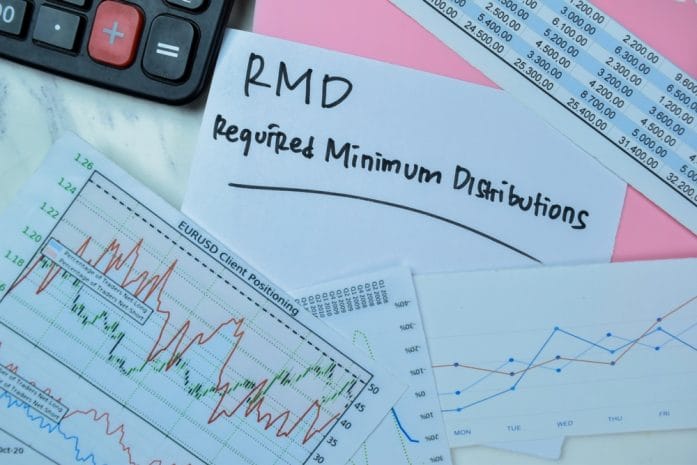
RMD Penalties Apply When Withdrawals Aren’t Taken on Time—Even If You Forgot

April 20, 2026 by Brandon Marcus Leave a Comment

RMD Penalties Apply When Withdrawals Aren’t Taken on Time—Even If You Forgot
Image Source: Shutterstock.com

Missing a required minimum distribution doesn’t just create a small paperwork hiccup—it can trigger one of the steepest tax penalties in the retirement world. The IRS expects you to take your required withdrawals on schedule, and it doesn’t accept “I forgot” as a valid excuse.

That reality surprises plenty of retirees who assume a simple oversight won’t cost much. In truth, RMD penalties can quickly eat into your hard-earned savings if you don’t act fast. Knowing how these penalties work—and how to avoid them—can save you thousands.

What RMD Penalties Really Cost You

RMD penalties rank among the harshest tax penalties the IRS enforces, and they hit fast. If you fail to withdraw your required minimum distribution, the IRS can impose a penalty of up to 25% of the amount you should have taken. That means if you missed a $10,000 withdrawal, you could owe $2,500 right off the bat. Even though recent law changes reduced the penalty from the previous 50%, the hit still feels significant for most retirees. You can reduce the penalty to 10% if you correct the mistake quickly, but you still need to act immediately to limit the damage.

Why “Forgetting” Doesn’t Let You Off the Hook

The IRS doesn’t track intent—it tracks compliance, and that distinction matters. Even if you forgot your RMD deadline, the agency still treats the missed withdrawal as a violation. Many retirees juggle multiple accounts, which increases the risk of overlooking one, especially after age 73 when RMD rules kick in. Financial institutions may calculate your RMD, but they don’t always remind you to withdraw it. You must take responsibility for tracking deadlines and ensuring withdrawals happen on time every year.

How to Fix a Missed RMD Quickly

You can recover from a missed RMD, but you need to move fast and stay organized. First, withdraw the missed amount as soon as you realize the error—don’t wait until the next tax season. Then, file IRS Form 5329 to report the missed distribution and request a waiver for the penalty. You should include a clear explanation that shows you acted in good faith and corrected the mistake promptly. Many taxpayers receive penalty relief when they demonstrate quick action and reasonable cause, but you must present your case clearly.

Common Situations That Lead to Missed RMDs

Several everyday scenarios can lead to missed RMDs, even for financially savvy retirees. People often forget about smaller, older retirement accounts they no longer actively monitor. Others miscalculate their required minimum distribution because they misunderstand life expectancy tables or account balances.

Some retirees assume their financial advisor handles everything, only to learn that the final responsibility still falls on them. Life events like illness, travel, or family emergencies can also disrupt routines and cause deadlines to slip by unnoticed.

RMD Penalties Apply When Withdrawals Aren’t Taken on Time—Even If You Forgot
Image Source: Shutterstock.com

Smart Strategies to Avoid RMD Penalties

You can avoid RMD penalties with a few simple but effective habits. Set calendar reminders well before the December 31 deadline so you never scramble at the last minute. Consolidate retirement accounts when possible to reduce complexity and lower the chance of overlooking one. Work closely with a financial advisor or tax professional who actively monitors your withdrawal requirements. Many retirees also schedule automatic distributions, which removes the risk of forgetting entirely and keeps their plan running smoothly.

How SECURE Act Changes Affect RMD Rules

Recent legislation has reshaped how and when retirees face RMD requirements, which adds another layer of confusion. The SECURE 2.0 Act raised the starting age for RMDs to 73 and will increase it again to 75 in the future. While that change gives retirees more time to grow their savings, it also delays the moment when they must start tracking withdrawals carefully. Some people mistakenly believe the delay eliminates urgency, but it simply shifts the timeline. Once your RMD start date arrives, the same strict rules—and potential RMD penalties—apply.

What This Means for Your Retirement Game Plan

RMD penalties don’t just punish mistakes—they reward attention to detail and proactive planning. You gain control when you track your deadlines, double-check your accounts, and act quickly if something goes wrong. A missed withdrawal doesn’t have to spiral into a financial setback if you correct it fast and document your actions clearly. Retirement should feel like a time of freedom, not stress over avoidable penalties. Staying organized keeps your savings intact and your peace of mind firmly in place.

Have you ever come close to missing an RMD—or do you have a system in place to make sure it never happens? If you have stories or advice to share, do so below in our comments section.

You May Also Like…

Missing This IRS Filing Deadline Leads to Automatic Penalties—No Exceptions

3 Tax Filing Mistakes That Can Trigger IRS Penalties

Are You Unknowingly Triggering Tax Penalties With December Transactions?

Selling a Long-Term Home Can Lead to Capital Gains Taxes—Even for Retirees

Property Taxes Are Catching Homeowners Off Guard — Especially After Buying or Renovating

Brandon Marcus
Brandon Marcus

Brandon Marcus is a writer who has been sharing the written word since a very young age. His interests include sports, history, pop culture, and so much more. When he isn’t writing, he spends his time jogging, drinking coffee, or attempting to read a long book he may never complete.

Filed Under: Personal Finance Tagged With: IRS rules, Personal Finance, required minimum distribution, retirement mistakes, retirement planning, RMD penalties, taxes

8 Things Rich Retirees Never Buy — And Poor Ones Always Do

April 9, 2026 by Brandon Marcus Leave a Comment

8 Things Rich Retirees Never Buy — And Poor Ones Always Do
Image Source: Unsplash.com

Money does not disappear overnight. It slips away through small, repeated choices that feel harmless in the moment but stack up over years. The difference between a comfortable retirement and a stressful one rarely comes down to luck alone. It often comes down to habits—quiet, consistent habits that shape how money gets used, protected, and grown over time.

Some retirees glide into their later years with confidence, flexibility, and peace of mind. Others struggle, even after decades of work, because their spending patterns never changed. Wealthy retirees do not just have more money; they treat money differently. They avoid certain purchases entirely, not because they cannot afford them, but because they understand what those purchases really cost in the long run.

1. Flashy Status Symbols That Lose Value Fast

Luxury for the sake of attention rarely shows up in the spending habits of wealthy retirees. Expensive cars, oversized homes, and designer labels might look impressive, but they drain money quickly without providing lasting value. Wealthy retirees understand that status symbols come with hidden costs like maintenance, insurance, and depreciation, all of which eat away at savings. They focus on what actually improves their lifestyle, not what impresses other people.

That mindset creates a huge gap between two groups. Poor retirees often chase visible success, believing it reflects financial security, while wealthy retirees quietly prioritize stability and flexibility. A reliable car, a comfortable home, and practical clothing serve their purpose without unnecessary financial strain. That approach frees up money for experiences, healthcare, and investments that actually matter later in life. Choosing function over flash does not feel exciting in the moment, but it builds a foundation that lasts for decades.

2. High-Interest Debt That Never Truly Goes Away

Wealthy retirees treat high-interest debt like a fire that needs immediate attention. Credit card balances, payday loans, and high-interest financing options rarely appear in their financial lives because they understand how quickly interest compounds. Carrying debt into retirement creates pressure, limits options, and reduces financial freedom in ways that feel overwhelming.

On the other side, poor retirees often normalize debt, especially when it starts small. A few thousand dollars here and there might not seem like a problem, but interest turns manageable balances into long-term burdens. Wealthy retirees avoid this trap by paying off balances quickly and refusing to finance lifestyle upgrades with borrowed money. They recognize that every dollar spent on interest represents money that could have supported their future instead. Eliminating high-interest debt early creates breathing room that becomes invaluable later.

3. Brand-New Cars Straight Off the Lot

Nothing drops in value faster than a brand-new car the moment it leaves the dealership. Wealthy retirees understand this reality and often choose slightly used vehicles that deliver the same reliability without the steep depreciation. They focus on long-term value rather than the temporary thrill of owning something brand new.

Poor retirees often fall into the habit of upgrading vehicles too frequently, especially when financing options make monthly payments feel manageable. Those payments stack up over time, quietly draining resources that could have gone toward savings or investments. Wealthy retirees keep cars longer, maintain them well, and avoid unnecessary upgrades. That simple shift in mindset turns a major expense into a controlled, predictable cost rather than a recurring financial setback.

8 Things Rich Retirees Never Buy — And Poor Ones Always Do
Image Source: Unsplash.com

4. Oversized Homes That Drain Resources

A large home might seem like a reward after years of hard work, but it comes with ongoing costs that never stop. Property taxes, maintenance, utilities, and insurance all scale with size, turning a dream into a financial burden. Wealthy retirees often downsize or right-size their living space to match their actual needs, not their past ambitions.

Poor retirees sometimes hold onto large homes out of habit or emotional attachment, even when the costs start to feel overwhelming. That decision ties up money that could have supported travel, healthcare, or a more flexible lifestyle. Wealthy retirees take a practical approach, choosing homes that support their current stage of life. They focus on comfort, location, and efficiency rather than square footage. That shift creates freedom, both financially and mentally, which becomes incredibly valuable in retirement.

5. Extended Warranties and Unnecessary Add-Ons

Extended warranties and add-ons often promise peace of mind, but they rarely deliver real value. Wealthy retirees understand that these extras usually cost more than they save, especially when applied to products with low failure rates. They rely on research, quality purchases, and emergency funds instead of paying for every possible “just in case” scenario.

Poor retirees often accept these add-ons during purchases because they sound protective and responsible. Sales tactics make them feel essential, even when they are not. Wealthy retirees pause, evaluate the actual risk, and decline anything that does not provide clear, measurable benefits. That habit prevents small, unnecessary expenses from piling up across multiple purchases. Over time, skipping these extras preserves a surprising amount of money.

6. Daily Convenience Spending That Adds Up Fast

Small daily expenses rarely feel dangerous, but they can quietly reshape a financial future. Frequent takeout meals, premium subscriptions, and convenience purchases may seem harmless individually, yet they create a steady drain over time. Wealthy retirees stay mindful of these habits and keep them in check without eliminating enjoyment entirely.

Poor retirees often underestimate how much these expenses add up over months and years. A few dollars here and there turns into thousands annually, reducing the ability to save or invest. Wealthy retirees approach convenience spending with intention. They choose when it makes sense and cut back when it does not. That balance allows them to enjoy life without sacrificing long-term security, which makes a massive difference over the course of retirement.

7. Risky Investments Without Understanding Them

Wealthy retirees do not chase every hot investment trend. They take time to understand where their money goes, focusing on strategies that align with their goals and risk tolerance. They prioritize diversification, stability, and long-term growth rather than quick wins that carry significant risk.

Poor retirees sometimes fall into the trap of chasing high returns without fully understanding the risks involved. That approach can lead to major losses, especially when markets shift unexpectedly. Wealthy retirees stay disciplined, avoid emotional decisions, and stick to well-researched strategies. They recognize that preserving wealth matters just as much as growing it. That steady, informed approach helps them maintain financial security even during uncertain times.

8. Impulse Purchases That Feel Good for a Moment

Impulse buying creates a short burst of excitement, but it rarely delivers lasting satisfaction. Wealthy retirees build habits that reduce impulsive decisions, such as waiting before making purchases and focusing on long-term priorities. They understand that every unplanned expense chips away at their financial stability.

Poor retirees often make impulse purchases without considering the bigger picture. Sales, promotions, and emotional triggers make it easy to justify spending in the moment. Wealthy retirees slow the process down, giving themselves time to evaluate whether a purchase truly adds value. That pause often leads to better decisions and fewer regrets. Over time, avoiding impulse spending strengthens financial resilience and keeps retirement plans on track.

The Real Secret Isn’t Income—It’s Intention

Wealthy retirees do not rely on luck or massive incomes to secure their future. They build their lifestyle around intentional choices, avoiding purchases that create long-term strain and focusing on those that support stability and freedom. Each decision reflects a clear understanding of priorities, which allows their money to work for them instead of against them.

Which of these habits stands out the most, and which one feels hardest to change right now? Let’s hear your thoughts, strategies, or personal experiences in the comments.

You May Also Like…

8 Choices Rich People Will Never Make, But Poor People Make Everyday

Why Wealthy Families Are Moving Cash Out of Traditional Banks Before Jan 31st

10 Signs You Have a Subconscious Fear of Becoming Wealthy

12 Important Truths About How Wealthy People Manage Time

7 “Boring” Businesses That Make People Quietly Rich

Brandon Marcus
Brandon Marcus

Brandon Marcus is a writer who has been sharing the written word since a very young age. His interests include sports, history, pop culture, and so much more. When he isn’t writing, he spends his time jogging, drinking coffee, or attempting to read a long book he may never complete.

Filed Under: Retirement Tagged With: Budgeting Tips, financial freedom, frugal living, money habits, money management, Personal Finance, Retirement Lifestyle, retirement mistakes, retirement planning, saving money, Smart Spending, Wealth Building

What Happens if You Forget an RMD? The Costly Consequences Explained

April 8, 2026 by Brandon Marcus Leave a Comment

What Happens if You Forget an RMD? The Costly Consequences Explained
Image Source: Pexels.com

The idea of forgetting something important rarely sparks panic—until that “something” comes with a hefty tax penalty attached. Required Minimum Distributions, better known as RMDs, don’t sit quietly in the background. They demand attention, precision, and timing, and the moment someone misses one, the consequences arrive fast and loud. No one enjoys dealing with the IRS on a normal day, but skipping an RMD can turn a simple oversight into a financial headache that refuses to go away. That reality alone makes this topic worth a closer look.

Retirement accounts often feel like a reward after years of hard work, but they come with rules that don’t bend easily. The government allowed those tax advantages for decades, and eventually, it wants its share. That’s where RMDs step in, forcing withdrawals whether someone needs the money or not. Forgetting one doesn’t just delay a withdrawal—it triggers penalties, paperwork, and stress that can spiral quickly.

The Penalty That Makes People Do a Double Take

For years, missing an RMD carried one of the harshest penalties in the tax code. The IRS used to impose a 50 percent penalty on the amount that should have been withdrawn but wasn’t, and that number shocked just about everyone who learned about it. Recent changes under the SECURE 2.0 Act lowered that penalty to 25 percent, and in some cases even 10 percent if someone corrects the mistake quickly. That adjustment offers some relief, but it still represents a significant financial hit that no one wants to absorb. A missed withdrawal of $10,000 could still lead to a $2,500 penalty if left unresolved. That kind of loss stings, especially when it stems from something as simple as forgetting a deadline.

Deadlines play a huge role in this situation, and they don’t leave much room for error. Most retirees must take their RMD by December 31 each year, although the first RMD allows a one-time delay until April 1 of the following year. That exception creates confusion because delaying the first withdrawal means taking two RMDs in one year, which can bump someone into a higher tax bracket. Missing either deadline triggers the penalty, and the IRS does not send reminders. That responsibility falls entirely on the account holder, which makes organization and awareness essential. Anyone juggling multiple retirement accounts faces an even greater risk of overlooking one.

Fixing the Mistake Before It Gets Worse

A missed RMD doesn’t lock someone into permanent trouble, but quick action makes all the difference. The first step involves taking the missed distribution as soon as possible, even if the deadline has already passed. That move shows good faith and starts the process of correcting the error. Waiting longer only increases the chance of complications, and it signals neglect rather than oversight. Acting quickly keeps the situation manageable and prevents additional stress from building.

After taking the distribution, the next step involves filing IRS Form 5329, which reports the missed RMD and calculates the penalty. This form also allows individuals to request a waiver of that penalty by explaining the mistake and showing that they corrected it promptly. The IRS often grants waivers when someone demonstrates a reasonable error and takes immediate steps to fix it. Clear explanations, accurate documentation, and timely action improve the odds of avoiding the penalty altogether. Ignoring the issue or filing incomplete information almost guarantees a worse outcome.

Why RMDs Catch So Many People Off Guard

RMD rules don’t exactly present themselves in a simple, easy-to-follow package. They depend on age, account type, and changing laws, which creates confusion even among financially savvy individuals. The SECURE Act raised the starting age for RMDs from 70½ to 72, and later legislation pushed it to 73, with another increase scheduled in the future. These shifts create uncertainty, especially for those who planned retirement strategies under older rules. Keeping up with those changes requires attention that many people simply don’t prioritize until it becomes urgent.

Multiple accounts add another layer of complexity that trips people up. Traditional IRAs allow aggregation, meaning someone can calculate the total RMD and withdraw it from one account. Employer-sponsored plans like 401(k)s follow different rules, requiring separate withdrawals from each account. Mixing those requirements often leads to missed distributions, especially when accounts sit with different financial institutions. Without a clear system, it becomes easy to assume everything is handled when it isn’t. That assumption creates the perfect setup for an expensive mistake.

Staying Ahead of the Problem

Avoiding a missed RMD starts with building a system that removes guesswork. Setting calendar reminders months in advance creates a buffer that allows time to act without pressure. Many financial institutions offer automatic RMD services, which calculate and distribute the required amount on schedule. Using those tools reduces the risk of human error and keeps everything running smoothly. Automation doesn’t eliminate responsibility, but it provides a strong safety net that helps prevent costly oversights.

Working with a financial advisor can also make a big difference, especially for those with multiple accounts or complex financial situations. Advisors track changing rules, calculate accurate RMD amounts, and ensure distributions happen on time. That guidance turns a confusing process into a manageable routine. Even without an advisor, regularly reviewing account statements and confirming RMD requirements each year keeps things under control. Staying proactive beats scrambling to fix a mistake every single time.

What Happens if You Forget an RMD? The Costly Consequences Explained
Image Source: Pexels.com

The Ripple Effect on Taxes and Retirement Plans

Missing an RMD doesn’t just trigger a penalty—it can disrupt an entire financial strategy. Required distributions count as taxable income, so skipping one and taking it later can push someone into a higher tax bracket. That shift affects not only federal taxes but potentially state taxes as well. A single oversight can ripple through a tax return in ways that feel frustrating and avoidable. Planning withdrawals carefully helps maintain a steady tax situation instead of creating sudden spikes.

RMD timing also plays a role in long-term retirement planning. Some individuals use strategies like qualified charitable distributions (QCDs) to reduce taxable income while meeting RMD requirements. Missing the deadline eliminates the opportunity to use those strategies effectively for that year. That loss doesn’t just affect taxes—it limits flexibility and reduces control over retirement income. Staying on top of RMDs preserves those options and keeps financial plans on track.

The Important Lesson Behind a Missed RMD

Forgetting an RMD may start as a simple oversight, but it quickly turns into a reminder that retirement accounts come with responsibilities that don’t fade over time. The penalty grabs attention, the paperwork demands action, and the stress pushes financial organization to the top of the priority list. Staying ahead of deadlines, understanding the rules, and using available tools can turn a stressful situation into a manageable routine. No one needs to memorize every detail, but ignoring the basics creates problems that grow fast.

So, what strategies have worked best for keeping your financial deadlines on track, and what lessons have shaped a smarter approach to retirement planning? It’s time to share your thoughts, experiences, or tips in the comments section.

You May Also Like…

How Seniors Jeopardize Their Social Security Right After Retirement

10 Retirement States That No Longer Cater to Retirees

7 Hidden Costs That Are Eating Away at Retirement Income

Retirement Accounts Are Triggering Unexpected Taxes — What Some Investors Overlook

8 Hidden Fees That Can Eat Away at Your Retirement Savings

Brandon Marcus
Brandon Marcus

Brandon Marcus is a writer who has been sharing the written word since a very young age. His interests include sports, history, pop culture, and so much more. When he isn’t writing, he spends his time jogging, drinking coffee, or attempting to read a long book he may never complete.

Filed Under: Retirement Tagged With: 401(k) withdrawals, IRA rules, IRS penalties, Personal Finance, Planning, required minimum distribution, retirement income, retirement mistakes, retirement planning, RMD rules, tax strategies, taxes

How Seniors Jeopardize Their Social Security Right After Retirement

April 7, 2026 by Brandon Marcus Leave a Comment

How Seniors Jeopardize Their Social Security Right After Retirement
Image Source: Shutterstock.com

Retirement should feel like stepping into a long-awaited victory lap, not a financial obstacle course filled with hidden traps. Yet far too many people cross that finish line only to stumble almost immediately, watching their Social Security benefits shrink, stall, or stretch thinner than expected. The system itself doesn’t hide the rules, but it doesn’t exactly shout them from the rooftops either, and that silence creates room for costly missteps that can follow someone for decades.

Timing, strategy, and a bit of planning separate a comfortable retirement from one filled with constant recalculations and stress. Social Security stands as a cornerstone of retirement income for millions, but it doesn’t operate like a simple monthly paycheck. It demands attention, awareness, and smart decision-making right from the start.

Claiming Too Early Feels Tempting—But It Cuts Deep

The moment someone becomes eligible for Social Security at age 62, the idea of claiming benefits can feel irresistible. After decades of working, that monthly check seems like a well-earned reward, and many jump in without hesitation. However, claiming early locks in a reduced benefit for life, and that reduction can reach as much as 30 percent compared to waiting until full retirement age. That percentage doesn’t bounce back later, no matter how long someone lives or how much they regret the decision. The system rewards patience in a big way, yet that reward often gets overlooked in the rush to start collecting.

Waiting until full retirement age—or even delaying until age 70—can significantly boost monthly payments. Each year of delay beyond full retirement age increases benefits through delayed retirement credits, creating a stronger financial cushion later in life. This matters even more as life expectancy continues to rise, making those higher payments incredibly valuable in the later years of retirement. People who claim early often underestimate how long they will live, which turns that early decision into a long-term financial squeeze.

A smarter approach involves stepping back and looking at the bigger picture. Consider health, savings, and other income sources before making a claim. If possible, bridge the gap with personal savings or part-time work instead of rushing into early benefits. That patience can translate into thousands of extra dollars every year down the road, and that kind of boost can completely change the retirement experience.

How Seniors Jeopardize Their Social Security Right After Retirement
Image Source: Shutterstock.com

Working While Collecting Can Backfire Fast

Many retirees don’t fully step away from work, and that choice can bring both financial and personal benefits. Staying active, earning extra income, and maintaining a routine all sound like wins. However, Social Security imposes strict earnings limits for those who claim benefits before reaching full retirement age. If income exceeds those limits, the government temporarily withholds part of the Social Security benefits, creating confusion and frustration for many.

The rules don’t mean that money disappears forever, but they do complicate cash flow in the short term. For every dollar earned above the annual limit, Social Security withholds a portion of benefits, which can feel like a penalty even though adjustments occur later. Many retirees don’t expect that reduction, and it can throw off carefully planned budgets. The misunderstanding often leads people to believe they made a mistake simply by continuing to work.

A better strategy involves planning income carefully before claiming benefits. If someone intends to keep working, waiting until full retirement age removes those earnings limits entirely. That timing allows retirees to earn freely without triggering benefit reductions. Mapping out income streams ahead of time keeps surprises to a minimum and ensures that work enhances retirement instead of complicating it.

Taxes Don’t Disappear in Retirement

Retirement doesn’t mean saying goodbye to taxes, and Social Security benefits don’t always arrive tax-free. Many retirees assume those monthly payments land untouched, but federal taxes can apply depending on total income. When combined income—which includes adjusted gross income, nontaxable interest, and half of Social Security benefits—crosses certain thresholds, up to 85 percent of benefits can become taxable. That reality catches many off guard.

The situation becomes even trickier when retirees withdraw money from retirement accounts like 401(k)s or IRAs. Those withdrawals count as income and can push Social Security benefits into taxable territory. Without careful planning, retirees can accidentally increase their tax burden just by accessing their own savings. That chain reaction often leads to smaller net income than expected, even when total withdrawals look reasonable on paper.

Managing taxes in retirement requires a proactive mindset. Spreading out withdrawals, considering Roth accounts, and working with a tax professional can help reduce the impact. Strategic planning allows retirees to keep more of their Social Security income instead of handing a larger portion over in taxes. A little foresight here can preserve thousands of dollars over the course of retirement.

Ignoring Spousal and Survivor Benefits Leaves Money on the Table

Social Security doesn’t operate as a one-size-fits-all system, especially for married couples. Spousal and survivor benefits offer powerful opportunities to maximize household income, yet many retirees overlook them completely. A spouse can claim benefits based on their partner’s work record, which can provide a higher payment than their own benefit. That option becomes especially valuable when one spouse earned significantly more during their career.

Survivor benefits add another layer of importance. When one spouse passes away, the surviving partner can receive the higher of the two benefits. That means the timing of when each spouse claims Social Security can directly affect long-term financial security for the survivor. Couples who fail to coordinate their claiming strategies often miss out on larger lifetime benefits.

Planning together creates a stronger outcome. Couples should evaluate different claiming scenarios, considering age differences, health, and income needs. Delaying the higher earner’s benefit can significantly boost survivor income later. Taking the time to align strategies ensures that both partners get the most out of the system, rather than leaving valuable benefits unused.

Forgetting About Inflation Slowly Erodes Buying Power

Social Security includes cost-of-living adjustments, but those increases don’t always keep pace with real-world expenses. Healthcare costs, housing, and everyday essentials can rise faster than those annual adjustments, gradually eating away at purchasing power. Retirees who rely heavily on Social Security may find that their monthly check covers less and less over time, even though the dollar amount increases slightly each year.

That slow erosion often goes unnoticed at first, but it builds over time. What feels manageable in the early years of retirement can become tight a decade later. Without additional income sources or savings, retirees may struggle to maintain their lifestyle. Inflation doesn’t announce itself loudly, but it steadily reshapes financial reality.

Building a buffer against inflation requires planning beyond Social Security. Investments, savings, and other income streams can help offset rising costs. Even small adjustments, like maintaining a diversified portfolio or delaying benefits for higher payments, can make a meaningful difference. Thinking ahead keeps retirement flexible and resilient, even as prices continue to climb.

Turning Awareness Into Action

Smart retirement decisions don’t demand perfection, but they do require attention and intention. Social Security offers incredible value, yet it rewards those who take the time to understand its rules and plan accordingly. Avoiding early claims, managing income, planning for taxes, and coordinating benefits can transform retirement from a guessing game into a confident, well-structured phase of life. Those choices shape not just monthly income, but long-term peace of mind.

What strategies have made the biggest difference in retirement planning, or what concerns still feel unclear? Let’s hear your thoughts, experiences, or questions in the comments.

You May Also Like…

Why Your Social Security Payment Was Delayed: Common Oversights and Fast Fixes

Why Every Newly Married Woman Should Update Her Social Security Record Right Away

5 Tax Mistakes Retirees Make & How To Fix Them Before It”s Too Late

10 Retirement States That No Longer Cater to Retirees

7 Hidden Costs That Are Eating Away at Retirement Income

Brandon Marcus
Brandon Marcus

Brandon Marcus is a writer who has been sharing the written word since a very young age. His interests include sports, history, pop culture, and so much more. When he isn’t writing, he spends his time jogging, drinking coffee, or attempting to read a long book he may never complete.
Filed Under: social security Tagged With: aging, benefits strategy, budgeting, Financial Tips, income planning, Medicare, retirement mistakes, retirement planning, savings strategy, senior finances, Social Security, taxes in retirement

Running Out of Money in Retirement? 9 Planning Errors Advisors See Every Day

February 24, 2026 by Brandon Marcus Leave a Comment

Running Out of Money in Retirement? 9 Planning Errors Advisors See Every Day
Image Source: Pexels.com

Retirement does not forgive sloppy planning. You can work for forty years, save diligently, and still watch your balance shrink faster than you ever imagined if you make a handful of common missteps.

Financial advisors see the same errors again and again, and none of them require exotic investments or dramatic market crashes to do real damage. They grow from ordinary decisions, repeated over time, without a clear strategy behind them. If you want your money to last as long as you do, you need to know where people stumble and how to step around those traps with intention.

1. Treating Retirement Like a Finish Line Instead of a 30-Year Journey

Too many people view retirement as the moment they stop working, not as a new phase that could last three decades or more. The Social Security Administration reports that a 65-year-old today has a strong chance of living into their mid-80s or beyond, and many couples will see one spouse live past 90. That timeline demands a plan built for endurance, not a quick victory lap.

When someone pulls money from a portfolio without considering longevity risk, they create a slow leak that compounds over time. Advisors often recommend sustainable withdrawal strategies, such as the well-known 4 percent rule, which emerged from historical market data. Even that guideline requires flexibility because market returns and inflation never follow a script. You need a plan that adapts to changing conditions rather than one that assumes the first few years set the tone forever.

Build projections that stretch well into your 90s. Stress-test your plan with conservative return assumptions. And remind yourself that retirement marks the start of a long financial marathon, not the ribbon at the end of a sprint.

2. Claiming Social Security Without a Strategy

Social Security remains one of the most valuable retirement income sources, yet people often claim benefits at the first opportunity without understanding the trade-offs. You can start collecting as early as 62, but that choice permanently reduces your monthly benefit. If you wait until full retirement age, which ranges from 66 to 67 depending on your birth year, you receive 100 percent of your earned benefit. If you delay until 70, your benefit increases.

Advisors frequently see retirees leave tens of thousands of dollars on the table because they treat Social Security like a quick cash infusion instead of a long-term income stream. For married couples, claiming decisions also affect survivor benefits, which can shape financial stability for decades.

Before you file, run the numbers. Consider your health, family longevity, income needs, and tax situation. Social Security offers inflation-adjusted income for life, and that feature makes it incredibly powerful when you use it thoughtfully.

3. Underestimating Healthcare Costs

Healthcare can swallow a retirement budget faster than almost any other expense. Fidelity’s annual estimates consistently show that a 65-year-old couple may need hundreds of thousands of dollars to cover healthcare costs in retirement, even with Medicare. Medicare covers many services, but it does not eliminate premiums, deductibles, copayments, and services such as long-term care.

Advisors often meet clients who assume Medicare equals free healthcare. That assumption leads to underfunded health savings and painful trade-offs later. Long-term care poses a particular risk because nursing home stays or extended in-home care can cost tens of thousands of dollars per year.

You can prepare by maximizing contributions to a Health Savings Account if you qualify, exploring long-term care insurance options, and building a specific line item for medical costs into your retirement budget. Treat healthcare like a major category, not an afterthought.

4. Ignoring Inflation Because It Feels Manageable Today

Inflation rarely announces itself with fireworks, yet it quietly erodes purchasing power year after year. Even modest inflation of 2 to 3 percent can cut the value of your dollar dramatically over 20 or 30 years. Advisors regularly encounter retirees who hold too much in cash because it feels safe, only to watch their spending power shrink as prices climb.

A retirement portfolio needs growth assets, such as diversified stock investments, to outpace inflation over time. You can reduce volatility with bonds and other fixed-income investments, but eliminating growth entirely often backfires. History shows that equities have provided higher long-term returns than cash, though they fluctuate along the way.

Balance matters. Review your asset allocation regularly, and resist the urge to retreat fully into cash after market dips. Inflation never sleeps, so your portfolio cannot either.

5. Taking on Too Much or Too Little Investment Risk

Risk works like seasoning in a recipe. Too much overwhelms the dish; too little leaves it bland and ineffective. Some retirees keep aggressive portfolios packed with stocks because they chased strong returns during their working years. A severe downturn early in retirement can devastate a portfolio when withdrawals compound losses, a concept known as sequence-of-returns risk.

On the other hand, some people flee to ultra-conservative investments the moment they retire. That decision can protect against short-term swings but often undermines long-term sustainability. Advisors help clients calibrate risk by aligning investments with income needs, time horizon, and personal tolerance for volatility.

You should know how much income you need from your portfolio versus guaranteed sources like Social Security or a pension. That clarity allows you to structure investments with purpose instead of fear.

Running Out of Money in Retirement? 9 Planning Errors Advisors See Every Day
Image Source: Pexels.com

6. Failing to Create a Real Retirement Budget

Many people estimate retirement expenses based on rough guesses rather than detailed numbers. They assume spending will drop significantly once work ends, yet travel, hobbies, and healthcare often fill the gap. Advisors frequently ask new retirees to track spending for several months, and the results surprise almost everyone.

A written budget forces you to confront fixed expenses, discretionary spending, and irregular costs such as home repairs. Without that clarity, you may withdraw too much too soon or underestimate how quickly small indulgences add up.

Start with your current expenses, adjust for changes you expect in retirement, and review the plan annually. A realistic budget does not restrict your life; it gives you control.

7. Carrying Debt Into Retirement

Debt changes the math in retirement because you lose the steady paycheck that once supported those monthly payments. Credit card balances with double-digit interest rates can sabotage even a well-funded portfolio. Mortgage payments, car loans, and personal loans also reduce flexibility.

Advisors encourage clients to enter retirement with minimal high-interest debt whenever possible. Paying off a mortgage before retirement can lower required monthly income and reduce stress. However, each situation differs, and you should weigh interest rates, tax considerations, and investment returns before making large payoff decisions.

8. Overlooking Taxes in Withdrawal Planning

Retirement does not eliminate taxes; it simply shifts how you pay them. Traditional 401(k) and IRA withdrawals count as ordinary income. Required Minimum Distributions begin at age 73 under current law, and they can push retirees into higher tax brackets if they fail to plan ahead.

Advisors often recommend tax diversification, which means holding assets in taxable accounts, tax-deferred accounts, and tax-free accounts such as Roth IRAs. Strategic withdrawals from each bucket can help manage tax brackets over time. You can also explore Roth conversions during lower-income years, though you should evaluate the tax impact carefully. Taxes influence how long your money lasts, so treat them as a central part of your strategy.

9. Skipping Professional Advice or a Second Opinion

Some people avoid financial advisors because they fear high fees or believe they can manage everything alone. Others rely on outdated advice from decades ago. While many individuals handle their own finances successfully, complex retirement decisions often benefit from expert insight.

A fiduciary financial advisor must act in your best interest, and that standard offers an added layer of accountability. Even a one-time comprehensive review can reveal blind spots in withdrawal strategies, tax planning, insurance coverage, or estate documents. You do not need to surrender control to seek guidance. You can use an advisor as a sounding board and strategic partner, especially during major transitions.

Your Real Goal: Confidence That Your Money Will Last

Running out of money in retirement ranks among the most common financial fears, and it makes sense. You cannot simply pick up extra shifts at 85 to fix a planning mistake from your 60s. Yet most retirement disasters grow from preventable errors, not from catastrophic events.

So here is the real question: which of these planning errors might quietly sit in your own strategy right now, and what will you do this month to fix it? Talk about it in our comments section below.

You May Also Like…

Social Security, 401(k)s, and Market Swings: Why Retirement Feels Riskier Than Ever

Hidden 401(k) Fees Are Still Shrinking Retirement Balances

7 Medical Costs That Can Wreck Retirement Even With Solid Savings

The Retirement Income Assumption That Breaks Down First During Inflation Cycles

Why Financial Stress Feels Worse After Retirement Instead of Better

Brandon Marcus
Brandon Marcus

Brandon Marcus is a writer who has been sharing the written word since a very young age. His interests include sports, history, pop culture, and so much more. When he isn’t writing, he spends his time jogging, drinking coffee, or attempting to read a long book he may never complete.

Filed Under: Retirement Tagged With: 401(k), budgeting in retirement, Estate planning, financial advisors, financial independence, healthcare costs, inflation risk, investment strategy, retirement mistakes, retirement planning, Social Security, tax planning

5 Forgotten Assets That Turn Out to Be Worthless in Retirement

August 31, 2025 by Travis Campbell Leave a Comment

retirement
Image source: pexels.com

Many people enter retirement counting on a mix of savings, investments, and possessions to support their lifestyle. But not every asset you remember from your working years holds real value when you need it most. Some things you thought would help fund your golden years end up being more trouble than they’re worth—if they’re worth anything at all. Understanding which forgotten assets are likely to be worthless in retirement can help you focus on what really matters. This knowledge is crucial for anyone hoping to build a solid plan and avoid nasty surprises. If you’re hoping to maximize your financial security, it’s important to know which assets can disappoint you down the road.

1. Old Life Insurance Policies

Many retirees hold on to life insurance policies they bought decades ago, assuming these will provide a safety net or a windfall for heirs. But as you age, some policies—especially old term life insurance—expire or lose their value entirely. Even permanent policies can get eaten up by fees or underperforming investments, leaving little to cash out.

If you’re paying premiums on a policy you no longer need, it might be draining your retirement savings instead of helping it grow. Before counting on these policies as a backup, review them carefully. You may find that what you thought was an asset is actually a liability in your retirement planning.

2. Collectible Items

It’s common to assume that valuable collectibles—like coins, stamps, baseball cards, or vintage toys—will provide a cushion in retirement. Unfortunately, the market for collectibles is unpredictable and often illiquid. What seemed valuable years ago might now be out of fashion, or the buyer pool may have shrunk dramatically.

Many retirees are disappointed to learn their prized collections fetch far less than expected, or worse, there’s no buyer at all. If your retirement plan involves selling collectibles, get them appraised and research recent sales. You might discover that, as forgotten assets, they’re nearly worthless when you need them most.

3. Timeshares

For decades, timeshares were marketed as an affordable way to enjoy vacations and build lasting memories. But when retirement arrives, the reality often sets in. Timeshares can be nearly impossible to sell, and ongoing fees continue whether you use them or not. In many cases, the resale market is flooded, driving prices down to zero or even negative value—owners sometimes pay just to get rid of them.

If you were banking on your timeshare as a tradable or saleable asset in retirement, you may be disappointed. It’s wise to factor these into your retirement planning as an expense, not a source of value.

4. Old Technology and Electronics

That old computer, first-generation smartphone, or box of VHS tapes in your attic may seem like treasures from a bygone era. But when it comes to retirement, these forgotten assets are almost always worthless. Electronics depreciate quickly, and technology moves on. Even items that once cost a small fortune can’t find buyers, or only sell for pennies on the dollar.

Some people hope to cash in on “retro” tech, but unless you have a rare model in pristine condition, you’re unlikely to see any meaningful return. Don’t count on old gadgets to pad your retirement nest egg—they’re more likely to end up as e-waste.

5. Unused Gift Cards and Loyalty Points

It’s easy to lose track of gift cards or let loyalty points pile up over the years, thinking you’ll use them later. But many cards expire, lose value, or come with restrictions that make them difficult to use in retirement. Retailers may go out of business or change their terms, rendering these “assets” worthless.

If you’re planning to stretch your retirement dollars with old gift cards or points, check the fine print and use them sooner rather than later. These forgotten assets are notorious for vanishing when you need them most.

What to Focus On Instead of Forgotten Assets

Relying on forgotten assets during retirement can lead to disappointment and financial shortfalls. Instead, put your energy into assets with real, measurable value—like diversified investments, stable income streams, and a solid emergency fund. Regularly review your portfolio and update your retirement planning to reflect current realities, not outdated assumptions.

For more tips on building a strong retirement plan, check out this guide on retirement planning basics or explore how to avoid common pitfalls with these retirement mistakes. By focusing on assets that hold their value, you’ll be better equipped to enjoy your retirement years with confidence.

Have you ever counted on an asset that turned out to be worthless in retirement? Share your story or questions in the comments below!

What to Read Next…

  • The Most Common Asset People Forget To Include In Their Estate Plans
  • Why Even Wealthy Families Are Now Fighting Over Heirlooms
  • Why Buying A Second Property Could Jeopardize Your Heirs Inheritance
  • 8 Real Estate Mistakes That Erode Wealth Before Retirement Ever Starts
  • 10 Assets That Can Haunt Your Spouse Financially After You’re Gone
Travis Campbell
Travis Campbell

Travis Campbell is a digital marketer/developer with over 10 years of experience and a writer for over 6 years. He holds a degree in E-commerce and likes to share life advice he’s learned over the years. Travis loves spending time on the golf course or at the gym when he’s not working.

Filed Under: Retirement Tagged With: collectibles, financial advice, life insurance, Personal Finance, retirement mistakes, retirement planning, worthless assets

  • 1
  • 2
  • Next Page »

FOLLOW US

Search this site:

Recent Posts

  • Can My Savings Account Affect My Financial Aid? by Tamila McDonald
  • 12 Ways Gen X’s Views Clash with Millennials… by Tamila McDonald
  • What Advantages and Disadvantages Are There To… by Jacob Sensiba
  • 10 Tactics for Building an Emergency Fund from Scratch by Vanessa Bermudez
  • Call 911: Go To the Emergency Room Immediately If… by Stephen Kanaval
  • 7 Weird Things You Can Sell Online by Tamila McDonald
  • 10 Scary Facts About DriveTime by Tamila McDonald

Copyright © 2026 · News Pro Theme on Genesis Framework