• Home
  • About Us
  • Toolkit
  • Getting Finances Done
    • Hiring Advisors
    • Debt Management
    • Spending Plan
  • Insurance
    • Life Insurance
    • Health Insurance
    • Disability Insurance
    • Homeowners/Renters Insurance
  • Contact Us
  • Privacy Policy
  • Risk Tolerance Quiz

The Free Financial Advisor

You are here: Home / Archives for filing taxes

The IRS Doesn’t Warn You Twice — Tax Deadlines That Could Cost You Thousands

April 11, 2026 by Brandon Marcus Leave a Comment

The IRS Doesn’t Warn You Twice — Tax Deadlines That Could Cost You Thousands

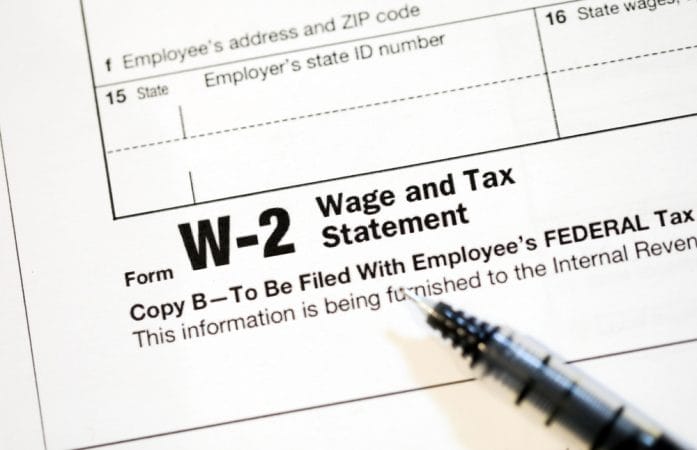
Image Source: Shutterstock.com

Miss a deadline with the IRS, and the clock doesn’t pause; it charges. Every day that slips by can quietly stack penalties, interest, and stress until a simple oversight turns into a serious financial hit. The system runs on strict timelines, and it doesn’t slow down to offer reminders or second chances once those dates pass. That reality hits hard, especially when the consequences snowball faster than expected. A missed form, a late payment, or even a misunderstanding of the rules can cost far more than the original tax bill.

Deadlines in the tax world don’t just sit on a calendar; they carry real weight and real consequences. Some trigger penalties immediately, while others start a chain reaction that leads to bigger problems down the line. The tricky part comes from how easy it feels to underestimate them, especially when life gets busy or confusing paperwork piles up. But the IRS doesn’t operate on guesswork or good intentions; it runs on precision and timing.

The April Deadline Isn’t Just a Date — It’s a Financial Line in the Sand

April doesn’t politely suggest action; it demands it. The standard federal tax filing deadline usually lands on April 15, unless it shifts slightly due to weekends or holidays. That date applies to filing a return and paying any taxes owed, and it carries immediate consequences when ignored. Missing it without taking action opens the door to penalties that grow quickly and aggressively. The IRS charges a failure-to-file penalty that can reach up to 5 percent of unpaid taxes per month, and that adds up fast.

Filing an extension sounds like a safety net, and it can help, but it doesn’t solve everything. An extension gives extra time to file paperwork, not extra time to pay what’s owed. Taxes still need payment by the April deadline, or penalties and interest start piling up right away. That distinction trips people up every year, leading to surprise balances that feel much larger than expected. Planning ahead for both filing and payment makes a huge difference, especially when income fluctuates or deductions remain unclear.

Staying ahead of this deadline means getting organized early and estimating payments if necessary. Waiting until the last minute invites errors, missed deductions, and rushed decisions. A simple calendar reminder doesn’t cut it, a clear plan does. Setting aside funds throughout the year and reviewing tax documents in advance creates breathing room. That approach turns a high-pressure deadline into a manageable task instead of a financial scramble.

Quarterly Taxes: The Deadline Most People Forget Until It Hurts

Not everyone gets the luxury of withholding taxes through a paycheck. Freelancers, independent contractors, and many small business owners face a different system that demands quarterly estimated tax payments. These deadlines typically fall in April, June, September, and January, and they require careful planning and accurate income tracking. Missing one doesn’t just create a small issue, it triggers penalties based on underpayment.

The IRS expects taxpayers in this category to pay as income arrives, not in one lump sum at the end of the year. That structure keeps revenue flowing consistently, but it also demands discipline and awareness. Skipping a quarterly payment or underestimating income can lead to penalties that feel frustrating and avoidable. The system doesn’t wait for a year-end reconciliation to fix mistakes, it addresses them as they happen.

Building a habit around these deadlines changes everything. Setting aside a percentage of income from every payment helps avoid last-minute panic. Many financial experts suggest opening a separate savings account just for taxes, creating a clear boundary between spendable income and obligations. That simple step turns quarterly payments into a routine instead of a scramble. Staying consistent here protects against surprises and keeps finances steady.

The IRS Doesn’t Warn You Twice — Tax Deadlines That Could Cost You Thousands

Image Source: Shutterstock.com

Late Payments Don’t Just Sit Quietly — They Grow

Unpaid taxes don’t stay still, they grow with interest and penalties that continue until the balance gets cleared. The failure-to-pay penalty usually adds up to 0.5 percent of unpaid taxes per month, and interest compounds on top of that. That combination can turn a manageable amount into a much larger burden over time. Ignoring the issue only makes it worse, and the IRS keeps track of every passing day.

The key point here involves action, not avoidance. Even if paying the full amount feels impossible, making partial payments reduces the overall penalty and interest. The IRS also offers payment plans that allow taxpayers to spread out what they owe over time. Setting up one of these plans shows intent to resolve the debt and can prevent more aggressive collection actions. That option often gets overlooked, even though it provides a practical path forward.

Taking control early keeps the situation from escalating. Waiting too long can lead to liens, levies, or other collection measures that create even more stress. Addressing the issue head-on, even with small steps, makes a big difference. The system rewards effort and consistency, not silence. Staying proactive protects both finances and peace of mind.

Filing Late Can Cost More Than Paying Late — And That Surprises People

The IRS treats late filing more harshly than late payment, and that catches many people off guard. The failure-to-file penalty climbs faster than the failure-to-pay penalty, reaching up to 5 percent per month compared to 0.5 percent. That difference means filing a return on time, even without full payment, often saves money. It sounds counterintuitive, but it works in favor of those who act quickly.

Filing on time also keeps records accurate and up to date. That accuracy matters for future financial decisions, loan applications, and even simple budgeting. Letting paperwork slide creates confusion and increases the risk of errors. Staying organized and submitting returns promptly avoids those complications and keeps everything running smoothly.

A smart strategy focuses on separating the act of filing from the act of paying. Filing on time locks in compliance and minimizes penalties, while payment plans or partial payments handle the financial side. That approach creates flexibility without ignoring responsibilities. Understanding this distinction gives taxpayers a powerful tool to manage deadlines effectively.

Extensions, Refunds, and the Details That Trip People Up

Extensions create breathing room, but they don’t erase obligations. Filing for an extension before the April deadline gives extra months to submit a return, usually until October. That extra time helps gather documents, double-check numbers, and avoid rushed mistakes. But taxes owed still require payment by April, and missing that part leads to penalties.

Refunds bring a different dynamic that feels less urgent but still matters. Taxpayers generally have three years to claim a refund, after which the money goes to the U.S. Treasury. That deadline might seem generous, but it still requires attention and follow-through. Letting it slip means losing money that rightfully belongs to the taxpayer.

Understanding these timelines adds clarity and confidence. Extensions help with paperwork, not payments, and refunds come with their own expiration date. Keeping track of both ensures that no money gets left behind or unnecessarily paid in penalties. A simple checklist of key dates can prevent costly mistakes and keep everything on track.

Beat the Calendar Before It Beats You

Deadlines don’t need to feel like traps waiting to spring; they can become tools for staying organized and in control. Taking a proactive approach changes the entire experience, turning stress into strategy and confusion into clarity. Setting reminders, tracking income, and planning payments ahead of time builds a system that works instead of one that reacts. That shift makes tax season feel less like a race and more like a routine.

What strategy keeps everything on track for you, and what changes could make tax season feel a lot less stressful next time? Share your thoughts, tips, or hard-earned lessons in the comments.

You May Also Like…

Penalty Traps: Everyday Actions That Trigger IRS Fines

Property Taxes Are Catching Homeowners Off Guard — Especially After Buying or Renovating

Property Taxes Are Catching Homeowners Off Guard — Especially After Buying or Renovating

IRS Refund Delays Surge: Incorrect Bank Info Is Triggering Weeks-Long Payment Holds

The IRS Is Sending More “Math Error” Notices — Why You Could Owe Without Realizing It

Brandon Marcus
Brandon Marcus

Brandon Marcus is a writer who has been sharing the written word since a very young age. His interests include sports, history, pop culture, and so much more. When he isn’t writing, he spends his time jogging, drinking coffee, or attempting to read a long book he may never complete.

Filed Under: tax tips Tagged With: filing taxes, Income tax, IRS deadlines, IRS rules, late fees, money management, Personal Finance, Planning, tax penalties, tax season, tax tips, taxes

Missed Deadlines, Missed Dollars, Government Dates You Can’t Afford To Ignore

April 7, 2026 by Brandon Marcus Leave a Comment

Missed Deadlines, Missed Dollars, Government Dates You Can't Afford To Ignore

Image Source: Shutterstock.com

The calendar does not care how busy life gets. It keeps marching forward, quietly stacking up dates that carry real financial consequences. Miss one, and the penalty does not come with a polite reminder or a gentle second chance. It comes with late fees, lost benefits, or money that never shows up at all. That sounds dramatic, but it is also reality for millions every year. Knowing the right dates turns confusion into control, and that control often translates directly into dollars.

This is not about memorizing a boring list of deadlines that blur together. This is about spotting the handful of government dates that can make or break a budget. Some of them hit every year like clockwork, while others sneak in depending on life changes, income shifts, or policy updates.

Tax Day Isn’t Just a Date, It’s a Financial Line in the Sand

Tax season carries a reputation for stress, but it also offers a chance to reset finances if handled right. The federal tax filing deadline usually lands in mid-April, and missing it can trigger penalties and interest that start stacking up immediately. Filing late without an extension can lead to a failure-to-file penalty, which grows quickly and feels anything but minor. Even if paying the full amount feels impossible, filing on time still reduces the damage. That simple move keeps penalties lower and opens the door to payment plans that ease the burden over time. People who expect a refund face a different kind of risk, because waiting too long can delay money that could already sit in a bank account earning interest or covering expenses. That refund does not arrive automatically, and the government will not chase anyone down to hand it over.

Extensions offer breathing room, but they come with a catch that often surprises people. Filing later does not mean paying later, and any owed taxes still need to be estimated and paid by the original deadline. Missing that detail creates a situation where penalties apply even with an approved extension. Planning ahead helps avoid that trap, especially by gathering documents early and estimating any owed amount well before the deadline hits. Free filing tools and tax assistance programs can also help those who qualify, cutting down on both stress and cost. Keeping an eye on state tax deadlines matters too, because they do not always match federal timelines. A little organization turns tax season from a scramble into something manageable, and that shift can save a surprising amount of money.

Benefit Deadlines That Quietly Decide Your Income

Government benefits often follow strict timelines, and missing them can mean waiting months for another opportunity. Programs like Social Security, unemployment benefits, and certain tax credits require timely applications or renewals to keep payments flowing. A delay in filing paperwork can interrupt income streams that people rely on for daily expenses. That gap can stretch longer than expected, especially when processing times increase during busy periods. Staying proactive with renewal dates helps maintain steady support without unnecessary interruptions. Marking those dates clearly on a calendar keeps them from slipping through the cracks.

Changes in income, family size, or employment status can also trigger deadlines that demand quick action. Reporting those changes late can lead to overpayments, which the government may later demand back. That situation creates a stressful cycle where money received in good faith suddenly turns into a debt. On the flip side, failing to report changes might mean missing out on increased benefits that could make a real difference. Keeping records updated and responding quickly to notices helps avoid both extremes. A little attention here protects income and prevents unpleasant surprises later.

Quarterly Payments: The Schedule That Catches People Off Guard

Not everyone pays taxes once a year. Self-employed workers, freelancers, and some investors must handle estimated quarterly tax payments, and these dates arrive four times annually. Missing one does not just delay a payment; it can trigger penalties even if the full amount gets paid later. That structure often catches people off guard, especially those new to freelance or gig work. Each payment covers income earned during a specific period, and the deadlines typically fall in April, June, September, and January. Keeping track of those windows ensures taxes stay manageable instead of piling up into one overwhelming bill.

Setting aside a percentage of income throughout the year helps make those payments less painful. Many financial advisors suggest saving around 25 to 30 percent of earnings for taxes, though the exact number depends on individual circumstances. Using a separate savings account for taxes keeps that money from getting mixed into everyday spending. Automated reminders or calendar alerts can also make a big difference, especially when work schedules stay unpredictable. Paying a little at a time keeps cash flow steady and avoids the shock of a massive bill. That steady approach turns a stressful obligation into a routine task that fits neatly into the year.

Enrollment Windows That Open and Slam Shut

Certain government programs only accept applications during specific enrollment periods, and missing those windows can leave people stuck waiting. Health insurance marketplaces, Medicare enrollment, and other programs follow strict timelines that do not bend easily. Missing an open enrollment period can mean going without coverage or paying higher costs until the next window opens. Special enrollment periods exist for major life events like marriage, childbirth, or job loss, but they come with their own deadlines that require quick action. Knowing those timelines ahead of time makes it easier to act fast when life changes.

Preparation plays a huge role here, especially when gathering documents and comparing options before the window opens. Waiting until the last minute often leads to rushed decisions that may not fit long-term needs. Taking time to review coverage options, costs, and benefits ensures a better outcome. Many programs also offer assistance through navigators or online tools, making the process less confusing. Staying informed about upcoming enrollment periods keeps options open and prevents last-minute stress. That awareness can protect both health and finances in a meaningful way.

Missed Deadlines, Missed Dollars, Government Dates You Can't Afford To Ignore

Image Source: Shutterstock.com

The Dates That Decide Credits, Refunds, and Extra Cash

Tax credits and government payments often come with deadlines that determine eligibility. Credits like the Earned Income Tax Credit or Child Tax Credit require filing within specific timeframes, and missing those windows can mean leaving money unclaimed. Some credits also depend on filing accurate information, which makes early preparation even more important. Waiting too long increases the risk of errors, and correcting those errors later can delay payments significantly. That delay can feel especially frustrating when that money could help cover essential expenses.

Refund timelines also matter more than they seem at first glance. Filing early often leads to faster refunds, especially when choosing direct deposit. That speed can make a real difference when budgets feel tight or unexpected costs appear. On the other hand, filing late during peak periods can slow everything down due to processing backlogs. Keeping documents organized and filing promptly helps avoid those delays. Staying ahead of deadlines ensures that every available dollar actually makes it into the bank instead of getting lost in missed opportunities.

Don’t Let the Calendar Win

Deadlines will never slow down, but staying ahead of them changes everything. A simple system of reminders, organized documents, and a little forward planning can protect income, reduce stress, and keep finances on track. The difference between missing a deadline and meeting it often comes down to preparation, not luck. Those who stay aware of key dates tend to keep more of their money and avoid unnecessary penalties. That control feels empowering, especially in a world where financial surprises seem to pop up everywhere.

What strategies keep everything organized and on time? Drop thoughts, ideas, or even hard-learned lessons in the comments and keep the conversation going.

You May Also Like…

Unclaimed Benefits: Are You Missing Out On Government Money

Retirement Healthcare Costs Are Climbing Again — What the Average Couple Now Needs

Banks Are Moving Toward All-Digital Payments — What That Means for Your Money

Charity Strategy: 9 Giving Moves That Bring Tax Benefits Many People Ignore

April Food Alert: How to Use SNAP’s Medical Expense Deduction if Your Benefits Suddenly Dropped

Brandon Marcus
Brandon Marcus

Brandon Marcus is a writer who has been sharing the written word since a very young age. His interests include sports, history, pop culture, and so much more. When he isn’t writing, he spends his time jogging, drinking coffee, or attempting to read a long book he may never complete.

Filed Under: Finance Tagged With: benefits, budgeting, deadlines, filing taxes, government deadlines, IRS, money tips, Planning, Social Security, stimulus checks, tax season, taxes

6 Hidden Triggers That Freeze Your Tax Refund – and How To Get it Released

April 6, 2026 by Brandon Marcus Leave a Comment

6 Hidden Triggers That Freeze Your Tax Refund - and How To Get it Released

Image Source: Shutterstock.com

Nothing tests patience quite like a tax refund that simply refuses to show up. One minute, everything looks filed and finished, and the next minute, the refund tracker stalls out like a car stuck in mud. That silence from the system starts to feel suspicious fast, especially when plans already formed around that incoming money. Rent, travel, savings goals, or even a small splurge suddenly hang in limbo, all because something triggered a stop behind the scenes.

That delay rarely happens without a reason, though, and it almost always ties back to specific flags that demand attention. The system doesn’t just “forget” refunds—it pauses them when something doesn’t line up, raises questions, or needs verification.

1. The Identity Check That Stops Everything Cold

Identity verification sits at the top of the list for a reason, and it can bring everything to a complete halt. When the system detects anything unusual—like a new address, different filing patterns, or suspicious activity—it locks the refund until identity confirmation happens. This step protects against fraud, but it also slows down legitimate filings that simply look different from previous years. A small change can trigger a big pause, especially if the system sees a mismatch in personal details.

That pause usually comes with a notice asking for verification through an online portal or by mail. Ignoring that notice guarantees a longer delay, while quick action can get things moving again. The fastest solution involves using the official identity verification tools and responding immediately when the request appears. Keeping documents like prior tax returns, Social Security details, and financial records within reach makes the process smoother. Double-checking personal information before filing reduces the chance of triggering this issue in the first place. Staying consistent with names, addresses, and filing status helps the system recognize the return as legitimate without hesitation.

The smartest move involves checking refund status regularly and watching for any verification requests. Acting quickly transforms a frustrating delay into a manageable step, while waiting too long stretches that timeline unnecessarily.

2. Math Errors That Raise Red Flags Instantly

Numbers matter more than ever when it comes to tax returns, and even small mistakes can trigger a freeze. A simple miscalculation—whether it involves income totals, credits, or deductions—forces the system to stop and review the return. Automated systems catch many of these issues quickly, but they still require correction before any refund gets released. That pause can feel especially frustrating when the error seems minor.

Tax software usually reduces this risk, but manual entries still create room for mistakes. Entering numbers incorrectly, skipping steps, or misunderstanding credit eligibility can all cause discrepancies. The system doesn’t just adjust the refund quietly—it often flags the return for further review. That review can add weeks or even months to the process, depending on the complexity of the issue.

A careful review before submission can prevent this problem entirely. Going line by line and confirming totals ensures accuracy from the start. Using reliable tax software or consulting a professional can also catch errors before they trigger a delay. If a mistake slips through, filing an amended return quickly can help resolve the issue faster. Accuracy upfront always beats corrections later, especially when time matters.

3. Missing or Mismatched Income Reports

Income reporting creates one of the most common causes of refund delays, and it often surprises people. Employers, banks, and other institutions send income forms directly to tax authorities, and those numbers must match exactly with what appears on the return. If even one form goes missing or includes incorrect figures, the system flags the return immediately.

This mismatch can happen for several reasons. A forgotten freelance job, a late-arriving form, or even a typo in reported income can throw everything off. The system doesn’t assume an innocent mistake—it assumes something needs verification. That triggers a review process that stops the refund until everything lines up perfectly.

The best strategy involves gathering every income document before filing, even the small ones that feel easy to overlook. Double-checking figures against official forms ensures consistency across the board. If a mismatch already caused a delay, correcting the return and providing documentation can speed things up. Staying organized during tax season reduces stress and keeps the refund process moving smoothly. Every number matters, and accuracy keeps the system satisfied.

4. Credits That Trigger Extra Scrutiny

Certain tax credits come with extra attention, especially those tied to larger refunds. Credits like the Earned Income Tax Credit or Child Tax Credit often require additional review because they involve specific eligibility rules. The system checks these claims carefully to prevent fraud, which means longer processing times for anyone claiming them.

That extra scrutiny doesn’t mean something went wrong—it simply means the system needs to confirm eligibility. Still, incomplete or incorrect information can stretch that review even further. Missing documentation, incorrect income levels, or inconsistencies in dependent information can all cause delays.

Filing accurately with complete details helps avoid unnecessary complications. Keeping records that support credit claims makes it easier to respond if verification becomes necessary. Submitting returns early can also help, since peak tax season often slows down processing times for these credits. Patience plays a role here, but preparation makes a huge difference. Claiming valuable credits should feel rewarding, not stressful, and the right approach keeps things on track.

5. Bank Account Issues That Block the Deposit

A refund can get approved and still fail to arrive if banking details don’t check out. Incorrect account numbers, closed accounts, or mismatched names can stop the deposit in its tracks. When that happens, the system reroutes the refund, often converting it into a paper check, which takes significantly longer to arrive.

This issue catches many people off guard because everything else on the return may look perfect. A single digit error in a routing number can derail the entire process. Even using an account that no longer exists can create delays that stretch for weeks.

Careful entry of banking information prevents this problem before it starts. Double-checking numbers and confirming account status ensures a smooth deposit process. Choosing direct deposit into a stable, active account speeds things up significantly. If an issue already occurred, monitoring mail delivery and updating information promptly can help recover the situation faster. Small details matter, especially when money moves electronically.

6. Filing Too Early—or Too Late—Creates Unexpected Trouble

Timing plays a bigger role than most people expect, and filing at the wrong moment can create delays. Submitting a return too early, before all documents arrive, increases the risk of missing or incorrect information. On the other hand, filing very late can place the return into a backlog, especially during peak processing periods.

Early filers often rush to beat the crowd, but incomplete data can trigger reviews that slow everything down. Late filers face a different challenge, as high volumes can overwhelm processing systems and extend timelines. Both scenarios lead to the same frustrating outcome: a frozen refund.

Finding the right timing requires a bit of patience and preparation. Waiting until all forms arrive ensures accuracy, while filing before the final rush can help avoid processing delays. Planning ahead makes a noticeable difference in how quickly refunds arrive. Smart timing keeps the process smooth and predictable instead of chaotic and uncertain.

6 Hidden Triggers That Freeze Your Tax Refund - and How To Get it Released

Image Source: Shutterstock.com

Unlock the Refund and Take Back Control

A frozen tax refund doesn’t happen by accident, and it doesn’t have to stay frozen forever. Each delay connects to a specific trigger, and every trigger comes with a clear solution once it gets identified. Whether it involves verifying identity, correcting errors, or confirming income details, action always beats waiting. The system responds to accuracy, consistency, and quick follow-up, and those factors put control back where it belongs.

So here’s the real question—what’s the one step that could make next tax season smoother and faster? Drop your thoughts, strategies, or even refund horror stories in the comments and get the conversation going.

You May Also Like…

Property Taxes Are Catching Homeowners Off Guard — Especially After Buying or Renovating

Direct Deposit Refunds Are Being Returned by Banks When Names Don’t Match the Account

IRS Refund Delays Surge: Incorrect Bank Info Is Triggering Weeks-Long Payment Holds

Refunds Are Being Delayed Over New IRS Identity Flags — Why More Returns Are Getting Pulled

Why Do Families Rely Too Much on Tax Refunds

Brandon Marcus
Brandon Marcus

Brandon Marcus is a writer who has been sharing the written word since a very young age. His interests include sports, history, pop culture, and so much more. When he isn’t writing, he spends his time jogging, drinking coffee, or attempting to read a long book he may never complete.

Filed Under: tax tips Tagged With: filing taxes, Financial Tips, IRS delays, IRS review, money advice, refund hold, refund status, tax errors, tax filing mistakes, tax refund, tax season, tax tips

The IRS Is Flagging More Returns This Year—And One Detail Keeps Triggering Reviews

March 23, 2026 by Brandon Marcus Leave a Comment

The IRS Is Flagging More Returns This Year—And One Detail Keeps Triggering Reviews

Image Source: Shutterstock.com

A tax return can move smoothly from submission to refund, or it can hit a wall that stops everything cold. This year, that wall shows up more often, and one specific detail keeps setting it off. The IRS has increased scrutiny in key areas, and that shift has changed how returns get processed.

That does not mean panic, but it does mean attention matters more than ever. Small inconsistencies that once slipped through now trigger reviews, delays, and sometimes deeper questions. Knowing what catches attention can turn a stressful situation into something completely manageable.

The Detail That Keeps Raising Eyebrows

Income reporting sits at the center of most IRS reviews this year, and mismatches between reported income and official records create the biggest problems. The IRS receives copies of forms like W-2s and 1099s directly from employers, banks, and platforms, so it already knows what numbers should appear on a return. When those numbers do not line up, the system flags the return almost immediately. Gig work and side income have made this issue more common. Many platforms now issue 1099 forms, and even when they do not, income still counts and must be reported. Some people underestimate how closely the IRS tracks this data, especially with digital payment platforms sharing more information than ever before.

A missing form or a slightly incorrect number can trigger a review, even when the mistake feels minor. The system does not interpret intent; it simply detects differences. That means accuracy matters more than rounding or guessing, especially when multiple income streams come into play.

The situation gets more complicated when someone receives several forms from different sources. It becomes easy to overlook one or assume it does not matter, but every piece contributes to the full picture. The IRS compares all of it, and even one missing entry can set off alarms. Double-checking income forms before filing prevents most of these issues. Matching every number exactly to official documents removes the biggest trigger for reviews and keeps the process moving forward.

Why Reviews Feel More Common Right Now

The IRS has stepped up enforcement in recent years, focusing on improving accuracy and closing gaps in reporting. Increased funding and updated technology have given the agency better tools to cross-check information quickly. That means more returns go through deeper verification, even when nothing seems unusual at first glance. Automation plays a huge role in this shift. Computer systems now scan returns for inconsistencies at a level that manual review could never match. That efficiency helps catch errors faster, but it also increases the number of flagged returns overall.

At the same time, the rise of freelance work, online selling, and digital payments has created more complex tax situations. More people now juggle multiple income sources, and that complexity naturally leads to more mistakes. The IRS has responded by paying closer attention to those areas.

Refund fraud prevention has also influenced the process. The IRS takes extra steps to verify certain credits and income claims before issuing refunds. That caution protects the system, but it can also slow things down for legitimate filers. All of these factors combine to create a noticeable increase in reviews. The system has not become unfair, but it has become far less forgiving of small errors.

The IRS Is Flagging More Returns This Year—And One Detail Keeps Triggering Reviews

Image Source: Shutterstock.com

Common Triggers That Go Beyond Income

Income mismatches lead the list, but several other details can also bring a return under review. Tax credits, especially refundable ones like the Earned Income Tax Credit or Child Tax Credit, often receive extra scrutiny. These credits can significantly increase a refund, so the IRS checks eligibility carefully. Filing status can also create problems. Claiming head of household without meeting the requirements or incorrectly listing dependents can raise questions. These details affect tax calculations in a big way, which makes accuracy essential.

Bank account information might seem like a simple entry, but errors there can delay refunds or trigger additional checks. A wrong digit in an account number can create confusion and slow the entire process.

Large deductions compared to income can also stand out. While legitimate deductions are allowed, unusually high amounts may prompt the IRS to take a closer look. Keeping clear records helps support those claims if questions arise. Consistency across the return matters just as much as accuracy. Numbers that do not logically connect, such as expenses that exceed income without explanation, can raise flags. Taking a step back and reviewing the full return before filing can catch these issues early.

Smart Moves That Keep Your Return Out of Trouble

Accuracy starts with organization, and that means gathering every tax document before filing. Waiting until all forms arrive prevents missing information and reduces the chance of errors. This step alone eliminates one of the biggest causes of IRS reviews. Using reliable tax software or a qualified preparer can make a major difference. These tools often catch inconsistencies and prompt for missing details, which helps create a cleaner, more accurate return. They also guide users through complex situations like multiple income streams or tax credits.

Reviewing every entry carefully might feel tedious, but it pays off. Checking numbers against official forms, verifying Social Security numbers, and confirming filing status can prevent delays that last weeks or even months.

Keeping records does not end after filing. Saving copies of forms, receipts, and supporting documents creates a safety net in case the IRS requests verification. Having everything organized makes responding to questions much easier. Filing early can help, but rushing does the opposite. Taking the time to get everything right matters far more than submitting quickly. A well-prepared return moves through the system much more smoothly than one filled with small mistakes.

When a Review Happens, Don’t Panic—Get Precise

A flagged return does not automatically mean an audit or serious trouble. In many cases, the IRS simply needs clarification or correction. Responding quickly and accurately can resolve the issue without major complications. The IRS typically sends a notice explaining what needs attention. Reading that notice carefully provides clear direction on what to fix or verify. Ignoring it or delaying a response can make the situation worse, so action matters.

Providing documentation often solves the problem. Copies of income forms, receipts, or other records can confirm the accuracy of a return and clear up discrepancies. Keeping those documents organized makes this step much easier.

Amended returns offer another path when errors come to light after filing. Correcting mistakes proactively shows good faith and can prevent further issues. It also helps ensure the final numbers reflect the correct information. Staying calm and focused keeps the process manageable. A review might feel intimidating, but most situations resolve with straightforward communication and accurate information.

Get Ahead of the Red Flags Before They Start Flashing

This year has made one thing clear: details matter more than ever when it comes to tax returns. The IRS has sharpened its tools, and small inconsistencies no longer slip by unnoticed. That reality might sound intimidating, but it also creates a clear path forward for anyone willing to pay attention.

Taking control of the process changes everything. Matching income forms exactly, double-checking entries, and keeping solid records can turn a stressful task into a smooth one. That approach does not require expertise, just a bit of focus and care.

What steps have helped avoid tax headaches, and what parts of filing still feel confusing or frustrating? Share those thoughts, strategies, or lessons in the comments and keep the conversation going.

You May Also Like…

Can You Trust AI With Your Taxes and Investments? 8 Risks No One Explains

IRS Changes for Seniors: What’s Actually New on the 1040‑SR for 2026

Handling Your First Car Accident Like a Pro: Tips Every Adult Needs

The IRS Doesn’t Care If You Forgot — Missing Tax Dates Could Cost You Thousands

Avoid These Pitfalls: First-Time Homeownership Mistakes That Can Cost You

Brandon Marcus
Brandon Marcus

Brandon Marcus is a writer who has been sharing the written word since a very young age. His interests include sports, history, pop culture, and so much more. When he isn’t writing, he spends his time jogging, drinking coffee, or attempting to read a long book he may never complete.

Filed Under: tax tips Tagged With: filing taxes, Financial Tips, income reporting, IRS, IRS review, IRS rules, Personal Finance, tax audit, tax filing tips, tax mistakes, tax refund delays, tax return errors

Tax Foresight: 6 Planning Moves That Could Save You Money Soon

January 5, 2026 by Brandon Marcus Leave a Comment

Tax Foresight: 6 Planning Moves That Could Save You Money Soon

Image Source: Shutterstock.com

Fireworks don’t usually go off when someone mentions taxes, but this is where the story flips. Smart tax planning can feel like unlocking a secret level where the rewards are real cash, less stress, and way more control. Instead of scrambling at filing time, a little foresight lets you play offense, not defense, with your money.

These moves aren’t about loopholes or gimmicks; they’re about using existing rules wisely and confidently. Listen closely, because the right planning today can make future-you very glad you paid attention.

1. Maximize Retirement Contributions Early

Putting more into retirement accounts can reduce taxable income while building long-term wealth at the same time. Contributions to traditional 401(k)s and IRAs are often tax-deductible, which can lower what you owe this year. Starting early in the year spreads the impact across paychecks and feels less painful than a late rush. Many employers also match contributions, which is essentially free money with tax advantages. Over time, tax-deferred growth can turn consistent planning into serious savings.

2. Harvest Investment Losses Strategically

Tax-loss harvesting allows investors to sell underperforming assets to offset taxable gains elsewhere. This move can help reduce capital gains taxes without changing long-term investment strategy. Losses beyond gains may even offset a portion of ordinary income, within IRS limits. Timing matters, especially around year-end and wash sale rules. Done carefully, this strategy turns market dips into a planning advantage instead of a frustration.

3. Use Health Accounts As Stealth Tax Shields

Health Savings Accounts are one of the most tax-efficient tools available when paired with eligible health plans. Contributions are typically pre-tax, growth is tax-free, and qualified withdrawals avoid taxes entirely. Few accounts offer this triple benefit, which makes HSAs powerful long-term planning vehicles. Funds can roll over year after year, unlike flexible spending accounts. Treating an HSA as an investment account can quietly protect thousands from future taxes.

4. Time Income And Deductions With Intention

When income or expenses can be shifted, timing becomes a powerful planning lever. Deferring income to a later year may reduce exposure to higher tax brackets. Accelerating deductions, like charitable gifts or business expenses, can increase immediate tax benefits. This approach works especially well for freelancers, business owners, and retirees with flexible income streams. Thoughtful timing can smooth out tax bills and prevent unpleasant surprises.

Tax Foresight: 6 Planning Moves That Could Save You Money Soon

Image Source: Shutterstock.com

5. Take Credits Seriously, Not Casually

Tax credits directly reduce taxes owed, making them more valuable than deductions in many cases. Credits for education, childcare, energy efficiency, and dependent care can add up quickly. Eligibility rules matter, so awareness is key to claiming what’s allowed. Some credits are refundable, meaning they can boost refunds even if taxes owed are low. Missing credits often means leaving real money on the table.

6. Review Withholding And Estimated Payments Regularly

Withholding that’s too high gives the government an interest-free loan, while too low can trigger penalties. Regular reviews help align payments with actual tax obligations as life changes. Job shifts, side income, bonuses, and investments can all throw off estimates. Adjusting throughout the year keeps cash flow predictable and stress levels lower. This simple habit can prevent last-minute panic and unexpected bills.

Plan Ahead And Stay Curious

Tax planning doesn’t require obsession, but it does reward attention and curiosity. Each move builds on the idea that informed choices today can unlock savings sooner than expected. Everyone’s situation is different, which makes learning from others especially valuable.

If you’ve tried any of these strategies or learned something the hard way, the comments section below is waiting. Your experiences might spark someone else’s next smart move.

You May Also Like…

Income Threshold: 4 Hidden Taxes That Hit Once You Cross Certain Limits

9 Georgia Counties Where Property Taxes Are Set to Rise the Fastest

9 Financial Dangers of Ignoring Property Taxes

Tax Surge: 4 Income Types That Trigger Hidden Tax Bills

Income Stability: 6 Retirement Income Moves That Aren’t as Safe as They Seem

Brandon Marcus
Brandon Marcus

Brandon Marcus is a writer who has been sharing the written word since a very young age. His interests include sports, history, pop culture, and so much more. When he isn’t writing, he spends his time jogging, drinking coffee, or attempting to read a long book he may never complete.

Filed Under: Tax Planning Tagged With: 401(k), deductions, filing taxes, health accounts, Income, income taxes, retirement accounts, retirement contributions, retirement savings, tax planning, tax plans, tax tips, taxes

Tax Breakthrough: 6 Little-Known Credits Still Available This Year

January 3, 2026 by Brandon Marcus Leave a Comment

Tax Breakthrough: 6 Little-Known Credits Still Available This Year

Image Source: Shutterstock.com

Tax season doesn’t have to feel like a slog through paperwork and headaches. In fact, it can be downright thrilling if you know where to look. While most taxpayers chase the usual deductions, a treasure trove of little-known credits quietly waits to boost your refund—or shrink your bill.

These hidden gems could save you hundreds, even thousands, if you’re savvy enough to claim them. Buckle up, because we’re diving into six tax credits that might just make this your happiest filing season yet.

1. The Saver’s Credit That Rewards Retirement Contributions

Many Americans overlook the Saver’s Credit, which gives eligible taxpayers a dollar-for-dollar reduction for contributions to retirement accounts. If you’ve been diligently feeding a 401(k) or IRA, this credit could be a delightful bonus. It’s especially helpful for lower- to moderate-income filers, who can see up to $1,000 (or $2,000 if married) deducted right off their taxes. Unlike deductions that only reduce taxable income, this credit directly reduces the amount you owe. Don’t let your diligent saving go unrewarded—this one is worth a careful look.

2. The Residential Energy Efficient Property Credit

Going green might save the planet and your wallet. The Residential Energy Efficient Property Credit rewards homeowners who install solar panels, solar water heaters, or certain wind and geothermal systems. Depending on the year and technology, it can cover a substantial portion of installation costs. What’s more, this credit is non-refundable, meaning it can significantly lower your tax bill without you needing to wait for a refund. If you’ve been considering energy upgrades, this credit is a golden incentive.

3. The Adoption Credit For Growing Families

Adopting a child comes with emotional rewards, but the financial side can be daunting. Enter the Adoption Credit, designed to ease adoption-related expenses such as agency fees, court costs, and travel. For 2026, families can claim up to tens of thousands of dollars per child, depending on expenses. It’s non-refundable, but it can carry forward for five years if your credit exceeds your tax liability. This credit ensures that welcoming a child into your home doesn’t drain your wallet as much as it might otherwise.

4. The Child And Dependent Care Credit

Daycare isn’t cheap, but the Child and Dependent Care Credit can turn part of that cost into a tax-saving opportunity. It applies to children under 13 or other dependents who need care while you work or look for work. The credit can cover a significant percentage of expenses, with higher benefits for lower-income households. Recent updates have increased the maximum credit and expanded eligibility, making it more accessible than ever. Parents juggling work and care now have a legitimate financial lifeline during tax season.

5. The Lifetime Learning Credit For Continuing Education

Education isn’t just for kids—it can be a strategic tax tool for adults, too. The Lifetime Learning Credit allows taxpayers to deduct up to $2,000 for qualified tuition and related expenses per year. Unlike the American Opportunity Credit, this one has no limit on the number of years you can claim it. Courses don’t have to be part of a degree program, opening doors for professional certifications and skill upgrades. For anyone looking to advance their career while easing tax burdens, this credit is a hidden gem.

6. The Earned Income Tax Credit For Low-To-Moderate Earners

The Earned Income Tax Credit (EITC) is one of the most powerful tools for boosting refunds, yet it often flies under the radar. Available to low- and moderate-income workers, the EITC amount varies based on income, filing status, and number of qualifying children. Eligible filers can receive thousands of dollars, sometimes more than they paid in federal taxes during the year. Many miss this credit simply because they assume it’s too complicated to claim. Don’t overlook it—this is a serious opportunity for a financial boost.

Tax Breakthrough: 6 Little-Known Credits Still Available This Year

Image Source: Shutterstock.com

Your Thoughts On These Hidden Credits

Tax credits like these are proof that careful planning can transform tax season from a chore into a strategic win. With proper research, anyone can uncover benefits that might otherwise go unclaimed.

Which of these credits have you taken advantage of, or which ones are you considering this year? Drop your experiences and insights in the comments section below so other readers can learn from your story.

You May Also Like…

Income Threshold: 4 Hidden Taxes That Hit Once You Cross Certain Limits

9 Georgia Counties Where Property Taxes Are Set to Rise the Fastest

6 Advanced Techniques to Lower Your Capital Gains Taxes Legally

9 Financial Dangers of Ignoring Property Taxes

Risk Proaction: 5 Steps to Stress-Test Your Finances for Worst-Case Scenarios


Brandon Marcus
Brandon Marcus

Brandon Marcus is a writer who has been sharing the written word since a very young age. His interests include sports, history, pop culture, and so much more. When he isn’t writing, he spends his time jogging, drinking coffee, or attempting to read a long book he may never complete.

Filed Under: tax tips Tagged With: adoption, children., dependents, Earned Income Tax Credit, filing taxes, retirement account, retirement contributions, retirement savings, Tax, tax credits, tax season, taxes

FOLLOW US

Search this site:

Recent Posts

  • Can My Savings Account Affect My Financial Aid? by Tamila McDonald
  • 12 Ways Gen X’s Views Clash with Millennials… by Tamila McDonald
  • What Advantages and Disadvantages Are There To… by Jacob Sensiba
  • Call 911: Go To the Emergency Room Immediately If… by Stephen Kanaval
  • 10 Tactics for Building an Emergency Fund from Scratch by Vanessa Bermudez
  • 7 Weird Things You Can Sell Online by Tamila McDonald
  • 10 Scary Facts About DriveTime by Tamila McDonald

Copyright © 2026 · News Pro Theme on Genesis Framework