• Home
  • About Us
  • Toolkit
  • Getting Finances Done
    • Hiring Advisors
    • Debt Management
    • Spending Plan
  • Insurance
    • Life Insurance
    • Health Insurance
    • Disability Insurance
    • Homeowners/Renters Insurance
  • Contact Us
  • Privacy Policy
  • Risk Tolerance Quiz

The Free Financial Advisor

You are here: Home / Archives for tax season

5 Hidden Triggers That Can Turn Your Tax Refund Into an IRS Audit

April 14, 2026 by Brandon Marcus Leave a Comment

5 Hidden Triggers That Can Turn Your Tax Refund Into an IRS Audit

Image Source: Shutterstock.com

A big tax refund feels like a success, right? That number pops up on the screen and suddenly plans start forming—pay off debt, book a trip, maybe splurge just a little. But here’s the twist that doesn’t get enough attention: that same refund can quietly wave a red flag if certain details in a return don’t line up the way the IRS expects. The system doesn’t run on vibes or good intentions. It runs on patterns, comparisons, and numbers that need to match up cleanly.

A return that stands out doesn’t always mean someone did something wrong, but it absolutely means the IRS might take a closer look. That closer look can slow everything down, turn a refund into a waiting game, and in some cases, open the door to a full audit. That’s not exactly the kind of surprise anyone wants attached to their finances. So before celebrating that refund too hard, it helps to understand what might trigger extra attention in the first place—and how to stay far away from it.

1. The Income That Doesn’t Add Up Always Gets Noticed

Numbers tell a story, and the IRS reads that story line by line. When reported income doesn’t match what employers, clients, or financial institutions report, the system catches it quickly. Every W-2 and 1099 form gets filed with the IRS, so leaving out even a small freelance payment creates a mismatch that stands out immediately. That mismatch doesn’t just delay a refund—it can trigger a notice or even an audit request.

Gig work, side hustles, and online income streams have exploded in recent years, and many people underestimate how closely the IRS tracks those earnings. Payment platforms now report transactions more consistently, and even small amounts can show up in official records. Ignoring that income or assuming it flies under the radar creates a risk that simply isn’t worth it. Accuracy matters more than anything here, and every dollar needs to show up in the right place.

Keeping clean records makes a huge difference when dealing with multiple income streams. Tracking payments, saving documents, and double-checking totals before filing keeps everything aligned. Filing software helps, but it still relies on accurate input. A quick review before submitting a return can prevent a small oversight from turning into a major headache.

2. Deductions That Feel Too Good to Be True Usually Are

Big deductions can shrink taxable income fast, but they also grab attention when they look out of proportion. Claiming unusually high deductions compared to income raises eyebrows because the IRS compares returns across similar income levels. If a return shows expenses that don’t match typical patterns, it gets flagged for review. That doesn’t mean the deduction is invalid, but it does mean someone might want proof.

Home office deductions, business expenses, and charitable contributions often fall into this category. Claiming a home office requires a space used exclusively for business, not a kitchen table that doubles as a workspace. Business expenses need to connect directly to income generation, and vague or inflated claims won’t hold up under scrutiny. Charitable donations require proper documentation, especially for larger amounts.

Documentation acts as the safety net here. Receipts, logs, and clear records back up every claim and show that deductions follow the rules. Taking the time to organize those records before filing keeps everything solid if questions come up later. It also makes the filing process smoother and far less stressful.

3. Filing as Self-Employed Comes With Extra Attention

Self-employment offers flexibility, but it also comes with increased scrutiny from the IRS. Independent contractors and freelancers report income differently, and that opens more room for discrepancies. The IRS knows this and tends to examine these returns more closely. Large refunds paired with self-employment income can stand out even more because of how taxes get calculated.

Quarterly estimated tax payments often trip people up in this category. Skipping those payments or underpaying throughout the year can create inconsistencies when filing a return. Those inconsistencies might not trigger an audit on their own, but they add to the overall risk profile of the return. Combined with other factors, they can push a return into “take a closer look” territory.

Accurate bookkeeping keeps self-employment taxes under control. Tracking income, setting aside money for taxes, and making regular estimated payments create a smoother filing experience. Using accounting tools or working with a tax professional can help keep everything aligned and reduce the chances of drawing unwanted attention.

4. Claiming Credits Without Clear Qualification Raises Flags

Tax credits can boost a refund significantly, but they come with strict qualification rules. Claiming credits like the Earned Income Tax Credit or Child Tax Credit without meeting the requirements can trigger an audit quickly. The IRS pays close attention to these credits because they often involve complex eligibility criteria and have a history of misuse.

Dependents play a big role in this area, and incorrect claims can cause problems fast. Listing a dependent who doesn’t meet residency or support requirements creates inconsistencies that the IRS can spot. If two people claim the same dependent, that conflict almost guarantees a review. These situations don’t just delay refunds—they can lead to penalties if the claim doesn’t hold up.

Understanding the rules before claiming any credit makes a huge difference. Checking eligibility, reviewing guidelines, and making sure all information lines up prevents unnecessary issues. Taking a few extra minutes to confirm details can save weeks—or even months—of back-and-forth with the IRS.

5. Round Numbers and Guesswork Send the Wrong Message

Perfectly rounded numbers might look clean on paper, but they often signal estimation instead of accuracy. The IRS expects real figures based on actual records, not guesses that land neatly on even numbers. When a return shows multiple rounded entries, it can suggest that the filer didn’t rely on proper documentation. That perception alone can increase the chances of an audit.

Expenses, income, and deductions should reflect precise amounts whenever possible. Rounding occasionally doesn’t cause a problem, but consistent rounding across multiple categories raises suspicion. It creates a pattern that doesn’t match how real financial data typically looks. The IRS systems pick up on those patterns quickly.

Using detailed records eliminates the need for guesswork entirely. Bank statements, receipts, and accounting software provide exact figures that keep everything accurate. Taking the time to input those numbers correctly shows that the return relies on real data, not estimates. That attention to detail goes a long way in avoiding unnecessary scrutiny.

5 Hidden Triggers That Can Turn Your Tax Refund Into an IRS Audit

Image Source: Shutterstock.com

The Goal Isn’t the Refund—It’s Staying Off the Radar

A tax refund feels great in the moment, but peace of mind lasts a lot longer. Filing a return that passes through the system without a second glance delivers a different kind of reward—one that doesn’t come with stress, delays, or surprise letters in the mail. Every detail matters, from income reporting to deductions and credits, and small mistakes can snowball into bigger issues fast.

What steps feel worth tightening up to make sure everything stays clean and stress-free? Drop thoughts, strategies, or even lessons learned in the comments.

You May Also Like…​

Texas Has No Income Tax — But Property Taxes Can Get Close To 2% in Some Areas

Property Taxes Are Catching Homeowners Off Guard — Especially After Buying or Renovating

The IRS Doesn’t Warn You Twice — Tax Deadlines That Could Cost You Thousands

8 IRS Red Flags That Are Most Likely to Trigger a Full-Blown Audit

6 Government Benefit Checks That Could Be Delayed Under New Fraud Reviews

Brandon Marcus
Brandon Marcus

Brandon Marcus is a writer who has been sharing the written word since a very young age. His interests include sports, history, pop culture, and so much more. When he isn’t writing, he spends his time jogging, drinking coffee, or attempting to read a long book he may never complete.

Filed Under: tax tips Tagged With: audit triggers, deductions, freelance taxes, income reporting, IRS, money advice, Personal Finance, Planning, tax refund, tax season, tax tips, taxes

IRS Audits Very Few Returns — But These 5 Triggers Put You at Risk

April 12, 2026 by Brandon Marcus Leave a Comment

IRS Audits Very Few Returns — But These 5 Triggers Put You at Risk

Image Source: Shutterstock.com

A tax return travels through a system built to notice patterns, flag outliers, and question anything that looks even slightly off. That system doesn’t need to audit everyone to stay effective, and it doesn’t try to. The IRS audits a very small percentage of returns each year, which sounds comforting until the spotlight lands on a return that stands out for the wrong reasons. Numbers tell stories, and when those stories don’t add up, the system takes notice quickly.

That’s where things get interesting, because audits don’t happen at random as often as people think. Certain choices, certain claims, and certain inconsistencies pull more attention than others. A return doesn’t need to scream “problem” to get flagged; it just needs to look different enough from the norm.

1. Big Deductions That Don’t Match Your Income

Nothing grabs attention faster than a tax return that claims unusually large deductions compared to reported income. The IRS relies heavily on data comparisons, and it knows what typical deduction ranges look like for different income levels. When a return shows modest earnings but extremely high deductions, the system flags that mismatch almost immediately. That doesn’t mean the deductions are wrong, but it does mean they stand out in a big way.

Charitable contributions often fall into this category. Donating generously feels great and does provide tax benefits, but those donations need to make sense relative to income. Claiming tens of thousands in donations while reporting a relatively low income creates a disconnect that the IRS will want to examine more closely. The same logic applies to business expenses, medical deductions, and other itemized claims that stretch beyond typical ranges.

Keeping detailed records changes everything here. Receipts, documentation, and clear explanations support legitimate deductions and reduce the risk of problems later. Accuracy matters more than strategy in this situation, because inflated or poorly documented deductions create unnecessary risk. Staying within reasonable ranges and backing up every claim with solid proof keeps things clean and defensible.

2. Income That Doesn’t Line Up With What the IRS Sees

The IRS doesn’t rely on guesswork when it comes to income reporting. Employers, banks, and payment platforms send copies of tax forms directly to the agency, which means the IRS already has a version of the income picture before a return even gets filed. When the numbers on a tax return don’t match those records, the system flags the discrepancy quickly and moves it up the chain.

This issue shows up often with freelance work, side gigs, and contract income. A business might issue a 1099 form, but if that income doesn’t appear on the return, it creates a clear mismatch. Even small differences can trigger attention, because the system looks for consistency above all else. Forgetting to include a form or misreporting a number doesn’t just slip through unnoticed.

Double-checking every income source solves most of these problems. Matching each form to the reported totals ensures everything lines up exactly the way the IRS expects. That includes interest income, investment gains, and even smaller side earnings that might feel easy to overlook. Clean, consistent reporting keeps the return aligned with IRS records and avoids unnecessary questions.

3. The Home Office Deduction That Raises Eyebrows

The home office deduction offers real tax savings, but it also carries a reputation for attracting scrutiny. The IRS sets clear rules for this deduction, and those rules leave very little room for interpretation. A space must serve exclusively and regularly for business use to qualify, which means a kitchen table or a shared living area doesn’t meet the standard.

Problems arise when taxpayers stretch the definition of a home office. Claiming a large percentage of a home as business space without a clear justification creates a mismatch that stands out. The IRS expects the deduction to reflect reality, not convenience. A small workspace should lead to a small deduction, and anything beyond that needs strong documentation.

Taking a measured approach works best here. Calculating the exact square footage of the workspace and applying that percentage accurately keeps the numbers grounded. Photos, floor plans, and records of business use provide additional support if questions ever arise. This deduction works well when used correctly, but it demands precision and honesty to stay safe.

IRS Audits Very Few Returns — But These 5 Triggers Put You at Risk

Image Source: Shutterstock.com

4. Business Losses That Keep Showing Up Year After Year

Running a business comes with ups and downs, and losses happen, especially in the early stages. The IRS understands that reality, but it also looks for patterns that suggest something else might be going on. When a business reports losses year after year without showing a path to profitability, the agency may question whether it qualifies as a legitimate business or a hobby.

This distinction matters because hobby expenses don’t receive the same tax treatment as business losses. A business should show intent to make a profit, and that intent should appear through actions like marketing, pricing strategies, and operational changes. Consistent losses without signs of improvement raise questions about that intent.

Maintaining clear records and demonstrating efforts to grow the business can help address this concern. Adjusting strategies, tracking performance, and showing progress—even if gradual—reinforces the legitimacy of the operation. Treating the business seriously and documenting that effort creates a stronger case if the IRS takes a closer look.

5. Claiming Credits That Don’t Quite Fit

Tax credits offer powerful ways to reduce a tax bill, but they come with strict eligibility requirements. Credits like the Earned Income Tax Credit or education-related credits provide valuable benefits, yet they also rank among the most commonly reviewed items on tax returns. The IRS pays close attention to these claims because errors happen frequently.

Incorrect income reporting, filing status mistakes, or claiming dependents who don’t meet the criteria can all trigger issues. Even small misunderstandings can lead to a credit being flagged or denied. The system checks these details carefully, and anything that doesn’t align with the rules stands out quickly.

Verifying eligibility before claiming a credit makes a huge difference. Reviewing the requirements, checking documentation, and ensuring all details match the criteria reduces the risk significantly. These credits remain valuable tools, but they require careful attention to detail to use them correctly and safely.

Stay Boring, Stay Accurate, Stay Stress-Free

A tax return doesn’t need to impress anyone, and it definitely doesn’t need to push boundaries to deliver value. The safest approach focuses on accuracy, consistency, and solid documentation instead of risky strategies or aggressive claims. The IRS doesn’t target people at random; it looks for patterns that break away from the norm. Keeping everything aligned with expectations removes most of the risk right away.

Which of these triggers feels closest to home, and what changes could make next year’s return feel even more locked in and stress-free? Share thoughts, strategies, or lessons learned in the comments.

You May Also Like…

Property Taxes Are Catching Homeowners Off Guard — Especially After Buying or Renovating

Penalty Traps: Everyday Actions That Trigger IRS Fines

IRS Refund Delays Surge: Incorrect Bank Info Is Triggering Weeks-Long Payment Holds

Refunds Are Being Delayed Over New IRS Identity Flags — Why More Returns Are Getting Pulled

7 Common Deductions That Are Getting More Scrutiny From the IRS

Brandon Marcus
Brandon Marcus

Brandon Marcus is a writer who has been sharing the written word since a very young age. His interests include sports, history, pop culture, and so much more. When he isn’t writing, he spends his time jogging, drinking coffee, or attempting to read a long book he may never complete.

Filed Under: tax tips Tagged With: audit triggers, deductions, financial advice, income reporting, IRS audits, IRS rules, Personal Finance, small business taxes, tax filing, tax mistakes, tax return tips, tax season

The IRS Doesn’t Warn You Twice — Tax Deadlines That Could Cost You Thousands

April 11, 2026 by Brandon Marcus Leave a Comment

The IRS Doesn’t Warn You Twice — Tax Deadlines That Could Cost You Thousands

Image Source: Shutterstock.com

Miss a deadline with the IRS, and the clock doesn’t pause; it charges. Every day that slips by can quietly stack penalties, interest, and stress until a simple oversight turns into a serious financial hit. The system runs on strict timelines, and it doesn’t slow down to offer reminders or second chances once those dates pass. That reality hits hard, especially when the consequences snowball faster than expected. A missed form, a late payment, or even a misunderstanding of the rules can cost far more than the original tax bill.

Deadlines in the tax world don’t just sit on a calendar; they carry real weight and real consequences. Some trigger penalties immediately, while others start a chain reaction that leads to bigger problems down the line. The tricky part comes from how easy it feels to underestimate them, especially when life gets busy or confusing paperwork piles up. But the IRS doesn’t operate on guesswork or good intentions; it runs on precision and timing.

The April Deadline Isn’t Just a Date — It’s a Financial Line in the Sand

April doesn’t politely suggest action; it demands it. The standard federal tax filing deadline usually lands on April 15, unless it shifts slightly due to weekends or holidays. That date applies to filing a return and paying any taxes owed, and it carries immediate consequences when ignored. Missing it without taking action opens the door to penalties that grow quickly and aggressively. The IRS charges a failure-to-file penalty that can reach up to 5 percent of unpaid taxes per month, and that adds up fast.

Filing an extension sounds like a safety net, and it can help, but it doesn’t solve everything. An extension gives extra time to file paperwork, not extra time to pay what’s owed. Taxes still need payment by the April deadline, or penalties and interest start piling up right away. That distinction trips people up every year, leading to surprise balances that feel much larger than expected. Planning ahead for both filing and payment makes a huge difference, especially when income fluctuates or deductions remain unclear.

Staying ahead of this deadline means getting organized early and estimating payments if necessary. Waiting until the last minute invites errors, missed deductions, and rushed decisions. A simple calendar reminder doesn’t cut it, a clear plan does. Setting aside funds throughout the year and reviewing tax documents in advance creates breathing room. That approach turns a high-pressure deadline into a manageable task instead of a financial scramble.

Quarterly Taxes: The Deadline Most People Forget Until It Hurts

Not everyone gets the luxury of withholding taxes through a paycheck. Freelancers, independent contractors, and many small business owners face a different system that demands quarterly estimated tax payments. These deadlines typically fall in April, June, September, and January, and they require careful planning and accurate income tracking. Missing one doesn’t just create a small issue, it triggers penalties based on underpayment.

The IRS expects taxpayers in this category to pay as income arrives, not in one lump sum at the end of the year. That structure keeps revenue flowing consistently, but it also demands discipline and awareness. Skipping a quarterly payment or underestimating income can lead to penalties that feel frustrating and avoidable. The system doesn’t wait for a year-end reconciliation to fix mistakes, it addresses them as they happen.

Building a habit around these deadlines changes everything. Setting aside a percentage of income from every payment helps avoid last-minute panic. Many financial experts suggest opening a separate savings account just for taxes, creating a clear boundary between spendable income and obligations. That simple step turns quarterly payments into a routine instead of a scramble. Staying consistent here protects against surprises and keeps finances steady.

The IRS Doesn’t Warn You Twice — Tax Deadlines That Could Cost You Thousands

Image Source: Shutterstock.com

Late Payments Don’t Just Sit Quietly — They Grow

Unpaid taxes don’t stay still, they grow with interest and penalties that continue until the balance gets cleared. The failure-to-pay penalty usually adds up to 0.5 percent of unpaid taxes per month, and interest compounds on top of that. That combination can turn a manageable amount into a much larger burden over time. Ignoring the issue only makes it worse, and the IRS keeps track of every passing day.

The key point here involves action, not avoidance. Even if paying the full amount feels impossible, making partial payments reduces the overall penalty and interest. The IRS also offers payment plans that allow taxpayers to spread out what they owe over time. Setting up one of these plans shows intent to resolve the debt and can prevent more aggressive collection actions. That option often gets overlooked, even though it provides a practical path forward.

Taking control early keeps the situation from escalating. Waiting too long can lead to liens, levies, or other collection measures that create even more stress. Addressing the issue head-on, even with small steps, makes a big difference. The system rewards effort and consistency, not silence. Staying proactive protects both finances and peace of mind.

Filing Late Can Cost More Than Paying Late — And That Surprises People

The IRS treats late filing more harshly than late payment, and that catches many people off guard. The failure-to-file penalty climbs faster than the failure-to-pay penalty, reaching up to 5 percent per month compared to 0.5 percent. That difference means filing a return on time, even without full payment, often saves money. It sounds counterintuitive, but it works in favor of those who act quickly.

Filing on time also keeps records accurate and up to date. That accuracy matters for future financial decisions, loan applications, and even simple budgeting. Letting paperwork slide creates confusion and increases the risk of errors. Staying organized and submitting returns promptly avoids those complications and keeps everything running smoothly.

A smart strategy focuses on separating the act of filing from the act of paying. Filing on time locks in compliance and minimizes penalties, while payment plans or partial payments handle the financial side. That approach creates flexibility without ignoring responsibilities. Understanding this distinction gives taxpayers a powerful tool to manage deadlines effectively.

Extensions, Refunds, and the Details That Trip People Up

Extensions create breathing room, but they don’t erase obligations. Filing for an extension before the April deadline gives extra months to submit a return, usually until October. That extra time helps gather documents, double-check numbers, and avoid rushed mistakes. But taxes owed still require payment by April, and missing that part leads to penalties.

Refunds bring a different dynamic that feels less urgent but still matters. Taxpayers generally have three years to claim a refund, after which the money goes to the U.S. Treasury. That deadline might seem generous, but it still requires attention and follow-through. Letting it slip means losing money that rightfully belongs to the taxpayer.

Understanding these timelines adds clarity and confidence. Extensions help with paperwork, not payments, and refunds come with their own expiration date. Keeping track of both ensures that no money gets left behind or unnecessarily paid in penalties. A simple checklist of key dates can prevent costly mistakes and keep everything on track.

Beat the Calendar Before It Beats You

Deadlines don’t need to feel like traps waiting to spring; they can become tools for staying organized and in control. Taking a proactive approach changes the entire experience, turning stress into strategy and confusion into clarity. Setting reminders, tracking income, and planning payments ahead of time builds a system that works instead of one that reacts. That shift makes tax season feel less like a race and more like a routine.

What strategy keeps everything on track for you, and what changes could make tax season feel a lot less stressful next time? Share your thoughts, tips, or hard-earned lessons in the comments.

You May Also Like…

Penalty Traps: Everyday Actions That Trigger IRS Fines

Property Taxes Are Catching Homeowners Off Guard — Especially After Buying or Renovating

Property Taxes Are Catching Homeowners Off Guard — Especially After Buying or Renovating

IRS Refund Delays Surge: Incorrect Bank Info Is Triggering Weeks-Long Payment Holds

The IRS Is Sending More “Math Error” Notices — Why You Could Owe Without Realizing It

Brandon Marcus
Brandon Marcus

Brandon Marcus is a writer who has been sharing the written word since a very young age. His interests include sports, history, pop culture, and so much more. When he isn’t writing, he spends his time jogging, drinking coffee, or attempting to read a long book he may never complete.

Filed Under: tax tips Tagged With: filing taxes, Income tax, IRS deadlines, IRS rules, late fees, money management, Personal Finance, Planning, tax penalties, tax season, tax tips, taxes

Missed Deadlines, Missed Dollars, Government Dates You Can’t Afford To Ignore

April 7, 2026 by Brandon Marcus Leave a Comment

Missed Deadlines, Missed Dollars, Government Dates You Can't Afford To Ignore

Image Source: Shutterstock.com

The calendar does not care how busy life gets. It keeps marching forward, quietly stacking up dates that carry real financial consequences. Miss one, and the penalty does not come with a polite reminder or a gentle second chance. It comes with late fees, lost benefits, or money that never shows up at all. That sounds dramatic, but it is also reality for millions every year. Knowing the right dates turns confusion into control, and that control often translates directly into dollars.

This is not about memorizing a boring list of deadlines that blur together. This is about spotting the handful of government dates that can make or break a budget. Some of them hit every year like clockwork, while others sneak in depending on life changes, income shifts, or policy updates.

Tax Day Isn’t Just a Date, It’s a Financial Line in the Sand

Tax season carries a reputation for stress, but it also offers a chance to reset finances if handled right. The federal tax filing deadline usually lands in mid-April, and missing it can trigger penalties and interest that start stacking up immediately. Filing late without an extension can lead to a failure-to-file penalty, which grows quickly and feels anything but minor. Even if paying the full amount feels impossible, filing on time still reduces the damage. That simple move keeps penalties lower and opens the door to payment plans that ease the burden over time. People who expect a refund face a different kind of risk, because waiting too long can delay money that could already sit in a bank account earning interest or covering expenses. That refund does not arrive automatically, and the government will not chase anyone down to hand it over.

Extensions offer breathing room, but they come with a catch that often surprises people. Filing later does not mean paying later, and any owed taxes still need to be estimated and paid by the original deadline. Missing that detail creates a situation where penalties apply even with an approved extension. Planning ahead helps avoid that trap, especially by gathering documents early and estimating any owed amount well before the deadline hits. Free filing tools and tax assistance programs can also help those who qualify, cutting down on both stress and cost. Keeping an eye on state tax deadlines matters too, because they do not always match federal timelines. A little organization turns tax season from a scramble into something manageable, and that shift can save a surprising amount of money.

Benefit Deadlines That Quietly Decide Your Income

Government benefits often follow strict timelines, and missing them can mean waiting months for another opportunity. Programs like Social Security, unemployment benefits, and certain tax credits require timely applications or renewals to keep payments flowing. A delay in filing paperwork can interrupt income streams that people rely on for daily expenses. That gap can stretch longer than expected, especially when processing times increase during busy periods. Staying proactive with renewal dates helps maintain steady support without unnecessary interruptions. Marking those dates clearly on a calendar keeps them from slipping through the cracks.

Changes in income, family size, or employment status can also trigger deadlines that demand quick action. Reporting those changes late can lead to overpayments, which the government may later demand back. That situation creates a stressful cycle where money received in good faith suddenly turns into a debt. On the flip side, failing to report changes might mean missing out on increased benefits that could make a real difference. Keeping records updated and responding quickly to notices helps avoid both extremes. A little attention here protects income and prevents unpleasant surprises later.

Quarterly Payments: The Schedule That Catches People Off Guard

Not everyone pays taxes once a year. Self-employed workers, freelancers, and some investors must handle estimated quarterly tax payments, and these dates arrive four times annually. Missing one does not just delay a payment; it can trigger penalties even if the full amount gets paid later. That structure often catches people off guard, especially those new to freelance or gig work. Each payment covers income earned during a specific period, and the deadlines typically fall in April, June, September, and January. Keeping track of those windows ensures taxes stay manageable instead of piling up into one overwhelming bill.

Setting aside a percentage of income throughout the year helps make those payments less painful. Many financial advisors suggest saving around 25 to 30 percent of earnings for taxes, though the exact number depends on individual circumstances. Using a separate savings account for taxes keeps that money from getting mixed into everyday spending. Automated reminders or calendar alerts can also make a big difference, especially when work schedules stay unpredictable. Paying a little at a time keeps cash flow steady and avoids the shock of a massive bill. That steady approach turns a stressful obligation into a routine task that fits neatly into the year.

Enrollment Windows That Open and Slam Shut

Certain government programs only accept applications during specific enrollment periods, and missing those windows can leave people stuck waiting. Health insurance marketplaces, Medicare enrollment, and other programs follow strict timelines that do not bend easily. Missing an open enrollment period can mean going without coverage or paying higher costs until the next window opens. Special enrollment periods exist for major life events like marriage, childbirth, or job loss, but they come with their own deadlines that require quick action. Knowing those timelines ahead of time makes it easier to act fast when life changes.

Preparation plays a huge role here, especially when gathering documents and comparing options before the window opens. Waiting until the last minute often leads to rushed decisions that may not fit long-term needs. Taking time to review coverage options, costs, and benefits ensures a better outcome. Many programs also offer assistance through navigators or online tools, making the process less confusing. Staying informed about upcoming enrollment periods keeps options open and prevents last-minute stress. That awareness can protect both health and finances in a meaningful way.

Missed Deadlines, Missed Dollars, Government Dates You Can't Afford To Ignore

Image Source: Shutterstock.com

The Dates That Decide Credits, Refunds, and Extra Cash

Tax credits and government payments often come with deadlines that determine eligibility. Credits like the Earned Income Tax Credit or Child Tax Credit require filing within specific timeframes, and missing those windows can mean leaving money unclaimed. Some credits also depend on filing accurate information, which makes early preparation even more important. Waiting too long increases the risk of errors, and correcting those errors later can delay payments significantly. That delay can feel especially frustrating when that money could help cover essential expenses.

Refund timelines also matter more than they seem at first glance. Filing early often leads to faster refunds, especially when choosing direct deposit. That speed can make a real difference when budgets feel tight or unexpected costs appear. On the other hand, filing late during peak periods can slow everything down due to processing backlogs. Keeping documents organized and filing promptly helps avoid those delays. Staying ahead of deadlines ensures that every available dollar actually makes it into the bank instead of getting lost in missed opportunities.

Don’t Let the Calendar Win

Deadlines will never slow down, but staying ahead of them changes everything. A simple system of reminders, organized documents, and a little forward planning can protect income, reduce stress, and keep finances on track. The difference between missing a deadline and meeting it often comes down to preparation, not luck. Those who stay aware of key dates tend to keep more of their money and avoid unnecessary penalties. That control feels empowering, especially in a world where financial surprises seem to pop up everywhere.

What strategies keep everything organized and on time? Drop thoughts, ideas, or even hard-learned lessons in the comments and keep the conversation going.

You May Also Like…

Unclaimed Benefits: Are You Missing Out On Government Money

Retirement Healthcare Costs Are Climbing Again — What the Average Couple Now Needs

Banks Are Moving Toward All-Digital Payments — What That Means for Your Money

Charity Strategy: 9 Giving Moves That Bring Tax Benefits Many People Ignore

April Food Alert: How to Use SNAP’s Medical Expense Deduction if Your Benefits Suddenly Dropped

Brandon Marcus
Brandon Marcus

Brandon Marcus is a writer who has been sharing the written word since a very young age. His interests include sports, history, pop culture, and so much more. When he isn’t writing, he spends his time jogging, drinking coffee, or attempting to read a long book he may never complete.

Filed Under: Finance Tagged With: benefits, budgeting, deadlines, filing taxes, government deadlines, IRS, money tips, Planning, Social Security, stimulus checks, tax season, taxes

6 Hidden Triggers That Freeze Your Tax Refund – and How To Get it Released

April 6, 2026 by Brandon Marcus Leave a Comment

6 Hidden Triggers That Freeze Your Tax Refund - and How To Get it Released

Image Source: Shutterstock.com

Nothing tests patience quite like a tax refund that simply refuses to show up. One minute, everything looks filed and finished, and the next minute, the refund tracker stalls out like a car stuck in mud. That silence from the system starts to feel suspicious fast, especially when plans already formed around that incoming money. Rent, travel, savings goals, or even a small splurge suddenly hang in limbo, all because something triggered a stop behind the scenes.

That delay rarely happens without a reason, though, and it almost always ties back to specific flags that demand attention. The system doesn’t just “forget” refunds—it pauses them when something doesn’t line up, raises questions, or needs verification.

1. The Identity Check That Stops Everything Cold

Identity verification sits at the top of the list for a reason, and it can bring everything to a complete halt. When the system detects anything unusual—like a new address, different filing patterns, or suspicious activity—it locks the refund until identity confirmation happens. This step protects against fraud, but it also slows down legitimate filings that simply look different from previous years. A small change can trigger a big pause, especially if the system sees a mismatch in personal details.

That pause usually comes with a notice asking for verification through an online portal or by mail. Ignoring that notice guarantees a longer delay, while quick action can get things moving again. The fastest solution involves using the official identity verification tools and responding immediately when the request appears. Keeping documents like prior tax returns, Social Security details, and financial records within reach makes the process smoother. Double-checking personal information before filing reduces the chance of triggering this issue in the first place. Staying consistent with names, addresses, and filing status helps the system recognize the return as legitimate without hesitation.

The smartest move involves checking refund status regularly and watching for any verification requests. Acting quickly transforms a frustrating delay into a manageable step, while waiting too long stretches that timeline unnecessarily.

2. Math Errors That Raise Red Flags Instantly

Numbers matter more than ever when it comes to tax returns, and even small mistakes can trigger a freeze. A simple miscalculation—whether it involves income totals, credits, or deductions—forces the system to stop and review the return. Automated systems catch many of these issues quickly, but they still require correction before any refund gets released. That pause can feel especially frustrating when the error seems minor.

Tax software usually reduces this risk, but manual entries still create room for mistakes. Entering numbers incorrectly, skipping steps, or misunderstanding credit eligibility can all cause discrepancies. The system doesn’t just adjust the refund quietly—it often flags the return for further review. That review can add weeks or even months to the process, depending on the complexity of the issue.

A careful review before submission can prevent this problem entirely. Going line by line and confirming totals ensures accuracy from the start. Using reliable tax software or consulting a professional can also catch errors before they trigger a delay. If a mistake slips through, filing an amended return quickly can help resolve the issue faster. Accuracy upfront always beats corrections later, especially when time matters.

3. Missing or Mismatched Income Reports

Income reporting creates one of the most common causes of refund delays, and it often surprises people. Employers, banks, and other institutions send income forms directly to tax authorities, and those numbers must match exactly with what appears on the return. If even one form goes missing or includes incorrect figures, the system flags the return immediately.

This mismatch can happen for several reasons. A forgotten freelance job, a late-arriving form, or even a typo in reported income can throw everything off. The system doesn’t assume an innocent mistake—it assumes something needs verification. That triggers a review process that stops the refund until everything lines up perfectly.

The best strategy involves gathering every income document before filing, even the small ones that feel easy to overlook. Double-checking figures against official forms ensures consistency across the board. If a mismatch already caused a delay, correcting the return and providing documentation can speed things up. Staying organized during tax season reduces stress and keeps the refund process moving smoothly. Every number matters, and accuracy keeps the system satisfied.

4. Credits That Trigger Extra Scrutiny

Certain tax credits come with extra attention, especially those tied to larger refunds. Credits like the Earned Income Tax Credit or Child Tax Credit often require additional review because they involve specific eligibility rules. The system checks these claims carefully to prevent fraud, which means longer processing times for anyone claiming them.

That extra scrutiny doesn’t mean something went wrong—it simply means the system needs to confirm eligibility. Still, incomplete or incorrect information can stretch that review even further. Missing documentation, incorrect income levels, or inconsistencies in dependent information can all cause delays.

Filing accurately with complete details helps avoid unnecessary complications. Keeping records that support credit claims makes it easier to respond if verification becomes necessary. Submitting returns early can also help, since peak tax season often slows down processing times for these credits. Patience plays a role here, but preparation makes a huge difference. Claiming valuable credits should feel rewarding, not stressful, and the right approach keeps things on track.

5. Bank Account Issues That Block the Deposit

A refund can get approved and still fail to arrive if banking details don’t check out. Incorrect account numbers, closed accounts, or mismatched names can stop the deposit in its tracks. When that happens, the system reroutes the refund, often converting it into a paper check, which takes significantly longer to arrive.

This issue catches many people off guard because everything else on the return may look perfect. A single digit error in a routing number can derail the entire process. Even using an account that no longer exists can create delays that stretch for weeks.

Careful entry of banking information prevents this problem before it starts. Double-checking numbers and confirming account status ensures a smooth deposit process. Choosing direct deposit into a stable, active account speeds things up significantly. If an issue already occurred, monitoring mail delivery and updating information promptly can help recover the situation faster. Small details matter, especially when money moves electronically.

6. Filing Too Early—or Too Late—Creates Unexpected Trouble

Timing plays a bigger role than most people expect, and filing at the wrong moment can create delays. Submitting a return too early, before all documents arrive, increases the risk of missing or incorrect information. On the other hand, filing very late can place the return into a backlog, especially during peak processing periods.

Early filers often rush to beat the crowd, but incomplete data can trigger reviews that slow everything down. Late filers face a different challenge, as high volumes can overwhelm processing systems and extend timelines. Both scenarios lead to the same frustrating outcome: a frozen refund.

Finding the right timing requires a bit of patience and preparation. Waiting until all forms arrive ensures accuracy, while filing before the final rush can help avoid processing delays. Planning ahead makes a noticeable difference in how quickly refunds arrive. Smart timing keeps the process smooth and predictable instead of chaotic and uncertain.

6 Hidden Triggers That Freeze Your Tax Refund - and How To Get it Released

Image Source: Shutterstock.com

Unlock the Refund and Take Back Control

A frozen tax refund doesn’t happen by accident, and it doesn’t have to stay frozen forever. Each delay connects to a specific trigger, and every trigger comes with a clear solution once it gets identified. Whether it involves verifying identity, correcting errors, or confirming income details, action always beats waiting. The system responds to accuracy, consistency, and quick follow-up, and those factors put control back where it belongs.

So here’s the real question—what’s the one step that could make next tax season smoother and faster? Drop your thoughts, strategies, or even refund horror stories in the comments and get the conversation going.

You May Also Like…

Property Taxes Are Catching Homeowners Off Guard — Especially After Buying or Renovating

Direct Deposit Refunds Are Being Returned by Banks When Names Don’t Match the Account

IRS Refund Delays Surge: Incorrect Bank Info Is Triggering Weeks-Long Payment Holds

Refunds Are Being Delayed Over New IRS Identity Flags — Why More Returns Are Getting Pulled

Why Do Families Rely Too Much on Tax Refunds

Brandon Marcus
Brandon Marcus

Brandon Marcus is a writer who has been sharing the written word since a very young age. His interests include sports, history, pop culture, and so much more. When he isn’t writing, he spends his time jogging, drinking coffee, or attempting to read a long book he may never complete.

Filed Under: tax tips Tagged With: filing taxes, Financial Tips, IRS delays, IRS review, money advice, refund hold, refund status, tax errors, tax filing mistakes, tax refund, tax season, tax tips

Online Tax Accounts Are Being Locked After New Security Checks and Filers Are Getting Stuck

April 4, 2026 by Brandon Marcus Leave a Comment

Online Tax Accounts Are Being Locked After New Security Checks and Filers Are Getting Stuck

Image Source: Pexels.com

An online tax account is supposed to be like a fast lane, not a locked door with no key in sight. Yet thousands of filers have hit that exact wall this season, watching their access vanish right when they need it most. The moment feels especially frustrating because it often strikes mid-process, after forms get filled out and documents get uploaded. Suddenly, a system designed for convenience demands more proof, more patience, and more time that many people simply do not have. That tension has turned a routine task into a surprisingly stressful experience.

This situation did not appear out of nowhere, and it does not come from a place of bad intent. Tax authorities and financial platforms have ramped up security checks to fight identity theft and fraud, which continue to rise year after year. Still, that increased protection has created a new kind of bottleneck that slows people down and, in some cases, locks them out completely. When access disappears, refunds get delayed, deadlines feel tighter, and confusion spreads fast.

When Security Gets Serious—and Slams the Door Shut

Stronger security sounds like a win on paper, and in many ways, it absolutely delivers. Agencies have introduced stricter identity verification systems to protect sensitive financial data and prevent fraudulent filings. These systems often include multi-factor authentication, ID uploads, facial recognition checks, and cross-referencing personal data across databases. While those layers build a stronger defense, they also increase the chances of something going wrong during the process. Even a small mismatch in information or a technical hiccup can trigger a lockout.

Filers often run into trouble when systems cannot instantly verify their identity. That situation can happen if a phone number does not match official records, if a credit history check fails, or if a document upload does not meet specific requirements. Once the system flags an issue, it may freeze access until further verification takes place. That pause does not always come with clear instructions, which leaves people stuck in a loop of trying to log back in without understanding what went wrong. The result feels less like security and more like a digital dead end.

Timing makes everything worse because these lockouts often hit during peak filing periods. Systems handle heavy traffic, support lines get overwhelmed, and response times stretch longer than expected. Filers who plan to submit quickly suddenly find themselves waiting days or even weeks to regain access. That delay can push filings closer to deadlines, adding pressure and anxiety to an already tense process. Even those who start early can get caught off guard when verification steps take longer than anticipated.

Why Identity Checks Are Getting Tougher Than Ever

Identity theft has not slowed down, and tax-related fraud remains a major concern for authorities. Criminals use stolen personal information to file fake returns and claim refunds, sometimes before the real taxpayer even starts the process. That ongoing threat has forced agencies to tighten their systems and close any loopholes that fraudsters might exploit. As a result, identity verification now plays a central role in the filing experience, not just a quick step on the way to submission.

Modern verification systems rely on more than just a name and Social Security number. They pull data from financial records, credit bureaus, and government databases to confirm that a person truly matches their identity. Some systems require a live selfie or video check to ensure that a real person stands behind the account. While these tools improve accuracy, they also introduce new points of failure, especially for people with limited credit history or outdated records. When the system cannot confirm a match, it errs on the side of caution and blocks access.

Technology also plays a role in these complications. Not every device handles verification tools smoothly, and outdated browsers or slow internet connections can interrupt the process. A failed upload or a frozen screen can force users to restart, sometimes triggering additional security flags. Even lighting conditions during a facial recognition scan can affect the outcome. These technical quirks may seem minor, but they can make the difference between smooth access and a frustrating lockout.

Getting Locked Out? Here’s How to Fight Your Way Back In

A locked account does not mean the end of the road, but it does require a strategic approach. The first step involves staying calm and avoiding repeated login attempts, which can sometimes make the situation worse. Systems may interpret multiple failed attempts as suspicious activity and extend the lockout period. Taking a step back and reviewing the instructions carefully can save time and prevent further complications. Many platforms provide guidance on what triggered the issue, even if it takes a bit of digging to find it.

Next, gather all necessary documents before attempting to verify identity again. A government-issued ID, recent financial records, and access to a reliable phone number often play key roles in the process. Ensuring that all information matches official records exactly can reduce the chances of another failure. Small discrepancies, like using a nickname instead of a legal name, can create unnecessary problems. Accuracy matters more than speed in this situation.

Reaching out for support can also help, although patience becomes essential. Phone lines and online chat services often experience heavy demand during tax season, so wait times can stretch longer than expected. Trying different contact methods, such as secure messaging or scheduling a callback, can sometimes speed things up. In some cases, in-person verification may offer a faster resolution, especially when digital methods continue to fail. Exploring every available option increases the chances of regaining access sooner rather than later.

Online Tax Accounts Are Being Locked After New Security Checks and Filers Are Getting Stuck

Image Source: Unsplash.com

Smart Moves to Avoid the Lockout Trap Next Time

Preparation can make a huge difference when it comes to avoiding account lockouts. Starting the filing process early gives more time to handle unexpected verification steps without the pressure of looming deadlines. Waiting until the last minute increases the risk of running into issues with limited time to fix them. Early action provides breathing room and reduces stress significantly.

Keeping personal information up to date also plays a critical role. Ensuring that addresses, phone numbers, and financial records match across different platforms can prevent verification mismatches. Regularly checking credit reports and correcting any errors can improve the chances of passing identity checks smoothly. These small maintenance steps may not feel urgent, but they can save a lot of frustration later.

Using a stable internet connection and a compatible device can also improve the experience. Updating browsers, clearing cache, and following the technical guidelines provided by tax platforms can reduce the likelihood of glitches. Choosing a well-lit environment for identity scans and carefully following instructions during uploads can help systems process information more accurately. These simple actions may seem basic, but they can significantly increase success rates during verification.

Security vs. Simplicity—Can Both Win?

Stronger security measures bring undeniable benefits, but they also create new challenges that cannot be ignored. Filers want protection from fraud, yet they also expect smooth, reliable access to their accounts. Finding the balance between these two priorities remains an ongoing challenge for tax authorities and technology providers. As systems evolve, they must address both security risks and user experience to avoid leaving people stuck in the middle.

What strategies have worked for you when dealing with account issues, and what changes would make this process smoother? Share those thoughts, ideas, or experiences in the comments and keep the conversation going.

You May Also Like…

Property Taxes Are Catching Homeowners Off Guard — Especially After Buying or Renovating

Retirement Accounts Are Triggering Unexpected Taxes — What Some Investors Overlook

New Yorkers: Use This 2026 Tax Credit Before the Filing Window Slams Shut

I Moved to a Tax-Free State And Here Are 10 Costs No One Warned Me About

How Utilities Affect Colorado’s Low Property Tax Rate

Brandon Marcus
Brandon Marcus

Brandon Marcus is a writer who has been sharing the written word since a very young age. His interests include sports, history, pop culture, and so much more. When he isn’t writing, he spends his time jogging, drinking coffee, or attempting to read a long book he may never complete.

Filed Under: tax tips Tagged With: cybersecurity, digital identity, filing tips, Financial Tips, fraud prevention, identity verification, IRS security, online tax accounts, refunds delay, tax filing issues, tax season, taxes

Last Call for 2025 IRAs: Why Your April 15 Contribution Is Worth More

April 4, 2026 by Brandon Marcus Leave a Comment

Last Call for 2025 IRAs: Why Your April 15 Contribution Is Worth More

Image Source: Shutterstock.com

A deadline can feel like pressure, but this one delivers opportunity. April 15 does not just close the books on taxes; it opens a final door to supercharge retirement savings for the previous year. That single date holds surprising power, especially for anyone who wants to squeeze every advantage out of their money before time officially runs out. A last-minute IRA contribution may not sound glamorous, but it carries weight that stretches far beyond a simple deposit.

Momentum builds fast when money gets time to grow, and that remains the real star of the show here. Every dollar that enters an IRA before the cutoff locks in another year of potential compounding, tax advantages, and future flexibility. That combination turns a routine financial task into something far more exciting. April 15 stands as a rare financial loophole in plain sight, offering a second chance to act like a disciplined saver—even if the year did not go as planned.

The April 15 Secret Window That Changes Everything

The calendar plays favorites when it comes to IRAs, and April 15 holds a special spot that many overlook. The IRS allows contributions for the previous tax year right up until the tax filing deadline, which means 2025 IRA contributions stay open until April 15, 2026. That extension creates a powerful planning window, especially for anyone who did not max out contributions during the year itself. Instead of losing that opportunity forever, this rule gives one last shot to claim it.

This timing advantage matters because it lets people make smarter decisions with full knowledge of their finances. By April, income totals sit finalized, expenses feel clearer, and tax situations come into focus. That clarity helps determine whether a traditional IRA deduction makes sense or whether a Roth IRA contribution fits better. The ability to act with complete information turns this deadline into a strategic moment rather than a rushed obligation. Anyone who waits until now does not fall behind; they gain insight that early contributors never had.

Flexibility also plays a big role in why this window matters so much. Life rarely unfolds in neat monthly savings plans, and unexpected expenses can push retirement contributions down the priority list. April 15 allows a reset, offering a chance to catch up without penalty or regret. That flexibility keeps long-term plans intact, even when short-term realities disrupt them. A single deposit before the deadline can restore momentum and keep retirement goals on track.

Why That Last-Minute Contribution Packs a Bigger Punch

Money loves time, and even a few extra months can make a noticeable difference when compounding enters the equation. A contribution made before April 15 counts for the previous year, which means it gains an additional year of tax-advantaged growth compared to waiting until the next cycle. That extra runway matters more than it first appears, especially over decades. Small timing decisions today can translate into thousands of dollars later.

Tax benefits also amplify the value of that contribution. A traditional IRA may reduce taxable income for the previous year, potentially lowering the tax bill or increasing a refund. That immediate payoff adds a layer of satisfaction that goes beyond long-term savings. On the other side, a Roth IRA locks in tax-free growth, which becomes incredibly valuable when withdrawals begin in retirement. Choosing between these options depends on income, tax bracket, and future expectations, but both paths reward action before the deadline.

There is also a psychological boost that comes with making this move. Taking action before April 15 transforms a looming deadline into a proactive win. That shift builds confidence and reinforces good financial habits, which often carry forward into future decisions. Instead of viewing retirement savings as something distant and abstract, this moment makes it tangible and immediate. A single step today can spark a chain reaction of smarter financial choices.

Traditional vs. Roth: Picking Your Power Move

Choosing between a traditional IRA and a Roth IRA feels like a classic fork in the road, but each option brings its own advantages. A traditional IRA offers potential tax deductions now, which can lower taxable income and provide immediate relief. That approach works well for those who expect to fall into a lower tax bracket during retirement. Paying less tax today can free up cash for other priorities while still building a solid retirement foundation.

A Roth IRA flips that equation and focuses on the future. Contributions come from after-tax income, but qualified withdrawals in retirement remain tax-free. That structure appeals to anyone who expects higher taxes down the road or simply values the certainty of tax-free income later. Roth IRAs also skip required minimum distributions, which adds flexibility and control over retirement withdrawals. That freedom can make a significant difference in long-term planning.

Income limits and contribution caps shape the decision as well, so it pays to double-check eligibility before making a move. For 2025, contribution limits typically sit at $6,500, or $7,500 for those aged 50 and older, though updates can adjust those figures slightly. Splitting contributions between both types of IRAs can also create a balanced strategy that captures benefits on both sides. The key lies in making a deliberate choice rather than skipping the opportunity altogether.

Last Call for 2025 IRAs: Why Your April 15 Contribution Is Worth More

Image Source: Shutterstock.com

Smart Moves to Max Out the Moment

Maximizing the April 15 deadline does not require a complicated strategy, but it does reward thoughtful action. Start by reviewing income and tax filings to determine how much room remains for contributions. Even partial contributions can deliver meaningful benefits, so there is no need to hit the maximum to make a difference. Consistency matters more than perfection when building long-term wealth.

Automating future contributions can turn this last-minute push into a sustainable habit. Setting up monthly transfers into an IRA ensures that next year’s deadline does not feel rushed or stressful. That approach spreads the effort across the year and keeps savings on track without constant attention. It also reduces the temptation to skip contributions when other expenses pop up.

Diversifying investments within the IRA adds another layer of smart planning. A mix of stocks, bonds, and index funds can help balance risk and growth over time. Choosing low-cost funds can also preserve more of the investment returns, which compounds into larger gains over the years. Taking a few extra minutes to review investment choices can significantly improve long-term outcomes.

The Cost of Sitting This One Out

Skipping the April 15 contribution might not feel like a big deal in the moment, but the long-term impact tells a different story. Every missed year of contributions represents lost growth, lost tax advantages, and lost momentum. Those gaps can add up quickly, especially when compounded over decades. What seems like a small delay today can turn into a much larger shortfall later.

There is also an opportunity cost that goes beyond numbers. Missing this deadline means giving up a chance to actively shape financial future rather than passively accepting whatever happens. Taking control, even with a modest contribution, builds a sense of ownership and direction. That mindset often leads to better decisions across all areas of personal finance.

Procrastination often disguises itself as harmless delay, but it quietly erodes progress. Acting before April 15 breaks that cycle and replaces it with forward movement. Even a single contribution can shift the trajectory in a meaningful way. Waiting until next year only pushes the same decision further down the road, along with all the potential benefits that come with it.

One Deadline, One Decision

April 15 does not just close a chapter; it offers a final chance to rewrite part of the story. A well-timed IRA contribution can deliver tax benefits, long-term growth, and a renewed sense of control over financial goals. That combination makes this deadline far more exciting than it first appears. Taking action now creates momentum that carries forward into future decisions and opportunities.

What approach makes the most sense for you right now, and how will that decision play out in the years ahead? Share your thoughts, strategies, or last-minute moves in the comments.

You May Also Like…

How to Inherit an IRA Without Handing Half of It to the Government

9 Mistakes to Avoid When Rolling a 401(k) Into an IRA

10 Crucial Differences Between Roth and Traditional IRA Accounts

Property Taxes Are Catching Homeowners Off Guard — Especially After Buying or Renovating

Can You Trust AI With Your Taxes and Investments? 8 Risks No One Explains

Brandon Marcus
Brandon Marcus

Brandon Marcus is a writer who has been sharing the written word since a very young age. His interests include sports, history, pop culture, and so much more. When he isn’t writing, he spends his time jogging, drinking coffee, or attempting to read a long book he may never complete.

Filed Under: investment types Tagged With: April 15 deadline, Financial Growth, investing basics, IRA, Personal Finance, retirement planning, retirement savings, Roth IRA, savings strategy, tax season, tax tips, Traditional IRA

Don’t File Yet: The Biggest Tax Mistakes You Might Make In 2026

April 3, 2026 by Brandon Marcus Leave a Comment

Don't File Yet: The Biggest Tax Mistakes You Might Make In 2026

Image Source: Shutterstock.com

Taxes. They sneak up every year like an uninvited relative at the holiday table, and just when you think you’ve got a handle on it, a tiny misstep can cost hundreds or even thousands of dollars. 2026 promises to bring fresh changes to deductions, credits, and reporting requirements, and ignoring them can turn a straightforward filing into a full-blown nightmare. From misreporting income to missing out on deductions, there are plenty of ways to trip up, and the IRS doesn’t exactly send a reminder with a smiley face.

Even if you’re usually confident with numbers, this year is tricky. New rules around digital assets, retirement contributions, and gig work income are confusing a lot of people. Making the wrong claim, filing late, or simply forgetting a crucial piece of paperwork can trigger audits, delays, or penalties. But don’t panic. With the right approach and a little attention to detail, it’s possible to file smartly, legally, and even maximize refunds.

1. Forgetting About Digital Assets

Cryptocurrency has gone mainstream, and so has its impact on taxes. Many taxpayers assume that trading or holding digital currencies is somehow “off the radar,” but the IRS has made it clear that all transactions must be reported. Even small trades, like swapping Bitcoin for Ethereum, count as taxable events. Forgetting to report gains or losses can quickly escalate into fines and penalties. The rules cover sales, exchanges, and even using crypto for purchases. It’s crucial to track cost basis and transaction history carefully, because guesswork won’t fly if the IRS comes knocking.

Additionally, airdrops, staking rewards, and even certain NFTs have tax implications. Many people treat these as collectibles or gifts, but in reality, they often count as income the year they are received. Failing to include them can increase audit risk or reduce your ability to claim deductions later. Using crypto tax software or consulting a tax professional familiar with digital assets can save headaches. Recording every transaction and understanding the tax category—whether capital gains, ordinary income, or business income—is essential for keeping your filing clean and your wallet safe.

2. Miscalculating Retirement Contributions

Contributing to retirement accounts sounds simple: put money into a 401(k) or IRA and get tax benefits. But the limits for 2026 have shifted slightly, and exceeding them can cost serious penalties. For example, the IRS allows a $7,000 contribution for those 50 and older into a traditional or Roth IRA, but going over this cap leads to an excise tax. Overlooking catch-up contributions, employer matches, or combined limits can result in unintended tax hits.

Another common trap involves withdrawing funds too early or misreporting distributions. Early withdrawals from IRAs or 401(k)s usually trigger a 10% penalty on top of the owed income tax. Taxpayers also forget to report rollovers correctly; a direct rollover is fine, but an indirect rollover has a strict 60-day window. Mistakes here can turn what seems like a smart move into a costly misstep. Checking annual IRS notices, maintaining detailed contribution records, and verifying your plan’s limits are easy ways to avoid these pitfalls while maximizing tax benefits.

3. Ignoring Gig Economy Income

Freelancers, side hustlers, and gig workers have exploded in numbers, but tax compliance hasn’t gotten any simpler. Many fail to report all income, thinking small side gigs don’t count. That’s a trap. Every payment, even occasional tips or one-off jobs, counts as taxable income in 2026. Failing to report it can trigger penalties, interest, and audit attention.

Beyond just reporting income, gig workers need to track business expenses carefully. Misclassifying personal expenses as business deductions, or skipping eligible deductions altogether, can be costly. Deductible items include home office expenses, software subscriptions, mileage, and equipment. Staying organized with receipts, digital records, and monthly reconciliations helps prevent mistakes. Quarterly estimated tax payments are also crucial. Waiting until April could lead to a nasty surprise if your side income is significant. Planning ahead keeps your finances predictable and avoids unnecessary stress.

4. Overlooking Education-Related Deductions and Credits

Education credits and deductions get confusing fast. The American Opportunity Credit, Lifetime Learning Credit, and student loan interest deductions each have eligibility rules and income limits that change annually. Misunderstanding them can mean leaving money on the table or accidentally claiming a credit you can’t legally take. For instance, using the Lifetime Learning Credit for a student who already benefited from the American Opportunity Credit for the same year is a mistake many taxpayers make.

Taxpayers often forget about employer-provided educational assistance too. Some tuition reimbursements and training programs are non-taxable if correctly documented. Gathering official forms like 1098-Ts, keeping receipts for qualified expenses, and understanding phase-out thresholds can dramatically reduce errors. The IRS pays close attention to education-related claims, and small mistakes can trigger follow-up notices or audits. Staying organized and double-checking eligibility ensures that every education credit or deduction is claimed correctly, making tax filing less stressful and more rewarding.

Don't File Yet: The Biggest Tax Mistakes You Might Make In 2026

Image Source: Shutterstock.com

5. Neglecting Health Savings Accounts

Health Savings Accounts (HSAs) remain a powerful, underused tool. Contributions are tax-deductible, growth is tax-free, and qualified withdrawals aren’t taxed. Despite this, many filers either over-contribute or fail to report distributions properly. For 2026, HSA contribution limits are $4,150 for individual coverage and $8,300 for family coverage, with an extra $1,000 catch-up for those over 55. Overshooting these limits leads to excise taxes.

Misreporting medical expenses or failing to distinguish between qualified and non-qualified withdrawals can cause extra headaches. Tracking medical costs and HSA spending carefully helps prevent audits and reduces tax liabilities. Using an HSA calculator or consulting your plan provider ensures contributions stay within legal limits while maximizing benefits. Incorporating HSAs into your financial strategy isn’t just smart—it can provide significant savings while covering healthcare costs efficiently.

6. Filing Errors That Can Trigger Audits

Some mistakes are classic, but still deadly. Math errors, missing signatures, incorrect Social Security numbers, or mismatched employer information trigger automatic IRS notices. Even simple oversights like entering a W-2 figure incorrectly or failing to attach a required schedule can slow your refund or invite scrutiny. 2026 tax forms have slight changes, and assuming you can reuse last year’s filing template often backfires.

Software helps, but double-checking numbers manually is still a wise step. Confirm that all forms are attached, cross-verify totals, and keep backup copies of all submissions. Avoiding rushed filings and allowing extra time for review reduces stress. Filing carefully is not just about avoiding penalties—it’s about peace of mind, ensuring that your return is correct and defensible if the IRS asks questions.

Make 2026 Your Smartest Filing Year

Taxes don’t have to feel like a trapdoor into confusion, fines, and frustration. Paying attention to digital assets, retirement limits, gig income, education deductions, and HSAs makes a world of difference. Careful record-keeping, timely submissions, and staying aware of new IRS rules keep your filing clean and efficient. Avoiding the biggest mistakes isn’t just about following rules—it’s about turning tax season into an opportunity to save money and plan smartly for the year ahead.

What strategies have worked for you in staying on top of taxes? Have you discovered any clever ways to maximize deductions or simplify filing in 2026? Share your insights, stories, or tips in the comments. There’s always something new to learn, and your experience might just help someone else turn tax season from a headache into a victory.

You May Also Like…

Property Taxes Are Catching Homeowners Off Guard — Especially After Buying or Renovating

Refunds Are Being Delayed Over New IRS Identity Flags — Why More Returns Are Getting Pulled

7 Common Deductions That Are Getting More Scrutiny From the IRS

9 Georgia Counties Where Property Taxes Are Set to Rise the Fastest

5 Reasons To Talk To Your Kids About Taxes

Brandon Marcus
Brandon Marcus

Brandon Marcus is a writer who has been sharing the written word since a very young age. His interests include sports, history, pop culture, and so much more. When he isn’t writing, he spends his time jogging, drinking coffee, or attempting to read a long book he may never complete.
Filed Under: tax tips Tagged With: Financial Tips, IRS tips, money management, Personal Finance, tax credits, Tax Deductions, tax filing, tax mistakes, tax planning, tax season, taxes 2026

Tax Payments Reversed: Why Some Filers Are Getting “Failed Transaction” Notices

April 2, 2026 by Brandon Marcus Leave a Comment

Tax Payments Reversed: Why Some Filers Are Getting “Failed Transaction” Notices

Image Source: Shutterstock.com

Tax season delivers enough drama on its own, but nothing raises eyebrows faster than a payment that vanishes after it supposedly went through. One moment shows a successful tax payment, the next flashes a “failed transaction” notice like a digital plot twist nobody asked for. That kind of whiplash grabs attention instantly, especially when money and deadlines collide in the same breath. Confusion spreads quickly because everything looked fine at first, and then suddenly, it didn’t. That disconnect sparks questions, concern, and a whole lot of second-guessing about what just happened behind the scenes.

A reversed tax payment feels personal, even though the cause often sits buried in systems, timing, or small technical details. People want answers fast, and they want solutions even faster, because penalties and deadlines don’t wait for anyone to figure things out. This situation demands clarity, not panic, and a little inside knowledge goes a long way toward restoring control. Several common triggers explain why these failed transaction notices show up, and each one carries its own fix.

When “Processed” Doesn’t Mean Finished Business

A payment confirmation creates a sense of relief, but that initial “processed” status does not always signal a fully completed transaction. Banks and payment systems run checks after that first green light, and those checks can still reject the transaction hours or even days later. That delay causes confusion because the timeline feels backward, especially when money already appeared to leave the account. Payment processors rely on verification steps that include account validation, fraud detection, and fund availability, and any one of those steps can trigger a reversal. A simple mismatch between the account name and tax filing details can stop everything in its tracks. Even something as small as a typo in routing numbers or account digits can unravel the entire process.

Timing also plays a sneaky but critical role in these reversals, especially when payments happen close to weekends or holidays. Banks process transactions in batches, not always in real time, so a payment submitted on Friday night might not fully clear until Monday or later. During that gap, accounts must still hold enough funds to cover the transaction, or the system will bounce it back. Overdraft protections do not always apply to tax payments, which surprises many people who assume coverage exists across all transactions. That mismatch between expectation and reality leads to sudden reversals that feel unfair but follow strict processing rules. Watching account balances closely during that window becomes essential for avoiding a frustrating surprise.

The Usual Suspects: Why Payments Get Rejected

Failed tax payments rarely come out of nowhere, even if they feel that way in the moment. Insufficient funds top the list as the most common culprit, especially when multiple bills hit around the same time. Automatic payments, subscriptions, or even a delayed deposit can quietly reduce the available balance right before the tax payment clears. Banks don’t negotiate in those moments—they simply reject the transaction. Another frequent issue involves incorrect banking details, where one wrong digit sends the payment into a void that cannot process properly. That kind of error forces a reversal almost immediately once the system flags the inconsistency.

Security measures also play a big role, especially as financial institutions tighten fraud detection systems. A large or unusual payment can trigger a temporary block, even if it comes directly from the account holder. Banks would rather pause a legitimate transaction than allow a suspicious one to slip through, which creates inconvenience but protects accounts overall. Expired debit cards or closed accounts can also cause instant rejections, especially if the payment method changed recently. Even outdated saved information in tax software can lead to these issues, particularly for those who reuse details from previous years. Every one of these factors contributes to the same frustrating result: a payment that looked successful but didn’t actually stick.

The Clock Is Ticking: Why Fast Action Matters

A reversed payment does not pause tax deadlines, and that reality adds urgency to the situation. Tax agencies still expect payment by the due date, regardless of what went wrong behind the scenes. Penalties and interest can start accumulating quickly, sometimes within days, which makes immediate action essential. Ignoring a failed transaction notice only increases the risk of extra costs that could have been avoided with a quick response. That sense of urgency pushes many people into reactive decisions, but a clear plan works much better than panic.

The first move involves confirming the exact reason for the failure, which usually appears in bank notifications or payment system alerts. That detail determines the next step, whether it involves correcting account information, transferring funds, or contacting the bank directly. After identifying the issue, submitting a new payment as soon as possible helps limit any potential penalties. Many tax systems allow for immediate resubmission, which provides a quick path to resolution. Keeping proof of the new payment also matters, especially if any disputes arise later. Acting quickly not only solves the problem but also restores a sense of control over the situation.

Tax Payments Reversed: Why Some Filers Are Getting “Failed Transaction” Notices

Image Source: Pexels.com

Smart Moves to Avoid a Repeat Performance

Preventing a second failed payment starts with tightening up a few simple habits that make a big difference. Double-checking banking details before submitting any payment eliminates one of the most common causes of rejection. That extra minute of review can save days of stress later. Scheduling payments a few days before the deadline also provides a buffer, giving time to fix any issues without racing against the clock. That strategy works especially well during busy tax periods when systems handle higher volumes of transactions.

Keeping enough funds in the account might sound obvious, but timing matters just as much as the amount. Payments should go out when the account balance feels stable, not when it sits on the edge of covering multiple expenses. Setting alerts for low balances or large withdrawals can help track changes that might interfere with a scheduled tax payment. Updating saved payment methods in tax software also prevents outdated information from causing problems. These small adjustments create a smoother process and reduce the chance of another unpleasant surprise.

Turning a Glitch Into a Game Plan

A failed tax payment feels like a setback, but it also offers a chance to build a smarter, more reliable approach moving forward. Understanding how these reversals happen turns confusion into clarity and frustration into action. Every step taken to verify details, monitor accounts, and plan payment timing strengthens financial confidence. Instead of reacting to problems, a proactive approach keeps everything running smoothly from the start. That shift in mindset transforms tax season from a stress-filled scramble into a manageable task with fewer surprises.

What strategies have worked when dealing with payment issues, or what steps feel like the best safety net moving forward? Share thoughts, experiences, or even lessons learned in the comments—those insights might help someone else dodge the same headache.

You May Also Like…

Property Taxes Are Catching Homeowners Off Guard — Especially After Buying or Renovating

IRS Warning: That Venmo Payment for Your Garage Sale Just Triggered a Surprise Tax Bill

Utility Companies Are Ending Paper Billing — How It Will Change Your Monthly Payments

Income Threshold: 4 Hidden Taxes That Hit Once You Cross Certain Limits

The IRS Is Sending More “Math Error” Notices — Why You Could Owe Without Realizing It

Brandon Marcus
Brandon Marcus

Brandon Marcus is a writer who has been sharing the written word since a very young age. His interests include sports, history, pop culture, and so much more. When he isn’t writing, he spends his time jogging, drinking coffee, or attempting to read a long book he may never complete.
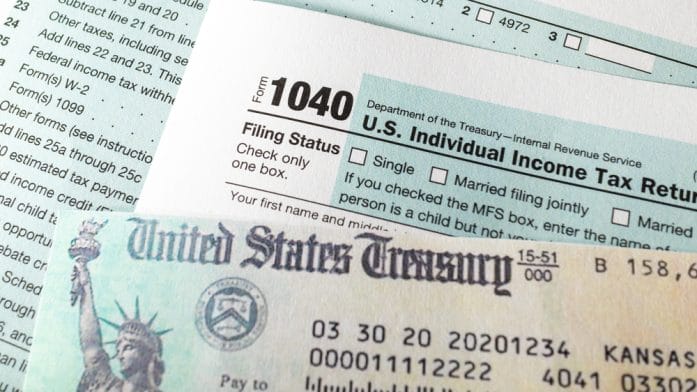
Filed Under: tax tips Tagged With: banking errors, e-file, failed transaction, IRS alerts, IRS payments, money management, payment reversal, Personal Finance, tax refund issues, tax season, tax tips, taxes

The IRS Is Sending More “Math Error” Notices — Why You Could Owe Without Realizing It

March 26, 2026 by Brandon Marcus Leave a Comment

The IRS Is Sending More “Math Error” Notices — Why You Could Owe Without Realizing It

Image Source: Shutterstock.com

A letter from the IRS doesn’t need flashing red lights to feel urgent, and lately, more of those letters arrive stamped with a deceptively simple phrase: “math error.” That label sounds harmless, almost like a quick fix, but it often carries a financial sting that catches people off guard. The number of these notices has climbed in recent years, and they don’t just target complicated returns or high earners. They hit everyday tax filers who thought they checked every box correctly and walked away confident.

These notices don’t wait for a full audit, and that’s exactly what makes them so disruptive. The IRS uses automated systems to flag discrepancies, adjust returns, and send out corrections before anyone has time to react. One small mismatch can turn into a reduced refund or even a balance due, and the clock starts ticking the moment that notice lands.

When “Math Error” Doesn’t Mean What You Think It Means

The phrase “math error” sounds like someone added numbers wrong, but the IRS uses it far more broadly than that. The agency applies this label to a wide range of issues, including missing information, mismatched Social Security numbers, and incorrect claims for credits like the Earned Income Tax Credit or Child Tax Credit. That means a notice could arrive even when every calculation on the return adds up perfectly. The system flags inconsistencies between what someone reported and what the IRS has on file, often pulling data from employers, financial institutions, and prior filings.

This automated approach speeds things up, but it also removes the human layer that might otherwise catch context. For example, a slight typo in a dependent’s Social Security number can trigger a rejection of a credit, which then leads to a reduced refund or a sudden balance due. The IRS doesn’t ask for clarification before making the change, and it sends the notice after the adjustment already happens. That creates a jarring moment where expectations collide with reality, especially when someone counted on a refund for bills or savings.

The rules behind these notices come from the IRS’s authority to correct certain “obvious” errors without launching a full audit. That sounds efficient, but it leaves little room for nuance. Many people don’t realize that they have only a limited window, usually 60 days, to respond if they disagree with the change. Ignoring the notice can lock in the adjustment and open the door to penalties and interest. Taking it seriously right away gives the best chance to fix the issue before it snowballs.

Why These Notices Are Showing Up More Often

The rise in math error notices doesn’t come out of nowhere, and a few key factors drive the trend. The IRS has leaned more heavily on automation, especially as it processes large volumes of returns quickly. Technology allows the agency to cross-check data at scale, which increases the chances of catching discrepancies, even minor ones. At the same time, tax laws have shifted in recent years, especially around credits and stimulus-related provisions, and those changes have added layers of complexity to otherwise simple returns.

More complexity creates more room for error, and not all of those errors come from carelessness. Some stem from confusion about eligibility rules, especially for credits tied to income thresholds, filing status, or dependent qualifications. A slight misunderstanding can lead to a claim that doesn’t match IRS records, and the system flags it immediately. The IRS then adjusts the return without waiting for clarification, which leads to a notice that feels sudden and unexpected.

Another factor comes from timing. Employers and financial institutions submit forms like W-2s and 1099s directly to the IRS, and any mismatch between those records and what appears on a return triggers a red flag. Even something as simple as entering the wrong income figure by a small amount can set off the system. The combination of real-time data matching and automated corrections means fewer discrepancies slip through unnoticed, but it also means more notices land in mailboxes.

Smaller Refunds or Surprise Bills

A math error notice doesn’t just point out a problem; it changes the outcome of a tax return. The IRS can reduce a refund, delay it, or convert it into a balance due, depending on the situation. That shift can disrupt plans in a big way, especially when someone expects a certain amount and suddenly sees a different number. The notice explains the adjustment, but it doesn’t always feel clear at first glance, which adds to the confusion.

When the IRS reduces or eliminates a credit, the financial impact can feel immediate. Credits like the Earned Income Tax Credit or Child Tax Credit can significantly boost a refund, so losing them changes the bottom line quickly. If the adjustment creates a balance due, interest and penalties can start accruing if the amount isn’t paid on time. That turns a simple correction into a growing obligation that demands attention.

The emotional impact matters too, even if it doesn’t show up on a balance sheet. A notice from the IRS can create stress and uncertainty, especially when it arrives without warning. The key lies in shifting from reaction to action, because these notices often come with clear next steps. Reading the notice carefully, comparing it to the original return, and gathering any supporting documents can bring clarity and control back into the situation.

The IRS Is Sending More “Math Error” Notices — Why You Could Owe Without Realizing It

Image Source: Shutterstock.com

What To Do If That Letter Shows Up

Opening the notice and setting it aside might feel tempting, but that approach can make things worse. The IRS includes a specific explanation of what changed and why, and understanding that explanation should come first. Comparing the notice to the original return helps identify whether the IRS made a valid correction or missed something important. That step alone can reveal simple issues like a typo or a missing form.

If the correction looks accurate, paying the balance or accepting the reduced refund resolves the issue quickly. If something doesn’t add up, responding within the allowed timeframe becomes critical. The IRS usually provides instructions for disputing the change, and that process often involves sending documentation that supports the original filing. Acting within the deadline preserves the right to challenge the adjustment and prevents it from becoming final.

Getting help can make a big difference, especially when the notice involves credits or eligibility rules. A tax professional can review the situation, spot errors, and guide the response. Keeping organized records, including W-2s, 1099s, and receipts, strengthens any case and speeds up the resolution. Taking these steps turns a stressful moment into a manageable task, and it prevents the issue from escalating.

Don’t Let a “Math Error” Catch You Off Guard

A math error notice might sound minor, but it carries real financial weight and demands quick attention. The IRS uses that label to cover a wide range of issues, and the rise in these notices reflects a system that moves faster and checks more data than ever before. Taking the time to understand how these notices work can prevent confusion and protect against unexpected bills or reduced refunds. Staying organized, double-checking details, and responding quickly to any notice can turn a frustrating situation into a manageable one.

What steps feel most helpful when it comes to avoiding surprises at tax time, and what strategies have worked best for keeping everything accurate and stress-free? Share all of your thoughts, tips, or experiences in the comments and keep the conversation going.

You May Also Like…

Refunds Are Being Delayed Over New IRS Identity Flags — Why More Returns Are Getting Pulled

7 Common Deductions That Are Getting More Scrutiny From the IRS

IRS Changes for Seniors: What’s Actually New on the 1040‑SR for 2026

6 Advanced Techniques to Lower Your Capital Gains Taxes Legally

9 Financial Dangers of Ignoring Property Taxes

Brandon Marcus
Brandon Marcus

Brandon Marcus is a writer who has been sharing the written word since a very young age. His interests include sports, history, pop culture, and so much more. When he isn’t writing, he spends his time jogging, drinking coffee, or attempting to read a long book he may never complete.

Filed Under: tax tips Tagged With: audit risk, credits, IRS, IRS letters, math error notice, Personal Finance, tax debt, tax filing mistakes, tax refund, tax season, tax tips, taxes

  • 1
  • 2
  • Next Page »

FOLLOW US

Search this site:

Recent Posts

  • Can My Savings Account Affect My Financial Aid? by Tamila McDonald
  • 12 Ways Gen X’s Views Clash with Millennials… by Tamila McDonald
  • What Advantages and Disadvantages Are There To… by Jacob Sensiba
  • 10 Tactics for Building an Emergency Fund from Scratch by Vanessa Bermudez
  • Call 911: Go To the Emergency Room Immediately If… by Stephen Kanaval
  • 7 Weird Things You Can Sell Online by Tamila McDonald
  • 10 Scary Facts About DriveTime by Tamila McDonald

Copyright © 2026 · News Pro Theme on Genesis Framework