A big tax refund feels like a success, right? That number pops up on the screen and suddenly plans start forming—pay off debt, book a trip, maybe splurge just a little. But here’s the twist that doesn’t get enough attention: that same refund can quietly wave a red flag if certain details in a return don’t line up the way the IRS expects. The system doesn’t run on vibes or good intentions. It runs on patterns, comparisons, and numbers that need to match up cleanly.
A return that stands out doesn’t always mean someone did something wrong, but it absolutely means the IRS might take a closer look. That closer look can slow everything down, turn a refund into a waiting game, and in some cases, open the door to a full audit. That’s not exactly the kind of surprise anyone wants attached to their finances. So before celebrating that refund too hard, it helps to understand what might trigger extra attention in the first place—and how to stay far away from it.
1. The Income That Doesn’t Add Up Always Gets Noticed
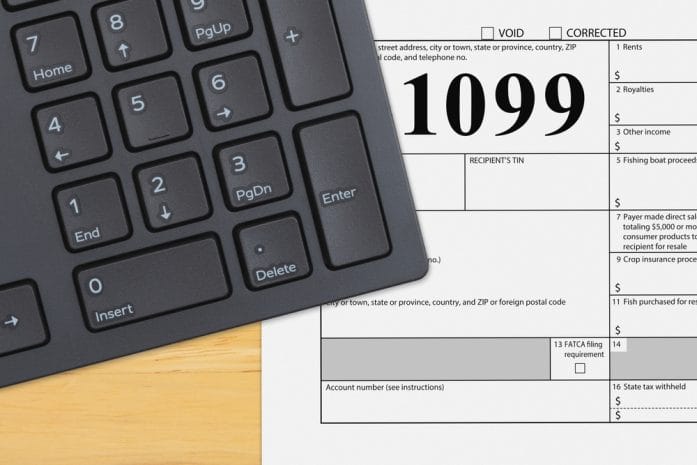
Numbers tell a story, and the IRS reads that story line by line. When reported income doesn’t match what employers, clients, or financial institutions report, the system catches it quickly. Every W-2 and 1099 form gets filed with the IRS, so leaving out even a small freelance payment creates a mismatch that stands out immediately. That mismatch doesn’t just delay a refund—it can trigger a notice or even an audit request.
Gig work, side hustles, and online income streams have exploded in recent years, and many people underestimate how closely the IRS tracks those earnings. Payment platforms now report transactions more consistently, and even small amounts can show up in official records. Ignoring that income or assuming it flies under the radar creates a risk that simply isn’t worth it. Accuracy matters more than anything here, and every dollar needs to show up in the right place.
Keeping clean records makes a huge difference when dealing with multiple income streams. Tracking payments, saving documents, and double-checking totals before filing keeps everything aligned. Filing software helps, but it still relies on accurate input. A quick review before submitting a return can prevent a small oversight from turning into a major headache.
2. Deductions That Feel Too Good to Be True Usually Are
Big deductions can shrink taxable income fast, but they also grab attention when they look out of proportion. Claiming unusually high deductions compared to income raises eyebrows because the IRS compares returns across similar income levels. If a return shows expenses that don’t match typical patterns, it gets flagged for review. That doesn’t mean the deduction is invalid, but it does mean someone might want proof.
Home office deductions, business expenses, and charitable contributions often fall into this category. Claiming a home office requires a space used exclusively for business, not a kitchen table that doubles as a workspace. Business expenses need to connect directly to income generation, and vague or inflated claims won’t hold up under scrutiny. Charitable donations require proper documentation, especially for larger amounts.
Documentation acts as the safety net here. Receipts, logs, and clear records back up every claim and show that deductions follow the rules. Taking the time to organize those records before filing keeps everything solid if questions come up later. It also makes the filing process smoother and far less stressful.
3. Filing as Self-Employed Comes With Extra Attention
Self-employment offers flexibility, but it also comes with increased scrutiny from the IRS. Independent contractors and freelancers report income differently, and that opens more room for discrepancies. The IRS knows this and tends to examine these returns more closely. Large refunds paired with self-employment income can stand out even more because of how taxes get calculated.
Quarterly estimated tax payments often trip people up in this category. Skipping those payments or underpaying throughout the year can create inconsistencies when filing a return. Those inconsistencies might not trigger an audit on their own, but they add to the overall risk profile of the return. Combined with other factors, they can push a return into “take a closer look” territory.
Accurate bookkeeping keeps self-employment taxes under control. Tracking income, setting aside money for taxes, and making regular estimated payments create a smoother filing experience. Using accounting tools or working with a tax professional can help keep everything aligned and reduce the chances of drawing unwanted attention.
4. Claiming Credits Without Clear Qualification Raises Flags
Tax credits can boost a refund significantly, but they come with strict qualification rules. Claiming credits like the Earned Income Tax Credit or Child Tax Credit without meeting the requirements can trigger an audit quickly. The IRS pays close attention to these credits because they often involve complex eligibility criteria and have a history of misuse.
Dependents play a big role in this area, and incorrect claims can cause problems fast. Listing a dependent who doesn’t meet residency or support requirements creates inconsistencies that the IRS can spot. If two people claim the same dependent, that conflict almost guarantees a review. These situations don’t just delay refunds—they can lead to penalties if the claim doesn’t hold up.
Understanding the rules before claiming any credit makes a huge difference. Checking eligibility, reviewing guidelines, and making sure all information lines up prevents unnecessary issues. Taking a few extra minutes to confirm details can save weeks—or even months—of back-and-forth with the IRS.
5. Round Numbers and Guesswork Send the Wrong Message
Perfectly rounded numbers might look clean on paper, but they often signal estimation instead of accuracy. The IRS expects real figures based on actual records, not guesses that land neatly on even numbers. When a return shows multiple rounded entries, it can suggest that the filer didn’t rely on proper documentation. That perception alone can increase the chances of an audit.
Expenses, income, and deductions should reflect precise amounts whenever possible. Rounding occasionally doesn’t cause a problem, but consistent rounding across multiple categories raises suspicion. It creates a pattern that doesn’t match how real financial data typically looks. The IRS systems pick up on those patterns quickly.
Using detailed records eliminates the need for guesswork entirely. Bank statements, receipts, and accounting software provide exact figures that keep everything accurate. Taking the time to input those numbers correctly shows that the return relies on real data, not estimates. That attention to detail goes a long way in avoiding unnecessary scrutiny.

The Goal Isn’t the Refund—It’s Staying Off the Radar
A tax refund feels great in the moment, but peace of mind lasts a lot longer. Filing a return that passes through the system without a second glance delivers a different kind of reward—one that doesn’t come with stress, delays, or surprise letters in the mail. Every detail matters, from income reporting to deductions and credits, and small mistakes can snowball into bigger issues fast.
What steps feel worth tightening up to make sure everything stays clean and stress-free? Drop thoughts, strategies, or even lessons learned in the comments.
You May Also Like…
Texas Has No Income Tax — But Property Taxes Can Get Close To 2% in Some Areas
Property Taxes Are Catching Homeowners Off Guard — Especially After Buying or Renovating
The IRS Doesn’t Warn You Twice — Tax Deadlines That Could Cost You Thousands
8 IRS Red Flags That Are Most Likely to Trigger a Full-Blown Audit
6 Government Benefit Checks That Could Be Delayed Under New Fraud Reviews

Brandon Marcus is a writer who has been sharing the written word since a very young age. His interests include sports, history, pop culture, and so much more. When he isn’t writing, he spends his time jogging, drinking coffee, or attempting to read a long book he may never complete.