• Home
  • About Us
  • Toolkit
  • Getting Finances Done
    • Hiring Advisors
    • Debt Management
    • Spending Plan
  • Insurance
    • Life Insurance
    • Health Insurance
    • Disability Insurance
    • Homeowners/Renters Insurance
  • Contact Us
  • Privacy Policy
  • Risk Tolerance Quiz

The Free Financial Advisor

You are here: Home / Archives for tax mistakes

IRS Audits Very Few Returns — But These 5 Triggers Put You at Risk

April 12, 2026 by Brandon Marcus Leave a Comment

IRS Audits Very Few Returns — But These 5 Triggers Put You at Risk

Image Source: Shutterstock.com

A tax return travels through a system built to notice patterns, flag outliers, and question anything that looks even slightly off. That system doesn’t need to audit everyone to stay effective, and it doesn’t try to. The IRS audits a very small percentage of returns each year, which sounds comforting until the spotlight lands on a return that stands out for the wrong reasons. Numbers tell stories, and when those stories don’t add up, the system takes notice quickly.

That’s where things get interesting, because audits don’t happen at random as often as people think. Certain choices, certain claims, and certain inconsistencies pull more attention than others. A return doesn’t need to scream “problem” to get flagged; it just needs to look different enough from the norm.

1. Big Deductions That Don’t Match Your Income

Nothing grabs attention faster than a tax return that claims unusually large deductions compared to reported income. The IRS relies heavily on data comparisons, and it knows what typical deduction ranges look like for different income levels. When a return shows modest earnings but extremely high deductions, the system flags that mismatch almost immediately. That doesn’t mean the deductions are wrong, but it does mean they stand out in a big way.

Charitable contributions often fall into this category. Donating generously feels great and does provide tax benefits, but those donations need to make sense relative to income. Claiming tens of thousands in donations while reporting a relatively low income creates a disconnect that the IRS will want to examine more closely. The same logic applies to business expenses, medical deductions, and other itemized claims that stretch beyond typical ranges.

Keeping detailed records changes everything here. Receipts, documentation, and clear explanations support legitimate deductions and reduce the risk of problems later. Accuracy matters more than strategy in this situation, because inflated or poorly documented deductions create unnecessary risk. Staying within reasonable ranges and backing up every claim with solid proof keeps things clean and defensible.

2. Income That Doesn’t Line Up With What the IRS Sees

The IRS doesn’t rely on guesswork when it comes to income reporting. Employers, banks, and payment platforms send copies of tax forms directly to the agency, which means the IRS already has a version of the income picture before a return even gets filed. When the numbers on a tax return don’t match those records, the system flags the discrepancy quickly and moves it up the chain.

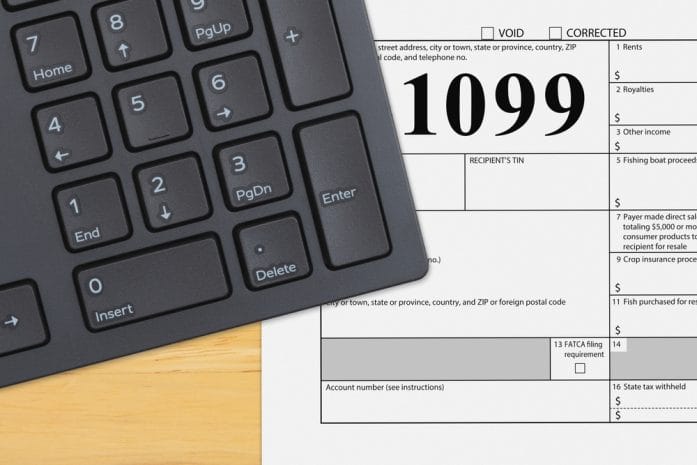
This issue shows up often with freelance work, side gigs, and contract income. A business might issue a 1099 form, but if that income doesn’t appear on the return, it creates a clear mismatch. Even small differences can trigger attention, because the system looks for consistency above all else. Forgetting to include a form or misreporting a number doesn’t just slip through unnoticed.

Double-checking every income source solves most of these problems. Matching each form to the reported totals ensures everything lines up exactly the way the IRS expects. That includes interest income, investment gains, and even smaller side earnings that might feel easy to overlook. Clean, consistent reporting keeps the return aligned with IRS records and avoids unnecessary questions.

3. The Home Office Deduction That Raises Eyebrows

The home office deduction offers real tax savings, but it also carries a reputation for attracting scrutiny. The IRS sets clear rules for this deduction, and those rules leave very little room for interpretation. A space must serve exclusively and regularly for business use to qualify, which means a kitchen table or a shared living area doesn’t meet the standard.

Problems arise when taxpayers stretch the definition of a home office. Claiming a large percentage of a home as business space without a clear justification creates a mismatch that stands out. The IRS expects the deduction to reflect reality, not convenience. A small workspace should lead to a small deduction, and anything beyond that needs strong documentation.

Taking a measured approach works best here. Calculating the exact square footage of the workspace and applying that percentage accurately keeps the numbers grounded. Photos, floor plans, and records of business use provide additional support if questions ever arise. This deduction works well when used correctly, but it demands precision and honesty to stay safe.

IRS Audits Very Few Returns — But These 5 Triggers Put You at Risk

Image Source: Shutterstock.com

4. Business Losses That Keep Showing Up Year After Year

Running a business comes with ups and downs, and losses happen, especially in the early stages. The IRS understands that reality, but it also looks for patterns that suggest something else might be going on. When a business reports losses year after year without showing a path to profitability, the agency may question whether it qualifies as a legitimate business or a hobby.

This distinction matters because hobby expenses don’t receive the same tax treatment as business losses. A business should show intent to make a profit, and that intent should appear through actions like marketing, pricing strategies, and operational changes. Consistent losses without signs of improvement raise questions about that intent.

Maintaining clear records and demonstrating efforts to grow the business can help address this concern. Adjusting strategies, tracking performance, and showing progress—even if gradual—reinforces the legitimacy of the operation. Treating the business seriously and documenting that effort creates a stronger case if the IRS takes a closer look.

5. Claiming Credits That Don’t Quite Fit

Tax credits offer powerful ways to reduce a tax bill, but they come with strict eligibility requirements. Credits like the Earned Income Tax Credit or education-related credits provide valuable benefits, yet they also rank among the most commonly reviewed items on tax returns. The IRS pays close attention to these claims because errors happen frequently.

Incorrect income reporting, filing status mistakes, or claiming dependents who don’t meet the criteria can all trigger issues. Even small misunderstandings can lead to a credit being flagged or denied. The system checks these details carefully, and anything that doesn’t align with the rules stands out quickly.

Verifying eligibility before claiming a credit makes a huge difference. Reviewing the requirements, checking documentation, and ensuring all details match the criteria reduces the risk significantly. These credits remain valuable tools, but they require careful attention to detail to use them correctly and safely.

Stay Boring, Stay Accurate, Stay Stress-Free

A tax return doesn’t need to impress anyone, and it definitely doesn’t need to push boundaries to deliver value. The safest approach focuses on accuracy, consistency, and solid documentation instead of risky strategies or aggressive claims. The IRS doesn’t target people at random; it looks for patterns that break away from the norm. Keeping everything aligned with expectations removes most of the risk right away.

Which of these triggers feels closest to home, and what changes could make next year’s return feel even more locked in and stress-free? Share thoughts, strategies, or lessons learned in the comments.

You May Also Like…

Property Taxes Are Catching Homeowners Off Guard — Especially After Buying or Renovating

Penalty Traps: Everyday Actions That Trigger IRS Fines

IRS Refund Delays Surge: Incorrect Bank Info Is Triggering Weeks-Long Payment Holds

Refunds Are Being Delayed Over New IRS Identity Flags — Why More Returns Are Getting Pulled

7 Common Deductions That Are Getting More Scrutiny From the IRS

Brandon Marcus
Brandon Marcus

Brandon Marcus is a writer who has been sharing the written word since a very young age. His interests include sports, history, pop culture, and so much more. When he isn’t writing, he spends his time jogging, drinking coffee, or attempting to read a long book he may never complete.


Filed Under: tax tips Tagged With: audit triggers, deductions, financial advice, income reporting, IRS audits, IRS rules, Personal Finance, small business taxes, tax filing, tax mistakes, tax return tips, tax season

How a Small Mistake on Your Tax Form Can Spiral Into Big Trouble

April 7, 2026 by Brandon Marcus Leave a Comment

How a Small Mistake on Your Tax Form Can Spiral Into Big Trouble

Image Source: Shutterstock.com

The moment that tax return gets submitted, a clock starts ticking. Numbers lock into place, records get stored, and suddenly every detail carries weight. A single incorrect digit or missed form does not just sit quietly in a system—it sets off a chain reaction that can grow faster than expected. What looks like a harmless oversight can stretch into penalties, letters, and stress that refuses to fade.

Tax forms demand precision, and the system does not shrug off mistakes just because they seem small. Financial institutions, employers, and government agencies all send their own copies of income records, and those numbers must match. When they do not, red flags pop up fast. That mismatch can lead to questions, delays, and sometimes serious consequences that go far beyond a simple correction.

When One Number Doesn’t Match, Everything Gets Loud

Accuracy matters because tax systems rely on cross-checking. Employers submit wage information through forms like W-2s, while banks report interest income through documents like 1099-INTs. When a tax return shows numbers that do not align with those reports, the system notices immediately. That mismatch does not stay hidden; it creates a discrepancy that demands attention.

The issue often starts with something simple, like leaving out a freelance payment or entering a number incorrectly. Even a small amount of unreported income can trigger a notice because automated systems compare data line by line. Once that notice arrives, the process begins. That process can include requests for clarification, additional documentation, or even a deeper review of the entire return.

Corrections take time and effort, and they often involve more than just fixing one number. Tax authorities may review surrounding details to ensure everything else checks out. That means a small slip can pull more information into focus than expected. The best way to avoid this situation involves double-checking every reported income source, including side gigs, investments, and any irregular earnings that might slip through the cracks.

Penalties Add Up Faster Than Expected

A mistake on a tax form rarely stays just a mistake. When an error results in underpaid taxes, penalties can start building right away. Late payment penalties and interest charges do not wait politely—they accumulate daily. Even a modest underpayment can grow into a much larger amount over time. Interest rates on unpaid taxes change periodically, but they always add pressure. That means delaying a correction makes the situation more expensive. Filing an amended return quickly can reduce the damage, but waiting too long allows those extra costs to stack up. Speed matters when fixing errors.

Beyond financial penalties, repeated mistakes can lead to stricter scrutiny in future filings. Tax authorities may pay closer attention to returns that show patterns of inaccuracies. That increased attention can mean more questions, more documentation requests, and more time spent dealing with the aftermath. Taking time to review every detail before filing helps prevent this snowball effect.

Audits: Rare, But Not Random

Audits do not happen to everyone, but they also do not appear out of nowhere. Certain mistakes increase the chances of an audit, especially when they involve large discrepancies or unusual deductions. Claiming expenses that seem inconsistent with reported income can raise eyebrows quickly.

The process of an audit can feel overwhelming because it requires documentation for nearly every claim. Receipts, bank statements, and records must support every number on the return. Without proper documentation, deductions can disappear, and additional taxes may follow. That situation turns a simple oversight into a complicated financial headache.

Preparation offers the strongest defense. Keeping organized records throughout the year makes it easier to support claims if questions arise. That includes saving receipts, tracking expenses, and maintaining clear documentation for any deductions. Staying organized reduces stress and helps ensure that every number on the return stands on solid ground.

The Hidden Risk of “Harmless” Assumptions

Some of the biggest tax mistakes come from assumptions that seem logical at the time. People often believe that small income amounts do not need reporting or that certain expenses automatically qualify as deductions. These assumptions can lead to incorrect filings that create problems later.

Tax rules change regularly, and what worked one year may not apply the next. Credits and deductions often come with specific requirements, and missing those details can lead to errors. Relying on outdated information or guesswork increases the risk of filing inaccuracies. Staying informed about current tax rules helps avoid these pitfalls.

Using reliable tax software or consulting a qualified tax professional can make a significant difference. These tools and experts help catch errors before submission. They also provide guidance on what qualifies as income or deductions, reducing the chance of making incorrect assumptions. Taking that extra step can prevent costly consequences down the line.

How to Catch Mistakes Before They Catch You

Preventing tax mistakes requires attention to detail and a bit of patience. Reviewing every entry before submitting a return helps catch errors early. That includes verifying personal information, checking income totals, and confirming that all forms match official documents.

Keeping a checklist can simplify the process. That checklist might include confirming all income sources, reviewing deductions, and ensuring that supporting documents are complete. Taking a systematic approach reduces the chance of overlooking important details. It also creates a sense of control over a process that often feels overwhelming.

Filing early can also provide an advantage. Early filing allows time to address any unexpected issues without rushing. It also reduces the risk of identity theft-related tax fraud, which can complicate the filing process even further. A calm, methodical approach leads to more accurate results and fewer surprises.

How a Small Mistake on Your Tax Form Can Spiral Into Big Trouble

Image Source: Shutterstock.com

A Tiny Error Today Can Shape Tomorrow’s Finances

A tax return might seem like just another annual task, but it holds real power over financial stability. Every number carries weight, and every detail contributes to a bigger picture. Small mistakes can ripple outward, creating consequences that extend far beyond a single filing season.

What strategies keep those tiny mistakes from turning into massive problems, and which lessons have proven the most valuable when handling taxes? Share thoughts, tips, or even close calls in the comments.

You May Also Like…

Property Taxes Are Catching Homeowners Off Guard — Especially After Buying or Renovating

IRS Refund Delays Surge: Incorrect Bank Info Is Triggering Weeks-Long Payment Holds

Refunds Are Being Delayed Over New IRS Identity Flags — Why More Returns Are Getting Pulled

5 Reasons To Talk To Your Kids About Taxes

9 Georgia Counties Where Property Taxes Are Set to Rise the Fastest

Brandon Marcus
Brandon Marcus

Brandon Marcus is a writer who has been sharing the written word since a very young age. His interests include sports, history, pop culture, and so much more. When he isn’t writing, he spends his time jogging, drinking coffee, or attempting to read a long book he may never complete.

Filed Under: tax tips Tagged With: deductions, Financial Tips, income reporting, IRS, money management, penalties, Personal Finance, tax audit, tax filing, tax mistakes, tax return errors, taxes

Penalty Traps: Everyday Actions That Trigger IRS Fines

April 7, 2026 by Brandon Marcus Leave a Comment

Penalty Traps: Everyday Actions That Trigger IRS Fines

Image Source: Shutterstock.com

The word “penalty” hits like a brick when it shows up next to a dollar sign. Nothing ruins a perfectly normal day faster than discovering that a simple oversight turned into a fine that grows by the minute. Taxes don’t just demand attention once a year—they expect discipline, accuracy, and timing that feels almost athletic. One wrong move, and suddenly the system starts charging interest like a ticking clock that refuses to pause.

Plenty of people assume major penalties only hit those who intentionally dodge taxes or make huge financial blunders. That assumption couldn’t sit further from reality. Everyday actions—completely ordinary, even responsible ones—can trigger fines from the Internal Revenue Service. Missing a date, misreporting a number, or forgetting a form can quietly open the door to fees that stack up faster than expected.

Filing Late Feels Small Until the Fees Explode

Deadlines don’t negotiate, and the IRS doesn’t either. Filing a tax return even one day late can trigger a failure-to-file penalty that starts at 5% of the unpaid taxes per month. That percentage keeps climbing each month until it reaches a maximum of 25%, which means a delay that feels harmless can snowball into a serious financial hit. Add interest on top of that, and suddenly the original tax bill doesn’t even look like the main problem anymore.

People often assume that filing an extension solves everything, but that belief causes one of the most common mistakes. An extension only gives extra time to file paperwork—it does not extend the deadline to pay taxes owed. Anyone who files an extension but skips the payment still faces a failure-to-pay penalty, which racks up at 0.5% per month. That smaller percentage might look manageable at first glance, but it stacks with interest and doesn’t disappear until the balance clears.

Smart moves keep this trap from snapping shut. Filing on time—even without full payment—cuts the penalty dramatically compared to filing late. Estimating taxes owed and paying as much as possible before the deadline shows effort and reduces penalties. Setting calendar reminders weeks in advance helps avoid last-minute scrambling that leads to errors or missed submissions.

Consistency matters just as much as timing. Making quarterly estimated payments throughout the year spreads the burden and keeps everything manageable. Anyone with freelance income, side hustles, or investments benefits from this approach. Staying proactive doesn’t just avoid penalties—it turns tax season into a routine instead of a crisis.

Underpaying Taxes Isn’t a Free Pass

Paying something toward a tax bill feels responsible, but partial payments can still trigger penalties if they fall short of IRS expectations. The underpayment penalty applies when payments don’t meet required thresholds throughout the year. That means even people who pay consistently can face penalties if those payments don’t hit the right targets.

The IRS uses a “safe harbor” rule that offers a helpful guideline. Paying at least 90% of the current year’s taxes or 100% of the previous year’s taxes (110% for higher incomes) usually avoids penalties. Miss those marks, and the IRS starts calculating penalties based on how much and how late the payments fall behind. It’s not about intention—it’s about numbers.

Income that fluctuates creates one of the biggest risks here. Freelancers, contractors, and anyone with variable earnings often miscalculate quarterly payments because income doesn’t stay predictable. A strong month followed by a slow one can throw off estimates quickly. Without adjustments, those swings lead to underpayment penalties that feel unfair but follow strict rules.

Adjustments keep things under control. Reviewing income every quarter and updating estimated payments based on real numbers prevents gaps. Using withholding adjustments through an employer can also help offset side income. Keeping records organized and updated avoids guesswork that leads to costly miscalculations.

Planning beats reacting every time. Setting aside a percentage of income specifically for taxes ensures funds stay available when deadlines arrive. That approach removes stress and prevents last-minute scrambling to cover shortfalls. Staying ahead of payments keeps penalties from creeping in unnoticed.

Forgetting to Report Income Sets Off Alarms

Every dollar earned matters in the eyes of the IRS, whether it comes from a full-time job, freelance gig, or side hustle. Failing to report income—even accidentally—can trigger penalties and sometimes audits. Employers and clients send forms like W-2s and 1099s directly to the IRS, so mismatches between reported income and official records raise immediate red flags.

Penalty Traps: Everyday Actions That Trigger IRS Fines

Image Source: Shutterstock.com

Small gigs often slip through the cracks. Selling items online, doing occasional freelance work, or earning interest from investments might not feel significant, but those amounts still count as taxable income. Ignoring them creates discrepancies that the IRS can easily spot through automated systems that compare reported data.

Digital payment platforms have made tracking easier—and stricter. Services that process payments may issue 1099-K forms once transactions hit certain thresholds. That means side hustles and casual sales now generate official records that demand accurate reporting. Overlooking those forms can lead to penalties that feel completely unexpected.

Staying organized solves most of these issues. Keeping a running record of all income sources, no matter how small, ensures nothing gets missed during tax preparation. Using accounting apps or simple spreadsheets helps track earnings throughout the year instead of scrambling at the last minute.

Double-checking forms before filing prevents mismatches. Comparing personal records with official documents ensures accuracy and reduces the chance of triggering IRS attention. Accuracy here doesn’t just avoid penalties—it builds confidence that everything lines up exactly as it should.

Ignoring Notices Only Makes Things Worse

An IRS notice rarely arrives without a reason, and ignoring it never makes the issue disappear. These letters often address discrepancies, missing payments, or requests for additional information. Letting them sit unopened or unanswered allows penalties and interest to grow while the problem quietly escalates.

Each notice includes a deadline, and that deadline matters just as much as a filing date. Missing it can lead to additional penalties or even enforcement actions. The IRS operates on timelines that move forward regardless of whether anyone responds. That means silence often translates into agreement from the IRS’s perspective.

Many notices involve simple fixes. A missing form, a math error, or a clarification request might only require a quick response. Addressing these issues promptly prevents escalation and keeps penalties from piling up. Waiting too long can turn a minor issue into a larger financial headache. Responding doesn’t require panic. Reading the notice carefully, gathering requested documents, and replying within the given timeframe resolves most situations efficiently. Seeking help from a tax professional can also provide clarity and ensure responses meet IRS expectations.

Staying proactive changes the entire experience. Keeping contact information updated ensures notices arrive promptly. Checking mail regularly during tax season prevents delays in response. Handling issues quickly keeps penalties small and manageable instead of letting them grow into something overwhelming.

Saving Your Wallet and a Headache

Tax penalties don’t wait for major mistakes—they show up when everyday habits slip just slightly off track. Filing late, underpaying taxes, missing income, or ignoring notices all create opportunities for fines to grow quietly in the background. Each of these traps shares one thing in common: they thrive on inattention, not intention.

Which of these penalty traps feels the easiest to fall into, and what strategies have worked to stay ahead of them? Share thoughts, ideas, or personal experiences in the comments—there’s always something new to learn from each other.

You May Also Like…

IRS Refund Delays Surge: Incorrect Bank Info Is Triggering Weeks-Long Payment Holds

Retirement Accounts Are Triggering Unexpected Taxes — What Some Investors Overlook

5 Reasons To Talk To Your Kids About Taxes

Income Threshold: 4 Hidden Taxes That Hit Once You Cross Certain Limits

9 Georgia Counties Where Property Taxes Are Set to Rise the Fastest

Brandon Marcus
Brandon Marcus

Brandon Marcus is a writer who has been sharing the written word since a very young age. His interests include sports, history, pop culture, and so much more. When he isn’t writing, he spends his time jogging, drinking coffee, or attempting to read a long book he may never complete.

Filed Under: tax tips Tagged With: audit triggers, financial mistakes, IRS fines, IRS penalties, late filing, money management, Personal Finance, tax advice, Tax Deductions, tax filing tips, tax mistakes, underpayment penalty

5 Tax Mistakes Retirees Make – and How To Fix Them Before It’s Too Late

April 6, 2026 by Brandon Marcus Leave a Comment

5 Tax Mistakes Retirees Make - and How To Fix Them Before It's Too Late

Image Source: Shutterstock.com

Retirement should feel like freedom, not a puzzle filled with tax traps waiting to drain hard-earned savings. Yet many people step into this phase thinking the hardest financial work already sits behind them, only to discover that taxes never really retire. They just change shape, and sometimes they hit harder than expected. Every decision, from when to withdraw money to how investments get structured, carries consequences that ripple through monthly income and long-term security. Ignoring those details can quietly chip away at a lifetime of careful planning.

The good news brings a lot more energy than the bad. A handful of smart adjustments can flip the script completely, turning tax confusion into a powerful advantage. With the right moves, retirees can stretch their savings, protect income, and even create more breathing room for travel, hobbies, and everything that makes retirement worth celebrating. These five common mistakes show up again and again, but each one comes with a fix that puts control back where it belongs.

1. The “I’ll Just Take Money When I Need It” Trap

Plenty of retirees treat their accounts like a simple piggy bank, dipping in whenever expenses pop up without thinking about timing or tax impact. That approach feels easy, but it often leads straight to higher tax bills because withdrawals from traditional retirement accounts count as taxable income. Pull too much in one year, and that income can push someone into a higher tax bracket faster than expected. That jump doesn’t just affect the withdrawal itself, but also other income streams that suddenly face higher rates.

A smarter strategy involves planning withdrawals across multiple years instead of reacting in the moment. Spreading distributions out can help keep income within a lower tax bracket, which keeps more money in your pocket instead of sending it to the IRS. Some retirees also mix withdrawals from taxable accounts, Roth accounts, and traditional IRAs to balance the tax impact. This kind of coordination creates flexibility and reduces surprises when tax season rolls around.

It also pays to think ahead instead of waiting until money runs low. Mapping out a withdrawal plan for five or even ten years helps smooth out income and avoids those sudden spikes that trigger unnecessary taxes. Financial planners often call this “tax-efficient withdrawal sequencing,” but the concept stays simple: control when and how income shows up. That control can mean the difference between steady financial comfort and watching taxes eat into savings year after year.

2. Ignoring Required Minimum Distributions Until It’s Too Late

Required Minimum Distributions, or RMDs, don’t ask politely. They come with firm deadlines and steep penalties for mistakes, and skipping them or miscalculating the amount can cost a significant chunk of money. Once retirees reach the required age, the government expects a minimum withdrawal from certain retirement accounts every year. Missing that requirement used to trigger a massive penalty, and while rules have softened slightly, the consequences still sting enough to demand attention.

Some retirees delay thinking about RMDs because they don’t need the income yet, which creates a problem when the first withdrawal hits. A large RMD can push total income higher, increasing taxes not only on that distribution but also on other income streams. That ripple effect often surprises people who assumed their tax burden would shrink in retirement.

Planning ahead offers a much smoother path. Taking smaller withdrawals before RMD age can reduce the size of future required distributions and spread taxes over time. Another smart move involves converting some traditional IRA funds into a Roth IRA before RMDs begin, which shifts future withdrawals into a tax-free category. These strategies require a bit of foresight, but they prevent that unpleasant moment when a mandatory withdrawal disrupts an otherwise stable financial picture.

3. Forgetting That Social Security Isn’t Always Tax-Free

Social Security often feels like a safety net, but it doesn’t always come tax-free. Many retirees assume those benefits land untouched, only to discover that combined income determines whether a portion becomes taxable. Add in withdrawals from retirement accounts, investment income, or even part-time work, and suddenly up to 85 percent of Social Security benefits could face taxes.

This surprise usually hits when retirees start pulling money from multiple sources without coordinating how it affects total income. That lack of coordination creates a domino effect where one decision triggers another, pushing income above thresholds that increase tax liability. It can feel frustrating, especially after years of careful saving.

A better approach involves managing income levels strategically to stay below key thresholds whenever possible. That might mean delaying Social Security benefits while drawing from other accounts first, or adjusting withdrawals to keep combined income in check. Timing plays a huge role here, and even small adjustments can reduce how much of those benefits get taxed. The goal centers on balance, making sure income flows steadily without accidentally triggering unnecessary tax bills.

5 Tax Mistakes Retirees Make - and How To Fix Them Before It's Too Late

Image Source: Shutterstock.com

4. Overlooking the Power of Roth Conversions

Roth conversions often sit on the table as an option, but many retirees ignore them because they involve paying taxes upfront. That hesitation makes sense at first glance, but skipping conversions can lead to higher taxes later when withdrawals from traditional accounts become unavoidable. Paying some tax now at a lower rate can save a significant amount down the road, especially before RMDs kick in.

Retirees who stay in a relatively low tax bracket early in retirement have a golden opportunity. Converting portions of a traditional IRA into a Roth IRA during those years locks in today’s tax rate and creates a pool of tax-free income for the future. That flexibility becomes incredibly valuable when managing income later, especially when trying to avoid pushing into higher brackets.

Of course, timing and amount matter. Converting too much in a single year can backfire by increasing taxable income more than intended. A steady, measured approach works best, converting just enough each year to stay within a desired tax bracket. This strategy takes a bit of planning, but it offers long-term benefits that go far beyond the initial tax bill.

5. Thinking Investments Don’t Matter for Taxes Anymore

Some retirees believe tax planning ends once paychecks stop, but investments continue to play a major role in shaping tax outcomes. Selling assets, collecting dividends, or realizing capital gains all contribute to taxable income, and those elements can shift a tax situation quickly. Ignoring that reality can lead to unexpected bills that disrupt a carefully planned budget.

Different investments receive different tax treatment, and that opens the door for smarter decision-making. Holding tax-efficient investments in taxable accounts while keeping higher-turnover assets inside tax-advantaged accounts can reduce overall tax exposure. Even the timing of selling investments can make a difference, especially when it comes to capital gains.

Retirees who stay proactive with investment decisions often find more control over their tax situation. Harvesting losses to offset gains, choosing funds with lower turnover, and paying attention to distribution schedules all contribute to a more efficient plan. Every move adds up, and the cumulative effect can protect a significant portion of retirement income over time.

Keep More, Stress Less: The Retirement Tax Game Plan That Actually Works

Retirement doesn’t reward autopilot, especially when taxes sit quietly in the background shaping every financial decision. The difference between a smooth, comfortable retirement and one filled with financial stress often comes down to awareness and timing. Each of these mistakes stems from simple oversights, but each one also comes with a clear path to improvement that puts control back in your hands.

Which of these strategies feels like the easiest win right now, and what approach has worked best in managing taxes during retirement? Drop your thoughts or experiences in the comments and keep the conversation going.

You May Also Like…

Property Taxes Are Catching Homeowners Off Guard — Especially After Buying or Renovating

10 Retirement States That No Longer Cater to Retirees

Retirees Are Rethinking Second Homes — Why the “Snowbird Lifestyle” Is Getting Too Expensive

Waiting on Social Security? Why Thousands of Retirees Are Stuck in Payment Limbo Right Now

More Retirees Are Seeing Higher Medicare Costs—And It’s Tied to

Brandon Marcus
Brandon Marcus

Brandon Marcus is a writer who has been sharing the written word since a very young age. His interests include sports, history, pop culture, and so much more. When he isn’t writing, he spends his time jogging, drinking coffee, or attempting to read a long book he may never complete.
Filed Under: Retirement Tagged With: investing, IRA withdrawals, Personal Finance, Planning, retirees, retirement planning, retirement taxes, RMD rules, Social Security taxes, tax mistakes, tax strategies, taxes, Wealth management

Don’t File Yet: The Biggest Tax Mistakes You Might Make In 2026

April 3, 2026 by Brandon Marcus Leave a Comment

Don't File Yet: The Biggest Tax Mistakes You Might Make In 2026

Image Source: Shutterstock.com

Taxes. They sneak up every year like an uninvited relative at the holiday table, and just when you think you’ve got a handle on it, a tiny misstep can cost hundreds or even thousands of dollars. 2026 promises to bring fresh changes to deductions, credits, and reporting requirements, and ignoring them can turn a straightforward filing into a full-blown nightmare. From misreporting income to missing out on deductions, there are plenty of ways to trip up, and the IRS doesn’t exactly send a reminder with a smiley face.

Even if you’re usually confident with numbers, this year is tricky. New rules around digital assets, retirement contributions, and gig work income are confusing a lot of people. Making the wrong claim, filing late, or simply forgetting a crucial piece of paperwork can trigger audits, delays, or penalties. But don’t panic. With the right approach and a little attention to detail, it’s possible to file smartly, legally, and even maximize refunds.

1. Forgetting About Digital Assets

Cryptocurrency has gone mainstream, and so has its impact on taxes. Many taxpayers assume that trading or holding digital currencies is somehow “off the radar,” but the IRS has made it clear that all transactions must be reported. Even small trades, like swapping Bitcoin for Ethereum, count as taxable events. Forgetting to report gains or losses can quickly escalate into fines and penalties. The rules cover sales, exchanges, and even using crypto for purchases. It’s crucial to track cost basis and transaction history carefully, because guesswork won’t fly if the IRS comes knocking.

Additionally, airdrops, staking rewards, and even certain NFTs have tax implications. Many people treat these as collectibles or gifts, but in reality, they often count as income the year they are received. Failing to include them can increase audit risk or reduce your ability to claim deductions later. Using crypto tax software or consulting a tax professional familiar with digital assets can save headaches. Recording every transaction and understanding the tax category—whether capital gains, ordinary income, or business income—is essential for keeping your filing clean and your wallet safe.

2. Miscalculating Retirement Contributions

Contributing to retirement accounts sounds simple: put money into a 401(k) or IRA and get tax benefits. But the limits for 2026 have shifted slightly, and exceeding them can cost serious penalties. For example, the IRS allows a $7,000 contribution for those 50 and older into a traditional or Roth IRA, but going over this cap leads to an excise tax. Overlooking catch-up contributions, employer matches, or combined limits can result in unintended tax hits.

Another common trap involves withdrawing funds too early or misreporting distributions. Early withdrawals from IRAs or 401(k)s usually trigger a 10% penalty on top of the owed income tax. Taxpayers also forget to report rollovers correctly; a direct rollover is fine, but an indirect rollover has a strict 60-day window. Mistakes here can turn what seems like a smart move into a costly misstep. Checking annual IRS notices, maintaining detailed contribution records, and verifying your plan’s limits are easy ways to avoid these pitfalls while maximizing tax benefits.

3. Ignoring Gig Economy Income

Freelancers, side hustlers, and gig workers have exploded in numbers, but tax compliance hasn’t gotten any simpler. Many fail to report all income, thinking small side gigs don’t count. That’s a trap. Every payment, even occasional tips or one-off jobs, counts as taxable income in 2026. Failing to report it can trigger penalties, interest, and audit attention.

Beyond just reporting income, gig workers need to track business expenses carefully. Misclassifying personal expenses as business deductions, or skipping eligible deductions altogether, can be costly. Deductible items include home office expenses, software subscriptions, mileage, and equipment. Staying organized with receipts, digital records, and monthly reconciliations helps prevent mistakes. Quarterly estimated tax payments are also crucial. Waiting until April could lead to a nasty surprise if your side income is significant. Planning ahead keeps your finances predictable and avoids unnecessary stress.

4. Overlooking Education-Related Deductions and Credits

Education credits and deductions get confusing fast. The American Opportunity Credit, Lifetime Learning Credit, and student loan interest deductions each have eligibility rules and income limits that change annually. Misunderstanding them can mean leaving money on the table or accidentally claiming a credit you can’t legally take. For instance, using the Lifetime Learning Credit for a student who already benefited from the American Opportunity Credit for the same year is a mistake many taxpayers make.

Taxpayers often forget about employer-provided educational assistance too. Some tuition reimbursements and training programs are non-taxable if correctly documented. Gathering official forms like 1098-Ts, keeping receipts for qualified expenses, and understanding phase-out thresholds can dramatically reduce errors. The IRS pays close attention to education-related claims, and small mistakes can trigger follow-up notices or audits. Staying organized and double-checking eligibility ensures that every education credit or deduction is claimed correctly, making tax filing less stressful and more rewarding.

Don't File Yet: The Biggest Tax Mistakes You Might Make In 2026

Image Source: Shutterstock.com

5. Neglecting Health Savings Accounts

Health Savings Accounts (HSAs) remain a powerful, underused tool. Contributions are tax-deductible, growth is tax-free, and qualified withdrawals aren’t taxed. Despite this, many filers either over-contribute or fail to report distributions properly. For 2026, HSA contribution limits are $4,150 for individual coverage and $8,300 for family coverage, with an extra $1,000 catch-up for those over 55. Overshooting these limits leads to excise taxes.

Misreporting medical expenses or failing to distinguish between qualified and non-qualified withdrawals can cause extra headaches. Tracking medical costs and HSA spending carefully helps prevent audits and reduces tax liabilities. Using an HSA calculator or consulting your plan provider ensures contributions stay within legal limits while maximizing benefits. Incorporating HSAs into your financial strategy isn’t just smart—it can provide significant savings while covering healthcare costs efficiently.

6. Filing Errors That Can Trigger Audits

Some mistakes are classic, but still deadly. Math errors, missing signatures, incorrect Social Security numbers, or mismatched employer information trigger automatic IRS notices. Even simple oversights like entering a W-2 figure incorrectly or failing to attach a required schedule can slow your refund or invite scrutiny. 2026 tax forms have slight changes, and assuming you can reuse last year’s filing template often backfires.

Software helps, but double-checking numbers manually is still a wise step. Confirm that all forms are attached, cross-verify totals, and keep backup copies of all submissions. Avoiding rushed filings and allowing extra time for review reduces stress. Filing carefully is not just about avoiding penalties—it’s about peace of mind, ensuring that your return is correct and defensible if the IRS asks questions.

Make 2026 Your Smartest Filing Year

Taxes don’t have to feel like a trapdoor into confusion, fines, and frustration. Paying attention to digital assets, retirement limits, gig income, education deductions, and HSAs makes a world of difference. Careful record-keeping, timely submissions, and staying aware of new IRS rules keep your filing clean and efficient. Avoiding the biggest mistakes isn’t just about following rules—it’s about turning tax season into an opportunity to save money and plan smartly for the year ahead.

What strategies have worked for you in staying on top of taxes? Have you discovered any clever ways to maximize deductions or simplify filing in 2026? Share your insights, stories, or tips in the comments. There’s always something new to learn, and your experience might just help someone else turn tax season from a headache into a victory.

You May Also Like…

Property Taxes Are Catching Homeowners Off Guard — Especially After Buying or Renovating

Refunds Are Being Delayed Over New IRS Identity Flags — Why More Returns Are Getting Pulled

7 Common Deductions That Are Getting More Scrutiny From the IRS

9 Georgia Counties Where Property Taxes Are Set to Rise the Fastest

5 Reasons To Talk To Your Kids About Taxes

Brandon Marcus
Brandon Marcus

Brandon Marcus is a writer who has been sharing the written word since a very young age. His interests include sports, history, pop culture, and so much more. When he isn’t writing, he spends his time jogging, drinking coffee, or attempting to read a long book he may never complete.

Filed Under: tax tips Tagged With: Financial Tips, IRS tips, money management, Personal Finance, tax credits, Tax Deductions, tax filing, tax mistakes, tax planning, tax season, taxes 2026

The IRS Is Flagging More Returns This Year—And One Detail Keeps Triggering Reviews

March 23, 2026 by Brandon Marcus Leave a Comment

The IRS Is Flagging More Returns This Year—And One Detail Keeps Triggering Reviews

Image Source: Shutterstock.com

A tax return can move smoothly from submission to refund, or it can hit a wall that stops everything cold. This year, that wall shows up more often, and one specific detail keeps setting it off. The IRS has increased scrutiny in key areas, and that shift has changed how returns get processed.

That does not mean panic, but it does mean attention matters more than ever. Small inconsistencies that once slipped through now trigger reviews, delays, and sometimes deeper questions. Knowing what catches attention can turn a stressful situation into something completely manageable.

The Detail That Keeps Raising Eyebrows

Income reporting sits at the center of most IRS reviews this year, and mismatches between reported income and official records create the biggest problems. The IRS receives copies of forms like W-2s and 1099s directly from employers, banks, and platforms, so it already knows what numbers should appear on a return. When those numbers do not line up, the system flags the return almost immediately. Gig work and side income have made this issue more common. Many platforms now issue 1099 forms, and even when they do not, income still counts and must be reported. Some people underestimate how closely the IRS tracks this data, especially with digital payment platforms sharing more information than ever before.

A missing form or a slightly incorrect number can trigger a review, even when the mistake feels minor. The system does not interpret intent; it simply detects differences. That means accuracy matters more than rounding or guessing, especially when multiple income streams come into play.

The situation gets more complicated when someone receives several forms from different sources. It becomes easy to overlook one or assume it does not matter, but every piece contributes to the full picture. The IRS compares all of it, and even one missing entry can set off alarms. Double-checking income forms before filing prevents most of these issues. Matching every number exactly to official documents removes the biggest trigger for reviews and keeps the process moving forward.

Why Reviews Feel More Common Right Now

The IRS has stepped up enforcement in recent years, focusing on improving accuracy and closing gaps in reporting. Increased funding and updated technology have given the agency better tools to cross-check information quickly. That means more returns go through deeper verification, even when nothing seems unusual at first glance. Automation plays a huge role in this shift. Computer systems now scan returns for inconsistencies at a level that manual review could never match. That efficiency helps catch errors faster, but it also increases the number of flagged returns overall.

At the same time, the rise of freelance work, online selling, and digital payments has created more complex tax situations. More people now juggle multiple income sources, and that complexity naturally leads to more mistakes. The IRS has responded by paying closer attention to those areas.

Refund fraud prevention has also influenced the process. The IRS takes extra steps to verify certain credits and income claims before issuing refunds. That caution protects the system, but it can also slow things down for legitimate filers. All of these factors combine to create a noticeable increase in reviews. The system has not become unfair, but it has become far less forgiving of small errors.

The IRS Is Flagging More Returns This Year—And One Detail Keeps Triggering Reviews

Image Source: Shutterstock.com

Common Triggers That Go Beyond Income

Income mismatches lead the list, but several other details can also bring a return under review. Tax credits, especially refundable ones like the Earned Income Tax Credit or Child Tax Credit, often receive extra scrutiny. These credits can significantly increase a refund, so the IRS checks eligibility carefully. Filing status can also create problems. Claiming head of household without meeting the requirements or incorrectly listing dependents can raise questions. These details affect tax calculations in a big way, which makes accuracy essential.

Bank account information might seem like a simple entry, but errors there can delay refunds or trigger additional checks. A wrong digit in an account number can create confusion and slow the entire process.

Large deductions compared to income can also stand out. While legitimate deductions are allowed, unusually high amounts may prompt the IRS to take a closer look. Keeping clear records helps support those claims if questions arise. Consistency across the return matters just as much as accuracy. Numbers that do not logically connect, such as expenses that exceed income without explanation, can raise flags. Taking a step back and reviewing the full return before filing can catch these issues early.

Smart Moves That Keep Your Return Out of Trouble

Accuracy starts with organization, and that means gathering every tax document before filing. Waiting until all forms arrive prevents missing information and reduces the chance of errors. This step alone eliminates one of the biggest causes of IRS reviews. Using reliable tax software or a qualified preparer can make a major difference. These tools often catch inconsistencies and prompt for missing details, which helps create a cleaner, more accurate return. They also guide users through complex situations like multiple income streams or tax credits.

Reviewing every entry carefully might feel tedious, but it pays off. Checking numbers against official forms, verifying Social Security numbers, and confirming filing status can prevent delays that last weeks or even months.

Keeping records does not end after filing. Saving copies of forms, receipts, and supporting documents creates a safety net in case the IRS requests verification. Having everything organized makes responding to questions much easier. Filing early can help, but rushing does the opposite. Taking the time to get everything right matters far more than submitting quickly. A well-prepared return moves through the system much more smoothly than one filled with small mistakes.

When a Review Happens, Don’t Panic—Get Precise

A flagged return does not automatically mean an audit or serious trouble. In many cases, the IRS simply needs clarification or correction. Responding quickly and accurately can resolve the issue without major complications. The IRS typically sends a notice explaining what needs attention. Reading that notice carefully provides clear direction on what to fix or verify. Ignoring it or delaying a response can make the situation worse, so action matters.

Providing documentation often solves the problem. Copies of income forms, receipts, or other records can confirm the accuracy of a return and clear up discrepancies. Keeping those documents organized makes this step much easier.

Amended returns offer another path when errors come to light after filing. Correcting mistakes proactively shows good faith and can prevent further issues. It also helps ensure the final numbers reflect the correct information. Staying calm and focused keeps the process manageable. A review might feel intimidating, but most situations resolve with straightforward communication and accurate information.

Get Ahead of the Red Flags Before They Start Flashing

This year has made one thing clear: details matter more than ever when it comes to tax returns. The IRS has sharpened its tools, and small inconsistencies no longer slip by unnoticed. That reality might sound intimidating, but it also creates a clear path forward for anyone willing to pay attention.

Taking control of the process changes everything. Matching income forms exactly, double-checking entries, and keeping solid records can turn a stressful task into a smooth one. That approach does not require expertise, just a bit of focus and care.

What steps have helped avoid tax headaches, and what parts of filing still feel confusing or frustrating? Share those thoughts, strategies, or lessons in the comments and keep the conversation going.

You May Also Like…

Can You Trust AI With Your Taxes and Investments? 8 Risks No One Explains

IRS Changes for Seniors: What’s Actually New on the 1040‑SR for 2026

Handling Your First Car Accident Like a Pro: Tips Every Adult Needs

The IRS Doesn’t Care If You Forgot — Missing Tax Dates Could Cost You Thousands

Avoid These Pitfalls: First-Time Homeownership Mistakes That Can Cost You

Brandon Marcus
Brandon Marcus

Brandon Marcus is a writer who has been sharing the written word since a very young age. His interests include sports, history, pop culture, and so much more. When he isn’t writing, he spends his time jogging, drinking coffee, or attempting to read a long book he may never complete.

Filed Under: tax tips Tagged With: filing taxes, Financial Tips, income reporting, IRS, IRS review, IRS rules, Personal Finance, tax audit, tax filing tips, tax mistakes, tax refund delays, tax return errors

9 Mistakes to Avoid When Rolling a 401(k) Into an IRA

March 8, 2026 by Brandon Marcus Leave a Comment

These Are 9 Mistakes to Avoid When Rolling a 401(k) Into an IRA

Image Source: Pexels.com

Rolling a retirement account should feel like stepping toward freedom, not staring nervously at paperwork while hoping nothing explodes financially. Moving money from a 401(k) into an IRA sounds straightforward on the surface, but people make costly mistakes when excitement, impatience, or simple confusion takes over.

Retirement savings represent years of work, and one wrong move can quietly chip away at future security. Together, let’s walk through nine common rollover mistakes and explain how to avoid them while keeping more money growing for tomorrow. Think of this as a friendly map through a financial maze that has tripped up plenty of smart people before.

1. Charging Ahead Without Comparing Rollover Fees and Costs

Fees often sit quietly in the background, nibbling at retirement balances year after year like an uninvited guest at a long dinner. Some 401(k) plans charge administrative fees, while many IRA providers charge trading or account maintenance costs depending on the investments chosen. People sometimes rush into a rollover because they want control over their money, but control does not automatically mean lower expenses. Taking time to compare fund expense ratios, account maintenance charges, and transaction costs helps protect long-term growth.

Many workplace plans negotiate lower institutional fees because they manage large pools of money for employees. Moving assets into an IRA with higher expense structures can reduce future returns even when the investment choices look attractive. Checking fee schedules from at least two or three providers gives a clearer picture of what happens after the rollover completes.

People should ask how fees change when account balances grow over time. Some platforms charge percentage-based fees, which sound small today but can become significant later. Slow, careful research today keeps more retirement dollars working tomorrow.

2. Forgetting About Tax Withholding Rules That Matter More Than People Expect

Taxes create one of the most misunderstood parts of retirement rollovers, especially when cash moves directly to personal accounts instead of transferring through trustee channels. The entity known as the Internal Revenue Service sets rules that require careful attention during retirement transfers. A 401(k) distribution that arrives as a check rather than a direct rollover may trigger mandatory withholding.

If someone receives a distribution and does not deposit the full amount into an IRA within 60 days, the IRS may treat the money as taxable income. That situation sometimes surprises people who thought they handled everything correctly. Employers sometimes withhold around 20 percent for federal taxes when issuing checks, which means savers must replace that amount from other funds to complete a full rollover.

3. Ignoring Investment Choices After Landing in the IRA

Some people celebrate completing a rollover and forget the story does not end there. Money sitting in a new IRA account but never invested behaves like a guest standing awkwardly in a corner at a party. Retirement growth depends on choosing suitable assets that match risk tolerance, age, and retirement timing. IRA accounts usually offer more investment flexibility than employer plans. That freedom feels exciting but also demands responsibility. Individuals should review options such as index funds, bonds, or diversified portfolios that match their comfort level with market swings. Chasing hot stock tips often creates emotional investing decisions that look exciting on social media but feel painful during market corrections.

Setting automatic investment contributions after the rollover helps maintain a consistent strategy. Financial discipline matters more than guessing which market sector will perform best next quarter. Stability and patience often win the retirement game.

These Are 9 Mistakes to Avoid When Rolling a 401(k) Into an IRA

Image Source: Pexels.com

4. Missing the 60-Day Rollover Window and Creating a Tax Surprise

Timing matters when handling retirement funds. If money leaves a qualified plan and does not enter another qualified account within 60 days, tax authorities may treat the distribution as taxable income. People sometimes underestimate how fast 60 days pass when dealing with paperwork, holidays, and bank processing delays.

Unexpected emergencies sometimes force individuals to use rollover money temporarily, but that decision carries risk. If someone cannot redeposit the full amount, penalties may follow depending on age and account type. Keeping careful records of transfer dates helps avoid arguments later.

Many financial advisors recommend completing rollover transfers using direct custodial movement rather than personal handling. That method removes the countdown anxiety and lowers the chance of human error. Mark important financial deadlines on a calendar like any other important life appointment.

5. Overlooking Old Employer Plan Advantages That Still Shine

Not every workplace retirement plan deserves abandonment. Some employer plans offer institutional investment access, strong creditor protection, or unique fund options not easily found elsewhere. Before moving money, check whether the old plan includes features worth keeping.

Certain plans allow loans or offer low-cost target date funds designed for long-term workers. Rolling money away without reviewing plan documents sometimes removes valuable protections. People often feel excited about gaining control, but control should come with information.

Ask plan administrators for a summary of benefits before starting a rollover. Compare those benefits with what an IRA platform offers. Choosing based on knowledge instead of emotion keeps retirement planning practical and smart.

6. Mixing Traditional and Roth Money Without Understanding Tax Structure

Retirement accounts sometimes contain different tax treatments. Mixing pre-tax funds with after-tax funds can create complicated reporting during withdrawals later. Moving traditional 401(k) money into a traditional IRA generally keeps the tax structure simple. Converting to a Roth-style account changes tax timing because contributions occur after taxes while withdrawals may become tax-free under qualifying conditions. Understanding the differences between traditional and Roth treatments prevents confusion during retirement.

Consulting a tax professional before performing conversions helps avoid surprises. Retirement planning works best when future withdrawal strategy receives attention today rather than years from now.

7. Forgetting to Update Beneficiary Designations After the Move

People often celebrate completing the rollover and forget paperwork details like beneficiary designations. Account inheritance rules follow beneficiary forms, not verbal wishes. Life events such as marriage, divorce, or children arriving into the family should trigger beneficiary review.

Outdated beneficiary information sometimes creates legal disputes or unwanted asset distribution. Checking beneficiary status once each year creates good financial hygiene. That simple habit protects family members and reduces administrative confusion later. Keep copies of designation forms stored safely. Digital records or secure filing systems make future verification easier.

8. Choosing an IRA Provider Based Only on Advertising Charm

Flashy marketing does not guarantee strong retirement performance. Some platforms spend heavily on advertising while offering limited customer service or expensive fund options. Evaluating provider reputation, customer support responsiveness, and investment selection matters more than catchy slogans.

Look for platforms that provide educational tools, transparent pricing, and stable technology infrastructure. Reading independent reviews and checking regulatory compliance records helps separate solid providers from hype-driven companies.

Good retirement platforms feel boring in a comforting way. Stability and reliability usually matter more than excitement when protecting decades of savings.

9. Forgetting Long-Term Retirement Strategy After the Rollover

Completing a rollover feels like finishing a big job, but retirement planning continues long after the transfer finishes. People should review contribution levels, rebalance investments occasionally, and adjust risk exposure as age changes. Life events such as career shifts or income growth may allow additional retirement contributions. Treat the rollover as one step inside a larger financial journey rather than a final destination.

Setting annual reminders to review retirement accounts keeps planning active. Small adjustments over time often produce better outcomes than dramatic late-life corrections.

Staying Smart While Growing Toward Tomorrow

Rolling a 401(k) into an IRA can feel empowering when done carefully and patiently. Paying attention to fees, taxes, deadlines, investment choices, and paperwork details protects years of hard work. Retirement planning does not demand perfection, but it does reward attention and consistency. Each step taken thoughtfully today builds more freedom for later life adventures, quiet mornings, and financial breathing room.

What rollover mistake surprises you the most, and have you ever had to fix a retirement account decision after realizing something was missed? Share experiences and thoughts below.

You May Also Like…

10 Hidden 401(k) Fees That Can Eat Into Your Retirement Savings

Social Security, 401(k)s, and Market Swings: Why Retirement Feels Riskier Than Ever

Hidden 401(k) Fees Are Still Shrinking Retirement Balances

Running Out of Money in Retirement? 9 Planning Errors Advisors See Every Day

7 Medical Costs That Can Wreck Retirement Even With Solid Savings

Brandon Marcus
Brandon Marcus

Brandon Marcus is a writer who has been sharing the written word since a very young age. His interests include sports, history, pop culture, and so much more. When he isn’t writing, he spends his time jogging, drinking coffee, or attempting to read a long book he may never complete.

Filed Under: Retirement Tagged With: 401(k) rollover, investing, IRA, Personal Finance, Planning, Retirement, retirement savings, Retirement Strategy, rollover tips, tax mistakes

7 Major Mistakes in DIY Tax Filing

August 20, 2025 by Travis Campbell Leave a Comment

tax plan

Image source: pexels.com

Filing your own taxes can save money and give you more control over your finances. But do-it-yourself, or DIY, tax filing comes with risks that can lead to costly errors. With tax laws changing and forms getting more complex, even small mistakes can trigger audits, missed refunds, or penalties. Understanding the most common pitfalls helps you file with more confidence. If you’re taking the DIY route this season, keep reading to learn about the seven major mistakes people make—and how to avoid them.

1. Missing Out on Credits and Deductions

One of the biggest DIY tax filing mistakes is overlooking valuable tax credits and deductions. Many filers stick to the basics and miss out on savings like the Earned Income Tax Credit, education credits, or deductions for student loan interest. Others don’t realize that medical expenses, charitable donations, or home office costs might lower their tax bill. Each year, millions leave money on the table simply because they don’t know what they qualify for.

To avoid this mistake, review the IRS website or use reputable tax software that prompts you for all relevant information. If you’re unsure, consider consulting a tax professional for a second look.

2. Entering Incorrect Personal Information

It’s easy to overlook typos, but entering the wrong Social Security number, birthdate, or bank account information can cause major headaches. These errors can delay your refund or even result in a rejected return. Double-check all personal details before you file, especially if you’re rushing to meet the deadline. Make sure names match what’s on your Social Security card and that you haven’t transposed any numbers.

3. Misreporting Income

DIY tax filers sometimes forget to report all their income, especially from side gigs, freelance work, or investments. The IRS receives copies of all your W-2s and 1099s, so leaving out even a small amount can trigger a letter or audit. With the rise of gig economy jobs, it’s more important than ever to keep track of every income source.

Use a checklist and gather all income documents before you start your return. If you realize you’ve missed something after filing, you can submit an amended return to correct it.

4. Filing the Wrong Tax Forms

Choosing the wrong tax form is a classic DIY tax filing error. Some people use the simplest form available, thinking it will save time, but this can cause them to omit important information or credits. Others use a more complicated form than necessary, making the process harder and increasing the chance of mistakes.

Review which IRS form (1040, 1040A, 1040EZ, etc.) matches your financial situation.

5. Overlooking State and Local Taxes

Many DIY tax filers focus only on their federal return and forget about state or local tax requirements. Each state has its own rules, deadlines, and forms. Missing a state or city return can lead to penalties or interest charges down the road. In some cases, you might even miss out on a refund.

Check with your state’s department of revenue for specific filing requirements. Online filing tools often guide you through both federal and state returns, but it’s up to you to make sure nothing is missed.

6. Missing the Filing Deadline

Procrastination is a common problem with DIY tax filing. Waiting until the last minute can lead to rushed errors or missed deadlines. Filing late—without requesting an extension—can result in costly penalties and interest on any taxes owed. The IRS deadline is usually April 15, but it can vary year to year.

If you think you’ll miss the deadline, file for an extension as soon as possible. Remember, an extension gives you more time to file, but not to pay. Estimate your tax due and submit payment to avoid extra charges.

7. Not Keeping Proper Records

DIY tax filers sometimes toss out receipts or don’t keep copies of their filed returns. If the IRS has questions or if you need to amend your return, having organized records is essential. Hold onto all tax documents, receipts, and a copy of your submitted return for at least three years. If you claim deductions for things like home office expenses, keep detailed logs and receipts to back up your claims.

Tools like cloud storage or secure apps can help you store digital copies safely. This habit can save you headaches if you ever need to prove your case to the IRS or a state tax agency.

How to Make DIY Tax Filing Less Stressful

DIY tax filing doesn’t have to be overwhelming. By staying organized, starting early, and using up-to-date resources, you can avoid most common mistakes. Take advantage of reputable tax software reviews to find tools that match your needs. Remember, the goal is to file accurately and on time, not just quickly.

Every year brings new changes in tax law, so keep learning and don’t hesitate to ask for help if you’re unsure. Even if you prefer the DIY route, a quick check with a professional can sometimes save you more than it costs.

What’s your experience with DIY tax filing—have you made (or avoided) any of these mistakes? Share your story or tips in the comments below!

Read More

What Tax Preparers Aren’t Warning Pre Retirees About In 2025

5 Ways Missing One Tax Form Can Cost Your Heirs Thousands

Travis Campbell
Travis Campbell

Travis Campbell is a digital marketer/developer with over 10 years of experience and a writer for over 6 years. He holds a degree in E-commerce and likes to share life advice he’s learned over the years. Travis loves spending time on the golf course or at the gym when he’s not working.

Filed Under: Tax Planning Tagged With: DIY taxes, Personal Finance, tax credits, Tax Deductions, tax filing, tax mistakes, tax tips

7 Ill-Advised Advisor Tips That Trigger IRS Audits

August 11, 2025 by Travis Campbell Leave a Comment

taxes

Image source: pexels.com

Tax season can be stressful. You want to get every deduction you deserve, but you also want to avoid trouble with the IRS. Many people turn to financial advisors for help, trusting their expertise. But not every tip is a good one. Some well-meaning advice can actually put you in the IRS’s crosshairs. If you’re not careful, following the wrong guidance can lead to an audit, penalties, or worse. Here’s what you need to know about the advisor tips that can trigger an IRS audit—and how to avoid them.

1. “Just Round Up Your Expenses”

It sounds harmless. Your advisor says, “Don’t worry about the exact numbers. Just round up your business expenses.” But the IRS looks for patterns. If your tax return is full of neat, round numbers—like $500 for office supplies or $2,000 for travel—it stands out. Real expenses are rarely that tidy. The IRS uses software to spot these patterns, and too many round numbers can flag your return for review. Always use actual amounts from receipts or statements. If you estimate, keep it as close to the real number as possible. This simple step can help you avoid unnecessary attention.

2. “Claim a Home Office Deduction—Everyone Does It”

The home office deduction is tempting. Your advisor might say, “You work from home, so claim the deduction. Everyone does it.” But the IRS has strict rules. Your home office must be used regularly and exclusively for business. If you use your dining room table for work and family meals, it doesn’t qualify. Claiming a home office deduction when you don’t meet the requirements is a common audit trigger. The IRS knows this deduction is often abused.

3. “Take the Mileage Deduction—No One Checks”

Mileage deductions can save you money, but only if you follow the rules. Some advisors say, “Just estimate your business miles. No one checks.” That’s risky. The IRS often asks for a mileage log if you claim this deduction. If you can’t provide one, your deduction could be denied. You need to track your miles with dates, destinations, and purposes. Apps can help, but even a notebook works. Don’t guess. If you drive for business, keep a log. If you don’t, don’t claim the deduction. It’s that simple.

4. “Report All Side Income as Hobby Income”

Maybe you sell crafts online or do freelance work. Your advisor might suggest, “Just call it hobby income. You won’t owe as much tax.” But the IRS treats hobby income and business income differently. If you make money with the intent to profit, it’s a business. Reporting business income as hobby income can lead to penalties and an audit. The IRS looks for patterns, like repeated losses or large deductions. If you’re running a business, report it as such. You can learn more about the difference on the IRS website. Don’t try to hide business income as a hobby.

5. “Max Out Charitable Deductions—They Never Check”

Charitable giving is great, but inflating your deductions is not. Some advisors say, “Just claim the maximum allowed. The IRS never checks.” That’s not true. The IRS compares your charitable deductions to your income. If your donations seem unusually high, your return could be flagged. Always keep receipts and documentation for every donation. If you donate items, get a written acknowledgment from the charity. Don’t round up or guess. Only claim what you actually gave. If you’re audited, you’ll need proof.

6. “Write Off Personal Expenses as Business Costs”

This is a classic mistake. Your advisor says, “Just put your personal expenses on the business. It’s all deductible.” But the IRS is strict about what counts as a business expense. Personal costs—like family vacations, groceries, or your home internet—are not deductible unless they’re used exclusively for business. Mixing personal and business expenses is a red flag. If you’re audited, you’ll need to show that each expense was necessary and ordinary for your business. Keep personal and business spending separate. When in doubt, don’t deduct it.

7. “Don’t Report Small Cash Payments”

Cash payments can be hard to track, but that doesn’t mean you can ignore them. Some advisors say, “If it’s under $600, you don’t have to report it.” That’s not true. All income, no matter how small, must be reported. The IRS has ways to track cash income, especially if you deposit it in your bank account. Failing to report cash payments is a common audit trigger. If you receive cash, keep a record. Report it on your tax return. It’s better to pay a little more in taxes than to face penalties for underreporting income.

Staying Audit-Free: Smart Habits Matter More Than Shortcuts

The best way to avoid an IRS audit is to be honest and thorough. Don’t cut corners, even if your advisor says it’s okay. Use real numbers, keep good records, and follow the rules. If something feels off, trust your gut. The IRS is always updating its methods, and what worked last year might not work now. Good habits protect you more than risky shortcuts. If you’re ever unsure, get a second opinion or check the IRS website for guidance. Staying audit-free isn’t about luck—it’s about making smart choices every year.

What’s the worst tax advice you’ve ever received? Share your story in the comments below.

Read More

5 Ways Missing One Tax Form Can Cost Your Heirs Thousands

What the IRS Can Still Seize Even After Death

Travis Campbell
Travis Campbell

Travis Campbell is a digital marketer/developer with over 10 years of experience and a writer for over 6 years. He holds a degree in E-commerce and likes to share life advice he’s learned over the years. Travis loves spending time on the golf course or at the gym when he’s not working.

Filed Under: Tax Planning Tagged With: audit triggers, financial advisor, home office, IRS audit, Small business, Tax Deductions, tax mistakes, tax tips

5 Ways Missing One Tax Form Can Cost Your Heirs Thousands

August 10, 2025 by Catherine Reed Leave a Comment

5 Ways Missing One Tax Form Can Cost Your Heirs Thousands

Image source: 123rf.com

It’s hard enough planning for your family’s future after you’re gone, but all that careful effort can unravel if one tiny detail gets missed. For many families, missing one tax form during estate or inheritance filings has led to expensive delays, surprise bills, and even lost assets. Tax forms may seem like dry paperwork, but the IRS doesn’t forgive easy mistakes just because your loved ones are grieving. A single overlooked document can trigger audits, penalties, and heavy taxes that eat into your hard-earned legacy. Here are five real ways this common oversight can create massive financial headaches for your heirs.

1. Delayed Inheritance Distributions

When heirs are waiting for funds from a will or trust, timing matters—and so do tax forms. If a required form isn’t filed, it can prevent the estate from being closed or money from being released. One of the most frustrating consequences of missing one tax form is the administrative freeze that follows. Beneficiaries may end up waiting months, even years, for money they expected to access quickly. What should have been a smooth transition can turn into a drawn-out legal and financial mess.

2. Unexpected Tax Penalties and Interest

Many tax forms are tied to deadlines, and once those are missed, the IRS starts adding penalties and interest. If your estate requires a Form 706 for estate taxes or a Form 8971 to report asset values, skipping it can result in significant fines. What your heirs don’t know can hurt them—especially when those penalties keep growing by the month. Even if the estate itself isn’t taxable, the failure to file the proper paperwork can bring fines no one saw coming. These surprise costs chip away at the inheritance you worked so hard to build.

3. Loss of Step-Up in Basis

One of the most valuable tax benefits your heirs can receive is the “step-up in basis,” which adjusts the value of inherited assets to their fair market value at the time of death. But missing one tax form—especially the Form 8971—can jeopardize this benefit. Without proper documentation, the IRS may require your heirs to use the original purchase price instead of the stepped-up value. That means much higher capital gains taxes when they sell inherited property or investments. What could have been a tax-free windfall turns into a financial drain.

4. Denied IRA Inheritance Options

Inheriting a retirement account, like an IRA or 401(k), comes with its own set of tax rules—and specific forms to file. If your heirs miss the deadline to file a beneficiary designation form or Form 5329, they could lose the option to stretch out withdrawals over time. Instead, they might be forced to withdraw the entire account within a short window, triggering a big tax bill in a single year. This is a costly outcome that could have been avoided with just one properly submitted form. The lack of flexibility may derail your heirs’ financial plans entirely.

5. Triggering an IRS Audit on the Estate

An incomplete or inconsistent tax file is one of the fastest ways to attract IRS attention. Estates that skip or overlook required documents—such as the estate income tax return (Form 1041)—raise red flags. If your estate gets audited, your heirs could be forced to dig through records, hire legal help, and delay the distribution of assets. And if mistakes are found during the audit, your family may owe even more. When missing one tax form invites government scrutiny, it adds stress to an already difficult time.

Don’t Let a Paperwork Error Undermine a Lifetime of Planning

You can’t control everything that happens after you’re gone, but you can control the paperwork you leave behind. Missing one tax form might seem small, but the consequences can be huge for the people you love most. Whether you’re managing your own estate or helping aging parents get organized, don’t leave tax forms to chance. Double-check what’s required, get professional guidance if needed, and make sure everything is filed correctly and on time. Your heirs deserve more than a financial mess—they deserve the legacy you intended to leave them.

Have you or your family run into issues with estate taxes or inheritance paperwork? Share your experiences in the comments to help others avoid similar pitfalls.

Read More:

6 Tax Breaks That Vanished Before Anyone Noticed

The Tax Classification That Quietly Changed After Retirement

Catherine Reed
Catherine Reed

Catherine is a tech-savvy writer who has focused on the personal finance space for more than eight years. She has a Bachelor’s in Information Technology and enjoys showcasing how tech can simplify everyday personal finance tasks like budgeting, spending tracking, and planning for the future. Additionally, she’s explored the ins and outs of the world of side hustles and loves to share what she’s learned along the way. When she’s not working, you can find her relaxing at home in the Pacific Northwest with her two cats or enjoying a cup of coffee at her neighborhood cafe.

Filed Under: Tax Planning Tagged With: beneficiary issues, Estate planning, family finances, inheritance taxes, IRS penalties, missing one tax form, Planning, retirement accounts, tax mistakes

  • 1
  • 2
  • Next Page »

FOLLOW US

Search this site:

Recent Posts

  • Can My Savings Account Affect My Financial Aid? by Tamila McDonald
  • 12 Ways Gen X’s Views Clash with Millennials… by Tamila McDonald
  • What Advantages and Disadvantages Are There To… by Jacob Sensiba
  • Call 911: Go To the Emergency Room Immediately If… by Stephen Kanaval
  • 10 Tactics for Building an Emergency Fund from Scratch by Vanessa Bermudez
  • 7 Weird Things You Can Sell Online by Tamila McDonald
  • 10 Scary Facts About DriveTime by Tamila McDonald

Copyright © 2026 · News Pro Theme on Genesis Framework