• Home
  • About Us
  • Toolkit
  • Getting Finances Done
    • Hiring Advisors
    • Debt Management
    • Spending Plan
  • Insurance
    • Life Insurance
    • Health Insurance
    • Disability Insurance
    • Homeowners/Renters Insurance
  • Contact Us
  • Privacy Policy
  • Risk Tolerance Quiz

The Free Financial Advisor

You are here: Home / Archives for money advice

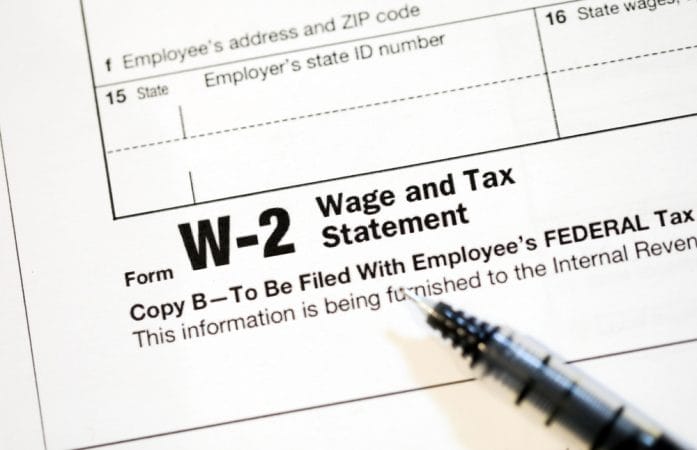
6 Hidden Triggers That Freeze Your Tax Refund – and How To Get it Released

April 6, 2026 by Brandon Marcus Leave a Comment

6 Hidden Triggers That Freeze Your Tax Refund - and How To Get it Released

Image Source: Shutterstock.com

Nothing tests patience quite like a tax refund that simply refuses to show up. One minute, everything looks filed and finished, and the next minute, the refund tracker stalls out like a car stuck in mud. That silence from the system starts to feel suspicious fast, especially when plans already formed around that incoming money. Rent, travel, savings goals, or even a small splurge suddenly hang in limbo, all because something triggered a stop behind the scenes.

That delay rarely happens without a reason, though, and it almost always ties back to specific flags that demand attention. The system doesn’t just “forget” refunds—it pauses them when something doesn’t line up, raises questions, or needs verification.

1. The Identity Check That Stops Everything Cold

Identity verification sits at the top of the list for a reason, and it can bring everything to a complete halt. When the system detects anything unusual—like a new address, different filing patterns, or suspicious activity—it locks the refund until identity confirmation happens. This step protects against fraud, but it also slows down legitimate filings that simply look different from previous years. A small change can trigger a big pause, especially if the system sees a mismatch in personal details.

That pause usually comes with a notice asking for verification through an online portal or by mail. Ignoring that notice guarantees a longer delay, while quick action can get things moving again. The fastest solution involves using the official identity verification tools and responding immediately when the request appears. Keeping documents like prior tax returns, Social Security details, and financial records within reach makes the process smoother. Double-checking personal information before filing reduces the chance of triggering this issue in the first place. Staying consistent with names, addresses, and filing status helps the system recognize the return as legitimate without hesitation.

The smartest move involves checking refund status regularly and watching for any verification requests. Acting quickly transforms a frustrating delay into a manageable step, while waiting too long stretches that timeline unnecessarily.

2. Math Errors That Raise Red Flags Instantly

Numbers matter more than ever when it comes to tax returns, and even small mistakes can trigger a freeze. A simple miscalculation—whether it involves income totals, credits, or deductions—forces the system to stop and review the return. Automated systems catch many of these issues quickly, but they still require correction before any refund gets released. That pause can feel especially frustrating when the error seems minor.

Tax software usually reduces this risk, but manual entries still create room for mistakes. Entering numbers incorrectly, skipping steps, or misunderstanding credit eligibility can all cause discrepancies. The system doesn’t just adjust the refund quietly—it often flags the return for further review. That review can add weeks or even months to the process, depending on the complexity of the issue.

A careful review before submission can prevent this problem entirely. Going line by line and confirming totals ensures accuracy from the start. Using reliable tax software or consulting a professional can also catch errors before they trigger a delay. If a mistake slips through, filing an amended return quickly can help resolve the issue faster. Accuracy upfront always beats corrections later, especially when time matters.

3. Missing or Mismatched Income Reports

Income reporting creates one of the most common causes of refund delays, and it often surprises people. Employers, banks, and other institutions send income forms directly to tax authorities, and those numbers must match exactly with what appears on the return. If even one form goes missing or includes incorrect figures, the system flags the return immediately.

This mismatch can happen for several reasons. A forgotten freelance job, a late-arriving form, or even a typo in reported income can throw everything off. The system doesn’t assume an innocent mistake—it assumes something needs verification. That triggers a review process that stops the refund until everything lines up perfectly.

The best strategy involves gathering every income document before filing, even the small ones that feel easy to overlook. Double-checking figures against official forms ensures consistency across the board. If a mismatch already caused a delay, correcting the return and providing documentation can speed things up. Staying organized during tax season reduces stress and keeps the refund process moving smoothly. Every number matters, and accuracy keeps the system satisfied.

4. Credits That Trigger Extra Scrutiny

Certain tax credits come with extra attention, especially those tied to larger refunds. Credits like the Earned Income Tax Credit or Child Tax Credit often require additional review because they involve specific eligibility rules. The system checks these claims carefully to prevent fraud, which means longer processing times for anyone claiming them.

That extra scrutiny doesn’t mean something went wrong—it simply means the system needs to confirm eligibility. Still, incomplete or incorrect information can stretch that review even further. Missing documentation, incorrect income levels, or inconsistencies in dependent information can all cause delays.

Filing accurately with complete details helps avoid unnecessary complications. Keeping records that support credit claims makes it easier to respond if verification becomes necessary. Submitting returns early can also help, since peak tax season often slows down processing times for these credits. Patience plays a role here, but preparation makes a huge difference. Claiming valuable credits should feel rewarding, not stressful, and the right approach keeps things on track.

5. Bank Account Issues That Block the Deposit

A refund can get approved and still fail to arrive if banking details don’t check out. Incorrect account numbers, closed accounts, or mismatched names can stop the deposit in its tracks. When that happens, the system reroutes the refund, often converting it into a paper check, which takes significantly longer to arrive.

This issue catches many people off guard because everything else on the return may look perfect. A single digit error in a routing number can derail the entire process. Even using an account that no longer exists can create delays that stretch for weeks.

Careful entry of banking information prevents this problem before it starts. Double-checking numbers and confirming account status ensures a smooth deposit process. Choosing direct deposit into a stable, active account speeds things up significantly. If an issue already occurred, monitoring mail delivery and updating information promptly can help recover the situation faster. Small details matter, especially when money moves electronically.

6. Filing Too Early—or Too Late—Creates Unexpected Trouble

Timing plays a bigger role than most people expect, and filing at the wrong moment can create delays. Submitting a return too early, before all documents arrive, increases the risk of missing or incorrect information. On the other hand, filing very late can place the return into a backlog, especially during peak processing periods.

Early filers often rush to beat the crowd, but incomplete data can trigger reviews that slow everything down. Late filers face a different challenge, as high volumes can overwhelm processing systems and extend timelines. Both scenarios lead to the same frustrating outcome: a frozen refund.

Finding the right timing requires a bit of patience and preparation. Waiting until all forms arrive ensures accuracy, while filing before the final rush can help avoid processing delays. Planning ahead makes a noticeable difference in how quickly refunds arrive. Smart timing keeps the process smooth and predictable instead of chaotic and uncertain.

6 Hidden Triggers That Freeze Your Tax Refund - and How To Get it Released

Image Source: Shutterstock.com

Unlock the Refund and Take Back Control

A frozen tax refund doesn’t happen by accident, and it doesn’t have to stay frozen forever. Each delay connects to a specific trigger, and every trigger comes with a clear solution once it gets identified. Whether it involves verifying identity, correcting errors, or confirming income details, action always beats waiting. The system responds to accuracy, consistency, and quick follow-up, and those factors put control back where it belongs.

So here’s the real question—what’s the one step that could make next tax season smoother and faster? Drop your thoughts, strategies, or even refund horror stories in the comments and get the conversation going.

You May Also Like…

Property Taxes Are Catching Homeowners Off Guard — Especially After Buying or Renovating

Direct Deposit Refunds Are Being Returned by Banks When Names Don’t Match the Account

IRS Refund Delays Surge: Incorrect Bank Info Is Triggering Weeks-Long Payment Holds

Refunds Are Being Delayed Over New IRS Identity Flags — Why More Returns Are Getting Pulled

Why Do Families Rely Too Much on Tax Refunds

Brandon Marcus
Brandon Marcus

Brandon Marcus is a writer who has been sharing the written word since a very young age. His interests include sports, history, pop culture, and so much more. When he isn’t writing, he spends his time jogging, drinking coffee, or attempting to read a long book he may never complete.


Filed Under: tax tips Tagged With: filing taxes, Financial Tips, IRS delays, IRS review, money advice, refund hold, refund status, tax errors, tax filing mistakes, tax refund, tax season, tax tips

Starting Retirement Savings at 30 With $0 — Is Catching Up Still Possible?

March 6, 2026 by Brandon Marcus Leave a Comment

Starting Retirement Savings at 30 With $0 — Is Catching Up Still Possible?

Image Source: Unsplash.com

Feeling like the clock is already ticking at 30 can make anyone uneasy, especially when retirement savings sit at zero. The good news is that starting late does not automatically mean giving up on financial stability later in life. Many people reach their thirties busy building careers, paying student loans, or simply learning how to manage money in a complicated world, and they wake up one day realizing retirement planning never really started. The truth sits somewhere between worry and hope, because catching up takes effort, discipline, and a solid understanding of how money grows over time. Starting from nothing at 30 is not a financial death sentence, and small smart moves today can snowball into meaningful security tomorrow.

The road ahead might feel long, but time still works in favor of anyone who starts now rather than waiting another decade. Compounding returns love patience, and steady contributions often matter more than perfection. People sometimes imagine retirement saving requires huge income or perfect financial knowledge, but real life shows something simpler.

Understanding the Starting Line: Where 30 Actually Fits in Retirement Planning

30 is not late in the grand story of financial life. Many workers begin thinking seriously about long-term retirement security during their early thirties after establishing careers and stabilizing income streams. Some people spend their twenties exploring jobs, traveling, learning, or recovering from student debt, and that experience does not destroy future financial possibilities. Starting at 30 simply means compressing the accumulation period a little bit compared to someone who started saving at 22, but compression does not equal failure. The human lifespan continues to expand, and modern retirement planning assumes people may live decades after leaving full-time work.

Some experts recommend aiming to save at least 10% to 15% of income if starting around 30 with no previous retirement funds. That target may sound intimidating, but breaking it into smaller steps helps reduce pressure. For example, saving 5% of income initially and increasing contributions whenever income rises can feel more realistic. Career growth often brings salary increases, and directing part of each raise toward retirement keeps lifestyle inflation under control. Watching expenses carefully without living miserably creates a balanced path forward.

Making Money Work Harder Than Worrying About Money

Investing becomes the real hero when starting late. Simply putting money into a savings account may feel safe, but inflation can quietly reduce purchasing power over decades. Many financial planners encourage diversified investment portfolios that balance risk and growth potential. Index funds, retirement accounts, and employer-sponsored plans all serve useful purposes if used correctly. People do not need advanced market knowledge to start investing, but learning basic asset allocation concepts helps avoid emotional decisions.

Starting Retirement Savings at 30 With $0 — Is Catching Up Still Possible?

Image Source: Unsplash.com

Tax considerations matter too when building retirement wealth. The IRS provides rules governing tax-advantaged retirement accounts, and using those accounts wisely can reduce taxable income while increasing long-term growth. Traditional retirement accounts may lower current taxable income, while Roth-style accounts often allow tax-free withdrawals later if conditions are met. Choosing between these options depends on expected future tax brackets, income stability, and personal financial goals.

Many people feel nervous about investing because markets move up and down. That feeling is completely normal. Markets do not move in straight lines, and short-term volatility should not automatically trigger panic selling. Historical data shows long-term investing usually rewards patience. Instead of watching daily price movements, checking portfolio progress every few months tends to support healthier financial behavior. Setting automatic contributions removes emotional decision-making from the process and keeps momentum alive.

Practical Catch-Up Strategies That Actually Work

Starting from zero means strategy matters more than perfection. First, building an emergency fund before aggressive investing helps protect retirement accounts from unexpected withdrawals. Having three to six months of living expenses saved in a separate account prevents job loss or medical surprises from destroying long-term plans. Second, controlling lifestyle inflation plays a huge role. Many people earn more as they age but also spend more on housing upgrades, cars, and entertainment. Keeping expenses slightly below income growth allows retirement contributions to rise naturally. Cooking at home sometimes, choosing value-based purchases, and avoiding unnecessary debt create breathing room for savings.

Third, automating savings reduces mental load. Setting payroll deductions or automatic transfers ensures money reaches retirement accounts before temptation appears. People tend to spend what sits in checking accounts, so automation works like a quiet financial partner who never forgets the plan.

Finally, checking progress once or twice per year helps maintain motivation. Watching net worth grow slowly can feel boring, but boring often means stable in finance. Avoid constant comparison with others because personal journeys differ. Financial success comes from long-term behavior rather than social pressure.

Staying Hopeful Without Ignoring Reality

Starting at 30 with zero savings means accepting two truths at once. One truth says catching up requires discipline, and the other says meaningful retirement security still stands within reach. People who begin saving aggressively in their thirties often reach comfortable retirement outcomes if they stay consistent and avoid major financial mistakes.

Some professionals suggest increasing saving rates whenever possible during the 30s and 40s because these years usually represent peak earning potential. Using windfalls such as bonuses, tax refunds, or side income can accelerate progress without affecting daily lifestyle.

Health also connects strongly to financial planning. Medical costs often rise with age, so maintaining good health habits saves money indirectly. Regular exercise, balanced nutrition, and preventive care support both life quality and financial stability. Remember that retirement planning is not about becoming wealthy overnight. It is about building independence and peace of mind over decades. Starting late requires determination, but determination often produces surprisingly strong results when paired with smart strategy.

The Simple Truth About Starting at 30

Missing earlier years does not erase future possibilities. Thirty years old is still young in investment time if planning continues until traditional retirement age. Small actions repeated consistently create momentum that compounds silently over time. The most important step sits right in front of anyone who feels behind: start today, even if the starting amount feels embarrassingly small.

Think of retirement savings like planting a tree. The best time to plant was years ago, but the second best time remains right now. Waiting for the perfect financial moment rarely works because life keeps moving. Taking one concrete step today beats planning endlessly without action.

So what matters more right now — waiting for better circumstances, or taking the first small step toward tomorrow’s freedom? What are your retirement plans? We want to hear about them in the comments section below.

You May Also Like…

10 Hidden 401(k) Fees That Can Eat Into Your Retirement Savings

Waiting on Social Security? Why Thousands of Retirees Are Stuck in Payment Limbo Right Now

7 Medical Costs That Can Wreck Retirement Even With Solid Savings

Modern Taxation Explained: Filing, Records, and Savings

Savings Repair: 4 Moves to Catch Up if You’re Within 10 Years of Retirement

Brandon Marcus
Brandon Marcus

Brandon Marcus is a writer who has been sharing the written word since a very young age. His interests include sports, history, pop culture, and so much more. When he isn’t writing, he spends his time jogging, drinking coffee, or attempting to read a long book he may never complete.

Filed Under: Retirement Tagged With: 30s finance, catch up savings, future security, money advice, personal finance tips, Planning, retirement savings, Retirement Strategy, saving at 30, starting late

The $1,000 Crisis: Why Most Families Can’t Handle a Simple Emergency Anymore

February 19, 2026 by Brandon Marcus Leave a Comment

The $1,000 Crisis: Why Most Families Can’t Handle a Simple Emergency Anymore

Image Source: Pixabay.com

A thousand dollars should not feel like a financial earthquake. Yet for millions of households across the United States, it does. Recent surveys from sources such as the Federal Reserve and Bankrate consistently show that a large share of adults would struggle to cover a $400 or $1,000 unexpected expense with cash or savings. Many say they would rely on credit cards, loans, or help from friends and family. That reality reveals something deeper than poor planning. It exposes a fragile system where everyday life leaves almost no margin for error.

The $1,000 crisis does not start with irresponsibility. It starts with math that simply does not work anymore.

The Shrinking Cushion in the American Household

Families once relied on modest buffers—small savings accounts, manageable housing costs, stable job benefits. Over time, those cushions thinned out. Housing prices and rents have climbed sharply over the past decade, especially after 2020, while wage growth has struggled to keep pace with inflation in many sectors.

When fixed costs take up most of a paycheck, flexibility disappears. A car repair or medical bill does not arrive as an inconvenience; it arrives as a threat. Even families with steady employment find themselves one surprise away from high-interest debt.

Credit cards often step in to fill the gap. Credit card balances in the United States have reached record highs in recent years, and average interest rates on those cards hover above 20 percent. That means a $1,000 emergency can quietly turn into $1,200 or $1,300 if someone cannot pay it off quickly. Debt compounds stress, and stress fuels more financial mistakes. The cycle tightens.

Inflation Changed the Game—and It Hasn’t Fully Let Up

Inflation surged to levels not seen in four decades during 2022, and while the rate has slowed since then, prices have not returned to their previous levels. Groceries still cost more than they did before the pandemic. Car insurance premiums have jumped in many states. Childcare costs strain families across income brackets.

When prices rise quickly, savings lose ground. A family that built a small emergency fund before 2020 might have felt confident with $2,000 set aside. Today, that same amount covers fewer months of expenses. Inflation does not just shrink purchasing power; it shrinks peace of mind, especially for low-income households.

Wages have increased in many industries, but they often lag behind rapid cost spikes. Lower-income households feel that gap most sharply because essentials consume a larger share of their income. When every dollar already has a job, no spare cash exists for a rainy day.

The Disappearing Middle-Class Margin

For decades, the middle class relied on stable employment, employer-sponsored health insurance, and predictable career paths. That stability has eroded. Gig work, contract roles, and unpredictable schedules now define large parts of the labor market. While flexibility appeals to some workers, inconsistent income complicates financial planning.

Healthcare costs also create enormous uncertainty. Even insured families face high deductibles and surprise bills. A single emergency room visit can cost thousands of dollars before insurance covers the rest. Medical debt remains one of the leading causes of financial hardship in the United States.

Education expenses add another layer. Student loan balances still burden millions of borrowers, even after temporary payment pauses ended. Those monthly payments compete directly with savings goals. When families juggle rent, groceries, insurance, childcare, and loan payments, an emergency fund often falls to the bottom of the list.

The $1,000 Crisis: Why Most Families Can’t Handle a Simple Emergency Anymore

Image Source: Unsplash.com

Why Financial Literacy Alone Won’t Fix It

People often frame the $1,000 crisis as a knowledge problem. They argue that better budgeting apps or more financial education would solve everything. Education helps, but it does not override structural pressures like stagnant wages or rising housing costs.

Many families already budget carefully. They compare grocery prices, cook at home, delay vacations, and skip luxuries. Yet fixed expenses consume so much income that little remains to save. Blaming individuals ignores the economic context.

At the same time, agency still matters. Households can renegotiate bills, shop insurance rates annually, and challenge unnecessary fees. Many companies quietly reduce rates when customers ask. Negotiating rent, refinancing loans when rates drop, and consolidating high-interest debt can free up cash flow.

The Emotional Toll of Living One Bill Away from Trouble

Financial fragility affects more than bank accounts. It impacts mental health, relationships, and physical well-being. Constant worry about money increases stress levels, disrupts sleep, and strains marriages. The American Psychological Association frequently reports that money ranks as a top source of stress for adults.

Stress clouds judgment. When someone feels cornered, short-term relief often wins over long-term strategy. A high-interest loan promises quick cash, even if it creates deeper problems later. Breaking that pattern requires both financial tools and emotional support.

Families can reduce anxiety by setting clear, achievable milestones. Instead of aiming for six months of expenses immediately, target the first $500. Celebrate that win, and then push toward $1,000. Progress builds confidence, and confidence encourages consistency.

Practical Steps to Build a Real Buffer

A realistic plan beats vague intentions every time. Start by calculating essential monthly expenses: housing, utilities, food, insurance, transportation, minimum debt payments. Multiply that number by one. That figure becomes the first emergency fund goal.

Next, examine income streams. Could a side skill generate extra cash for a few months? Freelance projects, tutoring, pet sitting, or weekend shifts can accelerate savings. Short-term hustle for long-term security often makes sense.

Cutting expenses does not require extreme deprivation. Swapping brand-name groceries for store brands, preparing meals at home, and reviewing subscription services can produce meaningful savings without crushing morale. Direct every dollar saved into the emergency fund immediately, rather than letting it blend into general spending.

The Real Cost of Ignoring the $1,000 Problem

When families cannot handle small emergencies, the broader economy feels the impact. High consumer debt limits spending power. Financial stress reduces productivity and increases healthcare costs. Instability spreads outward.

Policymakers debate solutions such as higher minimum wages, expanded tax credits, affordable childcare programs, and healthcare reforms. Those discussions matter because structural change can strengthen household balance sheets. Yet individuals cannot wait for sweeping reform before taking action.

The $1,000 crisis reveals a fragile financial foundation. It shows how thin the line between stability and chaos has become for many families. But it also highlights an opportunity. Small, disciplined steps compound over time, and modest buffers grow into meaningful security.

A Thousand Dollars Should Not Decide Your Future

A $1,000 emergency should inconvenience a family, not destabilize it. Yet current economic realities have turned that sum into a breaking point for too many households. Rising costs, high-interest debt, unpredictable income, and limited savings create a perfect storm.

Financial resilience does not require perfection. It requires consistency and a refusal to accept permanent fragility as normal. The first $100 matters. The first $500 matters. Momentum matters.

What would it take for your household to feel truly secure against a $1,000 emergency? If you have any budgeting or financial ideas that could help others, feel free to share them below.

You May Also Like…

Why Your Emergency Fund Isn’t Protecting You the Way It Did Five Years Ago

The “Safe” Budget Rules That Quietly Stop Working After Age 60

Why Are Emergency Funds Harder to Rebuild Than People Expect

Why Does Budgeting Feel More Emotional Than Logical

7 Budget Foods Americans Rely On That Doctors Say Create Bigger Problems Later


Brandon Marcus
Brandon Marcus

Brandon Marcus is a writer who has been sharing the written word since a very young age. His interests include sports, history, pop culture, and so much more. When he isn’t writing, he spends his time jogging, drinking coffee, or attempting to read a long book he may never complete.

Filed Under: Personal Finance Tagged With: Cost of living, Debt, economic trends, emergency fund, family finances, financial stress, household budgeting, Inflation, middle class, money advice, Personal Finance, savings tips

Americans Carry $1.23 Trillion in Credit Card Debt as 2026 Begins

February 7, 2026 by Brandon Marcus Leave a Comment

Americans Carry $1.23 Trillion in Credit Card Debt as 2026 Begins

Image source: shutterstock.com

Welcome to the new year—it already has a price tag.

Unfortunately, the start of the year comes with some bad news. As 2026 kicks off, Americans are carrying a staggering $1.23 trillion in credit card debt, according to widely reported Federal Reserve data. It’s a record that feels less like a milestone and more like a collective stress headache. Many households entered the new year juggling holiday spending, higher everyday costs, and interest rates that make even small balances feel like they’re growing on their own.

If you’ve been feeling the financial squeeze, you’re far from alone—and understanding what’s driving this surge can help you navigate the months ahead with a little more clarity and a lot less panic.

Why Credit Card Balances Have Climbed So High—And Why It Matters

Credit card debt didn’t balloon overnight. Rising prices over the past few years have pushed many families to rely on credit just to keep up with essentials like groceries, utilities, and transportation. Even as inflation has cooled from its peak, the cost of living remains noticeably higher than it was just a few years ago.

Combine that with interest rates that have hovered at elevated levels, and suddenly carrying a balance becomes far more expensive. Many Americans are finding that even when they make consistent payments, their balances barely budge because interest is eating up so much of their monthly contribution. This creates a cycle that’s difficult to break, especially for households already stretched thin.

High Interest Rates Are Turning Small Balances Into Long-Term Burdens

One of the biggest contributors to the debt surge is the cost of borrowing itself. Credit card interest rates have remained high, with many cards charging APRs above 20 percent. That means even a modest balance can snowball quickly if it isn’t paid off in full. For example, carrying a $1,000 balance at a 22 percent APR and making only minimum payments can stretch repayment into years.

Many consumers don’t realize how much interest they’re paying until they look closely at their statements. If you’re feeling stuck, consider strategies like transferring a balance to a lower‑interest card, paying more than the minimum whenever possible, or targeting the highest‑interest card first to reduce long‑term costs.

Everyday Expenses Are Quietly Fueling the Debt Surge

While holiday spending often gets blamed for rising credit card balances, the truth is that everyday expenses are the real culprit for many families. Groceries, rent, insurance premiums, and medical costs have all increased in recent years, and wages haven’t always kept pace. When budgets are tight, credit cards become a safety valve—something to lean on when the checking account runs dry before the next paycheck arrives.

The problem is that using credit for essentials makes it harder to pay down balances later, especially when those essentials never stop coming. One helpful approach is reviewing your monthly expenses and identifying areas where small adjustments could free up cash for debt repayment. Even minor changes can add up over time.

Americans Carry $1.23 Trillion in Credit Card Debt as 2026 Begins

Image source: shutterstock.com

Buy Now, Pay Later Isn’t Replacing Credit Cards—It’s Adding to the Pile

Buy Now, Pay Later (BNPL) services have exploded in popularity, offering shoppers the ability to split purchases into smaller payments. While these services can be useful when used responsibly, they can also create a false sense of affordability. Many consumers end up juggling multiple BNPL plans alongside their credit card bills, which can make budgeting more complicated.

Unlike credit cards, BNPL plans don’t always show up on statements in a way that’s easy to track, leading some people to underestimate how much they owe. If you use BNPL, consider keeping a simple list of active plans and their due dates. It’s a small step that can prevent accidental overspending.

Rising Debt Doesn’t Mean Americans Are Irresponsible—It Means They’re Stretched

It’s easy to assume that rising credit card debt is the result of overspending, but the reality is far more nuanced. Many households are using credit cards to bridge gaps created by higher costs, unexpected expenses, or irregular income. Others are dealing with medical bills, car repairs, or childcare costs that simply don’t fit into their monthly budgets.

The narrative that Americans are “bad with money” doesn’t reflect the lived experience of millions of people who are doing their best in a challenging economic environment. Recognizing this can help reduce the shame that often accompanies debt—and make it easier to take practical steps toward improvement.

What Americans Can Do to Protect Their Finances in 2026

While the national debt total may feel overwhelming, there are actionable steps individuals can take to regain control. Start by reviewing your interest rates and prioritizing the highest ones first. Even small extra payments can reduce long‑term costs significantly.

Consider calling your credit card issuer to request a lower APR—many people are surprised to learn that this sometimes works. Building a small emergency fund, even just a few hundred dollars, can help prevent future reliance on credit when unexpected expenses pop up. And if your debt feels unmanageable, nonprofit credit counseling agencies can help you explore options without judgment or pressure.

Debt Is High, But Knowledge Is Rising

The $1.23 trillion figure is undeniably daunting, but it’s also a reminder of how important financial awareness is in times like these. Understanding how interest works, recognizing spending patterns, and making small but consistent changes can help you stay grounded even when the economic landscape feels uncertain.

You don’t need to overhaul your entire financial life overnight—just taking one step at a time can make a meaningful difference. And as 2026 unfolds, staying informed and proactive will be one of the most powerful tools you have.

Have rising costs or interest rates changed the way you use your credit cards? Give us your financial tips in the comments section so you can help others.

You May Also Like…

The 48-Hour Debt Collection Rule: How New Laws Let Lenders Freeze Accounts Faster in 2026

Retail Store Credit Cards Now Charging 30% APR on Average

7 Ways Credit Card Debt Builds Faster Than Expected

6 Warning Signs That Your Credit Card Is A Problem

Holiday Debt: 9 Warning Signs Your Spending Is Already Off Track

Brandon Marcus
Brandon Marcus

Brandon Marcus is a writer who has been sharing the written word since a very young age. His interests include sports, history, pop culture, and so much more. When he isn’t writing, he spends his time jogging, drinking coffee, or attempting to read a long book he may never complete.

Filed Under: Debt Management Tagged With: 2026 finance trends, Budgeting Tips, consumer spending, Credit card debt, Debt, Debt Management, financial literacy, Inflation, interest rates, money advice, Personal Finance, U.S. economy

Asset Pivot: 6 Real-World Allocation Moves Advisors Are Using This Month

December 26, 2025 by Brandon Marcus Leave a Comment

Here Are 6 Real-World Allocation Moves Advisors Are Using This Month

Image Source: Shutterstock.com

Investing doesn’t have to feel like wandering through a foggy maze with a blindfold on; in fact, right now markets are buzzing, dialing up excitement and opportunity for those who know where to look. This month, advisors everywhere are making bold, strategic allocation pivots that are not just reactive to headlines, but responsive to real economic signals, fresh data, and evolving risk‑reward dynamics in global markets.

With inflation narratives changing like dance partners at a wedding, fixed income yields flirting with long‑dormant highs, and sectors such as energy, technology, and alternatives showing distinct trajectories, savvy professionals are steering client portfolios in ways that could have real impact.

1. Increasing Exposure To Short‑Duration Bonds

Advisors are shifting part of their fixed income allocations into short‑duration bonds to help manage interest rate risk while still capturing attractive yields in the current rate regime. With central banks signaling a willingness to stand firm on policy until inflation is squarely back at target, longer maturities are carrying greater volatility that many clients would rather avoid. Shorter durations typically mean reduced price sensitivity when rates move, which is a key consideration for those who want steadier income without excessive swings.

Many advisors are layering in high‑quality corporate and municipal short bonds to balance safety with return potential, particularly for clients nearing retirement. This move also reflects a broader understanding that liquidity and flexibility are increasingly valuable in unpredictable markets.

2. Embracing Real Assets Like Infrastructure And Commodities

Tangible assets such as infrastructure and commodities have seen a resurgence in advisor conversations as inflation hedges and diversifiers in traditional portfolios. Infrastructure investments—spanning transportation, utilities, and communication networks—offer the promise of stable, inflation‑linked cash flows that can support long‑term financial goals. Meanwhile, commodities from energy to agriculture provide exposure to real economic activity and can perform well when financial assets lag. Advisors are crafting allocations that blend these real assets with equities and bonds to improve overall portfolio resilience. For investors willing to accept some extra complexity, real assets can be an engaging avenue to capture growth in the physical economy.

3. Tilting Toward Quality Growth Stocks

Equities remain a central pillar of most portfolios, but the flavor of choice has shifted toward quality growth stocks that exhibit robust earnings, strong balance sheets, and sustainable competitive advantages. Advisors are advising clients to reconsider high‑beta, speculative names in favor of companies with proven performance and durable business models that can weather turbulence. This doesn’t mean eliminating all risk, but rather channeling risk into names with higher probability of long‑term success, especially in sectors like health care, technology, and consumer staples where innovation continues unabated.

Many firms are also integrating environmental, social, and governance (ESG) metrics to align quality with purpose and risk management. This pivot underscores a broader market wisdom that not all growth is created equal, and that disciplined selection often trumps broad exposure.

4. Allocating To International Markets With Selectivity

Global diversification is back in the spotlight as advisors explore regions and markets that may offer compelling valuations outside the domestic arena. Emerging markets, particularly in Asia, are attracting attention due to demographic advantages, technological adoption, and cyclical rebounds in key industries. Europe, with its unique economic composition and policy shifts, offers opportunities for investors who can tolerate currency and geopolitical nuance.

At the same time, select developed markets are appealing for their stability and dividend yields, making them attractive complements to U.S. holdings. The overarching theme is not indiscriminate global buying, but rather thoughtful allocation to regions poised for differentiated growth while managing exposure to risk factors like inflation, trade tensions, and monetary policy divergence.

Here Are 6 Real-World Allocation Moves Advisors Are Using This Month

Image Source: Shutterstock.com

5. Boosting Alternative Investments For Diversification

Alternative investments such as private equity, hedge funds, and non‑traditional credit are increasingly part of advisor conversations as tools to enhance diversification and potentially improve risk‑adjusted returns. These strategies can behave differently from public equities and fixed income, offering cushioning effects when traditional markets are choppy or correlated. For instance, certain hedge fund strategies aim to profit from volatility or inefficiencies in markets where traditional asset classes struggle, adding strategic value for client portfolios. Private credit is gaining traction as banks retrench from certain lending spaces, providing yield‑seeking investors with access to bespoke opportunities. Advisors are, nevertheless, balancing these allocations with liquidity considerations and client goals, recognizing that not every investor is suited for long lockups or complexity.

6. Integrating Thematic Plays Around Innovation And Sustainability

Thematic investing remains a popular way to align portfolios with long‑term megatrends in areas like artificial intelligence, clean energy, and sustainable agriculture. Advisors are structuring allocations that allow clients to tap into innovation without becoming overconcentrated in any single theme or company. For instance, funds focused on AI infrastructure, robotics, or renewable energy are being blended with core holdings to capture growth while maintaining broad diversification. Sustainable investments also resonate with clients who prioritize environmental and social impact alongside financial returns, creating engagement and long‑term alignment. These thematic pivots are not about chasing every trend, but about thoughtfully integrating forward‑looking sectors that have structural support from technological adoption and policy incentives.

Reflecting On Allocation Moves And Your Financial Journey

Now that you’ve explored six real‑world allocation moves advisors are using this month, you might be buzzing with ideas about how these strategies could influence your own financial approach or spark thoughtful conversations with your advisor. These allocation changes reflect a dynamic investment landscape that rewards both discipline and creativity, and they remind us that flexibility and awareness are vital tools in any investor’s toolkit.

Are you contemplating a similar pivot in your own strategy, or have you already begun making changes that feel timely and smart? We’d love to hear your thoughts or any stories about how these kinds of moves have played out in your experience.

You May Also Like…

6 Ways Your Financial Advisor Can Help With Your New Year’s Resolutions

Market Frame: 4 Visual Techniques Advisors Use to Explain Risk Better

Could Your Advisor’s Advice Change If They Knew More About Your Personality

Why Do So Many Clients Demand Advice About Buying Cars Instead of Homes

Asset Migration: 5 Emerging Market Trends Retirees Should Know Before January


Brandon Marcus
Brandon Marcus

Brandon Marcus is a writer who has been sharing the written word since a very young age. His interests include sports, history, pop culture, and so much more. When he isn’t writing, he spends his time jogging, drinking coffee, or attempting to read a long book he may never complete.

Filed Under: Financial Advisor Tagged With: advisors, allocation, alternative investments, assets, bonds, commodities, diversify, financial advisor, financial advisors, growth stocks, international investing, Money, money advice, money issues, money matters, stock market, stocks

Should You Switch Advisors Before The New Year Or Wait Until Markets Stabilize?

December 24, 2025 by Brandon Marcus Leave a Comment

Should You Switch Advisors Before The New Year Or Wait Until Markets Stabilize?

Image Source: Shutterstock.com

The year is winding down, your portfolio has taken you on a rollercoaster ride worthy of a theme park, and your financial advisor might feel more like a seatbelt than a co-pilot. The clock is ticking toward the new year, tax season is looming, and whispers of market volatility are swirling like confetti in the wind. You might be asking yourself: “Should I switch advisors now or wait until the dust settles?”

It’s not just a question about money—it’s about timing, strategy, and a dash of gut instinct. We’re about to break down everything you need to consider before making the leap.

Understanding Why Timing Matters More Than You Think

Timing is everything, especially when it comes to your finances. Changing advisors at the wrong moment can mean missed opportunities or unnecessary fees, while waiting too long could leave you stuck with strategies that no longer fit your goals. The end of the year is often full of tax implications, bonus payouts, and portfolio rebalancing that can complicate a switch. Advisors themselves often adjust their focus during this period, so you might not get the attention you deserve if you wait. Understanding market cycles, personal financial goals, and your advisor’s availability is crucial to making the right move.

Evaluating Your Current Advisor’s Performance Honestly

Before you even think about jumping ship, take a hard look at your current advisor. Are they actively managing your portfolio in alignment with your goals, or is it more autopilot than strategy? Communication matters—do they explain the “why” behind their decisions in a way you actually understand? Past performance isn’t a guarantee, but it’s a strong indicator of future reliability and attention. Sometimes, a frank conversation can clarify things more than a complete change ever could.

Analyzing Market Conditions And Their Effect On Decision Making

Volatility is the enemy of hesitation, but also the friend of opportunity if you play it right. If markets are swinging wildly, making a sudden change might result in buying or selling at less-than-ideal times. Conversely, waiting for “stability” that may never come could mean postponing beneficial strategic moves. It’s about balance: understanding risk tolerance, market trends, and how your investment horizon fits into both. Sometimes, the best move is proactive rather than reactive, and that requires careful analysis.

Understanding The Costs And Risks Of Switching Advisors

Switching advisors isn’t just a handshake and a new business card—it comes with potential costs and logistical headaches. Account transfers can take weeks, fees may apply, and untimely trades could lock in losses. Additionally, a new advisor will need time to understand your financial picture, which might temporarily slow down active management. The emotional cost of change shouldn’t be underestimated either; financial trust is built over time, not overnight. Knowing these risks allows you to plan your move strategically rather than impulsively.

Should You Switch Advisors Before The New Year Or Wait Until Markets Stabilize?

Image Source: Shutterstock.com

Identifying Red Flags That Suggest Immediate Action

Some situations demand swift action, no matter what the calendar or market says. If your advisor has consistently missed calls, failed to follow up, or executed strategies that contradict your objectives, it may be time to move. Ethical concerns, lack of transparency, or recurring mistakes can jeopardize both your financial health and peace of mind. Recognizing these red flags early prevents minor issues from snowballing into major regrets. Trust your instincts—they’re often grounded in valid observations.

Weighing The Advantages Of Waiting

Waiting can be a strategic choice rather than procrastination. A little patience can allow market volatility to settle, giving you a clearer view of trends and a stronger negotiating position with a new advisor. Year-end bonuses, tax-loss harvesting, and other seasonal financial maneuvers can also be optimized if you stay put temporarily. Waiting gives you time to vet potential new advisors carefully, ensuring you’re making a move based on analysis, not frustration. Sometimes, holding steady is just as proactive as switching.

Planning The Transition Smoothly And Strategically

If the decision is to move forward, planning is everything. Coordinate with both your current and future advisor to ensure accounts are transferred efficiently, assets are managed properly, and no investment opportunities are lost. Communicate clearly about your goals, risk tolerance, and expectations to avoid misalignment early on. Keep an eye on timing—transitions that overlap with critical market events may need extra caution. A structured approach transforms what could be a stressful ordeal into a seamless transition that strengthens your financial future.

Focusing On Your Long-Term Financial Goals

Ultimately, whether you switch now or later, the bigger picture should guide you. Short-term market fluctuations are noisy, but your long-term goals—retirement, homeownership, education funds—are what matter most. Ensure that any advisor you choose aligns with these objectives, communicates clearly, and provides guidance beyond simple portfolio management. Long-term success is rarely about perfect timing—it’s about consistency, strategy, and trust. Remember, advisors are tools, not crutches; the right one enhances your journey rather than dictates it.

Making The Choice That Fits You

Deciding whether to switch advisors before the new year or wait until markets stabilize is a personal strategy game. It requires evaluating your current advisor, understanding market dynamics, considering costs, and weighing emotional and logistical factors. There is no universal “perfect” time—it’s about aligning your move with your financial goals and comfort level. Take your time to analyze, consult, and plan, because your money deserves a thoughtful, strategic approach.

Let us know your thoughts or experiences in the comments section below—how have you approached advisor changes and market timing in the past?

You May Also Like…

Tech-Threat: 5 Ways AI Is Changing What Your Financial Advisor Should Be Doing for You

7 Strange Questions Financial Advisors Secretly Love to Answer

6 Subtle Signs Your Financial Advisor Should Be Fired Immediately

Could Your Real-Estate Holdings Lose Value Faster Than Your Advisor Expects?

11 Cryptocurrencies Your Advisor Doesn’t Want You Researching Alone

Brandon Marcus
Brandon Marcus

Brandon Marcus is a writer who has been sharing the written word since a very young age. His interests include sports, history, pop culture, and so much more. When he isn’t writing, he spends his time jogging, drinking coffee, or attempting to read a long book he may never complete.

Filed Under: Financial Advisor Tagged With: advice, financial advice, financial advisor, invest, investing, investing advice, market conditions, Money, money advice, money issues, stock market

10 Reasons You’re More Likely to Get Money From a GoFundMe Than A Family Member

May 16, 2025 by Travis Campbell Leave a Comment

Giving money

Image Source: pexels.com

When you’re in a financial pinch, it’s natural to think of turning to family first. After all, who knows you better? But in today’s world, more and more people are finding that launching a GoFundMe campaign is actually a more effective way to get the help they need. Whether it’s for medical bills, emergency expenses, or chasing a dream, crowdfunding platforms have changed how we ask for and receive support. If you’ve ever wondered why strangers on the internet might be more generous than your own relatives, you’re not alone. Let’s dive into the top 10 reasons you’re more likely to get money from a GoFundMe than a family member, and what that means for your financial future.

1. Wider Audience, Bigger Pool

One of the biggest advantages of GoFundMe is sheer reach. When you ask a family member for help, you’re limited to your immediate circle. But with a GoFundMe campaign, your story can be shared with hundreds or millions of people. The more eyes on your campaign, the higher your chances of getting donations. Over 100 million people have donated to campaigns worldwide. That’s a much bigger pool than your family reunion.

2. No Awkward Conversations

Let’s face it: asking family for money can be uncomfortable. There’s the fear of judgment, the possibility of being turned down, and the awkwardness that can linger long after. With GoFundMe, you can share your story without the face-to-face pressure. People can choose to give—or not—without any hard feelings or family drama.

3. Emotional Storytelling Works

GoFundMe campaigns thrive on compelling stories. When you craft a heartfelt narrative, complete with photos and updates, you tap into the empathy of strangers. People love to help when they feel emotionally connected to a cause. On the other hand, family members may already know your story and be less moved by it, or may have their own opinions about your situation.

4. No Strings Attached

Family loans often come with expectations—whether it’s paying the money back, doing favors, or dealing with guilt trips. GoFundMe donations are typically given with no expectation of repayment. Donors give because they want to help, not because they expect something in return. This makes the process less stressful and more straightforward.

5. Social Proof Inspires Giving

When people see others donating to your GoFundMe, they’re more likely to chip in themselves. This phenomenon, known as social proof, is a powerful motivator. Family members may hesitate to help if they think others aren’t pitching in, but the momentum of a successful campaign often inspires strangers. Psychology Today explains how social proof can drive generosity in online giving.

6. Anonymity for Donors

Some people want to help but prefer to stay anonymous. GoFundMe allows donors to give without revealing their identity, which can encourage more people to contribute. Family members, on the other hand, can’t really give anonymously, and that can make things awkward, especially if some relatives give more than others.

7. No Family Baggage

Family relationships are complicated. Old grudges, sibling rivalries, or differing opinions about money can get in the way of support. With GoFundMe, you’re reaching out to people with no personal history with you. They’re simply responding to your need, not to years of family dynamics.

8. People Love to Be Part of Something Bigger

Donating to a GoFundMe campaign gives people a sense of purpose and community. They feel like they’re part of a movement, helping someone achieve a goal or overcome a challenge. Family members may see your request as just another obligation, but strangers often see it as an opportunity to make a difference.

9. Easier to Share and Go Viral

Social media makes it easy to share your GoFundMe campaign far and wide. A compelling story can quickly go viral, attracting donations from people you’ve never met. On the other hand, family requests are usually private and don’t benefit from the power of online sharing.

10. Changing Attitudes About Asking for Help

There’s less stigma around asking for help online than there used to be. Crowdfunding has become a normal, even celebrated, way to get support. Family members may still hold old-fashioned views about self-reliance or pride, but the GoFundMe community is built on the idea that it’s okay to ask for help when you need it. According to CBS News, more Americans are turning to crowdfunding for everything from medical bills to education.

Rethinking How We Ask for Help

The rise of GoFundMe and other crowdfunding platforms has fundamentally changed the way we seek financial support. While family will always be important, the reality is that a GoFundMe campaign can connect you with a much larger, more empathetic audience—one that’s often more willing and able to help. If you’re facing a financial challenge, don’t be afraid to tell your story to the world. You might be surprised by how many people are ready to lend a hand.

Have you ever turned to GoFundMe or family for financial help? Share your story or thoughts in the comments below!

Read More

How to Fund a Startup When You Don’t Have Any of Your Own Money

A Guide to Securing an Emergency Loan for Rent

Travis Campbell
Travis Campbell

Travis Campbell is a digital marketer/developer with over 10 years of experience and a writer for over 6 years. He holds a degree in E-commerce and likes to share life advice he’s learned over the years. Travis loves spending time on the golf course or at the gym when he’s not working.

Filed Under: charitable giving Tagged With: crowdfunding, family finances, financial help, Go Fund Me, money advice, online fundraising, Personal Finance

FOLLOW US

Search this site:

Recent Posts

  • Can My Savings Account Affect My Financial Aid? by Tamila McDonald
  • 12 Ways Gen X’s Views Clash with Millennials… by Tamila McDonald
  • What Advantages and Disadvantages Are There To… by Jacob Sensiba
  • Call 911: Go To the Emergency Room Immediately If… by Stephen Kanaval
  • 10 Tactics for Building an Emergency Fund from Scratch by Vanessa Bermudez
  • 7 Weird Things You Can Sell Online by Tamila McDonald
  • 10 Scary Facts About DriveTime by Tamila McDonald

Copyright © 2026 · News Pro Theme on Genesis Framework