• Home
  • About Us
  • Toolkit
  • Getting Finances Done
    • Hiring Advisors
    • Debt Management
    • Spending Plan
  • Insurance
    • Life Insurance
    • Health Insurance
    • Disability Insurance
    • Homeowners/Renters Insurance
  • Contact Us
  • Privacy Policy
  • Risk Tolerance Quiz

The Free Financial Advisor

You are here: Home / Archives for Medicare Part B

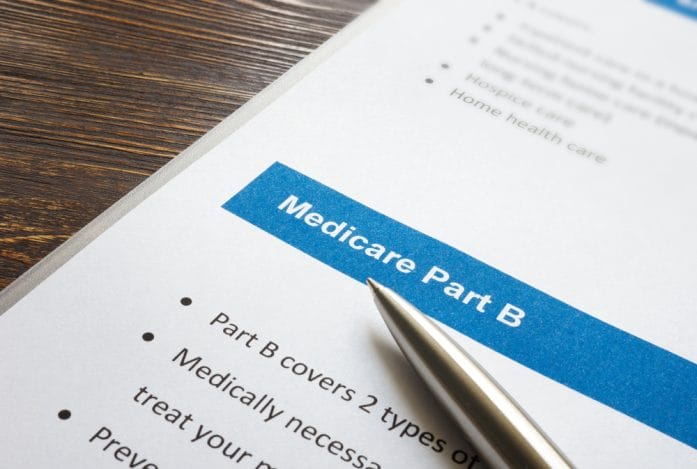
Why Free Preventive Care Isn’t Always Free, Even With Medicare

April 11, 2026 by Brandon Marcus Leave a Comment

Why Free Preventive Care Isn’t Always Free, Even With Medicare

Image Source: Shutterstock.com

What could be better than free? No fine print, no surprises, no catch—that’s the dream, right? Medicare leans into that word when it promotes preventive care, and it does it confidently. Screenings, wellness visits, and certain tests come wrapped in the promise of zero out-of-pocket cost. That pitch feels reassuring, especially when healthcare expenses already carry enough weight. But that word—free—starts to lose its shine once the details come into focus and the billing codes start doing their thing behind the scenes.

Medicare does cover a long list of preventive services at no cost, but only under very specific conditions that don’t always match what actually happens during an appointment. A visit that begins as a simple check-up can quietly evolve into something else, and that shift can trigger charges that catch people off guard.

When “Preventive” Turns Into “Diagnostic” Real Fast

Medicare draws a sharp line between preventive care and diagnostic care, and that line matters more than it first appears. Preventive care includes routine screenings, annual wellness visits, and services designed to catch problems early before symptoms show up. Medicare Part B usually covers these services at 100 percent, as long as a provider accepts Medicare assignment. That sounds straightforward, but the moment a provider shifts focus from prevention to investigation, the billing category changes completely. That change can happen quickly, sometimes within the same appointment.

A simple example brings this into focus. A routine screening might start as a preventive service, but if a doctor finds something unusual and decides to take a closer look, that follow-up often counts as diagnostic care. Medicare treats that as a different service, which means deductibles and coinsurance can apply. The visit didn’t feel different, but the billing certainly does. That difference explains why a “free” visit can suddenly come with a price tag.

Understanding that distinction helps avoid confusion later. Asking the provider whether a service will stay preventive or shift into diagnostic territory can make a big difference. That question might feel small, but it can protect against surprise costs. Staying aware of how quickly a visit can change direction keeps expectations grounded and helps keep control over healthcare spending.

The Annual Wellness Visit Isn’t What It Sounds Like

The Annual Wellness Visit under Medicare sounds like a full head-to-toe checkup, but it doesn’t work that way. This visit focuses on prevention planning, health risk assessments, and creating a roadmap for future care. It includes reviewing medical history, checking vital signs, and discussing lifestyle factors, but it does not include a comprehensive physical exam. That distinction catches many people off guard because the name suggests something much more thorough.

When a provider adds extra services during that visit, such as addressing new symptoms or performing additional tests, those services may fall outside the “free” category. Medicare allows providers to bill separately for those additions, which means costs can show up even though the appointment started as a wellness visit. The visit itself remains covered, but the extras don’t necessarily follow that rule.

Setting clear expectations before the appointment can help avoid that scenario. Asking what the visit includes and what might count as an additional service creates clarity upfront. That small step can prevent confusion and help keep the visit aligned with its intended purpose. Knowing exactly what the Annual Wellness Visit covers—and what it doesn’t—turns it into a useful tool instead of a confusing experience.

Screenings Are Free… Until They’re Not

Medicare covers a wide range of screenings, from cancer checks to cardiovascular tests, and it often covers them fully when they meet specific criteria. Timing, frequency, and eligibility all play a role in determining whether a screening qualifies as preventive. For example, Medicare may cover a screening once every certain number of years or only for individuals who meet particular risk factors. Staying within those guidelines keeps the service in the “free” category.

The situation changes when a screening leads to additional testing. If a screening uncovers something that needs further evaluation, the follow-up tests typically fall under diagnostic care. That shift brings costs into the picture, even though the process started with a covered screening. The transition feels seamless during the visit, but the billing reflects a clear distinction.

Keeping track of eligibility and timing helps avoid unnecessary charges. Scheduling screenings within Medicare’s recommended intervals ensures coverage stays intact. Asking whether a test qualifies as preventive before agreeing to it can also help maintain control over costs. That extra layer of awareness makes a noticeable difference, especially when multiple tests come into play.

Why Free Preventive Care Isn’t Always Free, Even With Medicare

Image Source: Shutterstock.com

Providers, Billing Codes, and the Fine Print Game

Healthcare billing runs on codes, and those codes determine how Medicare processes a claim. Providers assign specific codes to each service, and those codes decide whether Medicare treats the service as preventive or diagnostic. Even small differences in coding can change how a claim gets handled. That system leaves little room for assumptions, which means clarity matters at every step.

Providers don’t always explain how they code each part of a visit, and that lack of transparency can lead to confusion. A service that feels preventive might get coded differently based on how the provider documents it. Once the claim goes through, the billing outcome follows the code, not the patient’s expectation. That reality highlights the importance of asking questions before services take place.

Taking an active role in understanding billing can make a big difference. Asking the provider how they plan to code a service helps set expectations early. Reviewing the Medicare Summary Notice after a visit also helps catch any discrepancies. Staying engaged in the process keeps surprises to a minimum and helps maintain control over healthcare expenses.

How to Stay Ahead of the Surprise Bill Curve

Avoiding unexpected costs doesn’t require a deep dive into medical billing, but it does require a bit of strategy. Asking clear, direct questions before appointments sets the tone for transparency. Confirming whether a service qualifies as preventive and whether it meets Medicare’s coverage guidelines creates a strong starting point. That approach puts control back in the hands of the patient instead of leaving everything to chance.

Keeping a simple record of past screenings and their timing can also help. That information makes it easier to schedule future services within covered intervals. Staying organized reduces the risk of repeating tests too soon or missing coverage windows. It also creates a clearer picture of overall healthcare planning.

Building a relationship with a provider who communicates clearly adds another layer of protection. Providers who take the time to explain services and billing practices help create a smoother experience. That connection turns healthcare into a collaborative process instead of a confusing one. A little preparation goes a long way in keeping costs predictable and manageable.

Why This Actually Matters

“Free” in healthcare often comes with conditions, and Medicare’s preventive care follows that pattern more than most people expect. The coverage offers real value, but it works best when expectations line up with how the system actually operates. Knowing where preventive care ends and diagnostic care begins makes all the difference in avoiding frustration and surprise bills. That awareness transforms a confusing process into something far more manageable.

Here’s the big question: what strategies have worked to keep healthcare costs predictable, and what lessons have come from those unexpected bills? Give us those thoughts, tips, or stories in the comments and keep the conversation going.

You May Also Like…

How Medicare’s Income-Related Surcharge Sneaks Up On Retirees

Medicare Mishaps: Costly Enrollment Errors Most People Don’t See Coming

The Hidden Medicare Rule Turning 3-Day Hospital Stays Into $10,000–$15,000 Surprise Bills

If You Get a ‘Replacement’ Medicare Card in the Mail, Do NOT Call the Number Printed on It

More Retirees Are Seeing Higher Medicare Costs—And It’s Tied to Income From Years Ago

Brandon Marcus
Brandon Marcus

Brandon Marcus is a writer who has been sharing the written word since a very young age. His interests include sports, history, pop culture, and so much more. When he isn’t writing, he spends his time jogging, drinking coffee, or attempting to read a long book he may never complete.


Filed Under: Health & Wellness Tagged With: annual wellness visit, doctor visits, healthcare costs, healthcare savings, insurance tips, medical billing, medical expenses, Medicare, Medicare Part B, Planning, preventive care, senior health

How Medicare’s Income-Related Surcharge Sneaks Up On Retirees

April 8, 2026 by Brandon Marcus Leave a Comment

How Medicare's Income-Related Surcharge Sneaks Up On Retirees

Image Source: Shutterstock.com

The number looks small at first glance, almost harmless, tucked neatly into a government notice that feels more routine than urgent. Then the math starts to pile up, month after month, year after year, and suddenly that “small” surcharge turns into a budget disruptor with serious staying power. Medicare does not just charge a flat rate for everyone, and that little detail changes everything for retirees who thought they had their healthcare costs nailed down. A quiet recalculation behind the scenes can reshape retirement finances in ways that feel frustratingly out of sync with expectations.

Plenty of people plan for housing, groceries, travel, and even the occasional splurge, yet Medicare’s income-related surcharge rarely gets the same spotlight during those early planning conversations. That oversight creates a perfect setup for surprise, especially because the surcharge depends on income from previous years rather than what someone earns right now. Timing, tax strategy, and even one-time financial moves can all trigger higher premiums without much warning. That is where things get interesting, and a little preparation can go a very long way toward avoiding unnecessary costs.

The Fine Print That Packs a Punch

Medicare’s Income-Related Monthly Adjustment Amount, better known as IRMAA, does not apply to everyone, but it absolutely demands attention from those it does affect. The government uses modified adjusted gross income from tax returns filed two years earlier to determine whether someone pays more for Medicare Part B and Part D premiums. That time lag creates confusion because a retiree’s current income might look modest while an earlier spike still drives up today’s costs. A single strong year, whether from selling property, cashing in investments, or taking large withdrawals, can ripple forward and raise premiums long after the money has settled.

The income thresholds operate in tiers, and crossing into a higher bracket does not just add a few dollars. Each jump can increase monthly premiums significantly, especially when both Part B and Part D adjustments come into play. For married couples filing jointly, those thresholds sit higher than for individuals, but they still catch plenty of households off guard. The structure does not gradually phase in; instead, it moves in noticeable steps that feel abrupt when they hit. That design means careful planning around income levels can make a meaningful difference in total healthcare spending.

The most surprising part often comes from how ordinary financial decisions trigger IRMAA without any dramatic windfall. Required Minimum Distributions from retirement accounts, Roth conversions, or even capital gains from rebalancing a portfolio can push income just high enough to cross a threshold. Those moves might make perfect sense from a long-term tax perspective, yet they still carry short-term Medicare consequences. Without a clear understanding of how those pieces connect, retirees can end up paying more than expected simply because the timing did not line up in their favor.

When “One Good Year” Turns Expensive

A standout income year can feel like a win at the time, especially when it results from smart investing or a well-timed asset sale. Unfortunately, Medicare does not forget that success when it calculates future premiums. Because IRMAA looks back two years, that high-income moment continues to echo into the future, raising monthly costs long after the event itself has passed. That lag creates a disconnect that feels especially frustrating for retirees who now live on a lower, more predictable income.

Consider how a large Roth conversion works in this context. Converting traditional retirement funds into a Roth account often reduces future tax burdens, which sounds like a solid strategy. However, the conversion increases taxable income in the year it happens, which can push someone into a higher IRMAA bracket. Two years later, Medicare premiums rise, even though that conversion might not reflect current financial reality. The same pattern shows up with selling a home that generates significant capital gains or cashing out investments during a strong market year.

Strategic timing becomes the name of the game here, and small adjustments can make a noticeable difference. Spreading out income-generating actions across multiple years instead of stacking them into one can help keep income below key thresholds. Some retirees choose to complete larger financial moves before enrolling in Medicare, which can reduce the risk of triggering higher premiums later. Others work closely with financial planners to coordinate withdrawals and conversions in a way that balances tax efficiency with Medicare costs. Those approaches require a bit more planning upfront, but they can save a meaningful amount over time.

The Appeal Process Most People Ignore

Medicare does offer a way to challenge IRMAA decisions, but many people never take advantage of it. Life does not move in neat, predictable lines, and income can drop suddenly due to retirement, divorce, or the loss of a spouse. When that happens, the income reflected on a tax return from two years ago no longer tells the full story. Medicare recognizes this mismatch and allows individuals to request a reconsideration based on life-changing events, yet awareness of that option remains surprisingly low.

Filing an appeal involves submitting documentation that proves a qualifying event and demonstrates how income has changed. The process might sound intimidating, but it often delivers worthwhile results for those who qualify. A successful appeal can lower premiums back to a more reasonable level, aligning costs with current financial reality rather than outdated numbers. That adjustment can ease pressure on a retirement budget, especially for those dealing with other major life transitions at the same time.

Timing matters here as well, and acting quickly can prevent months of overpaying. Once Medicare processes the appeal, it adjusts premiums moving forward and may even correct past overcharges. Staying organized with financial records and understanding which events qualify can make the process smoother and more effective. Anyone facing a major income shift should take a closer look at this option instead of assuming the higher premium must stick.

The Right Moves That Keep Costs Under Control

A proactive approach to income management can make a real difference when it comes to avoiding IRMAA surprises. Retirement does not eliminate the need for strategy; in many ways, it increases it because income sources become more varied and flexible. Coordinating withdrawals from different accounts, such as taxable, tax-deferred, and tax-free options, allows retirees to shape their overall income more precisely. That control helps keep income within desired thresholds while still meeting spending needs.

Tax planning plays a central role in this balancing act, especially when it comes to decisions like Roth conversions or capital gains harvesting. Breaking those actions into smaller steps across multiple years can help avoid sudden spikes that trigger higher Medicare premiums. Working with a financial advisor or tax professional can provide clarity on how each move affects both taxes and healthcare costs. That kind of collaboration often uncovers opportunities to optimize both areas at once rather than treating them as separate concerns.

Another smart move involves keeping an eye on Required Minimum Distributions, which begin at age 73 under current rules. Those mandatory withdrawals can push income higher than expected, especially for individuals with large retirement accounts. Planning ahead by gradually drawing down those accounts or using strategies like Qualified Charitable Distributions can help manage taxable income more effectively. Every decision ties back to the same goal: maintaining control over income levels to prevent unnecessary premium increases.

How Medicare's Income-Related Surcharge Sneaks Up On Retirees

Image Source: Shutterstock.com

Control the Variables Before They Control You

Medicare’s income-related surcharge does not operate in the shadows, but it definitely rewards those who pay close attention to the details. Understanding how past income affects current premiums opens the door to smarter planning and fewer surprises down the road. Small, thoughtful adjustments to income timing can protect a retirement budget from creeping costs that otherwise feel unavoidable. The system may seem rigid at first glance, yet it leaves room for strategy and control for those willing to engage with it.

What strategies have worked, or what surprises have popped up along the way? Let’s hear your thoughts, experiences, or questions in the comments.

You May Also Like…

Medicare Mishaps: Costly Enrollment Errors Most People Don’t See Coming

How to Enroll in Medicare Without Getting Hit With the IRMAA “Stealth Tax”

Retirement Healthcare Costs Are Climbing Again — What the Average Couple Now Needs

Alaska’s Eye-Popping Healthcare Costs — Planning for Higher Medical Expenses

From Medicare to Medicaid: Why Billing Glitches Are Causing Unexpected Medical Bills Nationwide

Brandon Marcus
Brandon Marcus

Brandon Marcus is a writer who has been sharing the written word since a very young age. His interests include sports, history, pop culture, and so much more. When he isn’t writing, he spends his time jogging, drinking coffee, or attempting to read a long book he may never complete.

Filed Under: Retirement Tagged With: budgeting, healthcare costs, income brackets, IRMAA, Medicare, Medicare Part B, Medicare Part D, Planning, retirees, retirement planning, senior finances, Social Security, taxes

Medicare Mishaps: Costly Enrollment Errors Most People Don’t See Coming

April 6, 2026 by Brandon Marcus Leave a Comment

Medicare Mishaps: Costly Enrollment Errors Most People Don't See Coming

Image Source: Shutterstock.com

The clock does not tick quietly when it comes to Medicare. It practically shouts, flashing deadlines and fine print that can cost thousands if ignored. One wrong move during enrollment can lock in penalties that stick around for years, quietly draining retirement savings without warning. That sounds dramatic, but it reflects the reality of a system packed with timelines, rules, and exceptions that rarely announce themselves clearly. This is not just paperwork; it is a financial decision that can ripple through decades.

Excitement might not be the first emotion tied to Medicare, but it should at least command attention. The choices made during enrollment shape access to doctors, prescription costs, and monthly budgets in ways that feel immediate and long-lasting. Too many people assume everything will fall into place automatically, only to discover later that Medicare expects careful timing and active decisions. A little awareness now can prevent major headaches later, and yes, it can even save serious money. .

The Enrollment Window That Waits for No One

Medicare runs on a strict timeline, and it refuses to bend for latecomers. The Initial Enrollment Period opens for seven months around a person’s 65th birthday, including the three months before, the birthday month, and the three months after. That window feels generous at first glance, but it closes quickly, especially for anyone juggling work, family, or other life transitions. Missing that window does not just mean a delay; it often triggers permanent penalties that quietly add up over time.

The Part B late enrollment penalty increases monthly premiums by 10 percent for every full 12-month period someone delays enrollment without qualifying coverage. That penalty does not fade away after a year or two; it sticks for as long as Part B coverage continues. The system assumes individuals will act on time, and it rarely offers second chances without financial consequences. Waiting for a reminder in the mail or assuming automatic enrollment can create a costly misstep. Staying ahead of that timeline with a calendar alert or a checklist can prevent a mistake that feels small at first but grows into a long-term burden.

“I’m Still Working, So I’m Covered”… Not Always

Employer coverage feels like a safety net, but it does not always align perfectly with Medicare rules. Many people assume they can delay Medicare because they still work or receive insurance through a spouse’s job, but the size of the employer matters. If the employer has fewer than 20 employees, Medicare often becomes the primary payer, and failing to enroll in Part B can lead to denied claims and unexpected bills. That kind of surprise can hit hard, especially after years of assuming everything stayed covered.

Even with larger employers, coordination rules can create confusion. Some plans require Medicare enrollment to maintain full coverage, while others allow delays without penalties. The details hide in plan documents that rarely get a full read, and that is where mistakes begin. Checking directly with the employer’s benefits administrator or a licensed Medicare advisor can clear up the confusion before it turns into a financial mess. Taking a proactive approach here beats dealing with denied coverage later, especially when medical bills do not wait for paperwork corrections.

The Prescription Drug Gap That Sneaks Up Fast

Prescription coverage under Medicare, known as Part D, comes with its own set of rules and timelines. Skipping enrollment because medications seem unnecessary at the moment might feel like a smart way to save money, but that decision can backfire quickly. Medicare expects continuous “creditable” drug coverage, meaning coverage at least as good as Part D. Without it, a late enrollment penalty applies, and that penalty increases for every month without coverage.

That penalty does not disappear once someone finally enrolls; it sticks around and increases premiums indefinitely. The system essentially rewards consistency and punishes gaps, even if those gaps made sense at the time. A person might feel healthy at 65, but health needs can change rapidly, and enrolling late can make prescriptions far more expensive than expected. Reviewing current coverage and confirming whether it meets Medicare’s standards can prevent this hidden cost. A simple phone call or plan comparison can make a huge difference.

Free Isn’t Always Free: The Part A Assumption Trap

Many people hear that Medicare Part A comes with no premium and assume that means automatic enrollment and no decisions required. That assumption causes trouble, especially for those who continue contributing to a Health Savings Account. Enrolling in Part A makes someone ineligible to keep contributing to an HSA, and contributions made after enrollment can trigger tax penalties. That detail rarely appears in bold print, yet it can create a complicated tax situation.

Delaying Part A might make sense for those still working and contributing to an HSA, but that decision requires careful timing. Medicare allows retroactive Part A coverage for up to six months when someone finally enrolls, which can complicate HSA contributions even further. Planning ahead and stopping HSA contributions in time can prevent a tax headache that no one wants to deal with later. It might sound like a technical detail, but it carries real financial consequences that deserve attention.

Medicare Mishaps: Costly Enrollment Errors Most People Don't See Coming

Image Source: Shutterstock.com

Choosing the Wrong Plan… and Getting Stuck With It

Medicare does not offer a one-size-fits-all experience, and that flexibility creates both opportunity and risk. Original Medicare, Medicare Advantage, and supplemental plans each come with different costs, provider networks, and coverage rules. Picking a plan based on a quick glance or a catchy advertisement can lead to frustration when coverage does not match actual healthcare needs. The wrong choice can limit doctor options or increase out-of-pocket costs in ways that only become clear after the fact.

Switching plans does not always offer an easy fix. While Medicare provides an Annual Enrollment Period, some changes come with restrictions, and certain supplemental plans may require medical underwriting outside specific windows. That means a rushed decision today can limit options tomorrow. Taking time to compare plans based on prescriptions, preferred doctors, and expected healthcare needs can make a huge difference. Using Medicare’s official plan finder tool or consulting a licensed advisor can turn a confusing process into a more confident decision.

The Paperwork Problem That Causes Big Delays

Paperwork might not feel like the most exciting part of Medicare, but it plays a critical role in avoiding delays and coverage gaps. Missing forms, incorrect dates, or incomplete employer verification can slow down enrollment and push coverage start dates further out than expected. That delay can leave someone temporarily uninsured or responsible for unexpected medical bills. It sounds simple, but even small errors can create frustrating setbacks.

Keeping organized records can prevent these issues from spiraling. Copies of employment history, proof of coverage, and enrollment confirmations can make the process smoother and faster. Submitting forms early and double-checking details before sending them can eliminate unnecessary stress. Medicare does not always move quickly when fixing errors, so accuracy on the first attempt matters more than most people expect. A little extra attention here can save weeks of waiting and a lot of unnecessary worry.

Playing Medicare Smart From the Start

Medicare does not reward guesswork, and it certainly does not forgive missed deadlines easily. Staying informed, asking questions, and planning ahead can transform a confusing process into a manageable one. Every decision, from enrollment timing to plan selection, carries weight, and treating those choices seriously can prevent long-term financial strain. The good news is that most of these costly mistakes remain completely avoidable with a bit of preparation and awareness.

What strategies have worked, or what surprises have popped up along the way? Share thoughts, experiences, or hard-earned lessons in the comments and keep the conversation going.

You May Also Like…

How to Enroll in Medicare Without Getting Hit With the IRMAA “Stealth Tax”

Social Security 2026 COLA: Why Your 2.8% Raise Disappeared After Medicare Deductions

The Hidden Medicare Rule Turning 3-Day Hospital Stays Into $10,000–$15,000 Surprise Bills

6 Income Thresholds That Can Trigger Higher Medicare Premiums

More Retirees Are Seeing Higher Medicare Costs—And It’s Tied to Income From Years Ago

Brandon Marcus
Brandon Marcus

Brandon Marcus is a writer who has been sharing the written word since a very young age. His interests include sports, history, pop culture, and so much more. When he isn’t writing, he spends his time jogging, drinking coffee, or attempting to read a long book he may never complete.

Filed Under: Lifestyle Tagged With: health insurance tips, healthcare costs, Medicare, Medicare enrollment, Medicare mistakes, Medicare Part A, Medicare Part B, Medicare penalties, Planning, retirement planning, seniors, Social Security

The Hidden Medicare Rule Turning 3-Day Hospital Stays Into $10,000–$15,000 Surprise Bills

April 1, 2026 by Brandon Marcus Leave a Comment

The Hidden Medicare Rule Turning 3-Day Hospital Stays Into $10,000–$15,000 Surprise Bills

Image Source: Unsplash.com

A hospital stay should bring relief, not financial shock. Yet one quiet rule buried inside Medicare policy can flip a routine three-day visit into a five-figure bill that lands like a thunderclap. That number—$10,000, even $15,000—doesn’t come from rare procedures or exotic treatments. It comes from paperwork, classification, and a system that draws a hard line between two words that sound almost identical but carry wildly different consequences.

This rule doesn’t care how sick someone feels, how long a doctor keeps them in a bed, or how many tests get ordered. It only cares about how the hospital labels the stay. That single distinction—whether someone gets “admitted” or placed under “observation”—can decide whether Medicare covers a follow-up nursing facility or leaves the entire cost sitting squarely on the patient’s shoulders. It sounds technical, even boring, but it can hit with brutal force when the bill finally arrives.

The Two Words That Decide Everything

Hospitals don’t always “admit” patients in the way most people assume. Instead, many stays fall under something called observation status, which counts as outpatient care even if the patient spends multiple nights in a hospital bed. That means Medicare Part B handles the bill instead of Medicare Part A, and that shift changes everything about what gets covered and what does not. Three nights in a hospital bed might feel like a full admission, but the system may still treat it as outpatient observation the entire time.

This matters most when someone needs care in a skilled nursing facility after leaving the hospital. Medicare requires a three-day inpatient admission before it will cover that follow-up care, and observation days do not count toward that requirement. A person can spend three, four, even five nights under observation and still fail to qualify. That gap leaves patients responsible for nursing facility costs that can easily climb into the tens of thousands of dollars. The rule doesn’t bend for confusion, and it doesn’t adjust for assumptions.

Hospitals use observation status for several reasons, including caution while diagnosing or pressure to avoid unnecessary admissions. Insurers and regulators watch admission rates closely, and hospitals respond by leaning more heavily on observation classifications. That shift has grown steadily over the past decade, which means more people now fall into this gray area than ever before. The result creates a growing group of patients who think they met the three-day requirement, only to discover they never did.

The difference also affects out-of-pocket costs during the hospital stay itself. Under Part B, patients often pay coinsurance for each service, test, and medication, which can add up quickly. Under Part A, a single deductible covers the stay, making costs more predictable. That contrast can leave observation patients paying more even before the nursing facility issue enters the picture. The system doesn’t explain these differences clearly in the moment, and that silence sets the stage for surprise later.

Why a “Three-Day Stay” Isn’t Always What It Seems

The phrase “three-day hospital stay” sounds simple, but Medicare defines it with strict precision. Only inpatient days count, and the clock doesn’t start ticking until a doctor formally admits the patient. Time spent in the emergency room or under observation doesn’t count, even if it stretches across multiple nights. That technicality can wipe out what feels like a qualifying stay in an instant. Hospitals must notify patients when they fall under observation status, often through a form called the Medicare Outpatient Observation Notice. However, that document can arrive during a stressful moment filled with tests, medications, and medical decisions. Many people sign it without realizing the financial implications tied to those words. The notice fulfills a requirement, but it doesn’t guarantee understanding.

Timing also plays a critical role. A patient might arrive late at night, spend the next two full days in a hospital bed, and leave on the third day, yet still fail to meet the three-day inpatient rule. Medicare counts midnights, not calendar days, and only after admission begins. That detail creates confusion even among those who pay close attention. A stay that feels long enough simply doesn’t qualify if it doesn’t hit those specific markers.

The Real-World Price Tag No One Sees Coming

Skilled nursing facility care costs serious money, and Medicare typically covers it only after that qualifying inpatient stay. Without it, patients shoulder the full cost, which can range from $300 to $500 per day depending on the facility and level of care. Multiply that by several weeks of recovery, and the total can soar past $10,000 without much effort. For longer stays, the number can climb even higher.

This situation often hits older adults recovering from surgeries, falls, or serious illnesses. They leave the hospital expecting Medicare to handle the next phase of care, only to learn that coverage doesn’t apply. Families scramble to figure out payment options while juggling medical decisions and recovery plans. The stress compounds quickly, and the financial impact lingers long after the medical issue resolves.

Appeals exist, but they don’t guarantee success. Patients can challenge their status or the denial of coverage, yet that process takes time and requires documentation. Meanwhile, bills continue to arrive. Some cases succeed, especially when hospitals made errors, but many do not. The system places the burden on patients to fight for coverage they assumed they already had.

Advocacy groups and policymakers have pushed for changes to this rule for years. Some proposals aim to count observation days toward the three-day requirement, while others seek clearer communication and protections. Despite ongoing debate, the rule remains in place, and patients must navigate it as it stands today. Awareness becomes the strongest defense in a system that doesn’t leave much room for mistakes.

Smart Moves That Can Save Thousands

Knowledge changes the outcome before the bill ever appears. Asking one simple question—whether the stay counts as inpatient admission—can clarify everything at the start. Patients and families should ask that question early and repeat it if the situation changes. Clarity beats assumptions every time in a system built on technical definitions.

Keeping track of admission status throughout the stay also helps. If a doctor considers switching from observation to inpatient, asking about timing can make a meaningful difference. That conversation might feel uncomfortable, but it directly affects eligibility for future care. Hospitals don’t always volunteer this information unless someone asks.

Planning ahead adds another layer of protection. Those with Medicare can explore supplemental insurance or Medicare Advantage plans that may offer broader coverage for post-hospital care. Each plan carries different rules, so reviewing them in advance prevents surprises later. Preparation doesn’t eliminate risk, but it narrows the gap significantly.

The Hidden Medicare Rule Turning 3-Day Hospital Stays Into $10,000–$15,000 Surprise Bills

Image Source: Unsplash.com

The Rule That Demands Attention Before It Strikes

This Medicare rule doesn’t hide in fine print because it wants to—it hides because most people don’t know to look for it. That lack of awareness fuels the shock when a bill arrives that no one expected and no one budgeted for. A hospital stay should focus on healing, yet this policy forces financial strategy into the middle of a medical crisis. That reality won’t change overnight, but understanding the rule shifts the balance of power back where it belongs.

If a hospital stay happened tomorrow, would the right questions come to mind at the right time? Drop thoughts, experiences, or strategies in the comments.

You May Also Like…

6 Income Thresholds That Can Trigger Higher Medicare Premiums

From Medicare to Medicaid: Why Billing Glitches Are Causing Unexpected Medical Bills Nationwide

Retirement Healthcare Costs Are Climbing Again — What the Average Couple Now Needs

Utah’s $7,522 Healthcare Annual Cost And What It Means for Residents

What Happens When Retirement Plans Ignore Healthcare Costs

Brandon Marcus
Brandon Marcus

Brandon Marcus is a writer who has been sharing the written word since a very young age. His interests include sports, history, pop culture, and so much more. When he isn’t writing, he spends his time jogging, drinking coffee, or attempting to read a long book he may never complete.

Filed Under: Health & Wellness Tagged With: healthcare costs, healthcare tips, hospital billing, insurance rules, medical bills, Medicare, Medicare Part A, Medicare Part B, observation status, patient advocacy, Planning, senior care

6 Income Thresholds That Can Trigger Higher Medicare Premiums

March 25, 2026 by Brandon Marcus Leave a Comment

6 Income Thresholds That Can Trigger Higher Medicare Premiums

Image Source: Shutterstock.com

Medicare sounds simple at first glance: sign up, get coverage, pay your premium, and move on. But your income can suddenly start working against you. Not just a little, but enough to make your monthly premium feel like a full-blown bill shock. The reality is that Medicare has income-related adjustments that can hit some participants hard, and knowing exactly where those thresholds lie is crucial to staying ahead. If your earnings are just a tad higher than the federal limits, you could end up paying hundreds more every month.

Before panic sets in, it’s worth understanding how these income thresholds actually work. The government looks at your tax filings from two years prior to determine whether you’ll pay more than the standard Medicare premiums. This isn’t just about bragging rights on income statements; it directly impacts what comes out of your pocket for Part B and Part D. And these thresholds aren’t random. They’re designed to scale premiums so higher earners contribute more, but if your finances aren’t planned carefully, the “gradual” part can feel like a slap in the face.

1. When $103,000 Becomes a Price Tag

For single filers, $103,000 is the first line in the sand. Cross it, and Part B premiums start climbing thanks to IRMAA, the Income-Related Monthly Adjustment Amount. Couples filing jointly hit the same adjustment at $206,000. This first jump isn’t catastrophic, but it’s enough to get your attention—especially if you weren’t expecting it.

The smart move is to anticipate these bumps before they hit. Reviewing taxable investments, retirement withdrawals, and the timing of Social Security benefits can make a real difference. Adjusting these factors a year or two ahead can save hundreds over time. Staying aware of income levels, especially as retirement plans unfold, is far better than reacting to a surprise invoice.

2. $129,000 and the Next Step Up

Once single filers cross $129,000—or $258,000 for joint filers—the adjustments get more noticeable. This is where Medicare premiums start to feel like a real line item rather than a background cost. Part D premiums also rise at this point, doubling the impact.

Proactive planning becomes essential. Strategic Roth conversions, spacing out withdrawals, and revisiting taxable accounts can help keep income below the line. Working with a tax professional who understands retirement planning can turn these thresholds from landmines into manageable markers. Predictability is the goal, and smart planning keeps premiums from spiraling.

3. $161,000: The Middle Ground Premium Spike

At $161,000 for singles and $322,000 for couples, the adjustment becomes tangible. This isn’t a minor uptick—it’s a meaningful monthly expense that can throw off retirement budgets if ignored. Both Part B and Part D premiums rise again, and the bite becomes harder to ignore.

This is the moment to reassess investments that generate taxable gains, explore charitable deductions, or rethink bonus or freelance income. Even small adjustments can keep you under a threshold. With careful planning, the sting of these premiums can be softened, keeping more money in your accounts while maintaining full coverage.

4. $193,000 and the High-Income Territory

This threshold for single filers—and $386,000 for couples—is where Medicare adjustments start feeling like a major financial factor. Premiums jump sharply, reflecting the policy that higher earners pay more for their coverage. At this level, the difference between careful planning and reactive scrambling becomes painfully clear.

Managing income here requires a multi-layered approach. Timing retirement account distributions, tax-loss harvesting, and adjusting asset allocation can all help. Couples can also benefit from smart income-splitting strategies. Staying aware of income levels throughout the year transforms a potentially painful premium hike into a manageable adjustment.

6 Income Thresholds That Can Trigger Higher Medicare Premiums

Image Source: Shutterstock.com

5. $500,000+: Premiums Hit the Stratosphere

Once income passes $500,000 for singles—or $750,000 for couples—IRMAA hits its top tier. Medicare doesn’t just nudge premiums here; it pushes them into a dramatically higher bracket. At this point, you’re looking at some of the highest monthly premiums Medicare offers.

This is where advanced planning becomes essential. Carefully timed Roth conversions, philanthropic giving, and reviewing all taxable income sources can help reduce spikes. High earners benefit from working with advisors who specialize in retirement tax strategy. Even at this level, smart planning can reduce the sting.

6. The Top Tier: No Higher Bracket, Just Higher Stakes

Beyond these levels, there isn’t another IRMAA bracket—this is the ceiling. But that doesn’t mean the stakes disappear. Once you’re in the top tier, even small changes in income can affect how long you stay there. This is the zone where timing, deductions, and strategic planning matter more than ever.

Coordinating tax planning, charitable contributions, and income timing pays off. Even small missteps can trigger large premium increases, making ongoing attention essential. Understanding how these thresholds work turns a seemingly intimidating system into a manageable plan.

Mastering Medicare Premiums Without Breaking a Sweat

These six income thresholds show that Medicare premiums aren’t fixed—they flex with your financial life. By understanding where these thresholds lie and planning carefully, it’s possible to reduce or even avoid surprise premium increases. Adjusting income timing, using tax-advantaged accounts, and leveraging charitable deductions all play a role. Awareness plus proactive planning equals more predictable healthcare costs. It’s not about restricting income; it’s about managing it strategically so Medicare stays manageable and retirement funds stay healthy.

Have thoughts on creative strategies for handling Medicare premiums? Tried any clever planning tricks or adjustments that worked? Share your ideas or stories in the comments—other readers will appreciate the insight.

You May Also Like…

From Medicare to Medicaid: Why Billing Glitches Are Causing Unexpected Medical Bills Nationwide

More Retirees Are Seeing Higher Medicare Costs—And It’s Tied to Income From Years Ago

The 2026 Medicare Premium Shock: Why Your Part B Bill Just Jumped by 9.7%

The COLA Theft: Why Half of Your Social Security Raise Just Vanished into Medicare This Morning

7 Financial Medicare Mistakes to Avoid

Brandon Marcus
Brandon Marcus

Brandon Marcus is a writer who has been sharing the written word since a very young age. His interests include sports, history, pop culture, and so much more. When he isn’t writing, he spends his time jogging, drinking coffee, or attempting to read a long book he may never complete.

Filed Under: Personal Finance Tagged With: health insurance, healthcare costs, income planning, IRMAA, Medicare, Medicare Part B, Medicare Part D, Planning, premiums, Retirement, senior finance, senior savings, Social Security

More Retirees Are Seeing Higher Medicare Costs—And It’s Tied to Income From Years Ago

March 23, 2026 by Brandon Marcus Leave a Comment

More Retirees Are Seeing Higher Medicare Costs—And It’s Tied to Income From Years Ago

Image Source: Shutterstock.com

A retirement budget can look solid on paper and still take a hit from a number that feels completely out of place. That number shows up in the form of a higher Medicare premium, and it does not care what income looks like today. It looks backward, sometimes years back, and makes a decision that can feel wildly out of sync with reality.

That disconnect catches more retirees off guard every year, and it sparks a lot of confusion. Why does income from years ago suddenly matter now, and why does it change what comes out of a monthly check? The answer sits in a rule that feels simple once it clicks, but frustrating until it does.

The Two-Year Time Machine That Sets Your Medicare Bill

Medicare does not base premiums on current income, and that single detail drives most of the confusion. Instead, it uses a “lookback” period that pulls income data from two years prior to determine what someone pays today. That means a strong financial year in the past can still influence healthcare costs long after that income disappears. This system connects directly to something called Income-Related Monthly Adjustment Amount, better known as IRMAA. When income crosses certain thresholds, Medicare adds a surcharge to Part B and Part D premiums. Those surcharges increase in tiers, so higher income leads to higher costs in a structured way.

A retiree who sold a home, withdrew a large amount from a retirement account, or converted funds to a Roth IRA could easily trigger a higher bracket. That bump does not fade quickly either. It can affect premiums for an entire year, even if income drops significantly afterward.

The structure feels rigid because it relies on tax return data, not real-time financial situations. Medicare looks at modified adjusted gross income, which includes wages, investment income, and certain other sources. Once that number crosses a threshold, the system moves automatically into a higher premium tier. Those thresholds adjust periodically, but they still capture more people over time as income grows or one-time events push totals higher. That creates a situation where retirees feel like they pay for decisions long after making them. Understanding that timeline changes the way retirement planning works. It turns income decisions into something that stretches beyond the current year and into future healthcare costs.

When a “Good Year” Comes Back to Cost You

A strong financial year often feels like a win, especially after decades of saving and planning. Selling assets, taking distributions, or making strategic tax moves can create flexibility and open new doors. That same success, however, can quietly raise Medicare premiums down the road Large withdrawals from traditional retirement accounts count as taxable income, which feeds directly into the IRMAA calculation. A retiree might pull extra funds for travel, home upgrades, or helping family, only to see higher premiums show up later. That connection rarely feels obvious in the moment.

Roth conversions create another common trigger. Many financial plans encourage converting traditional IRA funds into Roth accounts to reduce future tax burdens. That strategy makes sense in the long run, but it increases taxable income in the year of conversion, which can push someone into a higher Medicare premium bracket.

Capital gains from selling investments can have the same effect. A well-timed sale might lock in profits, but it also increases reported income for that year. When that income crosses a threshold, the result shows up later in the form of higher monthly costs.

Even something like selling a second property can create a ripple effect. The transaction may feel like a one-time event, but Medicare treats that income just like any other. That creates a delayed consequence that surprises many retirees. Recognizing these triggers does not mean avoiding smart financial moves. It means understanding how timing and scale can influence not just taxes, but healthcare costs as well.

The Income Thresholds That Change Everything

IRMAA works on a tiered system, and each tier represents a jump in Medicare premiums. These thresholds depend on filing status, with different levels for individuals and married couples filing jointly. Crossing even one dollar into a higher tier can increase monthly costs. For Medicare Part B, the standard premium applies to most people, but higher-income retirees pay significantly more. The same concept applies to Part D, where surcharges add to the base cost of prescription drug coverage. Together, these increases can add up quickly over a full year.

The thresholds adjust over time, but they still catch many retirees who sit near the cutoff points. A small increase in income can push someone into a higher bracket, which makes careful planning even more important. That edge effect creates a strong incentive to monitor income levels closely.

Modified adjusted gross income plays a central role in this calculation. It includes adjusted gross income plus tax-exempt interest, which means even certain “non-taxable” income still counts for Medicare purposes. That detail surprises many people and complicates planning.

Married couples face an added layer of complexity. A combined income can push both individuals into higher premium tiers, even if one spouse earns significantly more than the other. That dynamic makes joint planning essential. Knowing where those thresholds sit allows retirees to make more informed decisions. It turns income planning into a strategic exercise rather than a guessing game.

Smart Moves to Keep Medicare Costs in Check

Planning ahead offers the best defense against unexpected premium increases. Spreading out large withdrawals over multiple years can help keep income below key thresholds. That approach reduces the chance of triggering higher IRMAA tiers. Timing matters just as much as the amount. Coordinating asset sales, Roth conversions, and other taxable events can smooth out income spikes. A well-timed strategy can maintain flexibility without creating unnecessary cost increases later.

Tax diversification also plays a powerful role. Having a mix of taxable, tax-deferred, and tax-free accounts allows retirees to draw income from different sources without pushing total income too high. That flexibility creates options when managing annual income levels.

Appealing an IRMAA determination provides another important tool. Medicare allows appeals in cases where income drops due to specific life events, such as retirement, divorce, or the death of a spouse. Filing an appeal can lead to lower premiums when circumstances change significantly.

Working with a financial advisor or tax professional can help tie everything together. These decisions involve timing, tax rules, and healthcare costs, which makes coordination essential. A clear plan can prevent surprises and keep long-term costs under control. Staying proactive makes all the difference. A little planning today can prevent a frustrating bill from showing up down the road.

More Retirees Are Seeing Higher Medicare Costs—And It’s Tied to Income From Years Ago

Image Source: Shutterstock.com

The Hidden Lever in Retirement Planning

Medicare premiums do not just reflect healthcare costs; they reflect past financial decisions in a very real way. That connection turns income planning into a long-term strategy that reaches beyond taxes and into everyday expenses. Understanding how the two-year lookback works gives retirees a powerful advantage. It allows them to anticipate changes, adjust strategies, and avoid unnecessary surprises. That kind of awareness transforms a confusing system into something manageable.

Every decision around income, withdrawals, and asset sales carries weight, and that weight does not disappear quickly. It follows along for at least a couple of years, shaping what Medicare costs along the way.

What strategies have worked for you when managing retirement income and avoiding surprise costs like this, and what questions still feel unclear about Medicare premiums? Share those thoughts and ideas in the comments and keep the conversation going.

You May Also Like…

Is it Too Late at 45? How to Use the Mega Backdoor Roth to Dump Tens of Thousands into Retirement in One Year

‘I’d Rather Work Until 80’ — Why So Many Los Angeles Employers Say Their Senior Staff Can No Longer Afford to Retire

5 Ways to Review Your Retirement Plan 5 Years Before Leaving Work

Starting Retirement Savings at 30 With $0 — Is Catching Up Still Possible?

Why Some Seniors Are Being Dropped From Their Medicare Plans Silently

Brandon Marcus
Brandon Marcus

Brandon Marcus is a writer who has been sharing the written word since a very young age. His interests include sports, history, pop culture, and so much more. When he isn’t writing, he spends his time jogging, drinking coffee, or attempting to read a long book he may never complete.

Filed Under: Retirement Tagged With: healthcare costs, healthcare expenses, IRMAA, Medicare, Medicare Part B, Medicare Part D, Medicare premiums, Planning, retirees, retirement income, retirement planning, Social Security, taxes

The 2026 Medicare Premium Shock: Why Your Part B Bill Just Jumped by 9.7%

February 27, 2026 by Brandon Marcus Leave a Comment

The 2026 Medicare Premium Shock: Why Your Part B Bill Just Jumped by 9.7%

Image Source: Pexels.com

A 9.7% jump in a bill that already strains fixed incomes does not qualify as a small adjustment. It qualifies as a wake-up call for millions who need Medicare for their daily lives.

The 2026 increase in Medicare Part B premiums forces millions of Americans to take a harder look at their healthcare budgets, their Social Security checks, and the uncomfortable math of retirement. This change does not sit quietly in the background. It lands right in the middle of monthly cash flow, and it demands attention.

What Exactly Is Changing in 2026?

Medicare Part B covers doctor visits, outpatient care, preventive services, durable medical equipment, and many of the routine healthcare needs that keep older Americans stable and independent. Unlike Part A, which most people receive without a premium because they paid Medicare taxes during their working years, Part B requires a monthly premium. In 2026, that standard premium will rise by 9.7%, marking one of the more noticeable increases in recent years.

The Centers for Medicare & Medicaid Services sets these premiums each year based on projected healthcare spending and other financial factors within the Medicare program. When healthcare costs climb, Part B premiums usually follow. Medicare law requires beneficiaries to cover roughly 25% of Part B costs through premiums, with the federal government covering the rest. When spending projections rise, that 25% share rises too.

Higher-income beneficiaries will continue to pay more through Income-Related Monthly Adjustment Amounts, commonly called IRMAA. Those surcharges sit on top of the standard premium and can push monthly costs significantly higher for retirees with larger incomes. That structure has not changed, but the higher base premium means IRMAA brackets now start from a bigger number.

The Real Reasons Behind the 9.7% Increase

Healthcare inflation drives much of this story. Hospitals, physician groups, outpatient centers, and pharmaceutical companies all face higher labor costs, supply expenses, and administrative demands. Those higher costs ripple outward into Medicare’s projections. When Medicare anticipates higher spending for outpatient services, it adjusts Part B premiums accordingly.

New and expensive treatments also play a role. Advanced biologic drugs, specialty medications, and cutting-edge outpatient therapies come with high price tags. Medicare Part B covers certain physician-administered drugs, and when those costs rise, the program’s overall spending rises as well. Lawmakers and policymakers continue to debate drug pricing reform, but until structural changes lower those costs, beneficiaries feel the impact.

Policy decisions can also influence premiums. When lawmakers expand coverage, adjust payment formulas, or add benefits, Medicare must fund those changes. Even when those updates improve care or access, they can raise short-term costs. The 2026 increase reflects a mix of healthcare inflation, projected service use, and ongoing shifts in how providers deliver care.

The 2026 Medicare Premium Shock: Why Your Part B Bill Just Jumped by 9.7%

Image Source: Pexels.com

How This Hits Social Security Checks

Most people enrolled in Medicare Part B have their premiums deducted directly from their Social Security payments. That arrangement simplifies billing, but it also makes every increase feel immediate. When Part B premiums climb by 9.7%, that deduction grows before the remaining benefit reaches a bank account.

The Social Security Administration coordinates with Medicare to manage those deductions. If a cost-of-living adjustment for Social Security benefits does not outpace the premium increase, retirees can feel as though they stand still or even slide backward. Even when Social Security announces a COLA, healthcare costs often eat up a large share of that raise.

The “hold harmless” provision protects many beneficiaries from seeing their Social Security checks shrink from one year to the next due to Part B premium increases. However, that rule does not protect everyone. Higher-income beneficiaries subject to IRMAA, new enrollees, and those who do not receive Social Security benefits can still feel the full impact of the increase without that buffer.

What You Can Do Right Now to Protect Your Budget

No one can wave away a 9.7% increase, but proactive planning can soften the blow. Start with a detailed review of monthly expenses. Identify fixed costs, variable spending, and areas where adjustments can create breathing room. Healthcare premiums often rise gradually over time, so building flexibility into a budget now can prevent future stress.

Consider working with a fee-only financial planner who understands retirement income strategies. A thoughtful withdrawal plan from retirement accounts can help manage taxable income and potentially reduce exposure in future years. Tax-efficient strategies such as spreading out large distributions or coordinating Roth conversions over multiple years can keep income below surcharge thresholds.

Explore programs that offer assistance. Individuals with limited income and assets may qualify for Medicare Savings Programs or Extra Help for prescription drug costs. State Health Insurance Assistance Programs provide free counseling to help beneficiaries understand options and make informed decisions.

Medicare’s Long-Term Pressure

The 2026 increase does not stand alone. Medicare faces long-term financial pressure as the population ages and healthcare costs continue to rise. More than 65 million people rely on Medicare today, and that number will grow as more baby boomers reach eligibility.

Policymakers continue to debate reforms that address drug pricing, payment models, and program financing. Some proposals aim to cap out-of-pocket costs or expand benefits, while others focus on sustainability and cost control. Each policy choice carries trade-offs, and premium levels often reflect those broader decisions.

For retirees, the lesson remains clear: healthcare costs will likely keep rising over time. Planning for those increases must become a core part of retirement strategy rather than an afterthought. Ignoring the trend invites unnecessary stress later.

A 9.7% Reminder That Planning Matters More Than Ever

A nearly 10% increase in Medicare Part B premiums sends a clear message about the cost of healthcare in retirement. This change may feel frustrating, but it also offers an opportunity to reassess budgets, tax strategies, and long-term plans. Careful review of income levels, plan options, and spending habits can turn a surprise increase into a manageable adjustment.

Healthcare will always command a significant share of retirement dollars. Those who stay informed, revisit their choices each year, and adjust strategies as needed will navigate these shifts with more confidence and less disruption.

How will this 9.7% jump influence the way retirement planning unfolds in the years ahead? How is it changing your life? Let’s talk about it in our comments.

You May Also Like…

Social Security 2026 COLA: Why Your 2.8% Raise Disappeared After Medicare Deductions

The Medicare Part B Increase That’s Reducing Social Security Checks By About $185/Month in 2026

The Sunshine State Squeeze: Why Florida Retirees are Seeing Smaller Social Security Checks This Week

The COLA Theft: Why Half of Your Social Security Raise Just Vanished into Medicare This Morning

Medicare Now Covers Mental Health Sessions Without Cost-Sharing—Are You Using It Yet?

Brandon Marcus
Brandon Marcus

Brandon Marcus is a writer who has been sharing the written word since a very young age. His interests include sports, history, pop culture, and so much more. When he isn’t writing, he spends his time jogging, drinking coffee, or attempting to read a long book he may never complete.

Filed Under: Lifestyle Tagged With: 2026 Medicare premiums, budgeting, government policy, health insurance, healthcare costs, Inflation, IRMAA, Medicare, Medicare Part B, retirement planning, senior finances, Social Security

Social Security 2026 COLA: Why Your 2.8% Raise Disappeared After Medicare Deductions

February 9, 2026 by Brandon Marcus Leave a Comment

Social Security 2026 COLA: Why Your 2.8% Raise Disappeared After Medicare Deductions

Image source: shutterstock.com

Every fall, millions of retirees wait for the Social Security Administration to announce the next year’s cost‑of‑living adjustment, hoping the increase will help them keep pace with rising prices. For 2026, the COLA came in at 2.8 percent — a modest but meaningful bump meant to reflect cooling inflation and a stabilizing economy.

On paper, it should have offered a little breathing room. But for many retirees, that raise seemed to evaporate before it ever reached their bank account. The reason wasn’t a miscalculation or a glitch. It was Medicare. More specifically, the annual increase in Medicare Part B premiums, which quietly siphons away a portion of every Social Security check.

The Raise That Looked Bigger Than It Felt

A 2.8 percent COLA may not sound dramatic, but it’s still a meaningful adjustment for retirees who rely heavily on Social Security. The COLA is designed to help benefits keep pace with inflation, using the Consumer Price Index for Urban Wage Earners and Clerical Workers as its benchmark.

In 2026, inflation had cooled compared to the spikes earlier in the decade, which is why the COLA landed in the high‑2 percent range. For many retirees, that number initially felt encouraging — a sign that their benefits would stretch a little further. But the reality is that Social Security benefits don’t operate independently. They’re directly tied to Medicare premiums, and when those premiums rise faster than the COLA, retirees feel the impact immediately. That’s exactly what happened this year, turning what looked like a helpful raise into a disappointing surprise.

Medicare Part B: The Quiet Culprit Behind Shrinking Checks

Medicare Part B premiums are automatically deducted from Social Security payments for most beneficiaries, which means any increase in those premiums reduces the net amount retirees receive. In 2026, Part B premiums rose again, continuing a long‑running trend driven by higher healthcare costs, increased utilization, and the expansion of medical services covered by Medicare.

Even a moderate premium increase can offset a significant portion of a COLA, especially for retirees with smaller monthly benefits. For some, the entire 2.8 percent raise was absorbed before it ever reached their pocket. This dynamic often catches people off guard because the COLA announcement tends to dominate headlines, while Medicare premium changes receive far less attention. Yet the two are inseparable, and understanding their relationship is key to understanding why your raise didn’t feel like a raise at all.

Social Security 2026 COLA: Why Your 2.8% Raise Disappeared After Medicare Deductions

Image source: shutterstock.com

The Hold Harmless Rule: Helpful, But Not Always Comforting

One of the most misunderstood aspects of Social Security and Medicare is the “hold harmless” provision. This rule protects most beneficiaries from seeing their net Social Security payment decrease due to rising Medicare Part B premiums. In other words, your check won’t go down — but it also might not go up.

When the COLA is modest and Medicare premiums rise, the hold harmless rule ensures that the premium increase is capped at the amount of the COLA. That sounds reassuring, and in many ways it is, but it also means that your entire COLA can be consumed by Medicare. In years with modest COLAs, like 2026, this rule becomes especially relevant. Many retirees technically received a raise, but because the raise was used to cover higher premiums, their take‑home amount stayed exactly the same.

Why Healthcare Costs Keep Outpacing Social Security Increases

The tension between Social Security increases and Medicare premiums isn’t new, and it isn’t going away. Healthcare costs have been rising faster than general inflation for decades, driven by factors such as medical technology, prescription drug prices, and the growing demand for services as the population ages.

Even when overall inflation cools, healthcare inflation often remains stubbornly high. This creates a mismatch between the COLA and Medicare premiums, which reflect the specific costs of healthcare. Retirees will continue to face the same challenge year after year: COLAs that look helpful on paper but feel underwhelming in practice. The 2026 COLA is simply the latest example of this long‑running trend.

What Retirees Can Do to Protect Their Income

While retirees can’t control the COLA or Medicare premiums, they can take steps to better manage the impact. One option is to review Medicare Advantage and Part D plans annually during open enrollment. Switching plans can sometimes reduce out‑of‑pocket costs.

Another strategy is to explore programs that help lower‑income beneficiaries pay for Medicare premiums. Retirees can also benefit from budgeting with the assumption that COLAs will be modest and that healthcare costs will continue rising.

For those still approaching retirement, delaying Social Security can increase monthly benefits and provide a larger buffer against future premium increases. None of these strategies eliminate the challenge entirely. But they can help retirees maintain more control over their financial picture.

Your Vanishing Raise

The 2026 COLA wasn’t a disappointment because it was too small — it was a disappointment because Medicare premiums rose faster. This pattern has played out many times before. It will likely continue as long as healthcare costs outpace general inflation. Social Security is designed to keep pace with inflation, but Medicare is tied to a different set of economic forces, and the two don’t always move in harmony. When they collide, retirees feel the impact immediately. The key is staying informed, planning ahead, and recognizing that the COLA is only one piece of a much larger financial puzzle.

What impact did the 2026 COLA have on your Social Security check after Medicare deductions? Share your stories, tips, and insights in our comments section.

You May Also Like…

The COLA Theft: Why Half of Your Social Security Raise Just Vanished into Medicare This Morning

Could Your 2025 COLA Push You Into a Higher Tax Bracket—Without a Pay Raise?

The Medicare Part B Increase That’s Reducing Social Security Checks By About $185/Month in 2026

Are You Overpaying Medicare? How One Small Withdrawal Can Trigger a Two-Year Surcharge

The Sunshine State Squeeze: Why Florida Retirees are Seeing Smaller Social Security Checks This Week

Brandon Marcus
Brandon Marcus

Brandon Marcus is a writer who has been sharing the written word since a very young age. His interests include sports, history, pop culture, and so much more. When he isn’t writing, he spends his time jogging, drinking coffee, or attempting to read a long book he may never complete.

Filed Under: Lifestyle Tagged With: COLA 2026, cost-of-living adjustment, fixed income, Inflation, Medicare Part B, Medicare premiums, Personal Finance, retirees, retirement income, senior finances, Social Security

The Medicare Part B Increase That’s Reducing Social Security Checks By About $185/Month in 2026

February 1, 2026 by Brandon Marcus Leave a Comment

The Medicare Part B Increase That's Reducing Social Security Checks by $185/Month in 2026

Image source: shutterstock.com

If you’re retired, planning to retire, or even just watching your future finances with one wary eye, here’s a headline that deserves your attention. A potential Medicare Part B premium increase in 2026 could translate into Social Security checks shrinking by as much as $185 per month for some Americans, and that kind of hit isn’t just a budgeting inconvenience, it’s a lifestyle shift.

This isn’t about fearmongering or flashy numbers; it’s about understanding how Medicare and Social Security are financially intertwined in ways most people never learn until it hurts.

How Medicare Part B Quietly Eats Into Your Social Security

Medicare Part B premiums are automatically deducted from Social Security checks for most beneficiaries, which means you don’t “feel” the bill, you just feel the smaller deposit. That setup makes increases feel sneaky, because there’s no invoice, no warning email, and no dramatic moment when you swipe a card. When premiums rise, your Social Security income effectively falls, even if your benefit technically stayed the same.

Eventually, that creates a psychological disconnect where people think Social Security is shrinking, when in reality Medicare is just taking a bigger bite. This is especially painful for retirees on fixed incomes who already budget down to the dollar. The system is convenient, but convenience comes at the cost of transparency, and that’s where a lot of the frustration begins.

Why Some People Could See a $185 Monthly Hit in 2026

The $185 figure is approximate and varies, and it’s important to note that it doesn’t come from a universal premium hike for everyone but from how Medicare Part B interacts with income-based surcharges known as IRMAA (Income-Related Monthly Adjustment Amount).

Higher-income retirees already pay more for Part B, and if premiums rise while IRMAA brackets also adjust, the combined increase can be massive. That’s how some beneficiaries could realistically see their Social Security checks reduced by around $185 per month. It’s not because of one single change, but because of stacked increases.

For people near income thresholds, even small financial shifts can push them into higher premium tiers. Add rising healthcare costs and inflation pressures, and the math starts working against you fast.

The “Hold Harmless” Rule—and Why It Won’t Save Everyone

There’s a rule called the “hold harmless” provision that protects many beneficiaries from seeing their Social Security checks drop due to Medicare premium increases.

Sounds comforting, right? The problem is that not everyone qualifies for this protection, especially higher-income retirees and people subject to IRMAA surcharges. For example, new enrollees, people who don’t have premiums deducted from Social Security, and higher earners often fall outside this safety net. That creates a two-tier reality where some people are shielded while others absorb the full financial impact.

What This Means for Retirement Planning Right Now

The financial decisions you make now shape how vulnerable you’ll be when these increases land. Income planning suddenly matters more than just investment returns, because your reported income can directly change your healthcare costs. Smart retirees are starting to think in terms of income thresholds, tax strategies, and timing withdrawals to avoid jumping into higher Medicare brackets. It’s a lot to keep in mind, but it all adds up.

Remember, this isn’t about gaming the system. Instead, it’s about understanding it well enough to avoid accidental penalties. Talking to a financial advisor who understands Medicare is becoming just as important as having one who understands investing.

The Medicare Part B Increase That's Reducing Social Security Checks by $185/Month in 2026

Image source: shutterstock.com

The Real Story Behind That $185 Number

The most important thing to understand is that not everyone will see a steep reduction, but some absolutely could, and that distinction matters. This isn’t a universal policy change or a flat-rate increase hitting every retiree equally. It’s the result of how Medicare pricing, income-based adjustments, and Social Security deductions overlap.

For higher-income retirees or those near IRMAA thresholds, the financial impact can feel sudden and brutal. For others, the change might be modest or barely noticeable. The real issue isn’t the exact number. It’s how unpredictable and opaque the system feels to the people living inside it.

The Wake-Up Call No One Wants, But Everyone Needs

This potential Medicare Part B increase is about how fragile fixed-income security can really be. A system designed to provide stability can still deliver financial shocks if you’re not prepared for how its many complex parts connect.

Social Security and Medicare don’t operate in isolation. They’re financially intertwined in ways that directly affect real lives and real budgets.

Are you already factoring Medicare premium increases into your retirement planning, or would a surprise $185 hit completely derail your monthly budget?

You May Also Like…

The Sunshine State Squeeze: Why Florida Retirees are Seeing Smaller Social Security Checks This Week

The COLA Theft: Why Half of Your Social Security Raise Just Vanished into Medicare This Morning

11 Roth Conversion “Cliffs” in 2025 That Accidentally Hike Your Medicare IRMAA

Medicare Now Covers Mental Health Sessions Without Cost-Sharing—Are You Using It Yet?

Why Some Seniors Are Being Dropped From Their Medicare Plans Silently

Brandon Marcus
Brandon Marcus

Brandon Marcus is a writer who has been sharing the written word since a very young age. His interests include sports, history, pop culture, and so much more. When he isn’t writing, he spends his time jogging, drinking coffee, or attempting to read a long book he may never complete.

Filed Under: social security Tagged With: financial planning for retirees, government policy, healthcare costs, IRMAA, Medicare Part B, Medicare premiums, retirement income, retirement planning, senior finances, Social Security, Social Security benefits

FOLLOW US

Search this site:

Recent Posts

  • Can My Savings Account Affect My Financial Aid? by Tamila McDonald
  • 12 Ways Gen X’s Views Clash with Millennials… by Tamila McDonald
  • What Advantages and Disadvantages Are There To… by Jacob Sensiba
  • Call 911: Go To the Emergency Room Immediately If… by Stephen Kanaval
  • 10 Tactics for Building an Emergency Fund from Scratch by Vanessa Bermudez
  • 7 Weird Things You Can Sell Online by Tamila McDonald
  • 10 Scary Facts About DriveTime by Tamila McDonald

Copyright © 2026 · News Pro Theme on Genesis Framework