• Home
  • About Us
  • Getting Finances Done
    • Hiring Advisors
    • Debt Management
    • Spending Plan
  • Insurance
    • Life Insurance
    • Health Insurance
    • Disability Insurance
    • Homeowners/Renters Insurance
  • Contact Us
  • Our Editorial Commitment

The Free Financial Advisor

You are here: Home / Archives for Social Security taxes

5 Reasons Your 401(k) Could Trigger a Tax Surprise Next Year

May 11, 2026 by Brandon Marcus Leave a Comment

5 Reasons Your 401(k) Could Trigger a Tax Surprise Next Year
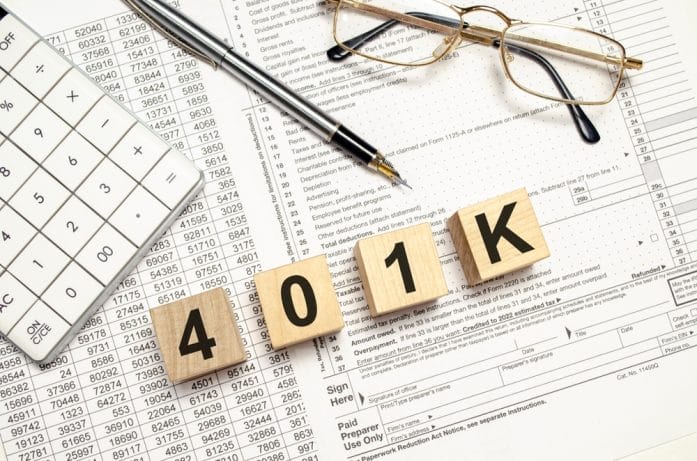
401(k) written in blocks on tax forms – Shutterstock

Retirement accounts usually carry a reputation as safe little money shelters, but tax season loves a plot twist. A healthy 401(k) balance can look fantastic on a quarterly statement while quietly setting up a larger IRS bill down the road. Plenty of Americans focus on contributions, employer matches, and investment gains while missing the tax consequences waiting around the corner. That mistake can hit especially hard during retirement or even during major life changes like switching jobs or claiming Social Security. A few smart moves today can stop next year’s tax return from turning into an expensive horror story.

Financial advisors continue to warn clients about retirement account tax traps because the rules keep changing and the penalties remain brutal. The SECURE Act changed required minimum distribution ages, inflation continues to push some retirees into higher tax brackets, and surprise withdrawals can trigger unexpected costs all at once. Many workers assume retirement automatically lowers taxes, but large account balances often create the opposite problem.

1. Required Minimum Distributions Can Push Income Much Higher

The IRS eventually demands a slice of every traditional 401(k), and those required minimum distributions can land like a financial cannonball. Retirees with large balances often discover that mandatory withdrawals suddenly shove them into a higher tax bracket even when they spend very little of the money. A retiree with a $900,000 account balance could face annual withdrawals large enough to increase taxes on Social Security benefits and investment income at the same time. Many households underestimate how quickly these distributions stack on top of pensions, rental income, and part-time work during retirement. The problem gets even uglier because the IRS charges steep penalties when retirees fail to withdraw the correct amount on schedule.

Some retirees attempt to delay withdrawals for as long as possible, but that strategy sometimes backfires badly. Bigger account balances create larger required withdrawals later, which can trigger a chain reaction across an entire tax return. Financial planners often recommend gradual Roth conversions during lower-income years because those moves can reduce future required minimum distributions substantially. People who retire before claiming Social Security sometimes enjoy a golden window for strategic tax planning. Careful withdrawal timing can save thousands of dollars over the course of retirement.

2. Job Changes Can Create Costly Rollover Mistakes

Switching jobs feels exciting until retirement paperwork enters the picture. Many workers accidentally trigger taxes by cashing out old 401(k) balances instead of rolling them into another qualified retirement account. A $40,000 withdrawal might seem manageable in the moment, but taxes and early withdrawal penalties can easily consume more than a third of the balance. Some workers also miss the 60-day rollover deadline, which transforms a temporary transfer into a taxable distribution almost overnight. The IRS rarely shows much sympathy once that deadline passes.

The confusion grows because employers handle retirement plans differently and workers often receive incomplete guidance during hectic job transitions. Automatic withholding rules can also surprise employees because plan administrators usually withhold 20 percent for federal taxes during distributions. That missing chunk creates problems when workers attempt to roll over the full amount into a new retirement account. Financial experts usually encourage direct trustee-to-trustee rollovers because they eliminate most of the common mistakes. A little paperwork patience can protect years of retirement savings from unnecessary taxes.

A surprising number of Americans pay close attention to stock market swings while completely ignoring retirement account tax strategy. That habit explains why many high earners reach retirement with impressive balances but very little flexibility when taxes arrive. Small planning decisions made during working years often create huge differences later. Smart savers treat taxes as part of retirement investing instead of treating them like a separate issue. That mindset shift alone can dramatically improve long-term financial stability.

5 Reasons Your 401(k) Could Trigger a Tax Surprise Next Year
Someone investigating a 401(k) plan on the IRS website – Shutterstock

3. Roth Conversions Can Backfire Without Careful Timing

Roth conversions attract plenty of attention because they promise tax-free withdrawals later in retirement. The catch arrives when retirees convert too much money during one year and accidentally push themselves into a higher tax bracket immediately. Someone converting $150,000 from a traditional 401(k) into a Roth account could suddenly face a massive tax bill that wipes out much of the intended benefit. Those larger incomes can also increase Medicare premiums under income-related monthly adjustment rules. One aggressive conversion can create several financial consequences at the same time.

Timing matters enormously with Roth conversions because every household faces different income patterns and retirement goals. Financial advisors often suggest partial conversions spread across several years instead of one giant move. Lower-income years before Social Security or pension payments begin frequently offer the best opportunities for conversions. Some retirees even coordinate conversions with temporary market downturns because lower account values reduce immediate tax costs. Strategic planning usually beats aggressive guesswork every single time.

4. Early Withdrawals Can Trigger Double Trouble

Unexpected emergencies push many Americans toward retirement accounts long before retirement actually arrives. Unfortunately, traditional 401(k) withdrawals before age 59½ usually trigger both ordinary income taxes and a 10 percent penalty. A worker who withdraws $25,000 for debt payments or home repairs could lose thousands immediately to taxes and penalties alone. The withdrawal also removes future investment growth, which quietly magnifies the long-term financial damage over time. What starts as a short-term fix can create retirement problems that last for decades.

Some hardship exceptions exist, but the rules remain narrow and often confuse taxpayers badly. Medical expenses, disability, and certain separation-from-service situations may qualify for penalty exceptions, but taxes still usually apply. Many Americans mistakenly assume borrowing from a 401(k) avoids all risk, yet unpaid loans after leaving a job often convert into taxable distributions quickly. Financial planners generally recommend exhausting other funding options before touching retirement savings early. Protecting long-term retirement security often matters more than solving a temporary financial crunch with fast cash.

5. Social Security Taxes and Medicare Costs Can Rise Fast

Large 401(k) withdrawals often trigger a nasty surprise because they increase “combined income” calculations tied to Social Security taxes. Retirees sometimes discover that up to 85 percent of Social Security benefits become taxable after retirement account withdrawals rise above certain thresholds. That extra taxable income can also increase Medicare Part B and Part D premiums through income-based surcharges. A couple living comfortably on retirement savings may suddenly face several thousand dollars in additional annual healthcare costs without much warning. Those hidden costs catch many retirees completely off guard.

Tax-efficient withdrawal planning can reduce the damage significantly when retirees coordinate income sources carefully. Financial advisors often recommend blending withdrawals from taxable accounts, Roth accounts, and traditional retirement accounts to manage tax brackets more effectively. Smaller withdrawals spread across multiple years sometimes produce much better outcomes than large lump-sum distributions. Retirees who plan ahead usually keep more money in their pockets and avoid ugly surprises from the IRS and Medicare. Retirement should feel relaxing instead of turning into a constant battle against tax rules.

A Little Tax Planning Today Can Save Major Money Tomorrow

A 401(k) remains one of the strongest retirement tools available, but every dollar eventually comes with tax consequences somewhere down the line. Americans who ignore withdrawal strategies, rollover rules, and retirement income planning often discover those mistakes during the worst possible moment. Smart retirement planning means paying attention to taxes long before retirement actually begins. Even simple adjustments like staggered withdrawals or partial Roth conversions can create enormous long-term savings. The savviest retirees treat tax strategy as seriously as investment performance because both factors shape financial freedom in retirement.

What retirement tax surprise worries you the most right now? This is an important topic, so we want to hear your opinions, thoughts, and experiences below in the comments.

You May Also Like…

5 Financial Rules That Can Reduce Retirement Income Faster Than Expected

Why Seniors in Multi-Unit Buildings Are Seeing New “Facility Fees”

10 Retirement States That No Longer Cater to Retirees

8 Times It’s Okay To Do A Hardship Withdrawal From Your 401(k)

Think Twice Before Maxing Out a 401(k) If You Carry High-Interest Debt

Brandon Marcus
Brandon Marcus

Brandon Marcus is a writer who has been sharing the written word since a very young age. His interests include sports, history, pop culture, and so much more. When he isn’t writing, he spends his time jogging, drinking coffee, or attempting to read a long book he may never complete.

Filed Under: Retirement Tagged With: 401(k), investment income, IRS, Personal Finance, Planning, Required Minimum Distributions, retirement planning, retirement savings, Roth conversions, saving money, Social Security taxes, tax tips, taxes

5 Tax Mistakes Retirees Make – and How To Fix Them Before It’s Too Late

April 6, 2026 by Brandon Marcus Leave a Comment

5 Tax Mistakes Retirees Make - and How To Fix Them Before It's Too Late
Image Source: Shutterstock.com

Retirement should feel like freedom, not a puzzle filled with tax traps waiting to drain hard-earned savings. Yet many people step into this phase thinking the hardest financial work already sits behind them, only to discover that taxes never really retire. They just change shape, and sometimes they hit harder than expected. Every decision, from when to withdraw money to how investments get structured, carries consequences that ripple through monthly income and long-term security. Ignoring those details can quietly chip away at a lifetime of careful planning.

The good news brings a lot more energy than the bad. A handful of smart adjustments can flip the script completely, turning tax confusion into a powerful advantage. With the right moves, retirees can stretch their savings, protect income, and even create more breathing room for travel, hobbies, and everything that makes retirement worth celebrating. These five common mistakes show up again and again, but each one comes with a fix that puts control back where it belongs.

1. The “I’ll Just Take Money When I Need It” Trap

Plenty of retirees treat their accounts like a simple piggy bank, dipping in whenever expenses pop up without thinking about timing or tax impact. That approach feels easy, but it often leads straight to higher tax bills because withdrawals from traditional retirement accounts count as taxable income. Pull too much in one year, and that income can push someone into a higher tax bracket faster than expected. That jump doesn’t just affect the withdrawal itself, but also other income streams that suddenly face higher rates.

A smarter strategy involves planning withdrawals across multiple years instead of reacting in the moment. Spreading distributions out can help keep income within a lower tax bracket, which keeps more money in your pocket instead of sending it to the IRS. Some retirees also mix withdrawals from taxable accounts, Roth accounts, and traditional IRAs to balance the tax impact. This kind of coordination creates flexibility and reduces surprises when tax season rolls around.

It also pays to think ahead instead of waiting until money runs low. Mapping out a withdrawal plan for five or even ten years helps smooth out income and avoids those sudden spikes that trigger unnecessary taxes. Financial planners often call this “tax-efficient withdrawal sequencing,” but the concept stays simple: control when and how income shows up. That control can mean the difference between steady financial comfort and watching taxes eat into savings year after year.

2. Ignoring Required Minimum Distributions Until It’s Too Late

Required Minimum Distributions, or RMDs, don’t ask politely. They come with firm deadlines and steep penalties for mistakes, and skipping them or miscalculating the amount can cost a significant chunk of money. Once retirees reach the required age, the government expects a minimum withdrawal from certain retirement accounts every year. Missing that requirement used to trigger a massive penalty, and while rules have softened slightly, the consequences still sting enough to demand attention.

Some retirees delay thinking about RMDs because they don’t need the income yet, which creates a problem when the first withdrawal hits. A large RMD can push total income higher, increasing taxes not only on that distribution but also on other income streams. That ripple effect often surprises people who assumed their tax burden would shrink in retirement.

Planning ahead offers a much smoother path. Taking smaller withdrawals before RMD age can reduce the size of future required distributions and spread taxes over time. Another smart move involves converting some traditional IRA funds into a Roth IRA before RMDs begin, which shifts future withdrawals into a tax-free category. These strategies require a bit of foresight, but they prevent that unpleasant moment when a mandatory withdrawal disrupts an otherwise stable financial picture.

3. Forgetting That Social Security Isn’t Always Tax-Free

Social Security often feels like a safety net, but it doesn’t always come tax-free. Many retirees assume those benefits land untouched, only to discover that combined income determines whether a portion becomes taxable. Add in withdrawals from retirement accounts, investment income, or even part-time work, and suddenly up to 85 percent of Social Security benefits could face taxes.

This surprise usually hits when retirees start pulling money from multiple sources without coordinating how it affects total income. That lack of coordination creates a domino effect where one decision triggers another, pushing income above thresholds that increase tax liability. It can feel frustrating, especially after years of careful saving.

A better approach involves managing income levels strategically to stay below key thresholds whenever possible. That might mean delaying Social Security benefits while drawing from other accounts first, or adjusting withdrawals to keep combined income in check. Timing plays a huge role here, and even small adjustments can reduce how much of those benefits get taxed. The goal centers on balance, making sure income flows steadily without accidentally triggering unnecessary tax bills.

5 Tax Mistakes Retirees Make - and How To Fix Them Before It's Too Late
Image Source: Shutterstock.com

4. Overlooking the Power of Roth Conversions

Roth conversions often sit on the table as an option, but many retirees ignore them because they involve paying taxes upfront. That hesitation makes sense at first glance, but skipping conversions can lead to higher taxes later when withdrawals from traditional accounts become unavoidable. Paying some tax now at a lower rate can save a significant amount down the road, especially before RMDs kick in.

Retirees who stay in a relatively low tax bracket early in retirement have a golden opportunity. Converting portions of a traditional IRA into a Roth IRA during those years locks in today’s tax rate and creates a pool of tax-free income for the future. That flexibility becomes incredibly valuable when managing income later, especially when trying to avoid pushing into higher brackets.

Of course, timing and amount matter. Converting too much in a single year can backfire by increasing taxable income more than intended. A steady, measured approach works best, converting just enough each year to stay within a desired tax bracket. This strategy takes a bit of planning, but it offers long-term benefits that go far beyond the initial tax bill.

5. Thinking Investments Don’t Matter for Taxes Anymore

Some retirees believe tax planning ends once paychecks stop, but investments continue to play a major role in shaping tax outcomes. Selling assets, collecting dividends, or realizing capital gains all contribute to taxable income, and those elements can shift a tax situation quickly. Ignoring that reality can lead to unexpected bills that disrupt a carefully planned budget.

Different investments receive different tax treatment, and that opens the door for smarter decision-making. Holding tax-efficient investments in taxable accounts while keeping higher-turnover assets inside tax-advantaged accounts can reduce overall tax exposure. Even the timing of selling investments can make a difference, especially when it comes to capital gains.

Retirees who stay proactive with investment decisions often find more control over their tax situation. Harvesting losses to offset gains, choosing funds with lower turnover, and paying attention to distribution schedules all contribute to a more efficient plan. Every move adds up, and the cumulative effect can protect a significant portion of retirement income over time.

Keep More, Stress Less: The Retirement Tax Game Plan That Actually Works

Retirement doesn’t reward autopilot, especially when taxes sit quietly in the background shaping every financial decision. The difference between a smooth, comfortable retirement and one filled with financial stress often comes down to awareness and timing. Each of these mistakes stems from simple oversights, but each one also comes with a clear path to improvement that puts control back in your hands.

Which of these strategies feels like the easiest win right now, and what approach has worked best in managing taxes during retirement? Drop your thoughts or experiences in the comments and keep the conversation going.

You May Also Like…

Property Taxes Are Catching Homeowners Off Guard — Especially After Buying or Renovating

10 Retirement States That No Longer Cater to Retirees

Retirees Are Rethinking Second Homes — Why the “Snowbird Lifestyle” Is Getting Too Expensive

Waiting on Social Security? Why Thousands of Retirees Are Stuck in Payment Limbo Right Now

More Retirees Are Seeing Higher Medicare Costs—And It’s Tied to

Brandon Marcus
Brandon Marcus

Brandon Marcus is a writer who has been sharing the written word since a very young age. His interests include sports, history, pop culture, and so much more. When he isn’t writing, he spends his time jogging, drinking coffee, or attempting to read a long book he may never complete.

Filed Under: Retirement Tagged With: investing, IRA withdrawals, Personal Finance, Planning, retirees, retirement planning, retirement taxes, RMD rules, Social Security taxes, tax mistakes, tax strategies, taxes, Wealth management

What Happens When Retirement Plans Ignore Rising Taxes

September 12, 2025 by Catherine Reed Leave a Comment

What Happens When Retirement Plans Ignore Rising Taxes
Image source: 123rf.com

Many people carefully map out their retirement, estimating living expenses, healthcare costs, and investment growth. Yet one factor is often overlooked: rising taxes. Ignoring how future tax increases might impact your nest egg can derail even the most well-intentioned plan. While today’s tax brackets feel predictable, history shows that rates change regularly, and retirees often pay the price. Here’s what happens when retirement plans ignore rising taxes and why preparing now can make all the difference.

1. Reduced Income from Withdrawals

One of the most immediate effects of rising taxes is a reduction in take-home income. Retirement accounts like 401(k)s and traditional IRAs are tax-deferred, meaning taxes are due when withdrawals are made. If tax rates rise, the amount you thought you’d receive could shrink significantly. A nest egg that looked sufficient on paper may not stretch as far in practice. Ignoring this risk leaves retirees vulnerable to unexpected shortfalls.

2. Higher Taxes on Social Security Benefits

Many retirees are surprised to learn that their Social Security benefits can be taxed. When retirement plans ignore rising taxes, more income from withdrawals or part-time work can push retirees into higher brackets. This means a larger portion of Social Security benefits may become taxable. What seemed like guaranteed income can end up being partially siphoned away by the IRS. Over time, this reduces the overall value of one of retirement’s key income sources.

3. Increased Burden on Fixed Incomes

Retirees who rely on fixed incomes are especially impacted by rising taxes. Pension payments, annuities, and bond income don’t always keep pace with inflation or tax hikes. When retirement plans ignore rising taxes, retirees may face higher obligations without any increase in income. This creates a squeeze that forces tough choices, such as cutting back on essentials or dipping into savings more quickly. The financial strain can be devastating over time.

4. Unexpected Estate Tax Consequences

Another overlooked issue is how rising taxes affect inheritance and estate planning. When retirement plans ignore rising taxes, families may face larger estate tax bills than anticipated. This reduces the amount passed on to heirs and complicates wealth transfer strategies. For families who worked hard to build generational wealth, these surprises can be emotionally and financially painful. Proper tax planning can prevent unnecessary losses.

5. Reduced Investment Growth Potential

Taxes also affect investment strategies. Rising capital gains taxes can reduce the profitability of selling stocks or other assets during retirement. If retirement plans ignore rising taxes, retirees may avoid making strategic moves for fear of larger tax bills. This hesitation can stifle portfolio growth and reduce long-term financial flexibility. Planning for taxes ensures investment decisions align with overall retirement goals.

6. Greater Reliance on Emergency Funds

When more money goes toward taxes, retirees may need to dip into emergency savings more often. This creates a dangerous cycle where funds meant for unexpected costs are depleted by predictable obligations. Retirement plans that ignore rising taxes often underestimate how quickly cash reserves can vanish. Without sufficient planning, retirees face added vulnerability during crises. Protecting emergency funds requires anticipating higher tax demands.

7. Emotional Stress and Uncertainty

Beyond the financial impact, ignoring rising taxes can create emotional strain. Retirees may feel anxious about whether their money will last or guilty about cutting back on lifestyle choices. The uncertainty of not knowing how tax changes will affect their plans adds unnecessary stress. Retirement should be a time of peace, not constant financial worry. Preparing for taxes in advance helps protect both finances and mental well-being.

Smart Retirement Planning Requires Tax Awareness

When retirement plans ignore rising taxes, the consequences can ripple through every part of financial life. Reduced withdrawals, higher Social Security taxes, and increased strain on fixed incomes are just the beginning. Smart planning means factoring in tax strategies such as Roth conversions, diversified income streams, and proactive estate planning. By anticipating the impact of rising taxes, retirees can protect their savings and enjoy more stability. Thinking ahead ensures that your hard-earned nest egg lasts as long as you do.

Do you factor rising taxes into your retirement planning strategy? Share your approach in the comments below.

What to Read Next…

Could Chasing Tax Breaks Be More Harmful Than Helpful

How Can Cash Gifts Trigger Unexpected Tax Bills

Why Do Some Retirees End Up Paying Taxes Twice on the Same Money

10 Financial Surprises That Appear After Starting a Business

What Financial Advisors Are Quietly Warning About in 2025

Catherine Reed
Catherine Reed

Catherine is a tech-savvy writer who has focused on the personal finance space for more than eight years. She has a Bachelor’s in Information Technology and enjoys showcasing how tech can simplify everyday personal finance tasks like budgeting, spending tracking, and planning for the future. Additionally, she’s explored the ins and outs of the world of side hustles and loves to share what she’s learned along the way. When she’s not working, you can find her relaxing at home in the Pacific Northwest with her two cats or enjoying a cup of coffee at her neighborhood cafe.

Filed Under: Tax Planning Tagged With: Personal Finance, Planning, retirement income, retirement planning, rising taxes, Social Security taxes, tax strategy

Follow Us

Search this site:

Recent Posts

  • Can My Savings Account Affect My Financial Aid? by Tamila McDonald
  • 12 Ways Gen X’s Views Clash with Millennials… by Tamila McDonald
  • What Advantages and Disadvantages Are There To… by Jacob Sensiba
  • 10 Tactics for Building an Emergency Fund from Scratch by Vanessa Bermudez
  • Call 911: Go To the Emergency Room Immediately If… by Stephen Kanaval
  • 7 Weird Things You Can Sell Online by Tamila McDonald
  • 10 Scary Facts About DriveTime by Tamila McDonald

Copyright © 2026 · News Pro Theme on Genesis Framework