• Home
  • About Us
  • Toolkit
  • Getting Finances Done
    • Hiring Advisors
    • Debt Management
    • Spending Plan
  • Insurance
    • Life Insurance
    • Health Insurance
    • Disability Insurance
    • Homeowners/Renters Insurance
  • Contact Us
  • Privacy Policy
  • Risk Tolerance Quiz

The Free Financial Advisor

You are here: Home / Archives for Medicare enrollment

Medicare Mishaps: Costly Enrollment Errors Most People Don’t See Coming

April 6, 2026 by Brandon Marcus Leave a Comment

Medicare Mishaps: Costly Enrollment Errors Most People Don't See Coming

Image Source: Shutterstock.com

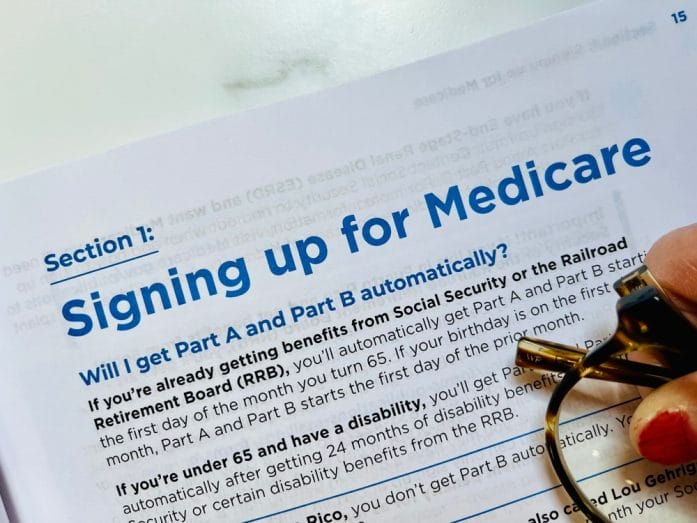
The clock does not tick quietly when it comes to Medicare. It practically shouts, flashing deadlines and fine print that can cost thousands if ignored. One wrong move during enrollment can lock in penalties that stick around for years, quietly draining retirement savings without warning. That sounds dramatic, but it reflects the reality of a system packed with timelines, rules, and exceptions that rarely announce themselves clearly. This is not just paperwork; it is a financial decision that can ripple through decades.

Excitement might not be the first emotion tied to Medicare, but it should at least command attention. The choices made during enrollment shape access to doctors, prescription costs, and monthly budgets in ways that feel immediate and long-lasting. Too many people assume everything will fall into place automatically, only to discover later that Medicare expects careful timing and active decisions. A little awareness now can prevent major headaches later, and yes, it can even save serious money. .

The Enrollment Window That Waits for No One

Medicare runs on a strict timeline, and it refuses to bend for latecomers. The Initial Enrollment Period opens for seven months around a person’s 65th birthday, including the three months before, the birthday month, and the three months after. That window feels generous at first glance, but it closes quickly, especially for anyone juggling work, family, or other life transitions. Missing that window does not just mean a delay; it often triggers permanent penalties that quietly add up over time.

The Part B late enrollment penalty increases monthly premiums by 10 percent for every full 12-month period someone delays enrollment without qualifying coverage. That penalty does not fade away after a year or two; it sticks for as long as Part B coverage continues. The system assumes individuals will act on time, and it rarely offers second chances without financial consequences. Waiting for a reminder in the mail or assuming automatic enrollment can create a costly misstep. Staying ahead of that timeline with a calendar alert or a checklist can prevent a mistake that feels small at first but grows into a long-term burden.

“I’m Still Working, So I’m Covered”… Not Always

Employer coverage feels like a safety net, but it does not always align perfectly with Medicare rules. Many people assume they can delay Medicare because they still work or receive insurance through a spouse’s job, but the size of the employer matters. If the employer has fewer than 20 employees, Medicare often becomes the primary payer, and failing to enroll in Part B can lead to denied claims and unexpected bills. That kind of surprise can hit hard, especially after years of assuming everything stayed covered.

Even with larger employers, coordination rules can create confusion. Some plans require Medicare enrollment to maintain full coverage, while others allow delays without penalties. The details hide in plan documents that rarely get a full read, and that is where mistakes begin. Checking directly with the employer’s benefits administrator or a licensed Medicare advisor can clear up the confusion before it turns into a financial mess. Taking a proactive approach here beats dealing with denied coverage later, especially when medical bills do not wait for paperwork corrections.

The Prescription Drug Gap That Sneaks Up Fast

Prescription coverage under Medicare, known as Part D, comes with its own set of rules and timelines. Skipping enrollment because medications seem unnecessary at the moment might feel like a smart way to save money, but that decision can backfire quickly. Medicare expects continuous “creditable” drug coverage, meaning coverage at least as good as Part D. Without it, a late enrollment penalty applies, and that penalty increases for every month without coverage.

That penalty does not disappear once someone finally enrolls; it sticks around and increases premiums indefinitely. The system essentially rewards consistency and punishes gaps, even if those gaps made sense at the time. A person might feel healthy at 65, but health needs can change rapidly, and enrolling late can make prescriptions far more expensive than expected. Reviewing current coverage and confirming whether it meets Medicare’s standards can prevent this hidden cost. A simple phone call or plan comparison can make a huge difference.

Free Isn’t Always Free: The Part A Assumption Trap

Many people hear that Medicare Part A comes with no premium and assume that means automatic enrollment and no decisions required. That assumption causes trouble, especially for those who continue contributing to a Health Savings Account. Enrolling in Part A makes someone ineligible to keep contributing to an HSA, and contributions made after enrollment can trigger tax penalties. That detail rarely appears in bold print, yet it can create a complicated tax situation.

Delaying Part A might make sense for those still working and contributing to an HSA, but that decision requires careful timing. Medicare allows retroactive Part A coverage for up to six months when someone finally enrolls, which can complicate HSA contributions even further. Planning ahead and stopping HSA contributions in time can prevent a tax headache that no one wants to deal with later. It might sound like a technical detail, but it carries real financial consequences that deserve attention.

Medicare Mishaps: Costly Enrollment Errors Most People Don't See Coming

Image Source: Shutterstock.com

Choosing the Wrong Plan… and Getting Stuck With It

Medicare does not offer a one-size-fits-all experience, and that flexibility creates both opportunity and risk. Original Medicare, Medicare Advantage, and supplemental plans each come with different costs, provider networks, and coverage rules. Picking a plan based on a quick glance or a catchy advertisement can lead to frustration when coverage does not match actual healthcare needs. The wrong choice can limit doctor options or increase out-of-pocket costs in ways that only become clear after the fact.

Switching plans does not always offer an easy fix. While Medicare provides an Annual Enrollment Period, some changes come with restrictions, and certain supplemental plans may require medical underwriting outside specific windows. That means a rushed decision today can limit options tomorrow. Taking time to compare plans based on prescriptions, preferred doctors, and expected healthcare needs can make a huge difference. Using Medicare’s official plan finder tool or consulting a licensed advisor can turn a confusing process into a more confident decision.

The Paperwork Problem That Causes Big Delays

Paperwork might not feel like the most exciting part of Medicare, but it plays a critical role in avoiding delays and coverage gaps. Missing forms, incorrect dates, or incomplete employer verification can slow down enrollment and push coverage start dates further out than expected. That delay can leave someone temporarily uninsured or responsible for unexpected medical bills. It sounds simple, but even small errors can create frustrating setbacks.

Keeping organized records can prevent these issues from spiraling. Copies of employment history, proof of coverage, and enrollment confirmations can make the process smoother and faster. Submitting forms early and double-checking details before sending them can eliminate unnecessary stress. Medicare does not always move quickly when fixing errors, so accuracy on the first attempt matters more than most people expect. A little extra attention here can save weeks of waiting and a lot of unnecessary worry.

Playing Medicare Smart From the Start

Medicare does not reward guesswork, and it certainly does not forgive missed deadlines easily. Staying informed, asking questions, and planning ahead can transform a confusing process into a manageable one. Every decision, from enrollment timing to plan selection, carries weight, and treating those choices seriously can prevent long-term financial strain. The good news is that most of these costly mistakes remain completely avoidable with a bit of preparation and awareness.

What strategies have worked, or what surprises have popped up along the way? Share thoughts, experiences, or hard-earned lessons in the comments and keep the conversation going.

You May Also Like…

How to Enroll in Medicare Without Getting Hit With the IRMAA “Stealth Tax”

Social Security 2026 COLA: Why Your 2.8% Raise Disappeared After Medicare Deductions

The Hidden Medicare Rule Turning 3-Day Hospital Stays Into $10,000–$15,000 Surprise Bills

6 Income Thresholds That Can Trigger Higher Medicare Premiums

More Retirees Are Seeing Higher Medicare Costs—And It’s Tied to Income From Years Ago

Brandon Marcus
Brandon Marcus

Brandon Marcus is a writer who has been sharing the written word since a very young age. His interests include sports, history, pop culture, and so much more. When he isn’t writing, he spends his time jogging, drinking coffee, or attempting to read a long book he may never complete.


Filed Under: Lifestyle Tagged With: health insurance tips, healthcare costs, Medicare, Medicare enrollment, Medicare mistakes, Medicare Part A, Medicare Part B, Medicare penalties, Planning, retirement planning, seniors, Social Security

How to Enroll in Medicare Without Getting Hit With the IRMAA “Stealth Tax”

April 4, 2026 by Brandon Marcus Leave a Comment

How to Enroll in Medicare Without Getting Hit With the IRMAA “Stealth Tax”

Image Source: Shutterstock.com

A single decision can quietly reshape retirement finances for years. Medicare enrollment looks simple on the surface, yet one overlooked detail can trigger higher premiums that feel completely out of left field. IRMAA, officially called the Income-Related Monthly Adjustment Amount, doesn’t announce itself with flashing lights or bold warnings, but it absolutely shows up on the bill. Anyone approaching Medicare age needs to understand how this surcharge works before making a move that locks in higher costs.

Timing and income choices carry real weight here, and they deserve attention before paperwork ever gets filed. Medicare doesn’t just look at current income; it reaches back in time and judges based on earnings from two years earlier. That little twist creates a ripple effect that catches many people off guard. A well-planned enrollment strategy can avoid unnecessary costs, while a rushed or uninformed approach can lead to years of paying more than necessary.

The IRMAA Trap: Why Income From the Past Still Matters Today

Medicare calculates IRMAA using modified adjusted gross income from tax returns filed two years earlier, and that single detail drives almost every surprise people face. A high-income year caused by selling a home, cashing out investments, or taking a large distribution from a retirement account can push income above IRMAA thresholds. Once income crosses those limits, Medicare increases premiums for Part B and Part D, and those increases can feel substantial rather than minor. Many expect healthcare costs to stabilize in retirement, but IRMAA flips that expectation and ties costs directly to income decisions made well before enrollment.

That backward-looking system demands planning ahead, not reacting in the moment. Someone planning to retire at 65 needs to look closely at income at age 63, because that number determines Medicare costs at enrollment. Without that awareness, a one-time financial move can inflate premiums for an entire year. The thresholds also adjust annually, but they remain firm enough to catch anyone who drifts just slightly over the line. Strategic planning, including spreading out withdrawals or delaying certain income events, can keep income below those thresholds and prevent the surcharge from kicking in.

Ignoring IRMAA simply hands over control to timing and chance, and that rarely works in anyone’s favor. Careful income management before enrollment creates flexibility and protects long-term retirement budgets. A proactive approach turns IRMAA from a frustrating surprise into something manageable and predictable.

Enrollment Timing Isn’t Just a Date—It’s a Strategy

Medicare enrollment begins with a seven-month window surrounding the 65th birthday, but that timeline doesn’t exist in a vacuum. Every choice made during that period interacts with income history, Social Security decisions, and retirement account strategies. Jumping in without a plan might check the box for enrollment, but it can also lock in higher premiums if income from two years earlier sits above IRMAA thresholds.

Delaying enrollment sometimes makes sense, especially for those still working with employer-sponsored coverage. That delay can shift the timing of Medicare activation to a year when income falls lower, which can help avoid IRMAA. However, that strategy requires careful coordination to avoid late enrollment penalties, which create their own long-term costs. The key lies in aligning enrollment timing with income patterns, not just birthdays.

Some retirees benefit from intentionally lowering income in the years leading up to Medicare eligibility. That approach can include reducing taxable withdrawals, spreading out asset sales, or using tax-efficient income sources. The goal focuses on shaping the income snapshot Medicare will use later. A well-timed enrollment paired with thoughtful income planning can dramatically reduce the chances of triggering IRMAA. Treating enrollment as a strategic decision rather than a routine milestone makes all the difference. That mindset shifts the focus from simply signing up to actively shaping future healthcare costs.

How to Enroll in Medicare Without Getting Hit With the IRMAA “Stealth Tax”

Image Source: Shutterstock.com

Smart Income Moves That Keep IRMAA at Bay

Income planning doesn’t stop once retirement begins; it becomes even more important. Certain income sources carry more weight when calculating IRMAA, including traditional IRA withdrawals, capital gains, and Social Security benefits. Managing these sources with intention can help keep income below critical thresholds and avoid higher premiums.

Roth IRA withdrawals offer a powerful advantage because they don’t count toward modified adjusted gross income. Using Roth funds strategically during high-income years can prevent crossing into IRMAA territory. Converting traditional IRA funds into Roth accounts before reaching Medicare age can also reduce future taxable income, although that move requires careful timing to avoid triggering IRMAA during the conversion year.

Capital gains deserve special attention as well. Selling investments in one large transaction can spike income, while spreading those sales over multiple years can keep income levels more stable. Retirees often overlook how these decisions affect Medicare premiums, focusing only on taxes, but both factors work together. A balanced approach that considers both tax efficiency and IRMAA thresholds creates better outcomes overall.

Life Changes Can Save the Day—If You Act Quickly

Not every IRMAA surcharge needs to stick. Medicare allows appeals when certain life-changing events reduce income, and that option provides a valuable safety net. Events such as retirement, divorce, or the loss of a spouse can significantly lower income compared to the tax return Medicare uses for calculations.

Filing an appeal through Social Security can adjust premiums to reflect current income rather than outdated numbers. That process requires documentation and persistence, but it can result in meaningful savings. Waiting too long to act can delay relief, so timing matters just as much here as it does during enrollment.

Understanding which events qualify makes a big difference. A simple market downturn or investment loss won’t qualify, but a clear change in income due to major life events often will. Knowing that distinction prevents wasted effort and focuses attention on situations where an appeal has a strong chance of success.

Medicare Rewards Planning, Not Guesswork

Medicare doesn’t punish high income, but it does reward those who plan ahead with precision and awareness. IRMAA might feel like an unexpected tax, yet it follows clear rules that anyone can navigate with the right approach. Looking two years back, aligning enrollment timing with income patterns, and managing withdrawals strategically all work together to keep premiums under control.

What strategies seem most useful for keeping Medicare costs in check, and what plans are already in place to avoid IRMAA surprises? Share thoughts, ideas, or experiences in the comments.

You May Also Like…

The Hidden Medicare Rule Turning 3-Day Hospital Stays Into $10,000–$15,000 Surprise Bills

If You Get a ‘Replacement’ Medicare Card in the Mail, Do NOT Call the Number Printed on It

5 Warning Signs Someone Is Using Your Social Security Number

8 Mistakes That Can Trigger a Social Security Overpayment Notice

More Retirees Are Seeing Higher Medicare Costs—And It’s Tied to Income From Years Ago

Brandon Marcus
Brandon Marcus

Brandon Marcus is a writer who has been sharing the written word since a very young age. His interests include sports, history, pop culture, and so much more. When he isn’t writing, he spends his time jogging, drinking coffee, or attempting to read a long book he may never complete.

Filed Under: Retirement Tagged With: benefits, healthcare costs, income strategies, IRMAA, Medicare, Medicare enrollment, Planning, retirement planning, Retirement Tips, seniors, Social Security, taxes

FOLLOW US

Search this site:

Recent Posts

  • Can My Savings Account Affect My Financial Aid? by Tamila McDonald
  • 12 Ways Gen X’s Views Clash with Millennials… by Tamila McDonald
  • What Advantages and Disadvantages Are There To… by Jacob Sensiba
  • Call 911: Go To the Emergency Room Immediately If… by Stephen Kanaval
  • 10 Tactics for Building an Emergency Fund from Scratch by Vanessa Bermudez
  • 7 Weird Things You Can Sell Online by Tamila McDonald
  • 10 Scary Facts About DriveTime by Tamila McDonald

Copyright © 2026 · News Pro Theme on Genesis Framework