• Home
  • About Us
  • Getting Finances Done
    • Hiring Advisors
    • Debt Management
    • Spending Plan
  • Insurance
    • Life Insurance
    • Health Insurance
    • Disability Insurance
    • Homeowners/Renters Insurance
  • Contact Us
  • Our Editorial Commitment

The Free Financial Advisor

You are here: Home / Archives for Medicaid

CMS Final Rule Ends Federal Medicaid and CHIP Funding for Certain Gender-Transition Care for Minors

August 17, 2026 by Amanda Blankenship Leave a Comment

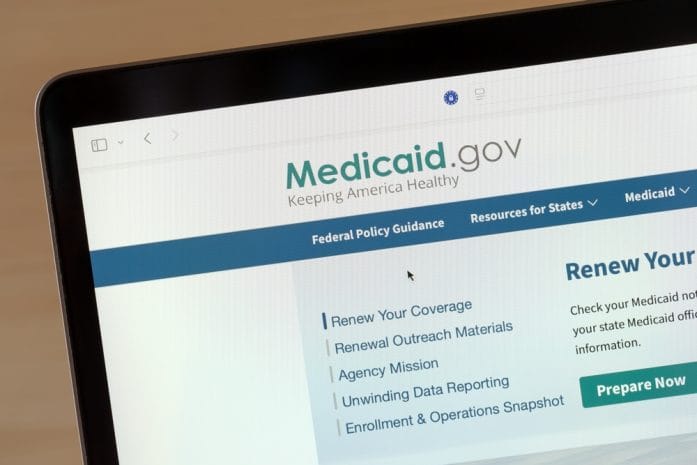
Medicaid gender-transition care rule
The Centers for Medicare & Medicaid Services has finalized a rule prohibiting federal Medicaid and CHIP funding for certain gender-transition procedures for minors, with the rule taking effect October 13, 2026. Tada Images/Shutterstock

The Centers for Medicare & Medicaid Services (CMS) has issued a final rule prohibiting the use of federal Medicaid and Children’s Health Insurance Program (CHIP) funds to pay for what the rule terms “sex-rejecting procedures” for minors, according to an official announcement published in the Federal Register on August 13, 2026.

What the New Medicaid and CHIP Rule Prohibits

Under the rule, state Medicaid plans must include provisions barring payment for such procedures for individuals under age 18, while separate state CHIP plans must bar payment for individuals under age 19. The age difference reflects the existing age boundaries of the two programs — Medicaid covers children under 18 in this context, while separate CHIP programs extend coverage to children under 19.

The rule takes effect on October 13, 2026, giving states approximately two months to update their Federally approved state plans to comply with the new requirements.

A limited transition provision is included for beneficiaries already receiving cross-sex hormone therapy at the time the rule takes effect. State Medicaid and CHIP agencies may continue to claim federal matching funds — known as Federal Financial Participation — for those hormone therapy medications for up to six months from the rule’s effective date. After that window closes, federal funding for such treatments would no longer be available under either program.

What the Rule Means for State Medicaid and CHIP Programs

The rule amends 42 CFR Parts 441 and 457, which govern Medicaid and CHIP benefits and state plan requirements. Because Medicaid and CHIP are jointly funded and administered by states and the federal government, states that do not update their plans to conform with the prohibition risk losing federal matching payments for the affected services.

Medicaid and CHIP together provide health coverage to millions of low-income children and families across the country. States set their own eligibility standards and benefits packages, but must operate within federal statutory and regulatory boundaries. Federal matching payments to states are calculated using the Federal Medical Assistance Percentage for Medicaid and an enhanced rate for separate CHIP programs.

Families Should Check How Their State Will Implement the Change

Families whose children currently receive affected care through Medicaid or CHIP should contact their state program to determine how the rule will be implemented and whether their coverage will change. The federal rule takes effect October 13, while a limited six-month transition applies to federal matching funds for certain hormone therapy already being provided when the rule takes effect.

What to Read Next

SEC Approves More Weekday Expirations for Options on Qualifying ETFs

CMS Issues Technical Correction to 2027 Affordable Care Act Benefit and Payment Parameters Rule

CISA Warns of High-Severity Path Traversal Vulnerability in Rockwell Automation ThinManager, Urges Immediate Patching

Amanda Blankenship

Amanda Blankenship is the Chief Editor for District Media.  With a BA in journalism from Wingate University, she frequently writes for a handful of websites and loves to share her own personal finance story with others. When she isn’t typing away at her desk, she enjoys spending time with her daughter, son, husband, and dog. During her free time, you’re likely to find her with her nose in a book, hiking, or playing RPG video games.

Filed Under: news Tagged With: Children's Health, CHIP, CMS, Federal Funding, Gender-Affirming Care, Health Care Policy, health insurance, HHS, Medicaid, Medicaid Coverage

New Medicaid Research Shows Why Provider Access Belongs in Retirement Location Decisions

July 17, 2026 by Brandon Marcus Leave a Comment

New Medicaid Research Shows Why Provider Access Belongs in Retirement Location Decisions
A retired couple enjoys their new community after checking nearby healthcare providers, because medical access matters when choosing a retirement destination – Shutterstock

Choosing a retirement destination often starts with dreams of sunshine, quiet mornings, lower taxes, and a backyard that finally gets the attention it deserves. But new Medicaid research highlights a practical detail that deserves a spot near the top of the checklist: healthcare provider access. A charming small town may look perfect on a map, but a shortage of nearby providers can turn routine medical care into a frustrating road trip.

The research, led by investigators at the CUNY Graduate School of Public Health and published in The American Journal of Managed Care, found that states with higher Medicaid reimbursement rates for psychiatrists had 24% lower overall healthcare costs and 19% lower psychiatric-specific costs among Medicaid patients with serious mental illness. Researchers believe one reason may be that higher reimbursement encourages greater provider participation and better continuity of care.

Retirement planning involves more than picking a place with pretty scenery and a good restaurant scene. Healthcare becomes a bigger part of daily life as people age, and access to doctors, specialists, and supportive services can shape the retirement experience. Research examining Medicaid provider access shows why location decisions should include a close look at the local healthcare network, not just housing prices and weather forecasts.

Healthcare Access Can Change the Retirement Experience

Medicaid research has examined how provider availability affects whether people can actually receive care when they need it. The findings point to a simple reality: having insurance coverage does not automatically guarantee convenient access to a provider. A retirement town with limited Medicaid participation may create extra hurdles for people who rely on the program for healthcare support.

Imagine moving to a peaceful lakeside community where the sunsets look like a postcard, only to discover that the nearest specialist sits an hour away. That kind of surprise can quickly change the excitement of a move into a scheduling puzzle. Retirees who research provider networks before relocating can avoid a major headache later.

The research also highlights how provider access can vary from one community to another. Some areas offer plenty of healthcare options, while others struggle with fewer participating providers.

A smart retirement search includes questions about nearby clinics, hospitals, pharmacies, and specialists. It also helps to check whether local providers accept the insurance programs a retiree plans to use.

Even retirees who never expect to use Medicaid can learn something from the findings. Provider participation often reflects the overall strength of a community’s healthcare system, including physician availability, appointment wait times, and access to specialists. Communities with broader provider networks may offer a better healthcare experience regardless of insurance coverage.

The Best Retirement Spots Balance Lifestyle and Medical Support

Many retirees focus heavily on costs when comparing locations, and that makes sense because housing, taxes, and everyday expenses matter. However, healthcare access deserves equal attention because a bargain home does not feel like a bargain when medical appointments require complicated travel. Provider availability can become one of those quiet details that matters more with every passing year.

A smaller community may offer affordable homes and a slower pace, but retirees should investigate whether the area has enough medical resources nearby. Checking hospital locations, urgent care options, transportation services, and specialist availability creates a clearer picture. This simple research step can reveal whether a location truly fits long-term needs.

Healthcare access does not mean every retiree needs to live next door to a major medical center. Many people enjoy smaller communities with reliable local clinics and reasonable travel times for specialty care. The goal involves finding a balance between lifestyle preferences and practical support.

A good retirement location works like a comfortable pair of shoes: it should look good and function well. The right town offers enjoyable surroundings while still providing access to the services that help residents maintain independence.

Medicaid Provider Networks Offer Important Clues Before Moving

Medicaid provider participation offers useful information because it shows how healthcare systems serve people with different financial circumstances. Research into Medicaid access helps reveal where provider networks may have gaps. Those gaps can matter for retirees who need consistent care or rely on Medicaid alongside other coverage options.

Before buying a retirement home, future residents can review local provider directories and contact clinics directly. A quick phone call can answer important questions about accepted insurance plans, appointment availability, and nearby services. These small steps often provide more useful information than a glossy retirement brochure.

Healthcare access also connects to another important retirement goal: staying active and independent. Regular appointments, preventive care, and timely treatment can help older adults manage health needs without unnecessary stress. When providers sit within reach, keeping up with care becomes much easier. Retirement planning works best when it considers the whole picture. A beautiful location creates memories, but dependable healthcare helps protect the years spent enjoying them.

A Retirement Address Should Support More Than a Relaxing View

The biggest lesson from Medicaid provider access research is that retirement location choices need a healthcare checkup before the moving truck arrives. A destination should offer more than scenic views, affordable homes, and fun weekend activities. It should also provide a realistic path to medical care when life brings unexpected challenges.

The smartest retirees treat healthcare research as part of the moving process, right alongside budgeting and home inspections. They look at provider availability, transportation options, and nearby medical facilities before making a final decision. This approach helps create a retirement plan built around confidence instead of surprises.

A retirement address represents more than a place to sleep. It becomes the center of daily routines, appointments, hobbies, and relationships. Choosing carefully can make those years feel smoother and more manageable. The perfect retirement destination may not have every feature on the wish list, but it should offer the essentials that matter most. A great view feels even better when quality care remains within reach.

Before Choosing a Retirement Community, Ask:

  • How many primary care physicians are nearby?
  • Are major hospitals within reasonable driving distance?
  • How long are new patient wait times?
  • Do specialists accept your insurance?
  • Is public transportation available for medical appointments?
  • Is there an urgent care nearby?
  • Are telehealth services widely available?

The Healthcare Question Every Retiree Should Ask Before Moving

Before settling on a retirement destination, ask one simple question: “Can this community support the healthcare needs that may come with the next chapter of life?” That question can reveal important details that property listings and vacation photos never mention. Provider access deserves attention during retirement planning, especially for people who need reliable healthcare networks. A thoughtful move considers both the excitement of a new home and the practical realities of aging. The best retirement choices combine comfort, community, and access to care.

What factors matter most when choosing a retirement location, and how much does healthcare access influence your decision?

You May Also Like…

The Long-Term Care Planning Question Advisors Should Ask Before Retirement: “Who Pays for Year Five?”

The Retirement Income Sources Most People Forget to Include in Their Plan

Some Retirees Are Seeing Deductions on Their Checks They Can’t Explain — Here’s Why

15 States Now Automatically Enroll Eligible Workers in Retirement Accounts—Is Yours One of Them?

5 Ways to Review Your Retirement Plan 5 Years Before Leaving Work

Brandon Marcus
Brandon Marcus

Brandon Marcus is a writer who has been sharing the written word since a very young age. His interests include sports, history, pop culture, and so much more. When he isn’t writing, he spends his time jogging, drinking coffee, or attempting to read a long book he may never complete.

Filed Under: Retirement Tagged With: aging, healthcare access, Medicaid, retirement locations, retirement planning, senior living

The Medicaid Renewal Countdown: Why Missed Notices Are Leading to Sudden Coverage Loss

May 4, 2026 by Brandon Marcus Leave a Comment

The Medicaid Renewal Countdown: Why Missed Notices Are Leading to Sudden Coverage Loss
Image Source: Shutterstock.com

A quiet countdown has started for millions of Medicaid recipients, and many don’t realize it until their coverage disappears. During the ongoing post-pandemic unwinding, states have returned to full eligibility checks, and the process has become one of the most stressful parts of staying insured.

What should be a routine renewal now feels like a race against time, where missed mail, outdated contact information, or overlooked requests can trigger abrupt loss of coverage. When that happens, the cutoff isn’t gentle. Prescriptions stop, appointments get canceled, and families face medical bills they never expected.

Renewal Timelines Move Faster Than People Expect

States are required to give Medicaid recipients time to respond to renewal requests, but the window can still feel tight. Many states use 30-day deadlines for paperwork, while others use shorter response periods for follow-up requests or missing information. These timelines are legal and vary by state, but they often move faster than people anticipate. Work schedules, childcare demands, and stacks of unopened mail can easily push a renewal notice out of sight. By the time someone circles back, the deadline may already be close.

This creates a system where small delays lead to big consequences. A renewal packet that blends in with junk mail or a notice that arrives at an old address can derail the entire process. Many people expect reminders or second notices, but those don’t always arrive in time. When states don’t receive the required information, they classify the case as “procedural,” meaning eligibility couldn’t be confirmed. That triggers termination—not because the person is ineligible, but because the paperwork didn’t arrive on time.

Missed Contacts Are Becoming a Major Cause of Terminations

Phone calls, texts, emails, and mailed notices are all part of the outreach process, but none of them are perfect. Many people ignore unknown numbers because of scam calls, and Medicaid outreach often gets caught in that same filter. Others rely on mail, only to discover that notices were sent to an old address or arrived too close to the deadline. When contact information isn’t current, agencies may never reach the recipient at all.

These missed connections are now one of the biggest drivers of procedural disenrollments nationwide. People assume that if they didn’t receive a call or letter, their coverage is safe. In reality, the renewal process continues behind the scenes, and the system moves forward even when communication breaks down. Without a confirmed response, states must close the case, even if the person still qualifies.

Procedural Closures Hit Hard and Fast

When a renewal deadline passes without the required information, Medicaid systems move quickly to close the case. Coverage ends at the end of the month, and there is no automatic grace period. For families who rely on Medicaid for medications, doctor visits, or ongoing treatment, the sudden cutoff can be devastating. A prescription refill that once cost a few dollars may suddenly cost hundreds. A specialist appointment may need to be canceled or postponed.

The financial ripple effect is immediate. Households already balancing tight budgets face unexpected medical expenses. Some people delay care altogether, which can worsen health conditions and increase long-term costs. Clinics and hospitals also feel the strain when patients lose coverage unexpectedly, leading to more uncompensated care. What starts as a missed notice quickly becomes a much larger problem.

How Easy It Is to Fall Behind

Imagine a parent working two jobs who receives a renewal packet during a hectic week. The envelope sits unopened on the counter, and by the time the weekend arrives, the deadline is only days away. Or consider an older adult who relies on a landline and misses automated calls requesting verification. Language barriers, limited internet access, and confusing instructions add more layers of difficulty. Even tech-savvy individuals can miss deadlines when notices arrive through multiple channels without clear urgency.

These situations play out across the country every day. They reveal how the renewal process often clashes with the realities of people’s lives, especially for those juggling work, caregiving, or health challenges.

Practical Steps Can Reduce the Risk of Losing Coverage

Staying ahead of renewal deadlines requires a proactive approach. Keeping contact information updated with Medicaid offices is one of the most effective ways to avoid missed communication. That includes phone numbers, mailing addresses, and email when available. Opening mail promptly and treating any Medicaid notice as urgent can make a significant difference.

Many states now offer online portals where recipients can check renewal dates, upload documents, and track their status. Using these tools can help prevent delays and provide confirmation that information has been received. Community health centers, navigators, and legal aid groups also offer free assistance for people who need help understanding notices or submitting paperwork. Small steps taken early can prevent major disruptions later.

Behind Tightened Renewal Processes

The push for strict renewal timelines stems from the nationwide unwinding of pandemic-era continuous coverage. For three years, states were not allowed to remove people from Medicaid, which led to record enrollment. When those protections ended, states had to reassess eligibility for tens of millions of people. The scale of that task created pressure to process cases quickly, which increased reliance on automated systems and strict deadlines.

Supporters argue that timely renewals ensure program integrity and prevent improper payments. Critics counter that the system places too much burden on recipients, especially those with unstable housing, limited internet access, or unpredictable work schedules. The tension between efficiency and accessibility continues to shape policy debates as states refine their processes.

The Medicaid Renewal Countdown: Why Missed Notices Are Leading to Sudden Coverage Loss
Image Source: Shutterstock.com

When Coverage Ends, There Are Still Paths Back

Losing Medicaid coverage doesn’t always mean the end of access. Many people can reapply or submit missing documents to regain coverage, though the process may take time. Some states offer retroactive coverage for recent medical expenses, depending on eligibility rules. Marketplace insurance plans may also provide temporary options, especially for those who no longer qualify for Medicaid.

Community organizations, navigators, and legal aid groups can help people understand their options and complete applications. Acting quickly after a termination can shorten the gap in coverage and reduce financial strain. Even after a missed deadline, taking immediate steps can make a meaningful difference.

The Renewal Countdown Is a Reminder of How Fragile Coverage Can Be

The Medicaid renewal countdown doesn’t just measure time—it reveals how easily coverage can slip away when systems move faster than people’s lives. A missed notice or delayed response shouldn’t carry such heavy consequences, yet it often does in today’s environment. Staying informed and proactive offers the best protection against sudden coverage loss, but the system still demands careful attention.

What steps feel realistic for staying on top of important deadlines like this—and do current systems make it too easy to fall behind?

You May Also Like…

3-State Medicaid Slowdown: Why Louisiana, Arkansas, and Missouri Are Struggling With Renewals

4 Hidden Costs in Zero-Premium Medicare Plans

Why New Renewal Letters Are Cutting Off Coverage for Medicaid Families In Texas

How the “Community Spouse” Can Protect Family Assets When Medicaid Enters the Picture

Retirees Face $172,500 in Healthcare Costs—And Many Haven’t Saved for It

Brandon Marcus
Brandon Marcus

Brandon Marcus is a writer who has been sharing the written word since a very young age. His interests include sports, history, pop culture, and so much more. When he isn’t writing, he spends his time jogging, drinking coffee, or attempting to read a long book he may never complete.

Filed Under: Health & Wellness Tagged With: Budgeting Tips, eligibility rules, financial hardship, government benefits, health insurance, health policy, healthcare access, healthcare costs, insurance deadlines, Medicaid, Medicaid renewal, public assistance

3-State Medicaid Slowdown: Why Louisiana, Arkansas, and Missouri Are Struggling With Renewals

May 3, 2026 by Brandon Marcus Leave a Comment

3-State Medicaid Slowdown: Why Louisiana, Arkansas, and Missouri Are Struggling With Renewals
Image Source: Shutterstock.com

A major strain on Medicaid systems is hitting three states at once, and millions of residents now feel the impact ripple through their healthcare coverage. Louisiana, Arkansas, and Missouri have not paused renewals, but they are experiencing significant slowdowns that create confusion for families who rely on steady access to doctors, prescriptions, and essential care. These delays come during the nationwide unwinding of pandemic-era protections, when states must recheck eligibility for millions of people who remained continuously enrolled for years.

Many households suddenly find themselves in a waiting game, unsure whether coverage will continue without interruption or slip into a lapse. The situation highlights how fragile continuous healthcare coverage becomes when administrative systems struggle to keep up.

Why These Three States Are Facing Heavy Medicaid Backlogs

Louisiana, Arkansas, and Missouri did not freeze Medicaid renewals, but each state is dealing with overwhelming administrative pressure. The post-pandemic eligibility redetermination process flooded agencies with paperwork, income checks, and verification requests. Staff shortages, outdated systems, and record caseloads have slowed processing times dramatically. Officials say the delays stem from the sheer volume of renewals and the complexity of verifying eligibility for people whose circumstances may have changed over the past several years. Critics argue that these bottlenecks expose deeper structural issues that leave families waiting for answers.

Federal guidelines require states to reassess Medicaid eligibility after continuous coverage protections ended, triggering millions of renewal notices nationwide. States with large Medicaid populations, including Louisiana, Arkansas, and Missouri, face especially heavy workloads. While they continue processing renewals, the pace has slowed enough that families experience uncertainty about their coverage status. Policy experts warn that delays can shift stress from government offices directly onto patients who depend on uninterrupted care. The situation shows how administrative capacity and policy timing collide in real-world systems.

What a Medicaid Processing Slowdown Means for Coverage

A slowdown in Medicaid renewals does not automatically cancel coverage, but it can delay decisions that determine whether someone stays enrolled. During these backlogs, states continue processing cases, but at a slower pace, which means some recipients remain in limbo while their paperwork waits in line. On the surface, this can look like uninterrupted coverage, but families often struggle to confirm their long-term status. Healthcare providers also face uncertainty when eligibility checks lag behind the care they deliver. The result is a system where coverage may work today but feel unpredictable for tomorrow.

In practice, many recipients can still use their Medicaid cards at clinics, pharmacies, and hospitals while their cases remain under review. However, that temporary access does not guarantee continuity once states catch up on processing. Some individuals may later receive notices that they no longer qualify, even if they used their benefits during the backlog. That gap between “active for now” and “pending a final decision” creates anxiety for patients managing chronic conditions or ongoing prescriptions. The slowdown, while not a freeze, still introduces instability that affects everyday care.

Who Feels the Impact First and Hardest in These States

Low-income families with fluctuating income often feel the earliest effects of Medicaid renewal delays because eligibility hinges on financial details that change frequently. Parents working hourly jobs, seniors on fixed incomes, and individuals with disabilities face the highest risk of confusion during administrative slowdowns. These groups rely heavily on predictable coverage to manage ongoing medical needs such as insulin, therapy, or specialist visits. When renewal systems slow down, even small paperwork issues can trigger uncertainty about essential care. That uncertainty quickly becomes stress for households already balancing tight budgets.

Rural communities also experience sharper impacts because access to alternative healthcare options remains limited outside major cities. A delayed Medicaid decision in a rural area can mean longer travel distances, fewer provider choices, and postponed treatments. Healthcare providers in these regions often operate on thin margins, so billing uncertainty affects clinic stability as well. Children in working-class households face disruptions when parents struggle to confirm whether pediatric appointments remain covered. The ripple effect spreads far beyond individual families and reaches entire local healthcare networks.

3-State Medicaid Slowdown: Why Louisiana, Arkansas, and Missouri Are Struggling With Renewals
Image Source: Unsplash.com

What Residents Should Do While States Work Through Backlogs

Residents in Louisiana, Arkansas, and Missouri need to stay proactive during these slowdowns because delays do not equal automatic approval. Checking mail, online accounts, and state Medicaid portals becomes essential since states continue sending notices even during processing backlogs. Families should update income records, address changes, and household details immediately to avoid complications once their case reaches review. Healthcare providers can also help by confirming whether claims process normally under current conditions. Staying organized now reduces the risk of sudden coverage loss later.

Calling local Medicaid offices may take time, but persistence often pays off because representatives can clarify individual case status. Community health centers frequently help residents navigate paperwork and interpret eligibility notices. Legal aid groups in each state also provide free support for people who receive confusing termination letters or renewal instructions. Keeping documentation for medical visits and correspondence helps protect residents during administrative delays. Preparation cannot eliminate uncertainty, but it can reduce the chaos when states catch up on processing.

What This 3-State Medicaid Strain Signals About the Bigger System

The Medicaid slowdowns in Louisiana, Arkansas, and Missouri reveal how vulnerable large public health systems become under administrative pressure. States struggle to balance federal requirements, staffing limitations, and massive data workloads all at once. When those pressures collide, delays emerge as a symptom of deeper systemic strain rather than a deliberate policy choice. Families experience the impact directly, even when the intent is to process cases accurately. The situation underscores how policy execution often shapes real-life outcomes more than policy design itself.

What do you think should matter more right now: faster processing or stricter eligibility checks? We want to hear your opinions below.

You May Also Like…

Georgia’s 30-Day Rule: Why Missed Renewal Calls Are Cutting Off Medicaid This Week

Why New Renewal Letters Are Cutting Off Coverage for Medicaid Families In Texas

How the “Community Spouse” Can Protect Family Assets When Medicaid Enters the Picture

A Big Change to Medicare Prior Authorization: 7‑Day Deadline Now Mandatory

Louisiana Insurance Crisis: Non-Renewal Rates Jump Since 2018

Brandon Marcus
Brandon Marcus

Brandon Marcus is a writer who has been sharing the written word since a very young age. His interests include sports, history, pop culture, and so much more. When he isn’t writing, he spends his time jogging, drinking coffee, or attempting to read a long book he may never complete.

Filed Under: Lifestyle Tagged With: Arkansas Medicaid, eligibility changes, government benefits, healthcare news, healthcare policy, insurance coverage, Louisiana Medicaid, low income healthcare, Medicaid, Medicaid renewals, Missouri Medicaid, public assistance

Georgia’s 30-Day Rule: Why Missed Renewal Calls Are Cutting Off Medicaid This Week

April 29, 2026 by Brandon Marcus Leave a Comment

Georgia’s 30-Day Rule: Why Missed Renewal Calls Are Cutting Off Medicaid This Week
Image Source: Shutterstock.com

Georgia’s Medicaid system has entered a high-stakes phase where timing matters more than ever, and thousands of residents now feel the pressure. A federally required 30‑day response window now determines who keeps coverage and who suddenly loses it. Miss a letter, overlook a text, or fail to submit paperwork in time, and coverage can disappear almost overnight. Many families didn’t realize their renewal window had even opened, and the result has been confusion, frustration, and in some cases, dangerous gaps in care.

The state is still working through the massive eligibility reviews that resumed after pandemic-era continuous coverage ended. For the first time in years, households must verify income, residency, and household size on a strict timeline. The system assumes quick responses, but life doesn’t always cooperate. Busy schedules, outdated contact information, and missed mail have turned routine renewals into high-risk moments for families who depend on Medicaid.

Why Missed Notices Lead to Sudden Coverage Loss

Georgia doesn’t require intentional non-compliance to terminate Medicaid—it only requires a lack of response. If the state sends a renewal notice and receives no information within 30 days, it can legally close the case. That means eligible people can lose coverage simply because they didn’t see the notice or didn’t respond in time. The process usually begins with a mailed packet or electronic alert requesting updated details. If those communications go unanswered, the clock keeps running whether the recipient is aware of it or not.

The problem grows when contact information isn’t current, which happens far more often than many expect. A move, a lost letter, or a phone number change can block critical updates. Once a case is marked as “no response,” the system moves forward without additional reminders. Many residents only discover the termination when they try to fill a prescription or schedule a doctor visit. By that point, restoring coverage becomes more complicated and far more stressful.

Real-Life Consequences of Losing Medicaid Overnight

Coverage loss doesn’t just create inconvenience—it disrupts essential care in immediate and tangible ways. Prescriptions get denied at the pharmacy counter, ongoing treatments get paused, and doctor appointments suddenly require out-of-pocket payment. For families managing chronic conditions, even a short gap can lead to serious health risks. Financial strain follows quickly, especially for households already stretched thin. A single urgent care visit without coverage can drain savings in days.

Parents feel the impact especially hard when children lose access to pediatric care. Missed checkups, delayed vaccinations, and limited access to specialists can create long-term consequences. Pregnant individuals and seniors face even higher stakes, where continuity of care plays a critical role in outcomes. The emotional toll also runs deep, as uncertainty around healthcare access adds stress to already challenging situations. These aren’t abstract policy shifts—they show up in daily life in very real ways.

Georgia’s 30-Day Rule: Why Missed Renewal Calls Are Cutting Off Medicaid This Week
Image Source: Shutterstock.com

How to Stay Ahead of Renewal Deadlines and Protect Coverage

The smartest move starts with making sure contact information stays accurate and up to date. Georgia Medicaid relies heavily on mail, texts, and phone communication, so even small changes need immediate updates. Checking renewal status regularly can also prevent surprises, especially during active review periods. The state’s online portal allows users to track deadlines, upload documents, and confirm whether action is required. Using these tools can mean the difference between uninterrupted coverage and sudden loss.

Setting reminders helps more than people expect. Mark renewal dates on calendars, set phone alerts, and follow up quickly when any notice arrives. Responding early—even if all documents aren’t ready—keeps the process moving. Community organizations and local health advocates offer free assistance with renewals and paperwork. Reaching out before coverage disappears gives families more options and far less stress.

What to Do Immediately If Coverage Gets Cut Off

Losing Medicaid doesn’t mean the situation is permanent, but quick action matters. The first step is contacting the state Medicaid office to confirm why the case was closed. Many terminations happen because paperwork wasn’t received, not because the person is ineligible. If the required information is submitted within 90 days, coverage can often be reinstated without filing a brand-new application. Waiting too long, however, may force a full re-enrollment, which takes more time and effort.

Appeals also offer a path forward if the termination seems incorrect. Filing an appeal quickly can pause or reverse the decision in certain situations. While that process unfolds, exploring temporary healthcare options becomes essential. Community clinics, sliding-scale providers, and prescription assistance programs can help bridge the gap. Acting immediately instead of waiting gives the best chance of minimizing disruption and restoring coverage faster.

Why This Shift Reflects a Bigger National Trend

Georgia’s situation mirrors a nationwide return to pre-pandemic Medicaid rules. Every state has resumed eligibility checks after years of continuous coverage, and the result has been a surge in disenrollments. A large share of these losses stem from administrative issues rather than true ineligibility. Experts note that procedural disenrollments—cases closed because paperwork wasn’t completed—now account for a significant portion of terminations across the country.

This shift has sparked debate among policymakers and healthcare advocates. Some argue that strict timelines improve program efficiency and reduce errors. Others warn that vulnerable populations face unnecessary risks due to communication breakdowns and bureaucratic hurdles. Regardless of perspective, the current environment demands more vigilance from enrollees. Staying informed and proactive has become essential for maintaining healthcare coverage.

Awareness and Action Make All the Difference

Georgia’s 30-day renewal window has turned Medicaid reviews into a race against time, and missing even one step can have serious consequences. Staying organized, responding quickly, and keeping information current all play a critical role in protecting coverage. The system doesn’t always allow room for delays, but preparation can prevent most problems before they start. For those already affected, immediate action offers the best chance at recovery and minimizing disruption. In a system driven by deadlines, awareness and quick decisions remain the strongest tools available.

What steps have you taken—or plan to take—to make sure important benefits don’t slip through the cracks? We want to hear your advice in our comments section.

You May Also Like…

Why New Renewal Letters Are Cutting Off Coverage for Medicaid Families In Texas

Medicaid Estate Recovery Allows States to Recoup Long-Term Care Costs From Estates

Utah’s $7,522 Healthcare Annual Cost And What It Means for Residents

A Big Change to Medicare Prior Authorization: 7‑Day Deadline Now Mandatory

What Happens When Retirement Plans Ignore Healthcare Costs

Brandon Marcus
Brandon Marcus

Brandon Marcus is a writer who has been sharing the written word since a very young age. His interests include sports, history, pop culture, and so much more. When he isn’t writing, he spends his time jogging, drinking coffee, or attempting to read a long book he may never complete.

Filed Under: Lifestyle Tagged With: benefits renewal, financial advice, Georgia Medicaid, government programs, health insurance, healthcare access, healthcare coverage, insurance deadlines, low income support, Medicaid, policy changes, public assistance

Adult Kids Beware: Some States Can Sue You for Your Parents’ Medical Bills

April 5, 2026 by Brandon Marcus Leave a Comment

Adult Kids Beware: Some States Can Sue You for Your Parents' Medical Bills
Image Source: Pexels.com

Do you think that growing up means leaving your parents’ problems behind? Think again. In several U.S. states, adult children can face the harsh reality of paying for a parent’s medical bills. This isn’t some distant hypothetical; it’s a real legal obligation that can hit your wallet hard if you aren’t careful. Imagine juggling your own mortgage, bills, and student loans, only to discover the state can demand payment for your parents’ hospital stay. It sounds like a nightmare scenario, but the truth is, it’s a possibility in about 30 states across the country.

This isn’t about morality—it’s about law. Filial responsibility laws, which have existed in the U.S. for centuries, allow states to go after adult children if parents cannot pay their medical expenses. These laws vary dramatically from state to state; some quietly exist without much enforcement, while others actively pursue collections.

Filial Responsibility Laws: A Blast from the Past That Still Hits Today

Filial responsibility laws date back to colonial America, a time when communities assumed families would care for their elders. Back then, government safety nets barely existed, and families were expected to shoulder financial burdens, including healthcare costs. Surprisingly, these laws haven’t vanished. In the modern U.S., about 30 states retain some version of these laws, giving hospitals, nursing homes, or even state governments the right to sue adult children for unpaid medical expenses.

These laws are especially active when Medicaid pays for a parent’s care. States can step in to recover costs from children if the estate isn’t enough. Some states, like California and New York, rarely enforce these laws, treating them more as a last-resort measure. Meanwhile, states like Connecticut, Rhode Island, and Pennsylvania have more aggressive enforcement, sometimes pursuing adult children directly. The variation is striking, and it makes a big difference whether you live in one of the strict states or one that’s more lenient. Understanding these laws can prevent a financial shock that might otherwise feel unavoidable.

Where the Danger Lurks: States That Take It Seriously

Connecticut and Rhode Island have made headlines for enforcing filial responsibility laws more aggressively than most states. In these states, adult children may face legal claims if parents default on long-term care or hospital bills. Pennsylvania has occasionally pursued these claims, particularly for Medicaid costs. These are not just stories in the news—they are real cases where adult children have ended up on the hook for tens of thousands of dollars.

The rules aren’t uniform. Some states only pursue payment if the child is capable of paying. Others look at the relationship, financial standing, and prior support provided to the parent. For example, if an adult child lives comfortably and their parent has unpaid nursing home bills, a hospital or state could potentially pursue legal action. While lawsuits remain rare, the possibility alone can influence decisions about inheritance, healthcare planning, and family conversations. In short, knowing your state’s stance could save you from an ugly legal and financial surprise.

How to Protect Yourself Without Feeling Guilty

The thought of a law demanding payment for a parent’s medical bills can feel daunting, but preparation and proactive planning can dramatically reduce risk. Start with understanding your parents’ financial situation and their health coverage. Check if they qualify for Medicaid, supplemental insurance, or any long-term care coverage. If your parents’ assets are limited, a conversation about estate planning can prevent a future claim. Setting up trusts or designating payments carefully can also shield adult children from liability.

Keeping detailed records and engaging professionals can make a huge difference. A financial planner or elder law attorney can map out strategies to minimize exposure. You don’t need to act alone. Hospitals often have social workers and patient advocates who can guide families through complex billing issues. Beyond legal structures, open family communication about finances and expectations helps prevent misunderstandings and resentment. Remember, preparation isn’t about shirking responsibility—it’s about making smart choices to protect everyone’s financial health.

Balancing Duty and Independence

It’s easy to think of these laws as punitive, but they exist in a framework where family responsibility matters. Many families handle medical bills voluntarily, offering support as a moral obligation rather than a legal one. The law steps in mostly when other options run out. Recognizing this helps put the potential threat in perspective. Adult children shouldn’t panic but should recognize that taking proactive measures is both wise and practical.

Balancing duty with personal financial security is key. Setting limits, having honest conversations, and documenting care and support received can shield adult children from unnecessary liability. Making a habit of reviewing your parents’ financial and healthcare situation yearly can prevent surprises. It’s also smart to keep an eye on legislative changes, since states occasionally update their approach to filial responsibility laws. Knowledge and preparation create peace of mind.

Adult Kids Beware: Some States Can Sue You for Your Parents' Medical Bills
Image Source: Shutterstock.com

Thinking Ahead: The Smart Move for Adult Children

At the end of the day, the law is one part of a larger conversation about family, care, and financial responsibility. Adult children benefit from being informed, prepared, and proactive. By understanding filial responsibility laws, reviewing parental finances, and taking steps to mitigate risk, adult children can navigate the potential minefield with confidence and composure. Planning doesn’t just protect money—it protects relationships, reduces stress, and ensures peace of mind.

Do you have strategies, experiences, or ideas for navigating these legal challenges that others could benefit from? Share your insights in the comments and help create a conversation.

You May Also Like…

Should You Lend Money to Family? The Agreement That Protects Everyone

Your Attorney Isn’t the Only One Who Needs Your Will Details: 5 Conversations That Prevent Family Disputes

Family Homes Done Right: Kid-Friendly Interior Design on a Budget

Legacy Debt: 5 Family Conversations That Help Prevent Wealth From Becoming a Burden

7 Things That Must Be in Your Will to Prevent Vicious Family Fights

Brandon Marcus
Brandon Marcus

Brandon Marcus is a writer who has been sharing the written word since a very young age. His interests include sports, history, pop culture, and so much more. When he isn’t writing, he spends his time jogging, drinking coffee, or attempting to read a long book he may never complete.

Filed Under: Health & Wellness Tagged With: adult children, aging parents, elder care, elder law, filial responsibility, healthcare debt, Inheritance, legal responsibility, Medicaid, medical bills, Personal Finance, Planning, state law

From Medicare to Medicaid: Why Billing Glitches Are Causing Unexpected Medical Bills Nationwide

March 24, 2026 by Brandon Marcus Leave a Comment

From Medicare to Medicaid: Why Billing Glitches Are Causing Unexpected Medical Bills Nationwide
Image Source: Shutterstock.com

A single line on a medical bill can flip a routine appointment into a financial shockwave. Numbers that once felt predictable suddenly stretch into territory that raises eyebrows, heart rates, and a dozen uncomfortable questions. Behind those numbers sits a growing problem that refuses to stay quiet: billing glitches between major health programs that leave people stuck in the middle. The system promises support, yet small breakdowns in coordination can trigger big consequences that ripple across households nationwide.

Healthcare billing doesn’t just involve math; it involves timing, communication, and accuracy across multiple systems that rarely speak the same language. When even one piece slips out of sync, everything else tumbles right behind it. Recent patterns show that confusion between Medicare and Medicaid coverage leads to unexpected charges that shouldn’t exist in the first place.

When Coverage Collides: The Medicare–Medicaid Mix-Up

Medicare and Medicaid serve different roles, yet many people rely on both programs at the same time. This dual eligibility creates a safety net that should reduce costs, not inflate them. However, billing systems don’t always keep up with that reality, and that’s where the trouble begins. Providers sometimes bill the wrong program first, which disrupts the entire payment process and triggers denials that shouldn’t happen. Once a denial enters the system, it sets off a chain reaction that can leave patients responsible for charges that should have been covered.

Timing plays a major role in these errors, and even small delays can create big confusion. If Medicare processes a claim before Medicaid updates eligibility or coordination details, the system may flag the claim incorrectly. That flag doesn’t just sit quietly in a database; it often results in a bill sent directly to the patient. Billing departments may not always catch the mistake before sending that bill, especially in busy healthcare settings where staff juggle hundreds of claims daily. This creates a frustrating loop where patients must step in and untangle a problem they didn’t cause.

The complexity increases when services require prior authorization or fall under specific coverage rules. Each program has its own guidelines, and those guidelines don’t always align neatly. Providers may interpret coverage differently, especially when dealing with overlapping benefits. This mismatch can lead to partial payments, rejections, or requests for additional documentation that slow everything down. The result often lands in the same place: a confusing bill that demands attention and action.

The Hidden Triggers Behind Surprise Charges

Billing glitches don’t appear out of nowhere; they grow from a mix of outdated systems, human error, and shifting policy rules. Many healthcare providers still rely on legacy software that doesn’t integrate smoothly with government programs. When systems fail to communicate in real time, they create gaps where errors can slip through unnoticed. These gaps don’t just affect providers—they directly impact patients who expect accurate billing after receiving care.

Staff training also plays a crucial role in preventing errors, yet constant updates in healthcare policies make it difficult to stay fully current. Billing teams must understand both Medicare and Medicaid rules, and those rules can change frequently. Without consistent training, even experienced staff may submit claims incorrectly or miss key coordination steps. These mistakes don’t reflect carelessness; they reflect a system that demands constant adaptation without always providing the tools to succeed.

Administrative pressure adds another layer of complexity. Healthcare facilities often prioritize speed to keep operations moving, especially in high-volume environments. That urgency can lead to shortcuts or missed verification steps that would otherwise catch errors early. Once a claim moves forward with incorrect information, correcting it becomes far more difficult. Patients then face the burden of navigating appeals, making calls, and waiting for resolutions that can take weeks or even months.

From Medicare to Medicaid: Why Billing Glitches Are Causing Unexpected Medical Bills Nationwide
Image Source: Pexels.com

What To Do When the Bill Doesn’t Make Sense

Unexpected medical bills demand attention, but they don’t require immediate panic. The first step involves reviewing the bill carefully and comparing it with explanation-of-benefits documents from both Medicare and Medicaid. These documents often reveal where the breakdown occurred and whether the charge reflects a denial, a delay, or a coordination error. Clear understanding of the issue makes it easier to take the right next step without wasting time.

Contacting the provider’s billing office can open the door to quick corrections, especially if the issue stems from a simple submission error. Many billing departments can resubmit claims or adjust information once they identify the mistake. Persistence matters here, since resolving these issues often requires multiple follow-ups. Keeping records of every conversation, including dates and names, helps build a clear trail that supports any further action.

Reaching out to state Medicaid offices or Medicare support lines can provide additional guidance when the issue becomes more complicated. These resources exist to help untangle coverage disputes and clarify eligibility details. Patient advocacy groups also offer support, especially for those who feel overwhelmed by the process. Taking these steps doesn’t just fix one bill—it builds confidence in handling future situations with greater ease and control.

Smart Moves That Help Prevent Future Billing Headaches

Prevention doesn’t eliminate every billing error, but it significantly reduces the chances of facing unexpected charges. Verifying coverage before appointments creates a strong first line of defense. Asking providers which program they plan to bill first ensures that everyone starts on the same page. This simple step can prevent confusion before it begins. Keeping personal records organized makes a noticeable difference during disputes. Maintaining copies of insurance cards, eligibility letters, and previous billing statements provides quick access to essential information. These documents help clarify coverage details when questions arise and support faster resolution. Organization may not sound exciting, but it turns into a powerful tool when dealing with complex systems.

Regularly checking for updates in coverage or eligibility also plays a key role. Changes in income, residency, or healthcare needs can affect how Medicare and Medicaid interact. Staying informed about these changes helps prevent gaps in coordination that could lead to billing errors. Taking a proactive approach transforms a reactive experience into one that feels far more manageable.

A System Under Pressure, A Chance for Smarter Solutions

Healthcare billing systems face increasing pressure as more people rely on multiple coverage programs. This pressure highlights the need for better integration, clearer communication, and improved training across the board. Technology offers promising solutions, especially with newer systems designed to coordinate benefits more effectively. These advancements could reduce errors and create a smoother experience for both providers and patients.

At the same time, awareness continues to grow around the impact of billing glitches on everyday life. Conversations around transparency and accountability push the system toward meaningful change. Providers, policymakers, and advocacy groups all play a role in shaping a more reliable process. Progress may not happen overnight, but each improvement moves the system closer to consistency and trust.

What strategies have worked for you when a medical bill didn’t add up, and what changes would make the biggest difference in fixing this system? Share your thoughts, experiences, or insights in the comments and keep the conversation going.

You May Also Like…

The Medical Bill “Convenience Fees” Creating an Unnecessary Financial Burden for The Middle Class

Why Medical Billing Disputes Can Raise Final Charges Instead of Lowering Them

Utah’s $7,522 Healthcare Annual Cost And What It Means for Residents

More Retirees Are Seeing Higher Medicare Costs—And It’s Tied to Income From Years Ago

7 Financial Steps That Can Disqualify You from Medicaid

Brandon Marcus
Brandon Marcus

Brandon Marcus is a writer who has been sharing the written word since a very young age. His interests include sports, history, pop culture, and so much more. When he isn’t writing, he spends his time jogging, drinking coffee, or attempting to read a long book he may never complete.

Filed Under: Personal Finance Tagged With: billing glitches, healthcare billing, healthcare costs, healthcare system, healthcare tips, insurance coverage, insurance errors, Medicaid, medical bills, Medicare, patient advocacy, surprise bills

10 Long-Term Care Funding Tactics Your Planner Might Hate

August 17, 2025 by Travis Campbell Leave a Comment

long term care
Image source: pexels.com

Long-term care funding is a topic most people want to avoid until it’s too late. The costs of assisted living, nursing homes, or in-home care can wipe out years of savings. While financial planners offer traditional solutions, some clients look for alternative tactics that might raise an eyebrow—or spark outright disapproval. These strategies can be risky, controversial, or simply less than ideal, but they’re out there. Understanding the pros and cons of these long-term care funding options can help you make informed choices, even if your planner cringes at the mention of them.

This article explores ten such tactics. Some are creative, some are contentious, and most come with trade-offs. If you’re thinking outside the box for long-term care funding, here’s what your planner might not tell you—or might wish you didn’t ask.

1. Gifting Assets to Qualify for Medicaid

One controversial long-term care funding tactic is gifting assets to family members or friends to meet Medicaid’s strict income and asset limits. In theory, this allows you to spend down your wealth and qualify for government assistance. However, Medicaid has a five-year “look-back” period. If you transfer assets and apply for Medicaid within that window, penalties can delay your benefits. Planners dislike this approach because it’s risky, potentially illegal if done with the intent to defraud, and can leave you without resources if the plan fails.

2. Relying on Family for Care

Some people assume their children or relatives will provide free or low-cost care when the time comes. While this may save money, it can create emotional and financial stress for caregivers. Planners often discourage this tactic because it puts a heavy burden on loved ones and can lead to family conflict. It’s also unpredictable—family members may not be available or able to provide the level of care you need.

3. Reverse Mortgages

A reverse mortgage lets homeowners age 62 and older tap into their home equity for cash, often to fund long-term care expenses. While it can provide quick access to funds, it reduces the value of your estate and may leave less for heirs. Fees and interest can add up quickly. Financial planners sometimes dislike this option because it’s complex and can backfire if you need to move out of your home for care, triggering repayment.

4. Cashing Out Life Insurance Policies

Some people fund long-term care by cashing out, surrendering, or taking loans against their life insurance policies. While this provides immediate funds, it can reduce the death benefit or cause the policy to lapse. Planners worry about the tax implications and the loss of financial security for your beneficiaries. This tactic can be a last resort rather than a smart strategy.

5. Relying on Veterans’ Benefits

Veterans may qualify for long-term care funding through programs like Aid and Attendance. While these benefits can help, eligibility rules are strict and application processes are slow. Planners dislike relying solely on this approach because benefits may not cover all costs, and delays can leave you without care when you need it most. It’s wise to have a backup plan.

6. Using Credit Cards or Personal Loans

Some turn to high-interest credit cards or personal loans when faced with sudden long-term care costs. While it’s a quick fix, this tactic can lead to unmanageable debt and financial ruin. Planners almost always advise against using consumer debt for long-term care funding, as interest charges can quickly spiral out of control. Better options usually exist, even if they’re less convenient.

7. Renting Out Your Home

Renting your primary residence to pay for care can generate income, but it’s far from foolproof. You’ll need to manage tenants, maintain the property, and deal with possible vacancies. Planners often raise concerns about the unpredictability of rental income and the headaches that come with being a landlord, especially if you’re also managing declining health.

8. Crowdfunding Care Expenses

Online fundraising platforms like GoFundMe are increasingly used to solicit help for long-term care funding. While some campaigns succeed, most fall short of their goals. Planners typically warn that crowdfunding is unreliable and can expose your private situation to the public. There’s also no guarantee of success, making it a risky main strategy.

9. Selling Valuables or Collectibles

Some individuals turn to selling jewelry, antiques, or collectibles to raise cash for care. While this can provide immediate funds, items may not fetch their appraised value in a quick sale. Planners dislike this tactic because it’s unpredictable—markets for collectibles can be volatile, and selling under pressure rarely leads to the best price.

10. Ignoring the Problem Altogether

Perhaps the worst long-term care funding tactic is doing nothing and hoping for the best. Without a plan, you risk burning through savings, burdening your family, or ending up with inadequate care. Planners stress the importance of facing the issue early and exploring all your options, even if the conversation is uncomfortable.

Taking Charge of Your Long-Term Care Funding

Long-term care funding is one of the most important financial challenges you’ll face. While these ten tactics might make your planner nervous, they highlight the need for creative thinking and proactive planning. Some strategies can work in the right circumstances, but most come with significant risks or downsides. The best approach is to have an honest conversation with a trusted advisor about your needs and goals.

How are you planning for long-term care funding? What strategies have you considered, and what advice would you share? Let us know in the comments below!

Read More

Why Your Long Term Care Policy Might Be Useless After Age 75

7 Financial Steps That Can Disqualify You From Medicaid

Travis Campbell
Travis Campbell

Travis Campbell is a digital marketer/developer with over 10 years of experience and a writer for over 6 years. He holds a degree in E-commerce and likes to share life advice he’s learned over the years. Travis loves spending time on the golf course or at the gym when he’s not working.

Filed Under: Estate Planning Tagged With: elder care, Long-term care, Medicaid, Personal Finance, retirement planning

7 Financial Steps That Can Disqualify You from Medicaid

August 12, 2025 by Travis Campbell Leave a Comment

medicaid
Image source: pexels.com

Medicaid is a lifeline for millions of Americans who need help with medical costs. But getting approved isn’t always simple. Many people don’t realize that certain financial moves can make them ineligible for Medicaid, even if they meet other requirements. If you’re planning for long-term care or just want to protect your health coverage, it’s important to know what can trip you up. One wrong step can mean losing access to vital benefits. Here’s what you need to watch out for if you want to avoid being disqualified from Medicaid.

1. Giving Away Assets

Transferring money or property to family or friends might seem like a smart way to qualify for Medicaid. But Medicaid has strict rules about this. If you give away assets within five years before applying, Medicaid will likely penalize you. This is called the “look-back period.” During this time, any gifts or transfers for less than fair market value can result in a period of ineligibility. The government wants to prevent people from hiding money just to get benefits. If you’re thinking about giving away assets, talk to a professional first. The penalties can be severe, and you could end up without coverage when you need it most.

2. Hiding Income or Resources

Some people try to hide income or resources to meet Medicaid’s strict limits. This can include not reporting a bank account, failing to mention a pension, or even stashing cash. Medicaid checks your finances carefully. If they find out you’ve hidden something, you could be denied coverage or even face legal trouble. Honesty is the best policy. If you’re not sure what counts as income or a resource, ask for help. It’s better to be upfront than to risk losing Medicaid altogether.

3. Buying Expensive Items

Buying a new car, jewelry, or other high-value items right before applying for Medicaid can be a problem. Medicaid may see this as an attempt to spend down assets to qualify. While you are allowed to spend money on certain things, like home repairs or paying off debt, luxury purchases can raise red flags. Medicaid might count the value of these items as part of your assets, which could push you over the limit. If you need to spend down assets, do it in ways that are allowed, like paying off medical bills or making your home safer.

4. Setting Up Irrevocable Trusts Incorrectly

Trusts can be a useful tool for Medicaid planning, but they’re tricky. If you set up an irrevocable trust and still have access to the money or property in it, Medicaid may count those assets as yours. This can disqualify you from benefits. The rules around trusts are complex and vary by state. A mistake here can be costly. If you’re considering a trust, work with an attorney who understands Medicaid rules. The wrong kind of trust can do more harm than good.

5. Failing to Report Changes

Life changes. Maybe you get a new job, inherit money, or your living situation changes. If you don’t report these changes to Medicaid, you could lose your benefits. Medicaid requires you to update them about any changes in income, assets, or household size. Failing to do so can result in disqualification or even having to pay back benefits you weren’t entitled to. Set reminders to check in with Medicaid if anything in your life changes. It’s better to keep them in the loop than to risk losing coverage.

6. Not Spending Down Assets Properly

If you have too many assets, you might need to “spend down” to qualify for Medicaid. But how you do this matters. Spending money on non-allowable expenses, like gifts or luxury items, can get you in trouble. Medicaid allows you to spend down on things like medical bills, home improvements, or paying off debt. But if you don’t follow the rules, you could be disqualified. Make a plan and stick to allowable expenses. If you’re unsure, get advice before you spend.

7. Ignoring State-Specific Rules

Medicaid is a federal program, but each state runs its own version with different rules. What works in one state might not work in another. Some states have stricter asset limits or different rules about what counts as income. If you move or are planning for Medicaid in a different state, check the local rules. Ignoring these differences can lead to disqualification. Don’t assume the rules are the same everywhere.

Protecting Your Medicaid Eligibility

Medicaid eligibility is complicated, and one mistake can cost you coverage. The best way to protect yourself is to stay informed and avoid risky financial moves. Don’t try to game the system or hide assets. Instead, focus on making smart, legal choices that keep you within the rules. If you’re unsure about a step, ask for help from a professional who knows Medicaid. Planning ahead can save you a lot of stress and keep your health care secure.

Have you or someone you know faced challenges with Medicaid eligibility? Share your story or tips in the comments below.

Read More

9 Renovation Grants That Can Backfire on Your Estate

Why Some Trusts Distribute Assets Automatically—And That’s a Problem

Travis Campbell
Travis Campbell

Travis Campbell is a digital marketer/developer with over 10 years of experience and a writer for over 6 years. He holds a degree in E-commerce and likes to share life advice he’s learned over the years. Travis loves spending time on the golf course or at the gym when he’s not working.

Filed Under: Insurance Tagged With: asset protection, eligibility, healthcare, Long-term care, Medicaid, Medicaid rules, Planning

6 Retirement Plan Provisions That Disqualify You From Aid

August 4, 2025 by Travis Campbell Leave a Comment

retirement
Image source: unsplash.com

Planning for retirement is a big deal. You want to make sure your money lasts, and you want to get all the help you can. But some retirement plan provisions can actually block you from getting financial aid, especially if you or your kids are looking at college costs. These rules can sneak up on you. They can make a big difference in what you qualify for, from student aid to certain government benefits. Knowing which retirement plan provisions can disqualify you from aid helps you avoid surprises. Here’s what you need to watch out for.

1. Early Withdrawals Without Penalty

Some retirement plans let you take money out early without a penalty. That sounds good if you need cash, but it can hurt you when you apply for aid. When you take an early withdrawal, that money counts as income. More income means you might not qualify for as much aid. For example, the Free Application for Federal Student Aid (FAFSA) looks at your income to decide how much help you get. If you take money out of your retirement plan early, it could bump up your income and lower your aid. Even if you don’t pay a penalty, the withdrawal still counts. If you’re thinking about taking money out early, check how it will affect your aid eligibility first.

2. Employer Contributions That Vest Immediately

Some retirement plans have employer contributions that vest right away. That means the money is yours as soon as it hits your account. It sounds like a win, but it can be a problem for aid. When aid programs look at your assets, they count vested retirement funds. If your employer’s contributions vest immediately, your retirement account balance goes up fast. That higher balance can make you look wealthier on paper. Some aid programs, like Medicaid or Supplemental Security Income (SSI), have strict asset limits. If your retirement account is too big, you might not qualify. It’s smart to know your plan’s vesting schedule and how it affects your total assets.

3. Loans Against Your Retirement Plan

Many retirement plans let you borrow from your own account. It feels like a safe way to get cash, but it can backfire. When you take a loan from your retirement plan, you have to pay it back with interest. If you don’t, the unpaid balance turns into a withdrawal. That means it counts as income, just like an early withdrawal. This extra income can reduce your eligibility for financial aid. Plus, some aid programs see outstanding retirement plan loans as available assets. That can push you over asset limits for certain benefits. Before you borrow from your retirement plan, think about how it could affect your retirement.

4. In-Service Withdrawals

Some retirement plans let you take money out while you’re still working. These are called in-service withdrawals. They can be tempting if you need money now, but they come with a catch. In-service withdrawals count as income for the year you take them. This can raise your adjusted gross income (AGI) and lower your chances of getting aid. For example, if you’re applying for student aid, a higher AGI can mean less help. Some government programs also use your income to decide if you qualify. Taking an in-service withdrawal can push you over the limit. Always check the impact before you take money out.

5. High Contribution Limits

Some retirement plans allow you to contribute a significant amount each year. That’s great for building your nest egg, but it can hurt your aid chances. When you contribute a lot, your retirement account grows faster. Some aid programs look at your total assets, including retirement accounts. If your balance is high, you might not qualify for need-based aid. For example, some colleges use the CSS Profile, which counts retirement assets when figuring out aid. If you’re saving aggressively, keep an eye on how it affects your eligibility for help.

6. Non-Qualified Plan Features

Not all retirement plans are created equal. Some have features that make them “non-qualified” in the eyes of the IRS. Non-qualified plans don’t get the same tax benefits as regular plans. They also don’t have the same protections. Money in a non-qualified plan is often counted as an asset for aid programs. That means it can disqualify you from certain benefits. For example, Medicaid and SSI have strict rules about what counts as an asset. If you have a lot in a non-qualified plan, you could lose out on aid. The IRS explains the difference between qualified and non-qualified plans here. Make sure you know what kind of plan you have and how it affects your eligibility.

Why Your Retirement Plan Choices Matter for Aid

Retirement plan provisions can seem like small details, but they have a big impact on your financial aid options. The wrong move can cost you thousands in lost aid or benefits. It’s not just about saving for the future—it’s about making sure you don’t block yourself from the help you might need. Review your retirement plan’s rules. Ask questions if you’re not sure how something works. And always think about how today’s choices affect tomorrow’s opportunities. The right plan can help you save and still qualify for the aid you need.

Have you run into any surprises with your retirement plan and financial aid? Share your story or tips in the comments below.

Read More

10 Digital Subscriptions That Drain Retirement Accounts Over Time

10 Financial Questions That Could Undo Your Entire Retirement Plan

Travis Campbell
Travis Campbell

Travis Campbell is a digital marketer/developer with over 10 years of experience and a writer for over 6 years. He holds a degree in E-commerce and likes to share life advice he’s learned over the years. Travis loves spending time on the golf course or at the gym when he’s not working.

Filed Under: Retirement Tagged With: asset limits, college costs, CSS Profile, FAFSA, financial aid, Medicaid, retirement plan provisions, retirement planning, SSI, student aid

  • 1
  • 2
  • Next Page »

Follow Us

Search this site:

Recent Posts

  • Can My Savings Account Affect My Financial Aid? by Tamila McDonald
  • 12 Ways Gen X’s Views Clash with Millennials… by Tamila McDonald
  • What Advantages and Disadvantages Are There To… by Jacob Sensiba
  • 10 Tactics for Building an Emergency Fund from Scratch by Vanessa Bermudez
  • Call 911: Go To the Emergency Room Immediately If… by Stephen Kanaval
  • 7 Weird Things You Can Sell Online by Tamila McDonald
  • 10 Scary Facts About DriveTime by Tamila McDonald

Copyright © 2026 · News Pro Theme on Genesis Framework