• Home
  • About Us
  • Toolkit
  • Getting Finances Done
    • Hiring Advisors
    • Debt Management
    • Spending Plan
  • Insurance
    • Life Insurance
    • Health Insurance
    • Disability Insurance
    • Homeowners/Renters Insurance
  • Contact Us
  • Privacy Policy
  • Risk Tolerance Quiz

The Free Financial Advisor

You are here: Home / Archives for identity verification

Why Your Social Security Payment Was Delayed: Common Oversights and Fast Fixes

April 6, 2026 by Brandon Marcus Leave a Comment

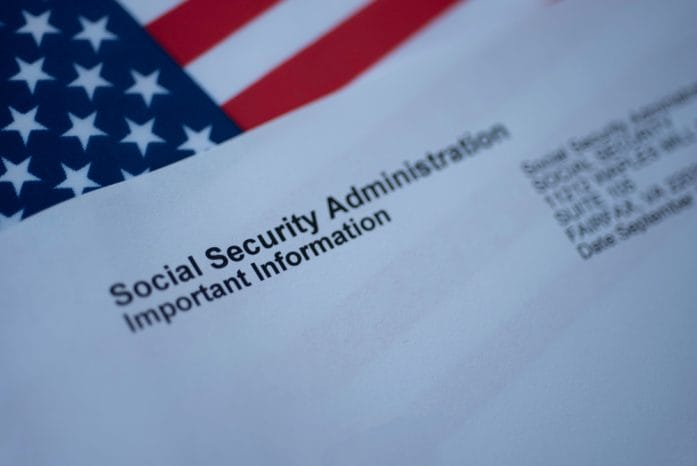
Why Your Social Security Payment Was Delayed: Common Oversights and Fast Fixes

Image Source: Shutterstock.com

Getting paid on time should feel like the one thing that never goes wrong. Yet when a Social Security payment doesn’t show up, everything suddenly feels off balance, and frustration kicks in fast. Bills don’t pause, groceries don’t wait, and that missing deposit can spark a spiral of worry that no one wants to deal with. The truth sits somewhere between bureaucracy and small human error, and once that reality clicks into place, the situation becomes far less mysterious—and far more fixable.

Social Security delays don’t happen randomly, and they rarely come out of nowhere. Something triggers them, whether it’s a paperwork hiccup, a banking mismatch, or a system flag that demands attention. That might sound intimidating at first, but it actually works in your favor because every delay comes with a reason, and every reason comes with a solution.

The Paperwork Trap That Trips People Up

A surprising number of delayed payments trace back to something simple: paperwork that didn’t line up perfectly. Social Security runs on precise data, so even a small mismatch between names, addresses, or account details can cause the system to hit pause. That pause doesn’t come with much warning, which explains why it feels so sudden. Many people update their address, switch banks, or change marital status and assume everything syncs automatically, but that assumption often creates the problem. The system needs confirmation, and until it gets it, payments can stall.

Timing also plays a big role here, and it often goes overlooked. Submitting a change right before a scheduled payment date can interrupt processing because the system needs time to verify and update the new information. That doesn’t mean the payment disappears forever, but it does mean it might arrive later than expected. Staying ahead of updates makes a huge difference, especially when life changes happen quickly.

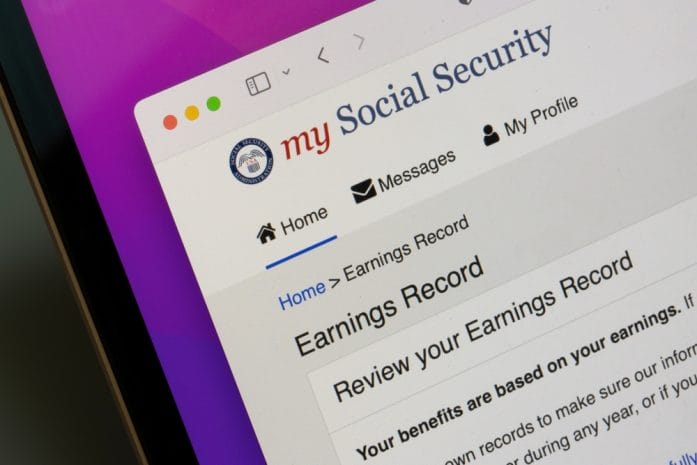
A quick fix starts with checking the details already on file. Logging into a Social Security account and reviewing personal information can reveal mismatches instantly. If anything looks outdated or incorrect, updating it right away puts things back in motion. Keeping documentation handy, like identification or proof of address, speeds up the process even more and reduces back-and-forth delays.

Banking Glitches That Slow Everything Down

Direct deposit usually feels like the most reliable option, but it can also become the source of a delay when something changes behind the scenes. Banks update systems, accounts close, and routing numbers shift, and those changes don’t always communicate smoothly with Social Security. When that happens, the payment doesn’t land where it should, and the system holds it instead of sending it into the void. That safety measure protects funds, but it also creates a delay that can catch people off guard.

Switching banks stands out as one of the most common triggers for this issue. Many people assume updating their bank account online completes the process instantly, but verification still needs to happen. During that window, payments may pause briefly while everything gets confirmed. That delay feels frustrating, especially when the change seemed straightforward at the time.

A smart move involves double-checking bank details before and after making any updates. Confirming the routing number, account number, and account type can prevent small mistakes from turning into bigger problems. Calling the bank directly can also help confirm that everything matches on their end. Taking those extra steps might feel tedious, but they often make the difference between a smooth deposit and a delayed one.

Identity Checks That Put Payments on Hold

Security measures exist for a reason, and Social Security takes identity verification seriously. When the system detects something unusual, like a change in login behavior or a flagged account detail, it may temporarily hold payments until everything checks out. That might feel inconvenient, but it protects benefits from fraud and unauthorized access. Still, it can create confusion when it happens without clear communication.

These checks often occur after updates to personal information or account access. Logging in from a new device, changing a password, or updating sensitive details can trigger a review. The system wants to make sure the right person made those changes, and until it confirms that, payments may stay on hold. That process doesn’t take forever, but it does require action to move forward.

The fastest way to resolve this issue involves completing any requested verification steps as soon as possible. That might include answering security questions, uploading identification, or confirming details through an official channel. Ignoring those prompts only extends the delay, so staying proactive keeps things moving. Keeping account information secure and consistent can also reduce the chances of triggering these checks in the future.

Benefit Status Changes That Cause Confusion

Not every delay comes from an error; sometimes it comes from a change in benefit status. Social Security reviews eligibility regularly, especially for disability benefits and Supplemental Security Income. Those reviews can temporarily interrupt payments while the system reassesses eligibility. That doesn’t mean benefits stop permanently, but it does mean there may be a gap while everything gets sorted out.

Life changes can also influence benefit status in ways that aren’t always obvious. Returning to work, earning additional income, or changes in living arrangements can all affect payments. Even small shifts can trigger a review, and that review can lead to a delay while the system processes the new information. Staying informed about how these changes impact benefits can prevent surprises.

Keeping records organized and up to date makes a big difference here. Reporting changes promptly and accurately helps avoid unnecessary delays. If a review does happen, responding quickly to any requests for information can speed up the process. Understanding how benefits work in different situations turns a confusing delay into something much easier to navigate.

Missed Notices That Lead to Bigger Problems

Social Security doesn’t operate in silence, even though it can feel that way sometimes. When something needs attention, the agency usually sends a notice by mail or through an online account. Missing those notices creates a ripple effect, because the system often waits for a response before moving forward. That waiting period can turn a small issue into a bigger delay.

Mail doesn’t always arrive when expected, and online notifications can get overlooked easily. That combination creates the perfect storm for missed communication. Once that happens, payments may pause until the required action gets completed. That pause can feel confusing, especially if the notice never got noticed in the first place.

Staying on top of communication helps avoid this entirely. Checking an online Social Security account regularly ensures nothing slips through the cracks. Updating contact information also ensures notices reach the right place. Taking a few minutes to review messages can prevent days or even weeks of unnecessary delay.

Why Your Social Security Payment Was Delayed: Common Oversights and Fast Fixes

Image Source: Shutterstock.com

Stay Ahead, Stay Ready

Delays feel stressful, but they rarely stay permanent when the right steps come into play. Most issues come down to information, timing, or verification, and each one has a clear path forward once identified. Taking a proactive approach, like reviewing account details regularly and responding quickly to requests, can keep payments running smoothly. Small habits create big stability when it comes to something this important.

What steps have helped keep payments on track, or what challenges have popped up along the way? Share thoughts, strategies, or experiences in the comments and keep the conversation going.

You May Also Like…

Why Every Newly Married Woman Should Update Her Social Security Record Right Away

Social Security Checks Are Getting Smaller for Some Retirees — And It’s Not a Benefit Cut

8 Mistakes That Can Trigger a Social Security Overpayment Notice

The Harsh Truth About Delaying Social Security: You Might Never See the Money

Why More Seniors Are Getting Surprise Social Security Overpayment Notices

Brandon Marcus
Brandon Marcus

Brandon Marcus is a writer who has been sharing the written word since a very young age. His interests include sports, history, pop culture, and so much more. When he isn’t writing, he spends his time jogging, drinking coffee, or attempting to read a long book he may never complete.

Filed Under: social security Tagged With: benefits issues, delayed payments, direct deposit problems, disability benefits, Financial Tips, government payments, identity verification, payment delays, retirement income, Social Security, SSA, SSI

Online Tax Accounts Are Being Locked After New Security Checks and Filers Are Getting Stuck

April 4, 2026 by Brandon Marcus Leave a Comment

Online Tax Accounts Are Being Locked After New Security Checks and Filers Are Getting Stuck

Image Source: Pexels.com

An online tax account is supposed to be like a fast lane, not a locked door with no key in sight. Yet thousands of filers have hit that exact wall this season, watching their access vanish right when they need it most. The moment feels especially frustrating because it often strikes mid-process, after forms get filled out and documents get uploaded. Suddenly, a system designed for convenience demands more proof, more patience, and more time that many people simply do not have. That tension has turned a routine task into a surprisingly stressful experience.

This situation did not appear out of nowhere, and it does not come from a place of bad intent. Tax authorities and financial platforms have ramped up security checks to fight identity theft and fraud, which continue to rise year after year. Still, that increased protection has created a new kind of bottleneck that slows people down and, in some cases, locks them out completely. When access disappears, refunds get delayed, deadlines feel tighter, and confusion spreads fast.

When Security Gets Serious—and Slams the Door Shut

Stronger security sounds like a win on paper, and in many ways, it absolutely delivers. Agencies have introduced stricter identity verification systems to protect sensitive financial data and prevent fraudulent filings. These systems often include multi-factor authentication, ID uploads, facial recognition checks, and cross-referencing personal data across databases. While those layers build a stronger defense, they also increase the chances of something going wrong during the process. Even a small mismatch in information or a technical hiccup can trigger a lockout.

Filers often run into trouble when systems cannot instantly verify their identity. That situation can happen if a phone number does not match official records, if a credit history check fails, or if a document upload does not meet specific requirements. Once the system flags an issue, it may freeze access until further verification takes place. That pause does not always come with clear instructions, which leaves people stuck in a loop of trying to log back in without understanding what went wrong. The result feels less like security and more like a digital dead end.

Timing makes everything worse because these lockouts often hit during peak filing periods. Systems handle heavy traffic, support lines get overwhelmed, and response times stretch longer than expected. Filers who plan to submit quickly suddenly find themselves waiting days or even weeks to regain access. That delay can push filings closer to deadlines, adding pressure and anxiety to an already tense process. Even those who start early can get caught off guard when verification steps take longer than anticipated.

Why Identity Checks Are Getting Tougher Than Ever

Identity theft has not slowed down, and tax-related fraud remains a major concern for authorities. Criminals use stolen personal information to file fake returns and claim refunds, sometimes before the real taxpayer even starts the process. That ongoing threat has forced agencies to tighten their systems and close any loopholes that fraudsters might exploit. As a result, identity verification now plays a central role in the filing experience, not just a quick step on the way to submission.

Modern verification systems rely on more than just a name and Social Security number. They pull data from financial records, credit bureaus, and government databases to confirm that a person truly matches their identity. Some systems require a live selfie or video check to ensure that a real person stands behind the account. While these tools improve accuracy, they also introduce new points of failure, especially for people with limited credit history or outdated records. When the system cannot confirm a match, it errs on the side of caution and blocks access.

Technology also plays a role in these complications. Not every device handles verification tools smoothly, and outdated browsers or slow internet connections can interrupt the process. A failed upload or a frozen screen can force users to restart, sometimes triggering additional security flags. Even lighting conditions during a facial recognition scan can affect the outcome. These technical quirks may seem minor, but they can make the difference between smooth access and a frustrating lockout.

Getting Locked Out? Here’s How to Fight Your Way Back In

A locked account does not mean the end of the road, but it does require a strategic approach. The first step involves staying calm and avoiding repeated login attempts, which can sometimes make the situation worse. Systems may interpret multiple failed attempts as suspicious activity and extend the lockout period. Taking a step back and reviewing the instructions carefully can save time and prevent further complications. Many platforms provide guidance on what triggered the issue, even if it takes a bit of digging to find it.

Next, gather all necessary documents before attempting to verify identity again. A government-issued ID, recent financial records, and access to a reliable phone number often play key roles in the process. Ensuring that all information matches official records exactly can reduce the chances of another failure. Small discrepancies, like using a nickname instead of a legal name, can create unnecessary problems. Accuracy matters more than speed in this situation.

Reaching out for support can also help, although patience becomes essential. Phone lines and online chat services often experience heavy demand during tax season, so wait times can stretch longer than expected. Trying different contact methods, such as secure messaging or scheduling a callback, can sometimes speed things up. In some cases, in-person verification may offer a faster resolution, especially when digital methods continue to fail. Exploring every available option increases the chances of regaining access sooner rather than later.

Online Tax Accounts Are Being Locked After New Security Checks and Filers Are Getting Stuck

Image Source: Unsplash.com

Smart Moves to Avoid the Lockout Trap Next Time

Preparation can make a huge difference when it comes to avoiding account lockouts. Starting the filing process early gives more time to handle unexpected verification steps without the pressure of looming deadlines. Waiting until the last minute increases the risk of running into issues with limited time to fix them. Early action provides breathing room and reduces stress significantly.

Keeping personal information up to date also plays a critical role. Ensuring that addresses, phone numbers, and financial records match across different platforms can prevent verification mismatches. Regularly checking credit reports and correcting any errors can improve the chances of passing identity checks smoothly. These small maintenance steps may not feel urgent, but they can save a lot of frustration later.

Using a stable internet connection and a compatible device can also improve the experience. Updating browsers, clearing cache, and following the technical guidelines provided by tax platforms can reduce the likelihood of glitches. Choosing a well-lit environment for identity scans and carefully following instructions during uploads can help systems process information more accurately. These simple actions may seem basic, but they can significantly increase success rates during verification.

Security vs. Simplicity—Can Both Win?

Stronger security measures bring undeniable benefits, but they also create new challenges that cannot be ignored. Filers want protection from fraud, yet they also expect smooth, reliable access to their accounts. Finding the balance between these two priorities remains an ongoing challenge for tax authorities and technology providers. As systems evolve, they must address both security risks and user experience to avoid leaving people stuck in the middle.

What strategies have worked for you when dealing with account issues, and what changes would make this process smoother? Share those thoughts, ideas, or experiences in the comments and keep the conversation going.

You May Also Like…

Property Taxes Are Catching Homeowners Off Guard — Especially After Buying or Renovating

Retirement Accounts Are Triggering Unexpected Taxes — What Some Investors Overlook

New Yorkers: Use This 2026 Tax Credit Before the Filing Window Slams Shut

I Moved to a Tax-Free State And Here Are 10 Costs No One Warned Me About

How Utilities Affect Colorado’s Low Property Tax Rate

Brandon Marcus
Brandon Marcus

Brandon Marcus is a writer who has been sharing the written word since a very young age. His interests include sports, history, pop culture, and so much more. When he isn’t writing, he spends his time jogging, drinking coffee, or attempting to read a long book he may never complete.

Filed Under: tax tips Tagged With: cybersecurity, digital identity, filing tips, Financial Tips, fraud prevention, identity verification, IRS security, online tax accounts, refunds delay, tax filing issues, tax season, taxes

Refunds Are Being Delayed Over New IRS Identity Flags — Why More Returns Are Getting Pulled

March 25, 2026 by Brandon Marcus Leave a Comment

Refunds Are Being Delayed Over New IRS Identity Flags — Why More Returns Are Getting Pulled

Image Source: Shutterstock.com

The clock starts ticking the moment a tax return gets filed, and for millions of people, that ticking feels louder than ever this year. Refunds that usually show up like clockwork now stall without warning, leaving bank accounts in limbo and patience wearing thin. The culprit does not come down to simple backlog or seasonal overwhelm. A growing number of returns now hit a digital checkpoint that demands something more than basic processing.

That checkpoint revolves around identity verification, and it has quietly reshaped how refunds move through the system. The IRS has ramped up efforts to catch fraud before money leaves the door, and that shift has pulled more returns into review than ever before. The result feels frustrating, confusing, and sometimes unfair, especially for people who filed correctly and early. But behind the scenes, a much bigger story unfolds—one that blends security, technology, and a rising wave of identity-related tax issues.

The Rise of Identity Flags: Why the IRS Hit the Brakes

The IRS does not randomly decide to delay refunds, even though it can feel that way when a payment disappears into processing purgatory. The agency uses a complex system of filters and algorithms designed to spot suspicious activity before issuing refunds. These filters look for mismatched information, unusual filing patterns, and anything that suggests a return might not belong to the person who submitted it. Over the past few years, identity theft tied to tax filings has pushed the IRS to strengthen those filters significantly. That shift has resulted in more returns getting flagged, even when no fraud actually exists.

A flagged return does not mean someone did something wrong, but it does mean the IRS wants proof that the filer is who they claim to be. That proof often comes in the form of identity verification requests, which can arrive through mail or online notices. Once that process begins, everything slows down because the IRS must confirm the information before releasing any refund. This step protects taxpayers from fraud, but it also creates delays that stretch from weeks into months. The system prioritizes caution over speed, and that trade-off shows up clearly during tax season.

The increase in flagged returns also reflects how criminals have evolved their tactics. Fraudsters now use stolen personal data to file early returns and claim refunds before the real taxpayer even logs in. The IRS has responded by tightening its screening process, which means legitimate returns sometimes get caught in the same net. That situation frustrates many filers, but it also prevents larger financial losses across the system. The agency continues to refine its detection tools, but for now, more scrutiny remains part of the process.

What Triggers a Flag? The Subtle Details That Raise Eyebrows

Many people assume only major errors or obvious red flags trigger IRS scrutiny, but the reality looks far more nuanced. Small inconsistencies can raise questions, especially when they involve personal details like Social Security numbers, addresses, or income reporting. A simple typo or outdated information can cause a return to fall out of the normal processing flow. Changes from previous filings, such as a new job, different filing status, or a sudden shift in income, can also prompt closer review. The system does not judge intent; it reacts to patterns and anomalies.

Filing early used to feel like a guaranteed way to get a fast refund, but that strategy now carries a different kind of risk. Early-season returns often face stricter scrutiny because fraud tends to spike at the beginning of tax season. When a return arrives before employers and financial institutions submit official income documents, the IRS lacks a full set of data to cross-check. That gap can lead to temporary flags, even if everything matches up later. Waiting until all documents are available can reduce that risk, even though it might feel counterintuitive.

Another common trigger involves multiple returns linked to the same Social Security number. This situation often occurs when identity theft enters the picture, but it can also happen due to simple mistakes like duplicate filings. When the system detects more than one return tied to a single identity, it locks everything down until it sorts out the conflict. That process takes time and often requires direct communication with the IRS. It adds another layer of frustration for people who expect a straightforward experience.

The Waiting Game: What Happens After a Return Gets Pulled

Once the IRS flags a return, the process shifts into a completely different gear. Automated systems step aside, and manual review takes center stage. That transition slows everything down because human verification requires time, documentation, and careful checking. The IRS may send a letter requesting identity verification, which often includes instructions for completing the process online or by phone. Responding quickly can help move things along, but it does not guarantee an immediate resolution.

Verification itself can feel surprisingly involved. The IRS may ask for details from previous tax returns, financial records, or even specific questions about personal history. These steps ensure that the person responding matches the identity tied to the return. Once the agency confirms that information, it resumes processing the refund, but the timeline does not snap back to normal. Delays can still linger as the system reintroduces the return into the queue.

During this waiting period, uncertainty tends to build quickly. The “Where’s My Refund?” tool may show limited updates, which only adds to the frustration. Staying proactive helps reduce stress, even though it cannot eliminate delays entirely. Keeping copies of tax documents, responding to IRS notices promptly, and checking official channels for updates all make a difference. While patience remains necessary, preparation can prevent the situation from dragging out longer than needed.

Smart Moves to Avoid Getting Stuck in the System

Avoiding a flagged return starts long before hitting the submit button. Accuracy plays the biggest role, and that means double-checking every detail, from Social Security numbers to bank account information. Even minor errors can trigger delays, so taking a few extra minutes during filing can save weeks of waiting later. Using trusted tax software or working with a qualified professional can also reduce the chances of mistakes slipping through.

Filing at the right time can make a noticeable difference as well. Waiting until all tax documents arrive ensures that the information matches what the IRS receives from employers and financial institutions. This alignment reduces the likelihood of discrepancies that trigger identity flags. While early filing still appeals to many, timing matters more than ever in the current environment.

Protecting personal information also plays a critical role in avoiding delays. Identity theft remains one of the biggest reasons returns get flagged, so safeguarding sensitive data helps prevent problems before they start. Using strong passwords, avoiding unsecured networks, and monitoring financial accounts regularly all contribute to better protection. The IRS also offers Identity Protection PINs, which add an extra layer of security for those who want additional peace of mind.

Refunds Are Being Delayed Over New IRS Identity Flags — Why More Returns Are Getting Pulled

Image Source: Shutterstock.com

Security vs. Speed in a Changing Tax Landscape

The shift toward stricter identity verification reflects a broader change in how tax systems operate. Speed once defined the refund process, but security now takes the lead. This change does not happen in isolation; it responds to real threats that have grown more sophisticated over time. While delays feel inconvenient, they also signal that the system actively works to prevent fraud on a larger scale.

Balancing speed and security will likely remain a challenge moving forward. Taxpayers want quick access to refunds, especially when they rely on that money for essential expenses. At the same time, stronger protections help ensure that refunds reach the right hands. The IRS continues to adjust its approach, but for now, increased scrutiny remains part of the landscape.

Understanding this shift can make the process feel less unpredictable. Knowing why delays happen—and how to avoid them—gives taxpayers more control over their experience. It does not eliminate frustration entirely, but it replaces confusion with clarity. That clarity can make all the difference when navigating tax season.

When the Refund Pauses, What’s the Next Move?

Refund delays tied to identity flags might feel like a sudden roadblock, but they rarely come without warning signs or solutions. Staying alert to IRS communications, verifying information quickly, and taking preventive steps can turn a stressful situation into a manageable one. The system may move slower than expected, but it still moves forward with the right input and attention.

Tax season always brings its share of surprises, but this year’s identity checks have added a new twist that demands awareness and strategy. Handling that twist well comes down to preparation, patience, and a clear understanding of how the process works. With the right approach, even a flagged return can find its way back on track without unnecessary chaos.

What strategies have worked when dealing with refund delays, or what questions still linger about the process? Drop those thoughts, experiences, or theories in the comments and keep the conversation going.

You May Also Like…

5 Reasons To Talk To Your Kids About Taxes

9 Georgia Counties Where Property Taxes Are Set to Rise the Fastest

9 Financial Dangers of Ignoring Property Taxes

7 Common Deductions That Are Getting More Scrutiny From the IRS

The IRS Is Flagging More Returns This Year—And One Detail Keeps Triggering Reviews

Brandon Marcus
Brandon Marcus

Brandon Marcus is a writer who has been sharing the written word since a very young age. His interests include sports, history, pop culture, and so much more. When he isn’t writing, he spends his time jogging, drinking coffee, or attempting to read a long book he may never complete.

Filed Under: tax tips Tagged With: fraud prevention, identity theft, identity verification, IRS, IRS flags, IRS review process, refund delays, tax delays, tax refunds, tax return issues, tax season 2026, taxes

Refunds Are Being Frozen Over a Single IRS Identity Check — Here’s What’s Causing the Delays

February 22, 2026 by Brandon Marcus Leave a Comment

Refunds Are Being Frozen Over a Single IRS Identity Check — Here’s What’s Causing the Delays

Image Source: Pexels.com

The tax refund that was supposed to land in a bank account can stop cold because of one thing: identity verification. Not an audit. Not a math error. Not some dramatic investigation. Just a single flag that tells the Internal Revenue Service it needs to make sure the person behind the return is actually who they claim to be.

For anyone counting on that refund to cover rent, wipe out a credit card balance, or finally fix the car that keeps making that mysterious noise, the delay feels personal. It also feels confusing. After all, if a return went through without a hitch last year, why would the IRS suddenly question it now?

The Identity Verification Trigger That Stops Everything

The IRS runs every tax return through filters designed to catch fraud before money leaves the Treasury. Identity theft tied to tax refunds remains a real issue, so the agency built automated systems that compare each return against prior filings, wage records, and known fraud patterns. When something does not match up, the system kicks the return out for review.

That mismatch can stem from surprisingly ordinary details. A new mailing address, a different bank account for direct deposit, a change in filing status, or income that looks out of line with prior years can all raise a flag. Sometimes the IRS simply wants to confirm that the person who filed the return actually submitted it.

When that happens, the IRS freezes the refund and sends a letter asking for identity verification. The letter instructs the taxpayer to verify identity either online through the IRS identity verification service or by phone. In some cases, the IRS requires an in-person appointment at a Taxpayer Assistance Center.

Until that step happens, the refund does not move. The IRS does not issue partial payments. It does not release funds while it waits. The entire amount stays locked.

Why the IRS Cares So Much About This One Check

Tax identity theft once exploded across the country as criminals filed fake returns early in the season to grab refunds before legitimate taxpayers filed their own. The IRS responded by tightening security. It expanded filters, improved data matching, and added more identity verification steps. That shift cut down fraudulent payouts, but it also created more friction for legitimate filers.

The agency now cross-checks W-2 and 1099 income forms against returns. If an employer submits wage information late, the IRS system may not see a match right away. That delay alone can cause a return to get flagged. When self-employed taxpayers report income that differs sharply from previous years, the system may also want confirmation.

The IRS does not treat every flagged return as fraud. It treats them as returns that need confirmation. That distinction matters. An identity verification request does not mean someone faces penalties or criminal trouble. It means the IRS wants proof before releasing money.

The Letters That Spark Panic — and What They Actually Mean

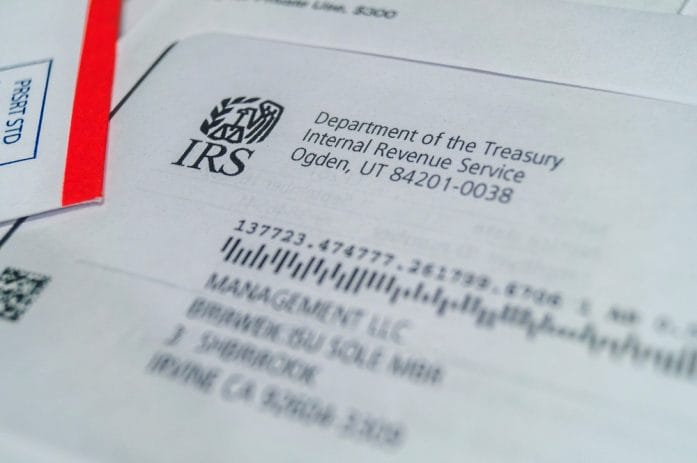
Nothing rattles nerves quite like an official IRS letter. The envelope alone can raise blood pressure. Yet in many cases, these identity verification letters follow a straightforward script.

Letter 5071C directs taxpayers to verify their identity online using the IRS’s secure identity verification tool. That process requires personal information, a copy of the prior year’s return, and access to a financial account or mobile phone for verification. Letter 4883C often asks taxpayers to call a specific IRS phone number and answer questions about their return. Letter 5747C typically requires an in-person visit.

Each letter includes a control number and instructions that must match the official IRS website. The IRS does not initiate identity verification requests through email, text, or social media. Anyone who receives a message outside official channels should assume it is a scam and avoid clicking links.

After successful verification, the IRS resumes processing the return. The agency often states that it may take up to nine weeks to issue the refund once identity verification is complete. Some refunds arrive sooner, but no one should expect instant movement.

How to Respond Without Making the Delay Worse

Speed matters. When the IRS sends an identity verification letter, the clock starts ticking. Ignoring the letter does not make the issue disappear. It simply keeps the refund frozen.

The first step involves confirming the letter’s authenticity by checking the letter number and comparing it with information on IRS.gov. Once that check clears, taxpayers should gather last year’s tax return, the current year’s return, and any supporting documents such as W-2s or 1099s. Having those documents ready makes the online or phone verification process smoother.

If the letter instructs online verification, completing it through the official IRS identity verification portal usually moves faster than calling. Phone lines often involve long hold times, especially during peak tax season. For letters that require in-person visits, scheduling the appointment quickly reduces the overall wait.

Taxpayers should also continue to monitor their refund status using the “Where’s My Refund?” tool on IRS.gov. That tool updates once per day and reflects progress after identity verification clears.

When the Refund Delay Points to Something Bigger

Sometimes identity verification marks the beginning of a more complicated review. If the IRS suspects discrepancies beyond identity concerns, it may send additional notices asking for documentation to support credits or income claims. That situation often happens with refundable credits such as the Earned Income Tax Credit or the Additional Child Tax Credit, which the IRS reviews carefully due to past abuse.

In those cases, the IRS may ask for proof of residency for children, school records, or income documentation. Responding thoroughly and quickly becomes even more important. Missing deadlines or sending incomplete information can extend the delay by months.

Refunds Are Being Frozen Over a Single IRS Identity Check — Here’s What’s Causing the Delays

Image Source: Pexels.com

Practical Steps to Reduce the Risk Next Year

Filing early in the season often helps because fraudsters typically file as soon as filing opens. Using direct deposit with a bank account in the taxpayer’s own name avoids confusion. Keeping mailing addresses consistent across employers, banks, and tax filings prevents mismatches.

Creating an IRS online account adds another layer of control. Through that account, taxpayers can view balances, transcripts, and notices. Monitoring wage and income transcripts later in the season ensures that employers submitted accurate forms.

Anyone concerned about identity theft can also request an Identity Protection PIN, known as an IP PIN, from the IRS. That six-digit number must accompany a tax return each year, which blocks fraudsters from filing without it.

Security Comes First, Even When It Hurts

Identity verification freezes feel frustrating because they disrupt expectations. Taxpayers follow the rules, file on time, and expect the refund timeline advertised by the IRS. Then a letter arrives and changes everything.

Yet the IRS tightened these checks for a reason. When criminals steal refunds, legitimate taxpayers deal with months of cleanup and paperwork. Strong verification rules protect the system as a whole, even though they slow down some refunds.

Refund delays over a single identity check do not signal doom. They signal a pause that requires action. Once identity verification clears, the refund clock starts ticking again.

Has an identity verification letter ever held up a refund, or did the process move faster than expected? Share your thoughts, insights, and tips in the comments below.

You May Also Like…

Can You Trust AI With Your Taxes and Investments? 8 Risks No One Explains

5 Reasons To Talk To Your Kids About Taxes

Income Threshold: 4 Hidden Taxes That Hit Once You Cross Certain Limits

6 Advanced Techniques to Lower Your Capital Gains Taxes Legally

Can Your Taxes Be Cut In Half By You Simply Incorporating Your Name?

Brandon Marcus
Brandon Marcus

Brandon Marcus is a writer who has been sharing the written word since a very young age. His interests include sports, history, pop culture, and so much more. When he isn’t writing, he spends his time jogging, drinking coffee, or attempting to read a long book he may never complete.
Filed Under: tax tips Tagged With: identity verification, IRS, IRS Form 5071C, IRS identity check, IRS letters, IRS online account, refund freeze, refund hold, tax delays, tax refunds, tax return processing, tax season 2026

FOLLOW US

Search this site:

Recent Posts

  • Can My Savings Account Affect My Financial Aid? by Tamila McDonald
  • 12 Ways Gen X’s Views Clash with Millennials… by Tamila McDonald
  • What Advantages and Disadvantages Are There To… by Jacob Sensiba
  • Call 911: Go To the Emergency Room Immediately If… by Stephen Kanaval
  • 10 Tactics for Building an Emergency Fund from Scratch by Vanessa Bermudez
  • 7 Weird Things You Can Sell Online by Tamila McDonald
  • 10 Scary Facts About DriveTime by Tamila McDonald

Copyright © 2026 · News Pro Theme on Genesis Framework