• Home
  • About Us
  • Toolkit
  • Getting Finances Done
    • Hiring Advisors
    • Debt Management
    • Spending Plan
  • Insurance
    • Life Insurance
    • Health Insurance
    • Disability Insurance
    • Homeowners/Renters Insurance
  • Contact Us
  • Privacy Policy
  • Risk Tolerance Quiz

The Free Financial Advisor

You are here: Home / Archives for banking errors

Why Direct Deposit Fails: Banking Errors That Cost You Benefits

April 8, 2026 by Brandon Marcus Leave a Comment

Why Direct Deposit Fails: Banking Errors That Cost You Benefits

Image Source: Shutterstock.com

A deposit that never lands can wreck a perfectly planned week in seconds. Bills stack up, stress spikes, and suddenly a system built for convenience feels anything but reliable. Direct deposit promises speed and simplicity, yet one tiny mismatch or overlooked detail can send that payment spinning into limbo instead of your account. That disconnect leaves people scrambling, confused, and sometimes facing real financial consequences that could have been avoided.

Money systems rely on precision, and direct deposit depends on everything lining up exactly right, from account numbers to timing windows. When something breaks in that chain, the result hits hard and fast.

When Numbers Don’t Match, Money Doesn’t Move

Banks and payment systems do not guess, and they do not improvise when information looks off. A single incorrect digit in an account number or routing number can stop a deposit before it even begins processing. That mistake often sends funds back to the sender, which creates delays that stretch from days into weeks, depending on the institution involved. Many people assume the system will “figure it out,” but automation relies on exact matches, not best guesses. Even something as small as switching two numbers can derail the entire transfer.

Typos do not stand alone as the only issue here, because outdated information causes just as much damage. Switching banks or opening a new account without updating payment details guarantees problems down the line. Employers and government agencies continue sending money to the last known account until someone actively changes it. That gap creates a frustrating cycle where funds bounce back, and reprocessing takes time. Staying proactive with updates prevents that chain reaction and keeps deposits moving exactly where they belong.

Closed Accounts and Frozen Funds: A Silent Disaster

Nothing stops a deposit faster than an account that no longer exists or cannot accept funds. Banks close accounts for many reasons, including inactivity, overdrafts, or customer requests. When that happens, incoming deposits do not just disappear, but they do hit a dead end before returning to the sender. That process rarely happens instantly, which means delays build quickly and create confusion about where the money actually sits.

Frozen accounts create a different kind of headache, especially when banks restrict access due to suspected fraud or verification issues. A deposit might technically arrive, but account holders cannot touch it until the bank lifts the restriction. That situation feels even worse because the money shows up but remains completely unusable. Keeping accounts active, resolving bank notices quickly, and avoiding unresolved overdrafts can prevent these situations from spiraling into full-blown financial disruptions.

Timing Isn’t Everything… But It’s Close

Direct deposit does not operate on a magical instant-transfer system, even though it often feels that way. Payment schedules depend on processing windows, banking hours, and federal holidays. Missing a cutoff time can push a deposit into the next processing cycle, which adds unexpected delays. That timing issue becomes especially important for benefits like Social Security or unemployment payments, where schedules follow strict calendars.

Holidays can quietly shift expectations and catch people off guard. Banks close, processing pauses, and deposits scheduled for those days often move to the next business day. That shift may sound minor, but it can throw off bill payments or automatic withdrawals. Planning around known holidays and understanding deposit timing helps avoid unnecessary panic when funds do not appear exactly when expected.

Name Games: Why Identity Details Matter More Than You Think

Names carry more weight in banking systems than most people realize. A mismatch between the name on a bank account and the name on a payment record can cause a deposit to fail or trigger additional verification steps. This issue often pops up after major life changes like marriage, divorce, or legal name updates. Even small differences, such as missing middle initials or suffixes, can create complications.

Financial institutions use identity matching to prevent fraud, and they take that responsibility seriously. When systems flag inconsistencies, they pause transactions rather than risk sending money to the wrong person. Updating records across all platforms—banks, employers, and benefit agencies—keeps everything aligned and reduces the chance of delays. Consistency acts as the glue that holds direct deposit systems together.

Government Benefits and Extra Layers of Verification

Government payments add another layer of complexity to direct deposit systems. Programs like Social Security, disability benefits, and unemployment insurance follow strict verification rules to ensure funds reach the correct recipient. That extra scrutiny protects against fraud but also increases the chance of delays when information does not match perfectly. A small discrepancy can trigger reviews that slow everything down.

Changes in eligibility or account status can also interrupt payments. If a benefits agency needs additional documentation or detects a potential issue, it may pause deposits until the situation clears up. Staying on top of notifications and responding quickly to requests can prevent long delays. Keeping documentation organized and up to date makes it easier to handle any verification checks that come up.

Simple Habits That Keep Deposits Flowing Smoothly

Avoiding direct deposit problems does not require expert-level financial knowledge, but it does demand attention to detail. Double-checking account and routing numbers before submitting them eliminates one of the most common causes of failure. Setting reminders to update banking information after any change ensures that payments do not head toward outdated accounts. These small steps create a strong foundation for reliable deposits.

Monitoring bank accounts regularly helps catch issues early, before they grow into bigger problems. Many banks offer alerts for incoming deposits, account changes, and unusual activity, which provide an extra layer of awareness. Acting quickly when something looks off can speed up resolution and reduce stress. Building these habits turns direct deposit from a gamble into a dependable system that works exactly as intended.

Why Direct Deposit Fails: Banking Errors That Cost You Benefits

Image Source: Shutterstock.com

Control the Details, Protect the Money

Direct deposit failures do not come out of nowhere, even though they often feel sudden and unfair. Most problems trace back to details that slipped through the cracks, whether that involves incorrect numbers, outdated accounts, or mismatched information. Taking control of those details shifts the odds dramatically in favor of smooth, reliable payments. Staying organized, checking information carefully, and responding quickly to any issues creates a system that works instead of one that surprises.

What strategies have worked best for keeping payments on track, and what lessons came from past deposit headaches? Share those insights and experiences in the comments, because real-world tips often make the biggest difference.

You May Also Like…

Direct Deposit Refunds Are Being Returned by Banks When Names Don’t Match the Account

10 Documents That Should Be Locked Away in a Safety Deposit Box

Biometric Banking and the Rise of Fraud Concerns in 2026

Banks Are Reversing Certain Deposits — Why Some Customers Are Losing Access to Funds

Understanding the Concept of Minimum Deposit Across Various Industries

Brandon Marcus
Brandon Marcus

Brandon Marcus is a writer who has been sharing the written word since a very young age. His interests include sports, history, pop culture, and so much more. When he isn’t writing, he spends his time jogging, drinking coffee, or attempting to read a long book he may never complete.

Filed Under: Banking Tagged With: ACH transfers, bank account issues, banking errors, direct deposit, Financial Tips, government benefits, money management, payment delays, payment troubleshooting, Social Security, SSI, unemployment benefits

Direct Deposit Refunds Are Being Returned by Banks When Names Don’t Match the Account

April 5, 2026 by Brandon Marcus 1 Comment

Direct Deposit Refunds Are Being Returned by Banks When Names Don’t Match the Account

Image Source: Pexels.com

Ever sent a payment into what you thought was a secure financial space, only to have it spit right back at you? That’s exactly what’s happening with direct deposit refunds lately. Banks across the country have started returning refunds when the name on the payment doesn’t exactly match the name on the account. This isn’t some glitchy tech drama—it’s a strict banking protocol designed to prevent fraud and keep everyone’s money safe. But here’s the kicker: for anyone who isn’t paying close attention, it can mean delays, frustration, and a very awkward conversation with your bank.

This trend is shaking up more than just casual consumers. Tax refunds, government benefit payments, and even corporate reimbursements are bouncing back to senders because the name on file isn’t precise. A missing middle initial, a hyphen, or a maiden name that hasn’t been updated can all trigger a return. While it might seem like banks are just being picky, they are actually following federal regulations meant to protect both the sender and the recipient.

When Names Don’t Match, Banks Slam the Brakes

The banking world has rules, and one of the strictest is this: your account name must match the payment name to the letter. Banks verify the account holder before any direct deposit hits the account. If the name doesn’t match, the system flags it instantly. This verification is part of the Automated Clearing House (ACH) network, which processes billions of electronic payments every year. The system isn’t built for guesswork or flexibility—its job is to make sure that money doesn’t end up in the wrong hands.

For example, if a tax refund is issued to “Jane M. Doe” but the bank account reads “Jane Marie Doe,” the bank might return the payment. Even minor discrepancies like a missing hyphen in a last name or a nickname versus a legal first name can cause trouble. Banks aren’t trying to make life difficult—they are following compliance rules that protect both sides. However, this also means that consumers need to be meticulous when providing account details for refunds. Checking and double-checking the account name against the official bank records can save a lot of headaches.

Government Refunds Aren’t Immune

Direct deposit refunds don’t just involve personal transactions—they include payments from federal and state governments, including tax refunds, unemployment benefits, and stimulus payments. When these payments return due to mismatched names, it slows down the entire system. The IRS, for instance, reports that returned refunds need to be reissued, which can take weeks. For people relying on that money, delays can create real-world problems like missed bills or interrupted rent payments.

The situation is compounded during high-volume periods like tax season. Banks have millions of transactions to process, and any name mismatch gets caught immediately, meaning the payment bounces back to the government or organization. That’s why the IRS and other agencies now emphasize updating personal information before requesting direct deposits. Small actions, like logging into your online account and ensuring your legal name matches your bank account, can make a huge difference. This isn’t just about avoiding hassle—it’s about keeping your cash flow smooth and avoiding frustrating delays.

Why Accuracy Beats Speed Every Time

Many people assume banks will automatically correct minor errors in names during processing. Unfortunately, they don’t. The ACH system can’t interpret typos or variations—it either matches exactly or rejects the payment. That’s why accuracy in banking details is king. Financial institutions prioritize the security and integrity of transactions over convenience, meaning even a tiny mismatch triggers a full return.

Updating your bank account information, including all middle names, hyphens, and suffixes like Jr. or III, might feel tedious, but it prevents these headaches. Setting up alerts or double-checking account details before requesting direct deposits ensures smooth transactions. Even when switching banks or changing your legal name, taking the time to update everything in one place saves time and avoids the frustration of returned payments. Accuracy isn’t just a suggestion—it’s the lifeline that keeps direct deposit refunds flowing seamlessly.

What to Do If Your Refund Bounces

If a direct deposit refund comes back, the first step is contacting the sender. For government payments, agencies like the IRS or state offices usually reissue the refund after correcting the account details. For other transactions, communicating with the sender and your bank can help resolve the problem quickly. Banks typically provide guidance on updating account information and resubmitting payments.

Proactively, keep a checklist of your account information. Ensure all names, numbers, and even routing details are current. Using online banking portals makes it easier to verify details in real time. Avoid using nicknames or abbreviations for direct deposit accounts, and confirm that all legal documents match exactly. Taking these steps minimizes the risk of bounced refunds and keeps your financial life running smoothly. The key is being proactive rather than reactive—it saves both time and frustration.

Keep Your Money Moving: Make It a Habit

Financial institutions are strict, but the rules are clear and manageable. The name-match requirement exists for a reason: it keeps money secure, prevents fraud, and ensures that payments land where they are supposed to. While this may feel like an extra hoop to jump through, it ultimately protects consumers and organizations alike. Making a habit of double-checking your account details before requesting refunds or payments ensures your money doesn’t get stuck in transit.

Set reminders to review your banking information at least once a year or whenever you experience a legal name change. Encourage family members or colleagues to do the same, especially during high-volume periods like tax season or after government-issued stimulus payments. Simple steps like this prevent bounced deposits, unnecessary delays, and the stress that comes with waiting on money you already earned. Ultimately, the process may seem strict, but it keeps everyone’s financial world running more smoothly and reliably.

Direct Deposit Refunds Are Being Returned by Banks When Names Don’t Match the Account

Image Source: Pexels.com

Don’t Let a Name Stop Your Refund

A simple mismatch between your bank account and the name on your refund shouldn’t derail your finances, but it can if you ignore the details. Paying attention to the way your account is listed, updating personal details when needed, and double-checking before requesting a deposit makes all the difference. A returned payment doesn’t just cost time—it can cause stress and interrupt your budgeting plans. By staying vigilant, your refunds will flow directly into your account without bouncing back to haunt you.

Have you ever had a refund returned because of a name mismatch? What strategies do you use to keep your accounts updated and avoid these banking headaches? Share your experiences, ideas, or tips in the comments.

You May Also Like…

Biometric Banking and the Rise of Fraud Concerns in 2026

5 Budgeting Apps That Integrate With Biometric Banking

5 Outrageous Fees Hidden in Everyday Banking Services

10 Warning Signs Your Banking App Was Compromised

Banks Are Moving Toward All-Digital Payments — What That Means for Your Money

Brandon Marcus
Brandon Marcus

Brandon Marcus is a writer who has been sharing the written word since a very young age. His interests include sports, history, pop culture, and so much more. When he isn’t writing, he spends his time jogging, drinking coffee, or attempting to read a long book he may never complete.

Filed Under: Banking Tagged With: account verification, banking, banking errors, direct deposit, finance tips, financial advice, IRS, money management, money safety, payment processing, Personal Finance, refunds

Tax Payments Reversed: Why Some Filers Are Getting “Failed Transaction” Notices

April 2, 2026 by Brandon Marcus Leave a Comment

Tax Payments Reversed: Why Some Filers Are Getting “Failed Transaction” Notices

Image Source: Shutterstock.com

Tax season delivers enough drama on its own, but nothing raises eyebrows faster than a payment that vanishes after it supposedly went through. One moment shows a successful tax payment, the next flashes a “failed transaction” notice like a digital plot twist nobody asked for. That kind of whiplash grabs attention instantly, especially when money and deadlines collide in the same breath. Confusion spreads quickly because everything looked fine at first, and then suddenly, it didn’t. That disconnect sparks questions, concern, and a whole lot of second-guessing about what just happened behind the scenes.

A reversed tax payment feels personal, even though the cause often sits buried in systems, timing, or small technical details. People want answers fast, and they want solutions even faster, because penalties and deadlines don’t wait for anyone to figure things out. This situation demands clarity, not panic, and a little inside knowledge goes a long way toward restoring control. Several common triggers explain why these failed transaction notices show up, and each one carries its own fix.

When “Processed” Doesn’t Mean Finished Business

A payment confirmation creates a sense of relief, but that initial “processed” status does not always signal a fully completed transaction. Banks and payment systems run checks after that first green light, and those checks can still reject the transaction hours or even days later. That delay causes confusion because the timeline feels backward, especially when money already appeared to leave the account. Payment processors rely on verification steps that include account validation, fraud detection, and fund availability, and any one of those steps can trigger a reversal. A simple mismatch between the account name and tax filing details can stop everything in its tracks. Even something as small as a typo in routing numbers or account digits can unravel the entire process.

Timing also plays a sneaky but critical role in these reversals, especially when payments happen close to weekends or holidays. Banks process transactions in batches, not always in real time, so a payment submitted on Friday night might not fully clear until Monday or later. During that gap, accounts must still hold enough funds to cover the transaction, or the system will bounce it back. Overdraft protections do not always apply to tax payments, which surprises many people who assume coverage exists across all transactions. That mismatch between expectation and reality leads to sudden reversals that feel unfair but follow strict processing rules. Watching account balances closely during that window becomes essential for avoiding a frustrating surprise.

The Usual Suspects: Why Payments Get Rejected

Failed tax payments rarely come out of nowhere, even if they feel that way in the moment. Insufficient funds top the list as the most common culprit, especially when multiple bills hit around the same time. Automatic payments, subscriptions, or even a delayed deposit can quietly reduce the available balance right before the tax payment clears. Banks don’t negotiate in those moments—they simply reject the transaction. Another frequent issue involves incorrect banking details, where one wrong digit sends the payment into a void that cannot process properly. That kind of error forces a reversal almost immediately once the system flags the inconsistency.

Security measures also play a big role, especially as financial institutions tighten fraud detection systems. A large or unusual payment can trigger a temporary block, even if it comes directly from the account holder. Banks would rather pause a legitimate transaction than allow a suspicious one to slip through, which creates inconvenience but protects accounts overall. Expired debit cards or closed accounts can also cause instant rejections, especially if the payment method changed recently. Even outdated saved information in tax software can lead to these issues, particularly for those who reuse details from previous years. Every one of these factors contributes to the same frustrating result: a payment that looked successful but didn’t actually stick.

The Clock Is Ticking: Why Fast Action Matters

A reversed payment does not pause tax deadlines, and that reality adds urgency to the situation. Tax agencies still expect payment by the due date, regardless of what went wrong behind the scenes. Penalties and interest can start accumulating quickly, sometimes within days, which makes immediate action essential. Ignoring a failed transaction notice only increases the risk of extra costs that could have been avoided with a quick response. That sense of urgency pushes many people into reactive decisions, but a clear plan works much better than panic.

The first move involves confirming the exact reason for the failure, which usually appears in bank notifications or payment system alerts. That detail determines the next step, whether it involves correcting account information, transferring funds, or contacting the bank directly. After identifying the issue, submitting a new payment as soon as possible helps limit any potential penalties. Many tax systems allow for immediate resubmission, which provides a quick path to resolution. Keeping proof of the new payment also matters, especially if any disputes arise later. Acting quickly not only solves the problem but also restores a sense of control over the situation.

Tax Payments Reversed: Why Some Filers Are Getting “Failed Transaction” Notices

Image Source: Pexels.com

Smart Moves to Avoid a Repeat Performance

Preventing a second failed payment starts with tightening up a few simple habits that make a big difference. Double-checking banking details before submitting any payment eliminates one of the most common causes of rejection. That extra minute of review can save days of stress later. Scheduling payments a few days before the deadline also provides a buffer, giving time to fix any issues without racing against the clock. That strategy works especially well during busy tax periods when systems handle higher volumes of transactions.

Keeping enough funds in the account might sound obvious, but timing matters just as much as the amount. Payments should go out when the account balance feels stable, not when it sits on the edge of covering multiple expenses. Setting alerts for low balances or large withdrawals can help track changes that might interfere with a scheduled tax payment. Updating saved payment methods in tax software also prevents outdated information from causing problems. These small adjustments create a smoother process and reduce the chance of another unpleasant surprise.

Turning a Glitch Into a Game Plan

A failed tax payment feels like a setback, but it also offers a chance to build a smarter, more reliable approach moving forward. Understanding how these reversals happen turns confusion into clarity and frustration into action. Every step taken to verify details, monitor accounts, and plan payment timing strengthens financial confidence. Instead of reacting to problems, a proactive approach keeps everything running smoothly from the start. That shift in mindset transforms tax season from a stress-filled scramble into a manageable task with fewer surprises.

What strategies have worked when dealing with payment issues, or what steps feel like the best safety net moving forward? Share thoughts, experiences, or even lessons learned in the comments—those insights might help someone else dodge the same headache.

You May Also Like…

Property Taxes Are Catching Homeowners Off Guard — Especially After Buying or Renovating

IRS Warning: That Venmo Payment for Your Garage Sale Just Triggered a Surprise Tax Bill

Utility Companies Are Ending Paper Billing — How It Will Change Your Monthly Payments

Income Threshold: 4 Hidden Taxes That Hit Once You Cross Certain Limits

The IRS Is Sending More “Math Error” Notices — Why You Could Owe Without Realizing It

Brandon Marcus
Brandon Marcus

Brandon Marcus is a writer who has been sharing the written word since a very young age. His interests include sports, history, pop culture, and so much more. When he isn’t writing, he spends his time jogging, drinking coffee, or attempting to read a long book he may never complete.

Filed Under: tax tips Tagged With: banking errors, e-file, failed transaction, IRS alerts, IRS payments, money management, payment reversal, Personal Finance, tax refund issues, tax season, tax tips, taxes

6 Times Your Bank Can Reject a Transaction Without Warning

March 29, 2026 by Brandon Marcus Leave a Comment

6 Times Your Bank Can Reject a Transaction Without Warning

Image Source: Shutterstock.com

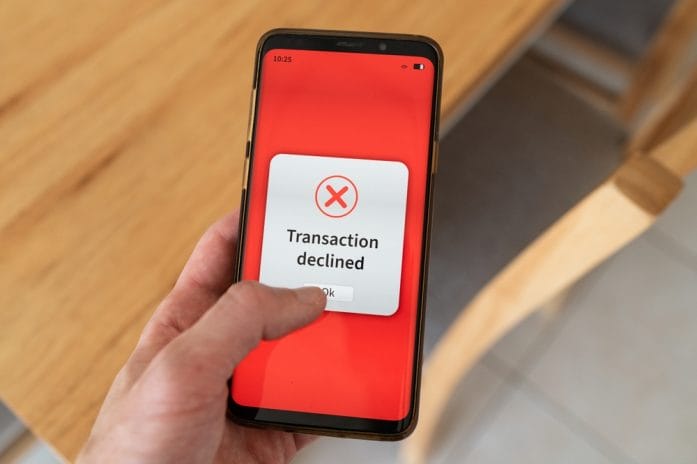
A payment gets blocked in seconds, and suddenly everything grinds to a halt. One moment, everything feels smooth and under control, and the next, a simple tap or swipe turns into a confusing dead end that demands attention immediately. That tiny “transaction declined” message carries way more power than it should, especially when it shows up at the worst possible time. Nobody plans for it, nobody expects it, and yet it happens far more often than people realize.

Banks don’t randomly hit the brakes just to cause chaos. They rely on systems, patterns, and risk signals that operate behind the scenes, making decisions faster than anyone could react in real time. Those decisions protect accounts, prevent fraud, and enforce rules, but they also leave plenty of room for surprise interruptions that feel completely out of left field.

1. That Purchase Looks Suspicious (Even If It’s Not)

Banks constantly scan transactions for unusual behavior, and they don’t hesitate to step in when something feels off. A purchase that falls outside normal spending patterns can instantly trigger a block, even if everything about it feels perfectly legitimate. Buying an expensive item out of nowhere, shopping in a new location, or suddenly making multiple purchases in a short period can all raise red flags. These systems don’t rely on context or explanations, so they treat anything unexpected as a potential threat. That means a completely normal purchase can look risky if it breaks the usual routine.

The problem intensifies when timing and location don’t line up with recent activity. A transaction from a new city or country can look especially suspicious if no travel notice exists on the account. Even online purchases from unfamiliar retailers can trigger a decline if the system flags the merchant or notices unusual behavior patterns. Banks prioritize safety, so they would rather block a legitimate purchase than allow a fraudulent one to slip through. That approach protects money, but it can also feel frustrating when everything about the purchase makes sense on a personal level.

Staying ahead of this issue requires a little planning. Setting travel notices before leaving town gives banks a heads-up that spending patterns will shift. Keeping contact information updated ensures quick verification when a bank reaches out to confirm a transaction. Using the same card consistently for regular purchases also helps build a predictable pattern that reduces false alarms. These small steps create a smoother experience and keep transactions moving without unnecessary interruptions.

2. You Hit Your Limit Without Realizing It

Every account comes with limits, and those limits don’t always match what someone expects. Daily spending caps, withdrawal limits, and credit limits all play a role in whether a transaction goes through. A purchase that exceeds any of these thresholds can get declined instantly, even when enough money exists in the account overall. That disconnect often confuses people because the balance looks fine, yet the transaction still fails.

Debit cards often include daily spending limits that reset every 24 hours. Large purchases or multiple transactions within the same day can push spending past that cap without any obvious warning. Credit cards work differently but still enforce strict limits based on available credit, not total credit. Once spending approaches that ceiling, even a small additional charge can tip things over and trigger a decline. These limits exist to manage risk and protect both the bank and the account holder, but they can feel restrictive when timing matters.

Avoiding this situation means staying aware of both balances and limits. Checking available credit instead of just the total limit helps prevent surprises on credit cards. Reviewing daily debit limits and requesting adjustments when necessary can provide more flexibility for larger purchases. Planning big transactions ahead of time, especially for things like travel or major expenses, reduces the chance of hitting an invisible ceiling at the worst moment.

3. Your Account Doesn’t Have Enough Available Funds

Available balance and actual balance don’t always match, and that difference can cause a transaction to fail even when it looks like money should be there. Pending transactions, holds, and scheduled payments all reduce the amount of money that can be used immediately. A purchase that fits within the total balance might still exceed the available balance, leading to an unexpected decline. That gap catches many people off guard because it doesn’t show up clearly without checking the details.

Holds from hotels, gas stations, and rental services can temporarily lock up funds. Those holds often exceed the final charge, which creates a temporary squeeze on available money. Automatic payments scheduled for later in the day can also reduce available funds before they officially process. These behind-the-scenes adjustments happen quietly, but they have a real impact on whether a transaction succeeds or fails. Banks rely on available balance to approve transactions, not the total amount sitting in the account.

Keeping a buffer in the account helps absorb these temporary holds and pending charges. Regularly reviewing transaction history provides a clearer picture of what funds are actually available. Turning on balance alerts can also give a quick heads-up when available funds drop below a certain level. These habits create a cushion that keeps transactions flowing smoothly, even when holds and pending charges come into play.

4. The Merchant Triggers a Red Flag

Not all declines come from the account side of things. Sometimes, the issue comes from the merchant itself. Banks maintain lists of high-risk merchants and industries that carry a higher chance of fraud or disputes. Transactions involving these merchants can get blocked automatically, even when everything looks fine from a personal standpoint. Online retailers with limited history or poor reputations often fall into this category.

Certain types of purchases, such as those involving digital goods, subscriptions, or international sellers, can also trigger additional scrutiny. Banks analyze patterns across millions of transactions, and they flag merchants that frequently appear in fraud reports. When a card gets used at one of these merchants, the system may decline the transaction as a precaution. That decision happens instantly, with no time for explanation or review in the moment.

Choosing reputable retailers reduces the chance of running into this problem. Looking for secure payment indicators, verified reviews, and established brands adds an extra layer of confidence before making a purchase. If a transaction gets declined due to a merchant flag, contacting the bank can often resolve the issue quickly. That step confirms the purchase as legitimate and allows future transactions with that merchant to go through more smoothly.

5. Technical Glitches and System Errors

Technology runs the modern banking system, but it doesn’t always run perfectly. Network issues, system outages, and processing errors can all cause transactions to fail without warning. These glitches can happen on the bank’s side, the merchant’s system, or somewhere in between during the payment process. Even a brief interruption in communication can prevent a transaction from going through.

Card readers, payment terminals, and online checkout systems all rely on stable connections to process transactions. When something disrupts that connection, the system may default to declining the transaction instead of risking an error. Maintenance updates and system upgrades can also temporarily affect transaction processing. These issues usually resolve quickly, but they can create confusion in the moment when a payment suddenly doesn’t work.

Trying the transaction again often solves the problem if a glitch caused the decline. Using a different payment method, such as another card or a mobile payment option, can also provide a quick workaround. Keeping a backup payment method available ensures that one failed transaction doesn’t derail an entire plan. Staying flexible in these situations keeps things moving, even when technology decides to take a brief break.

6 Times Your Bank Can Reject a Transaction Without Warning

Image Source: Shutterstock.com

6. Your Card or Account Has Been Restricted

Banks can place restrictions on accounts or cards for a variety of reasons, and those restrictions can stop transactions immediately. Suspicious activity, missed payments, or verification issues can all lead to temporary blocks. Once a restriction goes into place, transactions will continue to fail until the issue gets resolved. These restrictions often come with notifications, but they don’t always arrive before the first declined transaction.

Verification requests can also play a role in these situations. Banks may require updated identification, confirmation of recent activity, or responses to security questions before allowing further transactions. Ignoring these requests can lead to ongoing declines, even when everything else looks normal. These measures protect accounts from unauthorized use, but they require quick action to restore full access.

Responding promptly to any communication from the bank helps resolve restrictions faster. Keeping identification and contact details up to date ensures that verification processes go smoothly. Setting up account alerts can also provide early warnings before restrictions escalate into declined transactions. Taking these steps keeps accounts in good standing and reduces the chance of unexpected interruptions.

Stay One Step Ahead

Bank declines don’t have to feel like random disruptions that show up out of nowhere. Each one ties back to a specific rule, pattern, or safeguard designed to protect money and maintain system integrity. Understanding those triggers turns frustration into strategy, and that shift creates a smoother, more predictable experience with every transaction. Small habits, like monitoring balances, updating account information, and planning ahead for large purchases, make a noticeable difference over time.

What’s the most surprising reason a transaction has ever been declined, and what strategy worked best to fix it? Drop your experience or tips in the comments and get the conversation going.

You May Also Like…

What to Do After Discovering a Secret Credit Card

7 Reasons Why Many “Buy Now, Pay Later” Users Are Actually Paying With Debit Cards

The Danger of Using Debit Cards While Traveling Abroad

Customers Beware: Banks Are Tightening Fraud Rules and Freezing Accounts Faster Than Ever

Banks Are Still Charging Daily Overdraft Fees After Accounts Go Negative

Brandon Marcus
Brandon Marcus

Brandon Marcus is a writer who has been sharing the written word since a very young age. His interests include sports, history, pop culture, and so much more. When he isn’t writing, he spends his time jogging, drinking coffee, or attempting to read a long book he may never complete.

Filed Under: Banking Tagged With: banking, banking errors, budgeting, credit card, Debit card, declined transaction, finance advice, financial habits, fraud prevention, money tips, payment issues, Personal Finance

How Can Small Banking Errors Snowball Into Huge Losses

September 7, 2025 by Catherine Reed Leave a Comment

How Can Small Banking Errors Snowball Into Huge Losses

Image source: 123rf.com

Most people assume their bank accounts are accurate and reliable, but even minor mistakes can cause big problems if overlooked. Whether it’s a tiny transaction error or a misapplied fee, these seemingly harmless issues can add up over time. The reality is that small banking errors snowball into huge losses when they go unnoticed and compound into bigger financial setbacks. From overdraft fees to damaged credit scores, the consequences can extend far beyond the initial slip. Understanding how this happens can help you spot problems early and protect your money.

1. Overdraft Fees Add Up Quickly

One of the most common ways small banking errors snowball into huge losses is through overdraft charges. A simple mistake, like forgetting to record a purchase or miscalculating a balance, can trigger an overdraft. While the amount may be minor, banks often tack on fees that range from $30 to $35 per transaction. If multiple payments clear at once, these fees can multiply within hours. For those living paycheck to paycheck, overdraft charges can snowball into debt that becomes difficult to escape.

2. Incorrect Automatic Payments

Automatic payments are convenient, but they also leave room for errors. Sometimes a payment is scheduled for the wrong amount or continues after a service has been canceled. These small banking errors snowball into huge losses when the charges pile up month after month without being noticed. Many people fail to review their statements closely, which allows these errors to persist for long periods. Regular account monitoring is the best defense against recurring mistakes that drain accounts unnecessarily.

3. Misapplied Deposits or Withdrawals

Banks occasionally misapply funds, placing money into the wrong account or withdrawing from the wrong source. Even if the error is small, the impact can be serious. These small banking errors snowball into huge losses when they interfere with bill payments or lead to missed obligations. For example, a delayed deposit might cause a mortgage payment to bounce, resulting in late fees or penalties. Without immediate correction, the chain reaction of financial consequences can be overwhelming.

4. Accrued Interest from Unnoticed Errors

Another way small banking errors snowball into huge losses is through unnoticed interest accrual. For example, if a loan payment is recorded incorrectly, the balance may appear higher than it should be. This can cause interest charges to accumulate on amounts that weren’t truly owed. Over time, the added interest can amount to hundreds or even thousands of dollars. Failing to catch these errors early leaves borrowers paying more than necessary.

5. Damaged Credit from Reporting Mistakes

Credit scores are highly sensitive to late or missed payments. If a small banking error leads to a delayed payment, the mistake can appear on your credit report. These small banking errors snowball into huge losses by lowering credit scores, which in turn raise borrowing costs on loans, mortgages, and credit cards. A dip in credit can also affect opportunities like renting an apartment or securing a job. Correcting a reporting error is possible, but it can take months of effort to undo the damage.

6. Hidden Fees That Go Unnoticed

Banks sometimes impose hidden fees for account maintenance, paper statements, or foreign transactions. These charges may look small on a monthly statement, but they add up quickly over time. When left unchecked, these small banking errors snowball into huge losses that drain savings and reduce financial stability. Many people don’t realize how much they’re paying until they total the fees for the year. Keeping a close eye on your statements helps prevent banks from quietly chipping away at your balance.

7. Missed Opportunities to Grow Wealth

Perhaps the most overlooked way small banking errors snowball into huge losses is through missed financial opportunities. For example, if a deposit doesn’t earn the correct interest or funds aren’t transferred into a higher-yield account, the lost growth adds up. Over the years, the difference in compound interest can become staggering. These errors don’t just cost you money today—they reduce what you could have had tomorrow. Catching mistakes early helps ensure your money works as hard as possible for you.

Staying Vigilant Protects Your Finances

The truth is, small banking errors snowball into huge losses not because of the size of the mistake, but because of how long it goes unnoticed. Overdraft fees, credit score damage, and missed financial growth are all avoidable with regular monitoring and quick action. Reviewing statements monthly, setting up alerts, and questioning anything unusual are simple habits that can save thousands of dollars. Protecting your finances requires vigilance, but the payoff is peace of mind. By staying proactive, you can stop small mistakes from turning into major setbacks.

Have you ever caught a banking error before it caused serious damage? Share your story and tips in the comments below!

What to Read Next…

  • Could Having Too Many Bank Accounts Complicate Wealth Instead of Protect It
  • Some U.S. Banks Are Now Charging a “Cash Handling” Fee—Even at ATMs
  • 10 Surprise Transfers in Your Account You Didn’t Authorize
  • 7 ATM Withdrawal Behaviors That Raise Government Surveillance Flags
  • 9 Lifestyle Changes That Quietly Save Thousands a Year
Catherine Reed
Catherine Reed

Catherine is a tech-savvy writer who has focused on the personal finance space for more than eight years. She has a Bachelor’s in Information Technology and enjoys showcasing how tech can simplify everyday personal finance tasks like budgeting, spending tracking, and planning for the future. Additionally, she’s explored the ins and outs of the world of side hustles and loves to share what she’s learned along the way. When she’s not working, you can find her relaxing at home in the Pacific Northwest with her two cats or enjoying a cup of coffee at her neighborhood cafe.

Filed Under: Banking Tagged With: banking errors, credit score, financial mistakes, financial protection, money management, overdraft fees, Personal Finance

FOLLOW US

Search this site:

Recent Posts

  • Can My Savings Account Affect My Financial Aid? by Tamila McDonald
  • 12 Ways Gen X’s Views Clash with Millennials… by Tamila McDonald
  • What Advantages and Disadvantages Are There To… by Jacob Sensiba
  • Call 911: Go To the Emergency Room Immediately If… by Stephen Kanaval
  • 10 Tactics for Building an Emergency Fund from Scratch by Vanessa Bermudez
  • 7 Weird Things You Can Sell Online by Tamila McDonald
  • 10 Scary Facts About DriveTime by Tamila McDonald

Copyright © 2026 · News Pro Theme on Genesis Framework