• Home
  • About Us
  • Toolkit
  • Getting Finances Done
    • Hiring Advisors
    • Debt Management
    • Spending Plan
  • Insurance
    • Life Insurance
    • Health Insurance
    • Disability Insurance
    • Homeowners/Renters Insurance
  • Contact Us
  • Privacy Policy
  • Risk Tolerance Quiz

The Free Financial Advisor

You are here: Home / Archives for delayed payments

Why Your Social Security Payment Was Delayed: Common Oversights and Fast Fixes

April 6, 2026 by Brandon Marcus Leave a Comment

Why Your Social Security Payment Was Delayed: Common Oversights and Fast Fixes

Image Source: Shutterstock.com

Getting paid on time should feel like the one thing that never goes wrong. Yet when a Social Security payment doesn’t show up, everything suddenly feels off balance, and frustration kicks in fast. Bills don’t pause, groceries don’t wait, and that missing deposit can spark a spiral of worry that no one wants to deal with. The truth sits somewhere between bureaucracy and small human error, and once that reality clicks into place, the situation becomes far less mysterious—and far more fixable.

Social Security delays don’t happen randomly, and they rarely come out of nowhere. Something triggers them, whether it’s a paperwork hiccup, a banking mismatch, or a system flag that demands attention. That might sound intimidating at first, but it actually works in your favor because every delay comes with a reason, and every reason comes with a solution.

The Paperwork Trap That Trips People Up

A surprising number of delayed payments trace back to something simple: paperwork that didn’t line up perfectly. Social Security runs on precise data, so even a small mismatch between names, addresses, or account details can cause the system to hit pause. That pause doesn’t come with much warning, which explains why it feels so sudden. Many people update their address, switch banks, or change marital status and assume everything syncs automatically, but that assumption often creates the problem. The system needs confirmation, and until it gets it, payments can stall.

Timing also plays a big role here, and it often goes overlooked. Submitting a change right before a scheduled payment date can interrupt processing because the system needs time to verify and update the new information. That doesn’t mean the payment disappears forever, but it does mean it might arrive later than expected. Staying ahead of updates makes a huge difference, especially when life changes happen quickly.

A quick fix starts with checking the details already on file. Logging into a Social Security account and reviewing personal information can reveal mismatches instantly. If anything looks outdated or incorrect, updating it right away puts things back in motion. Keeping documentation handy, like identification or proof of address, speeds up the process even more and reduces back-and-forth delays.

Banking Glitches That Slow Everything Down

Direct deposit usually feels like the most reliable option, but it can also become the source of a delay when something changes behind the scenes. Banks update systems, accounts close, and routing numbers shift, and those changes don’t always communicate smoothly with Social Security. When that happens, the payment doesn’t land where it should, and the system holds it instead of sending it into the void. That safety measure protects funds, but it also creates a delay that can catch people off guard.

Switching banks stands out as one of the most common triggers for this issue. Many people assume updating their bank account online completes the process instantly, but verification still needs to happen. During that window, payments may pause briefly while everything gets confirmed. That delay feels frustrating, especially when the change seemed straightforward at the time.

A smart move involves double-checking bank details before and after making any updates. Confirming the routing number, account number, and account type can prevent small mistakes from turning into bigger problems. Calling the bank directly can also help confirm that everything matches on their end. Taking those extra steps might feel tedious, but they often make the difference between a smooth deposit and a delayed one.

Identity Checks That Put Payments on Hold

Security measures exist for a reason, and Social Security takes identity verification seriously. When the system detects something unusual, like a change in login behavior or a flagged account detail, it may temporarily hold payments until everything checks out. That might feel inconvenient, but it protects benefits from fraud and unauthorized access. Still, it can create confusion when it happens without clear communication.

These checks often occur after updates to personal information or account access. Logging in from a new device, changing a password, or updating sensitive details can trigger a review. The system wants to make sure the right person made those changes, and until it confirms that, payments may stay on hold. That process doesn’t take forever, but it does require action to move forward.

The fastest way to resolve this issue involves completing any requested verification steps as soon as possible. That might include answering security questions, uploading identification, or confirming details through an official channel. Ignoring those prompts only extends the delay, so staying proactive keeps things moving. Keeping account information secure and consistent can also reduce the chances of triggering these checks in the future.

Benefit Status Changes That Cause Confusion

Not every delay comes from an error; sometimes it comes from a change in benefit status. Social Security reviews eligibility regularly, especially for disability benefits and Supplemental Security Income. Those reviews can temporarily interrupt payments while the system reassesses eligibility. That doesn’t mean benefits stop permanently, but it does mean there may be a gap while everything gets sorted out.

Life changes can also influence benefit status in ways that aren’t always obvious. Returning to work, earning additional income, or changes in living arrangements can all affect payments. Even small shifts can trigger a review, and that review can lead to a delay while the system processes the new information. Staying informed about how these changes impact benefits can prevent surprises.

Keeping records organized and up to date makes a big difference here. Reporting changes promptly and accurately helps avoid unnecessary delays. If a review does happen, responding quickly to any requests for information can speed up the process. Understanding how benefits work in different situations turns a confusing delay into something much easier to navigate.

Missed Notices That Lead to Bigger Problems

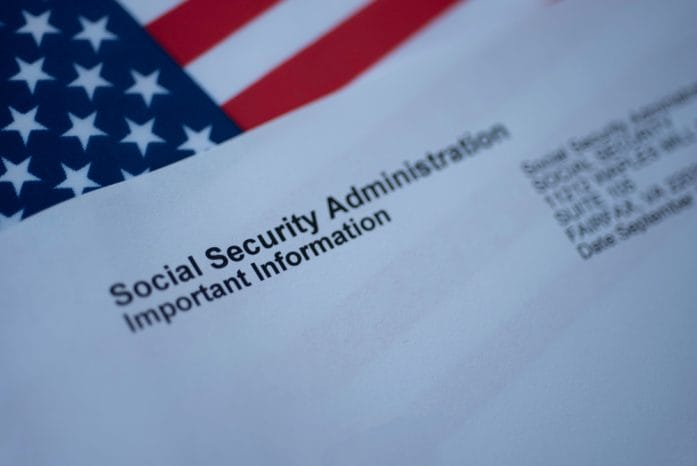
Social Security doesn’t operate in silence, even though it can feel that way sometimes. When something needs attention, the agency usually sends a notice by mail or through an online account. Missing those notices creates a ripple effect, because the system often waits for a response before moving forward. That waiting period can turn a small issue into a bigger delay.

Mail doesn’t always arrive when expected, and online notifications can get overlooked easily. That combination creates the perfect storm for missed communication. Once that happens, payments may pause until the required action gets completed. That pause can feel confusing, especially if the notice never got noticed in the first place.

Staying on top of communication helps avoid this entirely. Checking an online Social Security account regularly ensures nothing slips through the cracks. Updating contact information also ensures notices reach the right place. Taking a few minutes to review messages can prevent days or even weeks of unnecessary delay.
Why Your Social Security Payment Was Delayed: Common Oversights and Fast Fixes

Image Source: Shutterstock.com

Stay Ahead, Stay Ready

Delays feel stressful, but they rarely stay permanent when the right steps come into play. Most issues come down to information, timing, or verification, and each one has a clear path forward once identified. Taking a proactive approach, like reviewing account details regularly and responding quickly to requests, can keep payments running smoothly. Small habits create big stability when it comes to something this important.

What steps have helped keep payments on track, or what challenges have popped up along the way? Share thoughts, strategies, or experiences in the comments and keep the conversation going.

You May Also Like…

Why Every Newly Married Woman Should Update Her Social Security Record Right Away

Social Security Checks Are Getting Smaller for Some Retirees — And It’s Not a Benefit Cut

8 Mistakes That Can Trigger a Social Security Overpayment Notice

The Harsh Truth About Delaying Social Security: You Might Never See the Money

Why More Seniors Are Getting Surprise Social Security Overpayment Notices

Brandon Marcus
Brandon Marcus

Brandon Marcus is a writer who has been sharing the written word since a very young age. His interests include sports, history, pop culture, and so much more. When he isn’t writing, he spends his time jogging, drinking coffee, or attempting to read a long book he may never complete.

Filed Under: social security Tagged With: benefits issues, delayed payments, direct deposit problems, disability benefits, Financial Tips, government payments, identity verification, payment delays, retirement income, Social Security, SSA, SSI

6 Government Benefit Checks That Could Be Delayed Under New Fraud Reviews

March 30, 2026 by Brandon Marcus Leave a Comment

6 Government Benefit Checks That Could Be Delayed Under New Fraud Reviews

Image Source: Shutterstock.com

The words “payment delay” hit differently when bills sit on the kitchen counter and due dates refuse to move. New fraud review systems promise tighter security, but they also bring a wave of uncertainty for millions who rely on steady government support. The goal sounds simple enough—stop fraud before it drains public funds—but the ripple effects could reach far beyond the people trying to game the system.

This shift does not creep in quietly. Agencies across the board now lean harder into verification checks, identity confirmations, and cross-referenced data systems that slow down processing times. That means some benefit payments could take longer to arrive, even for those who follow every rule and file everything correctly.

1. Social Security Payments Could Hit Unexpected Speed Bumps

Social Security payments anchor the financial stability of millions, which makes any hint of delay feel like a major disruption rather than a minor inconvenience. Fraud reviews now require additional identity verification checks, especially when accounts show recent updates or changes in banking details. Even small edits, like updating an address or switching direct deposit accounts, can trigger extra scrutiny that slows down payment processing. These reviews aim to catch suspicious activity early, but they also place legitimate claims under a microscope.

That extra layer of verification may stretch processing times beyond the usual schedule, particularly during peak periods or after policy updates. People who rely on these payments for essentials like rent, groceries, and medication could feel the pressure quickly if delays pop up. Staying proactive helps reduce risk, so keeping account details accurate and avoiding last-minute changes can make a difference. Setting up alerts and checking account status regularly adds another layer of control. When systems move more slowly, preparation becomes the strongest tool available.

2. Unemployment Benefits Face More Intensive Screening

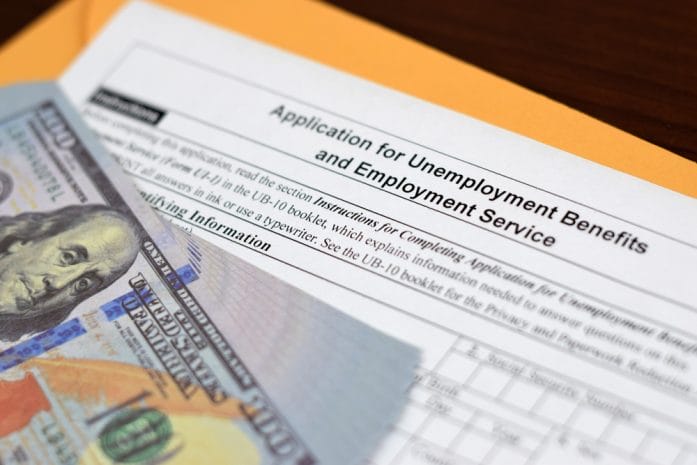
Unemployment benefits already come with layers of paperwork, but new fraud prevention measures raise the bar even higher. Agencies now cross-check employment records, wage data, and identity details more aggressively, which can stretch approval timelines. Claims that once moved quickly may now sit in review longer, especially if discrepancies show up in reported income or job separation details. Even minor mismatches can send a claim into a deeper review cycle.

These changes aim to reduce fraudulent claims that surged in recent years, but they also increase friction for legitimate applicants. Filing claims accurately and providing complete documentation from the start can help avoid unnecessary delays. Keeping records of past employment, pay stubs, and termination details ready to upload can speed things along. Consistency matters more than ever, so double-checking every entry before submission becomes essential. When reviews tighten, accuracy becomes the fastest path forward.

3. Disability Payments Could See Longer Verification Times

Disability benefits depend heavily on documentation, and fraud reviews now demand even more thorough validation of medical and personal records. Agencies may request additional proof or re-evaluate existing files more frequently, especially if something appears inconsistent or outdated. That added scrutiny can slow down both new applications and ongoing payments. Reviews that once occurred periodically may now happen more often, adding another layer of uncertainty.

People receiving disability payments often rely on predictable timelines, so any disruption can create immediate challenges. Staying ahead of documentation requirements can help reduce delays, particularly when medical records remain current and complete. Regularly updating information and responding quickly to requests can keep the process moving. Communication plays a key role here, since missed notices or incomplete responses can extend review times significantly. When the system asks for more proof, quick action keeps things from stalling.

6 Government Benefit Checks That Could Be Delayed Under New Fraud Reviews

Image Source: Shutterstock.com

4. Tax Credits and Refunds May Take Longer to Arrive

Tax season already tests patience, but fraud checks now stretch that waiting game even further. Credits like the Earned Income Tax Credit and Child Tax Credit often trigger additional reviews because they involve larger payouts and higher fraud risk. The system may flag returns for identity verification or income confirmation, especially if something changes from previous filings. Even accurate returns can land in review simply due to updated fraud detection algorithms.

That means refunds may take weeks longer than expected, which can disrupt plans that depend on that money. Filing early, using consistent information, and avoiding errors can reduce the chance of a delay. Electronic filing and direct deposit still offer the fastest routes, even with added checks in place. Keeping documentation handy in case verification becomes necessary can also prevent further setbacks. When timing matters, preparation turns into a powerful advantage.

5. SNAP and Food Assistance Programs Under Closer Watch

Food assistance programs like SNAP now face increased oversight as agencies work to prevent misuse. Verification processes may include stricter income checks, household composition reviews, and periodic eligibility confirmations. These steps can delay approvals for new applicants and slow down benefit renewals for existing participants. Even routine updates can trigger additional reviews that extend processing timelines.

For households that rely on these benefits for daily meals, delays can create immediate stress. Keeping records updated and reporting changes promptly can help minimize interruptions. Submitting renewal applications early provides extra time for any unexpected reviews. Staying organized with documentation like pay stubs and household details can also speed up the process if verification requests appear. When systems tighten, staying one step ahead becomes essential for maintaining consistent support.

6. Stimulus-Style Payments Could Get Extra Scrutiny

Whenever governments issue large-scale payments, fraud prevention moves front and center, and that focus brings added review layers. Stimulus-style payments, rebates, or emergency financial assistance programs often attract strict verification processes to ensure funds reach the right people. That can slow down distribution, especially when agencies cross-check eligibility against multiple data sources. Even small discrepancies in records can trigger delays that push payments further down the timeline.

These programs usually aim to deliver quick relief, but fraud checks can stretch that timeline unexpectedly. Ensuring tax filings, income records, and personal information stay consistent across systems can help reduce complications. Responding quickly to any verification requests can also prevent further delays. While the goal remains to protect funds, the process often demands patience from those waiting for assistance. Planning ahead for possible delays can ease some of that uncertainty.

Stay Ready, Stay Informed, & Stay One Step Ahead

Fraud prevention efforts bring a clear goal—protect public funds—but they also introduce real-world challenges for anyone relying on government benefits. Delays may not hit every payment, but the possibility now sits firmly on the table across multiple programs. That reality makes preparation more important than ever, especially when timing affects daily life. Keeping records updated, filing accurately, and responding quickly to requests can make a noticeable difference when reviews tighten.

What strategies have worked to keep payments on track, or what concerns stand out most about these new reviews? Let’s hear your thoughts, tips, or experiences in the comments.

You May Also Like…

Charity Strategy: 9 Giving Moves That Bring Tax Benefits Many People Ignore

6 Smart Strategies for Maximizing HSA Benefits Exponentially

Insurance Costs Are Quietly Reshaping Where Americans Can Live — And Some Are Being Priced Out

5 Subtle Estate-Tax Traps the Government Quietly Introduced

9 Benefits You Lose As An Independent Contractor

Brandon Marcus
Brandon Marcus

Brandon Marcus is a writer who has been sharing the written word since a very young age. His interests include sports, history, pop culture, and so much more. When he isn’t writing, he spends his time jogging, drinking coffee, or attempting to read a long book he may never complete.

Filed Under: Lifestyle Tagged With: benefits delays, delayed payments, disability payments, fraud checks, government benefits, income support, Planning, public assistance, Social Security, stimulus checks, tax credits, unemployment benefits

FOLLOW US

Search this site:

Recent Posts

  • Can My Savings Account Affect My Financial Aid? by Tamila McDonald
  • 12 Ways Gen X’s Views Clash with Millennials… by Tamila McDonald
  • What Advantages and Disadvantages Are There To… by Jacob Sensiba
  • Call 911: Go To the Emergency Room Immediately If… by Stephen Kanaval
  • 10 Tactics for Building an Emergency Fund from Scratch by Vanessa Bermudez
  • 7 Weird Things You Can Sell Online by Tamila McDonald
  • 10 Scary Facts About DriveTime by Tamila McDonald

Copyright © 2026 · News Pro Theme on Genesis Framework