• Home
  • About Us
  • Getting Finances Done
    • Hiring Advisors
    • Debt Management
    • Spending Plan
  • Insurance
    • Life Insurance
    • Health Insurance
    • Disability Insurance
    • Homeowners/Renters Insurance
  • Contact Us
  • Our Editorial Commitment

The Free Financial Advisor

You are here: Home / Archives for tax errors

Math Error Notices Are Spiking — Here’s What’s Actually Causing Them This Summer

June 3, 2026 by Brandon Marcus Leave a Comment

Math Error Notices Are Spiking — Here's What's Actually Causing Them This Summer
IRS math error notices are increasing this summer due to automated system checks, income mismatches, and delayed return reviews. Careful recordkeeping and quick responses can help taxpayers avoid penalties and refund delays – Shutterstock

Tax season may feel like it ends in April, but the IRS keeps working long after the deadlines pass. This summer, more taxpayers are receiving “math error notices,” and many of them are opening mail with a sinking feeling. These notices don’t always mean something dramatic, but they do signal that something on a return didn’t match IRS records. Small mistakes, mismatched numbers, or missing information often trigger them. The real surprise comes from how quickly these notices are now showing up compared to previous years.

The IRS relies heavily on automated systems to scan millions of tax returns in a short period of time. That automation has made processing faster, but it has also made error detection more aggressive. Even minor discrepancies can now trigger a formal notice without human review. As summer unfolds, the IRS continues reconciling returns, employer reports, and benefit statements. That ongoing reconciliation process explains why so many notices land in mailboxes well after filing season ends.

Why IRS Systems Are Flagging More Math Errors Than Before

IRS systems now cross-check tax returns against employer and financial institution reports almost instantly. That process creates a tighter net that catches even small inconsistencies. A single transposed digit or a slightly off deduction can trigger a math error notice. The agency does not treat these as audits, but they still require taxpayer attention. The surge this summer reflects how aggressively automated matching systems now operate.

Seasonal processing also plays a role in the timing of these notices. The IRS clears backlogs from peak filing months during late spring and early summer. As the system reviews older returns, it identifies inconsistencies that did not trigger immediate alerts. That delayed review process makes summer a hotspot for corrections. Many taxpayers only realize issues months after filing, which adds to the perception of a sudden spike.

The Most Common Triggers Behind IRS Math Error Notices

Simple calculation mistakes still rank high among the causes of math error notices. These include misreported income totals, incorrect subtraction of credits, or rounding errors that don’t match IRS expectations. Tax software helps reduce these mistakes, but manual entries still create risk. Even experienced filers can overlook small inconsistencies when combining multiple income sources. The IRS flags these issues automatically when numbers fail to align across documents.

Tax credits also create frequent mismatches, especially with programs tied to income thresholds. Credits like the Child Tax Credit or Earned Income Tax Credit often depend on precise income reporting from employers and financial institutions. If one form arrives late or contains a different figure, the IRS system flags the return. Mismatches between W-2 forms and reported wages also trigger notices quickly. These issues often lead to small adjustments rather than major penalties, but they still require action.

Why These Notices Feel More Frequent This Year

IRS modernization efforts have expanded the use of automated compliance tools across all tax filings. That shift has increased detection speed and reduced manual review time. As a result, taxpayers now receive notices more consistently when discrepancies appear. The agency also prioritizes faster correction cycles, which pushes notifications out sooner than in past years. That combination makes the volume of notices feel heavier even if total errors remain steady.

Economic changes also contribute to reporting mismatches across multiple income streams. More people now work gig jobs, freelance contracts, or hybrid employment setups. Each income source generates separate reporting forms, which increases the chance of mismatched totals. Inflation and shifting tax credits also add complexity to filings. These factors create a wider range of data points for the IRS to compare, which naturally produces more flagged returns.

How Taxpayers Can Respond Fast and Avoid Costly Delays

IRS math error notices always include instructions that outline the exact issue found in the return. Responding quickly helps prevent additional penalties or delayed refunds. Taxpayers should review each line carefully and compare it with original documents such as W-2s, 1099s, and credit worksheets. If the IRS made the error, correction requires clear documentation and prompt submission. If the taxpayer made the mistake, adjusting the return early keeps the issue from escalating.

Accuracy during the next filing cycle also reduces future risk. Organizing income documents throughout the year helps prevent last-minute errors during tax season. Double-checking figures before submission catches many issues before the IRS does. Many tax professionals now recommend reviewing returns twice before filing due to increased system sensitivity. Small improvements in recordkeeping often eliminate the conditions that trigger these notices in the first place.

What’s Driving the Surge in Notices?

IRS math error notices continue rising this summer because automation, timing delays, and complex income reporting all intersect at once. The system now detects discrepancies faster and more frequently than ever before. Taxpayers who respond quickly and stay organized reduce stress and avoid unnecessary complications. Staying alert to small details creates the strongest defense against future notices.

What’s your take on the rising number of IRS notices this year—do you think automation helps or makes taxes more stressful?

You May Also Like…

9 Everyday Money Mistakes That Quietly Lead to IRS Penalties

HSA & FSA Increases Mean Tax-Free Savings—But You Must Plan Ahead

Tax Strategies for Creative Professionals: Maximizing Returns and Minimizing Liabilities

IRS Will Freeze Your Refund Without Correct Bank Info—And Won’t Send a Paper Check Until You Fix It

IRS Audit Rates Are Increasing for Middle-Income Earners—Here’s Why


Brandon Marcus
Brandon Marcus

Brandon Marcus is a writer who has been sharing the written word since a very young age. His interests include sports, history, pop culture, and so much more. When he isn’t writing, he spends his time jogging, drinking coffee, or attempting to read a long book he may never complete.


Filed Under: tax tips Tagged With: budgeting, financial news, IRS, refunds, tax credits, tax errors, tax notices, tax season, taxes

Why Small Errors on Your Tax Return Can Cost You Big

April 14, 2026 by Brandon Marcus Leave a Comment

Why Small Errors on Your Tax Return Can Cost You Big
Image Source: Shutterstock.com

A single wrong number can spark a chain reaction that drains money, time, and patience faster than expected. Tax returns look simple on the surface, but they demand precision at every step, and even the smallest slip can ripple into something much bigger. A misplaced digit, a forgotten form, or a misunderstood deduction doesn’t just sit quietly on paper. It travels through systems, triggers flags, and invites scrutiny that nobody wants during tax season.

Mistakes don’t need to look dramatic to cause real damage, and that’s exactly what makes them dangerous. A return can appear perfectly fine while hiding a handful of minor errors that quietly stack consequences behind the scenes. Penalties, delayed refunds, and unexpected notices often trace back to details that seemed harmless at the time.

The Domino Effect of Tiny Tax Mistakes

A simple typo can start a chain reaction that grows far beyond the original mistake. Entering the wrong Social Security number, misspelling a name, or flipping digits in income figures can cause the system to reject a return outright or delay processing for weeks. That delay often leads to missed deadlines, and missed deadlines open the door to penalties and interest that accumulate quickly. What started as a minor slip suddenly turns into a financial headache that lingers far longer than expected. Tax agencies rely heavily on automated systems, and those systems don’t “guess” what was meant—they flag inconsistencies and move the return into a slower, more complicated review process.

Errors don’t just slow things down; they also attract attention. When a return contains inconsistencies, it increases the likelihood of a deeper review or even an audit. That doesn’t mean every mistake leads to serious trouble, but it definitely raises the odds of extra scrutiny. Once a return gets flagged, it often requires additional documentation, which takes time and effort to gather. That extra layer of review can delay refunds significantly, and in some cases, it can lead to adjustments that reduce the expected refund or increase the amount owed. Staying meticulous from the start avoids this entire cascade of issues and keeps the process smooth.

Deductions and Credits: Where Good Intentions Go Wrong

Tax deductions and credits offer powerful ways to reduce what someone owes, but they also create one of the most common zones for mistakes. Many people claim deductions without fully understanding eligibility requirements, which can lead to incorrect filings. For example, mixing up tax credits with deductions can result in overestimating savings, and that mismatch often triggers corrections later. Claiming expenses without proper documentation adds another layer of risk, because tax authorities expect proof when they see certain deductions. Without that proof, adjustments follow quickly.

Overlooking eligible deductions creates another kind of problem, because it leaves money on the table. Many people rush through their returns and miss valuable credits simply because they don’t take the time to review options carefully. Education credits, childcare credits, and even certain work-related expenses can significantly change the outcome of a return. Taking time to research or consult a professional can make a noticeable difference in both accuracy and savings. Smart filers double-check eligibility rules and keep organized records throughout the year, which makes filing season far less stressful and far more rewarding.

The High Cost of Filing Status Confusion

Filing status might seem straightforward, but it carries serious weight when it comes to tax calculations. Choosing the wrong status can shift tax brackets, change eligibility for credits, and alter the total amount owed or refunded. For example, selecting “single” instead of “head of household” can lead to paying more taxes than necessary. On the flip side, claiming a status that doesn’t apply can trigger penalties and require corrections later. This decision affects more than just a label on a form—it shapes the entire financial outcome of the return.

Dependents add another layer of complexity that often leads to mistakes. Claiming a dependent without meeting the full criteria can cause issues quickly, especially if another taxpayer claims the same person. That conflict often results in rejected filings or follow-up notices that demand clarification. Accuracy matters deeply here, because even honest mistakes can lead to delays and extra paperwork. Taking time to review dependency rules and filing status guidelines ensures the return reflects the correct situation and avoids unnecessary complications down the line.

Math Errors Still Matter in a Digital World

Tax software handles most calculations today, but math errors still show up more often than expected. Manual entries, incorrect data input, and misunderstandings of totals can all lead to incorrect results. Even with software, the system depends on accurate inputs, and a single wrong number can throw off an entire calculation. That error might seem small, but it can change the final tax liability significantly. Tax authorities often correct simple math mistakes automatically, but those corrections can delay refunds or adjust the amount owed.

Accuracy doesn’t stop at basic arithmetic; it extends to how numbers connect across the return. Totals from one section must match figures in another, and inconsistencies often trigger reviews. That’s why careful review matters so much before submitting a return. Taking a few extra minutes to double-check numbers can prevent weeks of frustration later. Many people rush through this step, but slowing down here offers one of the easiest ways to avoid unnecessary trouble.

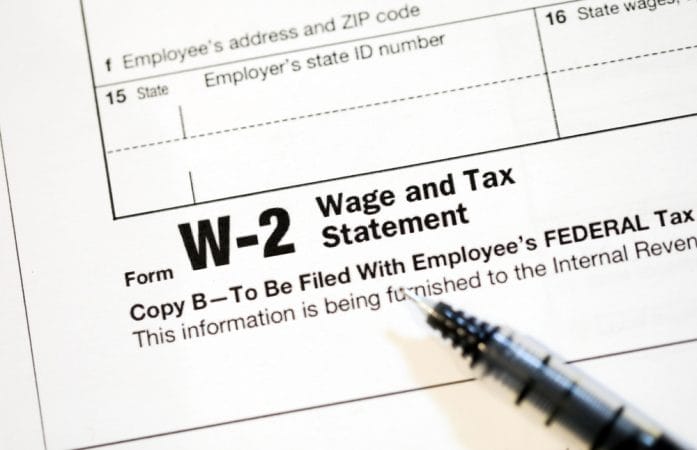
Why Small Errors on Your Tax Return Can Cost You Big
Image Source: Shutterstock.com

Late Filing and Missed Deadlines Add Fuel to the Fire

Deadlines don’t offer much flexibility, and missing them often leads to immediate consequences. Filing late can trigger penalties that grow over time, especially when taxes remain unpaid. Even small amounts can accumulate interest quickly, turning a manageable bill into something far more intimidating. Extensions can help, but they don’t eliminate the need to estimate and pay taxes on time. Many people misunderstand this and end up facing penalties despite filing an extension correctly.

Planning ahead makes a huge difference when deadlines approach. Gathering documents early, organizing financial records, and setting reminders can prevent last-minute stress that leads to mistakes. Waiting until the final days increases the risk of errors, because rushed work rarely delivers accuracy. A calm, prepared approach not only improves accuracy but also reduces the chance of missing important details. Staying proactive keeps the process under control and avoids unnecessary costs.

Smart Moves That Keep Returns Clean and Stress-Free

Strong habits make all the difference when it comes to tax accuracy. Keeping organized records throughout the year simplifies the filing process and reduces the chance of missing important details. Saving receipts, tracking expenses, and maintaining clear documentation creates a solid foundation for a smooth return. Technology can help here, with apps and tools that track expenses automatically and store documents securely. Those small efforts throughout the year pay off in a big way when tax season arrives.

Reviewing a return carefully before submission stands out as one of the most effective ways to avoid errors. Taking a break and revisiting the return with fresh eyes often reveals mistakes that slipped through earlier. Seeking professional help also provides a valuable safety net, especially for more complex situations involving multiple income sources or deductions. A tax professional can catch issues that might otherwise go unnoticed and offer guidance that improves accuracy. Investing a little extra time and effort upfront prevents costly consequences later and keeps the entire process far more manageable.

Precision Pays Off Every Single Time

Small tax mistakes don’t stay small for long, and they rarely resolve themselves without consequences. Accuracy drives everything when it comes to tax returns, and every detail matters more than it might seem at first glance. Taking time to review, verify, and understand each part of the process turns a stressful obligation into something far more manageable. Careful preparation, strong organization, and a willingness to double-check work can prevent the majority of common errors. That effort not only protects money but also saves time, energy, and frustration down the road.

What strategies have worked well when it comes to avoiding tax mistakes, and what lessons have shaped a smarter approach over time? Let’s hear your thoughts, experiences, or tips in the comments and keep the conversation going.

You May Also Like…

5 Overlooked Tax Deductions That Could Save You Thousands

Texas Has No Income Tax — But Property Taxes Can Get Close To 2% in Some Areas

Retirement Accounts Are Triggering Unexpected Taxes — What Some Investors Overlook

5 Reasons To Talk To Your Kids About Taxes

9 Georgia Counties Where Property Taxes Are Set to Rise the Fastest

Brandon Marcus
Brandon Marcus

Brandon Marcus is a writer who has been sharing the written word since a very young age. His interests include sports, history, pop culture, and so much more. When he isn’t writing, he spends his time jogging, drinking coffee, or attempting to read a long book he may never complete.
Filed Under: tax tips Tagged With: audit risk, filing taxes, finance, IRS, money management, Personal Finance, tax credits, Tax Deductions, tax errors, tax filing tips, tax return mistakes, taxes

6 Hidden Triggers That Freeze Your Tax Refund – and How To Get it Released

April 6, 2026 by Brandon Marcus Leave a Comment

6 Hidden Triggers That Freeze Your Tax Refund - and How To Get it Released
Image Source: Shutterstock.com

Nothing tests patience quite like a tax refund that simply refuses to show up. One minute, everything looks filed and finished, and the next minute, the refund tracker stalls out like a car stuck in mud. That silence from the system starts to feel suspicious fast, especially when plans already formed around that incoming money. Rent, travel, savings goals, or even a small splurge suddenly hang in limbo, all because something triggered a stop behind the scenes.

That delay rarely happens without a reason, though, and it almost always ties back to specific flags that demand attention. The system doesn’t just “forget” refunds—it pauses them when something doesn’t line up, raises questions, or needs verification.

1. The Identity Check That Stops Everything Cold

Identity verification sits at the top of the list for a reason, and it can bring everything to a complete halt. When the system detects anything unusual—like a new address, different filing patterns, or suspicious activity—it locks the refund until identity confirmation happens. This step protects against fraud, but it also slows down legitimate filings that simply look different from previous years. A small change can trigger a big pause, especially if the system sees a mismatch in personal details.

That pause usually comes with a notice asking for verification through an online portal or by mail. Ignoring that notice guarantees a longer delay, while quick action can get things moving again. The fastest solution involves using the official identity verification tools and responding immediately when the request appears. Keeping documents like prior tax returns, Social Security details, and financial records within reach makes the process smoother. Double-checking personal information before filing reduces the chance of triggering this issue in the first place. Staying consistent with names, addresses, and filing status helps the system recognize the return as legitimate without hesitation.

The smartest move involves checking refund status regularly and watching for any verification requests. Acting quickly transforms a frustrating delay into a manageable step, while waiting too long stretches that timeline unnecessarily.

2. Math Errors That Raise Red Flags Instantly

Numbers matter more than ever when it comes to tax returns, and even small mistakes can trigger a freeze. A simple miscalculation—whether it involves income totals, credits, or deductions—forces the system to stop and review the return. Automated systems catch many of these issues quickly, but they still require correction before any refund gets released. That pause can feel especially frustrating when the error seems minor.

Tax software usually reduces this risk, but manual entries still create room for mistakes. Entering numbers incorrectly, skipping steps, or misunderstanding credit eligibility can all cause discrepancies. The system doesn’t just adjust the refund quietly—it often flags the return for further review. That review can add weeks or even months to the process, depending on the complexity of the issue.

A careful review before submission can prevent this problem entirely. Going line by line and confirming totals ensures accuracy from the start. Using reliable tax software or consulting a professional can also catch errors before they trigger a delay. If a mistake slips through, filing an amended return quickly can help resolve the issue faster. Accuracy upfront always beats corrections later, especially when time matters.

3. Missing or Mismatched Income Reports

Income reporting creates one of the most common causes of refund delays, and it often surprises people. Employers, banks, and other institutions send income forms directly to tax authorities, and those numbers must match exactly with what appears on the return. If even one form goes missing or includes incorrect figures, the system flags the return immediately.

This mismatch can happen for several reasons. A forgotten freelance job, a late-arriving form, or even a typo in reported income can throw everything off. The system doesn’t assume an innocent mistake—it assumes something needs verification. That triggers a review process that stops the refund until everything lines up perfectly.

The best strategy involves gathering every income document before filing, even the small ones that feel easy to overlook. Double-checking figures against official forms ensures consistency across the board. If a mismatch already caused a delay, correcting the return and providing documentation can speed things up. Staying organized during tax season reduces stress and keeps the refund process moving smoothly. Every number matters, and accuracy keeps the system satisfied.

4. Credits That Trigger Extra Scrutiny

Certain tax credits come with extra attention, especially those tied to larger refunds. Credits like the Earned Income Tax Credit or Child Tax Credit often require additional review because they involve specific eligibility rules. The system checks these claims carefully to prevent fraud, which means longer processing times for anyone claiming them.

That extra scrutiny doesn’t mean something went wrong—it simply means the system needs to confirm eligibility. Still, incomplete or incorrect information can stretch that review even further. Missing documentation, incorrect income levels, or inconsistencies in dependent information can all cause delays.

Filing accurately with complete details helps avoid unnecessary complications. Keeping records that support credit claims makes it easier to respond if verification becomes necessary. Submitting returns early can also help, since peak tax season often slows down processing times for these credits. Patience plays a role here, but preparation makes a huge difference. Claiming valuable credits should feel rewarding, not stressful, and the right approach keeps things on track.

5. Bank Account Issues That Block the Deposit

A refund can get approved and still fail to arrive if banking details don’t check out. Incorrect account numbers, closed accounts, or mismatched names can stop the deposit in its tracks. When that happens, the system reroutes the refund, often converting it into a paper check, which takes significantly longer to arrive.

This issue catches many people off guard because everything else on the return may look perfect. A single digit error in a routing number can derail the entire process. Even using an account that no longer exists can create delays that stretch for weeks.

Careful entry of banking information prevents this problem before it starts. Double-checking numbers and confirming account status ensures a smooth deposit process. Choosing direct deposit into a stable, active account speeds things up significantly. If an issue already occurred, monitoring mail delivery and updating information promptly can help recover the situation faster. Small details matter, especially when money moves electronically.

6. Filing Too Early—or Too Late—Creates Unexpected Trouble

Timing plays a bigger role than most people expect, and filing at the wrong moment can create delays. Submitting a return too early, before all documents arrive, increases the risk of missing or incorrect information. On the other hand, filing very late can place the return into a backlog, especially during peak processing periods.

Early filers often rush to beat the crowd, but incomplete data can trigger reviews that slow everything down. Late filers face a different challenge, as high volumes can overwhelm processing systems and extend timelines. Both scenarios lead to the same frustrating outcome: a frozen refund.

Finding the right timing requires a bit of patience and preparation. Waiting until all forms arrive ensures accuracy, while filing before the final rush can help avoid processing delays. Planning ahead makes a noticeable difference in how quickly refunds arrive. Smart timing keeps the process smooth and predictable instead of chaotic and uncertain.

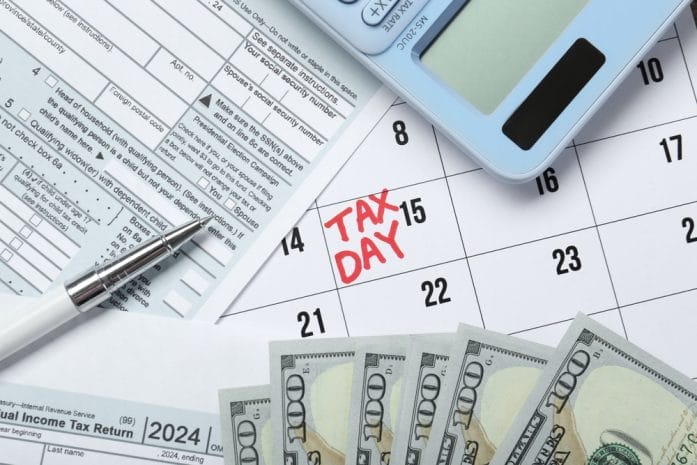
6 Hidden Triggers That Freeze Your Tax Refund - and How To Get it Released
Image Source: Shutterstock.com

Unlock the Refund and Take Back Control

A frozen tax refund doesn’t happen by accident, and it doesn’t have to stay frozen forever. Each delay connects to a specific trigger, and every trigger comes with a clear solution once it gets identified. Whether it involves verifying identity, correcting errors, or confirming income details, action always beats waiting. The system responds to accuracy, consistency, and quick follow-up, and those factors put control back where it belongs.

So here’s the real question—what’s the one step that could make next tax season smoother and faster? Drop your thoughts, strategies, or even refund horror stories in the comments and get the conversation going.

You May Also Like…

Property Taxes Are Catching Homeowners Off Guard — Especially After Buying or Renovating

Direct Deposit Refunds Are Being Returned by Banks When Names Don’t Match the Account

IRS Refund Delays Surge: Incorrect Bank Info Is Triggering Weeks-Long Payment Holds

Refunds Are Being Delayed Over New IRS Identity Flags — Why More Returns Are Getting Pulled

Why Do Families Rely Too Much on Tax Refunds

Brandon Marcus
Brandon Marcus

Brandon Marcus is a writer who has been sharing the written word since a very young age. His interests include sports, history, pop culture, and so much more. When he isn’t writing, he spends his time jogging, drinking coffee, or attempting to read a long book he may never complete.
Filed Under: tax tips Tagged With: filing taxes, Financial Tips, IRS delays, IRS review, money advice, refund hold, refund status, tax errors, tax filing mistakes, tax refund, tax season, tax tips

Follow Us

Search this site:

Recent Posts

  • Can My Savings Account Affect My Financial Aid? by Tamila McDonald
  • 12 Ways Gen X’s Views Clash with Millennials… by Tamila McDonald
  • What Advantages and Disadvantages Are There To… by Jacob Sensiba
  • 10 Tactics for Building an Emergency Fund from Scratch by Vanessa Bermudez
  • Call 911: Go To the Emergency Room Immediately If… by Stephen Kanaval
  • 7 Weird Things You Can Sell Online by Tamila McDonald
  • 10 Scary Facts About DriveTime by Tamila McDonald

Copyright © 2026 · News Pro Theme on Genesis Framework