• Home
  • About Us
  • Toolkit
  • Getting Finances Done
    • Hiring Advisors
    • Debt Management
    • Spending Plan
  • Insurance
    • Life Insurance
    • Health Insurance
    • Disability Insurance
    • Homeowners/Renters Insurance
  • Contact Us
  • Risk Tolerance Quiz
  • Our Editorial Commitment

The Free Financial Advisor

You are here: Home / Archives for tax advice

Penalty Traps: Everyday Actions That Trigger IRS Fines

April 7, 2026 by Brandon Marcus Leave a Comment

Penalty Traps: Everyday Actions That Trigger IRS Fines
Image Source: Shutterstock.com

The word “penalty” hits like a brick when it shows up next to a dollar sign. Nothing ruins a perfectly normal day faster than discovering that a simple oversight turned into a fine that grows by the minute. Taxes don’t just demand attention once a year—they expect discipline, accuracy, and timing that feels almost athletic. One wrong move, and suddenly the system starts charging interest like a ticking clock that refuses to pause.

Plenty of people assume major penalties only hit those who intentionally dodge taxes or make huge financial blunders. That assumption couldn’t sit further from reality. Everyday actions—completely ordinary, even responsible ones—can trigger fines from the Internal Revenue Service. Missing a date, misreporting a number, or forgetting a form can quietly open the door to fees that stack up faster than expected.

Filing Late Feels Small Until the Fees Explode

Deadlines don’t negotiate, and the IRS doesn’t either. Filing a tax return even one day late can trigger a failure-to-file penalty that starts at 5% of the unpaid taxes per month. That percentage keeps climbing each month until it reaches a maximum of 25%, which means a delay that feels harmless can snowball into a serious financial hit. Add interest on top of that, and suddenly the original tax bill doesn’t even look like the main problem anymore.

People often assume that filing an extension solves everything, but that belief causes one of the most common mistakes. An extension only gives extra time to file paperwork—it does not extend the deadline to pay taxes owed. Anyone who files an extension but skips the payment still faces a failure-to-pay penalty, which racks up at 0.5% per month. That smaller percentage might look manageable at first glance, but it stacks with interest and doesn’t disappear until the balance clears.

Smart moves keep this trap from snapping shut. Filing on time—even without full payment—cuts the penalty dramatically compared to filing late. Estimating taxes owed and paying as much as possible before the deadline shows effort and reduces penalties. Setting calendar reminders weeks in advance helps avoid last-minute scrambling that leads to errors or missed submissions.

Consistency matters just as much as timing. Making quarterly estimated payments throughout the year spreads the burden and keeps everything manageable. Anyone with freelance income, side hustles, or investments benefits from this approach. Staying proactive doesn’t just avoid penalties—it turns tax season into a routine instead of a crisis.

Underpaying Taxes Isn’t a Free Pass

Paying something toward a tax bill feels responsible, but partial payments can still trigger penalties if they fall short of IRS expectations. The underpayment penalty applies when payments don’t meet required thresholds throughout the year. That means even people who pay consistently can face penalties if those payments don’t hit the right targets.

The IRS uses a “safe harbor” rule that offers a helpful guideline. Paying at least 90% of the current year’s taxes or 100% of the previous year’s taxes (110% for higher incomes) usually avoids penalties. Miss those marks, and the IRS starts calculating penalties based on how much and how late the payments fall behind. It’s not about intention—it’s about numbers.

Income that fluctuates creates one of the biggest risks here. Freelancers, contractors, and anyone with variable earnings often miscalculate quarterly payments because income doesn’t stay predictable. A strong month followed by a slow one can throw off estimates quickly. Without adjustments, those swings lead to underpayment penalties that feel unfair but follow strict rules.

Adjustments keep things under control. Reviewing income every quarter and updating estimated payments based on real numbers prevents gaps. Using withholding adjustments through an employer can also help offset side income. Keeping records organized and updated avoids guesswork that leads to costly miscalculations.

Planning beats reacting every time. Setting aside a percentage of income specifically for taxes ensures funds stay available when deadlines arrive. That approach removes stress and prevents last-minute scrambling to cover shortfalls. Staying ahead of payments keeps penalties from creeping in unnoticed.

Forgetting to Report Income Sets Off Alarms

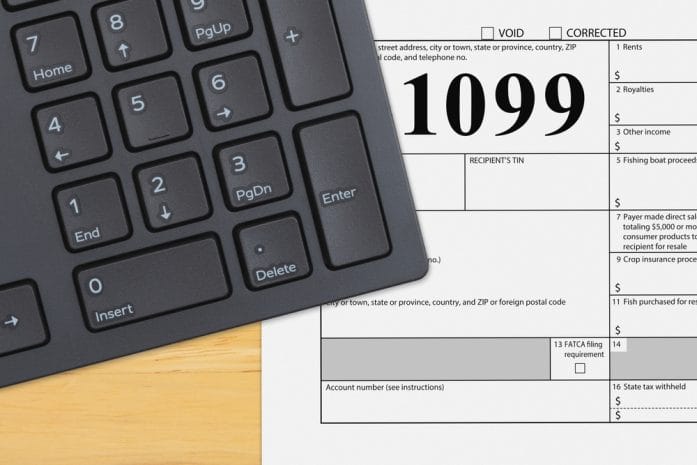
Every dollar earned matters in the eyes of the IRS, whether it comes from a full-time job, freelance gig, or side hustle. Failing to report income—even accidentally—can trigger penalties and sometimes audits. Employers and clients send forms like W-2s and 1099s directly to the IRS, so mismatches between reported income and official records raise immediate red flags.
Penalty Traps: Everyday Actions That Trigger IRS Fines
Image Source: Shutterstock.com

Small gigs often slip through the cracks. Selling items online, doing occasional freelance work, or earning interest from investments might not feel significant, but those amounts still count as taxable income. Ignoring them creates discrepancies that the IRS can easily spot through automated systems that compare reported data.

Digital payment platforms have made tracking easier—and stricter. Services that process payments may issue 1099-K forms once transactions hit certain thresholds. That means side hustles and casual sales now generate official records that demand accurate reporting. Overlooking those forms can lead to penalties that feel completely unexpected.

Staying organized solves most of these issues. Keeping a running record of all income sources, no matter how small, ensures nothing gets missed during tax preparation. Using accounting apps or simple spreadsheets helps track earnings throughout the year instead of scrambling at the last minute.

Double-checking forms before filing prevents mismatches. Comparing personal records with official documents ensures accuracy and reduces the chance of triggering IRS attention. Accuracy here doesn’t just avoid penalties—it builds confidence that everything lines up exactly as it should.

Ignoring Notices Only Makes Things Worse

An IRS notice rarely arrives without a reason, and ignoring it never makes the issue disappear. These letters often address discrepancies, missing payments, or requests for additional information. Letting them sit unopened or unanswered allows penalties and interest to grow while the problem quietly escalates.

Each notice includes a deadline, and that deadline matters just as much as a filing date. Missing it can lead to additional penalties or even enforcement actions. The IRS operates on timelines that move forward regardless of whether anyone responds. That means silence often translates into agreement from the IRS’s perspective.

Many notices involve simple fixes. A missing form, a math error, or a clarification request might only require a quick response. Addressing these issues promptly prevents escalation and keeps penalties from piling up. Waiting too long can turn a minor issue into a larger financial headache. Responding doesn’t require panic. Reading the notice carefully, gathering requested documents, and replying within the given timeframe resolves most situations efficiently. Seeking help from a tax professional can also provide clarity and ensure responses meet IRS expectations.

Staying proactive changes the entire experience. Keeping contact information updated ensures notices arrive promptly. Checking mail regularly during tax season prevents delays in response. Handling issues quickly keeps penalties small and manageable instead of letting them grow into something overwhelming.

Saving Your Wallet and a Headache

Tax penalties don’t wait for major mistakes—they show up when everyday habits slip just slightly off track. Filing late, underpaying taxes, missing income, or ignoring notices all create opportunities for fines to grow quietly in the background. Each of these traps shares one thing in common: they thrive on inattention, not intention.

Which of these penalty traps feels the easiest to fall into, and what strategies have worked to stay ahead of them? Share thoughts, ideas, or personal experiences in the comments—there’s always something new to learn from each other.

You May Also Like…

IRS Refund Delays Surge: Incorrect Bank Info Is Triggering Weeks-Long Payment Holds

Retirement Accounts Are Triggering Unexpected Taxes — What Some Investors Overlook

5 Reasons To Talk To Your Kids About Taxes

Income Threshold: 4 Hidden Taxes That Hit Once You Cross Certain Limits

9 Georgia Counties Where Property Taxes Are Set to Rise the Fastest

Brandon Marcus
Brandon Marcus

Brandon Marcus is a writer who has been sharing the written word since a very young age. His interests include sports, history, pop culture, and so much more. When he isn’t writing, he spends his time jogging, drinking coffee, or attempting to read a long book he may never complete.

Filed Under: tax tips Tagged With: audit triggers, financial mistakes, IRS fines, IRS penalties, late filing, money management, Personal Finance, tax advice, Tax Deductions, tax filing tips, tax mistakes, underpayment penalty

The IRS Doesn’t Care If You Forgot — Missing Tax Dates Could Cost You Thousands

February 26, 2026 by Brandon Marcus Leave a Comment

The IRS Doesn’t Care If You Forgot — Estimated Tax Dates That Could Cost You Thousands
Image Source: Pexels.com

The IRS doesn’t care if life got busy. It doesn’t care if a client paid late, if bookkeeping fell behind, or if someone assumed April would cover everything. When it comes to estimated taxes, the federal government expects its money on time, four times a year, and it calculates penalties with quiet efficiency when those payments don’t show up.

Estimated tax deadlines rarely grab headlines, yet they can quietly drain thousands of dollars from bank accounts through penalties and interest. Anyone who earns income without automatic withholding stands directly in the line of fire. That includes freelancers, consultants, landlords, small business owners, investors, and gig workers who receive 1099 forms instead of W-2s.

Mark These Dates or Pay the Price

The IRS sets four estimated tax deadlines each year, and none of them fall neatly at the end of a quarter. Payments typically come due on April 15, June 15, September 15, and January 15 of the following year. When one of those dates lands on a weekend or federal holiday, the deadline shifts to the next business day. The schedule catches many people off guard because June 15 arrives only two months after April, and January 15 follows closely on the heels of the holiday season.

When someone waits until April to pay everything, the IRS reviews the account quarter by quarter and assesses underpayment penalties for each period that fell short. That means a large April payment does not magically erase missed quarterly obligations.

Anyone who expects to owe at least $1,000 in federal tax for the year after subtracting withholding and refundable credits generally needs to make estimated payments. The IRS built that threshold into its rules, and it applies to a wide range of earners. Skipping the calendar reminders may feel harmless in the moment, but those missed dates often lead to interest charges that continue to grow until payment clears.

Who Really Needs to Worry About Estimated Taxes?

W-2 employees usually glide through tax season because employers withhold income tax, Social Security, and Medicare from each paycheck. The system works automatically in the background. Independent earners, however,P do not enjoy that convenience. Anyone who runs a sole proprietorship, earns freelance income, drives for a rideshare platform, sells goods online, or collects significant investment income must take responsibility for setting aside and paying taxes throughout the year.

People in partnerships and shareholders in S corporations also face estimated tax obligations when distributions or profits do not cover their tax liability through withholding. Landlords who collect rent without withholding fall into the same category. Even retirees can trigger estimated payments if pension and Social Security withholding does not cover total tax owed on additional income such as dividends or capital gains.

The gig economy expanded rapidly, and many new earners jumped in without realizing that the IRS expects quarterly payments. Platforms may issue Form 1099-NEC or 1099-K, but they rarely withhold federal income tax. That leaves individuals responsible for calculating both income tax and self-employment tax, which covers Social Security and Medicare contributions. Ignoring that responsibility invites penalties that feel especially painful when profits already run thin.

How the IRS Calculates Penalties and Why They Add Up Fast

The IRS does not guess when it calculates an underpayment penalty. It uses a formula based on how much someone underpaid, how long the underpayment lasted, and the federal short-term interest rate plus three percentage points. The agency adjusts that interest rate quarterly, so the cost of missing a payment can change throughout the year.

When a taxpayer pays less than the required amount for a quarter, the IRS assesses a penalty on the shortfall from the due date until the payment arrives. That calculation applies even if the person pays the full annual tax bill by April 15. Each quarter stands on its own in the eyes of the IRS, which means consistent underpayments can create a stack of separate penalties.

The safe harbor rules offer some protection. Taxpayers can generally avoid penalties if they pay at least 90 percent of the current year’s tax liability or 100 percent of the previous year’s total tax, whichever amount proves smaller.

The IRS Doesn’t Care If You Forgot — Estimated Tax Dates That Could Cost You Thousands
Image Source: Pexels.com

Smart Strategies to Stay Ahead of the Game

Estimated taxes do not have to feel like a guessing contest. Many financial professionals recommend setting aside a fixed percentage of every payment received, often between 25 and 35 percent depending on income level and state taxes. That habit creates a built-in buffer and prevents the shock of a large quarterly bill.

Opening a separate savings account dedicated to taxes can transform the process. Moving money into that account immediately after receiving income removes temptation and builds discipline. Some taxpayers schedule automatic transfers so they never rely on memory alone.

Online payments through IRS Direct Pay or the Electronic Federal Tax Payment System allow quick, trackable submissions. Electronic payments reduce the risk of lost checks and provide instant confirmation. Consistency matters more than perfection, so calculating conservative estimates and adjusting each quarter keeps surprises manageable.

Working with a tax professional can also sharpen accuracy, especially when income fluctuates. A professional can project annual income, apply deductions, and fine-tune quarterly amounts. Even a single planning session midyear can prevent an expensive underpayment penalty.

When Income Swings Wildly, Flexibility Still Has Rules

Not everyone earns steady, predictable income. Contractors may land a major project in September, investors may realize large capital gains in December, and business owners may experience seasonal spikes. The IRS recognizes uneven income patterns and allows taxpayers to use the annualized income installment method to align payments more closely with when income actually arrives.

This method requires additional calculations, but it can reduce penalties for those who earn most of their income later in the year. Instead of paying equal installments, taxpayers base each quarter’s payment on actual earnings during that period. That approach rewards accurate recordkeeping and proactive planning.

However, flexibility does not mean freedom from deadlines. Taxpayers still must submit payments on the established due dates. Waiting until year-end to settle everything can still trigger penalties, even when income arrived late. Careful tracking of revenue and expenses throughout the year supports smarter decisions and cleaner filings.

The Real Cost of Forgetting and the Power of a Plan

Estimated tax deadlines may not generate drama, but they carry real financial weight. Missed or underestimated payments lead to penalties and interest that chip away at hard-earned income. The IRS enforces these rules consistently, and it does not waive penalties simply because someone forgot.

Taking control of quarterly payments protects cash flow and reduces stress during tax season. Marking the four key dates, calculating safe harbor targets, setting aside money regularly, and using electronic payment tools can keep obligations manageable. Taxpayers who treat estimated taxes as a routine expense rather than a once-a-year event often sleep better and keep more of their money where it belongs.

What personal system will keep quarterly deadlines from slipping through the cracks this year? Let’s talk taxes in our comments below.

You May Also Like…

Can You Trust AI With Your Taxes and Investments? 8 Risks No One Explains

5 Reasons To Talk To Your Kids About Taxes

Income Threshold: 4 Hidden Taxes That Hit Once You Cross Certain Limits

Refunds Are Being Frozen Over a Single IRS Identity Check — Here’s What’s Causing the Delays

Why IRS Payment Plans Still Default After Missed Online Notices

Brandon Marcus
Brandon Marcus

Brandon Marcus is a writer who has been sharing the written word since a very young age. His interests include sports, history, pop culture, and so much more. When he isn’t writing, he spends his time jogging, drinking coffee, or attempting to read a long book he may never complete.

Filed Under: tax tips Tagged With: Estimated taxes, Form 1040-ES, freelancers, gig economy, IRS, quarterly taxes, self-employed, Small business, tax advice, tax deadlines, tax penalties, tax planning

Tax Advice That No Longer Applies in 2025

July 14, 2025 by Travis Campbell Leave a Comment

tax tips
Image Source: pexels.com

Tax rules change all the time. What worked last year might not work this year. If you’re still following old tax advice, you could be missing out or even making mistakes. The tax code for 2025 looks different from what you might remember. Some tips that used to save you money or time are now outdated. Here’s what you need to know so you don’t get caught using tax advice that no longer applies in 2025.

1. Standard Deduction vs. Itemizing: The Old Math Doesn’t Work

For years, people debated whether to take the standard deduction or itemize. The advice was simple: if your itemized deductions were higher, itemize. But in 2025, the numbers have changed. The standard deduction is now much higher than it was a decade ago. Many common deductions, like unreimbursed employee expenses, are gone or limited. For most people, itemizing just doesn’t make sense anymore. If you’re still collecting receipts for every little thing, you’re probably wasting your time. Check the new standard deduction amount before you start sorting through paperwork. You might find that the standard deduction is the better deal for you.

2. SALT Deduction Limits: The Cap Remains

Some people hoped the $10,000 cap on state and local tax (SALT) deductions would disappear. It hasn’t. The limit is still here in 2025. If you live in a high-tax state, you can’t deduct more than $10,000 in state and local taxes on your federal return. Old advice about “maximizing your property tax payments” or “prepaying state taxes” to boost your deduction doesn’t work anymore. The cap is firm. Don’t plan your payments around a bigger deduction that isn’t possible.

3. Moving Expenses: No Longer Deductible for Most

It used to be that if you moved for a new job, you could deduct your moving expenses. That’s not true for most people anymore. Since the 2017 tax law changes, only active-duty military members moving due to a military order can claim this deduction. If you’re not in the military, don’t bother tracking your moving truck receipts or storage costs. This is a common area where people still get tripped up. If you moved for work in 2025, you can’t deduct those costs on your federal return.

4. Home Office Deduction: Employees Can’t Claim It

Working from home is more common than ever. But if you’re a W-2 employee, you can’t claim the home office deduction. This rule changed a few years ago, but many people still think they can write off a portion of their rent or utilities. Only self-employed people, freelancers, or independent contractors can claim the home office deduction. If you get a paycheck from an employer, this deduction is off the table. Don’t risk an audit by claiming it when you shouldn’t.

5. Child Tax Credit: The Rules Have Shifted

The child tax credit has changed several times in recent years. In 2025, the expanded credits from the pandemic years are gone. The credit is back to its pre-pandemic rules, with lower income limits and a smaller maximum amount per child. If you’re expecting a big refund based on last year’s numbers, you might be disappointed. Make sure you know the current rules before you file.

6. Alimony Payments: No Longer Deductible

If your divorce was finalized after 2018, you can’t deduct alimony payments on your federal taxes. This is a significant change from the old rules, where alimony was deductible for the payer and taxable for the recipient. Now, alimony is not deductible, and the recipient doesn’t have to report it as income. If you’re following old advice about deducting alimony, stop. The rules changed, and the IRS will notice if you try to claim this deduction.

7. Education Credits: Lifetime Learning Credit and AOTC Changes

Education tax credits have shifted. The American Opportunity Tax Credit (AOTC) and Lifetime Learning Credit (LLC) have new income phaseouts and eligibility rules in 2025. Some advice about “stacking” credits or claiming both for the same student no longer applies. You can only claim one credit per student per year. The income limits are stricter, so check if you still qualify. Don’t assume you can use the same strategy as before.

8. Retirement Contributions: Roth IRA Income Limits Adjusted

Roth IRA income limits have changed for 2025. If you’re used to maxing out your Roth IRA, double-check the new income thresholds. Some people who qualified last year may not be eligible this year. The advice to “always contribute to a Roth if you can” still makes sense, but you need to make sure you’re under the new limits. If you go over, you could face penalties. Review the current numbers before you contribute.

9. Medical Expense Deduction: Higher Threshold

The threshold for deducting medical expenses is now higher. You can only deduct medical expenses that exceed 10% of your adjusted gross income (AGI). In the past, the threshold was lower, and more people could claim this deduction. Now, unless you have very high medical bills, you probably won’t qualify. Don’t spend time adding up every co-pay and prescription unless you know you’ll clear the 10% hurdle.

10. Casualty and Theft Losses: Only for Federally Declared Disasters

You used to be able to deduct losses from theft or accidents. Now, you can only claim these deductions if your loss is from a federally declared disaster. If your basement floods or your car is stolen, you can’t deduct the loss unless the federal government officially recognizes the event. This is a big change from past years, so don’t count on this deduction unless you’re sure your situation qualifies.

Staying Current Means Saving Money

Tax advice that worked in the past can cost you now. The rules for 2025 are different, and using outdated tips can lead to missed deductions, smaller refunds, or even IRS trouble. Always check the latest IRS guidelines or talk to a tax professional before you file. Staying up to date is the best way to keep more of your money.

What old tax advice have you heard that no longer works? Share your stories or questions in the comments.

Read More

Stop Reading About Last Year’s Top Ten Mutual Funds

Federal Reserve Report: Hang On For Rough Ride…

Travis Campbell
Travis Campbell

Travis Campbell is a digital marketer/developer with over 10 years of experience and a writer for over 6 years. He holds a degree in E-commerce and likes to share life advice he’s learned over the years. Travis loves spending time on the golf course or at the gym when he’s not working.

Filed Under: tax tips Tagged With: 2025 tax changes, IRS, Personal Finance, tax advice, tax credits, Tax Deductions, tax filing, tax law, tax tips

10 Tax Questions Too Embarrassing to Ask Your Accountant

June 27, 2025 by Travis Campbell Leave a Comment

tax
Image Source: pexels.com

Tax season can feel like a pop quiz you never studied for, and sometimes the questions swirling in your head seem too awkward to say out loud. Maybe you’re worried your accountant will judge you, or perhaps you think you should already know the answer. The truth? Everyone has embarrassing tax questions, and asking them is the first step to getting your finances in order. This article tackles ten of the most common—and cringeworthy—tax questions people hesitate to ask, offering clear, practical advice so you can file with confidence. Don’t let embarrassment stand between you and a better tax outcome. Let’s break the silence and get you the answers you need.

1. What Happens If I Forgot to Report Some Income?

It’s more common than you think to forget a side gig or a small freelance payment. If you realize you left out income after filing, don’t panic. The IRS receives copies of most income forms (like W-2s and 1099s), so they’ll likely notice the omission. The best move is to file an amended return as soon as possible. This can help you avoid additional penalties and interest. Remember, honesty is always the best policy when it comes to embarrassing tax questions.

2. Can I Claim My Pet as a Dependent?

As much as we love our furry friends, pets don’t qualify as dependents on your tax return. The IRS only allows you to claim humans—typically children or qualifying relatives—who meet specific criteria. However, if your pet is a service animal or used for business purposes (like a guard dog for your business), some expenses may be deductible.

3. What If I Can’t Pay My Tax Bill?

If you owe more than you can pay, you’re not alone. The IRS offers payment plans and options for individuals who can’t pay in full immediately. Ignoring the bill will only make things worse, so reach out to the IRS or your accountant to discuss installment agreements or an offer in compromise. Addressing this embarrassing tax question head-on can help you avoid unnecessary stress and penalties.

4. Is It Okay to Round Up or Down on My Tax Return?

It’s tempting to round numbers for simplicity, but the IRS expects accuracy. You can round to the nearest dollar, but don’t round up or down to the nearest hundred or thousand. Consistent rounding errors can trigger an audit. Always use exact figures from your tax documents to stay compliant and avoid unnecessary scrutiny.

5. Do I Have to Report Cash Income?

Yes, all income—including cash from tips, side jobs, or selling items online—must be reported. The IRS is clear: if you earned it, you need to report it, even if there’s no official paperwork. Failing to report cash income is a common, embarrassing tax question, but it’s crucial for staying on the right side of the law.

6. Can I Deduct My Home Office If I Only Work from Home Occasionally?

The home office deduction is only available if you use a specific area of your home exclusively and regularly for business. If you occasionally check emails from your kitchen table, you likely don’t qualify. However, if you have a dedicated workspace used solely for business, you may be eligible.

7. What If I Made a Mistake on My Return?

Mistakes happen, and the IRS knows it. If you catch an error after filing, you can file an amended return using Form 1040-X. Correcting mistakes promptly can help you avoid penalties and interest. Don’t let embarrassment keep you from fixing an honest error—accountants see this all the time.

8. Can I Claim My Boyfriend or Girlfriend as a Dependent?

This is one of those embarrassing tax questions that’s more common than you’d think. In some cases, you can claim a significant other as a dependent if they lived with you all year, earned less than the exemption amount, and you provided more than half their support. However, the rules are strict, so be sure to double-check the requirements before claiming this deduction.

9. Will I Get in Trouble for Claiming Too Many Deductions?

Claiming legitimate deductions is your right, but inflating or fabricating deductions is tax fraud. If you’re unsure whether a deduction is allowed, ask your accountant. It’s better to clarify than to risk an audit or penalties. Remember, there’s no such thing as a “stupid” or “embarrassing” tax question when it comes to protecting yourself.

10. What If I Haven’t Filed Taxes in Years?

If you’ve skipped a year—or several—don’t let shame keep you from getting back on track. The IRS offers programs to help individuals catch up, and filing sooner rather than later can help minimize penalties. Many people have been in your shoes, and accountants are there to help, not judge. Addressing this embarrassing tax question now can save you a lot of trouble down the road.

Why Asking Embarrassing Tax Questions Is the Smartest Move

No one expects you to be a tax expert, and even seasoned professionals have questions. The only real mistake is staying silent and letting embarrassment get in the way of your financial health. By asking those embarrassing tax questions, you empower yourself to make better decisions, avoid costly errors, and take control of your money. Remember, your accountant has heard it all before—so speak up and get the answers you need.

Have you ever hesitated to ask your accountant a tax question? Share your story or your own embarrassing tax questions in the comments below!

Read More

Tax Season Is Here

Find the Right Amount of Life Insurance in 10 Minutes

Travis Campbell
Travis Campbell

Travis Campbell is a digital marketer/developer with over 10 years of experience and a writer for over 6 years. He holds a degree in E-commerce and likes to share life advice he’s learned over the years. Travis loves spending time on the golf course or at the gym when he’s not working.

Filed Under: tax tips Tagged With: embarrassing tax questions, Personal Finance, Planning, tax advice, tax help, tax questions, tax season, tax tips

FOLLOW US

Search this site:

Recent Posts

  • Can My Savings Account Affect My Financial Aid? by Tamila McDonald
  • 12 Ways Gen X’s Views Clash with Millennials… by Tamila McDonald
  • What Advantages and Disadvantages Are There To… by Jacob Sensiba
  • 10 Tactics for Building an Emergency Fund from Scratch by Vanessa Bermudez
  • Call 911: Go To the Emergency Room Immediately If… by Stephen Kanaval
  • 7 Weird Things You Can Sell Online by Tamila McDonald
  • 10 Scary Facts About DriveTime by Tamila McDonald

Copyright © 2026 · News Pro Theme on Genesis Framework