• Home
  • About Us
  • Toolkit
  • Getting Finances Done
    • Hiring Advisors
    • Debt Management
    • Spending Plan
  • Insurance
    • Life Insurance
    • Health Insurance
    • Disability Insurance
    • Homeowners/Renters Insurance
  • Contact Us
  • Privacy Policy
  • Risk Tolerance Quiz

The Free Financial Advisor

You are here: Home / Archives for freelancers

5 Overlooked Tax Deductions That Could Save You Thousands

April 8, 2026 by Brandon Marcus Leave a Comment

Overlooked Tax Deductions That Could Save You Thousands

Image Source: Shutterstock.com

Taxes don’t reward laziness. They reward attention, strategy, and a willingness to dig a little deeper than the obvious. Anyone who only grabs the standard deductions and calls it a day might leave serious money on the table, and that money doesn’t come back later with a polite apology. The tax code hides opportunities in plain sight, but it expects effort in return. That effort can lead to thousands of dollars saved, not through tricks or loopholes, but through deductions that already exist and simply get ignored.

The real problem isn’t complexity. The real problem comes from assumptions. Too many people assume they don’t qualify, assume something doesn’t apply, or assume their situation feels too ordinary to unlock meaningful savings. That mindset quietly drains wallets every single year. With the right approach, even everyday expenses can transform into powerful deductions that shrink tax bills and boost refunds.

1. The Home Office That Actually Pays You Back

Working from home doesn’t just mean comfy clothes and fewer commutes. It can also unlock one of the most valuable deductions available, yet many people skip it because they think it sounds complicated or risky. The home office deduction applies to anyone who uses part of their home exclusively and regularly for business purposes, and that “exclusively” part matters more than anything else. A dedicated workspace, even a small one, can qualify if it serves business use and nothing else. That includes freelancers, contractors, and side hustlers who handle work from a spare room or even a clearly defined corner.

This deduction comes in two flavors, and both deserve attention. The simplified method offers an easy calculation based on square footage, while the regular method allows a deeper dive into actual expenses like rent, utilities, insurance, and repairs. Choosing the right method depends on the situation, but both options can lead to meaningful savings. People who hesitate often miss out simply because they fear making a mistake, yet accurate recordkeeping removes most of that risk. Tracking space usage, keeping receipts, and staying consistent can turn a home into a legitimate tax-saving machine.

Beyond the basics, the home office deduction can also open the door to additional write-offs tied to business use. Internet costs, office furniture, and even certain upgrades can qualify when they directly support work. That means a simple workspace setup can evolve into a powerful financial tool over time. Ignoring this deduction leaves money behind, especially in a world where remote work continues to grow. Anyone working from home should take a serious look at how much that space could actually return.

2. The Medical Expenses People Shrug Off Too Fast

Healthcare costs hit hard, but they can also offer relief during tax season if handled correctly. Many people overlook medical expense deductions because they assume they won’t meet the threshold, but those assumptions often miss the full picture. Eligible expenses include far more than doctor visits and prescriptions. They can stretch into dental work, vision care, mental health services, and even certain travel costs tied to treatment. Those numbers add up faster than expected, especially over the course of a year.

The key lies in understanding that only expenses exceeding a certain percentage of adjusted gross income qualify, but that doesn’t make the deduction useless. It makes tracking essential. Every receipt, every bill, and every payment matters when calculating the total. People who dismiss small expenses often lose out because those small pieces create a much larger number together. A single appointment may not matter, but a full year of care tells a completely different story.

Some lesser-known expenses can make a surprising difference. Items like hearing aids, certain home modifications for medical needs, and even mileage for doctor visits can count. These details don’t just pad the deduction; they can push someone past the qualifying threshold. Taking the time to gather everything instead of guessing can unlock savings that feel almost hidden. Medical costs already take enough, so reclaiming a portion through taxes feels like a well-earned win.

3. Education Costs That Quietly Cut Your Tax Bill

Education doesn’t just build knowledge. It can also reduce tax liability in ways that many people completely overlook. Tuition grabs attention, but it doesn’t stand alone. Books, supplies, and required equipment can all qualify under certain credits and deductions, and those extras often slip through the cracks. Whether someone pursues a degree, takes professional courses, or sharpens skills for career growth, those efforts can come with financial perks.

Tax credits like the American Opportunity Credit and the Lifetime Learning Credit provide strong incentives, but they require careful attention to eligibility rules. Income limits, enrollment status, and the type of education all play a role in determining what qualifies. People who assume they don’t meet the criteria often skip checking altogether, and that decision can cost them hundreds or even thousands. Even part-time students or those taking courses to improve job skills may qualify under the right conditions.

Student loan interest also deserves a closer look. Many taxpayers forget that interest payments can qualify for a deduction, even if they don’t itemize. That means borrowers can still benefit without diving into complex filing strategies. Keeping track of payments and reviewing loan statements can ensure nothing gets missed. Education already demands time and money, so taking advantage of these tax benefits helps soften the financial impact.

Overlooked Tax Deductions That Could Save You Thousands

Image Source: Shutterstock.com

4. Charitable Giving That Goes Beyond Cash

Donations don’t have to come in the form of cash to make a difference on a tax return. Many people give generously throughout the year but fail to track or claim those contributions properly. Clothing, household items, and even vehicles can qualify when donated to eligible organizations. The key lies in documenting the value and keeping records that support the claim. Without that documentation, even the most generous contributions won’t count.

Volunteering can also create indirect deductions that often go unnoticed. While time itself doesn’t qualify, expenses tied to volunteer work can. Mileage, supplies purchased for charitable activities, and even certain travel costs may qualify if they directly support the cause. These smaller expenses often get ignored, yet they can add meaningful value over time. Paying attention to these details turns generosity into both a personal and financial benefit.

Timing also plays a role in maximizing charitable deductions. Grouping donations into a single tax year can help push total deductions beyond the standard threshold, making itemizing worthwhile. This strategy, often called “bunching,” allows taxpayers to take full advantage of their generosity instead of spreading it too thin. Thoughtful planning can turn everyday giving into a strategic advantage that supports both good causes and financial goals.

5. The Hidden Power of Job-Related Expenses

Work-related costs don’t always receive the attention they deserve, especially for those who don’t realize they qualify. While recent tax law changes limited some deductions for employees, certain groups still benefit, including self-employed individuals, educators, and specific professionals. These expenses can include tools, uniforms, continuing education, and even travel tied directly to work responsibilities. Ignoring them means absorbing costs that could otherwise reduce taxable income.

Educators, in particular, receive a special deduction for classroom expenses, and that benefit continues to grow in relevance as teachers often spend their own money on supplies. Tracking those purchases throughout the year ensures that nothing slips through the cracks. Self-employed individuals can take this even further by deducting a wide range of business-related expenses, from software subscriptions to professional services. Every legitimate cost tied to income generation can contribute to lowering the final tax bill.

The challenge comes from organization, not eligibility. Keeping receipts, logging expenses, and maintaining clear records can make the difference between claiming a deduction and missing it entirely. Digital tools and apps can simplify this process, turning what once felt overwhelming into something manageable. A little consistency throughout the year can lead to significant savings when tax season arrives.

Don’t Let This Money Slip Away Again

Every dollar saved on taxes carries the same weight as a dollar earned, yet far too many deductions go untouched year after year. The tax system doesn’t reward guesswork or assumptions, and it certainly doesn’t remind anyone about missed opportunities. Taking control of deductions means asking better questions, tracking expenses with intention, and refusing to settle for the bare minimum. Those small efforts can create a powerful ripple effect that shows up in a bigger refund or a smaller bill.

Which of these deductions stands out the most, and what strategies have made the biggest difference in past tax seasons? Share thoughts, insights, or even a favorite overlooked deduction in the comments.

You May Also Like…

April Food Alert: How to Use SNAP’s Medical Expense Deduction if Your Benefits Suddenly Dropped

Retirement Accounts Are Triggering Unexpected Taxes — What Some Investors Overlook

Can You Trust AI With Your Taxes and Investments? 8 Risks No One Explains

5 Reasons To Talk To Your Kids About Taxes

9 Georgia Counties Where Property Taxes Are Set to Rise the Fastest


Brandon Marcus
Brandon Marcus

Brandon Marcus is a writer who has been sharing the written word since a very young age. His interests include sports, history, pop culture, and so much more. When he isn’t writing, he spends his time jogging, drinking coffee, or attempting to read a long book he may never complete.


Filed Under: Tax Planning Tagged With: education expenses, freelancers, healthcare costs, homeowners, IRS, Personal Finance, Planning, saving money, small business taxes, Tax Deductions, tax return, tax tips

The IRS Doesn’t Care If You Forgot — Missing Tax Dates Could Cost You Thousands

February 26, 2026 by Brandon Marcus Leave a Comment

The IRS Doesn’t Care If You Forgot — Estimated Tax Dates That Could Cost You Thousands

Image Source: Pexels.com

The IRS doesn’t care if life got busy. It doesn’t care if a client paid late, if bookkeeping fell behind, or if someone assumed April would cover everything. When it comes to estimated taxes, the federal government expects its money on time, four times a year, and it calculates penalties with quiet efficiency when those payments don’t show up.

Estimated tax deadlines rarely grab headlines, yet they can quietly drain thousands of dollars from bank accounts through penalties and interest. Anyone who earns income without automatic withholding stands directly in the line of fire. That includes freelancers, consultants, landlords, small business owners, investors, and gig workers who receive 1099 forms instead of W-2s.

Mark These Dates or Pay the Price

The IRS sets four estimated tax deadlines each year, and none of them fall neatly at the end of a quarter. Payments typically come due on April 15, June 15, September 15, and January 15 of the following year. When one of those dates lands on a weekend or federal holiday, the deadline shifts to the next business day. The schedule catches many people off guard because June 15 arrives only two months after April, and January 15 follows closely on the heels of the holiday season.

When someone waits until April to pay everything, the IRS reviews the account quarter by quarter and assesses underpayment penalties for each period that fell short. That means a large April payment does not magically erase missed quarterly obligations.

Anyone who expects to owe at least $1,000 in federal tax for the year after subtracting withholding and refundable credits generally needs to make estimated payments. The IRS built that threshold into its rules, and it applies to a wide range of earners. Skipping the calendar reminders may feel harmless in the moment, but those missed dates often lead to interest charges that continue to grow until payment clears.

Who Really Needs to Worry About Estimated Taxes?

W-2 employees usually glide through tax season because employers withhold income tax, Social Security, and Medicare from each paycheck. The system works automatically in the background. Independent earners, however,P do not enjoy that convenience. Anyone who runs a sole proprietorship, earns freelance income, drives for a rideshare platform, sells goods online, or collects significant investment income must take responsibility for setting aside and paying taxes throughout the year.

People in partnerships and shareholders in S corporations also face estimated tax obligations when distributions or profits do not cover their tax liability through withholding. Landlords who collect rent without withholding fall into the same category. Even retirees can trigger estimated payments if pension and Social Security withholding does not cover total tax owed on additional income such as dividends or capital gains.

The gig economy expanded rapidly, and many new earners jumped in without realizing that the IRS expects quarterly payments. Platforms may issue Form 1099-NEC or 1099-K, but they rarely withhold federal income tax. That leaves individuals responsible for calculating both income tax and self-employment tax, which covers Social Security and Medicare contributions. Ignoring that responsibility invites penalties that feel especially painful when profits already run thin.

How the IRS Calculates Penalties and Why They Add Up Fast

The IRS does not guess when it calculates an underpayment penalty. It uses a formula based on how much someone underpaid, how long the underpayment lasted, and the federal short-term interest rate plus three percentage points. The agency adjusts that interest rate quarterly, so the cost of missing a payment can change throughout the year.

When a taxpayer pays less than the required amount for a quarter, the IRS assesses a penalty on the shortfall from the due date until the payment arrives. That calculation applies even if the person pays the full annual tax bill by April 15. Each quarter stands on its own in the eyes of the IRS, which means consistent underpayments can create a stack of separate penalties.

The safe harbor rules offer some protection. Taxpayers can generally avoid penalties if they pay at least 90 percent of the current year’s tax liability or 100 percent of the previous year’s total tax, whichever amount proves smaller.

The IRS Doesn’t Care If You Forgot — Estimated Tax Dates That Could Cost You Thousands

Image Source: Pexels.com

Smart Strategies to Stay Ahead of the Game

Estimated taxes do not have to feel like a guessing contest. Many financial professionals recommend setting aside a fixed percentage of every payment received, often between 25 and 35 percent depending on income level and state taxes. That habit creates a built-in buffer and prevents the shock of a large quarterly bill.

Opening a separate savings account dedicated to taxes can transform the process. Moving money into that account immediately after receiving income removes temptation and builds discipline. Some taxpayers schedule automatic transfers so they never rely on memory alone.

Online payments through IRS Direct Pay or the Electronic Federal Tax Payment System allow quick, trackable submissions. Electronic payments reduce the risk of lost checks and provide instant confirmation. Consistency matters more than perfection, so calculating conservative estimates and adjusting each quarter keeps surprises manageable.

Working with a tax professional can also sharpen accuracy, especially when income fluctuates. A professional can project annual income, apply deductions, and fine-tune quarterly amounts. Even a single planning session midyear can prevent an expensive underpayment penalty.

When Income Swings Wildly, Flexibility Still Has Rules

Not everyone earns steady, predictable income. Contractors may land a major project in September, investors may realize large capital gains in December, and business owners may experience seasonal spikes. The IRS recognizes uneven income patterns and allows taxpayers to use the annualized income installment method to align payments more closely with when income actually arrives.

This method requires additional calculations, but it can reduce penalties for those who earn most of their income later in the year. Instead of paying equal installments, taxpayers base each quarter’s payment on actual earnings during that period. That approach rewards accurate recordkeeping and proactive planning.

However, flexibility does not mean freedom from deadlines. Taxpayers still must submit payments on the established due dates. Waiting until year-end to settle everything can still trigger penalties, even when income arrived late. Careful tracking of revenue and expenses throughout the year supports smarter decisions and cleaner filings.

The Real Cost of Forgetting and the Power of a Plan

Estimated tax deadlines may not generate drama, but they carry real financial weight. Missed or underestimated payments lead to penalties and interest that chip away at hard-earned income. The IRS enforces these rules consistently, and it does not waive penalties simply because someone forgot.

Taking control of quarterly payments protects cash flow and reduces stress during tax season. Marking the four key dates, calculating safe harbor targets, setting aside money regularly, and using electronic payment tools can keep obligations manageable. Taxpayers who treat estimated taxes as a routine expense rather than a once-a-year event often sleep better and keep more of their money where it belongs.

What personal system will keep quarterly deadlines from slipping through the cracks this year? Let’s talk taxes in our comments below.

You May Also Like…

Can You Trust AI With Your Taxes and Investments? 8 Risks No One Explains

5 Reasons To Talk To Your Kids About Taxes

Income Threshold: 4 Hidden Taxes That Hit Once You Cross Certain Limits

Refunds Are Being Frozen Over a Single IRS Identity Check — Here’s What’s Causing the Delays

Why IRS Payment Plans Still Default After Missed Online Notices

Brandon Marcus
Brandon Marcus

Brandon Marcus is a writer who has been sharing the written word since a very young age. His interests include sports, history, pop culture, and so much more. When he isn’t writing, he spends his time jogging, drinking coffee, or attempting to read a long book he may never complete.

Filed Under: tax tips Tagged With: Estimated taxes, Form 1040-ES, freelancers, gig economy, IRS, quarterly taxes, self-employed, Small business, tax advice, tax deadlines, tax penalties, tax planning

Millions of Gig Workers May Be Missing This Key IRS Requirement

February 18, 2026 by Brandon Marcus Leave a Comment

Millions of Gig Workers May Be Missing This Key IRS Requirement

Image source: shutterstock.com

You can hustle every day, grind through back-to-back deliveries, finish freelance projects at midnight, and still get blindsided by the IRS if you miss one crucial requirement. Millions of gig workers focus on earning income but ignore the tax rule that keeps that income safe from penalties.

The problem does not come from a lack of effort or ambition. It comes from a misunderstanding of how the IRS treats independent contractors. If you earn money outside of traditional employment, the IRS expects something very specific from you, and ignoring it can cost you more than you think.

The Rule Too Many Gig Workers Ignore: Quarterly Estimated Taxes

When you work as an employee, your employer withholds federal income taxes, Social Security, and Medicare from every paycheck. That system creates a steady drip of payments to the IRS throughout the year. Gig workers and independent contractors operate under a completely different structure. The IRS requires most self-employed individuals to pay estimated taxes quarterly if they expect to owe at least $1,000 in taxes when they file their return.

That rule surprises people who assume they can just settle up in April. The IRS does not operate on a “pay later” philosophy for self-employed income. Instead, it expects you to pay as you earn. The agency sets four estimated tax deadlines each year, generally in April, June, September, and January of the following year. If you skip those payments or underpay, the IRS can assess an underpayment penalty, even if you ultimately pay the full amount when you file your annual return.

You do not need a storefront or a formal business entity to fall under this rule. If you drive for rideshare platforms, deliver food, sell goods online, design logos, tutor students, or complete freelance writing assignments, the IRS sees you as self-employed. That classification triggers the estimated tax requirement.

The 1099 Confusion That Trips People Up

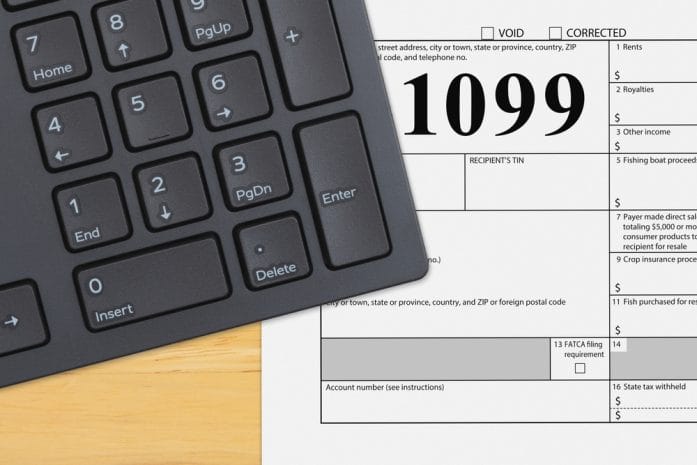
Gig workers often receive Form 1099-NEC or Form 1099-K from platforms or clients. Those forms report income paid to you during the year. Some workers assume that if they do not receive a 1099, they do not need to report the income. That assumption creates serious risk.

The IRS requires you to report all taxable income, even if you do not receive a form. Payment apps and online platforms follow specific reporting thresholds, and those thresholds have changed in recent years. Even if a company does not send you a 1099 because your earnings fall below a reporting limit, you still must include that income on your tax return.

Relying solely on 1099 forms to track your income can also distort your estimated tax calculations. You should track your gross receipts and expenses consistently throughout the year. Waiting for tax documents in January does not help you meet quarterly deadlines that occur long before those forms arrive.

Millions of Gig Workers May Be Missing This Key IRS Requirement

Image source: shutterstock.com

How to Calculate Estimated Taxes Without Losing Your Mind

You do not need to turn into a tax expert overnight, but you do need a plan.

If your income fluctuates significantly, you can adjust your estimated payments each quarter. Gig work often comes with uneven cash flow, so you should review your earnings regularly rather than locking yourself into rigid numbers from January. You can also use accounting software or work with a tax professional who understands self-employment income.

Setting aside a percentage of every payment can simplify the process. Many experienced gig workers automatically move 25 to 30 percent of each deposit into a separate savings account designated for taxes. That habit creates a buffer and prevents the panic that hits when a large quarterly payment comes due.

Deductions: Your Best Friend If You Track Them Properly

Quarterly payments matter, but deductions can dramatically reduce the amount you owe. The IRS allows self-employed individuals to deduct ordinary and necessary business expenses. That includes mileage for business driving, a portion of home office expenses if you meet the requirements, supplies, software subscriptions, marketing costs, and health insurance premiums for self-employed individuals, among others.

Accurate recordkeeping determines whether you can claim those deductions confidently. You should track mileage using a reliable log or app, save receipts for business purchases, and maintain separate accounts for business and personal expenses. If the IRS ever questions your return, organized records will support your claims.

Deductions reduce your net income, which in turn reduces both your income tax and your self-employment tax. That connection makes consistent tracking throughout the year essential. You cannot reconstruct a year’s worth of expenses from memory in March and expect precision.

What Happens If You Ignore This Requirement

The IRS does not send friendly reminders about missed quarterly payments. Instead, it calculates underpayment penalties based on how much you owed and how long you delayed payment. The penalty functions like interest, and it accrues over time. Even if you pay your full balance in April, the IRS can still assess a penalty if you failed to make sufficient quarterly payments.

Repeated noncompliance can also create cash flow chaos. If you owe a large amount at filing time and cannot pay in full, the IRS can impose additional penalties and interest. You can request a payment plan, but that route adds stress and extra cost.

Ignoring estimated taxes does not make the obligation disappear. It simply shifts the burden into the future, where it often grows larger and more disruptive.

Take Control Before the IRS Takes Notice

Gig work offers flexibility and independence, but it also demands discipline. You must treat your tax obligations as a regular business expense, not an afterthought. Mark quarterly deadlines on your calendar, review your income monthly, and set aside money consistently. If you feel overwhelmed, consult a certified public accountant or enrolled agent who specializes in self-employment taxes. A single professional session can save you far more in penalties and missed deductions than it costs.

You built your gig income with effort and persistence. Protect it with the same energy. Estimated taxes do not represent a bureaucratic nuisance; they represent a core responsibility of running your own operation. When you handle them proactively, you gain control and avoid unpleasant surprises.

If you earn income through gig work, when did you last review your estimated tax strategy? It’s time to discuss this very important subject in our comments.

You May Also Like…

Budgeting For Irregular Income: Freelancers And Gig Workers

5 Warning Signs Your “Side Gig” Is Destroying Your Finances

5 Reasons To Talk To Your Kids About Taxes

Can Your Taxes Be Cut In Half By You Simply Incorporating Your Name?

9 Financial Dangers of Ignoring Property Taxes

Brandon Marcus
Brandon Marcus

Brandon Marcus is a writer who has been sharing the written word since a very young age. His interests include sports, history, pop culture, and so much more. When he isn’t writing, he spends his time jogging, drinking coffee, or attempting to read a long book he may never complete.
Filed Under: tax tips Tagged With: 1099, Estimated taxes, freelancers, gig economy, Independent contractors, IRS, Planning, self-employment tax, side hustle, tax compliance, tax penalties, taxes

The Gig Economy Tax Nightmare: Why So Many Freelancers End Up Owing the IRS

October 30, 2025 by Travis Campbell Leave a Comment

taxes

Image source: shutterstock.com

The gig economy continues to grow rapidly as more people choose to work as freelancers. Flexible hours and the chance to be your own boss are appealing. Freelancers discover a surprising truth about taxes when they need to file their taxes. The gig economy tax nightmare is real, and it’s catching thousands of independent workers off guard. Freelancers who work independently will often discover they need to pay the IRS more than their initial estimates, which can result in substantial additional amounts.

Why does this happen? The situation resulted from a combination of public confusion, insufficient preparation, and complex tax regulations. The following explanation identifies the primary reasons gig workers face tax issues, helping you avoid these common mistakes.

1. No Taxes Withheld Upfront

Traditional employees have federal and state taxes withheld from every paycheck. Freelancers, on the other hand, usually receive the full amount for every job. Platforms like Uber, DoorDash, or Upwork don’t automatically deduct taxes. That means it’s up to you to set money aside for the IRS. This is a core part of the gig economy tax nightmare. It’s easy to forget, and even easier to spend the money you should be saving for taxes. Many freelancers don’t realize the IRS expects them to pay quarterly. By the time April comes, the tax bill can be overwhelming.

2. Misunderstanding Self-Employment Tax

Gig workers are considered self-employed. This means you’re responsible for both the employer and employee portions of Social Security and Medicare taxes. That’s a total of 15.3% on top of your regular income tax. Many freelancers focus only on income tax and forget about self-employment tax. The result? They seriously underestimate how much they owe. When the IRS calculates the full amount, the bill can be hundreds or even thousands of dollars more than expected.

3. Inconsistent Income Makes Planning Hard

Unlike a steady paycheck, gig work income can fluctuate from month to month. Some months are great, others are slow. This makes it hard to predict how much to set aside for taxes. Many freelancers guess or wait until the end of the year to figure it out. But the IRS doesn’t care if your income is unpredictable. If you don’t make estimated payments on time, you could get hit with penalties and interest. This unpredictability is a major part of the gig-economy tax nightmare for many independent workers.

4. Overlooking Deductible Expenses

Freelancers can deduct business expenses, which lowers taxable income. But many gig workers don’t track these costs or don’t realize what counts as a deductible expense. Missed deductions mean you pay more tax than necessary. Common expenses include mileage, supplies, home office costs, and even part of your phone bill. Not keeping good records or not knowing the rules means you leave money on the table—and that’s money that could help cover your tax bill.

5. Confusion Over 1099 Forms and Reporting

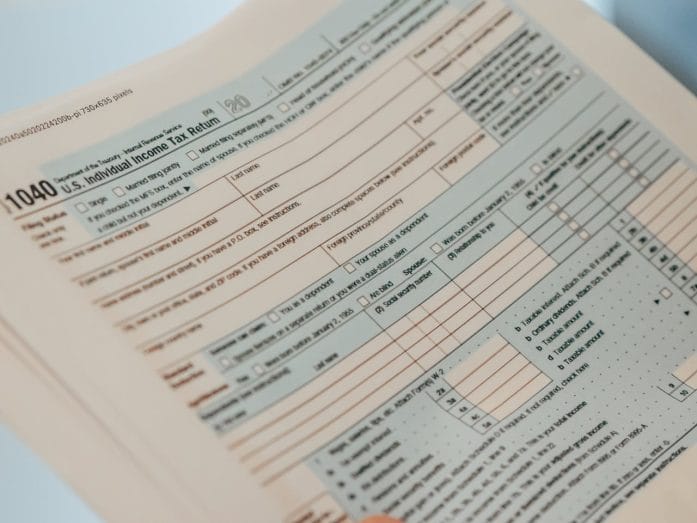
Freelancers often receive multiple 1099-NEC or 1099-K forms from clients and platforms. Some income might not be reported at all if it’s under $600, but you’re still legally required to report it. Many gig workers don’t realize this and fail to include all their earnings. The IRS gets copies of those forms, and mismatches can trigger audits or penalties. This confusion adds to the gig economy tax nightmare and makes tax time stressful for freelancers.

6. Not Making Estimated Quarterly Tax Payments

The IRS expects self-employed workers to pay taxes throughout the year, not just in April. If you owe more than $1,000 in taxes, you’re supposed to make estimated payments quarterly. Many freelancers skip this step, either because they don’t know about it or because cash flow is tight. Missing these payments can lead to penalties and interest. By the time you file your tax return, you may owe a lot more than just your original tax bill. This is a painful surprise for many in the gig economy.

7. State and Local Taxes Are Easy to Forget

Federal taxes are only part of the story. Many states also require estimated payments or have their own tax rules for freelancers. Some cities and counties also impose business taxes or licenses. If you don’t keep up, you could owe back taxes at the state or local level as well.

Staying on top of all these requirements is tough, especially if you work gigs in multiple states. This adds another layer to the gig economy tax nightmare, making it even more complicated for freelancers to stay compliant.

How to Tame the Gig Economy Tax Nightmare

The gig economy tax nightmare doesn’t have to be inevitable. Most financial experts recommend reserving a portion of each payment for taxes, typically 25% to 30%. Use a separate savings account if possible. Every business expense needs to be tracked, regardless of size, and all receipts should be stored either digitally or physically. You should make quarterly payments to both the IRS and your state government, even though your income levels change throughout the year. You should use a tax professional or reputable tax software when you are unsure about tax rules or payment amounts.

The gig economy offers people independence, but they must handle all the responsibilities that come with it. Freelancers who understand the tax rules for their work can plan their finances to avoid unexpected tax bills, which often leave gig economy workers owing money to the IRS.

Have you experienced a gig economy tax nightmare? What specific actions have you taken to prevent tax problems when working as a freelancer? Share your story in the comments!

What to Read Next…

  • 5 Account Transfers That Unexpectedly Trigger IRS Penalties
  • 7 Ill Advised Advisor Tips That Trigger IRS Audits
  • 9 Mistakes That Turned Wealth Transfers Into IRS Nightmares
  • What Tax Preparers Aren’t Warning Pre Retirees About in 2025
  • 6 Tax Breaks That Vanished Before Anyone Noticed
Travis Campbell
Travis Campbell

Travis Campbell is a digital marketer/developer with over 10 years of experience and a writer for over 6 years. He holds a degree in E-commerce and likes to share life advice he’s learned over the years. Travis loves spending time on the golf course or at the gym when he’s not working.

Filed Under: Tax Planning Tagged With: 1099, freelancers, gig economy, IRS, Self-employment, tax planning, taxes

FOLLOW US

Search this site:

Recent Posts

  • Can My Savings Account Affect My Financial Aid? by Tamila McDonald
  • 12 Ways Gen X’s Views Clash with Millennials… by Tamila McDonald
  • What Advantages and Disadvantages Are There To… by Jacob Sensiba
  • Call 911: Go To the Emergency Room Immediately If… by Stephen Kanaval
  • 10 Tactics for Building an Emergency Fund from Scratch by Vanessa Bermudez
  • 7 Weird Things You Can Sell Online by Tamila McDonald
  • 10 Scary Facts About DriveTime by Tamila McDonald

Copyright © 2026 · News Pro Theme on Genesis Framework