• Home
  • About Us
  • Toolkit
  • Getting Finances Done
    • Hiring Advisors
    • Debt Management
    • Spending Plan
  • Insurance
    • Life Insurance
    • Health Insurance
    • Disability Insurance
    • Homeowners/Renters Insurance
  • Contact Us
  • Risk Tolerance Quiz
  • Our Editorial Commitment

The Free Financial Advisor

You are here: Home / Archives for 1099

Millions of Gig Workers May Be Missing This Key IRS Requirement

February 18, 2026 by Brandon Marcus Leave a Comment

Millions of Gig Workers May Be Missing This Key IRS Requirement
Image source: shutterstock.com

You can hustle every day, grind through back-to-back deliveries, finish freelance projects at midnight, and still get blindsided by the IRS if you miss one crucial requirement. Millions of gig workers focus on earning income but ignore the tax rule that keeps that income safe from penalties.

The problem does not come from a lack of effort or ambition. It comes from a misunderstanding of how the IRS treats independent contractors. If you earn money outside of traditional employment, the IRS expects something very specific from you, and ignoring it can cost you more than you think.

The Rule Too Many Gig Workers Ignore: Quarterly Estimated Taxes

When you work as an employee, your employer withholds federal income taxes, Social Security, and Medicare from every paycheck. That system creates a steady drip of payments to the IRS throughout the year. Gig workers and independent contractors operate under a completely different structure. The IRS requires most self-employed individuals to pay estimated taxes quarterly if they expect to owe at least $1,000 in taxes when they file their return.

That rule surprises people who assume they can just settle up in April. The IRS does not operate on a “pay later” philosophy for self-employed income. Instead, it expects you to pay as you earn. The agency sets four estimated tax deadlines each year, generally in April, June, September, and January of the following year. If you skip those payments or underpay, the IRS can assess an underpayment penalty, even if you ultimately pay the full amount when you file your annual return.

You do not need a storefront or a formal business entity to fall under this rule. If you drive for rideshare platforms, deliver food, sell goods online, design logos, tutor students, or complete freelance writing assignments, the IRS sees you as self-employed. That classification triggers the estimated tax requirement.

The 1099 Confusion That Trips People Up

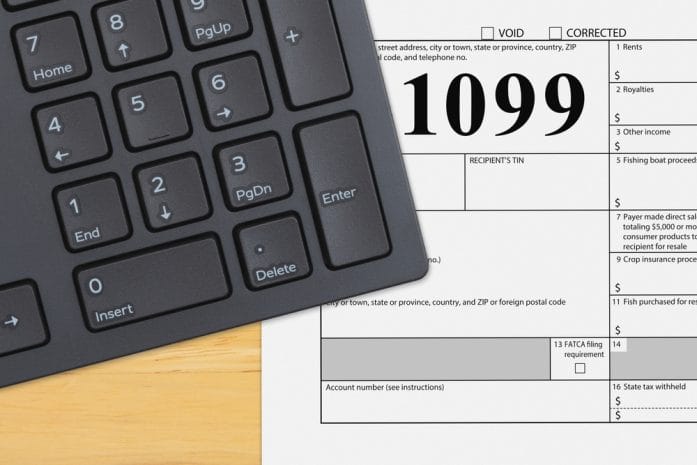
Gig workers often receive Form 1099-NEC or Form 1099-K from platforms or clients. Those forms report income paid to you during the year. Some workers assume that if they do not receive a 1099, they do not need to report the income. That assumption creates serious risk.

The IRS requires you to report all taxable income, even if you do not receive a form. Payment apps and online platforms follow specific reporting thresholds, and those thresholds have changed in recent years. Even if a company does not send you a 1099 because your earnings fall below a reporting limit, you still must include that income on your tax return.

Relying solely on 1099 forms to track your income can also distort your estimated tax calculations. You should track your gross receipts and expenses consistently throughout the year. Waiting for tax documents in January does not help you meet quarterly deadlines that occur long before those forms arrive.

Millions of Gig Workers May Be Missing This Key IRS Requirement
Image source: shutterstock.com

How to Calculate Estimated Taxes Without Losing Your Mind

You do not need to turn into a tax expert overnight, but you do need a plan.

If your income fluctuates significantly, you can adjust your estimated payments each quarter. Gig work often comes with uneven cash flow, so you should review your earnings regularly rather than locking yourself into rigid numbers from January. You can also use accounting software or work with a tax professional who understands self-employment income.

Setting aside a percentage of every payment can simplify the process. Many experienced gig workers automatically move 25 to 30 percent of each deposit into a separate savings account designated for taxes. That habit creates a buffer and prevents the panic that hits when a large quarterly payment comes due.

Deductions: Your Best Friend If You Track Them Properly

Quarterly payments matter, but deductions can dramatically reduce the amount you owe. The IRS allows self-employed individuals to deduct ordinary and necessary business expenses. That includes mileage for business driving, a portion of home office expenses if you meet the requirements, supplies, software subscriptions, marketing costs, and health insurance premiums for self-employed individuals, among others.

Accurate recordkeeping determines whether you can claim those deductions confidently. You should track mileage using a reliable log or app, save receipts for business purchases, and maintain separate accounts for business and personal expenses. If the IRS ever questions your return, organized records will support your claims.

Deductions reduce your net income, which in turn reduces both your income tax and your self-employment tax. That connection makes consistent tracking throughout the year essential. You cannot reconstruct a year’s worth of expenses from memory in March and expect precision.

What Happens If You Ignore This Requirement

The IRS does not send friendly reminders about missed quarterly payments. Instead, it calculates underpayment penalties based on how much you owed and how long you delayed payment. The penalty functions like interest, and it accrues over time. Even if you pay your full balance in April, the IRS can still assess a penalty if you failed to make sufficient quarterly payments.

Repeated noncompliance can also create cash flow chaos. If you owe a large amount at filing time and cannot pay in full, the IRS can impose additional penalties and interest. You can request a payment plan, but that route adds stress and extra cost.

Ignoring estimated taxes does not make the obligation disappear. It simply shifts the burden into the future, where it often grows larger and more disruptive.

Take Control Before the IRS Takes Notice

Gig work offers flexibility and independence, but it also demands discipline. You must treat your tax obligations as a regular business expense, not an afterthought. Mark quarterly deadlines on your calendar, review your income monthly, and set aside money consistently. If you feel overwhelmed, consult a certified public accountant or enrolled agent who specializes in self-employment taxes. A single professional session can save you far more in penalties and missed deductions than it costs.

You built your gig income with effort and persistence. Protect it with the same energy. Estimated taxes do not represent a bureaucratic nuisance; they represent a core responsibility of running your own operation. When you handle them proactively, you gain control and avoid unpleasant surprises.

If you earn income through gig work, when did you last review your estimated tax strategy? It’s time to discuss this very important subject in our comments.

You May Also Like…

Budgeting For Irregular Income: Freelancers And Gig Workers

5 Warning Signs Your “Side Gig” Is Destroying Your Finances

5 Reasons To Talk To Your Kids About Taxes

Can Your Taxes Be Cut In Half By You Simply Incorporating Your Name?

9 Financial Dangers of Ignoring Property Taxes

Brandon Marcus
Brandon Marcus

Brandon Marcus is a writer who has been sharing the written word since a very young age. His interests include sports, history, pop culture, and so much more. When he isn’t writing, he spends his time jogging, drinking coffee, or attempting to read a long book he may never complete.

Filed Under: tax tips Tagged With: 1099, Estimated taxes, freelancers, gig economy, Independent contractors, IRS, Planning, self-employment tax, side hustle, tax compliance, tax penalties, taxes

The Gig Economy Tax Nightmare: Why So Many Freelancers End Up Owing the IRS

October 30, 2025 by Travis Campbell Leave a Comment

taxes
Image source: shutterstock.com

The gig economy continues to grow rapidly as more people choose to work as freelancers. Flexible hours and the chance to be your own boss are appealing. Freelancers discover a surprising truth about taxes when they need to file their taxes. The gig economy tax nightmare is real, and it’s catching thousands of independent workers off guard. Freelancers who work independently will often discover they need to pay the IRS more than their initial estimates, which can result in substantial additional amounts.

Why does this happen? The situation resulted from a combination of public confusion, insufficient preparation, and complex tax regulations. The following explanation identifies the primary reasons gig workers face tax issues, helping you avoid these common mistakes.

1. No Taxes Withheld Upfront

Traditional employees have federal and state taxes withheld from every paycheck. Freelancers, on the other hand, usually receive the full amount for every job. Platforms like Uber, DoorDash, or Upwork don’t automatically deduct taxes. That means it’s up to you to set money aside for the IRS. This is a core part of the gig economy tax nightmare. It’s easy to forget, and even easier to spend the money you should be saving for taxes. Many freelancers don’t realize the IRS expects them to pay quarterly. By the time April comes, the tax bill can be overwhelming.

2. Misunderstanding Self-Employment Tax

Gig workers are considered self-employed. This means you’re responsible for both the employer and employee portions of Social Security and Medicare taxes. That’s a total of 15.3% on top of your regular income tax. Many freelancers focus only on income tax and forget about self-employment tax. The result? They seriously underestimate how much they owe. When the IRS calculates the full amount, the bill can be hundreds or even thousands of dollars more than expected.

3. Inconsistent Income Makes Planning Hard

Unlike a steady paycheck, gig work income can fluctuate from month to month. Some months are great, others are slow. This makes it hard to predict how much to set aside for taxes. Many freelancers guess or wait until the end of the year to figure it out. But the IRS doesn’t care if your income is unpredictable. If you don’t make estimated payments on time, you could get hit with penalties and interest. This unpredictability is a major part of the gig-economy tax nightmare for many independent workers.

4. Overlooking Deductible Expenses

Freelancers can deduct business expenses, which lowers taxable income. But many gig workers don’t track these costs or don’t realize what counts as a deductible expense. Missed deductions mean you pay more tax than necessary. Common expenses include mileage, supplies, home office costs, and even part of your phone bill. Not keeping good records or not knowing the rules means you leave money on the table—and that’s money that could help cover your tax bill.

5. Confusion Over 1099 Forms and Reporting

Freelancers often receive multiple 1099-NEC or 1099-K forms from clients and platforms. Some income might not be reported at all if it’s under $600, but you’re still legally required to report it. Many gig workers don’t realize this and fail to include all their earnings. The IRS gets copies of those forms, and mismatches can trigger audits or penalties. This confusion adds to the gig economy tax nightmare and makes tax time stressful for freelancers.

6. Not Making Estimated Quarterly Tax Payments

The IRS expects self-employed workers to pay taxes throughout the year, not just in April. If you owe more than $1,000 in taxes, you’re supposed to make estimated payments quarterly. Many freelancers skip this step, either because they don’t know about it or because cash flow is tight. Missing these payments can lead to penalties and interest. By the time you file your tax return, you may owe a lot more than just your original tax bill. This is a painful surprise for many in the gig economy.

7. State and Local Taxes Are Easy to Forget

Federal taxes are only part of the story. Many states also require estimated payments or have their own tax rules for freelancers. Some cities and counties also impose business taxes or licenses. If you don’t keep up, you could owe back taxes at the state or local level as well.

Staying on top of all these requirements is tough, especially if you work gigs in multiple states. This adds another layer to the gig economy tax nightmare, making it even more complicated for freelancers to stay compliant.

How to Tame the Gig Economy Tax Nightmare

The gig economy tax nightmare doesn’t have to be inevitable. Most financial experts recommend reserving a portion of each payment for taxes, typically 25% to 30%. Use a separate savings account if possible. Every business expense needs to be tracked, regardless of size, and all receipts should be stored either digitally or physically. You should make quarterly payments to both the IRS and your state government, even though your income levels change throughout the year. You should use a tax professional or reputable tax software when you are unsure about tax rules or payment amounts.

The gig economy offers people independence, but they must handle all the responsibilities that come with it. Freelancers who understand the tax rules for their work can plan their finances to avoid unexpected tax bills, which often leave gig economy workers owing money to the IRS.

Have you experienced a gig economy tax nightmare? What specific actions have you taken to prevent tax problems when working as a freelancer? Share your story in the comments!

What to Read Next…

  • 5 Account Transfers That Unexpectedly Trigger IRS Penalties
  • 7 Ill Advised Advisor Tips That Trigger IRS Audits
  • 9 Mistakes That Turned Wealth Transfers Into IRS Nightmares
  • What Tax Preparers Aren’t Warning Pre Retirees About in 2025
  • 6 Tax Breaks That Vanished Before Anyone Noticed
Travis Campbell
Travis Campbell

Travis Campbell is a digital marketer/developer with over 10 years of experience and a writer for over 6 years. He holds a degree in E-commerce and likes to share life advice he’s learned over the years. Travis loves spending time on the golf course or at the gym when he’s not working.

Filed Under: Tax Planning Tagged With: 1099, freelancers, gig economy, IRS, Self-employment, tax planning, taxes

FOLLOW US

Search this site:

Recent Posts

  • Can My Savings Account Affect My Financial Aid? by Tamila McDonald
  • 12 Ways Gen X’s Views Clash with Millennials… by Tamila McDonald
  • What Advantages and Disadvantages Are There To… by Jacob Sensiba
  • 10 Tactics for Building an Emergency Fund from Scratch by Vanessa Bermudez
  • Call 911: Go To the Emergency Room Immediately If… by Stephen Kanaval
  • 7 Weird Things You Can Sell Online by Tamila McDonald
  • 10 Scary Facts About DriveTime by Tamila McDonald

Copyright © 2026 · News Pro Theme on Genesis Framework