• Home
  • About Us
  • Getting Finances Done
    • Hiring Advisors
    • Debt Management
    • Spending Plan
  • Insurance
    • Life Insurance
    • Health Insurance
    • Disability Insurance
    • Homeowners/Renters Insurance
  • Contact Us
  • Our Editorial Commitment

The Free Financial Advisor

You are here: Home / Archives for quarterly taxes

Estimated Tax Payments Are Due in June — Missing It Costs More Than People Expect

June 4, 2026 by Brandon Marcus Leave a Comment

Estimated Tax Payments Are Due in June — Missing It Costs More Than People Expect
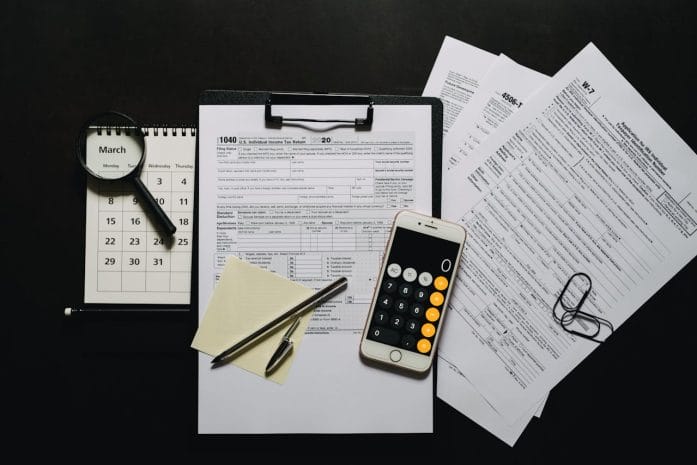
The June estimated tax deadline helps freelancers, gig workers, and investors avoid penalties by staying on track with quarterly IRS payments and preventing interest from building up – Shutterstock

June doesn’t just bring summer plans, vacations, and longer days—it also brings one of the most overlooked financial deadlines of the year. The IRS expects millions of taxpayers to submit estimated tax payments by mid-June, and missing this date can quickly snowball into penalties that feel far bigger than most people anticipate. Many workers outside traditional payroll systems rely on these payments, yet confusion still surrounds who needs to pay and how much they owe. That confusion often leads to late filings, underpayments, or unnecessary fines that drain money better used elsewhere.

The estimated tax system catches many people off guard because it doesn’t operate like a typical once-a-year tax filing. Instead, it requires taxpayers to pay income taxes in quarterly installments throughout the year. When June arrives, it marks the second installment for most filers, and the IRS watches closely for accuracy and timeliness.

Why the June Estimated Tax Deadline Carries So Much Weight

The June estimated tax deadline plays a major role in keeping taxpayers aligned with IRS expectations throughout the year. The IRS sets this quarterly checkpoint to collect income taxes as earnings happen, rather than waiting until April. This structure helps prevent large tax bills at year-end, especially for people with fluctuating income. Missing the June payment can throw off the entire tax balance for the year and increase the chance of underpayment penalties. The IRS also calculates penalties based on both the amount owed and the length of the delay, which means even short lapses can cost money.

Many taxpayers underestimate how quickly penalties accumulate once the deadline passes. The IRS applies interest daily, and that interest compounds until the balance gets resolved. Self-employed individuals and freelancers often feel the impact most because their income does not come with automatic withholding. Even part-time gig workers and investors can trigger estimated tax requirements if their earnings exceed certain thresholds. June often acts as the midpoint reality check that reveals whether earlier payments stayed on track or fell short.

Who Needs to Make Estimated Tax Payments

Estimated tax payments apply to people who earn income without automatic tax withholding from an employer. This group includes freelancers, independent contractors, business owners, and many gig economy workers. Investors who earn dividends, capital gains, or rental income also fall into this category if they expect to owe at least $1,000 in taxes for the year. Even individuals who receive bonuses, side income, or irregular payouts may need to participate in the system. The IRS expects taxpayers to cover their tax liability evenly across the year instead of waiting for tax season.

Taxpayers often misjudge whether they fall into this category, which leads to surprise penalties later. A simple rule helps clarify the requirement: if income flows in without taxes automatically deducted, estimated payments likely apply. Many people working multiple income streams discover this obligation only after receiving an IRS notice. June serves as a critical checkpoint because it allows taxpayers to correct underpayments before the situation escalates. Staying proactive during this period prevents compounding issues that become harder to fix later in the year.

What Happens When the June Payment Gets Missed

Missing the June estimated tax deadline triggers financial consequences that extend beyond a simple late fee. The IRS charges interest on unpaid amounts, and that interest accrues daily until the balance gets paid in full. In addition, the IRS may apply an underpayment penalty based on how much taxpayers failed to pay throughout the quarter. These penalties often surprise people because they continue building even when taxpayers plan to “catch up later.” That delay mindset ends up costing more than paying on time.

The impact becomes more noticeable for taxpayers with inconsistent income, since the IRS expects quarterly consistency rather than annual correction. A missed June payment also increases pressure for the remaining quarters, since future payments must compensate for the shortfall. Many taxpayers also overlook that the IRS calculates penalties separately for each quarter, not just the final annual return. That structure means one missed deadline can affect multiple calculations across the year. Quick action after a missed payment helps reduce penalties, but it rarely eliminates them entirely.

Smart Moves to Stay Ahead of Estimated Taxes All Year

Staying ahead of estimated taxes requires steady planning instead of last-minute adjustments. Many taxpayers benefit from setting aside a fixed percentage of every payment they receive, especially those with irregular income. This approach creates a buffer that prevents shortfalls when quarterly deadlines arrive. The IRS also provides Form 1040-ES worksheets that help estimate payments more accurately based on income projections. Using these tools reduces guesswork and lowers the risk of penalties later in the year.

Automation also helps reduce missed deadlines because it removes the need to manually track each payment date. Many banks and accounting platforms allow scheduled transfers that align with IRS quarterly timelines. Taxpayers who review their income mid-year often catch underpayments early enough to correct them before penalties grow. June serves as the perfect moment to reassess income trends, adjust payment amounts, and prepare for the second half of the year. Staying consistent through each quarter creates a smoother tax experience and prevents costly surprises when filing season arrives.

June Tax Deadlines Shape the Rest of the Year’s Financial Outcome

June estimated tax payments do more than fulfill a routine IRS requirement—they set the tone for the entire tax year. A missed payment can create penalties, stress, and unexpected financial strain that carries forward into future quarters. Careful planning, consistent saving habits, and timely payments help taxpayers stay in control of their obligations. The system rewards preparation and punishes delay, especially for those with non-traditional income streams. Taking June seriously keeps the rest of the year far more manageable and predictable.

What strategies help make your estimated tax payments easier to manage throughout the year?

You May Also Like…

Selling a Long-Term Home Can Lead to Capital Gains Taxes—Even for Retirees

Your Refund Could Be Redirected to State Debt Without a Single Notice From the IRS

Refunds Are Being Delayed Over One Missing IRS Verification Step

IRS Won’t Automatically Reissue Paper Checks for Rejected Direct Deposits—You Must Update Bank Info

Property Taxes Are Catching Homeowners Off Guard — Especially After Buying or Renovating

Brandon Marcus
Brandon Marcus

Brandon Marcus is a writer who has been sharing the written word since a very young age. His interests include sports, history, pop culture, and so much more. When he isn’t writing, he spends his time jogging, drinking coffee, or attempting to read a long book he may never complete.

Filed Under: Tax Planning Tagged With: Estimated taxes, IRS payments, Personal Finance, quarterly taxes, self-employed taxes, tax deadline, tax penalties

The IRS Doesn’t Care If You Forgot — Missing Tax Dates Could Cost You Thousands

February 26, 2026 by Brandon Marcus Leave a Comment

The IRS Doesn’t Care If You Forgot — Estimated Tax Dates That Could Cost You Thousands
Image Source: Pexels.com

The IRS doesn’t care if life got busy. It doesn’t care if a client paid late, if bookkeeping fell behind, or if someone assumed April would cover everything. When it comes to estimated taxes, the federal government expects its money on time, four times a year, and it calculates penalties with quiet efficiency when those payments don’t show up.

Estimated tax deadlines rarely grab headlines, yet they can quietly drain thousands of dollars from bank accounts through penalties and interest. Anyone who earns income without automatic withholding stands directly in the line of fire. That includes freelancers, consultants, landlords, small business owners, investors, and gig workers who receive 1099 forms instead of W-2s.

Mark These Dates or Pay the Price

The IRS sets four estimated tax deadlines each year, and none of them fall neatly at the end of a quarter. Payments typically come due on April 15, June 15, September 15, and January 15 of the following year. When one of those dates lands on a weekend or federal holiday, the deadline shifts to the next business day. The schedule catches many people off guard because June 15 arrives only two months after April, and January 15 follows closely on the heels of the holiday season.

When someone waits until April to pay everything, the IRS reviews the account quarter by quarter and assesses underpayment penalties for each period that fell short. That means a large April payment does not magically erase missed quarterly obligations.

Anyone who expects to owe at least $1,000 in federal tax for the year after subtracting withholding and refundable credits generally needs to make estimated payments. The IRS built that threshold into its rules, and it applies to a wide range of earners. Skipping the calendar reminders may feel harmless in the moment, but those missed dates often lead to interest charges that continue to grow until payment clears.

Who Really Needs to Worry About Estimated Taxes?

W-2 employees usually glide through tax season because employers withhold income tax, Social Security, and Medicare from each paycheck. The system works automatically in the background. Independent earners, however,P do not enjoy that convenience. Anyone who runs a sole proprietorship, earns freelance income, drives for a rideshare platform, sells goods online, or collects significant investment income must take responsibility for setting aside and paying taxes throughout the year.

People in partnerships and shareholders in S corporations also face estimated tax obligations when distributions or profits do not cover their tax liability through withholding. Landlords who collect rent without withholding fall into the same category. Even retirees can trigger estimated payments if pension and Social Security withholding does not cover total tax owed on additional income such as dividends or capital gains.

The gig economy expanded rapidly, and many new earners jumped in without realizing that the IRS expects quarterly payments. Platforms may issue Form 1099-NEC or 1099-K, but they rarely withhold federal income tax. That leaves individuals responsible for calculating both income tax and self-employment tax, which covers Social Security and Medicare contributions. Ignoring that responsibility invites penalties that feel especially painful when profits already run thin.

How the IRS Calculates Penalties and Why They Add Up Fast

The IRS does not guess when it calculates an underpayment penalty. It uses a formula based on how much someone underpaid, how long the underpayment lasted, and the federal short-term interest rate plus three percentage points. The agency adjusts that interest rate quarterly, so the cost of missing a payment can change throughout the year.

When a taxpayer pays less than the required amount for a quarter, the IRS assesses a penalty on the shortfall from the due date until the payment arrives. That calculation applies even if the person pays the full annual tax bill by April 15. Each quarter stands on its own in the eyes of the IRS, which means consistent underpayments can create a stack of separate penalties.

The safe harbor rules offer some protection. Taxpayers can generally avoid penalties if they pay at least 90 percent of the current year’s tax liability or 100 percent of the previous year’s total tax, whichever amount proves smaller.

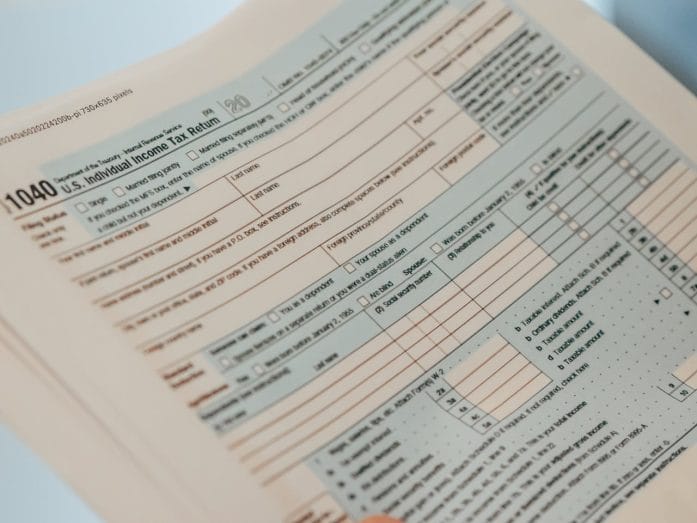
The IRS Doesn’t Care If You Forgot — Estimated Tax Dates That Could Cost You Thousands
Image Source: Pexels.com

Smart Strategies to Stay Ahead of the Game

Estimated taxes do not have to feel like a guessing contest. Many financial professionals recommend setting aside a fixed percentage of every payment received, often between 25 and 35 percent depending on income level and state taxes. That habit creates a built-in buffer and prevents the shock of a large quarterly bill.

Opening a separate savings account dedicated to taxes can transform the process. Moving money into that account immediately after receiving income removes temptation and builds discipline. Some taxpayers schedule automatic transfers so they never rely on memory alone.

Online payments through IRS Direct Pay or the Electronic Federal Tax Payment System allow quick, trackable submissions. Electronic payments reduce the risk of lost checks and provide instant confirmation. Consistency matters more than perfection, so calculating conservative estimates and adjusting each quarter keeps surprises manageable.

Working with a tax professional can also sharpen accuracy, especially when income fluctuates. A professional can project annual income, apply deductions, and fine-tune quarterly amounts. Even a single planning session midyear can prevent an expensive underpayment penalty.

When Income Swings Wildly, Flexibility Still Has Rules

Not everyone earns steady, predictable income. Contractors may land a major project in September, investors may realize large capital gains in December, and business owners may experience seasonal spikes. The IRS recognizes uneven income patterns and allows taxpayers to use the annualized income installment method to align payments more closely with when income actually arrives.

This method requires additional calculations, but it can reduce penalties for those who earn most of their income later in the year. Instead of paying equal installments, taxpayers base each quarter’s payment on actual earnings during that period. That approach rewards accurate recordkeeping and proactive planning.

However, flexibility does not mean freedom from deadlines. Taxpayers still must submit payments on the established due dates. Waiting until year-end to settle everything can still trigger penalties, even when income arrived late. Careful tracking of revenue and expenses throughout the year supports smarter decisions and cleaner filings.

The Real Cost of Forgetting and the Power of a Plan

Estimated tax deadlines may not generate drama, but they carry real financial weight. Missed or underestimated payments lead to penalties and interest that chip away at hard-earned income. The IRS enforces these rules consistently, and it does not waive penalties simply because someone forgot.

Taking control of quarterly payments protects cash flow and reduces stress during tax season. Marking the four key dates, calculating safe harbor targets, setting aside money regularly, and using electronic payment tools can keep obligations manageable. Taxpayers who treat estimated taxes as a routine expense rather than a once-a-year event often sleep better and keep more of their money where it belongs.

What personal system will keep quarterly deadlines from slipping through the cracks this year? Let’s talk taxes in our comments below.

You May Also Like…

Can You Trust AI With Your Taxes and Investments? 8 Risks No One Explains

5 Reasons To Talk To Your Kids About Taxes

Income Threshold: 4 Hidden Taxes That Hit Once You Cross Certain Limits

Refunds Are Being Frozen Over a Single IRS Identity Check — Here’s What’s Causing the Delays

Why IRS Payment Plans Still Default After Missed Online Notices

Brandon Marcus
Brandon Marcus

Brandon Marcus is a writer who has been sharing the written word since a very young age. His interests include sports, history, pop culture, and so much more. When he isn’t writing, he spends his time jogging, drinking coffee, or attempting to read a long book he may never complete.
Filed Under: tax tips Tagged With: Estimated taxes, Form 1040-ES, freelancers, gig economy, IRS, quarterly taxes, self-employed, Small business, tax advice, tax deadlines, tax penalties, tax planning

Follow Us

Search this site:

Recent Posts

  • Can My Savings Account Affect My Financial Aid? by Tamila McDonald
  • 12 Ways Gen X’s Views Clash with Millennials… by Tamila McDonald
  • What Advantages and Disadvantages Are There To… by Jacob Sensiba
  • 10 Tactics for Building an Emergency Fund from Scratch by Vanessa Bermudez
  • Call 911: Go To the Emergency Room Immediately If… by Stephen Kanaval
  • 7 Weird Things You Can Sell Online by Tamila McDonald
  • 10 Scary Facts About DriveTime by Tamila McDonald

Copyright © 2026 · News Pro Theme on Genesis Framework