A sunny Saturday, a folding table, and a pile of stuff ready to go—garage sales feel like easy money with zero strings attached. That carefree vibe just hit a speed bump. New reporting rules now blur the line between a casual clean-out and taxable activity, and that shift catches many people off guard.
The days of pocketing cash with no paper trail no longer feel guaranteed. Anyone who sells regularly—or even occasionally in certain ways—needs to pay attention.
The Rule Change That Turned Heads Overnight
Recent tax reporting updates didn’t target garage sales specifically, but they absolutely affect them in surprising ways. Payment platforms now report transactions more aggressively, especially when sales cross certain thresholds. That means someone who casually sells items online or accepts digital payments at a yard sale could trigger a tax form without realizing it. The IRS focuses on income, not intent, so even a simple decluttering effort can look like a business on paper. This shift creates confusion because most people assume personal item sales don’t count.
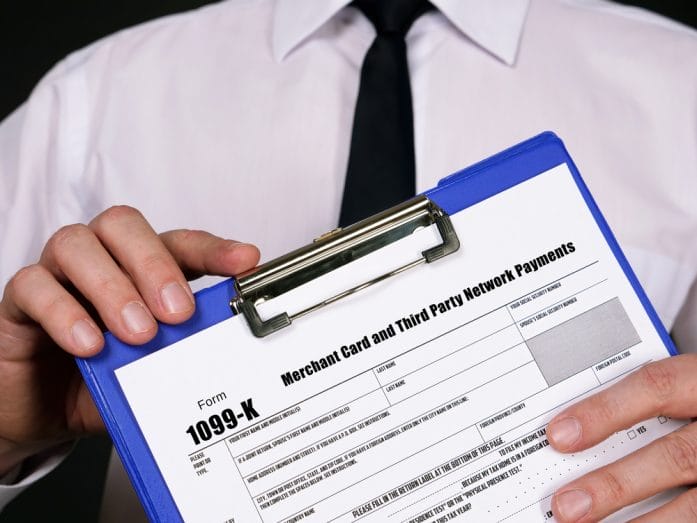
The key detail revolves around Form 1099-K, which payment processors issue when transactions exceed reporting limits. Someone who sells used furniture, clothes, or electronics through apps or payment services might receive this form. That form doesn’t automatically mean taxes are owed, but it does mean the IRS sees the income. Without proper records, that situation quickly turns stressful. Keeping track of original purchase prices now matters more than ever.
Why Your Weekend Sale Might Not Be “Just a Sale”
Many people treat garage sales as a one-time event, but patterns matter more than intentions. Selling items repeatedly—even if spread out over months—can look like a business activity. The IRS considers frequency, organization, and profit motive when evaluating sales behavior. Someone who regularly flips items or advertises heavily could cross into taxable territory. Even casual sellers sometimes meet those criteria without realizing it.
The rise of digital payments complicates things even further. Cash transactions leave less of a trail, but apps create automatic records that feed into reporting systems. A seller who accepts mobile payments for convenience might unintentionally create a documented income stream. That visibility increases the chances of receiving tax forms. Once that happens, ignoring it creates bigger problems down the road.
What Actually Counts as Taxable Income
Not every garage sale dollar counts as taxable income, and that detail brings some relief. If someone sells personal items for less than the original purchase price, the IRS generally doesn’t treat that as taxable profit. Most garage sale items fall into this category since people rarely sell used goods for more than they paid. However, without proof of the original price, that argument becomes harder to make. Documentation protects sellers from unnecessary tax bills.
Profit changes everything. If someone buys items specifically to resell at a higher price, that income becomes taxable. This scenario often pops up with thrift store flipping or collectible reselling. Even a few successful flips can shift the nature of the activity. Clear records separate harmless decluttering from taxable business income.
The Hidden Risk of Payment Apps and Platforms
Payment apps feel fast and easy, but they bring serious reporting implications. Platforms like Venmo, PayPal, and others now track and report qualifying transactions to the IRS. A seller who collects payments digitally during a garage sale could unknowingly cross reporting thresholds. Once that happens, the platform sends a 1099-K, and the IRS expects that income to appear on a tax return. That expectation creates pressure to explain every dollar.
Separating personal payments from sales income becomes crucial. Mixing the two creates confusion and raises red flags. A simple habit—like labeling transactions clearly—can prevent headaches later. Sellers who treat their sales casually often overlook this step. That oversight leads to messy records and unnecessary stress during tax season.

How to Stay on the Safe Side Without Stressing Out
Staying compliant doesn’t require turning into a tax expert overnight. Keeping basic records makes a huge difference. A simple list of what items sold for and what they originally cost provides clarity if questions arise. Photos, receipts, or even rough estimates help build a reasonable record. This habit protects sellers without adding major effort.
Limiting digital payments can also reduce reporting triggers. Some sellers choose to stick with cash for small, casual sales to keep things simple. Others separate sales into a dedicated payment account for better tracking. Both approaches offer practical ways to manage risk. The goal isn’t avoidance—it’s awareness and organization.
Common Misconceptions That Could Cost You
Many people believe the IRS won’t care about small garage sales, but that assumption creates problems. The agency doesn’t chase every small transaction, yet automated reporting systems don’t overlook them either. Another common myth suggests that selling personal items always avoids taxes. That only holds true when no profit exists and records support that claim. Without proof, things get murky fast.
Some sellers also think ignoring a 1099-K will make it disappear. That approach almost guarantees trouble. The IRS already has the form, so failing to report it raises red flags. Addressing the form correctly—even if no tax is owed—keeps everything clean. Knowledge beats guesswork every time.
What This Means for the Future of Garage Sales
Garage sales won’t disappear, but they won’t feel as carefree as they once did. More people now approach them with a mix of excitement and caution. The shift toward digital payments and stricter reporting rules changes the landscape permanently. Sellers who adapt early will avoid stress and confusion later. Those who ignore the changes may face unexpected tax surprises.
This evolution also pushes people to think differently about selling. Some will keep things strictly casual, while others may lean into reselling as a side hustle. Both paths work, but each requires awareness of the rules. The days of total invisibility in small sales continue to fade. Smart sellers stay informed and stay prepared.
Stay Smart & Sell Smarter
Garage sale culture still thrives, but the rules around it have clearly changed. The concept of garage sale IRS reporting now plays a bigger role than most people expect. Staying organized, tracking basic details, and knowing when income counts makes all the difference. A little preparation prevents a lot of frustration when tax season arrives. Selling your old stuff should feel rewarding—not risky.
Garage sale IRS reporting may sound intimidating, but it doesn’t have to ruin the fun. With the right approach, sellers can still enjoy clearing out clutter and making extra cash. Awareness turns a potential trap into a manageable situation. That balance keeps things both profitable and stress-free.
So, will this change how your next garage sale gets planned—or will it still be business as usual? Give us your advice, stories, insight, and experiences in our comments section.
You May Also Like…
New Federal Reporting Rule Covers All‑Cash Home Sales in Many Metro Areas — Here’s Who’s Impacted
Selling a Long-Term Home Can Lead to Capital Gains Taxes—Even for Retirees
IRS Warning: That Venmo Payment for Your Garage Sale Just Triggered a Surprise Tax Bill
Michigan Pension Withdrawals Are Still Flagged for Federal Review Under IRS Rules
Missing This IRS Filing Deadline Leads to Automatic Penalties—No Exceptions

Brandon Marcus is a writer who has been sharing the written word since a very young age. His interests include sports, history, pop culture, and so much more. When he isn’t writing, he spends his time jogging, drinking coffee, or attempting to read a long book he may never complete.