• Home
  • About Us
  • Toolkit
  • Getting Finances Done
    • Hiring Advisors
    • Debt Management
    • Spending Plan
  • Insurance
    • Life Insurance
    • Health Insurance
    • Disability Insurance
    • Homeowners/Renters Insurance
  • Contact Us
  • Risk Tolerance Quiz
  • Our Editorial Commitment

The Free Financial Advisor

You are here: Home / Archives for self-employed

The IRS Doesn’t Care If You Forgot — Missing Tax Dates Could Cost You Thousands

February 26, 2026 by Brandon Marcus Leave a Comment

The IRS Doesn’t Care If You Forgot — Estimated Tax Dates That Could Cost You Thousands
Image Source: Pexels.com

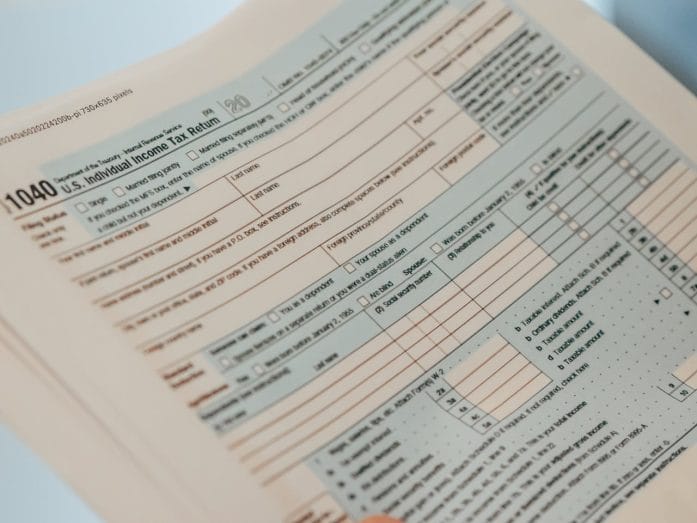
The IRS doesn’t care if life got busy. It doesn’t care if a client paid late, if bookkeeping fell behind, or if someone assumed April would cover everything. When it comes to estimated taxes, the federal government expects its money on time, four times a year, and it calculates penalties with quiet efficiency when those payments don’t show up.

Estimated tax deadlines rarely grab headlines, yet they can quietly drain thousands of dollars from bank accounts through penalties and interest. Anyone who earns income without automatic withholding stands directly in the line of fire. That includes freelancers, consultants, landlords, small business owners, investors, and gig workers who receive 1099 forms instead of W-2s.

Mark These Dates or Pay the Price

The IRS sets four estimated tax deadlines each year, and none of them fall neatly at the end of a quarter. Payments typically come due on April 15, June 15, September 15, and January 15 of the following year. When one of those dates lands on a weekend or federal holiday, the deadline shifts to the next business day. The schedule catches many people off guard because June 15 arrives only two months after April, and January 15 follows closely on the heels of the holiday season.

When someone waits until April to pay everything, the IRS reviews the account quarter by quarter and assesses underpayment penalties for each period that fell short. That means a large April payment does not magically erase missed quarterly obligations.

Anyone who expects to owe at least $1,000 in federal tax for the year after subtracting withholding and refundable credits generally needs to make estimated payments. The IRS built that threshold into its rules, and it applies to a wide range of earners. Skipping the calendar reminders may feel harmless in the moment, but those missed dates often lead to interest charges that continue to grow until payment clears.

Who Really Needs to Worry About Estimated Taxes?

W-2 employees usually glide through tax season because employers withhold income tax, Social Security, and Medicare from each paycheck. The system works automatically in the background. Independent earners, however,P do not enjoy that convenience. Anyone who runs a sole proprietorship, earns freelance income, drives for a rideshare platform, sells goods online, or collects significant investment income must take responsibility for setting aside and paying taxes throughout the year.

People in partnerships and shareholders in S corporations also face estimated tax obligations when distributions or profits do not cover their tax liability through withholding. Landlords who collect rent without withholding fall into the same category. Even retirees can trigger estimated payments if pension and Social Security withholding does not cover total tax owed on additional income such as dividends or capital gains.

The gig economy expanded rapidly, and many new earners jumped in without realizing that the IRS expects quarterly payments. Platforms may issue Form 1099-NEC or 1099-K, but they rarely withhold federal income tax. That leaves individuals responsible for calculating both income tax and self-employment tax, which covers Social Security and Medicare contributions. Ignoring that responsibility invites penalties that feel especially painful when profits already run thin.

How the IRS Calculates Penalties and Why They Add Up Fast

The IRS does not guess when it calculates an underpayment penalty. It uses a formula based on how much someone underpaid, how long the underpayment lasted, and the federal short-term interest rate plus three percentage points. The agency adjusts that interest rate quarterly, so the cost of missing a payment can change throughout the year.

When a taxpayer pays less than the required amount for a quarter, the IRS assesses a penalty on the shortfall from the due date until the payment arrives. That calculation applies even if the person pays the full annual tax bill by April 15. Each quarter stands on its own in the eyes of the IRS, which means consistent underpayments can create a stack of separate penalties.

The safe harbor rules offer some protection. Taxpayers can generally avoid penalties if they pay at least 90 percent of the current year’s tax liability or 100 percent of the previous year’s total tax, whichever amount proves smaller.

The IRS Doesn’t Care If You Forgot — Estimated Tax Dates That Could Cost You Thousands
Image Source: Pexels.com

Smart Strategies to Stay Ahead of the Game

Estimated taxes do not have to feel like a guessing contest. Many financial professionals recommend setting aside a fixed percentage of every payment received, often between 25 and 35 percent depending on income level and state taxes. That habit creates a built-in buffer and prevents the shock of a large quarterly bill.

Opening a separate savings account dedicated to taxes can transform the process. Moving money into that account immediately after receiving income removes temptation and builds discipline. Some taxpayers schedule automatic transfers so they never rely on memory alone.

Online payments through IRS Direct Pay or the Electronic Federal Tax Payment System allow quick, trackable submissions. Electronic payments reduce the risk of lost checks and provide instant confirmation. Consistency matters more than perfection, so calculating conservative estimates and adjusting each quarter keeps surprises manageable.

Working with a tax professional can also sharpen accuracy, especially when income fluctuates. A professional can project annual income, apply deductions, and fine-tune quarterly amounts. Even a single planning session midyear can prevent an expensive underpayment penalty.

When Income Swings Wildly, Flexibility Still Has Rules

Not everyone earns steady, predictable income. Contractors may land a major project in September, investors may realize large capital gains in December, and business owners may experience seasonal spikes. The IRS recognizes uneven income patterns and allows taxpayers to use the annualized income installment method to align payments more closely with when income actually arrives.

This method requires additional calculations, but it can reduce penalties for those who earn most of their income later in the year. Instead of paying equal installments, taxpayers base each quarter’s payment on actual earnings during that period. That approach rewards accurate recordkeeping and proactive planning.

However, flexibility does not mean freedom from deadlines. Taxpayers still must submit payments on the established due dates. Waiting until year-end to settle everything can still trigger penalties, even when income arrived late. Careful tracking of revenue and expenses throughout the year supports smarter decisions and cleaner filings.

The Real Cost of Forgetting and the Power of a Plan

Estimated tax deadlines may not generate drama, but they carry real financial weight. Missed or underestimated payments lead to penalties and interest that chip away at hard-earned income. The IRS enforces these rules consistently, and it does not waive penalties simply because someone forgot.

Taking control of quarterly payments protects cash flow and reduces stress during tax season. Marking the four key dates, calculating safe harbor targets, setting aside money regularly, and using electronic payment tools can keep obligations manageable. Taxpayers who treat estimated taxes as a routine expense rather than a once-a-year event often sleep better and keep more of their money where it belongs.

What personal system will keep quarterly deadlines from slipping through the cracks this year? Let’s talk taxes in our comments below.

You May Also Like…

Can You Trust AI With Your Taxes and Investments? 8 Risks No One Explains

5 Reasons To Talk To Your Kids About Taxes

Income Threshold: 4 Hidden Taxes That Hit Once You Cross Certain Limits

Refunds Are Being Frozen Over a Single IRS Identity Check — Here’s What’s Causing the Delays

Why IRS Payment Plans Still Default After Missed Online Notices

Brandon Marcus
Brandon Marcus

Brandon Marcus is a writer who has been sharing the written word since a very young age. His interests include sports, history, pop culture, and so much more. When he isn’t writing, he spends his time jogging, drinking coffee, or attempting to read a long book he may never complete.

Filed Under: tax tips Tagged With: Estimated taxes, Form 1040-ES, freelancers, gig economy, IRS, quarterly taxes, self-employed, Small business, tax advice, tax deadlines, tax penalties, tax planning

8 Unique Angles for Maximizing Your Solo 401(k) Contributions

October 16, 2025 by Travis Campbell Leave a Comment

401k
Image source: shutterstock.com

If you’re self-employed or run a small business with no full-time employees, a solo 401(k) can be a powerful tool for retirement savings. The ability to contribute both as an employee and employer opens the door to much higher annual limits. But just hitting the basics might mean you’re leaving money on the table. Maximizing your solo 401(k) contributions isn’t just about putting more away—it’s about using every available angle to boost your savings, reduce your tax bill, and secure a better financial future. Whether you’re just starting or looking to optimize, these strategies can help you get the most out of your plan. Here are eight unique approaches to make your solo 401(k) work harder for you.

1. Leverage Both Employee and Employer Contributions

One standout feature of a solo 401(k) is the dual role you play. As the employee, you can contribute up to the annual limit ($23,000 for 2024, or $30,500 if you’re 50+). As the employer, you can also contribute up to 25% of your net self-employment income. Many people focus on the employee side and forget the employer portion. To maximize your solo 401(k) contributions, make sure you calculate and contribute for both roles. This can push your total annual contributions well over $60,000 if your business income allows.

2. Catch-Up Contributions for Age 50 and Over

If you’re 50 or older, the IRS allows an extra $7,500 in catch-up contributions on the employee side. This is a significant opportunity to boost your retirement savings, especially if you got a late start. Don’t overlook this provision. If you have the cash flow, take full advantage of it every year. Even if you can’t contribute the maximum yet, increasing your contributions as you approach retirement can make a real difference.

3. Optimize Income Timing and Structure

Your solo 401(k) contribution limits depend on your net self-employment income. If you have flexibility in when you receive income or how you structure compensation, you can potentially increase your allowable contributions. For example, delaying deductible expenses or accelerating income into a higher-earning year could allow bigger contributions. Consult a tax professional to ensure you’re maximizing your solo 401(k) contributions without creating unintended tax consequences.

4. Use Roth Contributions for Tax Diversification

Many solo 401(k) providers offer both traditional and Roth options. With Roth contributions, you pay taxes now and enjoy tax-free growth and withdrawals in retirement. If you expect to be in a higher tax bracket later, or you want flexibility, consider splitting your contributions between pre-tax and Roth. This approach can provide valuable tax diversification and allow you to maximize your solo 401(k) contributions in a way that fits your long-term goals.

5. Make In-Kind Contributions of Appreciated Assets

Some solo 401(k) plans allow you to contribute appreciated assets, like stocks or mutual funds, rather than cash. This strategy lets you avoid capital gains taxes on those assets while boosting your retirement account. Not all plans or providers allow in-kind contributions, so check the rules before proceeding. If allowed, this can be a savvy way to maximize your solo 401(k) contributions and manage your overall tax exposure.

6. Contribute for Your Spouse

If your spouse earns income from your business—even part-time—they can also participate in your solo 401(k) plan. This effectively doubles the household contribution limit. Both you and your spouse can make employee and employer contributions, subject to the same rules. This strategy is especially useful for family businesses or partnerships, and it’s a smart move for maximizing your solo 401(k) contributions as a couple.

7. Fund Your Solo 401(k) Early and Consistently

It’s tempting to wait until year-end to make contributions, but funding your solo 401(k) early lets your investments grow for a longer period. If cash flow allows, set up automatic contributions or make regular deposits throughout the year. This dollar-cost averaging approach can help smooth market ups and downs and make it easier to reach the maximum annual limit. Consistency is key to maximizing your solo 401(k) contributions over time.

8. Review Plan Features and Shop Providers

Solo 401(k) plans vary widely in fees, investment choices, and features. Some offer Roth options, in-kind transfers, or loan provisions, while others do not. Review your plan annually to ensure it matches your needs and supports your goal of maximizing your solo 401(k) contributions. If your current provider is lacking, consider switching to one that offers more flexibility or lower costs.

Making the Most of Your Solo 401(k) Strategy

Maximizing your solo 401(k) contributions isn’t just about stuffing as much money as possible into your plan. It’s about using every available angle—contribution types, timing, plan features, and even family participation—to reach your retirement goals efficiently. With higher contribution limits, tax advantages, and the flexibility to tailor your approach, a solo 401(k) is a top choice for self-employed individuals serious about building wealth for the future.

Stay informed about changing IRS rules and talk to a qualified advisor if you’re unsure which strategies fit your situation.

Which of these strategies are you using, or do you have your own tips for maximizing your solo 401(k) contributions? Let us know in the comments!

What to Read Next…

  • Is Your Retirement Plan Outdated By A Decade Without You Knowing?
  • What Retirees Regret About Rolling Over Old 401ks Too Quickly
  • 6 Retirement Plan Provisions That Disqualify You From Aid
  • 6 Retirement Accounts That Are No Longer Considered Safe
  • 10 Financial Questions That Could Undo Your Entire Retirement Plan
Travis Campbell
Travis Campbell

Travis Campbell is a digital marketer/developer with over 10 years of experience and a writer for over 6 years. He holds a degree in E-commerce and likes to share life advice he’s learned over the years. Travis loves spending time on the golf course or at the gym when he’s not working.

Filed Under: Personal Finance Tagged With: contribution limits, Planning, retirement planning, Roth 401k, self-employed, Solo 401(k), tax strategies

10 Fields in Tax Returns That Raise IRS Eyebrows

August 17, 2025 by Travis Campbell Leave a Comment

tax
Image source: pexels.com

Filling out your tax return can feel like navigating a minefield. Every year, millions of Americans worry about which numbers might catch the IRS’s attention. Some fields in tax returns are more likely to flag an audit or prompt further questions. Knowing which areas raise IRS eyebrows helps you prepare a more accurate return and avoid unnecessary stress. This guide shines a spotlight on the top 10 fields in tax returns that the IRS scrutinizes most closely, so you can file with confidence and minimize audit risk. Let’s look at what makes these fields stand out and how you can address them.

1. Income Reporting Mismatches

The IRS receives copies of your W-2s, 1099s, and other income documents directly from employers and financial institutions. If the income you report on your tax return doesn’t match these records, it’s a huge red flag. Even small discrepancies can prompt the IRS to take a closer look. Double-check that every dollar earned is accounted for, especially if you have multiple jobs or sources of freelance income. Accurate income reporting is crucial for avoiding unnecessary IRS scrutiny.

2. Large Charitable Contributions

Claiming big charitable deductions relative to your income is one of the most common fields in tax returns that raises IRS eyebrows. The IRS compares your claimed donations to statistical averages for your income bracket. If your contributions seem unusually high, you may be asked to provide receipts or documentation. To stay safe, keep detailed records for every donation, including receipts, acknowledgment letters, and proof of payment.

3. Home Office Deductions

The home office deduction is tempting, especially with more people working remotely. However, this is another tax return field that gets close attention. The IRS wants to ensure your space qualifies as a “regular and exclusive” work area. Claiming a large home office deduction or writing off a significant portion of your home’s expenses increases your audit risk. Take care to measure your workspace accurately and keep records of your calculations and expenses.

4. Unusually High Business Expenses

If you’re self-employed or own a small business, reporting high business expenses can raise questions. Expenses should be ordinary and necessary for your industry. Large deductions for travel, meals, or entertainment—especially compared to your reported income—will stand out. Be ready to provide receipts, invoices, and a clear explanation if the IRS comes calling. Consistent, detailed records are your best defense.

5. Earned Income Tax Credit (EITC) Claims

The Earned Income Tax Credit is a valuable benefit for many working families, but it’s also a frequent source of errors and fraud. Because of this, the IRS pays close attention to EITC claims. Incorrectly reporting income, dependents, or filing status can result in delays or audits. Double-check eligibility requirements and proof of income before claiming this credit. The IRS provides a helpful EITC assistant tool to guide you through the process.

6. Schedule C Losses Year After Year

Reporting losses on Schedule C for your business for several years in a row is another field in tax returns that raises IRS eyebrows. The IRS expects most businesses to turn a profit eventually. If you continually report losses, they may suspect you’re operating a hobby rather than a legitimate business. To avoid problems, keep thorough records and be prepared to show a profit motive, such as marketing efforts or business plans.

7. Large Deductions for Medical Expenses

Medical expense deductions can only be claimed for unreimbursed costs that exceed a certain percentage of your adjusted gross income. Substantial deductions here, especially without supporting documentation, are a common audit trigger. Save receipts, invoices, and insurance statements for all medical expenses you deduct. If your medical deductions are unusually high, consider adding an explanation statement to your return.

8. Real Estate Losses

Rental property owners often claim losses to offset other income, but this is an area where the IRS pays close attention. Passive activity loss rules limit how much you can deduct each year, unless you qualify as a real estate professional. If you claim large real estate losses, be ready to show your hours worked and keep detailed logs of activities. Review the IRS guidance on passive activities to ensure your deductions are legitimate.

9. Foreign Bank Accounts and Assets

If you have money in foreign accounts, you’re required to report them on your tax return and, in many cases, file additional forms like the FBAR. Omitting or underreporting foreign assets is a major audit trigger, and penalties can be severe. Make sure to disclose all qualifying accounts and consult a tax professional if you’re unsure about the rules. Transparency is key when dealing with international finances.

10. Rounded Numbers Everywhere

Filing a tax return filled with round numbers—like $500 for office supplies or $2,000 for travel—can make the IRS suspicious. Real expenses rarely add up to perfect multiples of ten or a hundred. While rounding to the nearest dollar is fine, avoid estimating or guessing. Use actual numbers from your receipts and records for all fields in tax returns that could be questioned.

Staying Under the IRS Radar

Understanding which fields in tax returns raise IRS eyebrows gives you a head start on filing accurately and confidently. Pay extra attention to these areas, keep detailed documentation, and avoid the temptation to inflate or estimate numbers. The more precise and honest you are, the less likely you’ll attract unwanted attention from the IRS.

Have you ever had an IRS inquiry about your tax return? What tips do you have for keeping your tax return audit-proof? Share your experience and advice in the comments!

Read More

5 Account Transfers That Unexpectedly Trigger IRS Penalties

Are You Reading The Right Fine Print On Your Tax Refund?

Travis Campbell
Travis Campbell

Travis Campbell is a digital marketer/developer with over 10 years of experience and a writer for over 6 years. He holds a degree in E-commerce and likes to share life advice he’s learned over the years. Travis loves spending time on the golf course or at the gym when he’s not working.

Filed Under: Tax Planning Tagged With: charitable contributions, deductions, EITC, IRS, Real estate, self-employed, tax audit, tax return

How to Create a Retirement Plan Without a 401(k)

June 9, 2025 by Travis Campbell Leave a Comment

401k
Image Source: pexels.com

Planning for retirement can feel overwhelming, especially if you don’t have access to a 401(k) through your employer. Maybe you’re self-employed, work for a small business, or simply want more control over your financial future. The good news? You can still build a solid retirement plan without a 401(k). With the right strategies, you can take charge of your savings, invest wisely, and create a comfortable retirement on your own terms. Let’s break down practical steps you can take to secure your financial future, even if a 401(k) isn’t in the picture.

1. Open an Individual Retirement Account (IRA)

An IRA is one of the most accessible tools for anyone without a 401(k). You can choose between a Traditional IRA, which offers tax-deferred growth, or a Roth IRA, which provides tax-free withdrawals in retirement. Both options allow you to contribute up to $ 7,000 per year (or $ 8,000 if you’re 50 or older, as of 2025). IRAs are easy to set up through most banks or online brokerages, and you can invest in a wide range of assets, including stocks, bonds, and mutual funds. This flexibility makes IRAs a cornerstone of any retirement plan without a 401(k).

2. Consider a Health Savings Account (HSA)

If you have a high-deductible health plan, an HSA can be a powerful addition to your retirement plan. HSAs offer triple tax advantages: contributions are tax-deductible, growth is tax-free, and withdrawals for qualified medical expenses are also tax-free. After age 65, you can use HSA funds for any purpose without penalty (though non-medical withdrawals are taxed as income). This makes an HSA a flexible way to save for both healthcare costs and general retirement expenses. Many people overlook HSAs, but they can play a significant role in your overall retirement strategy.

3. Maximize Taxable Investment Accounts

Don’t underestimate the value of a regular brokerage account. While you won’t get the same tax benefits as an IRA or 401(k), taxable accounts have no contribution limits or withdrawal restrictions. This means you can invest as much as you want and access your money at any time. Focus on building a diversified portfolio of low-cost index funds or ETFs to keep fees low and returns steady. Over time, the power of compounding can help your investments grow significantly, even without the tax advantages of retirement-specific accounts.

4. Explore Self-Employed Retirement Plans

If you’re self-employed or run a side business, you have access to special retirement accounts designed just for you. Options like the SEP IRA, SIMPLE IRA, and Solo 401(k) allow for much higher contribution limits than traditional IRAs. For example, a Solo 401(k) lets you contribute both as an employee and employer, potentially saving tens of thousands of dollars each year for retirement. These plans are easy to set up and can make a huge difference in your long-term savings.

5. Automate Your Savings

Consistency is key when building a retirement plan without a 401(k). Set up automatic transfers from your checking account to your IRA, HSA, or brokerage account each month. Automating your savings removes the temptation to spend and ensures you’re always making progress toward your retirement goals. Even small, regular contributions add up over time. Review your budget and find an amount you can commit to saving every month, then let automation do the heavy lifting.

6. Reduce Debt and Control Expenses

A strong retirement plan isn’t just about saving—it’s also about managing what you owe. High-interest debt can eat away at your future nest egg, so prioritize paying off credit cards, personal loans, and other costly debts. At the same time, look for ways to trim unnecessary expenses from your budget. The less you spend now, the more you can save and invest for retirement. Plus, living below your means now makes it easier to maintain your lifestyle when you eventually stop working.

7. Plan for Social Security and Other Income Sources

Social Security will likely play a role in your retirement plan, even if it’s not your only source of income. Estimate your future benefits using the Social Security Administration’s online tools, and factor this into your overall retirement strategy. Don’t forget about other potential income sources, such as rental properties, part-time work, or annuities. The more diverse your income streams, the more secure your retirement will be.

Building Your Retirement Plan Without a 401(k): Your Path, Your Power

Creating a retirement plan without a 401(k) might seem daunting, but it’s absolutely possible—and often more flexible—than you think. By combining IRAs, HSAs, taxable accounts, and self-employed plans, you can tailor your savings strategy to fit your unique needs. Automating your savings, reducing debt, and planning for multiple income sources will help you build a strong financial foundation for the future. Remember, the most important step is to start now and stay consistent. Your retirement plan is in your hands, and every action you take today brings you closer to the future you want.

How are you planning for retirement without a 401(k)? Share your strategies or questions in the comments below!

Read More

How to Save Money Financing Your Business

5 Tips for Choosing the Right Retirement Investment

Travis Campbell
Travis Campbell

Travis Campbell is a digital marketer/developer with over 10 years of experience and a writer for over 6 years. He holds a degree in E-commerce and likes to share life advice he’s learned over the years. Travis loves spending time on the golf course or at the gym when he’s not working.

Filed Under: Personal Finance Tagged With: HSA, investing, IRA, no 401k, Personal Finance, retirement planning, retirement savings, self-employed

FOLLOW US

Search this site:

Recent Posts

  • Can My Savings Account Affect My Financial Aid? by Tamila McDonald
  • 12 Ways Gen X’s Views Clash with Millennials… by Tamila McDonald
  • What Advantages and Disadvantages Are There To… by Jacob Sensiba
  • 10 Tactics for Building an Emergency Fund from Scratch by Vanessa Bermudez
  • Call 911: Go To the Emergency Room Immediately If… by Stephen Kanaval
  • 7 Weird Things You Can Sell Online by Tamila McDonald
  • 10 Scary Facts About DriveTime by Tamila McDonald

Copyright © 2026 · News Pro Theme on Genesis Framework