• Home
  • About Us
  • Toolkit
  • Getting Finances Done
    • Hiring Advisors
    • Debt Management
    • Spending Plan
  • Insurance
    • Life Insurance
    • Health Insurance
    • Disability Insurance
    • Homeowners/Renters Insurance
  • Contact Us
  • Risk Tolerance Quiz
  • Our Editorial Commitment

The Free Financial Advisor

You are here: Home / Archives for self-employment tax

The IRS Is Cracking Down on Side Hustle Income Again in 2026

May 18, 2026 by Brandon Marcus Leave a Comment

The IRS Is Cracking Down on Side Hustle Income Again in 2026
A man on his bike, working for DoorDash – Shutterstock

The side hustle economy keeps booming across the United States, but the IRS now watches every dollar more closely than ever before. Gig apps, online marketplaces, and payment platforms continue to fuel extra income streams for millions of Americans, and tax rules struggle to keep up with that rapid growth. In 2026, the IRS steps up enforcement efforts that target unreported or underreported side hustle earnings with sharper reporting systems and tighter compliance checks. Freelancers, part-time sellers, rideshare drivers, and digital creators all feel the impact of these changes in real time.

Financial transparency no longer feels optional, especially when platforms automatically share income data with federal systems. This shift forces everyday earners to pay closer attention to how money moves through their accounts. Side income still offers opportunity, but the rules now demand far more precision and documentation than before.

Why the IRS Is Zeroing In on Side Hustle Income in 2026

The IRS focuses heavily on side hustle income because millions of Americans now rely on gig work as either supplemental or primary income. Platforms like Etsy, Uber, DoorDash, and PayPal automatically track transactions, which makes underreporting easier for the IRS to detect. Technology upgrades inside federal systems now allow faster matching of reported income versus actual payments received. Tax gaps widen when people forget or misunderstand reporting requirements, especially with multiple income streams. The IRS responds by tightening enforcement to close those gaps and boost overall compliance.

This crackdown does not target small earners unfairly, but it does require more accuracy from everyone participating in the gig economy. The agency now uses advanced data matching tools that flag inconsistencies within seconds instead of months. Digital payment networks feed structured reports directly into IRS databases, which reduces blind spots significantly. Side hustle growth created a massive shift in the tax landscape, and enforcement now catches up with that reality. Anyone earning outside a traditional paycheck now faces higher scrutiny and clearer expectations.

What Counts as Taxable Side Hustle Income Today

Taxable side hustle income includes far more than people often realize, and that confusion creates serious risk during tax season. Any money earned from freelance work, online sales, gig driving, or digital services qualifies as taxable income under IRS rules. Even casual selling through apps or marketplaces counts when profits exceed minimal thresholds. Cash payments, digital transfers, and platform deposits all fall under reporting requirements when tied to services or goods. The IRS treats side income the same as traditional wages when it comes to taxable responsibility.

Many people still assume small earnings fall outside reporting rules, but that assumption leads to penalties over time. Hobby income may seem informal, yet consistent profit-making activity pushes it into taxable territory quickly. Expenses tied to side hustles may reduce taxable income, but proper recordkeeping becomes essential. The IRS expects clear documentation that shows both income and legitimate business costs. Without records, deductions disappear, and tax liability increases faster than expected.

New Reporting Rules That Catch More Freelancers Off Guard

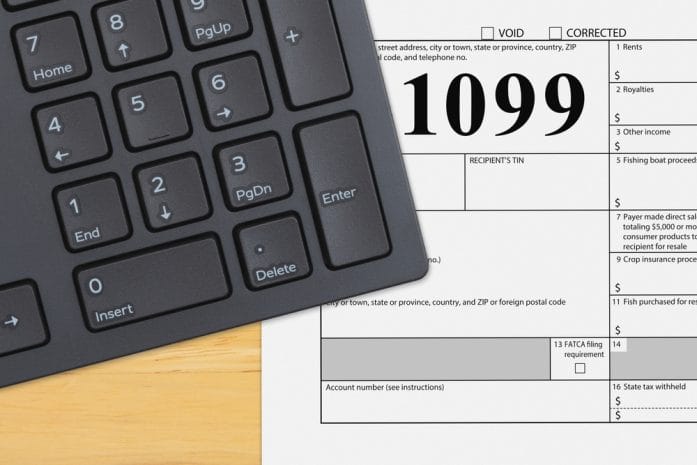
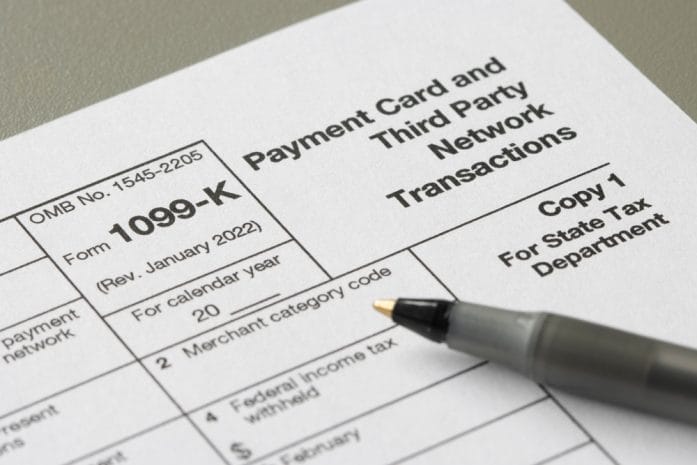
New reporting rules continue to expand across digital payment platforms, and those changes affect freelancers at every income level. The IRS pushes stricter 1099-K reporting standards that require third-party payment processors to report more transactions than ever before. Even smaller payments now trigger reporting when cumulative activity reaches lower thresholds. This change increases visibility for freelancers who rely on apps for client payments. Financial platforms now act as direct reporting intermediaries between users and the IRS.

These updates often surprise part-time earners who never considered themselves business operators. A few hundred dollars per month from multiple clients can now generate official tax documents automatically. Freelancers who rely on Venmo, PayPal, Cash App, or similar tools now receive far more detailed reporting statements. The IRS uses this data to cross-check self-reported income with platform submissions. Mismatches trigger notices quickly, which leaves little room for oversight or error.

The IRS Is Cracking Down on Side Hustle Income Again in 2026
A blank 1099-K form – Shutterstock

Smart Ways to Stay Ahead of IRS Scrutiny Without Panic

Strong organization helps side hustlers stay ahead of IRS expectations without feeling overwhelmed during tax season. Clear tracking systems for income and expenses create an immediate safety net when filing returns. Many earners use spreadsheets or accounting apps to separate personal and business transactions effectively. Consistent recordkeeping reduces stress and prevents last-minute scrambling when tax documents arrive. Organized finances also help identify deductions that reduce overall taxable income.

Professional guidance can also help clarify confusing rules without adding unnecessary stress. Tax professionals often spot deductions and reporting strategies that casual filers miss entirely. Estimated tax payments help prevent large surprises when filing deadlines arrive. Separate business accounts create cleaner financial records and reduce the risk of mixing personal spending with taxable income. Careful planning gives side hustlers more control and fewer surprises when IRS notices appear.

What This Crackdown Means for Everyday Earners Moving Forward

The 2026 IRS crackdown signals a long-term shift toward full visibility in the gig economy rather than a short-term enforcement wave. Side hustles remain a powerful income tool, but they now operate inside a much stricter reporting environment. Digital payment tracking continues to eliminate gaps that once allowed informal earnings to go unnoticed. Workers who adapt quickly gain more stability and fewer tax-season surprises. Those who ignore the changes risk penalties, interest charges, and unnecessary stress.

What changes stand out most in your own side hustle experience, and how do you plan to adjust going forward?

You May Also Like…

The IRS’s “Math Error” Notice Could Cost You More Than You Think

IRS Audit Rates Are Increasing for Middle-Income Earners—Here’s Why

The IRS’s New 1099-K Threshold Could Catch Side Hustlers Off Guard

7 Side Hustles Compatible with a Slower Pace

Side Hustles That Look Legit—Until They Break Tax Laws

Brandon Marcus
Brandon Marcus

Brandon Marcus is a writer who has been sharing the written word since a very young age. His interests include sports, history, pop culture, and so much more. When he isn’t writing, he spends his time jogging, drinking coffee, or attempting to read a long book he may never complete.

Filed Under: Lifestyle Tagged With: 1099-K, 2026 taxes, freelance income, gig economy, IRS, IRS audit, PayPal reporting, self-employment tax, side hustle, small business income, tax season, taxes, Venmo taxes

Millions of Gig Workers May Be Missing This Key IRS Requirement

February 18, 2026 by Brandon Marcus Leave a Comment

Millions of Gig Workers May Be Missing This Key IRS Requirement
Image source: shutterstock.com

You can hustle every day, grind through back-to-back deliveries, finish freelance projects at midnight, and still get blindsided by the IRS if you miss one crucial requirement. Millions of gig workers focus on earning income but ignore the tax rule that keeps that income safe from penalties.

The problem does not come from a lack of effort or ambition. It comes from a misunderstanding of how the IRS treats independent contractors. If you earn money outside of traditional employment, the IRS expects something very specific from you, and ignoring it can cost you more than you think.

The Rule Too Many Gig Workers Ignore: Quarterly Estimated Taxes

When you work as an employee, your employer withholds federal income taxes, Social Security, and Medicare from every paycheck. That system creates a steady drip of payments to the IRS throughout the year. Gig workers and independent contractors operate under a completely different structure. The IRS requires most self-employed individuals to pay estimated taxes quarterly if they expect to owe at least $1,000 in taxes when they file their return.

That rule surprises people who assume they can just settle up in April. The IRS does not operate on a “pay later” philosophy for self-employed income. Instead, it expects you to pay as you earn. The agency sets four estimated tax deadlines each year, generally in April, June, September, and January of the following year. If you skip those payments or underpay, the IRS can assess an underpayment penalty, even if you ultimately pay the full amount when you file your annual return.

You do not need a storefront or a formal business entity to fall under this rule. If you drive for rideshare platforms, deliver food, sell goods online, design logos, tutor students, or complete freelance writing assignments, the IRS sees you as self-employed. That classification triggers the estimated tax requirement.

The 1099 Confusion That Trips People Up

Gig workers often receive Form 1099-NEC or Form 1099-K from platforms or clients. Those forms report income paid to you during the year. Some workers assume that if they do not receive a 1099, they do not need to report the income. That assumption creates serious risk.

The IRS requires you to report all taxable income, even if you do not receive a form. Payment apps and online platforms follow specific reporting thresholds, and those thresholds have changed in recent years. Even if a company does not send you a 1099 because your earnings fall below a reporting limit, you still must include that income on your tax return.

Relying solely on 1099 forms to track your income can also distort your estimated tax calculations. You should track your gross receipts and expenses consistently throughout the year. Waiting for tax documents in January does not help you meet quarterly deadlines that occur long before those forms arrive.

Millions of Gig Workers May Be Missing This Key IRS Requirement
Image source: shutterstock.com

How to Calculate Estimated Taxes Without Losing Your Mind

You do not need to turn into a tax expert overnight, but you do need a plan.

If your income fluctuates significantly, you can adjust your estimated payments each quarter. Gig work often comes with uneven cash flow, so you should review your earnings regularly rather than locking yourself into rigid numbers from January. You can also use accounting software or work with a tax professional who understands self-employment income.

Setting aside a percentage of every payment can simplify the process. Many experienced gig workers automatically move 25 to 30 percent of each deposit into a separate savings account designated for taxes. That habit creates a buffer and prevents the panic that hits when a large quarterly payment comes due.

Deductions: Your Best Friend If You Track Them Properly

Quarterly payments matter, but deductions can dramatically reduce the amount you owe. The IRS allows self-employed individuals to deduct ordinary and necessary business expenses. That includes mileage for business driving, a portion of home office expenses if you meet the requirements, supplies, software subscriptions, marketing costs, and health insurance premiums for self-employed individuals, among others.

Accurate recordkeeping determines whether you can claim those deductions confidently. You should track mileage using a reliable log or app, save receipts for business purchases, and maintain separate accounts for business and personal expenses. If the IRS ever questions your return, organized records will support your claims.

Deductions reduce your net income, which in turn reduces both your income tax and your self-employment tax. That connection makes consistent tracking throughout the year essential. You cannot reconstruct a year’s worth of expenses from memory in March and expect precision.

What Happens If You Ignore This Requirement

The IRS does not send friendly reminders about missed quarterly payments. Instead, it calculates underpayment penalties based on how much you owed and how long you delayed payment. The penalty functions like interest, and it accrues over time. Even if you pay your full balance in April, the IRS can still assess a penalty if you failed to make sufficient quarterly payments.

Repeated noncompliance can also create cash flow chaos. If you owe a large amount at filing time and cannot pay in full, the IRS can impose additional penalties and interest. You can request a payment plan, but that route adds stress and extra cost.

Ignoring estimated taxes does not make the obligation disappear. It simply shifts the burden into the future, where it often grows larger and more disruptive.

Take Control Before the IRS Takes Notice

Gig work offers flexibility and independence, but it also demands discipline. You must treat your tax obligations as a regular business expense, not an afterthought. Mark quarterly deadlines on your calendar, review your income monthly, and set aside money consistently. If you feel overwhelmed, consult a certified public accountant or enrolled agent who specializes in self-employment taxes. A single professional session can save you far more in penalties and missed deductions than it costs.

You built your gig income with effort and persistence. Protect it with the same energy. Estimated taxes do not represent a bureaucratic nuisance; they represent a core responsibility of running your own operation. When you handle them proactively, you gain control and avoid unpleasant surprises.

If you earn income through gig work, when did you last review your estimated tax strategy? It’s time to discuss this very important subject in our comments.

You May Also Like…

Budgeting For Irregular Income: Freelancers And Gig Workers

5 Warning Signs Your “Side Gig” Is Destroying Your Finances

5 Reasons To Talk To Your Kids About Taxes

Can Your Taxes Be Cut In Half By You Simply Incorporating Your Name?

9 Financial Dangers of Ignoring Property Taxes

Brandon Marcus
Brandon Marcus

Brandon Marcus is a writer who has been sharing the written word since a very young age. His interests include sports, history, pop culture, and so much more. When he isn’t writing, he spends his time jogging, drinking coffee, or attempting to read a long book he may never complete.

Filed Under: tax tips Tagged With: 1099, Estimated taxes, freelancers, gig economy, Independent contractors, IRS, Planning, self-employment tax, side hustle, tax compliance, tax penalties, taxes

7 Ways to Report Your Income to The IRS When Your Employer Refuses to Issue a W2

February 5, 2025 by Latrice Perez Leave a Comment

Filing Your Taxes
Image Source: 123rf.com

Tax season is stressful enough without having to deal with the added complication of your employer refusing to provide you with a W2. This can leave you feeling stuck without a W2, wondering how to report your income and fulfill your tax obligations. Fortunately, there are several options available to ensure that you can still file your taxes properly, even if your W2 is nowhere to be found. Here’s a breakdown of the seven steps you should take to report your income to the IRS when your employer refuses to issue a W2.

1. Contact Your Employer and Attempt to Resolve the Issue

The first step in handling this situation is to contact your employer directly. It’s possible that the W2 has been delayed or that there was a simple oversight in issuing it. Reach out to your HR or payroll department to inquire about the missing form. Explain your situation and politely ask when you can expect to receive it. Keep a record of your communications in case you need to escalate the issue later. If the employer continues to refuse to provide the form, it may be time to take further action.

2. Review Your Pay Stubs and Gather Your Income Information

While you’re waiting for your W2, gather all the pay stubs you have from the tax year in question. Pay stubs provide essential details about your earnings, tax withholding, and other deductions. The total earnings and the amount of federal, state, and local taxes withheld can help you estimate your income for the year. If your employer is not forthcoming with a W2, you can use these pay stubs as a reference for reporting your income. Make sure to compile all your pay stubs from the year, as they will provide a clearer picture of your total income and taxes paid.

3. Use IRS Form 4852: Substitute for Form W2

If you still haven’t received your W2, you can fill out IRS Form 4852, which serves as a substitute for the missing W2. Form 4852 allows you to report your income and withholding without relying on your employer’s W2. When completing this form, use the information from your pay stubs or any other records of your earnings for the year. You’ll need to provide details such as your wages, the amount of federal income tax withheld, and any other relevant information. Be aware that using Form 4852 may delay the processing of your return, as the IRS may need additional time to verify the information provided.

4. Report Your Income on Schedule C if You’re Self-Employed

If you were treated as a contractor or self-employed worker, rather than a traditional employee, you will need to report your income differently. In this case, you would file Schedule C (Profit or Loss From Business) along with your Form 1040. On Schedule C, you’ll report your total income from self-employment and any business-related expenses. Although this isn’t the same as receiving a W2, it still allows you to report your earnings to the IRS accurately. If you’re unsure whether you qualify as self-employed or what income to report, it’s a good idea to consult a tax professional for guidance.

5. File Your Taxes Using Form 1040

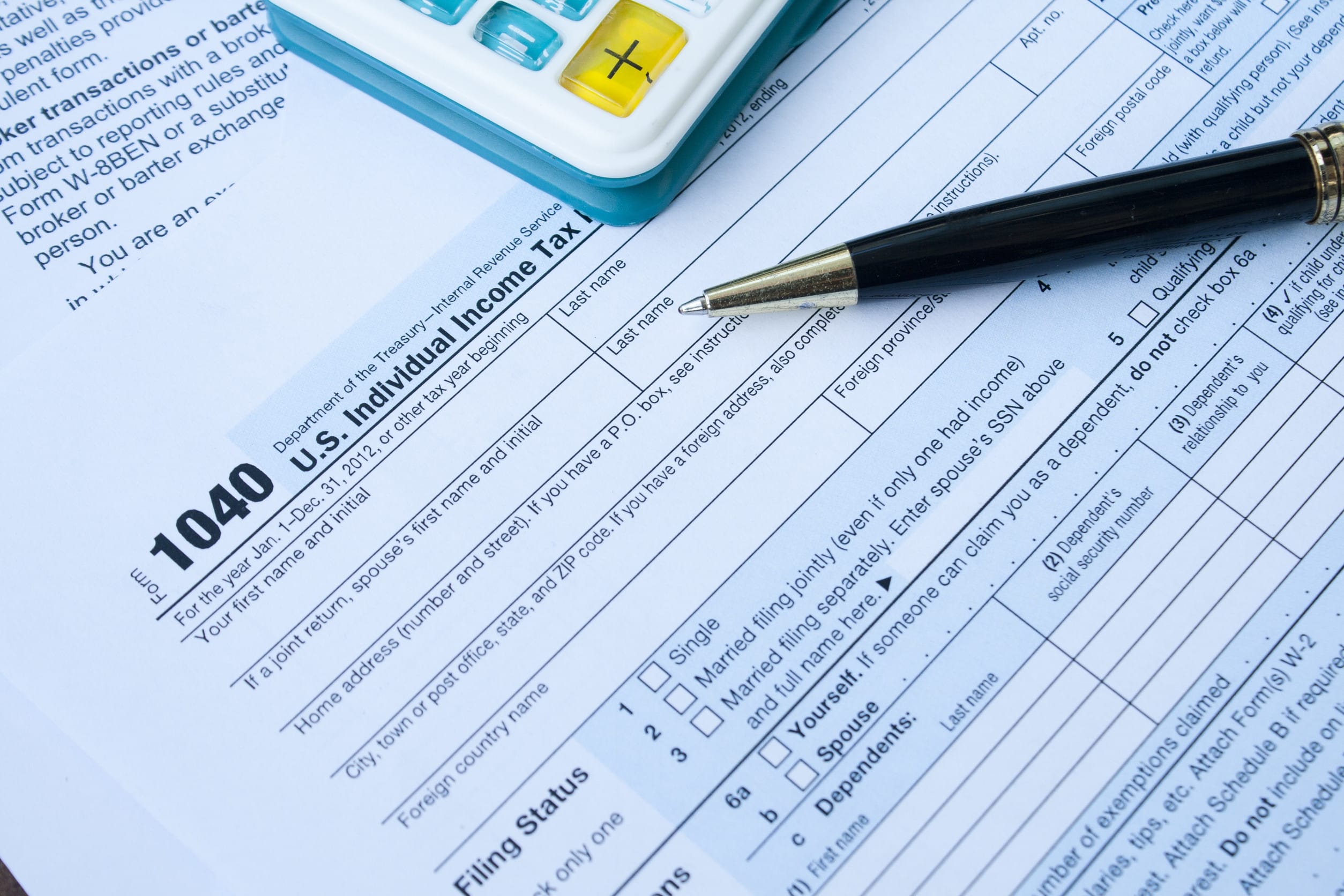
Once you have gathered all the necessary information—whether through Form 4852 or by reporting income on Schedule C—it’s time to file your taxes using Form 1040. This form is used by most individual taxpayers to report their income, deductions, and credits. You will include your total income, deductions, and the taxes you’ve already paid (through withholding or estimated payments) on Form 1040. Keep in mind that if you’re using Form 4852, the IRS may take longer to process your return, so be patient if your refund is delayed. Double-check everything on your 1040 before submitting to ensure accuracy and completeness.

6. Contact the IRS if Your Employer Continues to Refuse

Contact IRS
Image Source: 123rf.com

If you’ve made multiple attempts to reach your employer and they are still refusing to issue your W2, it’s time to contact the IRS directly. The IRS can assist in situations where an employer refuses to provide a W2. You’ll need to provide the IRS with details such as your employer’s name, address, and your dates of employment, along with copies of your pay stubs or other supporting documentation. The IRS may contact your employer to request the missing form on your behalf. However, keep in mind that the IRS might not be able to resolve the issue immediately, so it’s best to allow some time for them to act.

7. Consider Filing for an Extension if You Need More Time

If you’re unable to resolve the W2 issue in time for the tax filing deadline, consider filing for an extension. Filing for an extension gives you an additional six months to file your return, though it doesn’t extend the time to pay any taxes owed. If you expect to owe taxes, it’s crucial to estimate and pay the amount due by the original deadline to avoid interest and penalties. Filing for an extension can give you the breathing room you need to ensure your taxes are reported correctly, even if your W2 has not been provided. Remember, the extension applies only to filing, not to payment.

Don’t Let a Missing W2 Derail Your Taxes

It can be frustrating and stressful when your employer refuses to provide you with the necessary tax forms, but there are steps you can take to ensure your taxes are filed accurately. From contacting your employer to using IRS Form 4852 or Schedule C, there are several ways to report your income and avoid penalties. If you are unable to resolve the issue with your employer, contacting the IRS or filing for an extension can help give you the extra time needed to gather your documentation. Don’t let a missing W2 keep you from fulfilling your tax obligations—stay proactive and seek out solutions.

Read More:

Are There Taxes That Have to Be Paid On Yearly Bonuses?

Taxes for Life: Even in Retirement You Need These 5 Hacks for Retirement Tax Planning

Latrice Perez

Latrice is a dedicated professional with a rich background in social work, complemented by an Associate Degree in the field. Her journey has been uniquely shaped by the rewarding experience of being a stay-at-home mom to her two children, aged 13 and 5. This role has not only been a testament to her commitment to family but has also provided her with invaluable life lessons and insights.

As a mother, Latrice has embraced the opportunity to educate her children on essential life skills, with a special focus on financial literacy, the nuances of life, and the importance of inner peace.

Filed Under: tax tips Tagged With: contractor income, Form 4852, income reporting, IRS, missing W2, self-employment tax, tax extension, tax filing, W2 issues

FOLLOW US

Search this site:

Recent Posts

  • Can My Savings Account Affect My Financial Aid? by Tamila McDonald
  • 12 Ways Gen X’s Views Clash with Millennials… by Tamila McDonald
  • What Advantages and Disadvantages Are There To… by Jacob Sensiba
  • 10 Tactics for Building an Emergency Fund from Scratch by Vanessa Bermudez
  • Call 911: Go To the Emergency Room Immediately If… by Stephen Kanaval
  • 7 Weird Things You Can Sell Online by Tamila McDonald
  • 10 Scary Facts About DriveTime by Tamila McDonald

Copyright © 2026 · News Pro Theme on Genesis Framework