• Home
  • About Us
  • Toolkit
  • Getting Finances Done
    • Hiring Advisors
    • Debt Management
    • Spending Plan
  • Insurance
    • Life Insurance
    • Health Insurance
    • Disability Insurance
    • Homeowners/Renters Insurance
  • Contact Us
  • Risk Tolerance Quiz
  • Our Editorial Commitment

The Free Financial Advisor

You are here: Home / Archives for tax reporting

Why More Americans Are Getting Tax Notices Over Payment App Transactions

May 18, 2026 by Brandon Marcus Leave a Comment

Why More Americans Are Getting Tax Notices Over Payment App Transactions
The PayPal app on a smartphone – Shutterstock

A growing number of Americans now open their mailboxes to find IRS notices tied to money sent through apps like Venmo, Cash App, and PayPal. What once felt like casual digital convenience now sits under a much brighter spotlight from federal tax enforcement. The shift doesn’t just affect side hustlers or small business owners—it reaches everyday users who never expected tax paperwork from splitting dinner or selling used furniture online.

The IRS continues tightening reporting rules as digital payments surge across the country, and that change now reshapes how people think about “personal” transactions. Many taxpayers now discover that activity they assumed stayed invisible no longer flies under the radar.

Why Payment Apps Now Trigger IRS Scrutiny

Payment apps exploded in popularity as Americans embraced fast, cashless transactions for everything from rent splits to weekend gig work. The IRS responded by increasing oversight because these platforms now move billions of dollars every year without traditional banking structures. Federal officials aim to capture income that previously went unreported, especially earnings from side hustles and informal work. This shift creates a new reality where digital convenience directly connects to tax responsibility. Many users now realize that labeling money as “friends and family” does not automatically remove tax obligations if it reflects income.

The IRS does not randomly target users but instead relies on data matching from payment processors. Platforms now issue tax documents when users cross certain reporting thresholds, which automatically flags activity for review. That process means even small sellers on online marketplaces can trigger notice letters if their activity appears consistent and income-like. Gig workers, resellers, and freelancers face the highest exposure because their income often flows through these apps. This enforcement trend signals a broader push toward full visibility in the digital economy.

How 1099-K Forms Changed the Game for Everyday Users

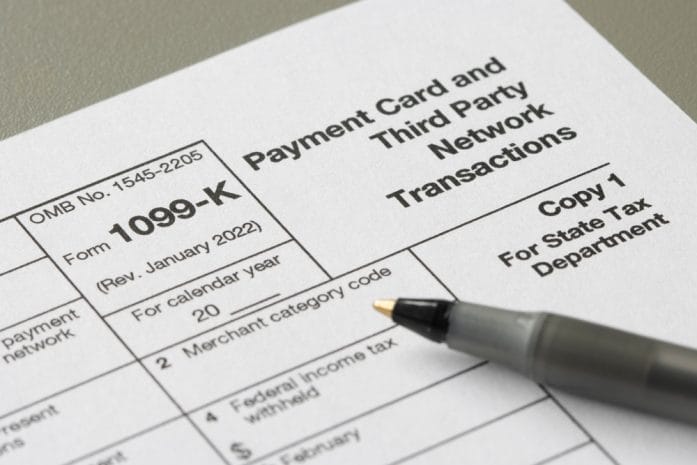
The 1099-K form plays a major role in the rise of tax notices tied to payment apps. This form reports payment activity that meets federal thresholds and sends that information directly to both the IRS and the user. In recent years, lawmakers pushed to lower reporting thresholds, which expanded the number of Americans who receive these forms. Even small-scale sellers now find themselves included in reporting systems that once focused only on high-volume businesses. That change dramatically widened the net for tax reporting compliance.

Many users misunderstand how the IRS interprets 1099-K data, which creates confusion during tax season. The form does not automatically mean someone owes taxes on every dollar shown, but it does signal income that requires explanation. The IRS compares these reports with filed tax returns to identify mismatches or missing income. When discrepancies appear, the agency issues notices asking taxpayers to clarify or amend filings. This system pushes more responsibility onto individuals to track and document every digital transaction carefully.

Common Mistakes That Lead Straight to IRS Notices

One of the biggest mistakes involves mixing personal payments with business income in the same app account. Users often forget that selling old items, receiving freelance payments, or collecting gig income counts as taxable activity. That blending creates confusion when the IRS reviews transaction histories tied to a 1099-K form. Even small inconsistencies between reported income and app activity can trigger automated notices. These errors often start with casual use of payment apps that later turn into income channels.

Another common issue involves poor recordkeeping across multiple platforms. Many users rely on memory instead of tracking spreadsheets or financial tools, which leads to missing documentation during tax filing. The IRS expects taxpayers to substantiate income and deductions with clear records, not estimates. When users cannot explain transaction patterns, the agency assumes underreporting and sends follow-up letters. Strong recordkeeping habits reduce the risk of unnecessary audits or penalties.

Why More Americans Are Getting Tax Notices Over Payment App Transactions
A magnifying glass on the IRS website – Shutterstock

What the IRS Looks for When Reviewing Payment App Activity

The IRS focuses on patterns rather than single transactions when reviewing payment app data. Regular deposits labeled as goods or services raise more attention than occasional peer-to-peer transfers. Consistency signals business activity, which pushes the agency to verify whether the taxpayer reported income correctly. Large spikes in activity compared to prior years also trigger automated review systems. These checks help the IRS identify unreported earnings across the gig economy.

The agency also compares reported income across multiple data sources to identify gaps. Banks, payment processors, and employer filings all feed into IRS systems for cross-referencing. When numbers do not align, the IRS sends notices requesting clarification or correction. Taxpayers who respond quickly and provide documentation often resolve issues without penalties. Delays or incomplete responses, however, increase the likelihood of further scrutiny.

The New Reality of Digital Payments and Tax Responsibility

Digital payment apps now function as financial ecosystems rather than simple money-transfer tools. That evolution brings convenience, but it also brings stronger tax accountability across nearly every transaction type. Americans who rely on these platforms for side income now face expectations that match traditional business reporting standards. The IRS continues refining its systems to capture more digital earnings, which means compliance becomes less optional and more automatic. This shift marks a permanent change in how everyday financial activity interacts with federal tax rules.

Payment apps reshaped how Americans send and receive money, but they also reshaped how the IRS tracks income across the country. What steps should users take today to avoid surprises from tomorrow’s tax rules?

You May Also Like…

The IRS’s “Math Error” Notice Could Cost You More Than You Think

IRS Audit Rates Are Increasing for Middle-Income Earners—Here’s Why

7 “Trigger Words” the IRS Uses to Flag Returns Faster

Digital Payment Apps Could Soon Become Mandatory for Federal Benefits

What Happens If You Cash Out a 529 Plan in 2026?

Brandon Marcus
Brandon Marcus

Brandon Marcus is a writer who has been sharing the written word since a very young age. His interests include sports, history, pop culture, and so much more. When he isn’t writing, he spends his time jogging, drinking coffee, or attempting to read a long book he may never complete.

Filed Under: tax tips Tagged With: 1099-K, Cash App, digital payments, freelance income, gig economy, IRS, payment apps, PayPal, Small business, tax notices, tax reporting, taxes, Venmo

5 Ways to Avoid Being Reported Under New 1099-DA Crypto Rules

May 13, 2026 by Brandon Marcus Leave a Comment

5 Ways to Avoid Being Reported Under New 1099-DA Crypto Rules
A collection of cryptocurrency coins – Unsplash

Crypto traders once treated tax season like an annoying side quest, but the IRS just turned the game into the main event. The new 1099-DA reporting rules push crypto exchanges and brokers into much tighter reporting requirements, which means investors can no longer count on confusion or missing paperwork to slide under the radar. Starting with 2025 transactions, many exchanges must report digital asset sales directly to the IRS, and future reporting will include even more detailed cost basis information.

The government wants cleaner records, clearer gains, and fewer mystery transactions floating through the crypto universe. Smart investors can still protect themselves from stressful notices and costly tax mistakes by tightening up a few habits before tax season arrives.

1. Keep Every Crypto Transaction in One Organized System

Crypto investors often scatter transactions across Coinbase, Kraken, MetaMask, cold wallets, and random DeFi platforms like confetti after a parade. That chaotic setup creates major problems when exchanges send partial information to the IRS because missing records can make profits appear much larger than reality. Several tax professionals already warn that incomplete 1099-DA forms could accidentally show a zero cost basis, which may inflate taxable gains by thousands of dollars.

A single tracking system solves that mess quickly and keeps panic away during tax season. Crypto tax software like CoinTracker, Koinly, or TaxBit can sync wallets, monitor transfers, and calculate gains before the IRS ever asks questions. Organized records also help investors explain wallet transfers that might otherwise look like taxable sales. Investors who treat crypto like a real financial asset instead of an online casino chip usually avoid the nastiest surprises.

2. Track Cost Basis Like It Holds the Keys to the Kingdom

Cost basis sounds boring until the IRS calculates taxes on the entire sale price instead of the actual profit. Many exchanges still struggle to track assets that move between platforms, which means transferred Bitcoin or Ethereum may arrive without complete purchase histories attached. Some early 1099-DA forms already show blank or unknown cost basis fields, especially after wallet transfers or exchange hopping.

Detailed purchase records protect investors from overpaying taxes on money they never truly earned. Screenshots, CSV downloads, wallet histories, and transaction confirmations all strengthen the paper trail when exchanges fail to connect the dots correctly. Investors who bought Bitcoin at $20,000 and sold at $60,000 should only pay taxes on the $40,000 gain instead of the full sale amount. Strong cost basis records can literally save thousands of dollars during filing season.

3. Stop Treating Wallet Transfers Like Invisible Moves

A huge number of crypto investors assume wallet transfers carry zero risk because those transfers technically do not create taxable events. The problem starts when exchanges cannot tell the difference between a transfer and a fresh acquisition because incomplete records make everything look suspicious. That confusion often creates mismatched forms, duplicate entries, or transactions with missing acquisition dates that raise IRS attention.

Clear labeling and documentation can prevent those ugly reporting mistakes from snowballing into audit headaches. Investors should keep transaction hashes, transfer notes, and timestamps whenever crypto moves between wallets or exchanges. Many seasoned traders now maintain spreadsheets that document every movement with short explanations beside each transfer. That extra effort may feel tedious today, but it beats explaining random six-figure transaction discrepancies to a federal agency later.

4. Report Every Taxable Trade Even When No Form Arrives

Crypto investors still cling to one dangerous myth that refuses to die: no tax form means no tax problem. The IRS disagrees completely and expects taxpayers to report all taxable crypto activity whether an exchange sends paperwork or not. Crypto-to-crypto trades, purchases made with digital assets, and many staking rewards can still trigger tax obligations even without a neat little 1099 sitting in the inbox.

Investors who omit transactions simply because an exchange skipped reporting may accidentally invite penalties, notices, or audits later. IRS enforcement around digital assets keeps growing because lawmakers expect crypto reporting to generate billions in additional tax revenue during the next decade. Honest reporting paired with accurate records usually creates far less trouble than aggressive guessing games. Tax agencies love consistency, and consistent reporting builds credibility quickly.

5 Ways to Avoid Being Reported Under New 1099-DA Crypto Rules
Some crypto coins next to a smat phone with a crypto app – Pexels

5. Bring in a Crypto Tax Professional Before Problems Explode

TurboTax might handle a simple W-2 job perfectly, but complicated crypto portfolios often require much deeper expertise. Investors who traded NFTs, used DeFi platforms, earned staking rewards, or bounced assets across multiple wallets face far more complicated reporting challenges than casual stock investors. Even experienced traders sometimes miss wash sale questions, transaction classifications, or reporting gaps that create expensive consequences later.

A qualified crypto tax professional can spot weak areas before the IRS notices them first. Good accountants also help reconcile exchange reports, identify missing basis information, and correct inaccurate forms before filing season turns ugly. That guidance matters even more now because future 1099-DA reporting rules will include broader basis reporting requirements beginning in 2026. Investors who spend a little money on expert help today may avoid massive penalties and sleepless nights tomorrow.

The Crypto Wild West Just Got a New Sheriff

Crypto once operated like a financial free-for-all filled with memes, moon shots, and blurry tax records, but the IRS now watches the industry much more closely. The new 1099-DA rules do not ban crypto profits or punish honest investors, yet they absolutely reward organized people who keep clean records and report activity accurately. Smart investors can still enjoy digital assets without fear if they track transactions carefully, preserve cost basis details, and treat taxes like a serious part of investing. Exchanges now send far more information directly to the IRS, so sloppy reporting strategies no longer offer much protection. The investors who adapt early will probably save money, reduce stress, and avoid nasty surprises when tax season arrives.

What changes have these new crypto tax rules pushed you to make with your own investing habits?

You May Also Like…

How the IRS’s New Digital Asset Form Could Affect Casual Crypto Users

11 Cryptocurrencies Your Advisor Doesn’t Want You Researching Alone

The IRS Is Sending More “Math Error” Notices—Here’s What They Really Mean

7 Crypto ATM Tactics That Leave Seniors Vulnerable

Unlocking Financial Freedom: 5 Reasons to Choose Crypto Visa Cards

Brandon Marcus
Brandon Marcus

Brandon Marcus is a writer who has been sharing the written word since a very young age. His interests include sports, history, pop culture, and so much more. When he isn’t writing, he spends his time jogging, drinking coffee, or attempting to read a long book he may never complete.


Filed Under: Personal Finance Tagged With: 1099-DA, bitcoin taxes, capital gains tax, Coinbase taxes, crypto compliance, crypto investing, crypto wallets, cryptocurrency taxes, digital assets, Ethereum taxes, IRS crypto rules, Personal Finance, tax reporting

How the IRS’s New Digital Asset Form Could Affect Casual Crypto Users

May 10, 2026 by Brandon Marcus Leave a Comment

How the IRS’s New Digital Asset Form Could Affect Casual Crypto Users
A few cryptocurrency coins on paperwork about investing – Pexels

Crypto fans spent years treating digital coins like the financial Wild West. People bought a little Bitcoin during a late-night app scroll, traded Ethereum after reading social media hype, or grabbed meme coins because a cousin swore they would “go to the moon.” Those carefree days now face a reality check thanks to the IRS’s updated digital asset reporting rules. The government wants clearer records, tighter reporting, and fewer missing transactions slipping through the cracks during tax season.

That shift matters far beyond hardcore crypto traders. Casual users now sit directly in the IRS spotlight, even if they only bought a few hundred dollars of crypto or used digital assets once or twice during the year. The new reporting form aims to make crypto activity much easier for the government to track, which means taxpayers need sharper records and fewer guessing games. Suddenly, that random purchase of Dogecoin from two summers ago could matter a lot more than expected.

Why the IRS Suddenly Cares So Much About Crypto

Crypto adoption exploded over the past several years, and millions of everyday consumers entered the market through apps that made trading feel as easy as ordering takeout. The IRS noticed a major problem almost immediately because many taxpayers either misunderstood crypto tax rules or ignored them entirely. Federal officials estimate billions in potential tax revenue slipped away due to underreported digital asset transactions and confusion surrounding taxable events. The updated digital asset reporting requirements aim to create more consistency between crypto platforms and traditional financial institutions like banks and brokerages. Regulators now want crypto exchanges to report transaction data in a way that resembles the tax forms investors already receive for stocks and mutual funds.

That shift creates a huge change for casual investors who previously assumed small trades flew under the radar. Even minor crypto transactions can trigger taxable events when users sell, swap, or spend digital assets. Someone who traded Bitcoin for Ethereum last year may now discover that the IRS considers that transaction taxable, even though no cash changed hands. Many casual users still believe taxes only apply when crypto converts back into dollars, but the IRS treats many digital asset exchanges like property sales. The new forms will likely reduce confusion eventually, but they may also expose years of sloppy recordkeeping for everyday crypto holders.

The New Reporting Form Could Catch Small Transactions

The biggest surprise for casual crypto users may come from the sheer amount of information exchanges now report. Under the updated rules, many crypto platforms must provide detailed transaction data directly to both users and the IRS. That means the government can compare personal tax returns against reported crypto activity much more efficiently than before. A few years ago, crypto reporting often relied heavily on individual honesty and manual tracking. Those days continue to disappear quickly as regulators tighten oversight around digital assets.

Small transactions suddenly matter in a much bigger way under these updated reporting standards. Someone who earned crypto rewards through a shopping app, received payment in Bitcoin for freelance work, or sold a small NFT collection may now receive official tax documentation reflecting those activities. Casual users who ignored tiny gains in the past could face headaches if IRS records no longer match their returns. Even spending crypto on ordinary purchases can create taxable events depending on the asset’s value at the time of use. That reality surprises many people because crypto still feels more like digital cash than an investment asset in everyday life.

Crypto Apps No Longer Feel Like Anonymous Playgrounds

Early crypto culture leaned heavily on privacy, independence, and decentralized finance. Many users entered the market believing digital wallets created a level of anonymity traditional banking systems could never match. Over time, however, major exchanges began collecting more customer information to comply with federal regulations and anti-money laundering laws. The new IRS reporting standards push that trend even further by requiring more detailed transaction reporting across the crypto ecosystem. Crypto now looks increasingly similar to mainstream investing from a tax compliance perspective.

That evolution could frustrate users who joined crypto specifically to avoid traditional financial oversight. Many casual investors opened accounts during the pandemic-era crypto boom without realizing future regulations might tighten dramatically. Now those same users face a tax environment where exchanges may report transaction histories directly to federal agencies. Some people may discover missing records, forgotten wallets, or incomplete transaction histories while scrambling to prepare tax returns. The situation becomes especially messy for users who jumped between multiple exchanges or transferred assets frequently without maintaining organized records.

Mistakes Could Become Much More Expensive

Tax mistakes involving crypto already caused problems before these updated reporting rules arrived. The difference now involves visibility because the IRS may possess much clearer information about user activity. If reported exchange data conflicts with a taxpayer’s return, automated IRS systems could flag discrepancies more easily than in previous years. That does not automatically mean audits for everyone with a Coinbase account, but it does increase the importance of accuracy. Casual investors who treated crypto taxes casually may suddenly face penalties, amended returns, or frustrating notices from the IRS.

Some crypto users mistakenly assume small gains will not attract attention, especially if transactions happened years ago. Unfortunately, digital asset tax rules often apply regardless of transaction size. A college student who made a few profitable meme coin trades could technically owe taxes even if the profits paid for little more than concert tickets and pizza. The IRS also expects taxpayers to report crypto income from staking rewards, mining activity, and certain promotional bonuses. Those details can pile up quickly when users bounce across multiple apps throughout the year without tracking anything carefully.

How the IRS’s New Digital Asset Form Could Affect Casual Crypto Users
Someone holding two handfuls of cryptocurrency coins – Pexels

Smart Crypto Users Are Changing Their Habits Fast

Savvy crypto holders already started adjusting to the new reporting environment by improving recordkeeping and using specialized crypto tax software. Many apps now automatically track gains, losses, transfers, and taxable events across multiple wallets and exchanges. That shift helps reduce panic during tax season because users can generate organized reports instead of hunting through screenshots and old emails. Financial advisors increasingly recommend treating crypto activity with the same seriousness as stock investing. Better organization now saves massive stress later when tax documents arrive.

Casual investors may also rethink how often they trade digital assets once they realize every swap potentially creates taxable consequences. Frequent trading can generate complicated reporting requirements even for relatively small portfolios. Some users now favor long-term holding strategies partly because fewer transactions create fewer tax complications. Others simply cash out abandoned wallets or consolidate scattered accounts to simplify future reporting. The crypto world still moves fast and attracts excitement, but tax compliance now plays a much larger role in how people manage digital assets.

The Era of Casual Crypto Guesswork Is Ending

Crypto once felt like a financial experiment unfolding outside the boundaries of traditional systems. Those days continue fading as regulators build stronger frameworks around digital assets and reporting requirements. The IRS’s updated digital asset form signals a future where crypto taxes become far more standardized, transparent, and difficult to ignore. Casual investors no longer have the luxury of assuming tiny trades or forgotten accounts will stay invisible forever. Better reporting may create fewer gray areas, but it also demands more attention from everyday users.

What do you think about the IRS tightening crypto reporting rules? Is it a smart move for accountability, or another headache for casual investors?

You May Also Like…

11 Cryptocurrencies Your Advisor Doesn’t Want You Researching Alone

Here’s What Your Financial Advisor Isn’t Telling You About Investing in 2026

Why Do Some Advisors Refuse to Talk About Cryptocurrency

7 Crypto ATM Tactics That Leave Seniors Vulnerable

6 IRS Notices That Can Lead to Unexpected Tax Bills

Brandon Marcus
Brandon Marcus

Brandon Marcus is a writer who has been sharing the written word since a very young age. His interests include sports, history, pop culture, and so much more. When he isn’t writing, he spends his time jogging, drinking coffee, or attempting to read a long book he may never complete.

Filed Under: Personal Finance Tagged With: bitcoin, blockchain, crypto regulations, crypto taxes, cryptocurrency, digital assets, Ethereum, finance news, investing, IRS, Personal Finance, tax forms, tax reporting

The IRS’s New 1099-K Threshold Could Catch Side Hustlers Off Guard

May 9, 2026 by Brandon Marcus Leave a Comment

The IRS’s New 1099-K Threshold Could Catch Side Hustlers Off Guard
A pen laying on 1099-K tax forms – Shutterstock

Side income has exploded in recent years, and so has the attention it gets from tax reporting systems. What once felt like “small money on the side” now sits squarely in the IRS spotlight, especially when payment apps get involved. A simple weekend hustle selling clothes online or freelancing a few gigs can suddenly trigger paperwork that many people never expected.

The shift centers on how payment platforms report income through the 1099-K form. This change doesn’t just affect full-time business owners—it reaches deep into everyday earners who never considered themselves “self-employed.” The rules now aim to capture more digital transactions, and that means more people could see tax forms in their mailbox or inbox for the first time.

What Changed With the 1099-K Threshold and Why It Matters

The IRS designed the 1099-K form to track money earned through third-party payment networks like PayPal, Venmo, and similar platforms. For years, only certain earners received these forms, but recent updates changed reporting thresholds.

Under new rules, earners fly under the radar unless they earn over $20,000 and complete more than 200 transactions. This matters because a 1099-K does not mean extra tax automatically, but it does mean the IRS now sees the income. That visibility increases the chance of audits, mismatches, or follow-up questions if income doesn’t appear on tax returns. People who ignore these forms risk penalties or unexpected tax bills later.

The biggest change isn’t just paperwork—it’s awareness. More income streams now connect directly to IRS systems without extra effort from the taxpayer. That means every digital payment platform becomes part of a broader financial reporting network.

Who Gets Affected the Most by These Changes

Side hustlers feel this shift first, especially people selling products online or offering services through apps. Gig workers also land squarely in this group, especially those who drive, deliver food, or complete short-term jobs through apps. Many of these workers already receive 1099 forms, but payment app income adds another layer of reporting complexity. That combination increases the chance of confusion during tax season.

Freelancers who accept payments through digital wallets also face increased reporting visibility. A graphic designer, tutor, or consultant who gets paid through third-party platforms may receive multiple 1099 forms from different sources. That creates a patchwork of income records that requires careful tracking.

Even casual sellers who only declutter their homes can get caught off guard. A few high-value transactions can trigger reporting even if the activity feels personal rather than business-related. The IRS focuses on payment activity, not intent.

The IRS’s New 1099-K Threshold Could Catch Side Hustlers Off Guard
A man holding a clipboard with a 1099-K tax form – Shutterstock

Common Misconceptions That Lead to Tax Surprises

Many people assume a 1099-K means extra tax on top of everything else, but that assumption causes unnecessary panic. The form simply reports income; it does not calculate taxes owed. Tax liability depends on total income, deductions, and filing status. Another common misunderstanding involves thinking “small sales don’t count.” In reality, repeated small transactions can add up quickly and cross reporting thresholds without warning. That surprise often hits during tax season when forms arrive unexpectedly.

Some people also believe personal payments stay off the radar, but mixed use of payment apps complicates that idea. Sending money to friends differs from receiving payment for goods or services, and platforms track those differences. Mislabeling transactions can lead to confusion in reported income.

There’s also confusion about whether tax forms mean money has already been taxed. A 1099-K only reports gross payments, not profit. That means expenses still matter, and proper documentation can significantly reduce taxable income.

Recordkeeping Habits That Make Tax Season Easier

Strong recordkeeping helps prevent stress when 1099-K forms arrive. Side hustlers who track income and expenses throughout the year avoid scrambling at tax time. Simple spreadsheets or budgeting apps can create a clear financial picture. Separating personal and business transactions also reduces confusion. Using one payment account for income and another for personal transfers helps keep records clean. That separation makes it easier to match IRS forms with actual earnings.

Saving receipts and transaction details strengthens deductions. Costs like materials, mileage, or platform fees can reduce taxable income when properly documented. Without proof, those deductions often disappear during filing. Consistency matters more than complexity. Regular monthly tracking works better than last-minute sorting. That habit turns tax season from a stressful event into a manageable process.

How to Prepare Before Tax Season Hits Hard

Preparation starts with reviewing all payment platforms used throughout the year. Every app that sends or receives money for work or sales deserves attention. That review helps identify potential 1099-K forms before they arrive.

Next, side hustlers should estimate total annual income early. That estimate helps prevent surprises when forms show up with higher-than-expected numbers. Planning ahead also helps set aside money for possible tax obligations. Working with a tax professional can reduce errors, especially for people juggling multiple income streams. Professionals spot deductions and reporting issues that many individuals miss. That guidance often saves money in the long run.

Finally, staying updated on IRS rule changes prevents outdated assumptions from causing problems. Tax rules continue to evolve as digital payments grow. Awareness keeps income reporting accurate and stress levels lower.

Knowing The IRS 1099-K Shift Before It Catches You

The 1099-K changes reflect a broader shift toward transparency in digital income reporting. Side hustlers now operate in a system where even small earnings leave a financial footprint. That reality makes awareness and organization more important than ever.

People who track income carefully, understand reporting rules, and prepare early avoid most of the surprises. The IRS does not aim to punish side hustles, but it does expect accurate reporting. Staying proactive turns a confusing system into a manageable part of earning extra income.

What part of the new 1099-K rules feels most confusing or surprising for side hustlers today?

You May Also Like…

9 Side Hustles That Sound Great but Are a Complete Waste of Your Time

Millions of Gig Workers May Be Missing This Key IRS Requirement

1099-K Reality Check: Which Payments Are Always Reported

Selling a Long-Term Home Can Lead to Capital Gains Taxes—Even for Retirees

3 Tax Filing Mistakes That Can Trigger IRS Penalties

Brandon Marcus
Brandon Marcus

Brandon Marcus is a writer who has been sharing the written word since a very young age. His interests include sports, history, pop culture, and so much more. When he isn’t writing, he spends his time jogging, drinking coffee, or attempting to read a long book he may never complete.

Filed Under: tax tips Tagged With: 1099-K, freelance income, gig economy, IRS, IRS rules, money tips, payment apps, side hustle, Small business, tax forms, tax reporting, taxes

Garage Sale Trap: Why Casual Sales May Now Be Reported to the IRS

May 5, 2026 by Brandon Marcus Leave a Comment

Garage Sale Trap: Why Casual Sales May Now Be Reported to the IRS
Image Source: Unsplash.com

A sunny Saturday, a folding table, and a pile of stuff ready to go—garage sales feel like easy money with zero strings attached. That carefree vibe just hit a speed bump. New reporting rules now blur the line between a casual clean-out and taxable activity, and that shift catches many people off guard.

The days of pocketing cash with no paper trail no longer feel guaranteed. Anyone who sells regularly—or even occasionally in certain ways—needs to pay attention.

The Rule Change That Turned Heads Overnight

Recent tax reporting updates didn’t target garage sales specifically, but they absolutely affect them in surprising ways. Payment platforms now report transactions more aggressively, especially when sales cross certain thresholds. That means someone who casually sells items online or accepts digital payments at a yard sale could trigger a tax form without realizing it. The IRS focuses on income, not intent, so even a simple decluttering effort can look like a business on paper. This shift creates confusion because most people assume personal item sales don’t count.

The key detail revolves around Form 1099-K, which payment processors issue when transactions exceed reporting limits. Someone who sells used furniture, clothes, or electronics through apps or payment services might receive this form. That form doesn’t automatically mean taxes are owed, but it does mean the IRS sees the income. Without proper records, that situation quickly turns stressful. Keeping track of original purchase prices now matters more than ever.

Why Your Weekend Sale Might Not Be “Just a Sale”

Many people treat garage sales as a one-time event, but patterns matter more than intentions. Selling items repeatedly—even if spread out over months—can look like a business activity. The IRS considers frequency, organization, and profit motive when evaluating sales behavior. Someone who regularly flips items or advertises heavily could cross into taxable territory. Even casual sellers sometimes meet those criteria without realizing it.

The rise of digital payments complicates things even further. Cash transactions leave less of a trail, but apps create automatic records that feed into reporting systems. A seller who accepts mobile payments for convenience might unintentionally create a documented income stream. That visibility increases the chances of receiving tax forms. Once that happens, ignoring it creates bigger problems down the road.

What Actually Counts as Taxable Income

Not every garage sale dollar counts as taxable income, and that detail brings some relief. If someone sells personal items for less than the original purchase price, the IRS generally doesn’t treat that as taxable profit. Most garage sale items fall into this category since people rarely sell used goods for more than they paid. However, without proof of the original price, that argument becomes harder to make. Documentation protects sellers from unnecessary tax bills.

Profit changes everything. If someone buys items specifically to resell at a higher price, that income becomes taxable. This scenario often pops up with thrift store flipping or collectible reselling. Even a few successful flips can shift the nature of the activity. Clear records separate harmless decluttering from taxable business income.

The Hidden Risk of Payment Apps and Platforms

Payment apps feel fast and easy, but they bring serious reporting implications. Platforms like Venmo, PayPal, and others now track and report qualifying transactions to the IRS. A seller who collects payments digitally during a garage sale could unknowingly cross reporting thresholds. Once that happens, the platform sends a 1099-K, and the IRS expects that income to appear on a tax return. That expectation creates pressure to explain every dollar.

Separating personal payments from sales income becomes crucial. Mixing the two creates confusion and raises red flags. A simple habit—like labeling transactions clearly—can prevent headaches later. Sellers who treat their sales casually often overlook this step. That oversight leads to messy records and unnecessary stress during tax season.

Garage Sale Trap: Why Casual Sales May Now Be Reported to the IRS
Image Source: Shutterstock.com

How to Stay on the Safe Side Without Stressing Out

Staying compliant doesn’t require turning into a tax expert overnight. Keeping basic records makes a huge difference. A simple list of what items sold for and what they originally cost provides clarity if questions arise. Photos, receipts, or even rough estimates help build a reasonable record. This habit protects sellers without adding major effort.

Limiting digital payments can also reduce reporting triggers. Some sellers choose to stick with cash for small, casual sales to keep things simple. Others separate sales into a dedicated payment account for better tracking. Both approaches offer practical ways to manage risk. The goal isn’t avoidance—it’s awareness and organization.

Common Misconceptions That Could Cost You

Many people believe the IRS won’t care about small garage sales, but that assumption creates problems. The agency doesn’t chase every small transaction, yet automated reporting systems don’t overlook them either. Another common myth suggests that selling personal items always avoids taxes. That only holds true when no profit exists and records support that claim. Without proof, things get murky fast.

Some sellers also think ignoring a 1099-K will make it disappear. That approach almost guarantees trouble. The IRS already has the form, so failing to report it raises red flags. Addressing the form correctly—even if no tax is owed—keeps everything clean. Knowledge beats guesswork every time.

What This Means for the Future of Garage Sales

Garage sales won’t disappear, but they won’t feel as carefree as they once did. More people now approach them with a mix of excitement and caution. The shift toward digital payments and stricter reporting rules changes the landscape permanently. Sellers who adapt early will avoid stress and confusion later. Those who ignore the changes may face unexpected tax surprises.

This evolution also pushes people to think differently about selling. Some will keep things strictly casual, while others may lean into reselling as a side hustle. Both paths work, but each requires awareness of the rules. The days of total invisibility in small sales continue to fade. Smart sellers stay informed and stay prepared.

Stay Smart & Sell Smarter

Garage sale culture still thrives, but the rules around it have clearly changed. The concept of garage sale IRS reporting now plays a bigger role than most people expect. Staying organized, tracking basic details, and knowing when income counts makes all the difference. A little preparation prevents a lot of frustration when tax season arrives. Selling your old stuff should feel rewarding—not risky.

Garage sale IRS reporting may sound intimidating, but it doesn’t have to ruin the fun. With the right approach, sellers can still enjoy clearing out clutter and making extra cash. Awareness turns a potential trap into a manageable situation. That balance keeps things both profitable and stress-free.

So, will this change how your next garage sale gets planned—or will it still be business as usual? Give us your advice, stories, insight, and experiences in our comments section.

You May Also Like…

New Federal Reporting Rule Covers All‑Cash Home Sales in Many Metro Areas — Here’s Who’s Impacted

Selling a Long-Term Home Can Lead to Capital Gains Taxes—Even for Retirees

IRS Warning: That Venmo Payment for Your Garage Sale Just Triggered a Surprise Tax Bill

Michigan Pension Withdrawals Are Still Flagged for Federal Review Under IRS Rules

Missing This IRS Filing Deadline Leads to Automatic Penalties—No Exceptions

Brandon Marcus
Brandon Marcus

Brandon Marcus is a writer who has been sharing the written word since a very young age. His interests include sports, history, pop culture, and so much more. When he isn’t writing, he spends his time jogging, drinking coffee, or attempting to read a long book he may never complete.

Filed Under: tax tips Tagged With: 1099-K, cash income, decluttering, garage sales, IRS rules, Online Selling, Personal Finance, side hustle income, tax reporting, tax tips, taxes, yard sales

State 1099-K Rules Still Create Reporting Confusion

February 14, 2026 by Brandon Marcus Leave a Comment

State 1099-K Rules Still Create Reporting Confusion
Image source: shutterstock.com

Have you ever stared at a 1099‑K form and wondered if someone slipped it into your mailbox as a prank? If tax paperwork ever felt like a cryptic puzzle where every state speaks a slightly different language, you’re not alone.

The whole world of Form 1099‑K has become a plot twist in the tax code that’s equal parts frustrating and fascinating. Across the country, rules about when and why these forms get issued still confuse folks even after federal changes aimed at simplifying things. Some of that confusion rustles up from the IRS rulebook, some from quirky state-level add‑ons, and some from the fact that payment platforms follow a patchwork of thresholds depending on where you live and what you do.

When Federal Rules Change, But Then Change Again

IRS rule changes have shaken the 1099‑K world like a snow globe in a blender. For a time, the plan was to drop the reporting threshold so low that even modest side hustles might trigger a form. But after debate and delay, Congress stepped in and hit the rewind button. Under current federal law, third‑party settlement organizations — that means platforms like PayPal, Venmo, Etsy, and others — generally don’t have to issue a 1099‑K unless you process more than $20,000 in gross payments and have more than 200 transactions in a calendar year. That’s the classic rule we used for years before lawmakers started tinkering.

This high bar was meant to reduce unnecessary tax friction for casual sellers who only do a handful of sales or get occasional payments from friends or customers. On the surface, it sounds simple: only the big volumes get reported. But that’s where complications sneak in, because federal rules aren’t the whole story.

States That Don’t Stay in Line

Now imagine you live in one state that says “Hey, keep an eye on those $600 payments!” while the IRS looks for $20,000. That’s reality for many taxpayers across the U.S. Several states set their own 1099‑K reporting thresholds and require platforms to generate forms for state tax agencies if a seller’s payments exceed a much lower number. These state rules can pick up sellers who wouldn’t hit the federal standard at all.

For example, a handful of states require 1099‑Ks for gross payments of just $600 in a year. This creates a weird situation. A platform might send you a 1099‑K because your state’s government wants to see it, even when federal rules wouldn’t require that form at all. If you live in one of these jurisdictions and do a modest amount of selling or gig work, you might open your mail and find a tax form you didn’t expect. That’s not because you did something wrong, it’s because your state and the IRS are speaking different threshold languages.

Why Platforms Play By State Rules

You might assume payment platforms simply follow federal tax codes and that’s it. That would sure make life easier. In reality, these companies must follow both federal and state laws. They figure out what to report based on the address they have on file for you and the set of rules that applies there. As a result, two sellers doing the exact same thing might receive very different tax paperwork just because one lives in a state with a lower 1099‑K trigger.

This system also means you could receive multiple 1099‑K forms from different platforms if you use more than one — and each of those forms could have different numbers on them because they report gross payments before fees, refunds, or other adjustments. That’s another piece of the confusion puzzle.

What You Really Owe Isn’t Determined by the Threshold

Whether or not a 1099‑K form arrives in your mailbox does not change your obligation to report income. The IRS expects you to report all taxable income regardless of whether the third‑party platform sent you a 1099‑K.

So even if you don’t hit a federal or state threshold that triggers a form, you still have to report what you’ve earned when you file your taxes. That’s true for side hustlers, freelancers, and small‑business owners alike.

The Maze of Tax Rules

1099‑K rules aren’t inherently evil, but they sure didn’t emerge fully baked. Federal and state thresholds don’t always align, platforms don’t always give clear guidance, and gross reporting often bears little resemblance to your real take‑home profit. All that leads to confusion that could have been avoided with clearer guidance and more uniform standards.

If you do work that generates payments through online platforms, keep these tips in mind. Track your income and expenses meticulously, don’t assume a missing 1099‑K means you don’t owe taxes on that income, and check both federal and your state’s specific reporting thresholds so you know what to expect. When in doubt, talk to a tax professional who’s up to date on both federal changes and your state’s quirks.

State 1099-K Rules Still Create Reporting Confusion
Image source: shutterstock.com

Not a Game Show, But You Can Win

Tax rules aren’t a carnival ride, but understanding them can feel like decoding secret levels in a video game. Don’t let unexpected 1099‑Ks or state rules blindside you. Stay organized, know your thresholds, and treat every dollar you earn like it deserves respect.

Have you ever received a 1099‑K that didn’t make sense to you? What did you do about it? Let us know in the comments.

You May Also Like…

IRS 1099-K Rules in 2026: Who Must Report Payments This Year

The One Line on Your 1099 That Can Ruin Everything

9 Side Hustles That Sound Great but Are a Complete Waste of Your Time

Generate Extra Monthly Cash Flow Starting With These Side Hustle Ideas

Income Threshold: 4 Hidden Taxes That Hit Once You Cross Certain Limits

Brandon Marcus
Brandon Marcus

Brandon Marcus is a writer who has been sharing the written word since a very young age. His interests include sports, history, pop culture, and so much more. When he isn’t writing, he spends his time jogging, drinking coffee, or attempting to read a long book he may never complete.

Filed Under: Tax Planning Tagged With: 1099-K, federal tax, gig economy, IRS, payment apps, payment processors, PayPal, Small business, state tax rules, tax compliance, tax confusion, tax reporting, tax thresholds, Venmo

IRS 1099-K Rules in 2026: Who Must Report Payments This Year

February 11, 2026 by Brandon Marcus 1 Comment

IRS 1099-K Rules in 2026: Who Must Report Payments This Year
Image source: shutterstock.com

The IRS has been adjusting the 1099-K reporting rules for years, and 2026 was shaping up to be the moment when everything changed. After delays, phased rollouts, and more confusion than anyone asked for, this was the year when millions of Americans were going to make major tax changes. Whether you sell online occasionally, run a side hustle, or use payment apps for business, these rules were set to affect how your income was reported to the IRS.

The good news is that the 1099-K form is about business transactions, not personal ones. But knowing which payments fall into which category is where things get interesting.

The Threshold That Was Supposed To Take Effect

For years, the IRS planned to lower the 1099-K reporting threshold to $600 for business transactions processed through third‑party platforms. After multiple delays, the IRS announced a phased approach, and 2026 was the year the full $600 threshold was scheduled to apply.

However, recent legislation changed all of that. Instead of dropping down to $600, the threshold will now remain at $20,000 and 200 transactions. For many, that created a sigh of relief, but some confusion remains.

However, the fact remains: the IRS will issue a 1099-K to taxpayers who receive more than $20,000 in payments for goods and services and complete over 200 separate transactions on platforms such as eBay, PayPal, Venmo (business accounts), or other third‑party payment networks.

What Counts as a Reportable Payment

Remember, the 1099-K covers payments from online marketplaces, payment apps with business accounts, and platforms that handle transactions between buyers and sellers. So, if you sell handmade items, flip furniture, run a small online shop, or accept digital payments for freelance work, those payments fall under the 1099-K umbrella.

This does not apply to personal transfers between friends or family, like splitting a restaurant bill or sending a birthday gift. But for millions of Americans earning money through side gigs, online sales, or digital payment apps, understanding when a 1099-K is triggered can make tax season far less confusing.

If you use the same app for both personal and business transactions, it’s worth separating them into different accounts or categories. It keeps your records cleaner and reduces the chance of receiving a form that doesn’t reflect your actual taxable income.

Why Online Sellers Need to Pay Attention

Platforms like eBay, Etsy, Poshmark, and Mercari must issue a 1099-K when sellers exceed the reporting threshold for business transactions. If you sell items as a hobby or occasionally clear out your closet, the income may not be taxable if you sell items for less than you originally paid. But the platform may still issue a form if the transactions meet the reporting threshold.

This is where record‑keeping matters. The IRS taxes profit, not the original purchase price of personal items. If you sell a used laptop for $300 that you originally bought for $900, that’s not taxable income. But if the platform issues a 1099-K, you’ll want documentation showing the original cost to avoid confusion.

For people who run online shops or side businesses, the 1099-K simply reflects income that should already be reported. The form helps consolidate information, but it doesn’t change the underlying tax rules.

Gig Workers and Freelancers Aren’t Exempt

If you drive for a rideshare service, deliver food, walk dogs, or freelance through platforms that process payments, the 1099-K may apply. Some gig platforms issue 1099-NEC forms instead, depending on how payments are structured. The key is understanding that income from gig work is taxable regardless of which form you receive.

The 1099-K doesn’t replace your responsibility to track expenses. If you use your car for work, buy supplies, or pay platform fees, those costs may be deductible. Keeping receipts and mileage logs helps ensure you report net income, not gross payments.

IRS 1099-K Rules in 2026: Who Must Report Payments This Year
Image source: shutterstock.com

The Importance of Categorizing Payments Correctly

Many people use payment apps casually without thinking about how transactions are labeled. But in 2026, categorization matters more than ever. Marking payments as personal when they are personal helps prevent unnecessary forms. Marking business payments correctly ensures accurate reporting.

Most apps now include clear options for tagging transactions. Taking a few seconds to categorize payments can prevent headaches during tax season. If you run a business, consider using a dedicated business account to keep everything clean and separate.

How to Prepare for 2026 Without Stress

The best preparation is organization. Keep records of what you sell, what you earn, and what you spend. Separate personal and business payments. Save receipts for items you resell. Track expenses if you run a side hustle. And review your payment app settings to make sure transactions are categorized correctly.

Because the proposed threshold changes didn’t go through, you don’t need to overhaul your life. Stick to what you were doing, but always be alert and prepared when tax season rolls around.

The Year to Get Ahead of the Rules

With proposed changes, reversals, and constant talk of more updates, no one can blame you for being confused. Understanding the rules gives you control, clarity, and confidence as taxes approach. When you know what counts as income and what doesn’t, you can navigate the year without surprises.

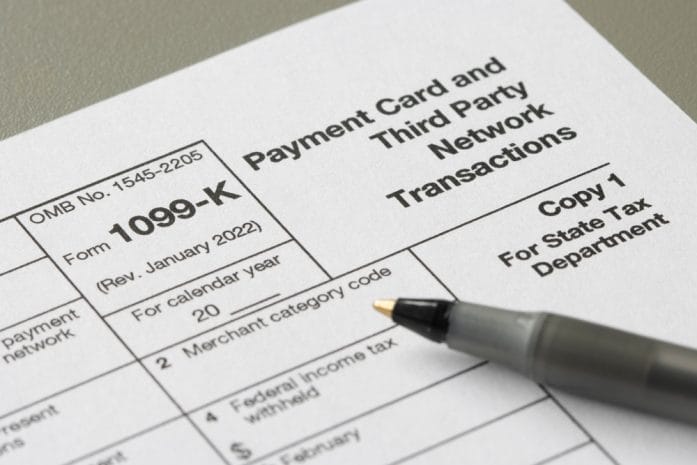
Are you planning to track your digital payments differently this year? Have you met that IRS threshold? Talk about it in the comments below.

You May Also Like…

The IRS Reporting Threshold Change That Just Created a Tax Risk for Millions in 2026

The Gig Economy Tax Nightmare: Why So Many Freelancers End Up Owing the IRS

9 Side Hustles That Sound Great but Are a Complete Waste of Your Time

The Income-Driven Repayment Plans That End July 1, 2028 Under New Law

Income Threshold: 4 Hidden Taxes That Hit Once You Cross Certain Limits

Brandon Marcus
Brandon Marcus

Brandon Marcus is a writer who has been sharing the written word since a very young age. His interests include sports, history, pop culture, and so much more. When he isn’t writing, he spends his time jogging, drinking coffee, or attempting to read a long book he may never complete.
Filed Under: Tax Planning Tagged With: 1099-K, digital payments, gig income, income reporting, IRS rules, payment apps, Personal Finance, side hustles, tax forms, tax reporting, taxes 2026

8 Financial Moves That Trigger Gift Tax Audits

August 20, 2025 by Travis Campbell Leave a Comment

tax plan
Image source: pexels.com

Gift taxes might sound like something only the ultra-wealthy have to worry about, but the reality is a bit different. The IRS keeps a close eye on large gifts, and certain financial moves can put you on their radar. Ignoring the rules or making mistakes with gift tax reporting could trigger an audit, leading to stress and potential penalties. Understanding which actions might lead to a gift tax audit is key to avoiding trouble. By knowing what to watch for, you can keep your finances—and your peace of mind—in good shape. Let’s break down eight financial moves most likely to trigger a gift tax audit.

1. Giving Large Cash Gifts Without Reporting

If you hand over a large sum of money—anything above the annual exclusion amount—to someone, it’s not just a generous gesture. The IRS expects you to report gifts over $17,000 per recipient (for 2024). Failing to file Form 709 for these large cash gifts is one of the quickest ways to raise red flags. The agency cross-checks bank transfers and other financial activity, so skipping reporting can easily lead to a gift tax audit.

Even if you think the recipient won’t report it, banks and financial institutions often do. Large withdrawals or deposits can prompt the IRS to look closer at your transactions, especially if you make a habit of giving substantial gifts.

2. Transferring Real Estate to Family for Less Than Market Value

Giving a house or property to a loved one for far less than what it’s worth is a classic move that can invite scrutiny. The IRS sees the difference between the market value and the sale price as a gift. If you transfer real estate and underreport its value or skip the paperwork, you’re risking a gift tax audit. Appraisals and proper documentation are essential if you want to avoid problems down the road.

This rule applies to vacation homes, rental properties, and even land. It’s tempting to help out a family member with a “sweetheart deal,” but if the numbers don’t add up, the IRS may step in to investigate the true nature of the transaction.

3. Paying Tuition or Medical Bills Improperly

Paying someone else’s tuition or medical expenses can be excluded from gift tax, but only if you pay the institution or provider directly. Writing a check to your grandchild or friend to cover their bills doesn’t qualify. If you don’t follow the rules and try to claim these payments as exempt, the IRS could audit your gift tax filings.

Always pay the school or medical provider directly if you want to take advantage of this exception. Otherwise, your well-intentioned help could end up being counted as a taxable gift.

4. Making Repeated Gifts Just Below the Reporting Threshold

Some people try to avoid the gift tax audit by giving multiple gifts just under the annual exclusion to the same person. While staying under the limit is allowed, a pattern of regular, just-below-threshold gifts can look suspicious. The IRS may see this as an attempt to sidestep gift tax rules and decide to investigate further.

If you’re making a series of gifts that add up to a large amount, keep detailed records and be prepared to explain your intentions. Transparency is your best defense here.

5. Forgiving Large Loans to Friends or Family

It’s common to lend money to loved ones, but if you later forgive the loan, the IRS may view this as a gift. If the forgiven amount exceeds the annual exclusion, you’re required to report it. Skipping this step increases your risk of a gift tax audit, especially if the original loan was significant.

Document the terms of any loan you make and what happens if you forgive the debt. Proper paperwork can help you avoid misunderstandings—and trouble with the IRS.

6. Gifting Business Interests or Shares

Transferring business shares or ownership stakes to family or friends is another move that often triggers a gift tax audit. Valuing a business is complicated, and underreporting the value to reduce taxes is a common mistake. The IRS pays close attention to these transactions, especially when family businesses are involved.

If you plan to gift business interests, get a professional appraisal. Accurate documentation can protect you from unwanted attention and possible penalties.

7. Using Complex Trusts for Gifting

Trusts can be a smart way to manage assets and gifts but using them incorrectly can draw IRS scrutiny. Complex trust structures, especially those that lack clear documentation or involve large sums, are a frequent target for gift tax audits. The IRS wants to make sure these vehicles aren’t being used to hide gifts or avoid taxes.

If you’re considering a trust for gifting, consult a qualified estate planner or tax professional. Mistakes here can be costly and time-consuming to fix.

8. Failing to Report Gifts to Non-Citizens or Non-Residents

Gift tax rules differ for gifts to non-citizens and non-residents. The thresholds and exemptions can be much lower, and special forms are often required. Missing these details or failing to report such gifts can quickly trigger a gift tax audit. The IRS keeps a close watch on international transfers due to concerns about tax evasion and money laundering.

If you’re making gifts to someone outside the U.S., be sure to research the rules carefully. You can find helpful information on the IRS’s gift tax page and from professional advisors familiar with cross-border issues.

Protecting Yourself from a Gift Tax Audit

Staying on the right side of gift tax rules is all about understanding what the IRS looks for. Keep thorough records, file the proper forms, and don’t try to skirt the rules with creative accounting. If you’re unsure, consult a tax professional. Taking proactive steps can help you avoid the stress and expense of a gift tax audit.

Have you ever had to report a large gift or faced questions from the IRS? Share your experiences or questions in the comments below!

Read More

The Estate Planning Loophole That Now Flags You For Audit

7 Ill Advised Advisor Tips That Trigger IRS Audits

Travis Campbell
Travis Campbell

Travis Campbell is a digital marketer/developer with over 10 years of experience and a writer for over 6 years. He holds a degree in E-commerce and likes to share life advice he’s learned over the years. Travis loves spending time on the golf course or at the gym when he’s not working.

Filed Under: Tax Planning Tagged With: Estate planning, financial compliance, gift tax, IRS audit, real estate gifts, tax reporting

Numbers That Trigger Freeze Reviews on Your Retirement Accounts

August 13, 2025 by Travis Campbell Leave a Comment

retirement
Image source: unsplash.com

Retirement accounts are supposed to be safe. You work hard, save, and expect your money to be there when you need it. But sometimes, your account can get frozen. This means you can’t access your funds until the issue is resolved. It’s frustrating, especially if you need the money right away. Knowing which numbers or activities can trigger a freeze review on your retirement accounts can help you avoid problems. Here’s what you need to watch for and why it matters.

1. Large, Unusual Withdrawals

If you suddenly take out a big chunk of money from your retirement account, your provider may flag it. This is especially true if the amount is much higher than your usual withdrawals. Financial institutions watch for this because it can signal fraud or unauthorized access. For example, if you usually withdraw $1,000 a month and suddenly request $25,000, that’s a red flag. The account may be frozen while they check if the request is legitimate. If you plan to make a large withdrawal, call your provider first. This can help prevent a freeze review and save you time.

2. Multiple Transfers in a Short Time

Moving money between accounts is normal. But if you make several transfers in a short period, it can look suspicious. Retirement account providers use algorithms to spot patterns that might indicate money laundering or fraud. For example, transferring funds from your 401(k) to an IRA, then to another account, all within a week, can trigger a freeze review. If you need to move money, try to space out your transfers. And keep records of why you’re moving the funds. This can help if your account is reviewed.

3. Reaching Age-Based Milestones

Certain ages matter for retirement accounts. When you turn 59½, you can take penalty-free withdrawals from IRAs and 401(k)s. At age 72, you must start taking required minimum distributions (RMDs) from most retirement accounts. If you miss an RMD or take out more than allowed, your account may be flagged for review. Providers want to make sure you’re following IRS rules. If you’re not sure about the rules for your age, check the IRS guidelines. Staying informed can help you avoid a freeze.

4. Incorrect or Suspicious Account Information

Simple mistakes can cause big problems. If your account information doesn’t match what’s on file, your provider may freeze your account. This can happen if you change your name, address, or Social Security number and forget to update your account. It can also happen if someone tries to access your account with the wrong information. Always double-check your details. If you move or change your name, update your retirement accounts right away. This helps prevent freeze reviews caused by mismatched information.

5. Unusual Contribution Patterns

Most people contribute to their retirement accounts on a regular schedule. If you suddenly make a much larger contribution than usual, or if you make several contributions in a short time, your provider may take a closer look. This is to prevent illegal activities like money laundering. For example, if you usually contribute $500 a month and suddenly deposit $10,000, that could trigger a freeze review. If you get a bonus or inheritance and want to contribute more, let your provider know in advance. This can help avoid unnecessary delays.

6. International Transactions

Sending money to or from foreign accounts can raise red flags. Retirement account providers are required to follow strict rules to prevent illegal activities. If you make a withdrawal or transfer involving an international bank, your account may be frozen for review. This is especially true if you haven’t done this before. If you need to move money internationally, contact your provider first. They can tell you what documentation you’ll need and help you avoid a freeze.

7. Beneficiary Changes After Major Life Events

Changing your beneficiaries is normal after big life events like marriage, divorce, or the birth of a child. But if you make frequent or unusual changes, your provider may review your account. This is to prevent fraud or disputes after your death. For example, if you change your beneficiary several times in a year, that could trigger a freeze review. Always keep your beneficiary information up to date, but avoid making unnecessary changes. If you need to update your beneficiaries, provide clear documentation.

8. Mismatched Tax Reporting

Tax season can bring surprises. If the numbers reported by your retirement account provider don’t match what you report on your tax return, the IRS may flag your account. This can lead to a freeze while the issue is sorted out. For example, if your 1099-R form shows a different withdrawal amount than what you report, expect questions. Always check your tax forms for accuracy. If you spot a mistake, contact your provider right away.

9. Suspicious Login Activity

Online security is a big deal. If your provider notices logins from unusual locations or devices, they may freeze your account to protect you. For example, if you usually log in from your home in Texas and there’s a login from another country, that’s a red flag. Use strong passwords and enable two-factor authentication. If you travel, let your provider know. This can help prevent unnecessary freeze reviews.

10. Court Orders or Legal Actions

Sometimes, your account can be frozen because of legal issues. This can include divorce settlements, bankruptcy, or court orders. If your provider receives a legal notice, they must freeze your account until the issue is resolved. If you’re involved in a legal dispute, talk to your provider. They can explain what to expect and what documents you’ll need.

Staying Ahead of Freeze Reviews

Freeze reviews on retirement accounts can be stressful, but most are preventable. Watch for the numbers and activities that trigger reviews. Keep your information up to date. Communicate with your provider before making big changes. And always keep good records. By staying alert, you can keep your retirement savings safe and accessible.

Have you ever had your retirement account frozen? What happened, and how did you resolve it? Share your story in the comments.

Read More

10 Net Worth Assumptions in Retirement Calculators That Are Unrealistic

6 Margin Account Risks That Sneakily Empty Retirement Payouts

Travis Campbell
Travis Campbell

Travis Campbell is a digital marketer/developer with over 10 years of experience and a writer for over 6 years. He holds a degree in E-commerce and likes to share life advice he’s learned over the years. Travis loves spending time on the golf course or at the gym when he’s not working.

Filed Under: Retirement Tagged With: account freeze, account security, beneficiary changes, Planning, retirement accounts, retirement withdrawals, tax reporting

FOLLOW US

Search this site:

Recent Posts

  • Can My Savings Account Affect My Financial Aid? by Tamila McDonald
  • 12 Ways Gen X’s Views Clash with Millennials… by Tamila McDonald
  • What Advantages and Disadvantages Are There To… by Jacob Sensiba
  • 10 Tactics for Building an Emergency Fund from Scratch by Vanessa Bermudez
  • Call 911: Go To the Emergency Room Immediately If… by Stephen Kanaval
  • 7 Weird Things You Can Sell Online by Tamila McDonald
  • 10 Scary Facts About DriveTime by Tamila McDonald

Copyright © 2026 · News Pro Theme on Genesis Framework