• Home
  • About Us
  • Toolkit
  • Getting Finances Done
    • Hiring Advisors
    • Debt Management
    • Spending Plan
  • Insurance
    • Life Insurance
    • Health Insurance
    • Disability Insurance
    • Homeowners/Renters Insurance
  • Contact Us
  • Privacy Policy
  • Risk Tolerance Quiz

The Free Financial Advisor

You are here: Home / Archives for payment apps

Zelle and Instant Payments Are Facing New Scrutiny—Here’s What Users Are Seeing

March 24, 2026 by Brandon Marcus Leave a Comment

Zelle and Instant Payments Are Facing New Scrutiny—Here’s What Users Are Seeing

Image Source: Unsplash.com

A money transfer that takes seconds should feel like magic. Instead, it has started to feel like a gamble for some people. Instant payment apps promised convenience, speed, and simplicity, yet they now sit at the center of a growing storm that refuses to quiet down. Regulators, banks, and everyday users all circle the same question: how safe is “instant” when there’s no pause button?

The spotlight shines brightest on Zelle, one of the most widely used peer-to-peer payment systems in the United States, but the conversation stretches far beyond a single app. Digital wallets and instant transfer platforms have changed how money moves, and that shift has triggered a wave of new concerns that nobody can ignore anymore. People want speed, but they also want protection, and right now those two goals don’t always get along. That tension has pushed instant payments into a new era, where convenience no longer gets a free pass.

The Speed That Changed Everything—and Complicated It

Instant payments didn’t creep into daily life quietly; they exploded into it. Sending money used to involve waiting, planning, and sometimes even awkward follow-ups, but apps like Zelle erased that friction almost overnight. A dinner bill gets split in seconds, rent payments move instantly, and last-minute reimbursements no longer drag into next week. That kind of speed feels empowering, and it reshaped expectations around money completely.

That same speed, however, leaves very little room for error, and that’s where the cracks begin to show. When a transfer completes instantly, there’s no built-in delay to catch mistakes or stop suspicious activity. If someone sends money to the wrong person or falls for a scam, that money often disappears just as quickly as it arrived. Banks designed these systems for trusted transactions between people who know each other, but real-world usage has stretched far beyond that original intention. As more people rely on instant payments for everyday transactions, the risks grow right alongside the convenience.

The conversation now centers on balance. Users don’t want to give up speed, but they also want a safety net that actually works. Banks and payment providers have started to face increasing pressure to rethink how instant systems operate without slowing everything down. That challenge has turned into one of the most important questions in modern banking.

Fraud Concerns Are Driving the Conversation

Fraud didn’t invent itself alongside instant payments, but it definitely found a new playground. Scammers have adapted quickly, using social engineering tactics to trick people into sending money willingly, which makes these cases especially tricky. Unlike unauthorized transactions, where someone hacks an account, many Zelle-related scams involve users approving the payment themselves under false pretenses. That detail changes everything when it comes to responsibility and reimbursement.

Reports of these scams have fueled public concern and caught the attention of lawmakers and regulators. Financial institutions have faced criticism for not doing enough to protect users, especially when victims struggle to recover lost funds. Some banks have responded by improving warnings inside their apps, adding confirmation prompts, and flagging suspicious activity more aggressively. These changes help, but they don’t eliminate the problem entirely.

The reality feels uncomfortable but clear. Instant payment systems depend heavily on user awareness, and that creates a gap that scammers continue to exploit. Education has become just as important as technology in preventing fraud. People need to recognize red flags, question unexpected requests, and pause before sending money, even when everything feels urgent. That shift in mindset plays a crucial role in staying safe.

Banks Are Tightening the Rules Behind the Scenes

Banks haven’t stood still while scrutiny grows louder. Many have started to quietly adjust how their instant payment systems operate, even if those changes don’t always make headlines. Daily transfer limits, enhanced identity verification, and real-time fraud monitoring have all become more common. These updates aim to catch suspicious behavior without slowing down legitimate transactions, which sounds simple but requires serious technical finesse.

Some institutions have gone further by delaying certain transactions that trigger risk signals, even within systems designed for speed. That move reflects a growing recognition that not every payment should happen instantly, especially when something looks off. Banks also continue to invest in machine learning tools that analyze patterns and flag unusual activity before it causes damage. These systems improve over time, but they still rely on accurate data and smart implementation.

Users might not notice all these changes directly, but they feel the impact in subtle ways. Extra confirmation screens, warnings about unknown recipients, and occasional transaction delays all signal a shift toward caution. These adjustments show that banks understand the stakes, and they want to avoid becoming the weak link in a rapidly evolving financial landscape. The challenge lies in maintaining trust while introducing friction where it actually matters.

What Users Can Do Right Now to Stay Ahead

Staying safe with instant payments doesn’t require paranoia, but it does demand awareness and a bit of discipline. The first and most important rule stays simple: only send money to people you know and trust. That guideline might sound obvious, yet many scams succeed because they create a false sense of urgency or familiarity. Taking a moment to verify a request can prevent a costly mistake.

Double-checking recipient details before hitting send makes a huge difference. A single typo can redirect funds to the wrong person, and recovering that money often proves difficult. Setting up transaction alerts and keeping banking apps updated also helps users stay informed and protected. These small steps create a stronger safety net without adding much effort.

Another smart move involves treating unexpected payment requests with skepticism, especially when they come through text messages, emails, or social media. Scammers rely on emotional triggers like fear, excitement, or urgency to push quick decisions. Slowing down and questioning those messages breaks that pattern and reduces risk significantly. Instant payments work best when paired with deliberate thinking, not impulsive reactions.

Zelle and Instant Payments Are Facing New Scrutiny—Here’s What Users Are Seeing

Image Source: Unsplash.com

Where Instant Payments Go Next

The scrutiny surrounding Zelle and similar platforms doesn’t signal the end of instant payments; it signals a turning point. Technology rarely moves backward, especially when it delivers clear benefits, but it often evolves under pressure. Regulators, banks, and tech companies all play a role in shaping what comes next, and that collaboration could lead to stronger protections without sacrificing speed.

Future updates may include clearer liability rules, improved fraud detection systems, and better user education built directly into apps. Payment platforms might also introduce more customizable controls, giving users the ability to set limits or add extra verification layers based on their comfort level. These changes would shift some control back into users’ hands while reinforcing the overall system.

The path forward won’t look perfect, but it will likely look smarter. Instant payments have already changed how money moves, and that transformation won’t reverse. Instead, the focus now sits on making that system safer, more transparent, and more resilient. That goal feels achievable, but it requires ongoing attention from everyone involved.

Fast Money Needs Smart Moves

Instant payments bring undeniable convenience, but they also demand a sharper level of awareness. Speed alone doesn’t guarantee safety, and the current wave of scrutiny highlights exactly why that matters. Banks continue to refine their systems, regulators continue to ask tough questions, and users hold more power than they might realize when it comes to preventing mistakes.

This moment feels less like a crisis and more like a recalibration. The tools still work, the benefits still exist, and the risks now stand out more clearly than before. That clarity creates an opportunity to use these platforms more wisely and confidently. Staying informed, paying attention, and making deliberate choices can turn instant payments into a reliable tool rather than a risky shortcut.

What changes have you noticed with instant payment apps lately, and what strategies have helped you feel more secure when sending money? Drop your thoughts, experiences, or tips in the comments and get the conversation going.

You May Also Like…

5 Things You Should Do If You Get A Random Zelle Deposit

Biometric Banking and the Rise of Fraud Concerns in 2026

4 Steps to Take if You Hold More Than $250K in One Bank

6 Data-Scraping Features in Online Banking

8 Things You Should Never, Ever Put in a Bank Safe Deposit Box

Brandon Marcus
Brandon Marcus

Brandon Marcus is a writer who has been sharing the written word since a very young age. His interests include sports, history, pop culture, and so much more. When he isn’t writing, he spends his time jogging, drinking coffee, or attempting to read a long book he may never complete.

Filed Under: Banking Tagged With: banking apps, Consumer Protection, cybersecurity, digital banking, financial safety, fintech, fraud prevention, instant payments, money transfers, online scams, payment apps, Zelle

State 1099-K Rules Still Create Reporting Confusion

February 14, 2026 by Brandon Marcus Leave a Comment

State 1099-K Rules Still Create Reporting Confusion

Image source: shutterstock.com

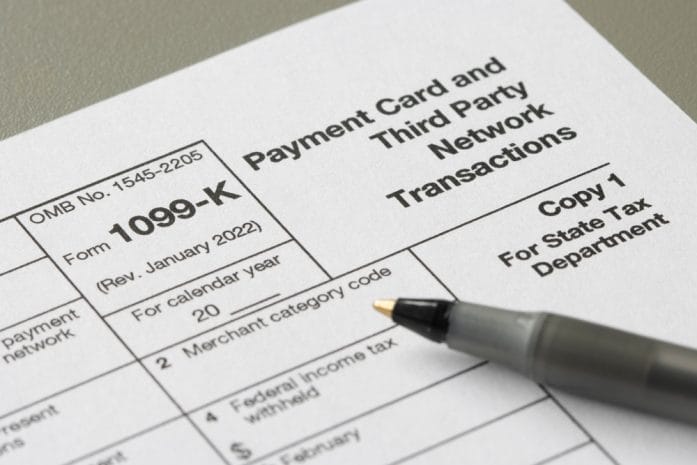
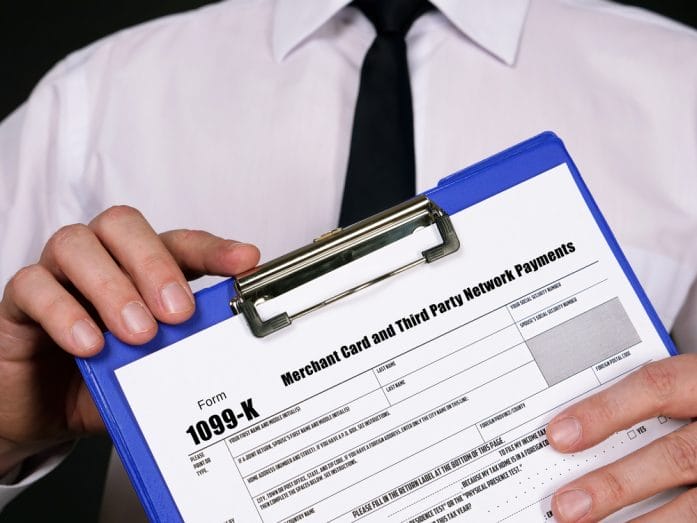
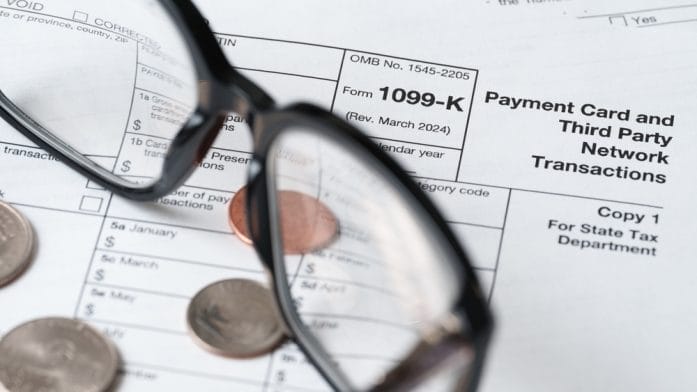
Have you ever stared at a 1099‑K form and wondered if someone slipped it into your mailbox as a prank? If tax paperwork ever felt like a cryptic puzzle where every state speaks a slightly different language, you’re not alone.

The whole world of Form 1099‑K has become a plot twist in the tax code that’s equal parts frustrating and fascinating. Across the country, rules about when and why these forms get issued still confuse folks even after federal changes aimed at simplifying things. Some of that confusion rustles up from the IRS rulebook, some from quirky state-level add‑ons, and some from the fact that payment platforms follow a patchwork of thresholds depending on where you live and what you do.

When Federal Rules Change, But Then Change Again

IRS rule changes have shaken the 1099‑K world like a snow globe in a blender. For a time, the plan was to drop the reporting threshold so low that even modest side hustles might trigger a form. But after debate and delay, Congress stepped in and hit the rewind button. Under current federal law, third‑party settlement organizations — that means platforms like PayPal, Venmo, Etsy, and others — generally don’t have to issue a 1099‑K unless you process more than $20,000 in gross payments and have more than 200 transactions in a calendar year. That’s the classic rule we used for years before lawmakers started tinkering.

This high bar was meant to reduce unnecessary tax friction for casual sellers who only do a handful of sales or get occasional payments from friends or customers. On the surface, it sounds simple: only the big volumes get reported. But that’s where complications sneak in, because federal rules aren’t the whole story.

States That Don’t Stay in Line

Now imagine you live in one state that says “Hey, keep an eye on those $600 payments!” while the IRS looks for $20,000. That’s reality for many taxpayers across the U.S. Several states set their own 1099‑K reporting thresholds and require platforms to generate forms for state tax agencies if a seller’s payments exceed a much lower number. These state rules can pick up sellers who wouldn’t hit the federal standard at all.

For example, a handful of states require 1099‑Ks for gross payments of just $600 in a year. This creates a weird situation. A platform might send you a 1099‑K because your state’s government wants to see it, even when federal rules wouldn’t require that form at all. If you live in one of these jurisdictions and do a modest amount of selling or gig work, you might open your mail and find a tax form you didn’t expect. That’s not because you did something wrong, it’s because your state and the IRS are speaking different threshold languages.

Why Platforms Play By State Rules

You might assume payment platforms simply follow federal tax codes and that’s it. That would sure make life easier. In reality, these companies must follow both federal and state laws. They figure out what to report based on the address they have on file for you and the set of rules that applies there. As a result, two sellers doing the exact same thing might receive very different tax paperwork just because one lives in a state with a lower 1099‑K trigger.

This system also means you could receive multiple 1099‑K forms from different platforms if you use more than one — and each of those forms could have different numbers on them because they report gross payments before fees, refunds, or other adjustments. That’s another piece of the confusion puzzle.

What You Really Owe Isn’t Determined by the Threshold

Whether or not a 1099‑K form arrives in your mailbox does not change your obligation to report income. The IRS expects you to report all taxable income regardless of whether the third‑party platform sent you a 1099‑K.

So even if you don’t hit a federal or state threshold that triggers a form, you still have to report what you’ve earned when you file your taxes. That’s true for side hustlers, freelancers, and small‑business owners alike.

The Maze of Tax Rules

1099‑K rules aren’t inherently evil, but they sure didn’t emerge fully baked. Federal and state thresholds don’t always align, platforms don’t always give clear guidance, and gross reporting often bears little resemblance to your real take‑home profit. All that leads to confusion that could have been avoided with clearer guidance and more uniform standards.

If you do work that generates payments through online platforms, keep these tips in mind. Track your income and expenses meticulously, don’t assume a missing 1099‑K means you don’t owe taxes on that income, and check both federal and your state’s specific reporting thresholds so you know what to expect. When in doubt, talk to a tax professional who’s up to date on both federal changes and your state’s quirks.

State 1099-K Rules Still Create Reporting Confusion

Image source: shutterstock.com

Not a Game Show, But You Can Win

Tax rules aren’t a carnival ride, but understanding them can feel like decoding secret levels in a video game. Don’t let unexpected 1099‑Ks or state rules blindside you. Stay organized, know your thresholds, and treat every dollar you earn like it deserves respect.

Have you ever received a 1099‑K that didn’t make sense to you? What did you do about it? Let us know in the comments.

You May Also Like…

IRS 1099-K Rules in 2026: Who Must Report Payments This Year

The One Line on Your 1099 That Can Ruin Everything

9 Side Hustles That Sound Great but Are a Complete Waste of Your Time

Generate Extra Monthly Cash Flow Starting With These Side Hustle Ideas

Income Threshold: 4 Hidden Taxes That Hit Once You Cross Certain Limits

Brandon Marcus
Brandon Marcus

Brandon Marcus is a writer who has been sharing the written word since a very young age. His interests include sports, history, pop culture, and so much more. When he isn’t writing, he spends his time jogging, drinking coffee, or attempting to read a long book he may never complete.
Filed Under: Tax Planning Tagged With: 1099-K, federal tax, gig economy, IRS, payment apps, payment processors, PayPal, Small business, state tax rules, tax compliance, tax confusion, tax reporting, tax thresholds, Venmo

IRS 1099-K Rules in 2026: Who Must Report Payments This Year

February 11, 2026 by Brandon Marcus 1 Comment

IRS 1099-K Rules in 2026: Who Must Report Payments This Year

Image source: shutterstock.com

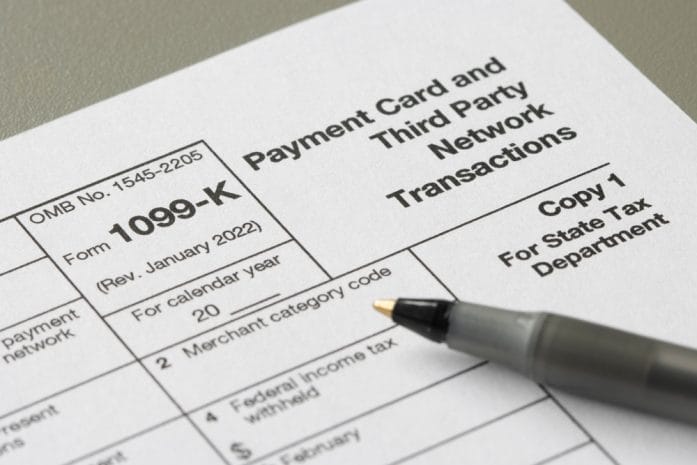
The IRS has been adjusting the 1099-K reporting rules for years, and 2026 was shaping up to be the moment when everything changed. After delays, phased rollouts, and more confusion than anyone asked for, this was the year when millions of Americans were going to make major tax changes. Whether you sell online occasionally, run a side hustle, or use payment apps for business, these rules were set to affect how your income was reported to the IRS.

The good news is that the 1099-K form is about business transactions, not personal ones. But knowing which payments fall into which category is where things get interesting.

The Threshold That Was Supposed To Take Effect

For years, the IRS planned to lower the 1099-K reporting threshold to $600 for business transactions processed through third‑party platforms. After multiple delays, the IRS announced a phased approach, and 2026 was the year the full $600 threshold was scheduled to apply.

However, recent legislation changed all of that. Instead of dropping down to $600, the threshold will now remain at $20,000 and 200 transactions. For many, that created a sigh of relief, but some confusion remains.

However, the fact remains: the IRS will issue a 1099-K to taxpayers who receive more than $20,000 in payments for goods and services and complete over 200 separate transactions on platforms such as eBay, PayPal, Venmo (business accounts), or other third‑party payment networks.

What Counts as a Reportable Payment

Remember, the 1099-K covers payments from online marketplaces, payment apps with business accounts, and platforms that handle transactions between buyers and sellers. So, if you sell handmade items, flip furniture, run a small online shop, or accept digital payments for freelance work, those payments fall under the 1099-K umbrella.

This does not apply to personal transfers between friends or family, like splitting a restaurant bill or sending a birthday gift. But for millions of Americans earning money through side gigs, online sales, or digital payment apps, understanding when a 1099-K is triggered can make tax season far less confusing.

If you use the same app for both personal and business transactions, it’s worth separating them into different accounts or categories. It keeps your records cleaner and reduces the chance of receiving a form that doesn’t reflect your actual taxable income.

Why Online Sellers Need to Pay Attention

Platforms like eBay, Etsy, Poshmark, and Mercari must issue a 1099-K when sellers exceed the reporting threshold for business transactions. If you sell items as a hobby or occasionally clear out your closet, the income may not be taxable if you sell items for less than you originally paid. But the platform may still issue a form if the transactions meet the reporting threshold.

This is where record‑keeping matters. The IRS taxes profit, not the original purchase price of personal items. If you sell a used laptop for $300 that you originally bought for $900, that’s not taxable income. But if the platform issues a 1099-K, you’ll want documentation showing the original cost to avoid confusion.

For people who run online shops or side businesses, the 1099-K simply reflects income that should already be reported. The form helps consolidate information, but it doesn’t change the underlying tax rules.

Gig Workers and Freelancers Aren’t Exempt

If you drive for a rideshare service, deliver food, walk dogs, or freelance through platforms that process payments, the 1099-K may apply. Some gig platforms issue 1099-NEC forms instead, depending on how payments are structured. The key is understanding that income from gig work is taxable regardless of which form you receive.

The 1099-K doesn’t replace your responsibility to track expenses. If you use your car for work, buy supplies, or pay platform fees, those costs may be deductible. Keeping receipts and mileage logs helps ensure you report net income, not gross payments.

IRS 1099-K Rules in 2026: Who Must Report Payments This Year

Image source: shutterstock.com

The Importance of Categorizing Payments Correctly

Many people use payment apps casually without thinking about how transactions are labeled. But in 2026, categorization matters more than ever. Marking payments as personal when they are personal helps prevent unnecessary forms. Marking business payments correctly ensures accurate reporting.

Most apps now include clear options for tagging transactions. Taking a few seconds to categorize payments can prevent headaches during tax season. If you run a business, consider using a dedicated business account to keep everything clean and separate.

How to Prepare for 2026 Without Stress

The best preparation is organization. Keep records of what you sell, what you earn, and what you spend. Separate personal and business payments. Save receipts for items you resell. Track expenses if you run a side hustle. And review your payment app settings to make sure transactions are categorized correctly.

Because the proposed threshold changes didn’t go through, you don’t need to overhaul your life. Stick to what you were doing, but always be alert and prepared when tax season rolls around.

The Year to Get Ahead of the Rules

With proposed changes, reversals, and constant talk of more updates, no one can blame you for being confused. Understanding the rules gives you control, clarity, and confidence as taxes approach. When you know what counts as income and what doesn’t, you can navigate the year without surprises.

Are you planning to track your digital payments differently this year? Have you met that IRS threshold? Talk about it in the comments below.

You May Also Like…

The IRS Reporting Threshold Change That Just Created a Tax Risk for Millions in 2026

The Gig Economy Tax Nightmare: Why So Many Freelancers End Up Owing the IRS

9 Side Hustles That Sound Great but Are a Complete Waste of Your Time

The Income-Driven Repayment Plans That End July 1, 2028 Under New Law

Income Threshold: 4 Hidden Taxes That Hit Once You Cross Certain Limits

Brandon Marcus
Brandon Marcus

Brandon Marcus is a writer who has been sharing the written word since a very young age. His interests include sports, history, pop culture, and so much more. When he isn’t writing, he spends his time jogging, drinking coffee, or attempting to read a long book he may never complete.

Filed Under: Tax Planning Tagged With: 1099-K, digital payments, gig income, income reporting, IRS rules, payment apps, Personal Finance, side hustles, tax forms, tax reporting, taxes 2026

FOLLOW US

Search this site:

Recent Posts

  • Can My Savings Account Affect My Financial Aid? by Tamila McDonald
  • 12 Ways Gen X’s Views Clash with Millennials… by Tamila McDonald
  • What Advantages and Disadvantages Are There To… by Jacob Sensiba
  • 10 Tactics for Building an Emergency Fund from Scratch by Vanessa Bermudez
  • Call 911: Go To the Emergency Room Immediately If… by Stephen Kanaval
  • 7 Weird Things You Can Sell Online by Tamila McDonald
  • 10 Scary Facts About DriveTime by Tamila McDonald

Copyright © 2026 · News Pro Theme on Genesis Framework