• Home
  • About Us
  • Toolkit
  • Getting Finances Done
    • Hiring Advisors
    • Debt Management
    • Spending Plan
  • Insurance
    • Life Insurance
    • Health Insurance
    • Disability Insurance
    • Homeowners/Renters Insurance
  • Contact Us
  • Privacy Policy
  • Risk Tolerance Quiz

The Free Financial Advisor

You are here: Home / Archives for gig economy

9 Benefits You Lose As An Independent Contractor

October 10, 2025 by Catherine Reed Leave a Comment

9 Benefits You Lose As An Independent Contractor

Image source: shutterstock.comThe freedom of being your own boss sounds great—setting your own hours, choosing your clients, and calling the shots. But what many new freelancers and gig workers don’t realize is that this independence comes with a cost. While traditional employees enjoy built-in benefits like health insurance and paid time off, an independent contractor has to handle those expenses and protections alone. Before trading your 9-to-5 for self-employment, it’s crucial to understand exactly what you’re giving up. Knowing the benefits you lose as an independent contractor helps you plan smarter and avoid costly surprises.

1. Employer-Paid Health Insurance Disappears

One of the biggest benefits employees take for granted is employer-subsidized health insurance. As an independent contractor, you’re fully responsible for your own coverage, which can cost hundreds—or even thousands—of dollars each month depending on your family size and plan. Many freelancers turn to the Affordable Care Act marketplace or professional associations for more affordable options. Still, the lack of employer contributions makes this a major financial adjustment. Without careful budgeting, medical costs can quickly overwhelm your income.

2. No More Paid Time Off

When you’re an independent contractor, taking a day off means losing income. There are no paid sick days, holidays, or vacations waiting for approval. This can lead to burnout since many contractors feel pressured to work even when they’re sick or exhausted. To stay balanced, it helps to build time-off funds in your budget so you can rest without guilt. Otherwise, the flexibility of being self-employed can quickly turn into a nonstop grind.

3. Retirement Contributions Are Entirely on You

Traditional employees often benefit from employer-sponsored retirement plans with matching contributions, but independent contractors have to fund their own future. Options like SEP IRAs, Solo 401(k)s, or traditional IRAs are available—but the responsibility for setting them up and contributing consistently falls entirely on you. Without an employer match, your savings can grow more slowly unless you invest aggressively. Financial discipline becomes critical to avoid falling behind on long-term goals. The freedom of self-employment is rewarding, but it comes without a built-in safety net for retirement.

4. You Lose Unemployment Protection

If an independent contractor loses clients or work dries up, there’s no unemployment check to help bridge the gap. Because contractors aren’t classified as employees, they typically don’t qualify for unemployment insurance benefits. That means every project cancellation or seasonal slowdown hits harder. Creating an emergency fund that covers at least three to six months of expenses is essential. Without that buffer, income interruptions can become financial crises.

5. No Workers’ Compensation Coverage

Employees who get injured on the job usually receive medical coverage and wage protection through workers’ compensation. Independent contractors, on the other hand, don’t have that built-in safety net. If you get hurt while working, you’re responsible for all related costs unless you’ve purchased your own insurance. This can be especially risky for contractors in fields like construction, delivery, or personal care. A single accident could wipe out months of income or savings if you’re not prepared.

6. Lack of Employer Legal Protections

Employment laws that protect workers from wrongful termination, discrimination, or harassment generally don’t apply to independent contractors. While you have the freedom to walk away from a bad client, you also have less recourse if you’re treated unfairly or your contract is canceled without warning. Some contractors add clauses in their agreements to protect their rights, but enforcement can be costly and time-consuming. It’s essential to review contracts carefully and maintain written communication at all times. Legal independence can be empowering—but also isolating.

7. You Miss Out on Employer Training and Development

Employees often receive free training, mentorship, and access to certifications that boost their skills and earning potential. Independent contractors, however, must pay for professional development out of pocket. Whether it’s a new software course or industry conference, every skill investment becomes a personal expense. While this gives you control over your learning path, it can also slow growth if funds are tight. Long-term success as a contractor depends on viewing education as an essential business investment.

8. No Employer-Sponsored Tax Withholding

Independent contractors are responsible for managing their own taxes—including income tax, self-employment tax, and quarterly estimated payments. Unlike employees, there’s no automatic withholding, so failing to plan can lead to large tax bills and penalties. Many new freelancers underestimate how much they owe and end up scrambling each April. Setting aside about 25–30% of every payment helps cover those obligations. Staying organized with receipts and deductions is the key to avoiding tax-time stress.

9. Missing the Sense of Security and Belonging

Finally, one of the less tangible but very real benefits you lose as an independent contractor is workplace community. Traditional employment often provides built-in camaraderie, mentorship, and team support—things that can be hard to replace when working alone. Contractors frequently face isolation or burnout if they don’t intentionally connect with peers. Building a professional network or joining coworking communities can help restore that sense of belonging. Emotional well-being is just as important as financial stability when navigating self-employment.

Balancing Freedom with Financial Responsibility

Becoming an independent contractor offers flexibility and control, but it also shifts every financial burden to your shoulders. You trade predictable benefits for personal freedom—and that trade-off isn’t for everyone. To succeed, you need to think like both an employee and an employer, budgeting for healthcare, time off, and future security. With careful planning and discipline, the freedom of contracting can still lead to lasting success. The key is knowing what you’re losing—and preparing for it before you leap.

What benefit surprised you most when you first became an independent contractor? Share your experience or financial tips in the comments below!

What to Read Next…

7 Dead End Jobs That People Believe Make a Great Career

8 Surprising Financial Traps in the Gig Economy

10 Jobs That Are Hiring Now and Paying Over $100k

7 Hidden Costs of Switching Careers in Midlife

Could Your Job’s Perks Be Costing You More Than They Save

Catherine Reed
Catherine Reed

Catherine is a tech-savvy writer who has focused on the personal finance space for more than eight years. She has a Bachelor’s in Information Technology and enjoys showcasing how tech can simplify everyday personal finance tasks like budgeting, spending tracking, and planning for the future. Additionally, she’s explored the ins and outs of the world of side hustles and loves to share what she’s learned along the way. When she’s not working, you can find her relaxing at home in the Pacific Northwest with her two cats or enjoying a cup of coffee at her neighborhood cafe.

Filed Under: Career Tagged With: freelancing, gig economy, independent contractor, Planning, Retirement, Self-employment, taxes, work benefits

8 Surprising Financial Traps in the Gig Economy

September 29, 2025 by Travis Campbell Leave a Comment

delivery

Image source: pexels.com

The gig economy has transformed how people earn a living. Flexibility, independence, and variety draw millions to freelance, drive, deliver, or contract. But working gigs isn’t always as simple as it looks. Hidden costs and unexpected hurdles can trip up even seasoned gig workers. Knowing these financial traps in the gig economy is key to keeping more of your hard-earned cash and planning for the future. Let’s break down the most common pitfalls and how to avoid them.

1. Underestimating Taxes

Many gig workers don’t realize they’re responsible for paying their own taxes. Unlike traditional jobs, there’s no employer withholding income tax, Social Security, or Medicare from your paycheck. You must track your income, estimate quarterly tax payments, and set money aside. Miss these steps, and you could face a big tax bill, penalties, or interest. The self-employment tax can be a shock, so make sure you understand your obligations and use tools or apps to help keep records straight.

2. Overlooking Business Expenses

Every dollar you earn isn’t profit. Gas, supplies, equipment, insurance, and even your phone bill can eat into your take-home pay. If you don’t track these business expenses, you might overstate your actual earnings and pay too much in taxes. Save receipts, log miles, and review what’s deductible for your gig. It’s smart to separate business and personal finances with a dedicated account. This way, you can easily see what’s really left after costs.

3. Lack of Health Insurance

Traditional jobs often come with employer-sponsored health insurance. In contrast, gig workers must find their own coverage, which can be expensive and confusing. Some skip health insurance because of the cost, but a single medical emergency could wipe out your savings or put you in debt. Shop around for plans on the marketplace and see if you qualify for subsidies.

4. No Retirement Savings Plan

One of the biggest financial traps in the gig economy is neglecting retirement savings. Without a company 401(k) or matching contributions, it’s easy to put off saving for later. But time is your best friend when it comes to compound growth. Explore IRAs, solo 401(k)s, or SEP IRAs. Even small, regular contributions can make a difference. Setting up automatic transfers to a retirement account helps you stay consistent, even when income varies.

5. Income Instability

The gig economy is unpredictable. One month can be busy; the next, slow. If you don’t plan for ups and downs, you might struggle to pay bills or save money. Build a buffer by setting aside cash in a separate savings account for lean times. Track your average monthly income so you know what you can safely spend. This cushion gives you breathing room and reduces stress when gigs dry up.

6. Misjudging True Hourly Earnings

Gig platforms often advertise high hourly rates, but the reality can be different. Time spent waiting for jobs, traveling, or doing admin work isn’t always paid. When you add up all the hours, your true hourly rate may be much lower than expected. Factor in all your time, expenses, and taxes to see what you’re really making. Understanding this helps you choose which gigs are worth your effort.

7. Ignoring Legal and Licensing Issues

Some gigs require permits, business licenses, or insurance. Driving for rideshare? Your city might require a special license. Freelancing? You may need a business registration. Failing to meet these requirements can result in fines or a ban from the platform. Research what’s needed in your area and keep your paperwork up to date. This protects your business and maintains your good standing.

8. Not Planning for Time Off

There’s no paid vacation or sick leave in the gig economy. If you need a break or get sick, you stop earning. Failing to plan for downtime is a common financial pitfall in the gig economy. Build time off into your budget by saving a little extra each month. This way, you can rest or recover without worrying about making ends meet. Planning ahead makes gig work more sustainable and less stressful.

Building a Safer Gig Economy Financial Strategy

The freedom of gig work comes with unique financial traps in the gig economy. But with some planning, you can sidestep most of them. Track your income and expenses, pay taxes on time, and protect yourself with insurance. Set up retirement and emergency savings and know your true hourly rate. Don’t skip the legal details, and plan for time off so you can enjoy the flexibility you wanted in the first place.

Have you faced any unexpected financial traps in the gig economy? Share your story or tips in the comments below!

What to Read Next…

  • The True Cost Of Using Doordash For Senior Care Errands
  • Are These 6 Trending Jobs Just A Rebranded Pyramid Scheme
  • Why ChatGPT May Be Generating Fake Financial Advice And Getting Away With It
  • What Are Banks Really Doing With Your Personal Spending Data
  • Are Financial Apps Sharing Your Spending Data More Than You Realize
Travis Campbell
Travis Campbell

Travis Campbell is a digital marketer/developer with over 10 years of experience and a writer for over 6 years. He holds a degree in E-commerce and likes to share life advice he’s learned over the years. Travis loves spending time on the golf course or at the gym when he’s not working.

Filed Under: Personal Finance Tagged With: budgeting, gig economy, Insurance, Personal Finance, retirement planning, Self-employment, side hustle, tax tips

5 Silent Money Traps in the Gig Economy

September 25, 2025 by Travis Campbell Leave a Comment

gig job

Image source: pexels.com

The gig economy is booming, offering flexibility and new ways to earn income. For many, picking up freelance gigs or side hustles has become a way to make ends meet or chase dreams. However, behind the promise of freedom and extra cash, the gig economy conceals some hidden financial pitfalls. These pitfalls can quietly drain your finances if you’re not careful. Understanding these traps is essential for anyone relying on gig work to support themselves or their family.

Whether you drive for rideshare apps, deliver food, or find freelance projects online, the hidden costs of gig work can catch you off guard. Many gig workers focus on what they earn but overlook what they’re losing along the way. Let’s look at five silent money traps in the gig economy and how to avoid them, so you can keep more of what you earn.

1. Unpredictable Income and Poor Budgeting

The gig economy is known for its inconsistent paychecks. Unlike traditional jobs with regular salaries, gig workers often deal with income swings from week to week. This unpredictability makes it hard to budget or plan for expenses. Without a steady income, it’s easy to overspend during good weeks and scramble during slow ones.

Many gig workers underestimate how much this uncertainty affects their finances. It’s tempting to spend more when you have a great week and hope things will balance out. But without a clear budget that accounts for slow periods, you can quickly fall behind on bills or rack up debt. To avoid this money trap, track your average monthly earnings and base your spending on that number—not your best week. Set aside extra income in a savings account for lean times and regularly review your budget to stay on track.

2. Hidden Costs of Self-Employment

One of the biggest pitfalls of the gig economy is the long list of hidden expenses. When you work for yourself, you’re responsible for costs that traditional employers usually cover. These might include equipment, fuel, maintenance, insurance, and even workspace expenses. For example, rideshare drivers often overlook the real cost of car depreciation, repairs, and higher auto insurance premiums.

Freelancers may need to pay for software, internet upgrades, or even legal advice. These costs eat into your take-home pay. Many gig workers fail to track these expenses closely, resulting in significantly less profit than expected. To stay ahead, document every expense related to your gig work and factor these into your hourly rate.

3. Taxes: The Silent Budget Buster

Taxes in the gig economy are often overlooked or misunderstood. Unlike W-2 employees, gig workers don’t have taxes withheld from their pay. This means you’re responsible for tracking income and setting aside money for taxes yourself. Many gig workers are surprised by a large tax bill in April because they haven’t planned ahead.

This trap is especially dangerous because gig workers must pay both income tax and self-employment tax, which covers Social Security and Medicare. Not setting aside enough can lead to penalties and interest. A good rule of thumb is to save at least 25-30% of your gig income for taxes. Consider making quarterly estimated payments to avoid a big surprise at tax time.

4. Lack of Benefits and Safety Nets

Traditional jobs often come with benefits like health insurance, paid time off, and retirement plans. The gig economy rarely offers these perks. If you get sick or injured, there’s usually no paid leave. If you want health insurance, you have to buy it yourself. Retirement savings are also up to you.

Many gig workers skip health insurance or retirement contributions to save money in the short term. But this leaves you vulnerable to unexpected expenses or a lack of savings later in life. To avoid this money trap, factor the cost of benefits into your hourly rate and prioritize building your own safety net. Look into health insurance marketplaces or retirement options like IRAs. Setting up automatic contributions—even small ones—can help you build a financial cushion over time.

5. Burnout and the Cost of Overworking

The freedom of the gig economy often comes with the pressure to work constantly. If you’re not working, you’re not earning. This mindset can lead to burnout, affecting your health and productivity. Over time, burnout can result in missed work, medical bills, or lower-quality output, all of which hurt your finances.

It’s easy to overlook how overworking impacts your bottom line. Taking time off can feel like a luxury you can’t afford, but rest is essential. Schedule regular breaks and days off, and don’t ignore signs of burnout. Investing in your well-being protects your ability to earn over the long haul and keeps you from falling into this silent money trap.

Staying Ahead in the Gig Economy

The gig economy offers real opportunities, but it comes with unique financial challenges. These silent money traps can erode your earnings if you’re not proactive. By building a budget, tracking expenses, planning for taxes, securing your own benefits, and prioritizing rest, you can protect yourself from the hidden costs of gig work.

Being aware of these pitfalls is the first step to thriving in the gig economy. What strategies have helped you avoid money traps while working gigs? Share your experiences in the comments below!

What to Read Next…

  • Are These 6 Helpful Budget Tips Actually Ruining Your Finances?
  • 7 Hidden Fees That Aren’t Labeled As Fees At All
  • 5 Invisible Service Charges Eating Into Your Bank Balance
  • Are Automatic Renewals Draining More Than You Realize?
  • 8 Everyday Services That Are Slowly Becoming Subscription Only
Travis Campbell
Travis Campbell

Travis Campbell is a digital marketer/developer with over 10 years of experience and a writer for over 6 years. He holds a degree in E-commerce and likes to share life advice he’s learned over the years. Travis loves spending time on the golf course or at the gym when he’s not working.

Filed Under: Personal Finance Tagged With: budgeting, freelancing, gig economy, Personal Finance, Self-employment, side hustle, taxes

9 Lesser-Known Risks of Relying on Gig Work

September 8, 2025 by Travis Campbell Leave a Comment

gig work

Image source: pexels.com

The rise of gig work has changed how many people earn a living. Flexible hours and the freedom to choose projects are appealing, but there are pitfalls that go beyond the usual conversations about taxes or inconsistent income. As more people consider gig work for either supplemental or primary income, understanding the lesser-known risks of relying on gig work is crucial. These risks can impact your financial stability, career growth, and even your well-being. Knowing what to watch out for can help you make smarter decisions and avoid surprises down the road.

1. Limited Access to Credit and Loans

Many lenders prefer borrowers with predictable, steady paychecks. If you rely on gig work, your income can look unsteady or unpredictable on paper. This makes it harder to qualify for loans, mortgages, or even credit cards. Even when approved, you may face higher interest rates or stricter terms. Over time, this can make large purchases or investments more expensive and less accessible.

2. Inconsistent Health Insurance Coverage

Traditional jobs often come with employer-sponsored health insurance. Gig workers, on the other hand, must find their own coverage. Plans on the open market can be expensive, and gaps in coverage are common, especially if income fluctuates. This creates added stress and exposes you to significant financial risk if you have a medical emergency.

3. Difficulty Saving for Retirement

Without access to employer-sponsored retirement plans, gig workers are responsible for setting up and funding their own retirement savings. This can be challenging when income varies from month to month. It’s easy to put off saving for retirement in favor of covering immediate expenses, but that decision can have long-term consequences. The lack of automatic payroll deductions also means you must be disciplined and proactive to avoid falling behind.

4. Unpredictable Tax Obligations

One of the lesser-known risks of relying on gig work is the complexity of self-employment taxes. Gig workers must track their own income and expenses, make estimated quarterly tax payments, and often pay both the employer and employee share of Social Security and Medicare taxes. Missing deadlines or underestimating your tax bill can lead to penalties and interest, adding to the financial burden.

5. Lack of Legal Protections

Gig workers usually aren’t covered by the same legal protections as traditional employees. This means you may not have access to unemployment benefits, workers’ compensation, or protection against wrongful termination. If a client refuses to pay or cancels a project without notice, you may have little recourse. This legal gray area can leave you vulnerable to exploitation or sudden income loss.

6. Professional Isolation and Limited Networking

Working independently can mean fewer opportunities to build professional relationships. Without a regular team or office environment, it’s easy to feel isolated. Networking is often left up to you, which can make finding new gigs or advancing your career more difficult. Over time, this isolation can also impact your motivation and mental health.

7. Pressure to Accept Low-Paying Work

Competition in the gig economy can be fierce. To stay afloat, many gig workers accept assignments that pay less than their skills are worth. This “race to the bottom” can make it hard to raise your rates or build a sustainable career. The pressure to take whatever work is available can also lead to burnout and dissatisfaction.

8. No Paid Time Off or Sick Leave

When you rely on gig work, taking a day off means losing income. There’s no paid vacation or sick leave, and any time away from work directly impacts your bottom line. This can make it hard to recharge or take care of yourself when you’re ill. Over time, the constant need to work can lead to stress and health issues, thereby increasing the risks associated with relying on gig work for your livelihood.

9. Unstable Demand and Algorithm Changes

Many gig platforms use algorithms to connect workers with clients. These algorithms can change suddenly, affecting how much work you receive. Seasonal demand shifts and changes in platform policies can also impact your income. This instability makes it hard to plan for the future or count on a steady stream of gigs, and it’s one of the most unpredictable risks of relying on gig work.

Building a Safer Gig Work Strategy

While gig work offers freedom, it’s important to recognize the lesser-known risks of relying on gig work before making it your primary income source. Diversifying your income streams, setting aside emergency savings, and learning about your legal and tax responsibilities can help you navigate these challenges.

By staying informed and proactive, you can enjoy the flexibility of gig work while minimizing the risks. What challenges have you faced as a gig worker, and how have you handled them? Share your experiences in the comments below!

What to Read Next…

  • Are These 6 Trending Jobs Just a Rebranded Pyramid Scheme?
  • The True Cost of Using Doordash for Senior Care Errands
  • Why ChatGPT May Be Generating Fake Financial Advice and Getting Away With It
  • 6 Online Freebies That End in Identity Theft
  • Are Financial Apps Sharing Your Spending Data More Than You Realize?
Travis Campbell
Travis Campbell

Travis Campbell is a digital marketer/developer with over 10 years of experience and a writer for over 6 years. He holds a degree in E-commerce and likes to share life advice he’s learned over the years. Travis loves spending time on the golf course or at the gym when he’s not working.

Filed Under: Career Tagged With: freelancing, gig economy, Personal Finance, Planning, Self-employment, side hustles

5 Types of Income People Forget to Pay Taxes On

September 1, 2025 by Travis Campbell Leave a Comment

tax

Image source: pexels.com

Tax time can be stressful, especially if you’re not sure what counts as taxable income. Many people overlook certain types of income, assuming they’re not required to report them. But the IRS has clear rules, and missing even small amounts can lead to penalties or an unexpected bill. Understanding which types of income are taxable helps you avoid headaches and keeps your finances in good order. Being proactive also means you won’t be caught off guard later. Let’s walk through five types of income people often forget to pay taxes on—so you can stay on the right side of tax law.

1. Side Hustle and Gig Economy Earnings

With the rise of the gig economy, more people are earning extra cash through platforms like Uber, DoorDash, or freelancing sites. Sometimes, these jobs are so casual that people forget they’re actually earning taxable income. It doesn’t matter if you only made a few hundred dollars—any money earned from side gigs must be reported on your tax return.

If you received payments through services like PayPal or Venmo for work you did, that income is still taxable. Even if you don’t get a 1099 form, you’re responsible for reporting all earnings to the IRS. Keeping good records of your side hustle income makes tax filing much easier and helps you avoid unwanted attention from tax authorities.

2. Gambling Winnings

Whether it’s a lucky night at the casino or a big win from a fantasy sports league, gambling winnings are considered taxable income. Many people assume that only large jackpots need to be reported, but that’s not the case. Even small prizes, raffle wins, or lottery payouts must be included on your tax return.

If you receive a W-2G form from the casino or betting site, the IRS already knows about your win. But even without official paperwork, you’re required to report all gambling income. Don’t forget to keep track of your losses as well, since you may be able to deduct them up to the amount of your winnings.

3. Rental Income from Short-Term Rentals

Many homeowners rent out a room or their whole home on platforms like Airbnb or Vrbo. It’s easy to think of this as “extra” money, but rental income is taxable. Even if you only rent out your place for a few days a year, you’re required to report that income.

Some people believe the “14-day rule” means all rental income is tax-free, but that only applies if you rent out your home for fewer than 15 days total in a year. Anything beyond that, and you must include the income on your tax return. Be sure to track not just what you earn but also any related expenses, as you may be able to deduct things like cleaning fees or repairs.

4. Prizes, Awards, and Sweepstakes

Winning a prize feels great, but it can come with a tax bill. Whether you win a new car, a vacation, or a cash prize, the IRS treats the fair market value as taxable income. Even non-cash prizes—like gift cards or electronics—count.

Many organizations will send you a 1099-MISC if the prize is worth more than $600, but it’s your responsibility to report all winnings, regardless of amount. Forgetting to pay taxes on these types of income is a common mistake, but it’s one that the IRS watches closely.

5. Bartering and Non-Cash Exchanges

Bartering—trading goods or services instead of money—can seem like a tax-free way to do business. But the IRS considers the fair market value of goods or services received as taxable income. For example, if you’re a graphic designer who trades a logo for a set of dining chairs, both parties need to report the value of what they received.

This rule applies even if you don’t get any paperwork. If you use a formal bartering exchange, you’ll likely receive a 1099-B form. However, even informal trades between friends or colleagues are considered income. It’s easy to forget about these transactions when filing your taxes, so keep good records and include them as required.

Staying Ahead of Forgotten Taxable Income

Forgetting to pay taxes on certain types of income is more common than you might think. The IRS expects you to report all taxable income, even if you don’t receive a tax form or the amount seems small. Missing these sources can lead to penalties, interest, or even an audit.

Take some time each year to review all your income sources, including side hustles, gambling wins, rental earnings, prizes, and barter deals. Keeping organized records and knowing what counts as taxable income will help you file accurately and avoid surprises. It’s always better to be safe than sorry when it comes to reporting income.

Have you ever been surprised by a type of income you needed to pay taxes on? Share your experience or questions in the comments below!

What to Read Next…

  • 5 Ways Missing One Tax Form Can Cost Your Heirs Thousands
  • What Tax Preparers Aren’t Warning Pre-Retirees About in 2025
  • 9 Tax Deferred Accounts That Cost More in the Long Run
  • 6 Tax Breaks That Vanished Before Anyone Noticed
  • 6 Tax Moves That Backfire After You Sell a Property
Travis Campbell
Travis Campbell

Travis Campbell is a digital marketer/developer with over 10 years of experience and a writer for over 6 years. He holds a degree in E-commerce and likes to share life advice he’s learned over the years. Travis loves spending time on the golf course or at the gym when he’s not working.

Filed Under: Tax Planning Tagged With: gig economy, IRS rules, rental income, side hustle, tax tips, taxable income

Here’s Why Millennials Are Now Filing More Bankruptcy Cases Than Boomers

July 15, 2025 by Travis Campbell Leave a Comment

bankrupt

Image Source: pexels.com

Millennials are now filing more bankruptcy cases than Baby Boomers, and it’s not just a headline. This shift matters because it signals deeper changes in how younger adults handle debt, jobs, and money stress. If you’re a Millennial, you might see yourself in these stories. If you’re a Boomer, you might wonder what’s changed. Either way, understanding why this is happening can help you make better choices with your own finances. Bankruptcy isn’t just a legal process—it’s a sign of bigger trends in the economy and society. Here’s what’s really going on.

1. Student Loan Debt Is Crushing Millennials

Student loan debt is one of the biggest reasons Millennials are filing more bankruptcy cases than Boomers. Many Millennials left college with tens of thousands of dollars in loans. Unlike Boomers, who often paid much less for college, Millennials face monthly payments that can last decades. This debt makes it hard to save, buy a home, or even pay for emergencies. When a job loss or medical bill hits, bankruptcy can feel like the only way out. The numbers back this up: student loan debt in the U.S. has reached over $1.7 trillion, and Millennials hold a big share of it.

2. Wages Haven’t Kept Up with Living Costs

Millennials are earning more in dollars than Boomers did at the same age, but it doesn’t go as far. Rent, groceries, and health care have all gone up faster than paychecks. Many Millennials work multiple jobs or side gigs just to cover the basics. When expenses outpace income, debt piles up. Credit cards, personal loans, and buy-now-pay-later plans fill the gap, but they also add risk. If something goes wrong, like a layoff or illness, it’s easy to fall behind. Bankruptcy becomes a way to reset, but it’s a sign that the system isn’t working for everyone.

3. Medical Debt Hits Millennials Hard

Health insurance is expensive, and many Millennials don’t have enough coverage. Even with insurance, high deductibles and out-of-pocket costs can lead to big bills. One trip to the ER or a short hospital stay can mean thousands in debt. Medical debt is now a leading cause of bankruptcy for Millennials. Boomers often had better employer coverage or lower costs when they were younger. For Millennials, a single health crisis can wipe out savings and push them toward bankruptcy court.

4. The Gig Economy Brings Instability

Many Millennials work in the gig economy—think rideshare drivers, freelancers, or delivery workers. These jobs offer flexibility but little security. There’s no paid sick leave, no retirement plan, and income can change week to week. When work dries up, bills don’t stop. This instability makes it hard to plan or save for the future. If a car breaks down or a client doesn’t pay, debt can spiral fast. Bankruptcy becomes a last resort for many who just can’t keep up.

5. Housing Costs Are Out of Reach

Home prices and rents have soared in many cities. Millennials are less likely to own homes than Boomers were at the same age. Many spend a big chunk of their income on rent, leaving little for savings or emergencies. When rent eats up half your paycheck, it’s easy to fall behind on other bills. Some Millennials use credit cards to cover rent or move in with roommates to make ends meet. But if something goes wrong, like a rent hike or job loss, bankruptcy can follow.

6. Credit Is Easier—And Riskier—to Get

Credit cards, personal loans, and online lenders are everywhere. It’s easy for Millennials to get approved, even with average credit. But high interest rates and fees can trap people in a cycle of debt. Many Millennials use credit to cover basic needs, not just extras. When balances grow and payments get missed, late fees and penalties add up. Bankruptcy can wipe the slate clean, but it also shows how easy credit can turn into a problem.

7. Financial Literacy Gaps

Many Millennials never learned the basics of budgeting, saving, or managing debt. Schools often skip personal finance, and parents may not have taught these skills. Without a strong foundation, it’s easy to make mistakes, like taking on too much debt or not saving for emergencies. Some Millennials turn to social media for advice, but not all tips are good ones. When things go wrong, bankruptcy can seem like the only option left.

8. Social Pressures and Lifestyle Inflation

Social media shows a highlight reel of vacations, new cars, and fancy dinners. It’s easy to feel pressure to keep up, even if it means spending money you don’t have. Some Millennials take on debt to match their friends’ lifestyles. Over time, this “lifestyle inflation” can lead to big bills and little savings. When the bills come due, and there’s no way to pay, bankruptcy can follow.

9. The Pandemic’s Lasting Impact

COVID-19 hit Millennials hard. Many lost jobs, faced pay cuts, or had to care for family members. Savings disappeared fast, and debt grew. Even as the economy recovers, some Millennials are still catching up. The pandemic exposed how little of a safety net many had. For some, bankruptcy was the only way to start over.

A New Financial Reality for Millennials

Millennials are filing more bankruptcy cases than Boomers because the world has changed. Student loans, high living costs, unstable jobs, and easy credit all play a part. But it’s not just about numbers—it’s about how people live and work today. If you’re struggling, you’re not alone. There are ways to get help, from credit counseling to legal aid.

Have you or someone you know faced bankruptcy? What challenges did you see, and what advice would you share? Add your thoughts in the comments.

Read More

Should You File for Bankruptcy? These Are the Telltale Signs That You Should

Your Guide to Getting Out of Debt and Starting Over

Travis Campbell
Travis Campbell

Travis Campbell is a digital marketer/developer with over 10 years of experience and a writer for over 6 years. He holds a degree in E-commerce and likes to share life advice he’s learned over the years. Travis loves spending time on the golf course or at the gym when he’s not working.

Filed Under: Finance Tagged With: bankruptcy, Debt, financial literacy, gig economy, Housing Costs, Millennials, Personal Finance, student loans

Side Hustles That Look Legit—Until They Break Tax Laws

July 4, 2025 by Travis Campbell Leave a Comment

IRS tax

Image Source: pexels.com

Looking for ways to earn extra cash? Side hustles are everywhere, promising flexible hours and quick money. But while many side gigs seem harmless, some can get you into hot water with the IRS if you’re not careful. The line between a legit side hustle and a tax headache is thinner than you might think. Whether you’re driving for a rideshare app, selling crafts online, or renting out your spare room, it’s easy to overlook the tax rules that apply. Ignoring these rules can lead to penalties, audits, or even legal trouble. Here’s what you need to know to keep your side hustles on the right side of the law.

1. Cash-Only Gigs That Skip Reporting

It’s tempting to pocket cash from babysitting, dog walking, or lawn care and call it a day. After all, who’s going to know? The IRS, that’s who. Any income you earn, even if it’s paid in cash, is legally required to be reported on your tax return. Failing to do so is considered tax evasion, and the penalties can be steep. Many people assume small cash jobs fly under the radar, but the IRS has ways to track unreported income, especially if clients claim your services as a business expense. Always keep records of your earnings, no matter how small, and report them at tax time.

2. Under-the-Table Freelance Work

Freelancing is a popular side hustle, but some individuals attempt to evade taxes by accepting payments “under the table.” This might mean getting paid via Venmo, PayPal, or even gift cards, with no official paperwork. However, digital payment platforms are now required to report transactions exceeding $600 to the IRS, making it more difficult to hide income. If you’re freelancing—writing, graphic design, tutoring, or consulting—treat it like a real business. Track your income, save receipts, and set aside money for taxes. Failing to do so can result in back taxes, interest, and penalties. The gig economy is under increasing scrutiny, so don’t assume you’re flying under the radar.

3. Renting Out Your Home Without Reporting

Platforms like Airbnb and Vrbo make it easy to rent out a room or your entire home for extra cash. However, many hosts are unaware that rental income is taxable. Even if you only rent out your place a few times a year, you may need to report that income and pay taxes on it. There are some exceptions—like the “14-day rule,” which lets you rent your home for up to 14 days a year tax-free—but most people don’t qualify. If you provide services like cleaning or breakfast, you may also be required to pay self-employment tax. Failing to follow these rules can result in a surprise tax bill or an audit.

4. Selling Goods Online Without Tracking Profits

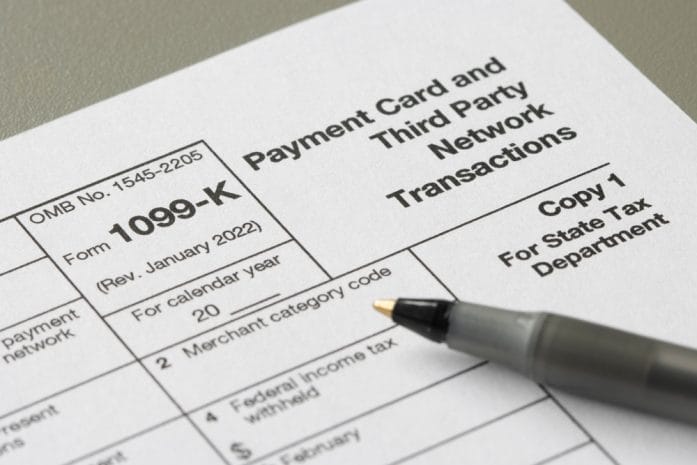
Selling crafts on Etsy, flipping items on eBay, or running a small Shopify store can be a fun and profitable side hustle. However, many sellers are unaware that profits from these activities are taxable. Even if you think of it as a hobby, the IRS may see it as a business if you’re making money. You’re required to report your income and may be able to deduct expenses, but you need good records to do so. Payment processors like PayPal and Stripe now send 1099-K forms for sales over $600, so the IRS will know about your earnings. Failing to report profits can lead to penalties and interest. Treat your online sales like a real business from day one.

5. Driving for Rideshare or Delivery Apps Without Withholding

Driving for Uber, Lyft, DoorDash, or Instacart is a classic side hustle. However, many drivers are unaware that they’re considered self-employed, which means taxes aren’t automatically withheld from their pay. You’re responsible for paying both income tax and self-employment tax, which covers Social Security and Medicare. If you don’t set aside money throughout the year, you could face a big tax bill in April. You may also need to make quarterly estimated tax payments. Keep detailed records of your earnings and expenses, including mileage, to maximize your deductions and avoid surprises.

6. Ignoring Local Business Licenses and Sales Tax

Some side hustles, such as selling homemade food, crafts, or offering services, require local business licenses or the collection of sales tax. Skipping these steps may seem harmless, but it can lead to fines or even result in your business being shut down. Each state and city have its own rules, so be sure to check what’s required before you start. Collecting and remitting sales tax is especially important if you sell physical goods. Don’t assume you’re too small to matter—local governments are cracking down on unlicensed businesses and unpaid taxes.

Keep Your Side Hustle Legit and Stress-Free

Side hustles are a great way to boost your income, but they come with real tax responsibilities. The IRS and local governments are paying closer attention to gig workers and small business owners. By keeping accurate records, reporting all your income, and understanding the specific rules for your side hustle, you can avoid costly mistakes and retain your extra earnings. Don’t let a simple oversight turn your side hustle into a tax nightmare—take the time to get it right from the start.

Have you ever encountered tax issues with a side hustle? Share your story or tips in the comments below!

Read More

Tax Season Is Here

The Definition of Irony (or Why You Should Know What You’re Doing)

Travis Campbell
Travis Campbell

Travis Campbell is a digital marketer/developer with over 10 years of experience and a writer for over 6 years. He holds a degree in E-commerce and likes to share life advice he’s learned over the years. Travis loves spending time on the golf course or at the gym when he’s not working.

Filed Under: side hustles Tagged With: extra income, financial advice, freelance, gig economy, IRS, side hustles, tax compliance, tax laws

10 Realistic Budgeting Tips for People With Irregular Income

June 30, 2025 by Travis Campbell Leave a Comment

budget

Image Source: pexels.com

Managing money is tough enough, but when your income fluctuates from month to month, it can feel downright impossible. Whether you’re a freelancer, gig worker, or small business owner, the unpredictability of your earnings can make budgeting seem like a guessing game. The good news? With the right strategies, you can take control of your finances and reduce stress, even when your paychecks are all over the map. These budgeting tips for individuals with irregular income will help you create a plan that works, regardless of your next deposit amount.

1. Track Every Dollar Coming In

The first step in mastering budgeting tips for people with irregular income is to know exactly what you’re working with. Keep a detailed record of every payment, regardless of its size. Use a spreadsheet, budgeting app, or even a notebook to log your income as it arrives. Over time, you’ll spot patterns and get a clearer sense of your average monthly earnings. This awareness is the foundation for all your financial decisions.

2. Calculate Your Bare-Bones Budget

Figure out the absolute minimum you need each month to cover essentials like rent, utilities, groceries, and insurance. This “bare-bones” budget is your safety net. When your income is high, you can spend a little more or save the extra. When it’s low, you know exactly what you need to survive. This approach helps you avoid panic and make smarter choices during lean months.

3. Build a Buffer Fund

A buffer fund is a lifesaver for anyone with unpredictable income. Aim to save at least one month’s worth of expenses in a separate account. This isn’t the same as a full emergency fund—it’s a short-term cushion to smooth out the ups and downs. When you have a buffer, you can pay your bills on time even if a client pays late or a gig falls through.

4. Pay Yourself a Set “Salary”

Instead of spending money as it comes in, transfer your income into a holding account. Then, “pay yourself” a fixed amount each week or month, just like a regular paycheck. This method helps you avoid overspending during good months and ensures you have enough during slow periods. It also makes budgeting tips for people with irregular income much easier to follow.

5. Prioritize Fixed Expenses

List your fixed expenses—those bills that don’t change from month to month—and make them your top priority. Automate payments when possible to avoid late fees. If your income is especially unpredictable, consider negotiating due dates with service providers so your bills align better with your cash flow.

6. Separate Business and Personal Finances

If you’re self-employed or freelancing, keep your business and personal accounts separate. This makes it easier to track income, manage taxes, and see exactly how much you can safely transfer to your personal budget. Mixing funds can lead to confusion and overspending, so draw a clear line between the two.

7. Use the “Zero-Sum” Budgeting Method

Zero-sum budgeting means assigning every dollar a job, whether it’s paying bills, saving, or investing. At the start of each month, allocate your available funds to specific categories until you reach zero. This method forces you to be intentional with your money and helps you avoid the trap of spending whatever’s left in your account.

8. Plan for Taxes Year-Round

People with irregular income often face unpredictable tax bills. Set aside a percentage of every payment for taxes—ideally in a separate savings account. This habit prevents nasty surprises at tax time and keeps you from scrambling to find cash when it’s time to pay the IRS.

9. Adjust Your Budget Monthly

Your income and expenses will change, so your budget should too. At the end of each month, review what you earned and spent. Adjust your categories and goals for the next month based on upcoming events. This flexibility is key to making budgeting tips for people with irregular income work in real life.

10. Celebrate Small Wins

Budgeting on an irregular income can be stressful, so celebrate your progress. Did you stick to your bare-bones budget this month? Build up your buffer fund? Pay off a bill on time? Recognize these wins—they’ll keep you motivated and remind you that you’re making progress, even if it’s not always linear.

Building Financial Confidence on an Unpredictable Path

Budgeting tips for people with irregular income aren’t just about numbers—they’re about building confidence and peace of mind. When you track your income, plan for the unexpected, and adjust accordingly, you gain control over your financial life. Remember, it’s not about perfection; it’s about progress. With these strategies, you can weather the ups and downs and move closer to your goals, one month at a time.

What’s your biggest challenge when budgeting with irregular income? Share your story or tips in the comments below!

Read More

Vacation Without Breaking the Bank

Stop Reading About Last Year’s Top Ten Mutual Funds

Travis Campbell
Travis Campbell

Travis Campbell is a digital marketer/developer with over 10 years of experience and a writer for over 6 years. He holds a degree in E-commerce and likes to share life advice he’s learned over the years. Travis loves spending time on the golf course or at the gym when he’s not working.

Filed Under: Budgeting Tagged With: budgeting, freelance, gig economy, irregular income, money management, Personal Finance, Planning, saving tips

10 Popular Side Hustles That Are Just Legalized Exploitation

June 9, 2025 by Travis Campbell Leave a Comment

side hustle

Image Source: pexels.com

We all want to earn a little extra cash, and side hustles seem like the perfect solution. The internet is full of stories about people making bank with gig work, flexible jobs, and creative online opportunities. But here’s the catch: many of these so-called side hustles are just clever ways for companies to squeeze as much value as possible from your time, energy, and resources, without offering fair pay or protections. If you’re considering picking up a side hustle, it’s crucial to know which ones might actually be exploiting you. Let’s break down ten popular side hustles that often cross the line from opportunity to exploitation, so you can make smarter choices with your time and money.

1. Food Delivery Apps

Food delivery apps like DoorDash, Uber Eats, and Grubhub promise flexible work and quick cash. But the reality is often a grind of long hours, unpredictable pay, and high expenses. Drivers cover their own gas, car maintenance, and sometimes even parking tickets, all while competing for orders that can pay less than minimum wage after expenses. These companies classify drivers as independent contractors, which means no benefits, no job security, and no recourse if you’re deactivated without warning. If you’re considering this side hustle, track your expenses closely and know your rights—some cities are starting to pass laws to protect gig workers, but progress is slow.

2. Rideshare Driving

Rideshare driving with Uber or Lyft is another side hustle that looks appealing on the surface. You set your own hours and meet new people, but the costs add up fast. Drivers are responsible for insurance, fuel, maintenance, and even cleaning fees. The platforms can change pay structures at any time, leaving you with less income for the same work. Plus, you’re exposed to risks like accidents or unruly passengers, and you have no access to paid sick leave or health insurance. Before jumping in, calculate your real hourly wage after all expenses—many drivers find it’s shockingly low.

3. Task-Based Gig Platforms

Platforms like TaskRabbit and Fiverr connect you with people who need odd jobs done, from assembling furniture to graphic design. While you might land a few decent gigs, competition is fierce, and rates are often driven down to unsustainable levels. Many workers end up accepting jobs for far less than their skills are worth, just to stay active on the platform. The companies take a cut of your earnings, and you’re left hustling for every dollar. If you have specialized skills, consider building your own client base instead of relying on these platforms.

4. Online Survey Sites

Online survey sites promise easy money for your opinions, but most pay pennies per hour. You’ll spend hours answering repetitive questions, only to find you don’t qualify for many surveys. Some sites even withhold payment until you reach a high minimum threshold, making it hard to cash out. While this side hustle is low-risk, it’s also low-reward and can be a frustrating waste of time. If you’re looking for real income, focus on side hustles that value your time and expertise.

5. Multi-Level Marketing (MLM)

MLMs like Herbalife, Amway, and Mary Kay lure people in with dreams of entrepreneurship and flexible income. In reality, most participants lose money buying inventory and marketing materials, while only a tiny fraction make significant profits. MLMs rely on constant recruitment and often pressure you to sell to friends and family, straining relationships. The Federal Trade Commission warns that most MLM participants earn little or nothing (source), making this one of the most exploitative side hustles out there.

6. Content Moderation

Content moderation for social media or online platforms is a side hustle that can take a serious toll on your mental health. Moderators are often exposed to disturbing content for low pay and little support. The work is usually contract-based, with no benefits or job security. If you’re considering this side hustle, research the company’s support systems and be honest with yourself about the emotional impact.

7. Microtasking

Microtasking platforms like Amazon Mechanical Turk offer tiny payments for small online tasks—think data entry, image labeling, or transcribing audio. The pay is often so low that you’d need to work hundreds of hours to make a meaningful amount. There’s no guarantee of steady work, and you’re competing with a global workforce willing to accept rock-bottom rates. If you want to build skills or earn real money, look for side hustles that offer growth and fair compensation.

8. Renting Out Your Car

Car-sharing platforms like Turo and Getaround let you rent out your vehicle for extra cash. But the risks are significant: wear and tear, insurance headaches, and the possibility of damage or theft. The platforms take a hefty cut, and you may find that the extra income barely covers the added costs. If you rely on your car for daily life, this side hustle could end up costing you more than it’s worth.

9. Dropshipping

Dropshipping is often marketed as a low-risk way to start an online business, but it’s a side hustle fraught with pitfalls. You’re responsible for customer service, returns, and marketing, but you have no control over product quality or shipping times. Margins are razor-thin, and competition is fierce. Many dropshippers end up spending more on ads than they make in sales, turning what looks like a promising side hustle into a money pit.

10. Renting Out Your Home

Short-term rental platforms like Airbnb can seem like a lucrative side hustle, but they come with hidden costs and risks. You’re responsible for cleaning, maintenance, and dealing with difficult guests. Local regulations are constantly changing, and you could face fines or legal trouble if you’re not compliant. Plus, the platform’s fees can eat into your profits, and your property may suffer damage over time. If you’re considering this side hustle, research local laws and factor in all potential costs.

Rethinking Side Hustles: Protect Your Time and Value

Side hustles can be a great way to boost your income, but not all opportunities are created equal. Many popular side hustles are just legalized exploitation, offering little reward for a lot of risk and effort. Before jumping in, take a hard look at the real costs—your time, your money, and your well-being. Focus on side hustles that respect your value, offer fair compensation, and help you build skills for the future. Your time is precious—don’t let anyone convince you otherwise.

What side hustles have you tried, and did you feel fairly compensated? Share your experiences in the comments below!

Read More

Need a Side Hustle? Here Are Some Fast Ways to Make Extra Money

5 Common Investing Mistakes

Travis Campbell
Travis Campbell

Travis Campbell is a digital marketer/developer with over 10 years of experience and a writer for over 6 years. He holds a degree in E-commerce and likes to share life advice he’s learned over the years. Travis loves spending time on the golf course or at the gym when he’s not working.

Filed Under: side hustles Tagged With: exploitation, extra income, financial advice, gig economy, gig jobs, labor rights, Personal Finance, side hustles, Work from home

  • « Previous Page
  • 1
  • 2

FOLLOW US

Search this site:

Recent Posts

  • Can My Savings Account Affect My Financial Aid? by Tamila McDonald
  • 12 Ways Gen X’s Views Clash with Millennials… by Tamila McDonald
  • What Advantages and Disadvantages Are There To… by Jacob Sensiba
  • 10 Tactics for Building an Emergency Fund from Scratch by Vanessa Bermudez
  • Call 911: Go To the Emergency Room Immediately If… by Stephen Kanaval
  • 7 Weird Things You Can Sell Online by Tamila McDonald
  • 10 Scary Facts About DriveTime by Tamila McDonald

Copyright © 2026 · News Pro Theme on Genesis Framework