• Home
  • About Us
  • Toolkit
  • Getting Finances Done
    • Hiring Advisors
    • Debt Management
    • Spending Plan
  • Insurance
    • Life Insurance
    • Health Insurance
    • Disability Insurance
    • Homeowners/Renters Insurance
  • Contact Us
  • Risk Tolerance Quiz
  • Our Editorial Commitment

The Free Financial Advisor

You are here: Home / Archives for Venmo

Why More Americans Are Getting Tax Notices Over Payment App Transactions

May 18, 2026 by Brandon Marcus Leave a Comment

Why More Americans Are Getting Tax Notices Over Payment App Transactions
The PayPal app on a smartphone – Shutterstock

A growing number of Americans now open their mailboxes to find IRS notices tied to money sent through apps like Venmo, Cash App, and PayPal. What once felt like casual digital convenience now sits under a much brighter spotlight from federal tax enforcement. The shift doesn’t just affect side hustlers or small business owners—it reaches everyday users who never expected tax paperwork from splitting dinner or selling used furniture online.

The IRS continues tightening reporting rules as digital payments surge across the country, and that change now reshapes how people think about “personal” transactions. Many taxpayers now discover that activity they assumed stayed invisible no longer flies under the radar.

Why Payment Apps Now Trigger IRS Scrutiny

Payment apps exploded in popularity as Americans embraced fast, cashless transactions for everything from rent splits to weekend gig work. The IRS responded by increasing oversight because these platforms now move billions of dollars every year without traditional banking structures. Federal officials aim to capture income that previously went unreported, especially earnings from side hustles and informal work. This shift creates a new reality where digital convenience directly connects to tax responsibility. Many users now realize that labeling money as “friends and family” does not automatically remove tax obligations if it reflects income.

The IRS does not randomly target users but instead relies on data matching from payment processors. Platforms now issue tax documents when users cross certain reporting thresholds, which automatically flags activity for review. That process means even small sellers on online marketplaces can trigger notice letters if their activity appears consistent and income-like. Gig workers, resellers, and freelancers face the highest exposure because their income often flows through these apps. This enforcement trend signals a broader push toward full visibility in the digital economy.

How 1099-K Forms Changed the Game for Everyday Users

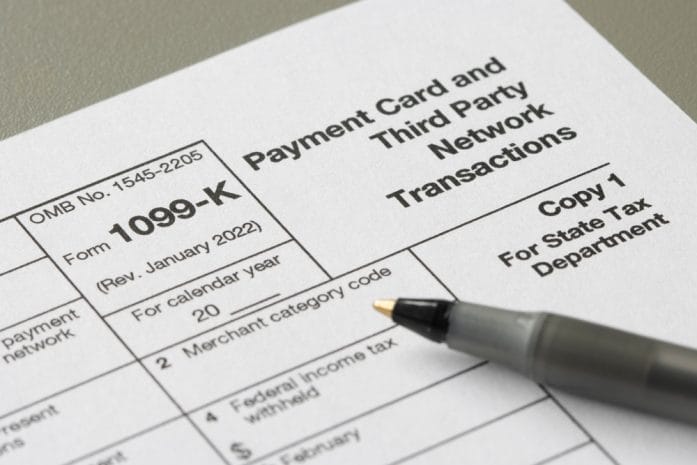
The 1099-K form plays a major role in the rise of tax notices tied to payment apps. This form reports payment activity that meets federal thresholds and sends that information directly to both the IRS and the user. In recent years, lawmakers pushed to lower reporting thresholds, which expanded the number of Americans who receive these forms. Even small-scale sellers now find themselves included in reporting systems that once focused only on high-volume businesses. That change dramatically widened the net for tax reporting compliance.

Many users misunderstand how the IRS interprets 1099-K data, which creates confusion during tax season. The form does not automatically mean someone owes taxes on every dollar shown, but it does signal income that requires explanation. The IRS compares these reports with filed tax returns to identify mismatches or missing income. When discrepancies appear, the agency issues notices asking taxpayers to clarify or amend filings. This system pushes more responsibility onto individuals to track and document every digital transaction carefully.

Common Mistakes That Lead Straight to IRS Notices

One of the biggest mistakes involves mixing personal payments with business income in the same app account. Users often forget that selling old items, receiving freelance payments, or collecting gig income counts as taxable activity. That blending creates confusion when the IRS reviews transaction histories tied to a 1099-K form. Even small inconsistencies between reported income and app activity can trigger automated notices. These errors often start with casual use of payment apps that later turn into income channels.

Another common issue involves poor recordkeeping across multiple platforms. Many users rely on memory instead of tracking spreadsheets or financial tools, which leads to missing documentation during tax filing. The IRS expects taxpayers to substantiate income and deductions with clear records, not estimates. When users cannot explain transaction patterns, the agency assumes underreporting and sends follow-up letters. Strong recordkeeping habits reduce the risk of unnecessary audits or penalties.

Why More Americans Are Getting Tax Notices Over Payment App Transactions
A magnifying glass on the IRS website – Shutterstock

What the IRS Looks for When Reviewing Payment App Activity

The IRS focuses on patterns rather than single transactions when reviewing payment app data. Regular deposits labeled as goods or services raise more attention than occasional peer-to-peer transfers. Consistency signals business activity, which pushes the agency to verify whether the taxpayer reported income correctly. Large spikes in activity compared to prior years also trigger automated review systems. These checks help the IRS identify unreported earnings across the gig economy.

The agency also compares reported income across multiple data sources to identify gaps. Banks, payment processors, and employer filings all feed into IRS systems for cross-referencing. When numbers do not align, the IRS sends notices requesting clarification or correction. Taxpayers who respond quickly and provide documentation often resolve issues without penalties. Delays or incomplete responses, however, increase the likelihood of further scrutiny.

The New Reality of Digital Payments and Tax Responsibility

Digital payment apps now function as financial ecosystems rather than simple money-transfer tools. That evolution brings convenience, but it also brings stronger tax accountability across nearly every transaction type. Americans who rely on these platforms for side income now face expectations that match traditional business reporting standards. The IRS continues refining its systems to capture more digital earnings, which means compliance becomes less optional and more automatic. This shift marks a permanent change in how everyday financial activity interacts with federal tax rules.

Payment apps reshaped how Americans send and receive money, but they also reshaped how the IRS tracks income across the country. What steps should users take today to avoid surprises from tomorrow’s tax rules?

You May Also Like…

The IRS’s “Math Error” Notice Could Cost You More Than You Think

IRS Audit Rates Are Increasing for Middle-Income Earners—Here’s Why

7 “Trigger Words” the IRS Uses to Flag Returns Faster

Digital Payment Apps Could Soon Become Mandatory for Federal Benefits

What Happens If You Cash Out a 529 Plan in 2026?

Brandon Marcus
Brandon Marcus

Brandon Marcus is a writer who has been sharing the written word since a very young age. His interests include sports, history, pop culture, and so much more. When he isn’t writing, he spends his time jogging, drinking coffee, or attempting to read a long book he may never complete.
Filed Under: tax tips Tagged With: 1099-K, Cash App, digital payments, freelance income, gig economy, IRS, payment apps, PayPal, Small business, tax notices, tax reporting, taxes, Venmo

New Rule Requires Venmo and PayPal Users to Verify Tax Info—or Risk Losing Access

May 16, 2026 by Brandon Marcus Leave a Comment

New Rule Requires Venmo and PayPal Users to Verify Tax Info—or Risk Losing Access
Someone using Venmo in front of the PayPal logo – Shutterstock

Digital payments keep reshaping how money moves across the United States, but a new layer of scrutiny now changes the game for millions of users. Venmo and PayPal users face growing pressure to verify tax information as financial regulators push for tighter reporting standards. Platforms that once felt casual and frictionless now sit under the same compliance spotlight as traditional banks. Small transactions between friends, side hustle payouts, and freelance income all now fall into a more structured financial reporting system. That shift signals a major turning point in how everyday money transfers get tracked and reported.

The push for tax verification connects directly to broader federal efforts aimed at closing reporting gaps in digital income. Payment platforms must now confirm taxpayer details for users who cross certain earning thresholds or trigger reporting requirements. Without verified information, accounts can face restrictions, payment holds, or even temporary loss of access to sending and receiving funds. Many users only notice the change when a transaction suddenly fails or a notification requests updated tax documentation.

Why Venmo and PayPal Now Demand Tax Verification

Venmo and PayPal now operate under stricter financial reporting rules that align more closely with IRS expectations. These platforms must collect accurate taxpayer information such as Social Security numbers or Employer Identification Numbers for qualifying accounts. The shift connects to expanded reporting requirements that target income earned through digital payment apps, especially in gig work and freelance transactions. Even casual sellers and side hustlers may now trigger verification requests if their transaction volume or total payments exceed reporting thresholds. This change aims to improve tax transparency and reduce underreported income across digital ecosystems.

The IRS continues to increase oversight of third-party payment processors as online income grows across the country. Platforms now flag accounts that show consistent incoming payments labeled as goods and services instead of personal transfers. Users who ignore verification prompts may experience delayed deposits or limited access to key features like instant transfers. Financial systems now prioritize compliance early in the user journey rather than after issues arise. This approach creates a tighter connection between everyday digital spending and official tax reporting systems.

What Happens If Users Ignore Verification Requests

Account restrictions often begin with simple limitations on sending or receiving money until users submit tax information. Venmo and PayPal typically send repeated alerts before escalating restrictions, but delays can still interrupt cash flow. Freelancers who rely on quick payments for services may feel the impact within hours of a flagged transaction. The platforms may also freeze certain features, including card withdrawals or business transaction capabilities. These safeguards protect compliance but can surprise users who never previously treated these apps as financial institutions.

Long-term noncompliance creates more serious consequences, including potential account suspension or mandatory identity verification checks. Payment processors now coordinate more closely with tax authorities to ensure reported income matches user records. Users who repeatedly ignore requests risk losing access to transaction history needed for tax filing. Business accounts face even stricter enforcement due to higher transaction volumes and commercial activity classification. These rules push users toward treating digital wallets with the same seriousness as bank accounts.

New Rule Requires Venmo and PayPal Users to Verify Tax Info—or Risk Losing Access
A magnifying glass looking at Venmo online – Shutterstock

Who Feels the Biggest Impact From These Rules

Gig workers and freelancers experience the strongest impact because they rely heavily on platforms like Venmo and PayPal for income. Delivery drivers, tutors, designers, and consultants often receive frequent payments that quickly reach reporting thresholds. Casual sellers on marketplaces also face increased scrutiny when payments shift from occasional to consistent activity. Even hobby sellers who occasionally move items online may see unexpected verification prompts. The system now blurs the line between casual use and business activity.

Younger users and part-time workers also encounter confusion when personal transactions trigger compliance checks. A friend sending payment for shared expenses might look different from business income if the transaction descriptions or patterns shift. Many users underestimate how quickly small payments add up over a calendar year. Tax reporting systems now analyze cumulative activity instead of single transactions alone. This shift forces users to track digital payments more carefully than ever before.

How Users Can Stay Ahead of Compliance Changes

Users can avoid disruptions by verifying tax information early instead of waiting for platform prompts. Updating Social Security numbers, business details, and legal names helps payment apps maintain uninterrupted service. Tracking incoming payments throughout the year also helps users understand when reporting thresholds might apply. Many financial advisors recommend separating personal and business transactions to reduce confusion during tax season. These habits reduce the risk of unexpected account restrictions.

Staying organized also helps users prepare for tax filings without scrambling for missing records. Digital payment histories now play a major role in determining taxable income for many independent earners. Platforms increasingly send annual summaries that align with IRS reporting forms like 1099-K documentation. Users who proactively review these summaries can catch discrepancies early and avoid penalties. Financial awareness now matters as much as convenience in the modern payment landscape.

What This Means for Everyday Digital Money

Digital wallets no longer function as informal money-sharing tools without oversight or structure. Venmo and PayPal now sit firmly inside a regulated financial ecosystem that tracks income and verifies identity. This shift reflects a broader national move toward transparency in digital financial activity. Users who adapt early avoid disruptions and maintain smoother access to funds. The future of digital payments now ties convenience directly to compliance.

Payment apps continue evolving into full financial platforms that mirror traditional banking expectations. That evolution brings stronger protections but also more responsibility for users who rely on them daily. Tax verification rules signal only the beginning of more structured oversight in the digital economy. Users who stay informed and organized will navigate these changes with fewer surprises. The landscape now rewards proactive financial management over casual usage habits.

How do you feel about these changes in Venmo and PayPal rules, and do they make digital payments feel more secure or more complicated?

You May Also Like…

The Venmo Privacy Setting That Can Trigger Unwanted Tax Reporting

IRS Warning: That Venmo Payment for Your Garage Sale Just Triggered a Surprise Tax Bill

7 “Trigger Words” the IRS Uses to Flag Returns Faster

9 Digital Payment Habits That Banks Are Quietly Flagging in 2026

5 Digital Banking Changes That May Be Adding New Fees Without Notice

Brandon Marcus
Brandon Marcus

Brandon Marcus is a writer who has been sharing the written word since a very young age. His interests include sports, history, pop culture, and so much more. When he isn’t writing, he spends his time jogging, drinking coffee, or attempting to read a long book he may never complete.
Filed Under: Technology Tagged With: 1099-K, account verification, digital payments, fintech, gig economy, IRS reporting, money transfer apps, online payments, PayPal, tax compliance, taxes, Venmo

Digital Payment Apps Could Soon Become Mandatory for Federal Benefits

May 11, 2026 by Brandon Marcus Leave a Comment

The United States capitol - Unsplash
The United States capitol – Unsplash

A trip to the mailbox once marked payday for millions of Americans, but smartphones now dominate almost every money conversation in the country. Federal agencies continue pushing faster digital systems because paper checks cost more, move slower, and create bigger fraud risks than electronic transfers. That shift could soon place digital payment apps at the center of programs like Social Security, veterans benefits, tax refunds, and Supplemental Security Income.

Banks already encourage customers to manage accounts through mobile apps, while retailers practically beg shoppers to tap phones instead of swiping cards. Washington now appears ready to accelerate that trend in a way that could reshape how Americans interact with government money forever.

Why Washington Wants To Move Away From Paper Checks

Federal officials constantly search for ways to cut waste, reduce fraud, and move taxpayer money more efficiently across massive programs. The Treasury Department spends millions every year printing, mailing, replacing, and tracking paper checks, while criminals continue targeting stolen mail and counterfeit payments. Digital payment systems slash processing times dramatically because agencies can send funds instantly instead of waiting for trucks, sorting facilities, and postal delivery routes.

Several government watchdog reports also highlight how electronic payments create stronger tracking systems that help investigators identify fraud much faster than traditional paper methods. Americans already use digital payment apps for restaurant bills, concert tickets, rent payments, and online shopping, so many lawmakers now view government benefits as the next logical step.

Which Payment Apps Could Play A Bigger Role

Popular platforms like Cash App, Venmo, and PayPal already process billions of dollars every year, and federal agencies continue exploring partnerships with private financial technology companies. Traditional banks also push hard into mobile banking because customers increasingly expect instant transfers, digital budgeting tools, and app-based account alerts instead of old-fashioned banking methods. Some experts believe future federal systems could rely on government-approved digital wallets that connect directly to Treasury payment networks for faster benefit distribution.

During emergencies like the pandemic, many Americans experienced frustrating delays while stimulus checks crawled through the mail, which strengthened arguments for faster electronic delivery systems. Financial technology companies smell a massive opportunity because federal benefit payments represent one of the largest and most consistent cash streams in the entire American economy.

The Biggest Concerns Americans Already Raise

Millions of older Americans still prefer paper checks because they trust physical documents more than phone apps, online passwords, or digital banking systems. Rural communities also face serious internet access problems, and many low-income households still lack reliable smartphones, secure Wi-Fi, or consistent mobile service. Consumer advocates warn that mandatory digital payments could leave vulnerable Americans exposed to hacking scams, phishing attacks, identity theft, and surprise account freezes from third-party payment platforms.

A senior couple going over their finances - Unsplash
A senior couple going over their finances – Unsplash

Some banking experts also worry about fees because certain apps charge transfer costs, overdraft penalties, or expedited withdrawal charges that slowly drain benefit payments over time. Americans who rely heavily on cash transactions fear another issue as well because a fully digital system could make everyday purchases much harder for people without strong banking relationships.

How Families Could Prepare Before Any Major Changes Arrive

Americans who currently receive federal benefits should start reviewing banking access, account security, and mobile payment options long before any official policy changes take effect. Financial advisors strongly recommend enabling two-factor authentication, creating unique passwords, and avoiding suspicious text links because scammers often target benefit recipients during major system transitions. Families can also help older relatives learn basic app features now instead of forcing stressful last-minute adjustments during a sudden government rollout.

Many community banks and credit unions already offer free digital banking workshops that teach customers how to transfer money safely, monitor transactions, and recognize fraud attempts before losses occur. Smart preparation matters because future benefit systems will likely reward Americans who already feel comfortable navigating digital financial tools and mobile payment platforms.

America’s Financial Future Could Look Very Different

Federal benefit programs stand at a crossroads where convenience, technology, security, and accessibility now collide in ways that could affect millions of households nationwide. Digital payment apps promise faster deposits, better fraud tracking, and lower government costs, but many Americans still worry about privacy, banking access, and the growing dependence on smartphones for everyday survival. Lawmakers will likely face enormous pressure to balance modernization with fairness because millions of seniors, veterans, and low-income families still rely heavily on traditional payment methods.

What do you think about the government moving federal benefits onto digital payment apps instead of traditional paper checks?

You May Also Like…

How the IRS’s New Digital Asset Form Could Affect Casual Crypto Users

Banks Are Moving Toward All-Digital Payments—What That Means for Your Money

5 Digital Banking Changes That May Be Adding New Fees Without Notice

Washington State Workers Are Paying Into a Long-Term Care Program With Limited Eligibility

6 Mistakes People Make When Appealing an IRS Identity Check

Brandon Marcus
Brandon Marcus

Brandon Marcus is a writer who has been sharing the written word since a very young age. His interests include sports, history, pop culture, and so much more. When he isn’t writing, he spends his time jogging, drinking coffee, or attempting to read a long book he may never complete.

Filed Under: Finance Tagged With: Cash App, digital payments, digital wallets, direct deposit, federal benefits, financial technology, fintech, government benefits, government policy, mobile banking, payment apps, Social Security, Venmo

5 Digital Payment Habits That Can Trigger IRS Review

April 19, 2026 by Brandon Marcus Leave a Comment

5 Digital Payment Habits That Can Trigger IRS Review
Image Source: Shutterstock.com

If you’ve ever sent money through an app and thought, “That was easy,” you’re totally right. However, it’s not always invisible. Digital payments have made splitting dinner, paying freelancers, and running side hustles incredibly convenient, but they’ve also made financial activity easier for regulators to track. The IRS isn’t lurking behind every Venmo transaction, but certain patterns can raise eyebrows faster than you might expect.

Knowing what triggers scrutiny can help you stay compliant without stressing over every tap of your phone. Time for us to look at five common digital payment habits that could lead to an IRS review—and how to stay on the safe side.

1. Frequent Business Transactions Through Personal Apps

Using apps like Venmo, PayPal, or Cash App for business might feel casual, but the IRS doesn’t see it that way. If you regularly receive payments labeled as “goods and services,” those transactions may be reported via Form 1099-K. Even small side hustles—like selling crafts or offering freelance services—can add up quickly over a year. When your transaction volume looks like business activity but isn’t reported as income, it can trigger a digital payment IRS review. Keeping business and personal transactions separate is one of the simplest ways to avoid confusion and potential red flags.

2. Receiving Large Sums Without Documentation

Getting a big chunk of money through a payment app might feel like a windfall, but it can also raise questions. The IRS distinguishes between gifts, loans, and income, and without proper documentation, they may assume the worst. For example, if a friend sends you $5,000 labeled vaguely, it could look like unreported income.

This kind of ambiguity is a common trigger for a digital payment IRS review, especially if it happens more than once. Clear labels, written agreements, and even follow-up messages can help establish the nature of the transaction.

3. Splitting Payments to Avoid Reporting Thresholds

Some people think breaking up payments into smaller amounts will help them stay under reporting limits, but that strategy can backfire. Payment platforms and the IRS look for patterns, not just totals, and repeated smaller transactions can appear suspicious. This behavior, sometimes called “structuring,” is a known red flag in financial monitoring systems. Even if your intentions are harmless, it can still trigger a digital payment IRS review if it looks like you’re trying to dodge reporting requirements. Transparency is always safer than trying to outsmart the system.

4. Mixing Personal and Business Expenses

It’s tempting to use one account for everything, especially if you’re juggling a side hustle alongside your regular job. However, mixing personal and business expenses makes it harder to track income accurately and can lead to inconsistencies in your tax filings. If your reported income doesn’t match the volume of transactions flowing through your account, that discrepancy can raise concerns. This is another scenario where a digital payment IRS review becomes more likely, simply due to unclear financial boundaries. Opening a separate account for business use can make record-keeping cleaner and reduce risk.

5 Digital Payment Habits That Can Trigger IRS Review
Image Source: Shutterstock.com

5. Ignoring 1099 Forms From Payment Platforms

If you receive a Form 1099-K or 1099-NEC and ignore it, you’re essentially inviting trouble. These forms are also sent to the IRS, which means they already know about the income listed. Failing to report it on your tax return creates a mismatch that’s easy for automated systems to catch. Even if you believe the form includes errors, it’s important to address them rather than overlook them. Ignoring these documents is one of the fastest ways to trigger a digital payment IRS review and potentially face penalties. Taking the time to reconcile and report accurately can save you a lot of stress later.

Stay Smart With Digital Payments and Taxes

Digital payments aren’t going anywhere, and for most people, they’re a safe and efficient way to manage money. The key is understanding that convenience doesn’t eliminate responsibility, especially when it comes to taxes. By keeping clear records, separating business and personal finances, and reporting income accurately, you can avoid the common pitfalls that lead to scrutiny. A digital payment IRS review isn’t something most people experience, but certain habits can increase the odds.

Staying informed and proactive helps you enjoy the benefits of digital payments without unnecessary headaches. We want to hear your take in our comments section below.

You May Also Like…

6 IRS Notices That Can Lead to Unexpected Tax Bills

California Heirs Are Facing Higher Property Taxes Under Prop 19 Transfer Rules

5 Hidden Triggers That Can Turn Your Tax Refund Into an IRS Audit

IRS Audits Very Few Returns — But These 5 Triggers Put You at Risk

The IRS Letter You Shouldn’t Ignore and What To Do If You Get One

Brandon Marcus
Brandon Marcus

Brandon Marcus is a writer who has been sharing the written word since a very young age. His interests include sports, history, pop culture, and so much more. When he isn’t writing, he spends his time jogging, drinking coffee, or attempting to read a long book he may never complete.

Filed Under: tax tips Tagged With: digital payments, Financial Tips, IRS review, PayPal, Personal Finance, side hustle income, taxes, Venmo

State 1099-K Rules Still Create Reporting Confusion

February 14, 2026 by Brandon Marcus Leave a Comment

State 1099-K Rules Still Create Reporting Confusion
Image source: shutterstock.com

Have you ever stared at a 1099‑K form and wondered if someone slipped it into your mailbox as a prank? If tax paperwork ever felt like a cryptic puzzle where every state speaks a slightly different language, you’re not alone.

The whole world of Form 1099‑K has become a plot twist in the tax code that’s equal parts frustrating and fascinating. Across the country, rules about when and why these forms get issued still confuse folks even after federal changes aimed at simplifying things. Some of that confusion rustles up from the IRS rulebook, some from quirky state-level add‑ons, and some from the fact that payment platforms follow a patchwork of thresholds depending on where you live and what you do.

When Federal Rules Change, But Then Change Again

IRS rule changes have shaken the 1099‑K world like a snow globe in a blender. For a time, the plan was to drop the reporting threshold so low that even modest side hustles might trigger a form. But after debate and delay, Congress stepped in and hit the rewind button. Under current federal law, third‑party settlement organizations — that means platforms like PayPal, Venmo, Etsy, and others — generally don’t have to issue a 1099‑K unless you process more than $20,000 in gross payments and have more than 200 transactions in a calendar year. That’s the classic rule we used for years before lawmakers started tinkering.

This high bar was meant to reduce unnecessary tax friction for casual sellers who only do a handful of sales or get occasional payments from friends or customers. On the surface, it sounds simple: only the big volumes get reported. But that’s where complications sneak in, because federal rules aren’t the whole story.

States That Don’t Stay in Line

Now imagine you live in one state that says “Hey, keep an eye on those $600 payments!” while the IRS looks for $20,000. That’s reality for many taxpayers across the U.S. Several states set their own 1099‑K reporting thresholds and require platforms to generate forms for state tax agencies if a seller’s payments exceed a much lower number. These state rules can pick up sellers who wouldn’t hit the federal standard at all.

For example, a handful of states require 1099‑Ks for gross payments of just $600 in a year. This creates a weird situation. A platform might send you a 1099‑K because your state’s government wants to see it, even when federal rules wouldn’t require that form at all. If you live in one of these jurisdictions and do a modest amount of selling or gig work, you might open your mail and find a tax form you didn’t expect. That’s not because you did something wrong, it’s because your state and the IRS are speaking different threshold languages.

Why Platforms Play By State Rules

You might assume payment platforms simply follow federal tax codes and that’s it. That would sure make life easier. In reality, these companies must follow both federal and state laws. They figure out what to report based on the address they have on file for you and the set of rules that applies there. As a result, two sellers doing the exact same thing might receive very different tax paperwork just because one lives in a state with a lower 1099‑K trigger.

This system also means you could receive multiple 1099‑K forms from different platforms if you use more than one — and each of those forms could have different numbers on them because they report gross payments before fees, refunds, or other adjustments. That’s another piece of the confusion puzzle.

What You Really Owe Isn’t Determined by the Threshold

Whether or not a 1099‑K form arrives in your mailbox does not change your obligation to report income. The IRS expects you to report all taxable income regardless of whether the third‑party platform sent you a 1099‑K.

So even if you don’t hit a federal or state threshold that triggers a form, you still have to report what you’ve earned when you file your taxes. That’s true for side hustlers, freelancers, and small‑business owners alike.

The Maze of Tax Rules

1099‑K rules aren’t inherently evil, but they sure didn’t emerge fully baked. Federal and state thresholds don’t always align, platforms don’t always give clear guidance, and gross reporting often bears little resemblance to your real take‑home profit. All that leads to confusion that could have been avoided with clearer guidance and more uniform standards.

If you do work that generates payments through online platforms, keep these tips in mind. Track your income and expenses meticulously, don’t assume a missing 1099‑K means you don’t owe taxes on that income, and check both federal and your state’s specific reporting thresholds so you know what to expect. When in doubt, talk to a tax professional who’s up to date on both federal changes and your state’s quirks.

State 1099-K Rules Still Create Reporting Confusion
Image source: shutterstock.com

Not a Game Show, But You Can Win

Tax rules aren’t a carnival ride, but understanding them can feel like decoding secret levels in a video game. Don’t let unexpected 1099‑Ks or state rules blindside you. Stay organized, know your thresholds, and treat every dollar you earn like it deserves respect.

Have you ever received a 1099‑K that didn’t make sense to you? What did you do about it? Let us know in the comments.

You May Also Like…

IRS 1099-K Rules in 2026: Who Must Report Payments This Year

The One Line on Your 1099 That Can Ruin Everything

9 Side Hustles That Sound Great but Are a Complete Waste of Your Time

Generate Extra Monthly Cash Flow Starting With These Side Hustle Ideas

Income Threshold: 4 Hidden Taxes That Hit Once You Cross Certain Limits

Brandon Marcus
Brandon Marcus

Brandon Marcus is a writer who has been sharing the written word since a very young age. His interests include sports, history, pop culture, and so much more. When he isn’t writing, he spends his time jogging, drinking coffee, or attempting to read a long book he may never complete.

Filed Under: Tax Planning Tagged With: 1099-K, federal tax, gig economy, IRS, payment apps, payment processors, PayPal, Small business, state tax rules, tax compliance, tax confusion, tax reporting, tax thresholds, Venmo

The Venmo Privacy Setting That Can Trigger Unwanted Tax Reporting

February 12, 2026 by Brandon Marcus Leave a Comment

The Venmo Privacy Setting That Can Trigger Unwanted Tax Reporting
Image source: shutterstock.com

Venmo feels like the digital equivalent of tossing a few bills to a friend across a table. It’s fast, casual, and so woven into everyday life that most people barely think about it as “financial infrastructure.” But under the hood, Venmo is also a payment processor that plays by the same reporting rules as much bigger financial platforms.

One small setting in the app can quietly change how your payments are categorized, how they’re tracked, and whether they end up on a tax form. If you use Venmo for anything beyond splitting pizza and rent, this is one of those things that’s genuinely worth understanding before it turns into a paperwork headache later.

The Privacy Setting Everyone Clicks Past Without Reading

Venmo’s privacy settings are deceptively simple: public, friends, or private. Most people treat this as a social feature, not a financial one. It feels like choosing who gets to see your emojis and payment notes, not something that could ever affect your taxes. But public transactions do more than broadcast your business to strangers scrolling a feed. They create a visible record of frequent payments, patterns, and activity that can look a lot like business behavior, especially if the descriptions suggest services or sales.

Here’s the important reality: privacy settings themselves do not determine whether Venmo reports income to the IRS. That part is driven by how payments are classified. But visibility does matter in a different way. Public transactions make it easier for platforms, auditors, or even automated systems to identify activity that appears commercial. If your feed looks like a digital storefront instead of casual peer-to-peer transfers, it increases the chances that your activity is flagged as business-related.

The Real Trigger: The “Goods and Services” Switch

The true tax tripwire on Venmo isn’t the privacy toggle, it’s the “goods and services” classification. When a payment is marked as goods and services, Venmo treats it as a commercial transaction, not a personal one. That classification is what feeds into tax reporting systems. Under current IRS rules, payment platforms must issue Form 1099-K for goods and services payments once reporting thresholds are met.

If someone sends you money for design work, tutoring, selling a couch, freelance projects, or any kind of side hustle and it’s tagged as goods and services, that payment becomes part of a reportable total. Privacy settings don’t override that classification. You could have every transaction set to private and still receive a 1099-K if those payments are categorized as commercial. This is where people get blindsided, because the app experience feels casual while the backend reporting system is very much not.

How Casual Payments Start Looking Like Business Income

The line between personal and commercial payments has gotten blurrier. People use Venmo for everything: group trips, event tickets, resale items, hobby income, freelance gigs, and side hustles. Over time, those little payments can stack up into patterns that resemble a business cash flow stream. Multiple payments from different people, consistent amounts, similar descriptions, and repeated activity can all signal commercial use.

The problem isn’t that Venmo is doing something shady. It’s that the platform is required to follow financial reporting laws, and algorithms don’t understand context the way humans do.

Why Public Feeds Add a Layer of Risk

Public visibility doesn’t create tax obligations, but it adds friction and risk. A public transaction history creates a permanent, searchable pattern of activity. If someone is receiving frequent payments with business-like descriptions, that record exists outside of private account data. It becomes part of a broader digital footprint. This doesn’t mean people are actively scanning Venmo feeds for tax enforcement, but in an era of automated systems and data analysis, visibility always increases exposure.

Think of it like this: private transactions live inside a financial system, while public transactions live inside a social system and a financial system at the same time. That dual presence makes them easier to analyze, categorize, and interpret as commercial behavior.

The Venmo Privacy Setting That Can Trigger Unwanted Tax Reporting
Image source: shutterstock.com

Smart Moves to Stay in Control

If you use Venmo casually, the safest habit is to default your privacy setting to private and only switch visibility on when there’s a real reason to share. That keeps your financial activity from becoming part of a public feed. More importantly, always pay attention to how payments are categorized. If you’re receiving money for work, assume it’s taxable income and plan for it accordingly. Keep records, track totals, and don’t treat app-based payments as invisible money.

For side hustlers and freelancers, it’s often cleaner to separate personal and business finances entirely. Using a dedicated payment account for income makes tracking easier and avoids confusion at tax time. For everyday users, the biggest win is awareness.

The Setting That Changes Everything Without Feeling Important

Privacy settings feel cosmetic. Payment labels feel optional. Descriptions feel playful. But those tiny details shape how transactions are categorized, tracked, and reported. The app experience is friendly, but the financial infrastructure behind it is serious, regulated, and data-driven.

What’s your take on digital payment apps becoming part of the tax system—does it feel fair, invasive, or just inevitable? How do you treat Venmo, and do you have any advice to share? Talk about it in our comments section.

You May Also Like…

IRS Warning: That Venmo Payment for Your Garage Sale Just Triggered a Surprise Tax Bill

IRS 1099-K Rules in 2026: Who Must Report Payments This Year

Repayment Assistance Plan Launches July 2026: New Income-Based Option for Borrowers

What Young People Can Teach Their Grandparents About Money

5 Types of Income People Forget to Pay Taxes On

Brandon Marcus
Brandon Marcus

Brandon Marcus is a writer who has been sharing the written word since a very young age. His interests include sports, history, pop culture, and so much more. When he isn’t writing, he spends his time jogging, drinking coffee, or attempting to read a long book he may never complete.

Filed Under: tax tips Tagged With: 1099-K, digital payments, financial privacy, fintech, IRS reporting, money apps, online payments, Personal Finance, side hustle, taxes, Venmo

IRS Warning: That Venmo Payment for Your Garage Sale Just Triggered a Surprise Tax Bill

January 14, 2026 by Brandon Marcus Leave a Comment

That Venmo Payment for Your Garage Sale Just Triggered a Surprise Tax Bill
Image Source: Shutterstock.com

It’s a wonderful moment when Venmo confirms a payment has hit your bank account, especially when it’s a garage or yard sale. A stranger happily walks away with your old coffee table, and you feel like a decluttering champion who just earned a few extra bucks.

Victory, right? Not so fast.

That innocent little digital payment may have quietly waved hello to the IRS, and months later it could come roaring back as a tax surprise you never saw coming. Welcome to the modern garage sale, where folding tables, lawn signs, and peer-to-peer payment apps collide with federal tax rules in ways that catch everyday sellers completely off guard.

Why That Innocent Venmo Payment Raised A Red Flag

For decades, garage sales lived in a blissful cash-only bubble, rarely noticed by anyone outside the neighborhood. Digital payments changed that overnight, because apps like Venmo, PayPal, and Cash App leave electronic paper trails that never fade. When money flows through these platforms, it can be categorized as business income depending on how the payment is tagged or processed. Even if you were just unloading old stuff from your basement, the system may not know that. From the IRS perspective, incoming payments can look like earnings unless clearly identified otherwise.

The confusion often starts when buyers send money using the default settings or label the transaction as payment for goods or services. That single tap can flip a switch that classifies you as a seller rather than a casual declutterer. Payment platforms are required to track and report certain transactions, which means your weekend garage sale could accidentally resemble a side hustle.

How The IRS Actually Tracks Digital Payments

The IRS does not sit around spying on garage sales, but it does pay attention to reported income. Payment platforms are required to issue tax forms when accounts meet specific reporting thresholds. These forms summarize the total amount of payments received during the year that were classified as taxable transactions. Once that form exists, the IRS expects to see the same income reflected on your tax return. If it is missing, questions tend to follow.

This system does not evaluate context, fairness, or intent. It only compares reported numbers. That means selling a used couch at a loss can look identical to running a small online shop if the payments are processed the same way. Many people are stunned to learn that the IRS receives this information automatically, without any action required on their part.

That Venmo Payment for Your Garage Sale Just Triggered a Surprise Tax Bill
Image Source: Shutterstock.com

What Counts As Taxable Income And What Does Not

Here is where things get nuanced, and where many sellers panic unnecessarily. Selling personal items for less than you originally paid is generally not taxable income. That old blender you bought for eighty dollars and sold for fifteen does not create a profit, and profits are what matter for taxes. The problem is proving that loss if the IRS only sees gross payments. Without records, the system assumes the worst.

On the flip side, items sold for more than their original purchase price can be taxable. Collectibles, antiques, and high-demand items sometimes appreciate, and that gain may count as income. Regularly selling items with the intention of making money can also cross the line into business activity. Frequency, intent, and organization all matter. The tax rules themselves are not new, but the visibility created by digital payments is. What used to fly under the radar now shows up in black and white.

Smart Ways To Avoid A Garage Sale Tax Headache

The easiest way to reduce confusion is to label payments correctly. Friends-and-family options are designed for personal transactions and help distinguish casual exchanges from sales activity. Keeping simple records can also save your sanity later. Notes, screenshots, or even a quick spreadsheet showing what you sold and roughly what you paid can make a huge difference. You do not need museum-level documentation, just reasonable evidence.

If you sell items frequently, consider separating personal sales from any side business activity. Using different accounts can prevent totals from blending together into something that looks much bigger than it is. Reading platform settings carefully before your next sale is another smart move. A few minutes of prep can spare you hours of confusion during tax season. Most importantly, do not ignore tax forms if they arrive. Addressing them head-on is far less stressful than hoping they vanish.

Your Turn In The Garage Sale Spotlight

Digital payments have made selling easier, faster, and more convenient, but they have also rewritten the rules of casual selling. A simple garage sale can now brush up against federal reporting systems without warning. Understanding how these systems work puts you back in control and turns surprises into manageable paperwork instead of panic.

Everyone has a story about a sale that did not go as planned, especially when technology gets involved. Scroll down and let others know how digital payments have changed your selling experience or what lessons you learned along the way.

You May Also Like…

What Your First Budget Of The Year Should Include

6 Vital Signs Your Advisor Isn’t Putting Your Interests First

The Subtle Home Smells That Real Estate Agents Say Ruin Sales

8 Outrageous Truths About Student Loan Repayments

6 Situations Where Cash Is Safer Than Digital Payments


Brandon Marcus
Brandon Marcus

Brandon Marcus is a writer who has been sharing the written word since a very young age. His interests include sports, history, pop culture, and so much more. When he isn’t writing, he spends his time jogging, drinking coffee, or attempting to read a long book he may never complete.

Filed Under: tax tips Tagged With: America, digital payments, garage sale, Income, Internal Revenue Service, IRS, Payments, Tax, tax bill, tax problems, taxable income, taxes, United States, Venmo, Venmo payments

FOLLOW US

Search this site:

Recent Posts

  • Can My Savings Account Affect My Financial Aid? by Tamila McDonald
  • 12 Ways Gen X’s Views Clash with Millennials… by Tamila McDonald
  • What Advantages and Disadvantages Are There To… by Jacob Sensiba
  • 10 Tactics for Building an Emergency Fund from Scratch by Vanessa Bermudez
  • Call 911: Go To the Emergency Room Immediately If… by Stephen Kanaval
  • 7 Weird Things You Can Sell Online by Tamila McDonald
  • 10 Scary Facts About DriveTime by Tamila McDonald

Copyright © 2026 · News Pro Theme on Genesis Framework