• Home
  • About Us
  • Toolkit
  • Getting Finances Done
    • Hiring Advisors
    • Debt Management
    • Spending Plan
  • Insurance
    • Life Insurance
    • Health Insurance
    • Disability Insurance
    • Homeowners/Renters Insurance
  • Contact Us
  • Privacy Policy
  • Risk Tolerance Quiz

The Free Financial Advisor

You are here: Home / Archives for tax tips

IRS Warning: That Venmo Payment for Your Garage Sale Just Triggered a Surprise Tax Bill

January 14, 2026 by Brandon Marcus Leave a Comment

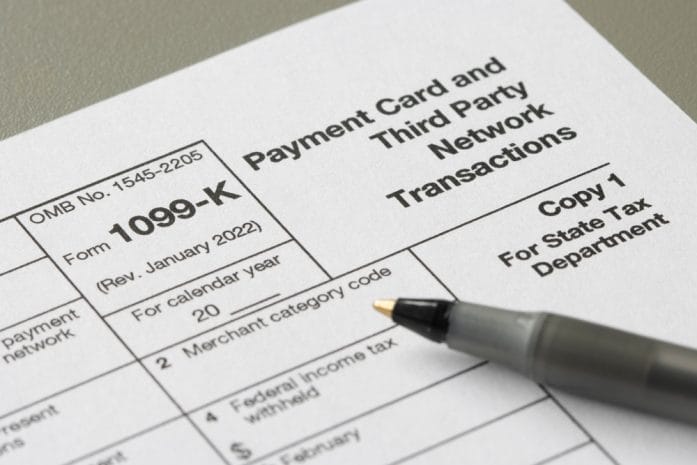
That Venmo Payment for Your Garage Sale Just Triggered a Surprise Tax Bill

Image Source: Shutterstock.com

It’s a wonderful moment when Venmo confirms a payment has hit your bank account, especially when it’s a garage or yard sale. A stranger happily walks away with your old coffee table, and you feel like a decluttering champion who just earned a few extra bucks.

Victory, right? Not so fast.

That innocent little digital payment may have quietly waved hello to the IRS, and months later it could come roaring back as a tax surprise you never saw coming. Welcome to the modern garage sale, where folding tables, lawn signs, and peer-to-peer payment apps collide with federal tax rules in ways that catch everyday sellers completely off guard.

Why That Innocent Venmo Payment Raised A Red Flag

For decades, garage sales lived in a blissful cash-only bubble, rarely noticed by anyone outside the neighborhood. Digital payments changed that overnight, because apps like Venmo, PayPal, and Cash App leave electronic paper trails that never fade. When money flows through these platforms, it can be categorized as business income depending on how the payment is tagged or processed. Even if you were just unloading old stuff from your basement, the system may not know that. From the IRS perspective, incoming payments can look like earnings unless clearly identified otherwise.

The confusion often starts when buyers send money using the default settings or label the transaction as payment for goods or services. That single tap can flip a switch that classifies you as a seller rather than a casual declutterer. Payment platforms are required to track and report certain transactions, which means your weekend garage sale could accidentally resemble a side hustle.

How The IRS Actually Tracks Digital Payments

The IRS does not sit around spying on garage sales, but it does pay attention to reported income. Payment platforms are required to issue tax forms when accounts meet specific reporting thresholds. These forms summarize the total amount of payments received during the year that were classified as taxable transactions. Once that form exists, the IRS expects to see the same income reflected on your tax return. If it is missing, questions tend to follow.

This system does not evaluate context, fairness, or intent. It only compares reported numbers. That means selling a used couch at a loss can look identical to running a small online shop if the payments are processed the same way. Many people are stunned to learn that the IRS receives this information automatically, without any action required on their part.

That Venmo Payment for Your Garage Sale Just Triggered a Surprise Tax Bill

Image Source: Shutterstock.com

What Counts As Taxable Income And What Does Not

Here is where things get nuanced, and where many sellers panic unnecessarily. Selling personal items for less than you originally paid is generally not taxable income. That old blender you bought for eighty dollars and sold for fifteen does not create a profit, and profits are what matter for taxes. The problem is proving that loss if the IRS only sees gross payments. Without records, the system assumes the worst.

On the flip side, items sold for more than their original purchase price can be taxable. Collectibles, antiques, and high-demand items sometimes appreciate, and that gain may count as income. Regularly selling items with the intention of making money can also cross the line into business activity. Frequency, intent, and organization all matter. The tax rules themselves are not new, but the visibility created by digital payments is. What used to fly under the radar now shows up in black and white.

Smart Ways To Avoid A Garage Sale Tax Headache

The easiest way to reduce confusion is to label payments correctly. Friends-and-family options are designed for personal transactions and help distinguish casual exchanges from sales activity. Keeping simple records can also save your sanity later. Notes, screenshots, or even a quick spreadsheet showing what you sold and roughly what you paid can make a huge difference. You do not need museum-level documentation, just reasonable evidence.

If you sell items frequently, consider separating personal sales from any side business activity. Using different accounts can prevent totals from blending together into something that looks much bigger than it is. Reading platform settings carefully before your next sale is another smart move. A few minutes of prep can spare you hours of confusion during tax season. Most importantly, do not ignore tax forms if they arrive. Addressing them head-on is far less stressful than hoping they vanish.

Your Turn In The Garage Sale Spotlight

Digital payments have made selling easier, faster, and more convenient, but they have also rewritten the rules of casual selling. A simple garage sale can now brush up against federal reporting systems without warning. Understanding how these systems work puts you back in control and turns surprises into manageable paperwork instead of panic.

Everyone has a story about a sale that did not go as planned, especially when technology gets involved. Scroll down and let others know how digital payments have changed your selling experience or what lessons you learned along the way.

You May Also Like…

What Your First Budget Of The Year Should Include

6 Vital Signs Your Advisor Isn’t Putting Your Interests First

The Subtle Home Smells That Real Estate Agents Say Ruin Sales

8 Outrageous Truths About Student Loan Repayments

6 Situations Where Cash Is Safer Than Digital Payments


Brandon Marcus
Brandon Marcus

Brandon Marcus is a writer who has been sharing the written word since a very young age. His interests include sports, history, pop culture, and so much more. When he isn’t writing, he spends his time jogging, drinking coffee, or attempting to read a long book he may never complete.


Filed Under: tax tips Tagged With: America, digital payments, garage sale, Income, Internal Revenue Service, IRS, Payments, Tax, tax bill, tax problems, taxable income, taxes, United States, Venmo, Venmo payments

The January Paycheck Shock: The ‘Hidden’ Tax Rule That Just Lowered Take-Home Pay for Middle-Class Families

January 14, 2026 by Brandon Marcus Leave a Comment

The January Paycheck Shock: The 'Hidden' Tax Rule That Just Lowered Take-Home Pay for Middle-Class Families

Image Source: Shutterstock.com

January is usually a month of fresh starts, new resolutions, and maybe a little post-holiday gloom—but this year, many middle-class families opened their first paycheck of the year and got hit with a jolt that didn’t involve the gym or a diet plan. Somehow, magically, their take-home pay shrank. Not because of a raise that didn’t show up or a surprise subscription fee, but because of a tax rule most Americans haven’t really noticed until now.

Yes, the tax system has its own brand of mischief, and it seems January 2026 has become the month of paycheck surprises.

How The New Withholding Rules Work

The root of the January paycheck shock lies in a tax mechanism called “withholding.” Essentially, this is the money your employer takes out of your paycheck to cover federal income taxes. For decades, withholding has been straightforward—calculate your anticipated tax bill, spread it across the year, and take it out in predictable chunks. But starting this year, the IRS has tweaked some calculations that directly affect how much comes home in your pocket. It’s all tied to adjustments in tax brackets, standard deductions, and the timing of certain credits.

The effect? Many workers are now seeing larger deductions from their first paycheck of the year than they expected. For middle-class households counting on that steady paycheck to cover rent, groceries, and other essentials, the difference is glaring and immediately noticeable.

The IRS explains this shift as a correction to more accurately match tax owed with tax paid throughout the year. In theory, it prevents a massive tax bill come April. In practice, it can feel like someone quietly reached into your bank account. Families that historically saw consistent take-home pay are suddenly adjusting to a smaller check.

Why Middle-Class Families Are Feeling It Most

It’s not just random; the impact hits middle-class families harder than others. High earners typically have enough wiggle room to absorb small changes in withholding, while lower-income workers often qualify for refundable credits that cushion the blow. Middle-class families, however, sit right in the middle. They aren’t automatically shielded, and they aren’t wealthy enough to ignore changes in take-home pay. A difference of even a few hundred dollars in January can ripple through household budgets, affecting everything from utility bills to student loan payments.

Moreover, many middle-class families make life plans based on a predictable income. Gym memberships, after-school programs, monthly savings contributions—they all assume a consistent paycheck. When that paycheck suddenly shrinks, even temporarily, the disruption can create a domino effect. Financial planners have started advising clients to anticipate minor fluctuations in withholding and prepare emergency buffers. Ignoring these changes might not trigger penalties, but it can certainly lead to stress and scrambling to cover routine expenses. Understanding the mechanics behind this change is the first step to regaining control over finances.

How To Check If You’re Affected

Checking whether this withholding adjustment affects you isn’t complicated, but it requires some attention. Start by reviewing your first paycheck of the year and comparing it to previous months’ paychecks. Look specifically at the federal tax withheld line. If the deduction is noticeably higher than in December, that’s a clear signal the new rule has touched your paycheck. Next, gather your last year’s W-2 and recent pay stubs to estimate your expected tax liability. The IRS provides calculators and worksheets to help with this, and even small adjustments to your W-4 form can correct withholding mid-year.

It’s worth noting that these adjustments are designed to match your total tax liability, so over the course of the year, things should even out. Still, the immediate impact can be jarring. Families experiencing the shock may want to temporarily adjust discretionary spending or set aside a small portion of the paycheck to cover the gap. For those who have multiple jobs, side gigs, or complex deductions, reviewing withholding more carefully can prevent unpleasant surprises in the months ahead. Awareness and action are key to turning an alarming January paycheck into a manageable shift.

Strategies To Ease The January Shock

The good news is there are ways to soften the impact. One effective strategy is to revisit your W-4 allowances. This form, which dictates how much federal tax your employer deducts, can be updated at any time during the year. A small tweak in the number of allowances can bring more money home each week without risking underpayment at tax time. Another approach is creating a “tax buffer” in your budget. By setting aside a portion of the paycheck immediately for taxes, families can stabilize cash flow and reduce stress.

Additionally, understanding temporary deductions can help. For instance, retirement contributions, health savings accounts, and pre-tax benefits all interact with withholding calculations. Reviewing these components can uncover ways to maximize take-home pay without changing overall tax responsibility. For families with children, certain credits like the Child Tax Credit or dependent care deductions play a role as well. The trick is not to panic but to plan carefully and use available tools to regain predictability in monthly income. These strategies transform a paycheck shock into a manageable financial adjustment.

The January Paycheck Shock: The 'Hidden' Tax Rule That Just Lowered Take-Home Pay for Middle-Class Families

Image Source: Shutterstock.com

The Long-Term Implications For Families

While the initial reaction to the January paycheck may be frustration or disbelief, there’s a bigger picture to consider. Accurate withholding, though annoying at first, prevents underpayment and potential tax penalties at the end of the year. Over time, families that understand and anticipate these adjustments can improve financial literacy, strengthen budgeting habits, and even discover opportunities for tax planning that were previously overlooked.

The shift also underscores a broader point about personal finance: the rules aren’t static. Tax codes, deductions, and withholding regulations evolve, and staying informed is part of managing money effectively. Middle-class families that pay attention to these changes are better positioned to navigate fluctuations in income, avoid surprises, and maintain stability. Far from a permanent setback, the January paycheck shock can serve as a wake-up call to take a closer look at household finances, identify areas for improvement, and develop a more proactive approach to money management.

Tell Us About Your January Paycheck Experience

Did your first paycheck of 2026 feel a little lighter than expected? Or did you notice the new withholding rules before they hit your bank account? This is the place to talk about it. Whether it caused a minor inconvenience or a serious budget scramble, every story adds perspective.

Comment below with your experiences, insights, or creative ways you’ve adapted to the January paycheck shift. The more we understand these changes together, the less shocking they become.

You May Also Like…

Asset Migration: 5 Emerging Market Trends Retirees Should Know Before January

10 Reasons The Lower Middle Class Are Afraid to Invest

7 Shocking Money Habits That Keep the Middle Class Broke

9 Shocking Ways Inflation Affects the Middle Class First

When Your Parents Take Your Paycheck: 6 Signs You’re Being Emotionally Manipulated


Brandon Marcus
Brandon Marcus

Brandon Marcus is a writer who has been sharing the written word since a very young age. His interests include sports, history, pop culture, and so much more. When he isn’t writing, he spends his time jogging, drinking coffee, or attempting to read a long book he may never complete.

Filed Under: tax tips Tagged With: families, family issues, family money, hidden taxes, IRS, January, living paycheck to paycheck, middle class, middle-class families, Money, money issues, paycheck, paycheck control, taxes, withholding

5 Reasons To Talk To Your Kids About Taxes

January 5, 2026 by Brandon Marcus Leave a Comment

Here Are 5 Reasons To Talk To Your Kids About Taxes

Image Source: Shutterstock.com

Taxes might sound like a snooze-fest, but they’re actually a secret superhero origin story for your kids’ financial future. This topic is packed with real-world drama, everyday relevance, and just enough mystery to spark curiosity at the dinner table. Kids already notice money leaving their wallets through games, apps, and allowances, so taxes are the next logical plot twist.

When you pull back the curtain early, you turn confusion into confidence and anxiety into “oh, I get it now.” Talking about taxes can be surprisingly fun, wildly empowering, and way more exciting than it gets credit for.

1. Taxes Teach Kids How The Real World Works

Taxes are woven into almost every grown-up money decision, so learning about them helps kids understand how society functions. Roads, schools, libraries, and parks suddenly make sense when kids see how dollars turn into shared benefits. This knowledge builds awareness that money isn’t just personal, but communal too. Kids begin connecting their daily experiences to larger systems around them. That connection helps them feel informed rather than confused as they grow.

2. Early Tax Talks Build Financial Confidence

When kids hear about taxes early, money stops feeling mysterious and intimidating. They learn that deductions, income, and paychecks are just concepts, not monsters. Confidence grows when kids realize adults are also learning and adapting, not magically born knowing everything. These conversations create a safe space for questions without embarrassment. Over time, kids trust their ability to handle real financial choices.

3. Taxes Encourage Smart Earning And Spending Habits

Understanding taxes helps kids see the difference between gross money and take-home money. That realization makes budgeting feel practical instead of restrictive. Kids start thinking ahead about saving, spending, and planning instead of impulse-buying everything in sight. They also learn that earning more doesn’t always mean keeping all of it. This perspective encourages thoughtful decisions long before adulthood hits.

Here Are 5 Reasons To Talk To Your Kids About Taxes

Image Source: Shutterstock.com

4. Tax Knowledge Sparks Curiosity About Careers And Goals

Talking about taxes opens the door to conversations about jobs, entrepreneurship, and side hustles. Kids discover that different careers are paid in different ways, each with unique tax responsibilities. This insight can spark curiosity about what they want to do and how they want to earn. It also introduces the idea that planning matters as much as passion. Suddenly, future goals feel tangible and exciting.

5. Taxes Teach Responsibility And Civic Awareness

Taxes show kids that being part of a community comes with responsibilities as well as benefits. They learn that contributing helps support things everyone relies on. This lesson encourages empathy, accountability, and awareness beyond personal gain. Kids begin to see themselves as active participants in society. That mindset sticks with them long after the conversation ends.

Turning Tax Talk Into A Family Superpower

Talking to your kids about taxes isn’t about drilling rules or memorizing forms, but about opening doors to understanding. These conversations can be light, playful, and surprisingly empowering when framed the right way. They help kids grow into adults who feel capable, informed, and ready for real-world challenges.

If you’ve had a funny moment, a tough question, or a big win while explaining taxes to your kids, we’d love to hear it. Drop your thoughts or stories in the comments below and keep the conversation rolling.

You May Also Like…

Income Threshold: 4 Hidden Taxes That Hit Once You Cross Certain Limits

9 Georgia Counties Where Property Taxes Are Set to Rise the Fastest

6 Advanced Techniques to Lower Your Capital Gains Taxes Legally

Legacy Debt: 5 Family Conversations That Help Prevent Wealth From Becoming a Burden

6 Bad Money Habits Families Show During The Holidays


Brandon Marcus
Brandon Marcus

Brandon Marcus is a writer who has been sharing the written word since a very young age. His interests include sports, history, pop culture, and so much more. When he isn’t writing, he spends his time jogging, drinking coffee, or attempting to read a long book he may never complete.

Filed Under: tax tips Tagged With: children., families, Family, family issues, family money, financial choices, financial confidence, financial discussions, income taxes, kids, overspending, Smart Spending, spending, Spending Habits, tax planning, taxes

Tax Breakthrough: 6 Little-Known Credits Still Available This Year

January 3, 2026 by Brandon Marcus Leave a Comment

Tax Breakthrough: 6 Little-Known Credits Still Available This Year

Image Source: Shutterstock.com

Tax season doesn’t have to feel like a slog through paperwork and headaches. In fact, it can be downright thrilling if you know where to look. While most taxpayers chase the usual deductions, a treasure trove of little-known credits quietly waits to boost your refund—or shrink your bill.

These hidden gems could save you hundreds, even thousands, if you’re savvy enough to claim them. Buckle up, because we’re diving into six tax credits that might just make this your happiest filing season yet.

1. The Saver’s Credit That Rewards Retirement Contributions

Many Americans overlook the Saver’s Credit, which gives eligible taxpayers a dollar-for-dollar reduction for contributions to retirement accounts. If you’ve been diligently feeding a 401(k) or IRA, this credit could be a delightful bonus. It’s especially helpful for lower- to moderate-income filers, who can see up to $1,000 (or $2,000 if married) deducted right off their taxes. Unlike deductions that only reduce taxable income, this credit directly reduces the amount you owe. Don’t let your diligent saving go unrewarded—this one is worth a careful look.

2. The Residential Energy Efficient Property Credit

Going green might save the planet and your wallet. The Residential Energy Efficient Property Credit rewards homeowners who install solar panels, solar water heaters, or certain wind and geothermal systems. Depending on the year and technology, it can cover a substantial portion of installation costs. What’s more, this credit is non-refundable, meaning it can significantly lower your tax bill without you needing to wait for a refund. If you’ve been considering energy upgrades, this credit is a golden incentive.

3. The Adoption Credit For Growing Families

Adopting a child comes with emotional rewards, but the financial side can be daunting. Enter the Adoption Credit, designed to ease adoption-related expenses such as agency fees, court costs, and travel. For 2026, families can claim up to tens of thousands of dollars per child, depending on expenses. It’s non-refundable, but it can carry forward for five years if your credit exceeds your tax liability. This credit ensures that welcoming a child into your home doesn’t drain your wallet as much as it might otherwise.

4. The Child And Dependent Care Credit

Daycare isn’t cheap, but the Child and Dependent Care Credit can turn part of that cost into a tax-saving opportunity. It applies to children under 13 or other dependents who need care while you work or look for work. The credit can cover a significant percentage of expenses, with higher benefits for lower-income households. Recent updates have increased the maximum credit and expanded eligibility, making it more accessible than ever. Parents juggling work and care now have a legitimate financial lifeline during tax season.

5. The Lifetime Learning Credit For Continuing Education

Education isn’t just for kids—it can be a strategic tax tool for adults, too. The Lifetime Learning Credit allows taxpayers to deduct up to $2,000 for qualified tuition and related expenses per year. Unlike the American Opportunity Credit, this one has no limit on the number of years you can claim it. Courses don’t have to be part of a degree program, opening doors for professional certifications and skill upgrades. For anyone looking to advance their career while easing tax burdens, this credit is a hidden gem.

6. The Earned Income Tax Credit For Low-To-Moderate Earners

The Earned Income Tax Credit (EITC) is one of the most powerful tools for boosting refunds, yet it often flies under the radar. Available to low- and moderate-income workers, the EITC amount varies based on income, filing status, and number of qualifying children. Eligible filers can receive thousands of dollars, sometimes more than they paid in federal taxes during the year. Many miss this credit simply because they assume it’s too complicated to claim. Don’t overlook it—this is a serious opportunity for a financial boost.

Tax Breakthrough: 6 Little-Known Credits Still Available This Year

Image Source: Shutterstock.com

Your Thoughts On These Hidden Credits

Tax credits like these are proof that careful planning can transform tax season from a chore into a strategic win. With proper research, anyone can uncover benefits that might otherwise go unclaimed.

Which of these credits have you taken advantage of, or which ones are you considering this year? Drop your experiences and insights in the comments section below so other readers can learn from your story.

You May Also Like…

Income Threshold: 4 Hidden Taxes That Hit Once You Cross Certain Limits

9 Georgia Counties Where Property Taxes Are Set to Rise the Fastest

6 Advanced Techniques to Lower Your Capital Gains Taxes Legally

9 Financial Dangers of Ignoring Property Taxes

Risk Proaction: 5 Steps to Stress-Test Your Finances for Worst-Case Scenarios


Brandon Marcus
Brandon Marcus

Brandon Marcus is a writer who has been sharing the written word since a very young age. His interests include sports, history, pop culture, and so much more. When he isn’t writing, he spends his time jogging, drinking coffee, or attempting to read a long book he may never complete.

Filed Under: tax tips Tagged With: adoption, children., dependents, Earned Income Tax Credit, filing taxes, retirement account, retirement contributions, retirement savings, Tax, tax credits, tax season, taxes

Tax Finale: 6 Year-End Moves to Complete Before New Rules Arrive

January 1, 2026 by Brandon Marcus Leave a Comment

Tax Finale: 6 Year-End Moves to Complete Before New Rules Arrive

Image Source: Shutterstock.com

The clock is ticking, the calendar is flipping, and tax season is creeping closer than you think. But before the champagne corks pop and the New Year kicks off, savvy taxpayers know there’s a final sprint to financial finesse that can save serious money.

This is not your average dull accounting lecture—this is a high-stakes, year-end tax finale where strategy meets opportunity. From clever deductions to timing income, every move you make now can be a game-changer. Today, we’re diving into six essential maneuvers that could protect your wallet before new rules shake everything up.

1. Max Out Retirement Contributions For Maximum Benefits

Contributing to retirement accounts isn’t just about securing your future—it’s an immediate tax shield. IRAs, 401(k)s, and other retirement vehicles allow you to potentially lower your taxable income before the year ends. If you haven’t maxed out your contributions, now is the perfect moment to catch up and claim those tax advantages. Even a few extra thousand dollars funneled into these accounts can significantly reduce your 2025 tax liability. Don’t wait until January; every dollar counted this year could make a real difference.

2. Harvest Tax Losses To Offset Gains

Investors, this one’s for you. Selling underperforming investments before year-end allows you to claim a tax loss, which can offset capital gains and even reduce ordinary income up to certain limits. Known as tax-loss harvesting, this tactic is a powerful way to lower your tax bill while keeping your portfolio aligned with long-term goals. Remember, you can carry over unused losses into future years, extending the benefit beyond 2025. Check your investment statements carefully, because strategic sales now could save you big in April.

3. Accelerate Or Delay Income Strategically

Timing is everything when it comes to taxable income. If you expect to be in a higher tax bracket next year, consider accelerating deductions and deferring income to reduce your current-year liability. Conversely, if your income might spike this year, delaying certain receipts until the next tax year can lower your immediate tax exposure. Even bonuses, freelance payments, or consulting fees can be shifted with careful planning. Consulting a tax professional ensures these maneuvers follow IRS rules without triggering unwanted penalties.

4. Review Charitable Contributions For Extra Deductions

Charitable giving isn’t just about goodwill; it can also be a smart tax strategy. Cash donations, appreciated stocks, and even certain expenses can qualify as itemized deductions, reducing your taxable income. Be sure to document everything carefully with receipts and acknowledgment letters from the charities. Consider bunching contributions into a single year to surpass the standard deduction and maximize savings. Doing a year-end charitable review could turn your generosity into a strategic financial win.

Tax Finale: 6 Year-End Moves to Complete Before New Rules Arrive

Image Source: Shutterstock.com

5. Check Flexible Spending And Health Savings Accounts

Your FSA and HSA balances aren’t just numbers—they’re potential tax savers. Use up remaining FSA funds on eligible medical or dependent care expenses before they vanish, as many accounts have a “use-it-or-lose-it” policy. Contributions to HSAs can be made until the tax filing deadline, offering both immediate tax deductions and long-term growth potential. Investing in healthcare expenses now not only benefits your health but also reduces taxable income. Review deadlines and eligible expenses carefully to avoid missing out on these hidden benefits.

6. Reevaluate Estate And Gift Planning Moves

Estate planning isn’t just for the ultra-wealthy—it’s a tool anyone can leverage for tax efficiency. Gifts up to the annual exclusion amount may be tax-free, helping reduce your taxable estate while benefiting loved ones. Consider strategies like 529 plan contributions for education or gifting appreciated assets instead of cash to maximize tax advantages. Reviewing trusts, wills, and beneficiary designations ensures everything aligns with your current goals. Year-end is the perfect checkpoint to make sure your estate strategy is both effective and compliant.

Last-Minute Tax Moves Can Make A Big Difference

Year-end tax planning may feel overwhelming, but taking action now can pay dividends in both savings and peace of mind. These six moves—maxing retirement contributions, harvesting losses, timing income, boosting charitable deductions, checking FSAs/HSAs, and reviewing estate strategies—are all tools in your financial toolkit. Waiting until the new rules take effect could mean missed opportunities and higher tax bills.

Take a proactive approach, assess your finances carefully, and consult a professional if needed. Let us know your thoughts or any experiences you’ve had with year-end tax planning in the comments section below.

You May Also Like…

Income Threshold: 4 Hidden Taxes That Hit Once You Cross Certain Limits

9 Georgia Counties Where Property Taxes Are Set to Rise the Fastest

Can Your Taxes Be Cut In Half By You Simply Incorporating Your Name?

What Happens When Small Business Owners Skip Taxes

Regulation Spotlight: 8 New Advice Rules Clients Must Prepare For


Brandon Marcus
Brandon Marcus

Brandon Marcus is a writer who has been sharing the written word since a very young age. His interests include sports, history, pop culture, and so much more. When he isn’t writing, he spends his time jogging, drinking coffee, or attempting to read a long book he may never complete.

Filed Under: tax tips Tagged With: charitable contributions, Estate plan, Estate planning, flexible spending, gift plan, gift planning, health savings account, Income, retirement accounts, retirement contributions, retirement plan, retirement planning, tax losses, tax plan, tax planning, tax regulations, tax rules, tax tips, taxes

Are You Positioned Correctly If 2026 Becomes A Higher-Tax Era?

December 31, 2025 by Brandon Marcus Leave a Comment

Are You Positioned Correctly If 2026 Becomes A Higher-Tax Era?

Image Source: Shutterstock.com

Hold on tight, because the next few years might rewrite the rulebook for your wallet. Tax whispers are growing louder, and 2026 could usher in a higher-tax reality that changes how you save, invest, and spend. Whether you’re a seasoned investor or someone who just wants to keep more of your hard-earned cash, now is the time to think strategically.

The government’s moves could reshape retirement plans, stock gains, and even your everyday purchases. If you’re not prepared, your financial comfort zone could feel a lot tighter—and faster than you think.

Understanding The Potential Tax Shifts

2026 isn’t just another year on the calendar—it could mark the return of higher rates for many Americans. Experts are eyeing adjustments in capital gains, income taxes, and corporate levies that could hit both the wealthy and the middle class. Historical trends show that when taxes rise, investment behavior shifts almost immediately. Savvy taxpayers tend to accelerate gains, adjust deductions, and rethink retirement contributions. Knowing what’s potentially on the horizon can be the difference between staying ahead or scrambling when the law changes.

Reassessing Your Investment Portfolio

If higher taxes are coming, your investment strategy may need a refresh. Certain assets, like municipal bonds, become even more attractive during higher-tax periods because their income is often tax-exempt. On the flip side, high-turnover stock portfolios might get hit harder by increased capital gains taxes. Diversification, tax-loss harvesting, and long-term holding strategies could become essential tools for keeping your returns healthy. Consulting with a financial advisor now can prevent surprises later and ensure your portfolio is structured for a new tax landscape.

Retirement Accounts Could Be Your Secret Weapon

Retirement accounts are about to take center stage if taxes rise. Traditional 401(k)s and IRAs might offer deductions today that could save you big when rates climb. Roth accounts, where you pay taxes upfront but withdraw tax-free later, may also shine if the top tax brackets jump. Strategic contributions—maxing out tax-advantaged accounts or converting between types—can lock in savings. Planning your retirement contributions with a 2026 tax lens could make the difference between a comfortable lifestyle and an unexpected pinch.

Real Estate And Property Considerations

Real estate has always been a tax-savvy asset, but higher taxes could change the math on property investments. Mortgage interest deductions, property tax caps, and capital gains exclusions may play a larger role in your decisions. Investors might pivot to rental properties, commercial real estate, or REITs that offer unique tax benefits. Timing sales or renovations to optimize deductions could become more critical than ever. Even homeowners who aren’t investors should consider the implications for their own tax bills and long-term equity strategies.

Are You Positioned Correctly If 2026 Becomes A Higher-Tax Era?

Image Source: Shutterstock.com

Strategic Charitable Giving Can Cushion The Impact

Charitable contributions aren’t just about goodwill—they’re a powerful tax planning tool. In a higher-tax era, the deductions for donations may save you more than ever before. Donor-advised funds allow you to contribute now, take the deduction, and distribute later, offering flexibility and potential tax efficiency. Gifts of appreciated assets, rather than cash, can also reduce taxable gains while supporting your favorite causes. Thoughtful philanthropy may become one of the most rewarding ways to offset an increased tax burden.

Business Owners Must Stay Agile

Entrepreneurs and small business owners could feel a heavier tax hand in 2026. Corporate rates, pass-through entity rules, and payroll taxes may all shift in ways that influence hiring, expansion, and cash flow. Strategic planning—like choosing between S-corp, C-corp, or LLC structures—can reduce your overall exposure. Reinvesting profits or timing expenses may also become a smart move in anticipation of higher rates. Business owners who plan ahead now will have a competitive edge when the numbers start to bite.

Planning For Lifestyle Adjustments

Higher taxes don’t just impact investments—they touch everyday life. You may need to reconsider large purchases, vacation budgets, or even housing decisions. Energy-efficient upgrades, health savings accounts, and other tax-smart lifestyle choices could buffer your bottom line. Awareness is power: tracking potential changes now allows you to adjust before your financial flexibility shrinks. The key is proactive adaptation rather than reactive scrambling once 2026 arrives.

Act Now To Stay Ahead

Higher taxes may feel like a looming storm, but preparation is your umbrella. By understanding potential shifts, reassessing investments, leveraging retirement accounts, and strategically using charitable giving, you can safeguard your financial future. Business owners, homeowners, and everyday taxpayers alike have tools to reduce exposure and maintain wealth. Planning now gives you more options, control, and confidence when the rules inevitably change.

Let us know your thoughts, experiences, or strategies in the comments section below—how are you positioning yourself for the possibility of a higher-tax 2026?

You May Also Like…

Income Threshold: 4 Hidden Taxes That Hit Once You Cross Certain Limits

9 Georgia Counties Where Property Taxes Are Set to Rise the Fastest

6 Advanced Techniques to Lower Your Capital Gains Taxes Legally

9 Financial Dangers of Ignoring Property Taxes

Why Do Middle-Class Families End Up Paying the Most Taxes


Brandon Marcus
Brandon Marcus

Brandon Marcus is a writer who has been sharing the written word since a very young age. His interests include sports, history, pop culture, and so much more. When he isn’t writing, he spends his time jogging, drinking coffee, or attempting to read a long book he may never complete.

Filed Under: tax tips Tagged With: 2025 taxes, 2026 tax law, DIY taxes, end of year taxes, estate taxes, file taxes, investing, Investment, investment portfolio, Real estate, real estate planning, Retirement, retirement accounts, retirement planning, retirement plans, smart investing, tax codes, tax shifts, taxes

Tax Surge: 4 Income Types That Trigger Hidden Tax Bills

December 28, 2025 by Brandon Marcus Leave a Comment

Tax Surge: 4 Income Types That Trigger Hidden Tax Bills

Image Source: Shutterstock.com

Money feels great when it lands in your account — until the tax bill shows up like an uninvited guest who knows exactly how much you made and wants a cut. One of the biggest financial surprises people face isn’t earning more money, but realizing that not all income is treated the same by the tax system. Some income types quietly trigger extra taxes, phaseouts, penalties, or reporting rules that most people never see coming.

These hidden tax traps don’t just affect the ultra-wealthy; they quietly snag freelancers, retirees, investors, and side hustlers every year.

1. Investment Income That Quietly Raises Your Tax Rate

Investment income often feels passive, but the tax system treats it like an active participant in your financial life. Capital gains, dividends, and interest can push your total income higher, sometimes triggering higher marginal tax brackets without you realizing it. Long-term capital gains are taxed differently than ordinary income, but they can still cause other benefits or credits to phase out. Investment income can also trigger the Net Investment Income Tax, an extra 3.8% levy many people don’t realize applies once certain income thresholds are crossed. Even reinvested dividends — money you never actually touched — can still generate a tax bill that sneaks up on you.

2. Side Hustle And Gig Income That Comes With Surprise Self-Employment Taxes

That side hustle money feels especially sweet because it’s often earned on your own terms, but it comes with tax strings attached. Unlike a traditional job, side income usually doesn’t have taxes withheld automatically, meaning the IRS expects you to pay both income tax and self-employment tax. Many people are shocked to learn they owe quarterly estimated payments instead of settling up once a year. What starts as a fun side project can quietly become a tax headache if planning doesn’t keep pace with profits.

3. Retirement Income That Isn’t As Tax-Free As It Sounds

Retirement income often carries the illusion of simplicity, but the tax reality can be surprisingly complex. Traditional 401(k) and IRA withdrawals are taxed as ordinary income, which can push retirees into higher tax brackets than expected. Social Security benefits can also become partially taxable depending on your total income, a twist that catches many retirees off guard. Required Minimum Distributions can force withdrawals even when the money isn’t needed, creating taxable income by mandate rather than choice. What feels like a stable retirement paycheck can quietly reshape your entire tax picture.

Tax Surge: 4 Income Types That Trigger Hidden Tax Bills

Image Source: Shutterstock.com

4. Windfalls And One-Time Payments That Trigger Unexpected Consequences

Bonuses, legal settlements, severance packages, and even forgiven debt often come with tax implications that aren’t obvious at first glance. These lump sums can push income temporarily into a higher tax bracket, increasing the rate applied to part of your earnings. Certain payments may also reduce deductions, credits, or healthcare subsidies tied to income thresholds. What feels like a financial win can become a tax maze without careful planning.

The Hidden Side Of “Extra” Money

Understanding how different income types interact with tax rules can help prevent unpleasant surprises and allow smarter financial decisions year-round. Whether it’s investments, side gigs, retirement funds, or one-time windfalls, knowledge turns confusion into control.

If you’ve ever been surprised by a tax bill or learned a lesson the hard way, we’d love to hear your thoughts or experiences in the comments below.

You May Also Like…

Income Stream: 5 Unexpected Income Sources Retirees Are Trying This Winter

Income Pivot: 8 Income Streams Retirees Are Adding Before Rates Change Again

13 Intriguing Ideas for Generating Passive Rental Income Streams

7 Income Streams You’d Laugh At—Until They Out-earned Your Salary

6 Income Sources People Don’t Try But Should


Brandon Marcus
Brandon Marcus

Brandon Marcus is a writer who has been sharing the written word since a very young age. His interests include sports, history, pop culture, and so much more. When he isn’t writing, he spends his time jogging, drinking coffee, or attempting to read a long book he may never complete.

Filed Under: tax tips Tagged With: gig economy, Income, income stream, income types, invest, investing, Investment, investments, multiple income stream, retire, Retirement, retirement account, side hustle, side hustles, Tax, tax tips, taxes, windfalls

Income Threshold: 4 Hidden Taxes That Hit Once You Cross Certain Limits

December 26, 2025 by Brandon Marcus Leave a Comment

Income Threshold: 4 Hidden Taxes That Hit Once You Cross Certain Limits

Image Source: Shutterstock.com

Earning more money is usually exciting—raises, promotions, side hustles finally paying off. But what if your bank account gains triggered sneaky traps that weren’t in the paycheck memo? These hidden taxes can strike the moment your income passes certain thresholds, quietly shrinking your take-home pay.

From disappearing deductions to stealthy surtaxes, they hit in ways that make your wallet flinch. Let’s dive into four surprising taxes that you might not know are lurking just above your financial comfort zone.

1. Social Security Tax Cap And Its Sneaky Effect

Social Security taxes feel straightforward at first glance. But once you cross a specific income cap, you stop paying Social Security taxes on additional earnings. Sounds like a break, right? Not entirely, because the sudden cessation affects long-term benefits, since your retirement check is calculated based on your lifetime earnings. High earners may find themselves paradoxically paying less in the short term but potentially receiving lower proportional benefits later.

2. Medicare Surtax That Hits The Top Bracket

Medicare usually takes 1.45% of your paycheck, and your employer contributes the same. Yet for individuals earning more than a certain amount, an additional Medicare surtax applies. This tax doesn’t end at a cap—it keeps taking from every extra dollar earned above that threshold. It’s an often-overlooked bite for high-income earners, especially those juggling bonuses or side income streams. Ignoring it can result in a shock when you file your taxes, turning extra earnings into unexpected deductions.

3. The Phaseout Of Itemized Deductions

Deductions are your best friends, trimming taxable income and lightening your tax bill. But once your income surpasses a certain limit, many itemized deductions begin to phase out. For example, higher-income taxpayers may lose deductions for state and local taxes, mortgage interest, or charitable contributions. This stealthy withdrawal increases taxable income without any overt notice in your paycheck. Essentially, the more you earn past a threshold, the fewer deductions you can claim, quietly inflating your effective tax rate.

4. Net Investment Income Tax: The Silent Siphon

The net investment income tax (NIIT) is like a secret toll booth on passive income. Individuals with modified adjusted gross income over a certain amount pay an additional tax on investment earnings. That includes interest, dividends, capital gains, rental income, and certain passive business income. For investors, this can drastically change the net return on a well-planned portfolio, especially if multiple income streams push you above the threshold. Many people don’t realize that this tax operates independently of ordinary income tax, so it’s easy to underestimate its bite.

Income Threshold: 4 Hidden Taxes That Hit Once You Cross Certain Limits

Image Source: Shutterstock.com

Why Timing And Planning Matter More Than Ever

Crossing these thresholds isn’t just a numbers game; it’s a timing and strategy issue. Earning a bonus or selling an investment at the wrong moment can push you over a critical line. Smart tax planning—like deferring income, bunching deductions, or leveraging tax-advantaged accounts—can mitigate these hidden hits. Professionals and self-employed earners especially benefit from proactive planning, as small moves can save thousands. Understanding when and how these thresholds apply keeps your hard-earned money from evaporating unnoticed.

Keep An Eye On Changes Every Year

Tax laws are rarely static—they shift, sometimes subtly, each year. The IRS annually updates income limits, caps, and thresholds, affecting Social Security, Medicare, deductions, and investment taxes. What applied last year may not hold true this year, so relying on outdated information can be costly. Staying informed ensures you’re prepared for each threshold, rather than surprised at filing time. Vigilance transforms these hidden taxes from stealthy penalties into manageable considerations in your financial plan.

What Do You Think About Hidden Taxes?

Hidden taxes often hit without warning, but knowledge is your best defense. Understanding income thresholds, surtaxes, phaseouts, and investment taxes can help you strategize and protect your earnings.

Have you ever encountered a surprise tax when you crossed an income line? Tell us your thoughts or stories in the comments section below. The more you know, the better you can plan—and maybe even keep more of what you earn.

You May Also Like…

Income Pivot: 8 Income Streams Retirees Are Adding Before Rates Change Again

13 Intriguing Ideas for Generating Passive Rental Income Streams

7 Income Streams You’d Laugh At—Until They Out-earned Your Salary

5 Income Goals That Professionals Wish They Hit by 35

12 Different Ways to Structure Your Portfolio for Income Generation

Brandon Marcus
Brandon Marcus

Brandon Marcus is a writer who has been sharing the written word since a very young age. His interests include sports, history, pop culture, and so much more. When he isn’t writing, he spends his time jogging, drinking coffee, or attempting to read a long book he may never complete.

Filed Under: tax tips Tagged With: deductions, extra income, fees, fixed income, Hidden Fees, hidden taxes, high income, income threshold, Medicare, net investment income tax, Social Security, Tax, tax limit, tax tips, taxes

Tax Horizon: 4 Year-End Moves That Could Shape Your Finances for a Decade

December 23, 2025 by Brandon Marcus Leave a Comment

Tax Horizon: 4 Year-End Moves That Could Shape Your Finances for a Decade

Image Source: Shutterstock.com

The final weeks of the year carry a secret superpower: the ability to transform your financial future. While most of us are distracted by holiday shopping, festive parties, and last-minute projects, your money is quietly waiting for some strategic maneuvers that could pay off for years to come.

Tax planning isn’t just about checking boxes; it’s about leveraging timing, rules, and a little clever thinking to gain a huge advantage. Imagine setting up moves now that will ripple positively across your investments, retirement, and lifestyle for the next ten years. The clock is ticking, but if you act wisely, you could enter the new year not just stress-free but financially empowered.

1. Max Out Retirement Accounts Before December 31

Retirement accounts are the classic playground for year-end financial power moves. Contributing the maximum allowed to your 401(k), IRA, or Roth IRA can lower your taxable income while turbocharging your long-term savings. The earlier you act, the more time compounding has to work its magic, turning today’s contributions into tomorrow’s financial freedom.

Don’t overlook catch-up contributions if you’re over 50; they can significantly accelerate growth. Even small, strategic contributions now can create a snowball effect that transforms your retirement landscape over the next decade.

2. Harvest Tax Losses Strategically

Capital gains can sneak up on you, but smartly harvesting losses can offset them and keep more money in your pocket. By selling investments that have underperformed, you can reduce your taxable gains and potentially carry losses forward into future years. Timing is crucial: losses realized before year-end can impact this year’s taxes, while gains left untouched might push you into a higher tax bracket. Keep an eye on wash-sale rules to ensure you don’t unintentionally nullify your efforts. Done right, tax-loss harvesting isn’t just about saving money this year—it’s about building a smoother, smarter investment trajectory for years to come.

3. Evaluate Charitable Giving And Donations

Year-end giving isn’t just heartwarming—it can be financially strategic. Donations to qualified charities can reduce your taxable income, especially if you itemize deductions. Consider bunching multiple years of giving into a single year to maximize the tax benefit, a tactic that can amplify your impact both on your finances and your favorite causes. Don’t forget non-cash donations; items like clothing, furniture, and appreciated securities can yield surprising deductions. Thoughtful giving now not only supports meaningful causes but can create lasting benefits for your tax situation in the coming decade.

Tax Horizon: 4 Year-End Moves That Could Shape Your Finances for a Decade

Image Source: Shutterstock.com

4. Reassess Your Tax Withholding And Estimated Payments

Nothing derails a financial plan faster than a surprise tax bill in April. Reviewing your withholding and estimated payments before the year closes can prevent unnecessary penalties and optimize cash flow. If you’ve experienced a raise, a bonus, or major life changes, adjusting your withholding ensures you’re not giving the government an interest-free loan. Similarly, prepaying certain deductible expenses or estimated taxes can strategically shift your taxable income. Taking a proactive approach now sets a smoother, more predictable path for your finances in the years ahead.

Start The Next Decade Strong

Year-end financial planning isn’t a mundane chore—it’s an opportunity to set up long-lasting advantages. Maxing out retirement accounts, harvesting tax losses, giving thoughtfully, and adjusting withholding aren’t just small tweaks; they’re foundational moves that influence your financial trajectory for a decade. These steps require timing, insight, and a bit of courage, but the payoff is compounded peace of mind and a strategic advantage over time. Everyone’s financial situation is unique, so tailoring these moves to your goals can multiply their impact.

What strategies have shaped your finances in the past, or which are you considering this year? Post your thoughts or experiences in the comments section below.

You May Also Like…

Tax Reset: 8 Moves to Consider If You’ve Had a Windfall in 2025

Can Your Taxes Be Cut In Half By You Simply Incorporating Your Name?

6 Advanced Techniques to Lower Your Capital Gains Taxes Legally

What Happens When Retirement Plans Ignore Rising Taxes

Why Do Middle-Class Families End Up Paying the Most Taxes


Brandon Marcus
Brandon Marcus

Brandon Marcus is a writer who has been sharing the written word since a very young age. His interests include sports, history, pop culture, and so much more. When he isn’t writing, he spends his time jogging, drinking coffee, or attempting to read a long book he may never complete.

Filed Under: tax tips Tagged With: charitable deductions, donations, end of year, end of year taxes, finance, finances, financial plans, general finance, retirement accounts, Tax, tax losses, tax tips, tax withholdings

Are You Unknowingly Triggering Tax Penalties With December Transactions?

December 23, 2025 by Brandon Marcus Leave a Comment

Are You Unknowingly Triggering Tax Penalties With December Transactions?

Image Source: Shutterstock.com

The final month of the year isn’t just about tinsel, twinkling lights, and holiday cheer. It’s also a financial minefield where one seemingly innocent transaction could spark unexpected tax penalties. From last-minute stock moves to charitable contributions, December is the season when timing is everything—and sometimes, even a day can make the difference between a deduction and a deduction disaster. The stress of year-end planning can leave even the savviest taxpayer vulnerable to costly mistakes.

If you’ve ever wondered whether your December dealings could be silently sabotaging your tax return, buckle up—this guide is your year-end financial survival kit.

Understanding December Transaction Timing And Its Tax Impact

The clock matters more than you think when it comes to year-end finances. Any deposit, withdrawal, or purchase in December could count against your 2025 tax year, even if you don’t realize it. The IRS doesn’t care if you made a transaction in the heat of holiday madness—it sees only the date. For example, selling investments on December 31st could trigger capital gains taxes you weren’t expecting. Small miscalculations in timing could also affect deductions, retirement contributions, and tax credits, leaving you with a bigger bill than you anticipated.

Retirement Contributions Can Be Tricky

Many people assume they have until April 15th to make contributions to IRAs, but there’s a catch. Employer-sponsored 401(k) contributions, for example, are only counted in the year they are deducted from your paycheck. Contributing too late or misreporting contributions can result in penalties or even disqualification of the account’s tax-advantaged status.

December is often the last opportunity to make significant contributions that reduce taxable income for the year. Understanding the difference between pre-tax and Roth contributions is crucial, as each has unique tax implications.

Beware Of Last-Minute Charitable Deductions

Generosity can backfire when it comes to year-end tax planning. The IRS requires that donations be completed by December 31st to count for the current tax year, and even a small delay can disqualify your deduction. Cash donations must clear your bank by year-end, while mailed checks must be postmarked by December 31st. Non-cash contributions, like clothing or vehicles, have their own valuation and documentation requirements that can trip up the unwary. Without proper record-keeping, you could miss out on deductions or even face questions from the IRS.

Are You Unknowingly Triggering Tax Penalties With December Transactions?

Image Source: Shutterstock.com

Investment Sales And Capital Gains Surprises

Year-end can be a perfect time to rebalance your investment portfolio, but it’s also a time to tread carefully. Selling appreciated assets can trigger capital gains taxes that eat into your profits if you’re not strategic. Loss-harvesting strategies can offset gains, but only if executed before the end of the year. Even small miscalculations in gains, losses, or the timing of sales can have a surprisingly large impact on your tax bill. Consulting a financial professional before executing trades in December is often worth every penny.

Avoiding Penalties With Flexible Spending Accounts

Flexible Spending Accounts (FSAs) often have “use-it-or-lose-it” rules, making December a frantic rush for eligible medical and dependent care purchases. Failing to spend the balance before the deadline means forfeiting the money you’ve contributed. Some plans allow short grace periods, but those rules vary, so timing is critical. Making last-minute purchases without checking what qualifies could result in lost funds and potential tax complications. Planning ahead and tracking deadlines ensures you maximize your benefits without unwanted penalties.

Real Estate And Mortgage Moves Can Be Tax-Sensitive

Closing on property or making mortgage payments in December might seem like a simple financial move, but timing matters for deductions. Interest payments and property taxes are deductible only in the year they’re actually paid. A December payment could bump a deduction into the current tax year—or a late January payment could push it to the next year, affecting your overall tax strategy.

Misunderstanding these timing rules can inadvertently increase your taxable income. Consulting with a tax advisor before making large real estate transactions ensures you’re maximizing benefits and minimizing risks.

Avoiding Common Payroll Mistakes

Year-end bonuses and deferred compensation can be delightful—or disastrous—if mishandled. Employers must report income accurately, and errors in timing can trigger additional withholding or penalties. Employees often assume that receiving a bonus in December means it applies to that year’s taxes, but payroll processing timing can complicate matters.

Retirement plan deferrals must also be carefully calculated to avoid exceeding annual limits. Double-checking payroll documentation before the end of the year prevents unnecessary headaches come tax season.

Understanding State-Specific Rules

State taxes often have quirks that differ from federal regulations, making December transactions a minefield. Some states require contributions or payments to be postmarked or processed by a specific date to count for the year. Ignoring state deadlines can result in penalties even if you’re compliant with federal rules. Sales taxes, local property taxes, and income-specific deductions may have unique timing requirements. Being aware of these details ensures you’re not caught off guard with an unexpected state tax bill.

The Role Of Professional Guidance

Tax professionals and financial advisors can be invaluable for year-end planning. They understand the nuances of timing, contributions, deductions, and transactions that can trigger penalties. Attempting to navigate December transactions alone can be risky, especially when multiple accounts, investments, and deadlines intersect. Even a single misstep can negate careful planning and create costly consequences. Investing in professional guidance often pays for itself through avoided penalties and optimized returns.

Your December Action Plan

Navigating December transactions isn’t just about getting your finances in order—it’s about avoiding sneaky penalties that could cost you hundreds or even thousands of dollars. Timing is critical across investments, charitable giving, retirement contributions, and more. Staying organized, reviewing deadlines, and consulting professionals are your best defenses against unintentional missteps.

Have you ever had a December transaction backfire on your taxes, or discovered a timing mistake too late? Let us know your thoughts or experiences in the comments section.

You May Also Like…

Savings Sprint: 9 Ways to Catch Up on Retirement Savings Before December Ends

Could Your Current Portfolio Survive A Sudden December Correction?

The 401(k) Withdrawal Mistake That Triggers Massive Tax Penalties

Can Your Taxes Be Cut In Half By You Simply Incorporating Your Name?

Savings Game: 5 Ways to Boost Your Emergency Fund Before December Ends


Brandon Marcus
Brandon Marcus

Brandon Marcus is a writer who has been sharing the written word since a very young age. His interests include sports, history, pop culture, and so much more. When he isn’t writing, he spends his time jogging, drinking coffee, or attempting to read a long book he may never complete.

Filed Under: tax tips Tagged With: avoiding tax penalties, charitable deductions, December, December transactions, end of year, invest, investing, Investment, investors, Retirement, retirement contributions, Tax, tax penalties, taxes, winter

  • « Previous Page
  • 1
  • …
  • 5
  • 6
  • 7
  • 8
  • 9
  • …
  • 15
  • Next Page »

FOLLOW US

Search this site:

Recent Posts

  • Can My Savings Account Affect My Financial Aid? by Tamila McDonald
  • 12 Ways Gen X’s Views Clash with Millennials… by Tamila McDonald
  • What Advantages and Disadvantages Are There To… by Jacob Sensiba
  • Call 911: Go To the Emergency Room Immediately If… by Stephen Kanaval
  • 10 Tactics for Building an Emergency Fund from Scratch by Vanessa Bermudez
  • 7 Weird Things You Can Sell Online by Tamila McDonald
  • 10 Scary Facts About DriveTime by Tamila McDonald

Copyright © 2026 · News Pro Theme on Genesis Framework