• Home
  • About Us
  • Toolkit
  • Getting Finances Done
    • Hiring Advisors
    • Debt Management
    • Spending Plan
  • Insurance
    • Life Insurance
    • Health Insurance
    • Disability Insurance
    • Homeowners/Renters Insurance
  • Contact Us
  • Privacy Policy
  • Risk Tolerance Quiz

The Free Financial Advisor

You are here: Home / Archives for withholding

The January Paycheck Shock: The ‘Hidden’ Tax Rule That Just Lowered Take-Home Pay for Middle-Class Families

January 14, 2026 by Brandon Marcus Leave a Comment

The January Paycheck Shock: The 'Hidden' Tax Rule That Just Lowered Take-Home Pay for Middle-Class Families

Image Source: Shutterstock.com

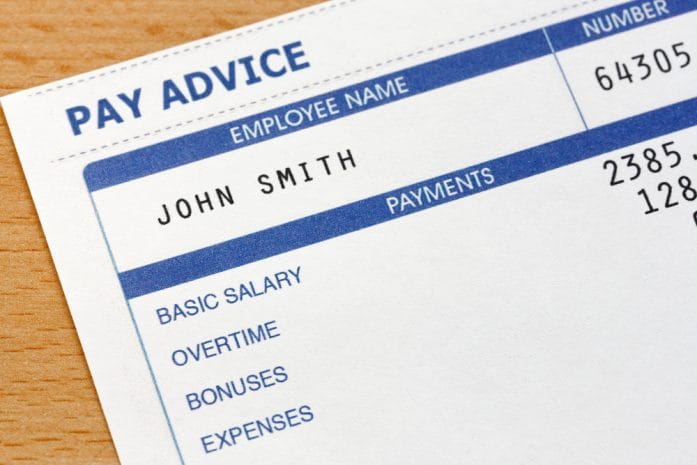
January is usually a month of fresh starts, new resolutions, and maybe a little post-holiday gloom—but this year, many middle-class families opened their first paycheck of the year and got hit with a jolt that didn’t involve the gym or a diet plan. Somehow, magically, their take-home pay shrank. Not because of a raise that didn’t show up or a surprise subscription fee, but because of a tax rule most Americans haven’t really noticed until now.

Yes, the tax system has its own brand of mischief, and it seems January 2026 has become the month of paycheck surprises.

How The New Withholding Rules Work

The root of the January paycheck shock lies in a tax mechanism called “withholding.” Essentially, this is the money your employer takes out of your paycheck to cover federal income taxes. For decades, withholding has been straightforward—calculate your anticipated tax bill, spread it across the year, and take it out in predictable chunks. But starting this year, the IRS has tweaked some calculations that directly affect how much comes home in your pocket. It’s all tied to adjustments in tax brackets, standard deductions, and the timing of certain credits.

The effect? Many workers are now seeing larger deductions from their first paycheck of the year than they expected. For middle-class households counting on that steady paycheck to cover rent, groceries, and other essentials, the difference is glaring and immediately noticeable.

The IRS explains this shift as a correction to more accurately match tax owed with tax paid throughout the year. In theory, it prevents a massive tax bill come April. In practice, it can feel like someone quietly reached into your bank account. Families that historically saw consistent take-home pay are suddenly adjusting to a smaller check.

Why Middle-Class Families Are Feeling It Most

It’s not just random; the impact hits middle-class families harder than others. High earners typically have enough wiggle room to absorb small changes in withholding, while lower-income workers often qualify for refundable credits that cushion the blow. Middle-class families, however, sit right in the middle. They aren’t automatically shielded, and they aren’t wealthy enough to ignore changes in take-home pay. A difference of even a few hundred dollars in January can ripple through household budgets, affecting everything from utility bills to student loan payments.

Moreover, many middle-class families make life plans based on a predictable income. Gym memberships, after-school programs, monthly savings contributions—they all assume a consistent paycheck. When that paycheck suddenly shrinks, even temporarily, the disruption can create a domino effect. Financial planners have started advising clients to anticipate minor fluctuations in withholding and prepare emergency buffers. Ignoring these changes might not trigger penalties, but it can certainly lead to stress and scrambling to cover routine expenses. Understanding the mechanics behind this change is the first step to regaining control over finances.

How To Check If You’re Affected

Checking whether this withholding adjustment affects you isn’t complicated, but it requires some attention. Start by reviewing your first paycheck of the year and comparing it to previous months’ paychecks. Look specifically at the federal tax withheld line. If the deduction is noticeably higher than in December, that’s a clear signal the new rule has touched your paycheck. Next, gather your last year’s W-2 and recent pay stubs to estimate your expected tax liability. The IRS provides calculators and worksheets to help with this, and even small adjustments to your W-4 form can correct withholding mid-year.

It’s worth noting that these adjustments are designed to match your total tax liability, so over the course of the year, things should even out. Still, the immediate impact can be jarring. Families experiencing the shock may want to temporarily adjust discretionary spending or set aside a small portion of the paycheck to cover the gap. For those who have multiple jobs, side gigs, or complex deductions, reviewing withholding more carefully can prevent unpleasant surprises in the months ahead. Awareness and action are key to turning an alarming January paycheck into a manageable shift.

Strategies To Ease The January Shock

The good news is there are ways to soften the impact. One effective strategy is to revisit your W-4 allowances. This form, which dictates how much federal tax your employer deducts, can be updated at any time during the year. A small tweak in the number of allowances can bring more money home each week without risking underpayment at tax time. Another approach is creating a “tax buffer” in your budget. By setting aside a portion of the paycheck immediately for taxes, families can stabilize cash flow and reduce stress.

Additionally, understanding temporary deductions can help. For instance, retirement contributions, health savings accounts, and pre-tax benefits all interact with withholding calculations. Reviewing these components can uncover ways to maximize take-home pay without changing overall tax responsibility. For families with children, certain credits like the Child Tax Credit or dependent care deductions play a role as well. The trick is not to panic but to plan carefully and use available tools to regain predictability in monthly income. These strategies transform a paycheck shock into a manageable financial adjustment.

The January Paycheck Shock: The 'Hidden' Tax Rule That Just Lowered Take-Home Pay for Middle-Class Families

Image Source: Shutterstock.com

The Long-Term Implications For Families

While the initial reaction to the January paycheck may be frustration or disbelief, there’s a bigger picture to consider. Accurate withholding, though annoying at first, prevents underpayment and potential tax penalties at the end of the year. Over time, families that understand and anticipate these adjustments can improve financial literacy, strengthen budgeting habits, and even discover opportunities for tax planning that were previously overlooked.

The shift also underscores a broader point about personal finance: the rules aren’t static. Tax codes, deductions, and withholding regulations evolve, and staying informed is part of managing money effectively. Middle-class families that pay attention to these changes are better positioned to navigate fluctuations in income, avoid surprises, and maintain stability. Far from a permanent setback, the January paycheck shock can serve as a wake-up call to take a closer look at household finances, identify areas for improvement, and develop a more proactive approach to money management.

Tell Us About Your January Paycheck Experience

Did your first paycheck of 2026 feel a little lighter than expected? Or did you notice the new withholding rules before they hit your bank account? This is the place to talk about it. Whether it caused a minor inconvenience or a serious budget scramble, every story adds perspective.

Comment below with your experiences, insights, or creative ways you’ve adapted to the January paycheck shift. The more we understand these changes together, the less shocking they become.

You May Also Like…

Asset Migration: 5 Emerging Market Trends Retirees Should Know Before January

10 Reasons The Lower Middle Class Are Afraid to Invest

7 Shocking Money Habits That Keep the Middle Class Broke

9 Shocking Ways Inflation Affects the Middle Class First

When Your Parents Take Your Paycheck: 6 Signs You’re Being Emotionally Manipulated


Brandon Marcus
Brandon Marcus

Brandon Marcus is a writer who has been sharing the written word since a very young age. His interests include sports, history, pop culture, and so much more. When he isn’t writing, he spends his time jogging, drinking coffee, or attempting to read a long book he may never complete.

Filed Under: tax tips Tagged With: families, family issues, family money, hidden taxes, IRS, January, living paycheck to paycheck, middle class, middle-class families, Money, money issues, paycheck, paycheck control, taxes, withholding

Why an Enormous Tax Refund Is Actually a Bad Sign for Your Finances

October 12, 2025 by Travis Campbell Leave a Comment

tax

Image source: pexels.com

Every spring, millions of Americans eagerly await their tax refunds. For some, receiving a big check from the IRS feels like a financial windfall. It’s common to hear people brag about getting thousands back at tax time, treating it as a reward for a year of hard work. But is this really something to celebrate? When you dig deeper, you’ll see that an enormous tax refund is actually a bad sign for your finances. Understanding why can help you take control of your money and use your income more effectively throughout the year.

If you’re aiming for smart money management, your goal shouldn’t be a huge refund. Instead, you should strive for a balanced approach—one that lets you keep more of your paycheck when you earn it. Let’s look at the real reasons why a large tax refund can be a warning sign that something is off in your financial planning.

1. You’re Giving the Government an Interest-Free Loan

The main reason an enormous tax refund is a bad sign for your finances is simple: you’re letting the government hold onto your money all year, interest-free. When too much is withheld from your paycheck, you’re essentially loaning your hard-earned cash to the IRS, and they don’t pay you any interest in return. That money could be working for you instead.

Imagine if you put that extra cash into a high-yield savings account or used it to pay down credit card debt. You’d earn interest or save on interest payments, making your money grow. Instead, with a big refund, you miss out on those opportunities for months at a time.

2. Missed Opportunities for Saving and Investing

Withholding too much from your paycheck means you have less money available throughout the year. This can make it harder to build an emergency fund, invest for retirement, or reach other financial goals. If you’re waiting for your tax refund to make a big purchase or catch up on bills, you’re not maximizing your financial potential.

By adjusting your tax withholding, you can put more money into your own accounts every month. This regular habit can help you take advantage of compound interest and grow your savings over time. As compound interest shows, even small monthly contributions can add up to significant amounts, especially if you start early.

3. It Signals a Lack of Tax Planning

Receiving an enormous tax refund often points to a lack of proactive tax planning. If you’re not reviewing your tax situation each year, you might miss out on deductions, credits, or other strategies that could keep more money in your pocket now. Good tax planning means understanding how much you owe—and how much you should have withheld—based on your income and life changes.

Life events like getting married, having a child, or starting a side hustle can all impact your tax situation. If you haven’t updated your withholding in years, your refund might be a sign that you’re not paying enough attention. Taking a few minutes to review your W-4 form can make a big difference and help you avoid surprises at tax time.

4. You Could Face Cash Flow Problems

If you’re consistently getting a large tax refund, you might be short-changing yourself throughout the year. More money withheld means smaller paychecks, which can make it difficult to manage monthly expenses, pay off debt, or save for short-term goals. This can lead to relying on credit cards or loans to make ends meet, which creates new financial problems.

Cash flow is key to financial stability. When you get your money as you earn it, you have more flexibility to handle unexpected expenses or take advantage of opportunities. A big tax refund means you’ve been living with less, only to get a lump sum later—money that could have made your life easier all year long.

5. It Can Encourage Unwise Spending

Getting a large tax refund can feel like a bonus, but this mindset can lead to poor financial decisions. Many people see their refund as “found money” and end up splurging on things they don’t really need. This can undermine your progress toward savings goals or debt repayment.

When you receive your money in smaller, regular amounts, you’re more likely to budget wisely and make thoughtful choices. A big, unexpected windfall, on the other hand, can tempt you to spend impulsively. If you want to make the most of your income, it’s better to plan for steady, predictable paychecks.

How to Adjust Your Withholding and Take Control

The good news is that you can fix this problem. If you’ve realized that an enormous tax refund is a bad sign for your finances, it’s time to take action. Start by reviewing your most recent tax return and your current W-4 form. The IRS offers a helpful tax withholding estimator that can guide you through the process. Make adjustments so that you get closer to breaking even at tax time—owing a small amount or receiving a modest refund is ideal.

By taking control of your withholding, you’ll have more money available throughout the year. You can use it to pay down debt, boost your emergency fund, or invest for your future. Remember, your goal shouldn’t be a huge refund; it should be using your money wisely all year long. If you’re proactive, you can avoid giving the government an interest-free loan and start building real financial security.

Have you ever adjusted your tax withholding after getting a large refund? How did it change your approach to your finances? Share your experience in the comments below!

What to Read Next…

  • Are You Reading the Right Fine Print on Your Tax Refund?
  • What Tax Preparers Aren’t Warning Pre-Retirees About in 2025
  • 6 Tax Moves That Backfire After You Sell a Property
  • 5 Ways Missing One Tax Form Can Cost Your Heirs Thousands
  • 7 Tax Breaks That Sound Generous but Cost You Later
Travis Campbell
Travis Campbell

Travis Campbell is a digital marketer/developer with over 10 years of experience and a writer for over 6 years. He holds a degree in E-commerce and likes to share life advice he’s learned over the years. Travis loves spending time on the golf course or at the gym when he’s not working.

Filed Under: tax tips Tagged With: Cash flow, Financial Tips, Personal Finance, tax planning, tax refund, withholding

FOLLOW US

Search this site:

Recent Posts

  • Can My Savings Account Affect My Financial Aid? by Tamila McDonald
  • 12 Ways Gen X’s Views Clash with Millennials… by Tamila McDonald
  • What Advantages and Disadvantages Are There To… by Jacob Sensiba
  • 10 Tactics for Building an Emergency Fund from Scratch by Vanessa Bermudez
  • Call 911: Go To the Emergency Room Immediately If… by Stephen Kanaval
  • 7 Weird Things You Can Sell Online by Tamila McDonald
  • 10 Scary Facts About DriveTime by Tamila McDonald

Copyright © 2026 · News Pro Theme on Genesis Framework