• Home
  • About Us
  • Toolkit
  • Getting Finances Done
    • Hiring Advisors
    • Debt Management
    • Spending Plan
  • Insurance
    • Life Insurance
    • Health Insurance
    • Disability Insurance
    • Homeowners/Renters Insurance
  • Contact Us
  • Privacy Policy
  • Risk Tolerance Quiz

The Free Financial Advisor

You are here: Home / Archives for tax tips

6 Advanced Techniques to Lower Your Capital Gains Taxes Legally

October 30, 2025 by Travis Campbell Leave a Comment

Tax

Image source: shutterstock.com

Stock investments, real estate ownership, and other asset purchases result in taxable capital gains that must be reported to the government. The tax returns of high-income earners and asset holders will decrease significantly because of these new levies. Smart investors understand that minimizing capital gains taxes leads to better wealth growth because it allows them to retain their earned income. The good news? There are advanced and legal strategies you can use to lower capital gains taxes. Knowledge of these methods enables you to create more effective investment plans that lead to safer financial decisions and generate superior long-term results. Here are six advanced ways to help you legally lower your capital gains taxes and keep your investments working harder for you.

1. Tax-Loss Harvesting

Tax-loss harvesting is a savvy strategy that involves selling investments that have declined in value to offset gains from other investments. By realizing losses, you can reduce your taxable capital gains and, in some cases, even offset up to $3,000 of ordinary income each year. If your losses exceed that amount, you can carry them forward to future years. This approach is commonly used at the end of the year, but you can harvest losses throughout the year whenever the market dips. Just be mindful of the wash-sale rule, which prevents you from claiming a loss if you buy a substantially identical security within 30 days before or after the sale.

2. Take Advantage of Long-Term Capital Gains Rates

Not all capital gains are taxed equally. Assets held for more than a year benefit from lower long-term capital gains tax rates, which can be significantly less than short-term rates. In 2024, long-term capital gains tax rates range from 0% to 20%, depending on your income. By holding investments for at least 12 months before selling, you can lower your capital gains taxes and keep more profit in your pocket. This simple shift in timing can save thousands over the years, especially for high-value assets.

3. Use Qualified Opportunity Zones

Investing in Qualified Opportunity Zones (QOZs) is a powerful way to lower your capital gains taxes while supporting economic development. When you reinvest capital gains into a Qualified Opportunity Fund, you can defer paying tax on those gains until as late as 2026. If you hold the new investment for at least 10 years, any additional gains from the QOZ investment can be tax-free. This strategy requires careful research and planning, but it’s a valuable option for those looking to reduce capital gains taxes on substantial profits.

4. Donate Appreciated Assets to Charity

Donating appreciated stocks or other investments directly to charity is a double win. You avoid paying capital gains taxes on the appreciated value, and you may qualify for a charitable deduction based on the full fair market value of the asset. This technique works especially well for investors who are already charitably inclined. If you’re interested in structured giving, consider setting up a donor-advised fund, which allows you to make a charitable contribution, receive an immediate tax deduction, and recommend grants from the fund over time.

5. Strategic Use of 1031 Exchanges

Real estate investors have a unique opportunity to defer capital gains taxes by using a 1031 exchange. This process allows you to sell one investment property and purchase another “like-kind” property without immediately paying taxes on the gains. The tax is deferred until you eventually sell the replacement property. There are strict rules and timelines, so working with a qualified intermediary is essential. 1031 exchanges can be repeated, allowing you to defer capital gains taxes indefinitely while growing your real estate portfolio.

6. Gifting Appreciated Assets to Family Members

If you’re looking to help family members and lower your capital gains taxes, consider gifting appreciated assets. When you gift stock or other investments to someone in a lower tax bracket, they may pay less (or even no) capital gains taxes when they sell. This works best with adult children or relatives who are not subject to the kiddie tax rules. You can gift up to the annual exclusion amount ($17,000 per recipient in 2024) without triggering gift taxes. This approach lets you support loved ones while reducing your capital gains exposure.

Building a Smarter Tax Strategy

Your ability to reduce capital gains taxes will create substantial benefits for your future financial stability. You can maintain your investment gains while lowering your annual tax expenses through tax-loss harvesting, 1031 exchanges, and strategic gifting methods. The tax benefits from capital gains reductions apply to everyone who owns appreciated assets, regardless of their financial status or investment experience.

What strategies have you used to lower your capital gains taxes? Share your tips and experiences in the comments below!

What to Read Next…

  • 7 Real Estate Transfers That Trigger Capital Gains Overnight
  • How a Rental Property in the Wrong State Can Wreck Your Tax Bracket
  • 6 Tax Moves That Backfire After You Sell a Property
  • 7 Tax Breaks That Sound Generous But Cost You Later
  • 6 Tax Breaks That Vanished Before Anyone Noticed
Travis Campbell
Travis Campbell

Travis Campbell is a digital marketer/developer with over 10 years of experience and a writer for over 6 years. He holds a degree in E-commerce and likes to share life advice he’s learned over the years. Travis loves spending time on the golf course or at the gym when he’s not working.

Filed Under: tax tips Tagged With: 1031 exchange, capital gains tax, charitable giving, investing, Real estate, tax strategies, tax-loss harvesting

The “Dirty Dozen”: The 12 Tax Scams the IRS Is Warning All Americans About

October 17, 2025 by Catherine Reed Leave a Comment

The "Dirty Dozen": The 12 Tax Scams the IRS Is Warning All Americans About

Image source: shutterstock.com

Every year, the IRS releases a “Dirty Dozen” list—a public warning to taxpayers about the latest and most dangerous tax scams circulating across the country. These scams target both individuals and tax professionals, aiming to steal personal information, refunds, or even entire identities. From fake charities to shady “tax experts,” these schemes evolve quickly, preying on confusion and trust. Understanding how these scams work is your best defense against falling victim. Here are the 12 tax scams the IRS wants every American to watch out for this year.

1. Email and Text Phishing Attacks

Phishing remains one of the most common tax scams the IRS warns about every year. Scammers send fake emails claiming to be from the IRS or tax preparation companies, luring victims with promises of refunds or threats of legal action. These emails often contain links that lead to fake websites or malware downloads. A newer twist, called “smishing,” uses text messages to do the same thing. The IRS never contacts taxpayers by email, text, or social media, so delete any suspicious message immediately.

2. Bad Social Media Tax Advice

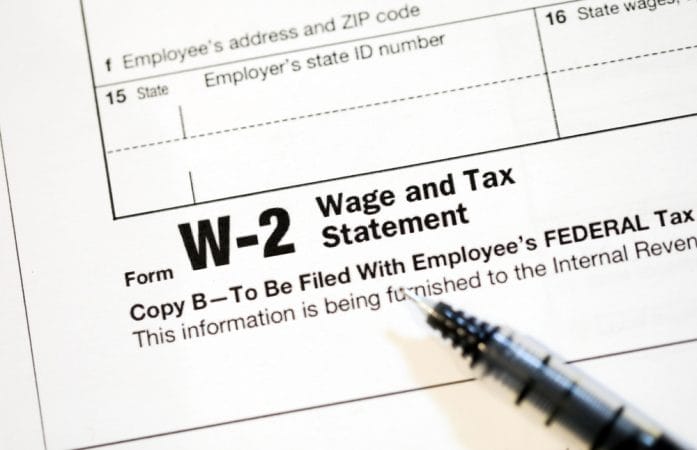
Social media platforms have become breeding grounds for misleading tax information. Some videos and posts encourage taxpayers to misuse legitimate forms—like the W-2—to claim fake credits or refunds. This trend is especially common on platforms like TikTok, where “tax hack” videos spread quickly. The IRS has made it clear that following this bad advice can result in hefty fines or even criminal charges. Always rely on verified information from the IRS website or licensed tax professionals.

3. IRS Online Account Assistance Scams

Another fast-growing tax scam involves fake “helpers” who offer to set up your IRS online account for you. The scammers claim to simplify the process but instead use it to steal your personal information. Once they gain access, they can file fraudulent tax returns in your name and collect your refund. The IRS emphasizes that setting up an online account is free and easy to do yourself at IRS.gov. If someone offers this “service,” it’s almost certainly a con.

4. Fake Charities That Exploit Generosity

Whenever disaster strikes or headlines highlight humanitarian crises, fake charities start popping up. Scammers create convincing websites or social media pages to collect donations that never reach real victims. In some cases, they use the opportunity to steal your credit card or banking details. Before donating, always verify that the organization is registered with the IRS’s Tax Exempt Organization Search tool. Remember—if the group pressures you to donate immediately, it’s probably a fake.

5. False Fuel Tax Credit Claims

Some dishonest tax preparers or online influencers encourage taxpayers to claim the fuel tax credit even when they’re not eligible. This credit is intended only for off-highway business use, like farming or construction—not personal vehicles. Filing for it incorrectly can trigger audits or penalties. The IRS has seen a rise in fake promotions encouraging people to use Form 4136 to boost refunds. Always confirm your eligibility before claiming any specialized tax credit.

6. Bogus Sick Leave and Family Leave Credits

A newer addition to the list of tax scams involves people falsely claiming pandemic-era credits that no longer apply. Fraudulent social media posts tell taxpayers to use Form 7202 to get large refunds for sick leave or family leave—even if they were employees, not self-employed. These credits were only valid for income earned during 2020 and 2021. Filing for them now is illegal and could lead to repayment demands or penalties. The IRS continues to flag this growing issue across multiple states.

7. The Fake Self-Employment Tax Credit

Scammers are also pushing a nonexistent “Self-Employment Tax Credit” on social media. They falsely claim that gig workers and freelancers can receive payments of up to $32,000 as part of a government relief program. In reality, no such credit exists. Fraudsters use this tactic to collect personal information or charge upfront fees to “file” on your behalf. The IRS warns that any credit related to self-employment income is highly specific and must follow official eligibility guidelines.

8. False Household Employment Tax Claims

In this scam, taxpayers fabricate household employees—like nannies or caregivers—and file Schedule H to claim fake sick or family leave wages. Some even claim refunds for taxes they never paid. It might sound harmless, but this scheme is outright fraud. The IRS can quickly verify whether these employees exist, and those caught filing false claims can face steep penalties. Always file based on real employment and accurate income records.

9. The Overstated Withholding Scheme

One of the more complex tax scams on the IRS radar involves falsifying W-2 or 1099 forms to inflate income and withholding. Scammers claim that by exaggerating these amounts, taxpayers can get massive refunds. But once the IRS reviews the forms and finds no matching employer data, those refunds are frozen and flagged for investigation. This scam can also involve multiple form types, including W-2G and 1099-DIV. Submitting falsified tax information is a quick path to fines or prosecution.

10. Misleading “Offer in Compromise” Mills

The Offer in Compromise (OIC) program helps taxpayers settle debts with the IRS, but scammers exploit it through aggressive “OIC mills.” They promise to wipe away your tax debt for a large upfront fee, even if you don’t qualify. These companies rarely deliver, leaving victims deeper in financial trouble. Taxpayers can check their eligibility for free through the official IRS Offer in Compromise Pre-Qualifier tool. If someone guarantees forgiveness for a price, it’s a clear red flag.

11. Ghost Tax Return Preparers

Not all tax preparers are trustworthy. “Ghost preparers” complete returns for clients but refuse to sign or include their IRS Preparer Tax Identification Number (PTIN), as required by law. Many charge fees based on the refund amount—an illegal practice that often leads to fraudulent filings. If a preparer won’t sign your return, don’t use them. Always choose certified professionals with transparent pricing and verifiable credentials.

12. New Client and Spear Phishing Attacks on Tax Pros

Cybercriminals have shifted their focus to tax professionals through spear phishing attacks. They pretend to be new clients and send emails that contain malicious links or attachments. Once opened, these links infect systems and expose sensitive client data. This scam is particularly dangerous because it affects both tax professionals and their clients. The IRS urges professionals to verify all new contacts and use multi-factor authentication to protect sensitive accounts.

Staying Safe from the “Dirty Dozen” Threats

The IRS updates its Dirty Dozen list every year to help taxpayers stay one step ahead of evolving scams. The biggest takeaway is simple: if something sounds too good to be true, it probably is. Protect yourself by verifying all sources, filing honestly, and consulting legitimate tax professionals when in doubt. Staying alert and skeptical is the best defense against losing your money—or your identity—to these sophisticated fraudsters.

Have you ever come across one of these tax scams or spotted suspicious activity during tax season? Share your experience or advice in the comments below!

What to Read Next…

6 Reasons the IRS Is Flagging More Trusts in 2025

The Financial Clue That Tells the IRS You’re Hiding Assets

6 Credit Card Reward Scams That Cost You More Than You Earn

What Happens When Joint Account Owners Fall Into Scams Together?

8 Email Formats That Signal a Financial Scam in Disguise

Catherine Reed
Catherine Reed

Catherine is a tech-savvy writer who has focused on the personal finance space for more than eight years. She has a Bachelor’s in Information Technology and enjoys showcasing how tech can simplify everyday personal finance tasks like budgeting, spending tracking, and planning for the future. Additionally, she’s explored the ins and outs of the world of side hustles and loves to share what she’s learned along the way. When she’s not working, you can find her relaxing at home in the Pacific Northwest with her two cats or enjoying a cup of coffee at her neighborhood cafe.

Filed Under: tax tips Tagged With: cybersecurity, financial safety, IRS scams, Personal Finance, phishing, tax fraud, tax season tips, taxes

Why an Enormous Tax Refund Is Actually a Bad Sign for Your Finances

October 12, 2025 by Travis Campbell Leave a Comment

tax

Image source: pexels.com

Every spring, millions of Americans eagerly await their tax refunds. For some, receiving a big check from the IRS feels like a financial windfall. It’s common to hear people brag about getting thousands back at tax time, treating it as a reward for a year of hard work. But is this really something to celebrate? When you dig deeper, you’ll see that an enormous tax refund is actually a bad sign for your finances. Understanding why can help you take control of your money and use your income more effectively throughout the year.

If you’re aiming for smart money management, your goal shouldn’t be a huge refund. Instead, you should strive for a balanced approach—one that lets you keep more of your paycheck when you earn it. Let’s look at the real reasons why a large tax refund can be a warning sign that something is off in your financial planning.

1. You’re Giving the Government an Interest-Free Loan

The main reason an enormous tax refund is a bad sign for your finances is simple: you’re letting the government hold onto your money all year, interest-free. When too much is withheld from your paycheck, you’re essentially loaning your hard-earned cash to the IRS, and they don’t pay you any interest in return. That money could be working for you instead.

Imagine if you put that extra cash into a high-yield savings account or used it to pay down credit card debt. You’d earn interest or save on interest payments, making your money grow. Instead, with a big refund, you miss out on those opportunities for months at a time.

2. Missed Opportunities for Saving and Investing

Withholding too much from your paycheck means you have less money available throughout the year. This can make it harder to build an emergency fund, invest for retirement, or reach other financial goals. If you’re waiting for your tax refund to make a big purchase or catch up on bills, you’re not maximizing your financial potential.

By adjusting your tax withholding, you can put more money into your own accounts every month. This regular habit can help you take advantage of compound interest and grow your savings over time. As compound interest shows, even small monthly contributions can add up to significant amounts, especially if you start early.

3. It Signals a Lack of Tax Planning

Receiving an enormous tax refund often points to a lack of proactive tax planning. If you’re not reviewing your tax situation each year, you might miss out on deductions, credits, or other strategies that could keep more money in your pocket now. Good tax planning means understanding how much you owe—and how much you should have withheld—based on your income and life changes.

Life events like getting married, having a child, or starting a side hustle can all impact your tax situation. If you haven’t updated your withholding in years, your refund might be a sign that you’re not paying enough attention. Taking a few minutes to review your W-4 form can make a big difference and help you avoid surprises at tax time.

4. You Could Face Cash Flow Problems

If you’re consistently getting a large tax refund, you might be short-changing yourself throughout the year. More money withheld means smaller paychecks, which can make it difficult to manage monthly expenses, pay off debt, or save for short-term goals. This can lead to relying on credit cards or loans to make ends meet, which creates new financial problems.

Cash flow is key to financial stability. When you get your money as you earn it, you have more flexibility to handle unexpected expenses or take advantage of opportunities. A big tax refund means you’ve been living with less, only to get a lump sum later—money that could have made your life easier all year long.

5. It Can Encourage Unwise Spending

Getting a large tax refund can feel like a bonus, but this mindset can lead to poor financial decisions. Many people see their refund as “found money” and end up splurging on things they don’t really need. This can undermine your progress toward savings goals or debt repayment.

When you receive your money in smaller, regular amounts, you’re more likely to budget wisely and make thoughtful choices. A big, unexpected windfall, on the other hand, can tempt you to spend impulsively. If you want to make the most of your income, it’s better to plan for steady, predictable paychecks.

How to Adjust Your Withholding and Take Control

The good news is that you can fix this problem. If you’ve realized that an enormous tax refund is a bad sign for your finances, it’s time to take action. Start by reviewing your most recent tax return and your current W-4 form. The IRS offers a helpful tax withholding estimator that can guide you through the process. Make adjustments so that you get closer to breaking even at tax time—owing a small amount or receiving a modest refund is ideal.

By taking control of your withholding, you’ll have more money available throughout the year. You can use it to pay down debt, boost your emergency fund, or invest for your future. Remember, your goal shouldn’t be a huge refund; it should be using your money wisely all year long. If you’re proactive, you can avoid giving the government an interest-free loan and start building real financial security.

Have you ever adjusted your tax withholding after getting a large refund? How did it change your approach to your finances? Share your experience in the comments below!

What to Read Next…

  • Are You Reading the Right Fine Print on Your Tax Refund?
  • What Tax Preparers Aren’t Warning Pre-Retirees About in 2025
  • 6 Tax Moves That Backfire After You Sell a Property
  • 5 Ways Missing One Tax Form Can Cost Your Heirs Thousands
  • 7 Tax Breaks That Sound Generous but Cost You Later
Travis Campbell
Travis Campbell

Travis Campbell is a digital marketer/developer with over 10 years of experience and a writer for over 6 years. He holds a degree in E-commerce and likes to share life advice he’s learned over the years. Travis loves spending time on the golf course or at the gym when he’s not working.

Filed Under: tax tips Tagged With: Cash flow, Financial Tips, Personal Finance, tax planning, tax refund, withholding

10 Lesser-Known Tax Rules That Cost Households Big Money

August 31, 2025 by Travis Campbell Leave a Comment

tax

Image source: pexels.com

Tax season can feel overwhelming, especially when you realize how many tax rules are tucked away in the fine print. Many households miss out on savings or end up paying more than they should because they don’t know about certain lesser-known tax rules. These overlooked details can quietly drain your wallet year after year. Understanding them is key to keeping more of your hard-earned money. Let’s break down 10 of the most important lesser-known tax rules that cost households big money—and what you can do about them.

1. The Kiddie Tax on Unearned Income

Think your child’s investment gains are taxed at their lower rate? Not always. The “kiddie tax” applies when children under 19 (or under 24 if full-time students) have unearned income above a set threshold. That income can be taxed at your higher rate, not theirs. Many parents are surprised when their kids’ summer dividends push them into a higher tax bracket. To avoid an unexpected bill, monitor all investment accounts in your child’s name.

2. Limits on State and Local Tax Deductions (SALT Cap)

The IRS limits the deduction for state and local taxes to $10,000 per year ($5,000 if married filing separately). If you live in a high-tax state, this rule can raise your federal tax bill by thousands. Households with high property taxes are especially affected. Consider this cap when budgeting for homeownership or evaluating your overall tax strategy.

3. Mortgage Interest Deduction Changes

Many homeowners count on the mortgage interest deduction, but recent changes mean only interest on up to $750,000 of mortgage debt is deductible for loans taken after December 15, 2017. If you bought a home before that date, you may qualify under the old $1 million limit. Refinancing or moving could impact your eligibility, so check the details before making big decisions.

4. The Alternative Minimum Tax (AMT)

The Alternative Minimum Tax was designed to prevent wealthy taxpayers from avoiding taxes, but it can affect upper-middle-class households, too. Certain deductions like state taxes and miscellaneous expenses are not allowed under AMT, which can lead to a higher tax bill than expected. If you regularly exercise incentive stock options or claim a large number of deductions, check whether you may be subject to the AMT. This is one of those lesser-known tax rules that cost households big money without warning.

5. Taxation of Social Security Benefits

Many retirees are surprised to learn that up to 85% of their Social Security benefits may be taxable, depending on their total income. If you have other sources of income—like pensions, part-time work, or withdrawals from retirement accounts—those can push you over the threshold. Planning withdrawals carefully can help reduce the tax hit on your benefits.

6. Penalties for Early Retirement Account Withdrawals

Need to tap your IRA or 401(k) before age 59½? Unless you qualify for a specific exception, you’ll pay a 10% penalty on top of regular income tax. Some exceptions exist, like for first-time homebuyers or certain medical expenses, but the rules are strict. Failing to plan withdrawals properly is one of those lesser-known tax rules that cost households big money, especially during emergencies.

7. The “Wash Sale” Rule for Capital Losses

If you sell a security at a loss and buy it back within 30 days, the IRS disallows the loss for tax purposes. This is called the “wash sale” rule. Many investors accidentally trigger this rule when trying to harvest tax losses. To avoid losing out on valuable deductions, wait the full 30 days before repurchasing the same or substantially identical investment.

8. Taxation of Health Savings Account (HSA) Withdrawals

HSAs provide excellent tax benefits, but only if you use withdrawals for qualified medical expenses. Non-qualified withdrawals before age 65 are subject to income tax and a 20% penalty. After age 65, you can withdraw for any reason without a penalty, but non-medical withdrawals are still taxed as income. Keep good records and save receipts to avoid costly mistakes.

9. Missed Education Credits

Education credits like the American Opportunity Tax Credit and Lifetime Learning Credit can shave thousands off your tax bill. But many households miss out by not claiming expenses or misunderstanding eligibility. For example, you can’t double-dip by claiming both credits for the same student.

10. Dependent Care FSA Forfeitures

If you contribute to a Dependent Care Flexible Spending Account, unused funds generally don’t roll over. If you don’t use the money by the deadline, you lose it. Many families overestimate their dependent care expenses, leaving hundreds or thousands on the table. Plan contributions carefully and track expenses throughout the year to maximize these tax benefits.

How to Avoid These Costly Tax Surprises

Staying informed about lesser-known tax rules that cost households big money can make a huge difference in your annual tax bill. Small missteps add up fast, while a little research and planning can keep more money in your pocket. Tax laws change often, so it’s wise to review your situation every year and consult trusted resources like the IRS website or a qualified tax professional.

What confusing tax rules have caught you off guard? Share your experiences or questions in the comments below!

What to Read Next…

  • 7 Tax Breaks That Sound Generous But Cost You Later
  • 6 Tax Breaks That Vanished Before Anyone Noticed
  • 5 Ways Missing One Tax Form Can Cost Your Heirs Thousands
  • 6 Tax Moves That Backfire After You Sell A Property
  • What Tax Preparers Aren’t Warning Pre Retirees About In 2025
Travis Campbell
Travis Campbell

Travis Campbell is a digital marketer/developer with over 10 years of experience and a writer for over 6 years. He holds a degree in E-commerce and likes to share life advice he’s learned over the years. Travis loves spending time on the golf course or at the gym when he’s not working.

Filed Under: tax tips Tagged With: household taxes, Personal Finance, retirement planning, Tax Deductions, tax rules

7 Things Wealthy Families Do With Taxes That Ordinary People Never Hear About

August 29, 2025 by Travis Campbell Leave a Comment

tax

Image source: pexels.com

When it comes to taxes, most people just want to file on time and hope for a refund. But for wealthy families, taxes are a completely different game. They don’t just react during tax season; they plan all year round. The strategies they use can seem almost invisible to the rest of us. Yet, understanding these advanced moves can be eye-opening. If you want to build lasting wealth or just get smarter with your own finances, it pays to learn what the wealthy are doing with their taxes that most people never even hear about.

1. Setting Up Family Limited Partnerships

Family Limited Partnerships (FLPs) are a common tool among wealthy families for tax planning. An FLP lets family members pool assets—like investments or real estate—into a partnership. The senior family members usually retain control, while gradually transferring ownership to younger generations. This move can help reduce estate taxes and protect assets from creditors.

By gifting partnership interests, families can also take advantage of valuation discounts. In simple terms, the value of what’s gifted is considered lower for tax purposes because it’s harder to sell a minority interest in a partnership. This is a technique rarely used by ordinary taxpayers, but it can make a huge difference in long-term tax planning for wealthy families.

2. Leveraging Grantor Retained Annuity Trusts (GRATs)

One of the best-kept secrets in wealthy families and taxes is the use of Grantor Retained Annuity Trusts, or GRATs. These trusts allow the wealthy to transfer appreciating assets—like stocks or private business shares—to heirs with little or no estate tax.

The idea is simple: the grantor puts assets into the trust and receives an annuity for a set period. If the assets grow faster than the IRS’s assumed rate, the excess passes to heirs tax-free. For families with significant assets, this can mean millions saved over time. Most people have never even heard of GRATs, but they’re a staple for tax-savvy families with wealth to protect.

3. Using Donor-Advised Funds for Charitable Giving

Wealthy families often approach charitable giving differently from most. Instead of writing checks here and there, they set up Donor-Advised Funds (DAFs). These funds let them make a large, tax-deductible donation upfront, then recommend grants to charities over time.

This approach offers two major perks: a big immediate tax deduction and the ability to invest the donated money for potential growth before it’s given away. DAFs are easy to set up through major financial institutions. For families who want to support causes and manage their tax bill, it’s a win-win. Ordinary taxpayers rarely use this strategy, but it’s become a go-to for those focused on both philanthropy and tax efficiency.

4. Timing Income and Deductions Strategically

Wealthy families don’t just accept whatever income comes their way each year. They work with advisors to time when they receive income or claim deductions. For example, they might delay a bonus until the following year if it means falling into a lower tax bracket. Or, they may bunch deductions—like charitable donations or medical expenses—into a single year to maximize their tax benefit.

This level of planning takes foresight and often involves close coordination with accountants and legal experts. It’s a proactive approach that helps minimize taxes over time. While anyone can technically do this, most people aren’t aware of how much timing matters when it comes to wealthy families and taxes.

5. Investing in Tax-Efficient Assets

Another move that separates wealthy families from the rest is their focus on tax-efficient investing. They seek out municipal bonds, which are often exempt from federal (and sometimes state) taxes. They also invest in index funds or ETFs that generate fewer taxable events than actively managed funds.

Some also use strategies like tax-loss harvesting—selling losing investments to offset gains elsewhere. These techniques help wealthy families keep more of their investment returns. For average investors, these ideas might seem advanced, but learning about them can help anyone improve their after-tax returns.

6. Creating Irrevocable Life Insurance Trusts

Life insurance can be more than just a safety net. Wealthy families use Irrevocable Life Insurance Trusts (ILITs) to keep life insurance payouts out of their taxable estate. By placing a policy inside an ILIT, the death benefit goes directly to heirs without triggering estate taxes.

This move is particularly useful for families with large estates who want to provide liquidity for heirs or cover estate taxes without selling off assets. It’s a sophisticated strategy, but it’s one more way that wealthy families and taxes are linked through careful planning.

7. International Tax Planning and Residency Strategies

Some wealthy families look beyond the U.S. for tax solutions. They might establish residency in a state with no income tax, or even in another country with more favorable tax laws. This isn’t just for billionaires—families with significant assets sometimes relocate for tax reasons.

International tax planning can involve complex rules and reporting requirements. It’s not something to try without expert help, but it highlights just how far some families will go to optimize their tax situation.

Learning From the Wealthy: Practical Takeaways

Even if you don’t have a family office or millions in assets, you can still learn from how wealthy families handle taxes. Their secret isn’t just having more money—it’s using the tax code to their advantage. By understanding strategies like FLPs, GRATs, and donor-advised funds, you can start asking better questions and planning further ahead. The rules for wealthy families and taxes might be complicated, but the basic idea is simple: be proactive, not reactive.

Ready to dig deeper? What’s one tax strategy you wish you’d learned sooner? Share your thoughts below!

What to Read Next…

  • 7 Tax Breaks That Sound Generous But Cost You Later
  • 5 Ways Missing One Tax Form Can Cost Your Heirs Thousands
  • What Tax Preparers Aren’t Warning Pre Retirees About In 2025
  • 6 Tax Breaks That Vanished Before Anyone Noticed
  • 6 Tax Moves That Backfire After You Sell A Property
Travis Campbell
Travis Campbell

Travis Campbell is a digital marketer/developer with over 10 years of experience and a writer for over 6 years. He holds a degree in E-commerce and likes to share life advice he’s learned over the years. Travis loves spending time on the golf course or at the gym when he’s not working.

Filed Under: tax tips Tagged With: charitable giving, Estate planning, family finance, tax planning, tax strategies, Wealth management

7 Ways Digital Advisors Trigger Unexpected Tax Consequences

August 21, 2025 by Travis Campbell Leave a Comment

taxes

Image source: pexels.com

Digital advisors, also known as robo-advisors, have made investing easier and more accessible than ever. With low fees and automated portfolio management, they seem like the perfect solution for hands-off investors. But behind the convenience, digital advisors can sometimes trigger unexpected tax consequences. If you’re not paying attention, these surprises can chip away at your investment gains. This is especially important if you’re working toward long-term goals like retirement or college savings. Understanding how digital advisors impact your tax bill is key to making smart financial decisions and keeping more of your hard-earned money.

1. Automated Tax-Loss Harvesting Gone Wrong

Many digital advisors tout tax-loss harvesting as a benefit. They automatically sell investments at a loss to offset gains elsewhere in your portfolio. While this can reduce your current year’s tax bill, it’s not always a win. If losses are harvested too aggressively, you might end up with a portfolio full of similar assets, which can set you up for higher taxes in the future when those investments rebound and are eventually sold for a gain. It’s also possible to violate the IRS wash-sale rule if you (or your spouse) buy the same or a “substantially identical” security within 30 days, making the loss ineligible for deduction.

2. Capital Gains Surprises from Rebalancing

One of the main appeals of digital advisors is automatic portfolio rebalancing. This keeps your investments aligned with your risk tolerance and goals. However, rebalancing often involves selling assets that have appreciated, triggering capital gains taxes. If your digital advisor doesn’t consider your overall tax situation or coordinate with your other accounts, you could face a larger-than-expected tax bill come April. This is especially true if your portfolio is held in a taxable account, rather than a tax-advantaged one like an IRA or 401(k).

3. Overlooking State Tax Implications

Digital advisors typically focus on federal tax consequences, but state taxes can differ significantly. Some states tax capital gains at higher rates or have unique rules for certain investments. If your digital advisor isn’t programmed to consider your state’s tax laws, you might end up owing more than you expect. For example, municipal bond interest may be tax-free at the federal level, but not in every state. Always double-check how your digital advisor’s strategies will impact your state tax bill.

4. Dividend Income Creep

Many digital advisors favor dividend-paying stocks or funds for their stability and income potential. While dividends can be great for cash flow, they’re also taxable—even if you reinvest them. If your digital advisor doesn’t take your income tax bracket into account, you may find yourself in a higher bracket or paying more in taxes than you anticipated. Qualified dividends are taxed at a lower rate, but non-qualified dividends are taxed as ordinary income. Make sure you know what kind of dividends your digital advisor is generating for you.

5. Missed Opportunities for Tax Deferral

Some digital advisors default to placing your investments in taxable accounts for simplicity. But this can mean missing out on tax deferral benefits available in retirement accounts like IRAs or 401(k)s. Without proper guidance, you might end up paying taxes on investment gains and income annually, instead of letting them grow tax-deferred until retirement. This can significantly reduce your long-term returns. When using a digital advisor, make sure you’re using the right account types for your goals and tax situation.

6. Ignoring Your Broader Financial Picture

Most digital advisors optimize your portfolio based on the information you provide—usually just the assets you invest with them. They don’t always factor in other accounts you hold elsewhere, such as employer-sponsored retirement plans or brokerage accounts. This siloed approach can result in unexpected tax consequences, like duplicated investments or missed opportunities to offset gains and losses across all your holdings. To avoid this, look for digital advisors that allow you to connect external accounts or work with a financial planner who can see your entire financial landscape.

7. Inadvertent Short-Term Gains

Digital advisors may make frequent trades to keep your portfolio balanced or to harvest tax losses. But if they sell investments held for less than a year, those gains are taxed at higher short-term rates, which are the same as ordinary income. This can lead to a much bigger tax bite than if gains were realized after holding investments for over a year, qualifying them for lower long-term capital gains rates. Always check your advisor’s trading frequency and ask how they minimize short-term taxable gains.

How to Stay Ahead of Digital Advisor Tax Surprises

Digital advisors offer convenience and automation, but their algorithms don’t always catch the nuances of your personal tax situation. Before committing, review how your digital advisor handles tax-loss harvesting, rebalancing, and account types. Consider connecting all your investment accounts, or work with a human advisor to catch things that algorithms might miss. Tax laws can be complex and change frequently, so staying informed is crucial.

Have you run into unexpected tax consequences with a digital advisor? Share your experience or questions in the comments below!

Read More

5 Account Transfers That Unexpectedly Trigger IRS Penalties

7 Ill Advised Advisor Tips That Trigger IRS Audits

Travis Campbell
Travis Campbell

Travis Campbell is a digital marketer/developer with over 10 years of experience and a writer for over 6 years. He holds a degree in E-commerce and likes to share life advice he’s learned over the years. Travis loves spending time on the golf course or at the gym when he’s not working.

Filed Under: tax tips Tagged With: capital gains, digital advisors, investment tax, Personal Finance, robo-advisors, tax planning, tax-loss harvesting

What Happens if You Use Tax Software After Fraudulent Activity?

August 15, 2025 by Travis Campbell Leave a Comment

tax software

Image source: pexels.com

If you’ve ever worried about tax fraud, you’re not alone. Tax fraud can happen to anyone, and it’s a real headache. Maybe you found out someone used your Social Security number. Maybe you noticed a strange tax return filed in your name. Now, you’re wondering: what happens if you use tax software after fraudulent activity? This question matters because the wrong move can make things worse. Tax software is supposed to make life easier, but after fraud, it can get complicated fast. Here’s what you need to know if you’re thinking about using tax software after you’ve been hit by fraud.

1. Your Return Might Get Rejected

If someone has already filed a tax return using your information, the IRS will flag your Social Security number. When you try to file your own return through tax software, you might get an error message. The software will tell you that the IRS has already received a return with your details. This is a clear sign of tax fraud. At this point, you can’t just keep clicking “submit.” The IRS won’t accept two returns with the same Social Security number. You’ll need to take extra steps to fix the problem.

2. You’ll Need to Prove Your Identity

After fraud, the IRS wants to make sure you’re really you. If your return is rejected, you’ll likely need to verify your identity. Tax software can’t do this for you. The IRS might send you a letter asking you to call or visit a local office. Sometimes, you’ll need to use the IRS Identity Verification Service online. This process can take time and patience. You’ll need documents like your driver’s license, passport, or other ID. Until you prove who you are, your tax return will be on hold.

3. Filing Electronically May Not Be an Option

Tax software is built for electronic filing. But after fraud, e-filing might not work. If your Social Security number is flagged, the IRS will block electronic returns. The software will tell you to print your return and mail it in. This slows everything down. Paper returns take longer to process, and you might wait months for your refund. It’s frustrating, but it’s the safest way to make sure your real return gets to the IRS.

4. You’ll Need to File an Identity Theft Affidavit

If you suspect or know you’re a victim of tax fraud, you need to file IRS Form 14039, the Identity Theft Affidavit. Most tax software can’t do this automatically. You’ll have to download the form, fill it out, and mail it with your paper return. This tells the IRS you’re a victim and need help. The IRS will then investigate and put extra protections on your account.

5. Your Refund Will Be Delayed

After fraud, don’t expect a quick refund. The IRS needs time to sort out what happened. They’ll compare the fraudulent return with your real one. This can take weeks or even months. Tax software might show you an estimated refund date, but it won’t be accurate. The IRS will contact you if it needs more information. Be patient and keep checking your mail and IRS account for updates.

6. You Might Need to Contact the IRS Directly

Tax software is great for simple returns, but it can’t solve fraud. If you run into problems, you’ll need to call the IRS. Be ready for long wait times. When you get through, explain your situation clearly. Have your documents ready, including your last tax return, ID, and any IRS letters. The IRS can walk you through the next steps and tell you what to do next. You can also check the Federal Trade Commission’s identity theft resources for more help.

7. You’ll Need to Watch for More Fraud

Once you’ve been hit by tax fraud, you’re at higher risk for more problems. Criminals might try to use your information again. The IRS might give you an Identity Protection PIN (IP PIN) to use on future returns. This is a six-digit number that helps stop fraud. Tax software will ask for your IP PIN if you have one. Never share this number with anyone. Keep an eye on your credit reports and watch for suspicious activity.

8. You May Need to Update Your Tax Software Account

If you used tax software before the fraud, your account could be at risk. Change your password right away. Turn on two-factor authentication if it’s available. Check your account for any strange activity, like returns you didn’t file. If you see anything odd, contact the software company’s support team. They can help secure your account and guide you on what to do next.

9. You’ll Have to Be Extra Careful Next Year

After fraud, tax season gets more stressful. Start early next year. Gather your documents and file as soon as you can. The sooner you file, the less chance a criminal has to file before you. Use your IP PIN if you have one. Keep your tax software and computer updated to protect your information. Stay alert for phishing emails or fake IRS calls.

10. You Might Need Professional Help

Sometimes, tax fraud gets complicated. If you feel overwhelmed, consider talking to a tax professional. They can help you file your return, deal with the IRS, and protect your information. Some tax software companies offer audit support or identity theft help, but it’s not always enough. A professional can give you peace of mind and make sure you’re doing everything right.

Moving Forward After-Tax Fraud

Using tax software after fraudulent activity isn’t simple. You’ll face roadblocks, delays, and extra steps. But you can get through it. Stay organized, follow the IRS’s instructions, and protect your information. The most important thing is to act quickly and not ignore the problem. Tax fraud is stressful, but you can take control and get back on track.

Have you ever dealt with tax fraud or had trouble using tax software after identity theft? Share your story or tips in the comments below.

Read More

Are You Reading the Right Fine Print on Your Tax Refund?

6 Overlooked Retirement Age Triggers That Can Spike Your Tax Bill

Travis Campbell
Travis Campbell

Travis Campbell is a digital marketer/developer with over 10 years of experience and a writer for over 6 years. He holds a degree in E-commerce and likes to share life advice he’s learned over the years. Travis loves spending time on the golf course or at the gym when he’s not working.

Filed Under: tax tips Tagged With: identity theft, IRS, Personal Finance, refund delay, security, tax filing, tax fraud, tax return, tax software

Are You Reading the Right Fine Print on Your Tax Refund?

August 13, 2025 by Travis Campbell Leave a Comment

tax

Image source: pexels.com

Tax season can feel like a relief when you see that refund number pop up. But before you start planning how to spend it, there’s something you need to know. The fine print on your tax refund isn’t just legal jargon—it can affect how much money you actually get, how fast you get it, and what happens if there’s a mistake. Many people skip over the details, thinking it’s all standard stuff. But missing the right fine print can cost you time, money, or even trigger an audit. If you want to keep more of your refund and avoid headaches, it’s time to pay attention to what’s really in the details.

1. The Real Timeline for Your Tax Refund

You might expect your tax refund to arrive in a week or two. Sometimes it does. But the fine print often says it can take longer, especially if you file late, claim certain credits, or make a mistake. The IRS says most refunds arrive within 21 days, but that’s not a guarantee. If you file a paper return, it can take much longer. And if your return gets flagged for review, you could wait months. Always check the actual timeline in the fine print so you know what to expect. Don’t make big plans with your refund money until it’s in your account.

2. Fees That Eat Into Your Refund

Some tax preparers and online services offer to take their fee out of your refund. It sounds easy, but the fine print can hide extra charges. You might pay a “refund transfer” fee or other processing costs. These fees can add up fast and shrink your refund. If you use a prepaid debit card, there may be more fees for withdrawals or balance checks. Read every line about fees before you agree. If you’re not sure what you’re paying, ask for a breakdown. Keeping more of your refund starts with knowing where your money is going.

3. Refund Advances Aren’t Free Money

Some companies offer a “refund advance”—a loan based on your expected refund. It’s tempting if you need cash fast. But the fine print matters here. Some advances come with high interest rates or hidden fees. Even if the advance is “no fee,” you may be required to use their tax prep service, which could cost more than you’d pay elsewhere. If your refund is delayed or smaller than expected, you could owe money back. Always read the terms before you sign up for a refund advance. Make sure you understand what happens if things don’t go as planned.

4. Direct Deposit Details Can Make or Break Your Refund

Direct deposit is the fastest way to get your tax refund. But the fine print on your tax form asks for your bank account and routing numbers. If you enter the wrong numbers, your refund could go to someone else or get delayed for weeks. The IRS won’t fix this quickly. Double-check your account details before you file. Some banks also have rules about accepting tax refunds, especially if the name on the refund doesn’t match the account. Read your bank’s policy and the IRS instructions to avoid problems.

5. Offsets: When Your Refund Gets Taken

You might be counting on your full refund, but the fine print says the government can take it to pay certain debts. This is called an “offset.” If you owe back taxes, child support, or federal student loans, your refund can be reduced or taken entirely. The IRS will send you a notice, but it may come after your refund is already gone. If you’re worried about offsets, check your status before you file. The Bureau of the Fiscal Service has information on how offsets work and what you can do if your refund is taken.

6. Amended Returns and Corrections

Mistakes happen. If you realize you made an error after filing, you may need to file an amended return. The fine print explains how this works. Amended returns take longer to process—sometimes up to 16 weeks or more. If you’re owed more money, you’ll have to wait. If you owe, you may face penalties or interest. Always read the instructions for amending a return. Don’t ignore mistakes, but don’t rush to file an amendment without checking the rules. The IRS website has clear steps for fixing errors.

7. State Refunds Have Their Own Rules

Federal and state tax refunds aren’t the same. Each state has its own process, timeline, and fine print. Some states take longer to issue refunds. Others may offset your refund for unpaid state debts. The rules for direct deposit, fees, and corrections can be different from the IRS. Always read the fine print on your state tax return. If you move or change banks, update your information with both the IRS and your state tax agency.

8. Identity Verification and Delays

The IRS and some states use identity verification to prevent fraud. If your return is flagged, you may get a letter asking for more information. The fine print explains what you need to do and how long it might take. If you don’t respond quickly, your refund will be delayed. Sometimes, you’ll need to verify your identity online or by phone. Keep an eye on your mail and email after you file. Respond to any requests right away to keep your refund on track.

9. What Happens If Your Refund Is Lost or Stolen

It’s rare, but refunds can get lost or stolen. The fine print tells you how to report a missing refund and what steps to take. If you used direct deposit, your bank may be able to help. If you got a paper check, you’ll need to contact the IRS and possibly file a claim. This process can take weeks or months. Always keep copies of your tax return and any correspondence. If you move, update your address with the IRS to avoid lost checks.

10. Watch Out for Tax Scams

Scammers target people waiting for tax refunds. The fine print often warns you not to share personal information with anyone who contacts you about your refund. The IRS will never call, email, or text you to ask for your Social Security number or bank details. If you get a suspicious message, don’t respond. Report it to the IRS. Protect your refund by keeping your information private and using secure methods to file your taxes.

The Fine Print Is Your Refund’s Safety Net

Reading the right fine print on your tax refund isn’t just about following rules. It’s about protecting your money, avoiding delays, and making sure you get what you’re owed. Every year, people lose out because they skip the details. Take a few extra minutes to read the fine print. It can save you time, stress, and money.

Have you ever missed something important in the fine print on your tax refund? Share your story or tips in the comments.

Read More

8 Documents That Can Help Heirs Avoid Court Battles

How Heirs Can Lose Property When Titles Aren’t Reviewed Carefully

Travis Campbell
Travis Campbell

Travis Campbell is a digital marketer/developer with over 10 years of experience and a writer for over 6 years. He holds a degree in E-commerce and likes to share life advice he’s learned over the years. Travis loves spending time on the golf course or at the gym when he’s not working.

Filed Under: tax tips Tagged With: IRS, Personal Finance, refund delays, tax filing, tax refund, tax return, tax scams, tax season, tax tips

6 Tax Breaks That Vanished Before Anyone Noticed

August 5, 2025 by Travis Campbell Leave a Comment

tax

Image source: unsplash.com

Tax season can feel like a maze. You think you know the rules, but then something changes. One year, you’re counting on a deduction or credit, and the next, it’s gone. These changes don’t always make headlines. Sometimes, tax breaks disappear quietly, leaving people confused or even paying more than they expected. If you’re not paying close attention, you might miss out on savings you used to count on. That’s why it’s important to know which tax breaks have vanished, so you can plan better and avoid surprises.

Here are six tax breaks that disappeared before most people even noticed. If you relied on any of these, it’s time to adjust your strategy.

1. Personal Exemptions

For years, personal exemptions helped lower taxable income for families and individuals. You could claim one for yourself, your spouse, and each dependent. This was a simple way to reduce your tax bill. But starting in 2018, the Tax Cuts and Jobs Act (TCJA) eliminated personal exemptions. Now, you can’t subtract $4,050 (or more, depending on inflation) per person from your income. This change hit large families the hardest. If you’re still looking for this line on your tax form, it’s not coming back anytime soon. Instead, the standard deduction increased, but that doesn’t always make up for the loss, especially for families with several dependents. If you’re planning your taxes, don’t count on personal exemptions anymore.

2. Miscellaneous Itemized Deductions

Remember when you could deduct unreimbursed employee expenses, tax prep fees, or investment expenses? Those were called miscellaneous itemized deductions. They helped people who spent money to earn income or manage their finances. The TCJA suspended these deductions from 2018 through at least 2025. That means if you’re a teacher buying supplies, a salesperson traveling for work, or someone paying for financial advice, you can’t write off those costs anymore. This change surprised many people who counted on these deductions to lower their tax bill. If you’re still tracking these expenses, it’s time to stop. Focus on deductions that still exist, like the educator expense deduction, which is separate and still available for teachers.

3. Moving Expenses Deduction

Used to be, if you moved for a new job, you could deduct your moving costs. This helped people who had to relocate for work, especially if their employer didn’t cover the expenses. But now, the moving expenses deduction is gone for most taxpayers. Only active-duty military members who move due to a military order can still claim it. For everyone else, those moving truck receipts and hotel stays are no longer tax-deductible. This change can make job changes more expensive, especially for people moving across the country. If you’re planning a move for work, budget for the full cost, because the IRS won’t help you out anymore.

4. Tuition and Fees Deduction

College is expensive, and every little bit helps. The tuition and fees deduction lets you subtract up to $4,000 in qualified education expenses from your income. It was a simple way to get some relief if you or your child were in school. But this deduction expired at the end of 2020 and wasn’t renewed. Now, you have to rely on other education tax breaks, like the American Opportunity Credit or the Lifetime Learning Credit. These credits are still available, but they have different rules and income limits. If you used to claim the tuition and fees deduction, double-check your options before filing.

5. Deduction for Alimony Payments

If you divorced before 2019, you could deduct alimony payments from your taxable income, and your ex had to report them as income. This helped people manage the financial impact of divorce. But for divorce agreements made or changed after December 31, 2018, alimony is no longer deductible for the payer, and the recipient doesn’t have to report it as income. This change can make divorce settlements more complicated and expensive for the person paying alimony. If you’re negotiating a divorce agreement now, keep this in mind. The tax break is gone, and you’ll need to plan for the full cost of payments without any help from the IRS.

6. Deduction for Unsubsidized Home Equity Loan Interest

Homeowners used to be able to deduct interest on home equity loans or lines of credit, even if the money wasn’t used to improve the home. People used these loans for everything from paying off credit cards to funding college tuition. But now, you can only deduct the interest if you use the loan to buy, build, or substantially improve your home. If you used your home equity loan for other reasons, that interest is no longer deductible. This change affects many homeowners who relied on this deduction to manage debt or cover big expenses. If you’re thinking about tapping your home’s equity, make sure you understand the new rules.

Staying Ahead of Tax Law Changes

Tax laws change all the time. Some breaks disappear quietly, while others get a lot of attention. The key is to stay informed and adjust your plans as needed. If you’re not sure what’s changed, check the IRS website or talk to a tax professional. Don’t assume last year’s return will look the same this year. By knowing which tax breaks have vanished, you can avoid surprises and make smarter decisions with your money.

Have you lost a tax break you used to count on? Share your story or tips in the comments below.

Read More

8 Minor Asset Transfers That Can Cause Major Tax Trouble

6 Tax Moves That Backfire After You Sell a Property

Travis Campbell
Travis Campbell

Travis Campbell is a digital marketer/developer with over 10 years of experience and a writer for over 6 years. He holds a degree in E-commerce and likes to share life advice he’s learned over the years. Travis loves spending time on the golf course or at the gym when he’s not working.

Filed Under: tax tips Tagged With: financial advice, IRS, Personal Finance, tax breaks, tax credits, Tax Deductions, tax law, tax planning

8 Minor Asset Transfers That Can Cause Major Tax Trouble

August 4, 2025 by Travis Campbell Leave a Comment

tax

Image source: unsplash.com

Transferring assets might seem simple. You move money, property, or investments from one person to another. But even small asset transfers can trigger big tax headaches. Many people think only large gifts or inheritances matter to the IRS. That’s not true. The rules around asset transfers are strict, and mistakes can lead to audits, penalties, or unexpected tax bills. If you’re not careful, a well-meaning gift or a quick transfer could cost you more than you expect. Here’s what you need to know about minor asset transfers that can cause major tax trouble.

1. Gifting Cash Over the Annual Limit

Giving cash to family or friends feels generous. But if you give more than the annual gift tax exclusion—$18,000 per person in 2024—you must file a gift tax return. Many people don’t realize this. If you skip the paperwork, the IRS can catch up with you later. Even if you don’t owe tax right away, failing to report gifts can reduce your lifetime exemption and create problems for your estate. Always track your gifts and know the current limits.

2. Adding a Child to Your Bank Account

Parents often add a child to a bank account for convenience. It seems harmless. But the IRS may see this as a gift. If you add someone as a joint owner and they can withdraw funds, you’ve given them access to your money. If the amount is over the annual exclusion, you may need to file a gift tax return. This can also affect Medicaid eligibility and estate planning. Before adding anyone to your account, consider the tax and legal consequences.

3. Transferring a Car Title

Handing over your car to a relative or friend? That’s a transfer of property. If the car’s value is above the annual gift limit, you could trigger gift tax rules. Some states also charge transfer taxes or fees. And if you sell the car for less than its fair market value, the IRS may treat the difference as a gift. Always document the transaction and check both state and federal rules.

4. Giving Stocks or Bonds to Family

Transferring stocks or bonds to a child or spouse can seem like a smart move. But it’s not always simple. The IRS tracks the cost basis of these assets. If your recipient sells the stock, they may owe capital gains tax based on your original purchase price. This can lead to a bigger tax bill than expected. Also, if the value of the transferred securities is over the annual exclusion, you must report it. Make sure you understand the tax impact before moving investments.

5. Paying Off Someone Else’s Debt

Helping a friend or family member by paying their credit card or loan can feel good. But the IRS may see this as a gift. If the amount is over the annual exclusion, you need to file a gift tax return. This rule applies even if you never touch the money yourself. The IRS cares about who benefits, not just who writes the check. If you want to help, consider making payments directly to the lender and keeping clear records.

6. Transferring Real Estate Below Market Value

Selling your house or land to a relative for less than it’s worth? The IRS may treat the difference as a gift. For example, if your home is worth $300,000 and you sell it for $200,000, the $100,000 difference counts as a gift. This can trigger gift tax reporting and affect your lifetime exemption. Real estate transfers also have state tax implications. Always get a professional appraisal and document the sale price.

7. Moving Money Between Accounts with Different Owners

Transferring money between accounts you own is fine. But moving funds from your account to someone else’s—like a child or partner—can be a taxable gift. Even if you intend to help with bills or tuition, the IRS may require you to report the transfer. If you’re paying tuition or medical expenses, pay the provider directly. There are special exclusions for these payments, but only if you follow the rules.

8. Naming Someone Else as a Beneficiary

Changing the beneficiary on a life insurance policy, retirement account, or investment can have tax consequences. If you transfer ownership or make someone else the beneficiary, it may count as a gift. This is especially true if you give up control of the asset. The rules are complex, and mistakes can lead to unexpected taxes for you or your heirs. Review beneficiary changes with a tax advisor to avoid problems.

Small Moves, Big Tax Surprises

Minor asset transfers can seem harmless, but the tax consequences are real. The IRS watches for unreported gifts and property transfers. Even if you’re just helping family or simplifying your finances, you need to know the rules. A small mistake can lead to significant tax trouble, including audits and penalties. Before transferring assets, check the limits, maintain good records, and seek help if you’re unsure. Staying informed protects your money and your peace of mind.

Have you ever run into tax trouble after transferring an asset? Share your story or tips in the comments.

Read More

Why More Heirs Are Suing Over “Surprise” Trusts in 2025

5 Emergency Repairs That Could Force You Into Debt Overnight

Travis Campbell
Travis Campbell

Travis Campbell is a digital marketer/developer with over 10 years of experience and a writer for over 6 years. He holds a degree in E-commerce and likes to share life advice he’s learned over the years. Travis loves spending time on the golf course or at the gym when he’s not working.

Filed Under: tax tips Tagged With: asset transfers, Estate planning, gift tax, IRS, money management, Planning, taxes

  • « Previous Page
  • 1
  • …
  • 7
  • 8
  • 9
  • 10
  • 11
  • …
  • 15
  • Next Page »

FOLLOW US

Search this site:

Recent Posts

  • Can My Savings Account Affect My Financial Aid? by Tamila McDonald
  • 12 Ways Gen X’s Views Clash with Millennials… by Tamila McDonald
  • What Advantages and Disadvantages Are There To… by Jacob Sensiba
  • Call 911: Go To the Emergency Room Immediately If… by Stephen Kanaval
  • 10 Tactics for Building an Emergency Fund from Scratch by Vanessa Bermudez
  • 7 Weird Things You Can Sell Online by Tamila McDonald
  • 10 Scary Facts About DriveTime by Tamila McDonald

Copyright © 2026 · News Pro Theme on Genesis Framework