• Home
  • About Us
  • Toolkit
  • Getting Finances Done
    • Hiring Advisors
    • Debt Management
    • Spending Plan
  • Insurance
    • Life Insurance
    • Health Insurance
    • Disability Insurance
    • Homeowners/Renters Insurance
  • Contact Us
  • Privacy Policy
  • Risk Tolerance Quiz

The Free Financial Advisor

You are here: Home / Archives for health savings account

Tax Finale: 6 Year-End Moves to Complete Before New Rules Arrive

January 1, 2026 by Brandon Marcus Leave a Comment

Tax Finale: 6 Year-End Moves to Complete Before New Rules Arrive

Image Source: Shutterstock.com

The clock is ticking, the calendar is flipping, and tax season is creeping closer than you think. But before the champagne corks pop and the New Year kicks off, savvy taxpayers know there’s a final sprint to financial finesse that can save serious money.

This is not your average dull accounting lecture—this is a high-stakes, year-end tax finale where strategy meets opportunity. From clever deductions to timing income, every move you make now can be a game-changer. Today, we’re diving into six essential maneuvers that could protect your wallet before new rules shake everything up.

1. Max Out Retirement Contributions For Maximum Benefits

Contributing to retirement accounts isn’t just about securing your future—it’s an immediate tax shield. IRAs, 401(k)s, and other retirement vehicles allow you to potentially lower your taxable income before the year ends. If you haven’t maxed out your contributions, now is the perfect moment to catch up and claim those tax advantages. Even a few extra thousand dollars funneled into these accounts can significantly reduce your 2025 tax liability. Don’t wait until January; every dollar counted this year could make a real difference.

2. Harvest Tax Losses To Offset Gains

Investors, this one’s for you. Selling underperforming investments before year-end allows you to claim a tax loss, which can offset capital gains and even reduce ordinary income up to certain limits. Known as tax-loss harvesting, this tactic is a powerful way to lower your tax bill while keeping your portfolio aligned with long-term goals. Remember, you can carry over unused losses into future years, extending the benefit beyond 2025. Check your investment statements carefully, because strategic sales now could save you big in April.

3. Accelerate Or Delay Income Strategically

Timing is everything when it comes to taxable income. If you expect to be in a higher tax bracket next year, consider accelerating deductions and deferring income to reduce your current-year liability. Conversely, if your income might spike this year, delaying certain receipts until the next tax year can lower your immediate tax exposure. Even bonuses, freelance payments, or consulting fees can be shifted with careful planning. Consulting a tax professional ensures these maneuvers follow IRS rules without triggering unwanted penalties.

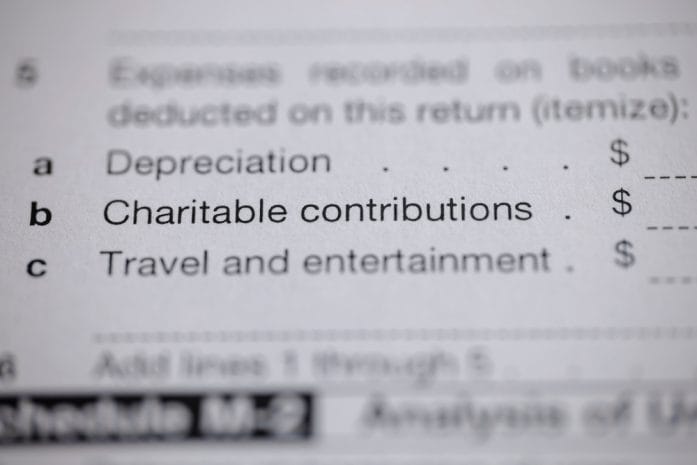
4. Review Charitable Contributions For Extra Deductions

Charitable giving isn’t just about goodwill; it can also be a smart tax strategy. Cash donations, appreciated stocks, and even certain expenses can qualify as itemized deductions, reducing your taxable income. Be sure to document everything carefully with receipts and acknowledgment letters from the charities. Consider bunching contributions into a single year to surpass the standard deduction and maximize savings. Doing a year-end charitable review could turn your generosity into a strategic financial win.

Tax Finale: 6 Year-End Moves to Complete Before New Rules Arrive

Image Source: Shutterstock.com

5. Check Flexible Spending And Health Savings Accounts

Your FSA and HSA balances aren’t just numbers—they’re potential tax savers. Use up remaining FSA funds on eligible medical or dependent care expenses before they vanish, as many accounts have a “use-it-or-lose-it” policy. Contributions to HSAs can be made until the tax filing deadline, offering both immediate tax deductions and long-term growth potential. Investing in healthcare expenses now not only benefits your health but also reduces taxable income. Review deadlines and eligible expenses carefully to avoid missing out on these hidden benefits.

6. Reevaluate Estate And Gift Planning Moves

Estate planning isn’t just for the ultra-wealthy—it’s a tool anyone can leverage for tax efficiency. Gifts up to the annual exclusion amount may be tax-free, helping reduce your taxable estate while benefiting loved ones. Consider strategies like 529 plan contributions for education or gifting appreciated assets instead of cash to maximize tax advantages. Reviewing trusts, wills, and beneficiary designations ensures everything aligns with your current goals. Year-end is the perfect checkpoint to make sure your estate strategy is both effective and compliant.

Last-Minute Tax Moves Can Make A Big Difference

Year-end tax planning may feel overwhelming, but taking action now can pay dividends in both savings and peace of mind. These six moves—maxing retirement contributions, harvesting losses, timing income, boosting charitable deductions, checking FSAs/HSAs, and reviewing estate strategies—are all tools in your financial toolkit. Waiting until the new rules take effect could mean missed opportunities and higher tax bills.

Take a proactive approach, assess your finances carefully, and consult a professional if needed. Let us know your thoughts or any experiences you’ve had with year-end tax planning in the comments section below.

You May Also Like…

Income Threshold: 4 Hidden Taxes That Hit Once You Cross Certain Limits

9 Georgia Counties Where Property Taxes Are Set to Rise the Fastest

Can Your Taxes Be Cut In Half By You Simply Incorporating Your Name?

What Happens When Small Business Owners Skip Taxes

Regulation Spotlight: 8 New Advice Rules Clients Must Prepare For


Brandon Marcus
Brandon Marcus

Brandon Marcus is a writer who has been sharing the written word since a very young age. His interests include sports, history, pop culture, and so much more. When he isn’t writing, he spends his time jogging, drinking coffee, or attempting to read a long book he may never complete.

Filed Under: tax tips Tagged With: charitable contributions, Estate plan, Estate planning, flexible spending, gift plan, gift planning, health savings account, Income, retirement accounts, retirement contributions, retirement plan, retirement planning, tax losses, tax plan, tax planning, tax regulations, tax rules, tax tips, taxes

6 Smart Strategies for Maximizing HSA Benefits Exponentially

November 1, 2025 by Travis Campbell Leave a Comment

HSA

Image source: shutterstock.com

Health Savings Accounts (HSAs) function as financial instruments that allow patients to use their pre-tax money to cover medical costs that extend beyond doctor’s appointment fees. These tools serve as valuable management tools for healthcare organizations, helping to create long-term financial plans when appropriately applied. People often fail to recognize the full benefits of their HSA because they overlook tax advantages, investment potential, and retirement savings opportunities. Your HSA savings will reach their maximum potential when you learn the most effective methods to use your account for financial security in the future. The key to achieving maximum HSA benefits through exponential growth requires more than just depositing funds, as it demands strategic planning and future-oriented thinking. Six smart strategies exist to maximize your HSA value and create a financial asset from your account.

1. Max Out Your Annual Contributions

The simplest way to maximize HSA benefits exponentially is to contribute as much as you can each year. For 2024, the IRS allows individuals to contribute up to $4,150 and families up to $8,300. If you’re 55 or older, you can add an extra $1,000 as a catch-up contribution. Every dollar you put in reduces your taxable income, which means more money stays in your pocket.

Setting up automatic contributions from your paycheck or bank account makes saving effortless. Even if you can’t contribute the maximum right away, increasing your contributions a little each year adds up over time. The more you contribute, the more your HSA can grow—both through tax savings and investment returns.

2. Invest Your HSA Funds for Growth

Many people let their HSA dollars sit in a basic savings account, but you can unlock far greater value by investing your balance. Most HSA providers offer investment options similar to a 401(k), including mutual funds and ETFs. By investing your HSA, you allow your money to grow tax-free over time.

To maximize HSA benefits exponentially, consider investing any funds you don’t expect to need for short-term medical expenses. Focus on low-cost, diversified funds to reduce risk and maximize long-term returns. Remember, your HSA is a triple tax-advantaged account: contributions are pre-tax, growth is tax-free, and withdrawals for qualified medical expenses are also tax-free. This makes it one of the most efficient savings vehicles available.

3. Pay Current Medical Expenses Out of Pocket

If you have the financial flexibility, pay for current medical expenses with cash instead of using your HSA. Save your receipts and let your HSA funds continue to grow and compound tax-free. Later, you can reimburse yourself from your HSA for those expenses—even years down the line, as long as you have the documentation.

This strategy enables your HSA balance to remain invested and grow, allowing you to maximize HSA benefits exponentially over time. It’s like giving yourself a future tax-free payout, while your money works harder for you in the meantime. Just remember to keep accurate records so you can claim reimbursements when needed.

4. Take Advantage of Catch-Up Contributions

Once you turn 55, you can contribute an extra $1,000 per year to your HSA. This catch-up provision is a valuable tool for individuals who may have started saving later or want to accelerate their retirement savings. If you and your spouse are both over 55 and have your own HSAs, you can each make catch-up contributions.

Maximizing these extra contributions can make a significant difference, especially if you invest the funds for several years. Consider reviewing your budget to see if you can allocate more toward your HSA after age 55. It’s a simple way to boost your savings, as healthcare costs often rise in retirement.

5. Use Your HSA for Retirement Healthcare Expenses

Many people are unaware that HSAs can play a vital role in retirement planning. After age 65, you can withdraw HSA funds for any purpose without penalty, though you’ll pay ordinary income tax if not used for qualified medical expenses. However, healthcare costs in retirement can be substantial—covering Medicare premiums, long-term care, and out-of-pocket expenses.

By maximizing HSA benefits exponentially during your working years, you’ll have a dedicated pool of tax-advantaged funds to cover these costs later. Using your HSA in retirement for medical expenses means withdrawals remain tax-free, stretching your retirement dollars further. This flexibility makes the HSA a unique and powerful complement to traditional retirement accounts.

6. Coordinate With Your Spouse for Maximum Benefits

If you’re married and have family coverage, you can further maximize HSA benefits exponentially by coordinating contributions and strategies with your spouse. Each spouse over 55 can make their own catch-up contributions, but they must have separate HSAs to do so. This allows you to double up on tax-advantaged savings in your household, potentially.

Additionally, after your death, your spouse can inherit your HSA and treat it as their own—keeping all the tax benefits. This makes your HSA not just a personal, but a family financial asset.

Building Long-Term Wealth With Your HSA

The six strategies enable you to maximize HSA benefits, transforming your account into a permanent wealth accumulation vehicle. Your HSA requires more than basic spending account management because it needs to be handled as an investment tool. Invest for growth, keep good records, and plan for both today’s needs and tomorrow’s healthcare costs.

Your HSA offers current tax advantages, which can help you achieve financial stability through effective investment planning.

How do you use your HSA to get the most value? Share your strategies or questions in the comments below!

What to Read Next…

  • 8 Rules Around Health Savings Accounts That Still Confuse Seniors
  • 7 Tax Breaks That Sound Generous But Cost You Later
  • 6 Tax Breaks That Vanished Before Anyone Noticed
  • 6 Money Habits That Backfire After You Turn 60
  • 10 Financial Questions That Could Undo Your Entire Retirement Plan
Travis Campbell
Travis Campbell

Travis Campbell is a digital marketer/developer with over 10 years of experience and a writer for over 6 years. He holds a degree in E-commerce and likes to share life advice he’s learned over the years. Travis loves spending time on the golf course or at the gym when he’s not working.

Filed Under: Finance Tagged With: health savings account, HSA, investing, retirement planning, tax strategies

10 Reasons Young Adults Shouldn’t Skip Health Savings Accounts

April 29, 2025 by Travis Campbell Leave a Comment

healthcare worker

Image Source: pexels.com

Young adults often overlook Health Savings Accounts (HSAs) when planning their financial future, focusing instead on immediate concerns like student loans or housing costs. However, HSAs offer unique triple tax advantages that no other financial vehicle provides. Starting an HSA early creates a powerful foundation for both healthcare funding and retirement planning. For twenty-somethings juggling competing financial priorities, understanding how HSAs can serve multiple financial goals simultaneously might be the most underrated financial move they can make.

1. Triple Tax Advantages You Won’t Find Elsewhere

HSAs offer an unmatched triple tax benefit that even retirement accounts can’t compete with. Contributions are tax-deductible, reducing your taxable income immediately. The money grows tax-free through investments. And when used for qualified medical expenses, withdrawals remain completely tax-free. According to a Fidelity study, this triple tax advantage can save thousands over a lifetime compared to traditional savings methods.

2. Your HSA Can Double as a Retirement Account

Unlike Flexible Spending Accounts that require you to “use it or lose it,” HSAs have no expiration date. After age 65, you can withdraw HSA funds for any purpose without penalty (though non-medical withdrawals will be taxed as income). This effectively transforms your HSA into an additional retirement account. The longer your money stays invested, the more powerful this benefit becomes, making early adoption in your 20s particularly valuable.

3. Lower Premiums Today with High-Deductible Health Plans

HSAs are only available with High-Deductible Health Plans (HDHPs), which typically offer lower monthly premiums than traditional health insurance. This combination often results in immediate savings for young, generally healthy adults. The money saved on premiums can go directly into your HSA, building your medical safety net while reducing your tax burden.

4. Medical Expenses Are Inevitable—Be Prepared

While young adults tend to be healthier, medical expenses are unpredictable and inevitable. An HSA provides dedicated funds for everything from routine care to unexpected emergencies. Even basic healthcare costs like prescription medications, dental work, and vision care qualify for HSA funds. Having this dedicated account prevents medical bills from derailing other financial goals or forcing you into debt.

5. Employer Contributions Boost Your Balance

Many employers contribute to employees’ HSAs as part of their benefits package, essentially offering free money. According to the Employee Benefit Research Institute, the average employer HSA contribution is around $870 annually. Starting early means maximizing these contributions throughout your career, potentially adding tens of thousands to your account over time.

6. Investment Potential Creates Long-Term Growth

Unlike regular savings accounts with minimal interest, HSAs typically offer investment options similar to 401(k)s. The power of compound growth makes starting early crucial—investments begun in your 20s have decades to grow. A 25-year-old contributing $3,000 annually with a 7% return could accumulate over $600,000 by retirement, creating a substantial healthcare fund without sacrificing other retirement savings.

7. Portable Funds That Move with Your Career

Job-hopping is common among young professionals. Unlike employer-sponsored health insurance that ends with employment, your HSA belongs to you regardless of job changes. This portability ensures continuous healthcare coverage through career transitions and prevents the loss of accumulated benefits when switching employers.

8. Protection Against Future Healthcare Inflation

Healthcare costs consistently outpace general inflation. An HSA designated explicitly for medical expenses protects against these rising costs. Starting early, you create a buffer against healthcare inflation that will likely accelerate as you age. This foresight transforms a potential financial vulnerability into a strength.

9. Flexibility for Family Planning

For young adults considering starting families in the future, HSAs offer valuable flexibility. Qualified medical expenses include prenatal care, childbirth, fertility treatments, and children’s medical needs. Building your HSA before these expenses arise creates financial security during significant life transitions when healthcare needs typically increase.

10. Tax Diversification Strengthens Your Financial Portfolio

Financial advisors recommend tax diversification—having accounts with different tax treatments. An HSA adds a unique tax-free component to your portfolio that complements traditional retirement accounts. This diversification provides more options for tax-efficient withdrawals in retirement and creates flexibility for managing your tax burden throughout life.

Future-Proofing Your Financial Health

The decisions you make in your 20s and 30s compound over decades. HSAs represent a rare opportunity to simultaneously address current healthcare needs, reduce taxes, and build long-term wealth. By integrating an HSA into your financial strategy early, you’re not just saving for medical expenses but creating a versatile financial tool that grows with you through every life stage. The HSA advantage becomes increasingly valuable as you age, making early adoption one of the smartest financial moves young adults can make.

Have you started using an HSA yet? What questions do you have about incorporating one into your financial plan?

Read More

Should I Tap My Retirement Funds for Medical Expenses?

Does Health Insurance Affect Your Taxes?

Travis Campbell
Travis Campbell

Travis Campbell is a digital marketer/developer with over 10 years of experience and a writer for over 6 years. He holds a degree in E-commerce and likes to share life advice he’s learned over the years. Travis loves spending time on the golf course or at the gym when he’s not working.

Filed Under: Personal Finance Tagged With: financial planning for young adults, health savings account, healthcare costs, HSA benefits, retirement planning, tax advantages

Retiring Early? Here Are Your Best Health Insurance Options Explained

November 8, 2024 by Latrice Perez Leave a Comment

early retirement health insurance

123rf

Retiring early sounds like a dream come true until you realize you’ll need a reliable health insurance plan to bridge the gap until Medicare kicks in. Without an employer covering your health insurance, finding affordable options can feel like navigating a maze. But don’t worry—there are solid options for securing early retirement health insurance, and you don’t have to break the bank to stay covered. Here are your best bets for staying healthy without sacrificing your financial freedom.

COBRA Coverage: Short-Term Security

COBRA lets you stay on your employer’s health plan for up to 18 months after leaving, which is a huge relief for many early retirees. While it can be pricier since you’re covering the full premium yourself, it provides the comfort of keeping the same benefits you’ve had for years. If you’re only a year or two away from Medicare eligibility, COBRA can serve as a reliable, short-term solution. This option can help bridge the gap without disrupting your existing healthcare routine.

Health Insurance Marketplace Plans

The Health Insurance Marketplace, created under the Affordable Care Act, is a popular choice for early retirement health insurance. These plans offer a range of options from bronze to platinum, covering basic to comprehensive needs. Depending on your retirement income, you may qualify for subsidies, which can bring your costs down significantly. The Marketplace lets you customize a plan that suits your new lifestyle without weighing down your wallet.

Short-Term Health Insurance: A Temporary Fix

If you’re looking for a cheaper, temporary solution, short-term health insurance could be worth exploring. These plans generally cover emergencies and catastrophic events, but they may lack the depth of standard health plans. While it’s not the most comprehensive option, it’s better than nothing for early retirees who are in good health and need to stay covered on a budget. Keep in mind, though, that short-term plans are limited in benefits and may not cover pre-existing conditions.

Health Sharing Plans: An Alternative Approach

Health sharing plans, offered by organizations often rooted in faith communities, pool resources among members to cover medical costs. While these aren’t technically health insurance, they can provide support for routine and emergency healthcare needs. This is a unique option that appeals to those who don’t mind a non-traditional approach to covering healthcare expenses. Just be aware that health sharing plans may come with specific requirements or restrictions.

High-Deductible Health Plans with an HSA

High-deductible health plans (HDHPs) paired with a Health Savings Account (HSA) are another viable option for early retirement health insurance. With an HSA, you can save pre-tax dollars for healthcare expenses, which can be a lifesaver when you’re managing costs on your own. The beauty of an HSA is that the funds roll over year after year, so anything you don’t use grows tax-free. This approach allows you to save and spend wisely while ensuring coverage in case of emergencies.

Find the Best Fit for Your Health and Wallet

Finding the right health insurance in early retirement doesn’t have to be a headache. From traditional options like COBRA to flexible choices like health sharing plans, there’s a solution for every budget and lifestyle. Explore your options and select a plan that keeps you healthy and secure, so you can enjoy retirement to the fullest.

Latrice Perez

Latrice is a dedicated professional with a rich background in social work, complemented by an Associate Degree in the field. Her journey has been uniquely shaped by the rewarding experience of being a stay-at-home mom to her two children, aged 13 and 5. This role has not only been a testament to her commitment to family but has also provided her with invaluable life lessons and insights.

As a mother, Latrice has embraced the opportunity to educate her children on essential life skills, with a special focus on financial literacy, the nuances of life, and the importance of inner peace.

Filed Under: Insurance Tagged With: affordable health coverage, early retirement health insurance, health insurance options, health savings account, health sharing plans, retiree health plans, retirement planning

FOLLOW US

Search this site:

Recent Posts

  • Can My Savings Account Affect My Financial Aid? by Tamila McDonald
  • 12 Ways Gen X’s Views Clash with Millennials… by Tamila McDonald
  • What Advantages and Disadvantages Are There To… by Jacob Sensiba
  • Call 911: Go To the Emergency Room Immediately If… by Stephen Kanaval
  • 10 Tactics for Building an Emergency Fund from Scratch by Vanessa Bermudez
  • 7 Weird Things You Can Sell Online by Tamila McDonald
  • 10 Scary Facts About DriveTime by Tamila McDonald

Copyright © 2026 · News Pro Theme on Genesis Framework