
• Home
  • About Us
  • Toolkit
  • Getting Finances Done
    • Hiring Advisors
    • Debt Management
    • Spending Plan
  • Insurance
    • Life Insurance
    • Health Insurance
    • Disability Insurance
    • Homeowners/Renters Insurance
  • Contact Us
  • Privacy Policy
  • Risk Tolerance Quiz

The Free Financial Advisor

You are here: Home / Archives for paycheck control

The January Paycheck Shock: The ‘Hidden’ Tax Rule That Just Lowered Take-Home Pay for Middle-Class Families

January 14, 2026 by Brandon Marcus Leave a Comment

The January Paycheck Shock: The 'Hidden' Tax Rule That Just Lowered Take-Home Pay for Middle-Class Families

Image Source: Shutterstock.com

January is usually a month of fresh starts, new resolutions, and maybe a little post-holiday gloom—but this year, many middle-class families opened their first paycheck of the year and got hit with a jolt that didn’t involve the gym or a diet plan. Somehow, magically, their take-home pay shrank. Not because of a raise that didn’t show up or a surprise subscription fee, but because of a tax rule most Americans haven’t really noticed until now.

Yes, the tax system has its own brand of mischief, and it seems January 2026 has become the month of paycheck surprises.

How The New Withholding Rules Work

The root of the January paycheck shock lies in a tax mechanism called “withholding.” Essentially, this is the money your employer takes out of your paycheck to cover federal income taxes. For decades, withholding has been straightforward—calculate your anticipated tax bill, spread it across the year, and take it out in predictable chunks. But starting this year, the IRS has tweaked some calculations that directly affect how much comes home in your pocket. It’s all tied to adjustments in tax brackets, standard deductions, and the timing of certain credits.

The effect? Many workers are now seeing larger deductions from their first paycheck of the year than they expected. For middle-class households counting on that steady paycheck to cover rent, groceries, and other essentials, the difference is glaring and immediately noticeable.

The IRS explains this shift as a correction to more accurately match tax owed with tax paid throughout the year. In theory, it prevents a massive tax bill come April. In practice, it can feel like someone quietly reached into your bank account. Families that historically saw consistent take-home pay are suddenly adjusting to a smaller check.

Why Middle-Class Families Are Feeling It Most

It’s not just random; the impact hits middle-class families harder than others. High earners typically have enough wiggle room to absorb small changes in withholding, while lower-income workers often qualify for refundable credits that cushion the blow. Middle-class families, however, sit right in the middle. They aren’t automatically shielded, and they aren’t wealthy enough to ignore changes in take-home pay. A difference of even a few hundred dollars in January can ripple through household budgets, affecting everything from utility bills to student loan payments.

Moreover, many middle-class families make life plans based on a predictable income. Gym memberships, after-school programs, monthly savings contributions—they all assume a consistent paycheck. When that paycheck suddenly shrinks, even temporarily, the disruption can create a domino effect. Financial planners have started advising clients to anticipate minor fluctuations in withholding and prepare emergency buffers. Ignoring these changes might not trigger penalties, but it can certainly lead to stress and scrambling to cover routine expenses. Understanding the mechanics behind this change is the first step to regaining control over finances.

How To Check If You’re Affected

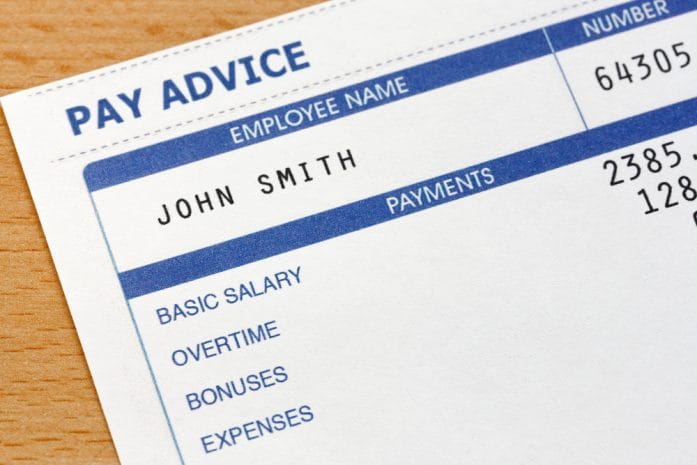
Checking whether this withholding adjustment affects you isn’t complicated, but it requires some attention. Start by reviewing your first paycheck of the year and comparing it to previous months’ paychecks. Look specifically at the federal tax withheld line. If the deduction is noticeably higher than in December, that’s a clear signal the new rule has touched your paycheck. Next, gather your last year’s W-2 and recent pay stubs to estimate your expected tax liability. The IRS provides calculators and worksheets to help with this, and even small adjustments to your W-4 form can correct withholding mid-year.

It’s worth noting that these adjustments are designed to match your total tax liability, so over the course of the year, things should even out. Still, the immediate impact can be jarring. Families experiencing the shock may want to temporarily adjust discretionary spending or set aside a small portion of the paycheck to cover the gap. For those who have multiple jobs, side gigs, or complex deductions, reviewing withholding more carefully can prevent unpleasant surprises in the months ahead. Awareness and action are key to turning an alarming January paycheck into a manageable shift.

Strategies To Ease The January Shock

The good news is there are ways to soften the impact. One effective strategy is to revisit your W-4 allowances. This form, which dictates how much federal tax your employer deducts, can be updated at any time during the year. A small tweak in the number of allowances can bring more money home each week without risking underpayment at tax time. Another approach is creating a “tax buffer” in your budget. By setting aside a portion of the paycheck immediately for taxes, families can stabilize cash flow and reduce stress.

Additionally, understanding temporary deductions can help. For instance, retirement contributions, health savings accounts, and pre-tax benefits all interact with withholding calculations. Reviewing these components can uncover ways to maximize take-home pay without changing overall tax responsibility. For families with children, certain credits like the Child Tax Credit or dependent care deductions play a role as well. The trick is not to panic but to plan carefully and use available tools to regain predictability in monthly income. These strategies transform a paycheck shock into a manageable financial adjustment.
The January Paycheck Shock: The 'Hidden' Tax Rule That Just Lowered Take-Home Pay for Middle-Class Families

Image Source: Shutterstock.com

The Long-Term Implications For Families

While the initial reaction to the January paycheck may be frustration or disbelief, there’s a bigger picture to consider. Accurate withholding, though annoying at first, prevents underpayment and potential tax penalties at the end of the year. Over time, families that understand and anticipate these adjustments can improve financial literacy, strengthen budgeting habits, and even discover opportunities for tax planning that were previously overlooked.

The shift also underscores a broader point about personal finance: the rules aren’t static. Tax codes, deductions, and withholding regulations evolve, and staying informed is part of managing money effectively. Middle-class families that pay attention to these changes are better positioned to navigate fluctuations in income, avoid surprises, and maintain stability. Far from a permanent setback, the January paycheck shock can serve as a wake-up call to take a closer look at household finances, identify areas for improvement, and develop a more proactive approach to money management.

Tell Us About Your January Paycheck Experience

Did your first paycheck of 2026 feel a little lighter than expected? Or did you notice the new withholding rules before they hit your bank account? This is the place to talk about it. Whether it caused a minor inconvenience or a serious budget scramble, every story adds perspective.

Comment below with your experiences, insights, or creative ways you’ve adapted to the January paycheck shift. The more we understand these changes together, the less shocking they become.

You May Also Like…

Asset Migration: 5 Emerging Market Trends Retirees Should Know Before January

10 Reasons The Lower Middle Class Are Afraid to Invest

7 Shocking Money Habits That Keep the Middle Class Broke

9 Shocking Ways Inflation Affects the Middle Class First

When Your Parents Take Your Paycheck: 6 Signs You’re Being Emotionally Manipulated


Brandon Marcus
Brandon Marcus

Brandon Marcus is a writer who has been sharing the written word since a very young age. His interests include sports, history, pop culture, and so much more. When he isn’t writing, he spends his time jogging, drinking coffee, or attempting to read a long book he may never complete.

Filed Under: tax tips Tagged With: families, family issues, family money, hidden taxes, IRS, January, living paycheck to paycheck, middle class, middle-class families, Money, money issues, paycheck, paycheck control, taxes, withholding

When Your Parents Take Your Paycheck: 6 Signs You’re Being Emotionally Manipulated

October 21, 2025 by Travis Campbell Leave a Comment

paycheck

Image source: shutterstock.com

Handing over your hard-earned money to your parents can feel confusing and stressful, especially if you’re not sure it’s the right thing to do. If your parents take your paycheck, you might wonder if it’s just about helping the family or if something deeper is going on. Many young adults face this situation but struggle to separate normal family support from emotional manipulation. Understanding the difference is important for your financial independence and mental well-being. Let’s break down the warning signs that signal you’re being emotionally manipulated when your parents take your paycheck.

1. Guilt Trips Are a Constant Theme

If every conversation about your paycheck ends with you feeling guilty or ashamed, that’s a red flag. Emotional manipulation often involves guilt trips—your parents might remind you of everything they’ve sacrificed or claim you’re ungrateful if you hesitate to hand over your earnings. You might hear phrases like, “After all we’ve done for you,” or “You wouldn’t have a job if it weren’t for us.”

This kind of pressure is not about healthy family support. Instead, it’s a way to control your actions through guilt, making it hard for you to say no even if you feel uncomfortable. When your parents take your paycheck and use guilt to justify it, they are crossing a line into manipulation.

2. Your Finances Aren’t Private Anymore

Healthy families respect boundaries. If your parents demand access to your bank account, monitor your spending, or insist on seeing your pay stubs, it’s a sign they’re overstepping. Emotional manipulation often involves erasing your financial privacy, leaving you feeling exposed and powerless.

It’s normal for parents to offer financial advice, but it’s not normal for them to control every dollar you make. When your parents take your paycheck and strip away your privacy, it’s about control, not care.

3. Threats and Ultimatums Replace Conversation

Manipulative parents may use threats to get what they want. They might say you can’t live at home unless you hand over your paycheck, or threaten to cut off emotional support if you don’t comply. These ultimatums create anxiety and force you into choices you wouldn’t make otherwise.

Financial support should come from open discussions, not fear. If your parents take your paycheck and use threats, they’re manipulating you, not helping you build responsibility.

4. You Never See the Money Again

Sometimes, parents claim they’re just “holding” your paycheck or saving it for you. But if you never see any of that money, and there’s no record of savings or how it’s spent, that’s a problem. Emotional manipulators may promise to return your money but make excuses or avoid the topic later.

If you ask for details and get vague answers or anger in response, that’s a clear sign of manipulation. Your earnings should be accessible to you. When your parents take your paycheck and refuse transparency, they are not acting in your best interest.

5. Your Needs Are Ignored

When parents prioritize their own wants over your essential needs, it’s a sign of emotional manipulation. If you struggle to pay for necessities like transportation, work clothes, or school fees because your paycheck goes to your parents, something is wrong.

Healthy families work together to ensure everyone’s basic needs are met. If your needs are brushed aside or dismissed, and you feel trapped or invisible, manipulation is likely at play. When your parents take your paycheck and ignore your needs, it’s not about supporting the family—it’s about maintaining control.

6. You’re Made to Feel Selfish for Wanting Independence

Wanting to manage your own money is normal and healthy. If your parents accuse you of being selfish or ungrateful when you ask for financial independence, that’s emotional manipulation. They might say you don’t care about the family or that you’re abandoning them by wanting to keep your paycheck.

This tactic is designed to make you doubt yourself and your right to financial freedom. When your parents take your paycheck and shame you for wanting control, they’re prioritizing their needs over your growth and autonomy.

Breaking the Cycle of Emotional Manipulation

If you recognize these patterns, you’re not alone. Many people face emotional manipulation around money, but it’s possible to set boundaries and regain control of your finances. Start by having honest conversations with your parents about your goals and needs. If that feels too difficult, consider reaching out to a counselor or financial advisor for support.

Remember, your paycheck is your property. Establishing boundaries doesn’t mean you don’t care about your family—it means you care about your future. If your parents take your paycheck and you feel manipulated, it’s time to put yourself first and take steps toward financial independence.

Have you experienced a situation where your parents took your paycheck? What helped you set boundaries or regain control? Share your story in the comments below.

What to Read Next…

  • 10 Services Adult Children Regret Paying For Their Parents
  • Why Do More Adult Children Regret Accepting Early Inheritance
  • Why Are So Many Seniors Being Sued Over Student Loans They Didn’t Take Out
  • What Happens If Adult Children Control Your Online Banking Credentials
  • What Should You Do If Your Financial Advisor Stops Returning Your Calls
Travis Campbell
Travis Campbell

Travis Campbell is a digital marketer/developer with over 10 years of experience and a writer for over 6 years. He holds a degree in E-commerce and likes to share life advice he’s learned over the years. Travis loves spending time on the golf course or at the gym when he’s not working.

Filed Under: parenting Tagged With: emotional manipulation, family finances, financial abuse, financial independence, paycheck control, personal boundaries

FOLLOW US

Search this site:

Recent Posts

  • Can My Savings Account Affect My Financial Aid? by Tamila McDonald
  • 12 Ways Gen X’s Views Clash with Millennials… by Tamila McDonald
  • What Advantages and Disadvantages Are There To… by Jacob Sensiba
  • 10 Tactics for Building an Emergency Fund from Scratch by Vanessa Bermudez
  • Call 911: Go To the Emergency Room Immediately If… by Stephen Kanaval
  • 7 Weird Things You Can Sell Online by Tamila McDonald
  • 10 Scary Facts About DriveTime by Tamila McDonald

Copyright © 2026 · News Pro Theme on Genesis Framework