• Home
  • About Us
  • Toolkit
  • Getting Finances Done
    • Hiring Advisors
    • Debt Management
    • Spending Plan
  • Insurance
    • Life Insurance
    • Health Insurance
    • Disability Insurance
    • Homeowners/Renters Insurance
  • Contact Us
  • Privacy Policy
  • Risk Tolerance Quiz

The Free Financial Advisor

You are here: Home / Archives for tax tips

Tax Blindspot: 4 Deductions Many Americans Miss During December

December 21, 2025 by Brandon Marcus Leave a Comment

Tax Blindspot: 4 Deductions Many Americans Miss During December

Image Source: Shutterstock.com

December isn’t only about amazing holiday lights, frantic gift shopping, and cookie overload. Instead, this time of year is also a secret window for sneaky tax savings.

While most Americans are busy decking the halls, a lot of valuable tax deductions quietly slip through their fingers. Ignoring these opportunities can cost you hundreds, even thousands, of dollars when April rolls around. But here’s the good news: knowing where to look and what counts could turn your end-of-year chaos into financial brilliance.

We’re about to turbocharge your tax knowledge and show you deductions you probably didn’t even know existed.

1. Charitable Contributions Count More Than You Think

Donating to your favorite charity isn’t just good karma—it’s a tax move that often goes unnoticed. If you’ve been generous with gifts or cash in December, you may qualify for deductions even if you didn’t itemize earlier in the year. Keep careful records, receipts, and donation confirmations to ensure Uncle Sam knows you’re giving with good intentions. Cash donations, clothing, and even certain household items can all count toward this deduction. Timing is everything, so getting your contributions in before December 31 could make a real difference on your tax bill.

2. Medical Expenses Can Be Sneaky Deductibles

Most people assume medical expenses are only relevant when a doctor’s visit is long past, but December is prime time to review them. Costs that aren’t reimbursed by insurance, including prescription medications, dental work, and certain vision care, can be deducted if they surpass a specific percentage of your adjusted gross income.

Some Americans forget that last-minute medical bills or even over-the-counter purchases with proper documentation can qualify. Review your records carefully and consider scheduling appointments or purchasing necessary medical items before the year ends. These small moves can quietly chip away at what you owe the IRS.

3. Tax-Loss Harvesting Isn’t Just For Wall Street Pros

If you have investments, December might be your golden opportunity for tax-loss harvesting—a fancy term for selling losing investments to offset gains. Many investors overlook this strategy until it’s too late, missing out on lowering their taxable income. You can use losses to offset capital gains and even deduct a portion against ordinary income. But be mindful of the “wash-sale” rule, which prevents you from buying the same stock back too quickly. Strategically reviewing your portfolio before the year’s close can create a substantial end-of-year tax advantage without any drastic moves.

Tax Blindspot: 4 Deductions Many Americans Miss During December

Image Source: Shutterstock.com

4. Flexible Spending Accounts: Don’t Let Your Money Vanish

Flexible Spending Accounts (FSAs) are like little time bombs—you contribute pre-tax dollars for health expenses, but if you don’t use them, they often disappear. December is crunch time: if you still have a balance, use it for eligible items like glasses, contact lenses, or even certain medical equipment. Some plans allow a short grace period or a small rollover, but don’t assume you’ll get an automatic extension. By spending FSA funds wisely before the deadline, you essentially reduce your taxable income without touching your regular cash. It’s like finding free money for your wallet—one of the few December gifts that actually pays you back.

Don’t Let These Deductions Slip Away

End-of-year tax planning isn’t glamorous, but it can feel exhilarating once you realize how much you might save. Charitable contributions, medical expenses, investment losses, and FSA balances are all often overlooked ways to trim your tax bill. Act now, because December is your last chance before the calendar flips. By taking a few focused steps, you can turn ordinary holiday chaos into a strategic financial win.

If you’ve ever uncovered a deduction that surprised you or made a real difference in your tax return, we’d love for you to tell us about it in the comments section below.

You May Also Like…

Tax Freeze: 6 Immediate Actions to Lock In Lower Rates Before Reforms Hit

Should You Make A Roth Conversion Now Or Wait For January’s Tax Environment To Settle?

Savings Game: 5 Ways to Boost Your Emergency Fund Before December Ends

Tax Bonanza: The Tax Move That Saves Thousands—But Only If You Do It Before December 31st

Why Do Middle-Class Families End Up Paying the Most Taxes


Brandon Marcus
Brandon Marcus

Brandon Marcus is a writer who has been sharing the written word since a very young age. His interests include sports, history, pop culture, and so much more. When he isn’t writing, he spends his time jogging, drinking coffee, or attempting to read a long book he may never complete.

Filed Under: tax tips Tagged With: 2025 taxes, America, Americans, December, file taxes, financial plans, Planning, Tax, tax blindspot, tax deadlines, tax deduction, Tax Deductions, tax laws, tax planning, taxes, United States, winter

Tax Reset: 8 Moves to Consider If You’ve Had a Windfall in 2025

December 19, 2025 by Brandon Marcus Leave a Comment

Here Are 8 Moves to Consider If You’ve Had a Tax Windfall in 2025

Image Source: Shutterstock.com

A sudden windfall in 2025 can feel like someone handed you a golden ticket—maybe from a business sale, a legal settlement, a crypto boom, or even an unexpected inheritance. The thrill is real, the excitement palpable, and the possibilities endless. But along with that exhilaration comes a giant, unavoidable reality check: taxes.

How do you protect your newfound fortune while making it work for you? The good news is, with a little strategy and some savvy moves, your windfall can become a launchpad for serious wealth growth rather than a tax nightmare.

Understand Your Tax Landscape Immediately

Before you do anything else, get a clear picture of what the IRS—or your local tax authority—thinks you owe. Different types of windfalls are taxed differently, from ordinary income rates to capital gains or even estate taxes. Consulting a tax professional early can prevent costly mistakes. Remember, ignorance isn’t bliss here; it’s expensive. Even a brief delay in understanding your obligations could mean paying more than necessary.

Maximize Retirement Contributions

If you qualify, consider pumping up your retirement accounts with your windfall. 2025 allows for higher contribution limits across 401(k)s, IRAs, and other tax-advantaged accounts, giving you a legal way to shield money from taxes now. This move also compounds your wealth while reducing taxable income for the year. Even a modest adjustment can save tens of thousands in taxes. Don’t just stash the cash—make it work for your future self.

Explore Gifting Strategies

Generosity can be a smart financial maneuver. The IRS allows you to gift a significant amount each year without triggering taxes, and this can be a way to protect your wealth from estate taxes down the road. Gifting can also support loved ones or charitable causes that matter to you. Just make sure you track these gifts carefully to avoid complications. Strategic gifting turns a windfall into a tool for long-term planning, not just short-term spending.

Here Are 8 Moves to Consider If You’ve Had a Tax Windfall in 2025

Image Source: Shutterstock.com

Consider Investment Diversification

Jumping straight into risky investments might feel tempting, but diversification is the key to long-term security. Spread your windfall across stocks, bonds, real estate, or alternative assets. 2025 has seen some market volatility, so don’t put all your eggs in one basket. A balanced portfolio can help mitigate risk while keeping your money productive. Think of it as giving your windfall multiple lanes to grow rather than a single rollercoaster ride.

Evaluate Debt Repayment Opportunities

If you have lingering high-interest debt, your windfall could be your golden ticket to financial freedom. Paying off credit cards, personal loans, or other liabilities can give you a guaranteed return equal to the interest rate you were paying. It also improves your credit profile, opening doors for better rates in the future. This isn’t just about eliminating stress; it’s about leveraging your windfall for maximum efficiency. Clean balance sheets create freedom and flexibility.

Explore Tax-Advantaged Accounts Beyond Retirement

Your windfall might open doors to accounts beyond standard retirement options. Health Savings Accounts (HSAs), 529 college savings plans, and even certain business investment accounts can provide tax benefits. These accounts can offer immediate deductions, long-term growth, and sometimes tax-free withdrawals. Strategically using these tools turns your windfall into a multi-purpose financial weapon. It’s about making taxes work for you, not against you.

Engage With Financial and Legal Professionals

Even if you consider yourself financially savvy, professional guidance is crucial. Tax advisors, financial planners, and estate attorneys each bring a piece of the puzzle. Windfalls can trigger complex tax scenarios or legal obligations that aren’t obvious at first glance. Investing in expert advice now can save exponentially more than trying to go it alone. Think of professionals as your safety net for both opportunity and risk.

Plan For Legacy And Long-Term Goals

Finally, a windfall is a chance to think bigger than today. Estate planning, philanthropic efforts, or future investment goals all deserve consideration. A thoughtful approach ensures that your windfall supports not only your lifestyle but also your values and ambitions. Mapping out these priorities helps prevent impulsive decisions that could erode wealth quickly. 2025 isn’t just a year for celebrating—you’re building a roadmap for decades of financial stability.

Your Windfall, Your Move

Receiving a windfall is thrilling, but without a solid plan, excitement can quickly turn into regret. Implementing these eight moves helps you protect your newfound fortune, reduce tax exposure, and position yourself for long-term growth.

We’d love to hear your experiences or lessons learned with sudden financial gains—drop your thoughts and stories in the comments section below.

You May Also Like…

Tax Freeze: 6 Immediate Actions to Lock In Lower Rates Before Reforms Hit

9 Georgia Counties Where Property Taxes Are Set to Rise the Fastest

9 Financial Dangers of Ignoring Property Taxes

What Happens When Small Business Owners Skip Taxes

6 Advanced Techniques to Lower Your Capital Gains Taxes Legally


Brandon Marcus
Brandon Marcus

Brandon Marcus is a writer who has been sharing the written word since a very young age. His interests include sports, history, pop culture, and so much more. When he isn’t writing, he spends his time jogging, drinking coffee, or attempting to read a long book he may never complete.

Filed Under: tax tips Tagged With: 401(k), Debt, debt payoff, debt repayment, estate taxes, file taxes, income taxes, invest, investing, Investment, local taxes, Retirement, retirement contributions, tax landscape, tax reset, tax windfall, taxes

Tax Freeze: 6 Immediate Actions to Lock In Lower Rates Before Reforms Hit

December 17, 2025 by Brandon Marcus Leave a Comment

Here Are Tax 6 Immediate Actions to Lock In Lower Tax Rates Before Reforms Hit

Image Source: Shutterstock.com

The tax clock is ticking, and it’s making that loud, dramatic sound you hear in action movies right before everything changes. Policy debates are heating up, brackets are under scrutiny, and the rules you rely on today may not look so friendly tomorrow. That doesn’t mean panic, but it does mean preparation, because the smartest moves often happen before the headlines become law.

This is your moment to play offense instead of defense and lock in advantages while they’re still available. Grab a cup of coffee, because we’re diving into fast, practical moves that could make future-you very thankful.

1. Accelerate Income While Rates Are Favorable

When lower rates are on the table today, pulling income forward can be a surprisingly powerful move. This might mean taking a bonus this year instead of next, billing clients earlier, or exercising certain compensation options now. Paying tax sooner is rarely exciting, but paying it at a lower rate often is. The key is coordination so you don’t accidentally push yourself into an unfavorable bracket. Done thoughtfully, income acceleration can freeze today’s rates before reforms raise the temperature.

2. Harvest Capital Gains With A Clear Strategy

Selling appreciated assets can feel counterintuitive, but today’s capital gains rates may look generous in hindsight. Locking in gains now resets your cost basis and reduces future exposure if rates climb. This approach works especially well when paired with smart reinvestment rather than sitting in cash. Timing matters, so the goal isn’t dumping everything at once but choosing assets intentionally. Capital gains harvesting is less about timing the market and more about timing the tax code.

3. Maximize Roth Conversions Before Brackets Shift

Roth conversions are like paying admission now to enjoy a tax-free show later. By converting traditional retirement funds while rates are lower, you lock in today’s known cost. Future withdrawals can then avoid higher ordinary income rates entirely. The trick is partial conversions that keep you in control of your bracket. Think of Roth conversions as a long-term hedge against political uncertainty.

4. Front-Load Deductions And Strategic Expenses

Deductions are most valuable when rates are higher, but front-loading them can still create flexibility. Paying deductible expenses now or bunching charitable contributions can optimize your tax profile across years. This is especially useful if future reforms limit or cap certain deductions. It also gives you more predictable planning instead of reactive scrambling later. Strategic timing turns deductions into a lever rather than a lucky break.

Here Are Tax 6 Immediate Actions to Lock In Lower Tax Rates Before Reforms Hit

Image Source: Shutterstock.com

5. Lock In Estate And Gift Planning Opportunities

Estate and gift tax thresholds are political magnets, and history suggests they rarely stay generous forever. Using exemptions now can permanently remove assets from your taxable estate. This doesn’t mean giving everything away, but it does mean considering structured gifts or trusts. Valuations and discounts available today may vanish under reform. Acting early can preserve family wealth with far less friction.

6. Revisit Business Structure And Entity Elections

Your business entity determines how income is taxed, and reforms often target these rules aggressively. Re-evaluating S-corps, partnerships, or pass-through structures now can reveal savings opportunities. Sometimes a small election change can dramatically alter future tax exposure. This is not a set-it-and-forget-it decision, especially during policy shifts. A proactive review today can prevent expensive regrets tomorrow.

Freeze The Moment Before The Rules Change

Tax reform doesn’t arrive quietly, and by the time it’s official, the best opportunities are usually gone. These six actions aren’t about clever tricks, but about thoughtful timing and intentional planning. The goal is to create certainty in an environment that thrives on change. Everyone’s situation is different, which is why these ideas work best when adapted, not copied.

If you’ve navigated tax changes before or are thinking through your own strategy, give your thoughts or stories in the comments section below.

You May Also Like…

9 Georgia Counties Where Property Taxes Are Set to Rise the Fastest

Estate Overhaul: 10 Document Updates to Make Before New Tax Rules Kick In

Should You Make A Roth Conversion Now Or Wait For January’s Tax Environment To Settle?

Why Do Middle-Class Families End Up Paying the Most Taxes

6 Advanced Techniques to Lower Your Capital Gains Taxes Legally


Brandon Marcus
Brandon Marcus

Brandon Marcus is a writer who has been sharing the written word since a very young age. His interests include sports, history, pop culture, and so much more. When he isn’t writing, he spends his time jogging, drinking coffee, or attempting to read a long book he may never complete.

Filed Under: tax tips Tagged With: 2025 taxes, capital gains, deductions, Estate planning, gift planning, gift-giving, Income, Income tax, interest rates, Roth IRA, tax freeze, tax reform, tax tips, taxes

Estate Overhaul: 10 Document Updates to Make Before New Tax Rules Kick In

December 15, 2025 by Brandon Marcus Leave a Comment

Here Are 10 Document Updates to Make Before New Tax Rules Kick In

Image Source: Shutterstock.com

The clock is quietly ticking, and most people don’t even hear it. While headlines scream about markets, elections, and tech trends, major tax rule changes often sneak in through the side door, reshaping estates before families realize what happened. An outdated estate plan isn’t just paperwork collecting dust—it can be a financial landmine waiting for heirs to step on it.

The good news is that a proactive update now can mean clarity, savings, and fewer headaches later. Think of this as a strategic tune-up for your legacy, done while you still control the wheel.

1. Update Your Will

Your will is the backbone of your estate plan, but tax law changes can quietly weaken it if it hasn’t been reviewed in years. Shifts in exemption amounts and tax thresholds can turn once-smart distributions into costly mistakes. An updated will ensures your assets pass efficiently, not expensively. It also helps eliminate ambiguity that could spark family disputes. Even small wording tweaks can make a massive difference under new tax rules.

Here Are 10 Document Updates to Make Before New Tax Rules Kick In

Image Source: Shutterstock.com

2. Review Your Revocable Living Trust

Revocable living trusts are popular for avoiding probate, but they are not “set it and forget it” documents. New tax rules may change how trust income or distributions are taxed. Reviewing beneficiary provisions now can help preserve flexibility later. Trustees also need updated guidance that aligns with current laws. A modernized trust keeps control where you intended it to be.

3. Refresh Beneficiary Designations

Retirement accounts and life insurance policies don’t care what your will says—they follow beneficiary forms. Tax rule changes, especially around inherited retirement accounts, can dramatically impact how and when beneficiaries pay taxes. An outdated designation could create unexpected tax bills or disqualify planning strategies. This is one of the easiest updates to make and one of the most commonly overlooked. A quick review now can prevent years of regret later.

4. Amend Powers Of Attorney

Financial powers of attorney allow someone else to act on your behalf, but tax law changes can limit or expand what they should be allowed to do. Older documents may not grant authority for newer planning strategies or filings. Updating this document ensures your agent can respond quickly if laws shift again. It also helps prevent delays during critical moments. Strong authority paired with clear limits is the sweet spot.

5. Update Health Care Directives

While health care directives aren’t tax documents, they often intersect with financial decisions during incapacity. New rules around long-term care costs and benefits can influence estate outcomes. Updating directives ensures your wishes align with today’s financial realities. It also reduces confusion during emotional situations. Clear instructions now mean fewer rushed decisions later.

6. Revisit Gifting Strategy Documents

Annual and lifetime gift exemptions are frequent targets for tax reform. Documents supporting gifting strategies may no longer match current limits or reporting requirements. Updating these ensures gifts remain tax-efficient and properly documented. It also helps beneficiaries understand the intent behind transfers. Smart gifting is about timing as much as generosity.

7. Modify Trusts For Minor Or Special Needs Beneficiaries

Trusts designed for children or special needs beneficiaries must stay compliant with evolving tax and benefit rules. An outdated structure could accidentally disqualify someone from assistance or increase tax exposure. Reviewing these trusts protects both financial support and eligibility. Adjustments now can preserve benefits for decades. This is where precision truly matters.

8. Review Business Succession Documents

If you own a business, estate tax changes can directly affect succession plans. Buy-sell agreements and valuation methods may no longer produce the desired tax results. Updating these documents helps protect both the business and your family. It also provides clarity to partners or co-owners. A well-timed update can be the difference between continuity and chaos.

9. Reassess Charitable Giving Plans

Charitable trusts and donor-advised funds are sensitive to tax law changes. New deduction limits or valuation rules can alter the benefits you expected. Updating documents ensures your generosity remains impactful and efficient. It also keeps charities from facing administrative complications later. Thoughtful updates allow philanthropy to remain a win for everyone involved.

10. Consolidate And Organize Supporting Documents

Estate plans don’t live in isolation—they rely on deeds, titles, account statements, and contracts. New tax rules can expose gaps or inconsistencies across these materials. Consolidating and updating everything creates a clearer financial picture. It also makes administration far easier for heirs. Organization is an underrated but powerful estate planning tool.

Your Move, Before The Rules Do

Estate planning isn’t about predicting the future perfectly—it’s about staying adaptable when the rules change. Updating documents before new tax laws take effect gives you leverage, clarity, and peace of mind. It also spares loved ones from confusion and costly surprises during already difficult times. An estate overhaul today is an act of responsibility and care tomorrow.

Share your thoughts, experiences, or planning stories in the comments section for others to learn.

You May Also Like…

9 Georgia Counties Where Property Taxes Are Set to Rise the Fastest

Should You Make A Roth Conversion Now Or Wait For January’s Tax Environment To Settle?

9 Financial Dangers of Ignoring Property Taxes

What Happens When Retirement Plans Ignore Rising Taxes

Why Do Middle-Class Families End Up Paying the Most Taxes


Brandon Marcus
Brandon Marcus

Brandon Marcus is a writer who has been sharing the written word since a very young age. His interests include sports, history, pop culture, and so much more. When he isn’t writing, he spends his time jogging, drinking coffee, or attempting to read a long book he may never complete.

Filed Under: tax tips Tagged With: beneficiary, charitable contributions, charity, Estate plan, Estate planning, family trusts, healthcare, important documents, live trust, powers of attorney, Tax, tax rules, taxes, trusts, will and testament

Legacy Trap: How Your Kids Might Inherit More Tax Than Wealth Without Realizing It

December 12, 2025 by Brandon Marcus Leave a Comment

This Is How Your Kids Might Inherit More Tax Than Wealth Without Realizing It

Image Source: Shutterstock.com

We all like to imagine leaving a treasure trove for our kids—a house, some savings, maybe a few investments—but what if that dream comes with a hidden catch? Without proper planning, heirs can end up inheriting a financial headache instead of a windfall. Tax laws, estate rules, and timing quirks can quietly eat away at what you think you’re leaving behind. Suddenly, your carefully built legacy could be a series of confusing forms, tax bills, and lost opportunities.

Understanding these traps isn’t just smart—it’s essential if you want your family to actually benefit from your hard work.

Understanding The Legacy Trap

The “legacy trap” isn’t just a catchy phrase; it’s a real scenario that can cost families thousands or even millions. It happens when assets are transferred without proper tax planning, leaving heirs with obligations they weren’t expecting. Retirement accounts, real estate, investments, and even business interests can trigger significant taxes if left unmanaged. Many people assume that leaving assets to children is simple, but complexity often hides in the details. Awareness is the first step in turning a potential financial disaster into a controlled, intentional inheritance.

How Estate Taxes Can Bite Hard

Estate taxes vary depending on where you live and the size of your estate, but they can be surprisingly steep. In some cases, federal and state taxes can claim a large portion of your assets before your children even get a penny. Real estate, in particular, can create a dilemma because heirs may owe taxes without having cash on hand to pay them. Without planning, the burden can force them to sell assets just to cover tax bills, leaving your carefully chosen legacy fragmented. Understanding these rules early allows you to design strategies that minimize the bite and preserve your wealth.

Retirement Accounts Are Tax Traps Waiting To Happen

Many parents believe retirement accounts are a simple gift to leave behind, but traditional IRAs and 401(k)s have hidden tax implications. Heirs may be forced to pay income tax on withdrawals, sometimes over a compressed schedule that spikes their tax liability. Roth IRAs avoid some of these issues, but not all families take advantage of them. The key is understanding how each type of account impacts your children differently. A little foresight can prevent your retirement savings from becoming an unexpected tax burden.

Real Estate Can Be A Double-Edged Sword

Homes and property are often the most visible part of a legacy, but they come with hidden financial strings. When heirs inherit real estate, capital gains taxes can hit if they sell quickly or if the property has appreciated significantly. Even maintenance, insurance, and property taxes can add stress for children who weren’t prepared for the responsibilities. Strategies like trusts or gifting portions during your lifetime can ease the transition. With careful planning, a family home can remain a blessing instead of a source of financial anxiety.

This Is How Your Kids Might Inherit More Tax Than Wealth Without Realizing It

Image Source: Shutterstock.com

Gifts During Lifetime Can Be Smarter Than Waiting

One of the most effective ways to avoid the legacy trap is to transfer wealth gradually while you’re alive. Annual gift allowances and structured contributions can reduce the eventual tax burden and help your kids understand the value of money over time. Giving while living also allows you to see how your children manage the funds, creating opportunities for guidance. It’s not just about tax efficiency; it’s about teaching financial responsibility. Small, intentional gifts can turn into a lasting advantage rather than a burden later.

Trusts Can Protect Wealth And Simplify Taxes

Trusts aren’t just for the ultra-wealthy—they’re powerful tools for anyone looking to shield their legacy from unnecessary taxation. They can specify exactly how and when heirs receive assets, often reducing exposure to estate or inheritance taxes. Trusts can also avoid the probate process, saving time and legal costs for your family. Choosing the right type of trust depends on your goals, but the benefits often outweigh the complexity. A well-structured trust ensures your wealth goes where it’s intended, not to the tax collector.

Communication Is Key To Avoiding Surprises

Even the best financial strategies fail if your heirs don’t understand the plan. Open conversations about inheritance, taxes, and your intentions reduce confusion and prevent disputes. Children who know the reasoning behind decisions are better prepared to manage assets responsibly. It also allows you to gauge their financial readiness and provide guidance before they receive anything. Communication transforms a potential tax nightmare into a shared understanding of family goals and financial literacy.

Planning Today Secures Tomorrow

The legacy trap doesn’t have to catch anyone off guard. Strategic planning, thoughtful asset distribution, and tax awareness are the pillars of a successful inheritance. Professional advice from accountants, financial planners, and estate lawyers ensures you consider all angles. Even small adjustments, made today, can make a dramatic difference when the time comes. By taking action now, you ensure that your hard work becomes a blessing for the next generation rather than an unforeseen financial burden.

Protect Your Legacy And Empower Your Children

Leaving a legacy is more than passing down wealth—it’s about securing your family’s future without surprises. The reality of taxes, retirement accounts, real estate, and unplanned gifts can easily transform your gift into a trap if you’re unprepared. Planning, communication, and professional guidance are your best defenses against this common pitfall.

Have you or your family ever encountered unexpected taxes or complications from inheritance? Share your experiences, insights, or strategies.

You May Also Like…

5 Inheritance Tricks That Make Your Heirs Love You Forever

How Can I Protect My Inherited Money From My Soon-To-Be Ex-Partner?

7 Things That Must Be in Your Will to Prevent Vicious Family Fights

6 Unspoken Rules of Inheritance Nobody Teaches You Earlier

6 Blended-Family Will Mistakes That Can Tear Families Apart


Brandon Marcus
Brandon Marcus

Brandon Marcus is a writer who has been sharing the written word since a very young age. His interests include sports, history, pop culture, and so much more. When he isn’t writing, he spends his time jogging, drinking coffee, or attempting to read a long book he may never complete.

Filed Under: tax tips Tagged With: 401(k), Estate planning, estate plans, estate rules, estate taxes, families, Family, family issues, family money, inherit, inherit money, Inheritance, money issues, Real estate, real estate issues, retirement accounts, tax laws, tax traps, Wealth

Tax Surplus: 10 Moves That Can Cut Your 2025 Tax Bill Before the Year Ends

December 12, 2025 by Brandon Marcus Leave a Comment

Here Are Some Moves That Can Cut Your 2025 Tax Bill Before the Year Ends

Image Source: Shutterstock.com

As the year winds down, many people start thinking about holiday plans, New Year’s resolutions, or how fast the months flew by. Few, however, pause to consider one of the most exciting things a savvy taxpayer can do: cut their tax bill before December 31st. Yes, it’s thrilling in its own way. The clock is ticking, and the right moves now can save hundreds or even thousands of dollars when tax season arrives. From strategic deductions to clever credits, let’s dive into ten smart, actionable ways to reduce your 2025 tax liability before the calendar flips.

1. Maximize Contributions To Your Retirement Accounts

One of the most powerful ways to reduce taxable income is to contribute more to retirement accounts like a 401(k) or IRA. Money you put in these accounts now often grows tax-deferred, meaning you won’t pay taxes on it until you withdraw it, usually in retirement. Many employers even allow last-minute contributions before the end of the year, so check your payroll options. It’s not just about saving for the future—it’s a clever, immediate tax strategy. Even small increases can add up and significantly lower your taxable income.

2. Take Advantage Of Health Savings Accounts

If you’re eligible for an HSA, contributing the maximum allowed can be a tax win on multiple fronts. Contributions are tax-deductible, the account grows tax-free, and withdrawals used for qualified medical expenses are also tax-free. It’s basically a triple tax advantage. Many people overlook HSAs simply because they focus on their main checking and savings accounts. Boosting contributions before year-end is like giving your tax return a supercharged boost.

3. Harvest Tax Losses In Your Investment Portfolio

Do you have investments that lost value this year? You can use a strategy called tax-loss harvesting to offset gains and reduce your taxable income. Selling losing investments and replacing them with similar ones allows you to claim a loss without derailing your long-term strategy. It’s a smart move for investors who want to optimize their portfolios while minimizing taxes. Careful planning here can reduce your bill significantly. Just be mindful of IRS rules regarding wash sales.

4. Boost Charitable Contributions

Generous giving can be rewarding in more ways than one. Donations to qualified charities are deductible, lowering your taxable income while supporting causes you care about. Consider making cash gifts or donating appreciated stocks for double benefits: avoiding capital gains and claiming a deduction. Don’t forget about itemizing deductions if that’s more beneficial than the standard deduction. Timing these contributions before the end of 2025 ensures you can take full advantage on this year’s taxes.

Here Are Some Moves That Can Cut Your 2025 Tax Bill Before the Year Ends

Image Source: Shutterstock.com

5. Defer Income Until Next Year

If your employer or business allows it, deferring income to early 2026 can help you stay in a lower tax bracket for 2025. This is especially useful for bonuses or freelance payments you have control over. Delaying income reduces your taxable earnings for the current year without affecting your long-term plans. It requires coordination with your employer or clients, but the potential savings are substantial. Strategic income timing is a classic tool for proactive tax management.

6. Prepay Deductible Expenses

Paying certain deductible expenses early can provide an immediate tax advantage. Things like property taxes, mortgage interest, or state and local taxes can sometimes be paid before year-end to increase your itemized deductions. Planning these payments with a calendar ensures you capture the deduction in 2025 rather than the next year. While it requires some cash flow management, the payoff is worth it. Even a small bump in deductions can meaningfully reduce your overall tax burden.

7. Claim Education Credits

Education-related credits can directly reduce your tax bill if you or a dependent is enrolled in qualifying programs. Options like the American Opportunity Credit or the Lifetime Learning Credit can save hundreds, if not thousands, depending on your situation. Unlike deductions, these credits directly subtract from what you owe, not just your taxable income. Make sure tuition payments, fees, and qualifying expenses are tracked carefully. Filing early and double-checking eligibility can make these credits an unexpected boost.

8. Consider Energy-Efficient Home Upgrades

The government often rewards taxpayers for making energy-conscious improvements at home. Installing solar panels, energy-efficient windows, or heat pumps may qualify for tax credits. These credits reduce your tax bill dollar-for-dollar rather than just lowering taxable income. Timing upgrades before the year’s end ensures you can claim the credit on your 2025 taxes. It’s a win-win: you reduce your energy bills and your tax liability simultaneously.

9. Reevaluate Your Withholding

Even late in the year, adjusting withholding can impact your effective tax rate. Increasing your withholding on your paycheck before the end of 2025 can prevent underpayment penalties and reduce surprises at tax time. Conversely, if you’ve overpaid, you may have extra leverage to adjust contributions or maximize other deductions. Checking your W-4 and recalculating withholding is a quick, often overlooked way to optimize your tax situation. For regular wage earners, it’s one of the simplest yet most effective moves.

10. Review Business Deductions If You’re Self-Employed

Self-employed individuals have a unique opportunity to maximize deductions for 2025. Expenses like home office costs, business travel, software, and professional services can be written off. Making necessary purchases or prepaying certain expenses before year-end allows you to capture the deduction immediately. Tracking receipts meticulously ensures nothing slips through the cracks. Smart business expense management is a direct path to reducing your tax burden while maintaining smooth operations.

Take Action Now To Keep More Money

The end of the year isn’t just about wrapping gifts or planning vacations—it’s one of the last opportunities to make moves that directly impact your tax bill. From retirement contributions and HSAs to charitable donations and strategic income timing, these ten strategies empower you to control your 2025 tax situation. Some are simple tweaks, others require a bit more planning, but all can pay off in real savings. Taxes might feel unavoidable, but proactive planning turns them from a shock into a manageable, even strategic, element of your financial life.

Share your experiences, clever tips, or stories about cutting your own tax bill in the comments section below—we’d love to hear how you’ve outsmarted the system.

You May Also Like…

9 Georgia Counties Where Property Taxes Are Set to Rise the Fastest

8 Tax Moves That Save You When You Can’t Pay the IRS on Time

6 Advanced Techniques to Lower Your Capital Gains Taxes Legally

What Happens When Taxes Change After You Retire

Could Too Much Cash in the Bank Actually Be a Financial Risk


Brandon Marcus
Brandon Marcus

Brandon Marcus is a writer who has been sharing the written word since a very young age. His interests include sports, history, pop culture, and so much more. When he isn’t writing, he spends his time jogging, drinking coffee, or attempting to read a long book he may never complete.

Filed Under: tax tips Tagged With: charitable contributions, contributions, deductibles, health savings accounts, Income, investing, Investment, investment portfolio, Tax, tax bill, tax headaches, tax losses, tax surplus, taxes

Are You Prepared For The Tax-Law Changes Arriving Sooner Than Most Americans Expect?

December 11, 2025 by Brandon Marcus Leave a Comment

You Need To Be Prepared For The Tax-Law Changes Arriving Sooner Than Most Americans Expect

Image Source: Shutterstock.com

Tax season has always had a way of sneaking up on us, but this year, the game is changing faster than most Americans realize. New rules are rolling out that could reshape deductions, credits, and even how your paycheck is taxed—sometimes without any warning. It’s not just a matter of filing differently; these changes could impact everything from your retirement planning to your side hustle.

Staying ahead means understanding what’s coming, how it affects you, and what moves you can make now to avoid surprises. Let’s dig into the tax shifts that are making accountants and everyday taxpayers alike rethink their strategy.

1. Understanding The Key Deductions That Are Shifting

Tax deductions are no longer what they used to be, and some familiar write-offs are getting trimmed or redefined. For instance, certain business expenses, home office deductions, and education credits are facing updates that could limit eligibility. Many Americans rely on these deductions to reduce taxable income, so missing a change could mean paying more than necessary. Staying informed now gives you the chance to adjust spending, receipts, or timing before the law takes effect. Ignoring the shifts could turn a routine tax return into an unpleasant shock when you realize a deduction you counted on is no longer available.

2. How Credits Are Being Rewritten And Expanded

While some deductions are shrinking, certain tax credits are getting a boost—especially those aimed at energy-efficient home upgrades, childcare, and education. The government is incentivizing behaviors they want to see more of, which means you could qualify for credits you didn’t know existed. On the flip side, older credits are being phased out or adjusted for income thresholds. Missing out on a new credit could cost you hundreds or even thousands of dollars, so now is the time to review eligibility criteria. Proper planning and documentation can make the difference between claiming every available credit and leaving money on the table.

You Need To Be Prepared For The Tax-Law Changes Arriving Sooner Than Most Americans Expect

Image Source: Shutterstock.com

3. Retirement Accounts And Contributions Face New Limits

One of the sneakiest changes involves retirement contributions, which may affect 401(k), IRA, and other retirement accounts. Contribution limits are being updated, and the rules surrounding deductions for traditional IRAs are shifting based on income levels. These updates can have ripple effects, altering how much you can shelter from taxes each year. Regular taxpayers might find themselves unexpectedly over or under-contributing if they don’t pay attention. Staying proactive ensures your retirement planning stays on track without creating accidental penalties or missed opportunities.

4. The Side-Hustle Impact Is Bigger Than You Think

Side hustles and gig work are booming, and the tax code is adjusting to catch up. Many self-employed individuals may see changes in how expenses, income reporting, and deductions are calculated. What once felt like an easy home office deduction or vehicle write-off might now require extra documentation or meet new criteria. Ignoring these changes could mean underpaying taxes one year and facing a hefty bill later. The key is understanding how your extra income fits into the updated rules so that you stay compliant and avoid surprise penalties.

5. State And Local Taxes Are Joining The Shuffle

Federal changes aren’t the only thing shaking up tax season—state and local governments are also adjusting rules to align with new federal updates. These changes could affect itemized deductions, credits, and how local income or property taxes are reported. Some states are even creating new incentives for renewable energy or education spending, adding another layer of complexity. Taxpayers who only focus on federal law could miss key opportunities—or face unexpected liabilities. Keeping track of both federal and state changes ensures your tax plan is holistic, not just piecemeal.

6. Timing Could Make Or Break Your Savings

Many of the new rules have effective dates that arrive sooner than most Americans anticipate. Planning for these changes now can help you shift income, accelerate deductions, or restructure investments to maximize savings. Procrastinating, even by a few months, could mean missing deadlines for key deductions or credits. Tax planning isn’t just about filing correctly—it’s about using timing to your advantage. Understanding when rules take effect gives you a window to make strategic moves that could save significant money.

7. Digital Records And Documentation Are More Important Than Ever

With new rules comes increased scrutiny, and proper documentation has never been more critical. Receipts, invoices, and digital records can prove eligibility for deductions, credits, and business expenses. Losing or misfiling a document could mean losing the tax benefit entirely. The updated laws may also favor taxpayers who can provide clear, organized evidence of expenses and income. Staying meticulous now prevents headaches, audits, or denied deductions later.

8. Professional Advice Is Not Optional

Given the complexity and speed of these changes, relying solely on DIY tax software might not be enough. Professional accountants and tax advisors are adapting quickly and can provide guidance tailored to your specific financial situation. They can identify opportunities or pitfalls that you might overlook, saving you both money and stress. While self-education is important, expert insight ensures you’re not leaving money on the table or inadvertently violating new rules. Investing in professional advice now could pay off exponentially when tax season arrives.

Take Action Before The Clock Runs Out

The tax-law changes coming sooner than expected aren’t just bureaucratic reshuffles—they’re potential financial game-changers. Understanding deductions, credits, retirement rules, side-hustle implications, and state-level updates gives you a competitive edge. Planning now allows you to make informed decisions and adjust your financial habits before deadlines hit. Ignoring the updates could lead to missed opportunities, higher taxes, and unnecessary stress.

How are you preparing for the changes? Share your strategies, questions, or stories.

You May Also Like…

9 Georgia Counties Where Property Taxes Are Set to Rise the Fastest

Side Hustles That Look Legit—Until They Break Tax Laws

5 Tax Laws That Could Save You Thousands of Dollars Each Year If You Knew About Them

What Happens When Small Business Owners Skip Taxes

Why Do Middle-Class Families End Up Paying the Most Taxes


Brandon Marcus
Brandon Marcus

Brandon Marcus is a writer who has been sharing the written word since a very young age. His interests include sports, history, pop culture, and so much more. When he isn’t writing, he spends his time jogging, drinking coffee, or attempting to read a long book he may never complete.

Filed Under: tax tips Tagged With: 2025 tax changes, 2025 taxes, 2026 tax law, credits, deductions, local taxes, retirement accounts, savings account, side hustle, side hustles, state taxes, Tax, tax contributions, tax credits, tax laws, tax tips, taxes

Estate Shift: 4 Overlooked Documents That Could Trigger Major Tax Headaches

December 11, 2025 by Brandon Marcus Leave a Comment

There Are Many Overlooked Documents That Could Trigger Major Tax Headaches

Image Source: Shutterstock.com

Managing your estate isn’t just about writing a will and hoping for the best. Even the most organized families can stumble into tax pitfalls if certain documents are ignored or misunderstood. The problem is, these documents are sneaky—they sit quietly in drawers, digital folders, or old email threads, waiting for an unsuspecting executor to discover them… right in the middle of tax season.

What seems like a minor oversight can snowball into confusion, penalties, or costly delays. Let’s dig into four overlooked estate documents that could create major headaches if you’re not careful.

1. Life Insurance Policies With Outdated Beneficiaries

Life insurance policies are supposed to provide peace of mind, but outdated beneficiaries can turn them into a tax nightmare. Many people name a spouse or child years ago and forget to update it after a divorce, second marriage, or adoption. When a death occurs, the policy payout could go to the wrong person, sparking legal disputes and potentially unexpected tax consequences. Executors may have to juggle multiple claims while filing estate taxes correctly, which can lead to delays or even fines. Regularly reviewing and updating beneficiary information is essential to avoid this hidden headache.

2. Old Retirement Account Statements

401(k)s, IRAs, and other retirement accounts can become ticking tax time bombs if the paperwork isn’t kept up to date. Old statements may show outdated contributions, missing rollovers, or forgotten accounts that can complicate distribution after death. Failing to provide accurate, current records can lead to miscalculations, triggering unnecessary tax liabilities for heirs. Even small oversights, like forgetting a beneficiary designation on an old IRA, can result in substantial penalties or disputes. Staying on top of retirement account documentation ensures your assets are distributed smoothly and tax-efficiently.

3. Forgotten Trust Agreements

Trusts are meant to simplify estate management, but a forgotten or outdated trust agreement can cause chaos. Many people set up trusts and then tuck the documents away, assuming everything will work automatically. If the trust’s instructions conflict with other documents, like a will or beneficiary form, executors face the tricky task of untangling discrepancies while avoiding tax pitfalls. Even minor ambiguities can escalate into court disputes, delays, and unexpected tax bills. Reviewing and updating trust agreements regularly helps prevent misinterpretation and keeps tax planning on track.

4. Previous Gift Tax Filings

Gift tax documents may feel like ancient history once the gifts are given, but they can come back to haunt heirs if overlooked. Previous gifts to family members or friends may affect the estate’s total value and its tax obligations. And then executors must reconcile these older gifts with current estate valuations to ensure taxes are reported correctly. Keeping detailed records of all gift tax filings provides clarity and protects beneficiaries from unexpected burdens.

There Are Many Overlooked Documents That Could Trigger Major Tax Headaches

Image Source: Shutterstock.com

Avoiding Hidden Estate Headaches

Estate planning isn’t just about creating documents—it’s about keeping them current, accurate, and accessible. Overlooking life insurance updates, retirement statements, trust agreements, or gift tax filings can create serious headaches for heirs and executors alike. The key to preventing major tax issues is regular review, careful record-keeping, and awareness of potential conflicts among documents.

Have you ever encountered a hidden estate document that caused unexpected complications? Share your experiences, tips, or cautionary tales in the comments.

You May Also Like…

Alert Phase: 5 Tax Tricks You’ll Regret Ignoring Before Year-End

6 Advanced Techniques to Lower Your Capital Gains Taxes Legally

Am I the Only One Who Thinks Estate Planning Is Deeply Terrifying?

7 Excuses Millennials Use to Delay Estate Planning (and Why It’s Risky)

8 Tax Moves That Save You When You Can’t Pay the IRS on Time


Brandon Marcus
Brandon Marcus

Brandon Marcus is a writer who has been sharing the written word since a very young age. His interests include sports, history, pop culture, and so much more. When he isn’t writing, he spends his time jogging, drinking coffee, or attempting to read a long book he may never complete.

Filed Under: tax tips Tagged With: 2025 tax changes, 2025 taxes, 2026 tax law, DIY taxes, Easy Tax Filing, Insurance, life insurance, life insurance policies, retire, Retirement, retirement accounts, tax filings, tax headaches, tax problems, taxes, trust agreements

9 Georgia Counties Where Property Taxes Are Set to Rise the Fastest

December 9, 2025 by Brandon Marcus 2 Comments

Here Are The Georgia Counties Where Property Taxes Are Set to Rise the Fastest

Image Source: Shutterstock.com

Let’s dive right in — if you own property in Georgia (or you’re house-hunting), buckle up. Home values are shooting up across parts of the state, and that means for many homeowners, the property tax bill that lands in your mailbox this year could hit a lot harder than last year. Between rapidly rising assessments, shifting millage rates, and local governments scrambling to keep up with growth (or budget shortfalls), there are several counties where taxes are on track to climb faster than you might expect.

Here are nine Georgia counties to watch if you care about what your home will cost you — and what you might start paying soon.

1. DeKalb County

DeKalb County is practically waving a red flag when it comes to rising tax burdens in 2025. The county’s governing authority has approved a tentative millage rate of 12.427 mills — that’s 2.690 mills over the computed “rollback” rate, representing a 27.6 percent increase from what the rollback formula would dictate. Even though the combined rate for all levies has been held flat at 20.81 mills since 2015, the reassessment of property values means many homeowners are still looking at significantly larger tax bills.

For those living in parts of metro Atlanta where housing demand has exploded — and with schools, public services, and infrastructure under pressure — the jump in tax obligations feels like the price tag for growth. If your property was reassessed upward even a little, that 27% swing could hit harder than it looks on paper.

2. Cobb County

Cobb County remains one of Georgia’s fastest-growing suburban hubs, and with growth comes rising home values — and rising taxes. According to the 2025 residential property value report, the market value of single-family homes rose about 3.1 percent compared to 2024. That’s not the kind of jump that knocks you off your feet overnight — but consistent annual increases add up over time, especially when many homeowners already operate on tight margins or fixed incomes.

The ripple effect? Expect next year’s tax digest (and likely your bill) to reflect the new valuations. As properties change hands or get upgraded, it’s a reminder that suburban expansion often comes with a hidden cost.

3. Fulton County

In the heart of metro Atlanta, Fulton County continues to see some of the steepest home-value gains statewide — and that typically translates directly into steeper taxes. A recent report showed residential property values increased by 5.9 percent overall, with even bigger upswing among higher-valued homes. It’s not just luxury mansions driving the spike either; mid-range properties saw solid upward movement, pushing more “average” homeowners into new tax brackets.

The truth is, when demand is high and inventory is tight, tax assessments follow market prices — and that upward pressure tends to stick. For many long-time residents, this can feel like being priced out of your own neighborhood without ever moving.

Here Are The Georgia Counties Where Property Taxes Are Set to Rise the Fastest

Image Source: Shutterstock.com

4. Gwinnett County

Though not always in the headlines, Gwinnett County in recent years has seen rapid population growth and mounting development. As demand pushes property values upward, tax bills are likely to follow. In recent statewide property-tax data, Gwinnett had among the highest effective tax burdens for homeowners. This county is part of the broader metro-Atlanta growth wave — new homes, families moving in, and expanding services. With schools, roads, and infrastructure needing funding, officials often lean on property tax increases to keep pace. If you own in Gwinnett and haven’t looked at your latest assessment closely — now might be a good time.

5. Chatham County

Way out on the coast, things are heating up in Chatham County too. As home to the city of Savannah and its surrounding suburbs, Chatham is seeing rising demand for housing — which tends to push up property valuations. According to the latest county-by-county data, Chatham’s effective property tax rate and median tax bills are among the higher ones in Georgia. For coastal homeowners, rising property taxes can clash with other cost pressures like insurance, maintenance, and flood-related expenses. If you own a home in this region, prepare for what could be a steeper climb than many inland counties are facing.

6. Fayette County

Fayette County is often overlooked in discussions about tax spikes, but it’s a place where property value increases and tax burdens have quietly climbed. According to recent data, many mid-sized Georgia counties like Fayette are seeing rising effective tax rates and increased tax bills, even as statewide attention focuses on the major metros. For long-term homeowners, that can mean incremental increases over successive years — enough to shift what was once a manageable payment into a financial burden. Communities that had affordable charm a few years back may now feel the squeeze as valuations edge upward and local government costs rise.

7. Henry County

Henry County, which sits on the growing periphery of metro Atlanta, is another spot where homeowners should keep a close eye. As development expands outward and more people move in, property values tend to follow — and with that, tax bills often climb too. Tax data show that Henry County’s effective property tax burden is already above the statewide median. For families moving into what once felt like affordable suburbs, this means the dream of lower-cost living might be under threat from rising assessments and incremental tax pressure. New growth brings new amenities — but also new expenses.

8. Coweta County

Few counties outside the big metro centers get much attention, but Coweta County is quietly part of the broader shift. As people look for more space and affordability outside major urban zones, places like Coweta become magnets — which can trigger property value hikes. According to recent property-tax data sets, Coweta shows a relatively high effective rate, suggesting that as home values rise, tax bills are likely to follow. This dynamic often sneaks up on homeowners: the neighborhood feels peaceful, the home feels like your refuge, but the tax bill creeping up in your mailbox tells a different story. If you call Coweta home — or are thinking about buying there — it’s worth budgeting for steeper taxes down the line.

9. Butts County

Last but not least, Butts County stands out among Georgia’s smaller and more rural counties, yet it shows signs of rising tax burden that many might not expect. According to county-by-county effective property tax data, Butts is among the counties where rates — relative to property values — are trending upward. As urban sprawl pushes outward, even rural zones can feel the ripple effect of increased demand, leading to reassessments and higher bills. For homeowners who moved here for peace, space, or affordability, that tax increase can sting: what once felt affordable might suddenly feel like a stretch.

What This Means For Georgia Homeowners

If you own — or are thinking of buying — a home in Georgia, these counties show that the property-tax landscape is shifting quickly. Rising home values, population growth, and local budget pressures are colliding to make increases more common than exceptions. It’s a reminder that homeownership isn’t just about your mortgage and that property taxes can sneak up and add real impact to your bottom line.

Have you seen a jump in your latest tax bill? Are you feeling the squeeze — or moving because of it? We want to hear your story. Drop your experience, tips, or frustrations in the comments below.

You May Also Like…

6 Advanced Techniques to Lower Your Capital Gains Taxes Legally

Can Your Taxes Be Cut In Half By You Simply Incorporating Your Name?

5 Reasons Why Homeowners Should Increase Their Property’s ROI

9 Financial Dangers of Ignoring Property Taxes

7 Lesser-Known Costs of Selling Inherited Property


Brandon Marcus
Brandon Marcus

Brandon Marcus is a writer who has been sharing the written word since a very young age. His interests include sports, history, pop culture, and so much more. When he isn’t writing, he spends his time jogging, drinking coffee, or attempting to read a long book he may never complete.

Filed Under: tax tips Tagged With: Butts County, Chatham County, Cobb County, Coweta County, DeKalb County, Fayette County, Fulton County, Georgia, Gwinnett County, Henry County, property tax, property taxes, tax rules, taxes

8 Tax Moves That Save You When You Can’t Pay the IRS on Time

November 17, 2025 by Travis Campbell Leave a Comment

tax

Image source: shutterstock.com

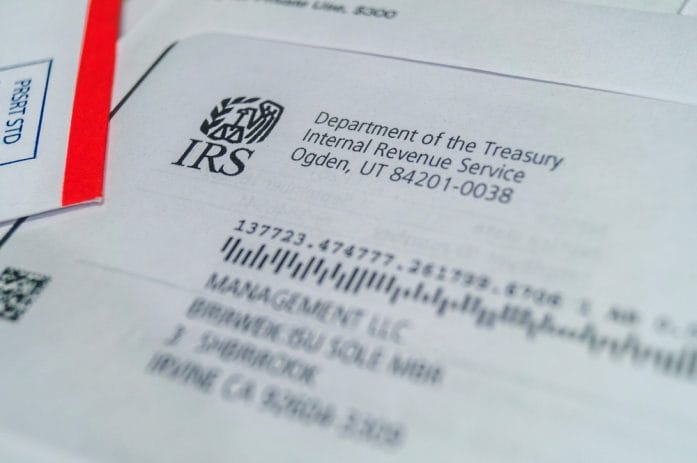
The start of tax season can create panic because your financial records do not align with your expected results. The feeling of being unable to pay your IRS debt becomes overwhelming, but you can prevent it from getting out of hand. You can reduce expenses through various financial strategies that help you stay penalty-free while gaining control over your money. The combination of IRS payment plans with strategic actions helps you to manage your financial situation effectively, rather than letting it deteriorate into a dire state. The correct strategy allows you to defend your money while maintaining your mental serenity.

1. Set Up an IRS Payment Plan

An IRS payment plan is often the fastest way to steady the situation. It reduces stress because you know the debt won’t go into harsher collection methods. Many people qualify without much hassle, and the application can be completed online.

The monthly payments stay flexible, which helps if your income shifts. Even if interest continues, slowing down penalties is still a win. The IRS payment plan also signals a good-faith effort, which matters if issues come up later.

2. Ask for a Short-Term Extension

Sometimes you don’t need a long repayment window. A short-term extension gives you up to 180 days to pay the full amount. This option works well if cash is coming soon, like a bonus, sale, or expected payout.

You avoid the setup fees tied to longer arrangements. Penalties don’t disappear, but they stay limited. It’s a simple move that keeps you out of deeper trouble while you pull money together.

3. Request Penalty Abatement

Penalty abatement can significantly reduce the impact. If you have a clean tax record for the past few years, you might qualify for a first-time abatement. The IRS removes certain penalties while still charging interest on the debt.

This is worth exploring when an IRS payment plan is already in place, but the added charges feel punishing. If you had a serious illness or another hardship, reasonable cause abatement might also apply. Every dollar that drops off makes repayment easier.

4. Adjust Your Withholding for Next Year

It’s easy to fall behind again if nothing changes. Adjusting your withholding helps prevent a repeat. A small shift in each paycheck spreads the tax burden over the year instead of all at once.

You can use a calculator or the guidance offered on the official IRS website to fine-tune your numbers. Once adjusted, your next season feels more predictable. It’s not exciting, but it steadies the long-term picture.

5. Reduce the Bill With Available Credits

Before settling on what you owe, double-check if you missed any credits. People often overlook energy improvements, education credits, or income-based reductions. Claiming even one of these can lower the balance and shrink the pressure.

If you work with a tax professional, ask them to scan for missed credits. If you prepare your own return, review updated rules since they change often. Even small credits have a noticeable impact when cash is tight.

6. File Even If You Can’t Pay

Filing late triggers harsh penalties. Filing on time avoids that, even when the money isn’t ready. The IRS separates the act of filing from the act of paying, which surprises many people.

You might still be nervous about the balance, but filing first limits damage. After that step, you can explore an IRS payment plan or extension. Staying current with your returns also prevents the IRS from estimating your tax for you, which usually turns out worse.

7. Use a Partial Payment Agreement

A partial payment agreement works like a long-term installment plan, but the final payoff may be less than the full balance. The IRS reviews your income and expenses closely before approving it. It’s not a quick fix, but it can help when your budget leaves almost no room.

Because finances change, the IRS checks in every couple of years to reassess. If things improve, payments may increase. Still, for someone truly struggling, this structure provides breathing room.

8. Explore an Offer in Compromise

Some taxpayers qualify for an Offer in Compromise, which settles the debt for less than the total amount. It’s strict and only applies when full payment is unrealistic. You must show that paying in full would create long-term financial strain.

The process requires good documentation and patience. While not fast, it can be life-changing if approved. You can review guidelines through the Taxpayer Advocate Service before deciding if it fits your situation.

Staying Steady After the First Shock

Your primary objective following the initial period of financial stress should focus on identifying upcoming financial problems. The IRS payment plan helps you handle your current year tax debts, but you need to build solid financial practices to safeguard your long-term financial security. You should track your income fluctuations while keeping a minimal tax fund and update your tax withholdings based on any changes in your personal situation.

The tax system may appear unyielding, but you have various options. Your knowledge of available tools helps you move from being trapped to developing self-assurance. What particular step did you perform after getting a tax bill that exceeded your current financial resources?

What to Read Next…

  • 5 Account Transfers That Unexpectedly Trigger IRS Penalties
  • 9 Mistakes That Turned Wealth Transfers Into IRS Nightmares
  • 7 Ill Advised Advisor Tips That Trigger IRS Audits
  • 6 Tax Breaks That Vanished Before Anyone Noticed
  • Are You Reading The Right Fine Print On Your Tax Refund?
Travis Campbell
Travis Campbell

Travis Campbell is a digital marketer/developer with over 10 years of experience and a writer for over 6 years. He holds a degree in E-commerce and likes to share life advice he’s learned over the years. Travis loves spending time on the golf course or at the gym when he’s not working.

Filed Under: tax tips Tagged With: IRS, money management, Personal Finance, tax debt, taxes

  • « Previous Page
  • 1
  • …
  • 6
  • 7
  • 8
  • 9
  • 10
  • …
  • 15
  • Next Page »

FOLLOW US

Search this site:

Recent Posts

  • Can My Savings Account Affect My Financial Aid? by Tamila McDonald
  • 12 Ways Gen X’s Views Clash with Millennials… by Tamila McDonald
  • What Advantages and Disadvantages Are There To… by Jacob Sensiba
  • Call 911: Go To the Emergency Room Immediately If… by Stephen Kanaval
  • 10 Tactics for Building an Emergency Fund from Scratch by Vanessa Bermudez
  • 7 Weird Things You Can Sell Online by Tamila McDonald
  • 10 Scary Facts About DriveTime by Tamila McDonald

Copyright © 2026 · News Pro Theme on Genesis Framework