
• Home
  • About Us
  • Toolkit
  • Getting Finances Done
    • Hiring Advisors
    • Debt Management
    • Spending Plan
  • Insurance
    • Life Insurance
    • Health Insurance
    • Disability Insurance
    • Homeowners/Renters Insurance
  • Contact Us
  • Risk Tolerance Quiz
  • Our Editorial Commitment

The Free Financial Advisor

You are here: Home / Archives for January

Why January 20th Is the ‘Red Line’ for Your 2026 Financial Stability

January 18, 2026 by Brandon Marcus Leave a Comment

Why January 20th Is the 'Red Line' for Your 2026 Financial Stability
Image source: shutterstock.com

If your bank account could talk, it would probably be whispering warnings about January 20th. This isn’t some arbitrary date plucked from the void—it’s a critical turning point for financial decision-making that can either set you up for a smooth year or trap you in a web of preventable setbacks.

Think of it as a checkpoint where procrastination and poor planning can turn into real consequences faster than you can say “credit freeze.” The stakes are higher than most realize, and the clock is ticking. Understanding why this date matters and acting accordingly might just be the smartest move you make all year.

The End Of Post-Holiday Cushioning

By January 20th, most people have exhausted the financial buffer built during the holiday season. Credit card bills from gifts, travel, and festive splurges start landing in mailboxes and inboxes, and many don’t realize how quickly these balances can compound with interest. The post-holiday financial lull can disguise looming trouble, especially for those who used short-term loans or credit cards as temporary relief.

Being proactive before this date means assessing what’s really owed versus what’s manageable, setting a plan to avoid carrying high-interest balances, and resisting the temptation to “catch up” with more debt. If left unchecked, January 20th can feel like stepping off a cliff, except the ground is made of interest rates, fees, and late charges. Preparing now gives you breathing room, instead of a scramble to make ends meet in late January.

Tax Deadlines And The Early-Year Crunch

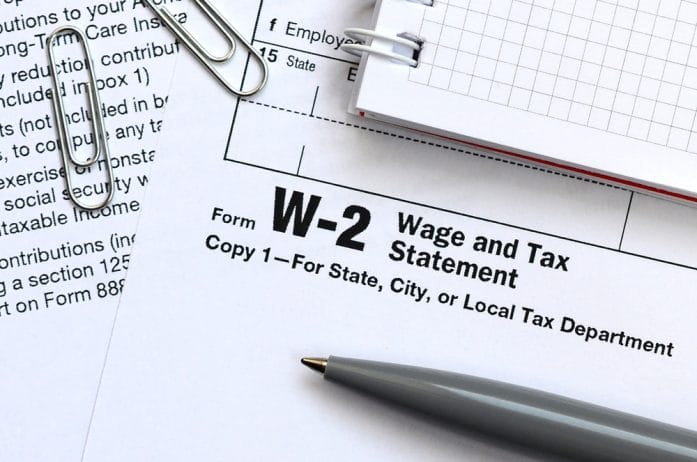
January 20th also falls at a critical point in the tax cycle. Many taxpayers begin seeing forms like W-2s, 1099s, and preliminary interest statements arrive right around this time. Missing the opportunity to organize documents, check deductions, or even estimate tax liabilities can create a domino effect of stress and financial strain. For self-employed individuals, freelancers, or those with variable income, this date signals the moment when financial projections for 2026 become urgent.
Why January 20th Is the 'Red Line' for Your 2026 Financial Stability
Image source: shutterstock.com

The earlier you review your tax situation, the better positioned you are to adjust withholding, make quarterly payments, or capitalize on deductions that can ease the burden later. Ignoring this timing doesn’t make the numbers go away—it only makes January 20th the day you realize you could have avoided an unnecessary headache.

Investment Decisions Need An Early-Year Lens

Financial advisors often stress the importance of early-year planning for investments, and January 20th serves as a key benchmark for decision-making. Markets react to policy announcements, interest rate changes, and corporate earnings projections, all of which can shift rapidly in the first few weeks of the year. By this date, patterns start emerging that inform your investment strategy for the months ahead. Delaying action until February or March could mean missed opportunities or entering positions when market conditions are less favorable. Whether it’s rebalancing a portfolio, adjusting retirement contributions, or reconsidering risk tolerance, January 20th is when the first real course corrections should happen to avoid costly missteps.

Personal Budgets Face Their First Real Test

The start of the year brings optimism, resolutions, and ambitious budgeting plans—but by January 20th, reality often hits. Bills, subscriptions, mortgage payments, and everyday expenses begin to accumulate, revealing whether your budget was aspirational or actually achievable. This is the moment to confront overspending, revisit discretionary categories, and make adjustments before habits become entrenched. Those who procrastinate might find themselves dipping into emergency savings or falling behind on bills, turning a minor inconvenience into a long-term financial challenge.

Approaching January 20th with a clear, realistic view of your cash flow can prevent small missteps from snowballing into full-blown crises.

Debt Management Must Take Priority

If debt management isn’t already a focus, January 20th is a wake-up call. Credit cards, personal loans, and other financial obligations can accumulate silently, with interest quietly chipping away at your available funds. Ignoring this date can result in missed minimum payments, higher interest accrual, and even damage to your credit score. A proactive approach includes reviewing all outstanding debts, prioritizing high-interest accounts, and considering strategies like consolidation or refinancing if necessary. By taking action before the red line of January 20th, you can transform a reactive, stressful financial situation into a structured, controlled plan that sets the stage for a more stable year.

Emergency Funds Should Be Evaluated Now

Finally, January 20th is the perfect checkpoint for your emergency fund. Unexpected expenses—a car repair, medical bill, or home maintenance—can derail financial stability if you’re unprepared. Assessing your savings, ensuring accessibility, and replenishing any shortfalls should be non-negotiable tasks before this date passes. An underfunded emergency cushion can turn minor inconveniences into significant disruptions. Planning for emergencies ahead of the curve isn’t just wise—it’s essential for maintaining momentum in your broader financial goals.

Take Action Before The Red Line

January 20th is more than a date—it’s a marker for proactive financial behavior. It signals the point where post-holiday recovery, tax considerations, budget testing, debt management, and investment strategy all intersect. Ignoring this date can magnify small missteps into larger financial problems. Meanwhile, acting beforehand sets you up for a smoother, more controlled year. Use it as a milestone to assess your overall financial health, make adjustments, and ensure your 2026 goals stay on track.

Have a personal experience or strategy that helped you navigate this crucial day? Leave your thoughts and stories in the comments below, because your insights might help someone else steer clear of pitfalls.

You May Also Like…

10 Financial Wake-Up Calls People Experience After Age 55

Income Stability: 6 Retirement Income Moves That Aren’t as Safe as They Seem

Savings Base: 6 Foundational Moves That Keep Retirement Plans Stable

Why Does Financial Anxiety Show Up Even When Bills Are Paid

8 Budget Fixes That Instantly Turn Finances Around

Brandon Marcus
Brandon Marcus

Brandon Marcus is a writer who has been sharing the written word since a very young age. His interests include sports, history, pop culture, and so much more. When he isn’t writing, he spends his time jogging, drinking coffee, or attempting to read a long book he may never complete.

Filed Under: Finance Tagged With: bank account, banking, Budget, budgeting, Debt, Debt Management, eliminating debt, end of year spending, finance, finances, Financial Stability, general finances, investing choices, investing decisions, investments, January, overspending, Pay Off Debt, personal budget, savings account, Smart Spending, spending, tax deadlines

The January Paycheck Shock: The ‘Hidden’ Tax Rule That Just Lowered Take-Home Pay for Middle-Class Families

January 14, 2026 by Brandon Marcus Leave a Comment

The January Paycheck Shock: The 'Hidden' Tax Rule That Just Lowered Take-Home Pay for Middle-Class Families
Image Source: Shutterstock.com

January is usually a month of fresh starts, new resolutions, and maybe a little post-holiday gloom—but this year, many middle-class families opened their first paycheck of the year and got hit with a jolt that didn’t involve the gym or a diet plan. Somehow, magically, their take-home pay shrank. Not because of a raise that didn’t show up or a surprise subscription fee, but because of a tax rule most Americans haven’t really noticed until now.

Yes, the tax system has its own brand of mischief, and it seems January 2026 has become the month of paycheck surprises.

How The New Withholding Rules Work

The root of the January paycheck shock lies in a tax mechanism called “withholding.” Essentially, this is the money your employer takes out of your paycheck to cover federal income taxes. For decades, withholding has been straightforward—calculate your anticipated tax bill, spread it across the year, and take it out in predictable chunks. But starting this year, the IRS has tweaked some calculations that directly affect how much comes home in your pocket. It’s all tied to adjustments in tax brackets, standard deductions, and the timing of certain credits.

The effect? Many workers are now seeing larger deductions from their first paycheck of the year than they expected. For middle-class households counting on that steady paycheck to cover rent, groceries, and other essentials, the difference is glaring and immediately noticeable.

The IRS explains this shift as a correction to more accurately match tax owed with tax paid throughout the year. In theory, it prevents a massive tax bill come April. In practice, it can feel like someone quietly reached into your bank account. Families that historically saw consistent take-home pay are suddenly adjusting to a smaller check.

Why Middle-Class Families Are Feeling It Most

It’s not just random; the impact hits middle-class families harder than others. High earners typically have enough wiggle room to absorb small changes in withholding, while lower-income workers often qualify for refundable credits that cushion the blow. Middle-class families, however, sit right in the middle. They aren’t automatically shielded, and they aren’t wealthy enough to ignore changes in take-home pay. A difference of even a few hundred dollars in January can ripple through household budgets, affecting everything from utility bills to student loan payments.

Moreover, many middle-class families make life plans based on a predictable income. Gym memberships, after-school programs, monthly savings contributions—they all assume a consistent paycheck. When that paycheck suddenly shrinks, even temporarily, the disruption can create a domino effect. Financial planners have started advising clients to anticipate minor fluctuations in withholding and prepare emergency buffers. Ignoring these changes might not trigger penalties, but it can certainly lead to stress and scrambling to cover routine expenses. Understanding the mechanics behind this change is the first step to regaining control over finances.

How To Check If You’re Affected

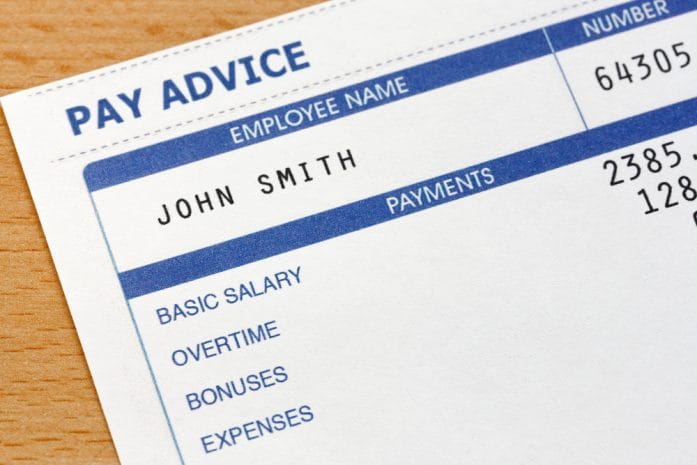
Checking whether this withholding adjustment affects you isn’t complicated, but it requires some attention. Start by reviewing your first paycheck of the year and comparing it to previous months’ paychecks. Look specifically at the federal tax withheld line. If the deduction is noticeably higher than in December, that’s a clear signal the new rule has touched your paycheck. Next, gather your last year’s W-2 and recent pay stubs to estimate your expected tax liability. The IRS provides calculators and worksheets to help with this, and even small adjustments to your W-4 form can correct withholding mid-year.

It’s worth noting that these adjustments are designed to match your total tax liability, so over the course of the year, things should even out. Still, the immediate impact can be jarring. Families experiencing the shock may want to temporarily adjust discretionary spending or set aside a small portion of the paycheck to cover the gap. For those who have multiple jobs, side gigs, or complex deductions, reviewing withholding more carefully can prevent unpleasant surprises in the months ahead. Awareness and action are key to turning an alarming January paycheck into a manageable shift.

Strategies To Ease The January Shock

The good news is there are ways to soften the impact. One effective strategy is to revisit your W-4 allowances. This form, which dictates how much federal tax your employer deducts, can be updated at any time during the year. A small tweak in the number of allowances can bring more money home each week without risking underpayment at tax time. Another approach is creating a “tax buffer” in your budget. By setting aside a portion of the paycheck immediately for taxes, families can stabilize cash flow and reduce stress.

Additionally, understanding temporary deductions can help. For instance, retirement contributions, health savings accounts, and pre-tax benefits all interact with withholding calculations. Reviewing these components can uncover ways to maximize take-home pay without changing overall tax responsibility. For families with children, certain credits like the Child Tax Credit or dependent care deductions play a role as well. The trick is not to panic but to plan carefully and use available tools to regain predictability in monthly income. These strategies transform a paycheck shock into a manageable financial adjustment.

The January Paycheck Shock: The 'Hidden' Tax Rule That Just Lowered Take-Home Pay for Middle-Class Families
Image Source: Shutterstock.com

The Long-Term Implications For Families

While the initial reaction to the January paycheck may be frustration or disbelief, there’s a bigger picture to consider. Accurate withholding, though annoying at first, prevents underpayment and potential tax penalties at the end of the year. Over time, families that understand and anticipate these adjustments can improve financial literacy, strengthen budgeting habits, and even discover opportunities for tax planning that were previously overlooked.

The shift also underscores a broader point about personal finance: the rules aren’t static. Tax codes, deductions, and withholding regulations evolve, and staying informed is part of managing money effectively. Middle-class families that pay attention to these changes are better positioned to navigate fluctuations in income, avoid surprises, and maintain stability. Far from a permanent setback, the January paycheck shock can serve as a wake-up call to take a closer look at household finances, identify areas for improvement, and develop a more proactive approach to money management.

Tell Us About Your January Paycheck Experience

Did your first paycheck of 2026 feel a little lighter than expected? Or did you notice the new withholding rules before they hit your bank account? This is the place to talk about it. Whether it caused a minor inconvenience or a serious budget scramble, every story adds perspective.

Comment below with your experiences, insights, or creative ways you’ve adapted to the January paycheck shift. The more we understand these changes together, the less shocking they become.

You May Also Like…

Asset Migration: 5 Emerging Market Trends Retirees Should Know Before January

10 Reasons The Lower Middle Class Are Afraid to Invest

7 Shocking Money Habits That Keep the Middle Class Broke

9 Shocking Ways Inflation Affects the Middle Class First

When Your Parents Take Your Paycheck: 6 Signs You’re Being Emotionally Manipulated


Brandon Marcus
Brandon Marcus

Brandon Marcus is a writer who has been sharing the written word since a very young age. His interests include sports, history, pop culture, and so much more. When he isn’t writing, he spends his time jogging, drinking coffee, or attempting to read a long book he may never complete.

Filed Under: tax tips Tagged With: families, family issues, family money, hidden taxes, IRS, January, living paycheck to paycheck, middle class, middle-class families, Money, money issues, paycheck, paycheck control, taxes, withholding

Payment Delay Alert: Why Your January Social Security Deposit May Not Hit Your Account Today

January 14, 2026 by Brandon Marcus 8 Comments

Here's Why Your January Social Security Deposit May Not Hit Your Account Today
Image Source: Shutterstock.com

The morning coffee is poured, the phone is unlocked, and there it is—the banking app—staring back with a balance that hasn’t budged. For millions of Social Security recipients, that moment can spark a mix of confusion, concern, and a dozen rapid-fire questions. January is supposed to feel like a clean slate, yet nothing rattles the calm quite like a missing deposit.

Before panic sets in or customer service numbers get dialed at lightning speed, it helps to understand what’s really going on behind the scenes. This isn’t a mystery novel twist or a financial cliffhanger—it’s a story with rules, timing quirks, and a few very human explanations.

How Social Security Payment Timing Really Works

Social Security payments don’t all land on the same day, and that alone explains a huge chunk of January confusion. The Social Security Administration uses a staggered schedule that depends on your birthday and the type of benefit you receive. Retirement and disability benefits typically arrive on a Wednesday, and which Wednesday depends on whether your birthday falls early, mid, or late in the month. Supplemental Security Income usually follows a different rhythm entirely, often arriving on the first of the month unless that date collides with a weekend or holiday.

January magnifies these differences because it opens with a federal holiday and a brand-new calendar. When expectations don’t match the actual schedule, it can feel like a delay even when everything is technically right on time.

January’s Calendar Quirks Can Shift Deposit Dates

January loves to play calendar tricks, and your Social Security payment sometimes feels the impact. New Year’s Day is a federal holiday, and banks close their doors, even if digital banking stays open. When a scheduled payment date lands on a weekend or holiday, the deposit doesn’t vanish—it simply moves. Sometimes it arrives earlier, sometimes the next business day, depending on the benefit type and banking processes.

That shift can make it seem like today was supposed to be the day, even when the official payment date quietly changed. Understanding that January’s layout isn’t business-as-usual can ease a lot of unnecessary worry.

Here's Why Your January Social Security Deposit May Not Hit Your Account Today
Image Source: Shutterstock.com

Banks And Processing Times Add Another Layer

Even when Social Security releases payments exactly as scheduled, banks still have a role to play. Financial institutions process deposits on their own timelines, and those timelines aren’t always identical. One bank might post funds the moment they’re received, while another may take several hours or even an extra business day. High-volume periods, such as the start of a new year, can slow things slightly as systems update and reconcile accounts. Online banking apps don’t always refresh instantly, which can add to the illusion of a missing payment. In many cases, patience of a single day is all it takes for the deposit to finally appear.

Cost-Of-Living Adjustments Can Cause Brief Confusion

January is also when cost-of-living adjustments take effect, and that change can add a layer of complexity. Updated benefit amounts require system-wide updates, recalculations, and verification checks. While these adjustments are designed to help recipients keep up with rising expenses, they can temporarily slow the flow of information between agencies and banks. Some people notice a different deposit amount and assume something went wrong, while others expect the increase and think a delay has occurred. The reality is that recalibration takes time, and January is when all of it happens at once. The payment is still coming, even if it arrives with a few extra steps behind the curtain.

When A Delay Is Normal And When It’s Not

Most January payment concerns fall squarely into the “normal” category, even if they don’t feel that way in the moment. A deposit that’s one business day late is rarely a sign of trouble, especially around holidays. However, a delay stretching beyond several days deserves attention. Incorrect banking information, a recently changed account, or a flagged issue can hold things up longer than expected. Keeping personal details up to date with Social Security is one of the simplest ways to avoid extended delays. Knowing the difference between a routine timing issue and a genuine problem helps you respond calmly and effectively.

Smart Steps To Take If Your Payment Hasn’t Arrived

The first and most powerful step is checking your official payment schedule to confirm the expected date. Next, take a look at your bank’s processing policies, especially around holidays and weekends. It’s also wise to monitor your account for pending deposits that may not be fully posted yet. If a few business days pass with no sign of your payment, reaching out to Social Security or your bank can provide clarity. Keeping notes of conversations and confirmation numbers can save time if follow-up is needed. Acting methodically beats reacting emotionally every time.

Stay Informed And Stay Calm

January payment delays can feel unsettling, but they’re often the result of timing, calendars, and behind-the-scenes processes rather than true problems. Understanding how Social Security schedules payments and how banks handle deposits puts the power back in your hands. If you’ve experienced a January delay before, or if today’s missing deposit sparked a few nerves, your perspective could help others feel less alone.

Drop your thoughts or personal experiences in the comments section below and join the conversation. Sometimes reassurance is just one story away.

You May Also Like…

Pension Shock: 9 Myths About Social Security That Could Derail Your Retirement

Could Your Social Security Plans Collapse If The Economy Shifts Again This Winter?

Did You Know Social Security Has a Hidden Bonus for Widowers?

11 Social Security Surprises That Hit You After Losing a Spouse

Is There Any Way to Get More Social Security Than You Qualify For?


Brandon Marcus
Brandon Marcus

Brandon Marcus is a writer who has been sharing the written word since a very young age. His interests include sports, history, pop culture, and so much more. When he isn’t writing, he spends his time jogging, drinking coffee, or attempting to read a long book he may never complete.

Filed Under: social security Tagged With: America, bank account, bank processing, banking, Banks, elderly, government policy, January, Money, money issues, senior citizen, seniors, Social Security, social security changes, Social Security deposit, social security payment, United States

9 Monthly Expenses That Will Cost More Starting in January

December 16, 2025 by Brandon Marcus Leave a Comment

Some Monthly Expenses Will Cost More Starting in January
Image Source: Shutterstock.com

January has a funny way of arriving with confetti in one hand and a bill in the other. While everyone else is talking about fresh starts and bold resolutions, your monthly budget is quietly bracing for impact. New calendars don’t just bring new goals; they often come with higher prices baked into everyday essentials.

Some increases are obvious, others sneak in quietly, but together they can turn a manageable budget into a monthly headache. Before your wallet gets blindsided, let’s break down the monthly expenses that are likely to demand more of your money starting in January.

1. Rent And Housing Costs

January is a popular time for landlords and property managers to roll out rent increases, especially for renewed leases. Higher property taxes, maintenance costs, and insurance premiums are often passed directly to tenants. Even homeowners aren’t immune, as HOA fees and condo association dues frequently rise at the start of the year. Housing markets may cool or heat up depending on location, but monthly housing costs have a habit of only moving in one direction. Whether you rent or own, shelter usually becomes a little more expensive once the calendar flips.

2. Health Insurance Premiums

Health insurance changes often kick in right after the New Year, making January an expensive wake-up call. Premiums commonly increase due to rising healthcare costs, new coverage requirements, or plan adjustments. Even if your premium stays the same, deductibles and out-of-pocket maximums often reset, which can feel like a price hike all on its own. Employer-sponsored plans and individual policies alike tend to update pricing annually. The result is that healthcare almost always demands more money at the beginning of the year.

3. Car Insurance Payments

Auto insurance providers love January for rolling out rate adjustments. Changes in accident data, repair costs, and inflation all influence how much drivers pay each month. Even a clean driving record doesn’t guarantee protection from a higher bill. New fees or revised coverage standards can quietly increase your premium without much warning. When the New Year starts, many drivers notice their car insurance costs creeping upward.

4. Utilities And Energy Bills

Winter weather alone can push utility bills higher, but January pricing adjustments add another layer. Energy providers often update rates annually to reflect infrastructure upgrades and fuel costs. Heating, electricity, and natural gas bills can spike even if usage stays relatively steady. Water and trash services may also introduce higher monthly fees at the start of the year. By mid-January, many households are already paying more just to keep the lights on and the house warm.

Some Monthly Expenses Will Cost More Starting in January
Image Source: Shutterstock.com

5. Streaming And Subscription Services

Streaming services have become masters of the quiet January price increase. New content investments and licensing fees often lead to higher monthly subscription costs. Some services raise prices directly, while others eliminate lower-priced tiers or add fees for features that used to be free. Fitness apps, music platforms, and digital tools frequently follow the same pattern. By the end of January, those small monthly subscriptions can add up to a noticeably bigger total.

6. Internet And Mobile Phone Plans

Telecom companies frequently adjust pricing at the start of the year. Promotional rates may expire, pushing customers onto higher standard pricing. Added fees, regulatory charges, or equipment rental costs can sneak into your monthly bill. Even modest increases feel painful when they hit essential services you rely on every day. January is often when your internet and phone bills quietly become more expensive.

7. Childcare And Education Costs

Many childcare providers and educational programs revise tuition and fees annually in January. Higher staffing costs, insurance, and supplies often drive these increases. Even after-school programs and tutoring services may raise monthly rates. Parents can feel these changes immediately, especially if multiple children are involved. The New Year frequently brings a higher price tag for learning and care.

8. Grocery And Household Essentials

Grocery prices don’t reset magically with a new calendar, but January often reflects updated supplier contracts and transportation costs. Staples like bread, dairy, and cleaning supplies may cost more than they did just weeks earlier.

On top of that, manufacturers sometimes introduce smaller packages at the same price, which effectively raises your monthly spending. Seasonal promotions disappear after the holidays, removing temporary discounts. Over a month, these subtle changes can stretch your grocery budget thin.

9. Memberships And Professional Fees

Gym memberships, professional organizations, and club dues commonly increase at the start of the year. January is peak season for fitness centers, making it an ideal time for price adjustments. Professional licensing fees and monthly service retainers may also update annually.

Even if the increase is small, it becomes a permanent part of your monthly expenses. By February, many people realize their memberships are costing more than they planned.

New Year, New Budget Reality

January may symbolize fresh starts, but it also brings financial realities that are hard to ignore. From housing and insurance to groceries and subscriptions, higher monthly expenses can pile up faster than expected. Knowing where these increases are likely to appear gives you a chance to prepare instead of panic. A proactive look at your budget can help you adjust, negotiate, or cut back where possible.

Let us know your thoughts or personal experiences with rising monthly costs in the comments section below.

You May Also Like…

Debt Alert: 6 Ways Holiday Spending Could Trigger a January Credit Score Crisis

Could Your Advisor Be Overlooking The Biggest Risk Hiding In Your Portfolio This Winter?

These 8 Wedding Expenses Look Harmless – Until You See the Final Bill

6 Expenses That Quietly Multiply After Buying a Home

10 Expenses That Quietly Rise When You Move Abroad


Brandon Marcus
Brandon Marcus

Brandon Marcus is a writer who has been sharing the written word since a very young age. His interests include sports, history, pop culture, and so much more. When he isn’t writing, he spends his time jogging, drinking coffee, or attempting to read a long book he may never complete.

Filed Under: Spending Habits Tagged With: car insurance, childcare, energy bills, groceries, health insurance, Holidays, household essentials, housing, Housing Costs, Insurance, Internet, January, monthly essentials, monthly expenses, Rent, spending, spending habit, Spending Habits, streaming apps, utilities, winter

What Your First Budget Of The Year Should Include

December 16, 2025 by Brandon Marcus Leave a Comment

What Your First Budget Of The Year Should Include
Image Source: Shutterstock.com

A new year brings a rare financial superpower: a clean slate with motivation still buzzing and habits ready to be rewritten. This is the moment when goals feel possible, coffee tastes more productive, and spreadsheets suddenly seem less intimidating.

Your first budget of the year is not about restriction or punishment, but about clarity, momentum, and giving every dollar a job with purpose. Done right, it becomes a confidence-building tool that reduces stress and quietly upgrades your entire life.

1. Fixed Monthly Essentials

Start your first budget by locking in the non-negotiables, because rent, utilities, insurance, and basic groceries keep your life running smoothly. These are the bills that arrive whether motivation is high or low, so they deserve first dibs on your money every single month. Listing them clearly removes anxiety, replaces guesswork with certainty, and shows you the real minimum cost of your lifestyle.

When you see these numbers upfront, everything else in your budget becomes a choice instead of a surprise. A strong foundation of essentials makes the rest of your financial planning feel lighter, calmer, and far more controllable.

2. Variable Living Costs

Next come the flexible costs that quietly shape your spending habits, including dining out, gas, groceries upgrades, subscriptions, and spontaneous convenience buys. These categories change month to month, which makes them powerful levers for progress when money feels tight. Tracking them honestly for your first budget sets expectations without pretending you will suddenly become a financial monk.

Giving variable expenses realistic limits keeps your plan usable instead of aspirational wallpaper. This is where awareness turns into confidence, because small adjustments here can free up surprising amounts of cash.

3. Savings That Actually Matter

Savings should be treated like a bill, not a leftover, especially in your very first budget of the year. Include emergency savings, short-term goals, and long-term investing so your money is working across multiple timelines. Even modest contributions build momentum and prove that progress does not require perfection. Automating savings removes temptation and turns consistency into your quiet financial superpower. When savings have a clear line item, future you stops feeling like a stranger you keep disappointing.

4. Debt Paydown With Purpose

Debt deserves its own spotlight, because ignoring it does not make interest any less aggressive. Your first budget should include minimum payments and a clearly defined extra amount aimed at one priority balance. This approach balances responsibility with motivation, allowing wins without burnout. Seeing debt shrink on paper reinforces the connection between planning and freedom. A purposeful payoff strategy turns your budget from a restriction into a timeline for relief.

What Your First Budget Of The Year Should Include
Image Source: Shutterstock.com

5. Annual And Irregular Expenses

Annual and irregular expenses are the sneakiest budget wreckers, so invite them in early instead of pretending they will not happen. Think car repairs, medical costs, gifts, travel, memberships, and those once-a-year fees that always feel surprising. Breaking these into monthly sinking funds spreads the impact and protects your cash flow. Your first budget becomes sturdier when it accounts for real life instead of ideal months. Planning ahead here is the difference between mild inconvenience and full-blown financial stress.

6. Fun Money Without Guilt

A budget without enjoyment is a short-lived experiment, which is why fun money belongs in your very first plan. This category covers hobbies, entertainment, treats, and experiences that make your routine feel rewarding. Including it removes guilt and reduces the urge to rebel against your own rules. Fun money works best with boundaries, because limits protect joy instead of killing it. When enjoyment is intentional, your budget becomes something you actually want to stick with.

Your Budget Is The Beginning, Not The Finish Line

Your first budget of the year is not a rigid document carved in stone, but a living plan that grows with you. It sets the tone for how you think about money, how you respond to challenges, and how confidently you move through the months ahead. Mistakes will happen, categories will need tweaks, and priorities may shift, and that is all part of the process. What matters is starting with honesty, structure, and a little optimism baked in.

If this approach sparked ideas or reminded you of lessons learned, write about your thoughts, ideas, or stories in the comments below.

You May Also Like…

Holiday Trap: 6 Gift-Spending Mistakes That Could Wreck Your Budget

Expense Mindset: 5 Budgeting Habits High-Net Individuals Use

Why Do So Many People Believe Budgeting Apps Solve Everything

8 Budget Fixes That Instantly Turn Finances Around

What Home Repairs Should I Budget For?

Brandon Marcus
Brandon Marcus

Brandon Marcus is a writer who has been sharing the written word since a very young age. His interests include sports, history, pop culture, and so much more. When he isn’t writing, he spends his time jogging, drinking coffee, or attempting to read a long book he may never complete.

Filed Under: Budgeting Tagged With: annual expenses, Budget, budgeting, budgeting advice, budgeting for holidays, Budgeting Tips, Debt, debt paydown, expenses, holiday budgeting, Holidays, irregular, January, living costs, monthly essentials, savings, seasonal, seasonal budgeting, winter

FOLLOW US

Search this site:

Recent Posts

  • Can My Savings Account Affect My Financial Aid? by Tamila McDonald
  • 12 Ways Gen X’s Views Clash with Millennials… by Tamila McDonald
  • What Advantages and Disadvantages Are There To… by Jacob Sensiba
  • 10 Tactics for Building an Emergency Fund from Scratch by Vanessa Bermudez
  • Call 911: Go To the Emergency Room Immediately If… by Stephen Kanaval
  • 7 Weird Things You Can Sell Online by Tamila McDonald
  • 10 Scary Facts About DriveTime by Tamila McDonald

Copyright © 2026 · News Pro Theme on Genesis Framework