
• Home
  • About Us
  • Toolkit
  • Getting Finances Done
    • Hiring Advisors
    • Debt Management
    • Spending Plan
  • Insurance
    • Life Insurance
    • Health Insurance
    • Disability Insurance
    • Homeowners/Renters Insurance
  • Contact Us
  • Privacy Policy
  • Risk Tolerance Quiz

The Free Financial Advisor

You are here: Home / Archives for tax problems

The IRS Letter You Shouldn’t Ignore – and What To Do If You Get One

April 10, 2026 by Brandon Marcus Leave a Comment

The IRS Letter You Shouldn't Ignore - and What To Do If You Get One

Image Source: Shutterstock.com

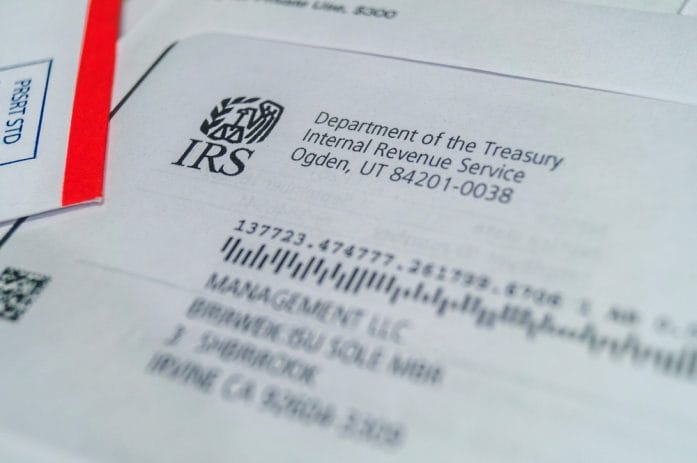
A plain white envelope just landed in the mailbox, and it carries more weight than it looks. The return address reads IRS, and suddenly everything else on the to-do list feels a lot less important. That single piece of mail can trigger a rush of questions, a spike of stress, and a strong urge to pretend it doesn’t exist. That instinct might feel tempting, but it sets up a much bigger problem down the line. Ignoring that letter never makes it disappear, and it rarely ends well.

That envelope doesn’t always mean disaster, though, and that’s where things get interesting. The IRS sends millions of notices every year, and many of them deal with simple issues that have straightforward fixes. Some letters ask for clarification, some correct small errors, and others alert taxpayers to balances owed or refunds adjusted. The key lies in knowing what the letter actually says and acting quickly with a clear plan. A calm, informed approach can turn a nerve-wracking moment into something completely manageable.

Not All IRS Letters Spell Trouble—But Every Single One Demands Attention

That official letter might look intimidating, but it doesn’t automatically signal an audit or a major issue. The IRS uses notices for a wide range of reasons, and many of them fall into routine communication. A letter might point out a math error on a tax return, request additional information, or confirm a change made to a filing. In some cases, the IRS might even send a notice to verify identity or flag potential fraud, which actually protects taxpayers rather than punishes them. That variety makes one thing very clear: the letter matters, even when it doesn’t bring bad news.

Each notice includes a specific code, usually in the upper right corner, and that code tells the story. A CP2000, for example, often means the IRS found a mismatch between reported income and third-party documents like W-2s or 1099s. Other notices, like CP14, typically relate to a balance due, while letters like 5071C deal with identity verification. Understanding that code helps cut through the confusion and points directly to the issue at hand. Skipping that step leaves too much room for guessing, and guessing doesn’t help when dealing with tax matters.

The letter also outlines a deadline, and that deadline matters more than anything else on the page. The IRS expects a response within a set timeframe, often 30 days, and failing to respond can lead to additional penalties or enforced collection actions. That timeline doesn’t leave much room for procrastination. Taking action quickly keeps options open and prevents the situation from escalating into something far more complicated. Even a simple acknowledgment or request for more time can make a big difference.

The Worst Move? Tossing It Aside and Hoping for the Best

That moment of hesitation after opening an IRS letter can turn into full-blown avoidance if left unchecked. Letting the letter sit unopened or unanswered might feel easier in the short term, but it creates a chain reaction that leads to bigger problems. The IRS doesn’t forget, and it doesn’t quietly drop issues when deadlines pass. Instead, penalties can grow, interest can accumulate, and the tone of future notices can become much more urgent.

Ignoring a balance due notice, for example, can lead to additional fees and eventually collection actions such as liens or levies. A lien can attach to property, while a levy can involve wage garnishment or bank account seizures. Those outcomes don’t happen overnight, but they start with missed deadlines and unanswered letters. Addressing the issue early keeps those consequences off the table and preserves more flexibility in how to resolve the situation.

Even when the letter involves something minor, like a request for documentation, ignoring it can escalate the issue unnecessarily. The IRS may adjust a return without input, which could result in a higher tax bill than necessary. Responding with accurate information can correct the record and potentially reduce or eliminate the problem. Taking control early always beats scrambling later when fewer options remain.

What To Do the Moment That Letter Hits Your Hands

The first move involves reading the letter carefully from start to finish, even if the urge to skim feels strong. Every detail matters, including the notice number, the tax year involved, and the specific issue identified. That information sets the stage for everything that follows. Skipping over key points can lead to misunderstandings and incorrect responses, which only complicate matters further.

Next comes verifying the information against personal records. Pull out the relevant tax return, income documents, and any supporting paperwork to compare details. If the IRS claims a discrepancy, check whether the original filing missed something or whether the IRS made an error. Both scenarios happen, and only a thorough review can uncover the truth. That step transforms a vague concern into a clear understanding of what needs to happen next.

After reviewing the details, decide on a response strategy. If the letter requests payment, explore options such as paying in full, setting up an installment agreement, or requesting a temporary delay if financial hardship exists. If the notice disputes information, prepare documentation to support the correct figures and respond within the deadline. Sending a clear, organized response shows engagement and helps move the process forward efficiently. Keeping copies of everything sent also creates a solid paper trail for future reference.
The IRS Letter You Shouldn't Ignore - and What To Do If You Get One

Image Source: Shutterstock.com

When It’s Time to Bring in Backup

Some IRS letters stay simple, while others introduce complexity that requires professional guidance. Notices involving audits, large balances, or legal language often benefit from expert help. Tax professionals such as certified public accountants, enrolled agents, or tax attorneys understand the system and know how to navigate it effectively. That expertise can prevent costly mistakes and reduce stress during the process.

Bringing in help doesn’t mean losing control; it means strengthening the approach. A professional can review the notice, explain options, and communicate with the IRS on behalf of the taxpayer if needed. That support can feel especially valuable when dealing with tight deadlines or unfamiliar terminology. Choosing someone with proper credentials and experience ensures the guidance stays reliable and accurate.

Even in less complicated situations, a quick consultation can provide reassurance and clarity. A professional might confirm that a response looks correct or suggest a better way to present information. That extra layer of confidence can make the entire process smoother and less overwhelming. Investing in guidance at the right moment can save time, money, and frustration.

Turn a Stressful Letter Into a Smart Financial Move

A common IRS letter might not feel like an opportunity at first glance, but it can become one with the right mindset. Addressing the issue promptly can lead to better financial organization, improved recordkeeping, and a clearer understanding of tax obligations. Those benefits extend far beyond the immediate situation and help build stronger habits for the future.

Taking action also creates a sense of control that replaces uncertainty. Instead of worrying about what might happen, a clear plan turns the situation into a series of manageable steps. That shift changes the entire experience from reactive to proactive. Staying organized, meeting deadlines, and communicating effectively with the IRS all contribute to a smoother resolution.

Looking ahead, small adjustments can reduce the chances of future notices. Double-checking tax returns, keeping thorough records, and reporting all income accurately can prevent many common issues. Setting reminders for important tax dates and reviewing filings carefully before submission can also make a big difference. Those habits turn a one-time scare into a long-term advantage.

The Letter That Demands Action—And Rewards It

That IRS envelope carries weight, but it doesn’t have to carry fear. Taking it seriously, understanding its purpose, and responding with clarity can turn a stressful moment into a manageable task. Every notice brings a message, and acting on that message keeps control firmly in hand. Waiting, ignoring, or guessing only adds unnecessary risk, while prompt action opens the door to solutions.

What’s the move? Face it head-on and take control, or let it sit and grow into something bigger than it needs to be? Share your thoughts, strategies, or experiences in the comments and keep the conversation going.

You May Also Like…

Penalty Traps: Everyday Actions That Trigger IRS Fines

IRS Refund Delays Surge: Incorrect Bank Info Is Triggering Weeks-Long Payment Holds

Property Taxes Are Catching Homeowners Off Guard — Especially After Buying or Renovating

5 Reasons To Talk To Your Kids About Taxes

The IRS Is Flagging More Returns This Year—And One Detail Keeps Triggering Reviews

Brandon Marcus
Brandon Marcus

Brandon Marcus is a writer who has been sharing the written word since a very young age. His interests include sports, history, pop culture, and so much more. When he isn’t writing, he spends his time jogging, drinking coffee, or attempting to read a long book he may never complete.


Filed Under: tax tips Tagged With: audit, IRS, IRS letters, IRS notice, money advice, Personal Finance, Planning, tax help, tax problems, tax return, tax tips, taxes

IRS Warning: That Venmo Payment for Your Garage Sale Just Triggered a Surprise Tax Bill

January 14, 2026 by Brandon Marcus Leave a Comment

That Venmo Payment for Your Garage Sale Just Triggered a Surprise Tax Bill

Image Source: Shutterstock.com

It’s a wonderful moment when Venmo confirms a payment has hit your bank account, especially when it’s a garage or yard sale. A stranger happily walks away with your old coffee table, and you feel like a decluttering champion who just earned a few extra bucks.

Victory, right? Not so fast.

That innocent little digital payment may have quietly waved hello to the IRS, and months later it could come roaring back as a tax surprise you never saw coming. Welcome to the modern garage sale, where folding tables, lawn signs, and peer-to-peer payment apps collide with federal tax rules in ways that catch everyday sellers completely off guard.

Why That Innocent Venmo Payment Raised A Red Flag

For decades, garage sales lived in a blissful cash-only bubble, rarely noticed by anyone outside the neighborhood. Digital payments changed that overnight, because apps like Venmo, PayPal, and Cash App leave electronic paper trails that never fade. When money flows through these platforms, it can be categorized as business income depending on how the payment is tagged or processed. Even if you were just unloading old stuff from your basement, the system may not know that. From the IRS perspective, incoming payments can look like earnings unless clearly identified otherwise.

The confusion often starts when buyers send money using the default settings or label the transaction as payment for goods or services. That single tap can flip a switch that classifies you as a seller rather than a casual declutterer. Payment platforms are required to track and report certain transactions, which means your weekend garage sale could accidentally resemble a side hustle.

How The IRS Actually Tracks Digital Payments

The IRS does not sit around spying on garage sales, but it does pay attention to reported income. Payment platforms are required to issue tax forms when accounts meet specific reporting thresholds. These forms summarize the total amount of payments received during the year that were classified as taxable transactions. Once that form exists, the IRS expects to see the same income reflected on your tax return. If it is missing, questions tend to follow.

This system does not evaluate context, fairness, or intent. It only compares reported numbers. That means selling a used couch at a loss can look identical to running a small online shop if the payments are processed the same way. Many people are stunned to learn that the IRS receives this information automatically, without any action required on their part.

That Venmo Payment for Your Garage Sale Just Triggered a Surprise Tax Bill

Image Source: Shutterstock.com

What Counts As Taxable Income And What Does Not

Here is where things get nuanced, and where many sellers panic unnecessarily. Selling personal items for less than you originally paid is generally not taxable income. That old blender you bought for eighty dollars and sold for fifteen does not create a profit, and profits are what matter for taxes. The problem is proving that loss if the IRS only sees gross payments. Without records, the system assumes the worst.

On the flip side, items sold for more than their original purchase price can be taxable. Collectibles, antiques, and high-demand items sometimes appreciate, and that gain may count as income. Regularly selling items with the intention of making money can also cross the line into business activity. Frequency, intent, and organization all matter. The tax rules themselves are not new, but the visibility created by digital payments is. What used to fly under the radar now shows up in black and white.

Smart Ways To Avoid A Garage Sale Tax Headache

The easiest way to reduce confusion is to label payments correctly. Friends-and-family options are designed for personal transactions and help distinguish casual exchanges from sales activity. Keeping simple records can also save your sanity later. Notes, screenshots, or even a quick spreadsheet showing what you sold and roughly what you paid can make a huge difference. You do not need museum-level documentation, just reasonable evidence.

If you sell items frequently, consider separating personal sales from any side business activity. Using different accounts can prevent totals from blending together into something that looks much bigger than it is. Reading platform settings carefully before your next sale is another smart move. A few minutes of prep can spare you hours of confusion during tax season. Most importantly, do not ignore tax forms if they arrive. Addressing them head-on is far less stressful than hoping they vanish.

Your Turn In The Garage Sale Spotlight

Digital payments have made selling easier, faster, and more convenient, but they have also rewritten the rules of casual selling. A simple garage sale can now brush up against federal reporting systems without warning. Understanding how these systems work puts you back in control and turns surprises into manageable paperwork instead of panic.

Everyone has a story about a sale that did not go as planned, especially when technology gets involved. Scroll down and let others know how digital payments have changed your selling experience or what lessons you learned along the way.

You May Also Like…

What Your First Budget Of The Year Should Include

6 Vital Signs Your Advisor Isn’t Putting Your Interests First

The Subtle Home Smells That Real Estate Agents Say Ruin Sales

8 Outrageous Truths About Student Loan Repayments

6 Situations Where Cash Is Safer Than Digital Payments


Brandon Marcus
Brandon Marcus

Brandon Marcus is a writer who has been sharing the written word since a very young age. His interests include sports, history, pop culture, and so much more. When he isn’t writing, he spends his time jogging, drinking coffee, or attempting to read a long book he may never complete.

Filed Under: tax tips Tagged With: America, digital payments, garage sale, Income, Internal Revenue Service, IRS, Payments, Tax, tax bill, tax problems, taxable income, taxes, United States, Venmo, Venmo payments

Estate Shift: 4 Overlooked Documents That Could Trigger Major Tax Headaches

December 11, 2025 by Brandon Marcus Leave a Comment

There Are Many Overlooked Documents That Could Trigger Major Tax Headaches

Image Source: Shutterstock.com

Managing your estate isn’t just about writing a will and hoping for the best. Even the most organized families can stumble into tax pitfalls if certain documents are ignored or misunderstood. The problem is, these documents are sneaky—they sit quietly in drawers, digital folders, or old email threads, waiting for an unsuspecting executor to discover them… right in the middle of tax season.

What seems like a minor oversight can snowball into confusion, penalties, or costly delays. Let’s dig into four overlooked estate documents that could create major headaches if you’re not careful.

1. Life Insurance Policies With Outdated Beneficiaries

Life insurance policies are supposed to provide peace of mind, but outdated beneficiaries can turn them into a tax nightmare. Many people name a spouse or child years ago and forget to update it after a divorce, second marriage, or adoption. When a death occurs, the policy payout could go to the wrong person, sparking legal disputes and potentially unexpected tax consequences. Executors may have to juggle multiple claims while filing estate taxes correctly, which can lead to delays or even fines. Regularly reviewing and updating beneficiary information is essential to avoid this hidden headache.

2. Old Retirement Account Statements

401(k)s, IRAs, and other retirement accounts can become ticking tax time bombs if the paperwork isn’t kept up to date. Old statements may show outdated contributions, missing rollovers, or forgotten accounts that can complicate distribution after death. Failing to provide accurate, current records can lead to miscalculations, triggering unnecessary tax liabilities for heirs. Even small oversights, like forgetting a beneficiary designation on an old IRA, can result in substantial penalties or disputes. Staying on top of retirement account documentation ensures your assets are distributed smoothly and tax-efficiently.

3. Forgotten Trust Agreements

Trusts are meant to simplify estate management, but a forgotten or outdated trust agreement can cause chaos. Many people set up trusts and then tuck the documents away, assuming everything will work automatically. If the trust’s instructions conflict with other documents, like a will or beneficiary form, executors face the tricky task of untangling discrepancies while avoiding tax pitfalls. Even minor ambiguities can escalate into court disputes, delays, and unexpected tax bills. Reviewing and updating trust agreements regularly helps prevent misinterpretation and keeps tax planning on track.

4. Previous Gift Tax Filings

Gift tax documents may feel like ancient history once the gifts are given, but they can come back to haunt heirs if overlooked. Previous gifts to family members or friends may affect the estate’s total value and its tax obligations. And then executors must reconcile these older gifts with current estate valuations to ensure taxes are reported correctly. Keeping detailed records of all gift tax filings provides clarity and protects beneficiaries from unexpected burdens.

There Are Many Overlooked Documents That Could Trigger Major Tax Headaches

Image Source: Shutterstock.com

Avoiding Hidden Estate Headaches

Estate planning isn’t just about creating documents—it’s about keeping them current, accurate, and accessible. Overlooking life insurance updates, retirement statements, trust agreements, or gift tax filings can create serious headaches for heirs and executors alike. The key to preventing major tax issues is regular review, careful record-keeping, and awareness of potential conflicts among documents.

Have you ever encountered a hidden estate document that caused unexpected complications? Share your experiences, tips, or cautionary tales in the comments.

You May Also Like…

Alert Phase: 5 Tax Tricks You’ll Regret Ignoring Before Year-End

6 Advanced Techniques to Lower Your Capital Gains Taxes Legally

Am I the Only One Who Thinks Estate Planning Is Deeply Terrifying?

7 Excuses Millennials Use to Delay Estate Planning (and Why It’s Risky)

8 Tax Moves That Save You When You Can’t Pay the IRS on Time


Brandon Marcus
Brandon Marcus

Brandon Marcus is a writer who has been sharing the written word since a very young age. His interests include sports, history, pop culture, and so much more. When he isn’t writing, he spends his time jogging, drinking coffee, or attempting to read a long book he may never complete.

Filed Under: tax tips Tagged With: 2025 tax changes, 2025 taxes, 2026 tax law, DIY taxes, Easy Tax Filing, Insurance, life insurance, life insurance policies, retire, Retirement, retirement accounts, tax filings, tax headaches, tax problems, taxes, trust agreements

6 IRS Letters That Could Signal Trouble — Even If You Think You Filed Correctly

August 17, 2025 by Catherine Reed Leave a Comment

6 IRS Letters That Could Signal Trouble — Even If You Think You Filed Correctly

Image source: 123rf.com

Few things create more anxiety than receiving unexpected mail from the IRS. Even if you are confident your tax return was accurate and submitted on time, certain notices can indicate potential problems. These letters often require a timely response and may involve additional documentation, payments, or explanations. Knowing the meaning behind 6 IRS letters that could signal trouble — even if you think you filed correctly — can help you respond quickly and reduce the risk of escalating issues. Here’s what each of these notices typically means and why they matter.

1. CP2000: Proposed Changes to Your Return

The CP2000 is one of the most common letters on the list of 6 IRS letters that could signal trouble — even if you think you filed correctly. It means the IRS’s records, such as W-2s or 1099s reported by employers or financial institutions, do not match the income or deductions listed on your return. While it is not an official audit, it often results in proposed changes that can increase your tax bill. Sometimes these discrepancies are due to missing forms or reporting errors by third parties. Even if you believe you reported everything correctly, it’s important to review the details and respond promptly.

2. CP14: Unpaid Taxes Notice

Receiving a CP14 means the IRS believes you owe unpaid taxes for a specific year. This can happen if the IRS adjusted your return after processing it, or if payments were not properly applied. On the list of 6 IRS letters that could signal trouble — even if you think you filed correctly — this one is critical because ignoring it can lead to penalties and interest. Sometimes, the issue stems from a simple clerical error or timing mismatch in processing payments. Verifying your records and contacting the IRS quickly can help resolve the matter before it escalates.

3. CP501 or CP503: Balance Due Reminders

These letters are follow-ups to an initial unpaid tax notice and are part of the collection process. In the context of the 6 IRS letters that could signal trouble — even if you think you filed correctly — they indicate the IRS believes you still have an outstanding balance. CP501 is a friendly reminder, while CP503 is more urgent, warning that further action will be taken if you don’t respond. Even if you are certain your taxes were paid, it’s possible the payment was misapplied or a return adjustment was made without your knowledge. The sooner you address the notice, the easier it is to avoid further collection efforts.

4. CP504: Notice of Intent to Levy

Among the 6 IRS letters that could signal trouble — even if you think you filed correctly — the CP504 is one of the most serious. It means the IRS intends to seize certain assets, such as state tax refunds, to satisfy a debt it believes you owe. This letter is a precursor to more aggressive collection actions, including wage garnishments or bank levies. Sometimes, the problem is a result of unaddressed earlier notices that you did not receive or did not realize required a response. Immediate action is needed to protect your assets and resolve the alleged balance.

5. Letter 566: Examination Audit Notice

A Letter 566 means your return has been selected for an examination, which is the IRS term for an audit. As part of the 6 IRS letters that could signal trouble — even if you think you filed correctly — this notice should never be ignored. The audit may be a correspondence audit handled by mail, or it could require an in-person meeting. Even if your filing was accurate, audits can be time-consuming and require substantial documentation to prove your reported income and deductions. Responding promptly and accurately is key to minimizing stress and potential adjustments.

6. Letter 1058: Final Notice of Intent to Levy and Notice of Your Right to a Hearing

This is one of the most urgent letters in the list of 6 IRS letters that could signal trouble — even if you think you filed correctly. It means the IRS is preparing to take collection action against your wages, bank accounts, or other property. The letter also informs you of your right to request a Collection Due Process hearing, which is your last chance to dispute the debt before the levy occurs. Even if you believe the balance is wrong, failing to act quickly can result in immediate financial consequences. Legal or tax professional assistance is strongly recommended at this stage.

Staying Calm and Taking Action Quickly

While receiving any of the 6 IRS letters that could signal trouble — even if you think you filed correctly — can be unsettling, the most important step is to act promptly. Most issues can be resolved with the right documentation and communication, especially if they stem from misunderstandings or clerical errors. Ignoring the notices only increases penalties, interest, and the risk of enforced collection. Start by reading each letter carefully. Then, gather your records and respond within the given time frame. That way, you can protect your rights and finances. Preparedness and quick action are your best defenses.

Have you ever received one of these IRS letters unexpectedly? Share your experience in the comments to help others understand how to handle them.

Read More:

7 Ill-Advised Advisor Tips That Trigger IRS Audits

6 Tax Breaks That Vanished Before Anyone Noticed

Catherine Reed
Catherine Reed

Catherine is a tech-savvy writer who has focused on the personal finance space for more than eight years. She has a Bachelor’s in Information Technology and enjoys showcasing how tech can simplify everyday personal finance tasks like budgeting, spending tracking, and planning for the future. Additionally, she’s explored the ins and outs of the world of side hustles and loves to share what she’s learned along the way. When she’s not working, you can find her relaxing at home in the Pacific Northwest with her two cats or enjoying a cup of coffee at her neighborhood cafe.

Filed Under: Tax Planning Tagged With: CP2000, CP504, IRS audit, IRS letters, IRS notices, tax filer, tax problems, tax resolution, tax return

FOLLOW US

Search this site:

Recent Posts

  • Can My Savings Account Affect My Financial Aid? by Tamila McDonald
  • 12 Ways Gen X’s Views Clash with Millennials… by Tamila McDonald
  • What Advantages and Disadvantages Are There To… by Jacob Sensiba
  • 10 Tactics for Building an Emergency Fund from Scratch by Vanessa Bermudez
  • Call 911: Go To the Emergency Room Immediately If… by Stephen Kanaval
  • 7 Weird Things You Can Sell Online by Tamila McDonald
  • 10 Scary Facts About DriveTime by Tamila McDonald

Copyright © 2026 · News Pro Theme on Genesis Framework