• Home
  • About Us
  • Getting Finances Done
    • Hiring Advisors
    • Debt Management
    • Spending Plan
  • Insurance
    • Life Insurance
    • Health Insurance
    • Disability Insurance
    • Homeowners/Renters Insurance
  • Contact Us
  • Our Editorial Commitment

The Free Financial Advisor

You are here: Home / Archives for estate taxes

Estate Portability Warning: Why One IRS Form Protects a Surviving Spouse’s $15M Exemption

May 8, 2026 by Brandon Marcus Leave a Comment

Estate Portability Warning: Why One IRS Form Protects a Surviving Spouse’s $15M Exemption
A man filling out IRS forms for estate planning – Shutterstock

A single piece of paperwork can quietly determine whether a surviving spouse keeps or loses millions in tax protection. That sounds dramatic, but it’s exactly what’s at stake with estate portability. While many families assume estate taxes only affect the ultra-wealthy, rising asset values—especially real estate—push more households into the danger zone every year. And when the first spouse passes away, a clock starts ticking on a decision that could shape the family’s financial future for decades.

The twist? This critical move doesn’t involve a complicated investment strategy or a courtroom battle. It comes down to filing one IRS form—on time, with the right details. Miss it, and a surviving spouse could lose access to a massive unused tax exemption. File it correctly, and that same spouse could shield millions more from future estate taxes.

The IRS Portability Rule Sounds Simple—But It Hides a High-Stakes Deadline

The portability rule allows a surviving spouse to inherit any unused portion of their deceased partner’s federal estate tax exemption. That exemption currently sits in the multi-million-dollar range per person, meaning couples can potentially protect over $25 million combined. Portability essentially lets the surviving spouse stack exemptions instead of losing one forever. However, the IRS does not grant this benefit automatically, and that’s where many families stumble. The rule requires a formal election, and that election hinges entirely on filing IRS Form 706.

Form 706 must typically be filed within nine months of the spouse’s death, though a six-month extension may apply if requested. That timeline can feel tight during an already overwhelming period filled with grief, logistics, and legal matters. Many families assume estates below the taxable threshold don’t require filing anything, which creates a costly misunderstanding. Even if no estate tax is due, skipping the form can erase the unused exemption permanently. That oversight can translate into millions of dollars in unnecessary taxes later on.

IRS Form 706 Isn’t Just for the Wealthy—It’s a Strategic Safety Net

Many people hear “estate tax return” and immediately tune out, assuming it only applies to massive estates. That assumption creates one of the most expensive planning mistakes in modern finance. Form 706 serves as the gateway to portability, not just a tax calculation tool. Even estates well below the taxable limit benefit from filing because they lock in future protection for the surviving spouse.

Consider a realistic scenario: a couple owns a home, retirement accounts, and some investments totaling $8 million. At the time of the first spouse’s death, no estate tax applies, so the family skips filing Form 706. Years later, the surviving spouse’s assets grow to $14 million due to market gains and property appreciation. Without portability, that spouse only has access to a single exemption, potentially exposing millions to estate taxes. Filing the form earlier would have preserved the unused exemption and dramatically reduced that future tax bill.

Real-Life Timing Mistakes Can Turn Into Seven-Figure Tax Bills

Estate planning mistakes rarely show up immediately, which makes them especially dangerous. Families often discover the consequences years later, when asset values climb, and tax laws shift. A missed portability election doesn’t trigger penalties or warning letters—it simply disappears as an option. By the time the surviving spouse passes away, the lost exemption can result in a tax bill that could have been avoided entirely.

Financial advisors often point to cases where families lost over $5 million in tax savings because Form 706 never got filed. These situations don’t involve negligence so much as misinformation or outdated advice. In earlier decades, portability didn’t exist, so older estate plans may not reflect current rules. That gap between old assumptions and new laws creates a silent risk for many households. Staying current with estate strategies isn’t just helpful—it protects generational wealth in a very real way.

Filing the Form Requires Precision, Not Panic

Form 706 demands detailed information about the deceased spouse’s assets, including property values, investments, and liabilities at the time of death. That level of detail can feel intimidating, but it serves an important purpose: documenting the unused exemption accurately. Professional guidance from an estate attorney or tax specialist often makes this process smoother and more precise. Attempting to rush or guess through valuations can create errors that delay or complicate the election.

Despite the complexity, the process doesn’t need to feel overwhelming when handled methodically. Appraisals, account statements, and financial records provide the backbone of the filing. Many professionals recommend starting documentation early, even before it becomes urgent, to reduce stress later. Families who treat Form 706 as a strategic step—not just a bureaucratic task—tend to navigate the process more confidently. That mindset shift often makes the difference between missed opportunities and long-term financial protection.

Estate Tax Laws Change—But Missed Opportunities Don’t Reset

One of the most overlooked risks involves future changes to estate tax laws. Current exemption levels remain historically high, but lawmakers have already signaled potential reductions in coming years. If exemptions drop significantly, the value of portability becomes even more critical. Locking in today’s higher exemption through Form 706 could provide a major advantage down the road.

However, failing to file doesn’t come with a second chance under normal circumstances. While the IRS occasionally offers relief for late elections, those exceptions involve strict criteria and added complexity. Relying on future fixes creates unnecessary risk in an already high-stakes situation. Proactive filing ensures that the surviving spouse retains flexibility regardless of how tax laws evolve. That kind of preparation turns uncertainty into a manageable factor rather than a financial threat.

Estate Portability Warning: Why One IRS Form Protects a Surviving Spouse’s $15M Exemption
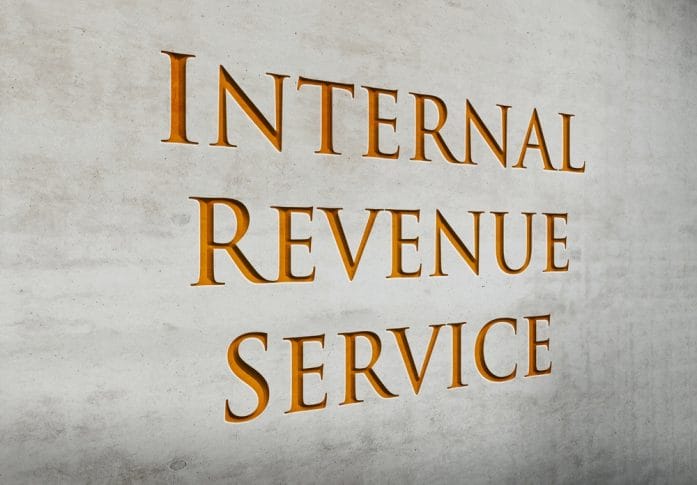
“Internal Revenue Service” engraved on the side of a building – Shutterstock

This One Form Can Quietly Protect Generational Wealth

Estate planning often focuses on wills, trusts, and beneficiary designations, but portability adds another powerful layer to the strategy. It acts as a backup plan that protects unused tax benefits instead of letting them expire. Families who prioritize this step often preserve significantly more wealth for heirs and future generations. That outcome doesn’t require extreme wealth—just informed decision-making at the right moment.

Ignoring Form 706 doesn’t just affect numbers on paper; it shapes real financial outcomes for children, grandchildren, and beneficiaries. The difference between filing and skipping can mean keeping family assets intact versus losing a portion to taxes unnecessarily. That reality makes portability less of a technical detail and more of a cornerstone in modern estate planning. When handled correctly, it becomes one of the simplest ways to maximize what a family passes on.

What Could Save You Millions Later

Estate portability doesn’t demand constant attention, but it does demand timely action. Filing IRS Form 706 may not feel urgent in the moment, especially when no tax bill looms, but its long-term impact tells a different story. One decision made within months of a spouse’s passing can influence financial outcomes decades later. That kind of leverage rarely comes from a single form.

Smart estate planning doesn’t rely on assumptions—it locks in options while they remain available. Portability gives surviving spouses a powerful advantage, but only if someone takes the step to claim it. Missing that window doesn’t just close a door; it can quietly erase millions in potential tax savings. That’s a steep price for a form that many families never realize they need to file.

What steps has your family taken to make sure important financial opportunities like this don’t slip through the cracks? Give us some good guidance and advice below in our comments.

You May Also Like…

Probate AI Reviews: Why Some Estates May Face 6-Month Delays Across Many States

Pennsylvania’s Inheritance Tax Applies to Most Estate Transfers

7 Excuses Millennials Use to Delay Estate Planning (and Why It’s Risky)

The Estate Planning Shortcut That Saves Time but Costs Families More in the Long Run

Federal Spending Crackdown: Why Several States Are Now at Risk of Losing Family Assistance Funds

Brandon Marcus
Brandon Marcus

Brandon Marcus is a writer who has been sharing the written word since a very young age. His interests include sports, history, pop culture, and so much more. When he isn’t writing, he spends his time jogging, drinking coffee, or attempting to read a long book he may never complete.

Filed Under: Estate Planning Tagged With: Estate planning, estate tax exemption, estate taxes, inheritance planning, IRS Form 706, Legacy Planning, Planning, portability rule, probate, surviving spouse, tax strategy, wealth transfer

Why Wills Need Updating Before the 2026 Tax Sunset

May 6, 2026 by Brandon Marcus Leave a Comment

Why Wills Need Updating Before the 2026 Tax Sunset
A last will and testament – Shutterstock

Big tax changes rarely arrive without noise, but plenty of people still ignore them until the deadline looms. The scheduled 2026 tax sunset promises to reshape estate planning in a big way, especially for families with growing assets, property, or retirement accounts. A will that worked perfectly five years ago could now leave money on the table—or worse, trigger unnecessary taxes and legal headaches.

Smart planners already review their documents with fresh eyes because timing matters just as much as strategy. The next couple of years offer a golden window to fine-tune wills before the rules shift.

The 2026 Tax Sunset Changes the Estate Game Entirely

The current federal estate tax exemption sits historically high, but lawmakers designed it to drop sharply in 2026. That shift could cut the exemption roughly in half, which means estates that once faced zero federal tax may suddenly owe significant amounts. Families who built wealth through real estate, investments, or business ownership could feel that impact most. A will that ignores this change risks leaving heirs with unexpected tax bills that eat into their inheritance. Strategic updates now can lock in advantages before the window closes.

Timing drives everything here, and proactive planning creates opportunities that disappear later. Many financial advisors already guide clients through gifting strategies that use today’s higher exemption levels. Without adjustments, older wills often fail to reflect these strategies or miss chances to reduce future estate value legally. Even modest estates can cross new thresholds once property values and retirement accounts get added up. Updating a will ensures it aligns with the tax environment that actually exists when it matters most.

Outdated Wills Create Expensive Surprises for Families

Old documents rarely age gracefully, especially when laws and personal circumstances change at the same time. A will drafted years ago might name beneficiaries who no longer fit current family dynamics or financial goals. Divorce, remarriage, new children, or business growth all demand fresh instructions to avoid confusion later. Without updates, courts may interpret vague or outdated language in ways that conflict with original intentions. That situation often leads to disputes, delays, and legal fees that drain estate value.

Financial surprises also pop up when asset values shift dramatically over time. A house purchased decades ago may now represent a large portion of an estate, yet the will might treat it casually. Retirement accounts, which many older wills barely addressed, now carry significant tax implications for heirs. Without careful coordination, beneficiaries could face higher income taxes when they withdraw inherited funds. Updating the will alongside beneficiary designations keeps everything working together instead of clashing at the worst possible moment.

Strategic Updates Can Shrink Future Tax Burdens

A well-updated will does more than distribute assets—it actively shapes how much tax the estate pays. Techniques like gifting, trust creation, and charitable contributions can reduce the taxable estate when used correctly. Many families already use annual gift exclusions to move money out of the estate while they still benefit from current tax rules. A revised will can support these moves by coordinating how remaining assets flow to heirs. That alignment prevents gaps that could trigger unnecessary taxes.

Trusts also play a starring role in modern estate planning strategies. Certain trusts can lock in today’s higher exemption levels while still allowing flexibility for future changes. Without updates, a will might fail to include these tools or reference outdated structures that no longer deliver maximum benefit. Financial professionals often highlight cases where simple adjustments saved families hundreds of thousands in taxes. Those outcomes rarely happen by accident—they result from deliberate planning tied to current law.

Families With Growing Wealth Face the Biggest Risks

Not every estate will owe federal taxes after 2026, but many more will land in the danger zone. Rising home values alone push plenty of households closer to the threshold, especially in competitive housing markets. Add retirement accounts, brokerage portfolios, and life insurance, and the total climbs quickly. A family that once felt comfortably below the limit might suddenly face exposure. That shift makes regular reviews essential rather than optional.

Business owners carry an even heavier burden because valuation changes can happen quickly. A small company today might grow into a major asset within a few years, and the will must reflect that reality. Without planning, heirs may need to sell parts of the business just to cover tax obligations. That outcome disrupts operations and undermines long-term goals. Updating the will alongside business growth protects both the company and the family legacy.

Waiting Too Long Limits Your Options Dramatically

Procrastination costs money in estate planning, plain and simple. Once the sunset arrives, many of today’s most powerful strategies lose effectiveness or disappear entirely. Families who wait may find themselves scrambling with fewer tools and tighter deadlines. Legal processes also take time, and rushed decisions often lead to mistakes that linger for years. Acting early allows thoughtful planning instead of last-minute fixes.

Advisors consistently emphasize that estate planning works best as an ongoing process, not a one-time event. Regular updates keep documents aligned with both personal goals and changing laws. Those who revisit their wills every few years often avoid the pitfalls that trap others. The difference shows up clearly in outcomes, with smoother transitions and lower tax bills. Waiting rarely delivers any advantage, but early action often creates measurable gains.

Why Wills Need Updating Before the 2026 Tax Sunset
A senior couple meeting with a financial advisor – Shutterstock

Locking In Peace of Mind Before the Rules Shift

Updating a will before the tax sunset offers more than financial benefits—it delivers clarity and confidence. Families gain reassurance when they know their plans reflect current laws and real-world conditions. That peace of mind becomes especially valuable during uncertain economic times. Clear instructions also reduce stress for heirs, who can focus on honoring wishes instead of navigating confusion. A well-prepared estate plan turns a potentially chaotic process into a smoother transition.

What changes would prompt a fresh look at your will? We want to hear your thoughts below in our comments section.

You May Also Like…

Here’s When Your May Social Security Check Will Arrive

5 Overlooked People Who Could Save Your Family Chaos if Added to Your Will

Why Estate Plans Written Before 2020 Are Failing Families Today

7 Excuses Millennials Use to Delay Estate Planning (and Why It’s Risky)

10 Financial Dangers of Ignoring Estate Planning

Brandon Marcus
Brandon Marcus

Brandon Marcus is a writer who has been sharing the written word since a very young age. His interests include sports, history, pop culture, and so much more. When he isn’t writing, he spends his time jogging, drinking coffee, or attempting to read a long book he may never complete.

Filed Under: Estate Planning Tagged With: 2026 tax sunset, Estate planning, estate taxes, family finances, Inheritance, legal planning, Planning, probate, retirement planning, tax changes, wealth transfer, wills

Are You Positioned Correctly If 2026 Becomes A Higher-Tax Era?

December 31, 2025 by Brandon Marcus Leave a Comment

Are You Positioned Correctly If 2026 Becomes A Higher-Tax Era?
Image Source: Shutterstock.com

Hold on tight, because the next few years might rewrite the rulebook for your wallet. Tax whispers are growing louder, and 2026 could usher in a higher-tax reality that changes how you save, invest, and spend. Whether you’re a seasoned investor or someone who just wants to keep more of your hard-earned cash, now is the time to think strategically.

The government’s moves could reshape retirement plans, stock gains, and even your everyday purchases. If you’re not prepared, your financial comfort zone could feel a lot tighter—and faster than you think.

Understanding The Potential Tax Shifts

2026 isn’t just another year on the calendar—it could mark the return of higher rates for many Americans. Experts are eyeing adjustments in capital gains, income taxes, and corporate levies that could hit both the wealthy and the middle class. Historical trends show that when taxes rise, investment behavior shifts almost immediately. Savvy taxpayers tend to accelerate gains, adjust deductions, and rethink retirement contributions. Knowing what’s potentially on the horizon can be the difference between staying ahead or scrambling when the law changes.

Reassessing Your Investment Portfolio

If higher taxes are coming, your investment strategy may need a refresh. Certain assets, like municipal bonds, become even more attractive during higher-tax periods because their income is often tax-exempt. On the flip side, high-turnover stock portfolios might get hit harder by increased capital gains taxes. Diversification, tax-loss harvesting, and long-term holding strategies could become essential tools for keeping your returns healthy. Consulting with a financial advisor now can prevent surprises later and ensure your portfolio is structured for a new tax landscape.

Retirement Accounts Could Be Your Secret Weapon

Retirement accounts are about to take center stage if taxes rise. Traditional 401(k)s and IRAs might offer deductions today that could save you big when rates climb. Roth accounts, where you pay taxes upfront but withdraw tax-free later, may also shine if the top tax brackets jump. Strategic contributions—maxing out tax-advantaged accounts or converting between types—can lock in savings. Planning your retirement contributions with a 2026 tax lens could make the difference between a comfortable lifestyle and an unexpected pinch.

Real Estate And Property Considerations

Real estate has always been a tax-savvy asset, but higher taxes could change the math on property investments. Mortgage interest deductions, property tax caps, and capital gains exclusions may play a larger role in your decisions. Investors might pivot to rental properties, commercial real estate, or REITs that offer unique tax benefits. Timing sales or renovations to optimize deductions could become more critical than ever. Even homeowners who aren’t investors should consider the implications for their own tax bills and long-term equity strategies.

Are You Positioned Correctly If 2026 Becomes A Higher-Tax Era?
Image Source: Shutterstock.com

Strategic Charitable Giving Can Cushion The Impact

Charitable contributions aren’t just about goodwill—they’re a powerful tax planning tool. In a higher-tax era, the deductions for donations may save you more than ever before. Donor-advised funds allow you to contribute now, take the deduction, and distribute later, offering flexibility and potential tax efficiency. Gifts of appreciated assets, rather than cash, can also reduce taxable gains while supporting your favorite causes. Thoughtful philanthropy may become one of the most rewarding ways to offset an increased tax burden.

Business Owners Must Stay Agile

Entrepreneurs and small business owners could feel a heavier tax hand in 2026. Corporate rates, pass-through entity rules, and payroll taxes may all shift in ways that influence hiring, expansion, and cash flow. Strategic planning—like choosing between S-corp, C-corp, or LLC structures—can reduce your overall exposure. Reinvesting profits or timing expenses may also become a smart move in anticipation of higher rates. Business owners who plan ahead now will have a competitive edge when the numbers start to bite.

Planning For Lifestyle Adjustments

Higher taxes don’t just impact investments—they touch everyday life. You may need to reconsider large purchases, vacation budgets, or even housing decisions. Energy-efficient upgrades, health savings accounts, and other tax-smart lifestyle choices could buffer your bottom line. Awareness is power: tracking potential changes now allows you to adjust before your financial flexibility shrinks. The key is proactive adaptation rather than reactive scrambling once 2026 arrives.

Act Now To Stay Ahead

Higher taxes may feel like a looming storm, but preparation is your umbrella. By understanding potential shifts, reassessing investments, leveraging retirement accounts, and strategically using charitable giving, you can safeguard your financial future. Business owners, homeowners, and everyday taxpayers alike have tools to reduce exposure and maintain wealth. Planning now gives you more options, control, and confidence when the rules inevitably change.

Let us know your thoughts, experiences, or strategies in the comments section below—how are you positioning yourself for the possibility of a higher-tax 2026?

You May Also Like…

Income Threshold: 4 Hidden Taxes That Hit Once You Cross Certain Limits

9 Georgia Counties Where Property Taxes Are Set to Rise the Fastest

6 Advanced Techniques to Lower Your Capital Gains Taxes Legally

9 Financial Dangers of Ignoring Property Taxes

Why Do Middle-Class Families End Up Paying the Most Taxes


Brandon Marcus
Brandon Marcus

Brandon Marcus is a writer who has been sharing the written word since a very young age. His interests include sports, history, pop culture, and so much more. When he isn’t writing, he spends his time jogging, drinking coffee, or attempting to read a long book he may never complete.

Filed Under: tax tips Tagged With: 2025 taxes, 2026 tax law, DIY taxes, end of year taxes, estate taxes, file taxes, investing, Investment, investment portfolio, Real estate, real estate planning, Retirement, retirement accounts, retirement planning, retirement plans, smart investing, tax codes, tax shifts, taxes

Tax Reset: 8 Moves to Consider If You’ve Had a Windfall in 2025

December 19, 2025 by Brandon Marcus Leave a Comment

Here Are 8 Moves to Consider If You’ve Had a Tax Windfall in 2025
Image Source: Shutterstock.com

A sudden windfall in 2025 can feel like someone handed you a golden ticket—maybe from a business sale, a legal settlement, a crypto boom, or even an unexpected inheritance. The thrill is real, the excitement palpable, and the possibilities endless. But along with that exhilaration comes a giant, unavoidable reality check: taxes.

How do you protect your newfound fortune while making it work for you? The good news is, with a little strategy and some savvy moves, your windfall can become a launchpad for serious wealth growth rather than a tax nightmare.

Understand Your Tax Landscape Immediately

Before you do anything else, get a clear picture of what the IRS—or your local tax authority—thinks you owe. Different types of windfalls are taxed differently, from ordinary income rates to capital gains or even estate taxes. Consulting a tax professional early can prevent costly mistakes. Remember, ignorance isn’t bliss here; it’s expensive. Even a brief delay in understanding your obligations could mean paying more than necessary.

Maximize Retirement Contributions

If you qualify, consider pumping up your retirement accounts with your windfall. 2025 allows for higher contribution limits across 401(k)s, IRAs, and other tax-advantaged accounts, giving you a legal way to shield money from taxes now. This move also compounds your wealth while reducing taxable income for the year. Even a modest adjustment can save tens of thousands in taxes. Don’t just stash the cash—make it work for your future self.

Explore Gifting Strategies

Generosity can be a smart financial maneuver. The IRS allows you to gift a significant amount each year without triggering taxes, and this can be a way to protect your wealth from estate taxes down the road. Gifting can also support loved ones or charitable causes that matter to you. Just make sure you track these gifts carefully to avoid complications. Strategic gifting turns a windfall into a tool for long-term planning, not just short-term spending.

Here Are 8 Moves to Consider If You’ve Had a Tax Windfall in 2025
Image Source: Shutterstock.com

Consider Investment Diversification

Jumping straight into risky investments might feel tempting, but diversification is the key to long-term security. Spread your windfall across stocks, bonds, real estate, or alternative assets. 2025 has seen some market volatility, so don’t put all your eggs in one basket. A balanced portfolio can help mitigate risk while keeping your money productive. Think of it as giving your windfall multiple lanes to grow rather than a single rollercoaster ride.

Evaluate Debt Repayment Opportunities

If you have lingering high-interest debt, your windfall could be your golden ticket to financial freedom. Paying off credit cards, personal loans, or other liabilities can give you a guaranteed return equal to the interest rate you were paying. It also improves your credit profile, opening doors for better rates in the future. This isn’t just about eliminating stress; it’s about leveraging your windfall for maximum efficiency. Clean balance sheets create freedom and flexibility.

Explore Tax-Advantaged Accounts Beyond Retirement

Your windfall might open doors to accounts beyond standard retirement options. Health Savings Accounts (HSAs), 529 college savings plans, and even certain business investment accounts can provide tax benefits. These accounts can offer immediate deductions, long-term growth, and sometimes tax-free withdrawals. Strategically using these tools turns your windfall into a multi-purpose financial weapon. It’s about making taxes work for you, not against you.

Engage With Financial and Legal Professionals

Even if you consider yourself financially savvy, professional guidance is crucial. Tax advisors, financial planners, and estate attorneys each bring a piece of the puzzle. Windfalls can trigger complex tax scenarios or legal obligations that aren’t obvious at first glance. Investing in expert advice now can save exponentially more than trying to go it alone. Think of professionals as your safety net for both opportunity and risk.

Plan For Legacy And Long-Term Goals

Finally, a windfall is a chance to think bigger than today. Estate planning, philanthropic efforts, or future investment goals all deserve consideration. A thoughtful approach ensures that your windfall supports not only your lifestyle but also your values and ambitions. Mapping out these priorities helps prevent impulsive decisions that could erode wealth quickly. 2025 isn’t just a year for celebrating—you’re building a roadmap for decades of financial stability.

Your Windfall, Your Move

Receiving a windfall is thrilling, but without a solid plan, excitement can quickly turn into regret. Implementing these eight moves helps you protect your newfound fortune, reduce tax exposure, and position yourself for long-term growth.

We’d love to hear your experiences or lessons learned with sudden financial gains—drop your thoughts and stories in the comments section below.

You May Also Like…

Tax Freeze: 6 Immediate Actions to Lock In Lower Rates Before Reforms Hit

9 Georgia Counties Where Property Taxes Are Set to Rise the Fastest

9 Financial Dangers of Ignoring Property Taxes

What Happens When Small Business Owners Skip Taxes

6 Advanced Techniques to Lower Your Capital Gains Taxes Legally


Brandon Marcus
Brandon Marcus

Brandon Marcus is a writer who has been sharing the written word since a very young age. His interests include sports, history, pop culture, and so much more. When he isn’t writing, he spends his time jogging, drinking coffee, or attempting to read a long book he may never complete.

Filed Under: tax tips Tagged With: 401(k), Debt, debt payoff, debt repayment, estate taxes, file taxes, income taxes, invest, investing, Investment, local taxes, Retirement, retirement contributions, tax landscape, tax reset, tax windfall, taxes

Legacy Trap: How Your Kids Might Inherit More Tax Than Wealth Without Realizing It

December 12, 2025 by Brandon Marcus Leave a Comment

This Is How Your Kids Might Inherit More Tax Than Wealth Without Realizing It
Image Source: Shutterstock.com

We all like to imagine leaving a treasure trove for our kids—a house, some savings, maybe a few investments—but what if that dream comes with a hidden catch? Without proper planning, heirs can end up inheriting a financial headache instead of a windfall. Tax laws, estate rules, and timing quirks can quietly eat away at what you think you’re leaving behind. Suddenly, your carefully built legacy could be a series of confusing forms, tax bills, and lost opportunities.

Understanding these traps isn’t just smart—it’s essential if you want your family to actually benefit from your hard work.

Understanding The Legacy Trap

The “legacy trap” isn’t just a catchy phrase; it’s a real scenario that can cost families thousands or even millions. It happens when assets are transferred without proper tax planning, leaving heirs with obligations they weren’t expecting. Retirement accounts, real estate, investments, and even business interests can trigger significant taxes if left unmanaged. Many people assume that leaving assets to children is simple, but complexity often hides in the details. Awareness is the first step in turning a potential financial disaster into a controlled, intentional inheritance.

How Estate Taxes Can Bite Hard

Estate taxes vary depending on where you live and the size of your estate, but they can be surprisingly steep. In some cases, federal and state taxes can claim a large portion of your assets before your children even get a penny. Real estate, in particular, can create a dilemma because heirs may owe taxes without having cash on hand to pay them. Without planning, the burden can force them to sell assets just to cover tax bills, leaving your carefully chosen legacy fragmented. Understanding these rules early allows you to design strategies that minimize the bite and preserve your wealth.

Retirement Accounts Are Tax Traps Waiting To Happen

Many parents believe retirement accounts are a simple gift to leave behind, but traditional IRAs and 401(k)s have hidden tax implications. Heirs may be forced to pay income tax on withdrawals, sometimes over a compressed schedule that spikes their tax liability. Roth IRAs avoid some of these issues, but not all families take advantage of them. The key is understanding how each type of account impacts your children differently. A little foresight can prevent your retirement savings from becoming an unexpected tax burden.

Real Estate Can Be A Double-Edged Sword

Homes and property are often the most visible part of a legacy, but they come with hidden financial strings. When heirs inherit real estate, capital gains taxes can hit if they sell quickly or if the property has appreciated significantly. Even maintenance, insurance, and property taxes can add stress for children who weren’t prepared for the responsibilities. Strategies like trusts or gifting portions during your lifetime can ease the transition. With careful planning, a family home can remain a blessing instead of a source of financial anxiety.

This Is How Your Kids Might Inherit More Tax Than Wealth Without Realizing It
Image Source: Shutterstock.com

Gifts During Lifetime Can Be Smarter Than Waiting

One of the most effective ways to avoid the legacy trap is to transfer wealth gradually while you’re alive. Annual gift allowances and structured contributions can reduce the eventual tax burden and help your kids understand the value of money over time. Giving while living also allows you to see how your children manage the funds, creating opportunities for guidance. It’s not just about tax efficiency; it’s about teaching financial responsibility. Small, intentional gifts can turn into a lasting advantage rather than a burden later.

Trusts Can Protect Wealth And Simplify Taxes

Trusts aren’t just for the ultra-wealthy—they’re powerful tools for anyone looking to shield their legacy from unnecessary taxation. They can specify exactly how and when heirs receive assets, often reducing exposure to estate or inheritance taxes. Trusts can also avoid the probate process, saving time and legal costs for your family. Choosing the right type of trust depends on your goals, but the benefits often outweigh the complexity. A well-structured trust ensures your wealth goes where it’s intended, not to the tax collector.

Communication Is Key To Avoiding Surprises

Even the best financial strategies fail if your heirs don’t understand the plan. Open conversations about inheritance, taxes, and your intentions reduce confusion and prevent disputes. Children who know the reasoning behind decisions are better prepared to manage assets responsibly. It also allows you to gauge their financial readiness and provide guidance before they receive anything. Communication transforms a potential tax nightmare into a shared understanding of family goals and financial literacy.

Planning Today Secures Tomorrow

The legacy trap doesn’t have to catch anyone off guard. Strategic planning, thoughtful asset distribution, and tax awareness are the pillars of a successful inheritance. Professional advice from accountants, financial planners, and estate lawyers ensures you consider all angles. Even small adjustments, made today, can make a dramatic difference when the time comes. By taking action now, you ensure that your hard work becomes a blessing for the next generation rather than an unforeseen financial burden.

Protect Your Legacy And Empower Your Children

Leaving a legacy is more than passing down wealth—it’s about securing your family’s future without surprises. The reality of taxes, retirement accounts, real estate, and unplanned gifts can easily transform your gift into a trap if you’re unprepared. Planning, communication, and professional guidance are your best defenses against this common pitfall.

Have you or your family ever encountered unexpected taxes or complications from inheritance? Share your experiences, insights, or strategies.

You May Also Like…

5 Inheritance Tricks That Make Your Heirs Love You Forever

How Can I Protect My Inherited Money From My Soon-To-Be Ex-Partner?

7 Things That Must Be in Your Will to Prevent Vicious Family Fights

6 Unspoken Rules of Inheritance Nobody Teaches You Earlier

6 Blended-Family Will Mistakes That Can Tear Families Apart


Brandon Marcus
Brandon Marcus

Brandon Marcus is a writer who has been sharing the written word since a very young age. His interests include sports, history, pop culture, and so much more. When he isn’t writing, he spends his time jogging, drinking coffee, or attempting to read a long book he may never complete.

Filed Under: tax tips Tagged With: 401(k), Estate planning, estate plans, estate rules, estate taxes, families, Family, family issues, family money, inherit, inherit money, Inheritance, money issues, Real estate, real estate issues, retirement accounts, tax laws, tax traps, Wealth

Why Some Inheritances Get Lost During Probate

August 7, 2025 by Travis Campbell Leave a Comment

probate
Image source: unsplash.com

When someone passes away, their loved ones often expect to receive an inheritance. But the probate process can be full of surprises. Sometimes, inheritances that seem certain end up lost or reduced. This can leave families confused and frustrated. Understanding why this happens matters if you want to protect your family’s future. Probate is more than paperwork—it’s a legal process with real risks. Here’s why some inheritances get lost during probate and what you can do about it.

1. Unpaid Debts Eat Up the Estate

Probate is the court process that settles a person’s estate after they die. One of the first things that happens is the payment of debts. If the person who died owed money—credit cards, medical bills, taxes—those debts must be paid before anyone inherits. Sometimes, the debts are so large that there’s little or nothing left for heirs. This is a common reason inheritances get lost during probate. If you want to avoid this, keep track of your debts and try to pay them down. Heirs should also know that creditors have a legal right to claim what they’re owed from the estate.

2. Legal Fees and Court Costs Add Up Fast

Probate isn’t free. There are court filing fees, attorney fees, and sometimes fees for the executor. These costs can take a big bite out of the estate. In some states, probate fees are based on a percentage of the estate’s value, which can add up quickly. If the estate is small, these costs might use up most of what’s left. Planning ahead with a living trust or other tools can help reduce these expenses. But if you don’t plan, legal fees and court costs can shrink or even wipe out an inheritance.

3. Family Disputes Delay or Drain the Estate

Probate can bring out the worst in families. Disagreements over who gets what can lead to lawsuits. These fights can drag on for years and cost a lot in legal fees. Sometimes, the estate pays for these costs, which means less money for everyone. In extreme cases, the estate can be drained entirely by legal battles. Clear communication and a well-written will can help prevent these disputes. But if there’s confusion or resentment, family fights can cause inheritances to disappear.

4. Missing or Outdated Documents Cause Problems

If a will is missing, outdated, or unclear, probate gets complicated. The court may have to guess what the deceased wanted. This can lead to delays, extra costs, and even the wrong people inheriting. Sometimes, an old will is found that doesn’t reflect the person’s wishes. Or there’s no will at all, so the state decides who gets what. Keeping your documents up to date and easy to find is key. Otherwise, missing or outdated paperwork can cause inheritances to get lost.

5. Assets Are Hard to Find or Value

Not all assets are easy to track down. Sometimes, heirs don’t know about certain bank accounts, investments, or property. If no one claims these assets, they can end up with the state through a process called escheatment. Other times, assets are hard to value, like collectibles or business interests. Disagreements over value can slow down probate and lead to losses. Keeping a clear list of assets and their locations helps prevent this problem. If assets are hidden or forgotten, inheritances can slip away.

6. Taxes Take a Bigger Bite Than Expected

Estate taxes and inheritance taxes can reduce what heirs receive. While most estates aren’t large enough to owe federal estate tax, some states have their own taxes with lower thresholds. If taxes aren’t planned for, heirs may have to sell assets to pay the bill. This can mean losing family property or getting less than expected. Good estate planning can help minimize taxes, but if you don’t plan, taxes can eat up a big part of the inheritance.

7. Executors Make Mistakes

The executor is the person in charge of managing the estate during probate. If the executor makes mistakes—like missing deadlines, failing to pay taxes, or not following the will—inheritances can be lost. Sometimes, executors act in their own interest instead of following the law. This can lead to lawsuits and more costs. Choosing a responsible executor and giving clear instructions can help. But if the executor isn’t careful, mistakes can cost the heirs.

8. Fraud and Theft Go Unnoticed

Sadly, fraud and theft can happen during probate. This might be a dishonest executor, a caregiver, or even a family member. They might take money or property before anyone notices. If no one is watching, these losses can go undetected until it’s too late. Regular oversight and transparency are important. If you suspect fraud, act quickly.

9. Out-of-State or Foreign Assets Complicate Things

If the deceased owned property in another state or country, probate gets more complex. Each place may have its own rules. This can lead to delays, extra costs, and confusion. Sometimes, assets are lost because no one knows how to claim them. Working with professionals who understand multi-state or international probate can help. But if you don’t plan for these issues, out-of-state or foreign assets can get lost in the process.

Protecting Your Inheritance Starts with Planning

Probate can be a long and costly process. Many inheritances get lost because of debts, fees, disputes, or poor planning. The best way to protect your family’s inheritance is to plan ahead. Keep your documents updated, talk openly with your loved ones, and get professional advice if needed. Probate doesn’t have to mean losing what you’ve worked for. With the right steps, you can make sure your wishes are honored, and your heirs are protected.

Have you or someone you know lost an inheritance during probate? Share your story or advice in the comments.

Read More

Why Some Charitable Bequests Are Being Rejected in Probate Court

What Your Google Search History Could Say in a Probate Case

Travis Campbell
Travis Campbell

Travis Campbell is a digital marketer/developer with over 10 years of experience and a writer for over 6 years. He holds a degree in E-commerce and likes to share life advice he’s learned over the years. Travis loves spending time on the golf course or at the gym when he’s not working.

Filed Under: Estate Planning Tagged With: Estate planning, estate taxes, executor, family finance, Inheritance, legal advice, probate, wills

Follow Us

Search this site:

Recent Posts

  • Can My Savings Account Affect My Financial Aid? by Tamila McDonald
  • 12 Ways Gen X’s Views Clash with Millennials… by Tamila McDonald
  • What Advantages and Disadvantages Are There To… by Jacob Sensiba
  • 10 Tactics for Building an Emergency Fund from Scratch by Vanessa Bermudez
  • Call 911: Go To the Emergency Room Immediately If… by Stephen Kanaval
  • 7 Weird Things You Can Sell Online by Tamila McDonald
  • 10 Scary Facts About DriveTime by Tamila McDonald

Copyright © 2026 · News Pro Theme on Genesis Framework