• Home
  • About Us
  • Getting Finances Done
    • Hiring Advisors
    • Debt Management
    • Spending Plan
  • Insurance
    • Life Insurance
    • Health Insurance
    • Disability Insurance
    • Homeowners/Renters Insurance
  • Contact Us
  • Our Editorial Commitment

The Free Financial Advisor

You are here: Home / Archives for tax tips

Maryland Seniors: Filing Errors on Local Tax Credits Are Causing Residents to Lose Key Savings

April 15, 2026 by Brandon Marcus Leave a Comment

Maryland Seniors: Filing Errors on Local Tax Credits Are Causing Residents to Lose Key Savings
Image Source: Shutterstock.com

There’s nothing more frustrating than leaving money on the table—especially when it’s money that was specifically designed to help. Across Maryland, thousands of older homeowners qualify for valuable local tax breaks, yet many never see the full benefit because of small, avoidable filing mistakes. These aren’t complicated loopholes or obscure technicalities either; they’re simple errors that quietly chip away at real savings. For retirees living on fixed incomes, even a few hundred dollars lost can make a noticeable difference in monthly budgeting. That’s exactly why understanding how Maryland senior tax credits work—and how they go wrong—matters more than ever.

Local governments in Maryland offer several property tax relief programs aimed at seniors, including credits based on income, age, and homeownership status. These programs can significantly reduce annual tax bills, sometimes by thousands of dollars depending on eligibility. However, the application process demands accuracy, attention to detail, and ongoing updates that many people overlook.

1. Missing Deadlines That Quietly Cancel Savings

Deadlines don’t usually come with flashing warning signs, and that’s exactly why they cause problems. Many Maryland senior tax credits require annual applications or renewals, and missing that window can mean losing the benefit for the entire year. Some counties set strict filing cutoffs, and they rarely make exceptions once that date passes.

Seniors who assume their credit automatically renews often find out too late that it doesn’t. Marking these deadlines on a calendar and setting reminders can prevent an easy mistake from turning into a costly one.

2. Income Reporting Errors That Trigger Denials

Income plays a major role in determining eligibility for Maryland senior tax credits, and even small reporting mistakes can cause big issues. Some applicants accidentally include the wrong figures, forget to list certain income sources, or misunderstand what counts toward the total. These errors can push someone over the eligibility threshold on paper, even if they actually qualify. Tax offices rely on the numbers provided, so accuracy matters at every step. Double-checking documents or working with a tax professional can help ensure everything lines up correctly.

3. Confusion Over Primary Residence Requirements

Many local tax credits apply only to a primary residence, but that detail often trips people up. Seniors who split time between multiple homes or recently moved may accidentally file under the wrong property. Counties require clear proof that the home receiving the credit serves as the main residence. Without proper documentation, applications can get denied or delayed. Keeping records like utility bills, voter registration, or driver’s license information aligned with the correct address helps avoid unnecessary complications.

4. Forgetting to Update Life Changes That Affect Eligibility

Life doesn’t stay static, and tax credits don’t automatically adjust when things change. A shift in income, marital status, or homeownership can all impact eligibility for Maryland senior tax credits. Many seniors forget to report these updates, which can lead to incorrect filings or even penalties later. Some changes may increase benefits, while others might reduce or eliminate them. Staying proactive and reporting updates quickly ensures the credit reflects the current situation accurately.

5. Overlooking Required Documentation That Slows Everything Down

Paperwork may not feel exciting, but it plays a huge role in getting approved. Many applications for Maryland senior tax credits require supporting documents like income statements, proof of age, or property records. Missing even one piece can delay processing or result in a denial. Some applicants assume prior submissions carry over, but many programs require fresh documentation each year. Keeping a checklist and organizing documents ahead of time can make the process smoother and faster.

Maryland Seniors: Filing Errors on Local Tax Credits Are Causing Residents to Lose Key Savings
Image Source: Shutterstock.com

6. Assuming the System Will Catch Mistakes Automatically

It’s easy to believe that if something looks off, the system will flag it and fix it—but that rarely happens. Tax offices process large volumes of applications, and they rely heavily on the information provided. Errors often go unnoticed until a denial letter arrives or a benefit disappears. Waiting for someone else to catch a mistake can cost valuable time and money. Taking a careful, hands-on approach during the application process makes a big difference in securing the full benefit.

Where Smart Filing Turns Into Real Savings

Getting the most out of Maryland senior tax credits doesn’t require expert-level tax knowledge, but it does demand attention and consistency. Small steps like tracking deadlines, verifying income details, and keeping documents organized can protect valuable savings year after year. Many seniors benefit from reaching out to local tax offices or community assistance programs for guidance, especially when rules change or situations evolve. Treating the application process as an annual financial check-in can help catch issues early and keep everything on track.

Have you or someone you know ever run into problems with Maryland senior tax credits or found a strategy that made the process easier? We want to hear your advice, insight, and stories in the comments below.

You May Also Like…

Is Your State a Skimmer Hub? The 9 Places Where Credit Card Fraud Is Skyrocketing

Pharmacies Are Moving Prescriptions to App-Only Refills — What Seniors Need to Know

Seniors Receiving ‘Utility Shutoff’ Calls With Exact Account Numbers — Here’s How Criminals Are Stealing Them

IRS Changes for Seniors: What’s Actually New on the 1040‑SR for 2026

Florida Condo Fees Continue Surging — Seniors Face Massive Assessments

Brandon Marcus
Brandon Marcus

Brandon Marcus is a writer who has been sharing the written word since a very young age. His interests include sports, history, pop culture, and so much more. When he isn’t writing, he spends his time jogging, drinking coffee, or attempting to read a long book he may never complete.

Filed Under: tax tips Tagged With: homeowner tips, local tax programs, Maryland senior tax credits, Planning, property tax relief, retirement finances, Senior Benefits, senior savings, tax credits Maryland, tax filing errors

Why Small Errors on Your Tax Return Can Cost You Big

April 14, 2026 by Brandon Marcus Leave a Comment

Why Small Errors on Your Tax Return Can Cost You Big
Image Source: Shutterstock.com

A single wrong number can spark a chain reaction that drains money, time, and patience faster than expected. Tax returns look simple on the surface, but they demand precision at every step, and even the smallest slip can ripple into something much bigger. A misplaced digit, a forgotten form, or a misunderstood deduction doesn’t just sit quietly on paper. It travels through systems, triggers flags, and invites scrutiny that nobody wants during tax season.

Mistakes don’t need to look dramatic to cause real damage, and that’s exactly what makes them dangerous. A return can appear perfectly fine while hiding a handful of minor errors that quietly stack consequences behind the scenes. Penalties, delayed refunds, and unexpected notices often trace back to details that seemed harmless at the time.

The Domino Effect of Tiny Tax Mistakes

A simple typo can start a chain reaction that grows far beyond the original mistake. Entering the wrong Social Security number, misspelling a name, or flipping digits in income figures can cause the system to reject a return outright or delay processing for weeks. That delay often leads to missed deadlines, and missed deadlines open the door to penalties and interest that accumulate quickly. What started as a minor slip suddenly turns into a financial headache that lingers far longer than expected. Tax agencies rely heavily on automated systems, and those systems don’t “guess” what was meant—they flag inconsistencies and move the return into a slower, more complicated review process.

Errors don’t just slow things down; they also attract attention. When a return contains inconsistencies, it increases the likelihood of a deeper review or even an audit. That doesn’t mean every mistake leads to serious trouble, but it definitely raises the odds of extra scrutiny. Once a return gets flagged, it often requires additional documentation, which takes time and effort to gather. That extra layer of review can delay refunds significantly, and in some cases, it can lead to adjustments that reduce the expected refund or increase the amount owed. Staying meticulous from the start avoids this entire cascade of issues and keeps the process smooth.

Deductions and Credits: Where Good Intentions Go Wrong

Tax deductions and credits offer powerful ways to reduce what someone owes, but they also create one of the most common zones for mistakes. Many people claim deductions without fully understanding eligibility requirements, which can lead to incorrect filings. For example, mixing up tax credits with deductions can result in overestimating savings, and that mismatch often triggers corrections later. Claiming expenses without proper documentation adds another layer of risk, because tax authorities expect proof when they see certain deductions. Without that proof, adjustments follow quickly.

Overlooking eligible deductions creates another kind of problem, because it leaves money on the table. Many people rush through their returns and miss valuable credits simply because they don’t take the time to review options carefully. Education credits, childcare credits, and even certain work-related expenses can significantly change the outcome of a return. Taking time to research or consult a professional can make a noticeable difference in both accuracy and savings. Smart filers double-check eligibility rules and keep organized records throughout the year, which makes filing season far less stressful and far more rewarding.

The High Cost of Filing Status Confusion

Filing status might seem straightforward, but it carries serious weight when it comes to tax calculations. Choosing the wrong status can shift tax brackets, change eligibility for credits, and alter the total amount owed or refunded. For example, selecting “single” instead of “head of household” can lead to paying more taxes than necessary. On the flip side, claiming a status that doesn’t apply can trigger penalties and require corrections later. This decision affects more than just a label on a form—it shapes the entire financial outcome of the return.

Dependents add another layer of complexity that often leads to mistakes. Claiming a dependent without meeting the full criteria can cause issues quickly, especially if another taxpayer claims the same person. That conflict often results in rejected filings or follow-up notices that demand clarification. Accuracy matters deeply here, because even honest mistakes can lead to delays and extra paperwork. Taking time to review dependency rules and filing status guidelines ensures the return reflects the correct situation and avoids unnecessary complications down the line.

Math Errors Still Matter in a Digital World

Tax software handles most calculations today, but math errors still show up more often than expected. Manual entries, incorrect data input, and misunderstandings of totals can all lead to incorrect results. Even with software, the system depends on accurate inputs, and a single wrong number can throw off an entire calculation. That error might seem small, but it can change the final tax liability significantly. Tax authorities often correct simple math mistakes automatically, but those corrections can delay refunds or adjust the amount owed.

Accuracy doesn’t stop at basic arithmetic; it extends to how numbers connect across the return. Totals from one section must match figures in another, and inconsistencies often trigger reviews. That’s why careful review matters so much before submitting a return. Taking a few extra minutes to double-check numbers can prevent weeks of frustration later. Many people rush through this step, but slowing down here offers one of the easiest ways to avoid unnecessary trouble.

Why Small Errors on Your Tax Return Can Cost You Big
Image Source: Shutterstock.com

Late Filing and Missed Deadlines Add Fuel to the Fire

Deadlines don’t offer much flexibility, and missing them often leads to immediate consequences. Filing late can trigger penalties that grow over time, especially when taxes remain unpaid. Even small amounts can accumulate interest quickly, turning a manageable bill into something far more intimidating. Extensions can help, but they don’t eliminate the need to estimate and pay taxes on time. Many people misunderstand this and end up facing penalties despite filing an extension correctly.

Planning ahead makes a huge difference when deadlines approach. Gathering documents early, organizing financial records, and setting reminders can prevent last-minute stress that leads to mistakes. Waiting until the final days increases the risk of errors, because rushed work rarely delivers accuracy. A calm, prepared approach not only improves accuracy but also reduces the chance of missing important details. Staying proactive keeps the process under control and avoids unnecessary costs.

Smart Moves That Keep Returns Clean and Stress-Free

Strong habits make all the difference when it comes to tax accuracy. Keeping organized records throughout the year simplifies the filing process and reduces the chance of missing important details. Saving receipts, tracking expenses, and maintaining clear documentation creates a solid foundation for a smooth return. Technology can help here, with apps and tools that track expenses automatically and store documents securely. Those small efforts throughout the year pay off in a big way when tax season arrives.

Reviewing a return carefully before submission stands out as one of the most effective ways to avoid errors. Taking a break and revisiting the return with fresh eyes often reveals mistakes that slipped through earlier. Seeking professional help also provides a valuable safety net, especially for more complex situations involving multiple income sources or deductions. A tax professional can catch issues that might otherwise go unnoticed and offer guidance that improves accuracy. Investing a little extra time and effort upfront prevents costly consequences later and keeps the entire process far more manageable.

Precision Pays Off Every Single Time

Small tax mistakes don’t stay small for long, and they rarely resolve themselves without consequences. Accuracy drives everything when it comes to tax returns, and every detail matters more than it might seem at first glance. Taking time to review, verify, and understand each part of the process turns a stressful obligation into something far more manageable. Careful preparation, strong organization, and a willingness to double-check work can prevent the majority of common errors. That effort not only protects money but also saves time, energy, and frustration down the road.

What strategies have worked well when it comes to avoiding tax mistakes, and what lessons have shaped a smarter approach over time? Let’s hear your thoughts, experiences, or tips in the comments and keep the conversation going.

You May Also Like…

5 Overlooked Tax Deductions That Could Save You Thousands

Texas Has No Income Tax — But Property Taxes Can Get Close To 2% in Some Areas

Retirement Accounts Are Triggering Unexpected Taxes — What Some Investors Overlook

5 Reasons To Talk To Your Kids About Taxes

9 Georgia Counties Where Property Taxes Are Set to Rise the Fastest

Brandon Marcus
Brandon Marcus

Brandon Marcus is a writer who has been sharing the written word since a very young age. His interests include sports, history, pop culture, and so much more. When he isn’t writing, he spends his time jogging, drinking coffee, or attempting to read a long book he may never complete.

Filed Under: tax tips Tagged With: audit risk, filing taxes, finance, IRS, money management, Personal Finance, tax credits, Tax Deductions, tax errors, tax filing tips, tax return mistakes, taxes

5 Hidden Triggers That Can Turn Your Tax Refund Into an IRS Audit

April 14, 2026 by Brandon Marcus Leave a Comment

5 Hidden Triggers That Can Turn Your Tax Refund Into an IRS Audit
Image Source: Shutterstock.com

A big tax refund feels like a success, right? That number pops up on the screen and suddenly plans start forming—pay off debt, book a trip, maybe splurge just a little. But here’s the twist that doesn’t get enough attention: that same refund can quietly wave a red flag if certain details in a return don’t line up the way the IRS expects. The system doesn’t run on vibes or good intentions. It runs on patterns, comparisons, and numbers that need to match up cleanly.

A return that stands out doesn’t always mean someone did something wrong, but it absolutely means the IRS might take a closer look. That closer look can slow everything down, turn a refund into a waiting game, and in some cases, open the door to a full audit. That’s not exactly the kind of surprise anyone wants attached to their finances. So before celebrating that refund too hard, it helps to understand what might trigger extra attention in the first place—and how to stay far away from it.

1. The Income That Doesn’t Add Up Always Gets Noticed

Numbers tell a story, and the IRS reads that story line by line. When reported income doesn’t match what employers, clients, or financial institutions report, the system catches it quickly. Every W-2 and 1099 form gets filed with the IRS, so leaving out even a small freelance payment creates a mismatch that stands out immediately. That mismatch doesn’t just delay a refund—it can trigger a notice or even an audit request.

Gig work, side hustles, and online income streams have exploded in recent years, and many people underestimate how closely the IRS tracks those earnings. Payment platforms now report transactions more consistently, and even small amounts can show up in official records. Ignoring that income or assuming it flies under the radar creates a risk that simply isn’t worth it. Accuracy matters more than anything here, and every dollar needs to show up in the right place.

Keeping clean records makes a huge difference when dealing with multiple income streams. Tracking payments, saving documents, and double-checking totals before filing keeps everything aligned. Filing software helps, but it still relies on accurate input. A quick review before submitting a return can prevent a small oversight from turning into a major headache.

2. Deductions That Feel Too Good to Be True Usually Are

Big deductions can shrink taxable income fast, but they also grab attention when they look out of proportion. Claiming unusually high deductions compared to income raises eyebrows because the IRS compares returns across similar income levels. If a return shows expenses that don’t match typical patterns, it gets flagged for review. That doesn’t mean the deduction is invalid, but it does mean someone might want proof.

Home office deductions, business expenses, and charitable contributions often fall into this category. Claiming a home office requires a space used exclusively for business, not a kitchen table that doubles as a workspace. Business expenses need to connect directly to income generation, and vague or inflated claims won’t hold up under scrutiny. Charitable donations require proper documentation, especially for larger amounts.

Documentation acts as the safety net here. Receipts, logs, and clear records back up every claim and show that deductions follow the rules. Taking the time to organize those records before filing keeps everything solid if questions come up later. It also makes the filing process smoother and far less stressful.

3. Filing as Self-Employed Comes With Extra Attention

Self-employment offers flexibility, but it also comes with increased scrutiny from the IRS. Independent contractors and freelancers report income differently, and that opens more room for discrepancies. The IRS knows this and tends to examine these returns more closely. Large refunds paired with self-employment income can stand out even more because of how taxes get calculated.

Quarterly estimated tax payments often trip people up in this category. Skipping those payments or underpaying throughout the year can create inconsistencies when filing a return. Those inconsistencies might not trigger an audit on their own, but they add to the overall risk profile of the return. Combined with other factors, they can push a return into “take a closer look” territory.

Accurate bookkeeping keeps self-employment taxes under control. Tracking income, setting aside money for taxes, and making regular estimated payments create a smoother filing experience. Using accounting tools or working with a tax professional can help keep everything aligned and reduce the chances of drawing unwanted attention.

4. Claiming Credits Without Clear Qualification Raises Flags

Tax credits can boost a refund significantly, but they come with strict qualification rules. Claiming credits like the Earned Income Tax Credit or Child Tax Credit without meeting the requirements can trigger an audit quickly. The IRS pays close attention to these credits because they often involve complex eligibility criteria and have a history of misuse.

Dependents play a big role in this area, and incorrect claims can cause problems fast. Listing a dependent who doesn’t meet residency or support requirements creates inconsistencies that the IRS can spot. If two people claim the same dependent, that conflict almost guarantees a review. These situations don’t just delay refunds—they can lead to penalties if the claim doesn’t hold up.

Understanding the rules before claiming any credit makes a huge difference. Checking eligibility, reviewing guidelines, and making sure all information lines up prevents unnecessary issues. Taking a few extra minutes to confirm details can save weeks—or even months—of back-and-forth with the IRS.

5. Round Numbers and Guesswork Send the Wrong Message

Perfectly rounded numbers might look clean on paper, but they often signal estimation instead of accuracy. The IRS expects real figures based on actual records, not guesses that land neatly on even numbers. When a return shows multiple rounded entries, it can suggest that the filer didn’t rely on proper documentation. That perception alone can increase the chances of an audit.

Expenses, income, and deductions should reflect precise amounts whenever possible. Rounding occasionally doesn’t cause a problem, but consistent rounding across multiple categories raises suspicion. It creates a pattern that doesn’t match how real financial data typically looks. The IRS systems pick up on those patterns quickly.

Using detailed records eliminates the need for guesswork entirely. Bank statements, receipts, and accounting software provide exact figures that keep everything accurate. Taking the time to input those numbers correctly shows that the return relies on real data, not estimates. That attention to detail goes a long way in avoiding unnecessary scrutiny.

5 Hidden Triggers That Can Turn Your Tax Refund Into an IRS Audit
Image Source: Shutterstock.com

The Goal Isn’t the Refund—It’s Staying Off the Radar

A tax refund feels great in the moment, but peace of mind lasts a lot longer. Filing a return that passes through the system without a second glance delivers a different kind of reward—one that doesn’t come with stress, delays, or surprise letters in the mail. Every detail matters, from income reporting to deductions and credits, and small mistakes can snowball into bigger issues fast.

What steps feel worth tightening up to make sure everything stays clean and stress-free? Drop thoughts, strategies, or even lessons learned in the comments.

You May Also Like…​

Texas Has No Income Tax — But Property Taxes Can Get Close To 2% in Some Areas

Property Taxes Are Catching Homeowners Off Guard — Especially After Buying or Renovating

The IRS Doesn’t Warn You Twice — Tax Deadlines That Could Cost You Thousands

8 IRS Red Flags That Are Most Likely to Trigger a Full-Blown Audit

6 Government Benefit Checks That Could Be Delayed Under New Fraud Reviews

Brandon Marcus
Brandon Marcus

Brandon Marcus is a writer who has been sharing the written word since a very young age. His interests include sports, history, pop culture, and so much more. When he isn’t writing, he spends his time jogging, drinking coffee, or attempting to read a long book he may never complete.

Filed Under: tax tips Tagged With: audit triggers, deductions, freelance taxes, income reporting, IRS, money advice, Personal Finance, Planning, tax refund, tax season, tax tips, taxes

High-Tax States vs Low-Tax States — Where Retirees Keep More Money

April 13, 2026 by Brandon Marcus Leave a Comment

High-Tax States vs Low-Tax States — Where Retirees Keep More Money
Image Source: Shutterstock.com

A retirement plan can look perfect on paper and still fall apart the moment state taxes enter the picture. Numbers shift, expectations wobble, and suddenly that dream of stretching savings over decades feels less certain. Geography doesn’t just influence weather and scenery; it directly impacts how long money lasts and how comfortably life unfolds after work ends. Some states welcome retirees with lighter tax burdens, while others quietly chip away at income through multiple layers of taxation.

The contrast between high-tax and low-tax states creates a financial tug-of-war that shapes everyday decisions, from housing to healthcare to leisure. A retiree might earn the same income in two different states yet experience wildly different lifestyles based on what remains after taxes. That difference can mean more travel, more security, or simply less stress about monthly expenses. The stakes feel real because they are real, and understanding the landscape offers a powerful advantage for anyone planning the next chapter.

The Tax Tug-of-War: What Actually Gets Taxed?

Retirement income comes from multiple streams, and each state treats those streams differently. Social Security benefits often escape state taxation, but several states still impose taxes depending on income levels, which can catch people off guard. Pension income, a lifeline for many retirees, faces taxation in some states while others offer full or partial exemptions. Investment income, including dividends and capital gains, frequently falls under state tax rules, adding another layer of complexity that can quietly reduce yearly income.

Sales taxes also play a huge role, even though they don’t show up as clearly as income taxes. Everyday purchases, from groceries to appliances, can add up quickly in states with higher rates, especially when local taxes stack on top of state taxes. Property taxes bring another major factor into the equation, and they can vary dramatically even within the same state. A retiree who owns a home may feel that pressure more than someone renting, especially in areas where property values continue to rise. These combined taxes create a financial ecosystem that requires careful navigation rather than guesswork.

Understanding what gets taxed helps retirees avoid surprises and build a more accurate budget. A state with no income tax might still lean heavily on sales or property taxes, which can offset the apparent savings. Some states design tax systems that appear friendly at first glance but reveal hidden costs over time. Others provide targeted relief programs for seniors, such as property tax freezes or credits, which can significantly ease the burden. The smartest approach involves looking at the full picture rather than focusing on a single tax category.

High-Tax States: The Trade-Off Between Lifestyle and Cost

High-tax states often deliver undeniable appeal, offering top-tier healthcare systems, vibrant cultural scenes, and strong infrastructure. Places like California and New York attract retirees who value access to world-class amenities and diverse communities. However, those benefits come at a price, and that price often shows up in income taxes, property taxes, and high living costs. Retirees who choose these states need to plan carefully to ensure their income can support the lifestyle they want without constant financial strain.

Property taxes in certain high-tax states can hit particularly hard, especially in desirable areas where home values remain elevated. Even retirees who paid off their mortgages may still face significant annual tax bills that eat into fixed incomes. Add in higher costs for healthcare, transportation, and everyday goods, and the financial pressure can build quickly. Some states do offer tax breaks for seniors, but those benefits don’t always fully offset the broader tax burden.

Despite these challenges, high-tax states still make sense for some retirees. Proximity to family, access to specialized medical care, and lifestyle preferences often outweigh financial considerations. The key lies in entering retirement with eyes wide open and a clear understanding of how taxes will affect long-term sustainability. Strategic planning, such as downsizing or adjusting spending habits, can help balance the equation and make high-tax environments more manageable.

Low-Tax States: Stretching Every Dollar Further

Low-tax states present a compelling alternative for retirees who want their money to go further. States like Florida, Texas, and Tennessee attract attention because they don’t impose state income taxes, allowing retirees to keep more of their earnings. This advantage can make a noticeable difference, especially for those relying on pensions, investments, or withdrawals from retirement accounts. Lower tax burdens often translate into greater financial flexibility and the ability to enjoy retirement without constant budget stress.

Cost of living also tends to run lower in many of these states, which amplifies the benefits of reduced taxation. Housing costs, utilities, and general expenses often align with the goal of stretching income over a longer period. Retirees can allocate more funds toward travel, hobbies, or simply building a financial cushion for unexpected expenses. That breathing room can transform retirement from a cautious balancing act into a more relaxed and enjoyable phase of life.

However, low-tax states don’t automatically guarantee financial perfection. Some rely more heavily on sales taxes, which can impact spending over time, and certain areas may lack the infrastructure or healthcare options found in higher-tax regions. Retirees need to weigh these trade-offs carefully, considering both financial and lifestyle factors. A lower tax bill feels great, but it works best when paired with a location that supports overall well-being and long-term needs.

High-Tax States vs Low-Tax States — Where Retirees Keep More Money
Image Source: Shutterstock.com

Strategies to Maximize Retirement Income

Planning ahead can make a huge difference in how taxes impact retirement. Choosing the right state often represents one of the most powerful decisions, but timing also matters. Moving before retirement can simplify tax transitions and help establish residency in a more favorable location. Retirees should also explore state-specific tax benefits, such as exemptions for certain types of income or credits designed for seniors.

Diversifying income sources can help manage tax exposure more effectively. Relying solely on taxable income streams can increase overall tax liability, while a mix of taxable and non-taxable income can provide greater flexibility. Strategic withdrawals from retirement accounts, timed carefully, can also reduce tax burdens and preserve savings. Consulting with a financial advisor who understands state tax nuances can provide valuable insights and prevent costly mistakes.

Lifestyle adjustments can also play a role in maximizing retirement income. Downsizing a home, relocating within a state to a lower-tax area, or adjusting spending habits can create meaningful savings. Even small changes, such as taking advantage of local tax exemptions or senior discounts, can add up over time. Retirees who approach these decisions proactively often find themselves in a stronger financial position and better prepared for the years ahead.

Finding the Right Balance for Your Retirement

Choosing between high-tax and low-tax states ultimately comes down to balance. Financial considerations matter, but they don’t exist in isolation, and the right decision depends on individual priorities and goals. Some retirees thrive in vibrant, high-cost environments because they value access and activity, while others prefer quieter, more affordable locations that allow their savings to stretch further. No single answer fits everyone, and that flexibility creates both opportunity and responsibility.

Which matters more in retirement: keeping more money or living exactly where the heart feels at home? Share thoughts, strategies, or experiences in the comments and keep the conversation going.

You May Also Like…

The Retirement Age Just Hit 67 — What That Means for Your Monthly Check

How Seniors Jeopardize Their Social Security Right After Retirement

How Medicare’s Income-Related Surcharge Sneaks Up On Retirees

8 Hidden Fees That Can Eat Away at Your Retirement Savings

Retirement Accounts Are Triggering Unexpected Taxes — What Some Investors Overlook

Brandon Marcus
Brandon Marcus

Brandon Marcus is a writer who has been sharing the written word since a very young age. His interests include sports, history, pop culture, and so much more. When he isn’t writing, he spends his time jogging, drinking coffee, or attempting to read a long book he may never complete.

Filed Under: tax tips Tagged With: budgeting, Cost of living, financial freedom, pensions, Personal Finance, relocation, retirement income, retirement planning, savings strategies, Social Security, state taxes, taxes

IRS Audits Very Few Returns — But These 5 Triggers Put You at Risk

April 12, 2026 by Brandon Marcus Leave a Comment

IRS Audits Very Few Returns — But These 5 Triggers Put You at Risk
Image Source: Shutterstock.com

A tax return travels through a system built to notice patterns, flag outliers, and question anything that looks even slightly off. That system doesn’t need to audit everyone to stay effective, and it doesn’t try to. The IRS audits a very small percentage of returns each year, which sounds comforting until the spotlight lands on a return that stands out for the wrong reasons. Numbers tell stories, and when those stories don’t add up, the system takes notice quickly.

That’s where things get interesting, because audits don’t happen at random as often as people think. Certain choices, certain claims, and certain inconsistencies pull more attention than others. A return doesn’t need to scream “problem” to get flagged; it just needs to look different enough from the norm.

1. Big Deductions That Don’t Match Your Income

Nothing grabs attention faster than a tax return that claims unusually large deductions compared to reported income. The IRS relies heavily on data comparisons, and it knows what typical deduction ranges look like for different income levels. When a return shows modest earnings but extremely high deductions, the system flags that mismatch almost immediately. That doesn’t mean the deductions are wrong, but it does mean they stand out in a big way.

Charitable contributions often fall into this category. Donating generously feels great and does provide tax benefits, but those donations need to make sense relative to income. Claiming tens of thousands in donations while reporting a relatively low income creates a disconnect that the IRS will want to examine more closely. The same logic applies to business expenses, medical deductions, and other itemized claims that stretch beyond typical ranges.

Keeping detailed records changes everything here. Receipts, documentation, and clear explanations support legitimate deductions and reduce the risk of problems later. Accuracy matters more than strategy in this situation, because inflated or poorly documented deductions create unnecessary risk. Staying within reasonable ranges and backing up every claim with solid proof keeps things clean and defensible.

2. Income That Doesn’t Line Up With What the IRS Sees

The IRS doesn’t rely on guesswork when it comes to income reporting. Employers, banks, and payment platforms send copies of tax forms directly to the agency, which means the IRS already has a version of the income picture before a return even gets filed. When the numbers on a tax return don’t match those records, the system flags the discrepancy quickly and moves it up the chain.

This issue shows up often with freelance work, side gigs, and contract income. A business might issue a 1099 form, but if that income doesn’t appear on the return, it creates a clear mismatch. Even small differences can trigger attention, because the system looks for consistency above all else. Forgetting to include a form or misreporting a number doesn’t just slip through unnoticed.

Double-checking every income source solves most of these problems. Matching each form to the reported totals ensures everything lines up exactly the way the IRS expects. That includes interest income, investment gains, and even smaller side earnings that might feel easy to overlook. Clean, consistent reporting keeps the return aligned with IRS records and avoids unnecessary questions.

3. The Home Office Deduction That Raises Eyebrows

The home office deduction offers real tax savings, but it also carries a reputation for attracting scrutiny. The IRS sets clear rules for this deduction, and those rules leave very little room for interpretation. A space must serve exclusively and regularly for business use to qualify, which means a kitchen table or a shared living area doesn’t meet the standard.

Problems arise when taxpayers stretch the definition of a home office. Claiming a large percentage of a home as business space without a clear justification creates a mismatch that stands out. The IRS expects the deduction to reflect reality, not convenience. A small workspace should lead to a small deduction, and anything beyond that needs strong documentation.

Taking a measured approach works best here. Calculating the exact square footage of the workspace and applying that percentage accurately keeps the numbers grounded. Photos, floor plans, and records of business use provide additional support if questions ever arise. This deduction works well when used correctly, but it demands precision and honesty to stay safe.

IRS Audits Very Few Returns — But These 5 Triggers Put You at Risk
Image Source: Shutterstock.com

4. Business Losses That Keep Showing Up Year After Year

Running a business comes with ups and downs, and losses happen, especially in the early stages. The IRS understands that reality, but it also looks for patterns that suggest something else might be going on. When a business reports losses year after year without showing a path to profitability, the agency may question whether it qualifies as a legitimate business or a hobby.

This distinction matters because hobby expenses don’t receive the same tax treatment as business losses. A business should show intent to make a profit, and that intent should appear through actions like marketing, pricing strategies, and operational changes. Consistent losses without signs of improvement raise questions about that intent.

Maintaining clear records and demonstrating efforts to grow the business can help address this concern. Adjusting strategies, tracking performance, and showing progress—even if gradual—reinforces the legitimacy of the operation. Treating the business seriously and documenting that effort creates a stronger case if the IRS takes a closer look.

5. Claiming Credits That Don’t Quite Fit

Tax credits offer powerful ways to reduce a tax bill, but they come with strict eligibility requirements. Credits like the Earned Income Tax Credit or education-related credits provide valuable benefits, yet they also rank among the most commonly reviewed items on tax returns. The IRS pays close attention to these claims because errors happen frequently.

Incorrect income reporting, filing status mistakes, or claiming dependents who don’t meet the criteria can all trigger issues. Even small misunderstandings can lead to a credit being flagged or denied. The system checks these details carefully, and anything that doesn’t align with the rules stands out quickly.

Verifying eligibility before claiming a credit makes a huge difference. Reviewing the requirements, checking documentation, and ensuring all details match the criteria reduces the risk significantly. These credits remain valuable tools, but they require careful attention to detail to use them correctly and safely.

Stay Boring, Stay Accurate, Stay Stress-Free

A tax return doesn’t need to impress anyone, and it definitely doesn’t need to push boundaries to deliver value. The safest approach focuses on accuracy, consistency, and solid documentation instead of risky strategies or aggressive claims. The IRS doesn’t target people at random; it looks for patterns that break away from the norm. Keeping everything aligned with expectations removes most of the risk right away.

Which of these triggers feels closest to home, and what changes could make next year’s return feel even more locked in and stress-free? Share thoughts, strategies, or lessons learned in the comments.

You May Also Like…

Property Taxes Are Catching Homeowners Off Guard — Especially After Buying or Renovating

Penalty Traps: Everyday Actions That Trigger IRS Fines

IRS Refund Delays Surge: Incorrect Bank Info Is Triggering Weeks-Long Payment Holds

Refunds Are Being Delayed Over New IRS Identity Flags — Why More Returns Are Getting Pulled

7 Common Deductions That Are Getting More Scrutiny From the IRS

Brandon Marcus
Brandon Marcus

Brandon Marcus is a writer who has been sharing the written word since a very young age. His interests include sports, history, pop culture, and so much more. When he isn’t writing, he spends his time jogging, drinking coffee, or attempting to read a long book he may never complete.
Filed Under: tax tips Tagged With: audit triggers, deductions, financial advice, income reporting, IRS audits, IRS rules, Personal Finance, small business taxes, tax filing, tax mistakes, tax return tips, tax season

Texas Has No Income Tax — But Property Taxes Can Get Close To 2% in Some Areas

April 11, 2026 by Brandon Marcus Leave a Comment

Texas Has No Income Tax — But Property Taxes Can Get Close To 2% in Some Areas
Image Source: Shutterstock.com

No state income tax sounds like a financial victory lap. It grabs attention fast, sparks curiosity, and fuels big relocation dreams. Texas leans hard into that headline, and it works like magic on anyone looking to keep more of their paycheck. The promise feels simple and powerful: earn money, keep more of it, build a better life. That idea travels far and wide, pulling in new homeowners and fresh investments every single year. But the full story doesn’t fit on a billboard, and it definitely doesn’t stop at “no income tax.”

A deeper look reveals a twist that catches plenty of people off guard. Texas still needs to fund schools, roads, emergency services, and everything else that keeps communities running. Instead of leaning on income taxes, the state relies heavily on property taxes to fill the gap. That shift creates a very different financial landscape, especially for homeowners.

The Trade-Off That Changes Everything

Texas made a clear choice: skip income taxes and lean into property taxes. That decision shapes nearly every financial conversation around homeownership in the state. Without income tax revenue, local governments depend on property taxes to fund essential services like schools, police departments, and infrastructure projects. That reliance pushes rates higher than the national average, and those higher rates show up in monthly housing costs. A home that looks affordable at first glance can carry a much heavier long-term price tag once property taxes enter the picture.

That trade-off creates a unique dynamic that deserves careful thought. Someone moving from a state with income tax might celebrate the extra money in each paycheck, but that same person could face significantly higher annual property tax bills. Texas doesn’t hide this system, but it often surprises people who focus only on income tax savings. The balance between those two factors depends on income level, home value, and local tax rates. High earners might benefit more from skipping income tax, while homeowners in high-value properties might feel the weight of property taxes more intensely.

Smart planning makes all the difference here. Anyone considering a move or a home purchase in Texas should run the full numbers, not just the headline tax rate. Look at the property tax rate in the specific county, calculate the annual bill based on the home’s value, and compare that with potential income tax savings. That side-by-side comparison reveals the real financial impact. It turns a catchy slogan into a grounded decision.

When 2% Doesn’t Sound Like Much—Until It Does

A property tax rate close to 2% might not raise alarms right away, but the real impact shows up in dollars, not percentages. On a $300,000 home, that rate means about $6,000 per year in property taxes. That breaks down to roughly $500 per month added to housing costs, and that number demands attention. As home values climb, that tax bill climbs right along with them, often faster than expected. In fast-growing areas, rising property values can push tax bills higher even without a rate increase.

That reality shapes budgeting in a big way. Monthly mortgage payments often include property taxes through an escrow account, which means higher taxes translate directly into higher monthly payments. Buyers who focus only on the mortgage principal and interest can underestimate the true cost of ownership. That gap between expectation and reality can strain finances quickly, especially in competitive housing markets where prices already stretch budgets.

Preparation offers a strong advantage here. Before buying, dig into the effective property tax rate, not just the listed rate. Effective rates account for exemptions and local variations, giving a more accurate picture of what a homeowner will actually pay. Online property tax calculators and county appraisal district websites can provide detailed estimates. Taking that extra step helps avoid surprises and keeps the financial plan grounded in reality.

Why Property Values Hold the Power

Property taxes in Texas depend heavily on assessed home values, and those values don’t stay still. County appraisal districts reassess properties regularly, often once a year, to reflect current market conditions. When home values rise, property tax bills rise right along with them, even if the tax rate stays the same. That connection creates a direct link between the housing market and tax obligations, and it can feel intense in fast-growing regions.

Hot real estate markets can amplify this effect quickly. Areas with strong job growth and population increases often see rapid home value appreciation. That appreciation boosts equity, which sounds great, but it also increases the tax burden. Homeowners can celebrate rising property values and still feel frustrated when tax bills climb at the same time. That push and pull creates a unique financial tension.

Homeowners don’t have to sit back and accept every assessment without question. Texas allows property owners to protest their property valuations if they believe the assessed value exceeds market value. Filing a protest involves gathering evidence, such as comparable home sales or appraisal reports, and presenting that information to the appraisal district. Many homeowners successfully reduce their assessed values through this process. Taking an active role can lead to meaningful savings over time.

The Exemptions That Can Actually Help

Texas offers several property tax exemptions that can lower the taxable value of a home, and these exemptions can make a noticeable difference. The homestead exemption stands out as the most common and valuable option. It reduces the taxable value of a primary residence, which directly lowers the property tax bill. Homeowners must apply for this exemption, and once approved, it stays in place as long as the home remains the primary residence.

Additional exemptions exist for specific groups, including seniors, veterans, and people with disabilities. These exemptions can provide further reductions or even cap the amount of property tax increases each year. For example, some senior homeowners benefit from a tax ceiling that limits how much their school district taxes can increase over time. These programs don’t eliminate property taxes, but they can ease the burden significantly.

Taking advantage of these exemptions requires action. Homeowners should check eligibility requirements, gather necessary documentation, and submit applications through their local appraisal district. Missing out on an exemption means leaving money on the table. A few minutes of paperwork can lead to hundreds or even thousands of dollars in savings each year.

Texas Has No Income Tax — But Property Taxes Can Get Close To 2% in Some Areas
Image Source: Shutterstock.com

Renting Doesn’t Dodge the Issue Either

Renters might assume they sidestep property taxes entirely, but the reality tells a different story. Landlords factor property taxes into rental prices, which means higher taxes often translate into higher rent. That connection might not appear directly on a lease agreement, but it influences the overall cost of housing. In areas with high property tax rates, renters often feel the impact through rising monthly payments.

This indirect effect shapes the broader housing market. When property taxes increase, landlords adjust rental rates to maintain profitability. That adjustment can ripple through entire neighborhoods, pushing rents higher across the board. Renters might not write a check to the county tax office, but they still contribute to property tax revenue through their housing costs.

Understanding this dynamic helps renters make more informed decisions. Comparing rental prices across different areas can reveal how property taxes influence affordability. Some regions might offer lower rents due to lower property tax rates, even if other factors remain similar. Looking beyond surface-level pricing can uncover better long-term value.

Smart Strategy Beats Simple Headlines

Texas offers a compelling financial story, but that story requires context. Skipping income tax creates real benefits, especially for certain income levels and career paths. At the same time, higher property taxes introduce a cost that demands careful planning. The smartest approach involves looking at the full financial picture instead of focusing on a single headline. That mindset turns a catchy selling point into a well-informed decision.

Anyone considering a move or a home purchase in Texas should take a strategic approach. Calculate total housing costs, including property taxes, insurance, and maintenance. Explore different regions, since tax rates can vary significantly between counties and cities. Take advantage of exemptions, stay informed about property valuations, and remain proactive about financial planning. These steps create clarity and confidence.

Does the trade-off work in your favor, or does it shift the balance more than expected? Drop your thoughts, strategies, or experiences in the comments—what has the Texas tax setup looked like from your perspective?

You May Also Like…

Texas Grocery Warning: New Anti-Fraud Rules Mean More ID Checks at Checkout Starting in April

Texas vs. Florida: Which No-Income-Tax State Actually Leaves You With More Money?

The $140,000 Oversight: The Missing Texas Tax Paperwork That Is Costing Homeowners Thousands This Week

Nevada’s Low Median Property Tax — Weighing Investment Appeal

Why Nashville Property Tax Bills Keep Rising Even With Tennessee’s Rate Cap Proposal

Brandon Marcus
Brandon Marcus

Brandon Marcus is a writer who has been sharing the written word since a very young age. His interests include sports, history, pop culture, and so much more. When he isn’t writing, he spends his time jogging, drinking coffee, or attempting to read a long book he may never complete.

Filed Under: tax tips Tagged With: budgeting, Cost of living, homeowner costs, homeownership Texas, Housing Market, moving to Texas, no income tax states, Planning, property tax rates, real estate tips, tax strategy, Texas taxes

The IRS Doesn’t Warn You Twice — Tax Deadlines That Could Cost You Thousands

April 11, 2026 by Brandon Marcus Leave a Comment

The IRS Doesn’t Warn You Twice — Tax Deadlines That Could Cost You Thousands
Image Source: Shutterstock.com

Miss a deadline with the IRS, and the clock doesn’t pause; it charges. Every day that slips by can quietly stack penalties, interest, and stress until a simple oversight turns into a serious financial hit. The system runs on strict timelines, and it doesn’t slow down to offer reminders or second chances once those dates pass. That reality hits hard, especially when the consequences snowball faster than expected. A missed form, a late payment, or even a misunderstanding of the rules can cost far more than the original tax bill.

Deadlines in the tax world don’t just sit on a calendar; they carry real weight and real consequences. Some trigger penalties immediately, while others start a chain reaction that leads to bigger problems down the line. The tricky part comes from how easy it feels to underestimate them, especially when life gets busy or confusing paperwork piles up. But the IRS doesn’t operate on guesswork or good intentions; it runs on precision and timing.

The April Deadline Isn’t Just a Date — It’s a Financial Line in the Sand

April doesn’t politely suggest action; it demands it. The standard federal tax filing deadline usually lands on April 15, unless it shifts slightly due to weekends or holidays. That date applies to filing a return and paying any taxes owed, and it carries immediate consequences when ignored. Missing it without taking action opens the door to penalties that grow quickly and aggressively. The IRS charges a failure-to-file penalty that can reach up to 5 percent of unpaid taxes per month, and that adds up fast.

Filing an extension sounds like a safety net, and it can help, but it doesn’t solve everything. An extension gives extra time to file paperwork, not extra time to pay what’s owed. Taxes still need payment by the April deadline, or penalties and interest start piling up right away. That distinction trips people up every year, leading to surprise balances that feel much larger than expected. Planning ahead for both filing and payment makes a huge difference, especially when income fluctuates or deductions remain unclear.

Staying ahead of this deadline means getting organized early and estimating payments if necessary. Waiting until the last minute invites errors, missed deductions, and rushed decisions. A simple calendar reminder doesn’t cut it, a clear plan does. Setting aside funds throughout the year and reviewing tax documents in advance creates breathing room. That approach turns a high-pressure deadline into a manageable task instead of a financial scramble.

Quarterly Taxes: The Deadline Most People Forget Until It Hurts

Not everyone gets the luxury of withholding taxes through a paycheck. Freelancers, independent contractors, and many small business owners face a different system that demands quarterly estimated tax payments. These deadlines typically fall in April, June, September, and January, and they require careful planning and accurate income tracking. Missing one doesn’t just create a small issue, it triggers penalties based on underpayment.

The IRS expects taxpayers in this category to pay as income arrives, not in one lump sum at the end of the year. That structure keeps revenue flowing consistently, but it also demands discipline and awareness. Skipping a quarterly payment or underestimating income can lead to penalties that feel frustrating and avoidable. The system doesn’t wait for a year-end reconciliation to fix mistakes, it addresses them as they happen.

Building a habit around these deadlines changes everything. Setting aside a percentage of income from every payment helps avoid last-minute panic. Many financial experts suggest opening a separate savings account just for taxes, creating a clear boundary between spendable income and obligations. That simple step turns quarterly payments into a routine instead of a scramble. Staying consistent here protects against surprises and keeps finances steady.

The IRS Doesn’t Warn You Twice — Tax Deadlines That Could Cost You Thousands
Image Source: Shutterstock.com

Late Payments Don’t Just Sit Quietly — They Grow

Unpaid taxes don’t stay still, they grow with interest and penalties that continue until the balance gets cleared. The failure-to-pay penalty usually adds up to 0.5 percent of unpaid taxes per month, and interest compounds on top of that. That combination can turn a manageable amount into a much larger burden over time. Ignoring the issue only makes it worse, and the IRS keeps track of every passing day.

The key point here involves action, not avoidance. Even if paying the full amount feels impossible, making partial payments reduces the overall penalty and interest. The IRS also offers payment plans that allow taxpayers to spread out what they owe over time. Setting up one of these plans shows intent to resolve the debt and can prevent more aggressive collection actions. That option often gets overlooked, even though it provides a practical path forward.

Taking control early keeps the situation from escalating. Waiting too long can lead to liens, levies, or other collection measures that create even more stress. Addressing the issue head-on, even with small steps, makes a big difference. The system rewards effort and consistency, not silence. Staying proactive protects both finances and peace of mind.

Filing Late Can Cost More Than Paying Late — And That Surprises People

The IRS treats late filing more harshly than late payment, and that catches many people off guard. The failure-to-file penalty climbs faster than the failure-to-pay penalty, reaching up to 5 percent per month compared to 0.5 percent. That difference means filing a return on time, even without full payment, often saves money. It sounds counterintuitive, but it works in favor of those who act quickly.

Filing on time also keeps records accurate and up to date. That accuracy matters for future financial decisions, loan applications, and even simple budgeting. Letting paperwork slide creates confusion and increases the risk of errors. Staying organized and submitting returns promptly avoids those complications and keeps everything running smoothly.

A smart strategy focuses on separating the act of filing from the act of paying. Filing on time locks in compliance and minimizes penalties, while payment plans or partial payments handle the financial side. That approach creates flexibility without ignoring responsibilities. Understanding this distinction gives taxpayers a powerful tool to manage deadlines effectively.

Extensions, Refunds, and the Details That Trip People Up

Extensions create breathing room, but they don’t erase obligations. Filing for an extension before the April deadline gives extra months to submit a return, usually until October. That extra time helps gather documents, double-check numbers, and avoid rushed mistakes. But taxes owed still require payment by April, and missing that part leads to penalties.

Refunds bring a different dynamic that feels less urgent but still matters. Taxpayers generally have three years to claim a refund, after which the money goes to the U.S. Treasury. That deadline might seem generous, but it still requires attention and follow-through. Letting it slip means losing money that rightfully belongs to the taxpayer.

Understanding these timelines adds clarity and confidence. Extensions help with paperwork, not payments, and refunds come with their own expiration date. Keeping track of both ensures that no money gets left behind or unnecessarily paid in penalties. A simple checklist of key dates can prevent costly mistakes and keep everything on track.

Beat the Calendar Before It Beats You

Deadlines don’t need to feel like traps waiting to spring; they can become tools for staying organized and in control. Taking a proactive approach changes the entire experience, turning stress into strategy and confusion into clarity. Setting reminders, tracking income, and planning payments ahead of time builds a system that works instead of one that reacts. That shift makes tax season feel less like a race and more like a routine.

What strategy keeps everything on track for you, and what changes could make tax season feel a lot less stressful next time? Share your thoughts, tips, or hard-earned lessons in the comments.

You May Also Like…

Penalty Traps: Everyday Actions That Trigger IRS Fines

Property Taxes Are Catching Homeowners Off Guard — Especially After Buying or Renovating

Property Taxes Are Catching Homeowners Off Guard — Especially After Buying or Renovating

IRS Refund Delays Surge: Incorrect Bank Info Is Triggering Weeks-Long Payment Holds

The IRS Is Sending More “Math Error” Notices — Why You Could Owe Without Realizing It

Brandon Marcus
Brandon Marcus

Brandon Marcus is a writer who has been sharing the written word since a very young age. His interests include sports, history, pop culture, and so much more. When he isn’t writing, he spends his time jogging, drinking coffee, or attempting to read a long book he may never complete.

Filed Under: tax tips Tagged With: filing taxes, Income tax, IRS deadlines, IRS rules, late fees, money management, Personal Finance, Planning, tax penalties, tax season, tax tips, taxes

The IRS Letter You Shouldn’t Ignore – and What To Do If You Get One

April 10, 2026 by Brandon Marcus Leave a Comment

The IRS Letter You Shouldn't Ignore - and What To Do If You Get One
Image Source: Shutterstock.com

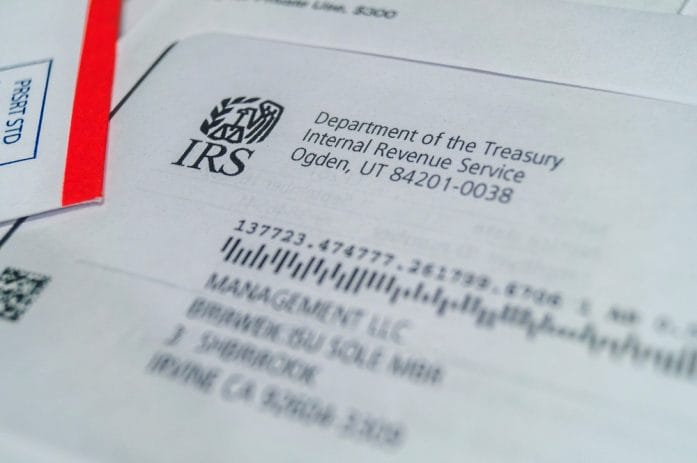
A plain white envelope just landed in the mailbox, and it carries more weight than it looks. The return address reads IRS, and suddenly everything else on the to-do list feels a lot less important. That single piece of mail can trigger a rush of questions, a spike of stress, and a strong urge to pretend it doesn’t exist. That instinct might feel tempting, but it sets up a much bigger problem down the line. Ignoring that letter never makes it disappear, and it rarely ends well.

That envelope doesn’t always mean disaster, though, and that’s where things get interesting. The IRS sends millions of notices every year, and many of them deal with simple issues that have straightforward fixes. Some letters ask for clarification, some correct small errors, and others alert taxpayers to balances owed or refunds adjusted. The key lies in knowing what the letter actually says and acting quickly with a clear plan. A calm, informed approach can turn a nerve-wracking moment into something completely manageable.

Not All IRS Letters Spell Trouble—But Every Single One Demands Attention

That official letter might look intimidating, but it doesn’t automatically signal an audit or a major issue. The IRS uses notices for a wide range of reasons, and many of them fall into routine communication. A letter might point out a math error on a tax return, request additional information, or confirm a change made to a filing. In some cases, the IRS might even send a notice to verify identity or flag potential fraud, which actually protects taxpayers rather than punishes them. That variety makes one thing very clear: the letter matters, even when it doesn’t bring bad news.

Each notice includes a specific code, usually in the upper right corner, and that code tells the story. A CP2000, for example, often means the IRS found a mismatch between reported income and third-party documents like W-2s or 1099s. Other notices, like CP14, typically relate to a balance due, while letters like 5071C deal with identity verification. Understanding that code helps cut through the confusion and points directly to the issue at hand. Skipping that step leaves too much room for guessing, and guessing doesn’t help when dealing with tax matters.

The letter also outlines a deadline, and that deadline matters more than anything else on the page. The IRS expects a response within a set timeframe, often 30 days, and failing to respond can lead to additional penalties or enforced collection actions. That timeline doesn’t leave much room for procrastination. Taking action quickly keeps options open and prevents the situation from escalating into something far more complicated. Even a simple acknowledgment or request for more time can make a big difference.

The Worst Move? Tossing It Aside and Hoping for the Best

That moment of hesitation after opening an IRS letter can turn into full-blown avoidance if left unchecked. Letting the letter sit unopened or unanswered might feel easier in the short term, but it creates a chain reaction that leads to bigger problems. The IRS doesn’t forget, and it doesn’t quietly drop issues when deadlines pass. Instead, penalties can grow, interest can accumulate, and the tone of future notices can become much more urgent.

Ignoring a balance due notice, for example, can lead to additional fees and eventually collection actions such as liens or levies. A lien can attach to property, while a levy can involve wage garnishment or bank account seizures. Those outcomes don’t happen overnight, but they start with missed deadlines and unanswered letters. Addressing the issue early keeps those consequences off the table and preserves more flexibility in how to resolve the situation.

Even when the letter involves something minor, like a request for documentation, ignoring it can escalate the issue unnecessarily. The IRS may adjust a return without input, which could result in a higher tax bill than necessary. Responding with accurate information can correct the record and potentially reduce or eliminate the problem. Taking control early always beats scrambling later when fewer options remain.

What To Do the Moment That Letter Hits Your Hands

The first move involves reading the letter carefully from start to finish, even if the urge to skim feels strong. Every detail matters, including the notice number, the tax year involved, and the specific issue identified. That information sets the stage for everything that follows. Skipping over key points can lead to misunderstandings and incorrect responses, which only complicate matters further.

Next comes verifying the information against personal records. Pull out the relevant tax return, income documents, and any supporting paperwork to compare details. If the IRS claims a discrepancy, check whether the original filing missed something or whether the IRS made an error. Both scenarios happen, and only a thorough review can uncover the truth. That step transforms a vague concern into a clear understanding of what needs to happen next.

After reviewing the details, decide on a response strategy. If the letter requests payment, explore options such as paying in full, setting up an installment agreement, or requesting a temporary delay if financial hardship exists. If the notice disputes information, prepare documentation to support the correct figures and respond within the deadline. Sending a clear, organized response shows engagement and helps move the process forward efficiently. Keeping copies of everything sent also creates a solid paper trail for future reference.

The IRS Letter You Shouldn't Ignore - and What To Do If You Get One
Image Source: Shutterstock.com

When It’s Time to Bring in Backup

Some IRS letters stay simple, while others introduce complexity that requires professional guidance. Notices involving audits, large balances, or legal language often benefit from expert help. Tax professionals such as certified public accountants, enrolled agents, or tax attorneys understand the system and know how to navigate it effectively. That expertise can prevent costly mistakes and reduce stress during the process.

Bringing in help doesn’t mean losing control; it means strengthening the approach. A professional can review the notice, explain options, and communicate with the IRS on behalf of the taxpayer if needed. That support can feel especially valuable when dealing with tight deadlines or unfamiliar terminology. Choosing someone with proper credentials and experience ensures the guidance stays reliable and accurate.

Even in less complicated situations, a quick consultation can provide reassurance and clarity. A professional might confirm that a response looks correct or suggest a better way to present information. That extra layer of confidence can make the entire process smoother and less overwhelming. Investing in guidance at the right moment can save time, money, and frustration.

Turn a Stressful Letter Into a Smart Financial Move

A common IRS letter might not feel like an opportunity at first glance, but it can become one with the right mindset. Addressing the issue promptly can lead to better financial organization, improved recordkeeping, and a clearer understanding of tax obligations. Those benefits extend far beyond the immediate situation and help build stronger habits for the future.

Taking action also creates a sense of control that replaces uncertainty. Instead of worrying about what might happen, a clear plan turns the situation into a series of manageable steps. That shift changes the entire experience from reactive to proactive. Staying organized, meeting deadlines, and communicating effectively with the IRS all contribute to a smoother resolution.

Looking ahead, small adjustments can reduce the chances of future notices. Double-checking tax returns, keeping thorough records, and reporting all income accurately can prevent many common issues. Setting reminders for important tax dates and reviewing filings carefully before submission can also make a big difference. Those habits turn a one-time scare into a long-term advantage.

The Letter That Demands Action—And Rewards It

That IRS envelope carries weight, but it doesn’t have to carry fear. Taking it seriously, understanding its purpose, and responding with clarity can turn a stressful moment into a manageable task. Every notice brings a message, and acting on that message keeps control firmly in hand. Waiting, ignoring, or guessing only adds unnecessary risk, while prompt action opens the door to solutions.

What’s the move? Face it head-on and take control, or let it sit and grow into something bigger than it needs to be? Share your thoughts, strategies, or experiences in the comments and keep the conversation going.

You May Also Like…

Penalty Traps: Everyday Actions That Trigger IRS Fines

IRS Refund Delays Surge: Incorrect Bank Info Is Triggering Weeks-Long Payment Holds

Property Taxes Are Catching Homeowners Off Guard — Especially After Buying or Renovating

5 Reasons To Talk To Your Kids About Taxes

The IRS Is Flagging More Returns This Year—And One Detail Keeps Triggering Reviews

Brandon Marcus
Brandon Marcus

Brandon Marcus is a writer who has been sharing the written word since a very young age. His interests include sports, history, pop culture, and so much more. When he isn’t writing, he spends his time jogging, drinking coffee, or attempting to read a long book he may never complete.
Filed Under: tax tips Tagged With: audit, IRS, IRS letters, IRS notice, money advice, Personal Finance, Planning, tax help, tax problems, tax return, tax tips, taxes

How a Small Mistake on Your Tax Form Can Spiral Into Big Trouble

April 7, 2026 by Brandon Marcus Leave a Comment

How a Small Mistake on Your Tax Form Can Spiral Into Big Trouble
Image Source: Shutterstock.com

The moment that tax return gets submitted, a clock starts ticking. Numbers lock into place, records get stored, and suddenly every detail carries weight. A single incorrect digit or missed form does not just sit quietly in a system—it sets off a chain reaction that can grow faster than expected. What looks like a harmless oversight can stretch into penalties, letters, and stress that refuses to fade.

Tax forms demand precision, and the system does not shrug off mistakes just because they seem small. Financial institutions, employers, and government agencies all send their own copies of income records, and those numbers must match. When they do not, red flags pop up fast. That mismatch can lead to questions, delays, and sometimes serious consequences that go far beyond a simple correction.

When One Number Doesn’t Match, Everything Gets Loud

Accuracy matters because tax systems rely on cross-checking. Employers submit wage information through forms like W-2s, while banks report interest income through documents like 1099-INTs. When a tax return shows numbers that do not align with those reports, the system notices immediately. That mismatch does not stay hidden; it creates a discrepancy that demands attention.

The issue often starts with something simple, like leaving out a freelance payment or entering a number incorrectly. Even a small amount of unreported income can trigger a notice because automated systems compare data line by line. Once that notice arrives, the process begins. That process can include requests for clarification, additional documentation, or even a deeper review of the entire return.

Corrections take time and effort, and they often involve more than just fixing one number. Tax authorities may review surrounding details to ensure everything else checks out. That means a small slip can pull more information into focus than expected. The best way to avoid this situation involves double-checking every reported income source, including side gigs, investments, and any irregular earnings that might slip through the cracks.

Penalties Add Up Faster Than Expected

A mistake on a tax form rarely stays just a mistake. When an error results in underpaid taxes, penalties can start building right away. Late payment penalties and interest charges do not wait politely—they accumulate daily. Even a modest underpayment can grow into a much larger amount over time. Interest rates on unpaid taxes change periodically, but they always add pressure. That means delaying a correction makes the situation more expensive. Filing an amended return quickly can reduce the damage, but waiting too long allows those extra costs to stack up. Speed matters when fixing errors.

Beyond financial penalties, repeated mistakes can lead to stricter scrutiny in future filings. Tax authorities may pay closer attention to returns that show patterns of inaccuracies. That increased attention can mean more questions, more documentation requests, and more time spent dealing with the aftermath. Taking time to review every detail before filing helps prevent this snowball effect.

Audits: Rare, But Not Random

Audits do not happen to everyone, but they also do not appear out of nowhere. Certain mistakes increase the chances of an audit, especially when they involve large discrepancies or unusual deductions. Claiming expenses that seem inconsistent with reported income can raise eyebrows quickly.

The process of an audit can feel overwhelming because it requires documentation for nearly every claim. Receipts, bank statements, and records must support every number on the return. Without proper documentation, deductions can disappear, and additional taxes may follow. That situation turns a simple oversight into a complicated financial headache.

Preparation offers the strongest defense. Keeping organized records throughout the year makes it easier to support claims if questions arise. That includes saving receipts, tracking expenses, and maintaining clear documentation for any deductions. Staying organized reduces stress and helps ensure that every number on the return stands on solid ground.

The Hidden Risk of “Harmless” Assumptions

Some of the biggest tax mistakes come from assumptions that seem logical at the time. People often believe that small income amounts do not need reporting or that certain expenses automatically qualify as deductions. These assumptions can lead to incorrect filings that create problems later.

Tax rules change regularly, and what worked one year may not apply the next. Credits and deductions often come with specific requirements, and missing those details can lead to errors. Relying on outdated information or guesswork increases the risk of filing inaccuracies. Staying informed about current tax rules helps avoid these pitfalls.

Using reliable tax software or consulting a qualified tax professional can make a significant difference. These tools and experts help catch errors before submission. They also provide guidance on what qualifies as income or deductions, reducing the chance of making incorrect assumptions. Taking that extra step can prevent costly consequences down the line.

How to Catch Mistakes Before They Catch You

Preventing tax mistakes requires attention to detail and a bit of patience. Reviewing every entry before submitting a return helps catch errors early. That includes verifying personal information, checking income totals, and confirming that all forms match official documents.

Keeping a checklist can simplify the process. That checklist might include confirming all income sources, reviewing deductions, and ensuring that supporting documents are complete. Taking a systematic approach reduces the chance of overlooking important details. It also creates a sense of control over a process that often feels overwhelming.

Filing early can also provide an advantage. Early filing allows time to address any unexpected issues without rushing. It also reduces the risk of identity theft-related tax fraud, which can complicate the filing process even further. A calm, methodical approach leads to more accurate results and fewer surprises.

How a Small Mistake on Your Tax Form Can Spiral Into Big Trouble
Image Source: Shutterstock.com

A Tiny Error Today Can Shape Tomorrow’s Finances

A tax return might seem like just another annual task, but it holds real power over financial stability. Every number carries weight, and every detail contributes to a bigger picture. Small mistakes can ripple outward, creating consequences that extend far beyond a single filing season.

What strategies keep those tiny mistakes from turning into massive problems, and which lessons have proven the most valuable when handling taxes? Share thoughts, tips, or even close calls in the comments.

You May Also Like…

Property Taxes Are Catching Homeowners Off Guard — Especially After Buying or Renovating

IRS Refund Delays Surge: Incorrect Bank Info Is Triggering Weeks-Long Payment Holds

Refunds Are Being Delayed Over New IRS Identity Flags — Why More Returns Are Getting Pulled

5 Reasons To Talk To Your Kids About Taxes

9 Georgia Counties Where Property Taxes Are Set to Rise the Fastest

Brandon Marcus
Brandon Marcus

Brandon Marcus is a writer who has been sharing the written word since a very young age. His interests include sports, history, pop culture, and so much more. When he isn’t writing, he spends his time jogging, drinking coffee, or attempting to read a long book he may never complete.

Filed Under: tax tips Tagged With: deductions, Financial Tips, income reporting, IRS, money management, penalties, Personal Finance, tax audit, tax filing, tax mistakes, tax return errors, taxes

Penalty Traps: Everyday Actions That Trigger IRS Fines

April 7, 2026 by Brandon Marcus Leave a Comment

Penalty Traps: Everyday Actions That Trigger IRS Fines
Image Source: Shutterstock.com

The word “penalty” hits like a brick when it shows up next to a dollar sign. Nothing ruins a perfectly normal day faster than discovering that a simple oversight turned into a fine that grows by the minute. Taxes don’t just demand attention once a year—they expect discipline, accuracy, and timing that feels almost athletic. One wrong move, and suddenly the system starts charging interest like a ticking clock that refuses to pause.

Plenty of people assume major penalties only hit those who intentionally dodge taxes or make huge financial blunders. That assumption couldn’t sit further from reality. Everyday actions—completely ordinary, even responsible ones—can trigger fines from the Internal Revenue Service. Missing a date, misreporting a number, or forgetting a form can quietly open the door to fees that stack up faster than expected.

Filing Late Feels Small Until the Fees Explode

Deadlines don’t negotiate, and the IRS doesn’t either. Filing a tax return even one day late can trigger a failure-to-file penalty that starts at 5% of the unpaid taxes per month. That percentage keeps climbing each month until it reaches a maximum of 25%, which means a delay that feels harmless can snowball into a serious financial hit. Add interest on top of that, and suddenly the original tax bill doesn’t even look like the main problem anymore.

People often assume that filing an extension solves everything, but that belief causes one of the most common mistakes. An extension only gives extra time to file paperwork—it does not extend the deadline to pay taxes owed. Anyone who files an extension but skips the payment still faces a failure-to-pay penalty, which racks up at 0.5% per month. That smaller percentage might look manageable at first glance, but it stacks with interest and doesn’t disappear until the balance clears.

Smart moves keep this trap from snapping shut. Filing on time—even without full payment—cuts the penalty dramatically compared to filing late. Estimating taxes owed and paying as much as possible before the deadline shows effort and reduces penalties. Setting calendar reminders weeks in advance helps avoid last-minute scrambling that leads to errors or missed submissions.

Consistency matters just as much as timing. Making quarterly estimated payments throughout the year spreads the burden and keeps everything manageable. Anyone with freelance income, side hustles, or investments benefits from this approach. Staying proactive doesn’t just avoid penalties—it turns tax season into a routine instead of a crisis.

Underpaying Taxes Isn’t a Free Pass

Paying something toward a tax bill feels responsible, but partial payments can still trigger penalties if they fall short of IRS expectations. The underpayment penalty applies when payments don’t meet required thresholds throughout the year. That means even people who pay consistently can face penalties if those payments don’t hit the right targets.

The IRS uses a “safe harbor” rule that offers a helpful guideline. Paying at least 90% of the current year’s taxes or 100% of the previous year’s taxes (110% for higher incomes) usually avoids penalties. Miss those marks, and the IRS starts calculating penalties based on how much and how late the payments fall behind. It’s not about intention—it’s about numbers.

Income that fluctuates creates one of the biggest risks here. Freelancers, contractors, and anyone with variable earnings often miscalculate quarterly payments because income doesn’t stay predictable. A strong month followed by a slow one can throw off estimates quickly. Without adjustments, those swings lead to underpayment penalties that feel unfair but follow strict rules.

Adjustments keep things under control. Reviewing income every quarter and updating estimated payments based on real numbers prevents gaps. Using withholding adjustments through an employer can also help offset side income. Keeping records organized and updated avoids guesswork that leads to costly miscalculations.

Planning beats reacting every time. Setting aside a percentage of income specifically for taxes ensures funds stay available when deadlines arrive. That approach removes stress and prevents last-minute scrambling to cover shortfalls. Staying ahead of payments keeps penalties from creeping in unnoticed.

Forgetting to Report Income Sets Off Alarms

Every dollar earned matters in the eyes of the IRS, whether it comes from a full-time job, freelance gig, or side hustle. Failing to report income—even accidentally—can trigger penalties and sometimes audits. Employers and clients send forms like W-2s and 1099s directly to the IRS, so mismatches between reported income and official records raise immediate red flags.

Penalty Traps: Everyday Actions That Trigger IRS Fines
Image Source: Shutterstock.com

Small gigs often slip through the cracks. Selling items online, doing occasional freelance work, or earning interest from investments might not feel significant, but those amounts still count as taxable income. Ignoring them creates discrepancies that the IRS can easily spot through automated systems that compare reported data.

Digital payment platforms have made tracking easier—and stricter. Services that process payments may issue 1099-K forms once transactions hit certain thresholds. That means side hustles and casual sales now generate official records that demand accurate reporting. Overlooking those forms can lead to penalties that feel completely unexpected.

Staying organized solves most of these issues. Keeping a running record of all income sources, no matter how small, ensures nothing gets missed during tax preparation. Using accounting apps or simple spreadsheets helps track earnings throughout the year instead of scrambling at the last minute.

Double-checking forms before filing prevents mismatches. Comparing personal records with official documents ensures accuracy and reduces the chance of triggering IRS attention. Accuracy here doesn’t just avoid penalties—it builds confidence that everything lines up exactly as it should.

Ignoring Notices Only Makes Things Worse

An IRS notice rarely arrives without a reason, and ignoring it never makes the issue disappear. These letters often address discrepancies, missing payments, or requests for additional information. Letting them sit unopened or unanswered allows penalties and interest to grow while the problem quietly escalates.

Each notice includes a deadline, and that deadline matters just as much as a filing date. Missing it can lead to additional penalties or even enforcement actions. The IRS operates on timelines that move forward regardless of whether anyone responds. That means silence often translates into agreement from the IRS’s perspective.

Many notices involve simple fixes. A missing form, a math error, or a clarification request might only require a quick response. Addressing these issues promptly prevents escalation and keeps penalties from piling up. Waiting too long can turn a minor issue into a larger financial headache. Responding doesn’t require panic. Reading the notice carefully, gathering requested documents, and replying within the given timeframe resolves most situations efficiently. Seeking help from a tax professional can also provide clarity and ensure responses meet IRS expectations.

Staying proactive changes the entire experience. Keeping contact information updated ensures notices arrive promptly. Checking mail regularly during tax season prevents delays in response. Handling issues quickly keeps penalties small and manageable instead of letting them grow into something overwhelming.

Saving Your Wallet and a Headache

Tax penalties don’t wait for major mistakes—they show up when everyday habits slip just slightly off track. Filing late, underpaying taxes, missing income, or ignoring notices all create opportunities for fines to grow quietly in the background. Each of these traps shares one thing in common: they thrive on inattention, not intention.

Which of these penalty traps feels the easiest to fall into, and what strategies have worked to stay ahead of them? Share thoughts, ideas, or personal experiences in the comments—there’s always something new to learn from each other.

You May Also Like…

IRS Refund Delays Surge: Incorrect Bank Info Is Triggering Weeks-Long Payment Holds

Retirement Accounts Are Triggering Unexpected Taxes — What Some Investors Overlook

5 Reasons To Talk To Your Kids About Taxes

Income Threshold: 4 Hidden Taxes That Hit Once You Cross Certain Limits

9 Georgia Counties Where Property Taxes Are Set to Rise the Fastest

Brandon Marcus
Brandon Marcus

Brandon Marcus is a writer who has been sharing the written word since a very young age. His interests include sports, history, pop culture, and so much more. When he isn’t writing, he spends his time jogging, drinking coffee, or attempting to read a long book he may never complete.

Filed Under: tax tips Tagged With: audit triggers, financial mistakes, IRS fines, IRS penalties, late filing, money management, Personal Finance, tax advice, Tax Deductions, tax filing tips, tax mistakes, underpayment penalty

  • « Previous Page
  • 1
  • …
  • 3
  • 4
  • 5
  • 6
  • 7
  • …
  • 18
  • Next Page »

Follow Us

Search this site:

Recent Posts

  • Can My Savings Account Affect My Financial Aid? by Tamila McDonald
  • 12 Ways Gen X’s Views Clash with Millennials… by Tamila McDonald
  • What Advantages and Disadvantages Are There To… by Jacob Sensiba
  • 10 Tactics for Building an Emergency Fund from Scratch by Vanessa Bermudez
  • Call 911: Go To the Emergency Room Immediately If… by Stephen Kanaval
  • 7 Weird Things You Can Sell Online by Tamila McDonald
  • 10 Scary Facts About DriveTime by Tamila McDonald

Copyright © 2026 · News Pro Theme on Genesis Framework