• Home
  • About Us
  • Toolkit
  • Getting Finances Done
    • Hiring Advisors
    • Debt Management
    • Spending Plan
  • Insurance
    • Life Insurance
    • Health Insurance
    • Disability Insurance
    • Homeowners/Renters Insurance
  • Contact Us
  • Privacy Policy
  • Risk Tolerance Quiz

The Free Financial Advisor

You are here: Home / Archives for fraud prevention

Banks Are Tightening Fraud Controls — Why Some Cards Are Being Declined Unexpectedly

March 30, 2026 by Brandon Marcus Leave a Comment

Banks Are Tightening Fraud Controls — Why Some Cards Are Being Declined Unexpectedly

Image Source: Shutterstock.com

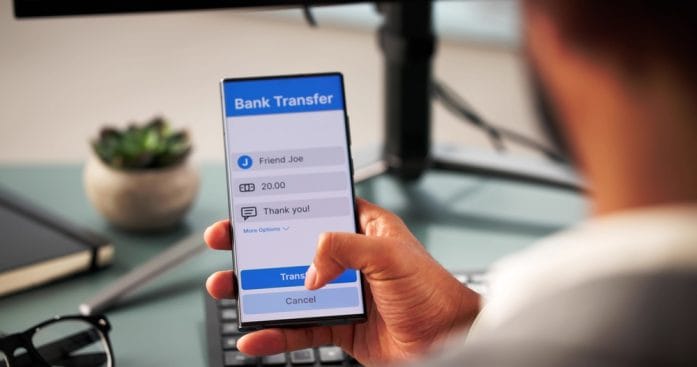
An innocent tap of a card used to feel like the easiest part of the day. That quick beep at the checkout once signaled convenience, confidence, and a system that worked exactly as expected. Now, that same moment can come with a sharp twist of uncertainty, as more transactions hit a sudden wall for reasons that seem impossible to guess. Something has shifted, and it has nothing to do with how people spend and everything to do with how banks watch.

Banks have turned up the dial on fraud prevention in a big way, and that intensity shows up in places nobody expects. A routine purchase can suddenly look suspicious, a familiar store can trigger a red flag, and a perfectly normal day can turn into a scramble to prove identity. This shift doesn’t come out of nowhere, though. It reflects a massive increase in digital fraud attempts, more sophisticated scams, and a financial system that now treats every transaction like a potential risk until proven otherwise.

Every Swipe Faces Scrutiny

Banks no longer treat transactions as simple exchanges. They run each purchase through complex fraud detection systems that analyze patterns, behaviors, and even subtle changes in spending habits. A single purchase can trigger dozens of automated checks in milliseconds, comparing location data, transaction size, merchant type, and recent activity. That means even small deviations from a typical routine can set off alarms. A late-night food order in a different neighborhood, a slightly higher bill at a regular spot, or a sudden online purchase from a new retailer can all look suspicious under these systems.

Financial institutions have invested heavily in machine learning and artificial intelligence to fight fraud, and those tools don’t rely on human intuition. They rely on patterns, probabilities, and risk thresholds. If something doesn’t match a known pattern, the system may block it first and ask questions later. That approach protects accounts from fraud, but it also increases the chances of false declines. Banks would rather inconvenience a legitimate purchase than allow a fraudulent one to slip through, and that mindset drives many of the unexpected declines people now experience.

This shift also reflects the sheer scale of modern fraud. Cybercriminals run highly organized operations, using stolen data, automated tools, and coordinated attacks to exploit weaknesses. Banks respond by tightening controls across the board, not just for high-risk accounts. That means everyone feels the impact, even those with spotless financial histories. A decline no longer signals something wrong with the account itself; it often signals a system working exactly as designed, even if it feels frustrating in the moment.

Why “Normal” Spending Suddenly Looks Suspicious

Patterns matter more than ever, and consistency has become a silent currency in the eyes of fraud systems. When spending habits shift, even slightly, those systems take notice. A card that usually handles groceries, gas, and streaming subscriptions might suddenly face scrutiny when it processes a luxury purchase or a large online order. That change alone can trigger a decline, not because the purchase seems unreasonable, but because it breaks the established rhythm of activity.

Travel often causes the biggest headaches. A card that works perfectly at home may fail the moment it gets used in a new city or country. Banks used to rely on travel notices to prevent this issue, but modern systems often make decisions in real time without that input. If the system detects a geographic jump or a merchant category that doesn’t align with past behavior, it may block the transaction instantly. Even domestic travel can create problems if spending patterns shift quickly within a short timeframe.

Online shopping adds another layer of complexity. Digital transactions don’t offer the same physical verification as in-person purchases, so banks treat them with extra caution. A new device, a different shipping address, or a retailer that hasn’t appeared in past transactions can all increase the perceived risk. Subscription services, digital goods, and international merchants often face even stricter scrutiny. That means a perfectly legitimate purchase can still get flagged simply because it doesn’t fit neatly into an established pattern.

The Hidden Triggers Most People Never Consider

Some of the most common decline triggers hide in plain sight. Rapid-fire transactions can raise immediate concerns, especially when multiple purchases occur within minutes. Even if those purchases come from the same store, the system may interpret them as unusual behavior. Splitting a bill into several smaller transactions or retrying a declined payment multiple times can amplify that risk and lead to temporary blocks on the card.

Changes in personal information can also create unexpected friction. Updating an address, phone number, or email may seem like routine maintenance, but those changes can temporarily disrupt the system’s ability to verify identity. If a transaction occurs shortly after such updates, the system may flag it as suspicious. Similarly, using a new card after a replacement or upgrade can trigger heightened scrutiny until the system recognizes consistent patterns again.

Merchant-side issues can play a role too. Some businesses process payments in ways that differ from standard practices, such as using international payment processors or categorizing transactions under unexpected merchant codes. These quirks can confuse fraud detection systems and lead to declines. Even something as simple as a delayed charge from a hotel or rental service can look unusual if it doesn’t align with the timing of the original transaction. All of these factors combine to create a landscape where declines feel random, even though they follow a very specific logic behind the scenes.

Banks Are Tightening Fraud Controls — Why Some Cards Are Being Declined Unexpectedly

Image Source: Shutterstock.com

How to Stay One Step Ahead of the System

A few proactive habits can make a big difference in avoiding those frustrating declines. Keeping contact information up to date ensures that banks can reach out quickly if something looks unusual. Many institutions send real-time alerts or verification requests through mobile apps or text messages, and a quick response can often resolve a blocked transaction within minutes. Enabling these notifications adds an extra layer of control and helps keep transactions moving smoothly.

Consistency helps more than most people realize. Using the same card for regular purchases builds a clear pattern that fraud systems can recognize. When planning a larger or unusual purchase, it helps to use a card with an established history rather than a rarely used one. For travel, checking account settings or notifying the bank ahead of time can reduce the chances of a decline, even though modern systems don’t always rely on those notices. Carrying a backup payment method also provides a simple safety net when the unexpected happens.

Patience plays a role, too. Repeatedly attempting a declined transaction can make the situation worse, as the system may interpret those attempts as suspicious behavior. Taking a moment to check for alerts or contact the bank can resolve the issue more effectively. Many declines come with a quick fix once the system confirms that the transaction is legitimate.

Security Wins, But Convenience Takes a Hit

Banks have drawn a clear line in the sand, and that line prioritizes security above all else. Fraud prevention systems have become smarter, faster, and more aggressive, and they catch threats that would have slipped through just a few years ago. That progress protects accounts, reduces financial losses, and strengthens trust in digital payments. At the same time, it reshapes the everyday experience of using a card, adding friction where there once was none.

What strategies have worked best to avoid those awkward checkout moments, and what changes have made the biggest difference? Let’s hear your thoughts, experiences, or clever workarounds in the comments.

You May Also Like…

Biometric Banking and the Rise of Fraud Concerns in 2026

7 Reasons Why Many “Buy Now, Pay Later” Users Are Actually Paying With Debit Cards

Banks Are Moving Toward All-Digital Payments — What That Means for Your Money

4 Ways to Spot Fraud Before Your Bank Does

7 Things A Fraudulent Financial Advisor Would Tell You to Do

Brandon Marcus
Brandon Marcus

Brandon Marcus is a writer who has been sharing the written word since a very young age. His interests include sports, history, pop culture, and so much more. When he isn’t writing, he spends his time jogging, drinking coffee, or attempting to read a long book he may never complete.

Filed Under: Banking Tagged With: banking, banking trends, consumer finance, credit cards, debit cards, digital payments, Financial Security, fintech, fraud prevention, identity theft, payment declines, Spending Habits

6 Times Your Bank Can Reject a Transaction Without Warning

March 29, 2026 by Brandon Marcus Leave a Comment

6 Times Your Bank Can Reject a Transaction Without Warning

Image Source: Shutterstock.com

A payment gets blocked in seconds, and suddenly everything grinds to a halt. One moment, everything feels smooth and under control, and the next, a simple tap or swipe turns into a confusing dead end that demands attention immediately. That tiny “transaction declined” message carries way more power than it should, especially when it shows up at the worst possible time. Nobody plans for it, nobody expects it, and yet it happens far more often than people realize.

Banks don’t randomly hit the brakes just to cause chaos. They rely on systems, patterns, and risk signals that operate behind the scenes, making decisions faster than anyone could react in real time. Those decisions protect accounts, prevent fraud, and enforce rules, but they also leave plenty of room for surprise interruptions that feel completely out of left field.

1. That Purchase Looks Suspicious (Even If It’s Not)

Banks constantly scan transactions for unusual behavior, and they don’t hesitate to step in when something feels off. A purchase that falls outside normal spending patterns can instantly trigger a block, even if everything about it feels perfectly legitimate. Buying an expensive item out of nowhere, shopping in a new location, or suddenly making multiple purchases in a short period can all raise red flags. These systems don’t rely on context or explanations, so they treat anything unexpected as a potential threat. That means a completely normal purchase can look risky if it breaks the usual routine.

The problem intensifies when timing and location don’t line up with recent activity. A transaction from a new city or country can look especially suspicious if no travel notice exists on the account. Even online purchases from unfamiliar retailers can trigger a decline if the system flags the merchant or notices unusual behavior patterns. Banks prioritize safety, so they would rather block a legitimate purchase than allow a fraudulent one to slip through. That approach protects money, but it can also feel frustrating when everything about the purchase makes sense on a personal level.

Staying ahead of this issue requires a little planning. Setting travel notices before leaving town gives banks a heads-up that spending patterns will shift. Keeping contact information updated ensures quick verification when a bank reaches out to confirm a transaction. Using the same card consistently for regular purchases also helps build a predictable pattern that reduces false alarms. These small steps create a smoother experience and keep transactions moving without unnecessary interruptions.

2. You Hit Your Limit Without Realizing It

Every account comes with limits, and those limits don’t always match what someone expects. Daily spending caps, withdrawal limits, and credit limits all play a role in whether a transaction goes through. A purchase that exceeds any of these thresholds can get declined instantly, even when enough money exists in the account overall. That disconnect often confuses people because the balance looks fine, yet the transaction still fails.

Debit cards often include daily spending limits that reset every 24 hours. Large purchases or multiple transactions within the same day can push spending past that cap without any obvious warning. Credit cards work differently but still enforce strict limits based on available credit, not total credit. Once spending approaches that ceiling, even a small additional charge can tip things over and trigger a decline. These limits exist to manage risk and protect both the bank and the account holder, but they can feel restrictive when timing matters.

Avoiding this situation means staying aware of both balances and limits. Checking available credit instead of just the total limit helps prevent surprises on credit cards. Reviewing daily debit limits and requesting adjustments when necessary can provide more flexibility for larger purchases. Planning big transactions ahead of time, especially for things like travel or major expenses, reduces the chance of hitting an invisible ceiling at the worst moment.

3. Your Account Doesn’t Have Enough Available Funds

Available balance and actual balance don’t always match, and that difference can cause a transaction to fail even when it looks like money should be there. Pending transactions, holds, and scheduled payments all reduce the amount of money that can be used immediately. A purchase that fits within the total balance might still exceed the available balance, leading to an unexpected decline. That gap catches many people off guard because it doesn’t show up clearly without checking the details.

Holds from hotels, gas stations, and rental services can temporarily lock up funds. Those holds often exceed the final charge, which creates a temporary squeeze on available money. Automatic payments scheduled for later in the day can also reduce available funds before they officially process. These behind-the-scenes adjustments happen quietly, but they have a real impact on whether a transaction succeeds or fails. Banks rely on available balance to approve transactions, not the total amount sitting in the account.

Keeping a buffer in the account helps absorb these temporary holds and pending charges. Regularly reviewing transaction history provides a clearer picture of what funds are actually available. Turning on balance alerts can also give a quick heads-up when available funds drop below a certain level. These habits create a cushion that keeps transactions flowing smoothly, even when holds and pending charges come into play.

4. The Merchant Triggers a Red Flag

Not all declines come from the account side of things. Sometimes, the issue comes from the merchant itself. Banks maintain lists of high-risk merchants and industries that carry a higher chance of fraud or disputes. Transactions involving these merchants can get blocked automatically, even when everything looks fine from a personal standpoint. Online retailers with limited history or poor reputations often fall into this category.

Certain types of purchases, such as those involving digital goods, subscriptions, or international sellers, can also trigger additional scrutiny. Banks analyze patterns across millions of transactions, and they flag merchants that frequently appear in fraud reports. When a card gets used at one of these merchants, the system may decline the transaction as a precaution. That decision happens instantly, with no time for explanation or review in the moment.

Choosing reputable retailers reduces the chance of running into this problem. Looking for secure payment indicators, verified reviews, and established brands adds an extra layer of confidence before making a purchase. If a transaction gets declined due to a merchant flag, contacting the bank can often resolve the issue quickly. That step confirms the purchase as legitimate and allows future transactions with that merchant to go through more smoothly.

5. Technical Glitches and System Errors

Technology runs the modern banking system, but it doesn’t always run perfectly. Network issues, system outages, and processing errors can all cause transactions to fail without warning. These glitches can happen on the bank’s side, the merchant’s system, or somewhere in between during the payment process. Even a brief interruption in communication can prevent a transaction from going through.

Card readers, payment terminals, and online checkout systems all rely on stable connections to process transactions. When something disrupts that connection, the system may default to declining the transaction instead of risking an error. Maintenance updates and system upgrades can also temporarily affect transaction processing. These issues usually resolve quickly, but they can create confusion in the moment when a payment suddenly doesn’t work.

Trying the transaction again often solves the problem if a glitch caused the decline. Using a different payment method, such as another card or a mobile payment option, can also provide a quick workaround. Keeping a backup payment method available ensures that one failed transaction doesn’t derail an entire plan. Staying flexible in these situations keeps things moving, even when technology decides to take a brief break.

6 Times Your Bank Can Reject a Transaction Without Warning

Image Source: Shutterstock.com

6. Your Card or Account Has Been Restricted

Banks can place restrictions on accounts or cards for a variety of reasons, and those restrictions can stop transactions immediately. Suspicious activity, missed payments, or verification issues can all lead to temporary blocks. Once a restriction goes into place, transactions will continue to fail until the issue gets resolved. These restrictions often come with notifications, but they don’t always arrive before the first declined transaction.

Verification requests can also play a role in these situations. Banks may require updated identification, confirmation of recent activity, or responses to security questions before allowing further transactions. Ignoring these requests can lead to ongoing declines, even when everything else looks normal. These measures protect accounts from unauthorized use, but they require quick action to restore full access.

Responding promptly to any communication from the bank helps resolve restrictions faster. Keeping identification and contact details up to date ensures that verification processes go smoothly. Setting up account alerts can also provide early warnings before restrictions escalate into declined transactions. Taking these steps keeps accounts in good standing and reduces the chance of unexpected interruptions.

Stay One Step Ahead

Bank declines don’t have to feel like random disruptions that show up out of nowhere. Each one ties back to a specific rule, pattern, or safeguard designed to protect money and maintain system integrity. Understanding those triggers turns frustration into strategy, and that shift creates a smoother, more predictable experience with every transaction. Small habits, like monitoring balances, updating account information, and planning ahead for large purchases, make a noticeable difference over time.

What’s the most surprising reason a transaction has ever been declined, and what strategy worked best to fix it? Drop your experience or tips in the comments and get the conversation going.

You May Also Like…

What to Do After Discovering a Secret Credit Card

7 Reasons Why Many “Buy Now, Pay Later” Users Are Actually Paying With Debit Cards

The Danger of Using Debit Cards While Traveling Abroad

Customers Beware: Banks Are Tightening Fraud Rules and Freezing Accounts Faster Than Ever

Banks Are Still Charging Daily Overdraft Fees After Accounts Go Negative

Brandon Marcus
Brandon Marcus

Brandon Marcus is a writer who has been sharing the written word since a very young age. His interests include sports, history, pop culture, and so much more. When he isn’t writing, he spends his time jogging, drinking coffee, or attempting to read a long book he may never complete.

Filed Under: Banking Tagged With: banking, banking errors, budgeting, credit card, Debit card, declined transaction, finance advice, financial habits, fraud prevention, money tips, payment issues, Personal Finance

8 Scam Messages That Look Official — But Aren’t

March 28, 2026 by Brandon Marcus Leave a Comment

8 Scam Messages That Look Official — But Aren’t

Image Source: Shutterstock.com

We have all been taught to stay on high alert for suspicious text messages that may be scams. Maybe it screams “urgent action required” or promises a reward that seems almost too good to be true. Those messages are often crafted to make your heart race and your fingers click before your brain even gets a chance to breathe. They look polished, they look real, and they look like something you absolutely must act on—but that’s exactly the point. Scammers rely on that split-second reaction to trick people out of money, personal info, or even both at once.

These messages don’t just lurk in spam folders. They invade your inbox, pop up as texts, or even slide into your social media DMs, perfectly dressed in the language of authority. A lot of them come cloaked as banks, delivery services, or even government notifications, making it nearly impossible to spot the danger at first glance. The catch? These messages are designed to pressure, confuse, and manipulate. If you want to outsmart the con artists, you need to know what you’re looking for.

1. The “Urgent Bank Alert” That Isn’t

Few things get attention faster than a banking emergency. Scammers know this, so they craft emails and texts that mimic your bank’s official tone, complete with logos and professional formatting. They might warn about suspicious activity, account freezes, or unauthorized purchases. The message will often demand immediate action, like clicking a link or calling a number, giving them the chance to steal login credentials instantly.

These fakes usually have tiny clues if you know where to look. Check the sender’s email or phone number—it often has extra letters or numbers that don’t match your bank. Links might look correct but redirect to entirely different websites. Real banks rarely ask for sensitive information through email or text. A solid defense is logging directly into your banking app or calling your bank using the official number, never the one in the suspicious message. That short pause can save you from a serious headache.

2. The “Package Delivery” Panic

Nothing spikes curiosity like a delivery notification, especially if you weren’t expecting a package. These scams mimic carriers like FedEx, UPS, or USPS, claiming your shipment can’t be delivered or requires urgent confirmation. The messages often include links or attachments, supposedly to “reschedule” or “verify” delivery. Clicking can install malware or steal personal information faster than a blink.

The scam usually leans on fear of missing out: missed deliveries, fines, or unexpected fees create instant pressure. Look closely at the sender info and URL. Real carriers usually provide tracking numbers that can be verified on their official websites. Avoid links in messages unless you initiated a shipment. A quick check with the actual company can reveal whether the notice is legitimate, saving you from digital chaos.

3. The “Government Agency” Deception

Scammers love pretending to be government offices. Tax authorities, immigration offices, or social security departments can all be impersonated convincingly. The messages often threaten penalties, legal action, or fines unless you act immediately. Panic sets in, and people feel forced to comply, which is exactly what the fraudsters want.

These scams are designed to feel official, sometimes even quoting real laws or referencing public programs. Legitimate agencies rarely communicate serious matters through text or email without prior notice by mail. If you receive a message claiming you owe money or must take immediate action, verify it independently by calling the agency directly using information from their official website. Staying skeptical is the best way to protect yourself from a high-pressure trap.

4. The “Account Suspended” Hook

Platforms you use every day, like social media, email services, or streaming accounts, can become tools for scammers. They craft messages claiming your account is suspended, hacked, or needs immediate verification. Panic is the bait: people tend to click first and think later. The link usually leads to a fake login page, harvesting your username and password before you know what hit you.

One key giveaway is generic language like “Dear User” instead of your actual account name. Another is grammar mistakes or odd phrasing that real companies would never use. Always navigate directly to the official platform to check your account status. Multi-factor authentication is also a strong shield, adding another layer of protection against these sneaky attempts.

8 Scam Messages That Look Official — But Aren’t

Image Source: Unsplash.com

5. The “Prize Winner” Illusion

Everyone loves free stuff. Scammers exploit this by sending messages claiming you’ve won a prize, lottery, or sweepstakes. They demand personal info or a small payment to release winnings, turning excitement into a trap. The offer often feels too good to be true because it is.

Legitimate contests never ask for sensitive information upfront or require payment to claim a prize. Examine the email address carefully, and don’t click on flashy links promising jackpots. If curiosity strikes, search for the contest online to verify authenticity. These scams prey on hope, but a little patience and skepticism can prevent a lot of frustration.

6. The “Tech Support” Con Game

A sudden pop-up or call claiming your computer is infected with viruses or compromised can create instant fear. Scammers impersonate tech companies, urging you to download software, call a number, or provide remote access. Once granted, they can steal files, install malware, or demand ransom.

Real tech support never initiates contact without prior reason. If a message claims there’s a problem with your device, close the window, restart, and reach out to the company through official channels. Avoiding panic is critical—these scams thrive on creating a sense of immediate danger. A calm, methodical approach will keep both your device and your sanity intact.

7. The “Subscription Renewal” Trap

Fake renewal notices target subscriptions people actually use, like streaming services, software, or even gym memberships. Messages claim your payment failed or that your account will be canceled unless you click a link or update your info. The urgency triggers quick reactions, often before users think twice.

Check your account directly by logging in on the official website. Watch for typos, suspicious email addresses, or unusual URLs in the message. Legitimate services rarely ask for sensitive details via email. Staying cautious can prevent financial loss and keep scammers from hijacking recurring payments.

8. The “Friend in Trouble” Ploy

This one’s straight out of a soap opera: a message from someone claiming to be a friend or family member in urgent need, stranded or locked out, asking for money immediately. The panic and emotional appeal are designed to override rational thinking. Many fall for this because it tugs at empathy and trust simultaneously.

Confirm the story through separate communication channels, like calling the person directly or messaging them on a platform you know is safe. Scammers rely on split-second emotional reactions, so taking a moment to pause and verify can prevent heartbreak and financial loss. Always check before acting—if it seems suspicious, it probably is.

Time To Outsmart the Fakes

Scam messages don’t have to ruin your day or empty your wallet. Recognizing the patterns—urgency, unexpected requests, links that don’t match official websites, and emotional manipulation—can give you the edge. Always take a moment to verify, check official sources, and trust your instinct when something feels off. Protecting personal information and credentials is non-negotiable, and a little skepticism goes a long way.

Have a story about a scam you almost fell for or a clever trick to spot fakes? Share it in the comments because everyone could use a few more tactics in their toolkit for staying one step ahead of these digital hustlers.

You May Also Like…

7 New Scam Tactics That Look Real — And Are Still Fooling Americans

Is Your Neighborhood Being Targeted by Real Estate Scammers?

7 Ways Identity Scammers Copy Your Signature Remotely

Regulation Alert: 9 Proposed Rules Every Investor Should Watch in 2026

4 Moves to Make After a Job Loss in a Tech-Driven Market

Brandon Marcus
Brandon Marcus

Brandon Marcus is a writer who has been sharing the written word since a very young age. His interests include sports, history, pop culture, and so much more. When he isn’t writing, he spends his time jogging, drinking coffee, or attempting to read a long book he may never complete.

Filed Under: scams Tagged With: Consumer Protection, cyber security, email scams, fraud prevention, identity theft, Online Safety, phishing, safety online, scam alerts, tech tips, text scams

5 Warning Signs Someone Is Using Your Social Security Number

March 27, 2026 by Brandon Marcus Leave a Comment

5 Warning Signs Someone Is Using Your Social Security Number

Image Source: Shutterstock.com

When it comes to identity theft, damage builds quietly, often hiding in plain sight while accounts shift, numbers change, and red flags stack up. One small clue can signal something much bigger, and ignoring that clue can turn a manageable issue into a full-blown financial nightmare. The reality feels uncomfortable, but awareness changes everything, especially when it comes to something as powerful as a Social Security number.

Most people assume they would notice identity theft immediately, but that assumption creates the perfect blind spot. Fraud rarely starts with dramatic moves; it creeps in with subtle changes that seem easy to brush off or explain away. That makes early warning signs incredibly valuable, because catching them quickly can save thousands of dollars, protect credit scores, and prevent months of cleanup. Knowing what to look for does not require expert-level knowledge, just a willingness to pay attention and act fast when something feels off.

1. Your Credit Report Starts Telling a Story You Don’t Recognize

A credit report should read like a familiar biography, filled with accounts, balances, and history that match real financial decisions. When unfamiliar accounts or inquiries suddenly appear, that story shifts into something confusing and concerning. New credit cards, loans, or even hard inquiries from lenders can signal that someone else uses personal information to apply for credit. These entries often show up before any bills or collection notices arrive, which makes regular credit checks one of the strongest early defenses.

Identity thieves rely on speed, opening accounts quickly and moving on before detection catches up. That means even one unfamiliar inquiry deserves attention, especially if it comes from a lender that has never appeared before. Checking credit reports from all three major bureaus adds another layer of protection, since not every account appears everywhere right away. A free annual report offers a baseline, but more frequent checks can reveal issues much earlier.

Taking action immediately matters more than trying to confirm every detail first. Filing a fraud alert or freezing credit can stop further damage while sorting out what happened. Credit monitoring services can also provide real-time alerts, which adds another safety net for anyone who wants constant visibility. Staying proactive here keeps control firmly in the right hands.

2. Bills and Statements Suddenly Go Missing In The Mail

Mail rarely disappears without a reason, especially when it comes to financial statements, tax documents, or official notices. When expected bills stop arriving, something may interfere behind the scenes. Identity thieves sometimes change mailing addresses on accounts to redirect sensitive information, which allows them to operate without interruption. That small change can delay discovery long enough to rack up serious damage.

Missing mail does not always scream fraud right away, but it should raise questions. Checking with service providers or financial institutions can confirm whether address changes occurred without permission. Online account access also helps verify recent activity, which can reveal whether someone has tampered with account details.

Switching to electronic statements can reduce the risk of intercepted mail while adding convenience. At the same time, keeping an eye on physical mail still matters, especially for government-related correspondence. Acting quickly when something goes missing prevents identity theft from gaining momentum.

5 Warning Signs Someone Is Using Your Social Security Number

Image Source: Pexels.com

3. Debt Collectors Call About Accounts That Don’t Exist

Few things feel more jarring than a call about a debt that has no connection to reality. When collectors start asking for payment on accounts that never existed, that often points directly to identity theft. These accounts may include credit cards, personal loans, or even medical bills opened under a stolen Social Security number.

Ignoring these calls can make the situation worse, since unpaid debts can move into collections and damage credit scores. Instead, requesting detailed information about the account helps clarify what happened. Debt collectors must provide verification, which can reveal the origin of the fraudulent account.

Disputing these debts quickly becomes critical, especially through credit bureaus and the original creditor. Filing an identity theft report with the Federal Trade Commission creates a formal record, which helps during disputes. Keeping organized records of every conversation and document can speed up the resolution process and protect against further complications.

4. Your Tax Return Gets Rejected Out of Nowhere

Tax season usually follows a predictable rhythm, but identity theft can throw that rhythm off instantly. When a tax return gets rejected because someone already filed using the same Social Security number, that signals a serious issue. Tax-related identity theft allows criminals to claim refunds before the real filer even submits their return.

This type of fraud often goes unnoticed until filing time, which makes it particularly frustrating. The rejection message usually includes a code that indicates duplicate filing, which provides a clear starting point for resolving the issue. Contacting the IRS and completing an identity theft affidavit sets the recovery process in motion. Filing taxes as early as possible each year can reduce the risk of this type of fraud. An Identity Protection PIN from the IRS adds another layer of security by requiring a unique code for filing. Staying ahead of tax deadlines can make a huge difference in preventing someone else from stepping in first.

5. Government Benefits Show Activity You Never Approved

Government benefits like Social Security or unemployment assistance should never show unexpected changes or claims. When benefits suddenly appear, increase, or shift without authorization, that often signals misuse of a Social Security number. Fraudsters sometimes file for benefits using stolen identities, collecting funds while the rightful owner remains unaware.

Checking benefit statements regularly can reveal these discrepancies early. Online portals for government programs often provide detailed activity logs, which can highlight unauthorized changes. Reporting suspicious activity immediately helps stop payments and prevents further misuse. Securing online accounts with strong passwords and multi-factor authentication adds a critical layer of protection. Monitoring government correspondence also helps catch unusual activity quickly. Staying alert in this area can prevent long-term complications that take months to resolve.

Stay Protected And Always in Control

Spotting identity theft early changes everything, and these warning signs offer a powerful advantage when used wisely. Each red flag, whether it shows up on a credit report or arrives as a confusing phone call, deserves attention and action. Waiting rarely improves the situation, but quick responses can limit damage and restore control faster than expected.

Building strong habits around monitoring financial activity, checking reports, and protecting personal information creates a solid defense against identity theft. Small steps, taken consistently, can block even determined fraud attempts. The goal does not involve living in fear, but staying informed and ready to act when something feels off.

What stands out the most among these warning signs, and what steps feel realistic to take right away? Share all of your thoughts, strategies, or even close calls in the comments, because real experiences can help others stay one step ahead.

You May Also Like…

8 Silent Costs of Ignoring Identity Theft

6 Free Credit Monitoring Tools That Expose You to Identity Theft

8 Email Habits That Make You a Target for Identity Theft After 40

Check Your Credit Report NOW—5 Signs of Identity Theft

6 Free Credit Monitoring Tools That Expose You to Identity Theft

Brandon Marcus
Brandon Marcus

Brandon Marcus is a writer who has been sharing the written word since a very young age. His interests include sports, history, pop culture, and so much more. When he isn’t writing, he spends his time jogging, drinking coffee, or attempting to read a long book he may never complete.

Filed Under: scams Tagged With: credit monitoring, credit score, cybersecurity, data breach, financial safety, fraud alerts, fraud prevention, identity protection, identity theft, Personal Finance, scams, Social Security number

Banks Are Reversing Certain Deposits — Why Some Customers Are Losing Access to Funds

March 27, 2026 by Brandon Marcus 1 Comment

Banks Are Reversing Certain Deposits — Why Some Customers Are Losing Access to Funds

Image Source: Unsplash.com

A deposit should mean one thing: the money is yours. It lands in the account, the balance goes up, and everything moves forward. That expectation feels solid, almost automatic, like flipping a switch and watching the light turn on. So when that same deposit suddenly disappears or gets reversed, it doesn’t just cause confusion—it sparks frustration, stress, and a whole lot of questions. People expect consistency from their banks, not surprise plot twists that hit their balance overnight.

Something important sits beneath those reversals, and it goes far beyond random glitches or rare mistakes. Financial institutions follow strict systems designed to protect against fraud, errors, and risk, but those systems don’t always feel friendly when they freeze or pull back funds. The reality is simple but not always obvious: a deposit showing up in an account doesn’t always mean the money has fully cleared.

When “Available” Doesn’t Mean “Yours”

Banks move fast when it comes to showing deposits, but the actual verification process often takes longer than most people realize. When someone deposits a check or receives a transfer, the bank may make a portion—or even all—of that money available right away. That quick access helps people pay bills, cover expenses, or move money around without waiting days. However, behind the scenes, the bank still needs to confirm that the funds actually exist and that the transaction holds up under scrutiny. That delay creates a temporary window where money looks usable but hasn’t officially cleared the system.

That window matters more than ever, especially as digital banking speeds everything up on the surface. If a check bounces, a transfer fails, or a sending account lacks funds, the receiving bank can reverse the deposit entirely. At that point, the money disappears just as quickly as it arrived, and the account holder ends up stuck dealing with the aftermath. Some people feel blindsided because the funds showed as available, which creates a sense of certainty that doesn’t match reality. Banks don’t always make that distinction obvious, and that gap in understanding causes most of the frustration when reversals happen.

The situation becomes even more complicated when someone spends money tied to a deposit that later gets reversed. That can trigger overdraft fees, declined payments, or a negative balance that snowballs quickly. Banks don’t usually absorb those losses because they treat the reversal as a correction, not a mistake. That means the account holder carries the consequences, even if the original deposit looked legitimate. Understanding that “available” funds still sit in a kind of financial limbo helps explain why these reversals feel so abrupt and disruptive.

The Rise of Fraud and Why Banks Are Hitting the Brakes

Banks don’t reverse deposits for fun—they do it because fraud has become faster, smarter, and more widespread. Scammers have figured out how to exploit the gap between deposit availability and final verification, using fake checks, stolen accounts, or manipulated transfers to create the illusion of real money. They rely on speed, knowing that if someone withdraws or sends funds before the bank catches the issue, the damage sticks. Financial institutions have responded by tightening controls, increasing scrutiny, and acting more aggressively when something looks off.

That shift means more deposits get flagged, delayed, or reversed, even in situations that might seem harmless at first glance. A check from an unfamiliar source, a sudden large transfer, or unusual account activity can all trigger a review. Banks use automated systems to scan for patterns that match known fraud tactics, and those systems don’t always distinguish between a scam and a legitimate transaction right away. When something raises a red flag, the bank steps in quickly, sometimes freezing or reversing funds before the situation fully unfolds.

This heightened vigilance protects the overall system, but it also creates friction for everyday account holders. People who receive legitimate payments may still face delays or reversals simply because the transaction doesn’t fit a typical pattern. That reality forces a new kind of awareness around how money moves, especially when dealing with large sums or unfamiliar sources. Staying cautious about who sends money and how it arrives becomes more important than ever, because the bank’s priority focuses on minimizing risk first and sorting out details later.

Banks Are Reversing Certain Deposits — Why Some Customers Are Losing Access to Funds

Image Source: Shutterstock.com

Common Situations That Trigger Deposit Reversals

Not every reversal comes from fraud, even though that gets most of the attention. Everyday banking situations can also lead to deposits getting pulled back, often without much warning. One of the most common triggers involves checks that bounce due to insufficient funds or closed accounts. Even if the check looked perfectly valid at the time of deposit, the bank can reverse it once the issuing bank rejects the payment. That reversal can happen days after the initial deposit, which makes it feel sudden and unexpected.

Another frequent issue involves ACH transfers, especially when someone disputes a transaction or cancels a payment. Unlike instant transfers, ACH payments can take time to finalize, and they come with built-in reversal rights under certain conditions. If the sender claims an error or unauthorized activity, the bank may reverse the transaction while investigating. That process protects consumers but can leave the recipient temporarily—or permanently—without the funds they thought they had secured.

Errors also play a role, even in highly automated systems. A duplicate deposit, a misrouted transfer, or a processing mistake can all lead to corrections that look like reversals. Banks move quickly to fix those issues, which sometimes means pulling funds back without much notice. While those cases don’t involve wrongdoing, they still create confusion and inconvenience for anyone affected. Recognizing these scenarios helps explain why reversals don’t always signal a problem with the account holder, even though they still require careful attention.

How to Protect Your Money (and Your Sanity)

Avoiding deposit reversals entirely isn’t always possible, but smart habits can reduce the risk and soften the impact when they do happen. Waiting for full clearance before spending large or unfamiliar deposits stands out as one of the most effective strategies. That patience may feel inconvenient, but it prevents a situation where money disappears after it has already been used. Checking with the bank about hold times and clearance policies can also provide clarity, especially when dealing with checks or transfers from new sources.

Verifying the source of any deposit matters just as much as timing. If a payment comes from someone unfamiliar or feels unexpected, taking a moment to confirm its legitimacy can prevent bigger problems later. Scammers often rely on urgency, pushing people to act quickly before questions arise. Slowing things down, asking for details, and avoiding immediate transfers or withdrawals can break that pattern and reduce exposure to fraud. That approach keeps control in the hands of the account holder rather than the scammer.

Keeping a financial cushion in the account also helps absorb the shock of a reversal. Even a small buffer can prevent overdraft fees and declined payments if funds suddenly disappear. Monitoring account activity regularly adds another layer of protection, allowing quick responses to any changes or issues. These habits don’t just reduce risk—they create a sense of control in a system that sometimes feels unpredictable. When banks act fast, having a plan in place makes a noticeable difference.

Stay Sharp, Stay Informed, Stay in Control

Deposit reversals don’t come out of nowhere, even though they can feel that way in the moment. Banks operate within a framework that prioritizes verification, security, and risk management, and that framework doesn’t always line up with everyday expectations. Understanding the difference between available funds and cleared funds changes the way deposits get handled, especially when larger amounts or unfamiliar sources come into play. That awareness turns confusion into strategy, giving people a clearer path through situations that might otherwise feel chaotic.

What’s the most surprising thing you’ve seen happen with a bank deposit, or what strategies have helped you avoid issues like this? Drop your thoughts, experiences, or tips in the comments.

You May Also Like…

Biometric Banking and the Rise of Fraud Concerns in 2026

5 Budgeting Apps That Integrate With Biometric Banking

4 Steps to Take if You Hold More Than $250K in One Bank

Bank Alert: 7 Reasons “Courtesy Credits” Get Taken Back Without Warning

What Happens if Adult Children Control Your Online Banking Credentials

Brandon Marcus
Brandon Marcus

Brandon Marcus is a writer who has been sharing the written word since a very young age. His interests include sports, history, pop culture, and so much more. When he isn’t writing, he spends his time jogging, drinking coffee, or attempting to read a long book he may never complete.

Filed Under: Banking Tagged With: ACH transfers, bank policies, banking, banking news, check deposits, consumer awareness, deposits, financial safety, Financial Tips, fraud prevention, money management, Personal Finance

5 Phone Calls You Should Never Return — Even If They Sound Urgent

March 26, 2026 by Brandon Marcus Leave a Comment

5 Phone Calls You Should Never Return — Even If They Sound Urgent

Image Source: Pexels.com

The phone rings, and suddenly everything feels urgent. A missed call flashes on the screen with a warning tone in the voicemail or a number that looks oddly official, and the instinct kicks in to fix whatever problem might be brewing. That sense of urgency feels powerful, almost impossible to ignore, and it pushes people to act fast instead of thinking things through. Scammers count on that exact reaction, because speed and panic make people easier to manipulate. One quick callback can open the door to losing money, personal information, or even control of important accounts. That single moment of curiosity or concern can turn into a costly mistake that lingers far longer than the call itself.

Plenty of calls deserve attention, but some absolutely do not deserve a return call under any circumstances. The tricky part comes from how convincing these calls sound, because they often mimic real institutions, real emergencies, or real opportunities that feel too important to ignore. Modern scam tactics rely on technology that masks phone numbers, imitates voices, and creates believable scenarios that fool even careful people.

1. The “One-Ring” Trap That Hooks You Fast

A missed call that rings once and disappears might seem harmless, but it often signals a well-known scam designed to get a callback. Scammers use automated systems to dial thousands of numbers and hang up almost immediately, leaving behind a tempting mystery. That curiosity pushes people to return the call, especially when the number looks unfamiliar or international. Once someone calls back, the scam kicks into gear through premium-rate numbers that charge high fees per minute. These charges can pile up quickly without any clear warning, leaving a shocking phone bill behind. The scam works because it feels so simple and innocent, and that simplicity masks the financial damage it can cause. A quick callback turns into a costly mistake that feels completely avoidable in hindsight.

The best move here involves ignoring the urge to investigate and resisting the temptation to call back unknown numbers entirely. If a call truly matters, the caller will leave a detailed message with clear identification and a legitimate reason to respond. Searching the number online can also reveal whether others have reported it as suspicious or linked it to scams.

Phone carriers and apps now offer spam detection features, and enabling those tools adds another layer of protection. Staying cautious about unfamiliar international numbers also helps, especially when no clear connection exists to that location. A missed call might spark curiosity, but curiosity should never outweigh caution when money sits on the line.

2. The Fake “Government Emergency” That Demands Immediate Action

Some calls come packed with urgency, claiming that a government agency needs immediate attention or that a serious issue requires instant action. These calls often mention unpaid taxes, legal trouble, or benefits that face suspension, and they rely heavily on fear to push people into reacting quickly. The caller may sound authoritative, using official-sounding language and even spoofed phone numbers that appear legitimate at first glance. That combination of urgency and authority creates a powerful sense of pressure that makes people act without verifying the situation. Scammers know that fear short-circuits logic, and they lean into that emotional response to keep control of the conversation. A callback gives them exactly what they want: engagement and a chance to escalate the scam.

Real government agencies do not operate this way, and they do not demand immediate payment or personal information over the phone without prior official communication. Anyone receiving a message like this should avoid calling back directly and instead look up the agency’s official contact information independently. Calling a verified number ensures that any conversation happens with a legitimate representative instead of a scammer. Staying calm and refusing to rush into action makes a huge difference, because urgency often signals manipulation rather than reality. Keeping personal information private and never sharing sensitive details over unsolicited calls also blocks many common scam tactics. A moment of patience can prevent a situation from spiraling into something far more serious.

3. The “Bank Alert” That Isn’t From Your Bank

Few things grab attention faster than a message about suspicious activity on a bank account, and scammers take full advantage of that reaction. A voicemail or missed call might claim that unauthorized transactions occurred, urging a quick callback to secure the account. The message often sounds polished and professional, sometimes even including partial account details to appear more convincing. That sense of urgency pushes people to act immediately, especially when money feels at risk. Once the callback happens, scammers guide the conversation toward gathering login credentials, PINs, or verification codes. That information gives them direct access to accounts, turning a fake alert into a real financial problem.

Handling these situations requires a deliberate shift in approach, because calling back the number provided creates unnecessary risk. Instead, checking the account directly through an official app or website provides accurate information without involving a third party. Contacting the bank using a verified number printed on a card or official statement ensures a safe connection. Financial institutions already encourage this habit, and following it protects against many common scams. Staying skeptical about unsolicited alerts also helps, especially when the message pressures immediate action. A real bank prioritizes security and clarity, while a scammer prioritizes speed and confusion.

4. The “Prize or Package” Call That Sounds Too Good to Miss

Excitement can feel just as powerful as fear, and scammers know exactly how to tap into that energy. A missed call or voicemail might claim that a prize awaits or that a package requires confirmation before delivery. These calls often create a sense of urgency by suggesting that the opportunity will disappear without quick action. That pressure pushes people to call back, hoping to claim something valuable or resolve a delivery issue. Once the connection happens, scammers may ask for personal details, payment for fees, or verification information that leads to identity theft. The initial excitement quickly fades when the consequences start to unfold.

Staying grounded and questioning the legitimacy of unexpected offers helps prevent falling into this trap. Legitimate companies do not require payment or sensitive information just to claim a prize or receive a package. Checking tracking numbers directly through official shipping websites provides accurate updates without relying on unknown callers. Ignoring unsolicited prize notifications also removes the temptation to engage with potential scams.

5. The “Tech Support Panic” Call That Creates Chaos

Technology issues can feel overwhelming, and scammers exploit that confusion with fake tech support calls. A voicemail or missed call might claim that a device has been compromised or that immediate action is needed to prevent damage. The message often includes alarming language that suggests viruses, hacking attempts, or data breaches. That sense of panic pushes people to call back quickly, hoping to fix the problem before it gets worse. Once connected, scammers may request remote access to devices or ask for payment to resolve the issue. That access gives them control over personal files, accounts, and sensitive information, turning a fake problem into a real one.

Avoiding these scams requires a clear understanding of how legitimate tech companies operate. Reputable companies do not initiate unsolicited calls about device issues, and they do not request remote access without a verified support request. Running antivirus software and keeping systems updated provides real protection without relying on unknown callers. Seeking help directly through official support channels ensures that any assistance comes from trusted sources.

5 Phone Calls You Should Never Return — Even If They Sound Urgent

Image Source: Unsplash.com

Let Suspicion Win Every Time

Every one of these calls shares a common thread: urgency designed to override good judgment. That urgency might come from fear, excitement, or confusion, but it always pushes for quick action without verification. Slowing down and questioning the situation creates a powerful defense against scams that rely on emotional reactions. Ignoring suspicious calls and refusing to return unknown numbers removes the opportunity for scammers to gain a foothold. Technology continues to evolve, and scammers adapt quickly, but a cautious mindset remains one of the strongest protections available. Taking control of how and when to respond keeps personal information and finances secure.

What strategies work best for handling suspicious calls, and which types of messages raise the biggest red flags? Share your thoughts, experiences, or tips in the comments and keep the conversation going.

You May Also Like…

7 New Scam Tactics That Look Real — And Are Still Fooling Americans

Is Quality Furniture Officially a Scam? Why Filling a New Home in 2026 is Destroying Senior Nest Eggs

8 Subtle Illusions Used by Scammers in Investment Offers

6 Elder Scams That Began Over the Phone Earlier This Year

10 Quiet Retirement Scams Targeting Women Who Just Got Divorced

Brandon Marcus
Brandon Marcus

Brandon Marcus is a writer who has been sharing the written word since a very young age. His interests include sports, history, pop culture, and so much more. When he isn’t writing, he spends his time jogging, drinking coffee, or attempting to read a long book he may never complete.

Filed Under: scams Tagged With: consumer safety, cybersecurity, fraud prevention, identity theft, personal finance safety, phishing, phone safety, phone scams, robocalls, scam awareness, scam calls, tech tips

7 New Scam Tactics That Look Real — And Are Still Fooling Americans

March 25, 2026 by Brandon Marcus Leave a Comment

7 New Scam Tactics That Look Real — And Are Still Fooling Americans

Image Source: Unsplash.com

An alarming shift has taken over the world of scams, and it doesn’t rely on clumsy emails or obvious red flags anymore. Today’s scams walk, talk, and breathe like the real thing, blending into everyday life so smoothly that even cautious people pause for just a second—and that second can cost everything. These schemes don’t just trick the careless; they target the busy, the distracted, and even the well-informed, turning normal moments into high-stakes traps. The rules have changed, and the line between real and fake keeps getting blurrier by the day. That shift demands attention right now, not later.

Modern scammers don’t gamble on luck anymore—they engineer trust. They study habits, mimic legitimate organizations, and time their attacks perfectly, often striking when stress runs high or attention runs low. A missed package, a bank alert, a job opportunity, or even a quick message from “family” can pull someone straight into a carefully built illusion.

1. The “Urgent Bank Alert” That Feels Way Too Legit

This scam doesn’t look like a scam at all, and that’s exactly the problem. A text message or email arrives claiming suspicious activity on a bank account, complete with branding, formatting, and even partial account numbers that look believable. It pushes urgency hard, often warning that immediate action must happen to avoid account suspension or fraud. That pressure forces quick decisions, and that’s where things go wrong. A link inside the message leads to a fake login page that mirrors a real bank website almost perfectly. Once login details get entered, scammers gain access in seconds and start draining accounts or collecting personal data.

People fall for this tactic because it hits a real fear: losing control of money. The message feels tailored and timely, especially when it lands during busy moments like work hours or errands. Instead of clicking links, always open a bank’s official app or type the website address directly into a browser. That simple step breaks the scam instantly. Banks never ask for full passwords or sensitive details through text links, no matter how convincing the message looks. Slowing down and double-checking turns this high-pressure trick into an obvious fake.

2. Fake Package Notifications That Exploit Everyday Habits

Online shopping continues to rise, and scammers have noticed. A message claims a delivery failed or needs confirmation, often using names of well-known shipping companies. It includes a tracking link that looks real, complete with order numbers and logos that match familiar brands. That link leads to a page requesting a small fee or personal information to “release” the package. It feels harmless—just a couple of dollars or a quick form—but that small step opens the door to much bigger problems.

This tactic works because it taps into routine behavior. People expect packages, forget exact delivery dates, and react quickly when something seems delayed. Scammers count on that moment of uncertainty and turn it into action. Checking orders directly through retailer accounts or official shipping apps eliminates the risk entirely. No legitimate courier demands payment through random links in text messages. Treat every unexpected delivery alert as suspicious until verified through trusted sources. That mindset keeps this scam from gaining any traction.

3. AI Voice Cloning That Sounds Like Someone You Know

Technology has taken scams to a whole new level, and this one feels especially unsettling. Scammers now use artificial intelligence to clone voices, creating audio that sounds like a family member, boss, or friend. A call comes in with urgency, often claiming an emergency or asking for quick financial help. The voice sounds familiar, emotional, and convincing enough to bypass skepticism. That realism pushes people to act fast without asking too many questions.

This tactic succeeds because it hijacks trust at a deeply personal level. Hearing a loved one’s voice triggers immediate concern and action, and scammers exploit that instinct. The safest response involves slowing everything down and verifying the situation through another method, like calling the person directly on a known number. Setting up a family “safe word” or verification phrase can also add a layer of protection. Technology may keep improving, but simple verification steps still shut this tactic down effectively.

4. Job Offers That Look Like a Dream Come True

Job scams have evolved far beyond poorly written emails. Today’s fake job offers include professional-looking websites, real company names, and detailed interview processes conducted through messaging apps or email. They promise flexible schedules, high pay, and quick hiring decisions, often targeting people eager for remote work. Once trust builds, the scam shifts toward requests for personal information or upfront payments for equipment and training. At that point, victims hand over sensitive details or money without realizing the job doesn’t exist.

The appeal of a great opportunity makes this scam especially effective. It feels exciting, hopeful, and legitimate, which lowers defenses quickly. Verifying job postings through official company websites or trusted job platforms adds a critical layer of protection. No real employer asks for payment to start a job or demands sensitive data early in the process. Taking time to research the company and cross-check communication channels exposes most fake offers immediately. Excitement should never replace caution when money or personal data sits on the line.

5. QR Code Scams That Hide in Plain Sight

QR codes have become part of everyday life, showing up in restaurants, parking meters, and advertisements. Scammers take advantage of that familiarity by placing fake QR codes in public spaces or embedding them in emails and messages. Scanning the code directs users to malicious websites designed to steal information or install harmful software. Because QR codes hide the actual link, people can’t see where they’re going before they scan. That blind trust creates the perfect setup for fraud.

This tactic works because it feels modern and convenient. People trust QR codes without thinking twice, especially in busy environments where speed matters. Checking the source before scanning makes a huge difference, especially when a code appears on a sticker or looks tampered with. Avoid scanning codes from random messages or unknown senders altogether. Using a QR scanner that previews the URL before opening adds another layer of safety. Convenience should never override basic caution, especially when hidden links come into play.

7 New Scam Tactics That Look Real — And Are Still Fooling Americans

Image Source: Unsplash.com

6. Subscription Renewal Traps That Drain Accounts Quietly

A message arrives claiming a subscription renewal failed or requires confirmation, often referencing streaming services, antivirus software, or online tools. It includes a link to “fix” the issue, which leads to a fake billing page requesting payment details. In some cases, scammers even claim large charges will process automatically unless action happens immediately. That urgency creates panic, pushing people to respond without verifying the claim. Once payment information gets entered, scammers either charge accounts or sell the data for further fraud.

This scam thrives on confusion and fear of unexpected charges. Many people lose track of subscriptions, which makes these messages feel plausible. Checking accounts directly through official apps or websites prevents any interaction with fake links. Real companies don’t demand immediate action through random emails or texts, especially with threats of large charges. Taking a moment to verify details avoids unnecessary stress and keeps financial information secure. Calm responses beat panic every time.

7. Social Media Impersonation That Feels Personal

Scammers increasingly impersonate real people on social media, copying profiles, photos, and even posting styles to look authentic. They send friend requests or direct messages, often pretending to reconnect or share opportunities. Once communication starts, they introduce requests for money, investments, or personal information. The familiarity of the profile lowers suspicion, especially when mutual connections appear involved. That false sense of trust makes this tactic incredibly effective.

This approach works because it blends into normal online interaction. People expect messages from friends or acquaintances, which makes it harder to spot red flags. Checking profiles carefully, including account history and activity, reveals many fakes quickly. Reaching out through another platform or verifying directly with the real person adds an extra layer of protection. Never send money or sensitive information based solely on social media messages, no matter how convincing they seem. Trust should always come with verification.

Staying Sharp in a World That Keeps Getting Trickier

Scams keep evolving, but one thing stays constant: awareness beats deception every time. Each of these tactics relies on speed, emotion, or distraction, pushing people to act before thinking. Slowing down, verifying details, and sticking to trusted channels instantly cuts off most of these schemes. Small habits—like typing website addresses manually, double-checking requests, and questioning urgency—build a powerful defense against even the most convincing scams. Staying informed doesn’t just help; it creates a shield that adapts as fast as these tricks change.

Which of these scams feels the most convincing, and what strategies have worked best to avoid getting caught off guard? Give us all your thoughts, experiences, or tips in the comments and keep the conversation going.

You May Also Like…

Is Quality Furniture Officially a Scam? Why Filling a New Home in 2026 is Destroying Senior Nest Eggs

8 Job-Scam Red Flags Everyone Needs to Know in 2025

Is Your Neighborhood Being Targeted by Real Estate Scammers?

Zelle and Instant Payments Are Facing New Scrutiny—Here’s What Users Are Seeing

6 Credit Card Reward Scams That Cost You More Than You Earn

Brandon Marcus
Brandon Marcus

Brandon Marcus is a writer who has been sharing the written word since a very young age. His interests include sports, history, pop culture, and so much more. When he isn’t writing, he spends his time jogging, drinking coffee, or attempting to read a long book he may never complete.
Filed Under: scams Tagged With: AI scams, Consumer Protection, cybersecurity, digital scams, financial safety, fraud prevention, identity theft, Online Safety, phishing, scam alerts, scams

Refunds Are Being Delayed Over New IRS Identity Flags — Why More Returns Are Getting Pulled

March 25, 2026 by Brandon Marcus Leave a Comment

Refunds Are Being Delayed Over New IRS Identity Flags — Why More Returns Are Getting Pulled

Image Source: Shutterstock.com

The clock starts ticking the moment a tax return gets filed, and for millions of people, that ticking feels louder than ever this year. Refunds that usually show up like clockwork now stall without warning, leaving bank accounts in limbo and patience wearing thin. The culprit does not come down to simple backlog or seasonal overwhelm. A growing number of returns now hit a digital checkpoint that demands something more than basic processing.

That checkpoint revolves around identity verification, and it has quietly reshaped how refunds move through the system. The IRS has ramped up efforts to catch fraud before money leaves the door, and that shift has pulled more returns into review than ever before. The result feels frustrating, confusing, and sometimes unfair, especially for people who filed correctly and early. But behind the scenes, a much bigger story unfolds—one that blends security, technology, and a rising wave of identity-related tax issues.

The Rise of Identity Flags: Why the IRS Hit the Brakes

The IRS does not randomly decide to delay refunds, even though it can feel that way when a payment disappears into processing purgatory. The agency uses a complex system of filters and algorithms designed to spot suspicious activity before issuing refunds. These filters look for mismatched information, unusual filing patterns, and anything that suggests a return might not belong to the person who submitted it. Over the past few years, identity theft tied to tax filings has pushed the IRS to strengthen those filters significantly. That shift has resulted in more returns getting flagged, even when no fraud actually exists.

A flagged return does not mean someone did something wrong, but it does mean the IRS wants proof that the filer is who they claim to be. That proof often comes in the form of identity verification requests, which can arrive through mail or online notices. Once that process begins, everything slows down because the IRS must confirm the information before releasing any refund. This step protects taxpayers from fraud, but it also creates delays that stretch from weeks into months. The system prioritizes caution over speed, and that trade-off shows up clearly during tax season.

The increase in flagged returns also reflects how criminals have evolved their tactics. Fraudsters now use stolen personal data to file early returns and claim refunds before the real taxpayer even logs in. The IRS has responded by tightening its screening process, which means legitimate returns sometimes get caught in the same net. That situation frustrates many filers, but it also prevents larger financial losses across the system. The agency continues to refine its detection tools, but for now, more scrutiny remains part of the process.

What Triggers a Flag? The Subtle Details That Raise Eyebrows

Many people assume only major errors or obvious red flags trigger IRS scrutiny, but the reality looks far more nuanced. Small inconsistencies can raise questions, especially when they involve personal details like Social Security numbers, addresses, or income reporting. A simple typo or outdated information can cause a return to fall out of the normal processing flow. Changes from previous filings, such as a new job, different filing status, or a sudden shift in income, can also prompt closer review. The system does not judge intent; it reacts to patterns and anomalies.

Filing early used to feel like a guaranteed way to get a fast refund, but that strategy now carries a different kind of risk. Early-season returns often face stricter scrutiny because fraud tends to spike at the beginning of tax season. When a return arrives before employers and financial institutions submit official income documents, the IRS lacks a full set of data to cross-check. That gap can lead to temporary flags, even if everything matches up later. Waiting until all documents are available can reduce that risk, even though it might feel counterintuitive.

Another common trigger involves multiple returns linked to the same Social Security number. This situation often occurs when identity theft enters the picture, but it can also happen due to simple mistakes like duplicate filings. When the system detects more than one return tied to a single identity, it locks everything down until it sorts out the conflict. That process takes time and often requires direct communication with the IRS. It adds another layer of frustration for people who expect a straightforward experience.

The Waiting Game: What Happens After a Return Gets Pulled

Once the IRS flags a return, the process shifts into a completely different gear. Automated systems step aside, and manual review takes center stage. That transition slows everything down because human verification requires time, documentation, and careful checking. The IRS may send a letter requesting identity verification, which often includes instructions for completing the process online or by phone. Responding quickly can help move things along, but it does not guarantee an immediate resolution.

Verification itself can feel surprisingly involved. The IRS may ask for details from previous tax returns, financial records, or even specific questions about personal history. These steps ensure that the person responding matches the identity tied to the return. Once the agency confirms that information, it resumes processing the refund, but the timeline does not snap back to normal. Delays can still linger as the system reintroduces the return into the queue.

During this waiting period, uncertainty tends to build quickly. The “Where’s My Refund?” tool may show limited updates, which only adds to the frustration. Staying proactive helps reduce stress, even though it cannot eliminate delays entirely. Keeping copies of tax documents, responding to IRS notices promptly, and checking official channels for updates all make a difference. While patience remains necessary, preparation can prevent the situation from dragging out longer than needed.

Smart Moves to Avoid Getting Stuck in the System

Avoiding a flagged return starts long before hitting the submit button. Accuracy plays the biggest role, and that means double-checking every detail, from Social Security numbers to bank account information. Even minor errors can trigger delays, so taking a few extra minutes during filing can save weeks of waiting later. Using trusted tax software or working with a qualified professional can also reduce the chances of mistakes slipping through.

Filing at the right time can make a noticeable difference as well. Waiting until all tax documents arrive ensures that the information matches what the IRS receives from employers and financial institutions. This alignment reduces the likelihood of discrepancies that trigger identity flags. While early filing still appeals to many, timing matters more than ever in the current environment.

Protecting personal information also plays a critical role in avoiding delays. Identity theft remains one of the biggest reasons returns get flagged, so safeguarding sensitive data helps prevent problems before they start. Using strong passwords, avoiding unsecured networks, and monitoring financial accounts regularly all contribute to better protection. The IRS also offers Identity Protection PINs, which add an extra layer of security for those who want additional peace of mind.

Refunds Are Being Delayed Over New IRS Identity Flags — Why More Returns Are Getting Pulled

Image Source: Shutterstock.com

Security vs. Speed in a Changing Tax Landscape

The shift toward stricter identity verification reflects a broader change in how tax systems operate. Speed once defined the refund process, but security now takes the lead. This change does not happen in isolation; it responds to real threats that have grown more sophisticated over time. While delays feel inconvenient, they also signal that the system actively works to prevent fraud on a larger scale.

Balancing speed and security will likely remain a challenge moving forward. Taxpayers want quick access to refunds, especially when they rely on that money for essential expenses. At the same time, stronger protections help ensure that refunds reach the right hands. The IRS continues to adjust its approach, but for now, increased scrutiny remains part of the landscape.

Understanding this shift can make the process feel less unpredictable. Knowing why delays happen—and how to avoid them—gives taxpayers more control over their experience. It does not eliminate frustration entirely, but it replaces confusion with clarity. That clarity can make all the difference when navigating tax season.

When the Refund Pauses, What’s the Next Move?

Refund delays tied to identity flags might feel like a sudden roadblock, but they rarely come without warning signs or solutions. Staying alert to IRS communications, verifying information quickly, and taking preventive steps can turn a stressful situation into a manageable one. The system may move slower than expected, but it still moves forward with the right input and attention.

Tax season always brings its share of surprises, but this year’s identity checks have added a new twist that demands awareness and strategy. Handling that twist well comes down to preparation, patience, and a clear understanding of how the process works. With the right approach, even a flagged return can find its way back on track without unnecessary chaos.

What strategies have worked when dealing with refund delays, or what questions still linger about the process? Drop those thoughts, experiences, or theories in the comments and keep the conversation going.

You May Also Like…

5 Reasons To Talk To Your Kids About Taxes

9 Georgia Counties Where Property Taxes Are Set to Rise the Fastest

9 Financial Dangers of Ignoring Property Taxes

7 Common Deductions That Are Getting More Scrutiny From the IRS

The IRS Is Flagging More Returns This Year—And One Detail Keeps Triggering Reviews

Brandon Marcus
Brandon Marcus

Brandon Marcus is a writer who has been sharing the written word since a very young age. His interests include sports, history, pop culture, and so much more. When he isn’t writing, he spends his time jogging, drinking coffee, or attempting to read a long book he may never complete.

Filed Under: tax tips Tagged With: fraud prevention, identity theft, identity verification, IRS, IRS flags, IRS review process, refund delays, tax delays, tax refunds, tax return issues, tax season 2026, taxes

Zelle and Instant Payments Are Facing New Scrutiny—Here’s What Users Are Seeing

March 24, 2026 by Brandon Marcus Leave a Comment

Zelle and Instant Payments Are Facing New Scrutiny—Here’s What Users Are Seeing

Image Source: Unsplash.com

A money transfer that takes seconds should feel like magic. Instead, it has started to feel like a gamble for some people. Instant payment apps promised convenience, speed, and simplicity, yet they now sit at the center of a growing storm that refuses to quiet down. Regulators, banks, and everyday users all circle the same question: how safe is “instant” when there’s no pause button?

The spotlight shines brightest on Zelle, one of the most widely used peer-to-peer payment systems in the United States, but the conversation stretches far beyond a single app. Digital wallets and instant transfer platforms have changed how money moves, and that shift has triggered a wave of new concerns that nobody can ignore anymore. People want speed, but they also want protection, and right now those two goals don’t always get along. That tension has pushed instant payments into a new era, where convenience no longer gets a free pass.

The Speed That Changed Everything—and Complicated It

Instant payments didn’t creep into daily life quietly; they exploded into it. Sending money used to involve waiting, planning, and sometimes even awkward follow-ups, but apps like Zelle erased that friction almost overnight. A dinner bill gets split in seconds, rent payments move instantly, and last-minute reimbursements no longer drag into next week. That kind of speed feels empowering, and it reshaped expectations around money completely.

That same speed, however, leaves very little room for error, and that’s where the cracks begin to show. When a transfer completes instantly, there’s no built-in delay to catch mistakes or stop suspicious activity. If someone sends money to the wrong person or falls for a scam, that money often disappears just as quickly as it arrived. Banks designed these systems for trusted transactions between people who know each other, but real-world usage has stretched far beyond that original intention. As more people rely on instant payments for everyday transactions, the risks grow right alongside the convenience.

The conversation now centers on balance. Users don’t want to give up speed, but they also want a safety net that actually works. Banks and payment providers have started to face increasing pressure to rethink how instant systems operate without slowing everything down. That challenge has turned into one of the most important questions in modern banking.

Fraud Concerns Are Driving the Conversation

Fraud didn’t invent itself alongside instant payments, but it definitely found a new playground. Scammers have adapted quickly, using social engineering tactics to trick people into sending money willingly, which makes these cases especially tricky. Unlike unauthorized transactions, where someone hacks an account, many Zelle-related scams involve users approving the payment themselves under false pretenses. That detail changes everything when it comes to responsibility and reimbursement.

Reports of these scams have fueled public concern and caught the attention of lawmakers and regulators. Financial institutions have faced criticism for not doing enough to protect users, especially when victims struggle to recover lost funds. Some banks have responded by improving warnings inside their apps, adding confirmation prompts, and flagging suspicious activity more aggressively. These changes help, but they don’t eliminate the problem entirely.

The reality feels uncomfortable but clear. Instant payment systems depend heavily on user awareness, and that creates a gap that scammers continue to exploit. Education has become just as important as technology in preventing fraud. People need to recognize red flags, question unexpected requests, and pause before sending money, even when everything feels urgent. That shift in mindset plays a crucial role in staying safe.

Banks Are Tightening the Rules Behind the Scenes

Banks haven’t stood still while scrutiny grows louder. Many have started to quietly adjust how their instant payment systems operate, even if those changes don’t always make headlines. Daily transfer limits, enhanced identity verification, and real-time fraud monitoring have all become more common. These updates aim to catch suspicious behavior without slowing down legitimate transactions, which sounds simple but requires serious technical finesse.

Some institutions have gone further by delaying certain transactions that trigger risk signals, even within systems designed for speed. That move reflects a growing recognition that not every payment should happen instantly, especially when something looks off. Banks also continue to invest in machine learning tools that analyze patterns and flag unusual activity before it causes damage. These systems improve over time, but they still rely on accurate data and smart implementation.

Users might not notice all these changes directly, but they feel the impact in subtle ways. Extra confirmation screens, warnings about unknown recipients, and occasional transaction delays all signal a shift toward caution. These adjustments show that banks understand the stakes, and they want to avoid becoming the weak link in a rapidly evolving financial landscape. The challenge lies in maintaining trust while introducing friction where it actually matters.

What Users Can Do Right Now to Stay Ahead

Staying safe with instant payments doesn’t require paranoia, but it does demand awareness and a bit of discipline. The first and most important rule stays simple: only send money to people you know and trust. That guideline might sound obvious, yet many scams succeed because they create a false sense of urgency or familiarity. Taking a moment to verify a request can prevent a costly mistake.

Double-checking recipient details before hitting send makes a huge difference. A single typo can redirect funds to the wrong person, and recovering that money often proves difficult. Setting up transaction alerts and keeping banking apps updated also helps users stay informed and protected. These small steps create a stronger safety net without adding much effort.

Another smart move involves treating unexpected payment requests with skepticism, especially when they come through text messages, emails, or social media. Scammers rely on emotional triggers like fear, excitement, or urgency to push quick decisions. Slowing down and questioning those messages breaks that pattern and reduces risk significantly. Instant payments work best when paired with deliberate thinking, not impulsive reactions.

Zelle and Instant Payments Are Facing New Scrutiny—Here’s What Users Are Seeing

Image Source: Unsplash.com

Where Instant Payments Go Next

The scrutiny surrounding Zelle and similar platforms doesn’t signal the end of instant payments; it signals a turning point. Technology rarely moves backward, especially when it delivers clear benefits, but it often evolves under pressure. Regulators, banks, and tech companies all play a role in shaping what comes next, and that collaboration could lead to stronger protections without sacrificing speed.

Future updates may include clearer liability rules, improved fraud detection systems, and better user education built directly into apps. Payment platforms might also introduce more customizable controls, giving users the ability to set limits or add extra verification layers based on their comfort level. These changes would shift some control back into users’ hands while reinforcing the overall system.

The path forward won’t look perfect, but it will likely look smarter. Instant payments have already changed how money moves, and that transformation won’t reverse. Instead, the focus now sits on making that system safer, more transparent, and more resilient. That goal feels achievable, but it requires ongoing attention from everyone involved.

Fast Money Needs Smart Moves

Instant payments bring undeniable convenience, but they also demand a sharper level of awareness. Speed alone doesn’t guarantee safety, and the current wave of scrutiny highlights exactly why that matters. Banks continue to refine their systems, regulators continue to ask tough questions, and users hold more power than they might realize when it comes to preventing mistakes.

This moment feels less like a crisis and more like a recalibration. The tools still work, the benefits still exist, and the risks now stand out more clearly than before. That clarity creates an opportunity to use these platforms more wisely and confidently. Staying informed, paying attention, and making deliberate choices can turn instant payments into a reliable tool rather than a risky shortcut.

What changes have you noticed with instant payment apps lately, and what strategies have helped you feel more secure when sending money? Drop your thoughts, experiences, or tips in the comments and get the conversation going.

You May Also Like…

5 Things You Should Do If You Get A Random Zelle Deposit

Biometric Banking and the Rise of Fraud Concerns in 2026

4 Steps to Take if You Hold More Than $250K in One Bank

6 Data-Scraping Features in Online Banking

8 Things You Should Never, Ever Put in a Bank Safe Deposit Box

Brandon Marcus
Brandon Marcus

Brandon Marcus is a writer who has been sharing the written word since a very young age. His interests include sports, history, pop culture, and so much more. When he isn’t writing, he spends his time jogging, drinking coffee, or attempting to read a long book he may never complete.

Filed Under: Banking Tagged With: banking apps, Consumer Protection, cybersecurity, digital banking, financial safety, fintech, fraud prevention, instant payments, money transfers, online scams, payment apps, Zelle

Customers Beware: Banks Are Tightening Fraud Rules and Freezing Accounts Faster Than Ever

March 23, 2026 by Brandon Marcus Leave a Comment

Customers Beware: Banks Are Tightening Fraud Rules and Freezing Accounts Faster Than Ever

Image Source: Shutterstock.com

Money moves fast now, and banks have decided they need to move even faster. One suspicious transaction, one unusual login, one transfer that looks slightly out of place, and suddenly access disappears. No warning, no countdown, just a locked account and a growing sense of panic.

This shift did not come out of nowhere. Fraud exploded in recent years, and banks responded by tightening the rules, sharpening their detection systems, and acting quicker than ever before. That might sound reassuring on paper, but it creates a new reality where everyday people can get caught in the crossfire without doing anything wrong.

When “Security” Hits the Brakes on Your Money

Banks now rely heavily on automated systems that scan activity in real time, and those systems do not hesitate when something looks off. A large transfer, a sudden change in spending habits, or a login from a new location can trigger an immediate freeze. That reaction does not mean fraud actually happened, but the system treats uncertainty as a risk worth stopping cold. Financial institutions have good reason to act this way. Fraud schemes have grown more sophisticated, especially with the rise of online banking, peer-to-peer payment apps, and digital wallets. Criminals move quickly, so banks try to move faster, even if that means locking down accounts before confirming anything.

That speed creates a frustrating experience when legitimate activity gets flagged. Someone might transfer money between personal accounts, book travel in another city, or receive a larger-than-usual payment, only to find their account suddenly restricted. The system sees a pattern change, not the full story.

Banks also face pressure from regulators to prevent fraud and money laundering, which pushes them toward aggressive monitoring. They would rather freeze a legitimate account temporarily than allow fraudulent transactions to slip through. That trade-off explains why these freezes have become more common. This approach leaves little room for nuance. Automated systems do not interpret intent, and they do not understand context beyond data patterns. That gap between human behavior and machine logic often creates the kind of disruption that catches people completely off guard.

The Triggers That Set Off Alarm Bells

Certain activities raise red flags faster than others, and understanding them can make a huge difference. Large or unusual deposits, especially from unfamiliar sources, often trigger reviews because they resemble patterns linked to fraud or scams. Even legitimate transfers can fall into this category if they break from normal habits. Frequent transfers between accounts, particularly across different banks or payment platforms, can also attract attention. These movements sometimes resemble tactics used to move stolen funds, so systems flag them quickly. That means even routine financial management can look suspicious under the wrong circumstances.

Logging in from a new device or location can also spark a freeze. Travel, a new phone, or even a different internet connection might cause the system to question whether the account owner still controls the account. That type of flag often leads to temporary restrictions until verification happens.

Peer-to-peer payment apps add another layer of complexity. Sending or receiving money from multiple unfamiliar contacts in a short period can raise concerns. Fraud rings often use these apps to move money quickly, so banks watch closely for patterns that match that behavior. Name mismatches, incorrect personal information, or outdated account details can also create problems. When records do not align, banks may pause activity until they confirm identity. That step protects accounts, but it can also create delays that feel unnecessary when everything seems correct on the surface.

What Happens After the Freeze Hits

An account freeze does not always mean total shutdown, but it often limits access in frustrating ways. Some people lose the ability to withdraw money, make payments, or transfer funds while the bank investigates. That restriction can disrupt daily life quickly, especially when bills or expenses depend on that account. Banks usually require identity verification before restoring access. That process might involve submitting documents, answering security questions, or speaking with a representative. The timeline varies, and while some cases resolve quickly, others can stretch into days or even weeks.

Communication does not always move as fast as the freeze itself. Notifications might arrive after the account gets restricted, and explanations can feel vague or incomplete. That lack of clarity adds stress, especially when money sits locked without a clear resolution timeline.

In more serious cases, banks may close accounts entirely if they believe activity violates their policies. That decision can happen even when no crime occurred, particularly if behavior consistently triggers risk alerts. Once an account closes, reopening it or moving funds can become more complicated. Despite the frustration, these steps exist to prevent larger losses. Banks aim to stop fraud before it spreads, even if that means inconveniencing legitimate customers. That balance between protection and access continues to shape how financial institutions handle risk.

How to Stay One Step Ahead of a Freeze

Taking a few proactive steps can reduce the chances of getting caught in a freeze. Keeping contact information updated ensures banks can reach out quickly when something looks unusual. That simple step often speeds up verification and prevents unnecessary delays. Maintaining consistent transaction patterns also helps. Sudden spikes in activity or major changes in behavior can trigger alerts, so spacing out large transfers or notifying the bank ahead of time can make a difference. Travel plans, especially international ones, should always get flagged with the bank in advance.

Using familiar devices and secure networks adds another layer of stability. Logging in from multiple new devices within a short time frame can raise suspicion, so sticking to known setups helps avoid unnecessary triggers. When a new device becomes necessary, verifying it quickly can prevent issues.

Reviewing account activity regularly keeps everything aligned. Catching errors, correcting outdated information, and monitoring transactions can prevent small issues from escalating into larger problems. Staying organized with financial records also makes it easier to respond if the bank requests verification. Diversifying where money sits can also provide a safety net. Relying on a single account for all expenses creates risk if that account gets frozen. Keeping funds in more than one place ensures access remains available even during an investigation.

Customers Beware: Banks Are Tightening Fraud Rules and Freezing Accounts Faster Than Ever

Image Source: Shutterstock.com

Banks Are Not Slowing Down Anytime Soon

Fraud continues to evolve, and banks continue to respond with tighter controls and faster reactions. Technology improves detection systems every year, which means freezes will likely become even more precise but not necessarily less frequent. The goal centers on stopping threats quickly, and that priority will not change. Customers now operate in a financial environment where security measures act first and explain later. That reality requires a shift in how people manage money, from staying aware of triggers to preparing for potential disruptions. Understanding the system turns frustration into something more manageable.

Banks do not aim to create chaos, but they prioritize protection above convenience. That approach makes sense from a risk perspective, yet it places more responsibility on individuals to stay informed and proactive. Awareness now plays a crucial role in avoiding unnecessary headaches.

How has banking changed in the past few years, and what strategies have helped avoid account issues or unexpected freezes? Share any and all thoughts, experiences, or tips in the comments.

You May Also Like…

Biometric Banking and the Rise of Fraud Concerns in 2026

4 Ways to Spot Fraud Before Your Bank Does

5 Outrageous Fees Hidden in Everyday Banking Services

Bank Alert: 7 Reasons “Courtesy Credits” Get Taken Back Without Warning

Why Overdraft Fee “Reforms” Haven’t Reduced Bank Profits

Brandon Marcus
Brandon Marcus

Brandon Marcus is a writer who has been sharing the written word since a very young age. His interests include sports, history, pop culture, and so much more. When he isn’t writing, he spends his time jogging, drinking coffee, or attempting to read a long book he may never complete.

Filed Under: Banking Tagged With: banking, banking rules, banking tips, Financial Security, fraud alerts, fraud prevention, frozen bank account, identity theft, money safety, Online banking, Personal Finance, scams

  • « Previous Page
  • 1
  • 2
  • 3
  • 4
  • …
  • 7
  • Next Page »

FOLLOW US

Search this site:

Recent Posts

  • Can My Savings Account Affect My Financial Aid? by Tamila McDonald
  • 12 Ways Gen X’s Views Clash with Millennials… by Tamila McDonald
  • What Advantages and Disadvantages Are There To… by Jacob Sensiba
  • 10 Tactics for Building an Emergency Fund from Scratch by Vanessa Bermudez
  • Call 911: Go To the Emergency Room Immediately If… by Stephen Kanaval
  • 7 Weird Things You Can Sell Online by Tamila McDonald
  • 10 Scary Facts About DriveTime by Tamila McDonald

Copyright © 2026 · News Pro Theme on Genesis Framework