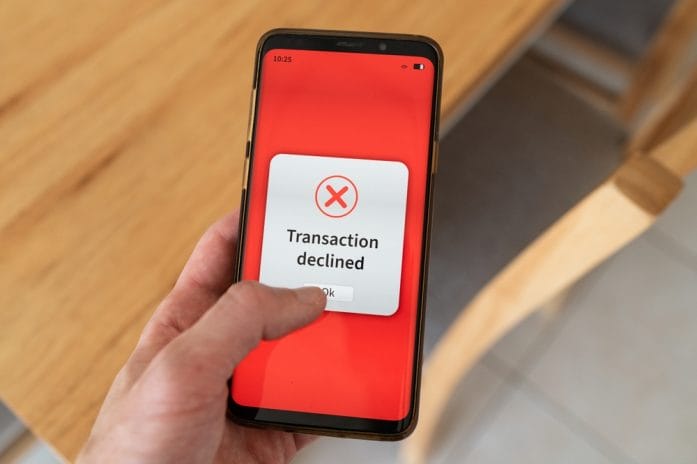
A payment gets blocked in seconds, and suddenly everything grinds to a halt. One moment, everything feels smooth and under control, and the next, a simple tap or swipe turns into a confusing dead end that demands attention immediately. That tiny “transaction declined” message carries way more power than it should, especially when it shows up at the worst possible time. Nobody plans for it, nobody expects it, and yet it happens far more often than people realize.
Banks don’t randomly hit the brakes just to cause chaos. They rely on systems, patterns, and risk signals that operate behind the scenes, making decisions faster than anyone could react in real time. Those decisions protect accounts, prevent fraud, and enforce rules, but they also leave plenty of room for surprise interruptions that feel completely out of left field.
1. That Purchase Looks Suspicious (Even If It’s Not)
Banks constantly scan transactions for unusual behavior, and they don’t hesitate to step in when something feels off. A purchase that falls outside normal spending patterns can instantly trigger a block, even if everything about it feels perfectly legitimate. Buying an expensive item out of nowhere, shopping in a new location, or suddenly making multiple purchases in a short period can all raise red flags. These systems don’t rely on context or explanations, so they treat anything unexpected as a potential threat. That means a completely normal purchase can look risky if it breaks the usual routine.
The problem intensifies when timing and location don’t line up with recent activity. A transaction from a new city or country can look especially suspicious if no travel notice exists on the account. Even online purchases from unfamiliar retailers can trigger a decline if the system flags the merchant or notices unusual behavior patterns. Banks prioritize safety, so they would rather block a legitimate purchase than allow a fraudulent one to slip through. That approach protects money, but it can also feel frustrating when everything about the purchase makes sense on a personal level.
Staying ahead of this issue requires a little planning. Setting travel notices before leaving town gives banks a heads-up that spending patterns will shift. Keeping contact information updated ensures quick verification when a bank reaches out to confirm a transaction. Using the same card consistently for regular purchases also helps build a predictable pattern that reduces false alarms. These small steps create a smoother experience and keep transactions moving without unnecessary interruptions.
2. You Hit Your Limit Without Realizing It
Every account comes with limits, and those limits don’t always match what someone expects. Daily spending caps, withdrawal limits, and credit limits all play a role in whether a transaction goes through. A purchase that exceeds any of these thresholds can get declined instantly, even when enough money exists in the account overall. That disconnect often confuses people because the balance looks fine, yet the transaction still fails.
Debit cards often include daily spending limits that reset every 24 hours. Large purchases or multiple transactions within the same day can push spending past that cap without any obvious warning. Credit cards work differently but still enforce strict limits based on available credit, not total credit. Once spending approaches that ceiling, even a small additional charge can tip things over and trigger a decline. These limits exist to manage risk and protect both the bank and the account holder, but they can feel restrictive when timing matters.
Avoiding this situation means staying aware of both balances and limits. Checking available credit instead of just the total limit helps prevent surprises on credit cards. Reviewing daily debit limits and requesting adjustments when necessary can provide more flexibility for larger purchases. Planning big transactions ahead of time, especially for things like travel or major expenses, reduces the chance of hitting an invisible ceiling at the worst moment.
3. Your Account Doesn’t Have Enough Available Funds
Available balance and actual balance don’t always match, and that difference can cause a transaction to fail even when it looks like money should be there. Pending transactions, holds, and scheduled payments all reduce the amount of money that can be used immediately. A purchase that fits within the total balance might still exceed the available balance, leading to an unexpected decline. That gap catches many people off guard because it doesn’t show up clearly without checking the details.
Holds from hotels, gas stations, and rental services can temporarily lock up funds. Those holds often exceed the final charge, which creates a temporary squeeze on available money. Automatic payments scheduled for later in the day can also reduce available funds before they officially process. These behind-the-scenes adjustments happen quietly, but they have a real impact on whether a transaction succeeds or fails. Banks rely on available balance to approve transactions, not the total amount sitting in the account.
Keeping a buffer in the account helps absorb these temporary holds and pending charges. Regularly reviewing transaction history provides a clearer picture of what funds are actually available. Turning on balance alerts can also give a quick heads-up when available funds drop below a certain level. These habits create a cushion that keeps transactions flowing smoothly, even when holds and pending charges come into play.
4. The Merchant Triggers a Red Flag
Not all declines come from the account side of things. Sometimes, the issue comes from the merchant itself. Banks maintain lists of high-risk merchants and industries that carry a higher chance of fraud or disputes. Transactions involving these merchants can get blocked automatically, even when everything looks fine from a personal standpoint. Online retailers with limited history or poor reputations often fall into this category.
Certain types of purchases, such as those involving digital goods, subscriptions, or international sellers, can also trigger additional scrutiny. Banks analyze patterns across millions of transactions, and they flag merchants that frequently appear in fraud reports. When a card gets used at one of these merchants, the system may decline the transaction as a precaution. That decision happens instantly, with no time for explanation or review in the moment.
Choosing reputable retailers reduces the chance of running into this problem. Looking for secure payment indicators, verified reviews, and established brands adds an extra layer of confidence before making a purchase. If a transaction gets declined due to a merchant flag, contacting the bank can often resolve the issue quickly. That step confirms the purchase as legitimate and allows future transactions with that merchant to go through more smoothly.
5. Technical Glitches and System Errors
Technology runs the modern banking system, but it doesn’t always run perfectly. Network issues, system outages, and processing errors can all cause transactions to fail without warning. These glitches can happen on the bank’s side, the merchant’s system, or somewhere in between during the payment process. Even a brief interruption in communication can prevent a transaction from going through.
Card readers, payment terminals, and online checkout systems all rely on stable connections to process transactions. When something disrupts that connection, the system may default to declining the transaction instead of risking an error. Maintenance updates and system upgrades can also temporarily affect transaction processing. These issues usually resolve quickly, but they can create confusion in the moment when a payment suddenly doesn’t work.
Trying the transaction again often solves the problem if a glitch caused the decline. Using a different payment method, such as another card or a mobile payment option, can also provide a quick workaround. Keeping a backup payment method available ensures that one failed transaction doesn’t derail an entire plan. Staying flexible in these situations keeps things moving, even when technology decides to take a brief break.

6. Your Card or Account Has Been Restricted
Banks can place restrictions on accounts or cards for a variety of reasons, and those restrictions can stop transactions immediately. Suspicious activity, missed payments, or verification issues can all lead to temporary blocks. Once a restriction goes into place, transactions will continue to fail until the issue gets resolved. These restrictions often come with notifications, but they don’t always arrive before the first declined transaction.
Verification requests can also play a role in these situations. Banks may require updated identification, confirmation of recent activity, or responses to security questions before allowing further transactions. Ignoring these requests can lead to ongoing declines, even when everything else looks normal. These measures protect accounts from unauthorized use, but they require quick action to restore full access.
Responding promptly to any communication from the bank helps resolve restrictions faster. Keeping identification and contact details up to date ensures that verification processes go smoothly. Setting up account alerts can also provide early warnings before restrictions escalate into declined transactions. Taking these steps keeps accounts in good standing and reduces the chance of unexpected interruptions.
Stay One Step Ahead
Bank declines don’t have to feel like random disruptions that show up out of nowhere. Each one ties back to a specific rule, pattern, or safeguard designed to protect money and maintain system integrity. Understanding those triggers turns frustration into strategy, and that shift creates a smoother, more predictable experience with every transaction. Small habits, like monitoring balances, updating account information, and planning ahead for large purchases, make a noticeable difference over time.
What’s the most surprising reason a transaction has ever been declined, and what strategy worked best to fix it? Drop your experience or tips in the comments and get the conversation going.
You May Also Like…
What to Do After Discovering a Secret Credit Card
7 Reasons Why Many “Buy Now, Pay Later” Users Are Actually Paying With Debit Cards
The Danger of Using Debit Cards While Traveling Abroad
Customers Beware: Banks Are Tightening Fraud Rules and Freezing Accounts Faster Than Ever
Banks Are Still Charging Daily Overdraft Fees After Accounts Go Negative

Brandon Marcus is a writer who has been sharing the written word since a very young age. His interests include sports, history, pop culture, and so much more. When he isn’t writing, he spends his time jogging, drinking coffee, or attempting to read a long book he may never complete.
