• Home
  • About Us
  • Toolkit
  • Getting Finances Done
    • Hiring Advisors
    • Debt Management
    • Spending Plan
  • Insurance
    • Life Insurance
    • Health Insurance
    • Disability Insurance
    • Homeowners/Renters Insurance
  • Contact Us
  • Risk Tolerance Quiz
  • Our Editorial Commitment

The Free Financial Advisor

You are here: Home / Archives for data breach

Medicare Identity Alert: 3 Steps to Take After a Data Exposure Notice

May 5, 2026 by Brandon Marcus Leave a Comment

Medicare Identity Alert: 3 Steps to Take After a Data Exposure Notice
Image Source: Shutterstock.com

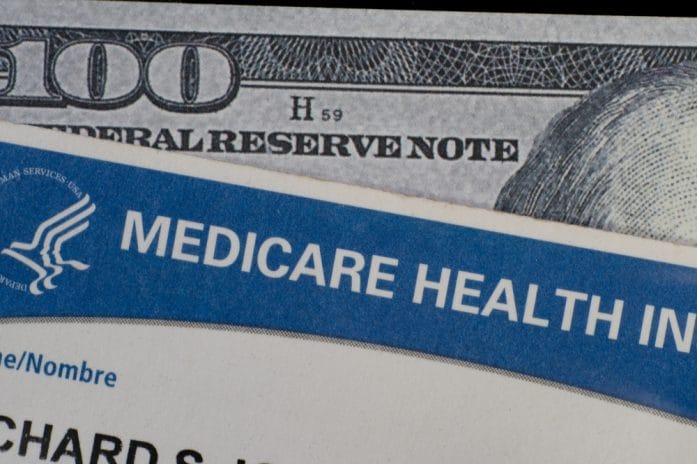
A Medicare data exposure notice can land in a mailbox or inbox like an unwelcome surprise that instantly raises alarm bells. These notices signal that sensitive personal information may have been compromised, and scammers often see that as an open invitation. Medical identity theft does not just create financial headaches—it can also disrupt healthcare records, prescriptions, and even insurance eligibility.

Quick action matters more than panic, and smart steps can shut down fraud attempts before they gain momentum. This situation demands attention, but it also gives a clear opportunity to lock down protection fast and effectively.

What a Medicare Data Exposure Notice Really Signals

A Medicare data exposure notice does not automatically mean fraud already occurred, but it does confirm that personal data entered risky territory. Hackers, unauthorized insiders, or system vulnerabilities may have exposed details such as Medicare numbers, names, or even health records. Criminals often trade this information on hidden online marketplaces where identity data becomes a valuable commodity. That reality makes early awareness a powerful advantage rather than a reason for fear. Quick interpretation of the notice helps prevent confusion and keeps the response focused.

Many notices include technical explanations that sound confusing, but the core message stays simple: personal data may no longer remain private. Fraudsters often wait weeks or months before using stolen information, which creates a false sense of safety for victims. This delay makes proactive monitoring essential because silence does not equal safety. Acting early shuts down opportunities before criminals test the stolen information. Awareness turns into the first line of defense.

Step 1: Confirm the Legitimacy of the Notice

Scammers love impersonating government agencies, so verifying the notice comes first before any action takes place. Official Medicare communications always include verifiable contact information and reference numbers that match government records. A quick call to the official Medicare helpline confirms whether the notice holds real legitimacy or masks a phishing attempt. Fraudulent letters often push urgency without providing traceable details. Careful verification stops unnecessary exposure to secondary scams.

Suspicious notices often contain spelling errors, unusual return addresses, or pressure tactics demanding immediate action. Real Medicare communications never request sensitive details like passwords or banking credentials through insecure channels. Comparing the notice with official Medicare updates online helps separate fact from fraud. Many scams rely on emotional urgency, so slowing down breaks their momentum. A verified notice clears the path for confident next steps.

Step 2: Lock Down Your Medicare and Financial Accounts

Once legitimacy gets confirmed, securing Medicare accounts becomes the top priority. Changing login credentials and strengthening passwords creates an immediate barrier against unauthorized access. Fraudsters often attempt to reuse stolen data quickly, so early lock-down efforts disrupt their timing. Enabling multi-factor authentication adds another layer that blocks most automated intrusion attempts. Security improvements work best when applied immediately after exposure.

Financial institutions connected to Medicare billing also need close attention because criminals often test multiple systems with stolen data. Banks and credit card companies can place fraud alerts that flag suspicious activity in real time. Reviewing recent transactions helps detect small unauthorized charges that often go unnoticed. Reporting any irregularity early prevents larger financial damage from developing. A coordinated lock-down strategy limits every possible entry point.
Medicare Identity Alert: 3 Steps to Take After a Data Exposure Notice
Image Source: Shutterstock.com

Step 3: Watch for Fraudulent Activity Like a Hawk

Monitoring activity becomes critical after securing accounts because identity theft often develops in subtle stages. Criminals may open medical claims, request prescriptions, or reroute insurance benefits using stolen Medicare information. Regular review of Medicare Summary Notices helps detect unfamiliar services or providers. Early detection turns small issues into manageable corrections instead of full-scale crises. Vigilance transforms into ongoing protection.

Credit reports also reveal whether identity thieves attempt to open new accounts using stolen personal data. Free credit monitoring tools or alerts can flag sudden changes that signal unauthorized activity. Fraud often starts quietly before escalating into visible financial damage. Tracking patterns over time helps identify irregular behavior that single checks might miss. Consistent monitoring builds a strong defensive rhythm.

Extra Moves That Add Strong Security Layers

Adding extra safeguards strengthens protection beyond the basic steps and reduces future risk exposure. Placing a fraud alert or credit freeze restricts access to credit reports, making new account openings significantly harder for criminals. These tools act like security gates that require verification before any financial activity proceeds. Many victims overlook these protections until after damage occurs. Acting early increases overall resilience.

Identity theft protection services can also monitor dark web activity for stolen Medicare or personal data. While no service guarantees total protection, alerts often provide early warning signs that help contain threats quickly. Updating passwords regularly and avoiding reuse across platforms further reduces vulnerability. Small habits build strong long-term security outcomes. Layered protection creates multiple barriers that discourage criminal attempts.

Red Flags That Suggest Identity Theft Has Already Started

Certain warning signs reveal that stolen Medicare information may already be in use. Unexpected medical bills, unfamiliar doctor visits, or denied insurance claims often signal fraudulent activity. These issues typically appear before victims realize any breach occurred. Quick reporting to Medicare and healthcare providers helps stop misuse early. Immediate action limits long-term consequences.

Credit score drops or new accounts appearing without authorization also indicate potential identity theft. Fraudsters often test stolen data in small ways before attempting larger financial moves. Monitoring alerts from banks or Medicare systems can expose suspicious behavior quickly. Ignoring these signals allows criminals more time to escalate damage. Fast response turns detection into protection.

Why Quick Action Changes the Outcome Entirely

Speed matters more than complexity when responding to a Medicare data exposure notice because fraudsters rely on delay. Immediate verification, account protection, and monitoring create a defensive chain that blocks most exploitation attempts. Criminals often abandon compromised data when they encounter strong resistance early. Every hour of delay increases risk exposure. Fast action reduces both stress and potential damage.

Medicare identity protection depends on consistent awareness rather than one-time fixes. Each step builds on the previous one to create a secure environment that limits fraud opportunities. Staying alert transforms a stressful notice into a manageable situation with clear control points. Strong responses prevent long-term complications from taking root. Confidence grows when protection becomes routine.

Staying One Step Ahead of Medicare Identity Threats

A Medicare data exposure notice does not define the outcome—response strategy does. Careful verification, fast account protection, ongoing monitoring, and layered security tools all work together to shut down fraud opportunities. Criminals depend on confusion and delay, but structured action removes both advantages. Each step strengthens control over personal information and healthcare security. Smart prevention always beats reactive recovery.

What steps feel most important when it comes to protecting your Medicare information after a data exposure notice? Let’s hear your thoughts and advice in the comments below.

You May Also Like…

A Big Change to Medicare Prior Authorization: 7‑Day Deadline Now Mandatory

Retirement Healthcare Costs Are Climbing Again — What the Average Couple Now Needs

Healthcare Spending Doesn’t Stop Rising — Why That Matters for Retirees

4 Medicare Advantage Changes That Could Affect Your Doctor Access

5 Hidden Medicare Costs That Can Reduce Your Monthly Budget

Brandon Marcus
Brandon Marcus

Brandon Marcus is a writer who has been sharing the written word since a very young age. His interests include sports, history, pop culture, and so much more. When he isn’t writing, he spends his time jogging, drinking coffee, or attempting to read a long book he may never complete.
Filed Under: safety Tagged With: credit monitoring, cybersecurity, data breach, financial safety, fraud prevention, healthcare security, identity theft, Medicare, Medicare fraud, personal data protection, scam alerts

5 Warning Signs Someone Is Using Your Social Security Number

March 27, 2026 by Brandon Marcus Leave a Comment

5 Warning Signs Someone Is Using Your Social Security Number
Image Source: Shutterstock.com

When it comes to identity theft, damage builds quietly, often hiding in plain sight while accounts shift, numbers change, and red flags stack up. One small clue can signal something much bigger, and ignoring that clue can turn a manageable issue into a full-blown financial nightmare. The reality feels uncomfortable, but awareness changes everything, especially when it comes to something as powerful as a Social Security number.

Most people assume they would notice identity theft immediately, but that assumption creates the perfect blind spot. Fraud rarely starts with dramatic moves; it creeps in with subtle changes that seem easy to brush off or explain away. That makes early warning signs incredibly valuable, because catching them quickly can save thousands of dollars, protect credit scores, and prevent months of cleanup. Knowing what to look for does not require expert-level knowledge, just a willingness to pay attention and act fast when something feels off.

1. Your Credit Report Starts Telling a Story You Don’t Recognize

A credit report should read like a familiar biography, filled with accounts, balances, and history that match real financial decisions. When unfamiliar accounts or inquiries suddenly appear, that story shifts into something confusing and concerning. New credit cards, loans, or even hard inquiries from lenders can signal that someone else uses personal information to apply for credit. These entries often show up before any bills or collection notices arrive, which makes regular credit checks one of the strongest early defenses.

Identity thieves rely on speed, opening accounts quickly and moving on before detection catches up. That means even one unfamiliar inquiry deserves attention, especially if it comes from a lender that has never appeared before. Checking credit reports from all three major bureaus adds another layer of protection, since not every account appears everywhere right away. A free annual report offers a baseline, but more frequent checks can reveal issues much earlier.

Taking action immediately matters more than trying to confirm every detail first. Filing a fraud alert or freezing credit can stop further damage while sorting out what happened. Credit monitoring services can also provide real-time alerts, which adds another safety net for anyone who wants constant visibility. Staying proactive here keeps control firmly in the right hands.

2. Bills and Statements Suddenly Go Missing In The Mail

Mail rarely disappears without a reason, especially when it comes to financial statements, tax documents, or official notices. When expected bills stop arriving, something may interfere behind the scenes. Identity thieves sometimes change mailing addresses on accounts to redirect sensitive information, which allows them to operate without interruption. That small change can delay discovery long enough to rack up serious damage.

Missing mail does not always scream fraud right away, but it should raise questions. Checking with service providers or financial institutions can confirm whether address changes occurred without permission. Online account access also helps verify recent activity, which can reveal whether someone has tampered with account details.

Switching to electronic statements can reduce the risk of intercepted mail while adding convenience. At the same time, keeping an eye on physical mail still matters, especially for government-related correspondence. Acting quickly when something goes missing prevents identity theft from gaining momentum.

5 Warning Signs Someone Is Using Your Social Security Number
Image Source: Pexels.com

3. Debt Collectors Call About Accounts That Don’t Exist

Few things feel more jarring than a call about a debt that has no connection to reality. When collectors start asking for payment on accounts that never existed, that often points directly to identity theft. These accounts may include credit cards, personal loans, or even medical bills opened under a stolen Social Security number.

Ignoring these calls can make the situation worse, since unpaid debts can move into collections and damage credit scores. Instead, requesting detailed information about the account helps clarify what happened. Debt collectors must provide verification, which can reveal the origin of the fraudulent account.

Disputing these debts quickly becomes critical, especially through credit bureaus and the original creditor. Filing an identity theft report with the Federal Trade Commission creates a formal record, which helps during disputes. Keeping organized records of every conversation and document can speed up the resolution process and protect against further complications.

4. Your Tax Return Gets Rejected Out of Nowhere

Tax season usually follows a predictable rhythm, but identity theft can throw that rhythm off instantly. When a tax return gets rejected because someone already filed using the same Social Security number, that signals a serious issue. Tax-related identity theft allows criminals to claim refunds before the real filer even submits their return.

This type of fraud often goes unnoticed until filing time, which makes it particularly frustrating. The rejection message usually includes a code that indicates duplicate filing, which provides a clear starting point for resolving the issue. Contacting the IRS and completing an identity theft affidavit sets the recovery process in motion. Filing taxes as early as possible each year can reduce the risk of this type of fraud. An Identity Protection PIN from the IRS adds another layer of security by requiring a unique code for filing. Staying ahead of tax deadlines can make a huge difference in preventing someone else from stepping in first.

5. Government Benefits Show Activity You Never Approved

Government benefits like Social Security or unemployment assistance should never show unexpected changes or claims. When benefits suddenly appear, increase, or shift without authorization, that often signals misuse of a Social Security number. Fraudsters sometimes file for benefits using stolen identities, collecting funds while the rightful owner remains unaware.

Checking benefit statements regularly can reveal these discrepancies early. Online portals for government programs often provide detailed activity logs, which can highlight unauthorized changes. Reporting suspicious activity immediately helps stop payments and prevents further misuse. Securing online accounts with strong passwords and multi-factor authentication adds a critical layer of protection. Monitoring government correspondence also helps catch unusual activity quickly. Staying alert in this area can prevent long-term complications that take months to resolve.

Stay Protected And Always in Control

Spotting identity theft early changes everything, and these warning signs offer a powerful advantage when used wisely. Each red flag, whether it shows up on a credit report or arrives as a confusing phone call, deserves attention and action. Waiting rarely improves the situation, but quick responses can limit damage and restore control faster than expected.

Building strong habits around monitoring financial activity, checking reports, and protecting personal information creates a solid defense against identity theft. Small steps, taken consistently, can block even determined fraud attempts. The goal does not involve living in fear, but staying informed and ready to act when something feels off.

What stands out the most among these warning signs, and what steps feel realistic to take right away? Share all of your thoughts, strategies, or even close calls in the comments, because real experiences can help others stay one step ahead.

You May Also Like…

8 Silent Costs of Ignoring Identity Theft

6 Free Credit Monitoring Tools That Expose You to Identity Theft

8 Email Habits That Make You a Target for Identity Theft After 40

Check Your Credit Report NOW—5 Signs of Identity Theft

6 Free Credit Monitoring Tools That Expose You to Identity Theft

Brandon Marcus
Brandon Marcus

Brandon Marcus is a writer who has been sharing the written word since a very young age. His interests include sports, history, pop culture, and so much more. When he isn’t writing, he spends his time jogging, drinking coffee, or attempting to read a long book he may never complete.

Filed Under: scams Tagged With: credit monitoring, credit score, cybersecurity, data breach, financial safety, fraud alerts, fraud prevention, identity protection, identity theft, Personal Finance, scams, Social Security number

7 Ways Identity Scammers Copy Your Signature Remotely

August 17, 2025 by Travis Campbell Leave a Comment

scammers
Image source: pexels.com

Identity scammers are getting smarter every year, and their latest tricks can hit you where you least expect: your handwritten signature. In today’s digital world, more documents are signed, sent, and stored online than ever before. That convenience comes with a risk—identity scammers can now copy your signature remotely using several clever methods. If they succeed, you could face financial loss or legal headaches, all from the comfort of your own home. Understanding how these scammers operate is the first step to protecting yourself. In this article, we’ll explore seven ways identity scammers copy your signature remotely and what you can do to stay one step ahead.

1. Phishing Emails with Document Requests

Identity scammers often use phishing emails to trick you into handing over your signature. These emails may look like they’re from your bank, employer, or another trusted source. They’ll ask you to sign a document and send it back—sometimes even providing a convenient link or attachment. Once you upload or email your signed document, scammers have a clean copy of your signature. They can then use it to forge documents or commit fraud in your name. To avoid falling victim, always verify the sender before responding to requests for signatures.

2. Social Media Image Harvesting

It may sound far-fetched, but identity scammers can copy your signature by scanning images you post online. If you’ve ever shared a photo of a signed check, a diploma, or even a contract, you might be at risk. Scammers use advanced image recognition tools to find and extract signatures from social media platforms. Once they have your signature, they can use it for fraudulent activities. Be careful about what you share online, especially if it includes any personal or financial details.

3. Hacking Cloud Storage Accounts

Many people store signed documents in cloud services like Google Drive, Dropbox, or OneDrive. If your account isn’t properly secured, identity scammers can break in and grab copies of your signature right from your files. They may use phishing, password guessing, or even data breaches to access your documents. Once inside, it’s easy for them to download, copy, and reuse your signature. To protect yourself, use strong, unique passwords and enable two-factor authentication on all your cloud accounts.

4. Intercepting Digital Signature Platforms

Platforms like DocuSign and Adobe Sign make it easy to sign documents remotely. But if scammers gain access to your account or intercept your emails, they can copy your signature and use it elsewhere. Sometimes, scammers even send fake signing requests to trick you into uploading your signature to a fraudulent site. This method is especially dangerous because it targets both individuals and businesses. Always double-check the sender and website before signing anything electronically. If you see something suspicious, contact the organization directly to confirm.

5. Malware That Captures Screenshots

Identity scammers sometimes use malware to steal your signature. These malicious programs can infect your computer or phone, then silently take screenshots as you sign documents. The malware sends these images back to the scammer, giving them a high-quality copy of your signature. You might not even realize your device is infected until it’s too late. Protect yourself by keeping your antivirus software up to date and avoiding suspicious downloads or email attachments.

6. Public Wi-Fi Eavesdropping

Using public Wi-Fi at a coffee shop or airport? Identity scammers can intercept data sent over unsecured networks, including electronic documents containing your signature. If you sign and send documents while connected to public Wi-Fi, your information could be exposed. Scammers use special tools to capture and analyze this data, searching for signatures and other valuable information. To reduce your risk, avoid signing sensitive documents on public networks or use a virtual private network (VPN) to encrypt your connection.

7. Data Breaches at Third-Party Services

Even if you’re careful, your signature could still end up in the wrong hands thanks to data breaches. Many third-party services—like payroll companies, schools, or online retailers—store signed documents. If these companies are hacked, identity scammers can access thousands of signatures in one go. There’s not much you can do about breaches at other companies, but you can limit your risk by only sharing your signature with trusted organizations and asking about their security practices. Keeping tabs on major breaches through services like Have I Been Pwned can also alert you if your information has been compromised.

Smart Steps to Defend Your Signature

Identity scammers are always developing new ways to copy your signature remotely, so staying aware is your best defense. Be cautious with emails or messages requesting your signature, and always verify the source. Use strong passwords and two-factor authentication on all your online accounts, especially those that store important documents. Avoid sharing signed documents on social media, and keep your devices protected with updated security software. If you must sign documents electronically, use trusted platforms and check for security features like encryption.

Finally, review your financial accounts and credit reports regularly for signs of suspicious activity. If you see anything unusual, act quickly to limit the damage. You can also freeze your credit or use identity theft protection services for extra peace of mind. The more proactive you are, the harder it will be for identity scammers to copy your signature and misuse it.

Have you ever experienced signature theft or know someone who has? What steps do you take to keep your signature safe? Share your thoughts in the comments below!

Read More

6 Online Freebies That End In Identity Theft

8 Everyday Scams Seniors Are Falling For Right Now

Travis Campbell
Travis Campbell

Travis Campbell is a digital marketer/developer with over 10 years of experience and a writer for over 6 years. He holds a degree in E-commerce and likes to share life advice he’s learned over the years. Travis loves spending time on the golf course or at the gym when he’s not working.

Filed Under: Online Safety Tagged With: cybersecurity, data breach, fraud prevention, identity theft, Online Safety, phishing, signature security

Your Medical Bills Might Be Shared Online Without Your Knowledge

July 16, 2025 by Travis Campbell Leave a Comment

medical bills
Image Source: pexels.com

Medical bills are private. You expect them to stay that way. But what if your sensitive health information ended up online, where anyone could see it? This isn’t just a scary story. It’s happening more often than you think. Medical billing data leaks are real, and they can affect anyone who’s ever visited a doctor, filled a prescription, or paid a hospital bill. If you think your information is safe, you might want to look again. Here’s why you should care—and what you can do about it.

1. Medical Billing Data Is a Prime Target

Medical bills contain more than just numbers. They list your name, address, insurance details, and sometimes even your diagnosis or treatment. Hackers know this. They target healthcare providers and billing companies because the data is valuable. Stolen medical information can be sold on the dark web for more than credit card numbers. Why? Because it can be used for identity theft, insurance fraud, or even blackmail. If your medical bills are exposed, you could face more than just embarrassment. You could lose money or have your identity stolen.

2. Third-Party Billing Services Aren’t Always Secure

Many healthcare providers use outside companies to handle billing. These third-party services process, store, and sometimes even share your information. But not all of them follow strict security rules. Some use outdated software. Others don’t encrypt data. If a billing company gets hacked, your medical bills could end up online. And you might never know. Always ask your provider who handles your billing. If it’s a third party, find out what steps they take to protect your data.

3. Data Breaches Happen More Than You Think

You hear about big data breaches in the news, but smaller leaks happen all the time. Sometimes, it’s a lost laptop. Other times, it’s a misconfigured database left open to the internet. In 2024 alone, thousands of healthcare records were exposed in the U.S. Many of these included billing details. The worst part? Victims often aren’t told right away. By the time you find out, your information could already be out there.

4. Your Bills Might Be Shared for “Research” or “Marketing”

Some companies share billing data for research or marketing. They say it’s anonymous, but that’s not always true. With enough details, it’s possible to link bills back to real people. This means your health history could be used to target you with ads or even sold to other companies. If you get strange calls or emails after a hospital visit, your billing data might have been shared. Always read privacy policies before signing anything. Ask how your information will be used and if you can opt out.

5. Medical Debt Collectors Can Spread Your Data

If you miss a payment, your bill might go to a collection agency. These agencies often share information with other companies to track you down. Sometimes, they post details online or in public databases. This can include your name, the amount owed, and even the type of medical service. If you see your medical debt on a public website, it’s not just embarrassing—it’s a privacy risk. Always check your credit report for medical debt and dispute any errors right away.

6. Simple Mistakes Can Lead to Big Leaks

Not every leak is the work of a hacker. Sometimes, it’s just a mistake. A billing clerk might send your bill to the wrong address. A hospital could upload files to a public server by accident. Even a fax sent to the wrong number can expose your information. These errors are common, and they can have serious consequences. If you get someone else’s bill, report it. And if your bill goes missing, follow up with your provider.

7. You Have Rights—But You Need to Use Them

The law gives you some control over your medical information. The Health Insurance Portability and Accountability Act (HIPAA) sets rules for how your data can be shared. But you have to speak up. You can ask for a copy of your medical records. You can request corrections if something is wrong. And you can file a complaint if you think your privacy has been violated. Don’t assume someone else will protect your information. Take action if you think your medical bills are at risk.

8. Protect Yourself with Simple Steps

You can’t stop every leak, but you can lower your risk. Shred old medical bills before throwing them away. Use strong passwords for online health portals. Don’t share your insurance details unless you trust the person asking. Check your credit report for signs of medical identity theft. If you get a notice about a data breach, follow the instructions right away. These steps won’t make you bulletproof, but they can help keep your information safe.

Why Your Medical Bills Deserve Your Attention

Medical bills are more than just paperwork. They’re a record of your health, your finances, and your life. If they end up online, the damage can last for years. You can’t control every company or every mistake, but you can stay alert. Watch your bills, ask questions, and don’t be afraid to push for answers. Your privacy is worth it.

Have you ever found your medical information online or had a billing scare? Share your story or tips in the comments.

Read More

Should You File for Bankruptcy? These Are the Telltale Signs That You Should

7 Medical Issues You Should Get Help For Immediately

Travis Campbell
Travis Campbell

Travis Campbell is a digital marketer/developer with over 10 years of experience and a writer for over 6 years. He holds a degree in E-commerce and likes to share life advice he’s learned over the years. Travis loves spending time on the golf course or at the gym when he’s not working.

Filed Under: safety Tagged With: data breach, healthcare, identity theft, medical billing, medical bills, online security, privacy

FOLLOW US

Search this site:

Recent Posts

  • Can My Savings Account Affect My Financial Aid? by Tamila McDonald
  • 12 Ways Gen X’s Views Clash with Millennials… by Tamila McDonald
  • What Advantages and Disadvantages Are There To… by Jacob Sensiba
  • 10 Tactics for Building an Emergency Fund from Scratch by Vanessa Bermudez
  • Call 911: Go To the Emergency Room Immediately If… by Stephen Kanaval
  • 7 Weird Things You Can Sell Online by Tamila McDonald
  • 10 Scary Facts About DriveTime by Tamila McDonald

Copyright © 2026 · News Pro Theme on Genesis Framework