• Home
  • About Us
  • Toolkit
  • Getting Finances Done
    • Hiring Advisors
    • Debt Management
    • Spending Plan
  • Insurance
    • Life Insurance
    • Health Insurance
    • Disability Insurance
    • Homeowners/Renters Insurance
  • Contact Us
  • Privacy Policy
  • Risk Tolerance Quiz

The Free Financial Advisor

You are here: Home / Archives for banking rules

Customers Beware: Banks Are Tightening Fraud Rules and Freezing Accounts Faster Than Ever

March 23, 2026 by Brandon Marcus Leave a Comment

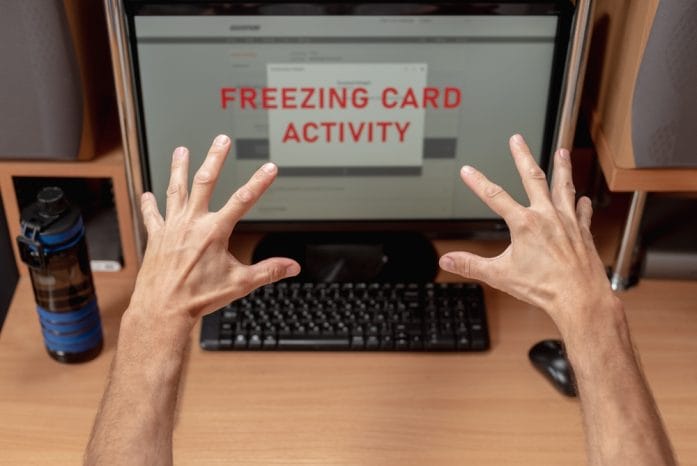
Customers Beware: Banks Are Tightening Fraud Rules and Freezing Accounts Faster Than Ever

Image Source: Shutterstock.com

Money moves fast now, and banks have decided they need to move even faster. One suspicious transaction, one unusual login, one transfer that looks slightly out of place, and suddenly access disappears. No warning, no countdown, just a locked account and a growing sense of panic.

This shift did not come out of nowhere. Fraud exploded in recent years, and banks responded by tightening the rules, sharpening their detection systems, and acting quicker than ever before. That might sound reassuring on paper, but it creates a new reality where everyday people can get caught in the crossfire without doing anything wrong.

When “Security” Hits the Brakes on Your Money

Banks now rely heavily on automated systems that scan activity in real time, and those systems do not hesitate when something looks off. A large transfer, a sudden change in spending habits, or a login from a new location can trigger an immediate freeze. That reaction does not mean fraud actually happened, but the system treats uncertainty as a risk worth stopping cold. Financial institutions have good reason to act this way. Fraud schemes have grown more sophisticated, especially with the rise of online banking, peer-to-peer payment apps, and digital wallets. Criminals move quickly, so banks try to move faster, even if that means locking down accounts before confirming anything.

That speed creates a frustrating experience when legitimate activity gets flagged. Someone might transfer money between personal accounts, book travel in another city, or receive a larger-than-usual payment, only to find their account suddenly restricted. The system sees a pattern change, not the full story.

Banks also face pressure from regulators to prevent fraud and money laundering, which pushes them toward aggressive monitoring. They would rather freeze a legitimate account temporarily than allow fraudulent transactions to slip through. That trade-off explains why these freezes have become more common. This approach leaves little room for nuance. Automated systems do not interpret intent, and they do not understand context beyond data patterns. That gap between human behavior and machine logic often creates the kind of disruption that catches people completely off guard.

The Triggers That Set Off Alarm Bells

Certain activities raise red flags faster than others, and understanding them can make a huge difference. Large or unusual deposits, especially from unfamiliar sources, often trigger reviews because they resemble patterns linked to fraud or scams. Even legitimate transfers can fall into this category if they break from normal habits. Frequent transfers between accounts, particularly across different banks or payment platforms, can also attract attention. These movements sometimes resemble tactics used to move stolen funds, so systems flag them quickly. That means even routine financial management can look suspicious under the wrong circumstances.

Logging in from a new device or location can also spark a freeze. Travel, a new phone, or even a different internet connection might cause the system to question whether the account owner still controls the account. That type of flag often leads to temporary restrictions until verification happens.

Peer-to-peer payment apps add another layer of complexity. Sending or receiving money from multiple unfamiliar contacts in a short period can raise concerns. Fraud rings often use these apps to move money quickly, so banks watch closely for patterns that match that behavior. Name mismatches, incorrect personal information, or outdated account details can also create problems. When records do not align, banks may pause activity until they confirm identity. That step protects accounts, but it can also create delays that feel unnecessary when everything seems correct on the surface.

What Happens After the Freeze Hits

An account freeze does not always mean total shutdown, but it often limits access in frustrating ways. Some people lose the ability to withdraw money, make payments, or transfer funds while the bank investigates. That restriction can disrupt daily life quickly, especially when bills or expenses depend on that account. Banks usually require identity verification before restoring access. That process might involve submitting documents, answering security questions, or speaking with a representative. The timeline varies, and while some cases resolve quickly, others can stretch into days or even weeks.

Communication does not always move as fast as the freeze itself. Notifications might arrive after the account gets restricted, and explanations can feel vague or incomplete. That lack of clarity adds stress, especially when money sits locked without a clear resolution timeline.

In more serious cases, banks may close accounts entirely if they believe activity violates their policies. That decision can happen even when no crime occurred, particularly if behavior consistently triggers risk alerts. Once an account closes, reopening it or moving funds can become more complicated. Despite the frustration, these steps exist to prevent larger losses. Banks aim to stop fraud before it spreads, even if that means inconveniencing legitimate customers. That balance between protection and access continues to shape how financial institutions handle risk.

How to Stay One Step Ahead of a Freeze

Taking a few proactive steps can reduce the chances of getting caught in a freeze. Keeping contact information updated ensures banks can reach out quickly when something looks unusual. That simple step often speeds up verification and prevents unnecessary delays. Maintaining consistent transaction patterns also helps. Sudden spikes in activity or major changes in behavior can trigger alerts, so spacing out large transfers or notifying the bank ahead of time can make a difference. Travel plans, especially international ones, should always get flagged with the bank in advance.

Using familiar devices and secure networks adds another layer of stability. Logging in from multiple new devices within a short time frame can raise suspicion, so sticking to known setups helps avoid unnecessary triggers. When a new device becomes necessary, verifying it quickly can prevent issues.

Reviewing account activity regularly keeps everything aligned. Catching errors, correcting outdated information, and monitoring transactions can prevent small issues from escalating into larger problems. Staying organized with financial records also makes it easier to respond if the bank requests verification. Diversifying where money sits can also provide a safety net. Relying on a single account for all expenses creates risk if that account gets frozen. Keeping funds in more than one place ensures access remains available even during an investigation.

Customers Beware: Banks Are Tightening Fraud Rules and Freezing Accounts Faster Than Ever

Image Source: Shutterstock.com

Banks Are Not Slowing Down Anytime Soon

Fraud continues to evolve, and banks continue to respond with tighter controls and faster reactions. Technology improves detection systems every year, which means freezes will likely become even more precise but not necessarily less frequent. The goal centers on stopping threats quickly, and that priority will not change. Customers now operate in a financial environment where security measures act first and explain later. That reality requires a shift in how people manage money, from staying aware of triggers to preparing for potential disruptions. Understanding the system turns frustration into something more manageable.

Banks do not aim to create chaos, but they prioritize protection above convenience. That approach makes sense from a risk perspective, yet it places more responsibility on individuals to stay informed and proactive. Awareness now plays a crucial role in avoiding unnecessary headaches.

How has banking changed in the past few years, and what strategies have helped avoid account issues or unexpected freezes? Share any and all thoughts, experiences, or tips in the comments.

You May Also Like…

Biometric Banking and the Rise of Fraud Concerns in 2026

4 Ways to Spot Fraud Before Your Bank Does

5 Outrageous Fees Hidden in Everyday Banking Services

Bank Alert: 7 Reasons “Courtesy Credits” Get Taken Back Without Warning

Why Overdraft Fee “Reforms” Haven’t Reduced Bank Profits

Brandon Marcus
Brandon Marcus

Brandon Marcus is a writer who has been sharing the written word since a very young age. His interests include sports, history, pop culture, and so much more. When he isn’t writing, he spends his time jogging, drinking coffee, or attempting to read a long book he may never complete.

Filed Under: Banking Tagged With: banking, banking rules, banking tips, Financial Security, fraud alerts, fraud prevention, frozen bank account, identity theft, money safety, Online banking, Personal Finance, scams

Why Financial Institutions Freeze Accounts After a Death—Even With a Will

August 3, 2025 by Catherine Reed Leave a Comment

Why Financial Institutions Freeze Accounts After a Death—Even With a Will

Image source: 123rf.com

Losing a loved one is hard enough without unexpected complications from banks and other financial institutions. Many families are shocked to learn that even with a legally valid will in place, banks can freeze accounts after a death, cutting off access to money needed for immediate expenses. This process often feels frustrating and confusing, especially during an already emotional time. Understanding why banks take this step can help you prepare ahead of time and avoid delays in accessing necessary funds for funeral costs, bills, and family needs.

1. Legal Requirements Force Banks to Freeze Accounts After a Death

Banks are legally obligated to protect a deceased person’s assets until ownership is formally determined. Even with a will, financial institutions must ensure the document is validated through proper legal channels before releasing funds. This is done to prevent fraud, unauthorized access, or disputes among heirs. A freeze on accounts after a death is the bank’s way of safeguarding the money until the estate is properly managed. While it may feel inconvenient, this process is designed to follow the law and protect everyone involved.

2. The Will Must Go Through Probate First

Many people believe that having a will means assets transfer instantly after death, but that’s rarely the case. Most wills must go through probate, a legal process where the court verifies the document and appoints an executor. During this time, banks freeze accounts after a death to ensure only the authorized executor can access funds. This prevents premature withdrawals and ensures the deceased person’s wishes are carried out correctly. Probate can take weeks or months, depending on the complexity of the estate.

3. Protecting Against Fraud and Identity Theft

Sadly, identity theft and fraud are common after someone passes away. Banks often freeze accounts after a death to prevent unauthorized transactions while ownership details are sorted out. Without this safeguard, someone could access the account, transfer money, or open new lines of credit using the deceased person’s information. The freeze acts as a protective barrier until everything is legally resolved. Families may find it frustrating, but it ultimately keeps the estate from being drained by fraudulent activity.

4. Multiple Beneficiaries Require Clear Instructions

When an estate has several heirs, disagreements about how money should be divided can arise. Banks freeze accounts after a death to avoid taking sides or releasing funds before disputes are settled. Even with a will, beneficiaries may challenge its validity or interpretation, delaying payouts. The freeze allows time for legal clarity on who gets what portion of the funds. This step prevents messy financial battles from escalating further.

5. Outstanding Debts Must Be Settled First

Before heirs can access funds, the estate must pay off any outstanding debts, taxes, or legal obligations. Banks freeze accounts after a death to make sure creditors are paid before money is distributed to beneficiaries. This prevents heirs from accidentally spending funds that legally belong to lenders or tax agencies. It also protects executors from being held personally responsible for unpaid debts. The freeze ensures that debts are handled properly before assets are passed along.

6. Joint Accounts and Beneficiary Designations May Work Differently

Even with a will, not all accounts transfer seamlessly to heirs. Joint accounts or accounts with designated beneficiaries might bypass probate, but the bank still needs official paperwork to confirm ownership. Until the necessary documents are reviewed, banks may freeze accounts after a death to avoid errors. Miscommunication or missing information can delay access further. Knowing how each account is titled can help families avoid unexpected freezes.

Planning Ahead to Avoid Delays

While the process of freezing accounts after a death is often unavoidable, there are steps you can take to minimize disruption. Setting up joint accounts, adding payable-on-death beneficiaries, or creating a trust can allow quicker access to funds for your family. Keeping key documents organized and informing loved ones about your accounts also makes the transition smoother. Preparing ahead of time means fewer surprises and faster access to the money your family needs during a difficult time. A little planning can go a long way in reducing stress later.

Have you or someone you know faced frozen accounts after a death? What steps do you think help families avoid delays? Share your experiences in the comments!

Read More:

10 Things People Don’t Realize Will Be Taxed After They Die

Negotiating Credit Card Debt After A Loved One Has Died

Catherine Reed
Catherine Reed

Catherine is a tech-savvy writer who has focused on the personal finance space for more than eight years. She has a Bachelor’s in Information Technology and enjoys showcasing how tech can simplify everyday personal finance tasks like budgeting, spending tracking, and planning for the future. Additionally, she’s explored the ins and outs of the world of side hustles and loves to share what she’s learned along the way. When she’s not working, you can find her relaxing at home in the Pacific Northwest with her two cats or enjoying a cup of coffee at her neighborhood cafe.

Filed Under: Estate Planning Tagged With: banking rules, Estate planning, family finances, freeze accounts after a death, inheritance planning, wills and probate

FOLLOW US

Search this site:

Recent Posts

  • Can My Savings Account Affect My Financial Aid? by Tamila McDonald
  • 12 Ways Gen X’s Views Clash with Millennials… by Tamila McDonald
  • What Advantages and Disadvantages Are There To… by Jacob Sensiba
  • Call 911: Go To the Emergency Room Immediately If… by Stephen Kanaval
  • 10 Tactics for Building an Emergency Fund from Scratch by Vanessa Bermudez
  • 7 Weird Things You Can Sell Online by Tamila McDonald
  • 10 Scary Facts About DriveTime by Tamila McDonald

Copyright © 2026 · News Pro Theme on Genesis Framework