• Home
  • About Us
  • Toolkit
  • Getting Finances Done
    • Hiring Advisors
    • Debt Management
    • Spending Plan
  • Insurance
    • Life Insurance
    • Health Insurance
    • Disability Insurance
    • Homeowners/Renters Insurance
  • Contact Us
  • Privacy Policy
  • Risk Tolerance Quiz

The Free Financial Advisor

You are here: Home / Archives for scam awareness

Seniors Receiving ‘Utility Shutoff’ Calls With Exact Account Numbers — Here’s How Criminals Are Stealing Them

April 2, 2026 by Brandon Marcus Leave a Comment

Seniors Receiving ‘Utility Shutoff’ Calls With Exact Account Numbers — Here’s How Criminals Are Stealing Them

Image Source: Unsplash.com

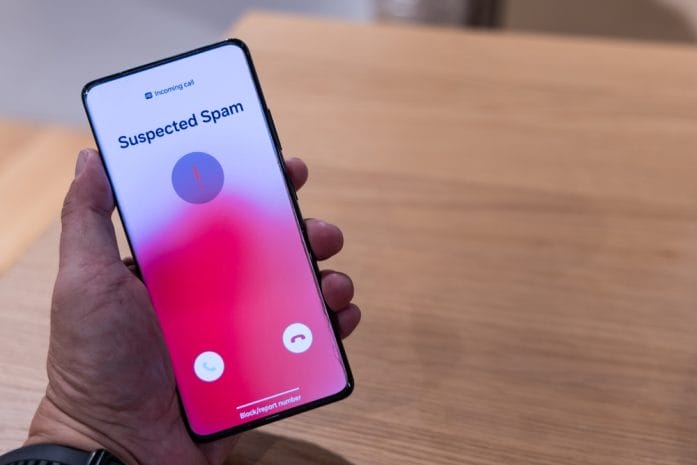
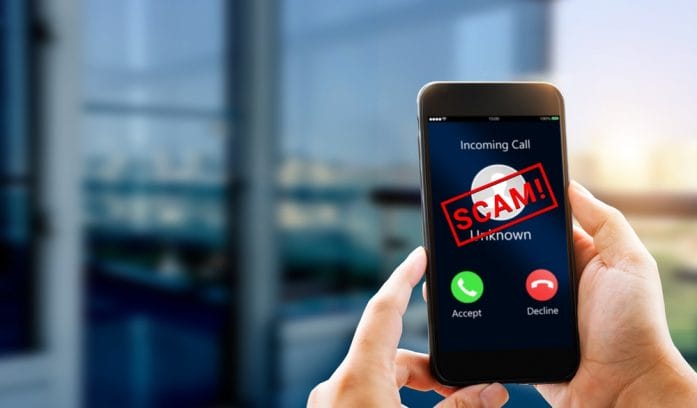
It starts with a jolt of panic. A phone rings, a voice sounds urgent, and the message hits hard: pay now or lose your power. That alone rattles anyone, but this new wave of scams adds a chilling twist that feels almost impossible to ignore. The caller doesn’t just bluff or guess—they read off a real account number. That single detail transforms a suspicious call into something that feels dangerously legitimate, and it pushes people to act fast before thinking twice.

Criminals have stepped up their game in a way that feels personal, precise, and alarmingly effective. Seniors, in particular, have become frequent targets, not because they lack awareness, but because scammers know how to create pressure and exploit trust. These calls don’t rely on luck anymore. They rely on stolen data, careful scripting, and just enough truth to make the lie stick.

The New Trick That Turns a Scam Into a Crisis

This latest scam doesn’t rely on vague threats or generic claims. Instead, it leans heavily on credibility, and nothing builds credibility faster than specific, accurate information. When a caller rattles off an actual utility account number, it instantly lowers defenses and makes the situation feel urgent and real. That sense of urgency drives quick decisions, and quick decisions often lead to costly mistakes. Scammers know this, so they design every second of the call to keep emotions high and logic low.

These calls often follow a tight script that sounds professional and authoritative. The caller claims to represent a utility company, warns about an overdue balance, and threatens immediate disconnection unless payment happens right away. They push for payment through methods that leave little trace, such as prepaid cards, wire transfers, or digital payment apps. That detail alone should raise alarms, since legitimate utility companies never demand payment in those forms under pressure. Still, the presence of a real account number convinces many people that the situation must be legitimate.

The timing of these calls often adds another layer of pressure. Scammers frequently call during busy hours or just before weekends, when reaching customer service becomes harder. That tactic increases the likelihood that someone will comply rather than verify. The combination of urgency, authority, and accurate data creates a perfect storm that feels almost impossible to ignore. Recognizing this pattern helps break the illusion before it takes hold.

Where Are Scammers Getting Real Account Numbers?

The big question lingers: how do scammers even get access to real account numbers in the first place? The answer usually traces back to data breaches, phishing schemes, and information leaks that happen quietly behind the scenes. When companies experience breaches, even small ones, fragments of customer data can end up in the wrong hands. Those fragments often include account numbers, phone numbers, and billing details that criminals can later piece together.

Phishing plays a huge role in this ecosystem as well. Emails or fake websites trick people into entering their information, which then gets stored and sold on underground marketplaces. Once scammers collect enough data points, they can build highly convincing profiles of potential targets. That allows them to tailor their calls with just enough accuracy to seem legitimate without needing full access to an account. It creates the illusion of authority without the reality behind it.

Social engineering fills in the remaining gaps. Scammers gather bits of information from public records, social media, or previous interactions and combine them into a convincing narrative. Even something as simple as a phone number linked to a billing address can help them sound credible. The result feels like a fully informed representative calling with urgent news, when in reality it’s a carefully constructed illusion. Understanding these sources makes it easier to see how the scam comes together—and how to dismantle it.

Why Seniors Face the Brunt of These Calls

Scammers don’t randomly choose their targets. They focus on groups they believe will respond quickly to authority and urgency, and seniors often fit that profile due to a lifetime of trusting institutions and valuing prompt bill payments. That sense of responsibility becomes a vulnerability when someone threatens to shut off essential services like electricity or water. The idea of losing access to those services feels overwhelming, and scammers exploit that fear without hesitation.

Many seniors also prefer phone communication over digital methods, which makes them more accessible to voice-based scams. A phone call feels direct and personal, and that personal touch can build trust even when it shouldn’t. Scammers take advantage of that preference by sounding polite, professional, and sometimes even helpful. They guide the conversation in a way that feels cooperative rather than confrontational, which lowers suspicion even further.

Isolation can also play a role in how these scams succeed. Without someone nearby to quickly question the situation or offer a second opinion, it becomes easier to act under pressure. That doesn’t mean seniors lack awareness or intelligence; it simply reflects how these scams manipulate circumstances. Encouraging open conversations about scams within families and communities can create a stronger line of defense. The more people talk about these tactics, the harder it becomes for scammers to succeed.

Seniors Receiving ‘Utility Shutoff’ Calls With Exact Account Numbers — Here’s How Criminals Are Stealing Them

Image Source: Pexels.com

Smart Moves That Shut Scammers Down Fast

Stopping these scams doesn’t require technical expertise, but it does require a shift in how people respond to urgent financial demands. The first and most important move involves slowing down. Scammers rely on speed, so taking a moment to pause immediately disrupts their strategy. Hanging up and calling the utility company directly using an official number removes all doubt and puts control back where it belongs.

Another powerful step involves recognizing payment red flags. Any demand for prepaid cards, cryptocurrency, or instant transfers should trigger immediate suspicion. Legitimate companies offer multiple payment options and never threaten immediate disconnection over the phone without prior notice. Keeping that in mind makes it easier to spot when something feels off. Writing down official customer service numbers and keeping them accessible can also make verification quick and easy.

Technology can add another layer of protection as well. Call-blocking tools, spam filters, and phone settings can reduce the number of scam calls that get through in the first place. While no system works perfectly, combining these tools with awareness creates a strong defense. Sharing information about recent scams with friends and family helps spread that protection even further. Every conversation about scams strengthens the network of awareness that keeps people safe.

Turning Awareness Into Action

Knowledge alone doesn’t stop scams, but action does. Recognizing the tactics, understanding the sources of stolen data, and knowing how to respond can completely change the outcome of these situations. That shift turns a moment of panic into a moment of control, and that control makes all the difference. Scammers depend on confusion and urgency, so clarity and patience act as the ultimate counterattack.

What strategies have worked to shut down suspicious calls, and what tips deserve more attention? Drop those thoughts and experiences in the comments and keep the conversation going.

You May Also Like…

8 Scam Messages That Look Official — But Aren’t

7 Ways Identity Scammers Copy Your Signature Remotely

10 Phishing Scheme Red Flags That Fool Even Savvy Account Holders

Utility Companies Are Ending Paper Billing — How It Will Change Your Monthly Payments

7 Ways Criminals Are Bypassing Security Codes in 2026

Brandon Marcus
Brandon Marcus

Brandon Marcus is a writer who has been sharing the written word since a very young age. His interests include sports, history, pop culture, and so much more. When he isn’t writing, he spends his time jogging, drinking coffee, or attempting to read a long book he may never complete.

Filed Under: scams Tagged With: Consumer Protection, cybersecurity, data breaches, financial fraud, fraud prevention, identity theft, phishing, phone scams, scam alerts, scam awareness, senior safety, utility scam

6 Ways Criminals Are Using AI to Impersonate Banks and Government Agencies

March 31, 2026 by Brandon Marcus Leave a Comment

6 Ways Criminals Are Using AI to Impersonate Banks and Government Agencies

Image Source: Pexels.com

Trust used to feel solid. A phone call from a bank sounded official, an email from a government agency looked polished, and a text message warning about suspicious activity carried real weight. That sense of certainty now faces a serious challenge, because artificial intelligence has stepped into the wrong hands and changed the rules of the game. Criminals no longer rely on sloppy grammar or obvious red flags, and they now build scams that look and sound eerily convincing. The result feels unsettling, because the very signals people once relied on to stay safe now work against them.

This shift demands attention, not panic. AI does not just speed things up for legitimate businesses; it gives scammers powerful tools to scale deception in ways that feel personal and precise. Instead of casting wide nets and hoping for a few bites, criminals now tailor their approach to mimic real institutions with frightening accuracy. That means spotting a scam requires sharper instincts and a bit more skepticism than ever before.

1. The Voice That Sounds Too Real

AI voice cloning has reached a level where a simple phone call can feel completely legitimate, and that creates a serious problem when criminals pose as bank representatives or government officials. Scammers can now generate voices that sound calm, professional, and authoritative, which removes one of the biggest warning signs people used to rely on. They often claim urgent issues like frozen accounts or suspicious transactions, pushing for quick action before doubt has time to settle in. That urgency works because the voice sounds polished and confident, not robotic or awkward. People instinctively trust tone and delivery, and AI exploits that instinct with precision.

This tactic becomes even more dangerous when scammers combine it with personal details pulled from data breaches or social media profiles. Hearing a convincing voice that already knows a name or recent activity can shake anyone’s confidence. Staying safe means slowing things down, even when the situation feels urgent. Hanging up and calling the official number listed on a bank’s website immediately removes the scammer’s advantage. Verifying through trusted channels may feel inconvenient, but it protects both money and personal information in a world where voices can no longer guarantee authenticity.

2. Emails That Pass Every Smell Test

Phishing emails have evolved far beyond the obvious scams filled with typos and strange formatting. AI now helps criminals generate emails that mirror the exact tone, branding, and structure of legitimate banks and government agencies. These messages often include accurate logos, polished language, and even context that makes them feel relevant, such as referencing tax deadlines or recent account activity. That level of detail lowers defenses because nothing looks out of place at first glance. Clicking a link or downloading an attachment then opens the door to stolen credentials or malware.

The real danger comes from how quickly these emails adapt. AI allows scammers to test different versions and refine them based on what works best, which means the quality keeps improving over time. That makes caution essential, even when an email looks flawless. Checking the sender’s address carefully, avoiding links in unsolicited messages, and logging into accounts directly through official websites all reduce risk significantly. Trust should never come from appearance alone, especially when technology can replicate appearances so convincingly.

3. Fake Websites That Feel Legit

Criminals now use AI to create websites that look almost identical to official bank portals or government service pages. These sites load quickly, display familiar layouts, and even include interactive features that mimic the real thing. A quick glance often fails to reveal anything suspicious, which makes it easy to enter sensitive information without hesitation. Once credentials get entered, scammers capture them instantly and use them to access real accounts. That process happens quietly, leaving victims unaware until damage has already occurred.

The key to avoiding this trap lies in controlling how websites get accessed. Clicking links from emails or text messages introduces unnecessary risk, especially when those links lead to carefully crafted fake pages. Typing the official website address directly into a browser or using bookmarked links keeps control in the user’s hands. Looking for secure connections and double-checking URLs also helps, although even those signals require careful attention now. A small habit change can make a huge difference when fake websites look almost perfect.

4. Text Messages That Push Panic Buttons

Text-based scams have exploded in popularity, and AI has made them sharper, faster, and more believable. Messages often claim issues like unpaid fines, suspicious account activity, or missed deliveries, and they push for immediate action. That urgency triggers quick reactions, which scammers rely on to bypass careful thinking. AI helps craft messages that feel natural and specific, avoiding the awkward phrasing that once gave scams away. The result feels like a legitimate alert rather than a random message.

These scams thrive on speed, so slowing down becomes the most effective defense. Ignoring unexpected texts and verifying claims through official apps or websites removes the pressure scammers try to create. Clicking links in text messages should never happen without absolute certainty about the sender. Blocking suspicious numbers and reporting them also helps reduce the spread of these scams. Staying calm and skeptical can turn a high-pressure moment into a controlled, safe decision.

6 Ways Criminals Are Using AI to Impersonate Banks and Government Agencies

Image Source: Pexels.com

5. Deepfake Videos That Build False Authority

AI-generated videos, often called deepfakes, have introduced a new layer of deception that feels almost surreal. Criminals can now create videos featuring realistic-looking officials or executives delivering messages that appear authentic. These videos might announce policy changes, urgent financial actions, or new procedures, all designed to manipulate trust. Seeing a face and hearing a voice together creates a powerful sense of credibility, which makes these scams especially effective. People tend to believe what they can see, and deepfakes exploit that instinct in a big way.

This tactic remains less common than emails or texts, but it continues to grow as technology improves. Recognizing that video content can be manipulated helps maintain a healthy level of skepticism. Verifying announcements through official websites or trusted news sources provides a reliable way to confirm legitimacy. Sharing suspicious videos without verification can spread misinformation quickly, so caution matters not just for personal safety but for others as well. Awareness turns this emerging threat into something manageable rather than overwhelming.

6. AI Chatbots That Pretend to Help

Customer service chatbots have become a normal part of online experiences, and scammers have taken notice. AI allows criminals to build chat interfaces that mimic real support systems, complete with polite responses and helpful instructions. These fake chatbots often appear on fraudulent websites or through links in phishing messages, guiding users through processes that lead to stolen information. The interaction feels smooth and professional, which lowers suspicion and encourages cooperation. That sense of ease makes the scam even more effective.

Protecting against this tactic involves staying mindful of where conversations begin. Engaging with customer support only through official websites or verified apps ensures that the interaction remains legitimate. Avoiding the sharing of sensitive information in unfamiliar chat interfaces also reduces risk significantly. If something feels off, ending the conversation and reaching out through official channels provides clarity. Trust should always come from verified sources, not from how polished a conversation feels.

Staying One Step Ahead

AI has changed the scam landscape, but it has not made people powerless. Awareness, patience, and a few smart habits can shut down even the most convincing impersonation attempts. Trust should come from verification, not from appearances, voices, or urgency. Taking an extra moment to double-check information can prevent hours, days, or even months of dealing with the fallout of a successful scam. That shift in mindset turns technology from a threat into something manageable.

Which of these tactics feels the most surprising or concerning, and what strategies have worked best for staying safe? Let’s hear your thoughts, ideas, or even close calls in the comments.

You May Also Like…

8 Scam Messages That Look Official — But Aren’t

7 New Scam Tactics That Look Real — And Are Still Fooling Americans

Is Your Neighborhood Being Targeted by Real Estate Scammers?

10 Quiet Retirement Scams Targeting Women Who Just Got Divorced

7 Everyday Mistakes That Invite Cybercriminals Into Your Life

Brandon Marcus
Brandon Marcus

Brandon Marcus is a writer who has been sharing the written word since a very young age. His interests include sports, history, pop culture, and so much more. When he isn’t writing, he spends his time jogging, drinking coffee, or attempting to read a long book he may never complete.

Filed Under: scams Tagged With: AI scams, Consumer Protection, cybersecurity, deepfake, Digital Security, financial safety, fraud prevention, identity theft, online scams, phishing, scam awareness, Tech Trends

5 Phone Calls You Should Never Return — Even If They Sound Urgent

March 26, 2026 by Brandon Marcus Leave a Comment

5 Phone Calls You Should Never Return — Even If They Sound Urgent

Image Source: Pexels.com

The phone rings, and suddenly everything feels urgent. A missed call flashes on the screen with a warning tone in the voicemail or a number that looks oddly official, and the instinct kicks in to fix whatever problem might be brewing. That sense of urgency feels powerful, almost impossible to ignore, and it pushes people to act fast instead of thinking things through. Scammers count on that exact reaction, because speed and panic make people easier to manipulate. One quick callback can open the door to losing money, personal information, or even control of important accounts. That single moment of curiosity or concern can turn into a costly mistake that lingers far longer than the call itself.

Plenty of calls deserve attention, but some absolutely do not deserve a return call under any circumstances. The tricky part comes from how convincing these calls sound, because they often mimic real institutions, real emergencies, or real opportunities that feel too important to ignore. Modern scam tactics rely on technology that masks phone numbers, imitates voices, and creates believable scenarios that fool even careful people.

1. The “One-Ring” Trap That Hooks You Fast

A missed call that rings once and disappears might seem harmless, but it often signals a well-known scam designed to get a callback. Scammers use automated systems to dial thousands of numbers and hang up almost immediately, leaving behind a tempting mystery. That curiosity pushes people to return the call, especially when the number looks unfamiliar or international. Once someone calls back, the scam kicks into gear through premium-rate numbers that charge high fees per minute. These charges can pile up quickly without any clear warning, leaving a shocking phone bill behind. The scam works because it feels so simple and innocent, and that simplicity masks the financial damage it can cause. A quick callback turns into a costly mistake that feels completely avoidable in hindsight.

The best move here involves ignoring the urge to investigate and resisting the temptation to call back unknown numbers entirely. If a call truly matters, the caller will leave a detailed message with clear identification and a legitimate reason to respond. Searching the number online can also reveal whether others have reported it as suspicious or linked it to scams.

Phone carriers and apps now offer spam detection features, and enabling those tools adds another layer of protection. Staying cautious about unfamiliar international numbers also helps, especially when no clear connection exists to that location. A missed call might spark curiosity, but curiosity should never outweigh caution when money sits on the line.

2. The Fake “Government Emergency” That Demands Immediate Action

Some calls come packed with urgency, claiming that a government agency needs immediate attention or that a serious issue requires instant action. These calls often mention unpaid taxes, legal trouble, or benefits that face suspension, and they rely heavily on fear to push people into reacting quickly. The caller may sound authoritative, using official-sounding language and even spoofed phone numbers that appear legitimate at first glance. That combination of urgency and authority creates a powerful sense of pressure that makes people act without verifying the situation. Scammers know that fear short-circuits logic, and they lean into that emotional response to keep control of the conversation. A callback gives them exactly what they want: engagement and a chance to escalate the scam.

Real government agencies do not operate this way, and they do not demand immediate payment or personal information over the phone without prior official communication. Anyone receiving a message like this should avoid calling back directly and instead look up the agency’s official contact information independently. Calling a verified number ensures that any conversation happens with a legitimate representative instead of a scammer. Staying calm and refusing to rush into action makes a huge difference, because urgency often signals manipulation rather than reality. Keeping personal information private and never sharing sensitive details over unsolicited calls also blocks many common scam tactics. A moment of patience can prevent a situation from spiraling into something far more serious.

3. The “Bank Alert” That Isn’t From Your Bank

Few things grab attention faster than a message about suspicious activity on a bank account, and scammers take full advantage of that reaction. A voicemail or missed call might claim that unauthorized transactions occurred, urging a quick callback to secure the account. The message often sounds polished and professional, sometimes even including partial account details to appear more convincing. That sense of urgency pushes people to act immediately, especially when money feels at risk. Once the callback happens, scammers guide the conversation toward gathering login credentials, PINs, or verification codes. That information gives them direct access to accounts, turning a fake alert into a real financial problem.

Handling these situations requires a deliberate shift in approach, because calling back the number provided creates unnecessary risk. Instead, checking the account directly through an official app or website provides accurate information without involving a third party. Contacting the bank using a verified number printed on a card or official statement ensures a safe connection. Financial institutions already encourage this habit, and following it protects against many common scams. Staying skeptical about unsolicited alerts also helps, especially when the message pressures immediate action. A real bank prioritizes security and clarity, while a scammer prioritizes speed and confusion.

4. The “Prize or Package” Call That Sounds Too Good to Miss

Excitement can feel just as powerful as fear, and scammers know exactly how to tap into that energy. A missed call or voicemail might claim that a prize awaits or that a package requires confirmation before delivery. These calls often create a sense of urgency by suggesting that the opportunity will disappear without quick action. That pressure pushes people to call back, hoping to claim something valuable or resolve a delivery issue. Once the connection happens, scammers may ask for personal details, payment for fees, or verification information that leads to identity theft. The initial excitement quickly fades when the consequences start to unfold.

Staying grounded and questioning the legitimacy of unexpected offers helps prevent falling into this trap. Legitimate companies do not require payment or sensitive information just to claim a prize or receive a package. Checking tracking numbers directly through official shipping websites provides accurate updates without relying on unknown callers. Ignoring unsolicited prize notifications also removes the temptation to engage with potential scams.

5. The “Tech Support Panic” Call That Creates Chaos

Technology issues can feel overwhelming, and scammers exploit that confusion with fake tech support calls. A voicemail or missed call might claim that a device has been compromised or that immediate action is needed to prevent damage. The message often includes alarming language that suggests viruses, hacking attempts, or data breaches. That sense of panic pushes people to call back quickly, hoping to fix the problem before it gets worse. Once connected, scammers may request remote access to devices or ask for payment to resolve the issue. That access gives them control over personal files, accounts, and sensitive information, turning a fake problem into a real one.

Avoiding these scams requires a clear understanding of how legitimate tech companies operate. Reputable companies do not initiate unsolicited calls about device issues, and they do not request remote access without a verified support request. Running antivirus software and keeping systems updated provides real protection without relying on unknown callers. Seeking help directly through official support channels ensures that any assistance comes from trusted sources.

5 Phone Calls You Should Never Return — Even If They Sound Urgent

Image Source: Unsplash.com

Let Suspicion Win Every Time

Every one of these calls shares a common thread: urgency designed to override good judgment. That urgency might come from fear, excitement, or confusion, but it always pushes for quick action without verification. Slowing down and questioning the situation creates a powerful defense against scams that rely on emotional reactions. Ignoring suspicious calls and refusing to return unknown numbers removes the opportunity for scammers to gain a foothold. Technology continues to evolve, and scammers adapt quickly, but a cautious mindset remains one of the strongest protections available. Taking control of how and when to respond keeps personal information and finances secure.

What strategies work best for handling suspicious calls, and which types of messages raise the biggest red flags? Share your thoughts, experiences, or tips in the comments and keep the conversation going.

You May Also Like…

7 New Scam Tactics That Look Real — And Are Still Fooling Americans

Is Quality Furniture Officially a Scam? Why Filling a New Home in 2026 is Destroying Senior Nest Eggs

8 Subtle Illusions Used by Scammers in Investment Offers

6 Elder Scams That Began Over the Phone Earlier This Year

10 Quiet Retirement Scams Targeting Women Who Just Got Divorced

Brandon Marcus
Brandon Marcus

Brandon Marcus is a writer who has been sharing the written word since a very young age. His interests include sports, history, pop culture, and so much more. When he isn’t writing, he spends his time jogging, drinking coffee, or attempting to read a long book he may never complete.

Filed Under: scams Tagged With: consumer safety, cybersecurity, fraud prevention, identity theft, personal finance safety, phishing, phone safety, phone scams, robocalls, scam awareness, scam calls, tech tips

8 Subtle Illusions Used by Scammers in Investment Offers

August 13, 2025 by Travis Campbell Leave a Comment

scam

Image source: pexels.com

When you see an investment offer that looks too good to be true, your instincts might be right. Scammers are getting smarter. They use tricks that don’t always look obvious. These illusions can fool even careful people. If you want to protect your money, you need to know what to watch for. Here’s how scammers use subtle illusions to make their investment offers look real—and how you can spot them.

1. The Illusion of Authority

Scammers know people trust experts. They use fake credentials, made-up titles, or even stolen photos of real professionals. Sometimes, they create websites that look like real financial institutions. You might see logos, badges, or “certifications” that seem official. But these can be copied or invented. Always check credentials with the real organization. Don’t trust a title or a fancy website alone. If you can’t verify someone’s background through a trusted source, walk away. FINRA’s BrokerCheck is a good place to start.

2. The Promise of Guaranteed Returns

No real investment is risk-free. But scammers love to promise “guaranteed” profits. They might say you’ll get a fixed return every month or that you can’t lose money. This illusion works because people want security. But in real investing, returns go up and down. If someone says you can’t lose, they’re hiding the truth. Ask yourself: If this were so safe, why isn’t everyone doing it? Always be skeptical of any “guaranteed” investment.

3. The Pressure of Limited-Time Offers

Scammers create a sense of urgency. They say the offer is only available for a short time. Or they claim there are only a few spots left. This pressure makes you act fast, so you don’t have time to think. Real investments don’t disappear overnight. If someone pushes you to decide right now, that’s a red flag. Take your time. If the offer is real, it will still be there tomorrow.

4. The Illusion of Social Proof

People trust what others do. Scammers use fake testimonials, reviews, or “success stories” to make their offer look popular. You might see photos of happy investors or read stories about big profits. Sometimes, they even use fake social media accounts to comment or like posts. But these can be bought or made up. Don’t trust reviews you can’t verify. Look for independent sources, not just what’s on the company’s website.

5. The Complexity Trap

Some scammers use complicated language or technical jargon. They want you to feel like you’re missing out if you don’t understand. This illusion makes you trust them more, because they seem smart. But real professionals explain things clearly. If you can’t understand how the investment works, that’s a problem. Ask questions. If the answers don’t make sense, or if you get more jargon, walk away. Simple is better.

6. The Illusion of Exclusivity

Scammers often say their offer is “exclusive” or “invite-only.” They want you to feel special, like you’re part of a select group. This illusion makes you lower your guard. But real investments don’t need to be secret. If someone says you can’t tell anyone else, or that you were “chosen,” be careful. Ask yourself why this opportunity isn’t public. If it’s so good, why isn’t everyone invited?

7. The False Sense of Legitimacy

Scammers use real-looking documents, contracts, or even fake government letters. They might show you “proof” of registration or compliance. But these can be forged. Some scammers even register fake companies to look real. Always check with official sources. For example, you can look up companies on the SEC’s EDGAR database. Don’t trust paperwork alone. If you can’t verify it, it’s not real.

8. The Distraction of Small Wins

Some scams start by giving you a small return. You might invest a little and get paid back quickly. This makes you trust the system and invest more. But the early “wins” are just bait. Once you put in more money, the scammer disappears. Don’t let small gains blind you. Always look at the big picture. If something feels off, trust your gut.

Staying Sharp: How to Protect Yourself from Investment Illusions

Scammers are always looking for new ways to trick people. They use illusions that play on trust, fear, and even greed. The best way to protect yourself is to slow down and check everything. Don’t trust what you see at first glance. Ask questions, verify details, and never rush. If something feels wrong, it probably is. Your money is worth protecting, and so is your peace of mind.

Have you ever spotted a scam or almost fallen for one? Share your story or tips in the comments below.

Read More

8 Email Formats That Signal a Financial Scam in Disguise

8 “Grandparent Rescue” Scams That Use Voice Cloning to Trick You

Travis Campbell
Travis Campbell

Travis Campbell is a digital marketer/developer with over 10 years of experience and a writer for over 6 years. He holds a degree in E-commerce and likes to share life advice he’s learned over the years. Travis loves spending time on the golf course or at the gym when he’s not working.

Filed Under: Investing Tagged With: financial safety, fraud prevention, investment scams, investor protection, Personal Finance, scam awareness

The Scary Reason You Should Never Ignore a Stranger Asking for Directions

March 24, 2025 by Latrice Perez Leave a Comment

Asking For Directions

Image Source: 123rf.com

Engaging with strangers seeking directions often reflects our innate desire to assist others. However, beneath some of these seemingly innocent requests lies a potential for deceit and exploitation. Scammers frequently employ such tactics to distract and victimize unsuspecting individuals. Recognizing and understanding these deceptive methods is crucial for personal safety and the protection of your belongings.​

The Distraction Technique

One prevalent method employed by scammers is the distraction technique. In this scenario, an individual approaches you under the pretense of needing directions, engaging you in conversation. While your attention is diverted, an accomplice may take advantage of the situation to pickpocket you or steal unattended belongings. This tactic relies on your focus being shifted away from your personal items, making it easier for thieves to operate unnoticed. Such distraction scams are common and can occur in various settings, from busy tourist spots to quiet neighborhoods. ​

The Technology Trap

With the widespread use of smartphones, another scam involves individuals asking to borrow your device under the guise of contacting someone or finding directions. Once in possession of your phone, they might access personal information, transfer funds using payment apps, or even run off with the device. In some cases, scammers have been known to exploit mobile payment applications, quickly transferring money to their accounts before you realize what’s happening. This approach not only results in the loss of your device but also compromises your financial security. ​

The Fake Emergency

Fake Emergency

Image Source: 123rf.com

Scammers may also fabricate emergencies to elicit sympathy and lower your guard. For example, someone might claim their car has broken down and they need assistance or money for a tow truck. While you are preoccupied with their predicament, they or an accomplice could be assessing your belongings for easy theft. These fabricated situations are designed to evoke an emotional response, making you more susceptible to manipulation. It’s important to approach such scenarios with caution, as they can be orchestrated to exploit your empathy. ​

In some cases, scammers may even pose as officials or service providers to gain your trust. For instance, individuals might impersonate utility workers to gain access to your home, distracting you while an accomplice steals valuables. Such tactics highlight the need for vigilance, even when approached by seemingly authoritative figures. ​

Protecting Yourself

To safeguard against these scams, maintain awareness of your surroundings and exercise caution when approached by strangers. If someone asks for directions, it’s advisable to keep a safe distance and avoid displaying valuable items like smartphones or wallets. Trust your instincts; if something feels off, it’s better to be cautious. Additionally, consider familiarizing yourself with common scam tactics prevalent in your area or places you plan to visit.

Here are some additional tips to protect yourself:

  • Secure Your Belongings: Keep personal items close and secure. Avoid leaving bags or valuables unattended, even for a moment.

  • Use Technology Wisely: Utilize anti-theft devices or security apps to monitor your belongings. For example, phone lanyards and zipper lock clips for bags can help prevent theft.

  • Limit Distractions: When walking alone, avoid using headphones or taking phone calls, as robbers often target people who appear distracted or unaware of their surroundings.

  • Verify Identities: If someone claims to be an official or service provider, ask for identification and verify their credentials before engaging. This can prevent falling victim to impersonation scams. ​

  • Stay Informed: Regularly update yourself on common scam tactics in your area or travel destinations. Knowledge of prevalent scams can enhance your ability to recognize and avoid them.

Balance Kindness With Personal Safety

While helping others is a commendable trait, it’s essential to balance kindness with personal safety. Recognizing that not all requests for assistance are genuine can help you avoid falling prey to scams. By staying alert and informed, you can protect yourself from those who seek to exploit your goodwill. Remember, your safety should always take precedence, and exercising caution is a vital aspect of personal security.​

Have you ever had a stranger ask you for directions? How did you handle it? Let us know in the comments below.

Read More:

Why Some Criminals Leave a Water Bottle on Your Car Tire—And What It Means

How Criminals Pick Their Targets—8 Everyday Mistakes That Make You Vulnerable

Latrice Perez

Latrice is a dedicated professional with a rich background in social work, complemented by an Associate Degree in the field. Her journey has been uniquely shaped by the rewarding experience of being a stay-at-home mom to her two children, aged 13 and 5. This role has not only been a testament to her commitment to family but has also provided her with invaluable life lessons and insights.

As a mother, Latrice has embraced the opportunity to educate her children on essential life skills, with a special focus on financial literacy, the nuances of life, and the importance of inner peace.

Filed Under: safety Tagged With: distraction scams, personal safety, pickpocketing tactics, scam awareness, smartphone theft

Why Some Criminals Leave a Water Bottle on Your Car Tire—And What It Means

March 11, 2025 by Latrice Perez Leave a Comment

Water Bottle

Image Source: 123rf.com

Imagine walking back to your car after shopping, heading to work, or just leaving your house, only to find a random water bottle tucked on top of your tire. At first glance, it might seem harmless—maybe someone dropped it, or perhaps a passerby left it there. But in reality, this small and seemingly insignificant object could be part of a calculated trick used by criminals to steal cars or put drivers at risk. If you ever spot a water bottle placed on your vehicle, you need to understand why it’s there and what to do next.

The Water Bottle Scam—How It Works

Criminals are always looking for new ways to catch people off guard, and the water bottle trick is a growing method of distraction. The setup is simple. A thief places a plastic water bottle between the tire and the wheel well on the passenger side of a parked car. Most drivers don’t notice it as they approach their vehicle since they typically enter from the driver’s side. However, as soon as they start driving, the bottle creates a loud crunching or popping sound, immediately grabbing their attention.

Instinctively, many drivers will stop and get out to inspect the noise, leaving their car running or the doors unlocked. This brief moment of distraction gives criminals the perfect opportunity to act. If the driver left the engine on, a thief can quickly jump in and steal the vehicle. Even if the car is off, a purse, phone, or other valuables left inside become easy targets. In some cases, criminals use this distraction method to stage more dangerous encounters, such as carjackings or robberies.

Why Criminals Use This Trick

Car thieves and scammers prefer methods that don’t require force, violence, or confrontation because they attract less attention and minimize risk. The water bottle scam is effective because it plays on a driver’s natural instinct to check for vehicle issues. When people hear an unfamiliar noise coming from their car, their immediate reaction is often panic. That panic can make them careless, causing them to leave their vehicle vulnerable.

This method is also difficult to detect because it relies on human behavior rather than forced entry. Unlike traditional break-ins, which leave visible signs of tampering, the water bottle trick can happen quickly without any evidence that the thief was even there.

Where This Scam is Most Likely to Happen

Criminals use this trick in places where people are distracted and less likely to notice unusual activity. Parking lots are one of the most common locations, especially at shopping centers, grocery stores, gyms, and malls. These areas provide a steady flow of potential targets and plenty of space for thieves to blend in. The scam is also more likely to happen in poorly lit or isolated parking areas, where criminals have a better chance of getting away without being seen.

Residential driveways can also be a target, particularly in neighborhoods where people feel safe and may be less cautious. In some cases, thieves use this trick to scope out a vehicle, testing whether the owner is paying attention before attempting a more serious theft later.

The Bigger Picture—How This Tactic Fits into a Larger Crime Trend

The water bottle trick is just one of many distraction-based theft tactics used by criminals. Similar scams include placing objects like money, fake damage notes, or zip ties on car door handles to lure unsuspecting drivers into leaving their vehicles. These distractions create opportunities for thieves to strike while the owner’s attention is elsewhere.

This tactic also connects to larger trends in vehicle theft and organized crime. Many car thieves don’t steal vehicles at random—they target specific makes and models that are easy to resell or strip for parts. The water bottle trick allows them to identify distracted, rushed, or unaware drivers who might be easy targets for future theft attempts.

How to Protect Yourself If You Spot a Water Bottle on Your Car

If you notice a water bottle lodged between your tire and wheel well, the most important thing is to remain calm and aware of your surroundings. Do not immediately exit your vehicle to investigate. Instead, take a moment to check your surroundings for any suspicious individuals nearby. If you feel unsafe, drive to a more populated or well-lit area before checking your vehicle.

If you find a water bottle on your tire before getting into your car, do not remove it right away. Instead, scan the area for anyone watching you or lingering nearby. If something feels off, consider getting help from security or law enforcement rather than handling the situation alone.

It’s also important to always lock your doors and turn off your engine before getting out of your vehicle, even if you only plan to step away for a moment. Many car thefts happen because drivers leave their vehicles running, making it easy for criminals to take advantage of the situation.

Most Don’t Recognize the Warning Signs

Many scams work because people don’t recognize the warning signs until it’s too late. The water bottle trick might seem like a minor inconvenience, but its effectiveness lies in catching drivers off guard. The best way to protect yourself is to be aware of the tactic and always stay mindful of your surroundings.

Sharing this information with friends and family can also help prevent more people from falling victim to this scam. If enough drivers become aware of the trick, criminals will be forced to find new methods, making their job harder and reducing the chances of car theft.

What to Do If You Believe You Were Targeted

Man looking at tire

Image Source: 123rf.com

If you suspect someone used the water bottle trick on your car or you feel like someone is watching you in a parking lot, trust your instincts. Drive away from the area, and if you feel unsafe, head to the nearest police station or well-populated place. Report any suspicious activity to store security or law enforcement, especially if you see multiple vehicles with similar setups in the same location.

Taking proactive steps, such as parking in well-lit areas, keeping your doors locked, and staying aware of your surroundings, can go a long way in preventing you from becoming a target. While criminals are always coming up with new tricks, awareness and vigilance remain the best defense.

Stay Alert and Spread the Word

Criminals rely on people being distracted and unaware to carry out these scams successfully. The more people who recognize the signs of these tactics, the less effective they become. If you ever find a water bottle on your car tire, don’t ignore it—but don’t fall for the distraction either. Stay safe, stay aware, and always trust your instincts when something feels off.

Have you ever come back and found a water bottle on your car tire? What was your next move? Let us know in the comments below.

Read More:

5 Phrases That Could Save You If You A;re About to Get Carjacked

10 Scary Reasons You Should Never Ignore a Strange Car Parked Near Your House

Latrice Perez

Latrice is a dedicated professional with a rich background in social work, complemented by an Associate Degree in the field. Her journey has been uniquely shaped by the rewarding experience of being a stay-at-home mom to her two children, aged 13 and 5. This role has not only been a testament to her commitment to family but has also provided her with invaluable life lessons and insights.

As a mother, Latrice has embraced the opportunity to educate her children on essential life skills, with a special focus on financial literacy, the nuances of life, and the importance of inner peace.

Filed Under: Personal Finance Tagged With: car theft, carjackings, crime prevention, identity theft prevention, parking lot scams, personal security, scam awareness, self-protection, urban safety, vehicle safety

9 Everyday Situations That Could Secretly Be a Setup for a Scam

March 10, 2025 by Latrice Perez Leave a Comment

Scammers

Image Source: 123rf.com

Most people think they can spot a scam from a mile away, but the truth is that scams have become more sophisticated and harder to detect. Scammers no longer rely solely on obvious tricks like fake lottery winnings or suspicious emails from foreign princes. Instead, they use everyday situations—places you visit, services you use, and interactions that seem completely normal—to manipulate unsuspecting victims. You could be walking into a setup without even realizing it. Here are nine everyday situations that could secretly be part of a scam.

A “Good Samaritan” Offering to Help at the ATM

Imagine you’re at an ATM, and your card suddenly won’t work. A stranger standing nearby kindly offers to help, suggesting you try a different way to insert the card or a new PIN combination. What you don’t realize is that they may have been watching you enter your PIN and are looking for an opportunity to steal your card. In some cases, scammers place fake card readers or devices that jam the ATM to trick people into seeking help, allowing them to steal banking information. If you ever run into trouble at an ATM, go inside the bank for assistance rather than trusting a stranger.

The “Accidental” Bump and Spill Trick

You’re walking down the street or through a busy shopping center when someone bumps into you and spills coffee or another liquid on your clothes. As they frantically apologize and help clean up the mess, you’re distracted—just long enough for their accomplice to pickpocket you. This scam is common in crowded areas where people are rushing and not paying full attention to their belongings. If someone spills something on you, secure your wallet and phone before engaging with them.

Fake Wi-Fi Networks in Public Places

You sit down at a coffee shop or airport and connect to the free Wi-Fi without a second thought. What you don’t know is that scammers often create fake Wi-Fi networks with names similar to the official ones. When you connect, they can intercept your data, including passwords, emails, and financial information. Always confirm the official network name with staff before connecting, and never enter sensitive information while using public Wi-Fi unless you have a VPN enabled.

The “Overpayment” Scam When Selling Online

If you sell items online, be wary of buyers who “accidentally” send you too much money and ask you to refund the difference. Scammers often use stolen credit cards or fake checks that later bounce, leaving you with no product and no money. The safest way to sell items is through trusted platforms that offer secure payment methods, and never send refunds for overpayments until you’re sure the money has cleared.

The “Found Wallet” Scam

Someone approaches you, claiming they found a wallet full of cash and suggesting that you split the money before turning it in. This is a classic distraction scam. As soon as you agree, an “angry owner” appears, accusing you of stealing. The scammers then demand money from you to “settle” the situation before it escalates. If someone claims they found a wallet, insist on turning it in to the police and walk away if they resist.

The Fake Charity Collector

You’re outside a grocery store, and a person in a uniformed vest asks for donations to a well-known charity. They have a clipboard, a collection bucket, and a heartwarming story about why your donation is needed. The problem? The charity is fake, and the money goes straight into their pocket. Scammers rely on emotions to pressure people into giving quickly without verifying legitimacy. Before donating, ask for official documentation or look up the charity online to ensure it’s real.

The “Broken” Gas Pump Card Reader

Gas Pump

Image Source: 123rf.com

You pull up to a gas station, insert your card, and the machine doesn’t work. A helpful stranger tells you that the reader is down and suggests you pay inside instead. What they don’t tell you is that they just installed a card skimmer on the pump to steal your credit card information. Before inserting your card, always check for anything unusual on the reader, such as a loose or bulky card slot. If a pump seems suspicious, move to another one or pay inside directly with the cashier.

The “Free” Trial That Won’t Let You Cancel

You sign up for a free trial of a service, expecting to cancel before being charged. However, when you try to cancel, the website is impossible to navigate, the phone number doesn’t work, or the cancellation process is deliberately complicated. Many companies, even legitimate ones, use this tactic to keep charging you for a service you don’t want. Always read the fine print before signing up for a free trial and use a virtual credit card that allows you to block future charges.

The Fake Customer Service Call

You receive a call from someone claiming to be from your bank, Amazon, or a utility company, saying there’s a problem with your account. They may even spoof the official number so it looks legitimate. The caller then asks for your personal information to “verify” your account. This is a classic phishing scam designed to steal sensitive details. If you get an unexpected call from a company asking for account details, hang up and contact the company directly using the number on their official website.

How to Protect Yourself from Everyday Scams

Scammers are becoming more creative, using everyday situations to take advantage of unsuspecting people. The best defense is awareness and skepticism. If something feels off, take a step back and think before acting. Never share personal information with strangers, double-check credentials before trusting someone, and always verify payment methods when buying or selling items.

If you’ve encountered any of these scams or have tips on how to avoid them, share your experience in the comments.

Read More:

5 Little-Known Laws That Can Protect You from Getting Scammed

Is It Really Your “Dream” Job? 10 Ways to Avoid Job Scams

Latrice Perez

Latrice is a dedicated professional with a rich background in social work, complemented by an Associate Degree in the field. Her journey has been uniquely shaped by the rewarding experience of being a stay-at-home mom to her two children, aged 13 and 5. This role has not only been a testament to her commitment to family but has also provided her with invaluable life lessons and insights.

As a mother, Latrice has embraced the opportunity to educate her children on essential life skills, with a special focus on financial literacy, the nuances of life, and the importance of inner peace.

Filed Under: Personal Finance Tagged With: Consumer Protection, cyber security, Financial Security, fraud prevention, identity theft, online scams, personal safety, Public Safety, scam awareness, scams

The One Thing You Should Never Do If You Get a Call from “Your Bank”

March 5, 2025 by Latrice Perez Leave a Comment

Make a Phone Call

Image Source: 123rf.com

Getting a call from your bank can be alarming, especially if the person on the other end claims there’s suspicious activity on your account. Your first instinct might be to cooperate immediately, eager to protect your money. But before you do anything, stop and think. Scammers have become incredibly sophisticated, and they know exactly how to make you panic and act without questioning. There’s one mistake that could cost you everything, and knowing how to avoid it could save you from financial disaster.

Never Give Out Your Personal or Banking Information

The biggest mistake you can make when receiving a call from someone claiming to be your bank is giving them your personal information. Scammers often pose as bank representatives, using fear tactics to pressure you into handing over sensitive details like your account number, PIN, or online banking login. They may claim they need to verify your identity or that your account is in immediate danger. No legitimate bank will ever ask for this information over the phone. If someone insists, it’s a clear sign that you’re dealing with a scam.

Scammers Use Caller ID Spoofing to Trick You

One reason these scams work so well is that fraudsters can manipulate caller ID to make it look like your bank is calling. This technique, known as spoofing, allows them to display an official bank phone number, making their call appear legitimate. Many people assume that if the number looks right, the call must be real. Unfortunately, this false sense of security leads them to lower their guard and provide information they wouldn’t otherwise share. Never trust a call solely based on the number displayed on your phone.

They Create a Sense of Urgency to Make You Act Fast

Scammers rely on fear and urgency to prevent you from thinking critically. They may claim that your account has been compromised, that there have been fraudulent transactions, or that your funds are at risk of being locked. The goal is to push you into making a quick decision before you have time to verify the situation. They may even threaten immediate consequences, like closing your account or freezing your funds. If a caller pressures you to act immediately, take it as a red flag. A real bank will never rush you into making financial decisions over the phone.

Fraudsters May Ask You to Move Your Money

One of the most dangerous scams involves criminals convincing victims to transfer their own money into a so-called “safe” account. They might tell you that your account has been hacked and that you need to move your funds to protect them. In reality, they are tricking you into wiring money directly into their control. Banks will never ask you to transfer money to another account for security reasons. If you ever receive such a request, hang up immediately and contact your bank through official channels.

They May Ask You to Provide a One-Time Passcode

Passcode

Image Source: 123rf.com

Many banks use two-factor authentication to verify your identity, often sending a one-time passcode to your phone or email. Scammers know this and will attempt to trick you into sharing that code with them. They may claim they are sending a security code to verify your identity when, in reality, they are using it to gain access to your online banking. If a caller asks for a one-time passcode, assume they are a scammer. Banks will never request this information over the phone.

Scammers Might Direct You to a Fake Website

A common tactic fraudsters use is directing victims to a fake banking website that looks nearly identical to the real thing. They may instruct you to log in to “confirm your account details” or “fix an issue.” If you enter your credentials, you’re handing them over to scammers who can then access your real account. Always type in your bank’s official website yourself instead of clicking on links provided by an unsolicited caller. If there’s an issue, you can check your account directly through secure channels.

They Will Try to Keep You on the Phone

Another trick scammers use is keeping you on the phone while they attempt to access your account in real time. They may ask you to verify information, reset your password, or approve a transaction while they guide you through the process. This is a method of controlling the situation and preventing you from realizing something is wrong. If a caller insists that you stay on the line while taking financial actions, end the call immediately. Take a moment to verify things on your own before making any decisions.

What to Do Instead of Engaging with the Caller

If you receive a call from someone claiming to be your bank, the safest thing you can do is hang up and contact your bank directly. Use the official number found on your bank’s website or your bank statement, not the number that called you. If there’s a real issue with your account, your bank will confirm it through official means. Never call back a number provided by the caller, as it could lead you right back to the scammers.

Report Suspicious Calls to Protect Yourself and Others

If you suspect a scam, report it to your bank and the appropriate authorities. Many banks have fraud departments that track these scams and warn other customers. You can also report the call to the Federal Trade Commission (FTC) or other consumer protection agencies. Spreading awareness about these tactics helps prevent others from falling victim. The more people recognize these scams, the harder it becomes for fraudsters to succeed.

Fear, Urgency and Trust

Scammers prey on fear, urgency, and trust, making it easy for even the smartest people to fall for their schemes. The one thing you should never do if you get a call from “your bank” is give out your personal or banking information. If a caller pressures you, creates a sense of urgency, or asks for sensitive details, it’s time to hang up and call your bank directly. Protecting your finances starts with knowing how to spot a scam before it’s too late.

Have you ever received a suspicious call from someone claiming to be your bank? How did you handle it? Share your experience in the comments to help others stay safe.

Read More:

Online Shopping Dangers: 7 Red Flags That Scream “Scam!”

The Truth Behind the Lies: 10 Signs Your Partner May Be a Con Artist

Latrice Perez

Latrice is a dedicated professional with a rich background in social work, complemented by an Associate Degree in the field. Her journey has been uniquely shaped by the rewarding experience of being a stay-at-home mom to her two children, aged 13 and 5. This role has not only been a testament to her commitment to family but has also provided her with invaluable life lessons and insights.

As a mother, Latrice has embraced the opportunity to educate her children on essential life skills, with a special focus on financial literacy, the nuances of life, and the importance of inner peace.

Filed Under: Banking & Finance Tagged With: banking scams, caller ID spoofing, Financial Security, fraud alerts, fraud prevention, identity theft, online banking safety, phishing scams, phone scams, scam awareness

FOLLOW US

Search this site:

Recent Posts

  • Can My Savings Account Affect My Financial Aid? by Tamila McDonald
  • 12 Ways Gen X’s Views Clash with Millennials… by Tamila McDonald
  • What Advantages and Disadvantages Are There To… by Jacob Sensiba
  • 10 Tactics for Building an Emergency Fund from Scratch by Vanessa Bermudez
  • Call 911: Go To the Emergency Room Immediately If… by Stephen Kanaval
  • 7 Weird Things You Can Sell Online by Tamila McDonald
  • 10 Scary Facts About DriveTime by Tamila McDonald

Copyright © 2026 · News Pro Theme on Genesis Framework