• Home
  • About Us
  • Toolkit
  • Getting Finances Done
    • Hiring Advisors
    • Debt Management
    • Spending Plan
  • Insurance
    • Life Insurance
    • Health Insurance
    • Disability Insurance
    • Homeowners/Renters Insurance
  • Contact Us
  • Risk Tolerance Quiz
  • Our Editorial Commitment

The Free Financial Advisor

You are here: Home / Archives for fraud alerts

7 Financial Red Flags That Could Freeze Your Accounts Without Warning

May 15, 2026 by Brandon Marcus Leave a Comment

7 Financial Red Flags That Could Freeze Your Accounts Without Warning
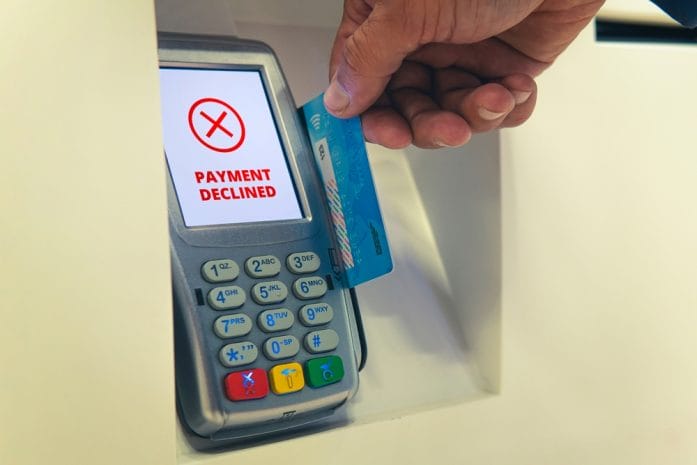
A bank notifying its customer that their bank card is being frozen – Shutterstock

Some bank account freezes feel random from the outside, but banks rarely act without a reason. Financial institutions in the U.S. use automated systems and compliance rules that flag unusual activity fast. A single unusual deposit, transfer, or pattern shift can trigger a review that locks access temporarily. That interruption can hit at the worst possible moment, like payday or rent week. Knowing what triggers those red flags helps prevent frustrating and stressful surprises.

Modern banking relies heavily on fraud detection and anti-money-laundering systems that scan activity 24/7. These systems do not care about intent; they care about patterns, consistency, and risk signals. Even normal behavior changes can look suspicious when compared to a long history of “typical” spending.

1. Large or Unusual Deposits That Break Your Normal Pattern

Banks pay close attention when deposits suddenly spike far above normal income levels. A $500 paycheck history followed by a $10,000 deposit often triggers an automatic review. Systems flag the change because fraud and money laundering often start with unexpected cash inflows. Even legitimate windfalls, like selling a car or receiving a gift, can cause temporary holds. Consistency matters more than the source in many automated checks.

Small steps help reduce issues when large deposits occur. Notifying the bank ahead of time or keeping documentation ready can speed up verification. Regular patterns build trust with financial systems over time. Sudden changes without context create friction that can freeze access temporarily. Predictability protects account access more than most people realize.

2. Frequent Transfers Between Unrelated Accounts

Moving money back and forth between accounts that do not share obvious connections raises suspicion. Banks look for layering patterns that sometimes signal laundering or fraud. Multiple quick transfers in short time windows increase the risk score in monitoring systems. Even harmless “balancing” between personal accounts can trigger automated alerts. Systems do not always distinguish convenience from risk behavior.

Staying consistent with transfer patterns helps reduce unnecessary flags. Keeping transfers limited to known accounts and clear purposes builds a cleaner financial footprint. Sudden bursts of activity between unrelated accounts often prompt review teams to step in. That review can temporarily restrict access while verification takes place. Simple, steady habits help avoid that disruption.

3. Mismatched Personal Information or Identity Changes

Banks freeze accounts when identity details do not match their records. A new address, name change, or outdated Social Security information can all trigger alerts. Even minor mismatches between documents and account profiles can cause verification holds. Fraud prevention systems prioritize identity accuracy above all else. Any inconsistency signals potential account takeover risk.

Updating information quickly after life changes prevents unnecessary disruptions. Moving, marriage, or legal name updates should always reflect in banking profiles immediately. Delays in updating records often confuse automated systems. That confusion can temporarily lock access until verification completes. Clean, current records keep accounts running smoothly.

4. Suspicious Online or Cross-Border Activity

Banks closely monitor logins and transactions that originate from unfamiliar locations. A sudden login from another state or country can trigger security freezes. International purchases or transfers also raise flags when they do not match past behavior. Fraud systems often assume account compromise first and investigate later. That protective approach prioritizes safety over convenience.

Travel notifications or consistent usage patterns help reduce interruptions. Regular international activity should appear predictable in account history. Sudden changes in geography create uncertainty for fraud detection tools. Temporary freezes often follow until identity confirmation occurs. Predictability across locations keeps access stable.

5. Repeated Chargebacks or Payment Disputes

High numbers of chargebacks signal risk to banks and payment processors. Fraudulent transactions, disputes, or refunds can all contribute to this pattern. Even legitimate customer disputes can raise a merchant’s or account holder’s risk score. Too many reversals suggest instability or potential abuse of payment systems. Banks react quickly to protect themselves from liability.

Keeping transactions clean and well-documented reduces dispute frequency. Clear communication with buyers or merchants helps prevent misunderstandings. Each chargeback adds weight to a risk profile that banks track closely. A high dispute rate can lead to account restrictions or freezes. Stable payment behavior builds long-term account trust.

6. Overdraft Abuse or Negative Balance Patterns

Frequent overdrafts signal financial instability to banking systems. Repeated negative balances suggest risk of default or misuse. Even small overdrafts, when constant, create concern for account health. Banks may step in to limit exposure or enforce restrictions. Patterns matter more than isolated incidents.

Maintaining a buffer balance helps avoid these issues entirely. Monitoring spending habits reduces accidental overdrafts that trigger alerts. Financial systems track consistency and discipline over time. Repeated strain on accounts increases the chance of restrictions. Stability keeps accounts in good standing.

7 Financial Red Flags That Could Freeze Your Accounts Without Warning
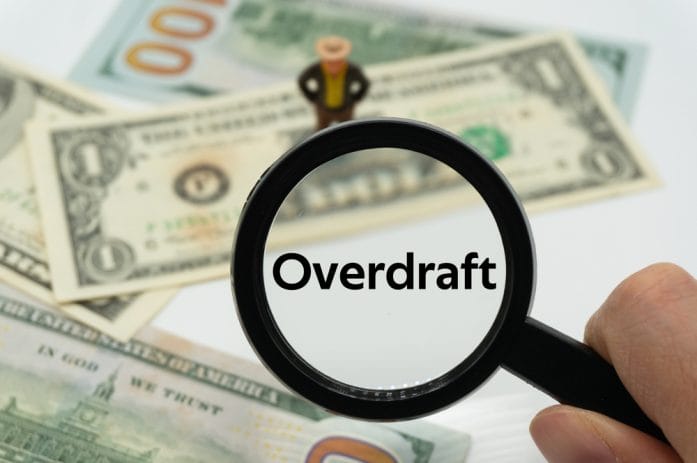
A magnifying glass looking at an overdrafted account – Shutterstock

7. Inactive Accounts Suddenly Reactivated with High Activity

Dormant accounts that suddenly show heavy activity often trigger automatic freezes. Banks expect inactivity to remain consistent unless properly updated. A sudden burst of transactions after months of silence appears suspicious. Fraudsters often target dormant accounts because monitoring decreases over time. Systems react quickly to protect against unauthorized access.

Reactivating accounts gradually helps avoid unnecessary interruptions. Updating banks before using old accounts prevents confusion. Even legitimate activity can look risky when it breaks long inactivity streaks. Verification steps often follow sudden usage spikes. Controlled reactivation keeps access smooth and uninterrupted.

Protecting Your Account Access

Banks do not freeze accounts randomly; they respond to patterns that signal risk. Most red flags come from changes in behavior, not actual wrongdoing. Small habits like consistency, updated information, and predictable transactions reduce friction with financial systems. Awareness of how banks interpret activity helps prevent sudden disruptions. Financial stability starts with understanding how those systems “see” money movement.

A few mindful adjustments can keep accounts active, secure, and accessible without stress. Predictability builds trust with banking systems over time. Even simple awareness of these seven red flags prevents most unexpected freezes. Financial confidence grows when account behavior stays clean and consistent. Staying ahead of these triggers protects access when it matters most.

What financial habits have caused the most unexpected banking issues in your everyday life? Hop into our comments to chat about it.

You May Also Like…

California Alert: Why Random Amazon Packages Are a Red Flag for Identity Theft in Santa Clara County

Dormancy Rule: Accounts Inactive for 3–5 Years Can Be Sent to the State

How a Greener Home Can Boost Your Bank Account

What To Look For When Opening A Bank Account For Your Teen

8 Rules Around Health Savings Accounts That Still Confuse Seniors

Brandon Marcus
Brandon Marcus

Brandon Marcus is a writer who has been sharing the written word since a very young age. His interests include sports, history, pop culture, and so much more. When he isn’t writing, he spends his time jogging, drinking coffee, or attempting to read a long book he may never complete.

Filed Under: Finance Tagged With: account freeze, AML laws, banking, banking rules, banking tips, credit behavior, direct deposit, financial mistakes, Financial Security, fraud alerts, money management, Personal Finance

5 Warning Signs Someone Is Using Your Social Security Number

March 27, 2026 by Brandon Marcus Leave a Comment

5 Warning Signs Someone Is Using Your Social Security Number
Image Source: Shutterstock.com

When it comes to identity theft, damage builds quietly, often hiding in plain sight while accounts shift, numbers change, and red flags stack up. One small clue can signal something much bigger, and ignoring that clue can turn a manageable issue into a full-blown financial nightmare. The reality feels uncomfortable, but awareness changes everything, especially when it comes to something as powerful as a Social Security number.

Most people assume they would notice identity theft immediately, but that assumption creates the perfect blind spot. Fraud rarely starts with dramatic moves; it creeps in with subtle changes that seem easy to brush off or explain away. That makes early warning signs incredibly valuable, because catching them quickly can save thousands of dollars, protect credit scores, and prevent months of cleanup. Knowing what to look for does not require expert-level knowledge, just a willingness to pay attention and act fast when something feels off.

1. Your Credit Report Starts Telling a Story You Don’t Recognize

A credit report should read like a familiar biography, filled with accounts, balances, and history that match real financial decisions. When unfamiliar accounts or inquiries suddenly appear, that story shifts into something confusing and concerning. New credit cards, loans, or even hard inquiries from lenders can signal that someone else uses personal information to apply for credit. These entries often show up before any bills or collection notices arrive, which makes regular credit checks one of the strongest early defenses.

Identity thieves rely on speed, opening accounts quickly and moving on before detection catches up. That means even one unfamiliar inquiry deserves attention, especially if it comes from a lender that has never appeared before. Checking credit reports from all three major bureaus adds another layer of protection, since not every account appears everywhere right away. A free annual report offers a baseline, but more frequent checks can reveal issues much earlier.

Taking action immediately matters more than trying to confirm every detail first. Filing a fraud alert or freezing credit can stop further damage while sorting out what happened. Credit monitoring services can also provide real-time alerts, which adds another safety net for anyone who wants constant visibility. Staying proactive here keeps control firmly in the right hands.

2. Bills and Statements Suddenly Go Missing In The Mail

Mail rarely disappears without a reason, especially when it comes to financial statements, tax documents, or official notices. When expected bills stop arriving, something may interfere behind the scenes. Identity thieves sometimes change mailing addresses on accounts to redirect sensitive information, which allows them to operate without interruption. That small change can delay discovery long enough to rack up serious damage.

Missing mail does not always scream fraud right away, but it should raise questions. Checking with service providers or financial institutions can confirm whether address changes occurred without permission. Online account access also helps verify recent activity, which can reveal whether someone has tampered with account details.

Switching to electronic statements can reduce the risk of intercepted mail while adding convenience. At the same time, keeping an eye on physical mail still matters, especially for government-related correspondence. Acting quickly when something goes missing prevents identity theft from gaining momentum.

5 Warning Signs Someone Is Using Your Social Security Number
Image Source: Pexels.com

3. Debt Collectors Call About Accounts That Don’t Exist

Few things feel more jarring than a call about a debt that has no connection to reality. When collectors start asking for payment on accounts that never existed, that often points directly to identity theft. These accounts may include credit cards, personal loans, or even medical bills opened under a stolen Social Security number.

Ignoring these calls can make the situation worse, since unpaid debts can move into collections and damage credit scores. Instead, requesting detailed information about the account helps clarify what happened. Debt collectors must provide verification, which can reveal the origin of the fraudulent account.

Disputing these debts quickly becomes critical, especially through credit bureaus and the original creditor. Filing an identity theft report with the Federal Trade Commission creates a formal record, which helps during disputes. Keeping organized records of every conversation and document can speed up the resolution process and protect against further complications.

4. Your Tax Return Gets Rejected Out of Nowhere

Tax season usually follows a predictable rhythm, but identity theft can throw that rhythm off instantly. When a tax return gets rejected because someone already filed using the same Social Security number, that signals a serious issue. Tax-related identity theft allows criminals to claim refunds before the real filer even submits their return.

This type of fraud often goes unnoticed until filing time, which makes it particularly frustrating. The rejection message usually includes a code that indicates duplicate filing, which provides a clear starting point for resolving the issue. Contacting the IRS and completing an identity theft affidavit sets the recovery process in motion. Filing taxes as early as possible each year can reduce the risk of this type of fraud. An Identity Protection PIN from the IRS adds another layer of security by requiring a unique code for filing. Staying ahead of tax deadlines can make a huge difference in preventing someone else from stepping in first.

5. Government Benefits Show Activity You Never Approved

Government benefits like Social Security or unemployment assistance should never show unexpected changes or claims. When benefits suddenly appear, increase, or shift without authorization, that often signals misuse of a Social Security number. Fraudsters sometimes file for benefits using stolen identities, collecting funds while the rightful owner remains unaware.

Checking benefit statements regularly can reveal these discrepancies early. Online portals for government programs often provide detailed activity logs, which can highlight unauthorized changes. Reporting suspicious activity immediately helps stop payments and prevents further misuse. Securing online accounts with strong passwords and multi-factor authentication adds a critical layer of protection. Monitoring government correspondence also helps catch unusual activity quickly. Staying alert in this area can prevent long-term complications that take months to resolve.

Stay Protected And Always in Control

Spotting identity theft early changes everything, and these warning signs offer a powerful advantage when used wisely. Each red flag, whether it shows up on a credit report or arrives as a confusing phone call, deserves attention and action. Waiting rarely improves the situation, but quick responses can limit damage and restore control faster than expected.

Building strong habits around monitoring financial activity, checking reports, and protecting personal information creates a solid defense against identity theft. Small steps, taken consistently, can block even determined fraud attempts. The goal does not involve living in fear, but staying informed and ready to act when something feels off.

What stands out the most among these warning signs, and what steps feel realistic to take right away? Share all of your thoughts, strategies, or even close calls in the comments, because real experiences can help others stay one step ahead.

You May Also Like…

8 Silent Costs of Ignoring Identity Theft

6 Free Credit Monitoring Tools That Expose You to Identity Theft

8 Email Habits That Make You a Target for Identity Theft After 40

Check Your Credit Report NOW—5 Signs of Identity Theft

6 Free Credit Monitoring Tools That Expose You to Identity Theft

Brandon Marcus
Brandon Marcus

Brandon Marcus is a writer who has been sharing the written word since a very young age. His interests include sports, history, pop culture, and so much more. When he isn’t writing, he spends his time jogging, drinking coffee, or attempting to read a long book he may never complete.
Filed Under: scams Tagged With: credit monitoring, credit score, cybersecurity, data breach, financial safety, fraud alerts, fraud prevention, identity protection, identity theft, Personal Finance, scams, Social Security number

Customers Beware: Banks Are Tightening Fraud Rules and Freezing Accounts Faster Than Ever

March 23, 2026 by Brandon Marcus Leave a Comment

Customers Beware: Banks Are Tightening Fraud Rules and Freezing Accounts Faster Than Ever
Image Source: Shutterstock.com

Money moves fast now, and banks have decided they need to move even faster. One suspicious transaction, one unusual login, one transfer that looks slightly out of place, and suddenly access disappears. No warning, no countdown, just a locked account and a growing sense of panic.

This shift did not come out of nowhere. Fraud exploded in recent years, and banks responded by tightening the rules, sharpening their detection systems, and acting quicker than ever before. That might sound reassuring on paper, but it creates a new reality where everyday people can get caught in the crossfire without doing anything wrong.

When “Security” Hits the Brakes on Your Money

Banks now rely heavily on automated systems that scan activity in real time, and those systems do not hesitate when something looks off. A large transfer, a sudden change in spending habits, or a login from a new location can trigger an immediate freeze. That reaction does not mean fraud actually happened, but the system treats uncertainty as a risk worth stopping cold. Financial institutions have good reason to act this way. Fraud schemes have grown more sophisticated, especially with the rise of online banking, peer-to-peer payment apps, and digital wallets. Criminals move quickly, so banks try to move faster, even if that means locking down accounts before confirming anything.

That speed creates a frustrating experience when legitimate activity gets flagged. Someone might transfer money between personal accounts, book travel in another city, or receive a larger-than-usual payment, only to find their account suddenly restricted. The system sees a pattern change, not the full story.

Banks also face pressure from regulators to prevent fraud and money laundering, which pushes them toward aggressive monitoring. They would rather freeze a legitimate account temporarily than allow fraudulent transactions to slip through. That trade-off explains why these freezes have become more common. This approach leaves little room for nuance. Automated systems do not interpret intent, and they do not understand context beyond data patterns. That gap between human behavior and machine logic often creates the kind of disruption that catches people completely off guard.

The Triggers That Set Off Alarm Bells

Certain activities raise red flags faster than others, and understanding them can make a huge difference. Large or unusual deposits, especially from unfamiliar sources, often trigger reviews because they resemble patterns linked to fraud or scams. Even legitimate transfers can fall into this category if they break from normal habits. Frequent transfers between accounts, particularly across different banks or payment platforms, can also attract attention. These movements sometimes resemble tactics used to move stolen funds, so systems flag them quickly. That means even routine financial management can look suspicious under the wrong circumstances.

Logging in from a new device or location can also spark a freeze. Travel, a new phone, or even a different internet connection might cause the system to question whether the account owner still controls the account. That type of flag often leads to temporary restrictions until verification happens.

Peer-to-peer payment apps add another layer of complexity. Sending or receiving money from multiple unfamiliar contacts in a short period can raise concerns. Fraud rings often use these apps to move money quickly, so banks watch closely for patterns that match that behavior. Name mismatches, incorrect personal information, or outdated account details can also create problems. When records do not align, banks may pause activity until they confirm identity. That step protects accounts, but it can also create delays that feel unnecessary when everything seems correct on the surface.

What Happens After the Freeze Hits

An account freeze does not always mean total shutdown, but it often limits access in frustrating ways. Some people lose the ability to withdraw money, make payments, or transfer funds while the bank investigates. That restriction can disrupt daily life quickly, especially when bills or expenses depend on that account. Banks usually require identity verification before restoring access. That process might involve submitting documents, answering security questions, or speaking with a representative. The timeline varies, and while some cases resolve quickly, others can stretch into days or even weeks.

Communication does not always move as fast as the freeze itself. Notifications might arrive after the account gets restricted, and explanations can feel vague or incomplete. That lack of clarity adds stress, especially when money sits locked without a clear resolution timeline.

In more serious cases, banks may close accounts entirely if they believe activity violates their policies. That decision can happen even when no crime occurred, particularly if behavior consistently triggers risk alerts. Once an account closes, reopening it or moving funds can become more complicated. Despite the frustration, these steps exist to prevent larger losses. Banks aim to stop fraud before it spreads, even if that means inconveniencing legitimate customers. That balance between protection and access continues to shape how financial institutions handle risk.

How to Stay One Step Ahead of a Freeze

Taking a few proactive steps can reduce the chances of getting caught in a freeze. Keeping contact information updated ensures banks can reach out quickly when something looks unusual. That simple step often speeds up verification and prevents unnecessary delays. Maintaining consistent transaction patterns also helps. Sudden spikes in activity or major changes in behavior can trigger alerts, so spacing out large transfers or notifying the bank ahead of time can make a difference. Travel plans, especially international ones, should always get flagged with the bank in advance.

Using familiar devices and secure networks adds another layer of stability. Logging in from multiple new devices within a short time frame can raise suspicion, so sticking to known setups helps avoid unnecessary triggers. When a new device becomes necessary, verifying it quickly can prevent issues.

Reviewing account activity regularly keeps everything aligned. Catching errors, correcting outdated information, and monitoring transactions can prevent small issues from escalating into larger problems. Staying organized with financial records also makes it easier to respond if the bank requests verification. Diversifying where money sits can also provide a safety net. Relying on a single account for all expenses creates risk if that account gets frozen. Keeping funds in more than one place ensures access remains available even during an investigation.

Customers Beware: Banks Are Tightening Fraud Rules and Freezing Accounts Faster Than Ever
Image Source: Shutterstock.com

Banks Are Not Slowing Down Anytime Soon

Fraud continues to evolve, and banks continue to respond with tighter controls and faster reactions. Technology improves detection systems every year, which means freezes will likely become even more precise but not necessarily less frequent. The goal centers on stopping threats quickly, and that priority will not change. Customers now operate in a financial environment where security measures act first and explain later. That reality requires a shift in how people manage money, from staying aware of triggers to preparing for potential disruptions. Understanding the system turns frustration into something more manageable.

Banks do not aim to create chaos, but they prioritize protection above convenience. That approach makes sense from a risk perspective, yet it places more responsibility on individuals to stay informed and proactive. Awareness now plays a crucial role in avoiding unnecessary headaches.

How has banking changed in the past few years, and what strategies have helped avoid account issues or unexpected freezes? Share any and all thoughts, experiences, or tips in the comments.

You May Also Like…

Biometric Banking and the Rise of Fraud Concerns in 2026

4 Ways to Spot Fraud Before Your Bank Does

5 Outrageous Fees Hidden in Everyday Banking Services

Bank Alert: 7 Reasons “Courtesy Credits” Get Taken Back Without Warning

Why Overdraft Fee “Reforms” Haven’t Reduced Bank Profits

Brandon Marcus
Brandon Marcus

Brandon Marcus is a writer who has been sharing the written word since a very young age. His interests include sports, history, pop culture, and so much more. When he isn’t writing, he spends his time jogging, drinking coffee, or attempting to read a long book he may never complete.
Filed Under: Banking Tagged With: banking, banking rules, banking tips, Financial Security, fraud alerts, fraud prevention, frozen bank account, identity theft, money safety, Online banking, Personal Finance, scams

4 Ways to Spot Fraud Before Your Bank Does

March 7, 2026 by Brandon Marcus Leave a Comment

4 Ways to Spot Fraud Before Your Bank Does
Image Source: Pexels.com

Money should feel quiet. Stable. Reliable. When accounts begin showing tiny movements you never authorized, something feels off even before a bank sends a notification. Fraud does not usually arrive wearing loud alarm bells; it tends to show up as small, almost boring-looking changes that feel easy to ignore on a busy morning. The uncomfortable truth is that many financial scams grow quietly for days or weeks before anyone notices.

Spotting fraud early does not require technical knowledge or expensive security software. It mostly requires curiosity and the habit of checking details that feel slightly boring but matter a lot. The following four strategies help people recognize trouble before it grows into something harder to fix.

1. Watch Transactions Like They Are Gossip You Cannot Ignore

The first defense against fraud sits inside regular account activity checking. Logging into banking apps once every few days creates a habit that pays off. Look for tiny transactions people do not remember making, especially unfamiliar subscription services or strange merchant names that do not connect to any recent purchase. Fraudsters sometimes use small purchases to test whether a card works. After confirming the card is active, they may attempt larger charges later. Seeing one strange dollar charge should trigger curiosity, not panic. Checking where that charge originated matters more than deleting it from memory. Contact the bank quickly when any unfamiliar transaction appears.

Many people assume fraud only happens with big numbers, but that idea causes trouble. Criminals prefer quiet success over dramatic theft. A single overlooked micro-charge can signal that someone gained access to payment information. Reviewing statements line by line once a week feels old-fashioned, yet it still works better than waiting for automated alerts.

Setting transaction notifications also helps. Turning on push alerts for every purchase keeps account behavior visible in real time. Some people find the constant messages annoying, but silence sometimes costs more than a little noise from the phone.

2. Treat Unexpected Messages Like They Are Uninvited Guests

Strange emails, texts, or calls pretending to come from a bank deserve suspicion. Real financial institutions rarely ask for passwords, PIN numbers, or verification codes through unsecured communication channels. Scammers often create urgency by claiming accounts face suspension or suspicious activity. Phishing attacks remain one of the most common tricks used in financial fraud. Links inside suspicious messages may lead to fake login pages designed to capture personal information. Instead of clicking, people should open the official bank website manually by typing the address into the browser.

Never share one-time verification codes with anyone claiming to represent customer support. Legitimate banks already possess internal verification systems. If someone sounds rushed or insists on immediate action, that emotional pressure usually signals danger.

When doubt appears, calling the bank using the phone number printed on the official website works better than replying to unknown messages. Taking five extra minutes to confirm identity can prevent weeks of headache later.

4 Ways to Spot Fraud Before Your Bank Does
Image Source: Pexels.com

3. Protect Digital Identity Like It Is a Favorite Jacket

Online accounts act like doors into financial life, so strong protection matters. Using long passwords that mix letters, numbers, and symbols makes guessing harder. Reusing passwords across different websites creates a chain risk because one data breach can expose multiple accounts.

Enabling two-factor authentication adds another wall of defense. Even if someone steals a password, they still need access to the second verification step. Many banks now offer authentication apps or biometric login options that significantly reduce unauthorized access.

Public Wi-Fi networks feel convenient, but they sometimes expose devices to monitoring risks. Logging into banking apps while sitting in coffee shops or airports without protection increases vulnerability. Using a virtual private network or waiting until a trusted connection becomes available reduces exposure.

4. Notice Tiny Behavior Changes Because Fraud Starts Quietly

Strange account behavior sometimes shows up before any large loss happens. A card suddenly failing at familiar stores may signal that security systems blocked suspicious transactions. Receiving unexpected password reset emails also counts as warning signs. Some fraudsters attempt account takeover by slowly changing contact information. They might update email addresses, phone numbers, or recovery settings first. Monitoring personal profile settings inside banking portals helps catch this style of attack early.

Watch for unfamiliar device logins if the bank provides login history. Seeing access from an unknown city or unusual location deserves immediate attention. Report suspicious activity fast so security teams can freeze accounts if necessary.

People should also check their credit reports periodically because identity theft sometimes grows quietly through open accounts. Monitoring credit history helps catch loans or credit cards that nobody remembers applying for. Keeping old financial records for several months creates reference points when something feels wrong. Comparing current statements with past spending patterns helps identify unusual trends quickly.

Stay Curious About Your Own Financial Patterns

Fraud prevention does not require paranoia, but it does require curiosity. Checking accounts, verifying messages, protecting digital identity, and watching behavior changes form a simple defense system. Most successful scams rely on people feeling busy, tired, or convinced that nothing bad will happen.

Spending ten minutes each week reviewing finances can save far more time later. Safety grows when attention becomes a habit instead of a panic reaction.

What strange banking activity have you noticed lately that made you pause and check twice? We want to hear your financial insight in the comments section below.

You May Also Like…

Is Your State a Skimmer Hub? The 9 Places Where Credit Card Fraud Is Skyrocketing

8 Silent Costs of Ignoring Identity Theft

5 Outrageous Fees Hidden in Everyday Banking Services

How Can Small Banking Errors Snowball Into Huge Losses

What Are the Hidden Dangers of Digital-Only Banking?

Brandon Marcus
Brandon Marcus

Brandon Marcus is a writer who has been sharing the written word since a very young age. His interests include sports, history, pop culture, and so much more. When he isn’t writing, he spends his time jogging, drinking coffee, or attempting to read a long book he may never complete.
Filed Under: Banking Tagged With: AI fraud detection, cybersecurity, Financial Security, fintech innovation, fraud alerts, identity protection, machine learning, online banking safety, scam prevention, smart banking

The One Thing You Should Never Do If You Get a Call from “Your Bank”

March 5, 2025 by Latrice Perez Leave a Comment

Make a Phone Call
Image Source: 123rf.com

Getting a call from your bank can be alarming, especially if the person on the other end claims there’s suspicious activity on your account. Your first instinct might be to cooperate immediately, eager to protect your money. But before you do anything, stop and think. Scammers have become incredibly sophisticated, and they know exactly how to make you panic and act without questioning. There’s one mistake that could cost you everything, and knowing how to avoid it could save you from financial disaster.

Never Give Out Your Personal or Banking Information

The biggest mistake you can make when receiving a call from someone claiming to be your bank is giving them your personal information. Scammers often pose as bank representatives, using fear tactics to pressure you into handing over sensitive details like your account number, PIN, or online banking login. They may claim they need to verify your identity or that your account is in immediate danger. No legitimate bank will ever ask for this information over the phone. If someone insists, it’s a clear sign that you’re dealing with a scam.

Scammers Use Caller ID Spoofing to Trick You

One reason these scams work so well is that fraudsters can manipulate caller ID to make it look like your bank is calling. This technique, known as spoofing, allows them to display an official bank phone number, making their call appear legitimate. Many people assume that if the number looks right, the call must be real. Unfortunately, this false sense of security leads them to lower their guard and provide information they wouldn’t otherwise share. Never trust a call solely based on the number displayed on your phone.

They Create a Sense of Urgency to Make You Act Fast

Scammers rely on fear and urgency to prevent you from thinking critically. They may claim that your account has been compromised, that there have been fraudulent transactions, or that your funds are at risk of being locked. The goal is to push you into making a quick decision before you have time to verify the situation. They may even threaten immediate consequences, like closing your account or freezing your funds. If a caller pressures you to act immediately, take it as a red flag. A real bank will never rush you into making financial decisions over the phone.

Fraudsters May Ask You to Move Your Money

One of the most dangerous scams involves criminals convincing victims to transfer their own money into a so-called “safe” account. They might tell you that your account has been hacked and that you need to move your funds to protect them. In reality, they are tricking you into wiring money directly into their control. Banks will never ask you to transfer money to another account for security reasons. If you ever receive such a request, hang up immediately and contact your bank through official channels.

They May Ask You to Provide a One-Time Passcode

Passcode
Image Source: 123rf.com

Many banks use two-factor authentication to verify your identity, often sending a one-time passcode to your phone or email. Scammers know this and will attempt to trick you into sharing that code with them. They may claim they are sending a security code to verify your identity when, in reality, they are using it to gain access to your online banking. If a caller asks for a one-time passcode, assume they are a scammer. Banks will never request this information over the phone.

Scammers Might Direct You to a Fake Website

A common tactic fraudsters use is directing victims to a fake banking website that looks nearly identical to the real thing. They may instruct you to log in to “confirm your account details” or “fix an issue.” If you enter your credentials, you’re handing them over to scammers who can then access your real account. Always type in your bank’s official website yourself instead of clicking on links provided by an unsolicited caller. If there’s an issue, you can check your account directly through secure channels.

They Will Try to Keep You on the Phone

Another trick scammers use is keeping you on the phone while they attempt to access your account in real time. They may ask you to verify information, reset your password, or approve a transaction while they guide you through the process. This is a method of controlling the situation and preventing you from realizing something is wrong. If a caller insists that you stay on the line while taking financial actions, end the call immediately. Take a moment to verify things on your own before making any decisions.

What to Do Instead of Engaging with the Caller

If you receive a call from someone claiming to be your bank, the safest thing you can do is hang up and contact your bank directly. Use the official number found on your bank’s website or your bank statement, not the number that called you. If there’s a real issue with your account, your bank will confirm it through official means. Never call back a number provided by the caller, as it could lead you right back to the scammers.

Report Suspicious Calls to Protect Yourself and Others

If you suspect a scam, report it to your bank and the appropriate authorities. Many banks have fraud departments that track these scams and warn other customers. You can also report the call to the Federal Trade Commission (FTC) or other consumer protection agencies. Spreading awareness about these tactics helps prevent others from falling victim. The more people recognize these scams, the harder it becomes for fraudsters to succeed.

Fear, Urgency and Trust

Scammers prey on fear, urgency, and trust, making it easy for even the smartest people to fall for their schemes. The one thing you should never do if you get a call from “your bank” is give out your personal or banking information. If a caller pressures you, creates a sense of urgency, or asks for sensitive details, it’s time to hang up and call your bank directly. Protecting your finances starts with knowing how to spot a scam before it’s too late.

Have you ever received a suspicious call from someone claiming to be your bank? How did you handle it? Share your experience in the comments to help others stay safe.

Read More:

Online Shopping Dangers: 7 Red Flags That Scream “Scam!”

The Truth Behind the Lies: 10 Signs Your Partner May Be a Con Artist

Latrice Perez

Latrice is a dedicated professional with a rich background in social work, complemented by an Associate Degree in the field. Her journey has been uniquely shaped by the rewarding experience of being a stay-at-home mom to her two children, aged 13 and 5. This role has not only been a testament to her commitment to family but has also provided her with invaluable life lessons and insights.

As a mother, Latrice has embraced the opportunity to educate her children on essential life skills, with a special focus on financial literacy, the nuances of life, and the importance of inner peace.

Filed Under: Banking & Finance Tagged With: banking scams, caller ID spoofing, Financial Security, fraud alerts, fraud prevention, identity theft, online banking safety, phishing scams, phone scams, scam awareness

FOLLOW US

Search this site:

Recent Posts

  • Can My Savings Account Affect My Financial Aid? by Tamila McDonald
  • 12 Ways Gen X’s Views Clash with Millennials… by Tamila McDonald
  • What Advantages and Disadvantages Are There To… by Jacob Sensiba
  • 10 Tactics for Building an Emergency Fund from Scratch by Vanessa Bermudez
  • Call 911: Go To the Emergency Room Immediately If… by Stephen Kanaval
  • 7 Weird Things You Can Sell Online by Tamila McDonald
  • 10 Scary Facts About DriveTime by Tamila McDonald

Copyright © 2026 · News Pro Theme on Genesis Framework