• Home
  • About Us
  • Toolkit
  • Getting Finances Done
    • Hiring Advisors
    • Debt Management
    • Spending Plan
  • Insurance
    • Life Insurance
    • Health Insurance
    • Disability Insurance
    • Homeowners/Renters Insurance
  • Contact Us
  • Privacy Policy
  • Risk Tolerance Quiz

The Free Financial Advisor

You are here: Home / Archives for personal finance safety

If You Get a ‘Replacement’ Medicare Card in the Mail, Do NOT Call the Number Printed on It

April 1, 2026 by Brandon Marcus Leave a Comment

If You Get a ‘Replacement’ Medicare Card in the Mail, Do NOT Call the Number Printed on It

Image Source: Shutterstock.com

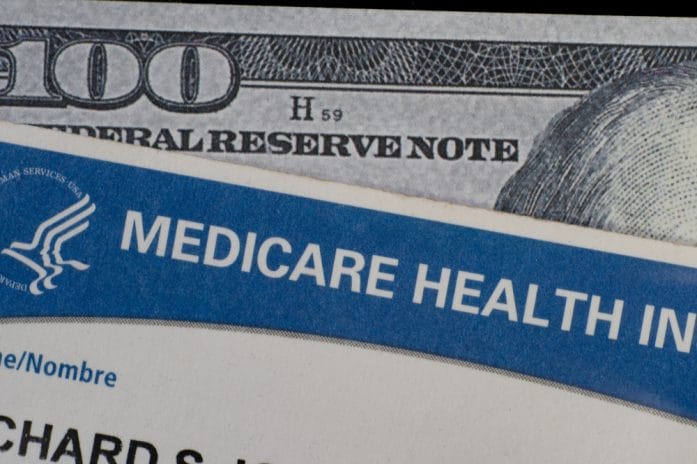
A random piece of mail can flip from harmless to dangerous in seconds. One glance at an official-looking envelope, a familiar logo, and a message that feels urgent can send anyone into action without a second thought. That reaction fuels one of the fastest-growing scams targeting older adults today, and it arrives dressed as something meant to help. It promises a replacement Medicare card, sometimes even hinting at improved benefits or updated security features, and it looks convincing enough to pass a quick inspection.

The real problem begins the moment that phone number gets dialed. That number does not connect to a government office or a helpful representative ready to assist with healthcare coverage. It leads straight to scammers who know exactly what they want and exactly how to get it. This scheme thrives on trust, confusion, and urgency, and it has already cost people sensitive information, money, and peace of mind.

The Fake Card That Looks Way Too Real

Scammers do not throw together sloppy designs and hope for the best anymore. They invest time and effort into creating mail that mirrors official government correspondence down to the smallest detail. The fake Medicare card often includes logos, formatting, and language that closely resemble legitimate documents, which makes it incredibly difficult to spot at first glance. Some even include barcodes, ID numbers, and instructions that feel procedural and routine, adding another layer of believability. That level of detail tricks people into trusting what lands in their mailbox without questioning its origin.

The messaging on these cards usually leans heavily on urgency. It might warn about expiring coverage, security breaches, or required updates that demand immediate attention. That urgency pushes people to act quickly instead of pausing to verify the information, which plays directly into the scammer’s strategy. Once someone calls the number, the scam shifts from paper to persuasion, and that is where the real damage begins. The caller often hears a confident voice that sounds professional, calm, and ready to help resolve the issue.

These scammers follow scripts designed to extract personal information step by step. They may ask for a Medicare number, Social Security number, banking details, or even payment for “processing fees.” Each request builds on the last, creating a sense of normalcy that keeps the conversation going. Before long, the caller has handed over enough information to open the door to identity theft or financial fraud. The fake card does not just mislead; it sets the stage for a carefully planned interaction that targets trust.

Why Calling That Number Is Exactly What They Want

The phone call sits at the center of this scam for a reason. It gives scammers direct access to a real person, which allows them to adapt their approach in real time. They can respond to hesitation, answer questions convincingly, and keep the conversation moving forward with just enough reassurance to maintain control. That human interaction makes the scam far more effective than a simple email or text message. It feels personal, and that feeling lowers defenses.

Once the call begins, scammers often create a sense of authority by using official-sounding titles and language. They might claim affiliation with Medicare or a related agency, and they may even provide fake identification numbers to back up their story. That performance builds credibility quickly, especially for anyone who already believes the card came from a legitimate source. The longer the call continues, the harder it becomes to step back and question what is happening.

Scammers also rely on subtle pressure tactics during the call. They may suggest that failing to act immediately could result in lost benefits or compromised coverage, which adds emotional weight to the situation. That pressure keeps people engaged and focused on solving the supposed problem rather than verifying the legitimacy of the request. By the time doubts start to surface, the conversation has already moved into dangerous territory. Hanging up at that point can feel uncomfortable, but it remains the smartest move.

The Real Rules Medicare Actually Follows

Medicare does not operate this way, and that fact alone can stop this scam in its tracks. Official Medicare communications do not include unsolicited requests for sensitive personal information over the phone. They also do not send replacement cards out of the blue without prior notice or a clear reason. When Medicare issues a new card, it typically follows a broad, well-publicized rollout rather than random, isolated mailings. That consistency makes unexpected cards a major red flag.

Legitimate Medicare contact information also stays consistent and easy to verify. The official phone number appears on the Medicare website and on authentic documents, and it does not change from one mailing to the next. Any card or letter that lists a different number should raise immediate suspicion. Taking a moment to compare that number with official sources can prevent a costly mistake. That simple step often makes the difference between staying safe and falling into a scam.

Another key detail involves payment. Medicare does not charge fees for sending replacement cards, and it does not require immediate payment to maintain coverage. Any request for money tied to a card replacement should set off alarm bells right away. Scammers often rely on small fees to make the request seem reasonable, but those payments can lead to larger financial losses later. Recognizing these patterns creates a strong defense against this type of fraud.
If You Get a ‘Replacement’ Medicare Card in the Mail, Do NOT Call the Number Printed on It

Image Source: Shutterstock.com

Smart Moves That Shut This Scam Down Fast

Stopping this scam does not require advanced technical skills or deep knowledge of fraud tactics. It starts with slowing down and questioning anything that feels urgent or unexpected. Taking a closer look at the mail, checking for inconsistencies, and refusing to act immediately can break the scammer’s momentum. That pause creates space to think clearly and make better decisions. It also removes the emotional pressure that scammers depend on.

Verifying information through official channels remains one of the most effective strategies. Instead of calling the number on the card, use the official Medicare website or a trusted contact method to confirm whether the mailing is legitimate. That extra step takes only a few minutes, but it can prevent serious consequences. It also reinforces a habit of double-checking information before taking action, which helps in many other situations beyond this specific scam.

Shredding suspicious mail and keeping personal information secure adds another layer of protection. Even if the card looks convincing, treating it as untrusted material reduces the risk of accidental exposure. Staying informed about common scams also plays a big role in prevention. Awareness turns what might have been a confusing situation into an obvious red flag, and that awareness spreads easily through conversations with family and friends. Sharing this knowledge helps protect others who might encounter the same scam.

The Bottom Line That Could Save You a Headache

A convincing piece of mail can spark a chain reaction that leads straight into a scam, but one small decision can stop that chain before it starts. Ignoring the number on a suspicious Medicare card and choosing to verify information independently cuts off the scammer’s main point of access. That single choice protects personal information, financial security, and peace of mind all at once. It also reinforces a mindset that values caution over speed, which pays off in countless situations.

Have you or someone close encountered a suspicious Medicare card or a similar scam? What strategies helped spot it before any damage happened, and what advice would make a difference for others facing the same situation? Drop those thoughts and experiences in the comments and keep the conversation going.

You May Also Like…

6 Income Thresholds That Can Trigger Higher Medicare Premiums

From Medicare to Medicaid: Why Billing Glitches Are Causing Unexpected Medical Bills Nationwide

More Retirees Are Seeing Higher Medicare Costs—And It’s Tied to Income From Years Ago

5 Warning Signs Someone Is Using Your Social Security Number

The Hidden Tax Rules Shrinking Social Security Checks — What Seniors Need to Know

Brandon Marcus
Brandon Marcus

Brandon Marcus is a writer who has been sharing the written word since a very young age. His interests include sports, history, pop culture, and so much more. When he isn’t writing, he spends his time jogging, drinking coffee, or attempting to read a long book he may never complete.

Filed Under: scams Tagged With: Consumer Protection, cybersecurity basics, fraud prevention, government scams, healthcare fraud, identity theft, mail fraud, Medicare scam, personal finance safety, phishing scams, scam alerts, senior safety

5 Phone Calls You Should Never Return — Even If They Sound Urgent

March 26, 2026 by Brandon Marcus Leave a Comment

5 Phone Calls You Should Never Return — Even If They Sound Urgent

Image Source: Pexels.com

The phone rings, and suddenly everything feels urgent. A missed call flashes on the screen with a warning tone in the voicemail or a number that looks oddly official, and the instinct kicks in to fix whatever problem might be brewing. That sense of urgency feels powerful, almost impossible to ignore, and it pushes people to act fast instead of thinking things through. Scammers count on that exact reaction, because speed and panic make people easier to manipulate. One quick callback can open the door to losing money, personal information, or even control of important accounts. That single moment of curiosity or concern can turn into a costly mistake that lingers far longer than the call itself.

Plenty of calls deserve attention, but some absolutely do not deserve a return call under any circumstances. The tricky part comes from how convincing these calls sound, because they often mimic real institutions, real emergencies, or real opportunities that feel too important to ignore. Modern scam tactics rely on technology that masks phone numbers, imitates voices, and creates believable scenarios that fool even careful people.

1. The “One-Ring” Trap That Hooks You Fast

A missed call that rings once and disappears might seem harmless, but it often signals a well-known scam designed to get a callback. Scammers use automated systems to dial thousands of numbers and hang up almost immediately, leaving behind a tempting mystery. That curiosity pushes people to return the call, especially when the number looks unfamiliar or international. Once someone calls back, the scam kicks into gear through premium-rate numbers that charge high fees per minute. These charges can pile up quickly without any clear warning, leaving a shocking phone bill behind. The scam works because it feels so simple and innocent, and that simplicity masks the financial damage it can cause. A quick callback turns into a costly mistake that feels completely avoidable in hindsight.

The best move here involves ignoring the urge to investigate and resisting the temptation to call back unknown numbers entirely. If a call truly matters, the caller will leave a detailed message with clear identification and a legitimate reason to respond. Searching the number online can also reveal whether others have reported it as suspicious or linked it to scams.

Phone carriers and apps now offer spam detection features, and enabling those tools adds another layer of protection. Staying cautious about unfamiliar international numbers also helps, especially when no clear connection exists to that location. A missed call might spark curiosity, but curiosity should never outweigh caution when money sits on the line.

2. The Fake “Government Emergency” That Demands Immediate Action

Some calls come packed with urgency, claiming that a government agency needs immediate attention or that a serious issue requires instant action. These calls often mention unpaid taxes, legal trouble, or benefits that face suspension, and they rely heavily on fear to push people into reacting quickly. The caller may sound authoritative, using official-sounding language and even spoofed phone numbers that appear legitimate at first glance. That combination of urgency and authority creates a powerful sense of pressure that makes people act without verifying the situation. Scammers know that fear short-circuits logic, and they lean into that emotional response to keep control of the conversation. A callback gives them exactly what they want: engagement and a chance to escalate the scam.

Real government agencies do not operate this way, and they do not demand immediate payment or personal information over the phone without prior official communication. Anyone receiving a message like this should avoid calling back directly and instead look up the agency’s official contact information independently. Calling a verified number ensures that any conversation happens with a legitimate representative instead of a scammer. Staying calm and refusing to rush into action makes a huge difference, because urgency often signals manipulation rather than reality. Keeping personal information private and never sharing sensitive details over unsolicited calls also blocks many common scam tactics. A moment of patience can prevent a situation from spiraling into something far more serious.

3. The “Bank Alert” That Isn’t From Your Bank

Few things grab attention faster than a message about suspicious activity on a bank account, and scammers take full advantage of that reaction. A voicemail or missed call might claim that unauthorized transactions occurred, urging a quick callback to secure the account. The message often sounds polished and professional, sometimes even including partial account details to appear more convincing. That sense of urgency pushes people to act immediately, especially when money feels at risk. Once the callback happens, scammers guide the conversation toward gathering login credentials, PINs, or verification codes. That information gives them direct access to accounts, turning a fake alert into a real financial problem.

Handling these situations requires a deliberate shift in approach, because calling back the number provided creates unnecessary risk. Instead, checking the account directly through an official app or website provides accurate information without involving a third party. Contacting the bank using a verified number printed on a card or official statement ensures a safe connection. Financial institutions already encourage this habit, and following it protects against many common scams. Staying skeptical about unsolicited alerts also helps, especially when the message pressures immediate action. A real bank prioritizes security and clarity, while a scammer prioritizes speed and confusion.

4. The “Prize or Package” Call That Sounds Too Good to Miss

Excitement can feel just as powerful as fear, and scammers know exactly how to tap into that energy. A missed call or voicemail might claim that a prize awaits or that a package requires confirmation before delivery. These calls often create a sense of urgency by suggesting that the opportunity will disappear without quick action. That pressure pushes people to call back, hoping to claim something valuable or resolve a delivery issue. Once the connection happens, scammers may ask for personal details, payment for fees, or verification information that leads to identity theft. The initial excitement quickly fades when the consequences start to unfold.

Staying grounded and questioning the legitimacy of unexpected offers helps prevent falling into this trap. Legitimate companies do not require payment or sensitive information just to claim a prize or receive a package. Checking tracking numbers directly through official shipping websites provides accurate updates without relying on unknown callers. Ignoring unsolicited prize notifications also removes the temptation to engage with potential scams.

5. The “Tech Support Panic” Call That Creates Chaos

Technology issues can feel overwhelming, and scammers exploit that confusion with fake tech support calls. A voicemail or missed call might claim that a device has been compromised or that immediate action is needed to prevent damage. The message often includes alarming language that suggests viruses, hacking attempts, or data breaches. That sense of panic pushes people to call back quickly, hoping to fix the problem before it gets worse. Once connected, scammers may request remote access to devices or ask for payment to resolve the issue. That access gives them control over personal files, accounts, and sensitive information, turning a fake problem into a real one.

Avoiding these scams requires a clear understanding of how legitimate tech companies operate. Reputable companies do not initiate unsolicited calls about device issues, and they do not request remote access without a verified support request. Running antivirus software and keeping systems updated provides real protection without relying on unknown callers. Seeking help directly through official support channels ensures that any assistance comes from trusted sources.

5 Phone Calls You Should Never Return — Even If They Sound Urgent

Image Source: Unsplash.com

Let Suspicion Win Every Time

Every one of these calls shares a common thread: urgency designed to override good judgment. That urgency might come from fear, excitement, or confusion, but it always pushes for quick action without verification. Slowing down and questioning the situation creates a powerful defense against scams that rely on emotional reactions. Ignoring suspicious calls and refusing to return unknown numbers removes the opportunity for scammers to gain a foothold. Technology continues to evolve, and scammers adapt quickly, but a cautious mindset remains one of the strongest protections available. Taking control of how and when to respond keeps personal information and finances secure.

What strategies work best for handling suspicious calls, and which types of messages raise the biggest red flags? Share your thoughts, experiences, or tips in the comments and keep the conversation going.

You May Also Like…

7 New Scam Tactics That Look Real — And Are Still Fooling Americans

Is Quality Furniture Officially a Scam? Why Filling a New Home in 2026 is Destroying Senior Nest Eggs

8 Subtle Illusions Used by Scammers in Investment Offers

6 Elder Scams That Began Over the Phone Earlier This Year

10 Quiet Retirement Scams Targeting Women Who Just Got Divorced

Brandon Marcus
Brandon Marcus

Brandon Marcus is a writer who has been sharing the written word since a very young age. His interests include sports, history, pop culture, and so much more. When he isn’t writing, he spends his time jogging, drinking coffee, or attempting to read a long book he may never complete.

Filed Under: scams Tagged With: consumer safety, cybersecurity, fraud prevention, identity theft, personal finance safety, phishing, phone safety, phone scams, robocalls, scam awareness, scam calls, tech tips

The “Love Bombing” Tactic Scammers Use to Gain Financial Control in a New Relationship

October 18, 2025 by Catherine Reed Leave a Comment

The "Love Bombing" Tactic Scammers Use to Gain Financial Control in a New Relationship

Image source: shutterstock.com

It starts like a fairytale: constant affection, grand gestures, and declarations of love that feel too good to be true. But when the affection turns into subtle manipulation and financial requests, the story takes a darker turn. Many modern scams now rely on the love bombing tactic—a psychological ploy where scammers overwhelm victims with affection to build trust and dependency. Recognizing this pattern early can protect your wallet and your emotional wellbeing before the illusion of love turns into financial control.

1. What the Love Bombing Tactic Really Means

The love bombing tactic isn’t just about flattery—it’s about control. Scammers use intense attention and affection to create a false sense of intimacy, making their target feel uniquely cherished. Within days or weeks, they may call you their soulmate, send lavish gifts, or flood your inbox with romantic messages. This constant reinforcement is designed to lower your defenses and make you more emotionally dependent. Once that dependency is in place, the scammer can begin guiding conversations toward money, trust, and shared financial decisions.

2. The Early Warning Signs Are Often Dismissed

At first, the love bombing tactic feels flattering. It’s easy to mistake over-the-top affection for genuine care, especially if someone appears charming and attentive. They may seem to know exactly what you want to hear, making it hard to notice inconsistencies or too-fast intimacy. But the pace itself is often the red flag—real relationships take time to build. When someone you just met is already professing lifelong devotion or pressuring you to share personal details, that’s when to step back and reassess.

3. How Scammers Turn Emotional Intimacy Into Financial Leverage

Once trust is established, scammers gradually shift the focus from romance to financial vulnerability. They may claim to be facing a crisis—medical bills, travel issues, or a temporary banking problem—and ask for “help.” The love bombing tactic makes you feel obligated to step in because the emotional connection feels real. Others take a slower approach, gaining access to bank accounts, investment discussions, or shared property ideas under the guise of planning a future together. Over time, these manipulations can drain savings, ruin credit, and leave victims emotionally devastated.

4. Digital Platforms Make Love Bombing Easier Than Ever

Online dating apps and social media have given scammers new tools to deploy the love bombing tactic efficiently. Fake profiles use attractive photos and emotionally charged messaging to establish instant credibility. Algorithms that promote frequent interaction only amplify the effect, making the scammer seem omnipresent and invested. Once a connection moves off-platform—onto private messaging or video calls—the manipulation deepens. Scammers often play the long game, maintaining affection for months before revealing their financial motives.

5. Why Victims Often Don’t Realize It’s Happening

Many victims of the love bombing tactic blame themselves later, but these scams work precisely because they exploit human nature. Everyone wants to feel valued, seen, and loved. Scammers study their targets’ online behavior, tailoring their affection to match interests and insecurities. By the time red flags appear—like jealousy, possessiveness, or sudden financial requests—the emotional bond feels too strong to question. Victims often ignore their instincts out of fear of losing what seems like a perfect connection.

6. Ways to Protect Yourself from Manipulative Financial Relationships

The best defense against the love bombing tactic is awareness and boundaries. Healthy relationships grow steadily and respect personal space and financial independence. Be cautious of anyone who wants to move too fast emotionally or financially. Verify identities, avoid sharing sensitive information, and keep your finances separate until long-term trust is genuinely earned. Talking openly with trusted friends or family about new relationships can also offer an outside perspective that’s harder for scammers to manipulate.

7. What to Do If You’ve Been Targeted by a Love Bomber

If you suspect someone has used the love bombing tactic on you, act quickly to protect your finances and emotional health. Cut off communication immediately and document all exchanges in case authorities need them. Contact your bank or credit card provider if you’ve sent money or shared personal details. Reporting the incident to the Federal Trade Commission (FTC) or local law enforcement can help prevent others from falling into the same trap. Most importantly, remember that recovery—both emotional and financial—is possible with support and time.

Taking Back Control and Rebuilding Trust

Falling for a scam that uses the love bombing tactic doesn’t mean you were foolish—it means you trusted someone who deliberately manipulated that trust. The key is to learn from the experience and rebuild confidence in your judgment. By understanding the signs, setting firm boundaries, and taking proactive steps with your finances, you can ensure future relationships are built on authenticity, not deceit. Love should never come with conditions or hidden motives, especially when money is involved.

Have you or someone you know encountered the love bombing tactic in a new relationship? What warning signs stood out? Share your thoughts in the comments below!

What to Read Next…

  • The AI Voice Scam That Tricks You Into Thinking a Loved One Is in Jail
  • 6 Credit Card Reward Scams That Cost You More Than You Earn
  • Why Do Some People Think Life Insurance Is a Scam Until It’s Too Late
  • 10 Scenario-Based Scams That Target Retirees Every Holiday
  • 7 Ways Identity Scammers Copy Your Signature Remotely
Catherine Reed
Catherine Reed

Catherine is a tech-savvy writer who has focused on the personal finance space for more than eight years. She has a Bachelor’s in Information Technology and enjoys showcasing how tech can simplify everyday personal finance tasks like budgeting, spending tracking, and planning for the future. Additionally, she’s explored the ins and outs of the world of side hustles and loves to share what she’s learned along the way. When she’s not working, you can find her relaxing at home in the Pacific Northwest with her two cats or enjoying a cup of coffee at her neighborhood cafe.

Filed Under: safety Tagged With: emotional manipulation, financial awareness, financial scams, love bombing, online dating, personal finance safety, relationship fraud

FOLLOW US

Search this site:

Recent Posts

  • Can My Savings Account Affect My Financial Aid? by Tamila McDonald
  • 12 Ways Gen X’s Views Clash with Millennials… by Tamila McDonald
  • What Advantages and Disadvantages Are There To… by Jacob Sensiba
  • 10 Tactics for Building an Emergency Fund from Scratch by Vanessa Bermudez
  • Call 911: Go To the Emergency Room Immediately If… by Stephen Kanaval
  • 7 Weird Things You Can Sell Online by Tamila McDonald
  • 10 Scary Facts About DriveTime by Tamila McDonald

Copyright © 2026 · News Pro Theme on Genesis Framework