• Home
  • About Us
  • Getting Finances Done
    • Hiring Advisors
    • Debt Management
    • Spending Plan
  • Insurance
    • Life Insurance
    • Health Insurance
    • Disability Insurance
    • Homeowners/Renters Insurance
  • Contact Us
  • Our Editorial Commitment

The Free Financial Advisor

You are here: Home / Archives for refund delays

Refunds Are Being Frozen Over a New IRS Identity Flag — And It’s Happening to More Filers Than Ever

June 2, 2026 by Brandon Marcus Leave a Comment

Refunds Are Being Frozen Over a New IRS Identity Flag — And It's Happening to More Filers Than Ever
Millions of taxpayers are seeing IRS refunds frozen because automated identity verification systems now flag even small mismatches in names, addresses, or Social Security information. Experts warn that innocent errors, recent moves, and banking changes can delay refunds for weeks or even months while the IRS reviews personal data. Shutterstock

Tax season used to feel like a simple countdown to a refund check landing in the bank account. That expectation now collides with a growing IRS identity flag system that halts refunds without warning. Many filers now see their refunds placed on hold while the agency runs additional identity checks. The delay often arrives right when households plan to use that money for bills, rent, or overdue expenses. The process has expanded in recent years as the IRS tightens fraud prevention tools across millions of returns.

Refund freezes tied to identity verification no longer affect only unusual cases or extreme mismatches. The system now flags ordinary returns more frequently, especially when small inconsistencies appear in personal data. Filers often discover the issue only after checking refund status tools or receiving IRS letters requesting verification. The delay can stretch from a few weeks into several months depending on response time and documentation accuracy.

Why IRS Identity Flags Now Freeze So Many Refunds

The IRS uses identity verification systems to stop fraudulent refund claims before payments leave the agency. These systems compare tax return data with government records to confirm that each filer matches their identity profile. Small mismatches in names, Social Security numbers, or address history can trigger an automatic flag. The agency also monitors suspicious filing patterns that match known fraud behavior, which adds another layer of scrutiny. As fraud attempts increase nationwide, the system casts a wider net that affects more legitimate taxpayers.

Many refunds freeze because the system cannot instantly confirm identity details across multiple databases. People who recently moved, changed their names, or filed under slightly different information often face extra checks. Even minor errors like a transposed digit or outdated address can activate the flag system. The IRS then pauses the refund until the filer completes identity verification steps through official channels. This expanded caution creates stronger fraud protection but also increases delays for honest filers.

What Happens When a Refund Gets Flagged

A flagged refund does not disappear, but it enters a holding pattern inside the IRS processing system. The agency sends a notice requesting identity verification, often through mail or secure online tools. Taxpayers must then confirm personal details using documents like a driver’s license, tax records, or prior-year returns. The refund stays frozen until the IRS completes its verification review and approves the identity match. This process can feel slow because the agency handles millions of returns at the same time.

Delays often extend longer when taxpayers miss deadlines or submit incomplete verification responses. The IRS may also request in-person verification at designated offices for certain high-risk cases. That step adds extra time but strengthens fraud prevention across the system. Refunds eventually release once the agency confirms identity accuracy and clears the flag. However, timing varies widely, and some taxpayers wait far longer than expected during peak filing seasons.

Who Faces the Highest Risk of an IRS Refund Freeze

Certain filing situations trigger identity flags more often than others under current IRS screening rules. First-time filers, especially younger taxpayers or new workers, often face extra scrutiny because the system has limited historical data. People who recently relocated or changed banking details also encounter higher flag rates due to mismatched records. Tax returns claiming large refunds compared to prior years may also attract additional verification steps. The system evaluates these patterns to reduce fraud risks across the board.

Gig workers and independent contractors also face increased flagging because income often arrives from multiple sources. The IRS compares reported income with employer and platform records, and mismatches trigger delays. Taxpayers using new tax software or filing under recently updated personal information may also see unexpected holds. Even accurate returns can land in review queues when the system detects unusual filing activity. These safeguards aim to protect funds, but they also widen the group of affected taxpayers.

How to Reduce the Risk of a Refund Delay

Careful attention to tax details significantly reduces the chance of triggering an identity flag. Taxpayers who double-check Social Security numbers, names, and address consistency across all forms often avoid mismatches. Filing early also helps because it gives the IRS more time to resolve verification issues before peak processing delays hit. Using consistent banking information from previous years strengthens identity matching in the system. These small steps create a smoother filing experience and lower the odds of refund interruption.

Accurate recordkeeping throughout the year also supports faster tax processing. People who track income documents, update addresses promptly, and report changes to the IRS reduce confusion during filing season. Filing electronically instead of paper returns also speeds up identity confirmation and reduces human error. Tax professionals often recommend reviewing prior-year returns before submitting new filings to catch discrepancies early. These preventive habits help keep refunds moving instead of sitting in verification queues.

Refunds Are Being Frozen Over a New IRS Identity Flag — And It's Happening to More Filers Than Ever
The IRS has expanded fraud prevention tools to stop identity theft and fake refund claims, but the stricter screening process is also trapping more legitimate tax returns in verification delays. Tax professionals say first-time filers, gig workers, and taxpayers with updated personal information face some of the highest risks of unexpected refund holds. Shutterstock

The Problem With Rising IRS Refund Holds

IRS identity flags reflect a larger shift toward stricter fraud prevention in the tax system. Fraud attempts involving stolen identities and fake refund claims have pushed the agency to strengthen automated detection tools. These tools now scan more data points than ever before, which increases accuracy but also expands the number of flagged returns. The result creates a system that protects taxpayer funds while slowing down some legitimate payments. This trade-off continues to shape how refunds move through the federal tax pipeline.

Taxpayers now face a more cautious environment where refund timing depends heavily on data consistency. The IRS continues refining its systems, but delays remain a real possibility for millions of filers each year. Awareness of how identity flags work helps reduce confusion when refunds suddenly stall. Careful filing practices and updated personal information now play a major role in avoiding interruptions. This evolving system signals that refund security now sits at the center of modern tax processing.

What steps do you think would make IRS refund delays less stressful for taxpayers while still preventing fraud?

You May Also Like…

Refunds Are Being Delayed Over One Missing IRS Verification Step

IRS Won’t Automatically Reissue Paper Checks for Rejected Direct Deposits—You Must Update Bank Info

Tennessee Residents Still Pay Federal Taxes on Investment Income Despite State Changes

California Heirs Are Facing Higher Property Taxes Under Prop 19 Transfer Rules

Property Taxes Are Catching Homeowners Off Guard — Especially After Buying or Renovating

Brandon Marcus
Brandon Marcus

Brandon Marcus is a writer who has been sharing the written word since a very young age. His interests include sports, history, pop culture, and so much more. When he isn’t writing, he spends his time jogging, drinking coffee, or attempting to read a long book he may never complete.
Filed Under: tax tips Tagged With: fraud prevention, identity verification, IRS, Personal Finance, refund delays, tax refunds, tax season

8 Tax Filing Habits That Are Quietly Triggering Refund Delays

May 17, 2026 by Brandon Marcus Leave a Comment

8 Tax Filing Habits That Are Quietly Triggering Refund Delays
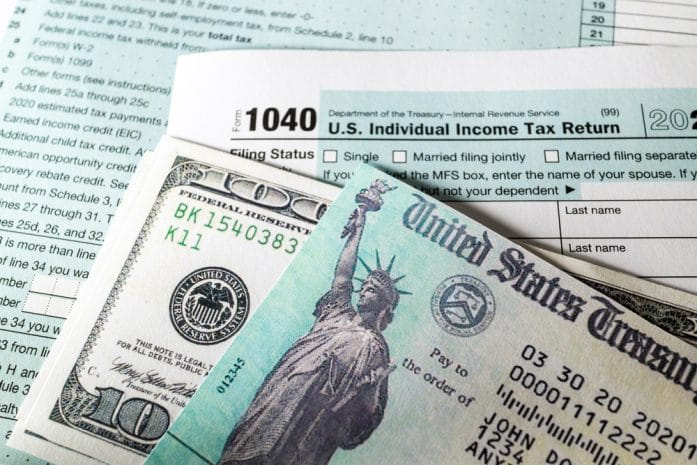
A tax refund on top of a 1040 form – Shutterstock

Tax season often feels like a race against the clock, but rushing through it can quietly cost time instead of saving it. Many Americans expect their refunds to land quickly, yet small mistakes frequently push those payments into long delays. The IRS processes millions of returns, and even minor errors can bump a file into the “needs review” pile. That delay can stretch from days into weeks, especially during peak filing season. Smart filing habits can make the difference between a smooth refund and a frustrating wait.

Understanding what slows down refunds gives taxpayers a real advantage. Most delays don’t come from audits or major issues but from simple, preventable missteps. These habits often repeat year after year, creating unnecessary stress for households counting on their refund. Fixing them early helps ensure the IRS processes returns without interruptions.

1. Rushing Through Early Filing Without Double-Checking Details

Filing early can speed up refunds, but rushing through forms creates costly mistakes that slow everything down. Many taxpayers enter incorrect numbers, skip sections, or forget to review auto-filled data from tax software. The IRS system flags inconsistencies quickly, which forces manual review and delays processing. A careful second look before submitting reduces these risks significantly. Accuracy always beats speed when it comes to tax filing.

Taking a few extra minutes to review Social Security numbers, income entries, and spelling prevents major setbacks. Simple errors in these areas often trigger rejection or adjustment notices. A calm, deliberate filing approach keeps refunds moving through the system without interruption.

2. Entering Incorrect Personal Information

Small identity errors often create surprisingly long refund delays. A mismatched name, wrong Social Security number, or outdated address can stop processing instantly. The IRS must verify identity before releasing any funds, and mismatches slow that verification process. Even a missing middle initial can create unnecessary complications. Precision matters more than most taxpayers realize.

Taxpayers should always compare their return details with official documents before submitting. W-2 forms, Social Security cards, and government IDs should match exactly. Consistency across all records helps the IRS approve refunds without additional review steps.

3. Miscalculating Income or Forgetting Tax Forms

Income reporting errors rank among the most common causes of refund delays. Missing a W-2, 1099, or side income entry creates mismatches in IRS systems. The agency cross-checks employer submissions, and discrepancies trigger automatic holds. Even small underreporting mistakes can slow down refund approval. Accuracy in income reporting keeps the process smooth.

Taxpayers should gather all income documents before starting their return. Double-checking totals against employer statements helps prevent mismatches. Organized records reduce confusion and help filings move through quickly.

4. Providing Incorrect Bank Account Information

Direct deposit speeds up refunds, but incorrect banking details can completely derail them. A wrong digit in an account or routing number sends refunds into processing limbo. The IRS may reject the deposit or send a paper check instead, which takes much longer. These errors often go unnoticed until the refund fails to arrive. Precision in banking information protects refund timing.

Reviewing account numbers carefully before submitting prevents unnecessary delays. Taxpayers should avoid copying outdated information from previous years. Updated banking details ensure refunds land in the correct account without interruption.

5. Ignoring IRS Letters or Requests for Verification

IRS notices often require quick action, yet many taxpayers delay responding or overlook them entirely. These letters usually request identity confirmation or missing documentation. Ignoring them freezes refund processing until the issue gets resolved. The longer the delay in response, the longer the refund sits on hold. Fast replies keep the process moving.

Reading all IRS mail carefully helps avoid unnecessary setbacks. Responding with the correct documents ensures faster resolution. Staying alert to these notices prevents refunds from getting stuck in review cycles.

8 Tax Filing Habits That Are Quietly Triggering Refund Delays
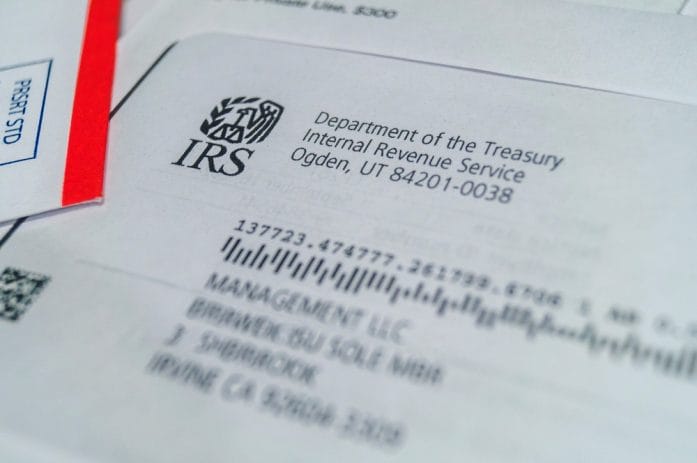
A letter from the IRS – Shutterstock

6. Choosing the Wrong Filing Status

Filing status mistakes can change refund calculations and trigger processing delays. Selecting the wrong category, such as single instead of head of household, often creates mismatches with IRS records. These errors may require manual correction before the refund gets released. Even small misunderstandings of eligibility rules can slow everything down. Correct filing status ensures smoother processing.

Taxpayers should review IRS guidelines before selecting their status. Life changes like marriage, divorce, or dependents can affect eligibility. Accurate selection helps avoid unnecessary corrections later.

7. Missing Out on Supporting Documents for Deductions

Claiming deductions without proper documentation often leads to refund delays. The IRS may request proof for charitable donations, education expenses, or business costs. Without records, the agency pauses processing until verification arrives. This step can stretch refunds out for weeks. Organized documentation speeds up approval.

Keeping receipts and records throughout the year simplifies filing. Taxpayers who prepare early reduce the risk of missing important proof. Strong documentation supports faster and cleaner processing.

8. Using Outdated or Incompatible Tax Software

Old or unreliable tax software can create hidden filing errors that delay refunds. Software updates often include new tax law changes, and outdated versions may miscalculate returns. Submission errors from technical glitches also trigger IRS rejections. These issues often confuse taxpayers who assume everything submitted correctly. Reliable software reduces these risks.

Updating software before filing ensures accurate calculations and smooth submission. Choosing trusted platforms helps prevent technical interruptions. A stable digital filing process leads to faster refund approval.

A Smarter Filing Mindset That Keeps Refunds Moving

Tax refund delays rarely come from one major issue; they usually come from a pattern of small, avoidable habits. Careful attention to details like personal information, income accuracy, and documentation dramatically improves processing speed. The IRS system works efficiently when returns arrive clean and complete. Taxpayers who slow down slightly during filing often get paid faster in the end. Smart preparation consistently beats rushed submission every time.

What tax filing habit has caused the most frustration for you in past seasons, and what strategies help prevent it now?

You May Also Like…

The IRS Is Sending More “Math Error” Notices—Here’s What They Really Mean

7 “Trigger Words” the IRS Uses to Flag Returns Faster

6 Mistakes People Make When Appealing an IRS Identity Check

Waiting on a Refund? New IRS Identity Flags Are Pulling More Returns

Refunds Are Being Frozen Over Missing Bank Details—And Some Filers Won’t Get Paid for Weeks

Brandon Marcus
Brandon Marcus

Brandon Marcus is a writer who has been sharing the written word since a very young age. His interests include sports, history, pop culture, and so much more. When he isn’t writing, he spends his time jogging, drinking coffee, or attempting to read a long book he may never complete.
Filed Under: tax tips Tagged With: American taxpayers, direct deposit issues, filing taxes, Financial Tips, IRS, IRS processing, money management, refund delays, tax credits, tax filing mistakes, tax refunds, tax season

7 New IRS Changes That Could Delay Your 2026 Tax Refund

May 9, 2026 by Brandon Marcus Leave a Comment

7 New IRS Changes That Could Delay Your 2026 Tax Refund
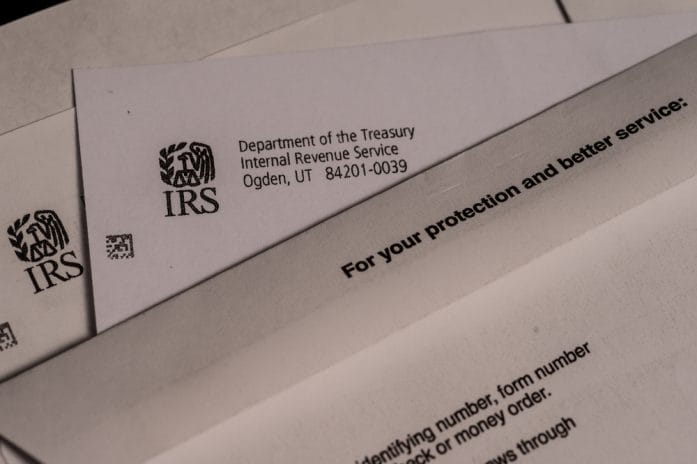
Paperwork mailed from the IRS – Shutterstock

Tax season rarely brings calm, but 2026 may crank up the tension even more for millions of filers expecting a fast refund. The IRS continues to upgrade its systems, tighten security, and expand reporting rules, all in the name of fraud prevention and accuracy. Those improvements sound helpful on paper, yet they often create real-world delays that hit bank accounts hard. Refund timelines may stretch longer as new verification layers kick in across the filing system.

Many taxpayers rely on refunds for bills, rent, savings goals, or catching up after the holidays. Even a one- or two-week delay can disrupt budgets in a big way. The IRS insists these changes protect taxpayers from identity theft and improper payments. Still, the 2026 filing season introduces several shifts that could slow things down more than expected.

1. Stronger Identity Verification Steps Slow Early Refunds

The IRS continues tightening identity verification rules to reduce fraud and stolen refunds. New digital ID checks now compare more data points across banking, employment, and prior tax filings. Filers may need to confirm identity through extra verification prompts before refund approval moves forward. These added steps often create bottlenecks during the first weeks of tax season when volume peaks.

Taxpayers who change addresses, switch banks, or file under new names may feel the slowdown the most. The system flags mismatches more aggressively than in prior years, which triggers manual review. Even honest returns may sit longer in processing queues while verification completes. This shift aims to protect taxpayers, but it also stretches refund timelines across the board.

2. AI Fraud Detection Tools Expand Across All Returns

The IRS now uses more advanced AI systems to scan tax returns for suspicious activity. These tools compare filings against massive data sets to detect inconsistencies or unusual patterns. When the system flags a return, it places it into a review queue before releasing any refund. That extra step can add days or even weeks to processing times during peak season.

False positives create the biggest frustration for everyday filers. A simple typo or mismatched form can trigger a hold that requires human review. The IRS continues refining the system, but early-season delays often spike as algorithms adjust. This technology improves long-term accuracy, but short-term refund speed may take a hit.

3. Refundable Credit Claims Face Longer Review Times

Refundable credits like the Earned Income Tax Credit and Child Tax Credit often receive additional scrutiny under IRS rules. These credits attract higher fraud risk, so the agency verifies eligibility more aggressively before issuing refunds. In 2026, enhanced checks will extend review timelines even further for these claims. That means families relying on early refunds may experience longer waits than expected.

The PATH Act already delays many of these refunds until mid-February, and new rules add another layer of verification. Even fully accurate filings may sit in review status longer due to expanded documentation checks. The IRS focuses on accuracy and fraud prevention, but that focus often slows refund release schedules. Families depending on these credits should prepare for extended processing windows.

4. 1099-K Reporting Changes Increase Cross-Checking

New reporting thresholds for Form 1099-K continue reshaping how the IRS tracks income from online platforms. More taxpayers now receive these forms for side gigs, resale activity, and digital payments. The IRS cross-checks these forms against tax returns more aggressively than before. That process can trigger delays when reported income doesn’t match return entries.

Many filers underestimate how these forms affect refund timing. Even small inconsistencies can place a return under review while the IRS verifies payment records. Platforms like payment apps and online marketplaces now feed more data directly into IRS systems. This expanded visibility helps reduce underreporting but increases processing time for millions of returns.

5. Direct File Expansion Changes Early Filing Flow

The IRS Direct File program continues expanding into more states and taxpayer groups. This system allows eligible filers to submit returns directly through IRS platforms instead of third-party software. While convenient, the rollout shifts processing patterns during the early filing window. More direct submissions create higher initial system load and longer review times.

The IRS also tests new integration tools behind the scenes during expansion phases. These updates sometimes slow internal processing while the agency fine-tunes performance. Early adopters may notice faster submission but not necessarily faster refunds. The system still balances accuracy, security, and scaling challenges at the same time.

7 New IRS Changes That Could Delay Your 2026 Tax Refund
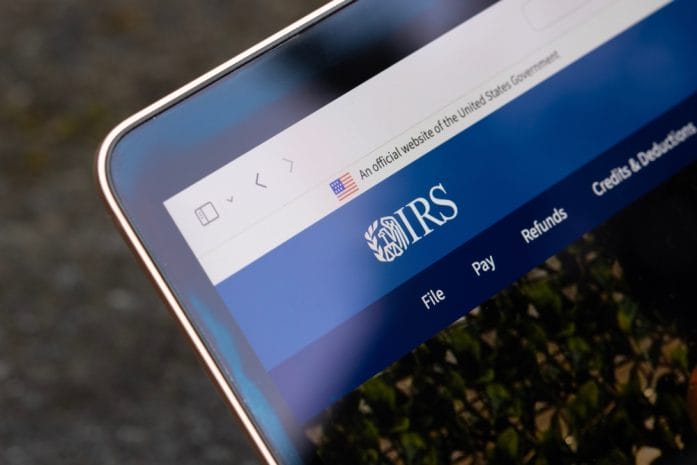
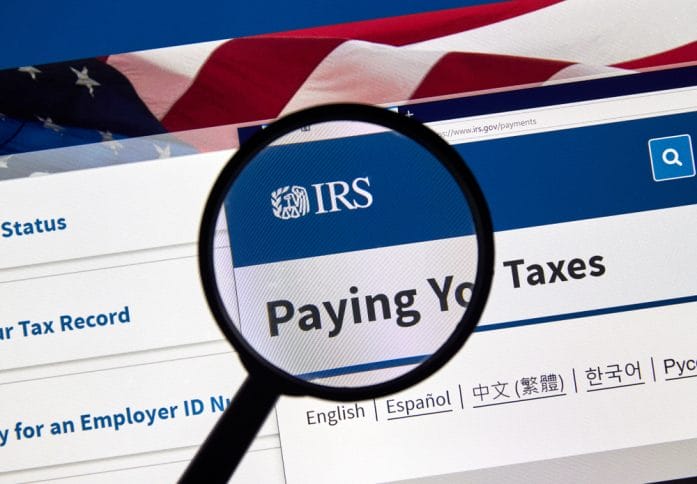
A magnifying glass examining the IRS website – Shutterstock

6. System Upgrades and Staffing Gaps Affect Processing Speed

The IRS continues upgrading its digital infrastructure to handle increasing tax complexity. These upgrades improve long-term performance but often introduce short-term disruptions during filing season. System maintenance windows and backend migrations can temporarily slow refund approvals. Taxpayers feel the impact most during peak filing weeks.

Staffing shortages also play a role in processing delays. Manual reviews still require human agents, especially for flagged returns. High filing volume combined with limited staff creates longer queues for verification. The agency continues hiring and training, but demand still outpaces capacity during busy periods.

7. Bank Account Verification Rules Create Refund Holds

The IRS now places stronger emphasis on verifying direct deposit information before releasing refunds. Mismatched routing numbers, account name differences, or closed accounts trigger automatic holds. These safeguards aim to reduce fraud and misdirected payments. However, they also increase refund delays for taxpayers with minor banking errors.

Even small input mistakes can send a return back for correction and reprocessing. That restart process adds days or weeks to the timeline depending on when the issue gets resolved. Taxpayers who recently switched banks face the highest risk of delays. Careful entry of banking details now matters more than ever.

What These IRS Changes Mean for 2026 Refund Timelines

The 2026 tax season introduces more security layers, data matching, and digital verification across the IRS system. These upgrades strengthen fraud protection and improve long-term accuracy, but they also slow down refund distribution in many cases. Filers with credits, mismatched records, or banking changes may experience the longest waits.

Planning ahead becomes more important than ever during this filing season. Early filing, accurate documentation, and careful review of forms can help reduce delays. Even then, new IRS systems may still add extra processing time compared to previous years. Patience and preparation now play a bigger role in refund timing than ever before.

What part of these IRS changes feels like it could impact tax season the most for everyday filers? If you have opinions about this, share them below in our comments.

You May Also Like…

California Prop 19 Alert: Why Heirs Are Receiving Supplemental Property Tax Bills

Garage Sale Trap: Why Casual Sales May Now Be Reported to the IRS

Michigan Pension Withdrawals Are Still Flagged for Federal Review Under IRS Rules

Tennessee Residents Still Pay Federal Taxes on Investment Income Despite State Changes

Texas Has No Income Tax — But Property Taxes Can Get Close To 2% in Some Areas

Brandon Marcus
Brandon Marcus

Brandon Marcus is a writer who has been sharing the written word since a very young age. His interests include sports, history, pop culture, and so much more. When he isn’t writing, he spends his time jogging, drinking coffee, or attempting to read a long book he may never complete.
Filed Under: tax tips Tagged With: 1099-K, 2026 taxes, Child Tax Credit, Earned Income Tax Credit, financial news, IRS, IRS changes, IRS updates, refund delays, tax filing, tax refunds, tax rules, tax season

Still Haven’t Received Your Refund? Why Some Filers Are Waiting Longer Than Ever

March 30, 2026 by Brandon Marcus Leave a Comment

Still Haven't Received Your Refund? Why Some Filers Are Waiting Longer Than Ever
Image Source: Shutterstock.com

The waiting game has officially become the most frustrating sport of the year. Tax season always promises quick turnarounds and smooth deposits, yet a growing number of filers keep refreshing their bank apps with zero results. The expectation feels simple: file taxes, get refund, move on. Reality, though, looks far messier, and the gap between expectation and outcome has never felt wider.

That delay doesn’t come from thin air. A mix of policy changes, staffing issues, and good old-fashioned human error continues to slow things down behind the scenes. The system hasn’t collapsed, but it definitely feels like it’s limping at times. Knowing what’s actually going on can turn that frustration into something far more useful—control. Because while no one can force a refund to arrive faster overnight, a few smart moves can make a noticeable difference.

Why the “21-Day Refund” Promise Doesn’t Always Hold Up

The well-known 21-day timeline still exists, but it only applies to a specific group of returns that meet strict criteria. Anyone who files electronically, avoids errors, and chooses direct deposit typically lands in that faster lane. The moment anything complicates the return, that timeline starts to stretch. A missing form, a mismatched number, or even a simple typo can push a return out of the automated system and into manual review.

Manual review changes everything. Once a return leaves the automated pipeline, an actual person needs to step in and verify the details. That process takes time, especially when agencies deal with high volumes. Staffing shortages continue to create bottlenecks, which means even minor issues can sit in a queue longer than expected. The system prioritizes accuracy over speed, so delays often reflect caution rather than dysfunction.

Certain tax credits also slow things down by design. Returns that claim credits like the Earned Income Tax Credit or the Additional Child Tax Credit go through extra verification steps. These safeguards aim to prevent fraud, but they also extend processing times for legitimate claims. Filing early doesn’t always guarantee faster results when those credits enter the picture, which catches many people off guard.

Timing matters more than most expect. Submitting a return during peak filing weeks can increase the chance of delays simply due to volume. Early February and late March tend to create heavy traffic, and that surge can overwhelm even a well-functioning system. Choosing a quieter filing window sometimes makes a noticeable difference, especially for those who want to avoid unnecessary slowdowns.

Small Mistakes, Big Delays: What Trips Up Your Return

Tiny errors carry surprisingly large consequences during tax season. A misspelled name or an incorrect Social Security number can trigger an automatic rejection or force manual intervention. These issues sound simple, but they often require verification steps that slow everything down. Double-checking every detail before submitting a return saves more time than any shortcut ever could.

Banking information causes another common headache. Entering the wrong account or routing number doesn’t just delay a refund—it can send it to the wrong place or cause it to bounce back entirely. That mistake creates a chain reaction of corrections that can take weeks to resolve. Accuracy in this section matters just as much as accuracy in income reporting, even though it often gets less attention.

Incomplete forms create another major hurdle. Missing schedules or failing to include required documentation can flag a return for further review. That doesn’t mean the return gets rejected outright, but it does mean the process slows down significantly. Filing software helps catch many of these issues, but it doesn’t catch everything, especially when users skip prompts or rush through sections. Name mismatches between tax returns and official records also create delays that frustrate many filers. A recent name change that hasn’t been updated with the Social Security Administration can trigger a hold. That situation often surprises people who assume their records stay consistent across systems. Taking a moment to confirm that all official documents match can prevent that headache entirely.

What’s Slowing the System Down

The tax system doesn’t operate in a vacuum, and recent years have placed serious pressure on its infrastructure. Staffing shortages continue to impact processing times, especially during peak filing season. Fewer workers handling more returns creates an unavoidable backlog. That reality affects even perfectly filed returns, which explains why some delays feel unpredictable.

Technology also plays its part. While modernization efforts continue, parts of the system still rely on older processes that can’t keep up with today’s volume. Updating those systems takes time, funding, and coordination, so improvements don’t happen overnight. Until those upgrades fully roll out, occasional slowdowns remain part of the landscape.

Fraud prevention measures have also intensified, and that creates a trade-off between speed and security. The system now flags more returns for verification to prevent identity theft and fraudulent claims. That added scrutiny protects taxpayers in the long run, but it also means more returns undergo additional checks. Those checks take time, even when everything looks legitimate. Policy changes and new credits can complicate things further. Whenever new rules enter the mix, the system needs to adapt, and that adjustment period can slow processing. Tax agencies often update procedures mid-season to reflect new legislation, which can create temporary confusion or delays. That doesn’t mean the system breaks—it just means it needs time to catch up.

High filing volumes always create pressure, but recent years have pushed that pressure to new levels. More people file electronically than ever before, which sounds efficient but still requires robust systems to handle the demand. When millions of returns hit the system at once, even small inefficiencies can create noticeable delays.

Smart Moves That Can Actually Speed Things Up

Speeding up a refund starts with preparation, not luck. Gathering all necessary documents before filing reduces the risk of missing information. That includes income forms, deduction records, and any documents tied to tax credits. A complete return moves through the system more smoothly than one that needs follow-up.

E-filing remains the single most effective way to avoid delays. Electronic submissions move faster, face fewer errors, and integrate directly into processing systems. Pairing e-filing with direct deposit creates the fastest possible route from submission to payment. Paper filing, while still available, almost guarantees a longer wait.

Tracking tools also help manage expectations. The IRS “Where’s My Refund?” tool provides updates on processing status, which can reduce uncertainty. Checking that tool once a day offers enough insight without adding unnecessary stress. Constantly refreshing it won’t speed things up, but it can definitely raise frustration levels. Filing early can help, but timing matters. Submitting a return before peak season reduces competition within the system. Late-season filings often face heavier traffic, which increases the chance of delays. Planning ahead and filing during quieter periods can improve turnaround times.

Finally, responding quickly to any IRS notices can keep things moving. If the agency requests additional information, providing it as soon as possible prevents further delays. Ignoring those requests or waiting too long can stall the process even more. Staying proactive turns a potential setback into a manageable step.

Still Haven't Received Your Refund? Why Some Filers Are Waiting Longer Than Ever
Image Source: Shutterstock.com

The Waiting Game Isn’t Random—It’s Fixable

Waiting for a tax refund feels personal, but the reasons behind delays follow clear patterns. Errors, verification checks, and system pressures all play a role, and none of them operate randomly. Understanding those factors makes the process feel less mysterious and far more manageable. A few careful steps can reduce delays, even if they can’t eliminate them entirely.

Control starts with awareness. Filing accurately, choosing electronic options, and staying alert to potential issues can shift the experience in a better direction. That doesn’t guarantee instant results, but it does stack the odds in favor of a smoother process. And when delays do happen, knowing the cause can take some of the edge off that frustration.

So what’s been your experience this year? Still waiting, or did everything arrive right on time? Share what worked, what didn’t, and any strategies that helped speed things up.

You May Also Like…

Retirement Accounts Are Triggering Unexpected Taxes — What Some Investors Overlook

Refunds Are Being Frozen Over Missing Bank Details — And Some Filers Won’t Get Paid for Weeks

Stop Celebrating Your Tax Refund: You Just Gave the Government a Interest-Free Loan

The Verizon $20 Trap: Why That “Outage Refund” Text Message Could Wipe Out Your Bank Account

Are We Allowed to Ask for a Full Refund If Their Performance Sucks?

Brandon Marcus
Brandon Marcus

Brandon Marcus is a writer who has been sharing the written word since a very young age. His interests include sports, history, pop culture, and so much more. When he isn’t writing, he spends his time jogging, drinking coffee, or attempting to read a long book he may never complete.

Filed Under: tax tips Tagged With: filing errors, IRS delays, IRS processing, Personal Finance, refund delays, refund status, refund tracking, tax filing tips, tax refunds, tax returns, tax season 2026, taxes

Refunds Are Being Delayed Over New IRS Identity Flags — Why More Returns Are Getting Pulled

March 25, 2026 by Brandon Marcus Leave a Comment

Refunds Are Being Delayed Over New IRS Identity Flags — Why More Returns Are Getting Pulled
Image Source: Shutterstock.com

The clock starts ticking the moment a tax return gets filed, and for millions of people, that ticking feels louder than ever this year. Refunds that usually show up like clockwork now stall without warning, leaving bank accounts in limbo and patience wearing thin. The culprit does not come down to simple backlog or seasonal overwhelm. A growing number of returns now hit a digital checkpoint that demands something more than basic processing.

That checkpoint revolves around identity verification, and it has quietly reshaped how refunds move through the system. The IRS has ramped up efforts to catch fraud before money leaves the door, and that shift has pulled more returns into review than ever before. The result feels frustrating, confusing, and sometimes unfair, especially for people who filed correctly and early. But behind the scenes, a much bigger story unfolds—one that blends security, technology, and a rising wave of identity-related tax issues.

The Rise of Identity Flags: Why the IRS Hit the Brakes

The IRS does not randomly decide to delay refunds, even though it can feel that way when a payment disappears into processing purgatory. The agency uses a complex system of filters and algorithms designed to spot suspicious activity before issuing refunds. These filters look for mismatched information, unusual filing patterns, and anything that suggests a return might not belong to the person who submitted it. Over the past few years, identity theft tied to tax filings has pushed the IRS to strengthen those filters significantly. That shift has resulted in more returns getting flagged, even when no fraud actually exists.

A flagged return does not mean someone did something wrong, but it does mean the IRS wants proof that the filer is who they claim to be. That proof often comes in the form of identity verification requests, which can arrive through mail or online notices. Once that process begins, everything slows down because the IRS must confirm the information before releasing any refund. This step protects taxpayers from fraud, but it also creates delays that stretch from weeks into months. The system prioritizes caution over speed, and that trade-off shows up clearly during tax season.

The increase in flagged returns also reflects how criminals have evolved their tactics. Fraudsters now use stolen personal data to file early returns and claim refunds before the real taxpayer even logs in. The IRS has responded by tightening its screening process, which means legitimate returns sometimes get caught in the same net. That situation frustrates many filers, but it also prevents larger financial losses across the system. The agency continues to refine its detection tools, but for now, more scrutiny remains part of the process.

What Triggers a Flag? The Subtle Details That Raise Eyebrows

Many people assume only major errors or obvious red flags trigger IRS scrutiny, but the reality looks far more nuanced. Small inconsistencies can raise questions, especially when they involve personal details like Social Security numbers, addresses, or income reporting. A simple typo or outdated information can cause a return to fall out of the normal processing flow. Changes from previous filings, such as a new job, different filing status, or a sudden shift in income, can also prompt closer review. The system does not judge intent; it reacts to patterns and anomalies.

Filing early used to feel like a guaranteed way to get a fast refund, but that strategy now carries a different kind of risk. Early-season returns often face stricter scrutiny because fraud tends to spike at the beginning of tax season. When a return arrives before employers and financial institutions submit official income documents, the IRS lacks a full set of data to cross-check. That gap can lead to temporary flags, even if everything matches up later. Waiting until all documents are available can reduce that risk, even though it might feel counterintuitive.

Another common trigger involves multiple returns linked to the same Social Security number. This situation often occurs when identity theft enters the picture, but it can also happen due to simple mistakes like duplicate filings. When the system detects more than one return tied to a single identity, it locks everything down until it sorts out the conflict. That process takes time and often requires direct communication with the IRS. It adds another layer of frustration for people who expect a straightforward experience.

The Waiting Game: What Happens After a Return Gets Pulled

Once the IRS flags a return, the process shifts into a completely different gear. Automated systems step aside, and manual review takes center stage. That transition slows everything down because human verification requires time, documentation, and careful checking. The IRS may send a letter requesting identity verification, which often includes instructions for completing the process online or by phone. Responding quickly can help move things along, but it does not guarantee an immediate resolution.

Verification itself can feel surprisingly involved. The IRS may ask for details from previous tax returns, financial records, or even specific questions about personal history. These steps ensure that the person responding matches the identity tied to the return. Once the agency confirms that information, it resumes processing the refund, but the timeline does not snap back to normal. Delays can still linger as the system reintroduces the return into the queue.

During this waiting period, uncertainty tends to build quickly. The “Where’s My Refund?” tool may show limited updates, which only adds to the frustration. Staying proactive helps reduce stress, even though it cannot eliminate delays entirely. Keeping copies of tax documents, responding to IRS notices promptly, and checking official channels for updates all make a difference. While patience remains necessary, preparation can prevent the situation from dragging out longer than needed.

Smart Moves to Avoid Getting Stuck in the System

Avoiding a flagged return starts long before hitting the submit button. Accuracy plays the biggest role, and that means double-checking every detail, from Social Security numbers to bank account information. Even minor errors can trigger delays, so taking a few extra minutes during filing can save weeks of waiting later. Using trusted tax software or working with a qualified professional can also reduce the chances of mistakes slipping through.

Filing at the right time can make a noticeable difference as well. Waiting until all tax documents arrive ensures that the information matches what the IRS receives from employers and financial institutions. This alignment reduces the likelihood of discrepancies that trigger identity flags. While early filing still appeals to many, timing matters more than ever in the current environment.

Protecting personal information also plays a critical role in avoiding delays. Identity theft remains one of the biggest reasons returns get flagged, so safeguarding sensitive data helps prevent problems before they start. Using strong passwords, avoiding unsecured networks, and monitoring financial accounts regularly all contribute to better protection. The IRS also offers Identity Protection PINs, which add an extra layer of security for those who want additional peace of mind.

Refunds Are Being Delayed Over New IRS Identity Flags — Why More Returns Are Getting Pulled
Image Source: Shutterstock.com

Security vs. Speed in a Changing Tax Landscape

The shift toward stricter identity verification reflects a broader change in how tax systems operate. Speed once defined the refund process, but security now takes the lead. This change does not happen in isolation; it responds to real threats that have grown more sophisticated over time. While delays feel inconvenient, they also signal that the system actively works to prevent fraud on a larger scale.

Balancing speed and security will likely remain a challenge moving forward. Taxpayers want quick access to refunds, especially when they rely on that money for essential expenses. At the same time, stronger protections help ensure that refunds reach the right hands. The IRS continues to adjust its approach, but for now, increased scrutiny remains part of the landscape.

Understanding this shift can make the process feel less unpredictable. Knowing why delays happen—and how to avoid them—gives taxpayers more control over their experience. It does not eliminate frustration entirely, but it replaces confusion with clarity. That clarity can make all the difference when navigating tax season.

When the Refund Pauses, What’s the Next Move?

Refund delays tied to identity flags might feel like a sudden roadblock, but they rarely come without warning signs or solutions. Staying alert to IRS communications, verifying information quickly, and taking preventive steps can turn a stressful situation into a manageable one. The system may move slower than expected, but it still moves forward with the right input and attention.

Tax season always brings its share of surprises, but this year’s identity checks have added a new twist that demands awareness and strategy. Handling that twist well comes down to preparation, patience, and a clear understanding of how the process works. With the right approach, even a flagged return can find its way back on track without unnecessary chaos.

What strategies have worked when dealing with refund delays, or what questions still linger about the process? Drop those thoughts, experiences, or theories in the comments and keep the conversation going.

You May Also Like…

5 Reasons To Talk To Your Kids About Taxes

9 Georgia Counties Where Property Taxes Are Set to Rise the Fastest

9 Financial Dangers of Ignoring Property Taxes

7 Common Deductions That Are Getting More Scrutiny From the IRS

The IRS Is Flagging More Returns This Year—And One Detail Keeps Triggering Reviews

Brandon Marcus
Brandon Marcus

Brandon Marcus is a writer who has been sharing the written word since a very young age. His interests include sports, history, pop culture, and so much more. When he isn’t writing, he spends his time jogging, drinking coffee, or attempting to read a long book he may never complete.
Filed Under: tax tips Tagged With: fraud prevention, identity theft, identity verification, IRS, IRS flags, IRS review process, refund delays, tax delays, tax refunds, tax return issues, tax season 2026, taxes

Are You Losing Money Because of Scary Refund Delays?

August 17, 2025 by Travis Campbell Leave a Comment

losing money
Image source: pexels.com

Waiting for a refund can be more stressful than you expect. Whether it’s from the IRS, a retailer, or a service provider, scary refund delays can actually cost you money. Not only do you lose access to your cash, but you may also face missed opportunities or extra expenses. Many people don’t realize how much these delays can impact their finances until it’s too late. If you’re counting on a refund to pay bills, invest, or cover emergencies, a late payment can throw everything off. Let’s break down how scary refund delays might be eating away at your wallet—and what you can do about it.

1. Opportunity Costs Add Up Fast

When you’re waiting for a refund, that money is stuck in limbo. It’s not earning interest in your savings account, and you can’t use it to pay down debt or invest. This “opportunity cost” is one of the most overlooked ways you could be losing money because of scary refund delays. Even a few weeks without your funds can mean missing out on potential returns or letting interest charges pile up elsewhere.

For example, if you planned to use your tax refund to pay off a high-interest credit card, every day of delay means more interest accumulating. Or, if you hoped to take advantage of a limited-time investment opportunity, you might miss out altogether. These hidden costs can quietly chip away at your financial progress.

2. Late Fees and Overdrafts Become More Likely

Many people rely on expected refunds to cover bills or essential expenses. When a refund drags on, you might end up paying bills late or overdrawing your account. This is another direct way scary refund delays can cost you real money. Even a single late payment can trigger fees, hurt your credit score, or lead to service interruptions.

Banks and credit cards often charge $25 to $40 for overdrafts or late payments. If you’re counting on a refund that doesn’t arrive on time, these charges can snowball quickly. It’s easy to underestimate the ripple effect one delay can have on your whole budget.

3. Stress and Uncertainty Impact Your Decisions

Scary refund delays don’t just affect your wallet—they also cause stress and uncertainty. When you’re unsure when your money will arrive, it’s hard to plan effectively. This stress can lead to rushed or poor financial decisions, such as borrowing at high interest or selling investments at the wrong time.

Stress can also make you more vulnerable to scams. Desperate for answers, some people fall for fake emails or calls promising to “speed up” their refund for a fee. Staying calm and informed is crucial, but that’s tough when you’re worried about your finances.

4. Hidden Costs of Following Up

If you’ve ever tried to track down a missing refund, you know it can eat up your time. Hours on the phone, searching for receipts, or waiting in line add up. While you might not see a bill for your time, it’s still a real cost—especially if you have to take time off work or pay for extra documentation.

In some cases, you might even spend money on postage, faxing, or paying a professional to help resolve the issue. These hidden expenses are rarely considered when calculating the true cost of scary refund delays, but they can be significant.

5. Cash Flow Crunches Hurt Your Flexibility

Cash flow is the backbone of your financial health. Scary refund delays can leave you short on cash exactly when you need it most. This lack of liquidity can force you to use credit cards, dip into savings, or put off important purchases. It might even make it harder to handle emergencies, leaving you exposed to bigger financial risks.

When your cash flow is tight, you have fewer options. You might pay more for short-term loans or miss out on discounts for paying in full. Even if the refund eventually arrives, the damage to your budget could take months to repair.

How to Protect Yourself from Scary Refund Delays

While you can’t always control when a refund arrives, you can take steps to reduce the impact of scary refund delays. First, plan your budget so you’re not dependent on a single refund for critical expenses. Build a small emergency fund to cover short-term gaps. If you’re waiting on a tax refund, file early and use direct deposit to speed things up. For retail or service refunds, keep all documentation and follow up promptly if there’s a delay.

Stay informed by checking refund policies and timelines before making purchases or filing claims. If you notice a problem, contact the company or agency quickly—sometimes a polite reminder is all it takes. Staying proactive helps minimize the risk of losing money due to unexpected refund delays.

Have you ever been hit with extra costs because of a delayed refund? Share your experience or tips in the comments below!

Read More

10 Refund Delays Women Face After Retirement That Men Rarely Do

Why Financial Institutions Delay Payouts Without Penalty

Travis Campbell
Travis Campbell

Travis Campbell is a digital marketer/developer with over 10 years of experience and a writer for over 6 years. He holds a degree in E-commerce and likes to share life advice he’s learned over the years. Travis loves spending time on the golf course or at the gym when he’s not working.

Filed Under: Finance Tagged With: budgeting, Cash flow, Personal Finance, Planning, refund delays, tax refunds

Are You Reading the Right Fine Print on Your Tax Refund?

August 13, 2025 by Travis Campbell Leave a Comment

tax
Image source: pexels.com

Tax season can feel like a relief when you see that refund number pop up. But before you start planning how to spend it, there’s something you need to know. The fine print on your tax refund isn’t just legal jargon—it can affect how much money you actually get, how fast you get it, and what happens if there’s a mistake. Many people skip over the details, thinking it’s all standard stuff. But missing the right fine print can cost you time, money, or even trigger an audit. If you want to keep more of your refund and avoid headaches, it’s time to pay attention to what’s really in the details.

1. The Real Timeline for Your Tax Refund

You might expect your tax refund to arrive in a week or two. Sometimes it does. But the fine print often says it can take longer, especially if you file late, claim certain credits, or make a mistake. The IRS says most refunds arrive within 21 days, but that’s not a guarantee. If you file a paper return, it can take much longer. And if your return gets flagged for review, you could wait months. Always check the actual timeline in the fine print so you know what to expect. Don’t make big plans with your refund money until it’s in your account.

2. Fees That Eat Into Your Refund

Some tax preparers and online services offer to take their fee out of your refund. It sounds easy, but the fine print can hide extra charges. You might pay a “refund transfer” fee or other processing costs. These fees can add up fast and shrink your refund. If you use a prepaid debit card, there may be more fees for withdrawals or balance checks. Read every line about fees before you agree. If you’re not sure what you’re paying, ask for a breakdown. Keeping more of your refund starts with knowing where your money is going.

3. Refund Advances Aren’t Free Money

Some companies offer a “refund advance”—a loan based on your expected refund. It’s tempting if you need cash fast. But the fine print matters here. Some advances come with high interest rates or hidden fees. Even if the advance is “no fee,” you may be required to use their tax prep service, which could cost more than you’d pay elsewhere. If your refund is delayed or smaller than expected, you could owe money back. Always read the terms before you sign up for a refund advance. Make sure you understand what happens if things don’t go as planned.

4. Direct Deposit Details Can Make or Break Your Refund

Direct deposit is the fastest way to get your tax refund. But the fine print on your tax form asks for your bank account and routing numbers. If you enter the wrong numbers, your refund could go to someone else or get delayed for weeks. The IRS won’t fix this quickly. Double-check your account details before you file. Some banks also have rules about accepting tax refunds, especially if the name on the refund doesn’t match the account. Read your bank’s policy and the IRS instructions to avoid problems.

5. Offsets: When Your Refund Gets Taken

You might be counting on your full refund, but the fine print says the government can take it to pay certain debts. This is called an “offset.” If you owe back taxes, child support, or federal student loans, your refund can be reduced or taken entirely. The IRS will send you a notice, but it may come after your refund is already gone. If you’re worried about offsets, check your status before you file. The Bureau of the Fiscal Service has information on how offsets work and what you can do if your refund is taken.

6. Amended Returns and Corrections

Mistakes happen. If you realize you made an error after filing, you may need to file an amended return. The fine print explains how this works. Amended returns take longer to process—sometimes up to 16 weeks or more. If you’re owed more money, you’ll have to wait. If you owe, you may face penalties or interest. Always read the instructions for amending a return. Don’t ignore mistakes, but don’t rush to file an amendment without checking the rules. The IRS website has clear steps for fixing errors.

7. State Refunds Have Their Own Rules

Federal and state tax refunds aren’t the same. Each state has its own process, timeline, and fine print. Some states take longer to issue refunds. Others may offset your refund for unpaid state debts. The rules for direct deposit, fees, and corrections can be different from the IRS. Always read the fine print on your state tax return. If you move or change banks, update your information with both the IRS and your state tax agency.

8. Identity Verification and Delays

The IRS and some states use identity verification to prevent fraud. If your return is flagged, you may get a letter asking for more information. The fine print explains what you need to do and how long it might take. If you don’t respond quickly, your refund will be delayed. Sometimes, you’ll need to verify your identity online or by phone. Keep an eye on your mail and email after you file. Respond to any requests right away to keep your refund on track.

9. What Happens If Your Refund Is Lost or Stolen

It’s rare, but refunds can get lost or stolen. The fine print tells you how to report a missing refund and what steps to take. If you used direct deposit, your bank may be able to help. If you got a paper check, you’ll need to contact the IRS and possibly file a claim. This process can take weeks or months. Always keep copies of your tax return and any correspondence. If you move, update your address with the IRS to avoid lost checks.

10. Watch Out for Tax Scams

Scammers target people waiting for tax refunds. The fine print often warns you not to share personal information with anyone who contacts you about your refund. The IRS will never call, email, or text you to ask for your Social Security number or bank details. If you get a suspicious message, don’t respond. Report it to the IRS. Protect your refund by keeping your information private and using secure methods to file your taxes.

The Fine Print Is Your Refund’s Safety Net

Reading the right fine print on your tax refund isn’t just about following rules. It’s about protecting your money, avoiding delays, and making sure you get what you’re owed. Every year, people lose out because they skip the details. Take a few extra minutes to read the fine print. It can save you time, stress, and money.

Have you ever missed something important in the fine print on your tax refund? Share your story or tips in the comments.

Read More

8 Documents That Can Help Heirs Avoid Court Battles

How Heirs Can Lose Property When Titles Aren’t Reviewed Carefully

Travis Campbell
Travis Campbell

Travis Campbell is a digital marketer/developer with over 10 years of experience and a writer for over 6 years. He holds a degree in E-commerce and likes to share life advice he’s learned over the years. Travis loves spending time on the golf course or at the gym when he’s not working.

Filed Under: tax tips Tagged With: IRS, Personal Finance, refund delays, tax filing, tax refund, tax return, tax scams, tax season, tax tips

Follow Us

Search this site:

Recent Posts

  • Can My Savings Account Affect My Financial Aid? by Tamila McDonald
  • 12 Ways Gen X’s Views Clash with Millennials… by Tamila McDonald
  • What Advantages and Disadvantages Are There To… by Jacob Sensiba
  • 10 Tactics for Building an Emergency Fund from Scratch by Vanessa Bermudez
  • Call 911: Go To the Emergency Room Immediately If… by Stephen Kanaval
  • 7 Weird Things You Can Sell Online by Tamila McDonald
  • 10 Scary Facts About DriveTime by Tamila McDonald

Copyright © 2026 · News Pro Theme on Genesis Framework