• Home
  • About Us
  • Toolkit
  • Getting Finances Done
    • Hiring Advisors
    • Debt Management
    • Spending Plan
  • Insurance
    • Life Insurance
    • Health Insurance
    • Disability Insurance
    • Homeowners/Renters Insurance
  • Contact Us
  • Risk Tolerance Quiz
  • Our Editorial Commitment

The Free Financial Advisor

You are here: Home / Archives for bank policies

Banks Are Closing Accounts — 4 Reasons It Could Happen to You

April 28, 2026 by Brandon Marcus Leave a Comment

Banks Are Closing Accounts — 4 Reasons It Could Happen to You
Image Source: Shutterstock.com

Banks don’t just hold money anymore—they actively monitor, analyze, and sometimes shut things down without warning. Account closures have become more common, and many people feel blindsided when it happens. One day, everything works fine, and the next, access disappears with little explanation.

That kind of disruption can throw off bill payments, savings plans, and everyday life in a heartbeat. Knowing why bank account closures happen can help avoid the frustration and keep finances running smoothly.

1. Suspicious Activity Can Raise Red Flags Fast and Trigger Immediate Account Reviews

Banks operate under strict regulations designed to catch fraud, money laundering, and unusual behavior. When an account suddenly shows activity that doesn’t match its normal pattern, automated systems flag it instantly. Large deposits, rapid transfers, or transactions in unfamiliar locations can all look suspicious—even if they’re completely legitimate. Financial institutions don’t wait around to investigate slowly; they often freeze or close accounts quickly to limit potential risk. This aggressive approach protects the bank but can leave account holders scrambling.

A common scenario involves someone selling a car, receiving a large payment, and depositing it without prior notice. The bank’s system may interpret that as potential fraud or laundering, especially if the account usually handles smaller amounts. Even something as simple as frequent transfers between multiple accounts can raise eyebrows. To reduce the risk, consistent communication with the bank helps, especially before making unusual transactions. Keeping activity predictable and documented makes it easier to avoid unnecessary closures.

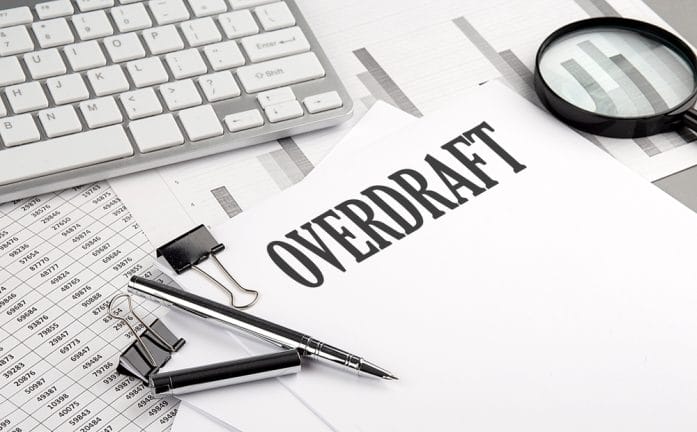
2. Repeated Overdrafts and Poor Account Management Signal Financial Risk to Banks

Banks want customers who manage money responsibly, and repeated overdrafts send the opposite message. When an account regularly dips into negative territory, it suggests instability and increases the bank’s risk exposure. Fees pile up, payments bounce, and the relationship starts to look more like a liability than an asset. Over time, the bank may decide that maintaining the account no longer makes sense. That decision often leads to sudden account termination rather than gradual warnings.

Consider someone who relies heavily on overdraft protection to cover everyday expenses. While that feature helps in the short term, it signals ongoing financial strain. Banks track these patterns closely, and too many incidents can push an account toward closure. Maintaining a buffer, setting up alerts, and adjusting spending habits can prevent this outcome. Consistent account management not only avoids fees but also reduces the likelihood of bank account closures tied to financial behavior.
Banks Are Closing Accounts — 4 Reasons It Could Happen to You
Image Source: Shutterstock.com

3. Inactive Accounts Can Get Closed Without Much Notice If They Sit Too Long

An account that sits untouched for months—or even years—doesn’t just fade into the background. Banks often classify inactive accounts as dormant, which introduces administrative and regulatory concerns. Eventually, they may close the account altogether or transfer funds to state authorities as unclaimed property. While that process follows legal guidelines, it can still surprise account holders who assumed their money would remain untouched indefinitely. Inactivity might seem harmless, but it carries real consequences.

Life changes often lead to forgotten accounts, especially after moving, switching banks, or changing jobs. A savings account opened years ago might slip through the cracks without regular attention. Logging in periodically, making small transactions, or setting reminders can keep accounts active. Even minimal engagement shows the bank that the account still serves a purpose. Staying proactive prevents unnecessary closures and keeps access to funds intact.

4. Violating Terms and Conditions Can Lead to Immediate Account Termination Without Warning

Every bank account comes with a long list of rules, and violating them can trigger swift action. These terms cover everything from acceptable transaction types to identity verification requirements. Using a personal account for business purposes, for example, can violate policies and raise compliance issues. Providing inaccurate information or failing to update personal details can also create problems. Banks enforce these rules strictly, and violations often result in account closure rather than a warning.

A practical example involves someone running a side hustle through a personal checking account. Frequent incoming payments and business-related transactions may conflict with the account’s intended use. The bank may view this as a compliance issue and shut the account down. Reading and following account terms might not feel exciting, but it plays a crucial role in maintaining access. Staying within the rules helps avoid unexpected disruptions and reduces the risk of bank account closures tied to policy violations.

Staying Ahead of Bank Account Closures

Bank account closures rarely happen without a reason, even if the explanation feels vague or frustrating. Patterns of behavior, account activity, and compliance with rules all play a role in how banks evaluate risk. Paying attention to these factors can make the difference between smooth financial management and sudden disruption. Small habits—like monitoring transactions, avoiding overdrafts, and keeping accounts active—add up quickly. Staying informed and proactive keeps control firmly in the account holder’s hands.

What steps have you taken to protect your bank accounts from unexpected closures? We want to hear your thoughts, so please share them in our comments section.

You May Also Like…

5 Digital Banking Changes That May Be Adding New Fees Without Notice

Banks Are Reducing Credit Limits for Older Customers During Risk Reviews

Banks Are Holding Cash Transfers Over $2,000 for Verification—What Seniors Need to Know

North Carolina’s Flat Tax Savings in 2026: Why Everyday Costs Still Matter

8 Hidden Fees That Can Eat Away at Your Retirement Savings

Brandon Marcus
Brandon Marcus

Brandon Marcus is a writer who has been sharing the written word since a very young age. His interests include sports, history, pop culture, and so much more. When he isn’t writing, he spends his time jogging, drinking coffee, or attempting to read a long book he may never complete.

Filed Under: Banking Tagged With: account termination, bank account closures, bank policies, banking rules, banking tips, Financial Security, fraud prevention, frozen accounts, money management, Personal Finance, Planning

Banks Can Restrict Safe Deposit Box Access During Reviews—What That Means for Your Documents

April 16, 2026 by Brandon Marcus Leave a Comment

Banks Can Restrict Safe Deposit Box Access During Reviews—What That Means for Your Documents
Image Source: Shutterstock.com

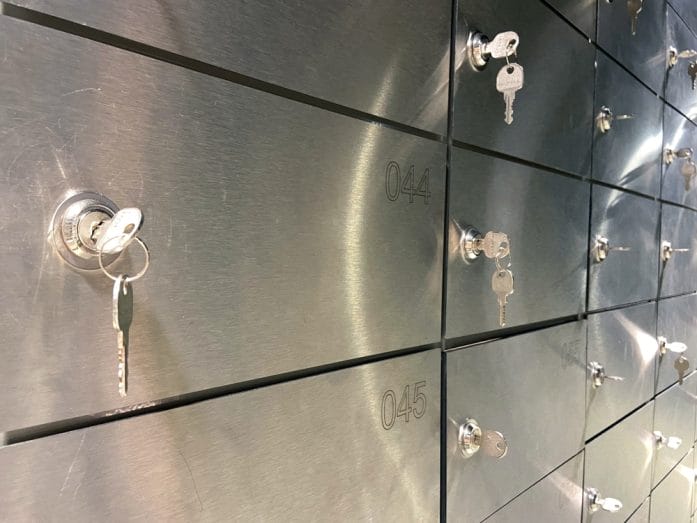
When people lock something inside a safe deposit box, they expect one thing above all else: access when it matters. Birth certificates, property deeds, wills, and irreplaceable documents feel secure behind that vault door, far from theft or disaster.

But here’s the twist most don’t see coming—banks can temporarily limit safe deposit box access during internal reviews, audits, or legal processes. That moment of restriction can arrive without much warning, and it can leave you stuck when you need those documents the most.

Why Banks Review Safe Deposit Boxes in the First Place

Banks don’t randomly block safe deposit box access without a reason, even if it feels sudden from the outside. They conduct reviews for compliance with financial regulations, fraud prevention, and identity verification requirements tied to account holders. In some cases, banks must respond to court orders, estate disputes, or government investigations that require temporary control over access.

These reviews protect both the institution and the broader financial system, even though they can inconvenience customers. Knowing that these reviews exist helps set realistic expectations about how secure—but not always instantly accessible—your documents really are.

What Happens When Safe Deposit Box Access Is Restricted

When a bank restricts safe deposit box access, it doesn’t always mean something has gone wrong, but it does mean you can’t walk in and retrieve your items on demand. The bank may freeze access until it completes its review, verifies ownership details, or resolves a legal issue tied to the account. In practical terms, that could mean waiting days or even weeks depending on the situation and the complexity involved. Customers often don’t receive detailed explanations right away, especially if privacy laws or legal constraints limit what the bank can disclose. That uncertainty makes it critical to avoid relying on immediate safe deposit box access for urgent needs.

Situations That Commonly Trigger Access Delays

Several common scenarios can lead to restricted safe deposit box access, and many of them catch people off guard. The death of a box holder often triggers a review, as banks must verify executors and legal documentation before granting entry. Missed rental payments or expired contracts can also prompt restrictions until accounts are brought current. Changes in account ownership, such as adding or removing authorized users, may temporarily pause access while paperwork gets sorted out. Even routine internal audits can lead to short-term limits on safe deposit box access, especially in larger financial institutions that follow strict compliance procedures.

The Real Risk: Not Having Documents When You Need Them

The biggest issue with restricted safe deposit box access isn’t the delay itself—it’s the timing. Emergencies don’t wait for bank reviews to wrap up, and situations like medical crises, travel needs, or legal deadlines often require immediate paperwork. Imagine needing a passport for urgent travel or a will during a time-sensitive estate matter, only to find access temporarily blocked. That gap between need and access creates stress and can even lead to financial or legal complications. Treating a safe deposit box as the only storage option for critical documents introduces a risk many people don’t fully consider.

Banks Can Restrict Safe Deposit Box Access During Reviews—What That Means for Your Documents
Image Source: Shutterstock.com

Smart Strategies to Avoid Getting Locked Out

Avoiding problems with safe deposit box access starts with a simple shift in strategy. Keep copies of essential documents in a secure but accessible location at home, such as a fireproof safe, so you always have a backup. Digital copies stored in encrypted cloud storage add another layer of protection and convenience when physical access becomes an issue.

Make sure all account details remain up to date, including authorized users and payment status, to prevent avoidable restrictions. It also helps to periodically review your bank’s policies so you understand exactly how safe deposit box access works under different circumstances.

A Better Way to Think About Document Security

Safe deposit boxes still offer strong protection against theft, fire, and natural disasters, but they shouldn’t act as your only line of defense. A balanced approach that combines physical storage, digital backups, and easy-access copies creates a more reliable system. This mindset shift reduces the pressure on safe deposit box access and gives you flexibility when unexpected delays occur.

Planning ahead may feel unnecessary in calm moments, but it pays off when timing becomes critical. The goal isn’t to abandon safe deposit boxes—it’s to use them wisely within a broader security plan.

Don’t Let Access Become the Weak Link

Safe deposit boxes solve one problem extremely well: keeping valuables secure from external threats. However, restricted safe deposit box access introduces a different kind of risk that often goes unnoticed until it becomes urgent. Staying informed, keeping backups, and understanding your bank’s policies can prevent that moment of panic when access isn’t immediately available. Small proactive steps now can protect you from major headaches later.

Have you ever had trouble accessing important documents when you needed them most, or do you have a system that works perfectly? If you have a story to share, our comments section is the best place to do it!

You May Also Like…

Why Direct Deposit Fails: Banking Errors That Cost You Benefits​

5 Budgeting Apps That Integrate With Biometric Banking

Some Banks Are Going Digital-Only — What That Means for Your Money

Direct Deposit Refunds Are Being Returned by Banks When Names Don’t Match the Account

6 Ways Criminals Are Using AI to Impersonate Banks and Government Agencies

Brandon Marcus
Brandon Marcus

Brandon Marcus is a writer who has been sharing the written word since a very young age. His interests include sports, history, pop culture, and so much more. When he isn’t writing, he spends his time jogging, drinking coffee, or attempting to read a long book he may never complete.

Filed Under: Banking Tagged With: bank policies, banking rules, document security, emergency preparedness, Estate planning, legal documents, personal finance tips, Planning, safe deposit box access, secure storage

Banks Are Reversing Certain Deposits — Why Some Customers Are Losing Access to Funds

March 27, 2026 by Brandon Marcus 1 Comment

Banks Are Reversing Certain Deposits — Why Some Customers Are Losing Access to Funds
Image Source: Unsplash.com

A deposit should mean one thing: the money is yours. It lands in the account, the balance goes up, and everything moves forward. That expectation feels solid, almost automatic, like flipping a switch and watching the light turn on. So when that same deposit suddenly disappears or gets reversed, it doesn’t just cause confusion—it sparks frustration, stress, and a whole lot of questions. People expect consistency from their banks, not surprise plot twists that hit their balance overnight.

Something important sits beneath those reversals, and it goes far beyond random glitches or rare mistakes. Financial institutions follow strict systems designed to protect against fraud, errors, and risk, but those systems don’t always feel friendly when they freeze or pull back funds. The reality is simple but not always obvious: a deposit showing up in an account doesn’t always mean the money has fully cleared.

When “Available” Doesn’t Mean “Yours”

Banks move fast when it comes to showing deposits, but the actual verification process often takes longer than most people realize. When someone deposits a check or receives a transfer, the bank may make a portion—or even all—of that money available right away. That quick access helps people pay bills, cover expenses, or move money around without waiting days. However, behind the scenes, the bank still needs to confirm that the funds actually exist and that the transaction holds up under scrutiny. That delay creates a temporary window where money looks usable but hasn’t officially cleared the system.

That window matters more than ever, especially as digital banking speeds everything up on the surface. If a check bounces, a transfer fails, or a sending account lacks funds, the receiving bank can reverse the deposit entirely. At that point, the money disappears just as quickly as it arrived, and the account holder ends up stuck dealing with the aftermath. Some people feel blindsided because the funds showed as available, which creates a sense of certainty that doesn’t match reality. Banks don’t always make that distinction obvious, and that gap in understanding causes most of the frustration when reversals happen.

The situation becomes even more complicated when someone spends money tied to a deposit that later gets reversed. That can trigger overdraft fees, declined payments, or a negative balance that snowballs quickly. Banks don’t usually absorb those losses because they treat the reversal as a correction, not a mistake. That means the account holder carries the consequences, even if the original deposit looked legitimate. Understanding that “available” funds still sit in a kind of financial limbo helps explain why these reversals feel so abrupt and disruptive.

The Rise of Fraud and Why Banks Are Hitting the Brakes

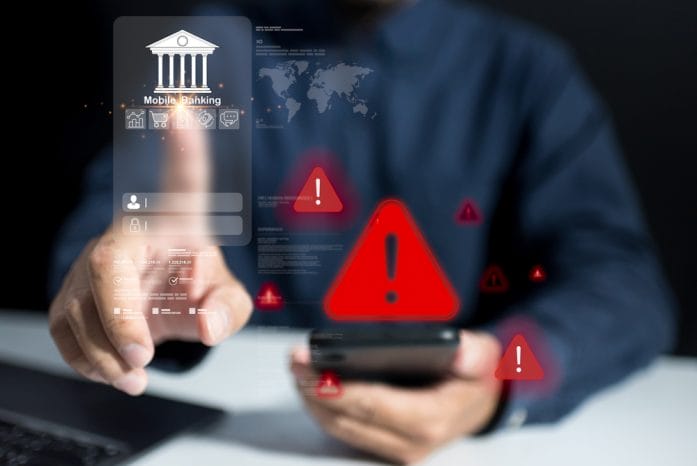
Banks don’t reverse deposits for fun—they do it because fraud has become faster, smarter, and more widespread. Scammers have figured out how to exploit the gap between deposit availability and final verification, using fake checks, stolen accounts, or manipulated transfers to create the illusion of real money. They rely on speed, knowing that if someone withdraws or sends funds before the bank catches the issue, the damage sticks. Financial institutions have responded by tightening controls, increasing scrutiny, and acting more aggressively when something looks off.

That shift means more deposits get flagged, delayed, or reversed, even in situations that might seem harmless at first glance. A check from an unfamiliar source, a sudden large transfer, or unusual account activity can all trigger a review. Banks use automated systems to scan for patterns that match known fraud tactics, and those systems don’t always distinguish between a scam and a legitimate transaction right away. When something raises a red flag, the bank steps in quickly, sometimes freezing or reversing funds before the situation fully unfolds.

This heightened vigilance protects the overall system, but it also creates friction for everyday account holders. People who receive legitimate payments may still face delays or reversals simply because the transaction doesn’t fit a typical pattern. That reality forces a new kind of awareness around how money moves, especially when dealing with large sums or unfamiliar sources. Staying cautious about who sends money and how it arrives becomes more important than ever, because the bank’s priority focuses on minimizing risk first and sorting out details later.

Banks Are Reversing Certain Deposits — Why Some Customers Are Losing Access to Funds
Image Source: Shutterstock.com

Common Situations That Trigger Deposit Reversals

Not every reversal comes from fraud, even though that gets most of the attention. Everyday banking situations can also lead to deposits getting pulled back, often without much warning. One of the most common triggers involves checks that bounce due to insufficient funds or closed accounts. Even if the check looked perfectly valid at the time of deposit, the bank can reverse it once the issuing bank rejects the payment. That reversal can happen days after the initial deposit, which makes it feel sudden and unexpected.

Another frequent issue involves ACH transfers, especially when someone disputes a transaction or cancels a payment. Unlike instant transfers, ACH payments can take time to finalize, and they come with built-in reversal rights under certain conditions. If the sender claims an error or unauthorized activity, the bank may reverse the transaction while investigating. That process protects consumers but can leave the recipient temporarily—or permanently—without the funds they thought they had secured.

Errors also play a role, even in highly automated systems. A duplicate deposit, a misrouted transfer, or a processing mistake can all lead to corrections that look like reversals. Banks move quickly to fix those issues, which sometimes means pulling funds back without much notice. While those cases don’t involve wrongdoing, they still create confusion and inconvenience for anyone affected. Recognizing these scenarios helps explain why reversals don’t always signal a problem with the account holder, even though they still require careful attention.

How to Protect Your Money (and Your Sanity)

Avoiding deposit reversals entirely isn’t always possible, but smart habits can reduce the risk and soften the impact when they do happen. Waiting for full clearance before spending large or unfamiliar deposits stands out as one of the most effective strategies. That patience may feel inconvenient, but it prevents a situation where money disappears after it has already been used. Checking with the bank about hold times and clearance policies can also provide clarity, especially when dealing with checks or transfers from new sources.

Verifying the source of any deposit matters just as much as timing. If a payment comes from someone unfamiliar or feels unexpected, taking a moment to confirm its legitimacy can prevent bigger problems later. Scammers often rely on urgency, pushing people to act quickly before questions arise. Slowing things down, asking for details, and avoiding immediate transfers or withdrawals can break that pattern and reduce exposure to fraud. That approach keeps control in the hands of the account holder rather than the scammer.

Keeping a financial cushion in the account also helps absorb the shock of a reversal. Even a small buffer can prevent overdraft fees and declined payments if funds suddenly disappear. Monitoring account activity regularly adds another layer of protection, allowing quick responses to any changes or issues. These habits don’t just reduce risk—they create a sense of control in a system that sometimes feels unpredictable. When banks act fast, having a plan in place makes a noticeable difference.

Stay Sharp, Stay Informed, Stay in Control

Deposit reversals don’t come out of nowhere, even though they can feel that way in the moment. Banks operate within a framework that prioritizes verification, security, and risk management, and that framework doesn’t always line up with everyday expectations. Understanding the difference between available funds and cleared funds changes the way deposits get handled, especially when larger amounts or unfamiliar sources come into play. That awareness turns confusion into strategy, giving people a clearer path through situations that might otherwise feel chaotic.

What’s the most surprising thing you’ve seen happen with a bank deposit, or what strategies have helped you avoid issues like this? Drop your thoughts, experiences, or tips in the comments.

You May Also Like…

Biometric Banking and the Rise of Fraud Concerns in 2026

5 Budgeting Apps That Integrate With Biometric Banking

4 Steps to Take if You Hold More Than $250K in One Bank

Bank Alert: 7 Reasons “Courtesy Credits” Get Taken Back Without Warning

What Happens if Adult Children Control Your Online Banking Credentials

Brandon Marcus
Brandon Marcus

Brandon Marcus is a writer who has been sharing the written word since a very young age. His interests include sports, history, pop culture, and so much more. When he isn’t writing, he spends his time jogging, drinking coffee, or attempting to read a long book he may never complete.
Filed Under: Banking Tagged With: ACH transfers, bank policies, banking, banking news, check deposits, consumer awareness, deposits, financial safety, Financial Tips, fraud prevention, money management, Personal Finance

Before You Opt In: 5 Things Many Customers Miss About Overdraft Protection

February 18, 2026 by Brandon Marcus Leave a Comment

Before You Opt In: 5 Things Many Customers Miss About Overdraft Protection
Image source: shutterstock.com

You don’t fix a money problem by borrowing from your bank at $35 a pop. That’s the hard truth about overdraft protection. Banks market it as a safety net, a convenience, a way to avoid embarrassment at the checkout line. It sounds responsible. It feels proactive. But before you check that little box or tap “I agree,” you need to understand exactly what you’re signing up for and how it can affect your balance, your habits, and your long-term financial health.

Overdraft protection can serve a purpose in certain situations, and I won’t pretend it never helps anyone. But too many people treat it like free insurance, when in reality it works more like a very expensive, very short-term loan.

1. It’s Not Free Coverage—It’s a Fee Machine

Overdraft protection usually comes with a fee, and that fee often hovers around $30 to $35 per transaction at many major U.S. banks. When your account lacks enough money to cover a purchase and the bank approves it anyway, the bank charges you for that courtesy. If you swipe your debit card three times while your balance sits in the red, you might rack up three separate fees.

Those charges add up fast. The Consumer Financial Protection Bureau has reported that banks collect billions of dollars in overdraft and non-sufficient funds fees each year. One small coffee, one streaming subscription, and one forgotten automatic payment can spiral into over $100 in fees within a day.

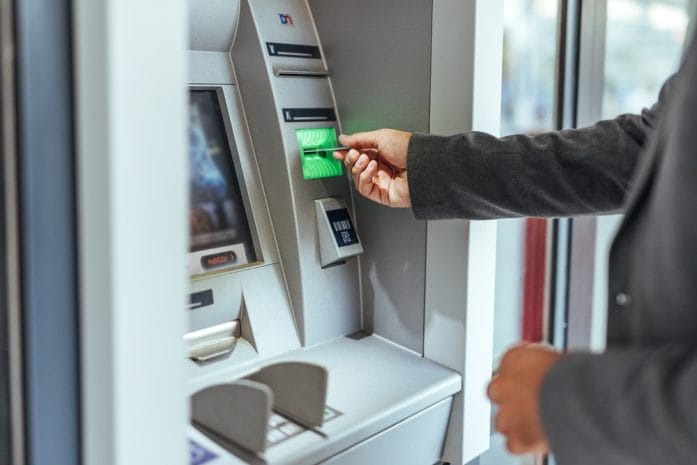
2. Opting In Changes How Debit and ATM Transactions Work

Federal rules require banks to get your consent before they charge overdraft fees on everyday debit card purchases and ATM withdrawals. That rule came from changes implemented after the financial crisis, and it gives you a real choice. If you don’t opt in, your bank cannot charge you an overdraft fee for those specific transactions; it must decline them instead.

However, that protection does not automatically extend to checks or automatic bill payments. Banks can still charge overdraft fees on those transactions even if you never opted in for debit card coverage. That distinction confuses a lot of people. You might assume that declining overdraft protection means you will never see an overdraft fee again, but that assumption misses the fine print.

Before You Opt In: 5 Things Many Customers Miss About Overdraft Protection
Image source: shutterstock.com

3. Small Purchases Can Trigger Big Consequences

Here’s where things get frustrating. A $5 purchase can generate a $35 fee. That math never feels good. In fact, it creates a situation where the cost of the penalty dwarfs the original transaction.

Banks often process transactions in a specific order, and although many institutions no longer reorder transactions from largest to smallest, the timing of when transactions post can still affect your balance. A pending transaction might not show immediately, and an automatic payment might clear overnight. If you rely only on the “available balance” without tracking upcoming charges, you risk misjudging how much money actually sits in your account.

4. There Are Alternatives That Cost Less

Overdraft protection does not come in just one form. Many banks offer different setups, and some cost far less than the standard per-transaction fee. For example, you can often link your checking account to a savings account. If you overspend, the bank transfers money from savings to checking and charges a smaller transfer fee, or sometimes no fee at all.

Some banks also provide overdraft lines of credit. With that option, the bank covers the shortfall and charges interest on the borrowed amount, similar to a small loan. Interest still costs money, but it often costs less than multiple $35 fees. You should compare the annual percentage rate and any transfer charges before you enroll, because not all lines of credit offer the same terms.

5. Habit and Psychology Matter More Than You Think

Overdraft protection doesn’t just affect your wallet; it affects your behavior. When you know your bank will cover a shortfall, you might feel less urgency to track every dollar. That subtle mental shift can encourage riskier spending, especially during tight months.

On the other hand, declining transactions can create a sharp wake-up call. It forces you to confront your balance in real time. That discomfort can motivate stronger budgeting habits, more frequent account monitoring, and better planning for recurring expenses.

You should ask yourself an honest question: do you want a system that cushions overspending, or one that prevents it? Neither choice makes you irresponsible or irresponsible; it simply reflects your financial habits and your tolerance for fees. If you struggle with tracking expenses, you might benefit more from budgeting apps, calendar reminders for bills, and automatic transfers into savings than from a high-fee safety net.

Control or Convenience?

Overdraft protection promises convenience, but convenience rarely comes free. Every opt-in decision shapes how your bank treats your money and how you treat your own spending. When you understand that overdraft coverage often functions as a costly, short-term loan rather than a harmless courtesy, you gain the power to decide intentionally instead of impulsively.

Overdraft protection can serve a purpose in emergencies, but it should never replace awareness and planning. When you treat it as a last resort instead of a routine backup, you protect both your balance and your peace of mind.

What choice have you made about overdraft protection, and has it worked out the way you expected? Talk about it in our comments section below.

You May Also Like…

5 Outrageous Fees Hidden in Everyday Banking Services

How Can Small Banking Errors Snowball Into Huge Losses

6 Data-Scraping Features in Online Banking

5 Unnecessary Fees Your Bank Is Charging You Without Your Permission (Read The Fine Print)

Banks Are Still Charging Daily Overdraft Fees After Accounts Go Negative

Brandon Marcus
Brandon Marcus

Brandon Marcus is a writer who has been sharing the written word since a very young age. His interests include sports, history, pop culture, and so much more. When he isn’t writing, he spends his time jogging, drinking coffee, or attempting to read a long book he may never complete.
Filed Under: Banking Tagged With: ATM withdrawals, bank policies, banking fees, Budgeting Tips, checking accounts, consumer finance, debit cards, financial literacy, money management, opt-in rules, overdraft protection, Personal Finance

Big Banks Are Still Collecting Billions in Overdraft and NSF Fees

February 11, 2026 by Brandon Marcus Leave a Comment

Big Banks Are Still Collecting Billions in Overdraft and NSF Fees
Image source: shutterstock.com

We live in an era where you can deposit a check by waving your phone at it, but big banks are still raking in billions from overdraft and NSF (non-sufficient funds) fees. It feels like a relic from another time, yet it remains one of the most profitable corners of consumer banking. And while many financial institutions have trimmed or restructured these fees in recent years, the overall haul is still massive.

This isn’t just a quirky footnote in the world of personal finance—it’s a reminder of how the banking system continues to shape the everyday lives of millions of people.

The Fee Machine That Just Won’t Quit

Overdraft and NSF fees have long been a dependable revenue stream for major banks, and despite public pressure and regulatory scrutiny, they haven’t disappeared. In fact, some of the largest U.S. banks still generate billions from these charges every year. Even as some institutions have reduced the cost of overdraft fees or eliminated NSF fees altogether, the overall system still leans heavily on customers who slip into the red.

These fees often hit people who are already financially stretched, turning a small miscalculation into a costly setback. What makes this even more striking is that the technology exists to prevent many of these situations, yet the incentives to maintain the status quo remain strong.

Why These Fees Stick Around

If you’ve ever wondered why overdraft and NSF fees are still so common, the answer is surprisingly simple: they’re incredibly profitable. Banks argue that these fees help cover the cost of managing accounts and processing transactions, but the revenue they generate far exceeds those operational expenses.

Overdraft programs are structured in ways that maximize the likelihood of triggering a fee, such as processing larger transactions first or approving debit purchases that push accounts negative. While some banks have shifted toward more consumer-friendly practices, the industry as a whole still relies heavily on these charges. The persistence of these fees isn’t about necessity—it’s about financial incentive.

The People Who Pay the Most

One of the most troubling aspects of overdraft and NSF fees is how unevenly they’re distributed. A relatively small percentage of account holders end up paying the majority of these charges, often because they’re living paycheck to paycheck. When every dollar matters, timing becomes everything, and a single delayed deposit or unexpected bill can trigger a cascade of fees.

This creates a cycle that’s hard to escape, especially when multiple fees hit in rapid succession. For many households, these charges aren’t just an inconvenience—they’re a genuine financial burden that can derail budgets and deepen stress.

The Push for Change Is Growing

The good news is that momentum for change is building. Regulators have increasingly scrutinized overdraft practices, and several major banks have voluntarily reduced or eliminated certain fees. Some have introduced grace periods, low-balance alerts, or no-fee overdraft cushions to help customers avoid penalties.

These shifts show that the industry is capable of evolving, even if progress feels slow. Still, the overall fee revenue remains enormous, and many institutions continue to rely on these charges. For consumers, staying informed is essential, because the landscape is changing—but not fast enough to assume your bank has your back.

What Consumers Can Do Right Now

While the system may not transform overnight, consumers have more power than they realize. One of the most effective steps is simply comparing banks and switching to one that offers more consumer-friendly policies. Many online banks and credit unions have eliminated overdraft fees entirely or offer far more forgiving programs.

Setting up account alerts, keeping a small buffer in checking, or linking to a savings account can also help reduce the risk of fees. And if a fee does hit, it’s always worth asking your bank to reverse it—many will, especially if it’s a rare occurrence. Taking a proactive approach can save real money over time and reduce the stress of managing day-to-day finances.

Big Banks Are Still Collecting Billions in Overdraft and NSF Fees
Image source: shutterstock.com

What This Means for the Future of Banking

The continued reliance on overdraft and NSF fees raises important questions about the future of consumer banking. As technology advances and competition increases, the pressure on traditional banks to modernize their fee structures will only grow. Consumers are becoming more aware of their options, and institutions that cling to outdated practices risk losing customers to more transparent, flexible alternatives.

The shift won’t happen overnight, but the trend is clear: people want banking that works for them, not against them. Staying informed and choosing institutions that align with your financial values can help push the industry in a better direction.

A Smarter Way Forward for Your Money

At the end of the day, overdraft and NSF fees aren’t going away just yet, but that doesn’t mean consumers are powerless. Knowing how these fees work, why they persist, and what alternatives exist can help you make choices that protect your wallet and reduce unnecessary stress. The banking world is slowly evolving, and your decisions play a part in shaping that future. Staying alert, comparing options, and advocating for yourself can make a meaningful difference in how much you pay—and how much control you feel over your financial life.

What do you think? Should banks be doing more to reduce or eliminate these fees? How have they gotten in your financial way? Tell us all your thoughts in the comments below.

You May Also Like…

Why More Americans Are Being Charged Fees They Never Explicitly Agreed To

Bankrate Projects Credit Card Rates Will Only Drop to 19.1% by End of 2026

5 Outrageous Fees Hidden in Everyday Banking Services

Breaking Up Without Breaking the Bank: A Guide to Affordable Divorce

What the Stars on Your 2026 Bank Statement Really Means for Your Privacy

Brandon Marcus
Brandon Marcus

Brandon Marcus is a writer who has been sharing the written word since a very young age. His interests include sports, history, pop culture, and so much more. When he isn’t writing, he spends his time jogging, drinking coffee, or attempting to read a long book he may never complete.

Filed Under: Banking Tagged With: bank policies, banking, big banks, budgeting, Consumer Protection, financial literacy, money management, NSF fees, overdraft fees, Personal Finance, savings tips

The Bank Account Features That Can Freeze Your Money Without a Court Order

January 27, 2026 by Brandon Marcus Leave a Comment

The Bank Account Features That Can Freeze Your Money Without a Court Order
Image source: shutterstock.com

Imagine logging into your bank account one morning, excited to pay your rent or grab your morning coffee, only to find your funds totally frozen. And it’s not because of a mistake or a legal battle you forgot about, but because of a little-known banking tool that can lock your money without ever setting foot in a courtroom.

Banks can initiate it for a variety of reasons, and the result is the same: your money is temporarily untouchable. While this might feel like a nightmare, it’s actually a mechanism designed to prevent bigger financial headaches, but it’s also a reminder that your money isn’t always as free as you might think.

How Bank Account Freezes Work And Why Banks Use Them

A bank account freeze isn’t about your bank being mean or plotting against you. It’s a tool used to manage risk, comply with regulations, and ensure the institution isn’t facilitating fraud or illegal activity. When a freeze happens, the bank effectively locks the funds in your account so they can’t be withdrawn, transferred, or spent.

It’s important to understand that banks don’t make these decisions lightly; they’re often responding to federal and state regulations, their own compliance requirements, or alerts from financial monitoring systems.

Suspicious Activity Alerts That Can Trigger A Freeze

One of the most common reasons for a freeze is suspicious transactions and activity. Banks have sophisticated algorithms that monitor transactions for anything unusual: a sudden influx of cash, large withdrawals, or transactions in a different country can all trigger alarms. Even consistent small purchases in odd locations can raise red flags.

When these alerts pop up, the bank might freeze the account to prevent potential fraud or identity theft. While it may feel invasive, these measures protect both the customer and the bank. Banks must balance customer convenience with the responsibility to safeguard the system from illicit activity, which sometimes means freezing money until the situation is clarified.

Fraud Prevention And Security Holds

Banks also freeze accounts proactively for fraud prevention. When a bank suspects unauthorized access or potential criminal activity, it can impose a security hold. Sometimes these holds are temporary, lasting only a few hours or days, but they can feel dramatic because they disrupt access to your money unexpectedly.

Customers might be asked to verify their identity, confirm recent transactions, or provide additional documentation. While it may feel like a hassle, these security measures are essential for preventing larger financial disasters.

How To React When Your Account Is Frozen

So, what should you do? First, contact your bank immediately and ask why the freeze was placed. Be ready to provide any necessary documentation or explanations to resolve the issue. If it’s related to suspicious activity, be prepared to verify recent transactions.

Keeping calm and proactive is key. Also, documenting your communications with the bank and keeping records ensures that the process moves as smoothly as it can.

The Bank Account Features That Can Freeze Your Money Without a Court Order
Image source: shutterstock.com

Protecting Yourself From Unexpected Freezes

Preventing an account freeze is not always entirely under your control, but there are steps you can take to reduce the likelihood. Monitor your account regularly for unusual activity and report discrepancies immediately. Keep your contact information up to date with your bank so alerts reach you promptly, and stay on top of any tax obligations and debts that could trigger government intervention.

Understanding the triggers for freezes can make it less surprising if one happens. While you may never completely eliminate the risk, these practices create a buffer of preparedness that makes handling a freeze much less stressful when it occurs.

Understanding The Bigger Picture

Remember, your money isn’t vanishing into a void; it’s temporarily inaccessible to protect you, the bank, or the system as a whole.

Freezes highlight the importance of understanding your financial environment and staying informed about how banking systems work behind the scenes. They may be inconvenient, but they also reflect the complex dance between personal finance, regulatory compliance, and security measures that keep our money safer than most people realize.

Conclusion: Tell Us Your Experience With Account Freezes

These stories are more common than many think, and they often carry lessons about vigilance, communication, and financial awareness.

Your experiences can help others understand these mysterious banking moves and approach them with confidence instead of panic. Drop your thoughts and reflections in the comments section below and join the conversation about one of the most unusual tools in modern banking.

You May Also Like…

The Verizon $20 Trap: Why That “Outage Refund” Text Message Could Wipe Out Your Bank Account

What To Look For When Opening A Bank Account For Your Teen

Breaking Up Without Breaking the Bank: A Guide to Affordable Divorce

8 Suspicious Portfolio Shifts After Advisor Change

What Happens if You Use Tax Software After Fraudulent Activity?


Brandon Marcus
Brandon Marcus

Brandon Marcus is a writer who has been sharing the written word since a very young age. His interests include sports, history, pop culture, and so much more. When he isn’t writing, he spends his time jogging, drinking coffee, or attempting to read a long book he may never complete.

Filed Under: Banking Tagged With: bank, bank account freeze, bank accounts, bank customer service, bank info, bank policies, bank policy, banking, banking issues, Banks, court order, fraud prevention, government order, security holds, suspicious transactions, tax liens

FOLLOW US

Search this site:

Recent Posts

  • Can My Savings Account Affect My Financial Aid? by Tamila McDonald
  • 12 Ways Gen X’s Views Clash with Millennials… by Tamila McDonald
  • What Advantages and Disadvantages Are There To… by Jacob Sensiba
  • 10 Tactics for Building an Emergency Fund from Scratch by Vanessa Bermudez
  • Call 911: Go To the Emergency Room Immediately If… by Stephen Kanaval
  • 7 Weird Things You Can Sell Online by Tamila McDonald
  • 10 Scary Facts About DriveTime by Tamila McDonald

Copyright © 2026 · News Pro Theme on Genesis Framework