• Home
  • About Us
  • Toolkit
  • Getting Finances Done
    • Hiring Advisors
    • Debt Management
    • Spending Plan
  • Insurance
    • Life Insurance
    • Health Insurance
    • Disability Insurance
    • Homeowners/Renters Insurance
  • Contact Us
  • Privacy Policy
  • Risk Tolerance Quiz

The Free Financial Advisor

You are here: Home / Archives for debit cards

Texas Grocery Warning: New Anti-Fraud Rules Mean More ID Checks at Checkout Starting in April

April 1, 2026 by Brandon Marcus Leave a Comment

Texas Grocery Warning: New Anti-Fraud Rules Mean More ID Checks at Checkout Starting in April

Image Source: Unsplash.com

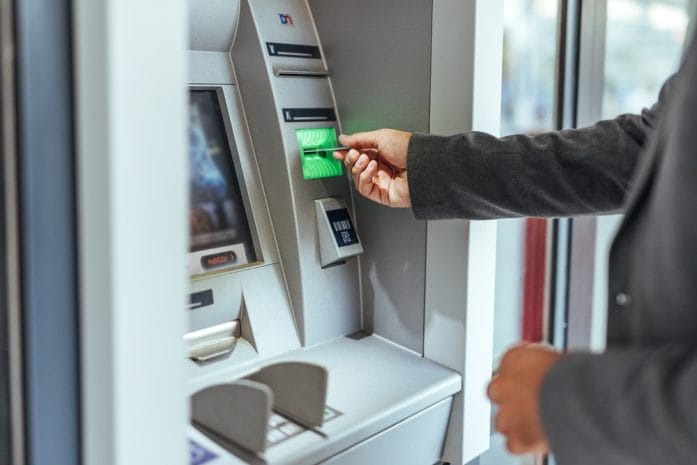
A routine grocery run just got a little more complicated. Starting in April, shoppers across Texas will notice a shift at checkout that feels small at first but carries big implications for everyday purchases. Cashiers will pause more often, ask more questions, and request identification in situations that once moved along without a second thought. That quick swipe-and-go rhythm many people rely on will slow down, and the reason behind it sits at the center of a growing problem that retailers refuse to ignore any longer.

Fraud has surged, and retailers have decided to respond with tighter controls that land directly at the checkout counter. These new anti-fraud rules aim to protect both businesses and customers, but they also bring a noticeable change in how transactions unfold. Grocery stores will now enforce stricter ID verification for certain purchases, especially when payment methods raise red flags or involve higher risk. That means shoppers need to stay alert, prepared, and patient as stores adjust to this new normal.

Checkout Just Got Serious: What’s Actually Changing?

Texas grocery stores have started tightening their checkout procedures in response to rising fraud cases tied to stolen cards, digital payment abuse, and identity theft. Retailers now require cashiers to verify identification more frequently, particularly when shoppers use credit cards, debit cards without PINs, or contactless payments that trigger system alerts. These checks do not apply randomly; stores use fraud detection software that flags transactions based on patterns like unusual spending amounts, mismatched purchase behavior, or suspicious card activity. When the system flags a purchase, the cashier must step in and confirm identity before completing the sale.

This shift means shoppers will encounter more pauses during checkout, even for everyday purchases like groceries, household items, or quick convenience runs. Stores want to reduce chargebacks and financial losses, which have climbed sharply in recent years due to increasingly sophisticated fraud tactics. Retailers have also faced pressure from payment processors and financial institutions to improve transaction security. As a result, these new rules reflect a broader industry push rather than a single-store policy.

The changes do not mean every transaction will involve an ID check, but shoppers should expect more frequent requests than before. Stores will focus especially on higher-value purchases, gift cards, and transactions that involve multiple payment attempts. That means grabbing a cart full of groceries could now include a brief identity verification step if something about the payment triggers concern. It adds a layer of friction, but it also aims to prevent unauthorized use of someone else’s financial information.

Why Stores Are Cracking Down Hard Right Now

Retailers have reached a tipping point with fraud, and they no longer treat it as a background issue. Organized retail crime has expanded, and fraudsters have become faster, smarter, and harder to detect. Stolen card data circulates quickly online, and criminals often test cards with small purchases before making larger ones. Grocery stores, with their steady flow of transactions, have become a prime testing ground for these schemes. That reality has forced companies to act quickly and decisively.

Payment technology has evolved, but fraud tactics have evolved right alongside it. Contactless payments, mobile wallets, and self-checkout lanes have added convenience, yet they have also introduced new vulnerabilities. Retailers now balance speed with security, and that balance has started to tilt toward tighter controls. These new ID requirements reflect that shift, as stores aim to stop fraudulent transactions before they go through instead of dealing with the fallout afterward.

Financial losses from fraud do not just hit corporations; they ripple outward and affect pricing, staffing, and store operations. When fraud increases, businesses often respond by raising prices or cutting costs elsewhere. That means these new checkout rules could help stabilize prices over time by reducing losses. While the immediate experience may feel inconvenient, the long-term goal focuses on protecting both the business and the shopper from larger financial harm.

What Shoppers Need to Do to Stay Ahead

Preparation now plays a bigger role in a smooth grocery trip. Carrying a valid photo ID has become just as important as bringing a wallet or phone. Shoppers who rely heavily on contactless payments or credit cards should keep identification easily accessible to avoid delays. This small habit can make a noticeable difference when a cashier asks for verification, especially during busy shopping hours when lines move quickly.

Using secure payment methods can also reduce the chances of triggering an ID check. Entering a PIN for debit transactions often signals a lower risk compared to signature-based payments. Sticking to familiar stores and consistent spending patterns can help as well, since fraud detection systems tend to flag unusual behavior. While shoppers cannot control every factor, they can reduce friction by keeping transactions predictable and straightforward.

It also helps to stay patient and aware of what cashiers deal with during these checks. Employees must follow store policies, and they often have little flexibility once a system flags a transaction. Getting frustrated will not speed things up, but being prepared can keep the process smooth. A quick ID check may only take a few seconds, and it could prevent a much bigger issue down the line, such as unauthorized charges or frozen accounts.

Texas Grocery Warning: New Anti-Fraud Rules Mean More ID Checks at Checkout Starting in April

Image Source: Shutterstock.com

The Checkout Experience Is Changing

The rhythm of grocery shopping will shift in subtle but noticeable ways. Shoppers who breeze through checkout today may find themselves pausing for verification tomorrow, especially during peak hours. That pause might feel awkward at first, but it will likely become part of the routine as more stores adopt similar measures. Over time, the extra step could feel as normal as inserting a chip card or entering a PIN.

Self-checkout lanes may also see adjustments, as some stores begin adding employee oversight or prompts for ID verification when needed. This could slow down what many people consider the fastest option in the store. However, retailers want consistency across all checkout types, which means even self-service options will not escape these new rules. That consistency ensures fraud prevention does not depend on which lane a shopper chooses.

Despite the added steps, the goal remains simple: protect transactions and reduce risk. Most shoppers will adapt quickly, especially once they understand the reason behind the changes. The inconvenience will likely fade into the background, replaced by a new expectation that verification may happen at any time. In a world where digital fraud continues to rise, that expectation may start to feel less like a burden and more like a necessary safeguard.

A Small Change With Big Implications

These new checkout rules may feel like a minor tweak, but they signal a larger shift in how everyday transactions work. Grocery stores have moved from passive observation to active verification, and that approach will likely spread beyond Texas as other regions watch the results. Shoppers now play a more visible role in fraud prevention, whether they realize it or not. That role comes with small responsibilities, like carrying ID and staying alert, but it also offers added protection in return.

Will these new rules feel like a hassle, or will they bring a sense of reassurance knowing someone watches out for fraud in real time? Share thoughts, experiences, or strategies for handling these new checkout moments in the comments—what works, what frustrates, and what should change next?

You May Also Like…

How To Regularly Save Money At The Grocery Store

The $140,000 Oversight: The Missing Texas Tax Paperwork That Is Costing Homeowners Thousands This Week

The Texas Mortgage Shock: Why Your Monthly Payment Just Jumped $400 Without Warning

Power to Choose: Exploring Wind Energy Options in Texas Electricity Market

Power to Choose: Exploring Wind Energy Options in Texas Electricity Market

Brandon Marcus
Brandon Marcus

Brandon Marcus is a writer who has been sharing the written word since a very young age. His interests include sports, history, pop culture, and so much more. When he isn’t writing, he spends his time jogging, drinking coffee, or attempting to read a long book he may never complete.

Filed Under: Lifestyle Tagged With: checkout rules, consumer tips, credit cards, debit cards, fraud prevention, grocery stores, ID checks, payment security, retail policy, retail trends, shopping changes, Texas news

Banks Are Tightening Fraud Controls — Why Some Cards Are Being Declined Unexpectedly

March 30, 2026 by Brandon Marcus Leave a Comment

Banks Are Tightening Fraud Controls — Why Some Cards Are Being Declined Unexpectedly

Image Source: Shutterstock.com

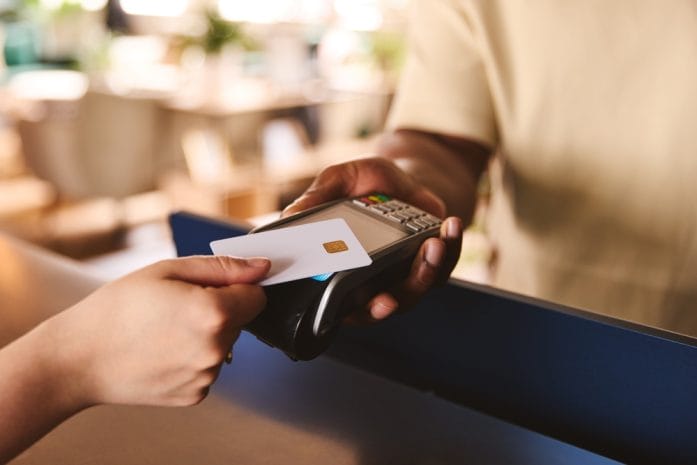
An innocent tap of a card used to feel like the easiest part of the day. That quick beep at the checkout once signaled convenience, confidence, and a system that worked exactly as expected. Now, that same moment can come with a sharp twist of uncertainty, as more transactions hit a sudden wall for reasons that seem impossible to guess. Something has shifted, and it has nothing to do with how people spend and everything to do with how banks watch.

Banks have turned up the dial on fraud prevention in a big way, and that intensity shows up in places nobody expects. A routine purchase can suddenly look suspicious, a familiar store can trigger a red flag, and a perfectly normal day can turn into a scramble to prove identity. This shift doesn’t come out of nowhere, though. It reflects a massive increase in digital fraud attempts, more sophisticated scams, and a financial system that now treats every transaction like a potential risk until proven otherwise.

Every Swipe Faces Scrutiny

Banks no longer treat transactions as simple exchanges. They run each purchase through complex fraud detection systems that analyze patterns, behaviors, and even subtle changes in spending habits. A single purchase can trigger dozens of automated checks in milliseconds, comparing location data, transaction size, merchant type, and recent activity. That means even small deviations from a typical routine can set off alarms. A late-night food order in a different neighborhood, a slightly higher bill at a regular spot, or a sudden online purchase from a new retailer can all look suspicious under these systems.

Financial institutions have invested heavily in machine learning and artificial intelligence to fight fraud, and those tools don’t rely on human intuition. They rely on patterns, probabilities, and risk thresholds. If something doesn’t match a known pattern, the system may block it first and ask questions later. That approach protects accounts from fraud, but it also increases the chances of false declines. Banks would rather inconvenience a legitimate purchase than allow a fraudulent one to slip through, and that mindset drives many of the unexpected declines people now experience.

This shift also reflects the sheer scale of modern fraud. Cybercriminals run highly organized operations, using stolen data, automated tools, and coordinated attacks to exploit weaknesses. Banks respond by tightening controls across the board, not just for high-risk accounts. That means everyone feels the impact, even those with spotless financial histories. A decline no longer signals something wrong with the account itself; it often signals a system working exactly as designed, even if it feels frustrating in the moment.

Why “Normal” Spending Suddenly Looks Suspicious

Patterns matter more than ever, and consistency has become a silent currency in the eyes of fraud systems. When spending habits shift, even slightly, those systems take notice. A card that usually handles groceries, gas, and streaming subscriptions might suddenly face scrutiny when it processes a luxury purchase or a large online order. That change alone can trigger a decline, not because the purchase seems unreasonable, but because it breaks the established rhythm of activity.

Travel often causes the biggest headaches. A card that works perfectly at home may fail the moment it gets used in a new city or country. Banks used to rely on travel notices to prevent this issue, but modern systems often make decisions in real time without that input. If the system detects a geographic jump or a merchant category that doesn’t align with past behavior, it may block the transaction instantly. Even domestic travel can create problems if spending patterns shift quickly within a short timeframe.

Online shopping adds another layer of complexity. Digital transactions don’t offer the same physical verification as in-person purchases, so banks treat them with extra caution. A new device, a different shipping address, or a retailer that hasn’t appeared in past transactions can all increase the perceived risk. Subscription services, digital goods, and international merchants often face even stricter scrutiny. That means a perfectly legitimate purchase can still get flagged simply because it doesn’t fit neatly into an established pattern.

The Hidden Triggers Most People Never Consider

Some of the most common decline triggers hide in plain sight. Rapid-fire transactions can raise immediate concerns, especially when multiple purchases occur within minutes. Even if those purchases come from the same store, the system may interpret them as unusual behavior. Splitting a bill into several smaller transactions or retrying a declined payment multiple times can amplify that risk and lead to temporary blocks on the card.

Changes in personal information can also create unexpected friction. Updating an address, phone number, or email may seem like routine maintenance, but those changes can temporarily disrupt the system’s ability to verify identity. If a transaction occurs shortly after such updates, the system may flag it as suspicious. Similarly, using a new card after a replacement or upgrade can trigger heightened scrutiny until the system recognizes consistent patterns again.

Merchant-side issues can play a role too. Some businesses process payments in ways that differ from standard practices, such as using international payment processors or categorizing transactions under unexpected merchant codes. These quirks can confuse fraud detection systems and lead to declines. Even something as simple as a delayed charge from a hotel or rental service can look unusual if it doesn’t align with the timing of the original transaction. All of these factors combine to create a landscape where declines feel random, even though they follow a very specific logic behind the scenes.

Banks Are Tightening Fraud Controls — Why Some Cards Are Being Declined Unexpectedly

Image Source: Shutterstock.com

How to Stay One Step Ahead of the System

A few proactive habits can make a big difference in avoiding those frustrating declines. Keeping contact information up to date ensures that banks can reach out quickly if something looks unusual. Many institutions send real-time alerts or verification requests through mobile apps or text messages, and a quick response can often resolve a blocked transaction within minutes. Enabling these notifications adds an extra layer of control and helps keep transactions moving smoothly.

Consistency helps more than most people realize. Using the same card for regular purchases builds a clear pattern that fraud systems can recognize. When planning a larger or unusual purchase, it helps to use a card with an established history rather than a rarely used one. For travel, checking account settings or notifying the bank ahead of time can reduce the chances of a decline, even though modern systems don’t always rely on those notices. Carrying a backup payment method also provides a simple safety net when the unexpected happens.

Patience plays a role, too. Repeatedly attempting a declined transaction can make the situation worse, as the system may interpret those attempts as suspicious behavior. Taking a moment to check for alerts or contact the bank can resolve the issue more effectively. Many declines come with a quick fix once the system confirms that the transaction is legitimate.

Security Wins, But Convenience Takes a Hit

Banks have drawn a clear line in the sand, and that line prioritizes security above all else. Fraud prevention systems have become smarter, faster, and more aggressive, and they catch threats that would have slipped through just a few years ago. That progress protects accounts, reduces financial losses, and strengthens trust in digital payments. At the same time, it reshapes the everyday experience of using a card, adding friction where there once was none.

What strategies have worked best to avoid those awkward checkout moments, and what changes have made the biggest difference? Let’s hear your thoughts, experiences, or clever workarounds in the comments.

You May Also Like…

Biometric Banking and the Rise of Fraud Concerns in 2026

7 Reasons Why Many “Buy Now, Pay Later” Users Are Actually Paying With Debit Cards

Banks Are Moving Toward All-Digital Payments — What That Means for Your Money

4 Ways to Spot Fraud Before Your Bank Does

7 Things A Fraudulent Financial Advisor Would Tell You to Do

Brandon Marcus
Brandon Marcus

Brandon Marcus is a writer who has been sharing the written word since a very young age. His interests include sports, history, pop culture, and so much more. When he isn’t writing, he spends his time jogging, drinking coffee, or attempting to read a long book he may never complete.

Filed Under: Banking Tagged With: banking, banking trends, consumer finance, credit cards, debit cards, digital payments, Financial Security, fintech, fraud prevention, identity theft, payment declines, Spending Habits

Before You Opt In: 5 Things Many Customers Miss About Overdraft Protection

February 18, 2026 by Brandon Marcus Leave a Comment

Before You Opt In: 5 Things Many Customers Miss About Overdraft Protection

Image source: shutterstock.com

You don’t fix a money problem by borrowing from your bank at $35 a pop. That’s the hard truth about overdraft protection. Banks market it as a safety net, a convenience, a way to avoid embarrassment at the checkout line. It sounds responsible. It feels proactive. But before you check that little box or tap “I agree,” you need to understand exactly what you’re signing up for and how it can affect your balance, your habits, and your long-term financial health.

Overdraft protection can serve a purpose in certain situations, and I won’t pretend it never helps anyone. But too many people treat it like free insurance, when in reality it works more like a very expensive, very short-term loan.

1. It’s Not Free Coverage—It’s a Fee Machine

Overdraft protection usually comes with a fee, and that fee often hovers around $30 to $35 per transaction at many major U.S. banks. When your account lacks enough money to cover a purchase and the bank approves it anyway, the bank charges you for that courtesy. If you swipe your debit card three times while your balance sits in the red, you might rack up three separate fees.

Those charges add up fast. The Consumer Financial Protection Bureau has reported that banks collect billions of dollars in overdraft and non-sufficient funds fees each year. One small coffee, one streaming subscription, and one forgotten automatic payment can spiral into over $100 in fees within a day.

2. Opting In Changes How Debit and ATM Transactions Work

Federal rules require banks to get your consent before they charge overdraft fees on everyday debit card purchases and ATM withdrawals. That rule came from changes implemented after the financial crisis, and it gives you a real choice. If you don’t opt in, your bank cannot charge you an overdraft fee for those specific transactions; it must decline them instead.

However, that protection does not automatically extend to checks or automatic bill payments. Banks can still charge overdraft fees on those transactions even if you never opted in for debit card coverage. That distinction confuses a lot of people. You might assume that declining overdraft protection means you will never see an overdraft fee again, but that assumption misses the fine print.

Before You Opt In: 5 Things Many Customers Miss About Overdraft Protection

Image source: shutterstock.com

3. Small Purchases Can Trigger Big Consequences

Here’s where things get frustrating. A $5 purchase can generate a $35 fee. That math never feels good. In fact, it creates a situation where the cost of the penalty dwarfs the original transaction.

Banks often process transactions in a specific order, and although many institutions no longer reorder transactions from largest to smallest, the timing of when transactions post can still affect your balance. A pending transaction might not show immediately, and an automatic payment might clear overnight. If you rely only on the “available balance” without tracking upcoming charges, you risk misjudging how much money actually sits in your account.

4. There Are Alternatives That Cost Less

Overdraft protection does not come in just one form. Many banks offer different setups, and some cost far less than the standard per-transaction fee. For example, you can often link your checking account to a savings account. If you overspend, the bank transfers money from savings to checking and charges a smaller transfer fee, or sometimes no fee at all.

Some banks also provide overdraft lines of credit. With that option, the bank covers the shortfall and charges interest on the borrowed amount, similar to a small loan. Interest still costs money, but it often costs less than multiple $35 fees. You should compare the annual percentage rate and any transfer charges before you enroll, because not all lines of credit offer the same terms.

5. Habit and Psychology Matter More Than You Think

Overdraft protection doesn’t just affect your wallet; it affects your behavior. When you know your bank will cover a shortfall, you might feel less urgency to track every dollar. That subtle mental shift can encourage riskier spending, especially during tight months.

On the other hand, declining transactions can create a sharp wake-up call. It forces you to confront your balance in real time. That discomfort can motivate stronger budgeting habits, more frequent account monitoring, and better planning for recurring expenses.

You should ask yourself an honest question: do you want a system that cushions overspending, or one that prevents it? Neither choice makes you irresponsible or irresponsible; it simply reflects your financial habits and your tolerance for fees. If you struggle with tracking expenses, you might benefit more from budgeting apps, calendar reminders for bills, and automatic transfers into savings than from a high-fee safety net.

Control or Convenience?

Overdraft protection promises convenience, but convenience rarely comes free. Every opt-in decision shapes how your bank treats your money and how you treat your own spending. When you understand that overdraft coverage often functions as a costly, short-term loan rather than a harmless courtesy, you gain the power to decide intentionally instead of impulsively.

Overdraft protection can serve a purpose in emergencies, but it should never replace awareness and planning. When you treat it as a last resort instead of a routine backup, you protect both your balance and your peace of mind.

What choice have you made about overdraft protection, and has it worked out the way you expected? Talk about it in our comments section below.

You May Also Like…

5 Outrageous Fees Hidden in Everyday Banking Services

How Can Small Banking Errors Snowball Into Huge Losses

6 Data-Scraping Features in Online Banking

5 Unnecessary Fees Your Bank Is Charging You Without Your Permission (Read The Fine Print)

Banks Are Still Charging Daily Overdraft Fees After Accounts Go Negative

Brandon Marcus
Brandon Marcus

Brandon Marcus is a writer who has been sharing the written word since a very young age. His interests include sports, history, pop culture, and so much more. When he isn’t writing, he spends his time jogging, drinking coffee, or attempting to read a long book he may never complete.

Filed Under: Banking Tagged With: ATM withdrawals, bank policies, banking fees, Budgeting Tips, checking accounts, consumer finance, debit cards, financial literacy, money management, opt-in rules, overdraft protection, Personal Finance

Why Overdraft Fee “Reforms” Haven’t Reduced Bank Profits

February 16, 2026 by Brandon Marcus Leave a Comment

Why Overdraft Fee “Reforms” Haven’t Reduced Bank Profits

Image source: shutterstock.com

Banks did not lose sleep when regulators targeted overdraft fees. Headlines promised a reckoning. Politicians demanded reform. Advocacy groups celebrated change. Yet major banks continue to post billions in profits, and overdraft revenue still contributes a meaningful slice of noninterest income. If reforms aimed to dent bank earnings, the numbers tell a different story.

Let’s unpack why.

The Great Overdraft Crackdown That Wasn’t

Overdraft fees drew intense scrutiny after years of criticism. Consumer advocates argued that flat fees—often around $35 per transaction—punished people who could least afford them. In response, regulators stepped in. The Consumer Financial Protection Bureau increased oversight, encouraged transparency, and pushed banks to adjust their practices. Lawmakers introduced proposals to cap fees or limit how banks process transactions.

Several large banks responded. Some reduced overdraft fees from $35 to $10. Others eliminated non-sufficient funds fees. And certain banks expanded grace periods and offered low-cost alternatives. These changes looked dramatic on paper.

But reforms did not wipe out overdraft programs. Banks reshaped them. They introduced “early direct deposit,” extended cutoff times, and encouraged customers to link savings accounts or credit lines. Instead of scrapping the revenue model, banks adjusted pricing structures and product design to soften criticism while preserving income streams. That strategy kept profits sturdy.

Overdraft Revenue Fell—But Profits Stayed Mighty

Overall bank profits did not collapse. Why? Because overdraft fees represent only one piece of a much larger machine. Big banks generate revenue from interest on loans, credit cards, mortgages, investment banking, wealth management, and trading operations. When the Federal Reserve raised interest rates, banks earned more on loans and other interest-bearing assets. Higher net interest margins offset declines in fee income.

In other words, banks lost some fee revenue but gained interest income. They also reduced expenses, automated operations, and leaned into digital banking, which lowers overhead. The result: profits remained strong even as overdraft fees drew criticism and reform.

The Fine Print: How Programs Evolved

Banks rarely abandon profitable ideas outright. They refine them. After public backlash intensified, many institutions shifted from charging multiple fees per day to imposing caps. Some eliminated non-sufficient funds fees but retained overdraft fees for certain transactions. Others promoted overdraft “protection” linked to credit lines, which generate interest income instead of flat fees.

These adjustments changed optics without eliminating revenue opportunities. A lower fee still produces income if enough customers incur it. A linked credit line produces interest payments. Early direct deposit reduces overdraft frequency but strengthens customer loyalty, which supports long-term profitability.

Regulation Moves Slowly, Markets Move Fast

Regulatory reform often unfolds at a deliberate pace. Agencies must propose rules, gather public comments, revise drafts, and defend decisions in court if necessary. Banks, meanwhile, adapt quickly. They anticipate rule changes and adjust business models before mandates take effect.

Markets reward agility. Investors care about earnings consistency. When banks signal that they can replace declining fee revenue with other sources, markets respond positively. That dynamic reduces pressure on stock prices and keeps executives focused on growth rather than retreat.

Public Pressure Changes Behavior—Up to a Point

Public outrage matters. It pushed banks to reduce some fees voluntarily. It forced executives to explain policies on earnings calls. It inspired lawmakers to introduce reform bills. But outrage alone rarely dismantles entrenched revenue models.

Banks calculate trade-offs. They weigh reputational risk against financial return. When reputational damage threatens customer growth or political backlash, banks adjust. When changes satisfy critics without crushing earnings, banks stop there. That balance explains why reforms softened overdraft practices without erasing them.

Consumer behavior also plays a role. Many customers choose convenience and brand familiarity over switching institutions. Community banks and credit unions often advertise low or no overdraft fees, yet large banks retain vast customer bases. That loyalty gives big banks room to experiment with partial reforms instead of radical overhauls.

Why Overdraft Fee “Reforms” Haven’t Reduced Bank Profits

Image source: shutterstock.com

What This Means for Your Wallet

Policy debates can feel abstract, but overdraft fees hit real budgets. Even with reforms, overdraft programs still exist. If you want to avoid fees, you need a strategy.

Start by reviewing your bank’s overdraft policy carefully. Look at fee amounts, daily caps, and grace periods. Consider opting out of overdraft coverage for debit card transactions if your bank allows it, which can prevent point-of-sale fees. Link a savings account if you maintain a cushion there, but confirm whether transfer fees apply.

Explore alternatives. Some online banks and credit unions advertise low-fee or no-fee checking accounts. Compare terms, not just marketing slogans. Look at minimum balance requirements, ATM access, and customer service track records. A small difference in policy can save hundreds of dollars over time.

Build a buffer or emergency fund if you can. Even a few hundred dollars in emergency savings reduces the risk of overdrafts dramatically. Automate transfers after each paycheck. Use budgeting apps to track pending transactions so you don’t rely solely on available balance numbers, which can lag.

The Profit Machine Rolls On

Overdraft fee reforms changed headlines, but they did not dismantle the profit engine of modern banking. Large banks operate diversified businesses that generate revenue from multiple channels. When one stream shrinks, another often expands. Interest rate cycles, digital innovation, and cost controls shape profitability as much as fee policy does.

That reality does not mean reform failed entirely. Many customers now face lower fees and clearer disclosures than they did a decade ago. Transparency improved. Some banks eliminated the most aggressive practices. Yet the broader financial system adapts quickly, and profits continue to flow.

Have overdraft changes made a difference in your banking experience, or do you think the industry still has more work to do? Let’s talk about it in the comments below.

You May Also Like…

Major Banks Continue Generating Billions From Overdraft Fees

Why “Lower” Overdraft Fees Still Hurt Most Customers

Big Banks Are Still Collecting Billions in Overdraft and NSF Fees

10 Personal Finance Lessons People Learn the Hard Way

5 Outrageous Fees Hidden in Everyday Banking Services

Brandon Marcus
Brandon Marcus

Brandon Marcus is a writer who has been sharing the written word since a very young age. His interests include sports, history, pop culture, and so much more. When he isn’t writing, he spends his time jogging, drinking coffee, or attempting to read a long book he may never complete.
Filed Under: Banking Tagged With: bank profits, banking industry, banking reform, CFPB, checking accounts, consumer finance, debit cards, fee income, financial regulation, money management, overdraft fees, personal finance tips

The Danger of Using Debit Cards While Traveling Abroad

July 24, 2025 by Travis Campbell Leave a Comment

debit card

Image Source: pexels.com

Traveling abroad is exciting. You get to see new places, try new foods, and meet people from different cultures. But when it comes to money, things can get tricky. Many travelers reach for their debit cards out of habit. It feels easy and familiar. But using a debit card while traveling abroad can lead to problems you might not expect. If you want to keep your money safe and avoid headaches, it’s important to know the risks. Here’s why using a debit card overseas can be dangerous—and what you can do instead.

1. Fraud Risk Is Higher Abroad

Debit cards are convenient, but they’re also easy targets for fraud. When you use your debit card in another country, you’re often using unfamiliar ATMs or payment terminals. Some of these machines may have skimmers or hidden cameras. If someone steals your credit card information, they can quickly drain your bank account. Unlike credit cards, which usually have strong fraud protection, debit cards pull money straight from your account. That means if someone gets your details, your cash is gone until your bank investigates. And that can take days or even weeks.

2. Limited Fraud Protection and Slow Recovery

If your debit card is compromised, recovering your money can be a slow process. Banks often take time to investigate claims of fraud. While you wait, your money is tied up. This can be a big problem if you need cash for hotels, food, or emergencies. Credit cards, on the other hand, usually offer better protection and faster resolution. With a debit card, you’re left waiting and worrying. Some banks may not even cover all losses, especially if you don’t report the fraud quickly.

3. Foreign Transaction Fees Add Up

Every time you use your debit card abroad, you might pay extra fees. Banks often charge foreign transaction fees, which can be around 1% to 3% of every purchase. Some ATMs also add their own fees. These costs add up fast, especially if you use your card for small purchases. You might not notice at first, but when you check your bank statement, the total can be surprising. Some credit cards waive these fees, but most debit cards do not. That means you’re paying more for everything, just because you used your debit card.

4. Dynamic Currency Conversion Can Cost You

When you pay with your debit card in another country, you might be asked if you want to pay in your home currency or the local one. This is called dynamic currency conversion. It sounds helpful, but it’s usually a bad deal. The exchange rate is often worse than what your bank would give you. Plus, there may be extra fees hidden in the conversion. If you’re not careful, you could end up paying much more than you expected. Always choose to pay in the local currency, but even then, using a debit card can still cost you more.

5. Account Holds and Blocks

Some hotels, car rental companies, and even gas stations put a hold on your debit card when you check in or fill up. This hold can be much higher than the actual cost of your stay or purchase. The money is frozen in your account until the hold is released, which can take several days. If you’re traveling on a budget, this can leave you short on cash. With a credit card, these holds don’t affect your bank balance. But with a debit card, you could find yourself unable to access your own money when you need it most.

6. ATM Scams and Skimming Devices

ATMs in tourist areas are prime targets for scammers. Skimming devices can be attached to the card slot, capturing your card information and PIN. Some scammers even install tiny cameras to watch you enter your PIN. If your debit card is skimmed, thieves can empty your account quickly. It’s hard to spot these devices, especially in a hurry or in an unfamiliar place. Credit cards are safer because they don’t give direct access to your bank account.

7. Daily Withdrawal Limits Can Trap You

Most banks set daily withdrawal limits on debit cards. This is meant to protect you, but it can be a problem if you need a lot of cash in an emergency. If your card is lost or stolen, or if you need to pay for something big, you might not be able to get enough money out. In some countries, ATMs also have their own limits, which can be even lower. This can leave you stuck, especially if you’re far from home and need to pay for a hotel, medical care, or a flight.

8. Your Account Could Be Frozen

Banks monitor for unusual activity. If you use your debit card in a foreign country, your bank might see it as suspicious and freeze your account. This can happen even if you told your bank you’d be traveling. If your account is frozen, you can’t access your money until you contact your bank and prove your identity. This can be stressful and time-consuming, especially if you’re in a different time zone or don’t have easy access to a phone.

9. Limited Support in Emergencies

If you run into trouble abroad, getting help with a debit card issue can be tough. Many banks have limited customer service hours, and calling from another country can be expensive or difficult. If your card is lost or stolen, you might have to wait days for a replacement. In the meantime, you’re without access to your money. Credit cards often offer better support, including emergency card replacement and cash advances.

Protect Your Money: Smarter Ways to Pay Abroad

Using a debit card while traveling abroad is risky. The dangers include fraud, high fees, account holds, and limited support. Instead, consider using a credit card with strong fraud protection and no foreign transaction fees. Carry some local cash for small purchases or emergencies. If you must use a debit card, use it only at trusted ATMs inside banks, and monitor your account closely. Tell your bank about your travel plans, but don’t rely on that alone. Protecting your money means thinking ahead and choosing safer ways to pay.

Have you ever had trouble using a debit card while traveling? Share your story or tips in the comments below.

Read More

What Does The CV On The Back of Your Credit and Debit Card Mean

7 Important Things You Should Know About Debit Cards Before You Get One

Travis Campbell
Travis Campbell

Travis Campbell is a digital marketer/developer with over 10 years of experience and a writer for over 6 years. He holds a degree in E-commerce and likes to share life advice he’s learned over the years. Travis loves spending time on the golf course or at the gym when he’s not working.

Filed Under: Crime & Safety Tagged With: debit cards, fraud prevention, international travel, money tips, travel banking, travel finance, travel safety

What Does The CV On The Back of Your Credit and Debit Card Mean

May 12, 2025 by Travis Campbell Leave a Comment

Close-up shot of a debit or credit plastic cards.

Image Source: 123rf.com

Have you ever wondered about that mysterious three-digit number on the back of your credit or debit card? You’re not alone! The CV, or Card Verification Value, is a small but mighty security feature that greatly protects your money. In a world where online shopping and digital payments are the norm, understanding what the CV means—and how it works—can help you keep your finances safe. Whether you’re a seasoned cardholder or just starting out, knowing the ins and outs of your card’s security features is essential. Let’s break down what the CV on your card really means, why it matters, and how you can use it to your advantage.

1. What Is the CV, and Where Can You Find It?

The CV, often called CVV (Card Verification Value), is a three-digit number printed on the back of most credit and debit cards, usually to the right of the signature strip. For American Express cards, it’s a four-digit number on the front. This code is not embossed like your card number; it’s printed, making it harder for thieves to copy if they only have access to a physical imprint. The CV is designed to add an extra layer of security, especially for transactions where the card isn’t physically present, like online or over-the-phone purchases. If you’re ever asked for your CV, the merchant wants to make sure you have the card in your possession.

2. Why Is the CV Important for Online and Phone Purchases?

When you shop online or make a purchase over the phone, you’re usually asked to provide your card number, expiration date, and the CVV. This is because the CV is a security check to confirm that you’re the legitimate cardholder. Without the CV, a thief with only your card number and expiration date can’t easily complete a transaction. According to the Federal Trade Commission, requiring the CV helps reduce fraud in “card-not-present” transactions, which are more vulnerable to theft than in-person purchases.

3. How Does the CV Protect You from Fraud?

Most merchants do not store the CV after completing a transaction, so even if a retailer’s database is hacked, your CV is less likely to be compromised. This is a key reason why the CV is so effective: it’s a one-time-use code for each transaction and not part of the card’s magnetic stripe or chip data. If someone steals your card number but doesn’t have the CV, they’ll have a much harder time making unauthorized purchases. This extra step can differentiate between a safe transaction and a costly headache.

4. What Should You Do If Someone Asks for Your CV in Person?

Be cautious if a cashier or anyone else asks for your CV during an in-person transaction. The CV is meant for “card-not-present” transactions only. Legitimate retailers should never ask for your CV when you’re physically swiping or inserting your card. If someone insists, it could be a red flag for potential fraud. Politely decline and consider reporting the incident to your card issuer. Protecting your CV is just as important as safeguarding your PIN or card number.

5. Can You Share Your CV Over the Phone or by Email?

While providing your CV for phone purchases is common, you should never share it via email or text message. Email and text are not secure channels, and your information could easily fall into the wrong hands. If a merchant asks for your CV over email, it’s best to call them directly and provide the information over the phone or use a secure online payment portal. Always double-check that you’re dealing with a reputable business before sharing sensitive card details.

6. What Happens If Your CV Is Stolen?

If you suspect your CV has been compromised, contact your card issuer immediately. Most banks and credit card companies offer zero-liability protection for fraudulent transactions, but you must act quickly. Monitor your account for unauthorized charges and consider requesting a new card. For more tips on what to do if your card information is stolen, visit the Consumer Financial Protection Bureau’s guide.

7. How Can You Keep Your CV Safe?

Keeping your CV safe is all about being mindful of where and how you use your card. Only enter your card details on secure, reputable websites (look for “https” in the URL), and avoid saving your card information on multiple sites. Don’t write your CV down or share it with anyone you don’t trust. If you use a digital wallet or payment app, ensure it’s protected with a strong password or biometric authentication. These simple habits can go a long way in keeping your finances secure.

8. Are There Alternatives to Using the CV?

Some banks and credit card companies now offer virtual card numbers for online shopping. These temporary numbers come with their own CV codes and can be used for a single transaction or for a limited time. Your real card details remain safe if the virtual card number is compromised. Ask your bank if they offer this feature—it’s a great way to add another layer of protection to your online purchases.

The CV: Your Tiny, Powerful Security Partner

The CV on the back of your credit or debit card may seem like a small detail, but it’s a powerful tool in the fight against fraud. By understanding what the CV is, how it works, and how to protect it, you’re taking an important step toward safer spending. Remember, your financial security is in your hands, so treat your CV with the same care as your card number and PIN. The next time you make an online purchase, you’ll know exactly why that little code matters so much.

Have you ever had to deal with credit card fraud or a suspicious request for your CV? Share your story or tips in the comments below!

Read More

7 Important Things You Should Know About Debit Cards Before You Get One

The Exciting Future of Credit Cards: What Are We in Store For?

Travis Campbell
Travis Campbell

Travis Campbell is a digital marketer/developer with over 10 years of experience and a writer for over 6 years. He holds a degree in E-commerce and likes to share life advice he’s learned over the years. Travis loves spending time on the golf course or at the gym when he’s not working.

Filed Under: credit cards Tagged With: card security, credit cards, CVV, debit cards, financial safety, fraud prevention, Online shopping, Personal Finance

FOLLOW US

Search this site:

Recent Posts

  • Can My Savings Account Affect My Financial Aid? by Tamila McDonald
  • 12 Ways Gen X’s Views Clash with Millennials… by Tamila McDonald
  • What Advantages and Disadvantages Are There To… by Jacob Sensiba
  • Call 911: Go To the Emergency Room Immediately If… by Stephen Kanaval
  • 10 Tactics for Building an Emergency Fund from Scratch by Vanessa Bermudez
  • 7 Weird Things You Can Sell Online by Tamila McDonald
  • 10 Scary Facts About DriveTime by Tamila McDonald

Copyright © 2026 · News Pro Theme on Genesis Framework